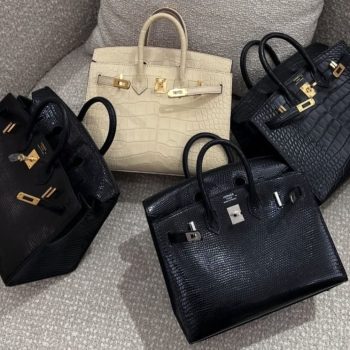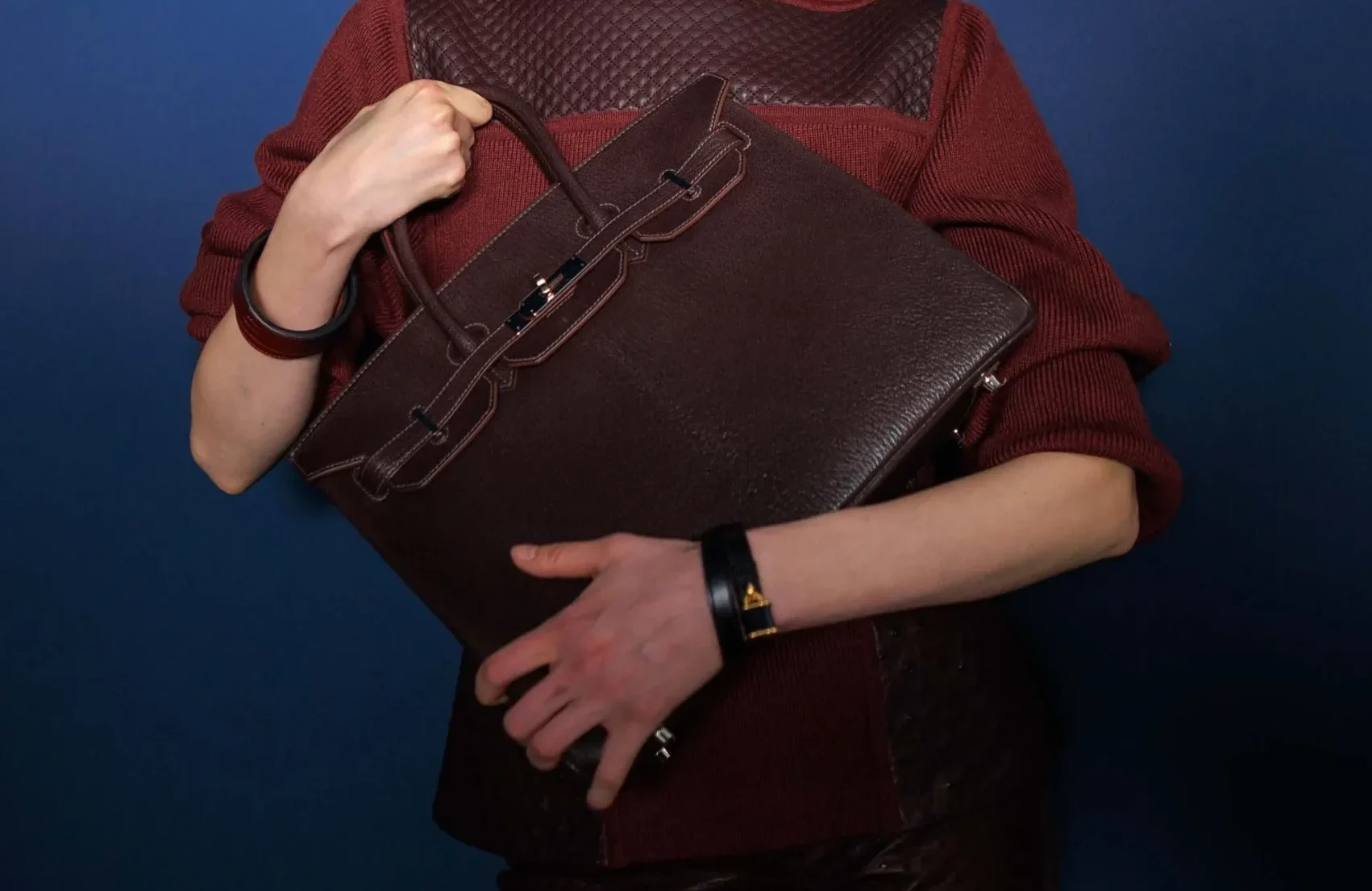
If Hermès bags vocabulary feels like a language of its own, that is because, in practice, it is. A single listing can compress model, size, leather, hardware, construction, and boutique shorthand into one line: K25 Sellier in Epsom with GHW, or B30 Togo Retourne, PHW, U stamp. To a beginner, that can sound impenetrable. To a collector, it is a remarkably efficient way of describing what a bag is, how it is built, how it wears, and where it sits in the Hermès hierarchy. Hermès itself anchors this language in craftsmanship: full-grain leather, hand saddle stitching, and iconic lines such as the Kelly, Birkin, Constance, Evelyne, and Picotin, while the wider collector world adds its own coded shorthand around offers, special orders, and rarity.
What “Hermès bags vocabulary” really includes
The first thing to understand is that Hermès bag language comes from three different worlds at once. There is the house vocabulary: names such as Kelly, Constance, Picotin, small leather goods, or Sellier. There is the construction-and-material vocabulary: Epsom, Togo, clochette, sangles, clous, palladium hardware. And then there is the collector-and-boutique vocabulary: SA, offer, prespend, quota bag, HSS. Mixing those layers is what makes Hermès conversations sound more exclusive than they really are. Once you separate them, the system becomes far easier to read.
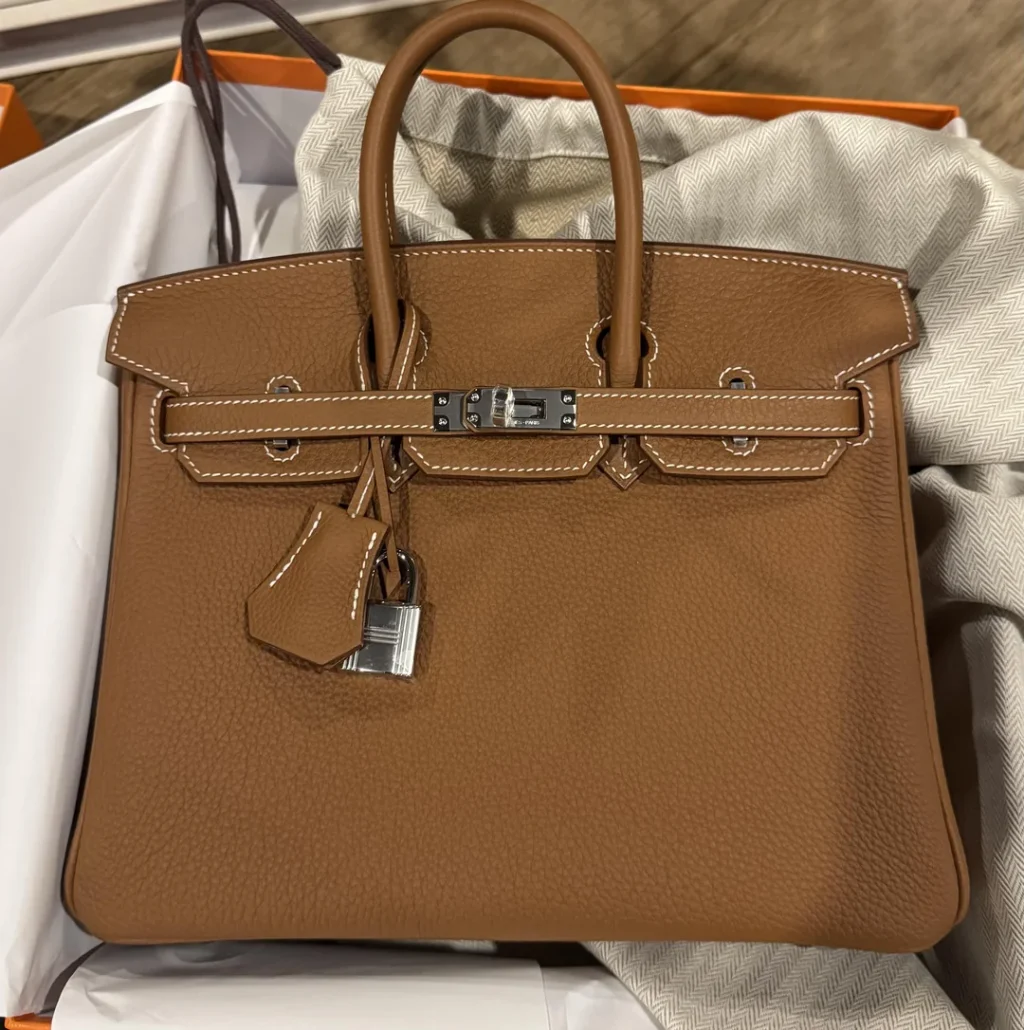
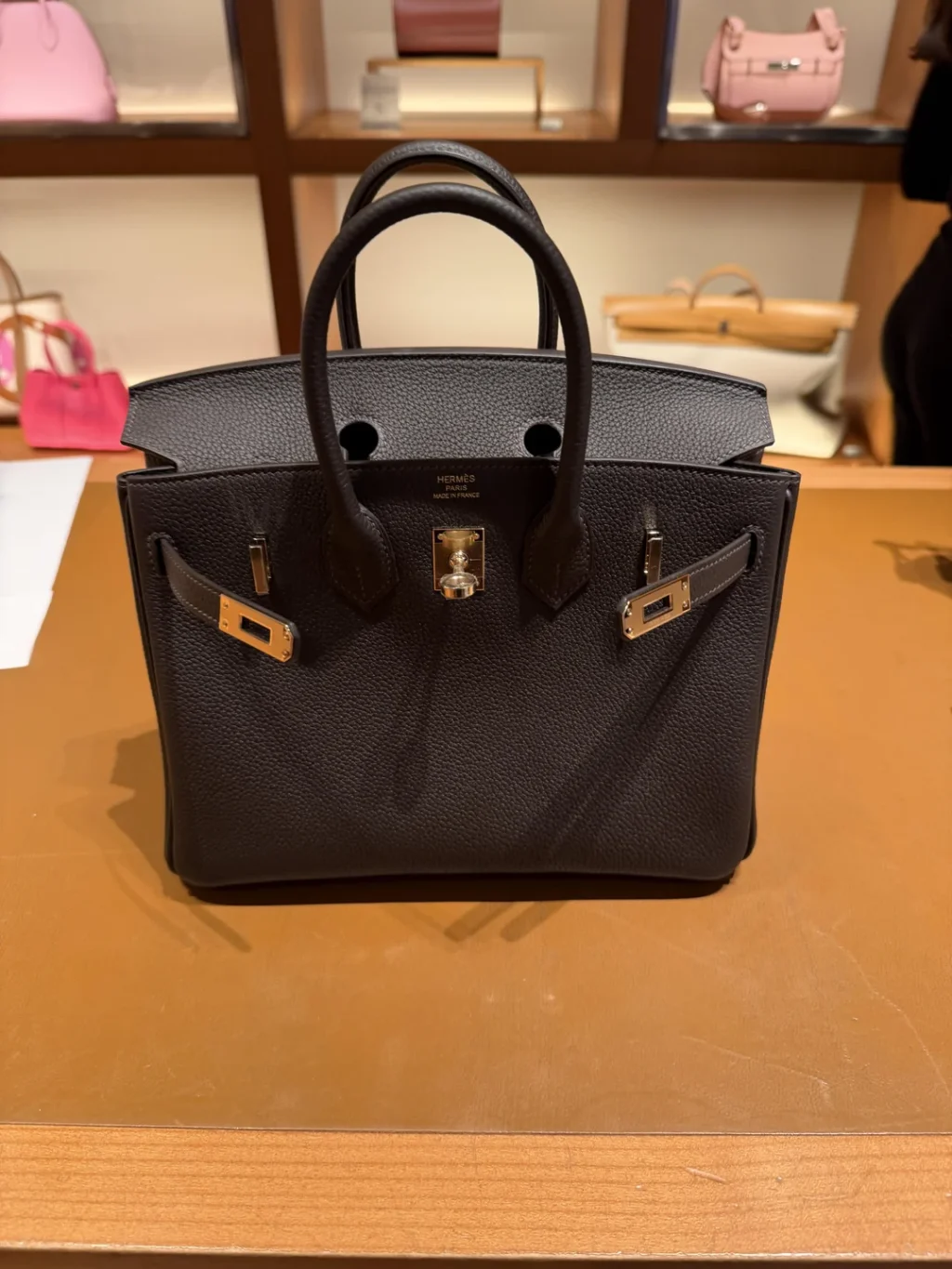
The core Hermès bag names every collector should know
B/K/C is collector shorthand for the three bags most people mean when they speak about “classic” Hermès demand: Birkin, Kelly, and Constance. The Birkin was created in 1984 after Jean-Louis Dumas met Jane Birkin on a flight; the Kelly design dates to the 1930s and was officially named Kelly in 1956; the Constance was introduced in the 1960s and is defined by its central H clasp and shoulder strap. Those three names recur constantly because they sit at the center of both Hermès history and collector desire.
Read also: Anatomy of the Hermès Kelly: decoding every detail
You will usually see those initials followed by a number, and that number refers to the approximate base measurement in centimeters. So a B25 is a Birkin 25, a K28 is a Kelly 28, and a C18 is a Constance 18. That shorthand matters because size is not just a measurement at Hermès; it changes proportion, carrying mode, and market demand. A Kelly 25 reads very differently from a Kelly 32, just as a Birkin 25 occupies a different collector category from a Birkin 35.
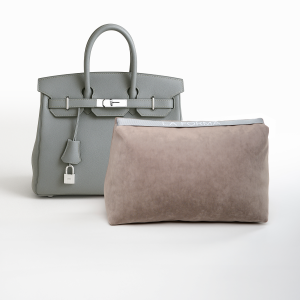
Beyond those three, you should also know names like Evelyne and Picotin, because Hermès vocabulary is not limited to quota icons. The Evelyne is defined by its perforated H and practical shoulder or crossbody format, while the Picotin takes its shape from equestrian feed bags and is prized for its easy, bucket-like structure. These names appear constantly in store conversations because they often sit adjacent to the more heavily rationed classics.
The structure terms that change how a bag looks
Among all Hermès terms, Sellier and Retourne are the ones that most visibly change the personality of a bag. Sellier refers to a more structured construction with sharper lines and visible exterior stitching. Retourne is softer, rounder, and built with the seams turned inward, giving the bag a more relaxed silhouette. On a Kelly, this difference is fundamental: Sellier looks crisp and architectural, while Retourne reads more supple and lived-in. Sotheby’s and Hermès’ own Kelly materials both reinforce how central this distinction is to the identity of the bag.
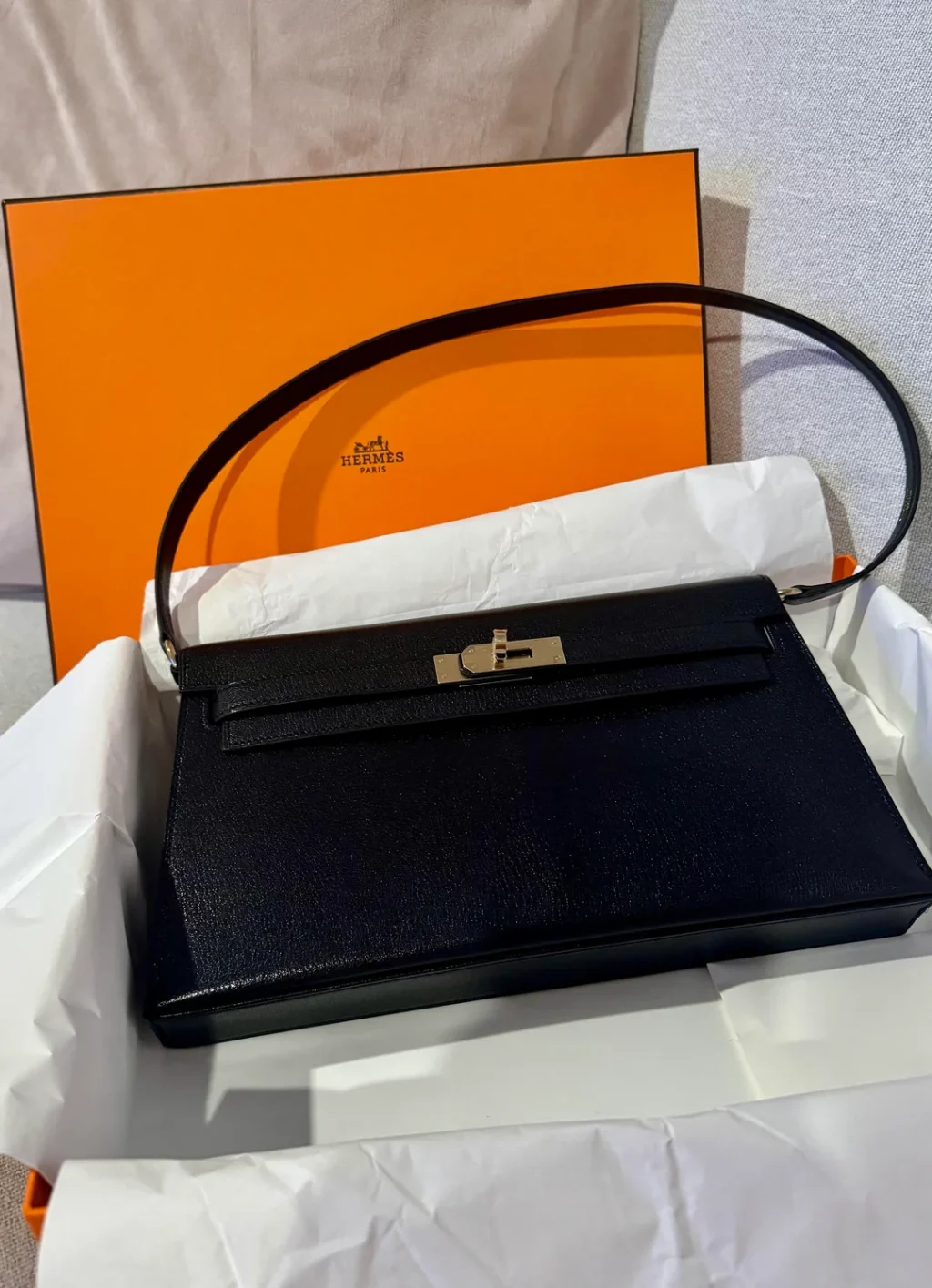
This is why a phrase like “K28 Sellier in Epsom” tells an experienced buyer so much in so few words. It does not just name a bag; it predicts the entire mood of the object. A Sellier Kelly in Epsom will typically look firmer, more angular, and more formal than a Retourne Kelly in Togo. The vocabulary is descriptive, but it is also predictive. It tells you how the bag will sit, soften, age, and photograph.
The leather words you will see again and again
If structure is one half of the Hermès equation, leather is the other. Hermès states that its leather is full-grain, with natural character intentionally left visible, which is why collectors speak so precisely about grain, sheen, softness, and patina.
Epsom is one of the most frequently cited leathers in Hermès vocabulary because it is lightweight, stamped, structured, and relatively resistant to visible wear. It is often associated with Sellier builds because it helps maintain crisp lines. Togo, by contrast, is a grained leather beloved for its softer hand, durability, and ability to support more relaxed constructions such as Retourne. Clemence is softer still, heavier, and more casual in feel, while Box calf is smoother, glossier, and more prone to visible surface marks—precisely why it carries such collector romance.
In listings, leather names are never decorative. They tell you how a bag will behave. Epsom suggests discipline. Togo suggests resilience with a little softness. Clemence suggests drape. Box suggests polish, depth, and a greater tolerance for visible life. That is why collectors often speak about leather before they even mention color. In Hermès, leather is not surface. It is character.
You may also come across the word Touch, which usually means a leather bag finished with a limited element of exotic skin, often on the handle, flap, or sangles. It is useful vocabulary because it signals that the bag is not fully exotic, but also not standard leather-only production. In collector language, Touch is often treated as a bridge category between classic leather and fully exotic Hermès.
Read also: New Hermès Colors 2026
The hardware abbreviations collectors use
Hermès collectors rarely write out “gold hardware” in full unless they are writing for beginners. They use abbreviations. GHW means gold hardware. PHW means palladium hardware. RGHW means rose gold hardware. You may also encounter PBHW for permabrass, and more niche terms for brushed finishes or darker metals. These abbreviations matter because hardware changes the entire color temperature of a bag: gold reads warmer and more classic, palladium cooler and more graphic, rose gold softer and more unusual.
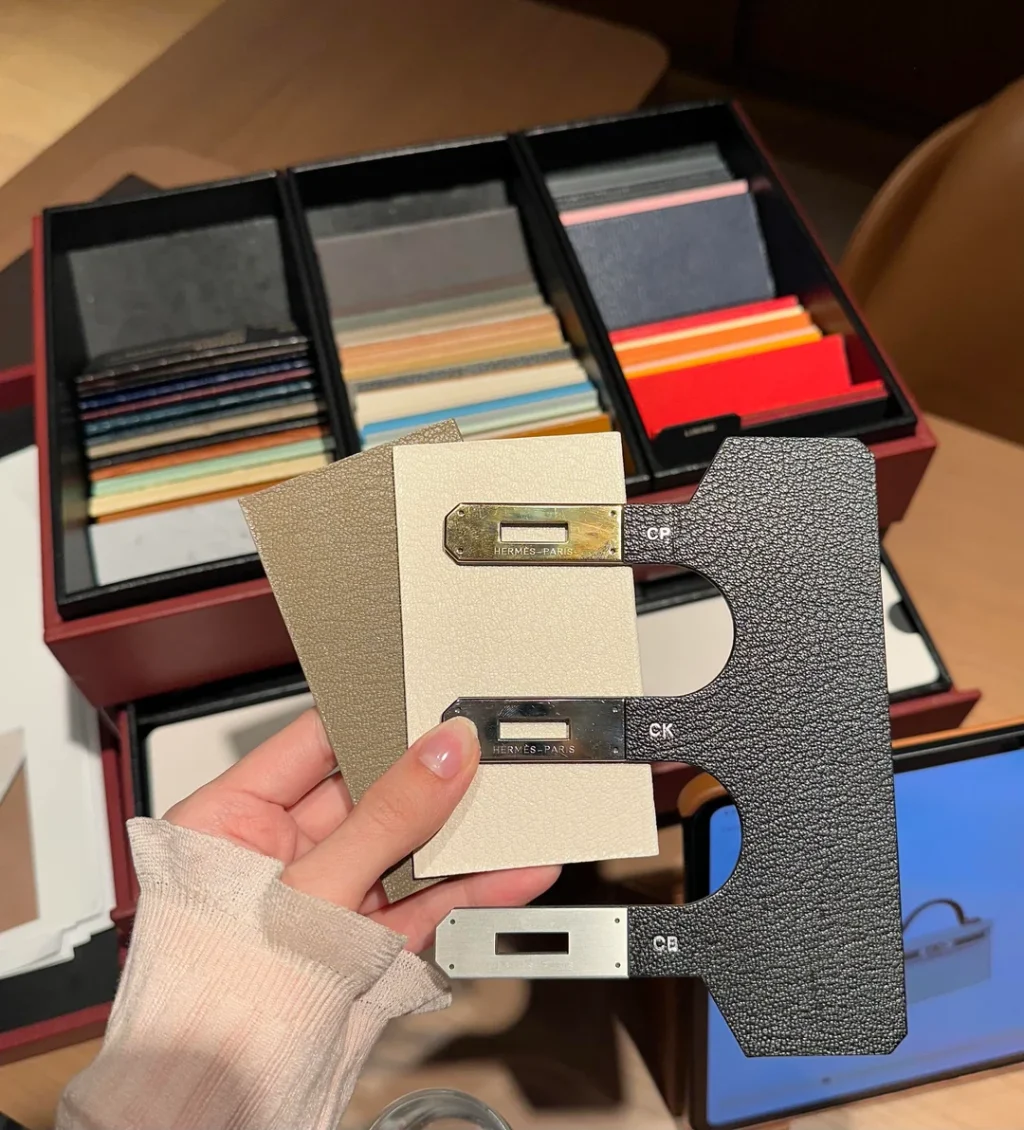
Collectors rely on these abbreviations because Hermès hardware is not a minor detail. Official Hermès product pages routinely distinguish palladium-plated and yellow-gold-plated finishes, while specialist sources track more nuanced options such as brushed gold, brushed palladium, rose gold, and permabrass. Once you know the abbreviations, listings become much easier to decode at speed.
The anatomy terms hidden in plain sight
Some of the most useful Hermès vocabulary is not about model or leather, but about bag anatomy. Clochette refers to the leather cover that houses the keys; Hermès itself uses the word in jewelry reinterpretations of the Kelly key casing, which confirms it as real house language, not just resale slang. Sangles are the slim leather straps at the front that secure the flap. Touret is the turnlock post at the center. Plaques are the metal end pieces of the sangles. Clous are the metal feet at the base. Gussets are the side panels that control how widely the bag opens.
These are the terms that let you stop looking at a Birkin or Kelly as a status symbol and start reading it as an engineered object. Once you know them, you can understand why one bag looks tighter than another, why one closure feels cleaner, or why one handle attachment looks healthier on the resale market. That is also why your own Kelly anatomy article is such a natural internal link here: it takes this vocabulary from abstract glossary to visible bag architecture.
Read also: Hermès Blue Box – all you need to know about this special box
The boutique and collector jargon: SA, offer, quota bag, prespend
This is the vocabulary that tends to confuse newcomers most, because much of it is not official Hermès terminology, even though it dominates online discussion. SA means sales associate. Offer refers to a high-demand bag being proposed to a particular client. Quota bag is collector shorthand for highly rationed models, traditionally Birkin and classic Kelly, though resale and specialist reporting suggests boutique practice has become stricter and more fluid in recent years.
Then there is prespend, one of the most misunderstood words in Hermès culture. It is best understood as community shorthand for the amount a client spends on other categories before being offered a highly coveted bag. This is not language Hermès formally publishes as policy; it comes from the ecosystem around the brand—collectors, resale specialists, boutique-watchers, and client communities. In other words, it is real in the way fashion culture is real: influential, widely used, but not the same thing as an official corporate rulebook.
That distinction matters. A good Hermès glossary should not repeat community myths as maison doctrine. It should tell readers which words belong to Hermès craftsmanship and which belong to the social choreography of getting access.
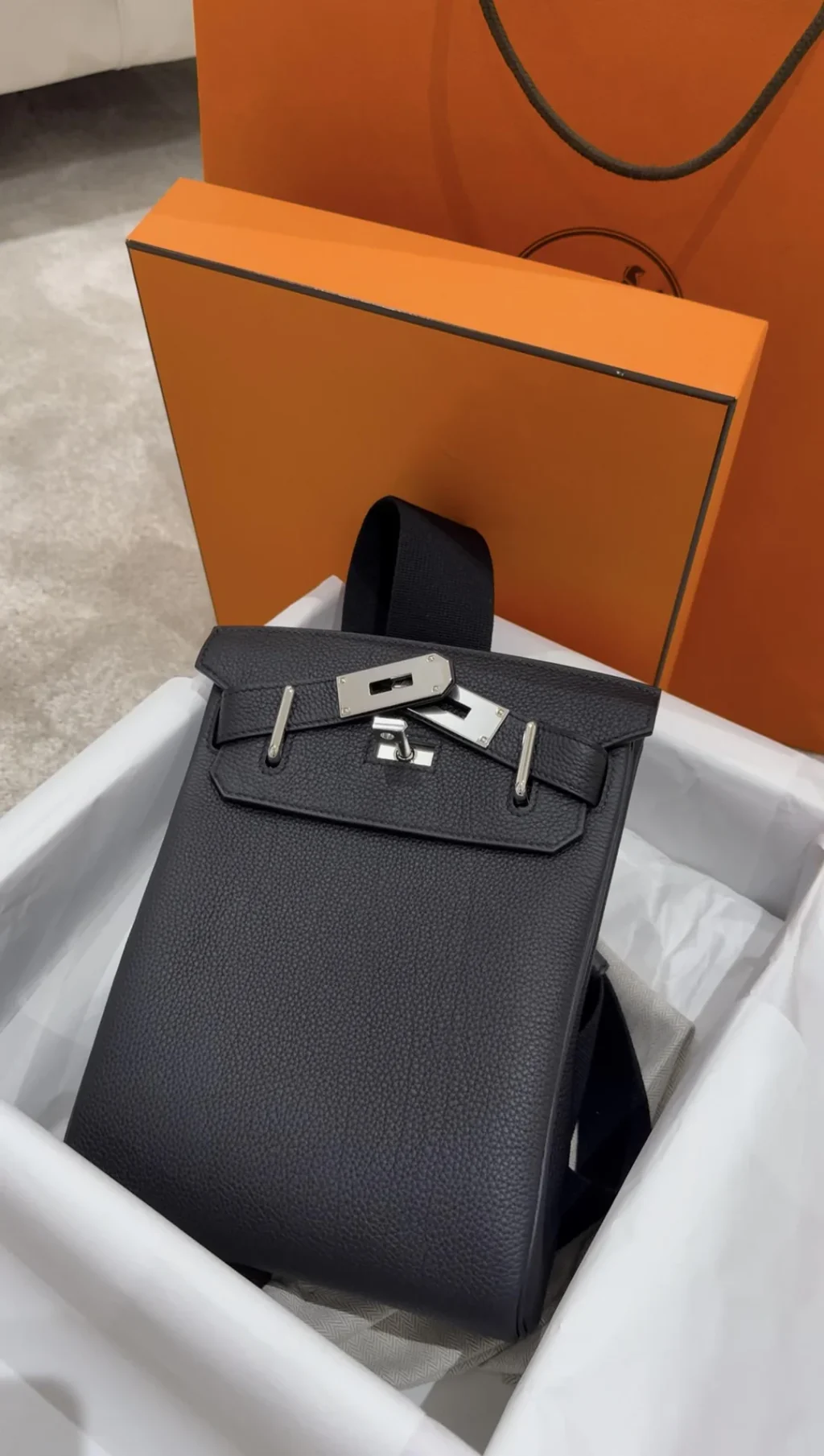
Special order language: SO, HSS, Verso and custom combinations
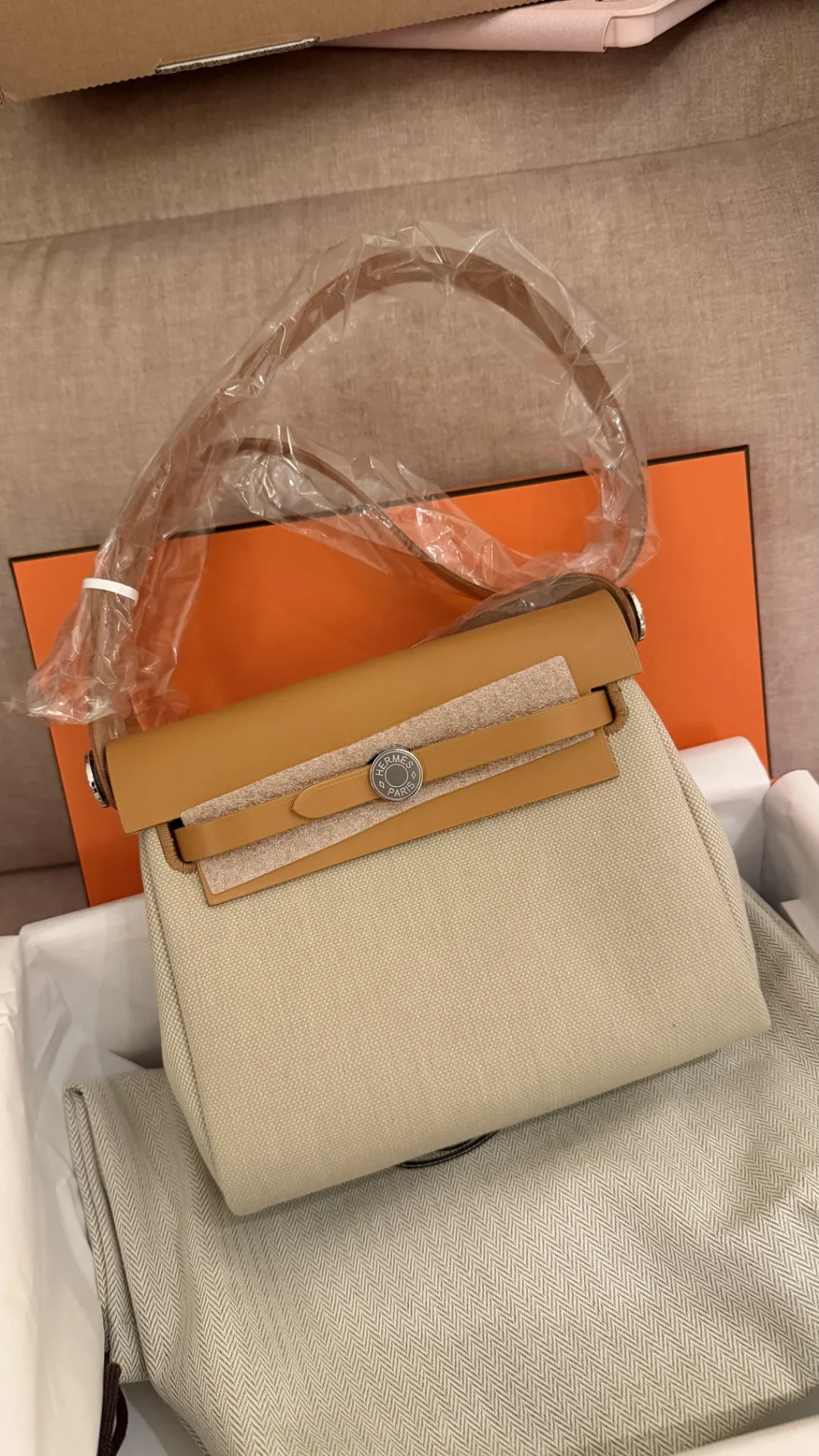
Another major branch of Hermès vocabulary revolves around customization. SO means Special Order. HSS means Horseshoe Stamp, the discreet stamp that marks many custom-made Hermès special-order bags. Christie’s and Sotheby’s both describe HSS bags as custom pieces that allow clients to choose combinations of leather, color, stitching, and hardware, and the horseshoe stamp itself is one of the collector signals of that bespoke status.
Within that world, you may also hear Verso, which usually indicates a contrasting interior color relative to the exterior. So if someone says, “It’s an HSS Kelly 25 Verso,” they are telling you that the bag is not merely rare, but custom-configured in a way that matters visually and often financially on the resale market. This vocabulary is especially important because Hermès rarity is not just about model scarcity. It is also about combination scarcity.
Read also: Hermès Black Box Explained: The Rarest Packaging Twist
Authentication-adjacent terms: blind stamp, date stamp, craftsman marks
You will also see frequent references to blind stamp and date stamp. These terms sit at the edge of vocabulary and authentication. In practical use, collectors often say “date stamp” when they mean the production-era code embossed discreetly into the leather. Your own recent LaForma guide correctly notes that Hermès does not publicly publish a full decoding key for every internal mark, and that the stamp should be used as a cross-check rather than as a standalone proof of authenticity. That is an important nuance, and one worth preserving in this new article as well.
Read also: Hermès Date Stamps Guide: Decode every blind stamp (1945–2026)
For readers, the key lesson is simple: Hermès vocabulary is often a map, not a verdict. A stamp, a leather term, and a hardware abbreviation together create a profile. None should be read in total isolation.
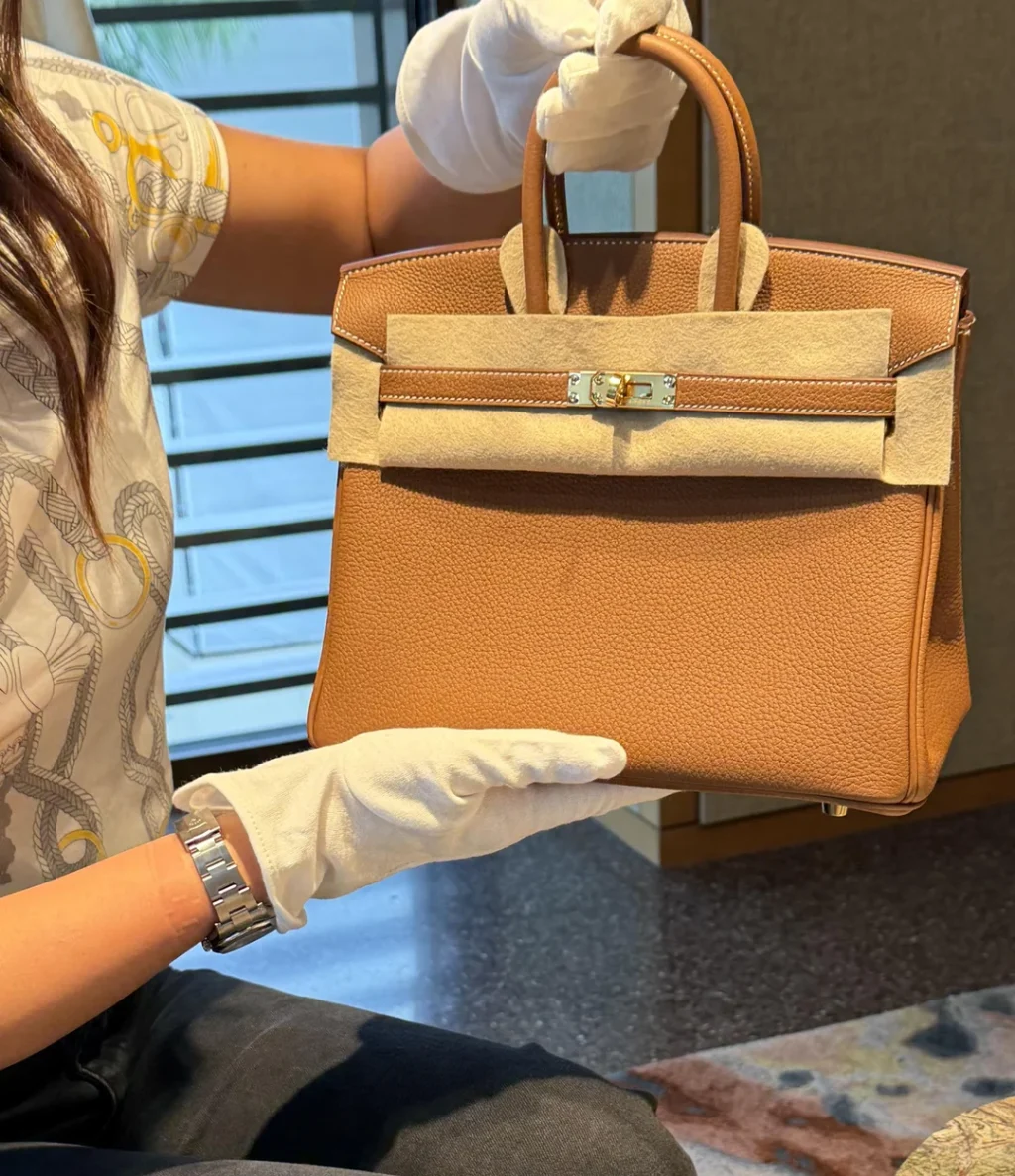
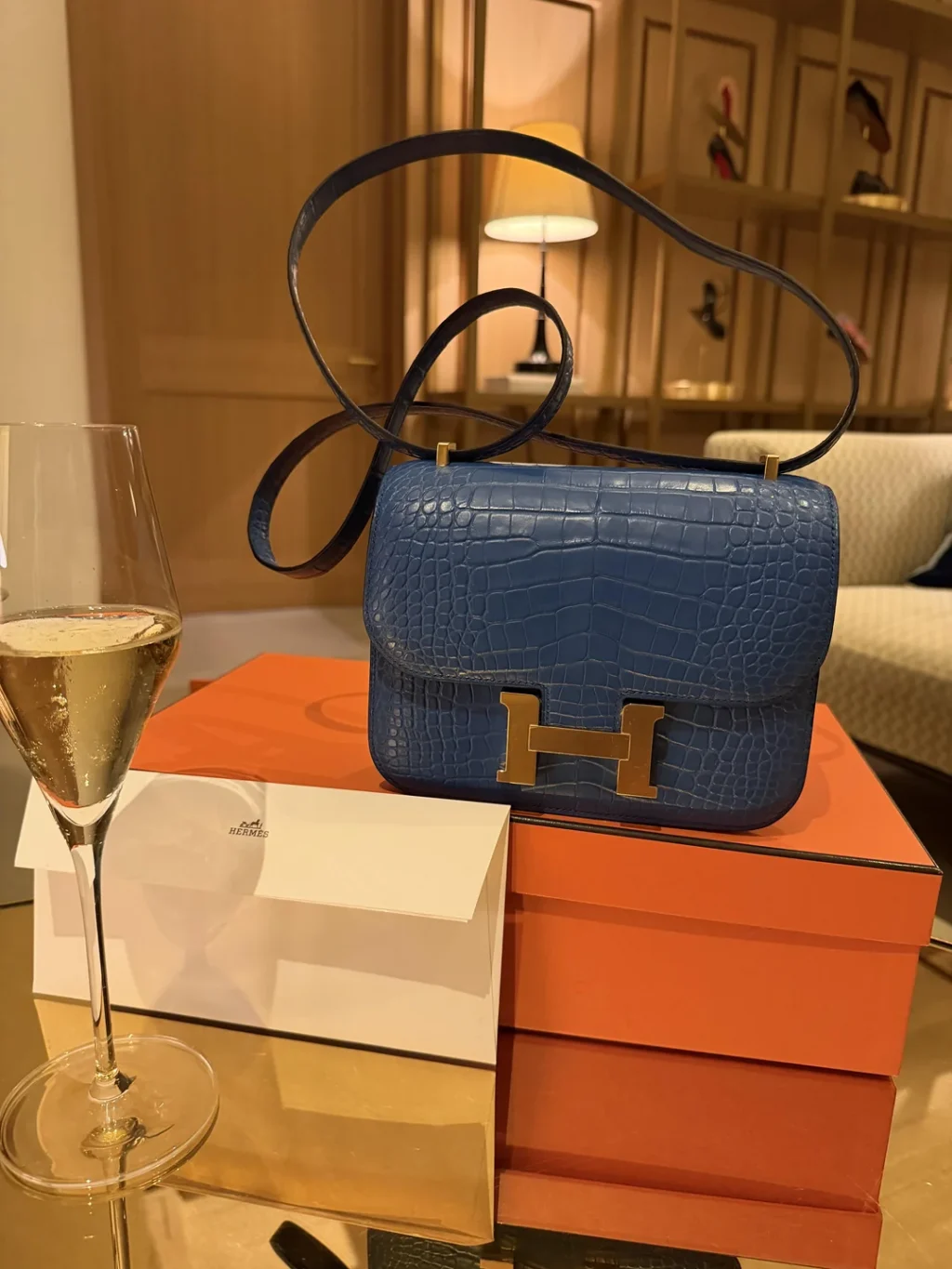
How to read a Hermès listing like a collector
Once you know the language, a compressed listing stops being intimidating. Take this example:
K28 Sellier Epsom GHW, HSS, Verso
That translates to: a 28 cm Kelly, built in the sharper Sellier construction, made in Epsom leather, finished with gold hardware, created as a special order, and likely featuring a contrasting interior. In one short line, you have silhouette, structure, leather behavior, hardware tone, and rarity tier.
Or take:
B30 Togo PHW Retourne
That tells you: a Birkin 30, likely softer in feel than a Sellier-style bag, made in a grained leather that wears well, with cool-toned palladium hardware. Even before you see the photos, you can start to imagine the bag accurately. That is the real value of Hermès vocabulary. It does not exist to intimidate. It exists to compress knowledge.