Long before you touch an Hermès bag, you touch the theater around it: the ribbon tension, the resistance of the lid, the whisper of tissue, the neat geometry of a house that has turned restraint into a recognizable signature. The orange box is the baseline—so iconic it barely needs explanation. But every so often, Hermès breaks its own visual rules. Not loudly. Not with logos. With packaging.
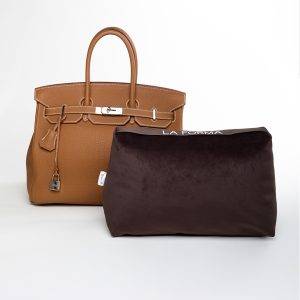
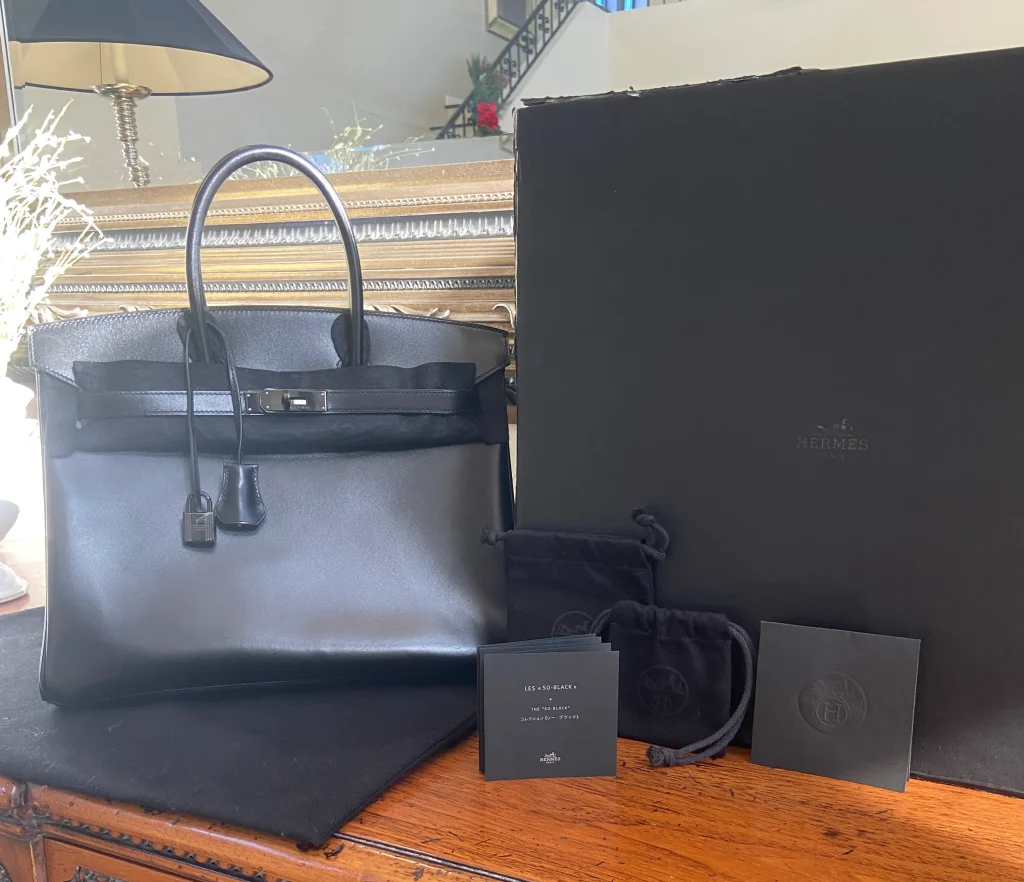
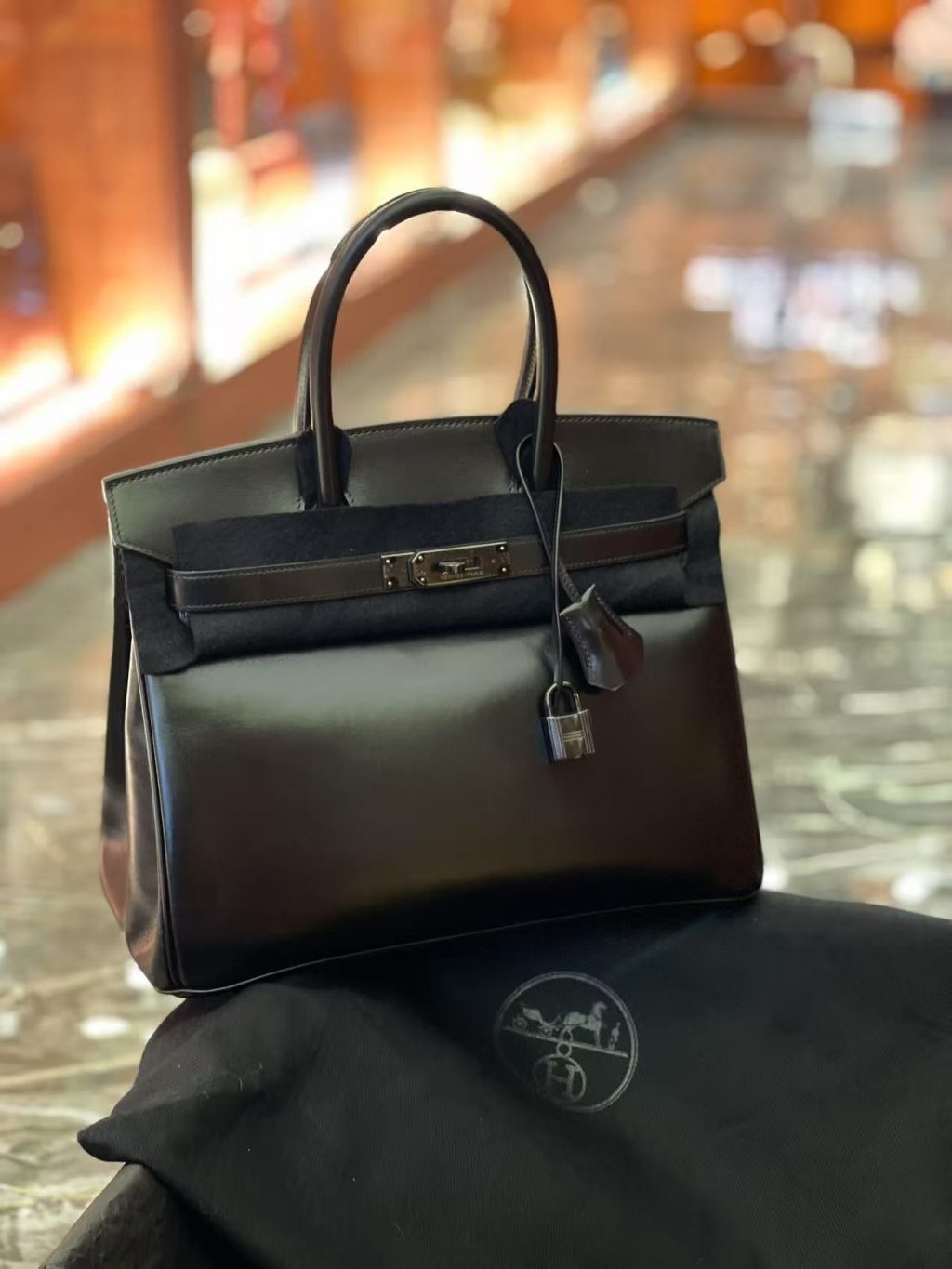
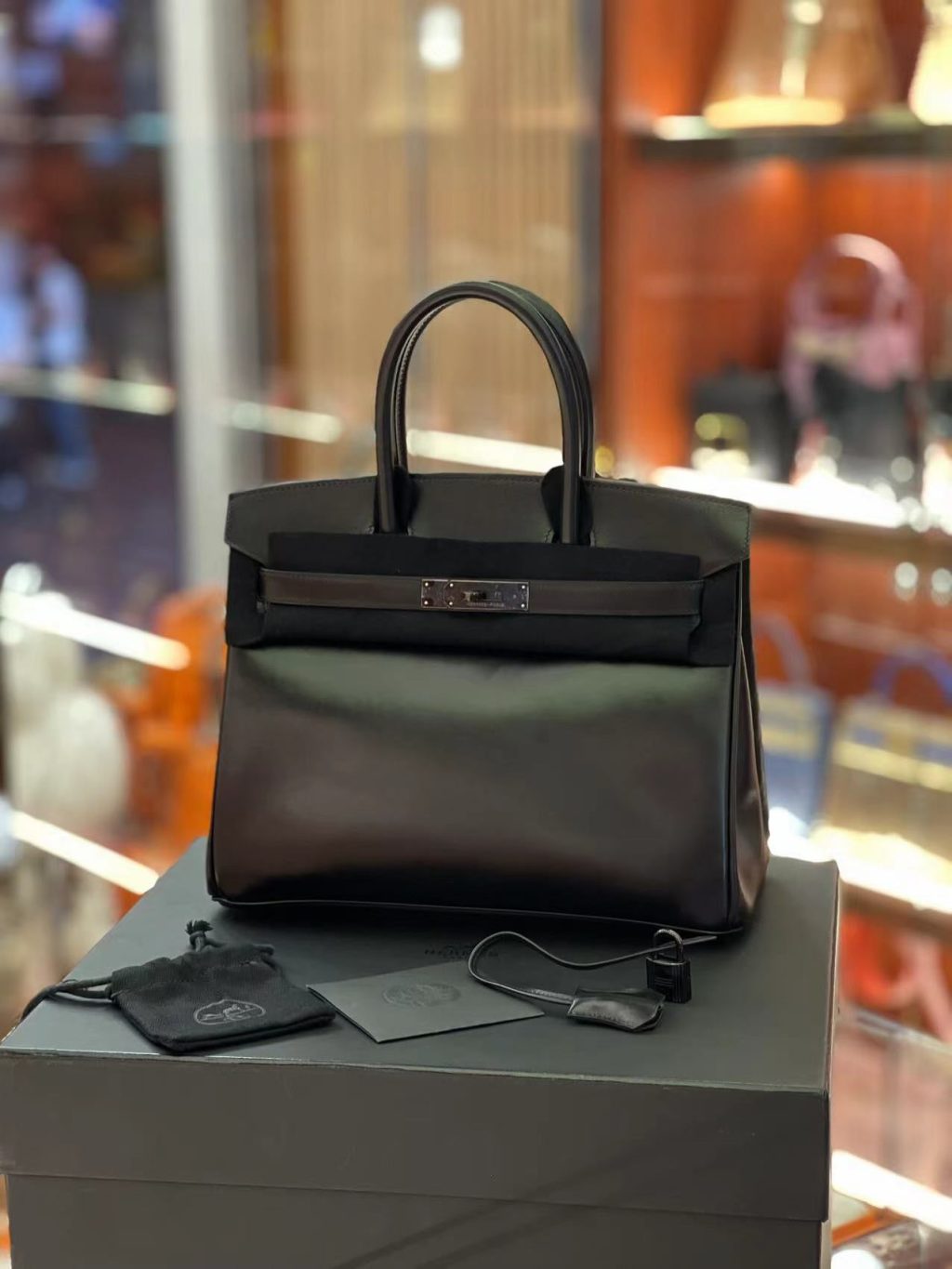
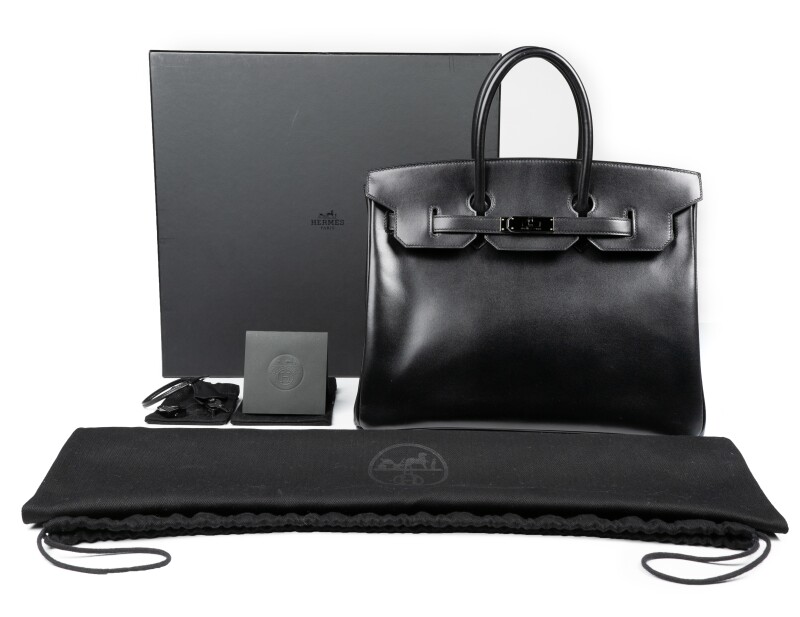
That’s where the Hermès Black Box enters collector conversation: a box that reads like a contradiction (Hermès… in black?) and functions like a code. This isn’t a seasonal “cute” variation or a holiday wrapping moment. Instead, it’s a rare packaging outlier—most often discussed in connection with ultra-limited pieces circulating on the secondary market, especially within the So Black orbit.
What makes it fascinating isn’t just the color. It’s what the color implies: scarcity, controlled distribution, and a kind of secrecy that feels almost pre-digital.
The Hermès box as a status language
Hermès packaging has always been more than protection—it’s branding as ritual. Historically, Hermès moved from earlier cream/pigskin-style packaging into the now-signature orange during wartime supply constraints, with sources commonly pointing to the early 1940s shortages as a catalyst for the shift.
In modern collector culture, the box becomes shorthand for “what kind of purchase was this?” A standard orange box suggests classic boutique retail. A special box suggests something else: a limited run, a special edition, a VVIP offer, or a piece that isn’t meant to be ordered casually.
Hermès rarely “explains” packaging changes publicly in a way collectors can cite like a press release—which is exactly why box variations develop reputations. The packaging becomes a whisper network.
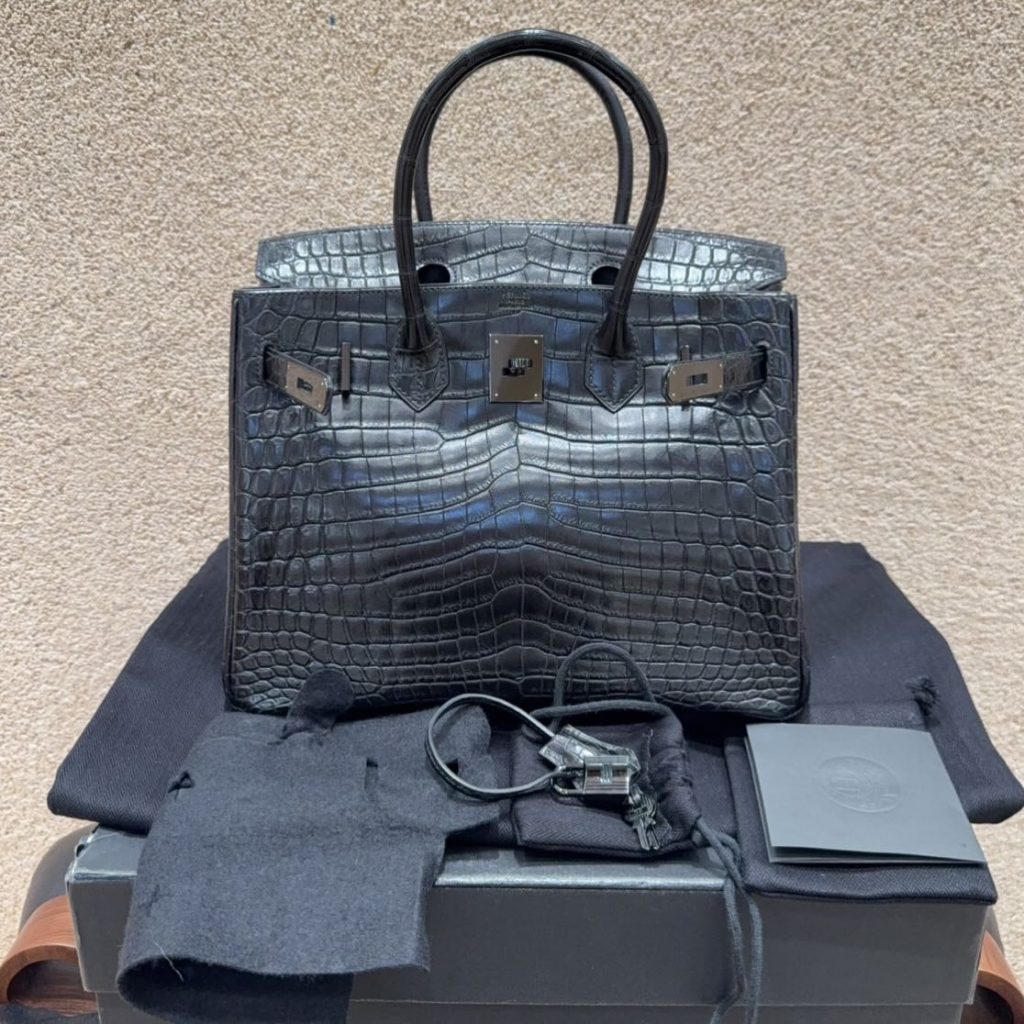
What is the Hermès Black Box, exactly?
A Hermès Black Box is a non-standard Hermès presentation box that appears far more rarely than the classic orange—and even more rarely than the special-edition “blue interior” boxes collectors have been clocking since 2021.
If you’re expecting a neat, official taxonomy from Hermès (Orange = standard, Blue = special, Black = ultra special), you won’t get it. What you do have is pattern recognition from the resale ecosystem: listings, complete sets, and documented bundles that repeatedly pair black packaging with very specific unicorn-level items.
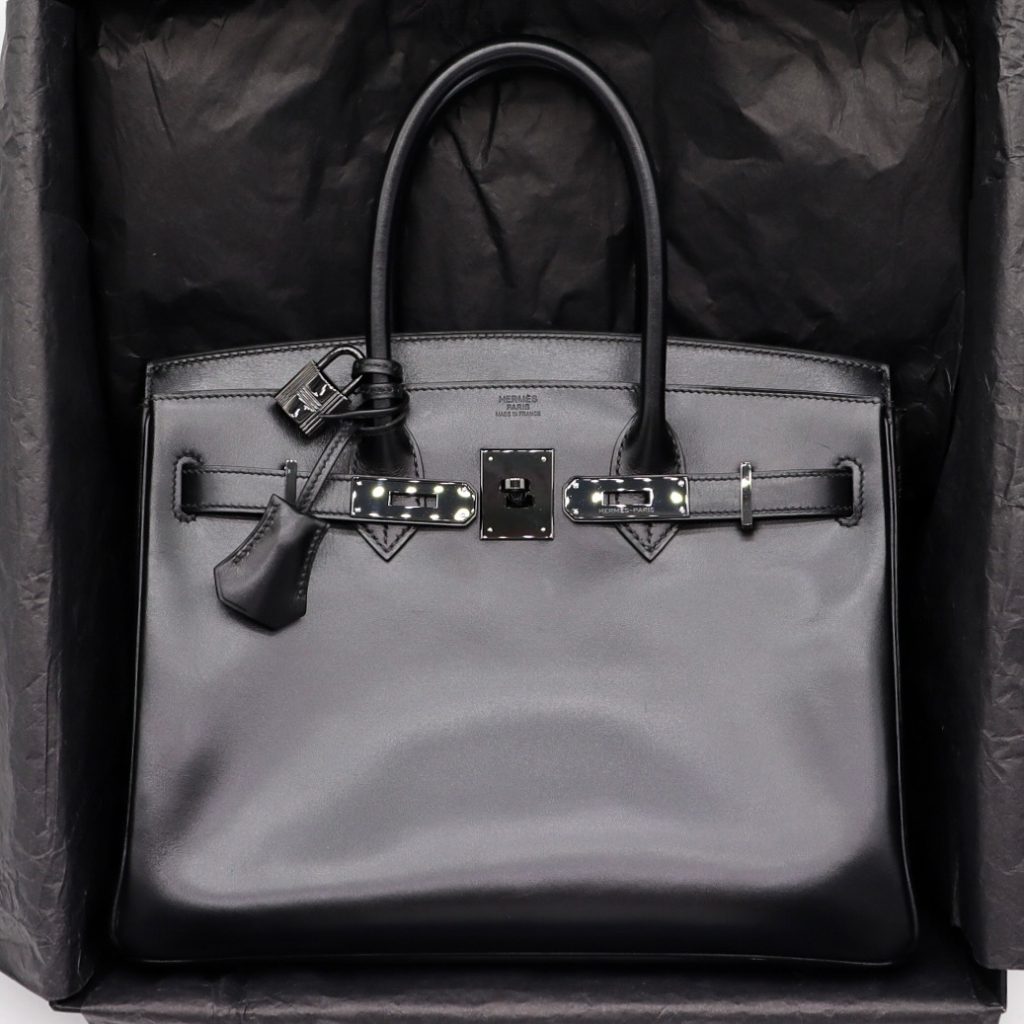
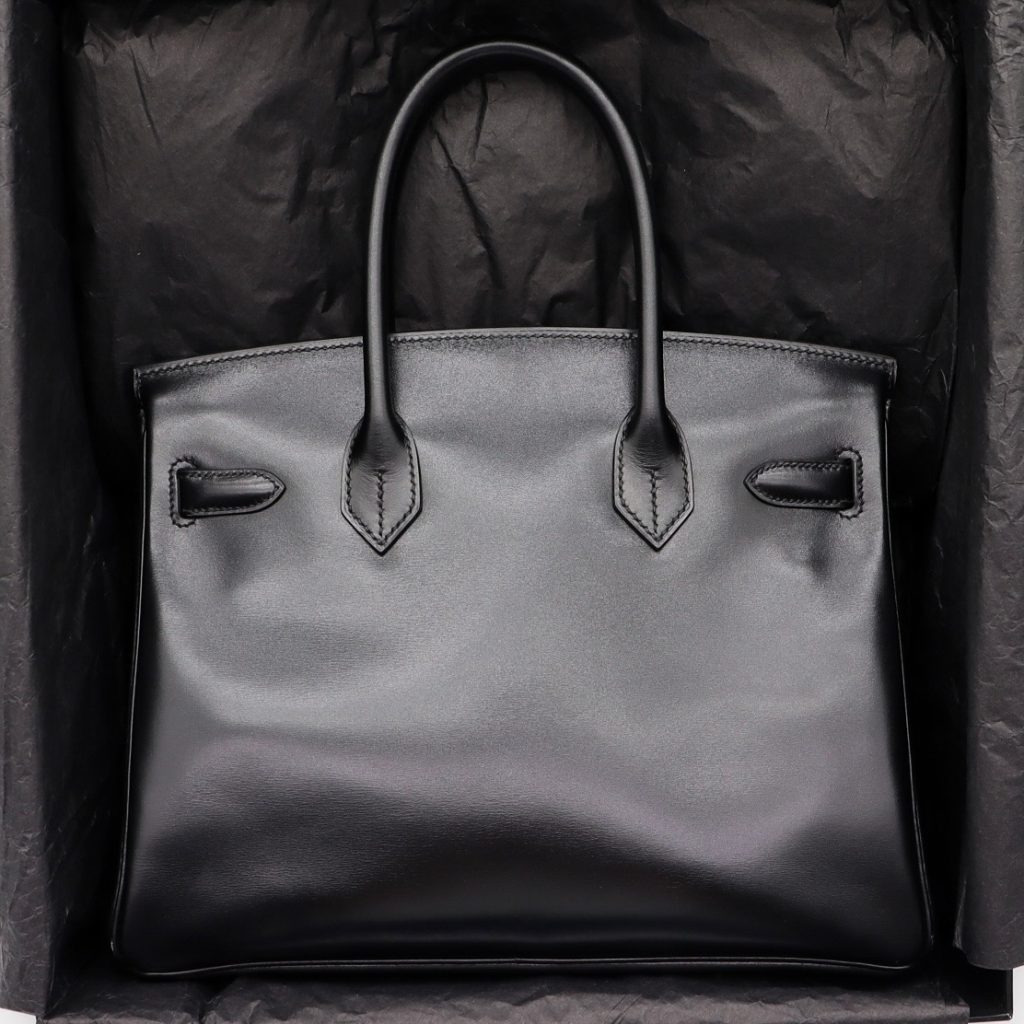
Why it’s so easy to confuse with “Box” leather
The phrase “black box” is a trap, because “Box” is also a leather category at Hermès (Box calf). Sotheby’s and Christie’s catalog language is full of “black Box leather” descriptions that have nothing to do with packaging—those are material callouts.
So when you see a seller say “black box,” you have to ask: black box packaging or black Box calf leather? One is cardboard. The other is heritage leather.
How Hermès packaging evolved—and where “special boxes” fit
Orange as the baseline (wartime origin)
Multiple collector-facing sources describe Hermès’ orange packaging as emerging from WWII-era supply constraints, with the early 1940s often cited as the moment Hermès used the available orange board and made it signature. Whether you’re buying silk or a Birkin, that orange is the brand’s most legible outer signal.
The Blue Box era (special-edition signal since 2021)
Then came the Blue Box conversation: orange exterior, deep navy interior, gold-foil logo—widely discussed as a packaging cue associated with special editions / highly restricted offers beginning around 2021.
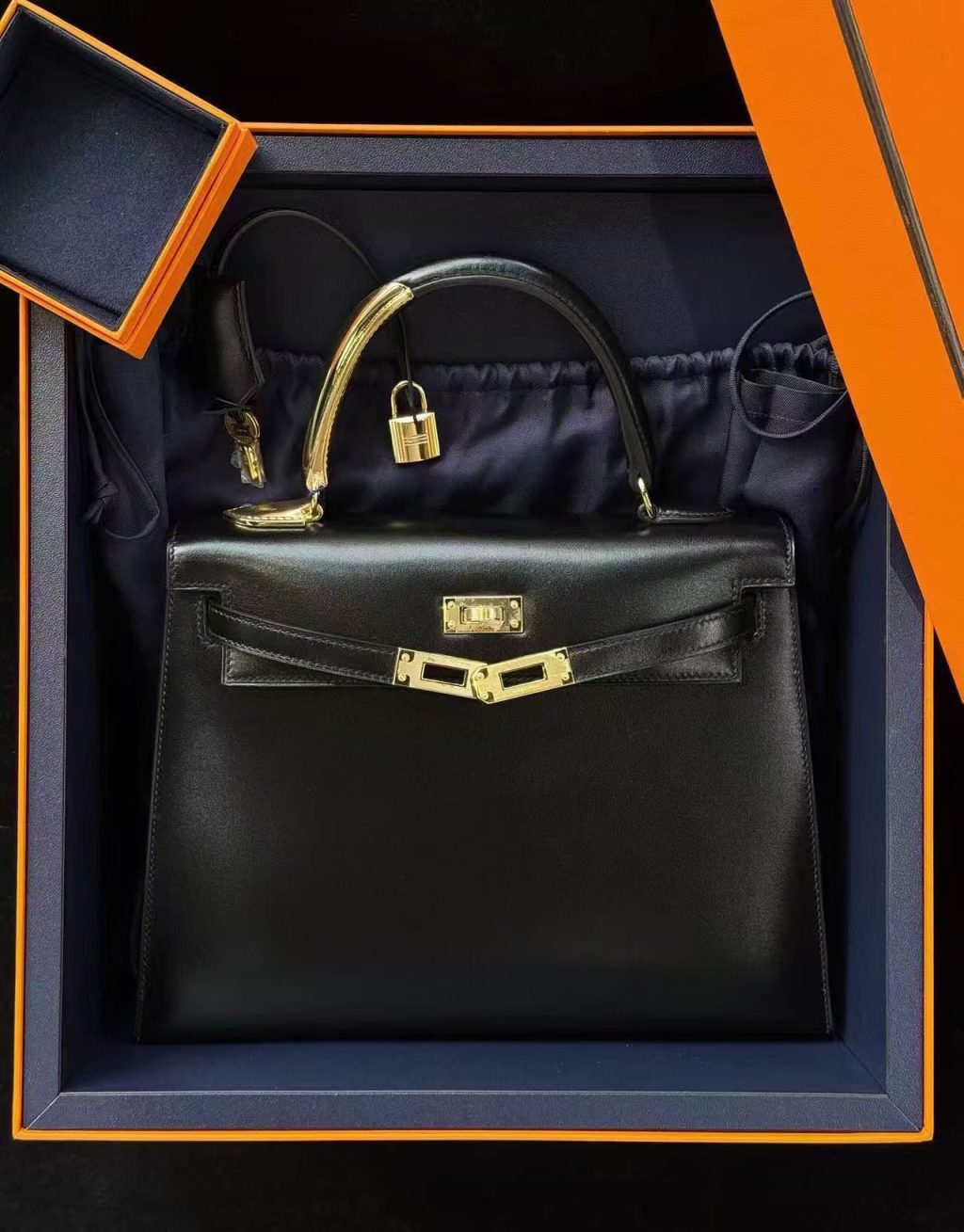
This matters because the Black Box sits beyond even that mythology: it’s the rare variant people talk about precisely because so few have handled one.
Which Hermès pieces are associated with a Black Box
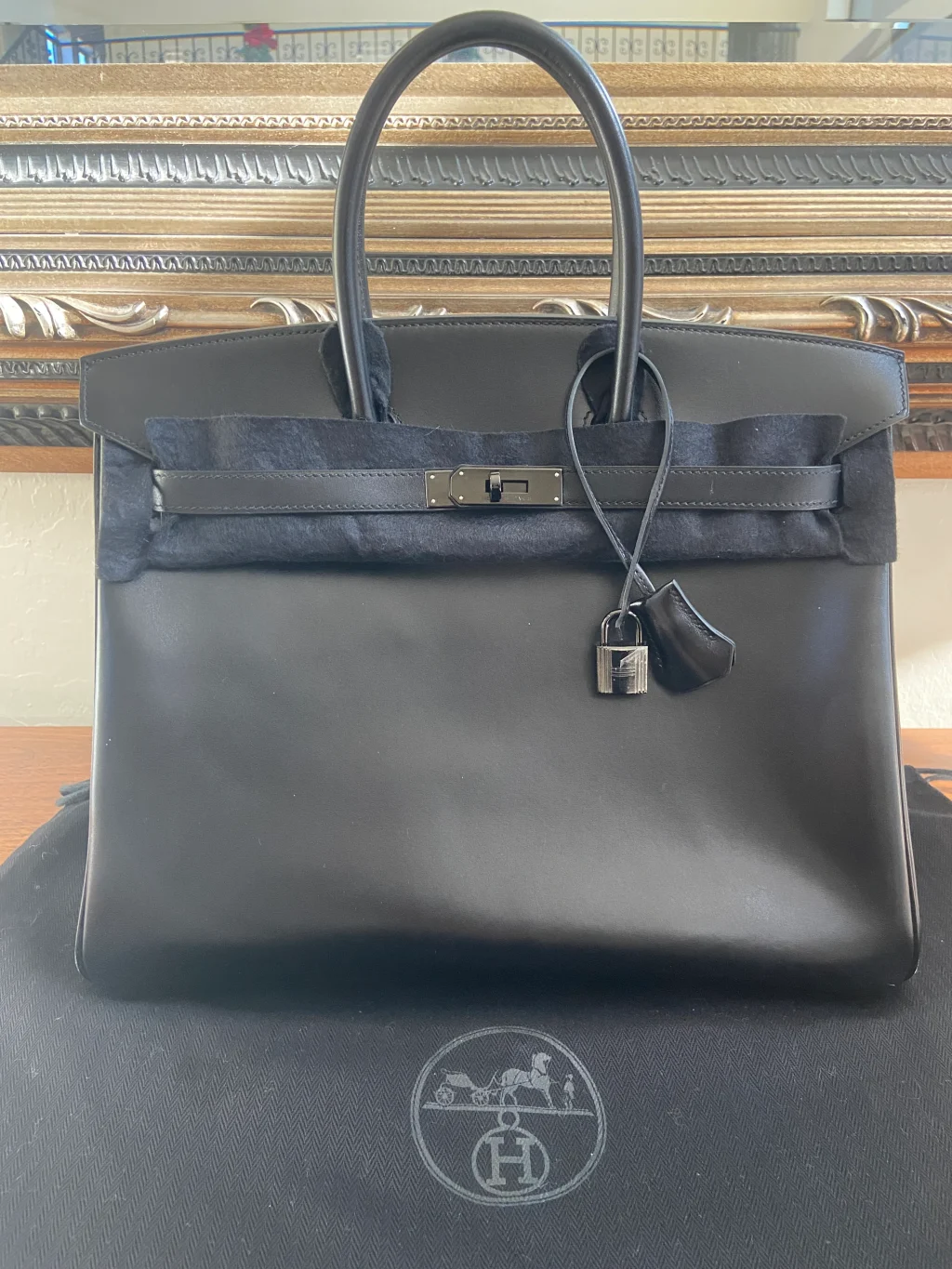
Sotheby’s describes the So Black Birkin as a 2011 piece and attributes the So Black collection to Jean Paul Gaultier, noting Hermès’ position that it will not produce So Black handbags—helping explain why the surviving pieces are treated as grails.
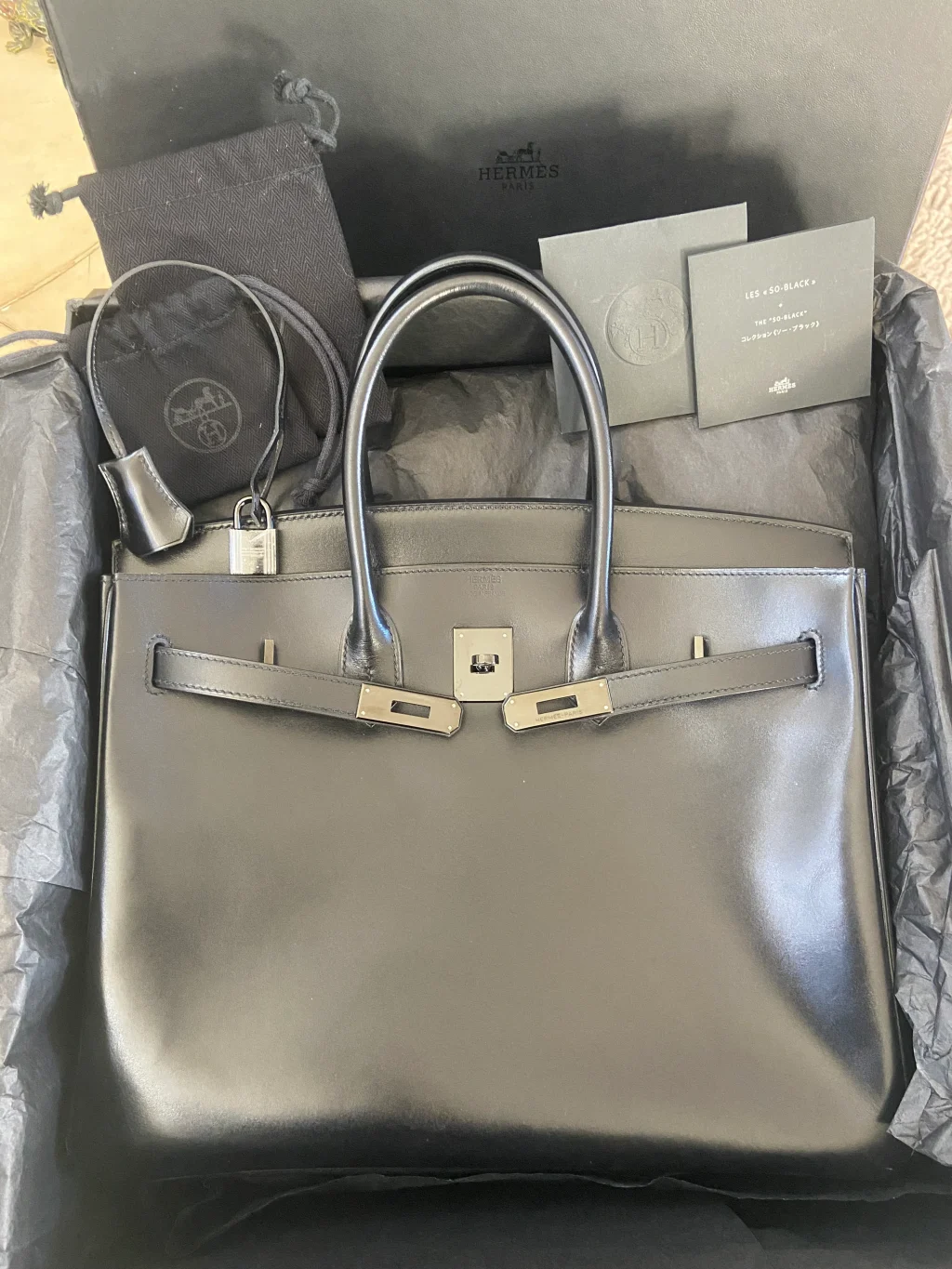
And crucially, in resale documentation you can actually point to: Madison Avenue Couture’s product listing for a Hermes SO Black Birkin explicitly states it is “complete with the black box” and lists “Black Hermès box” among the accompanied items.
That pairing—So Black + black packaging—shows up as a consistent “complete set” narrative in the market.
Authentication checklist for a Hermès Black Box
Because there isn’t a universally published Hermès spec sheet for black packaging, authentication becomes a systems check, not a single tell.
- Material discipline
Hermès packaging tends to have crisp structure, tight corners, clean seams, and consistent board thickness. Special-edition packaging discourse focuses heavily on board quality and finishing because counterfeiters often fail here. - Stamping + typography
Look at the hot-stamp placement, the spacing, the sharpness of the serif details. Special packaging discussions repeatedly mention gold-foil logos and refined printing as part of the “this is not standard” cue set. - Set logic
If someone claims “black box,” ask to see:
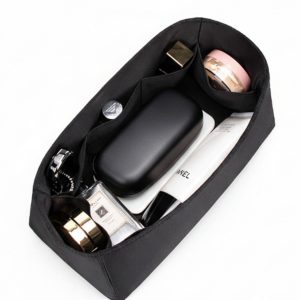
- box (all sides, corners, interior, stamp)
- dust bag
- care booklet / raincoat where applicable
- ribbon / tissue
- proof of purchase or provenance trail
“Complete set” listings that name every included component are more trustworthy than vague claims.
- Provenance consistency test
The box should make sense with the object’s identity. A So Black Birkin with black hardware has a coherent “all black” narrative (documented in major resale contexts).
A random everyday Hermès bag with a claimed black box should raise questions—unless there is extraordinary documentation.
Does a Black Box change resale value?
It can—under the right conditions.
Your Blue Box piece already frames packaging as value-adjacent: it’s not just aesthetics, it’s proof of category (special run vs standard) and a signal collectors price in.
For a Black Box, the value effect is more conditional:
- Adds value when it’s tied to a recognized unicorn (e.g., So Black) and the set is complete, photographed clearly, and consistent with known examples.
- Doesn’t add value (or can even hurt trust) when it’s used as a marketing adjective with no documentation—especially when “black box” is actually describing Box calf leather.
In other words: the Black Box isn’t a value multiplier by itself. It’s a credibility amplifier—when it’s real.
How to store it (so it stays collectible)
If you’re keeping a Black Box because you understand what it signals, treat it like an accessory in its own right:
- Store it upright, away from pressure that can warp the lid.
- Keep it out of direct sunlight (black surfaces show fade and scuff more visibly).
- Avoid humid storage; cardboard + humidity equals softening and staining.
- If you’re a collector, photograph the box now (corners, stamp, interior) and keep those images with your provenance file.
Packaging is part of the object’s biography. When you resell, it becomes part of the evidence.