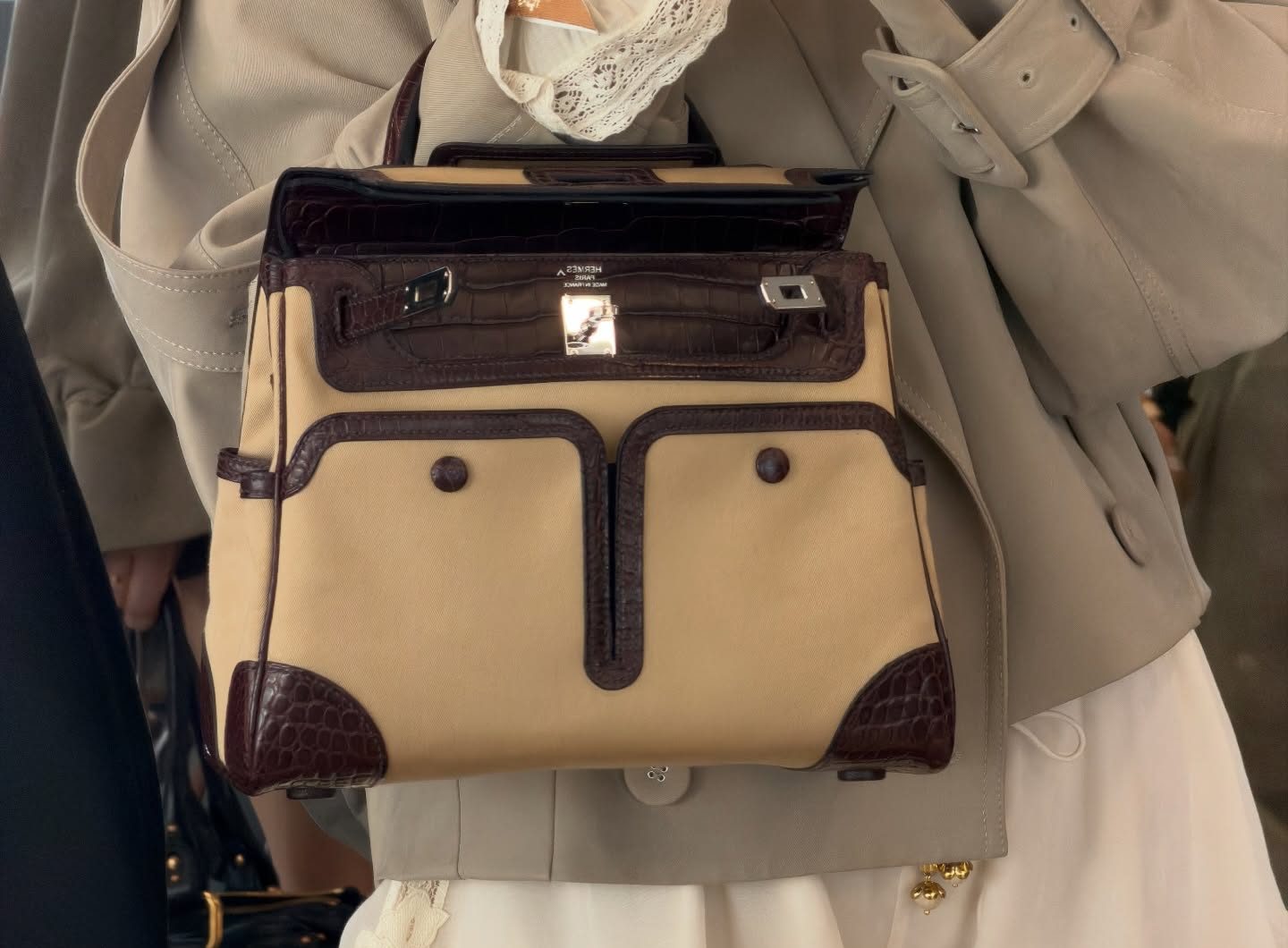
Hermès cargo protective cover is one of the most intriguing bag stories to emerge from the Hermès Fall-Winter 2026-2027 runway. At first glance, it looked like the return — or reinvention — of a Kelly Cargo. But closer inspection at the Hermès re-see suggested something more intelligent and more Hermès: not a new cargo bag, but a removable protective outer layer designed to slip over an existing Kelly while keeping the original bag functional underneath.
Multiple show reports and re-see coverage described the piece as a canvas-and-leather protective cover rather than a standalone Kelly Cargo revival.
Read also: Hermès Fall-Winter 2026–2027 Bags Guide
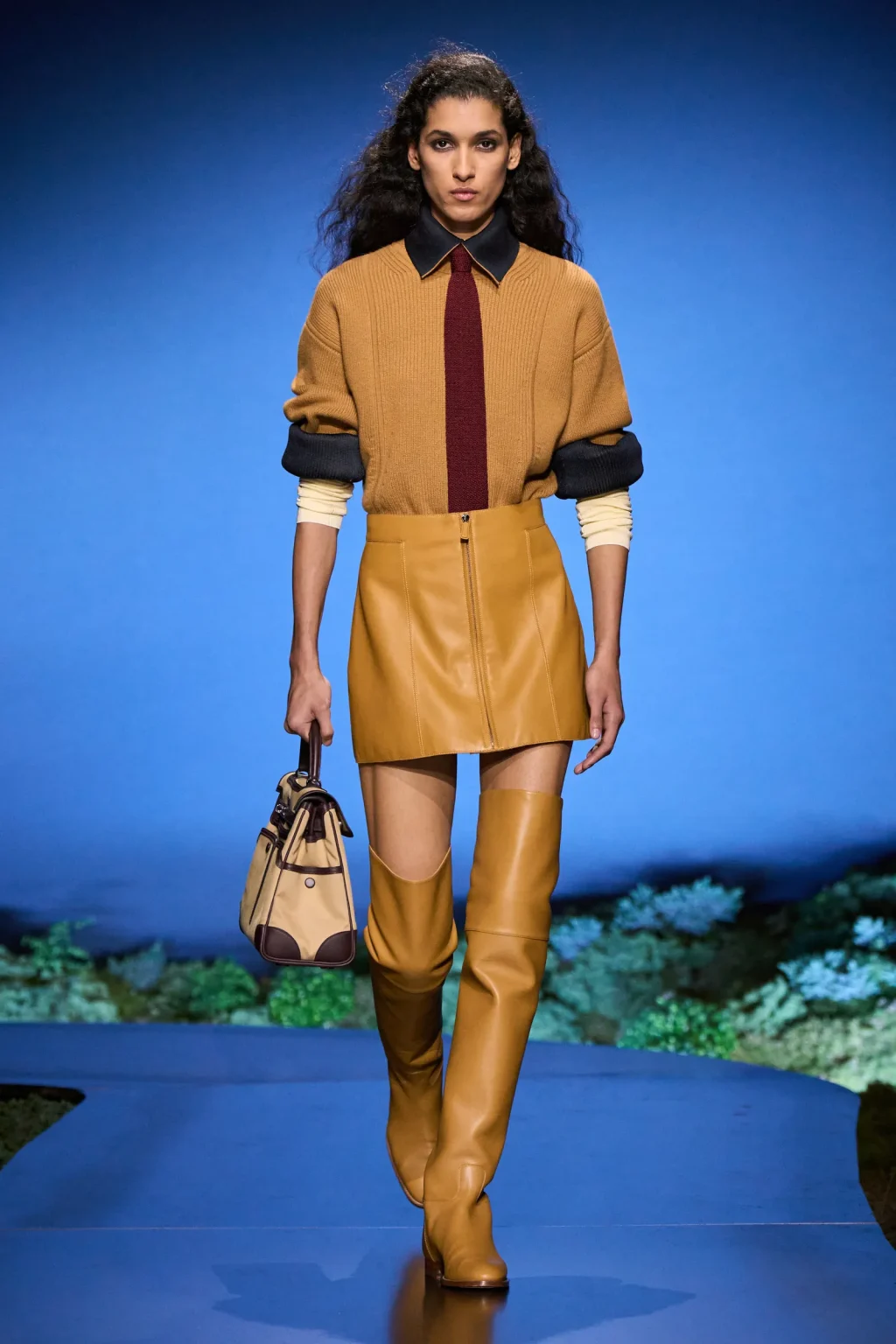
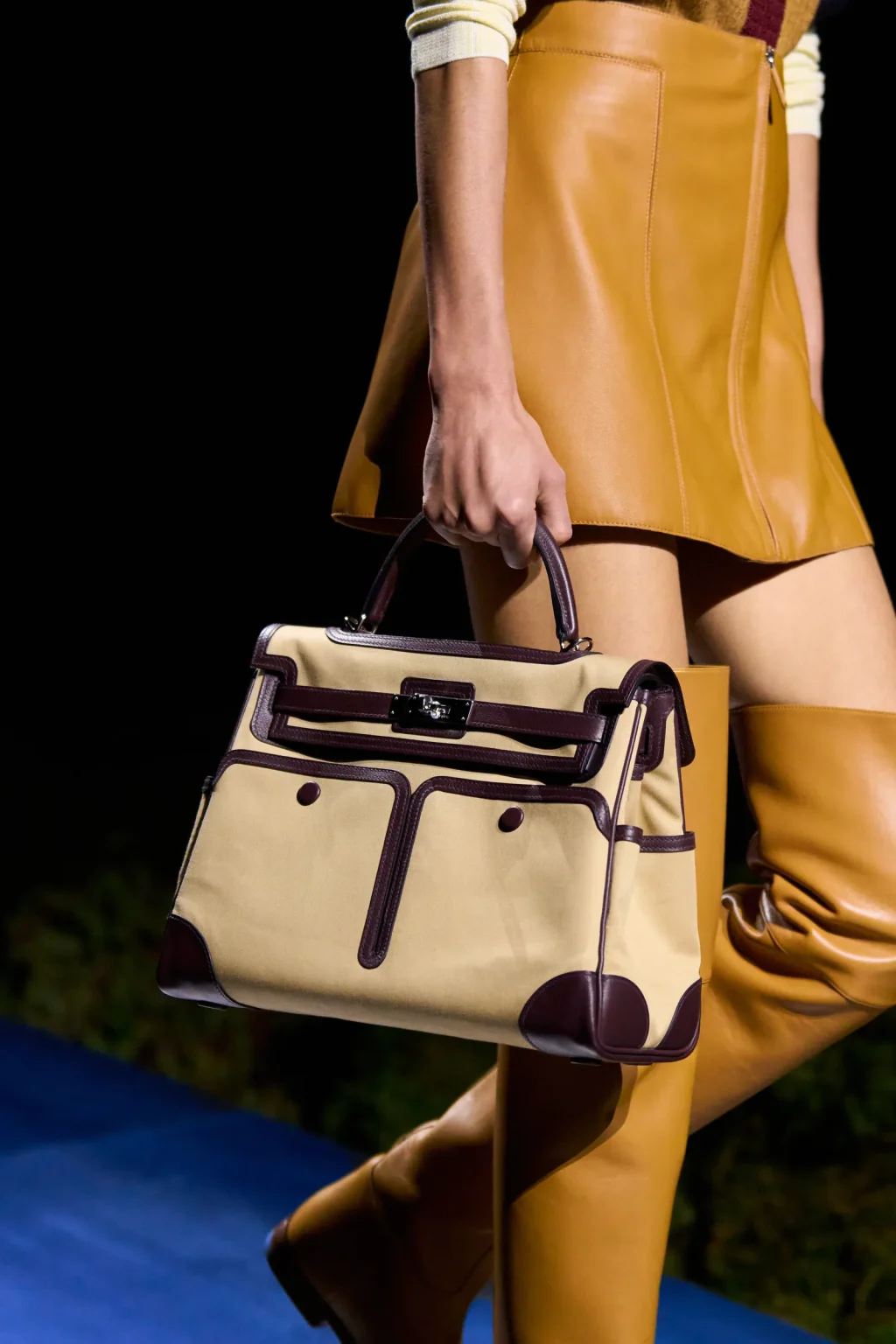
What Hermès actually launched last week
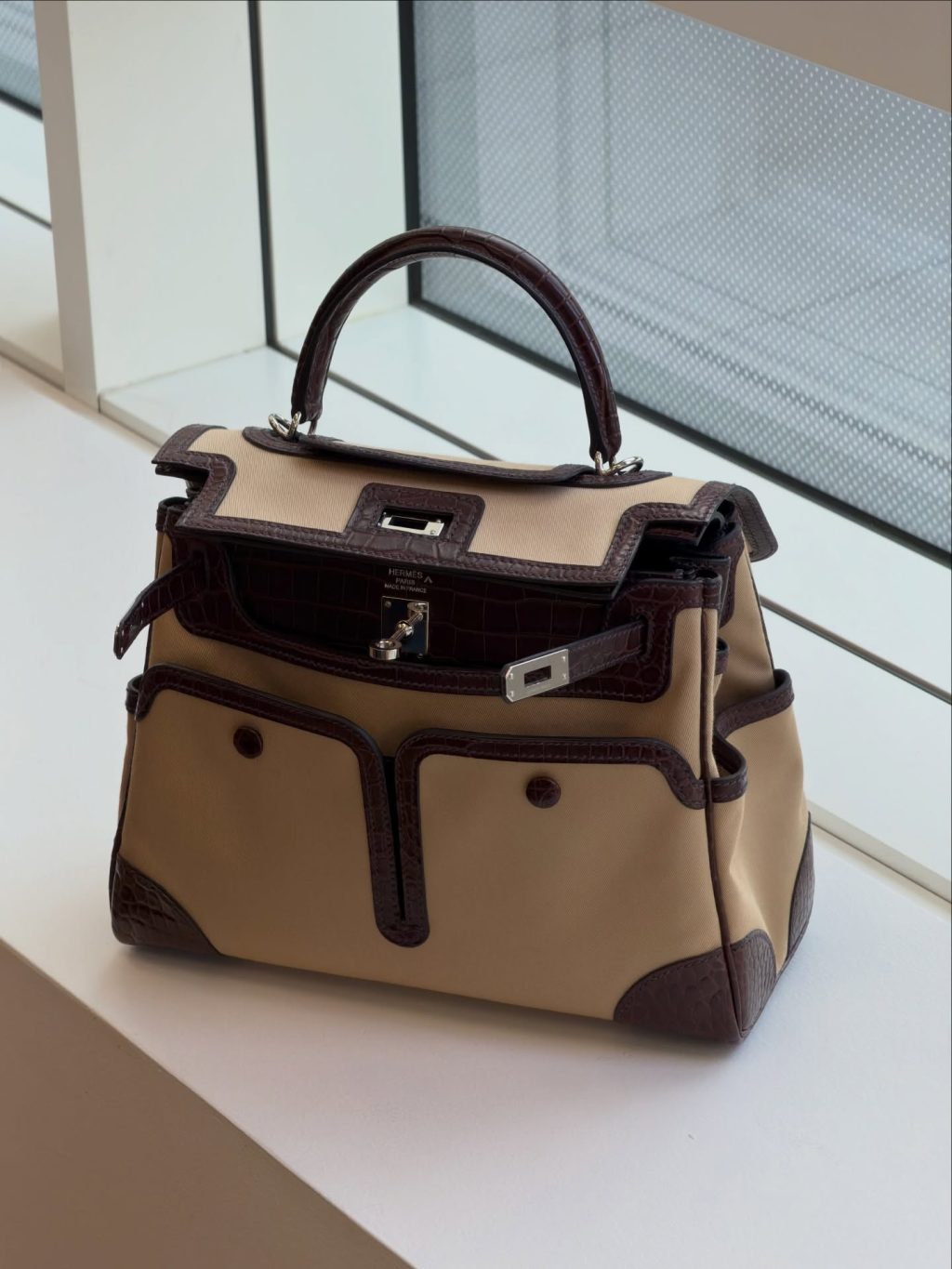
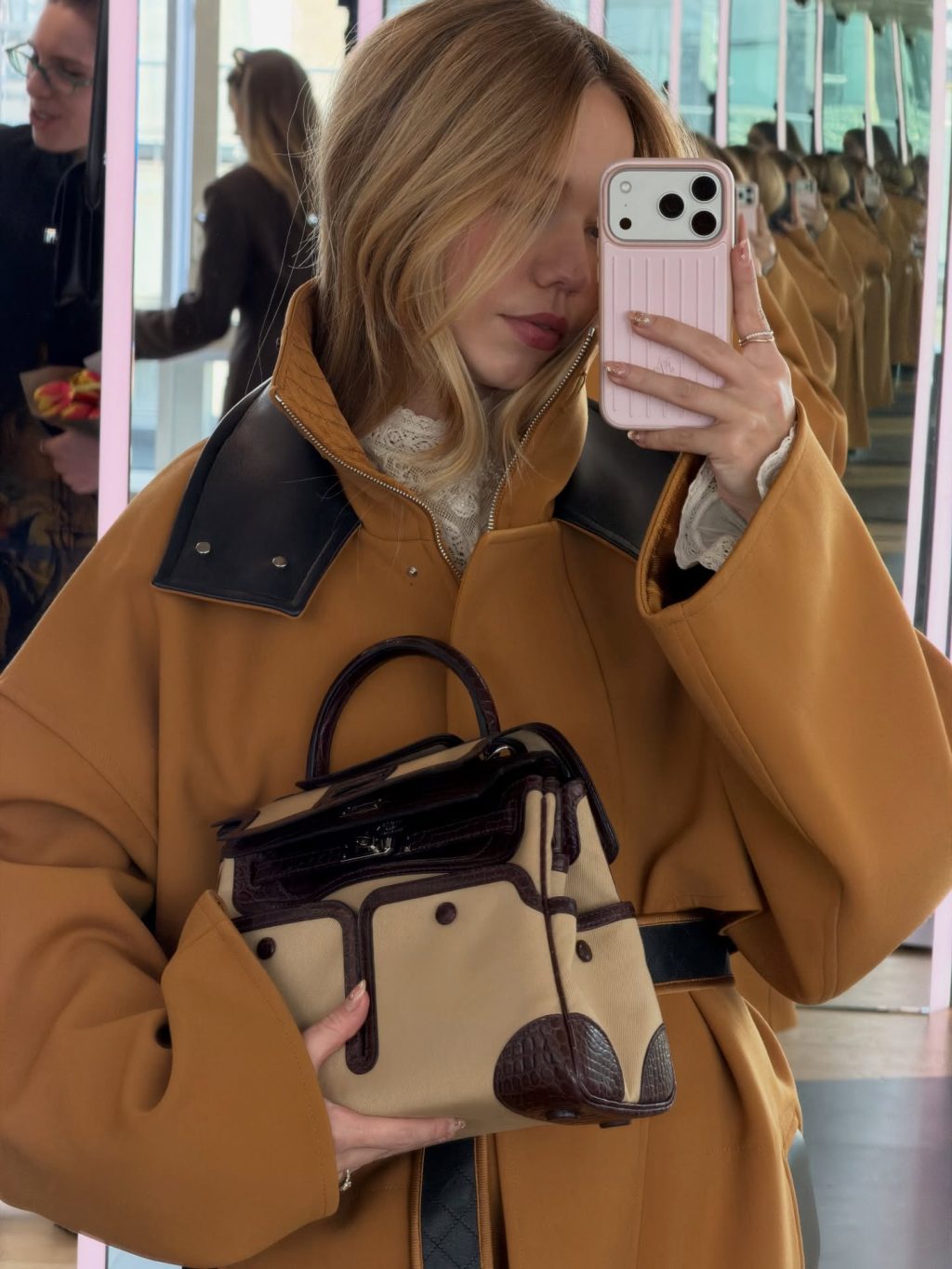
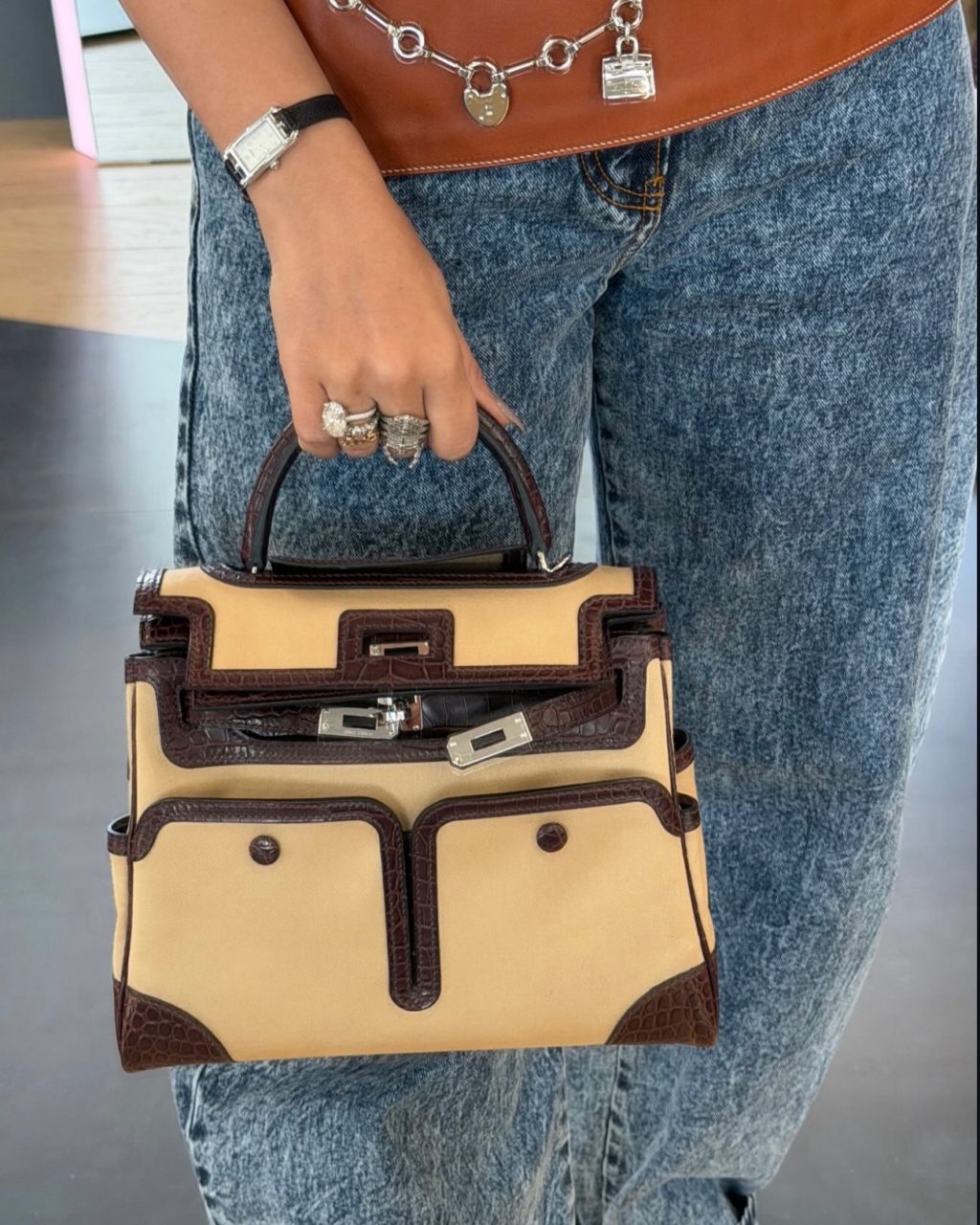
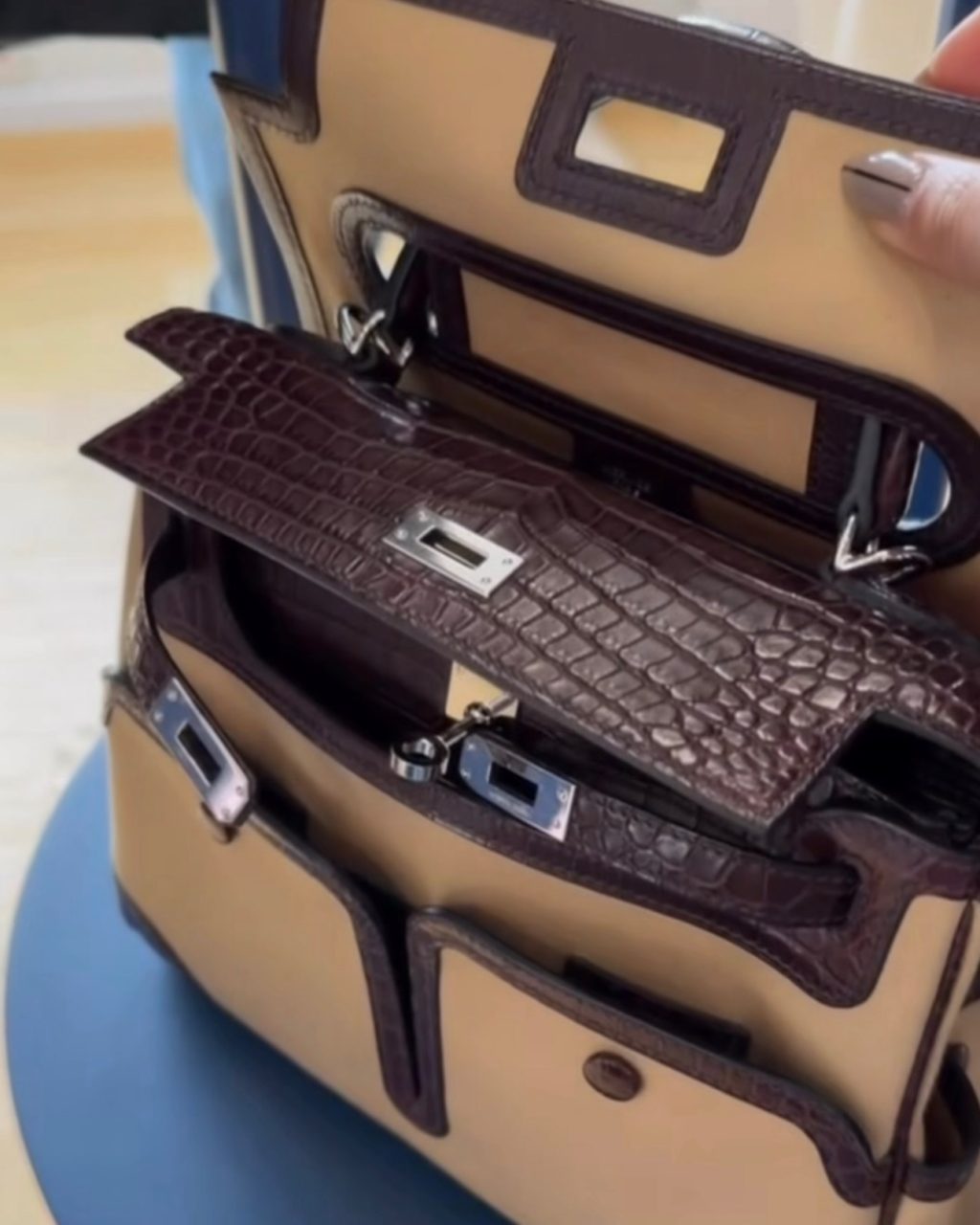
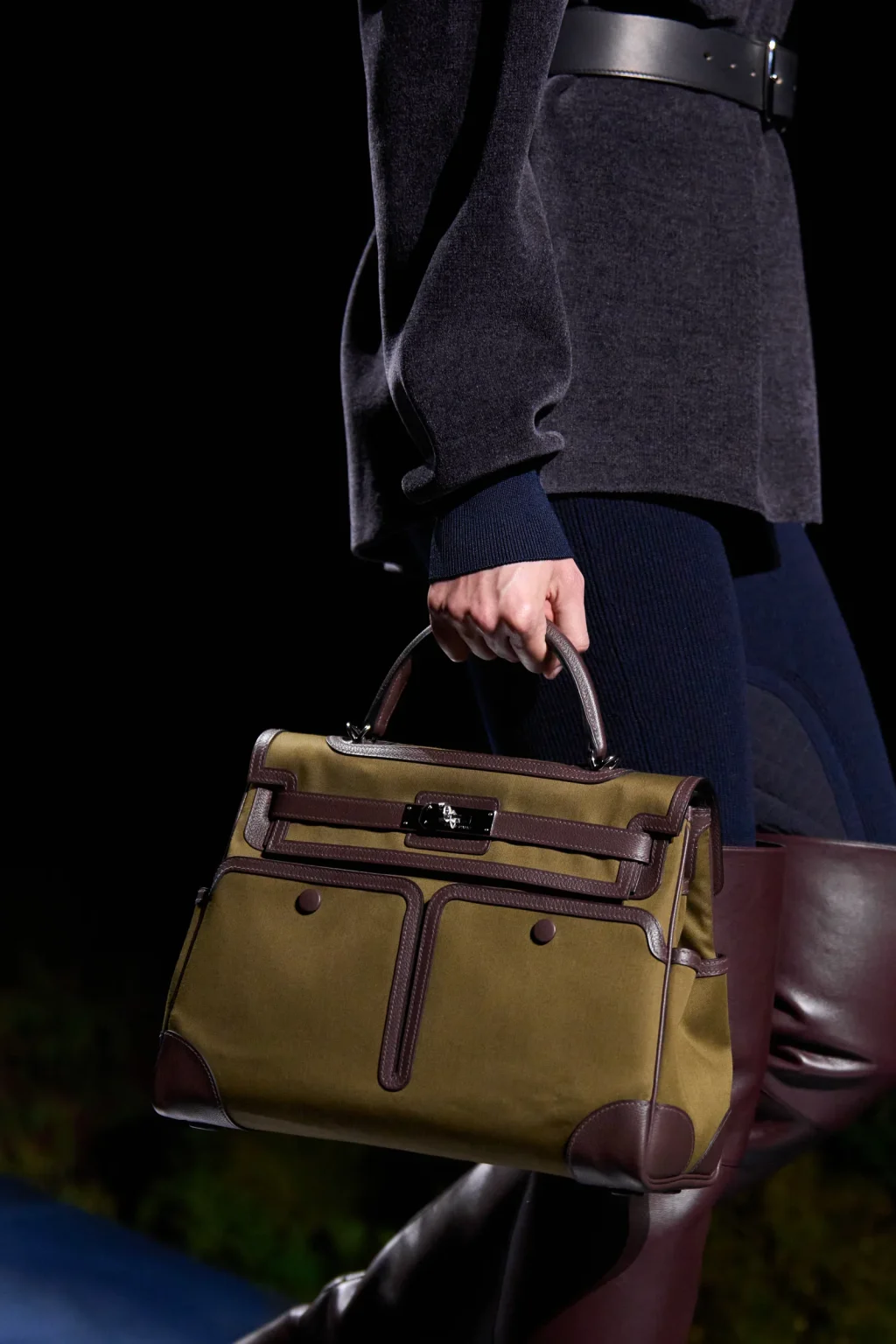
The most important point is also the one most likely to be misunderstood: Hermès appears to have shown a protective cover for the Kelly, not a newly named Kelly Cargo bag. Re-see reporting described a removable layer in canvas with leather trim, threaded through by the top handle, with the sangles still functioning normally. External pockets at the front, sides, and back fasten with press studs, while reinforced corners and trims sharpen the protective logic of the piece.
The cover sits over the underlying Kelly almost like a technical garment. It preserves the recognisable architecture of the bag while adding an outer shell that reads as more rugged, more utilitarian, and more visually coded. The result is clever precisely because it operates on two levels at once: from far away, it looks like a new bag; from closer up, it reveals itself as a layer.
This is why the object feels more interesting than a simple “cargo version” of a classic. Cargo bags are usually about added function becoming the design. Here, function is filtered through concealment. Hermès takes one of the house’s most formal handbags and gives it something close to a protective skin — part raincoat, part armor, part field gear, part trompe-l’oeil.
Why the design feels so Hermès
The Kelly has always been a bag of line, discipline, and controlled closure. Hermès itself traces the model back to a ladies’ strap bag created by Robert Dumas in the 1930s, later immortalised and renamed after Grace Kelly.
That long history is exactly why this new intervention works. Hermès is not dealing with a soft anonymous tote that can absorb any trend. It is dealing with one of fashion’s most codified silhouettes. By placing a removable outer layer over the Kelly, the house creates tension between purity and interruption. The underlying bag remains elegant, but the surface now speaks a more utilitarian language: pockets, studs, reinforced corners, visible trim, practical access.
In other words, Hermès does not destroy the Kelly’s identity. It tests how much visual information can be added before the icon changes meaning. That is a far more sophisticated exercise than simply attaching pockets to a heritage bag and calling it new.
Materials, trims, and what the re-see images reveal
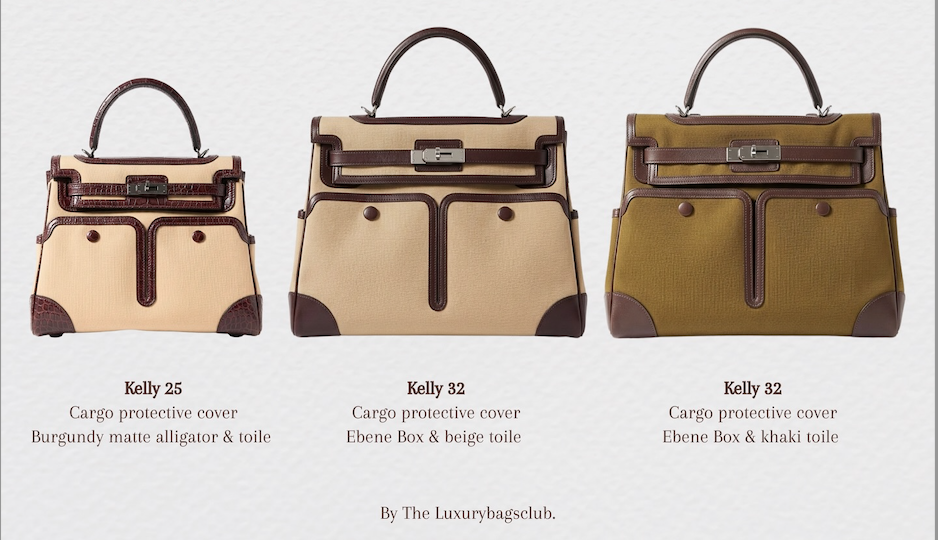
Based on re-see reporting, the Kelly protective cover was shown in canvas or toile with contrasting leather trim, including more elevated exotic-looking versions with matte alligator detailing. Re-see coverage also noted sizes spanning from 25 to 32, with trims matched to the bag beneath for a cohesive finish.
The first is the treatment of the handle. Rather than hiding or replacing the Kelly’s carry logic, the cover is built around it. The top handle passes through the outer layer, allowing the bag to remain recognisably Kelly in use.
The second is the placement of the pockets. These are not oversized cargo pockets in the streetwear sense. They are flatter, neater, and integrated into the front plane in a way that preserves order. That restraint is important. Hermès is not chasing spectacle here; it is controlling the utility signal.
The third is the corner protection and edge framing. Those darker trims give the cover a more engineered appearance and visually strengthen the shell effect. In some versions, that edging appears rich and polished enough to keep the object within luxury codes even while borrowing the vocabulary of workwear and travel gear.
The fourth is the tonal intelligence. Beige toile with deep burgundy or dark brown trim feels deliberate because it keeps the piece within Hermès territory: earthy, stable, equestrian-adjacent, never too synthetic. Even when the design flirts with function, the colour story keeps it aristocratic.
The Bolide version may be even more revealing
The Kelly was not the only bag touched by this protective-layer idea – the Bolide cargo-style cover, shown in khaki-toned toile with darker exotic-looking trim. That matters because the Bolide is one of Hermès’ foundational travel bags — a model the house dates to 1923, originally designed to fit easily into car trunks and associated with movement, travel, and modern mobility.
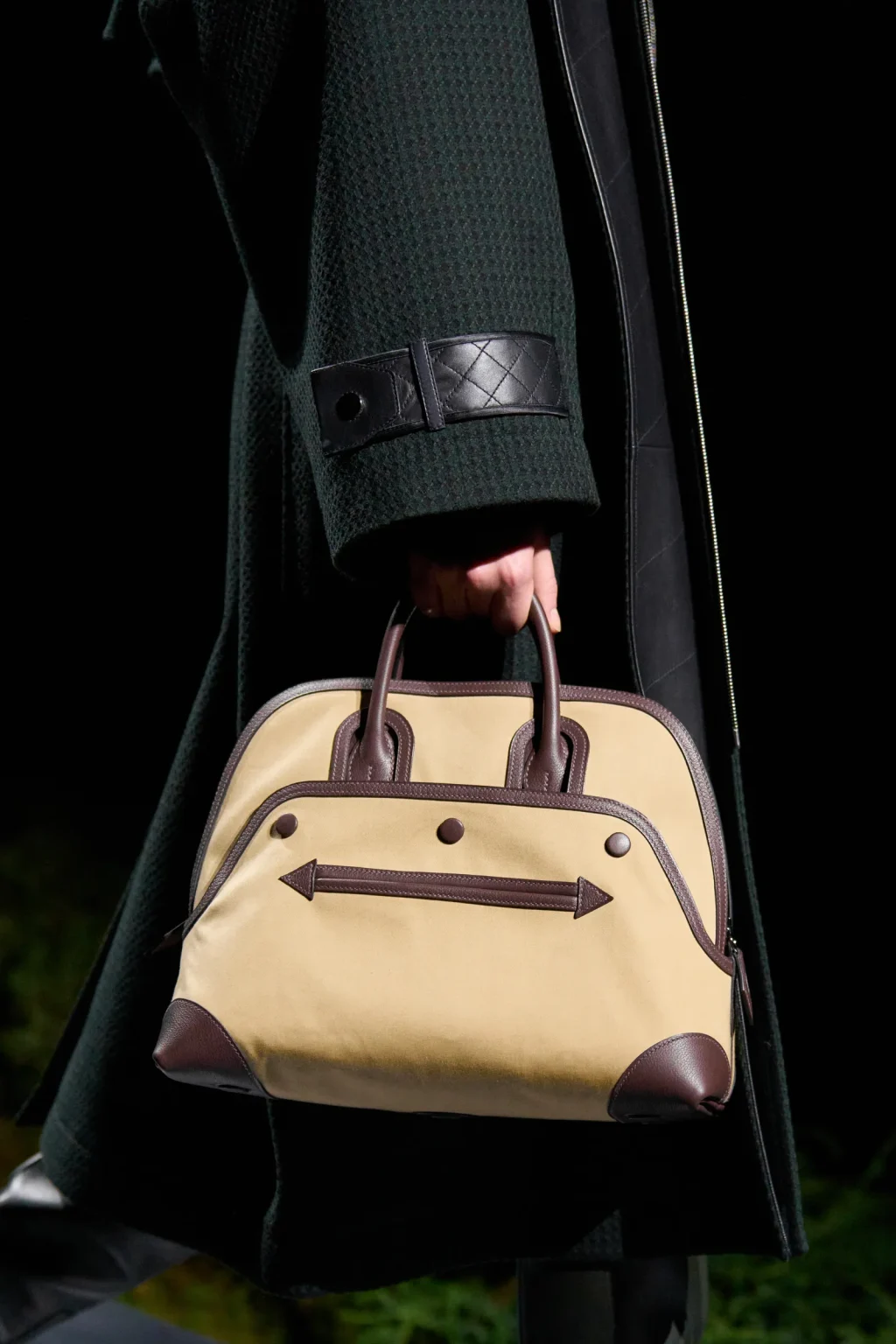
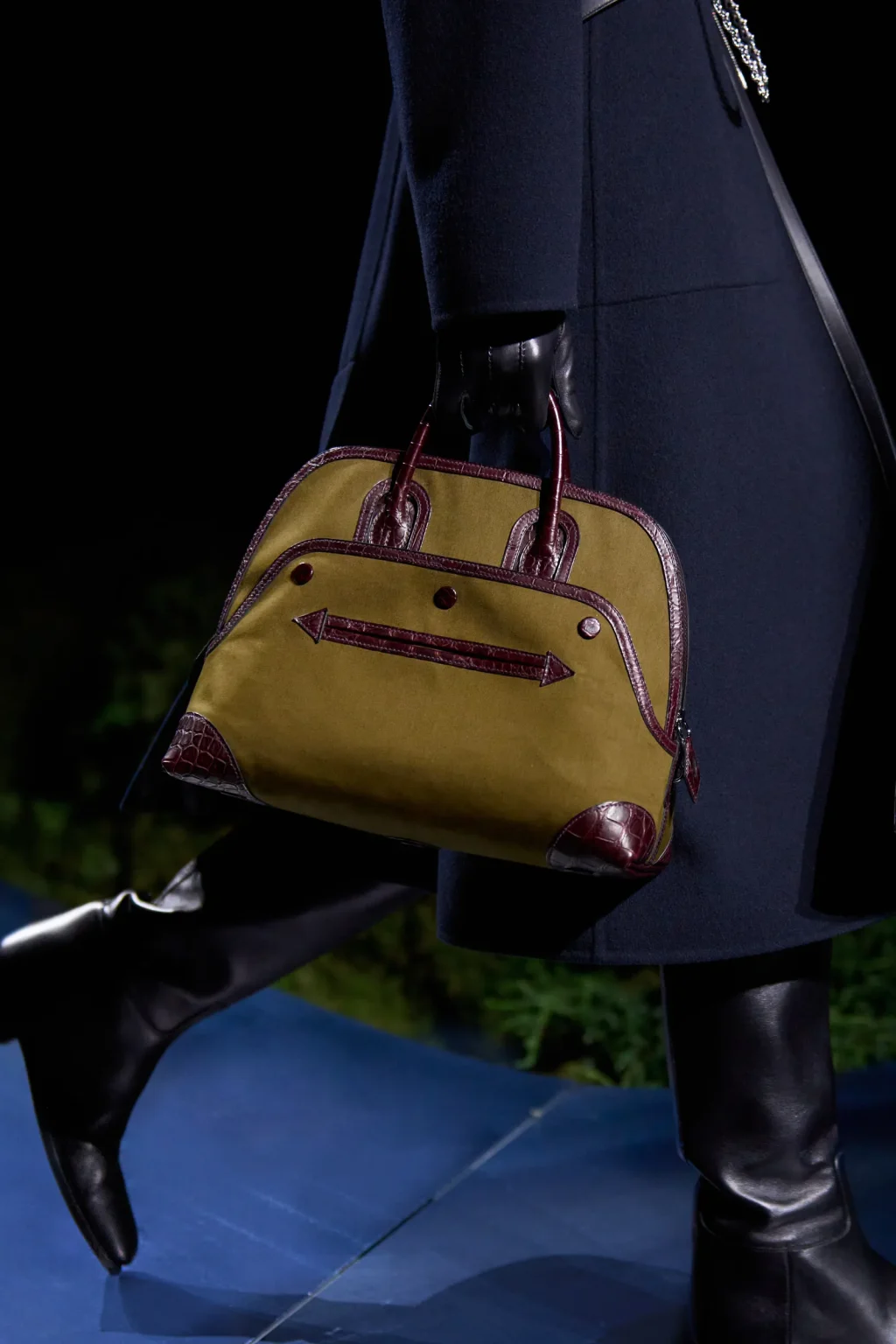
If the Kelly version is about disguising a formal icon in utilitarian language, the Bolide version pushes the idea closer to the house’s travel heritage. Conceptually, it makes perfect sense. The Bolide already belongs to motion, transport, and practical elegance. Adding an outer protective shell to that line feels less like disruption and more like historical extension.
Why collectors will care
First, the object is legible immediately. Even without explanation, it makes people look twice. In a luxury market saturated with logo-heavy obviousness, that kind of visual hesitation is powerful.
Second, it sits perfectly within current collector appetites for pieces that feel both rare and conceptually precise. Hermès has always been strongest when it makes innovation look almost inevitable in hindsight. This is one of those cases. Once you understand the piece, it feels like something the house should have done.
Third, it touches a real-world anxiety that luxury clients know well: protection. The irony is sharp and probably intentional. High-value bags are often babied, stored carefully, wrapped, shielded from weather, and handled with near-ritual attention. Hermès took that private behavior and turned it into visible design language.
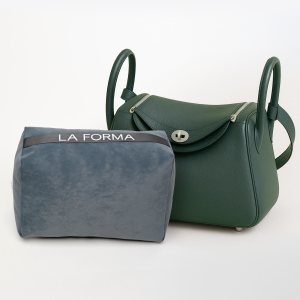
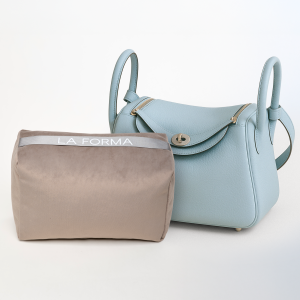
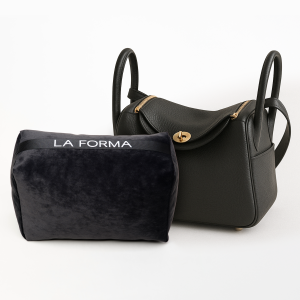
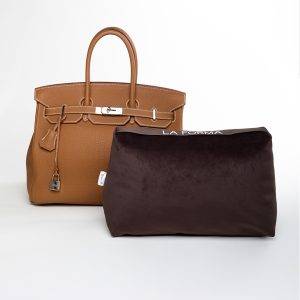
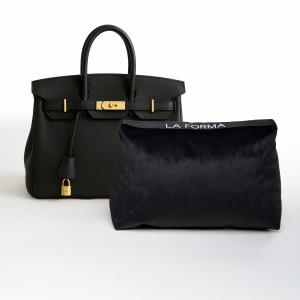
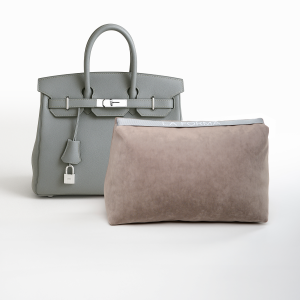
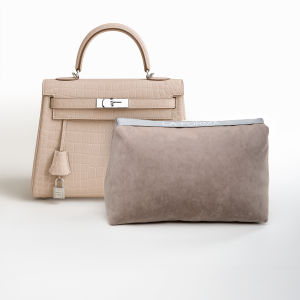
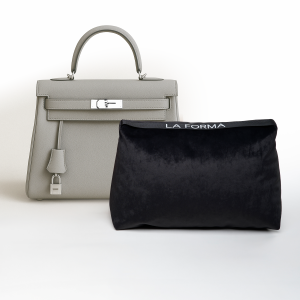
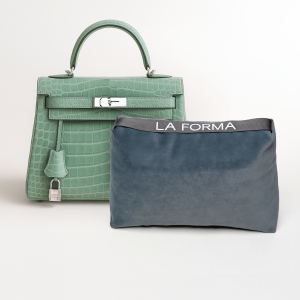
The idea of protection also opens a broader conversation about how luxury bags keep their shape over time. While Hermès explored protection as an exterior design language on the runway, long-term structure preservation happens on the inside. That is where bag pillows become essential. A well-made pillow helps support the silhouette of the bag when it is stored, reducing collapse, corner stress, and surface creasing. At LA FORMA, our custom bag pillows are designed precisely for that purpose: to help handbags maintain their original shape, presence, and value while resting in the wardrobe.