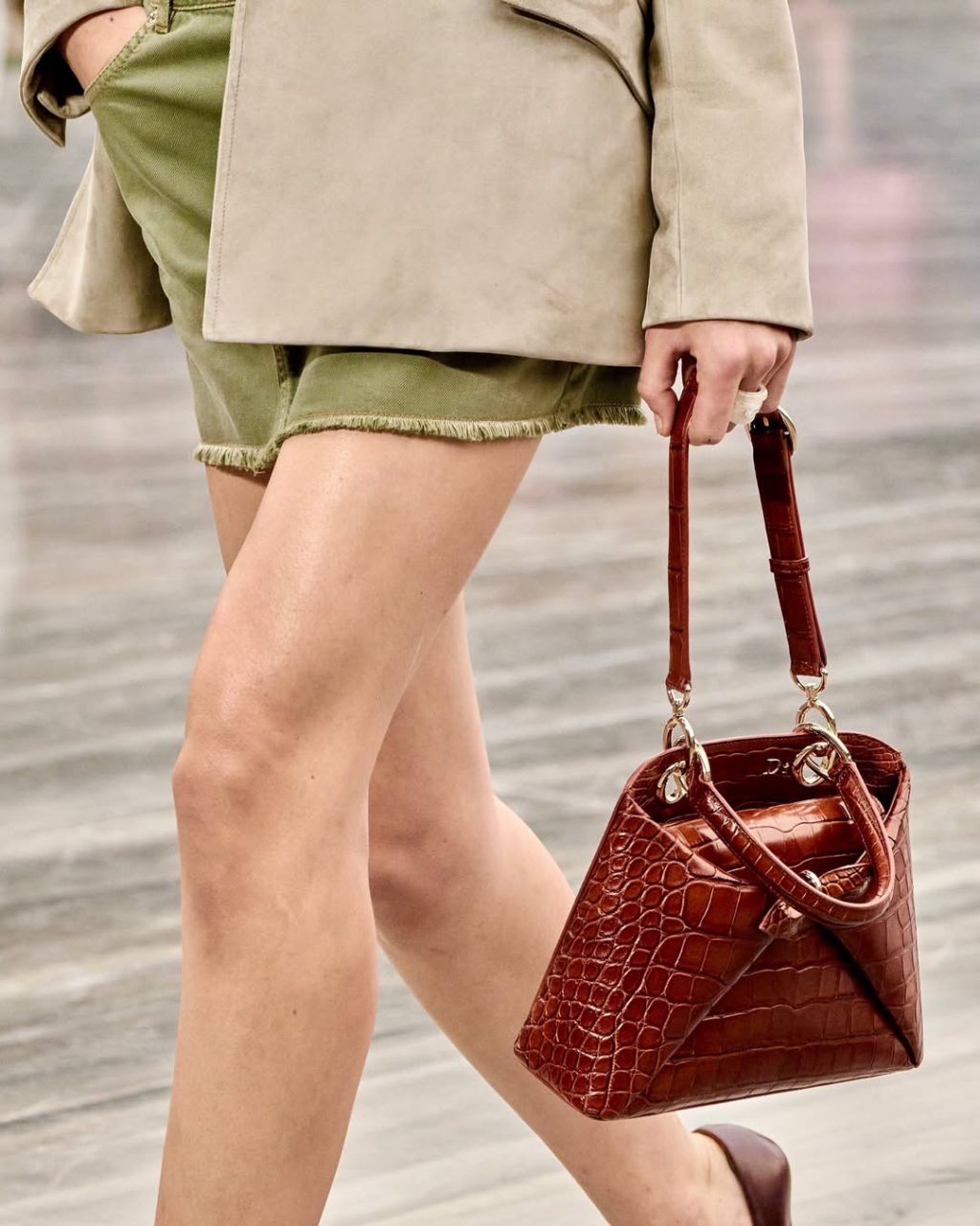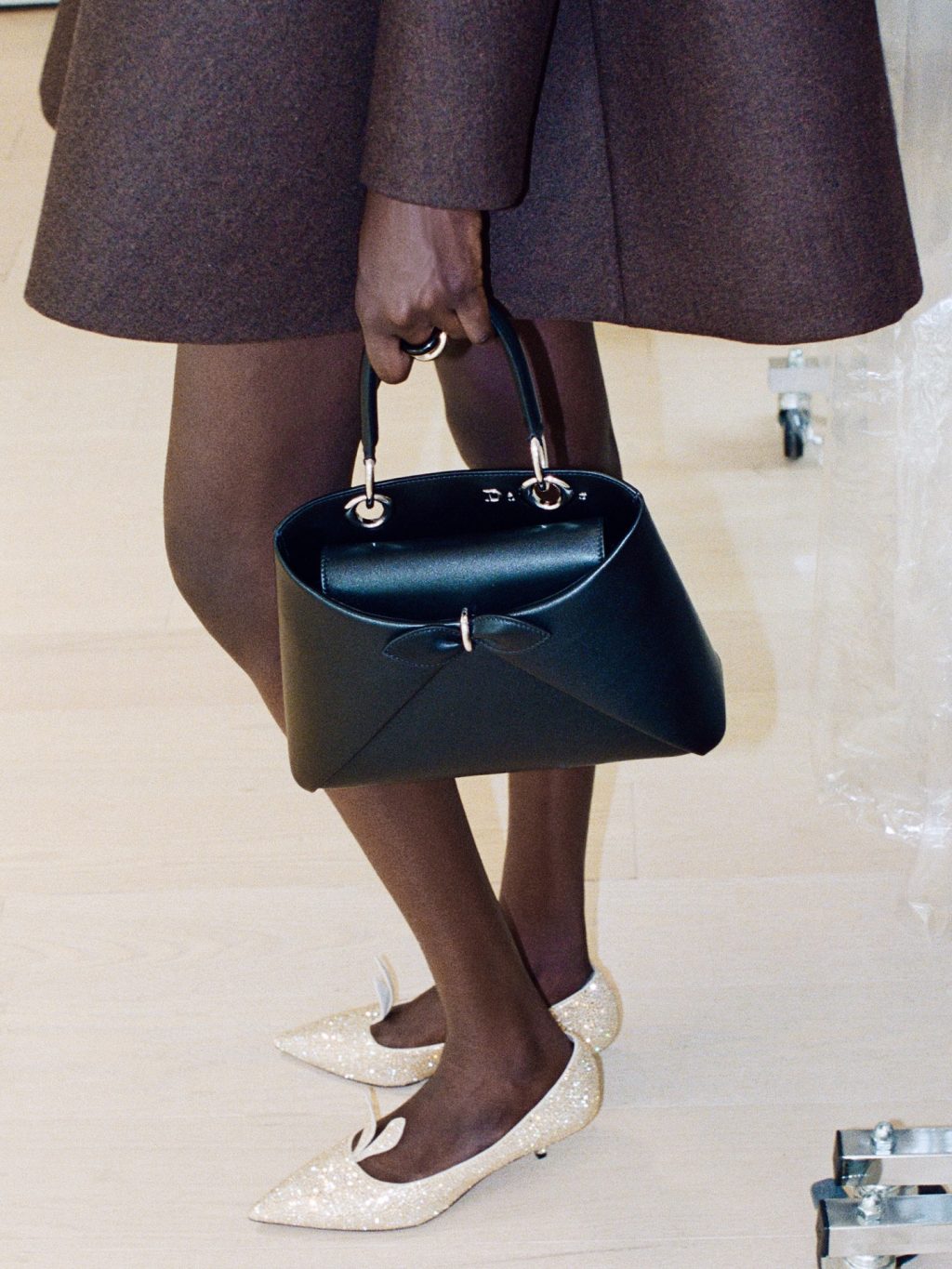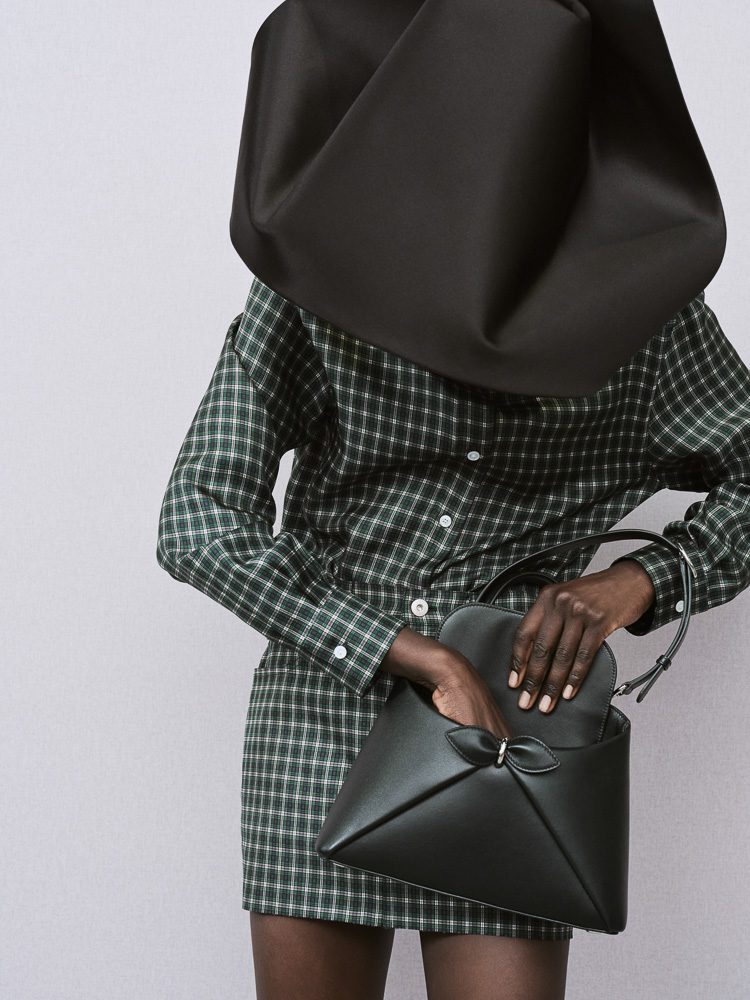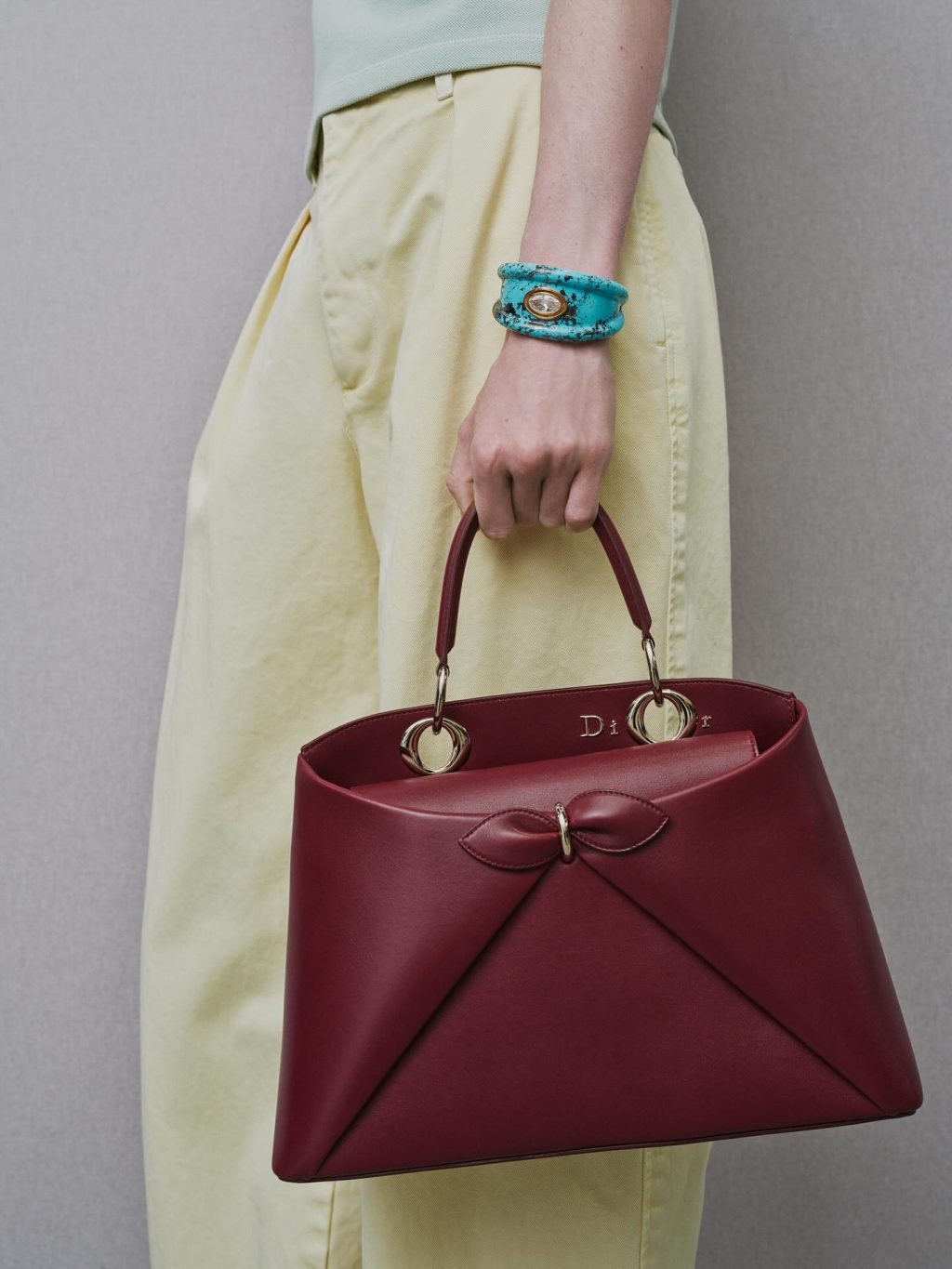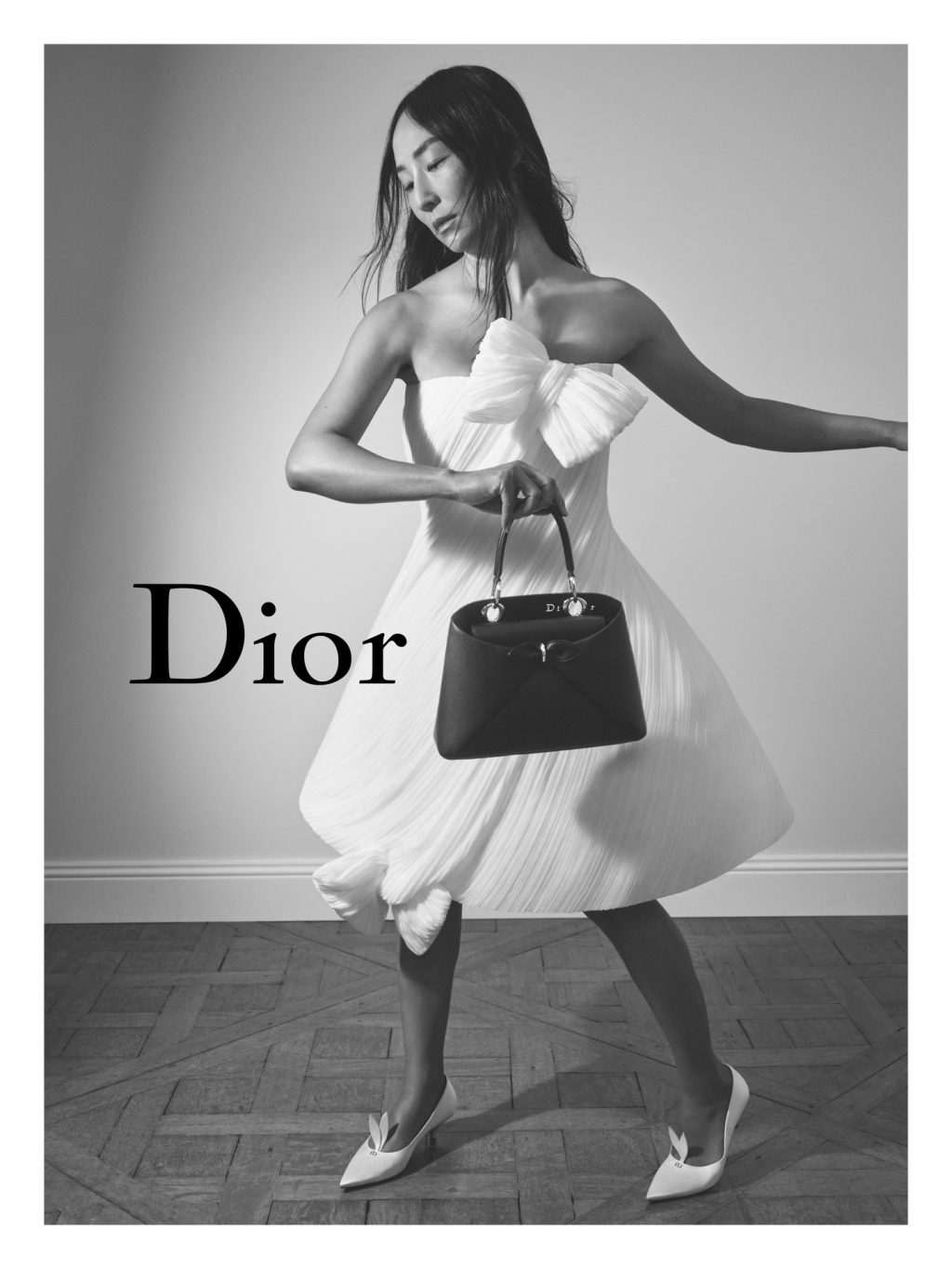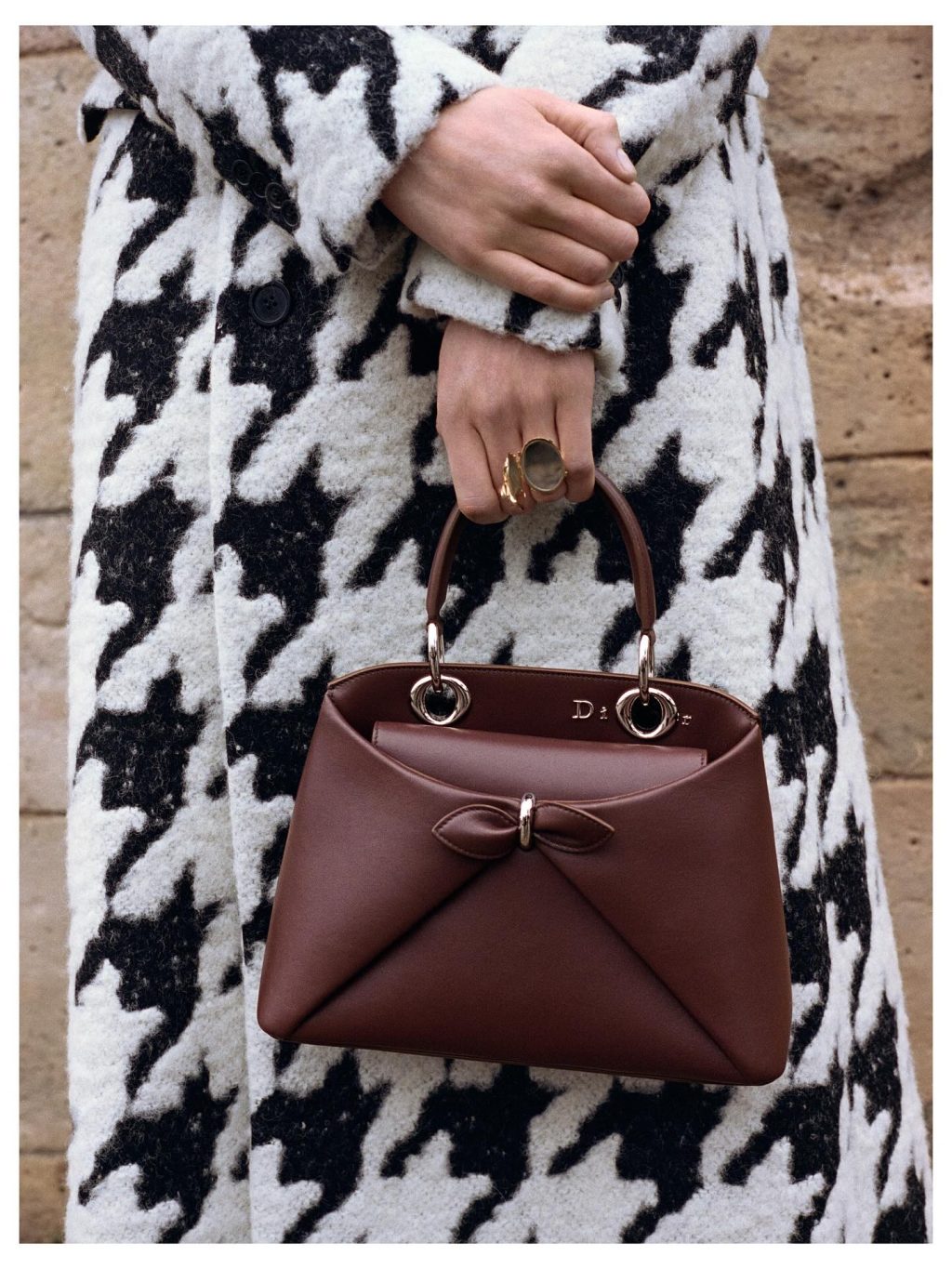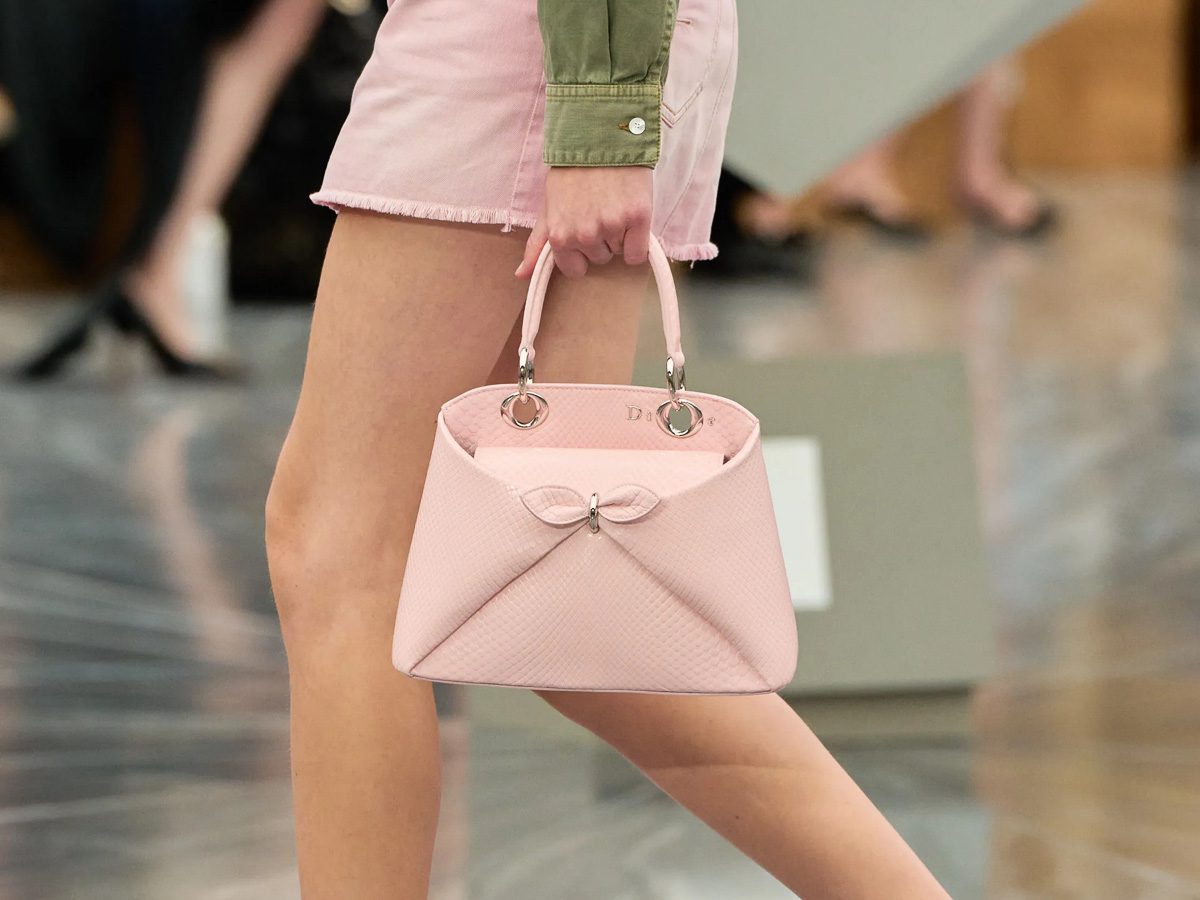
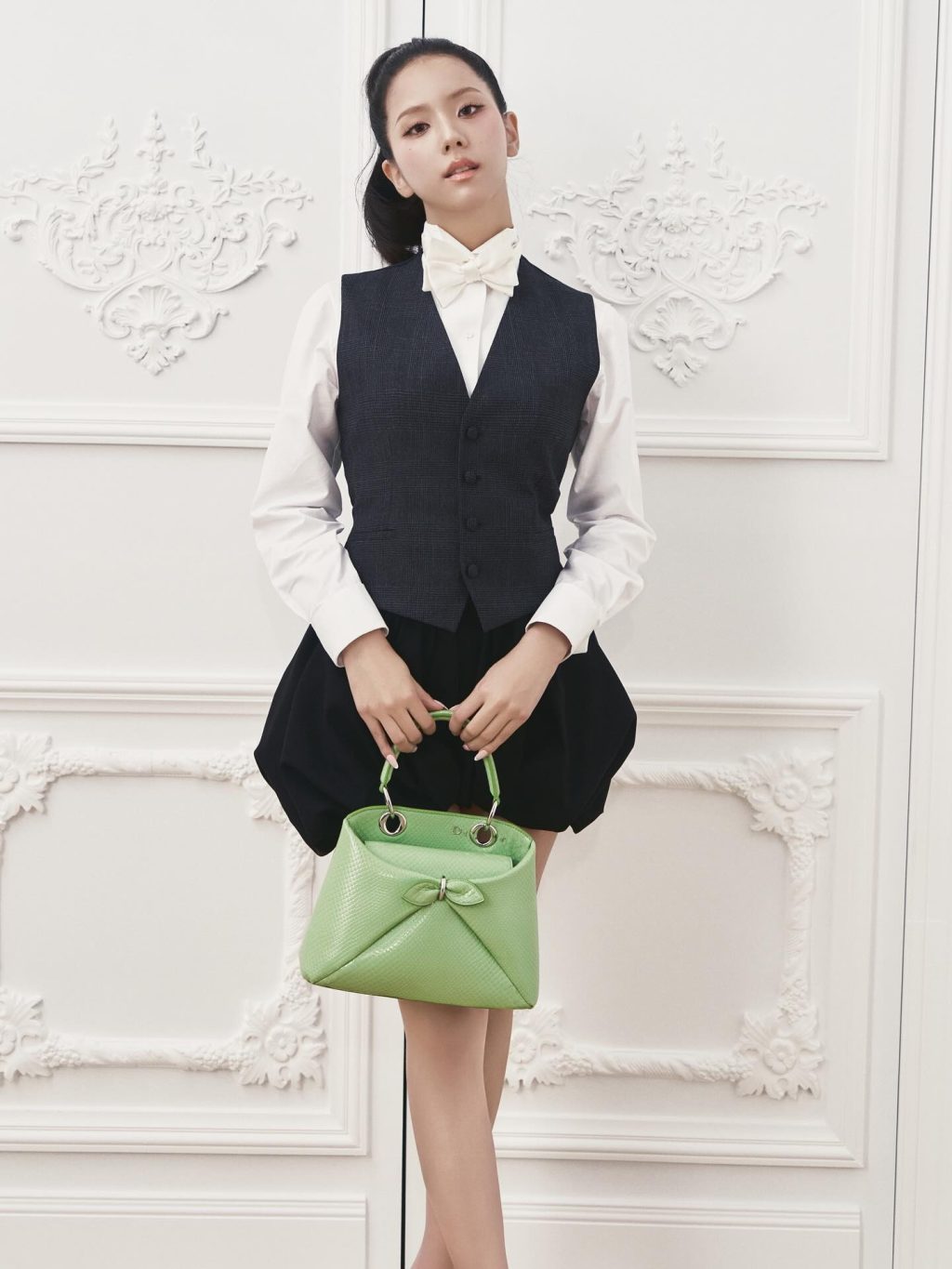
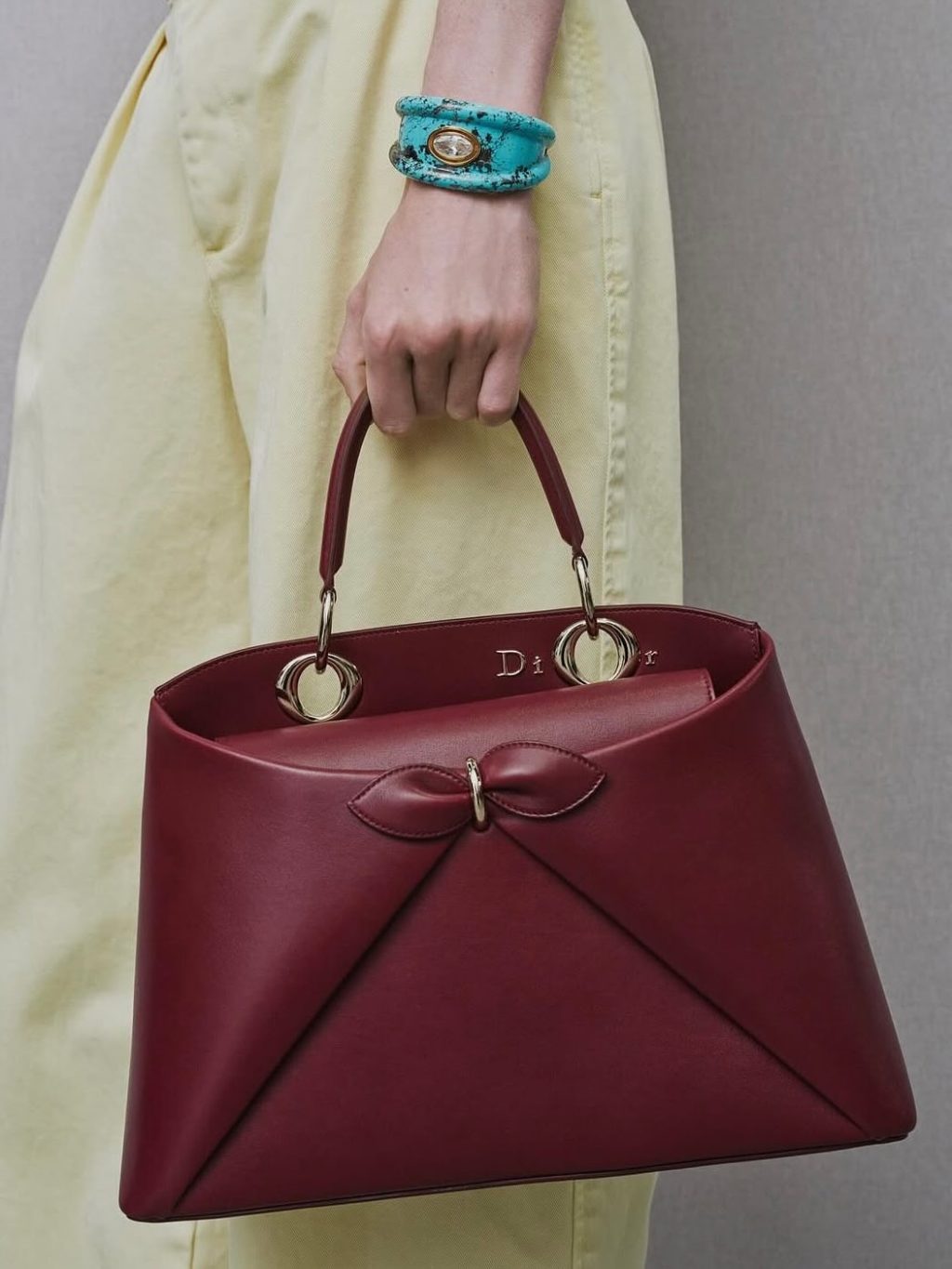
Some bags go viral because they shout. The Dior Cigale is doing the opposite: it’s becoming a talking point precisely because it behaves like an object from the archive—composed, architectural, slightly severe—then punctured by one disarming detail: a small bow that reads less like decoration and more like punctuation.
The Cigale bag arrived as part of Jonathan Anderson’s Dior womenswear debut, presented on October 1, 2025, and immediately framed as a “bag launch” moment—fashion’s way of signalling that this wasn’t only a collection, it was a new accessories language.
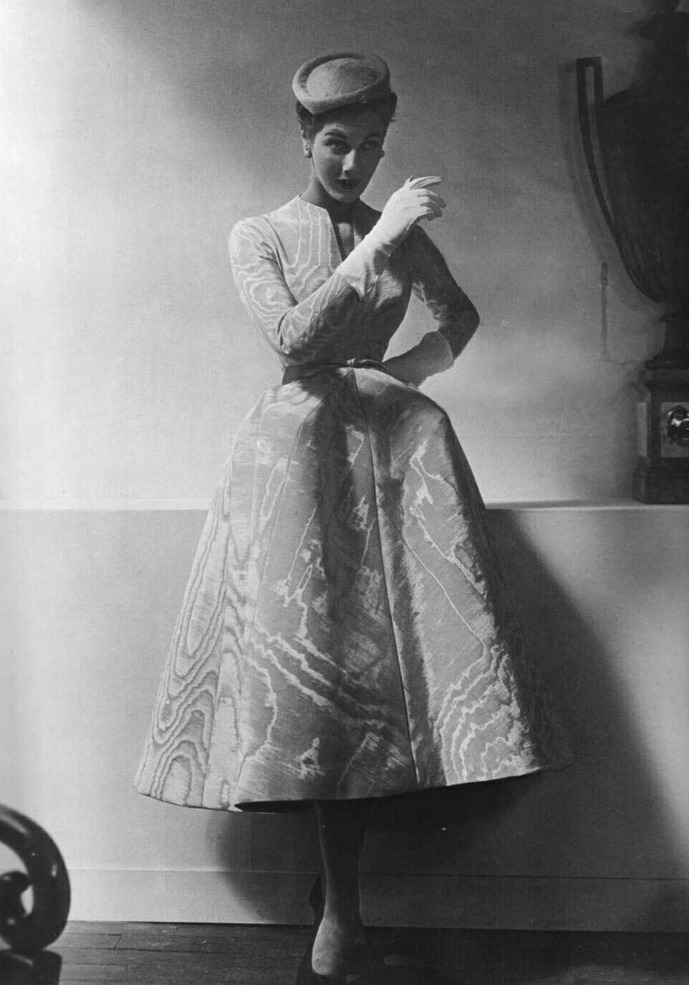
In the same breath, the bag was explicitly linked back to Dior’s own history: “La Cigale,” the famous 1952 dress whose sculpted lines have obsessed designers and collectors for decades.
And that is the Cigale’s real strategy. It doesn’t introduce a random new silhouette; it introduces a memory, turned portable—an archive reference that becomes a day bag.
Read also: Inside the making of the Dior Cigale Bag
Not to confuse it with Dior’s existing “Cigale” minis
Before we go further: Dior has already used “Cigale” as a naming tag in other lines (you’ll see it attached to certain Miss Caro and 30 Montaigne mini formats in various markets). Those pieces exist in the retail ecosystem today, and the name there functions more like a product-family label than a “new icon” announcement.
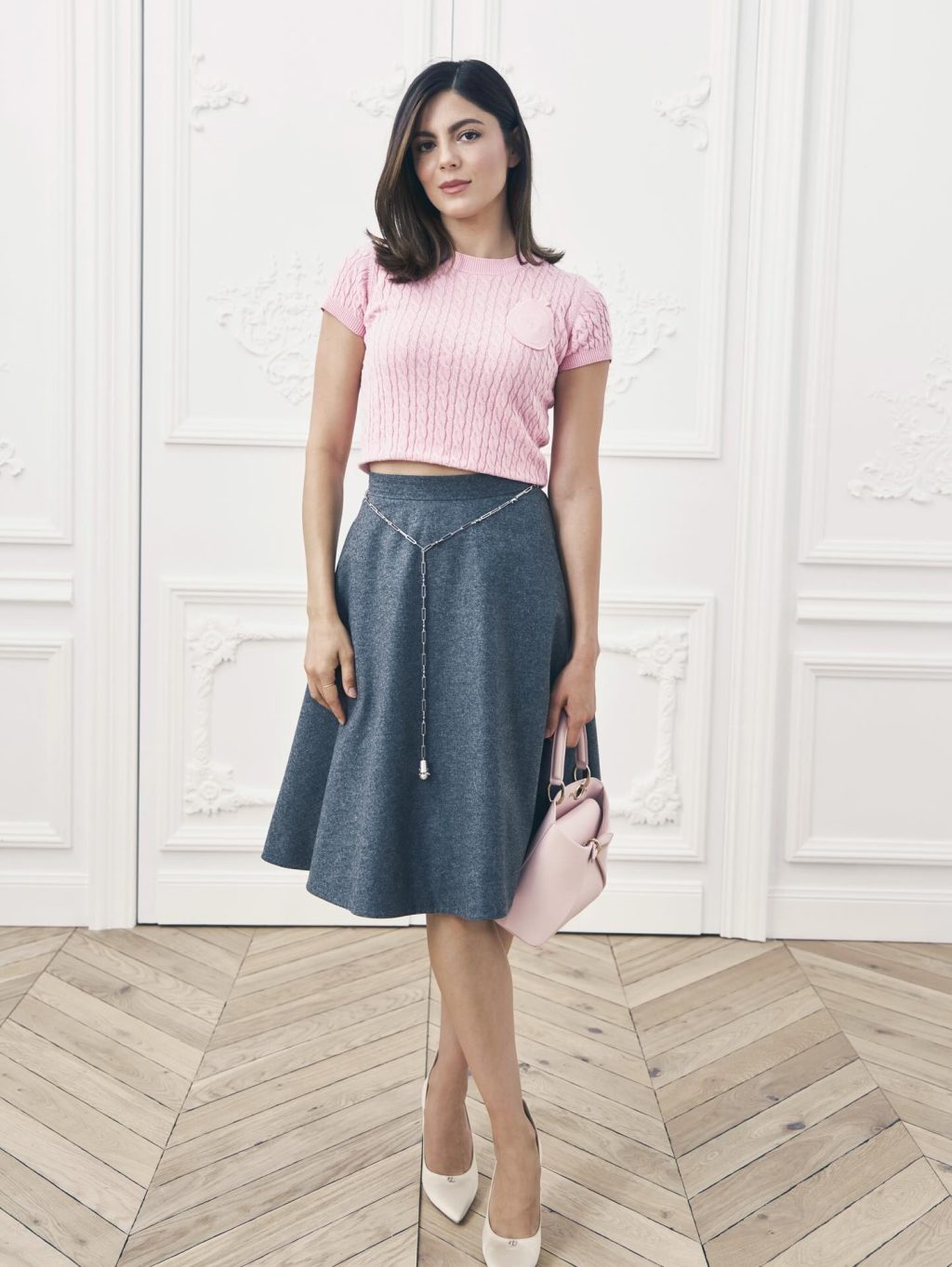
This article is about the new Dior Cigale bag introduced with Anderson’s Spring–Summer 2026 womenswear vision—the bow-front, folded-front silhouette that fashion media has positioned as a future signature.
The origin story: “La Cigale” (1952–1953) and Dior’s architecture of the waist
Dior’s “Cigale” isn’t a whimsical word choice; it’s a couture silhouette with a precise anatomy.
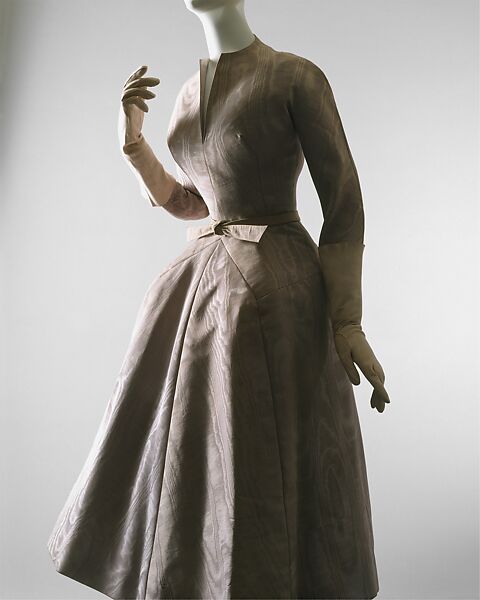
On Dior’s own haute couture storytelling, the Cigale silhouette is described as a line “designed by Monsieur Dior for the autumn-winter 1952–1953 haute couture” collection—an hourglass idea pushed into something more structural, where the body becomes architecture.
Vogue France, revisiting the reference point for 2026, describes the original “La Cigale” dress as rigid in fabrication and defined by amplified hips, a cinched waist, and a minimal bow at the belt—small in scale, but deliberate in placement.
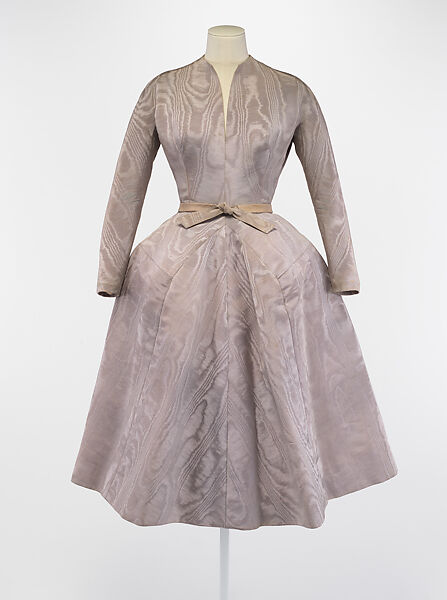
Vogue Runway’s review of Anderson’s debut goes further into why this silhouette still matters: it describes the “sticking-out buttresses” Dior created in the Cigale dress, and notes how that shape has influenced Anderson for years. That word—buttresses—is the key. The Cigale is not soft nostalgia; it’s structural nostalgia. It’s Dior treating the body the way architecture treats a building: with supports, angles, and engineered volume.
When a bag borrows from that lineage, it’s not borrowing a vibe. It’s borrowing a blueprint.
If you’re curious what actually turns a new silhouette into an icon (beyond the first wave of hype), our guide to the 10 most iconic bags of all time breaks down the design and storytelling criteria collectors watch.
Why the fold is the point
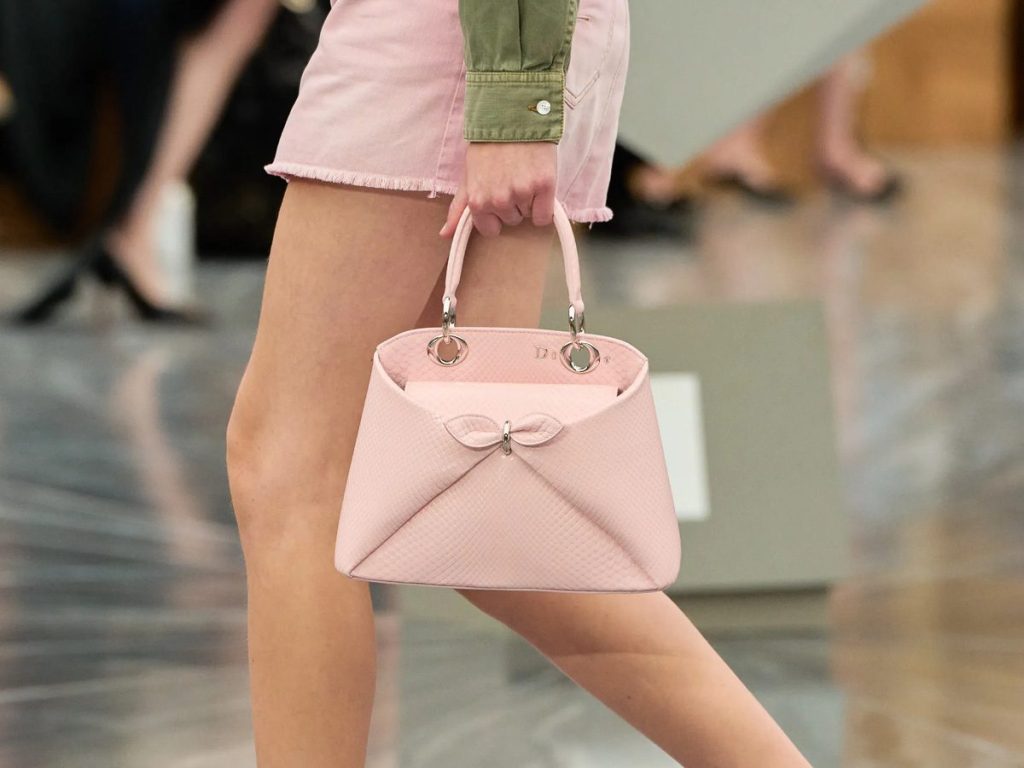
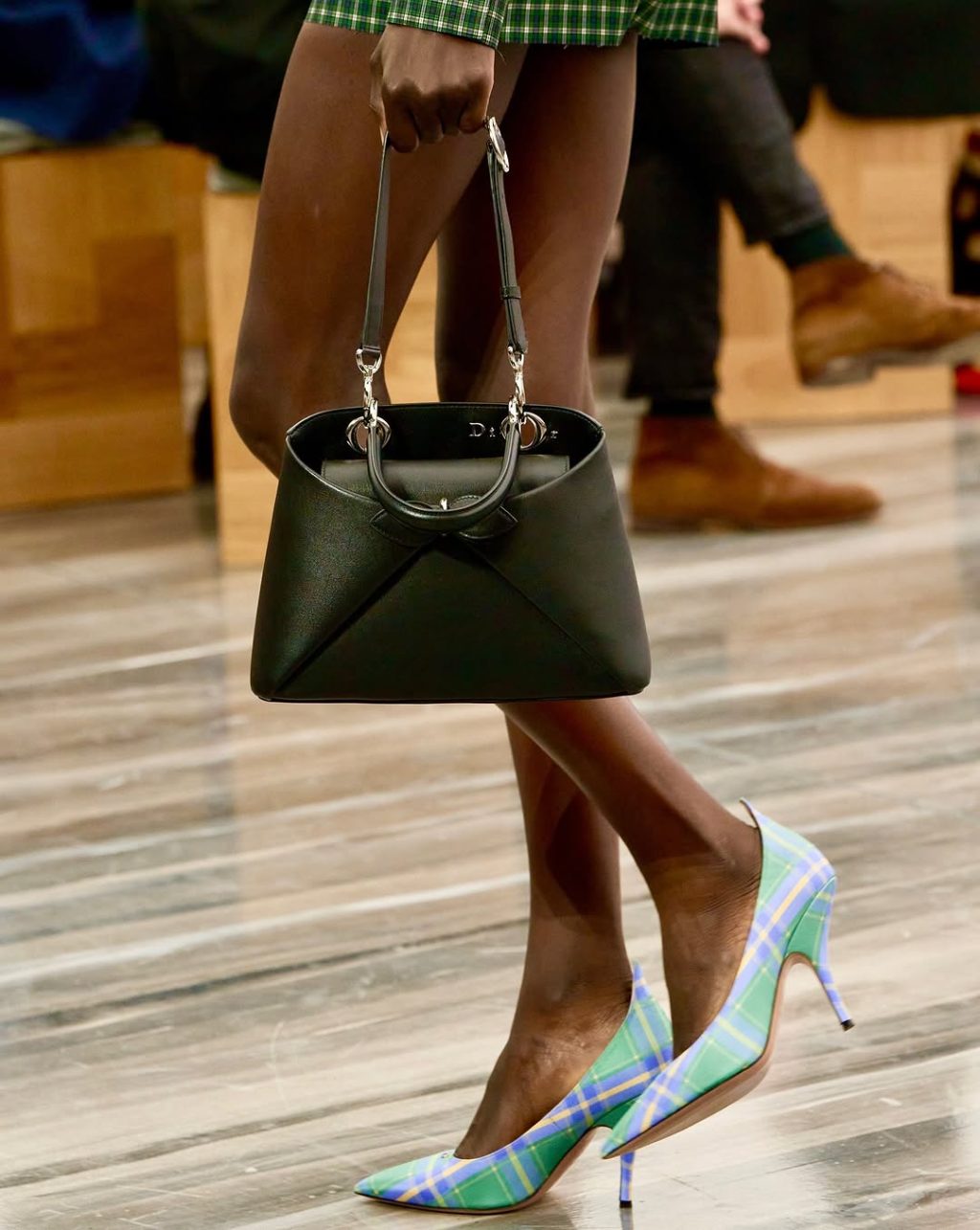
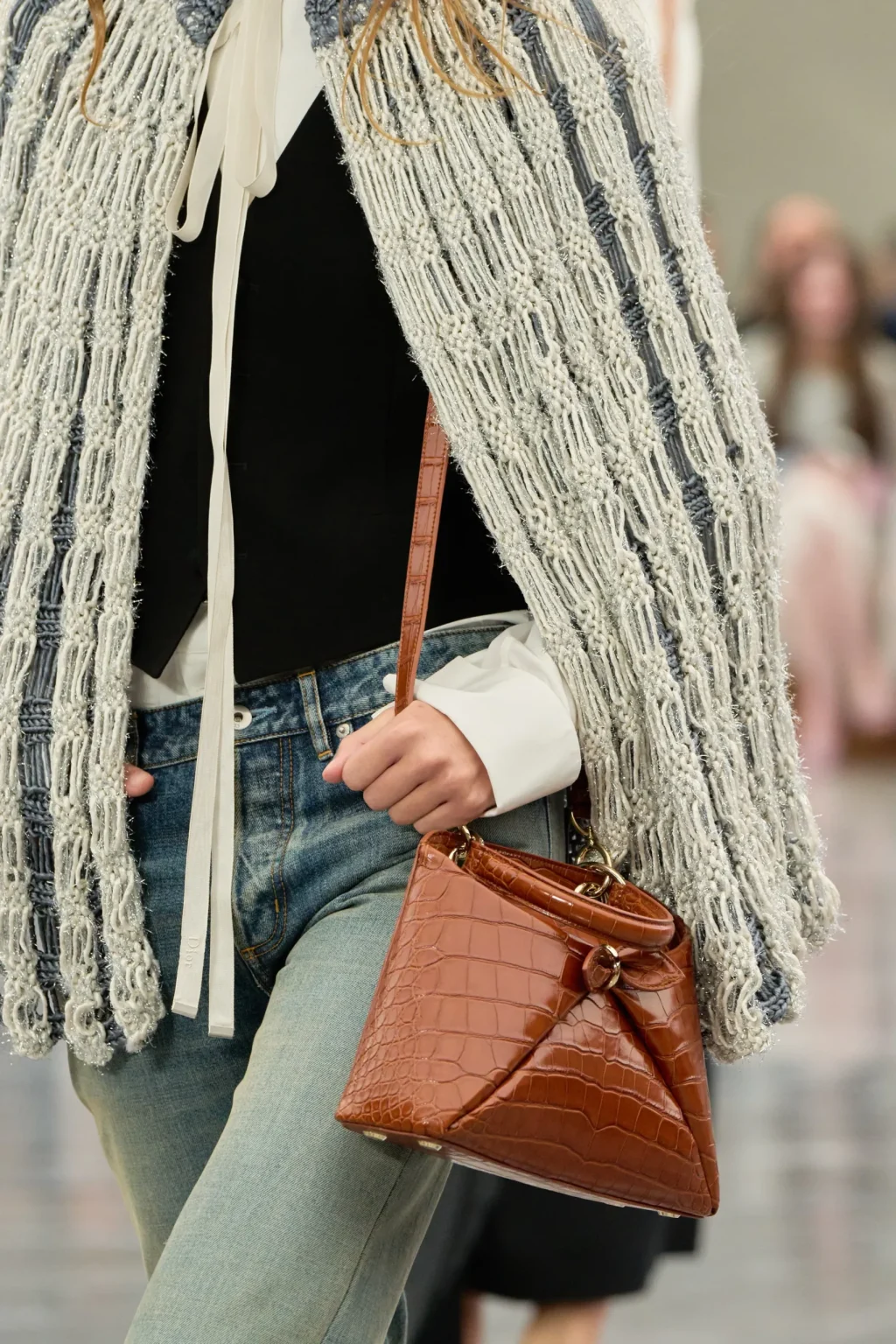
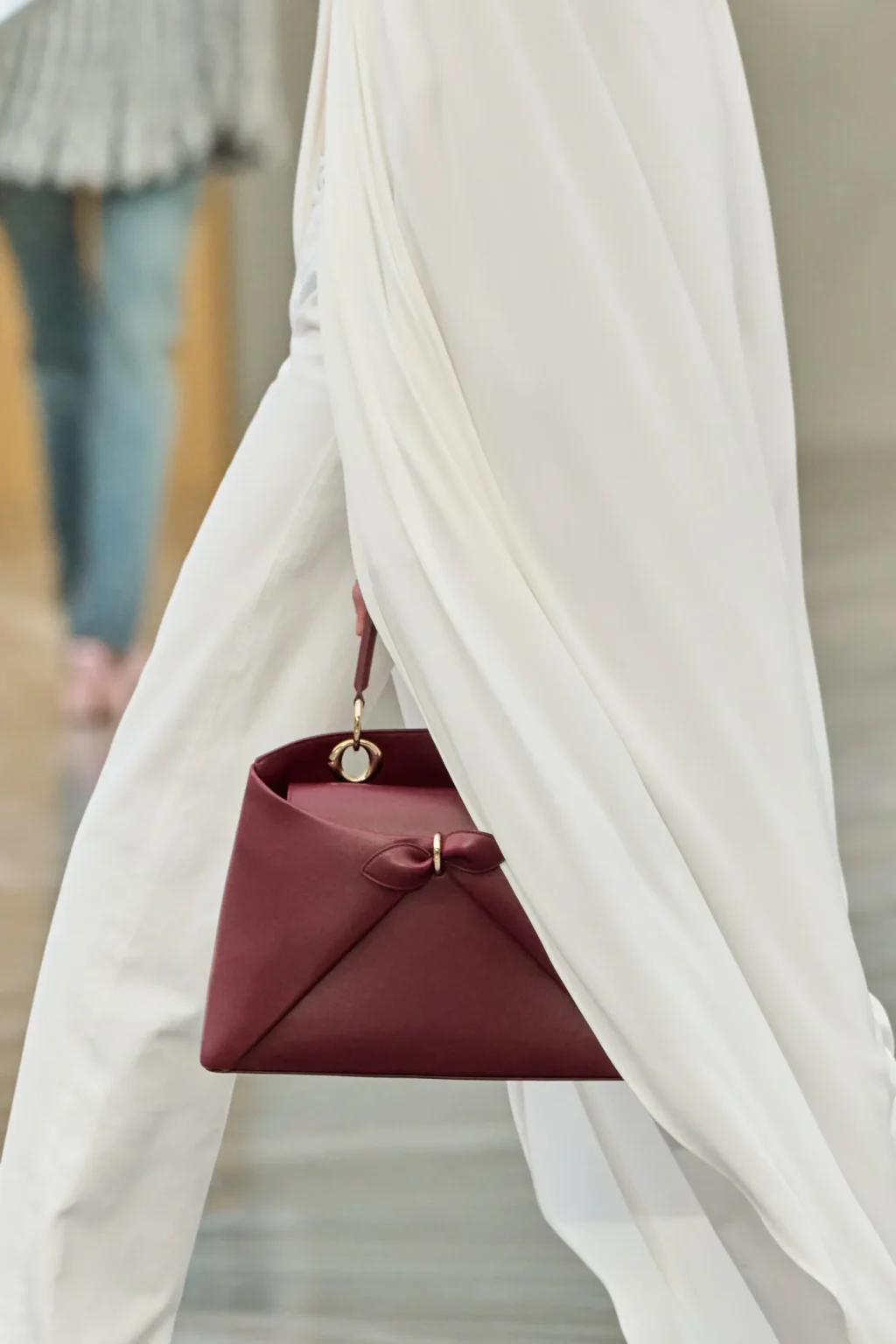
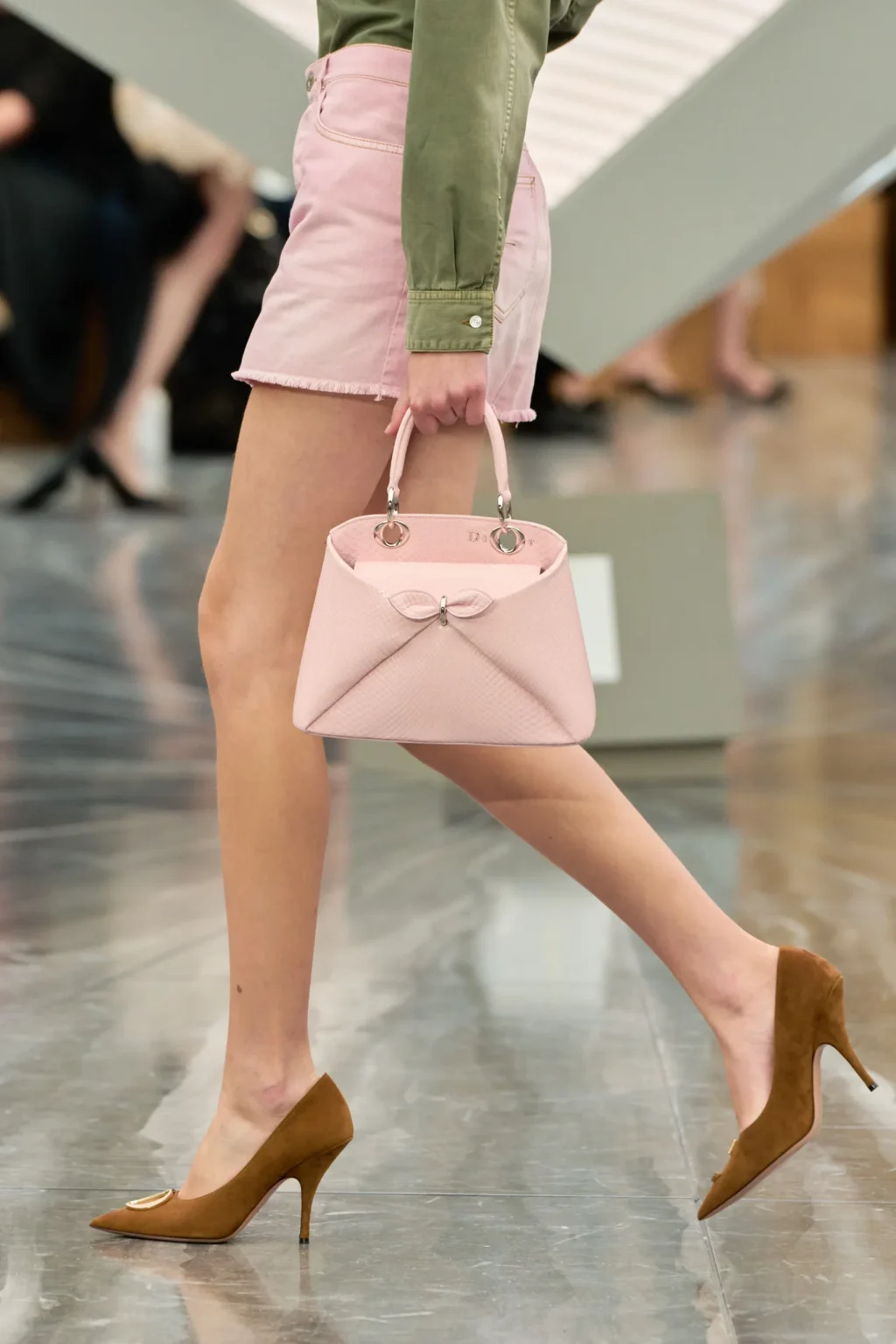
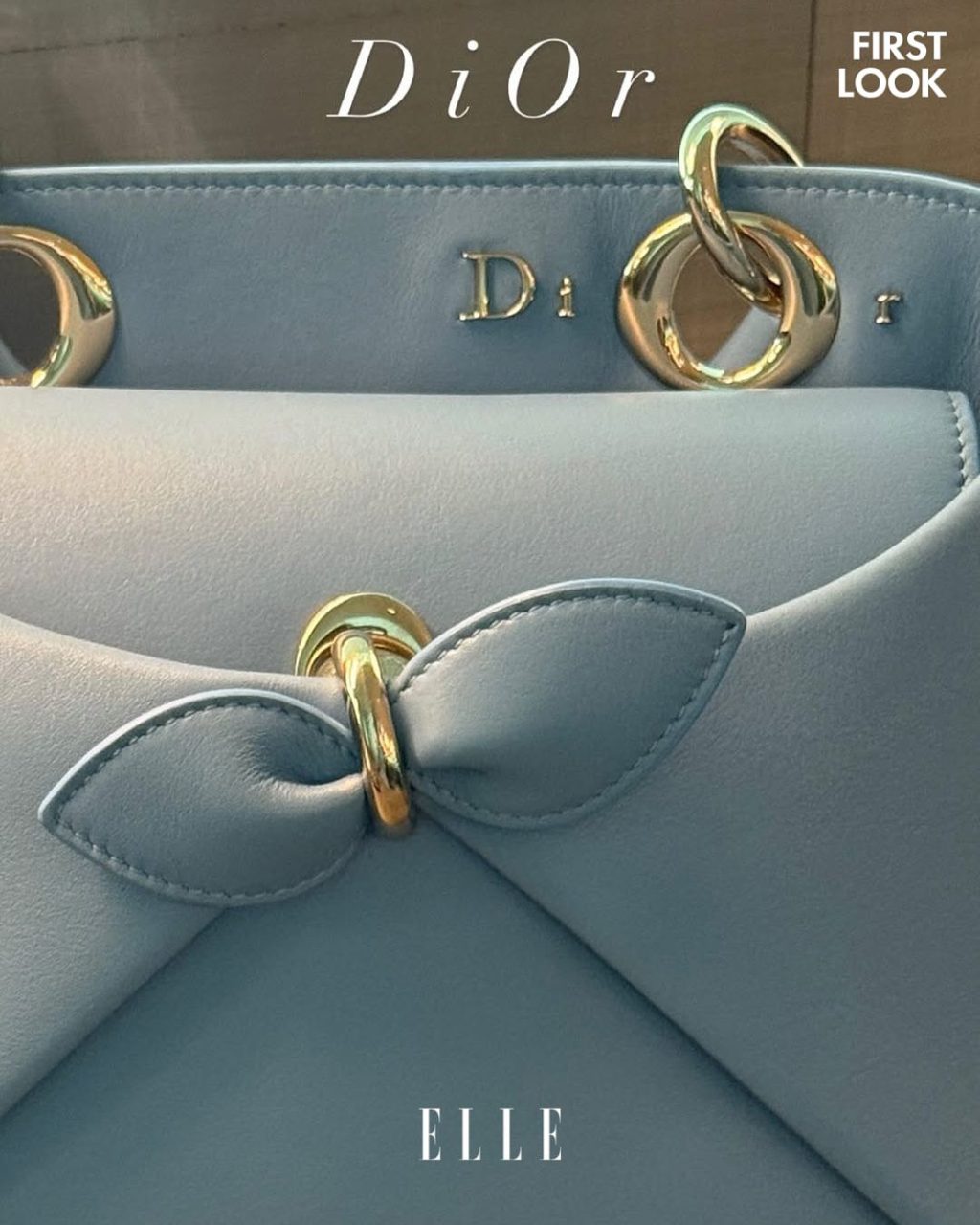
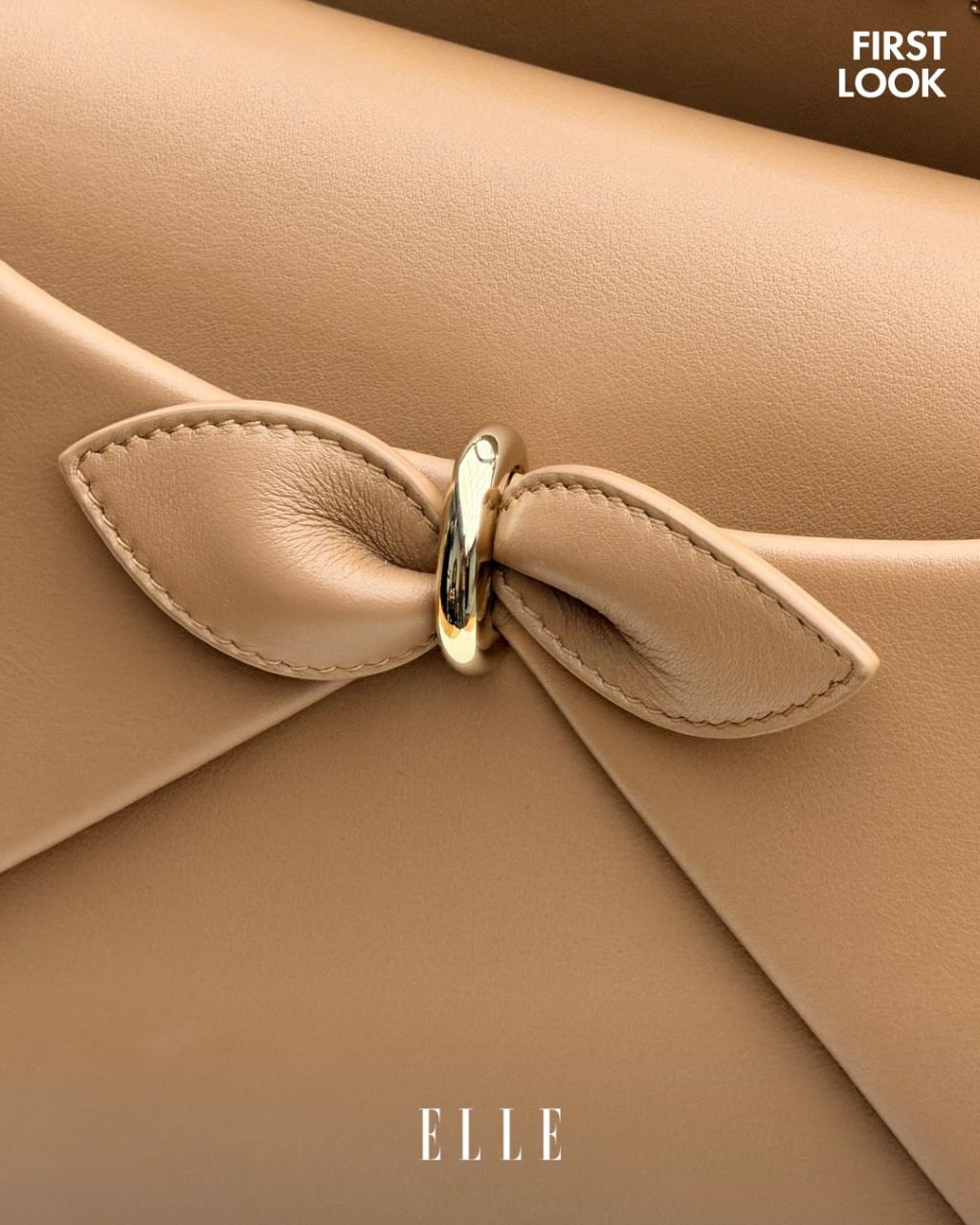
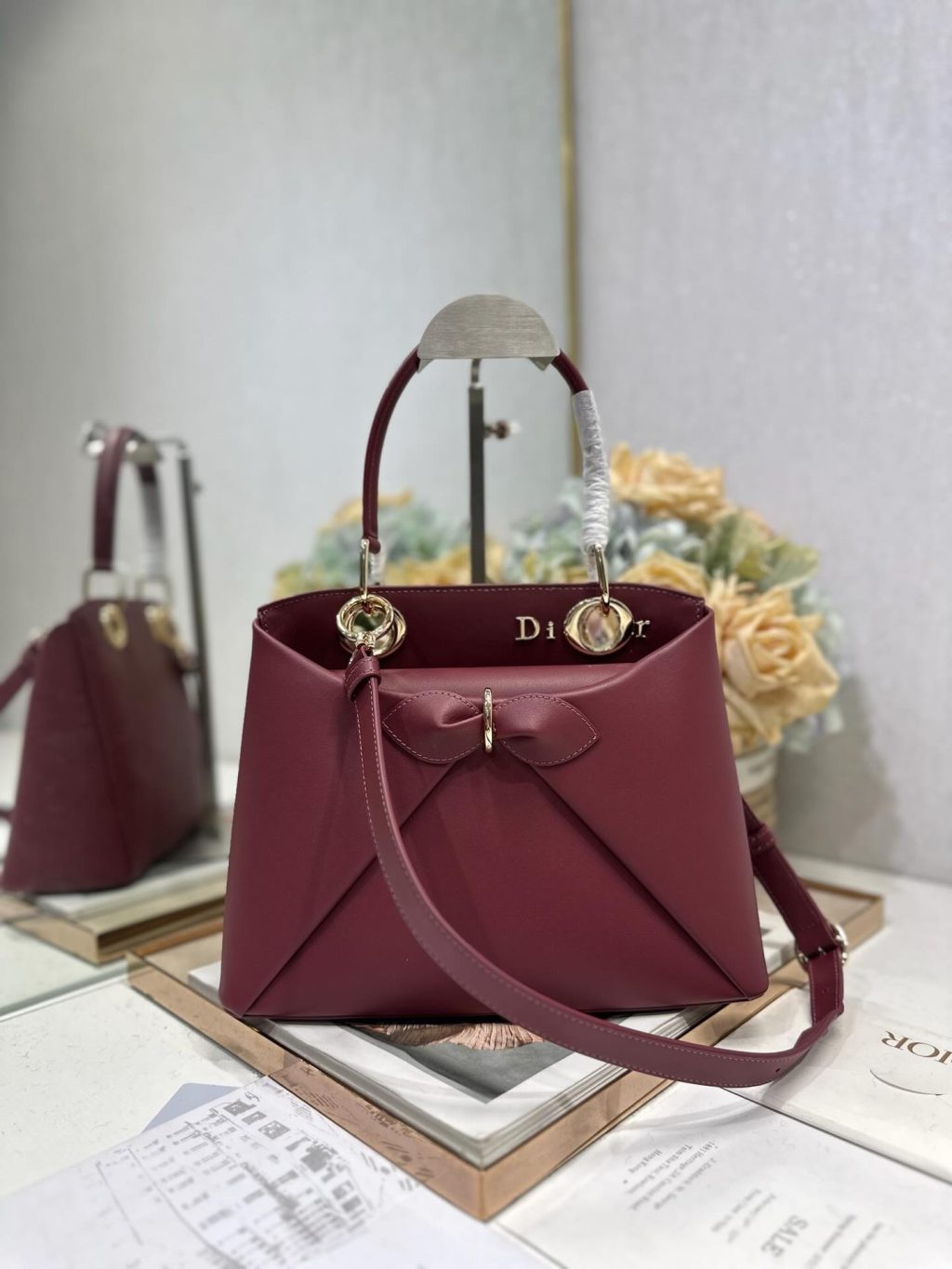
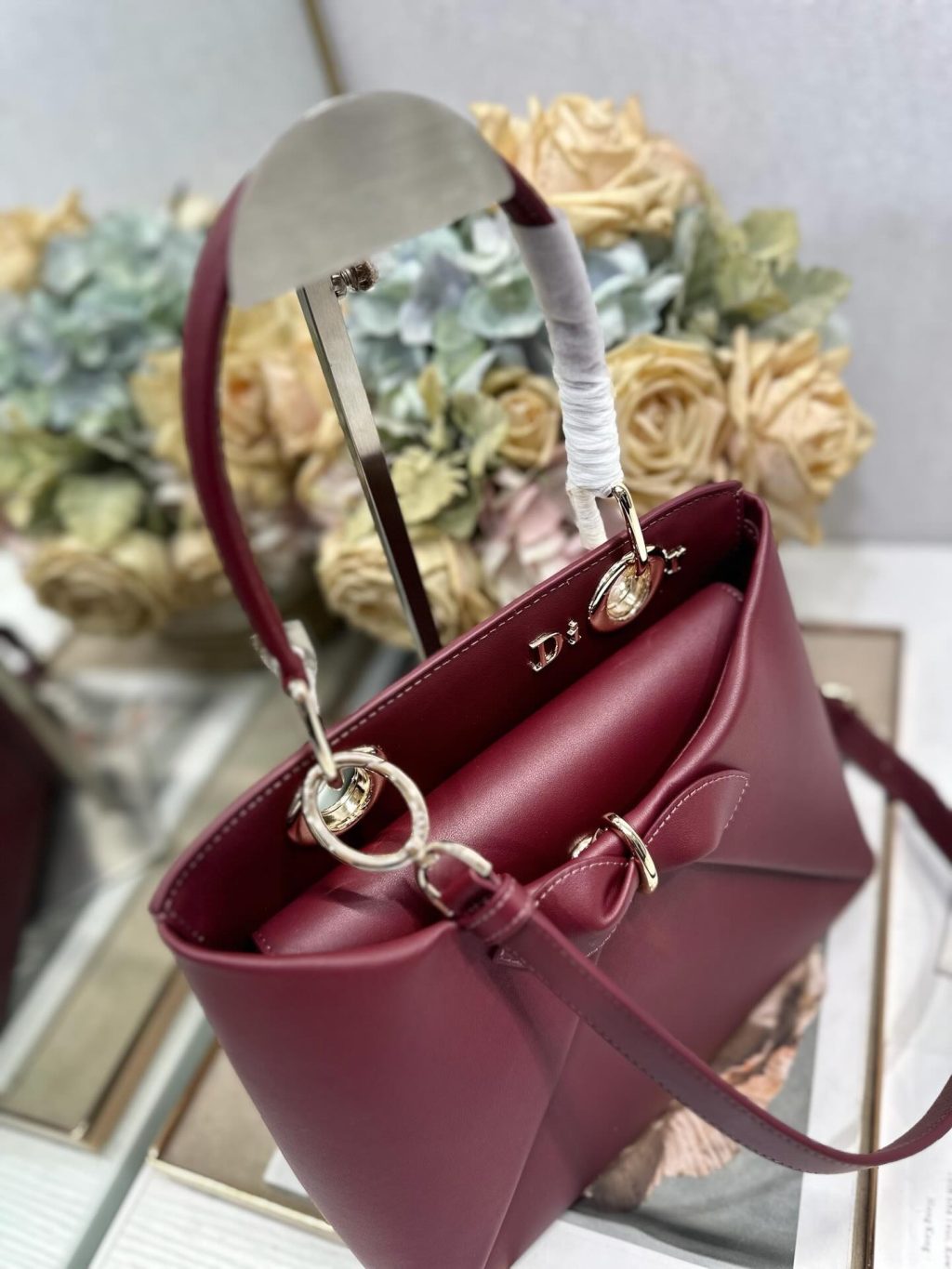
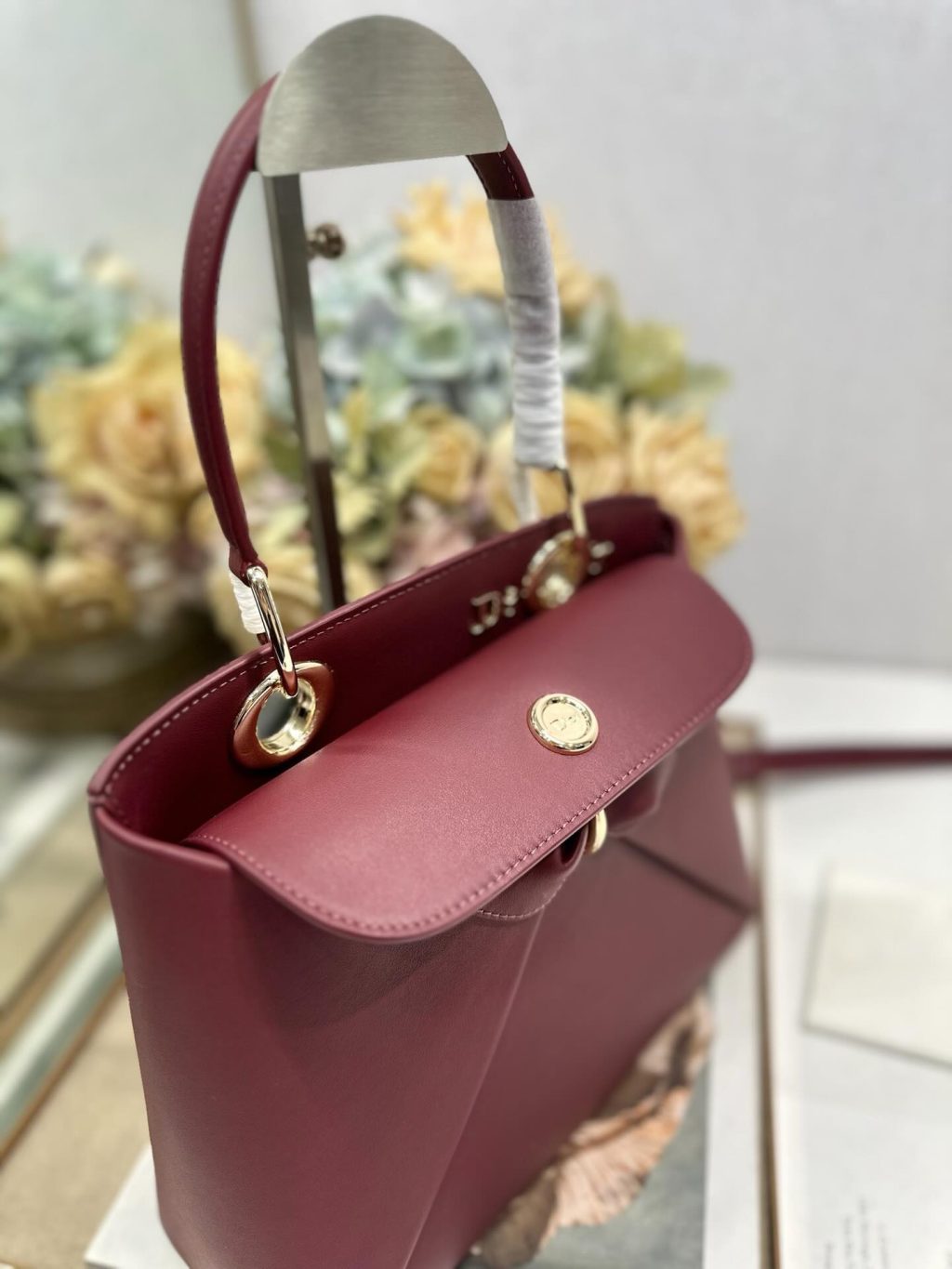
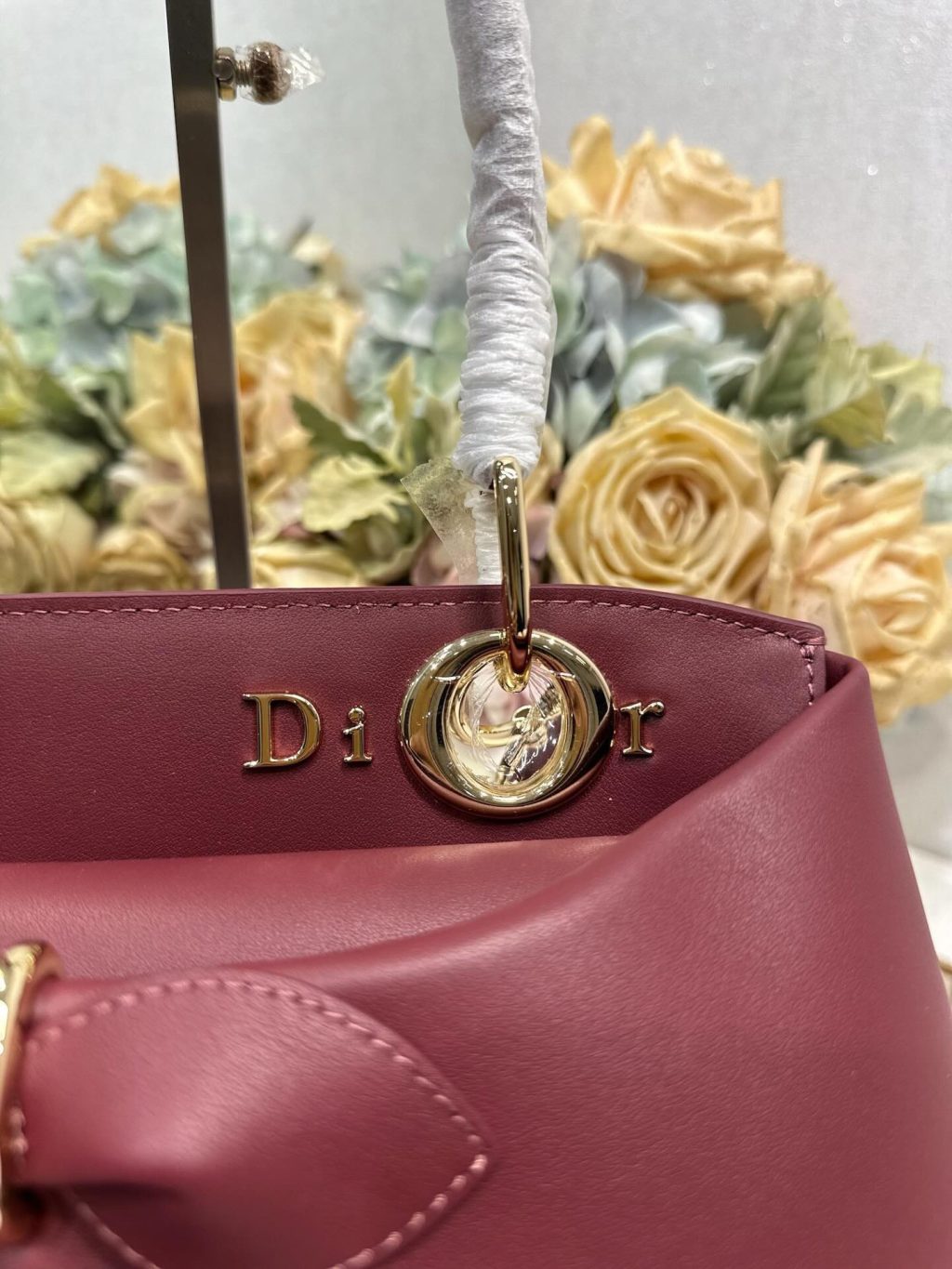
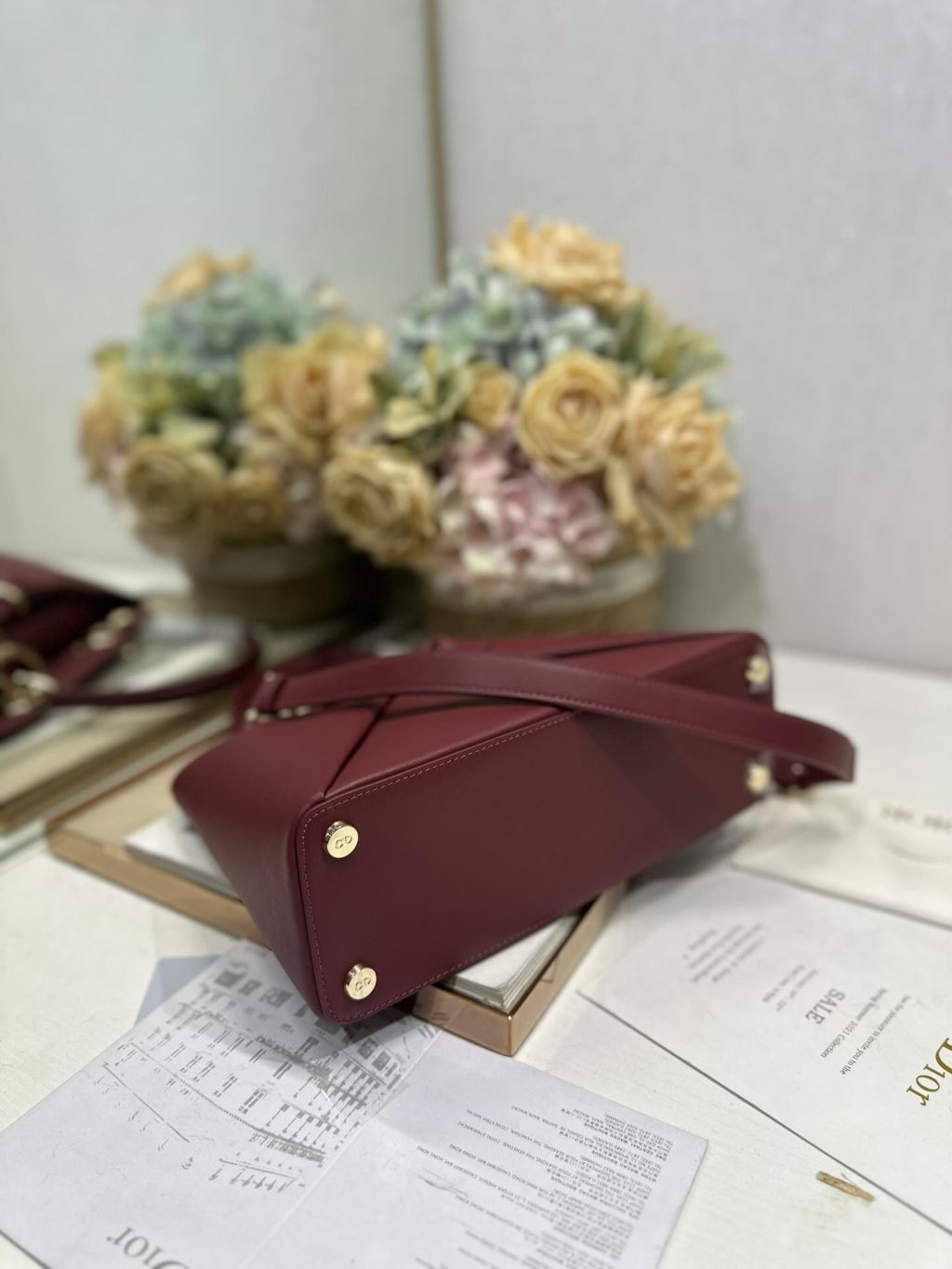
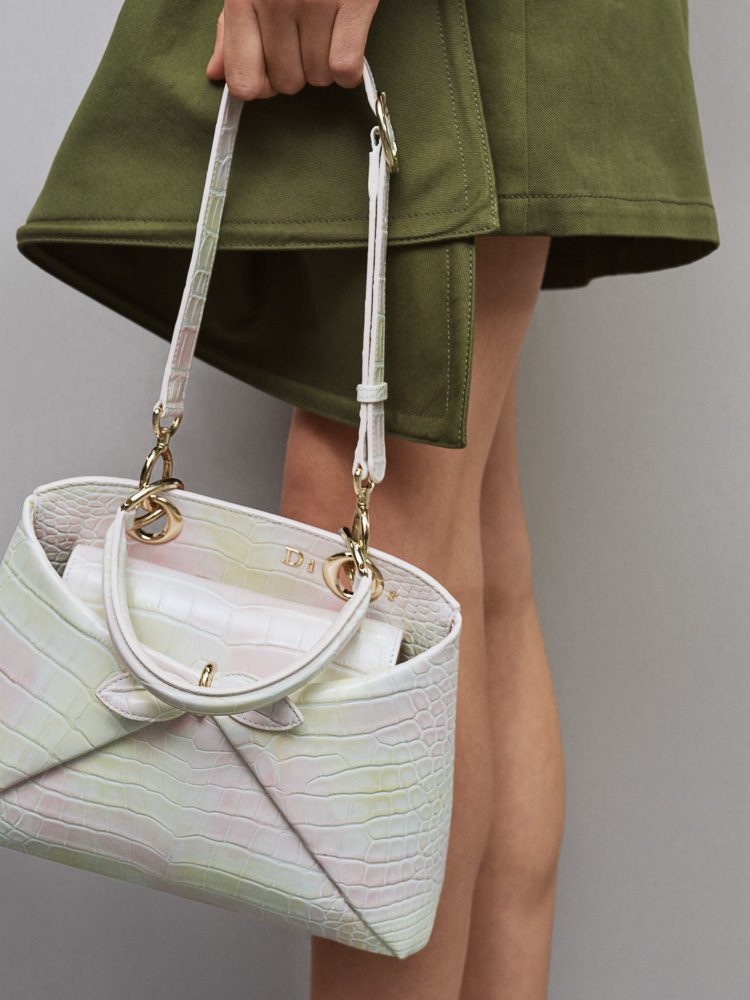
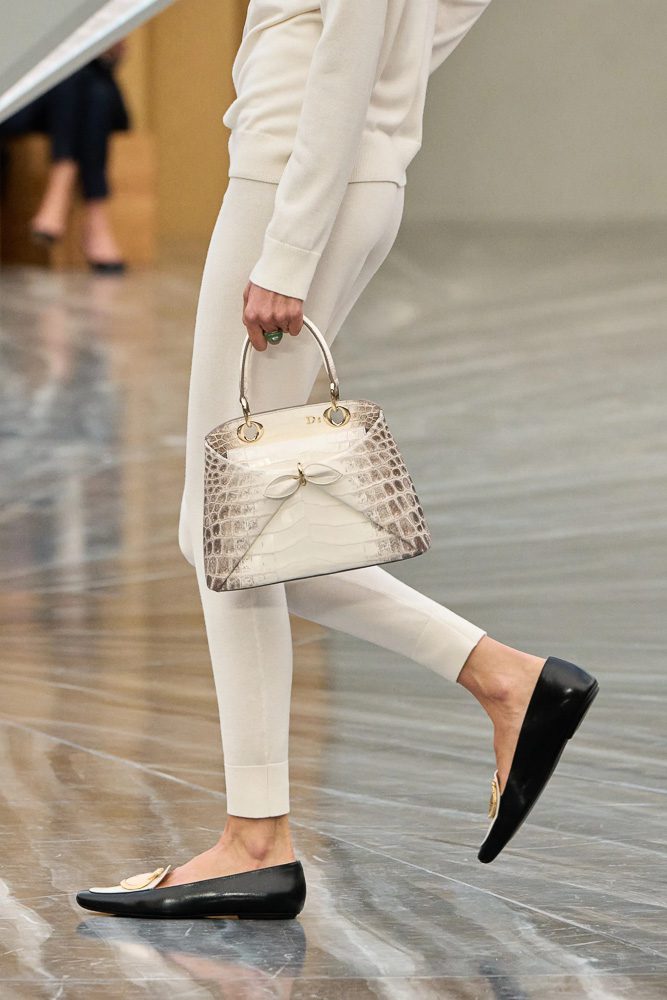
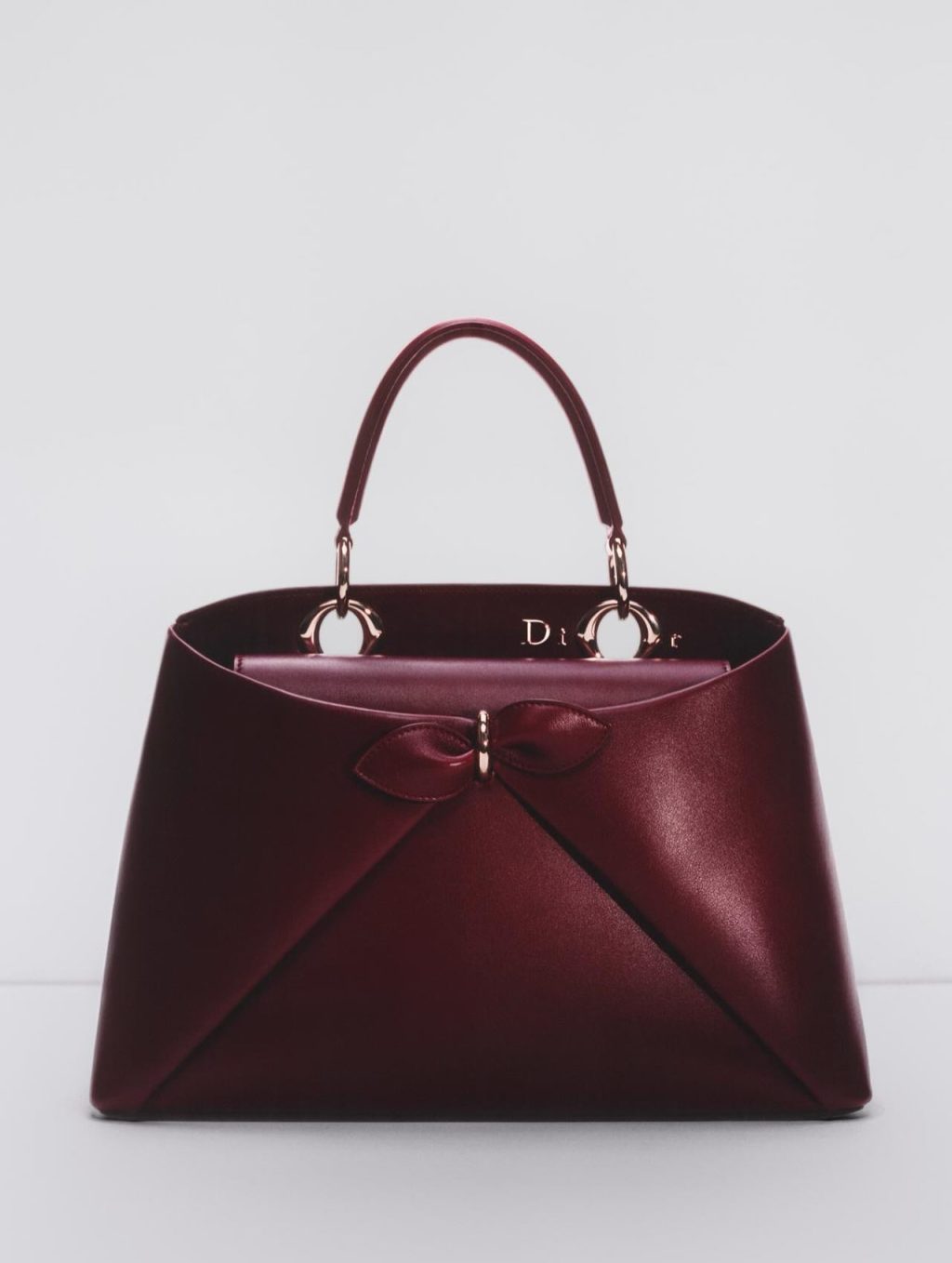
Most “new Dior bags” arrive with familiar cues: Cannage quilting, obvious charms, a logo clasp. The Cigale’s thesis is different. Its most recognizable element is a folded front panel—an envelope-like gesture that creates closure and silhouette at the same time, then finishes the sentence with a bow.
That bow is already a new Dior code in Anderson’s universe—subtle here, but made unmistakably literal in the Dior Bow Bag, where the bow stops being decoration and becomes the structure.
Even in early commentary around the debut, it was framed as a structured bag—Vogue described “La Cigale” as a structured crossbody inspired by the 1952 dress and specifically called out “the little bow.” Meanwhile, Elle’s coverage of the first retail arrivals emphasizes that the Cigale bag’s bow and folded front mirror the dress’s sloping shapes, positioning it as a direct translation of archival form into accessories.
This is why the Cigale photographs so well: the fold creates a shadow line, and the bow sits like a seal—graphic enough to read instantly, restrained enough to feel expensive without trying to prove it.
Materials, finishes, and the “day bag” positioning
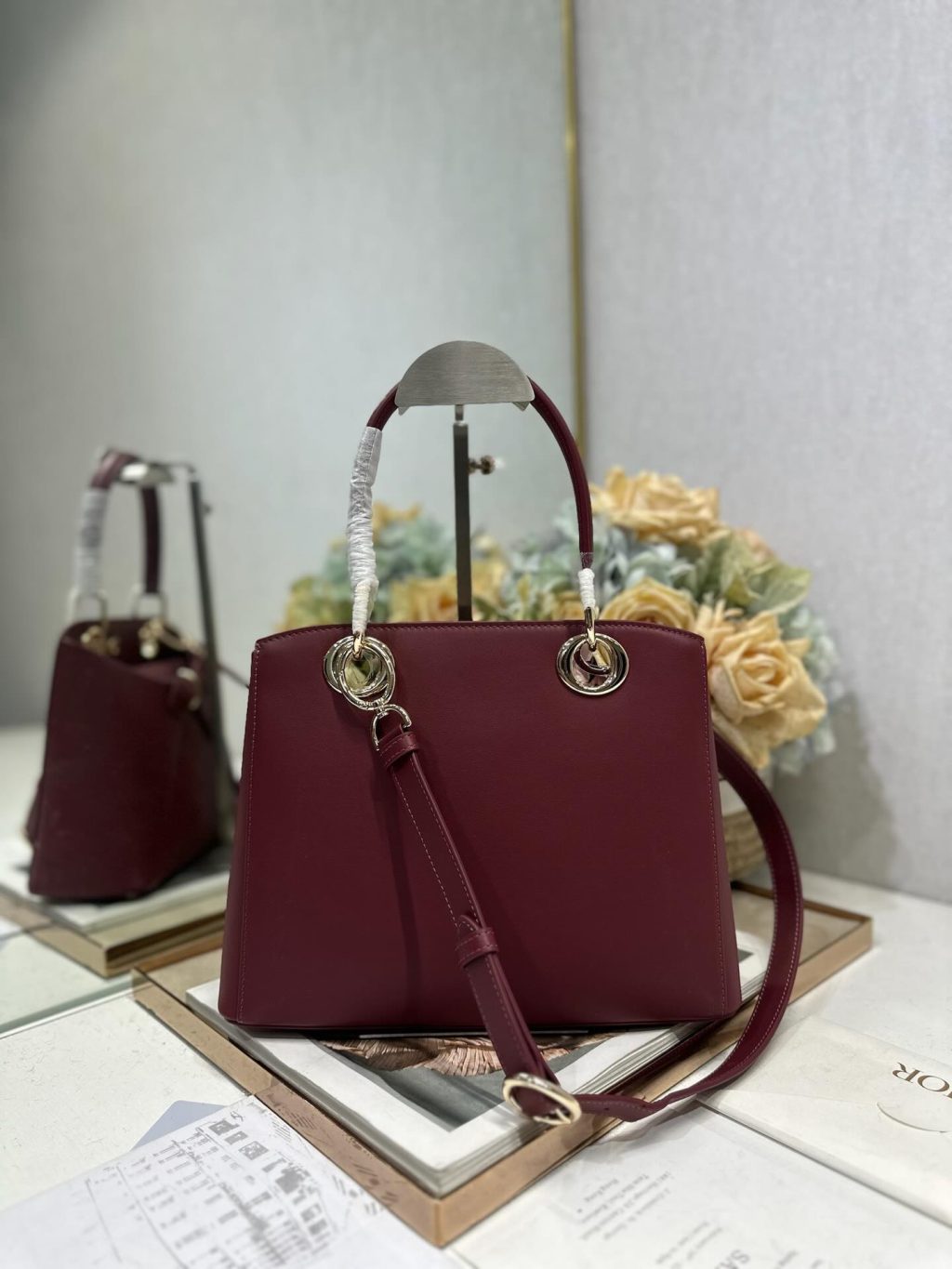
Fashion media has been consistent about how Dior intends the Cigale to live: as a day bag, compact and composed, not a novelty clutch.
For a closer look at Cigale “in motion” (and the other bags Anderson is pushing alongside it), read our Dior coed campaign bags: Jonathan Anderson’s Summer 2026 debut.
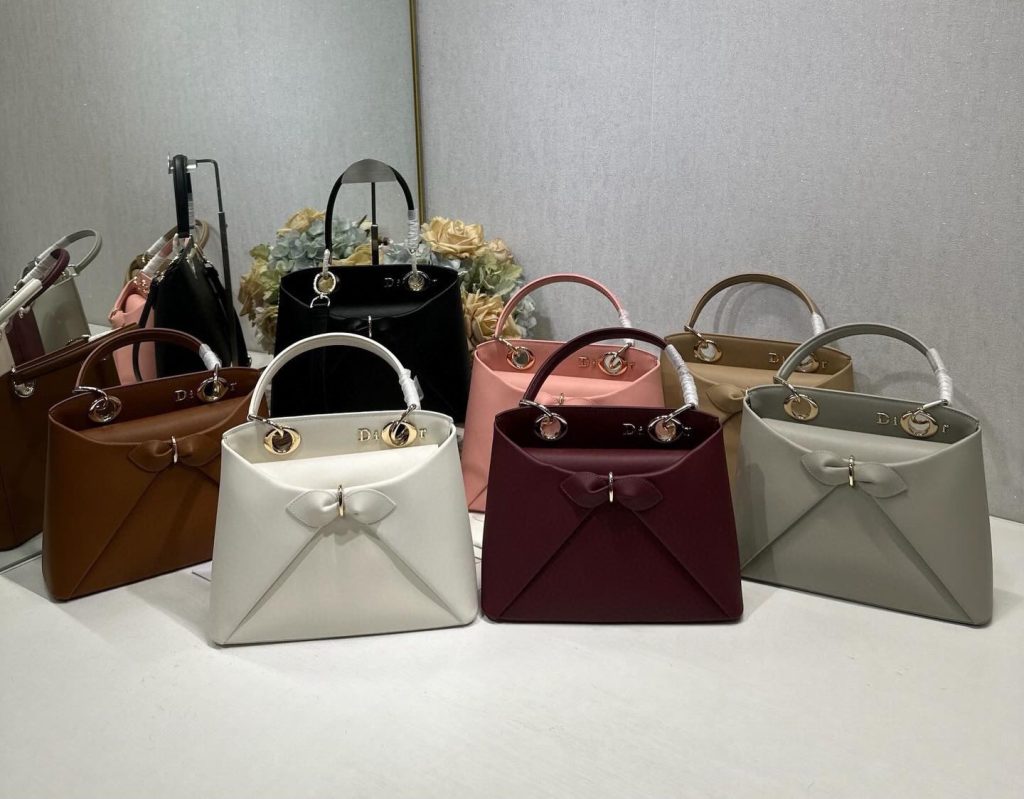
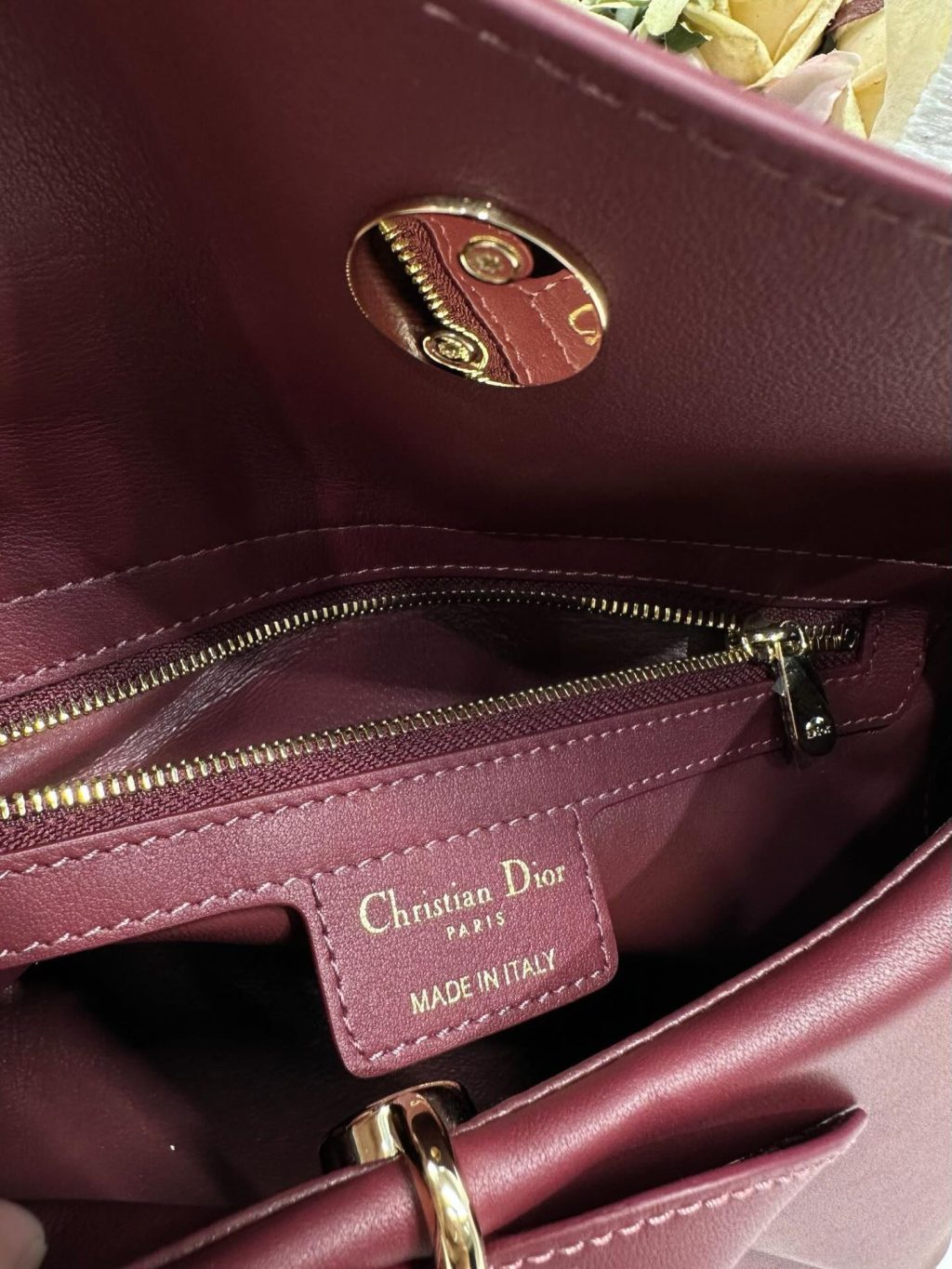
Vogue France calls it a “ravissant sac de jour” with compact lines, shown in smooth leather and croc-effect finishes, and released in a palette that’s described as both joyful and timeless—an intentional balancing act between fashion color and long-term wearability.
Wallpaper’s accessories feature underlines the constructional logic: it refers to the Cigale as a structured bag defined by its folded line and explicitly ties it to the architectural build of the 1952 “La Cigale” dress.
Colors and early price signals
Because the Cigale hasn’t been broadly rolled out online (and availability can vary sharply by market), the most credible early “pricing tells” come from editorial features and brand-adjacent coverage rather than standard e-commerce listings.
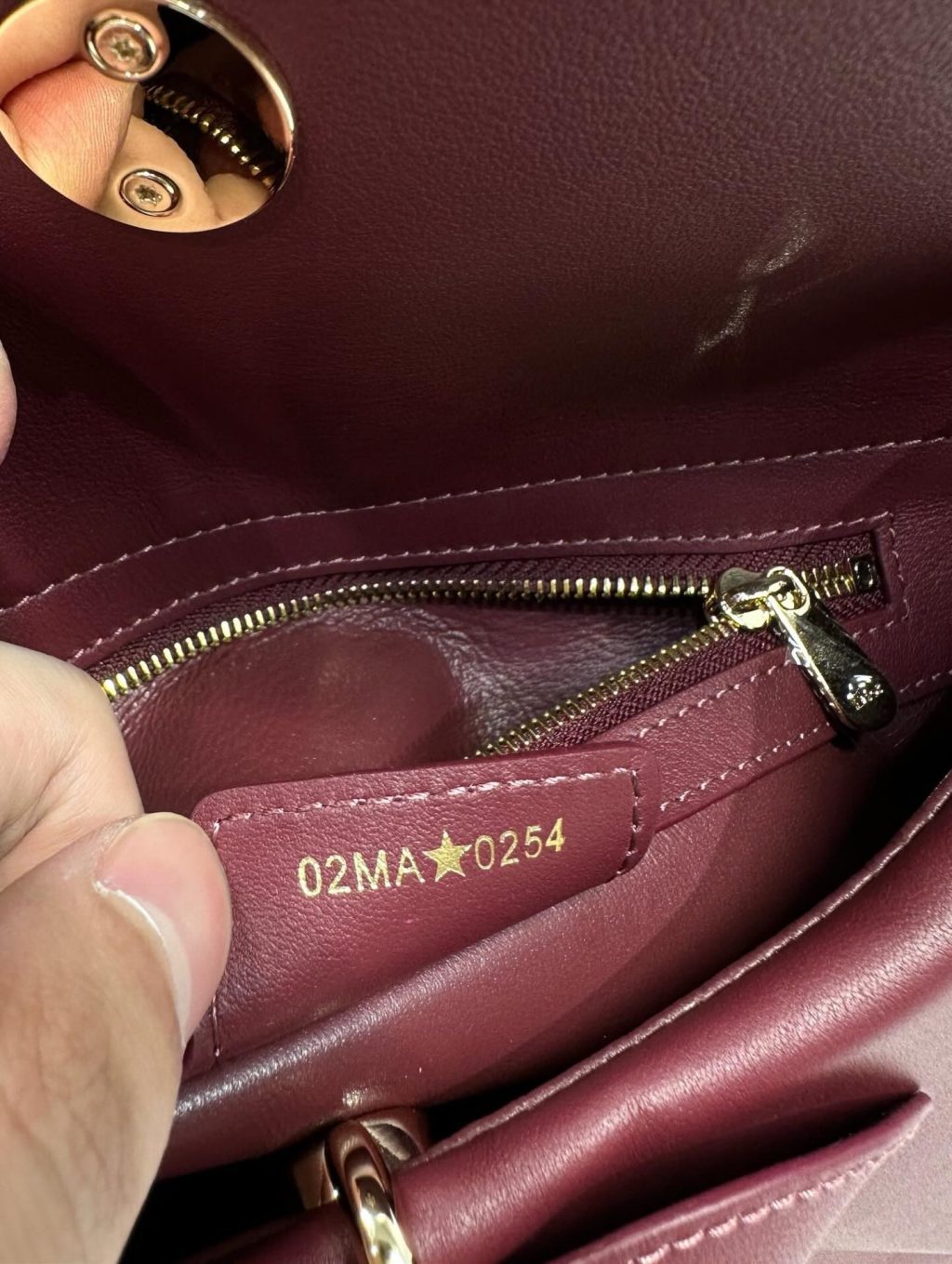
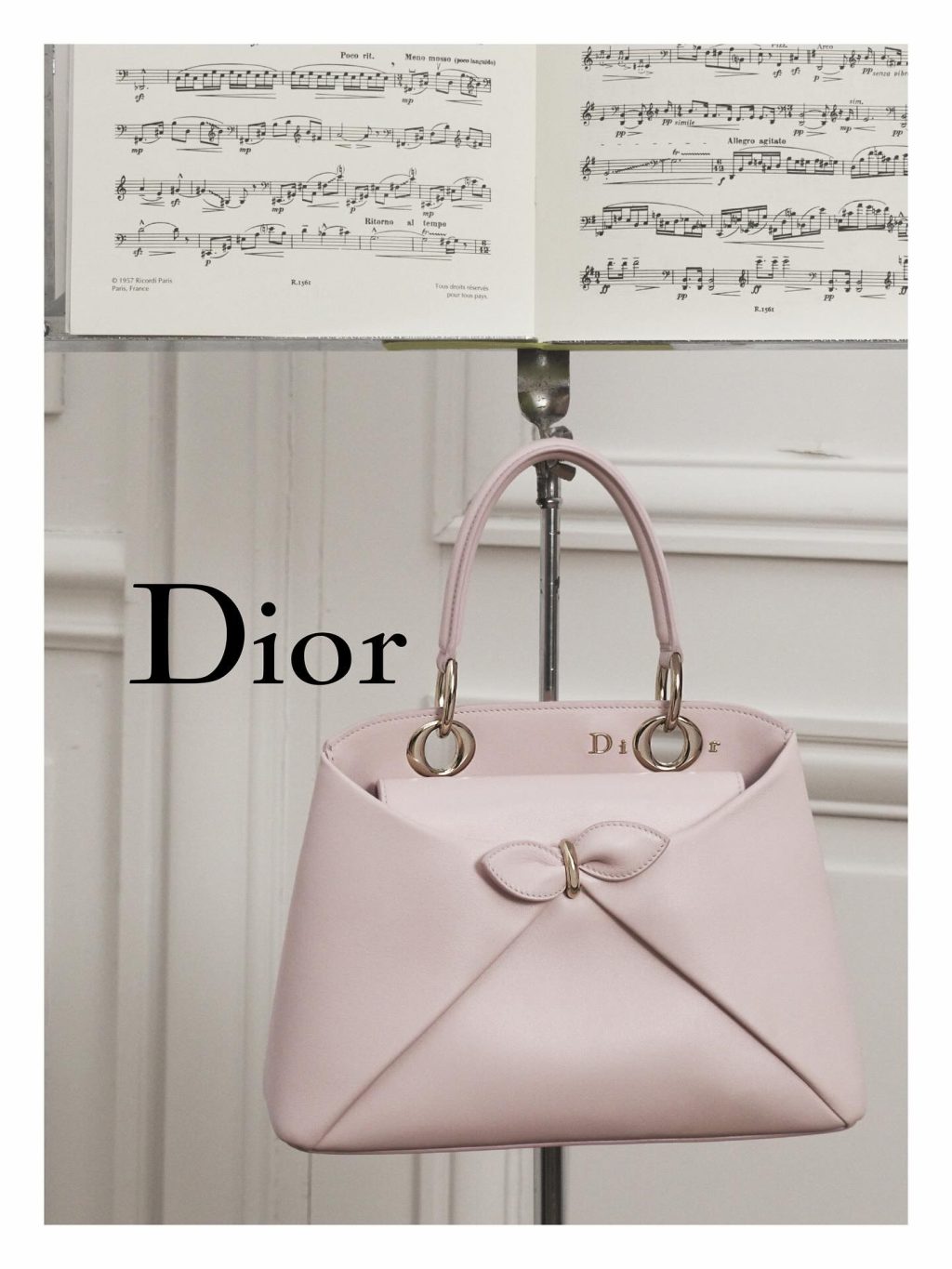
Wallpaper’s November 2025 accessories story lists the “Dior Cigale” calfskin bag in specific colorways and price points in pounds—Camel (£3,650), Rose Soupir (£4,200), and Hermitage (£4,200).
Treat these as directional: taxes, currency, and regional pricing strategy will shift final numbers, but the placement is revealing. It situates the Cigale in a premium-but-attainable bracket for a “new line” (in Dior terms), rather than pushing it immediately into ultra-high exotica territory.
This kind of market variance is exactly why we build size-and-price ladders first—like in our Dior Book Tote prices & sizes (2026) guide—before committing to a new-season piece.
And the color naming matters, too. Dior’s current palette language—Rose Soupir, for example—signals that the Cigale will be integrated into the broader Dior universe of seasonal shades, not siloed as a one-season runway prop.
Final thought
The Dior Cigale bag is not trying to replace the Lady Dior. It’s doing something subtler—and arguably more modern: introducing a new Dior signature that’s built on form rather than branding. By borrowing its backbone from one of the most architectural moments in Dior’s 1950s history, it arrives already carrying provenance—while still leaving room for evolution in leather, color, and scale.
In other words: Dior isn’t launching “another bow bag.” Dior is launching a shape—one that can take smooth leather, croco texture, and color shifts without losing its identity.