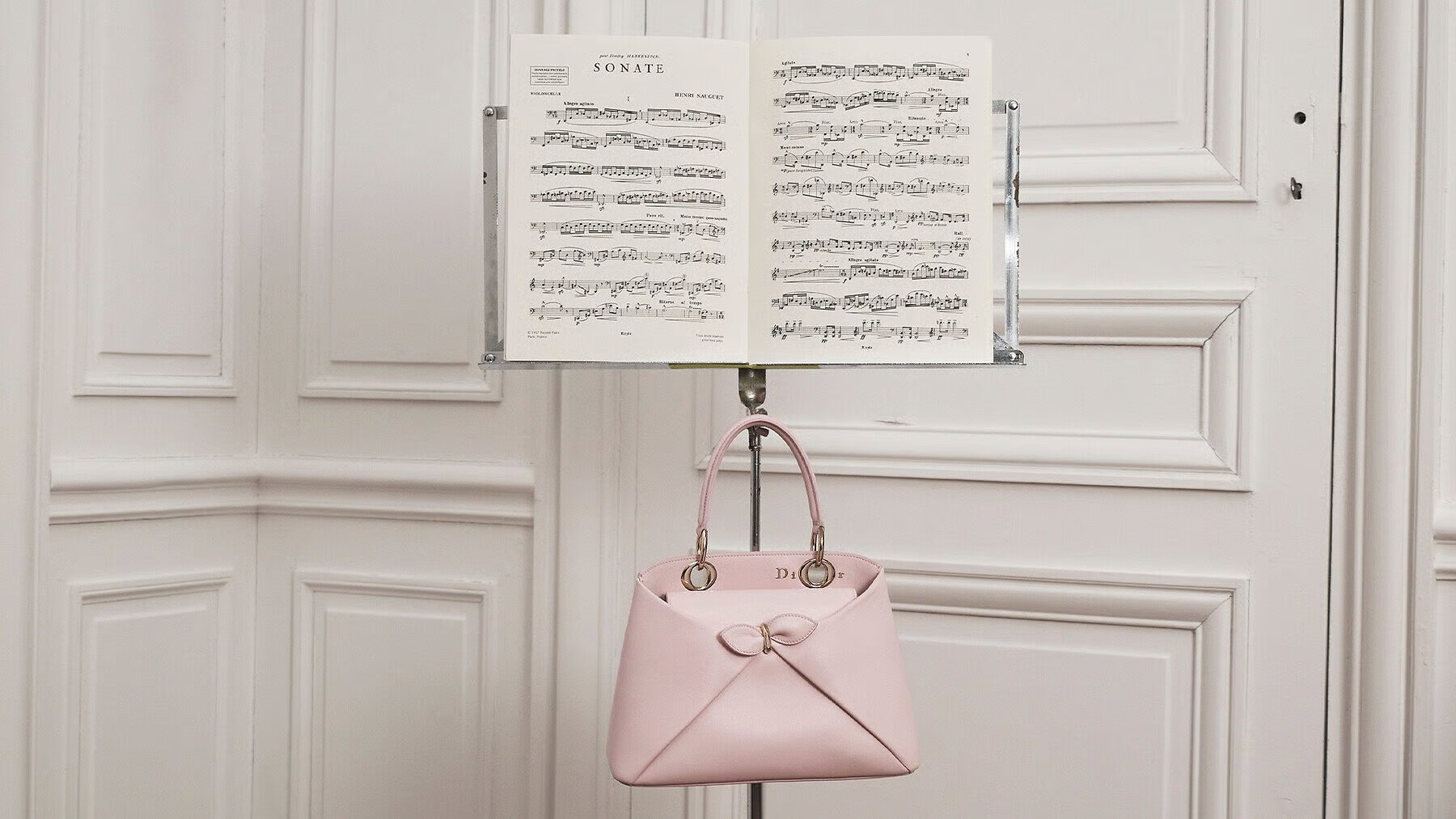
Some handbags are styled into relevance. The Dior Cigale is engineered into it.
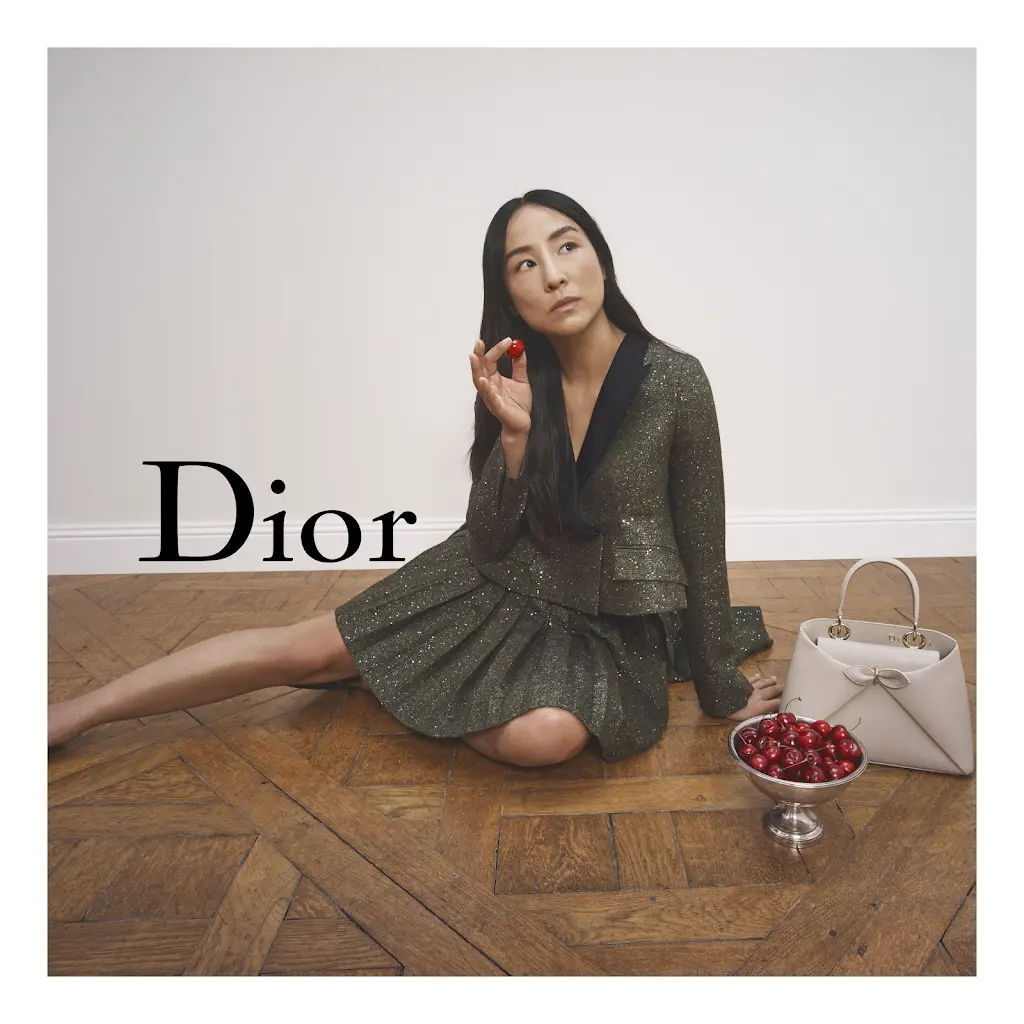
It enters the room with the composure of an archive object—architectural, slightly severe—then softens the impact with one disarming gesture: a small bow that reads less like decoration and more like punctuation. In Dior’s own framing, the Cigale is a translation of “architectural lines,” reworked into leather with a house-level obsession for precision.
What follows is the story collectors actually care about: how this shape is made, and why its construction is the entire point. If you want the design story first, read my full guide to the Dior Cigale bag before we go into construction.
The reference point: “La Cigale” (1952) and Dior’s architecture
The Cigale bag doesn’t borrow a “vintage mood.” It borrows a blueprint.
The original “La Cigale” gown—designed by Christian Dior for the 1952 autumn/winter “Profile Line”—is repeatedly described as sharply structured: cinched at the waist, built outward at the hips, rigid in attitude and anatomy. That silhouette has remained a touchstone inside the House’s own storytelling, resurfacing explicitly as the “Cigale silhouette” in later couture narratives.
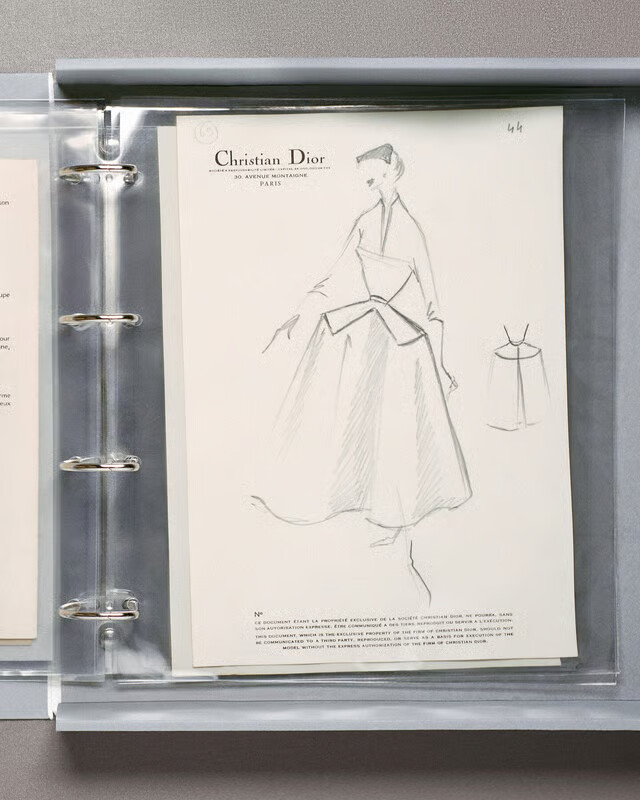
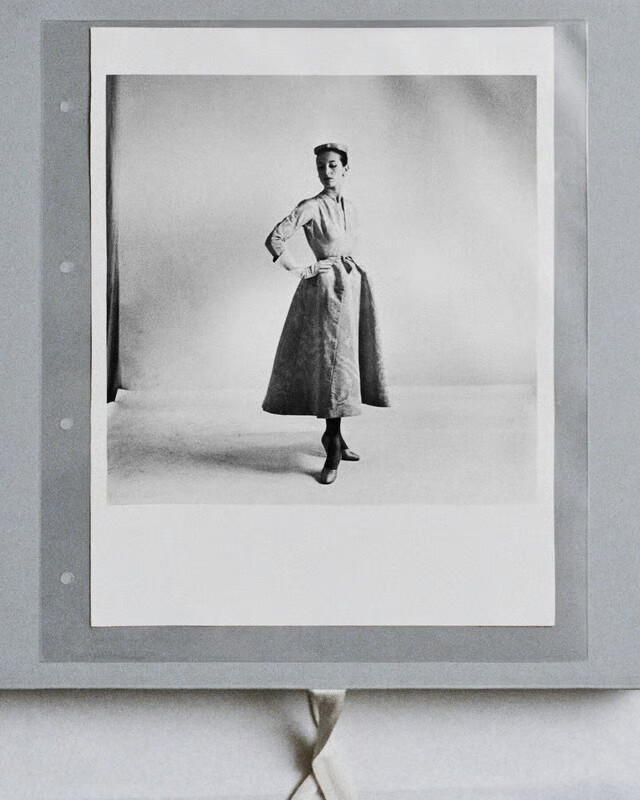
For Jonathan Anderson, that couture architecture is not a footnote—it’s a fixation. In Vogue’s review of Dior Spring 2026 ready-to-wear, the Cigale dress is invoked through the language of structure (those “buttresses” of volume), positioned as an influence that has haunted Anderson’s thinking for years.
So when the bag arrives, it arrives with a built-in thesis: Dior’s waist-as-architecture, remade as a handheld object.
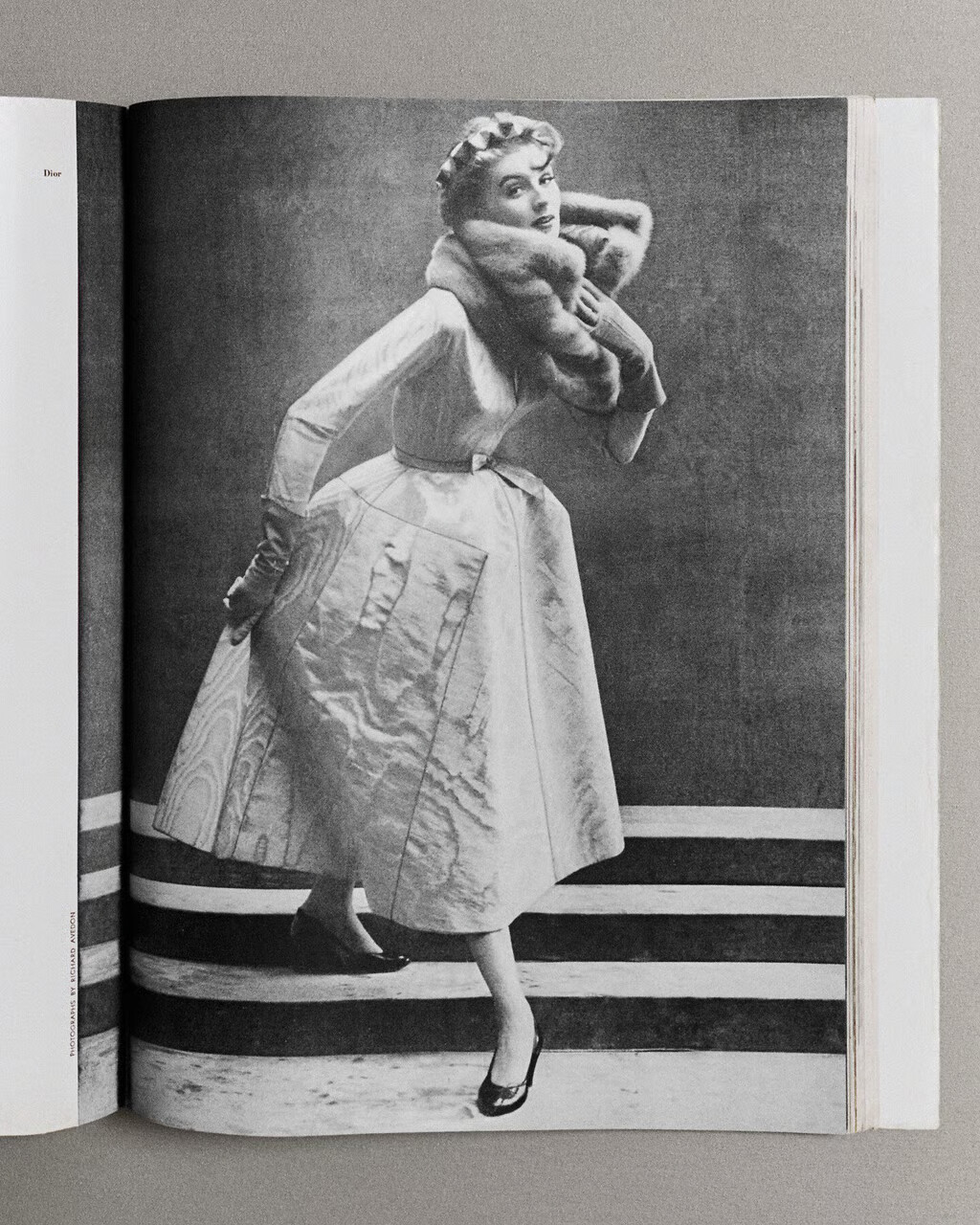
Why the Cigale reads as “constructed,” not merely designed
The Cigale’s visual identity is inseparable from its build. This isn’t a bag where hardware and logo do the heavy lifting. The silhouette is the signature.
Two external observations matter here because they name what your eye is already registering:
- Wallpaper* calls out the Cigale as a structured bag defined by its folded line, explicitly tying that fold to the architectural construction of the 1952 “La Cigale” dress.
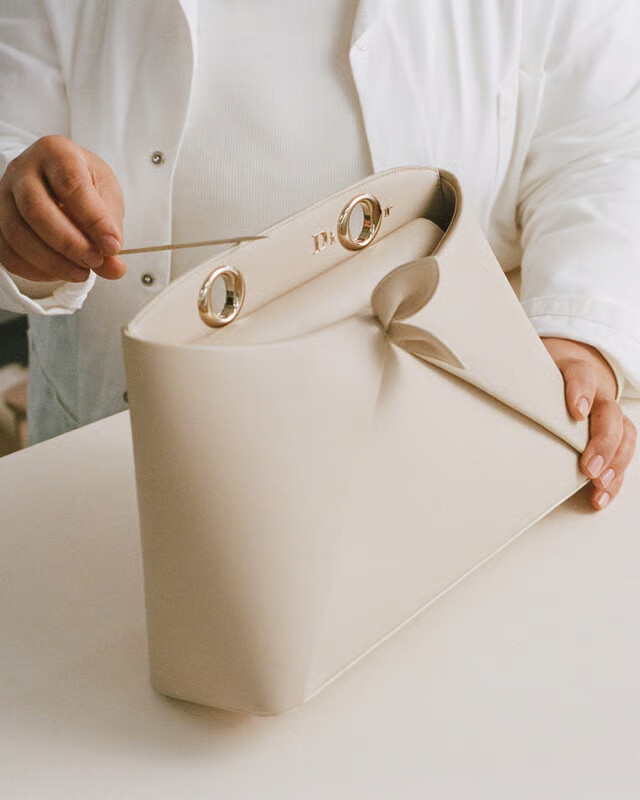
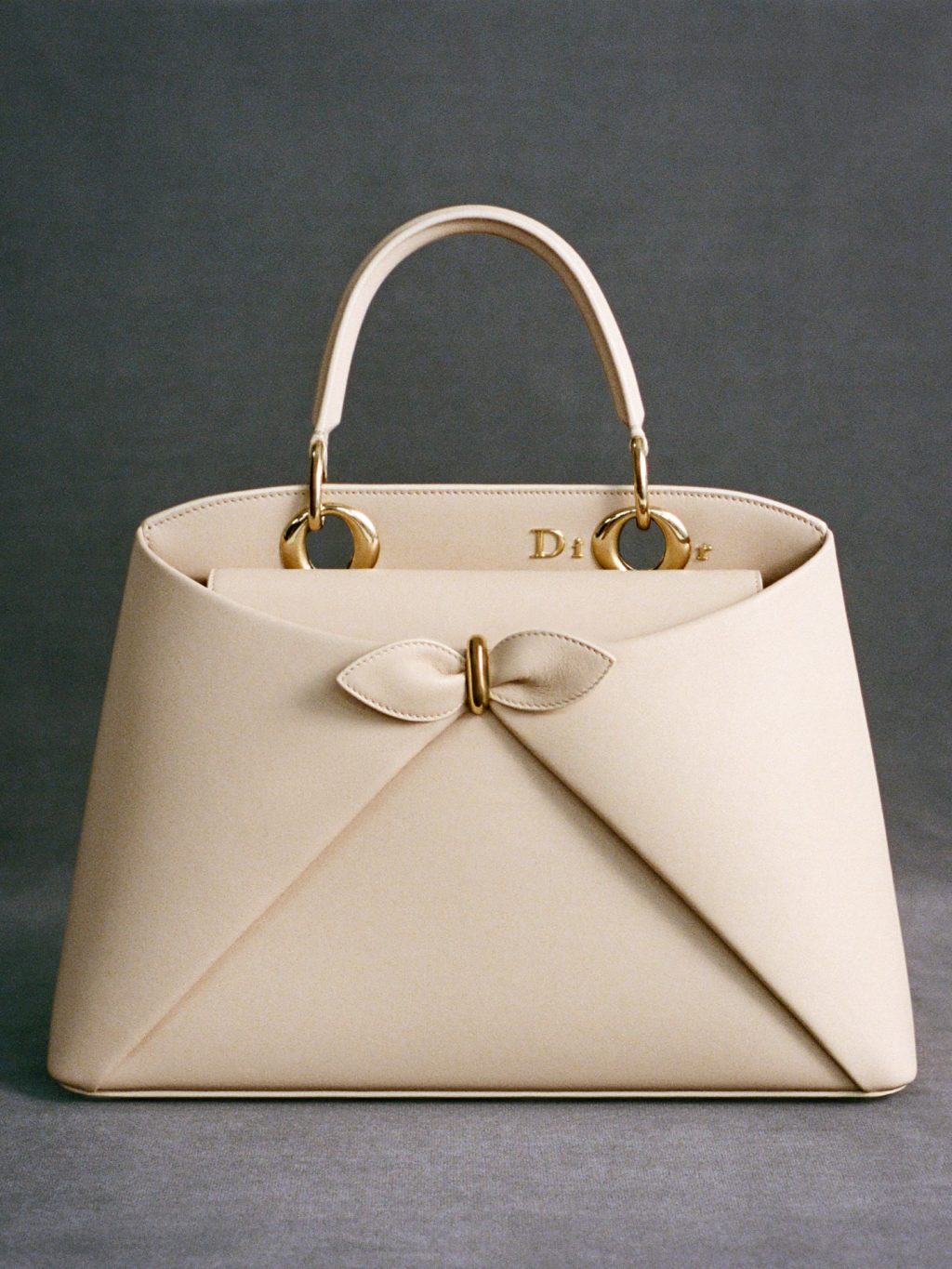
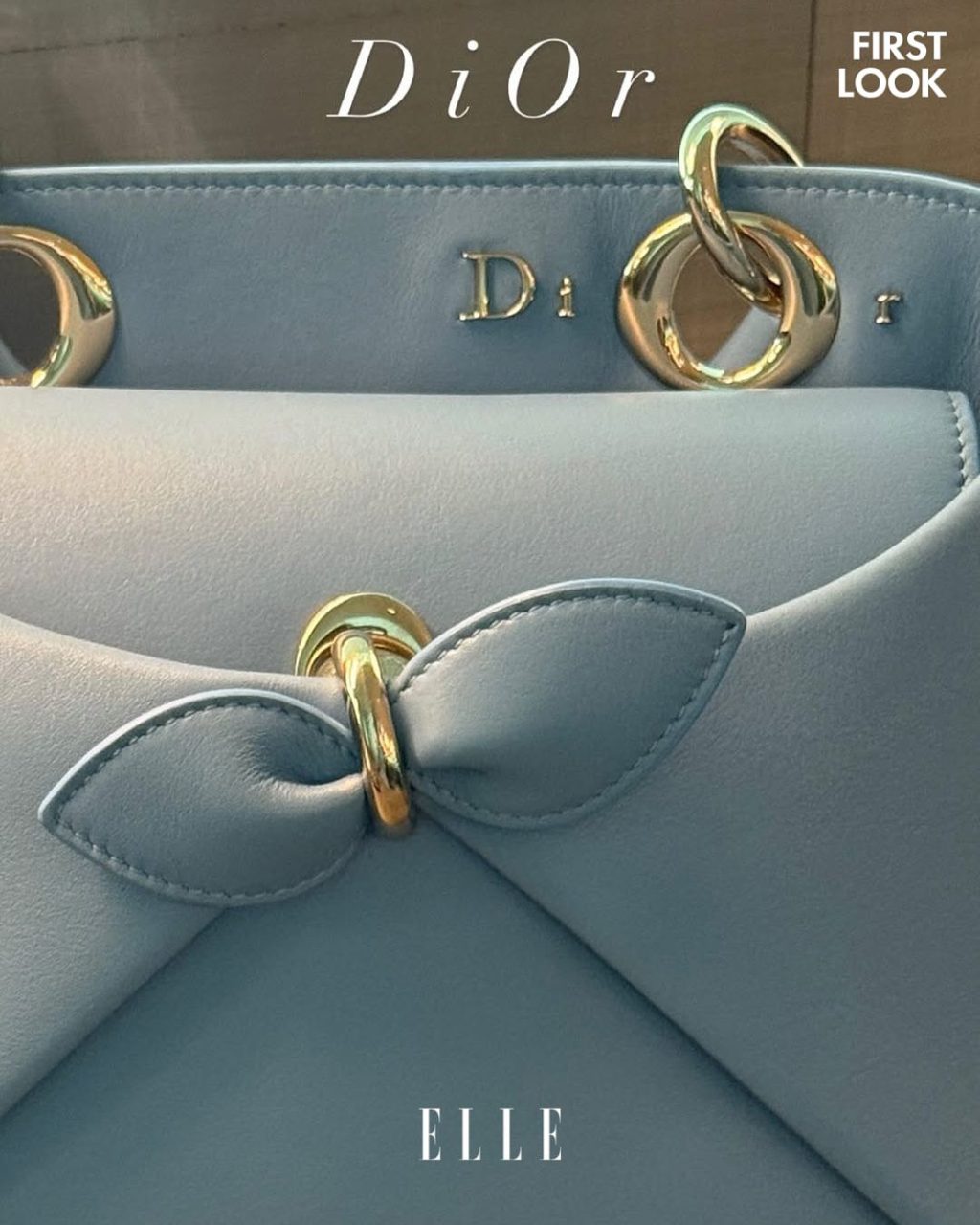
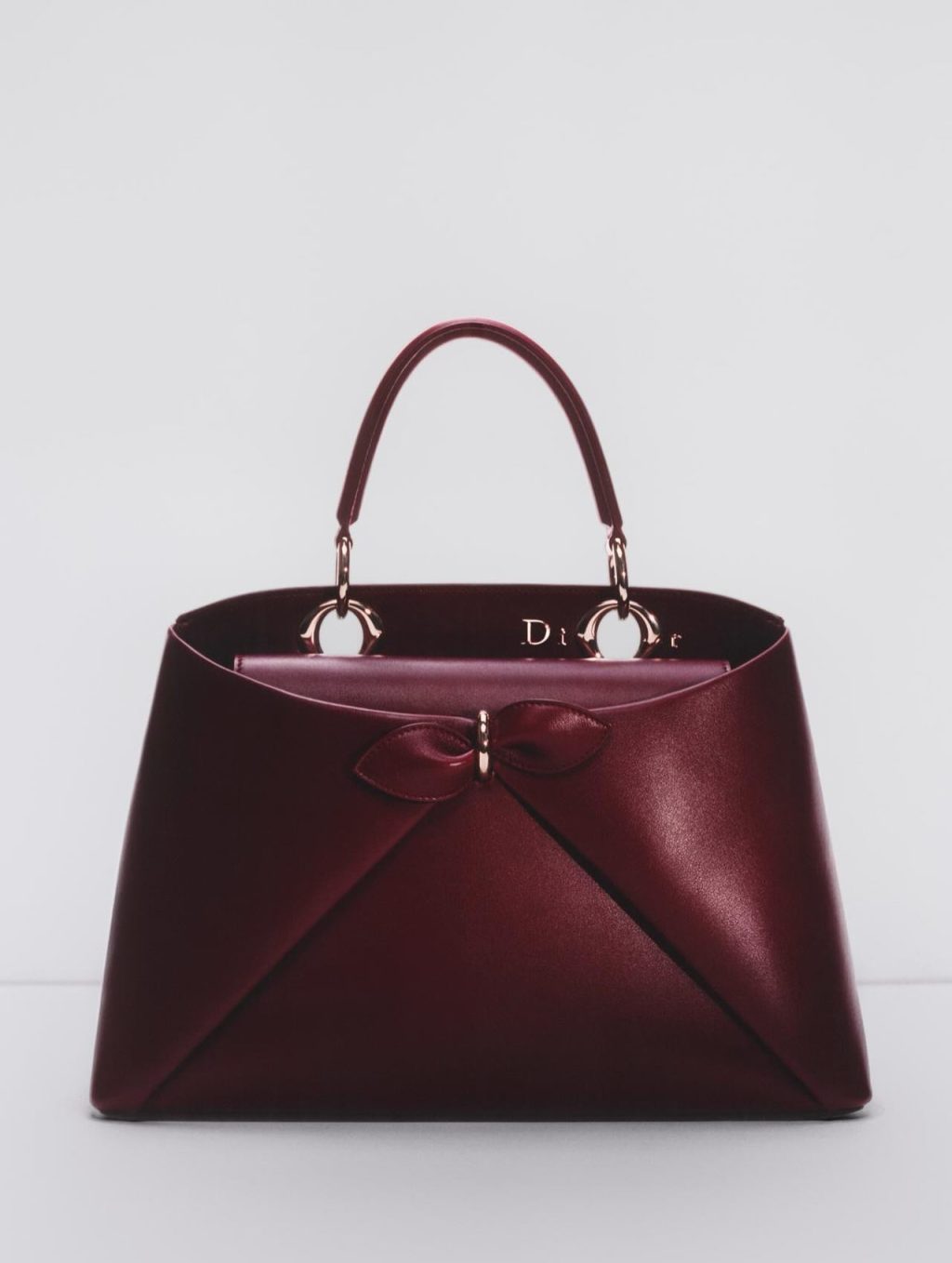
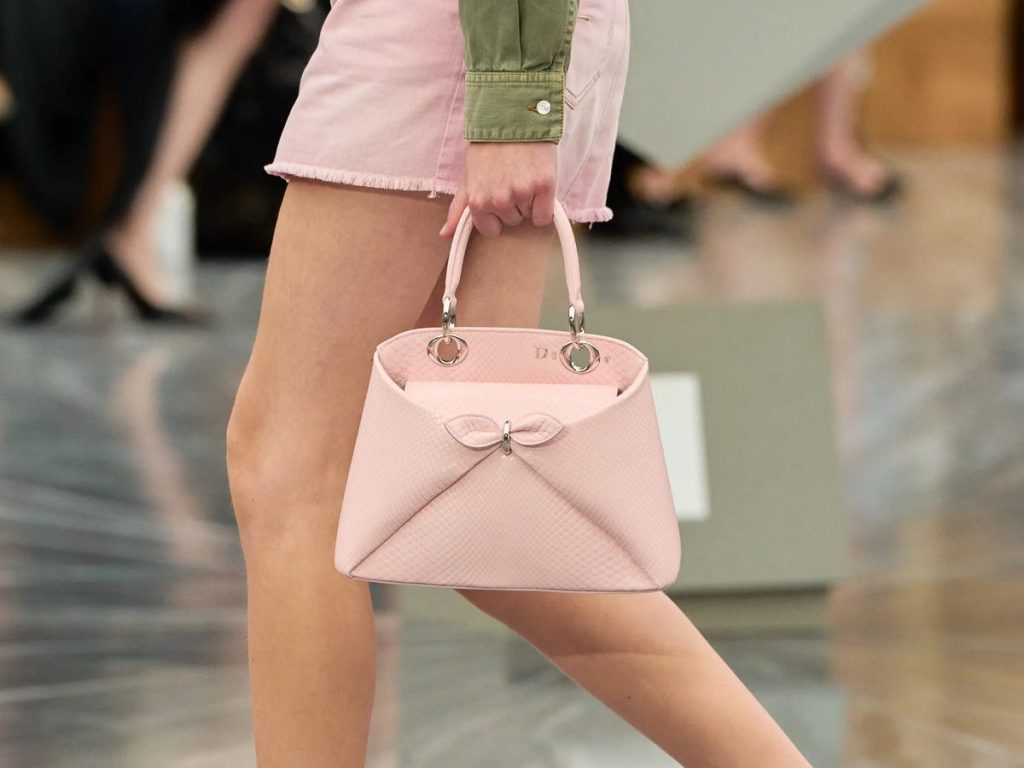
- Who What Wear describes folded leather flaps meeting like an envelope, sealed by a pierced ribbon bow, and highlights the wink of a structural detail: the hardware grommet that turns into an “O” in the interior “Dior.”
That’s the Cigale in one sentence: a fold-built body, disciplined enough to feel architectural—then punctured by an intentional bow.
How the Dior Cigale is made
Dior doesn’t typically share step-by-step technical manuals for each new handbag silhouette. What it publishes is construction language—and in the Cigale’s case, it is unusually explicit about architecture, precision, and leather craftsmanship.
So the most honest way to explain “how it’s made” is to map the steps that must exist for this object to hold its shape—using Dior’s own savoir-faire framing for comparable, fold-based silhouettes.
1) Pattern engineering: turning couture architecture into leather geometry
A Cigale bag begins as a pattern problem. The 1952 reference is not “a bow”; it’s a body structured by angles and supports.
To translate that into a bag, the atelier has to resolve:
- where the fold lines land so they read crisp (not collapsed),
- how the front panels overlap so the “envelope” closes cleanly,
- where structure is hidden so the bag feels architectural without becoming stiff or bulky.
This is why the Cigale looks calm: its drama is pre-engineered.
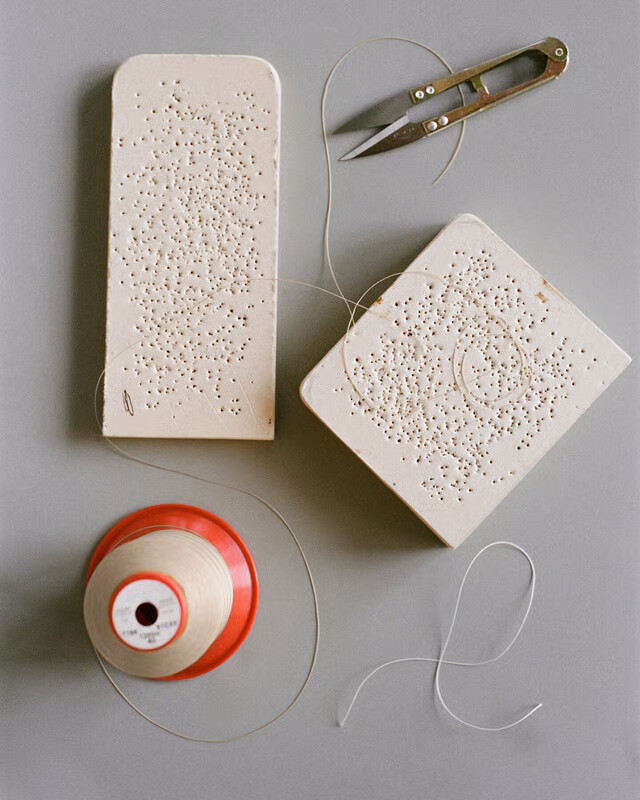
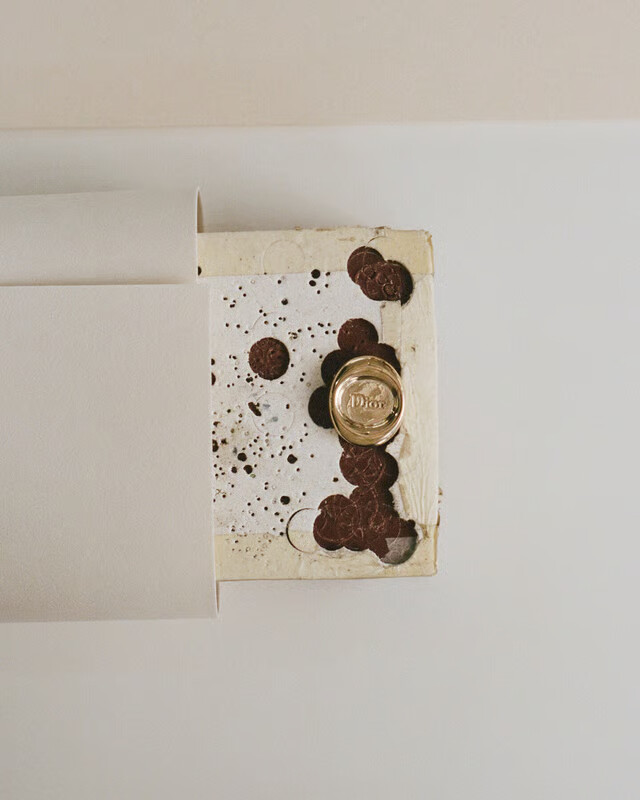
2) Leather selection and cutting: where precision becomes visible
Dior’s own savoir-faire language around Anderson’s fold-driven accessories is consistent: the build starts with cutting and relies on precision at every step.
For the Cigale, that matters more than usual because folds amplify error. A slightly imprecise cut doesn’t just create a seam issue—it distorts the fold line, and the entire silhouette loses its “architectural” claim.
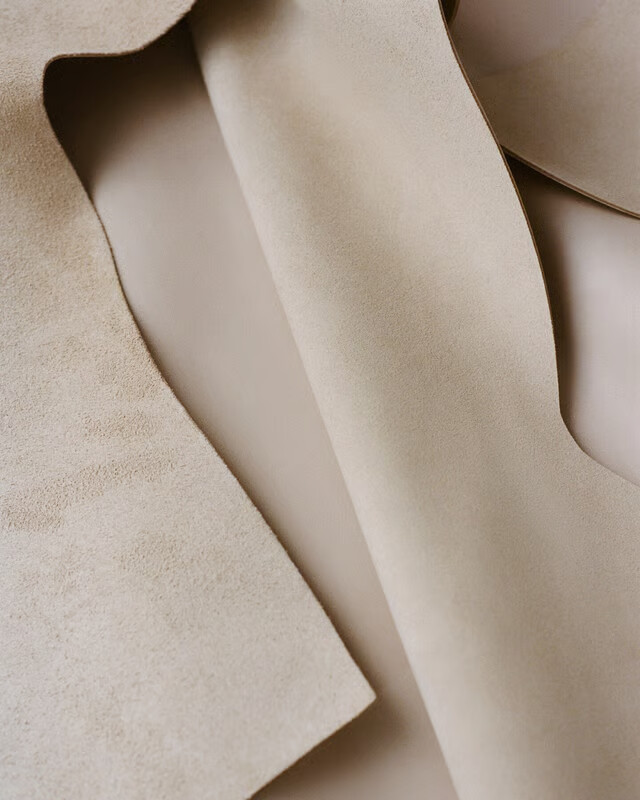
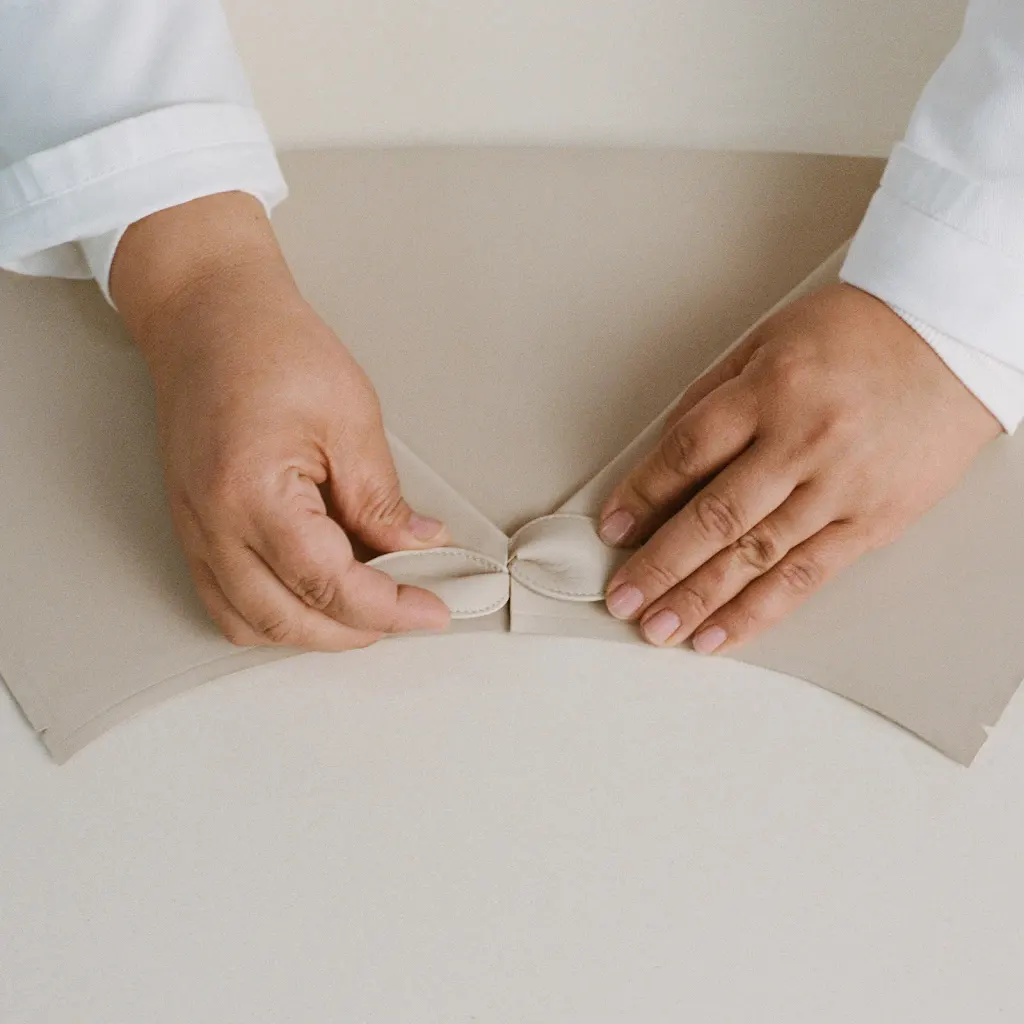
3) Forming the fold: structure versus softness
Here’s the paradox at the heart of Anderson’s Dior accessories: they’re meant to look engineered, but they cannot feel like hard sculpture.
Dior describes the Bow Bag—a sibling in spirit, because it is also created through controlled leather shaping—as moving from cutting to forming the silhouette, with structure softened by supple leather so it retains tactility. The Cigale is operating in the same design logic: fold as structure, leather as the element that keeps it human.
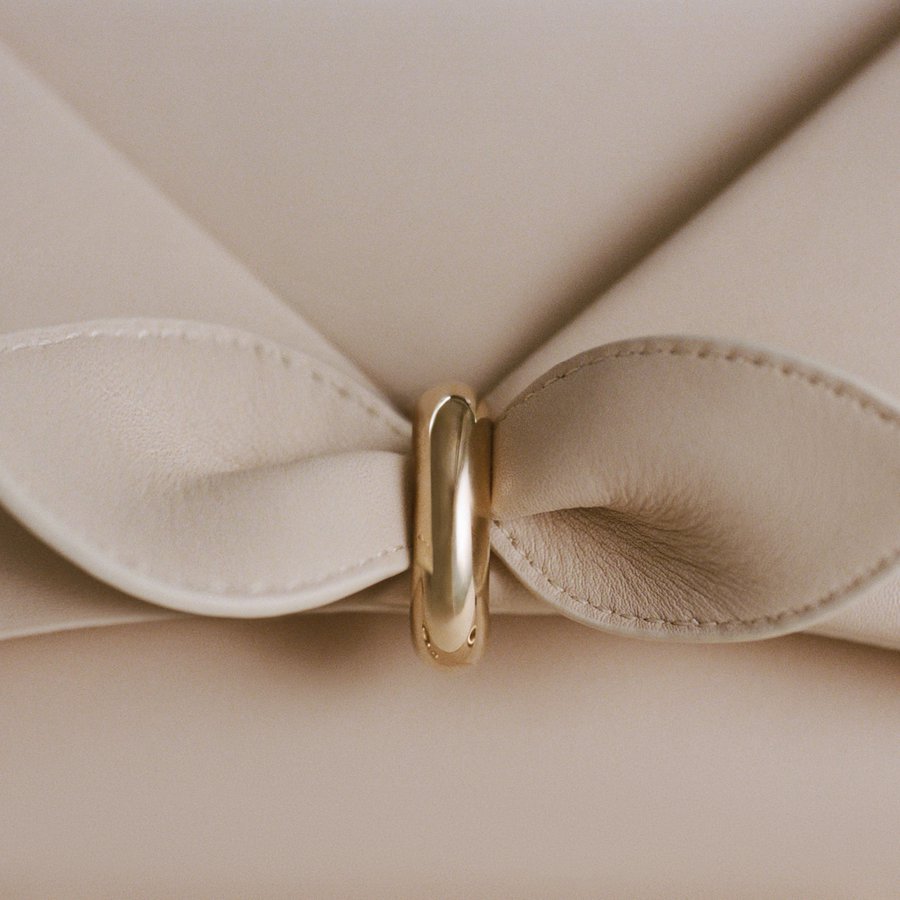
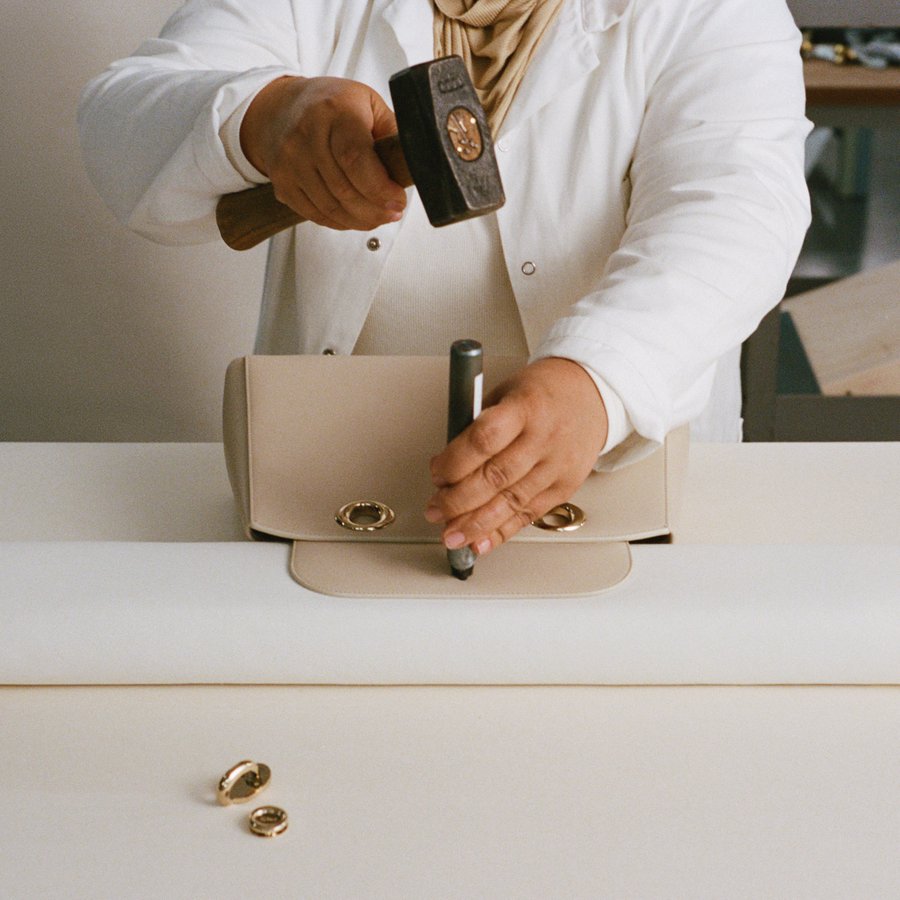
Inference: to get folds that stay crisp, workshops typically combine careful thinning at fold points (so leather can turn sharply without bulk) and internal support where the silhouette must “stand” over time. That’s not a marketing flourish—it’s the physics of leather when you ask it to behave like architecture.
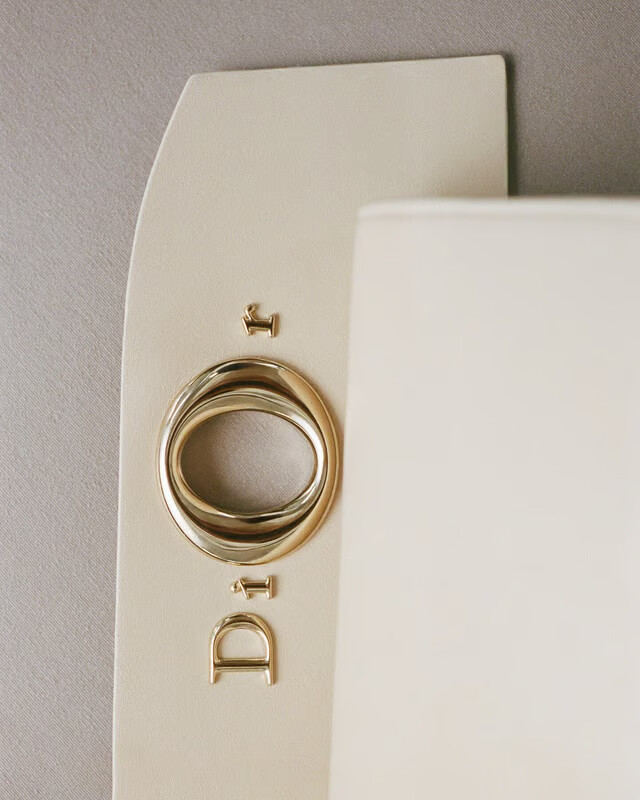
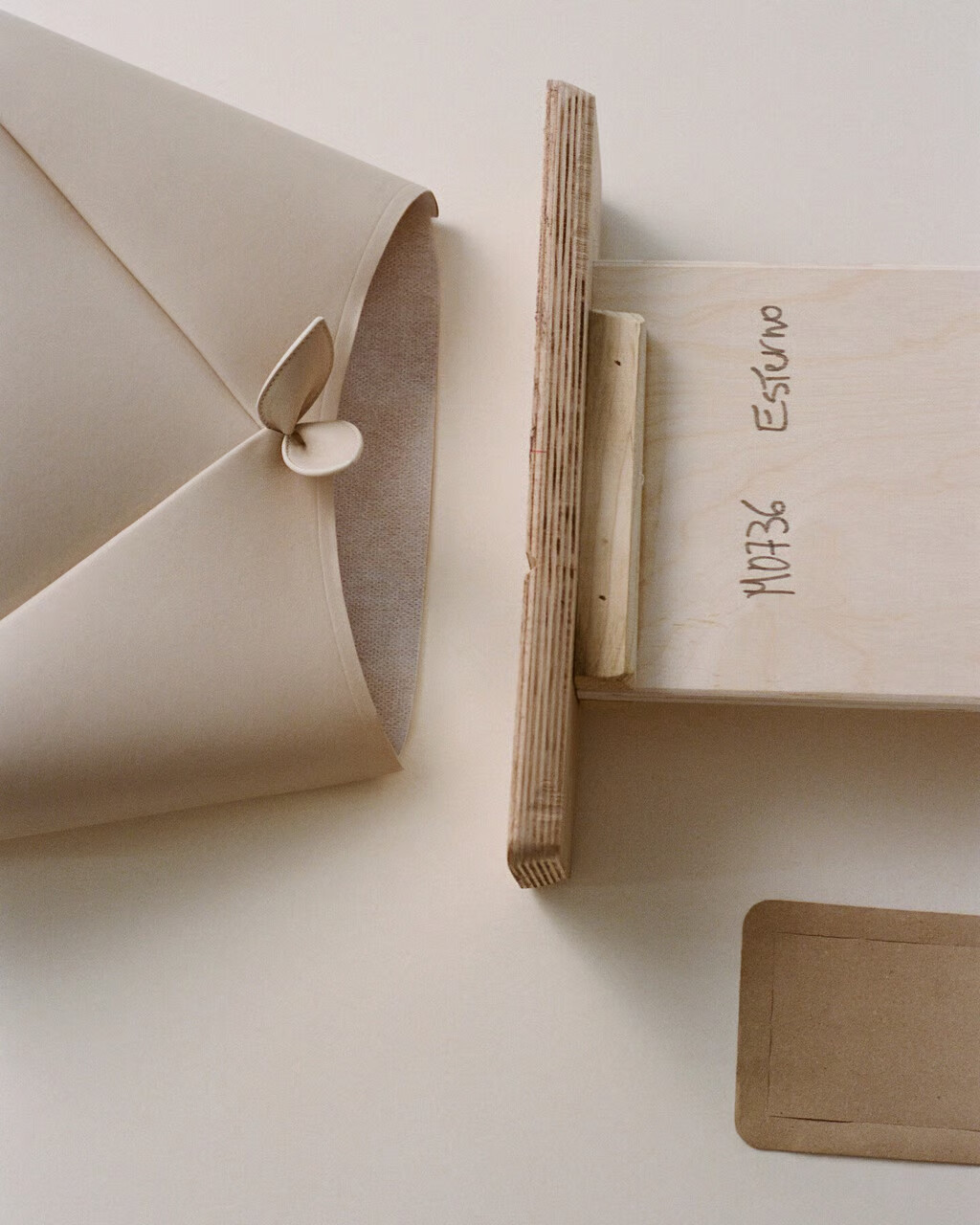
4) Assembly: the “tolerance” stage
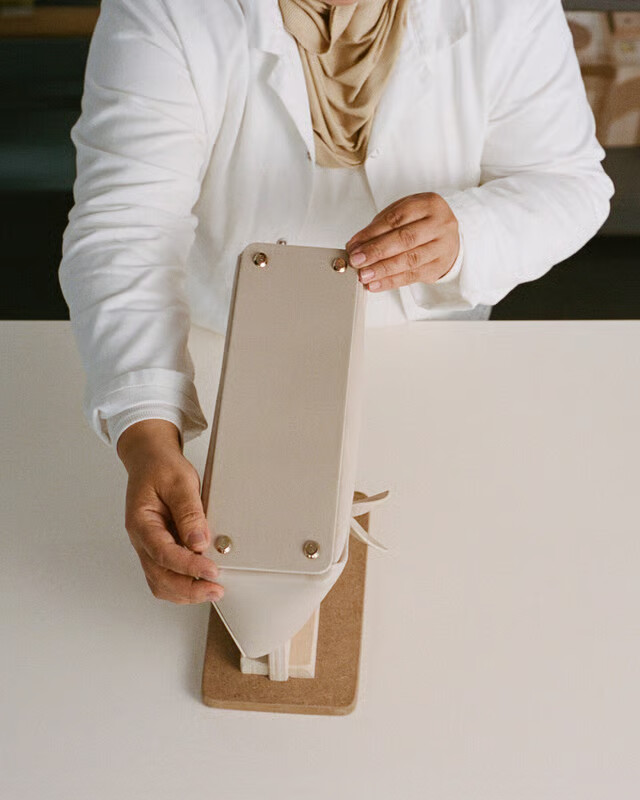
Even when Dior talks about other icons, it frames assembly as a choreography of meticulous steps—cutting, assembling components, crafting handles, applying adornments. That matters for Cigale because the bag’s identity relies on clean convergence points: where panels meet, where the bow detail sits, where the handle hardware anchors.
A millimeter off in the joining stage, and the bag stops reading “precision” and starts reading “soft in the wrong place.”
Hardware as structure: the bow and the grommet “O”
The Cigale’s hardware is not merely finishing—it is architecture.
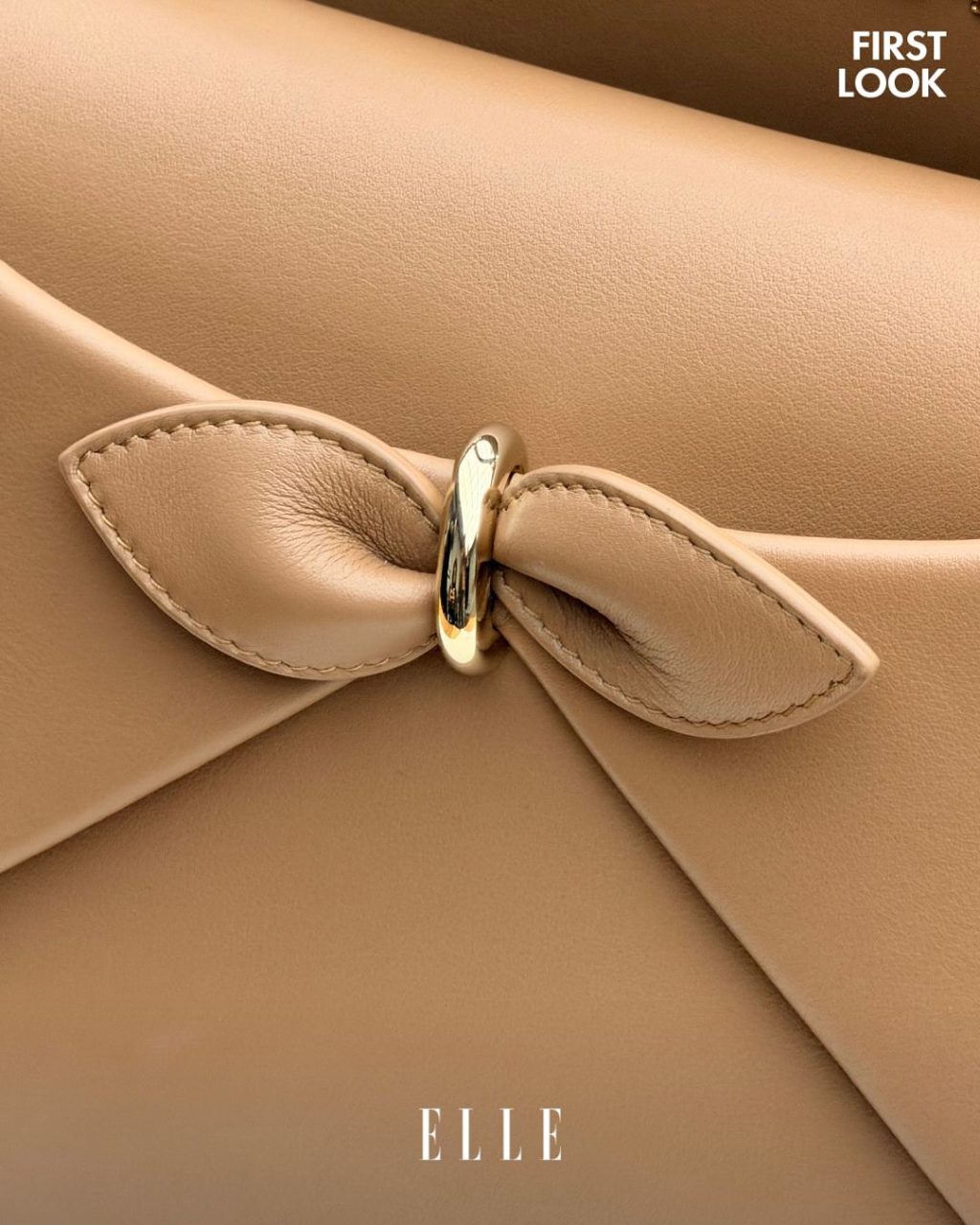
- The bow is described in fashion coverage as a pierced ribbon bow sealing the folded flaps. That language suggests the bow is doing the job of closure and storytelling: it echoes the small bow tied at the waist in the 1952 dress, but scaled into a functional point of tension.
- Then comes the detail that makes the bag feel unmistakably Anderson: the grommet that becomes an “O” in the interior “Dior.” It’s a tiny subversion—hardware as typography—yet it also signals how the bag is likely engineered: those grommets are load-bearing. They’re not just pretty circles; they’re where stress concentrates when you carry a structured bag by its handles.
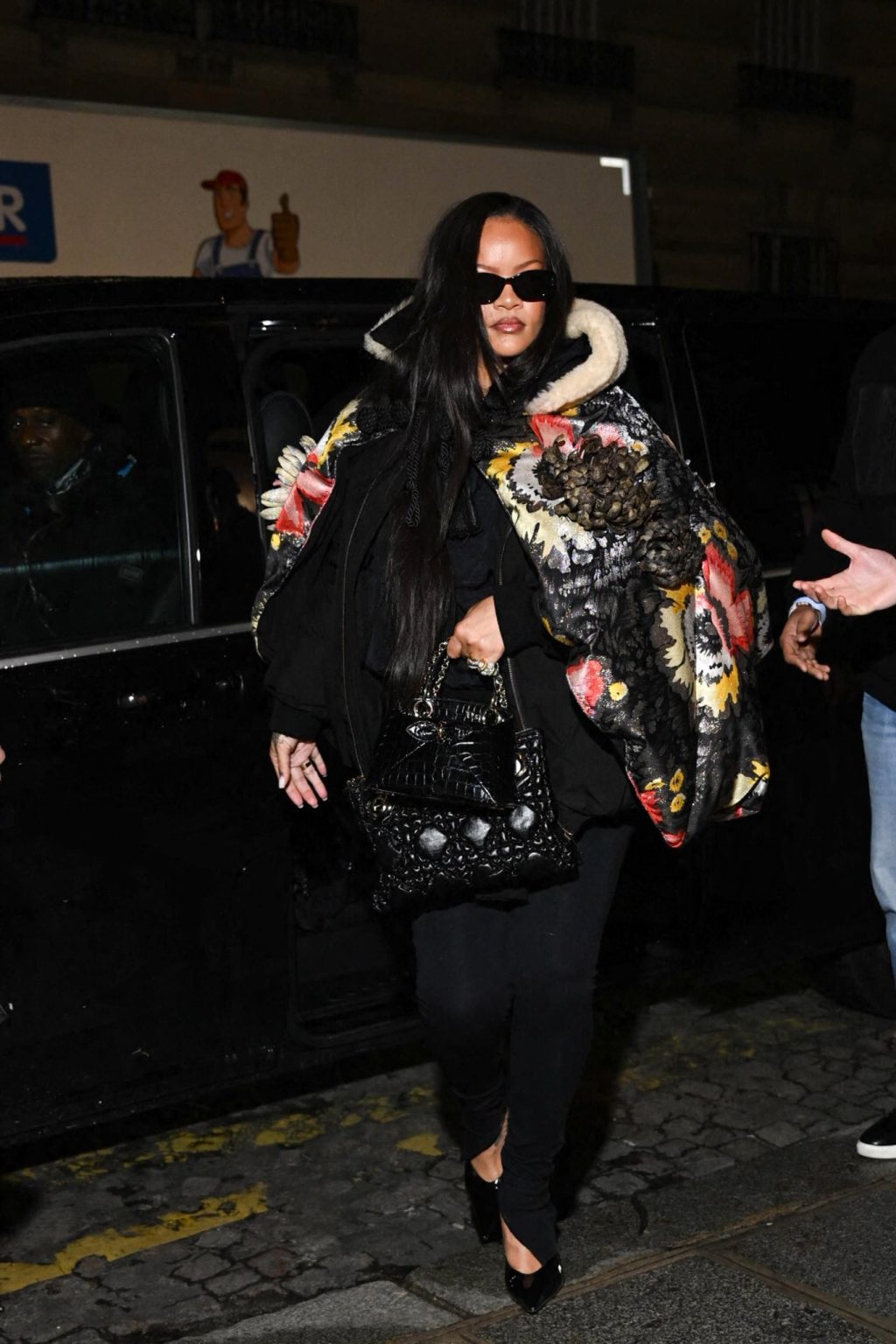
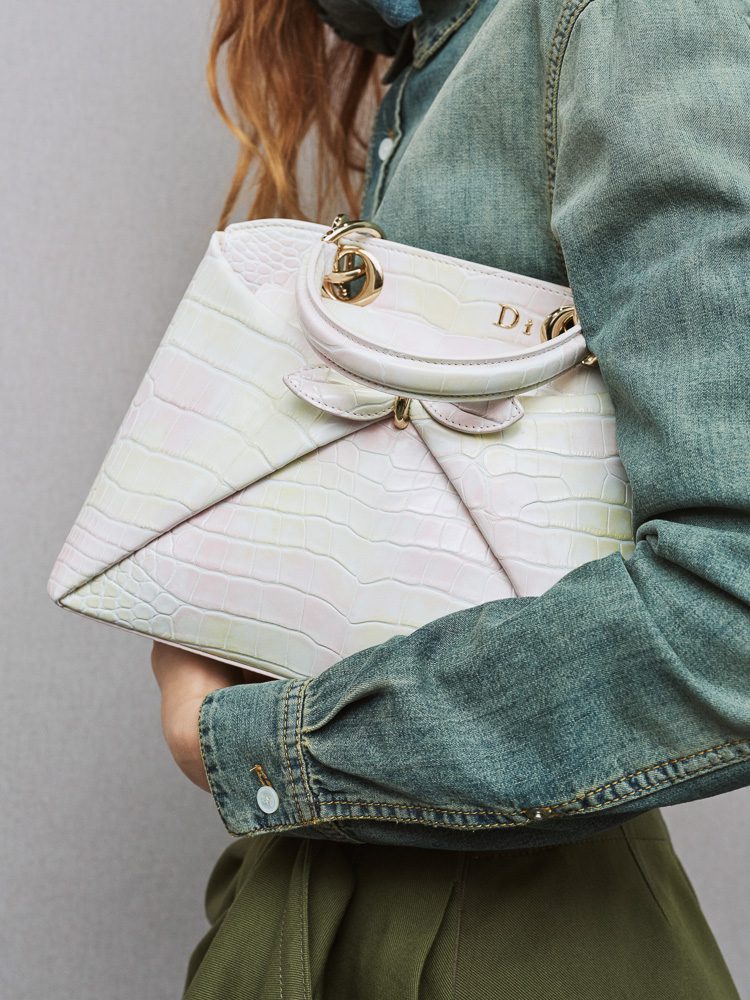
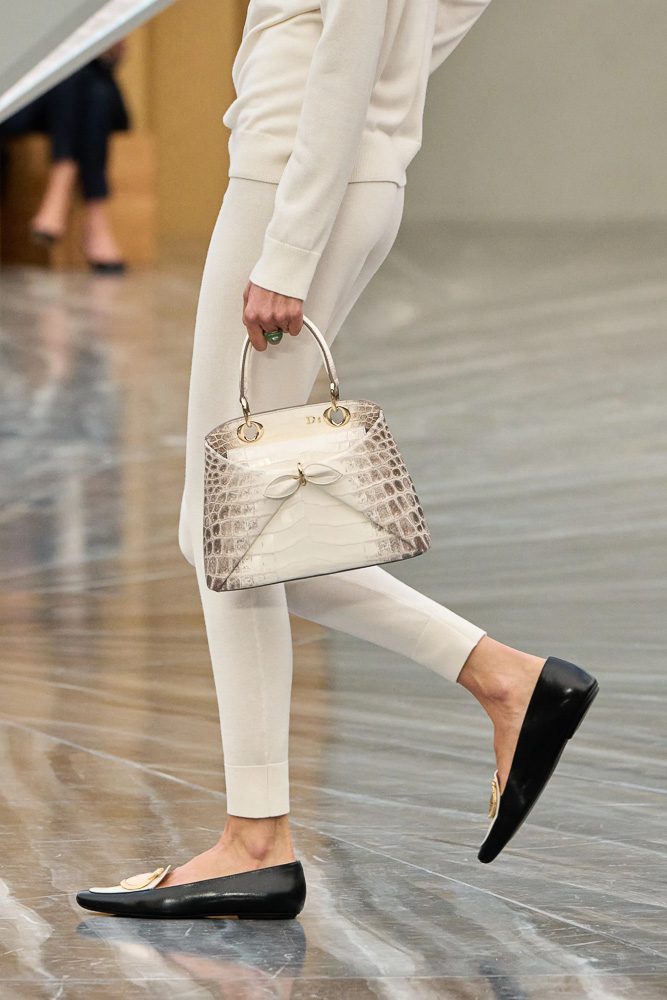
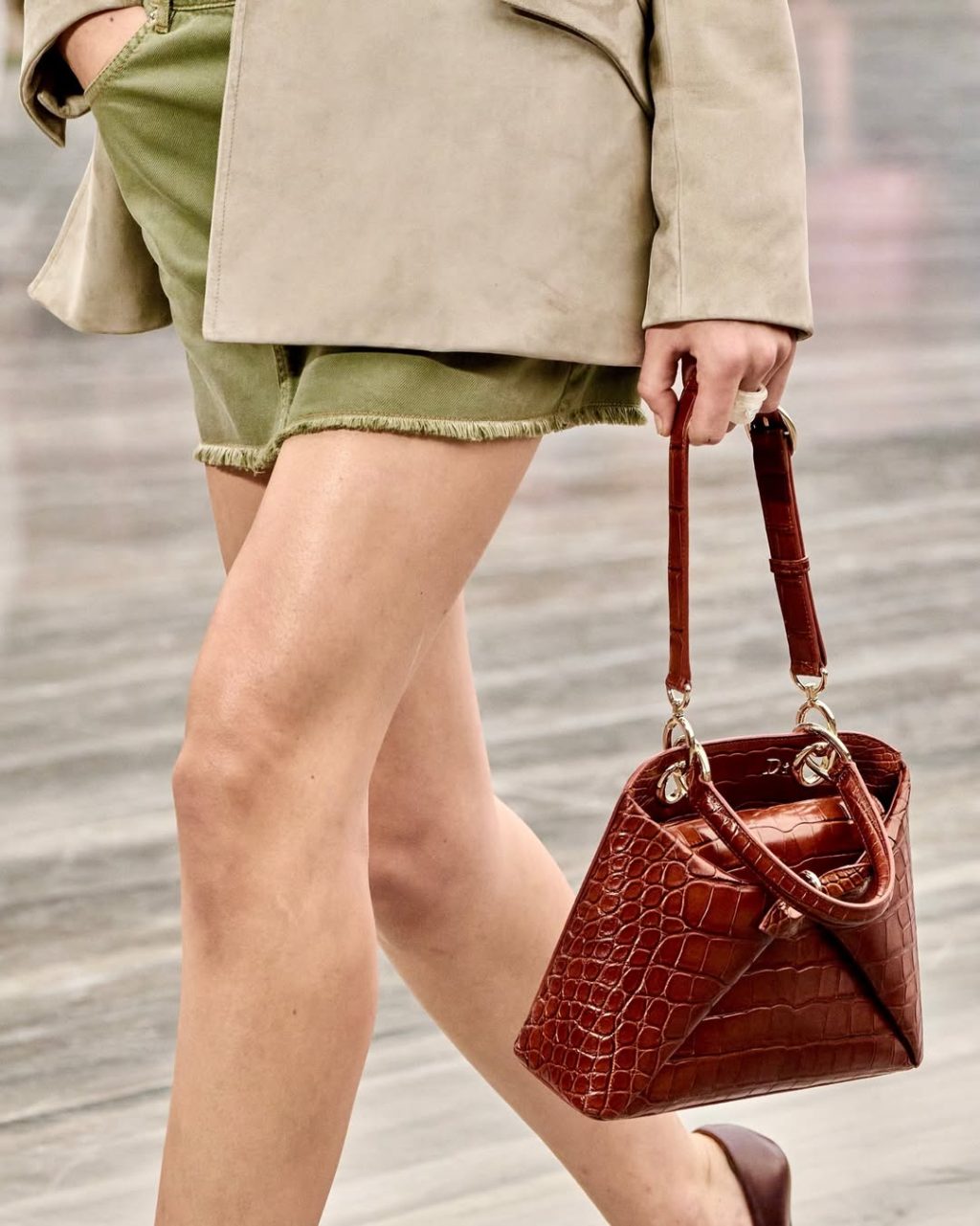
And yes—the Cigale is already being shown in statement finishes. Rihanna has been photographed carrying a crocodile Cigale handbag, which tells you the silhouette is designed to survive texture shifts without losing its identity.
Materials and finishes: calfskin vs croc-effect
Here’s what we can state cleanly from credible coverage:
- Wallpaper lists the Cigale explicitly as a calfskin bag, and positions it within Anderson’s first accessories chapter as a structured, fold-defined silhouette.
- The bag is also appearing in crocodile/croc-effect contexts in celebrity coverage, implying a finish that emphasizes rigidity, shine, and surface drama.
For the wider accessories context, here’s my full Dior Spring–Summer 2026 bags breakdown.
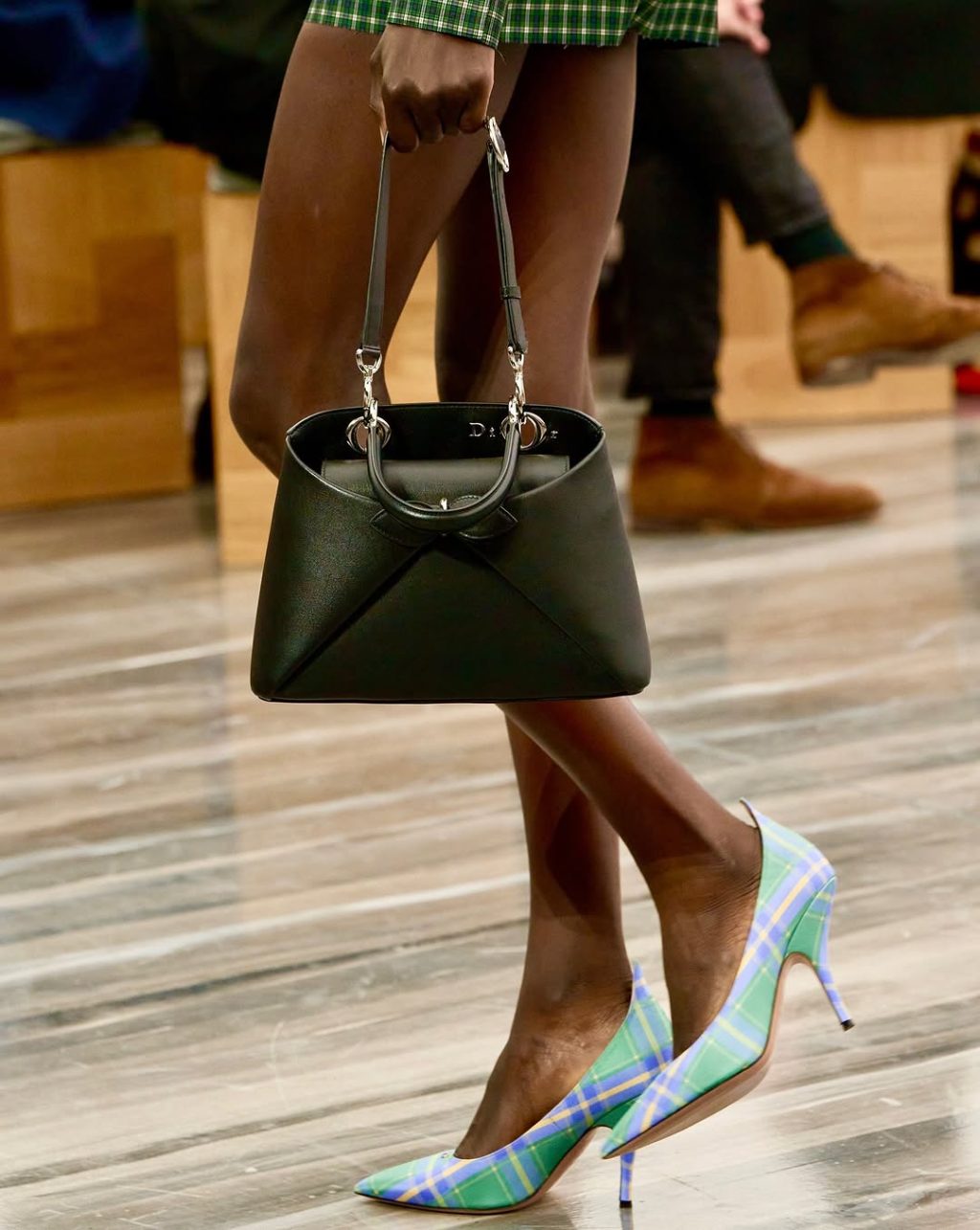
What changes with finish is not only “look,” but behavior:
- Smooth calfskin tends to spotlight the purity of the fold (it’s less forgiving; every line shows).
- Croc-effect/croc leather amplifies the “object” feeling—more armor, more presence—making the bag read even closer to its couture-architecture origin.
Colors and early price signals
Because availability can vary by market early in a launch, Wallpaper’s editorial pricing is one of the cleanest published reference points so far. It lists:
- Camel calfskin (£3,650)
- Rose Soupir (£4,200)
- Hermitage (£4,200)
Even if prices shift by region, the hierarchy is telling: the Cigale is being positioned as a day-bag investment piece, not an entry accessory.
Storage and preservation: keeping the folds crisp
The Cigale’s beauty is in its disciplined geometry. That also means the bag rewards owners who store it like an engineered object, not a soft hobo.
Practical collector logic:
- Don’t overstuff. Overfilling pushes outward against the fold architecture and dulls the “envelope” effect.
- Support the interior when stored, especially if you rotate bags seasonally. The goal is to keep the front folds crisp and the base from rounding.
- Avoid friction at the bow/closure point; that’s where repeated contact can soften definition first.