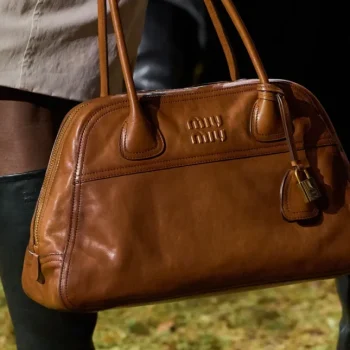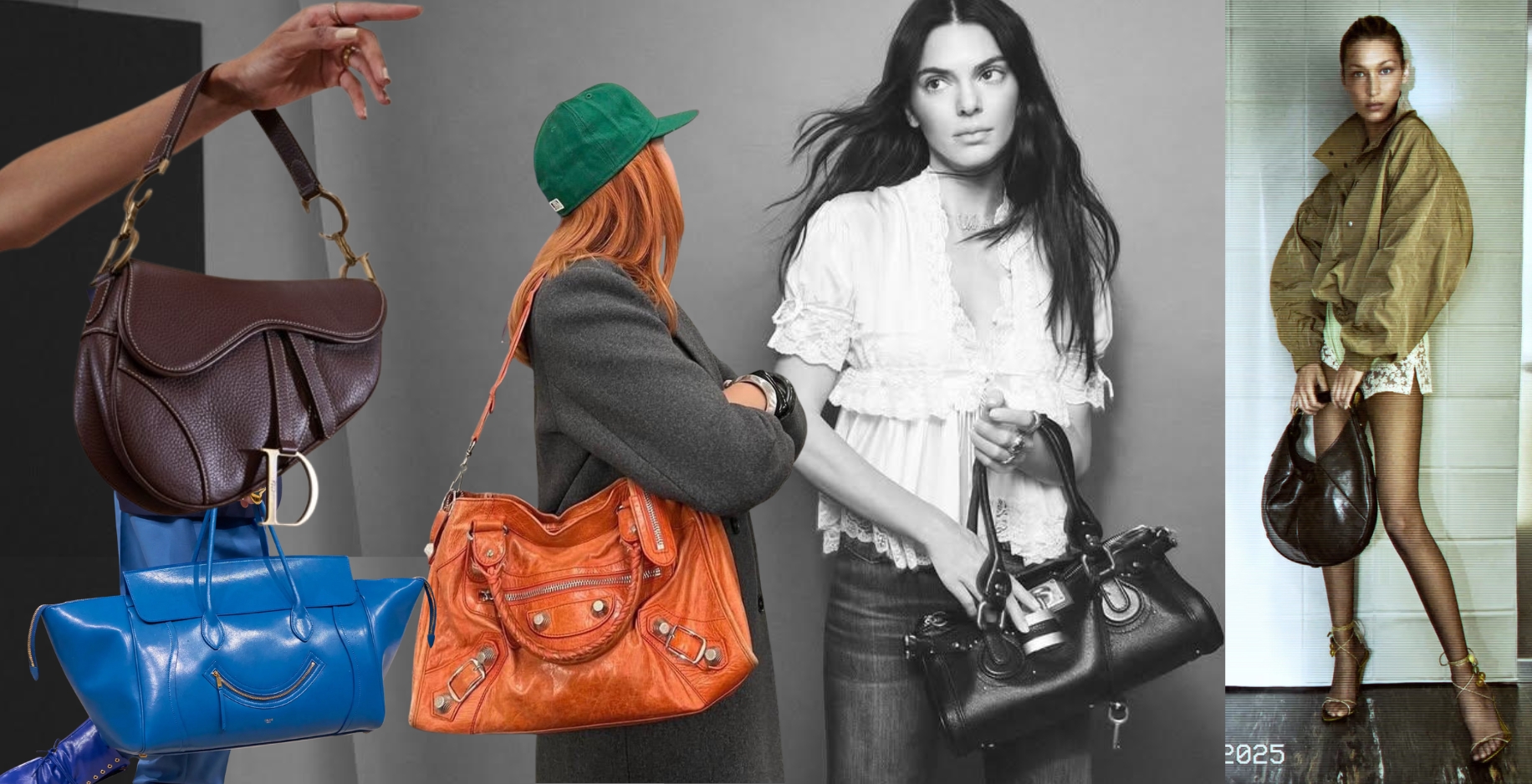
Bags that came back into our lives rarely return quietly. Fashion has always recycled its own best ideas—what’s changed is the speed, and the sophistication, of the recycling. Today, an “archive” bag doesn’t drift back as a nostalgia footnote. It returns like a relaunch: styled into runway storytelling, amplified by paparazzi-level visibility, and validated by resale data that makes the comeback feel less like sentiment and more like a market signal.
This is the revival effect in the world of handbags: the moment when an old silhouette stops being “dated” and starts reading “knowing.” It’s not simply that we miss the 2000s and early 2010s. It’s that brands and buyers have learned to treat memory like merchandising—because familiarity sells, and icons are lower-risk than inventing a new one from scratch.
And crucially, the modern revival isn’t only happening in boutiques. It’s happening in search bars. Resale platforms and luxury consignment sites have become real-time trend engines, measuring desire before fashion houses even ship the new versions. In other words: the secondhand market doesn’t follow trends anymore; it helps write them.
Why 2025 turned nostalgia into strategy
If 2024 reopened the archive conversation, 2025 made it official. Rebag’s 2025 Clair Report framed the year as a defining moment for luxury resale, shaped by higher primary-market pricing and increased consumer migration to the secondary market—where “smart buys” and “nostalgic buys” often overlap.
In the same report, the nostalgia boom wasn’t treated as a cute aesthetic mood—it was treated as measurable demand. The Louis Vuitton x Takashi Murakami return reignited appetite for early-2000s collectibles, while Balenciaga’s Le City recorded +986% search growth and Chloé’s Paddington rose +76% in search growth.
There’s also a clean, almost boring explanation that matters: timing. Multiple resale and merchandising experts cite a 10–20 year “sweet spot” for a bag to cycle from hot to oversaturated to desirable again—long enough to feel fresh, and perfectly aligned with a generation that once wanted the bag and now has the budget for it.
The new rules of a comeback bag
A modern revival bag isn’t a museum piece; it’s a reactivated object. The best comebacks follow a few unspoken rules:
First, the silhouette has to photograph well. The revival era is hyper-visual—if a bag looks iconic in a flash photo, it will travel faster than any ad campaign.
Second, it needs a “tell.” A lock, a curve, a hardware signature—something you can spot at a distance and name immediately. That recognition is the whole point.
Third, brands rarely bring a bag back unchanged. They tweak weight, leather finish, strap options, hardware tone, or proportions—enough to feel current, while still letting the original version retain its collector aura.
Finally, revival bags live in two markets at once: boutique and resale. That split creates a new kind of status. Owning the reissue says you’re on the moment; owning the original says you understood the moment before it returned.
With that in mind, here are the ten bags that best define the revival effect right now.
1. Balenciaga Le City
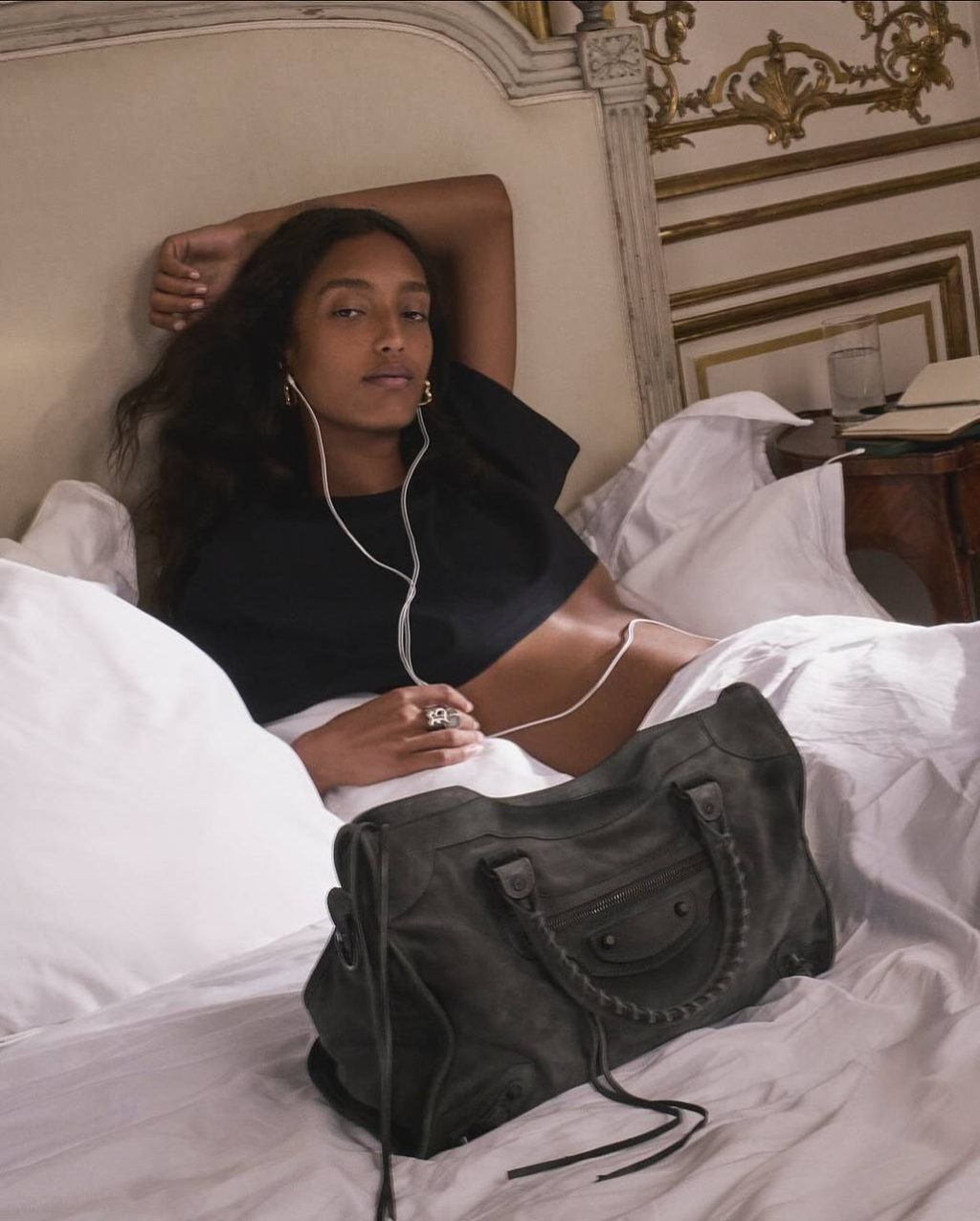
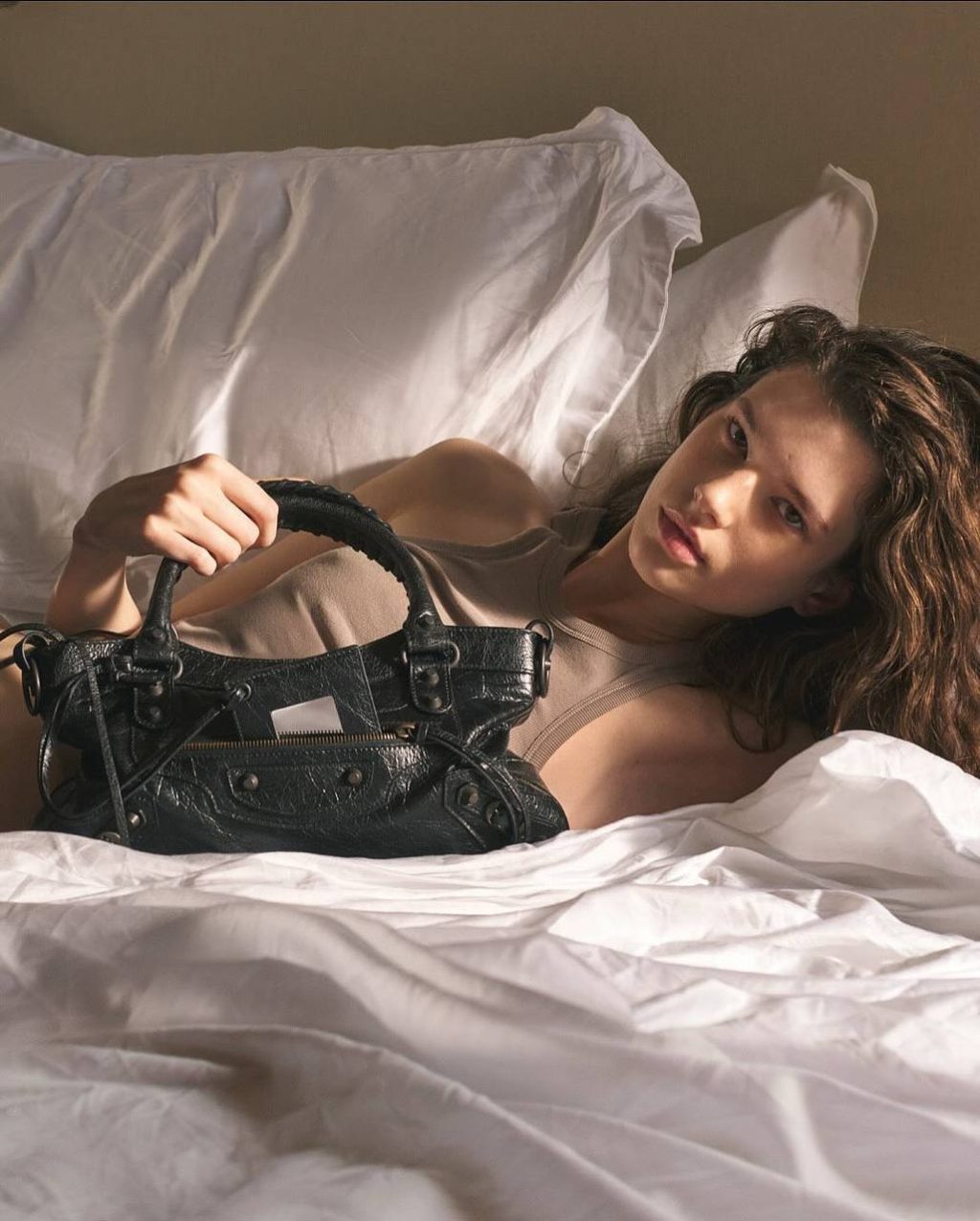
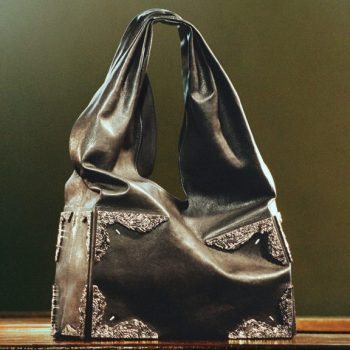
The City bag has always been less about pristine luxury and more about attitude—soft leather, studs, a slouch that looks better once it’s lived. That “looks expensive because it doesn’t try” energy is exactly why the Le City return landed so hard in a post-quiet-luxury landscape. Balenciaga formally reintroduced Le City in April 2024, positioning it as a reconstituted icon rather than a novelty.
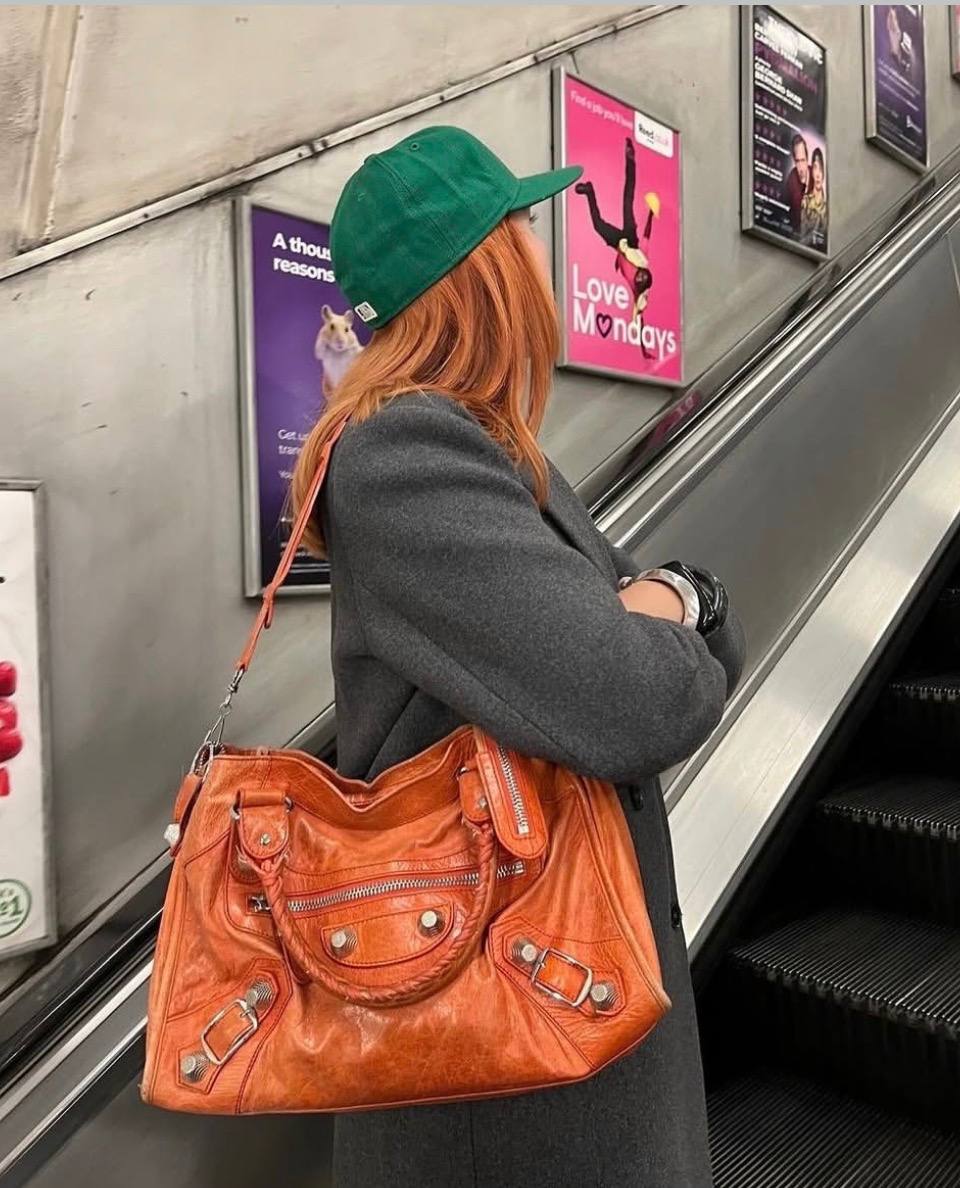
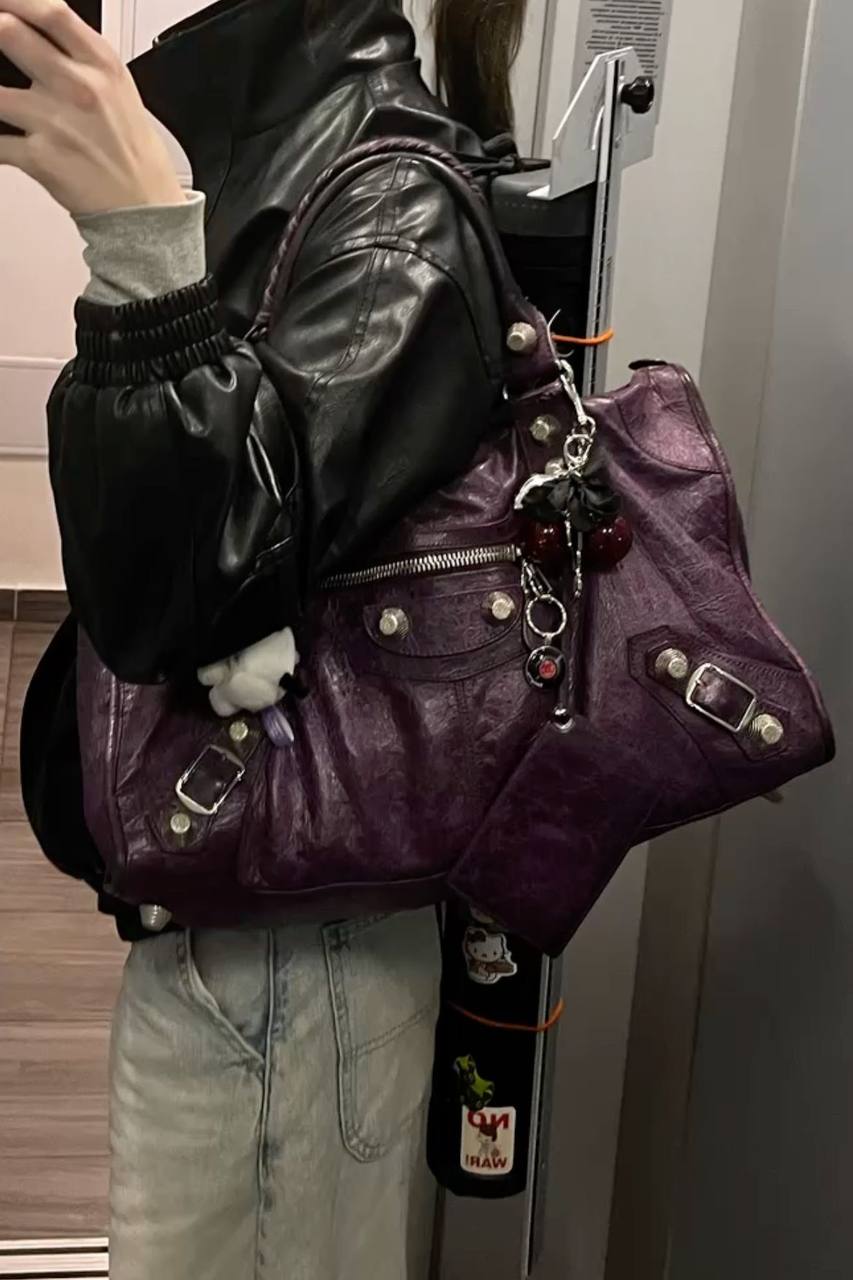
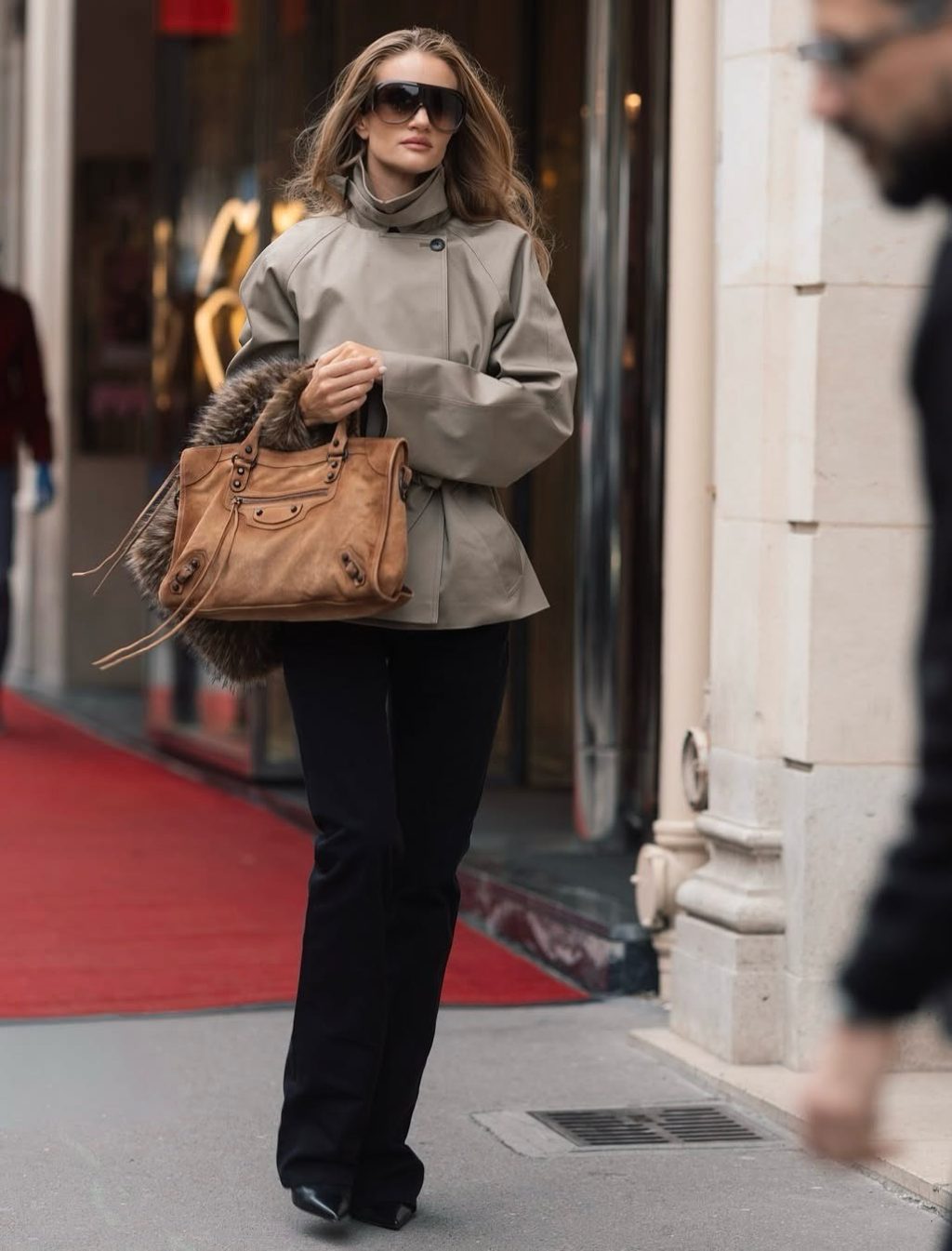
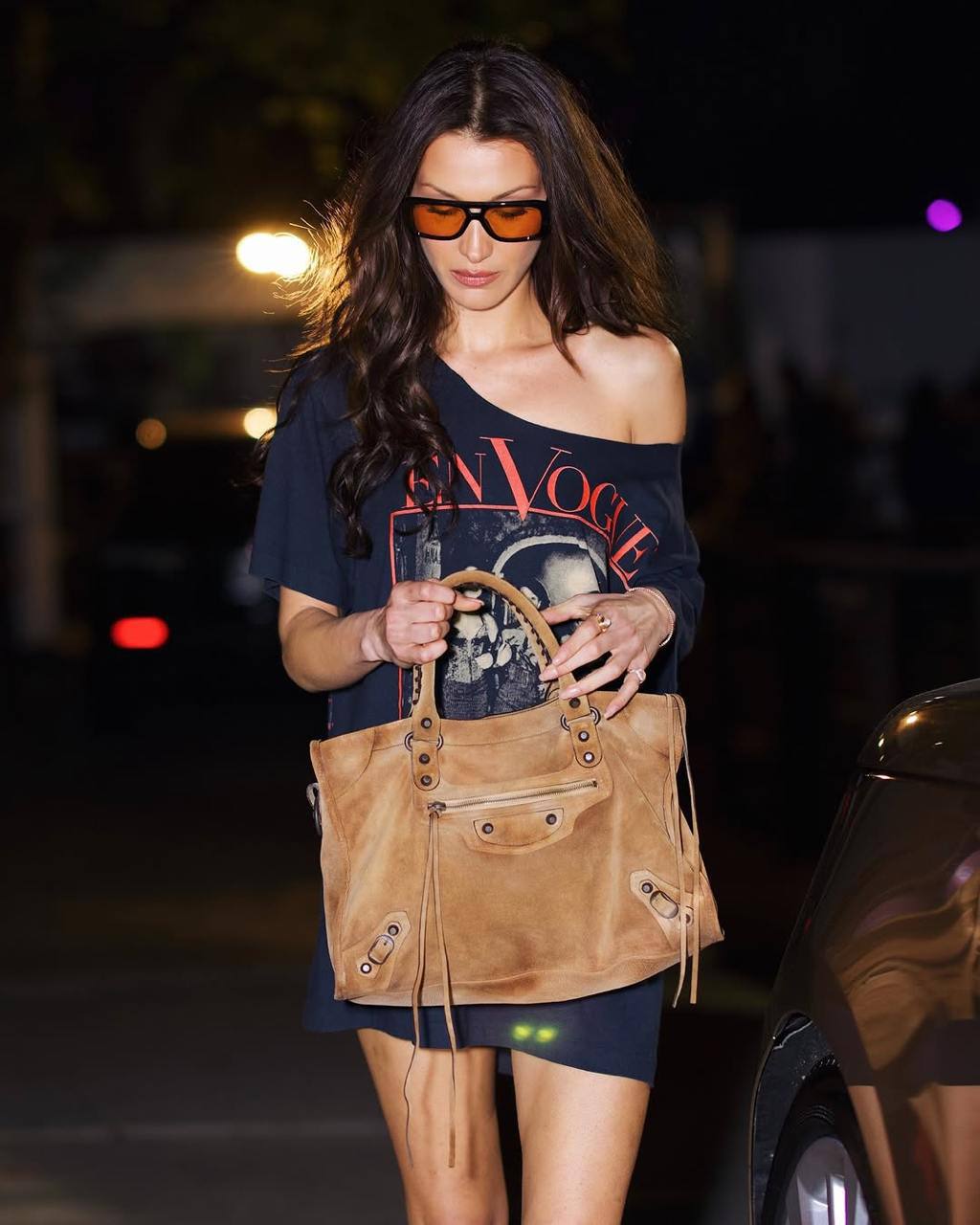
What makes this comeback feel especially modern is that the worn-in look isn’t a compromise; it’s the appeal. Vogue noted the desirability of a well-worn Le City—patina as status, not damage.
The resale numbers sealed it: Rebag’s report called out +986% search growth for Le City within the nostalgia wave.
If you’re buying vintage, focus on leather condition (dryness and corner wear), hardware integrity, and whether the slouch is “good slouch” or structural collapse. A bag can age beautifully—but only if its shape still has a backbone.
2. Louis Vuitton x Takashi Murakami
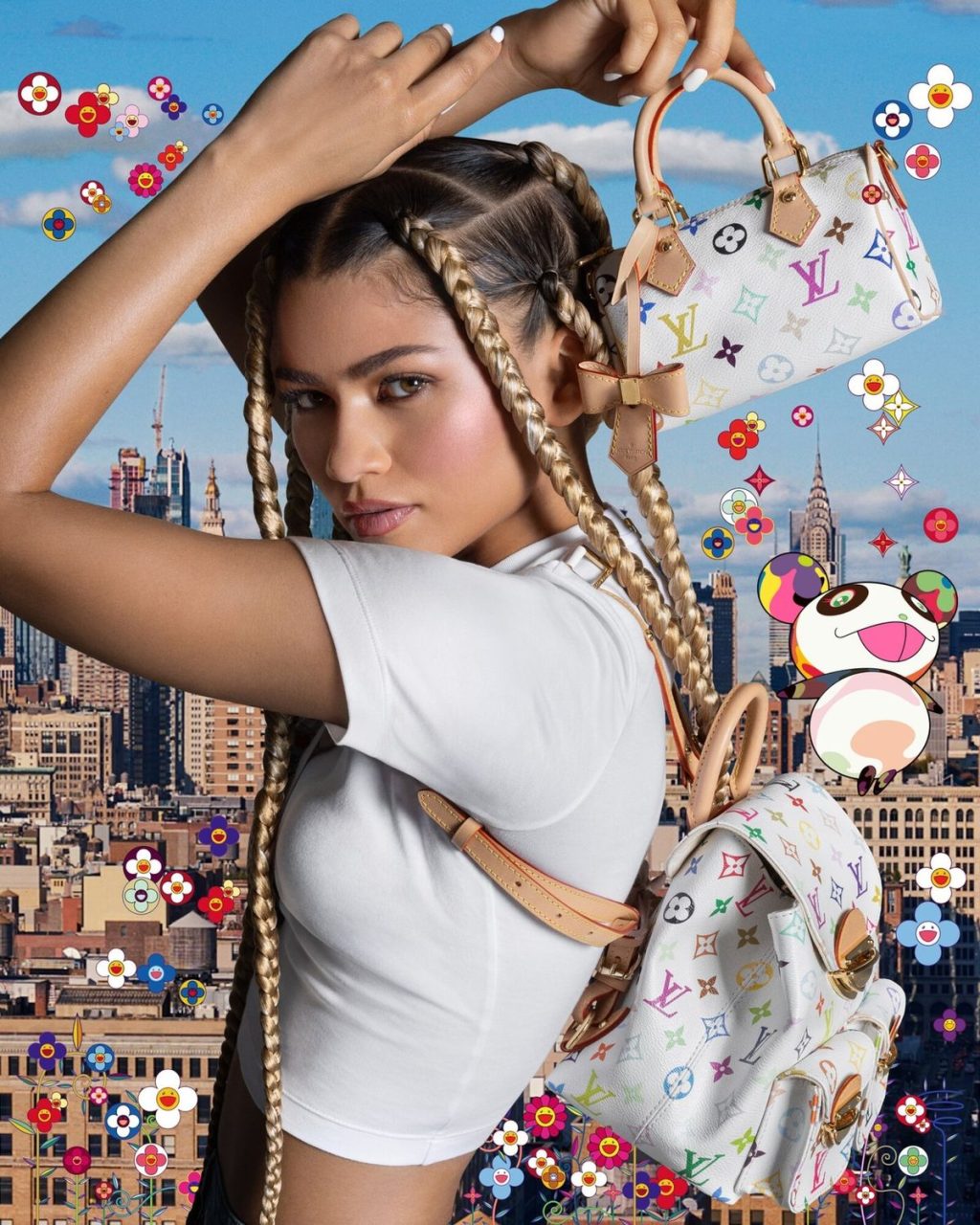
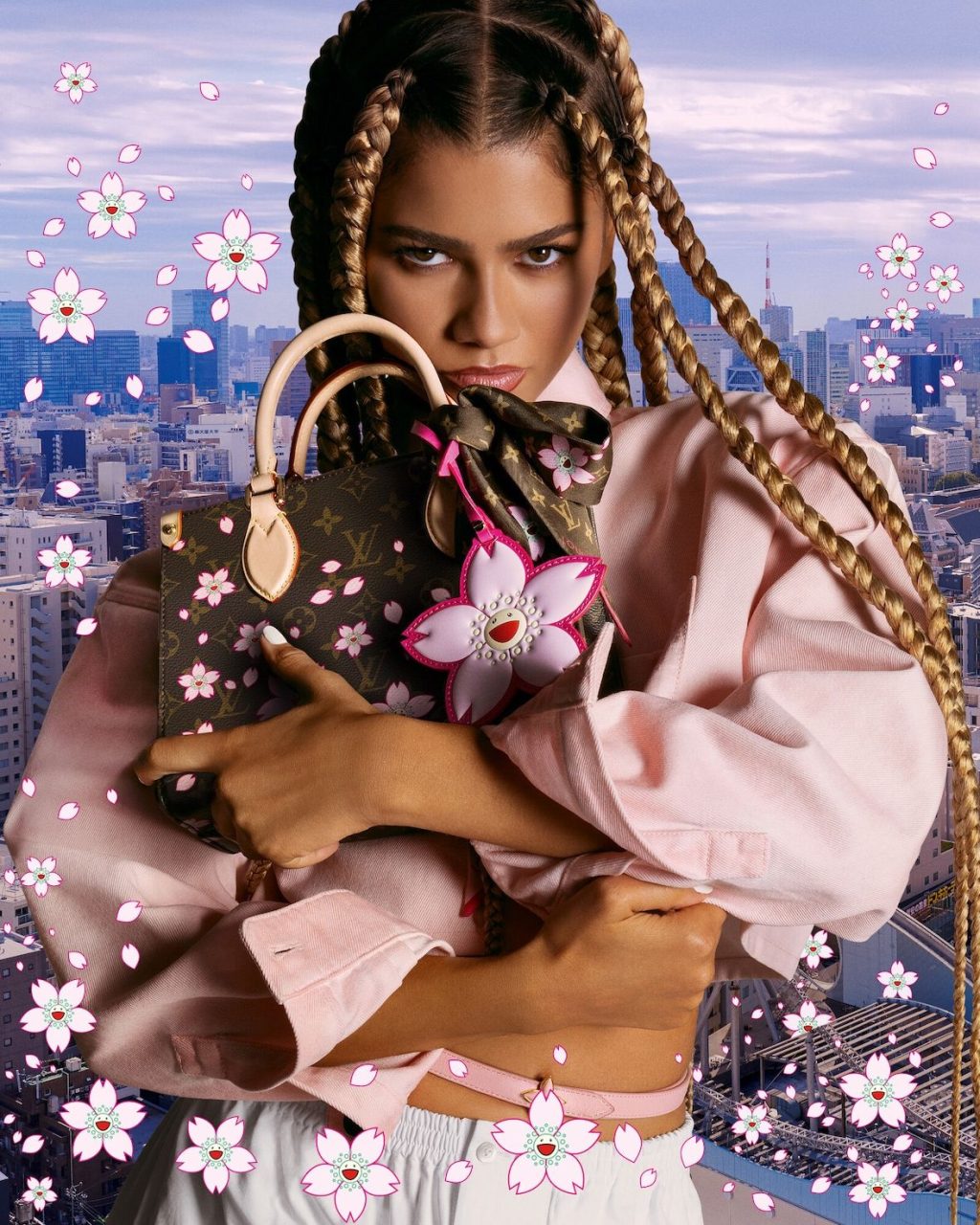
Murakami’s multicolor monogram isn’t just a print; it’s an era—one that many people associate with peak pop-luxury, paparazzi culture, and early-2000s optimism. When Louis Vuitton resurrected the collaboration in blockbuster drops across early 2025, it didn’t feel like a simple rerelease; it felt like culture being re-uploaded.
For a deeper collector read, start with our Louis Vuitton x Takashi Murakami Artycapucines VII guide.
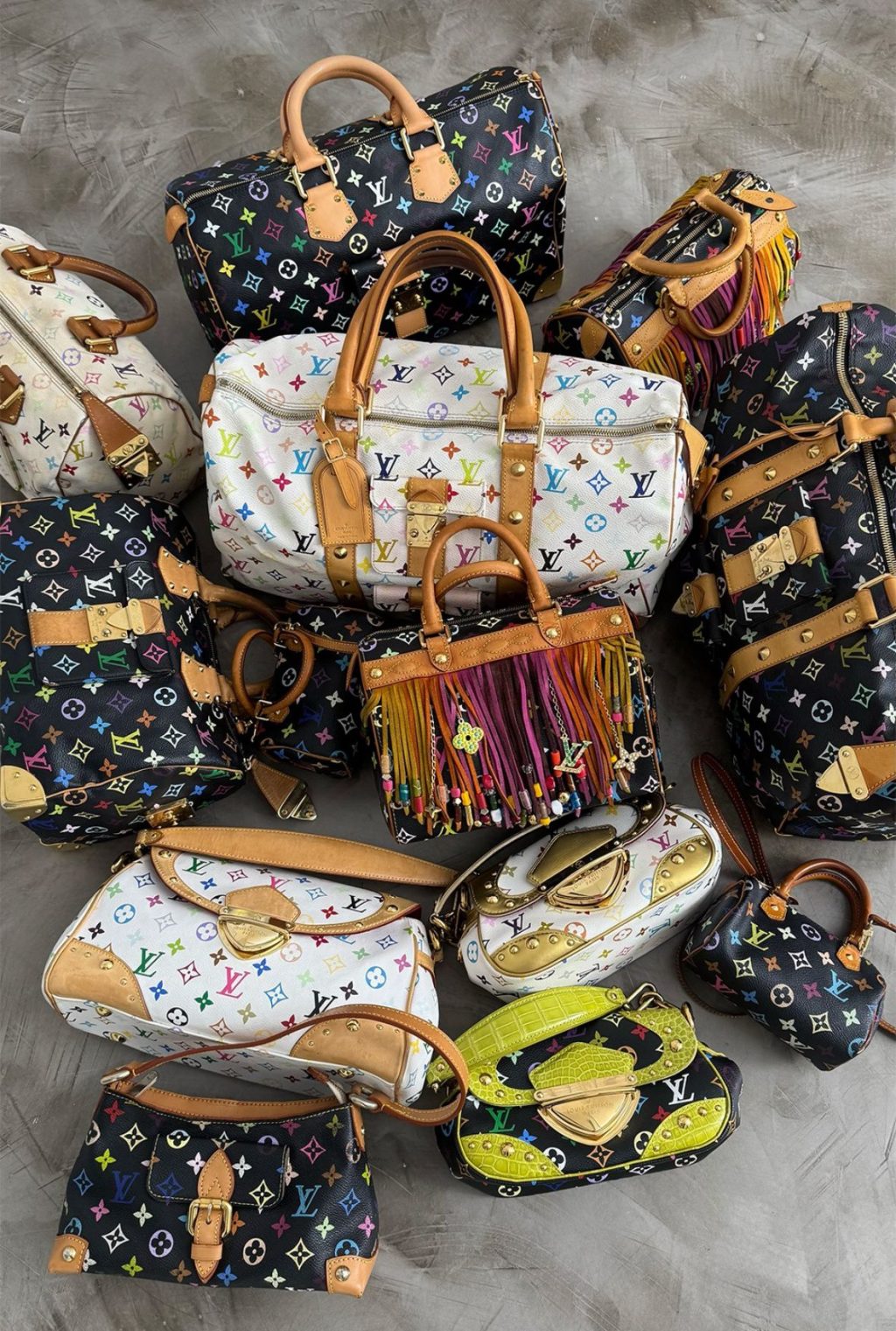
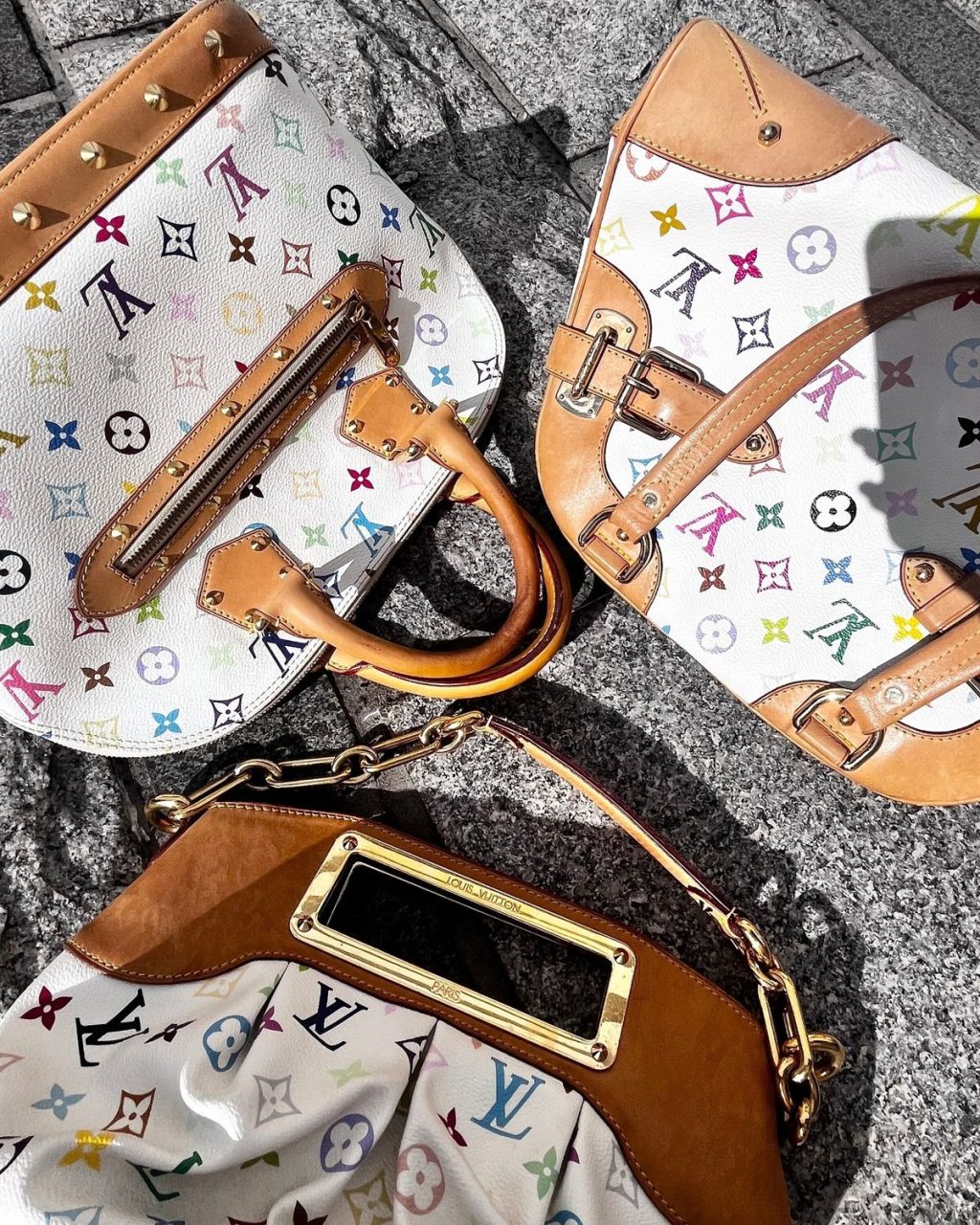
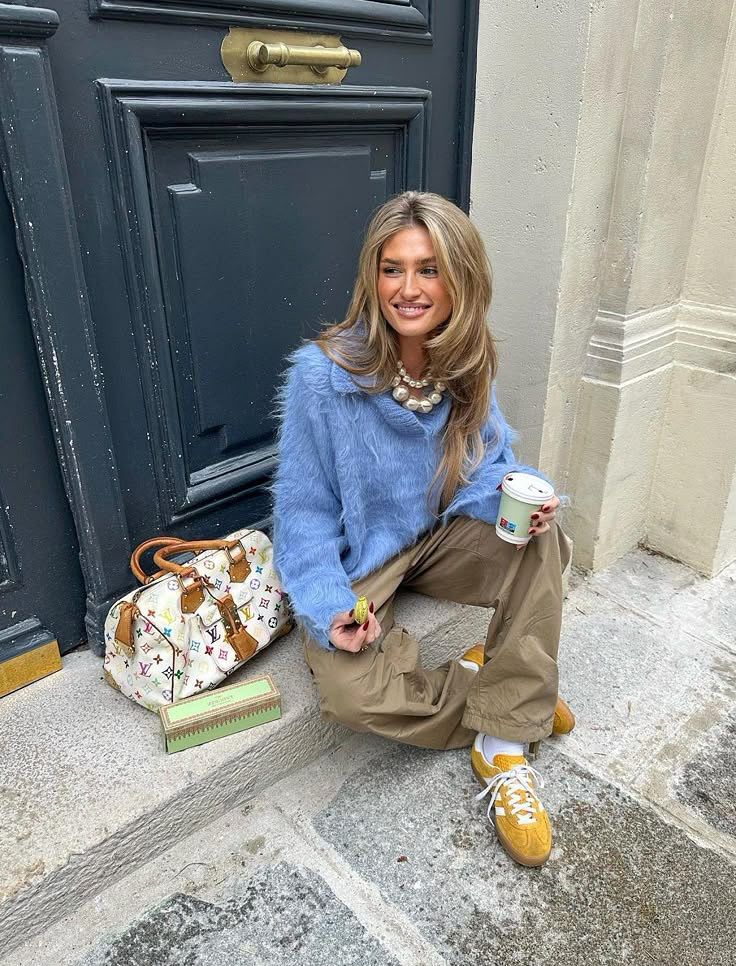
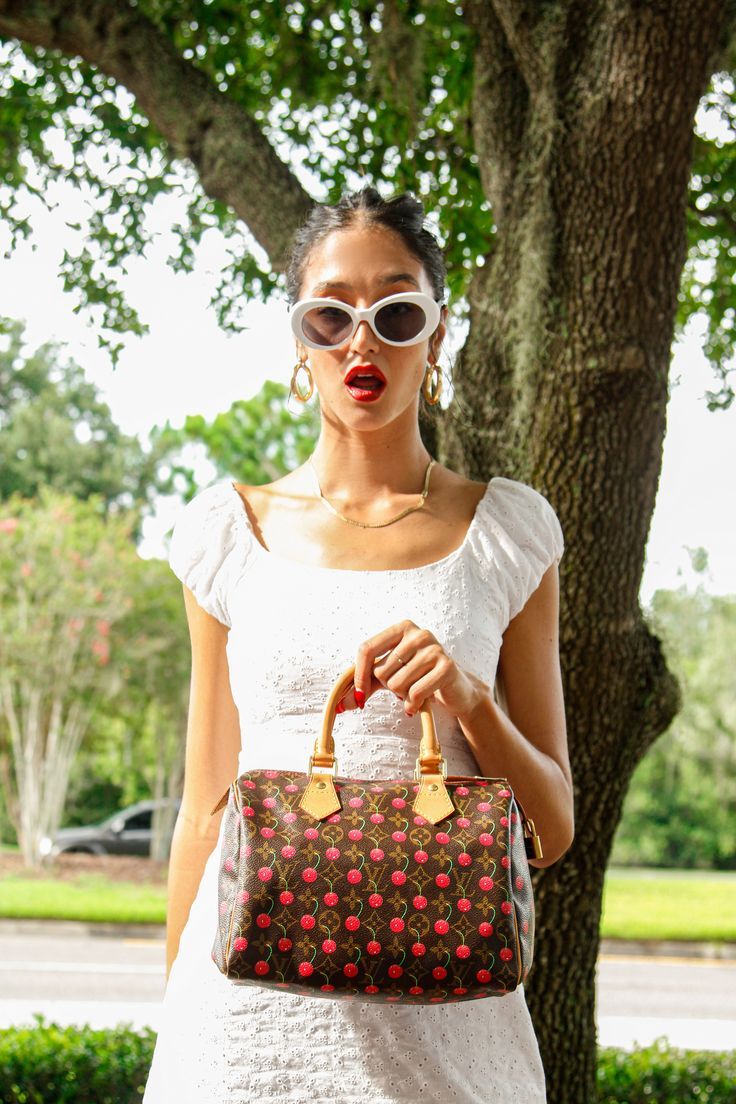
Rebag’s 2025 release notes explicitly tied the Murakami return to revived demand and resale performance, listing multiple styles pushing above 130% resale value.
The collector move here is counterintuitive: if you love the print, compare the reissue pricing pressure to the best-condition originals. The reissue raises the floor for originals (because it reminds everyone what they want), but it also creates a wide spread—condition and authenticity become everything.
3. Chloé Paddington
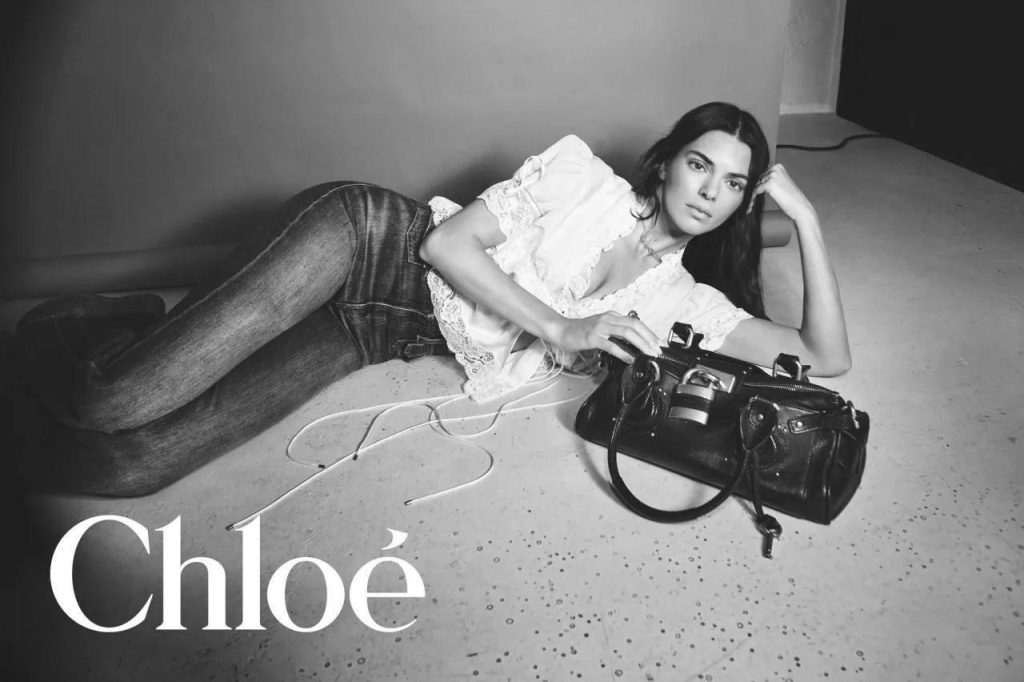
The Paddington is pure early-2000s charisma: rounded shape, heavy hardware, and that unmistakable padlock detail that made it feel like a fashion secret you could carry. Its comeback is inseparable from the broader boho revival—and from the way brands are re-leaning into emotional heritage. Vogue positioned the return as part of fashion’s obsession with reissuing 2000s hits, specifically noting Chloé’s Paddington revival under Chemena Kamali.
On the data side, Rebag cited +76% search growth for Paddington during the 2025 nostalgia boom.
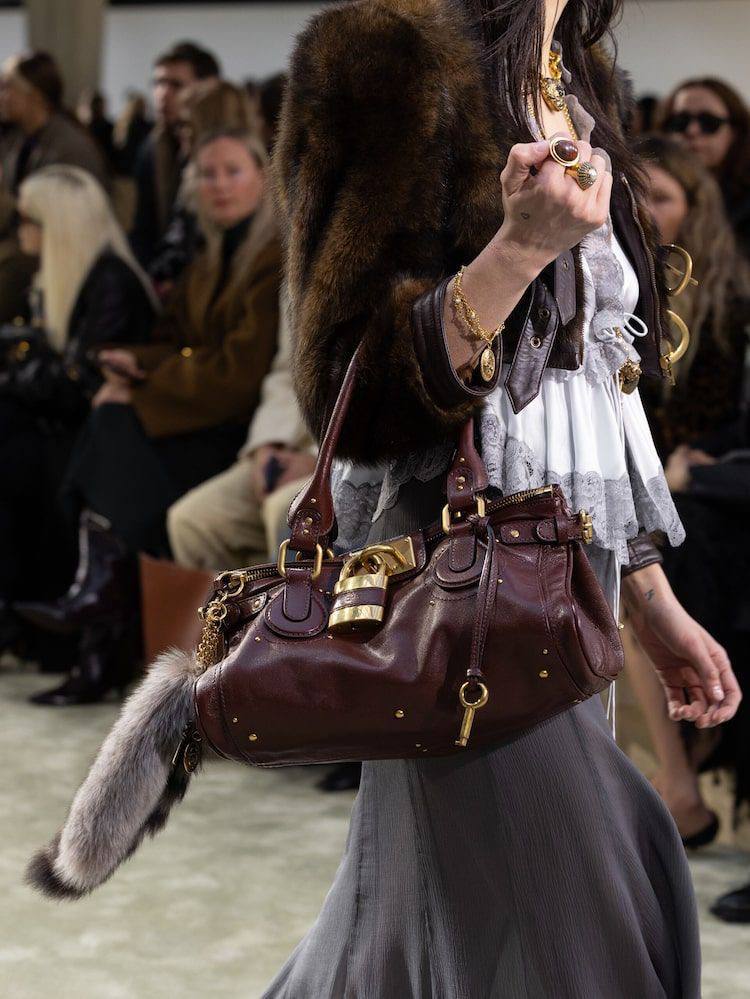
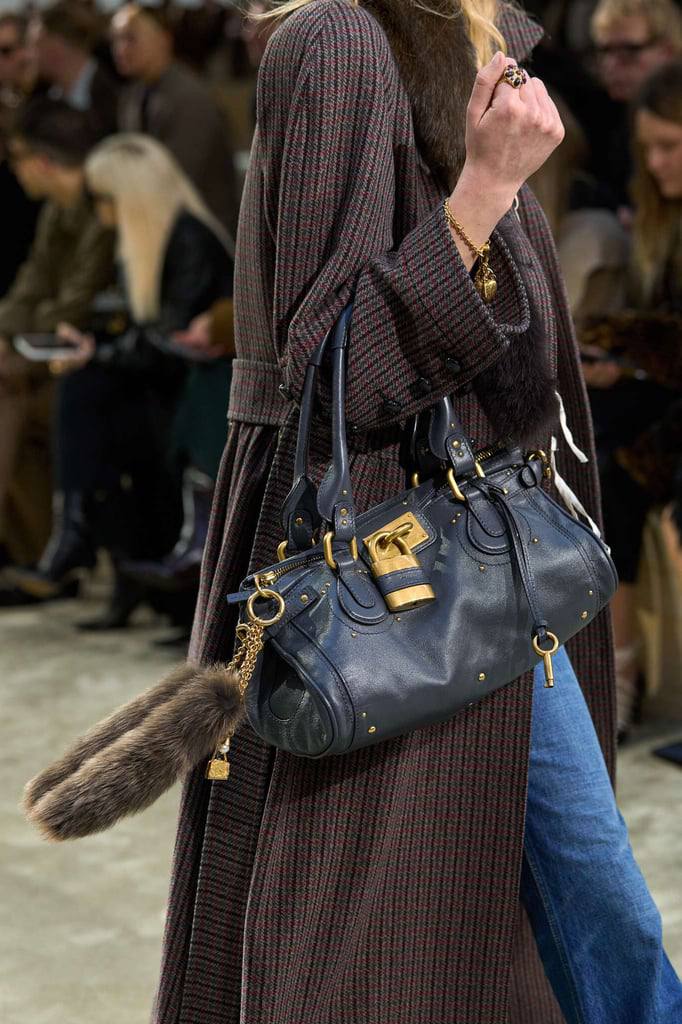
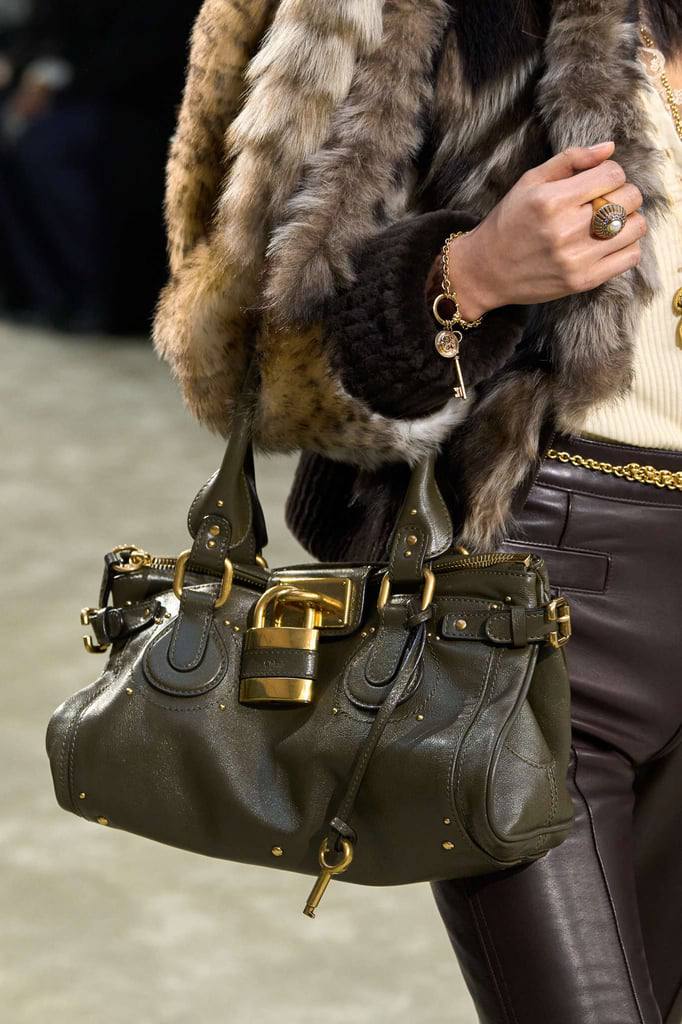
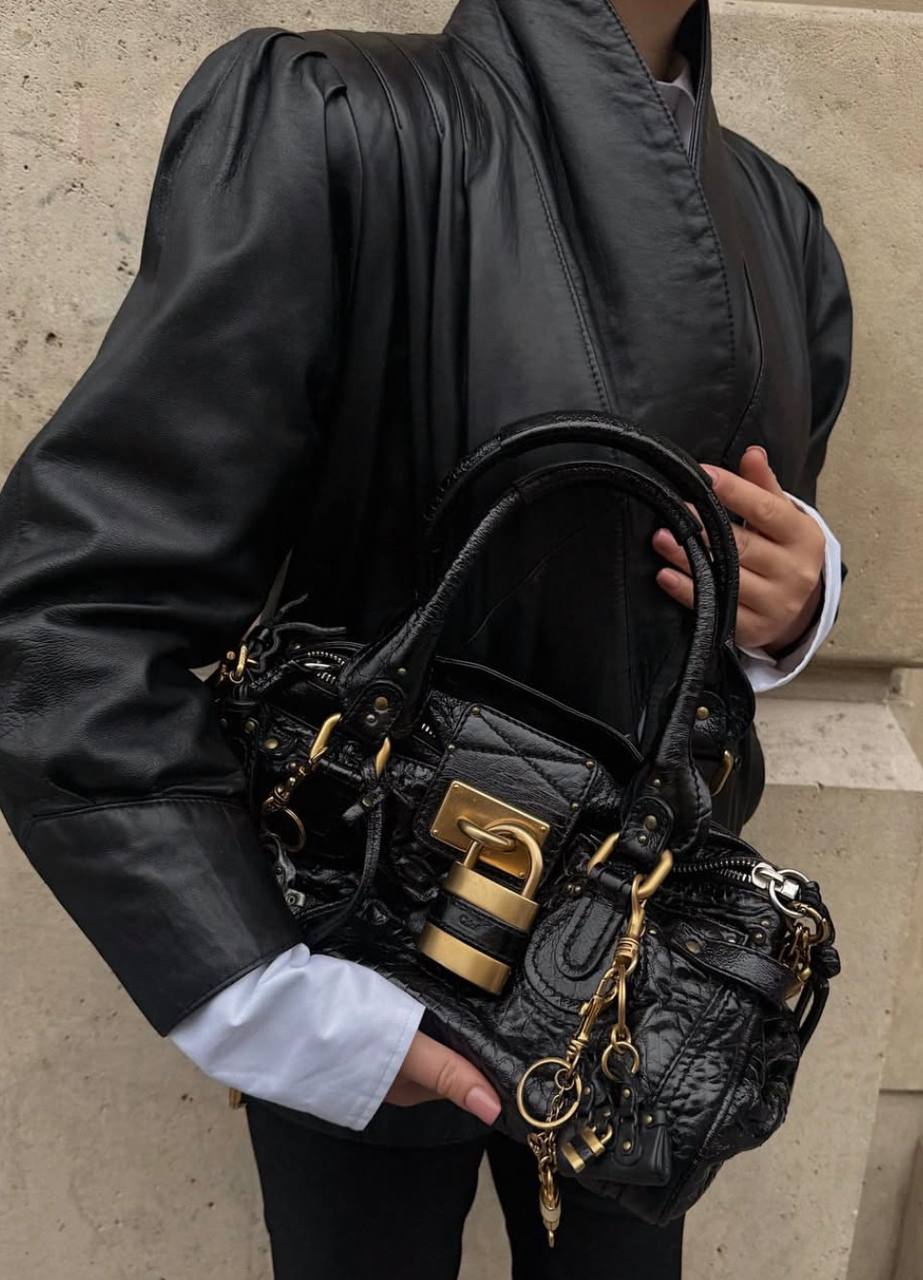
If you’re buying an original: watch the lock weight (some versions are famously heavy), inspect stitching near handle bases, and treat leather hydration like maintenance, not “extra.” The Paddington is the kind of bag that looks best when it’s soft—but not when it’s neglected.
4. Celine Phantom / New Luggage
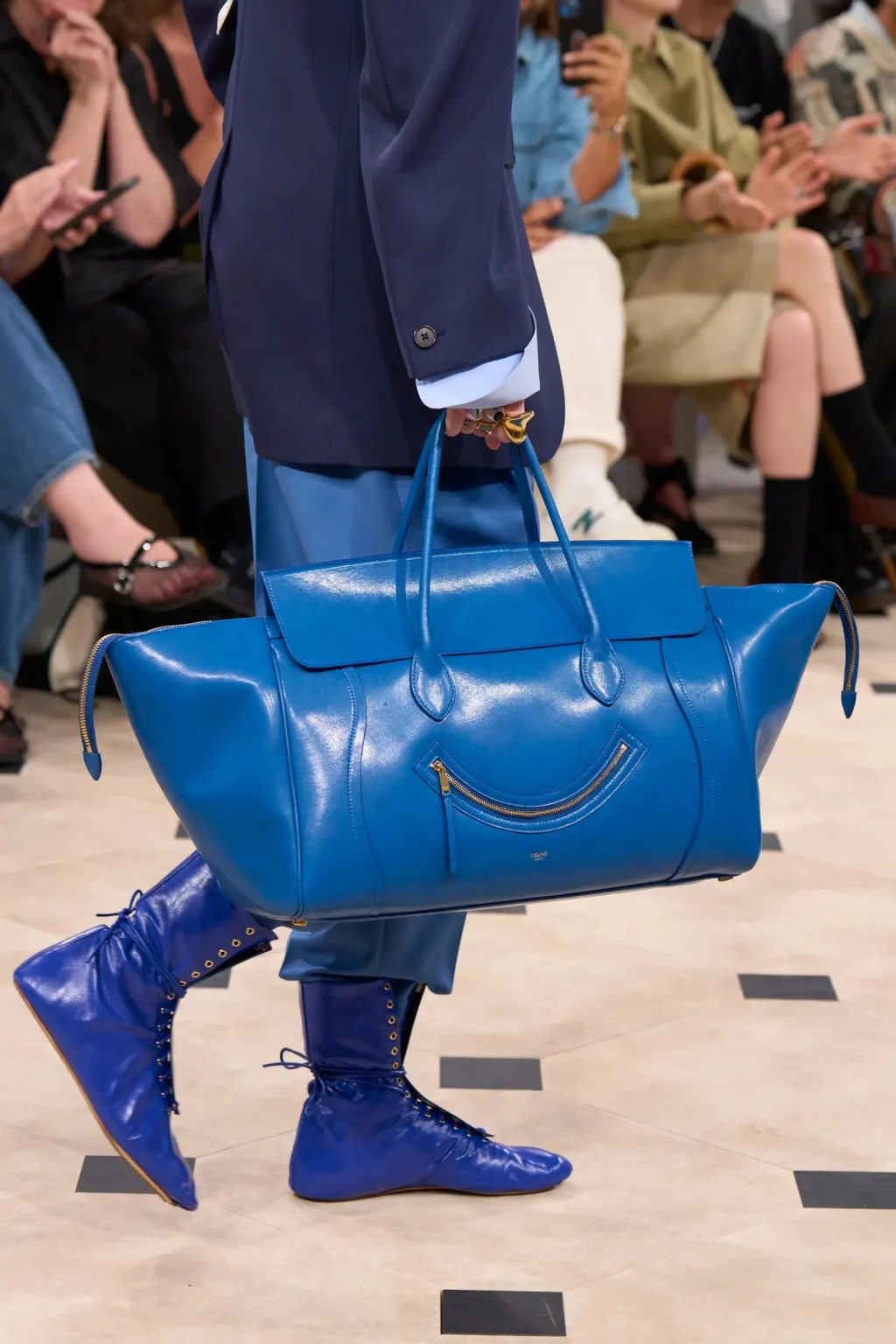
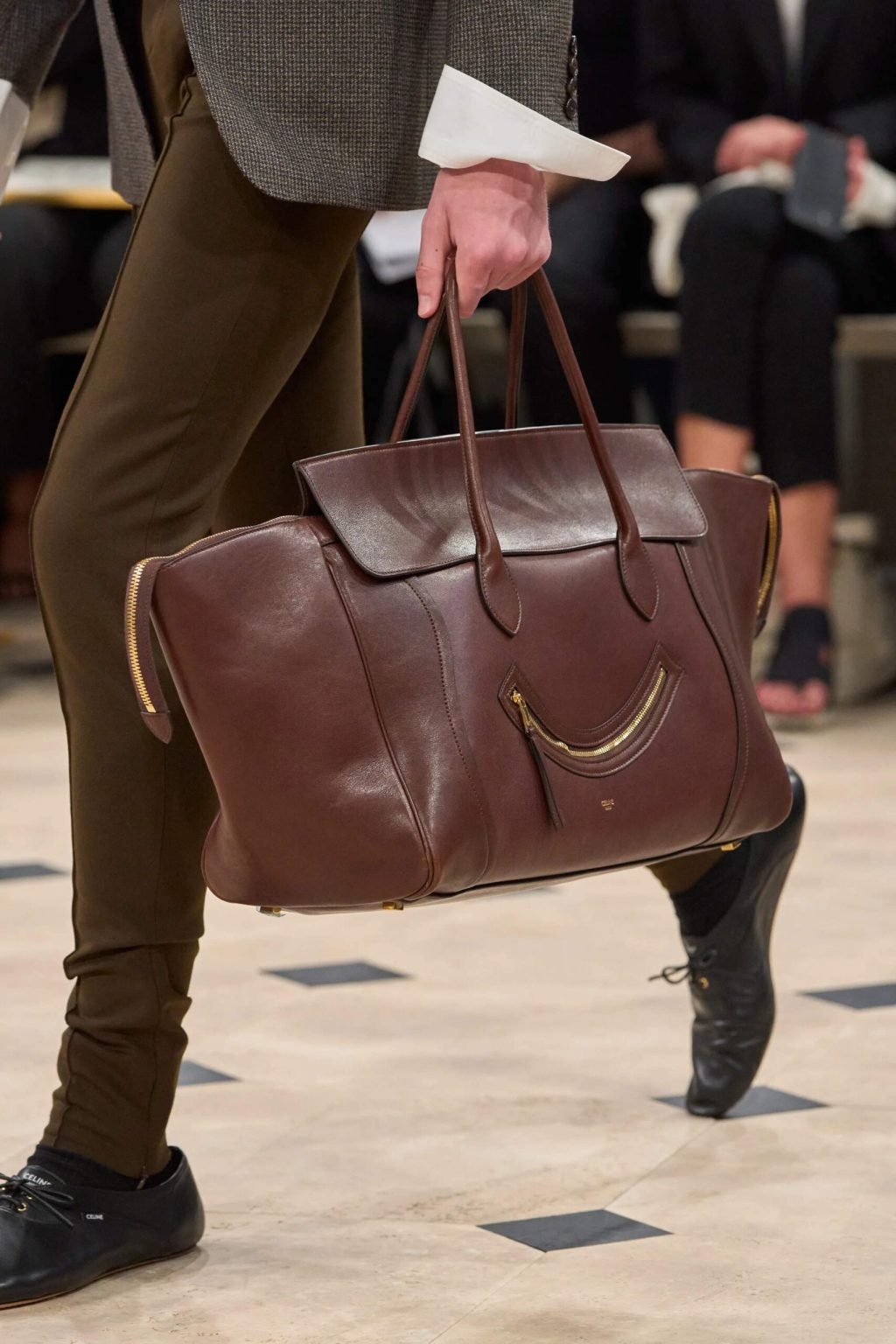
The Phantom’s revival is almost a perfect case study in how runway moments and resale desire now feed each other. The bag—originally a Phoebe Philo-era icon—returned to the conversation after Michael Rider’s debut Spring 2026 collection at Celine, where a refreshed version appeared under the “New Luggage” naming.
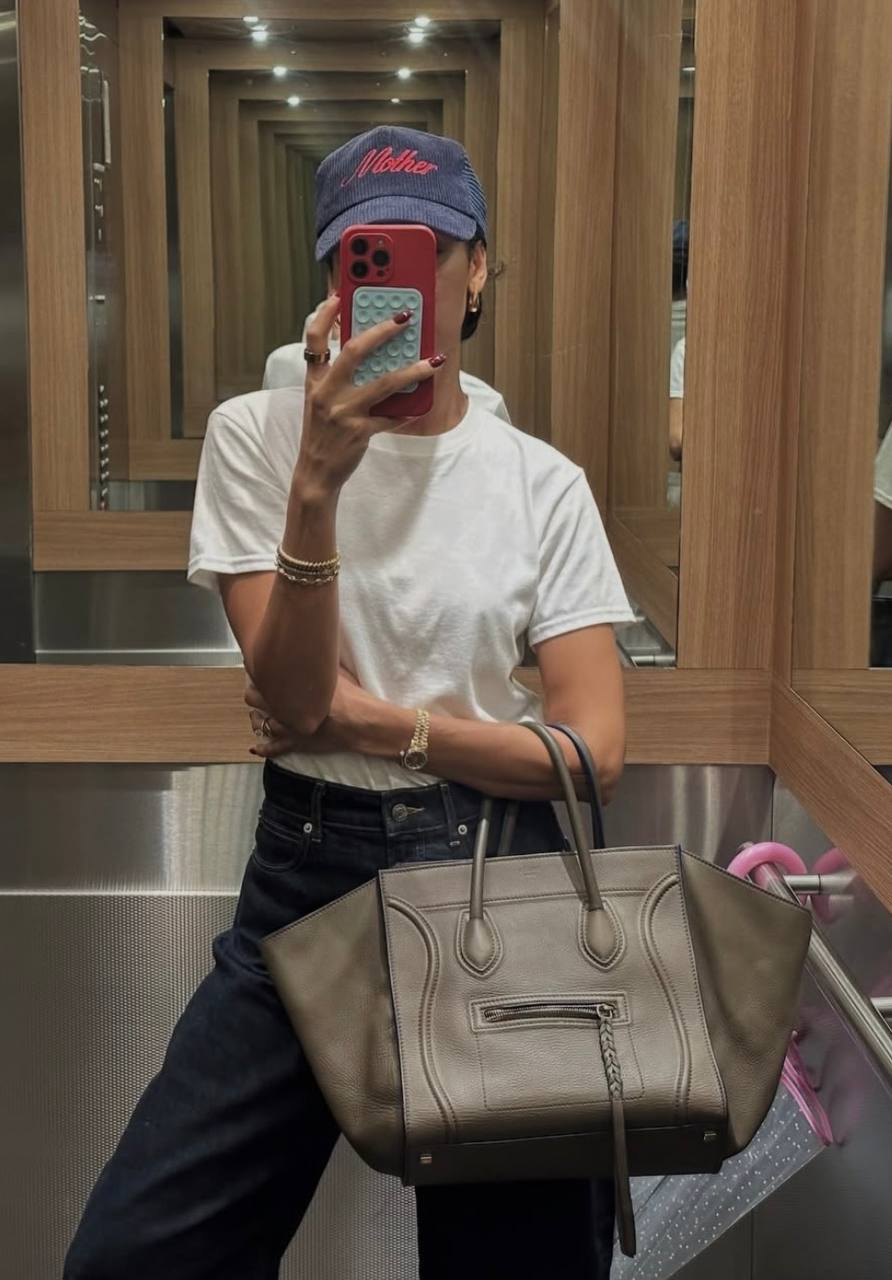
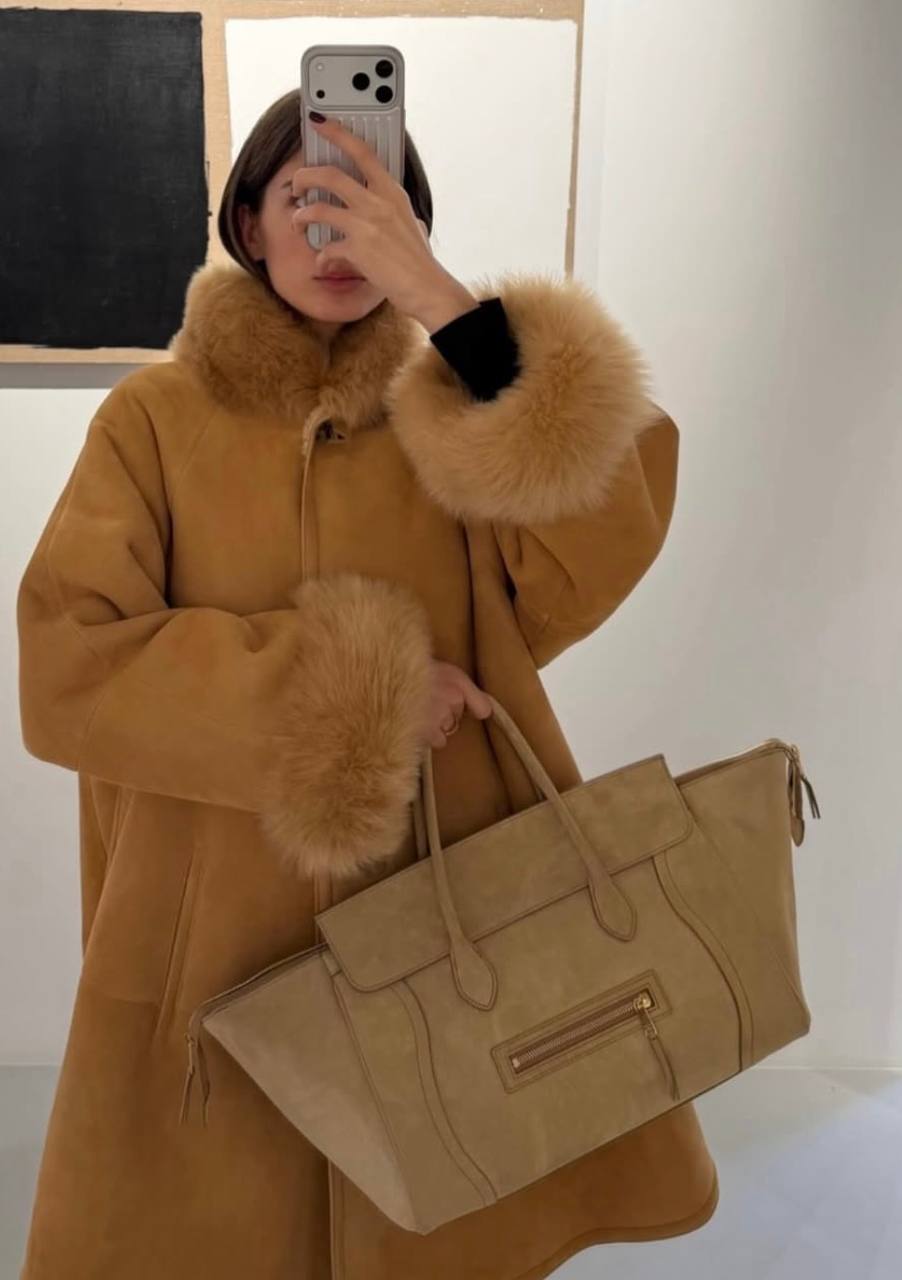
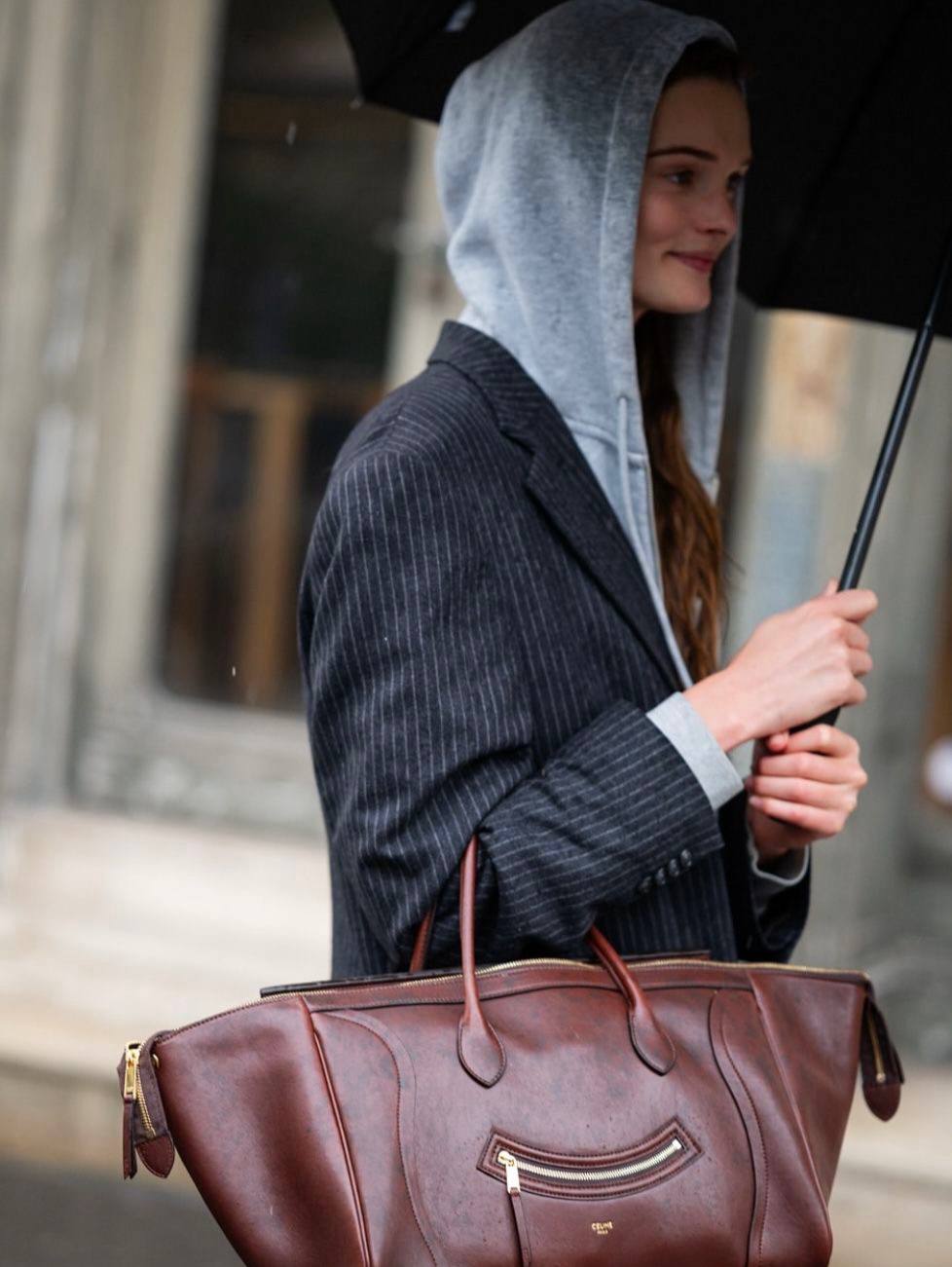
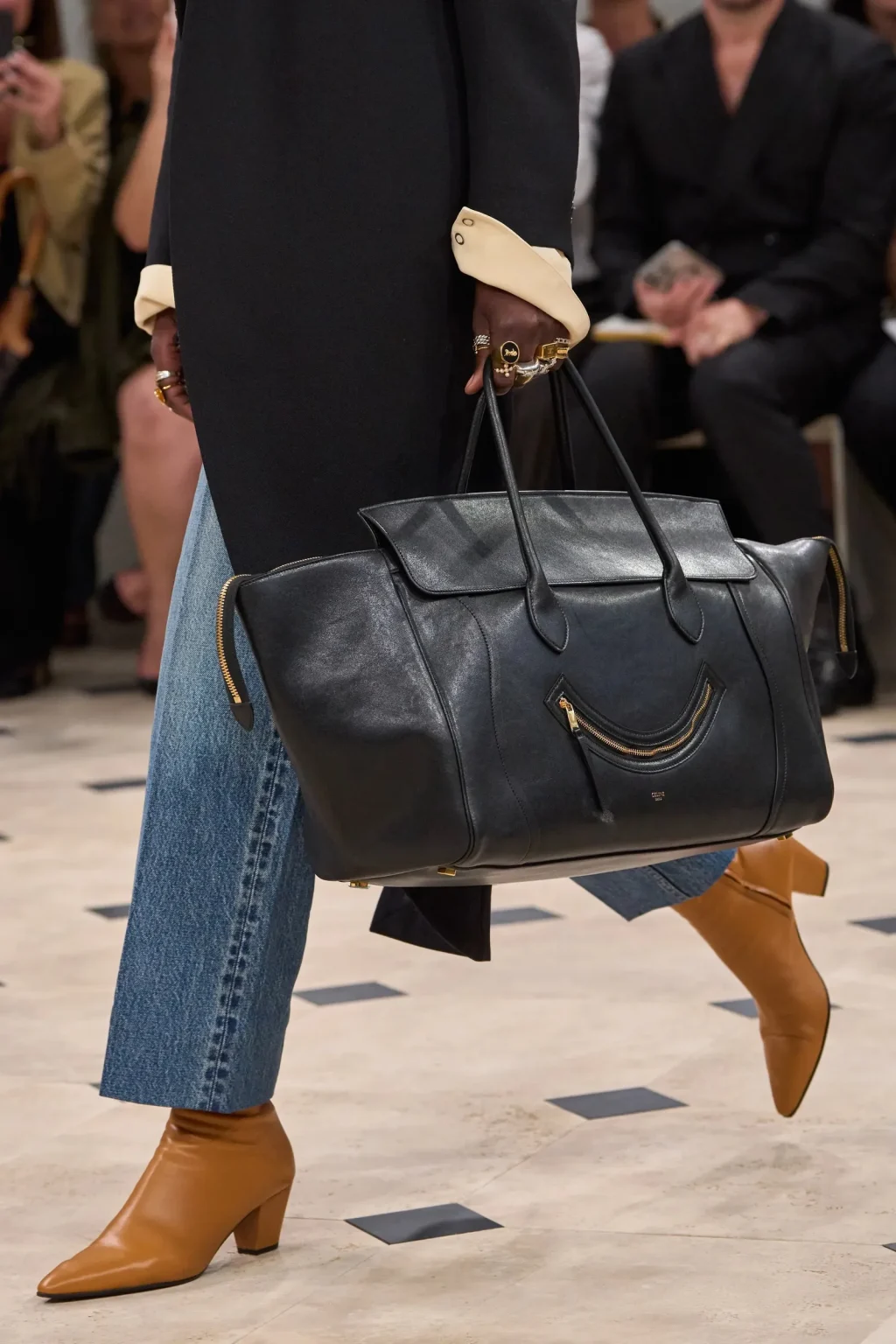
And the market responded immediately. InStyle reported that Celine Phantom searches surged +360% month-over-month following Rider’s Spring 2026 show, reinforcing the idea that a runway cameo can function like an instant demand lever.
The Phantom’s modern appeal is also practical: the shift away from micro-bags toward functional shapes makes the Phantom feel newly relevant, not just nostalgically relevant.
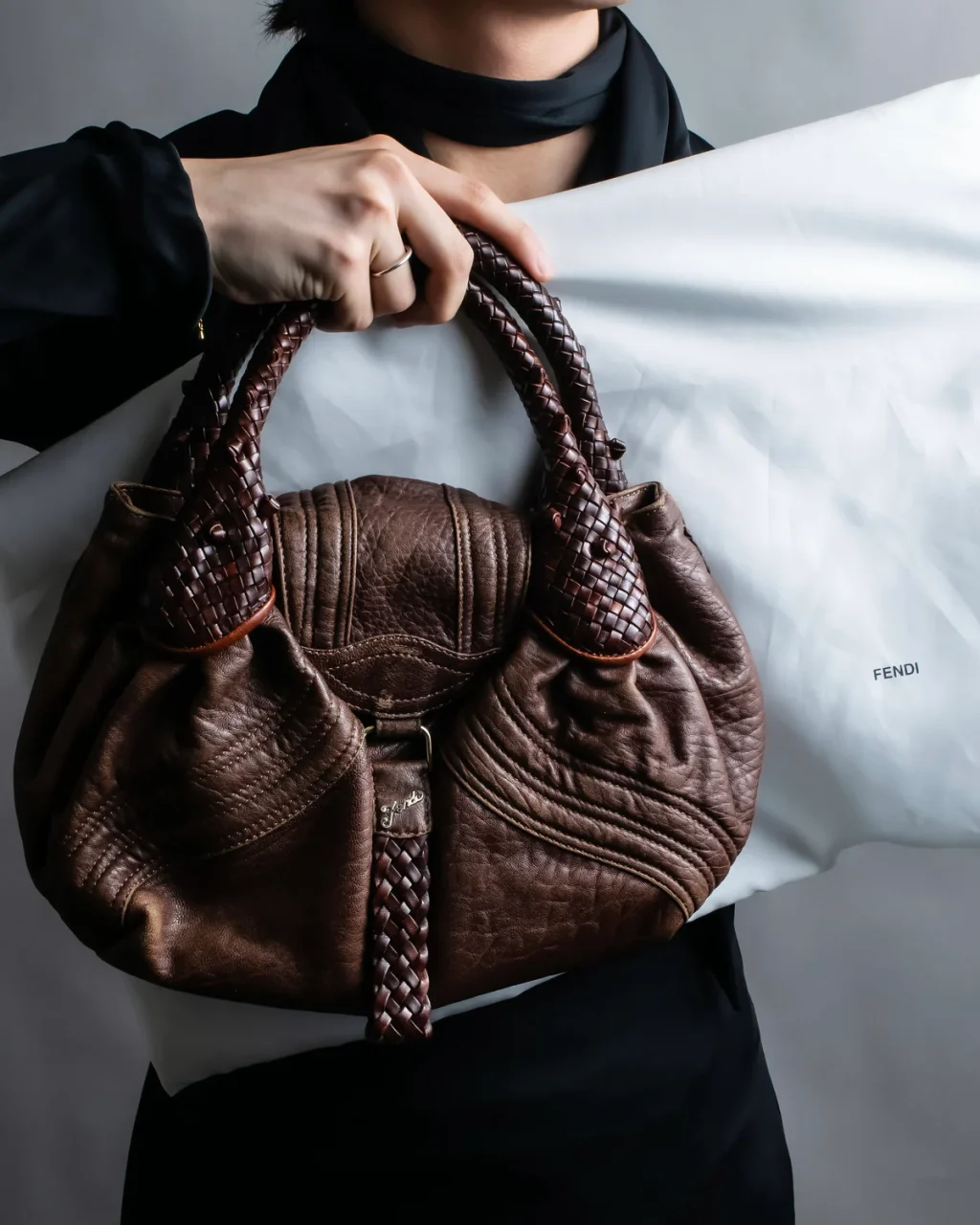
5. Fendi Spy Bag
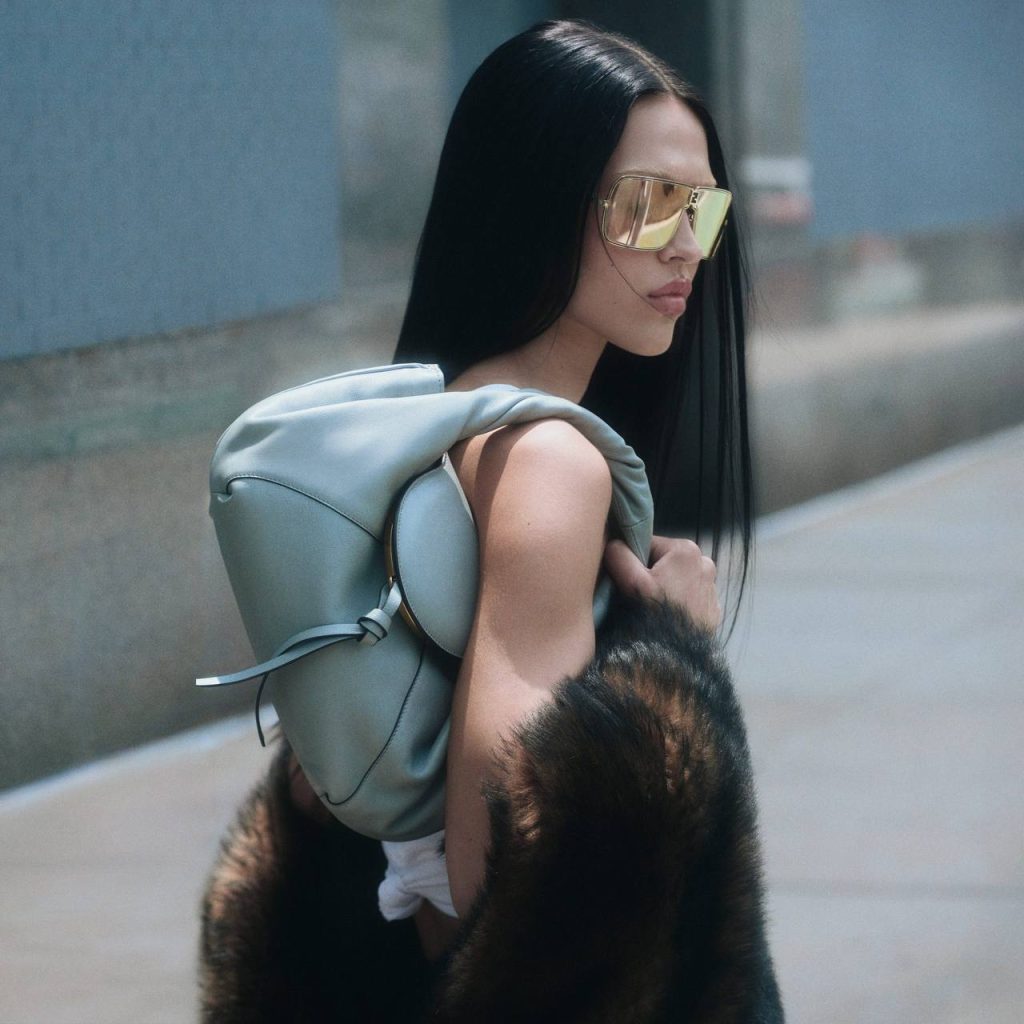
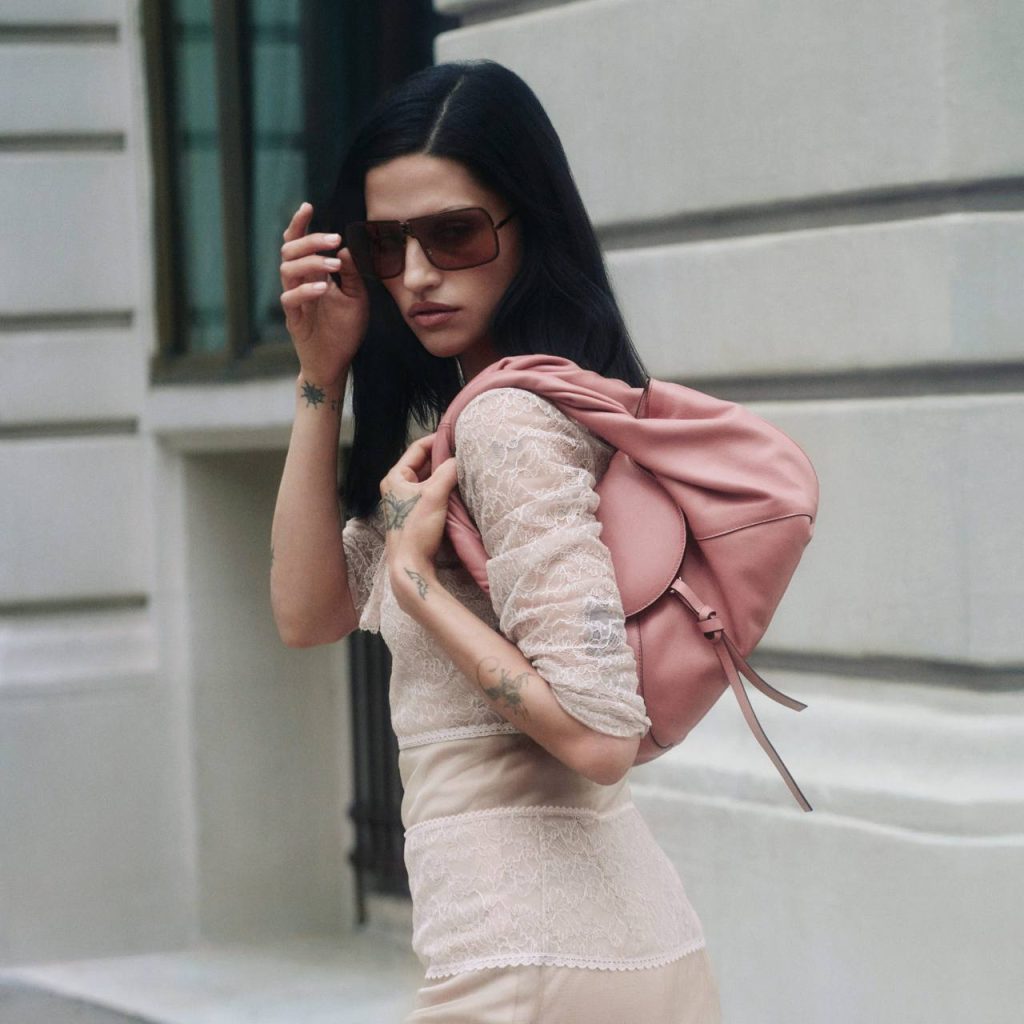
The Spy bag was always designed like a wink—its hidden compartment detail made it feel like a bag with a personality, not just a logo. In 2025, Fendi brought it back with real ceremony; Vogue covered the Spy’s comeback as a cultural moment, framed through Moda Operandi’s celebration and the bag’s reappearance in the brand’s Fall/Winter 2025 collection context.
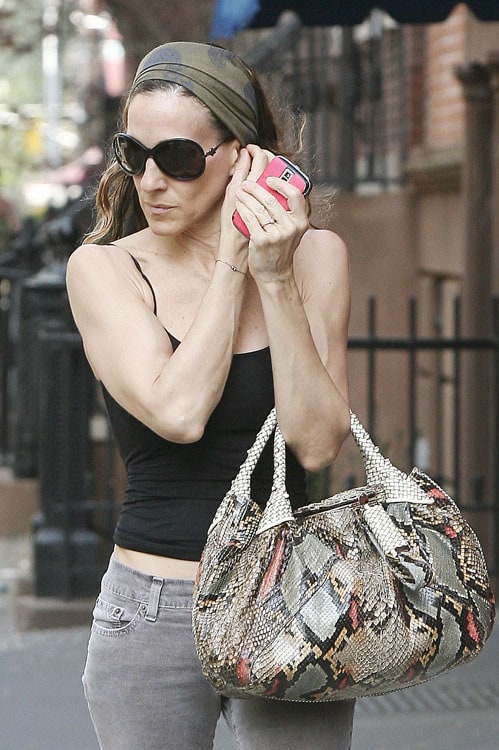
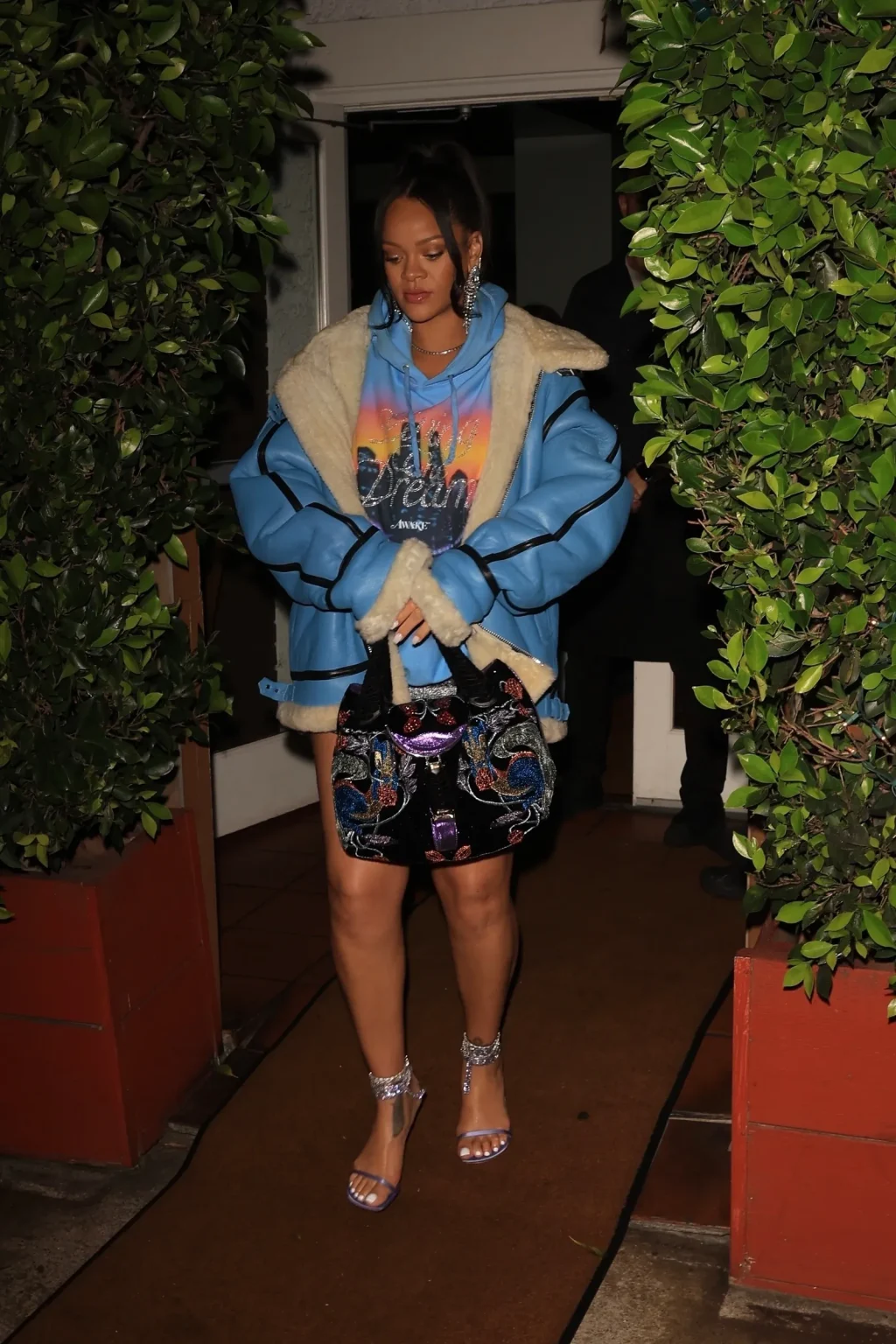
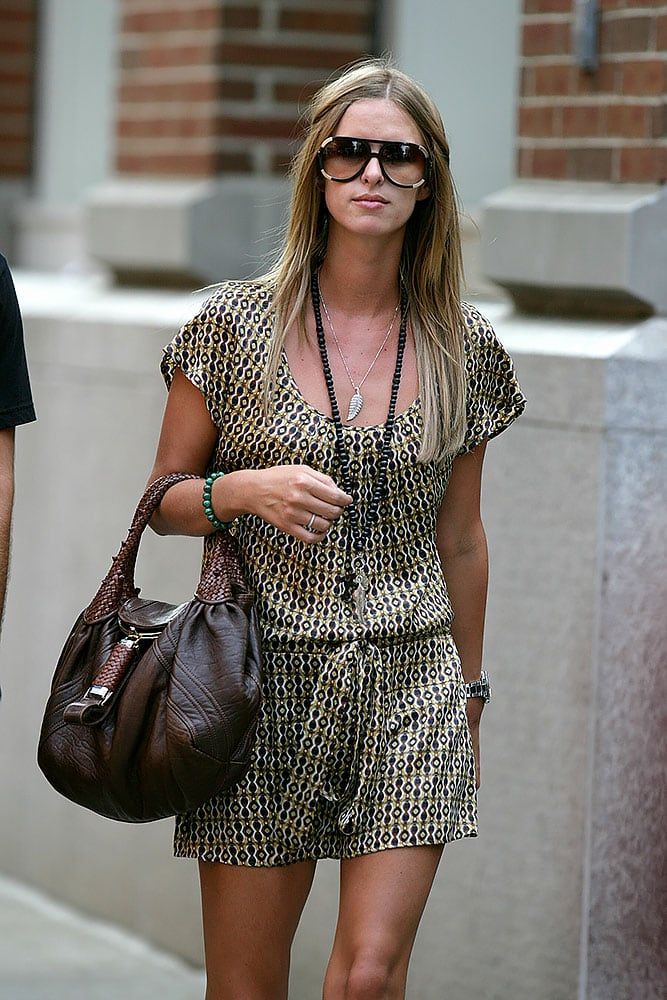
Multiple fashion outlets positioned the Spy’s return as part of the broader 2000s It-bag wave, with the bag re-entering wardrobes through celebrity sightings and renewed editorial focus.
Buying advice: check handle wear and glazing (Spy bags get handled hard), and make sure you’re comfortable with the bag’s “presence.” This is not minimalism. That’s the point.
6. Saint Laurent Mombasa
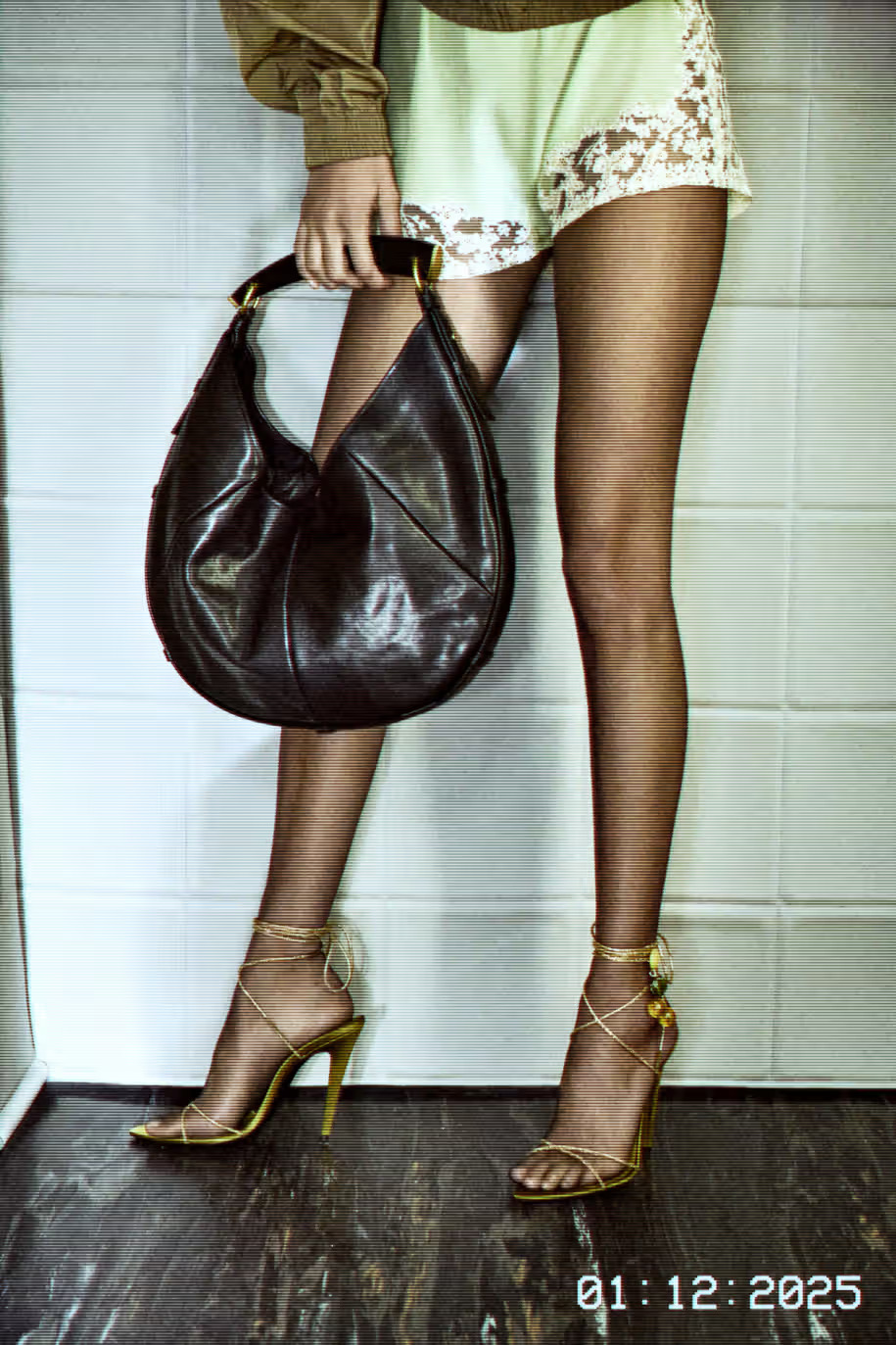
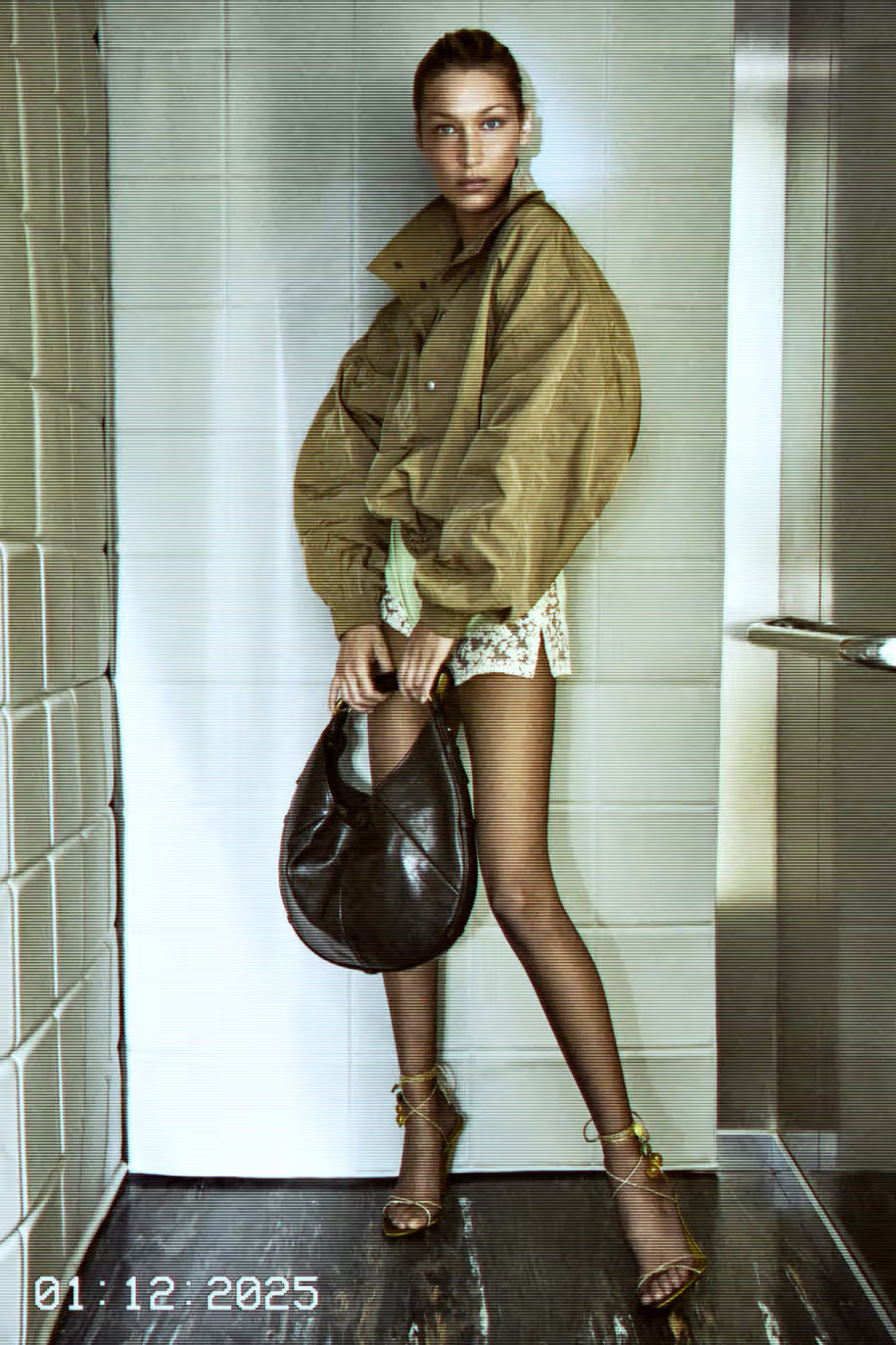
The Mombasa is the kind of bag that instantly timestamps you—in the best way—because it has a signature you can’t mistake: that sculptural horn handle. Harper’s Bazaar noted its comeback in Saint Laurent’s Spring 2026 campaign, linking it to the wider reissue economy and naming it alongside other major revivals.
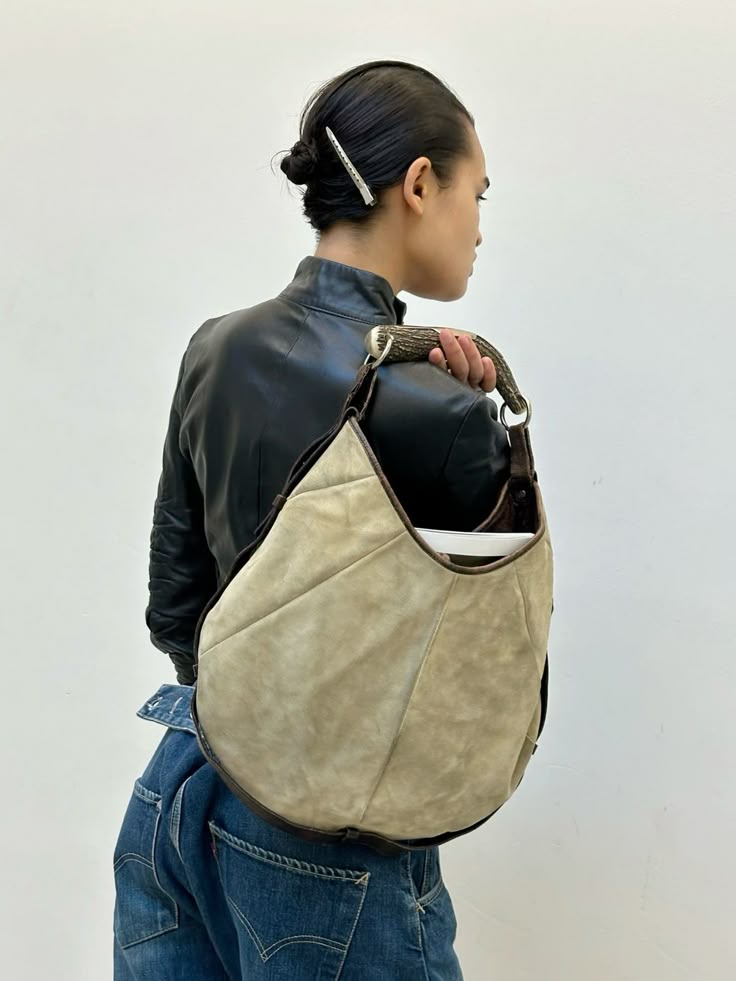
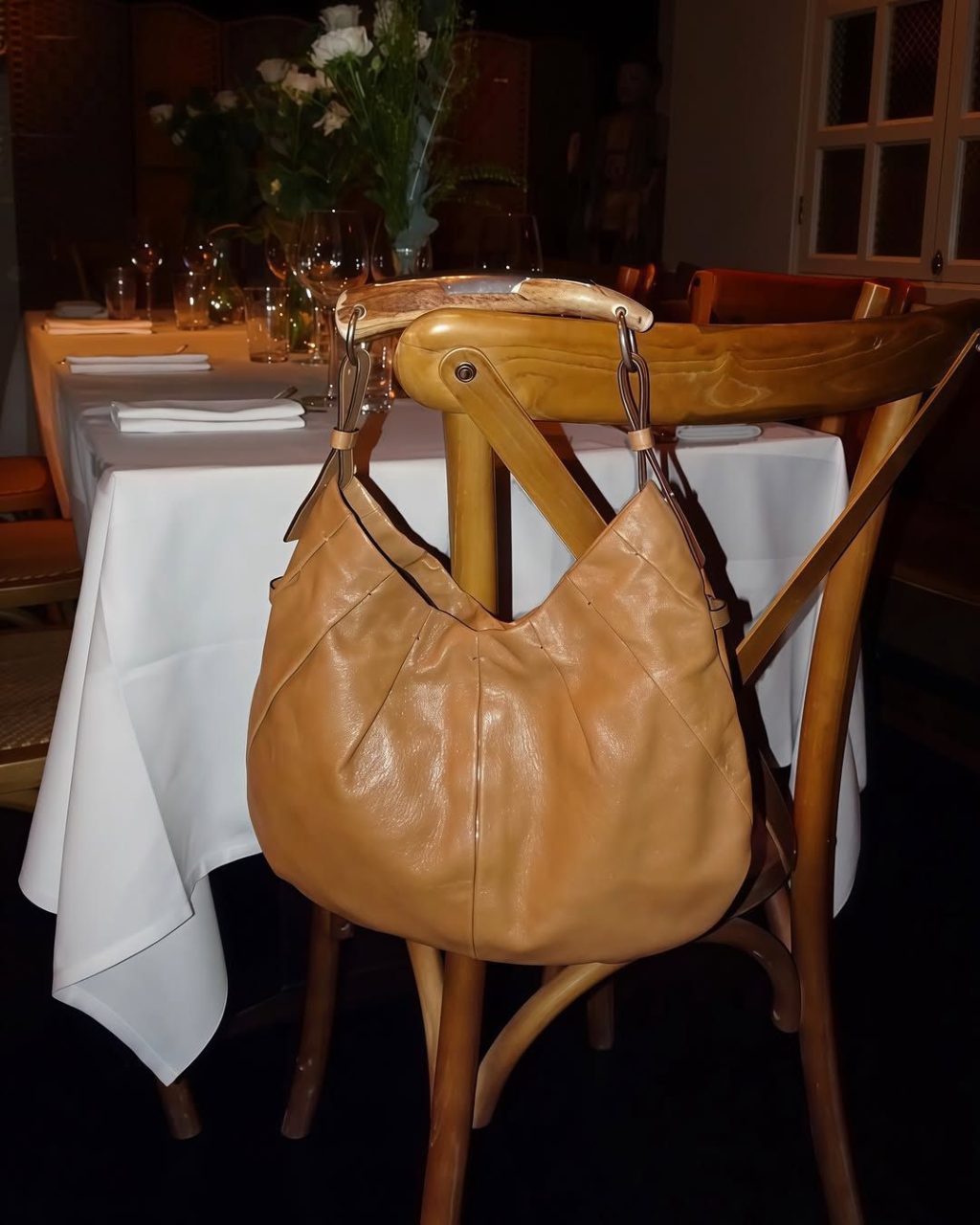
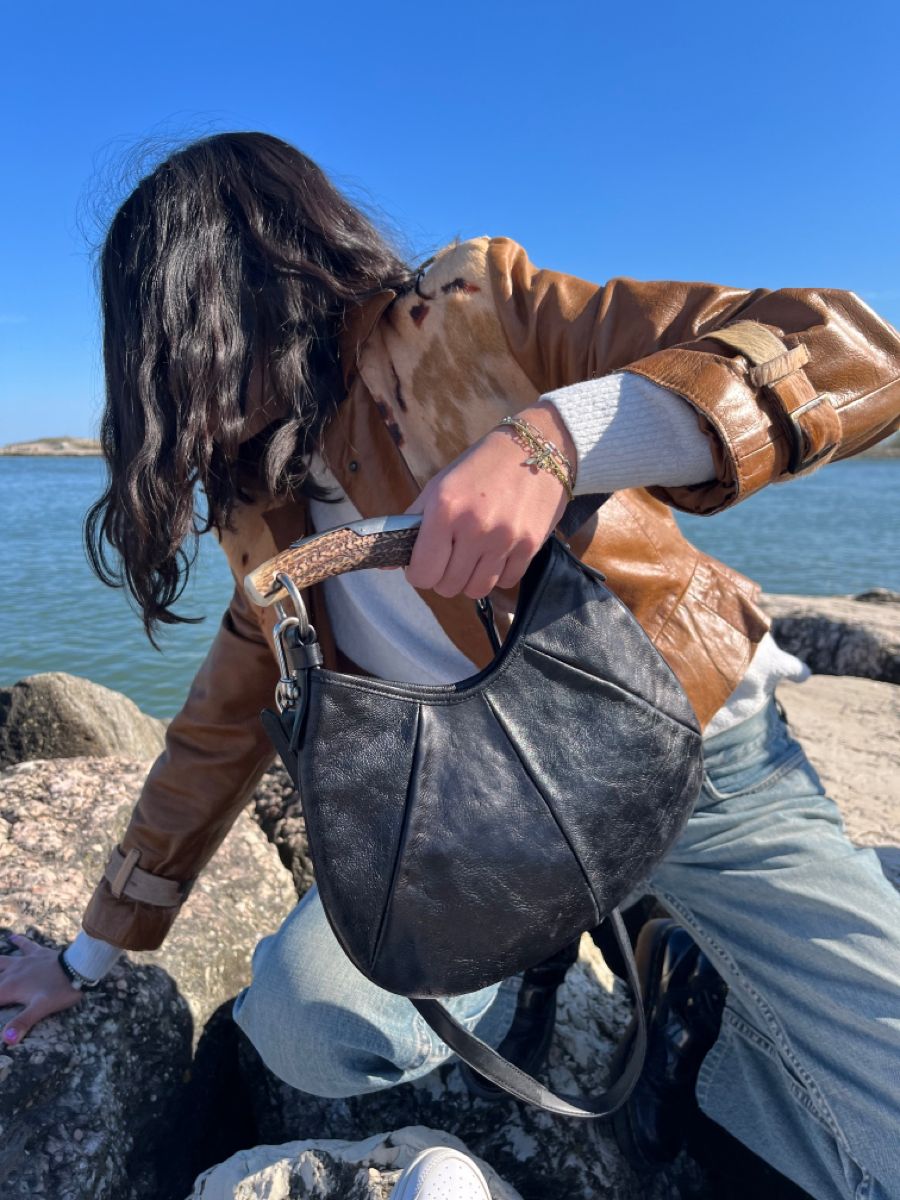
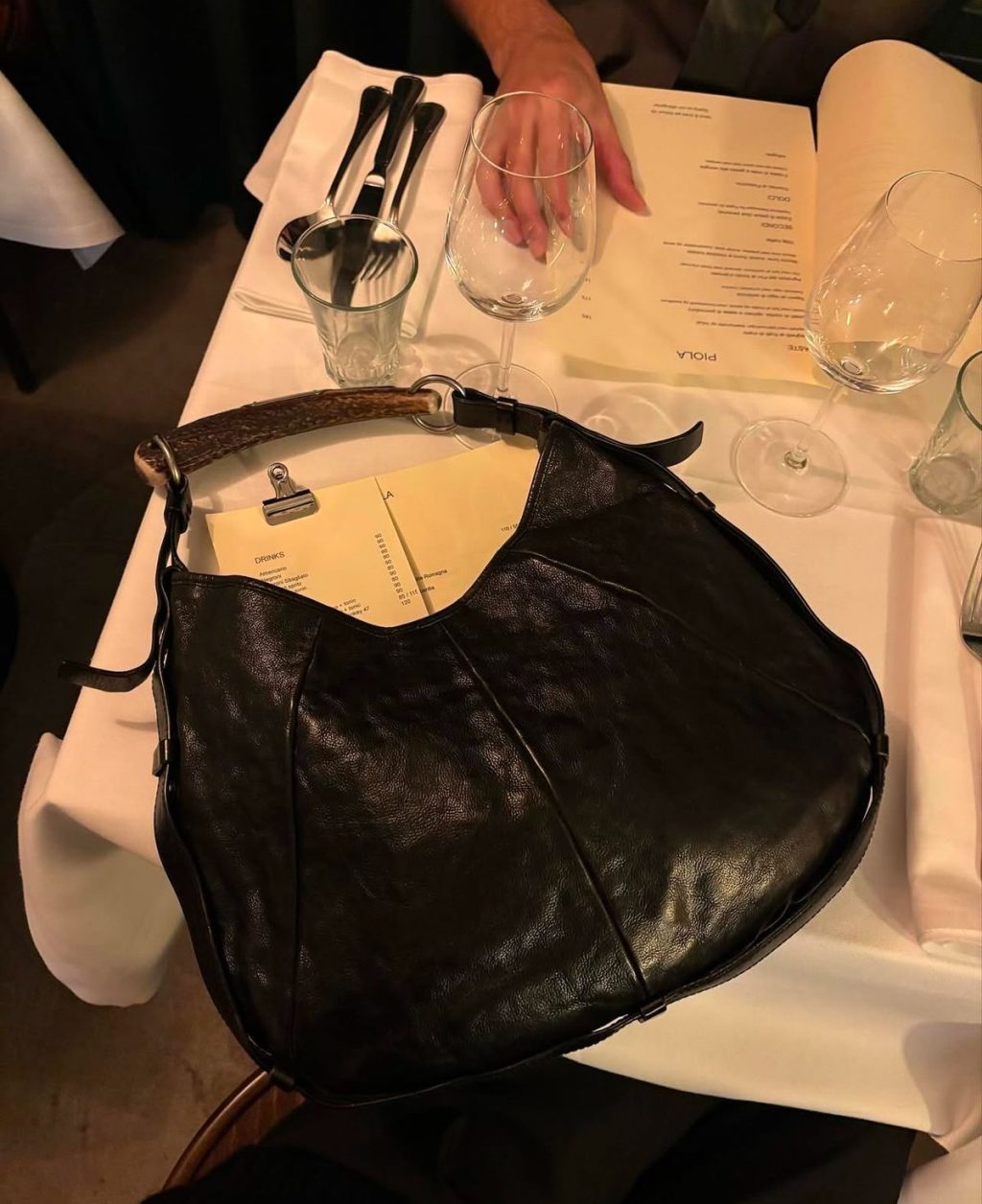
The Mombasa, named after the Kenyan coastal city, was created by Tom Ford, the purveyor of slick naughty sex, during his tenure at Yves Saint Laurent. He sent it out to 50 editors in total in New York City, as well as Gwyneth Paltrow. The trick worked for Ford. According to Horyn, the Mombasa hit stores, sold out, manifested a waiting list.
The beauty of the Mombasa is that there was a version for everyone. The colorways are extensive: black, caramel, white light pink, fuchsia, and lipstick red–the list goes on. The handles themselves are available in a standard animal horn, two tiny horns attached together, and curved, notched metal.
7. Dior Saddle
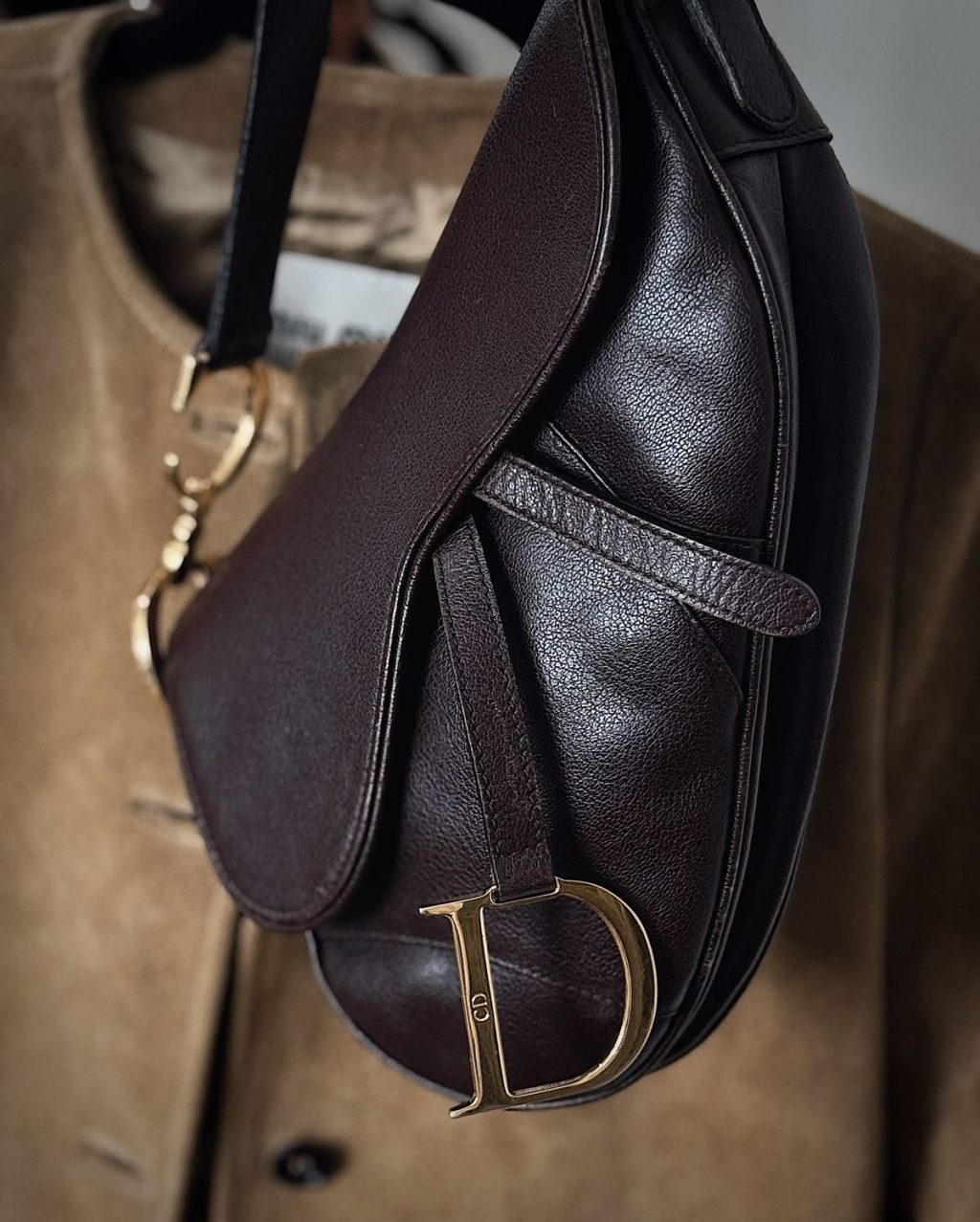
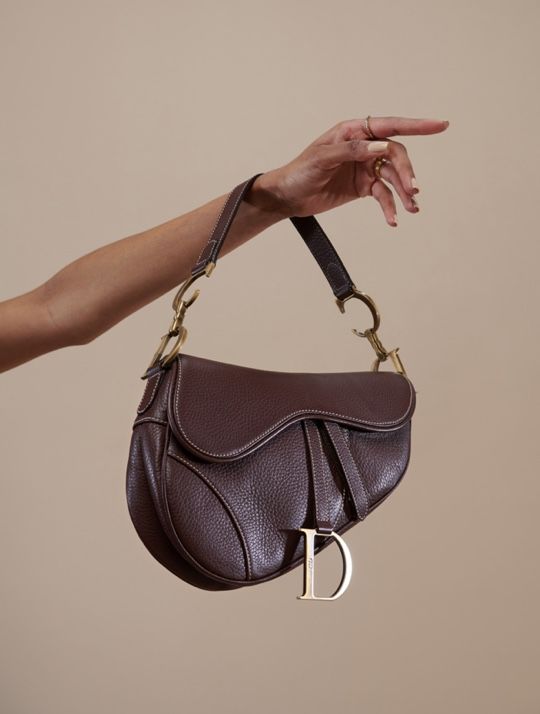
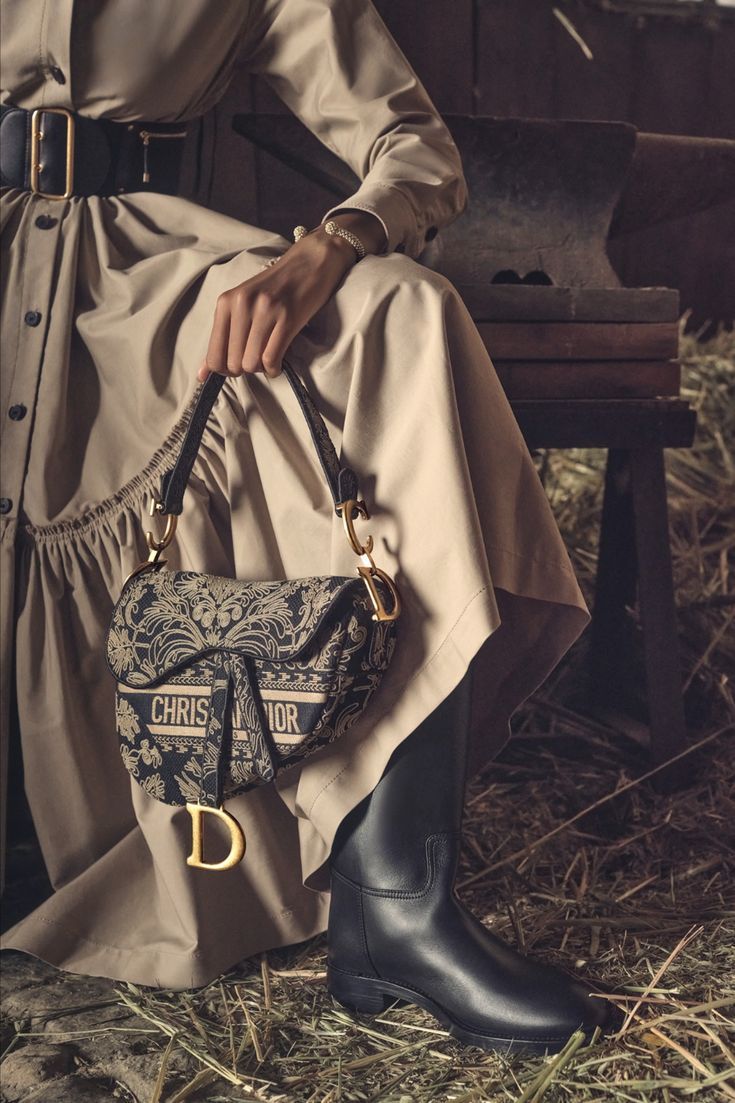
The Saddle didn’t just come back; it taught the industry how to bring a bag back. Dior continues to frame the Saddle as an “It Bag” and hallmark design, reimagined across materials and motifs while staying faithful to that unmistakable asymmetry.
In the broader reissue conversation, Dior is repeatedly cited as part of the 2000s revival playbook—proof that a silhouette can become a permanent cultural reference point.
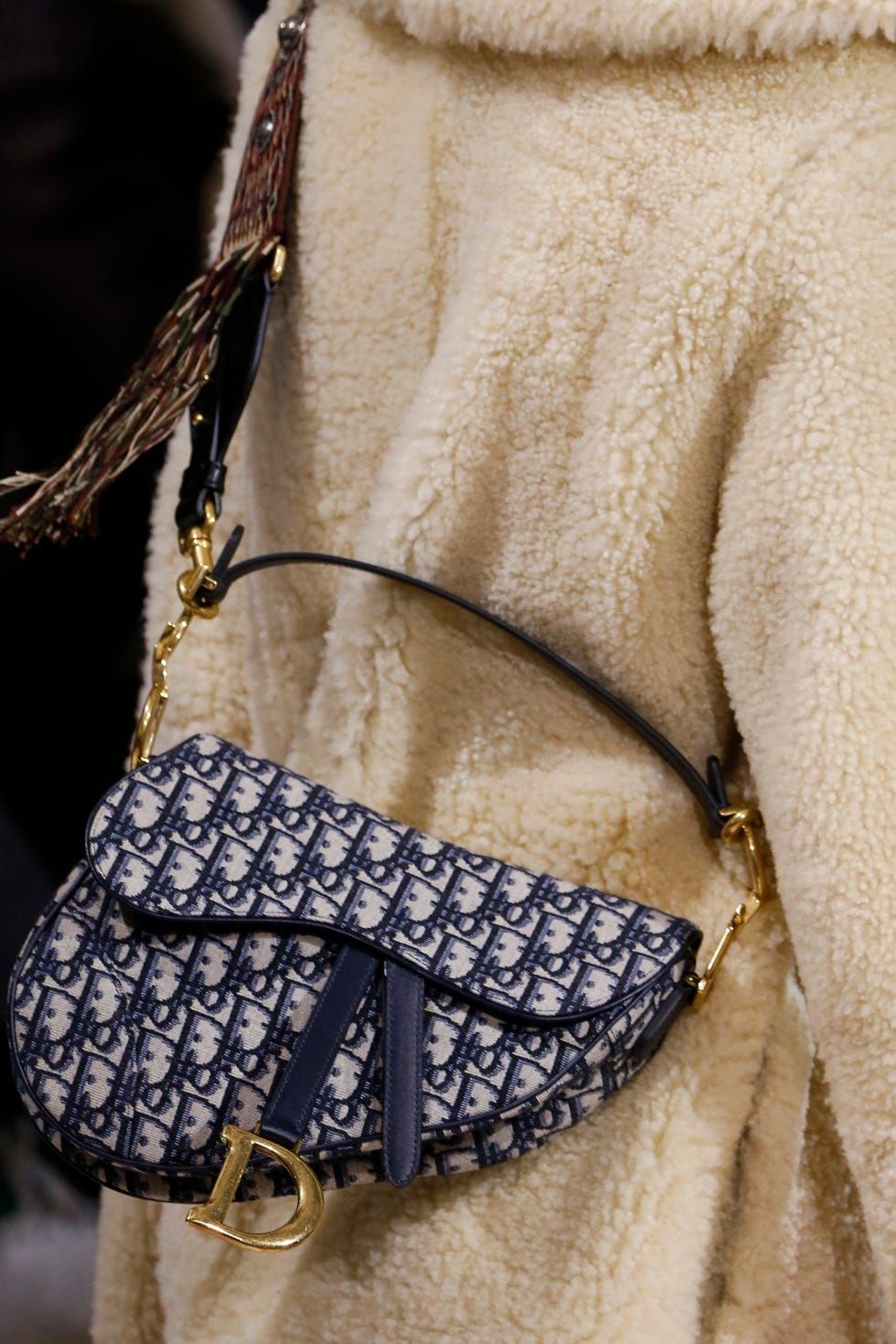
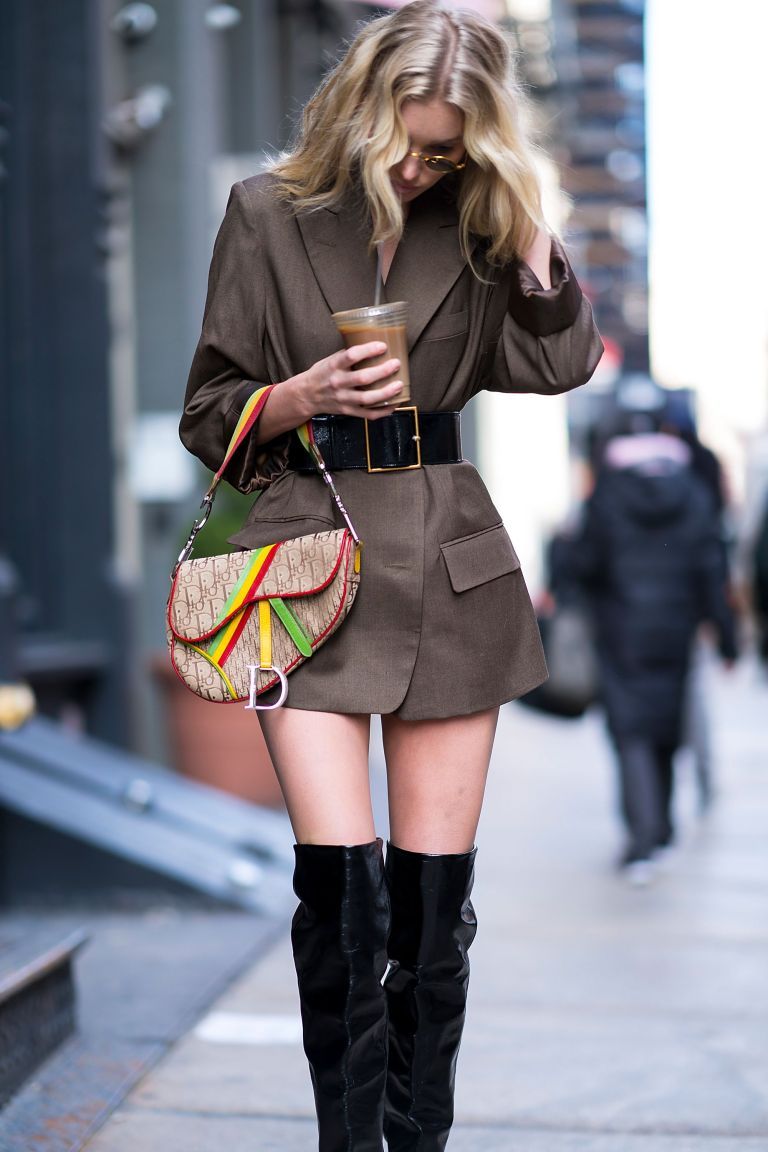
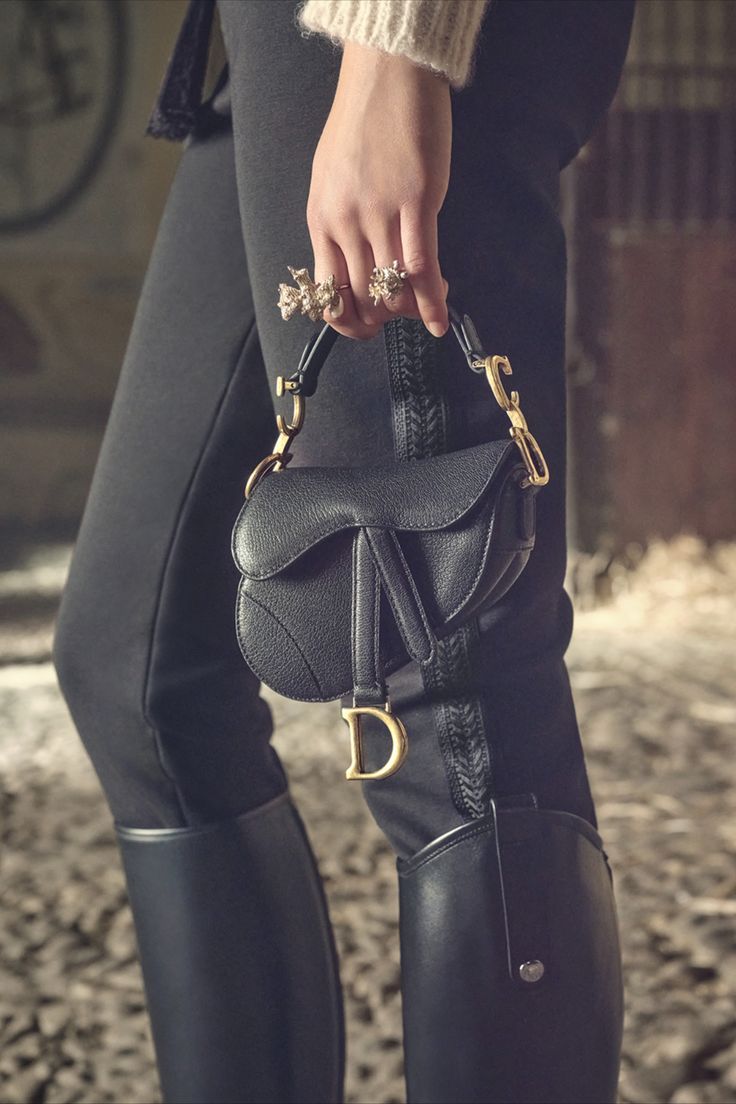
If you’re building an icon wardrobe, see our list of the 10 most iconic bags of all time.
Collector tip: Saddles are condition-sensitive. The shape is the charm, so anything that warps the curve or stresses the flap undermines the whole point. Store it like you mean it.
8. Prada Re-Edition
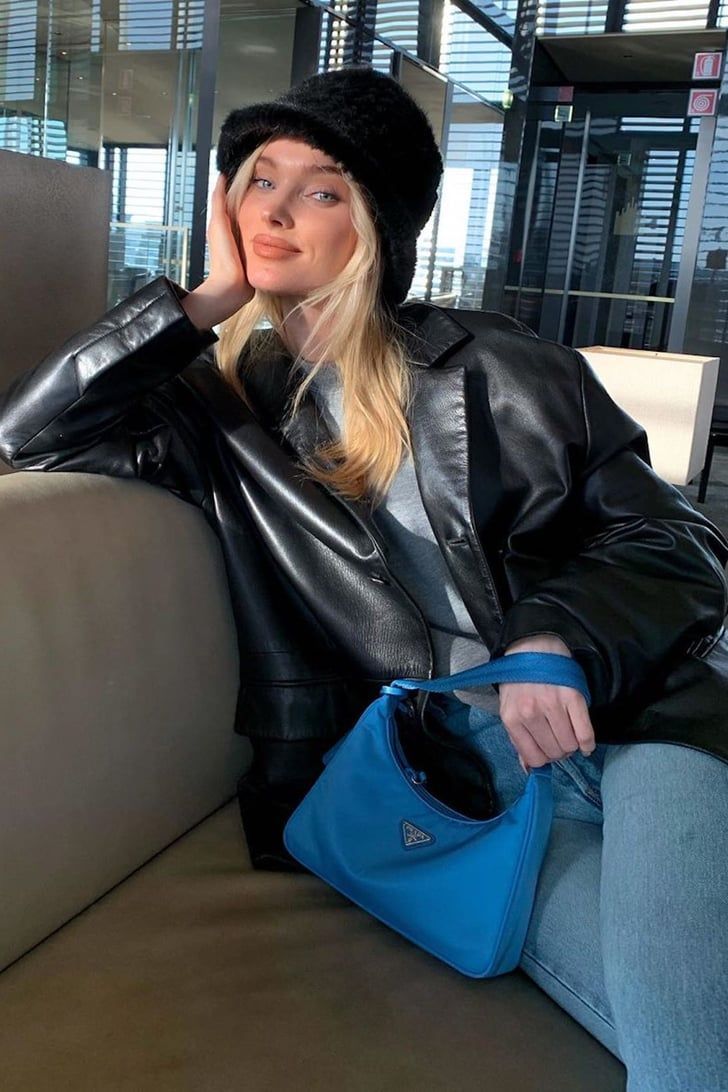
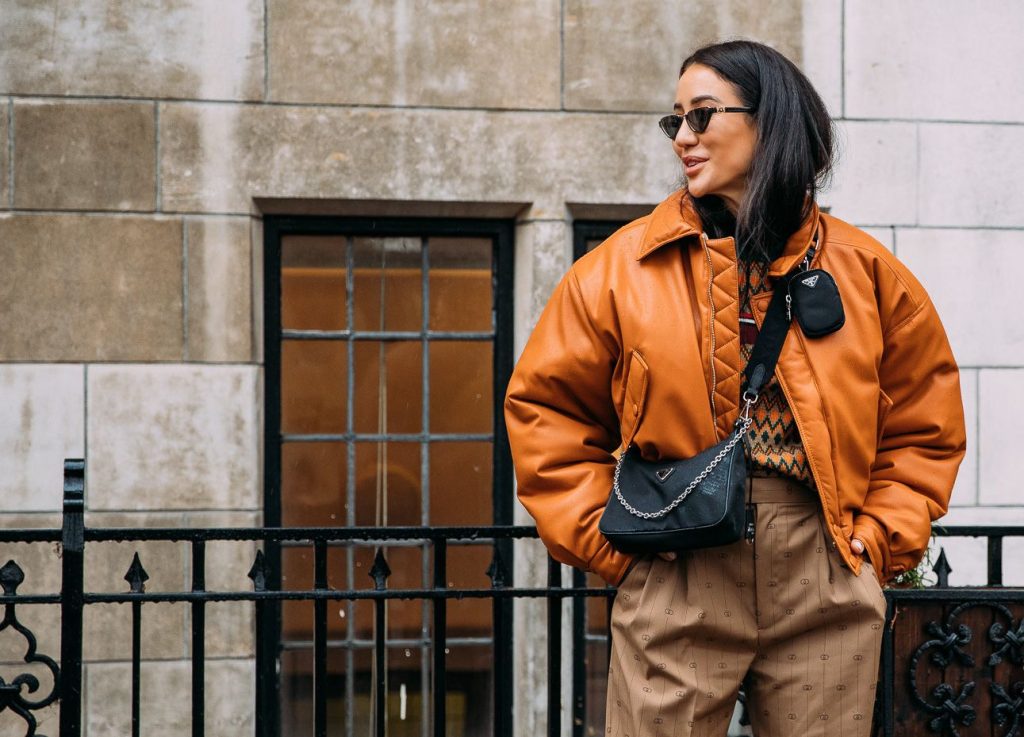
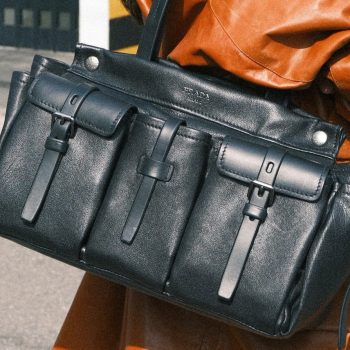
Prada’s Re-Edition line is essentially institutionalized revival: the house explicitly positions these as iconic styles from 2000–2005, updated through modern materials like Re-Nylon while keeping the core silhouette intact.
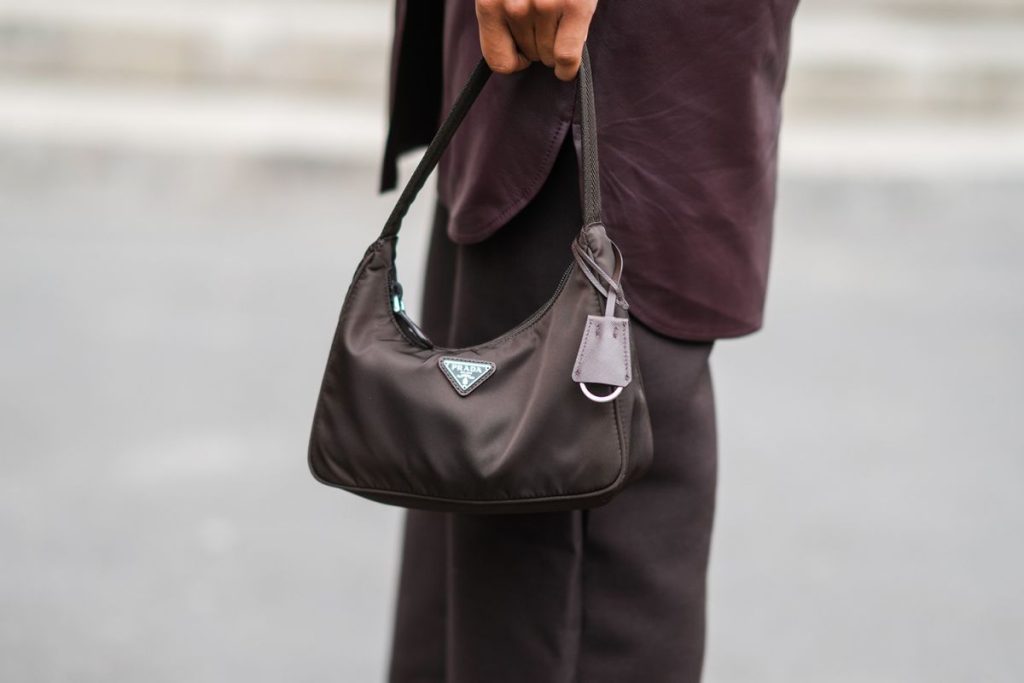
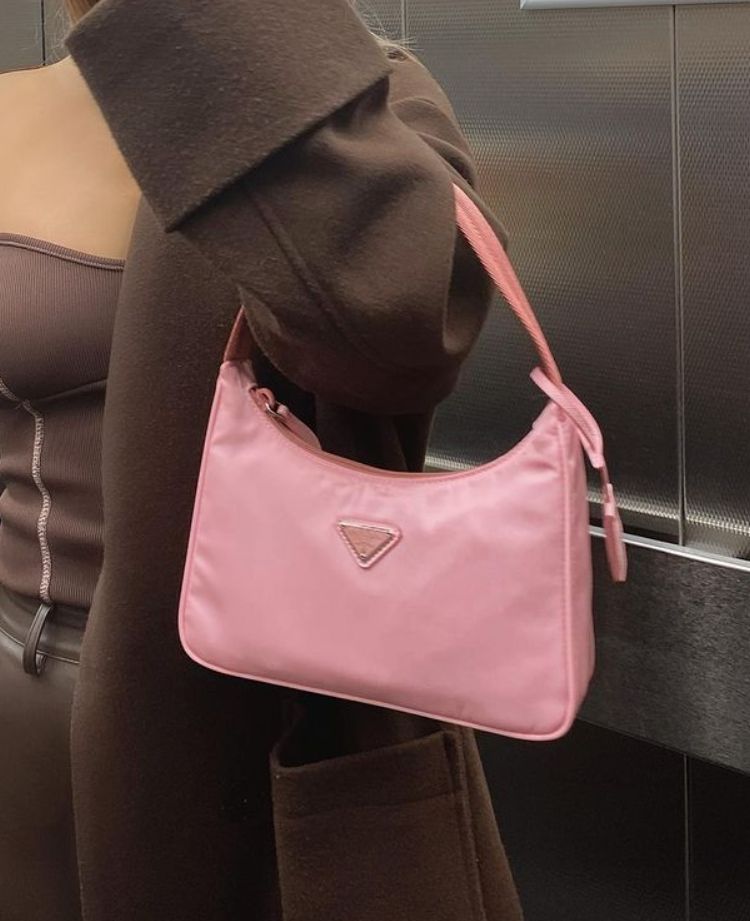
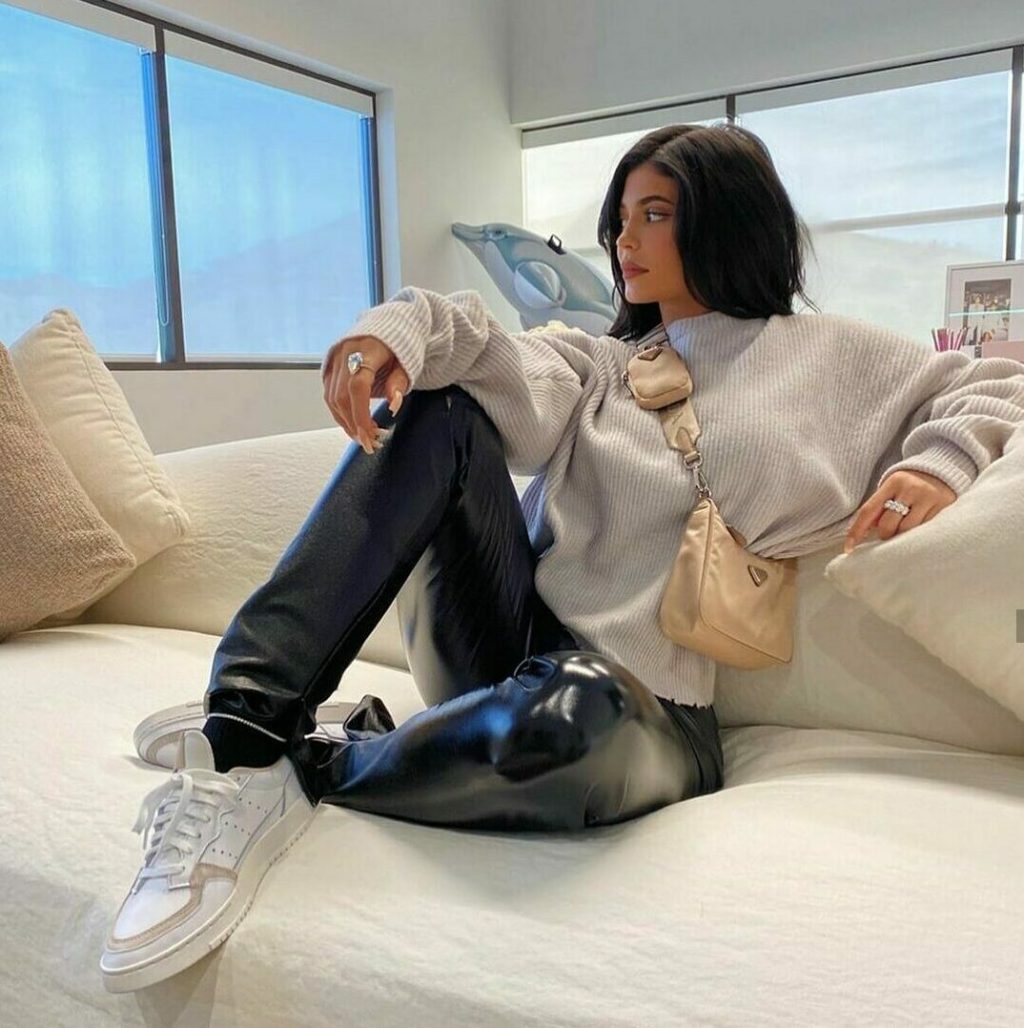
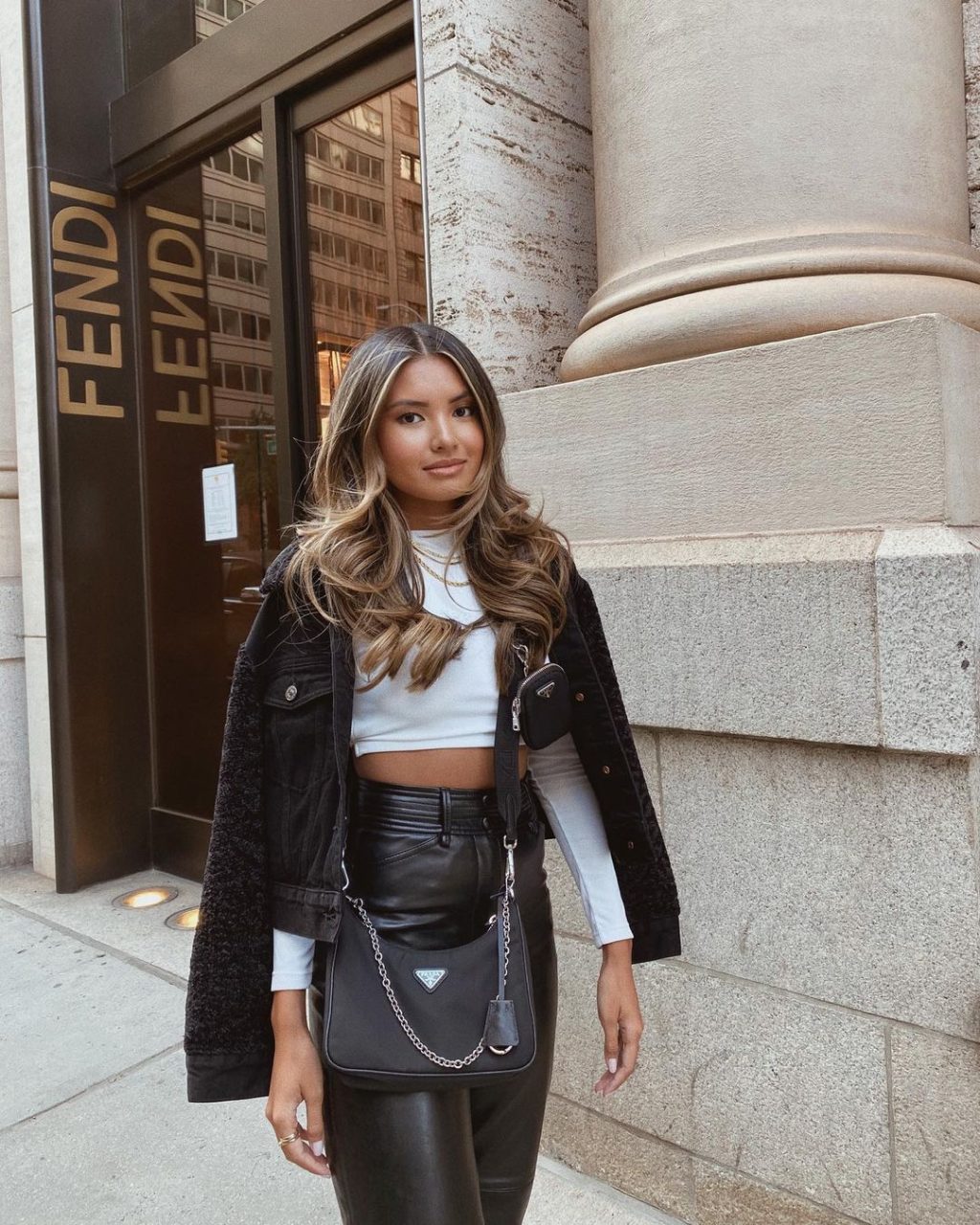
This is the “gateway revival” bag: relatively accessible (in luxury terms), easy to wear, and instantly legible. It also plays perfectly with the current styling appetite for sport-luxe and off-duty chic—proof that revival isn’t always about maximalism; sometimes it’s about familiarity that fits everyday life.
9. Gucci Jackie
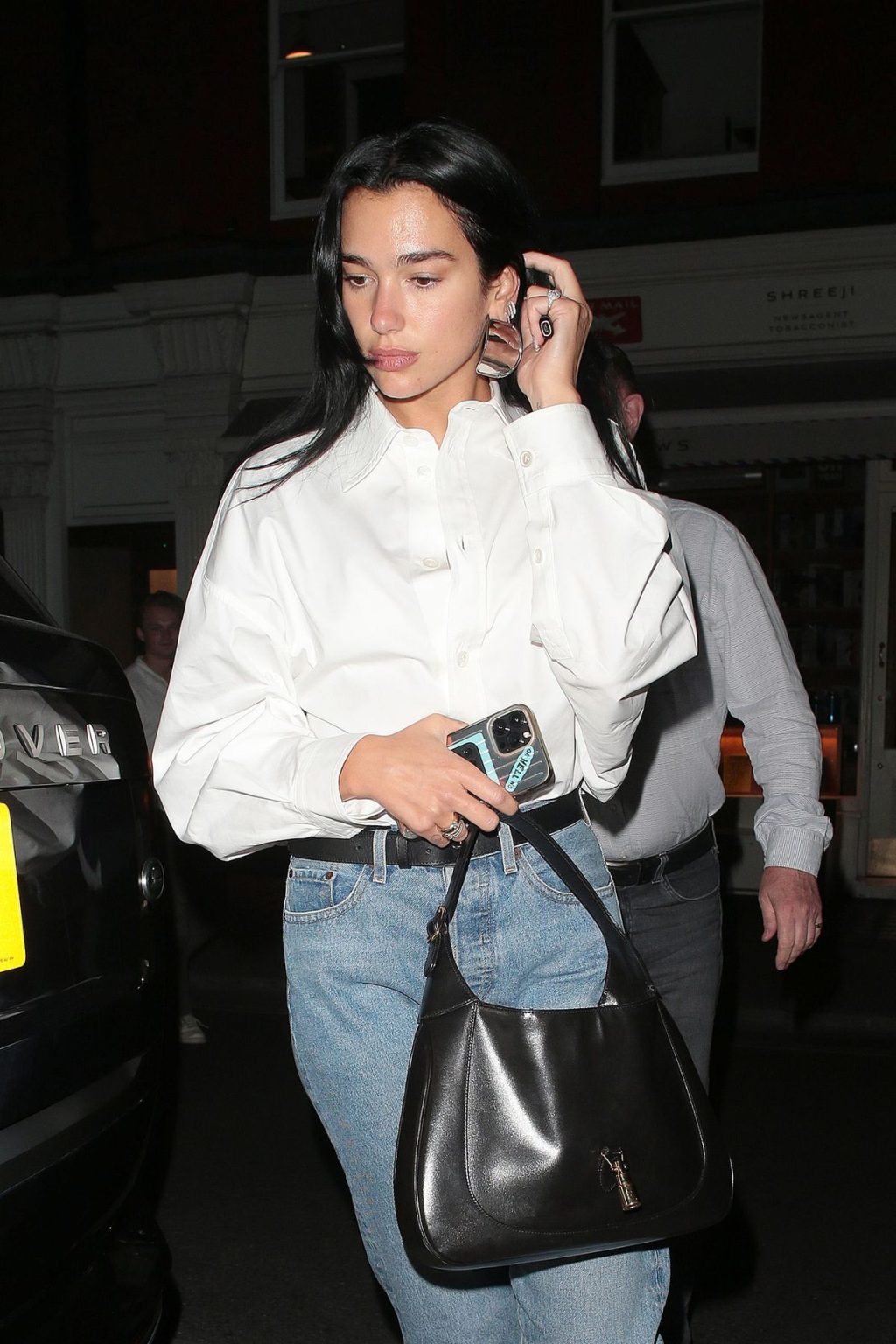
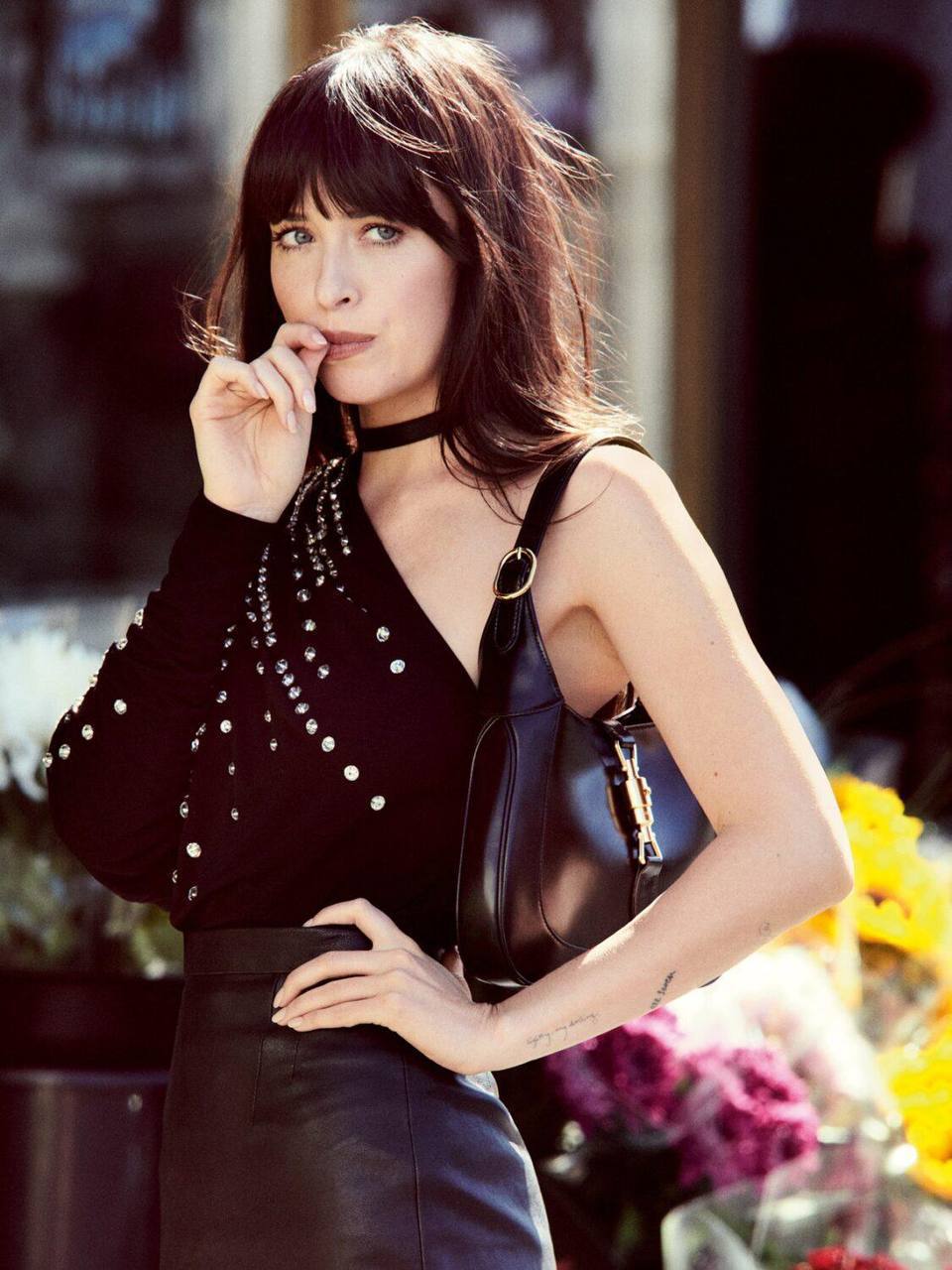
The Jackie is one of those rare bags whose “revival” doesn’t feel like a trend cycle—it feels like continuity. The silhouette is pure design logic: a softly curved hobo shape that sits close to the body, finished with that distinctive piston closure that reads like a quiet signature rather than a logo. When fashion swings away from hard, attention-seeking accessories, the Jackie returns as a reminder that recognisable can also be restrained.
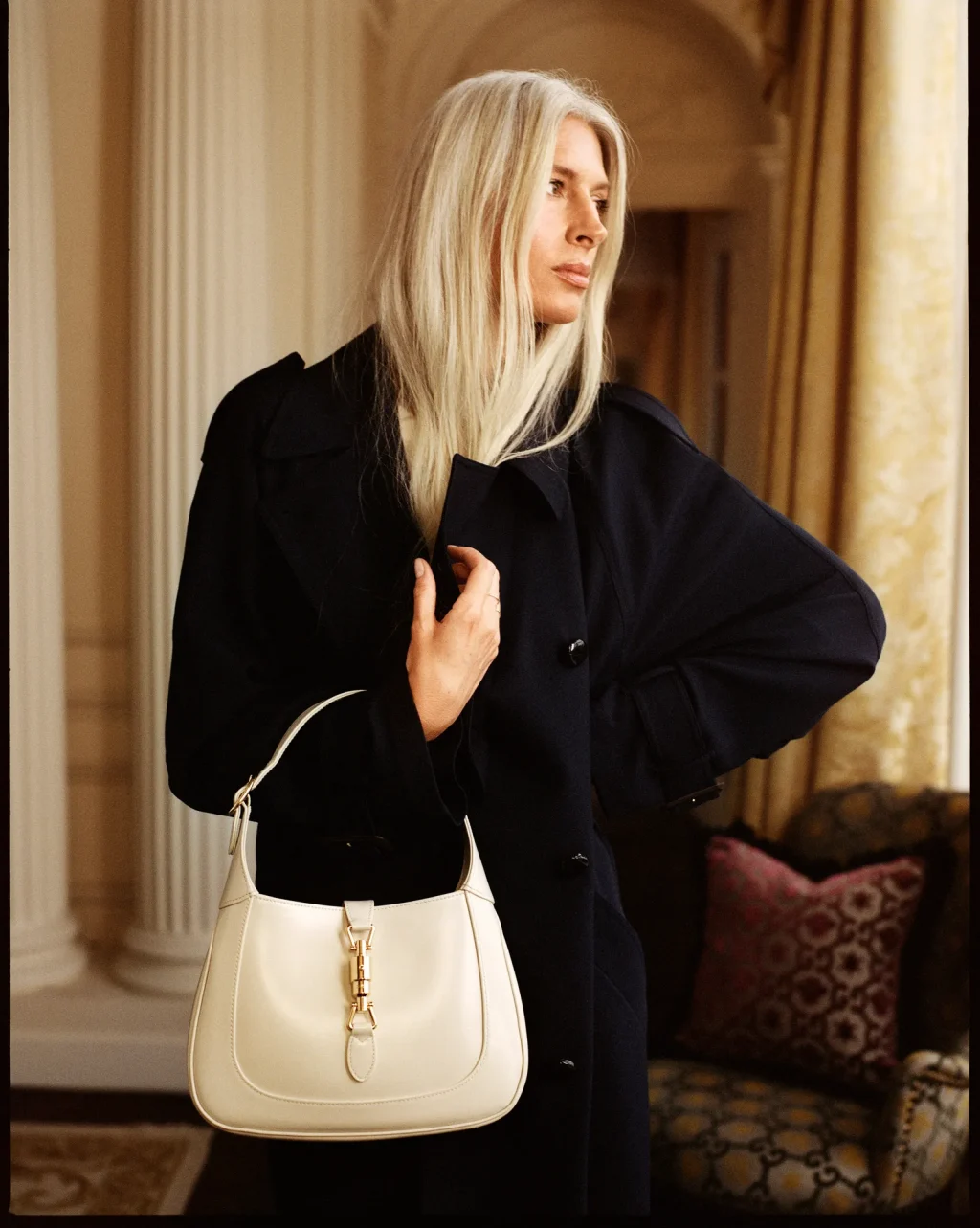
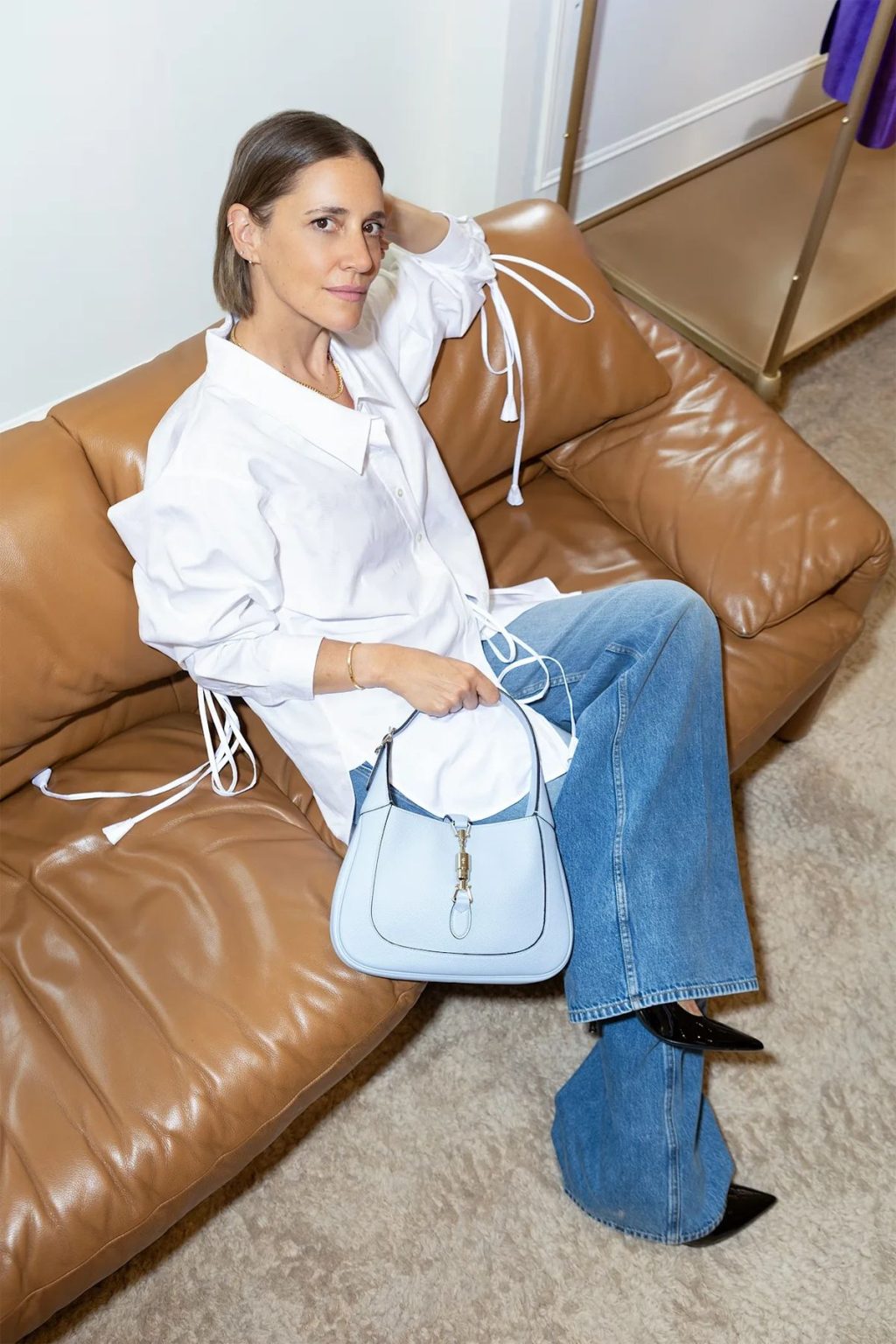
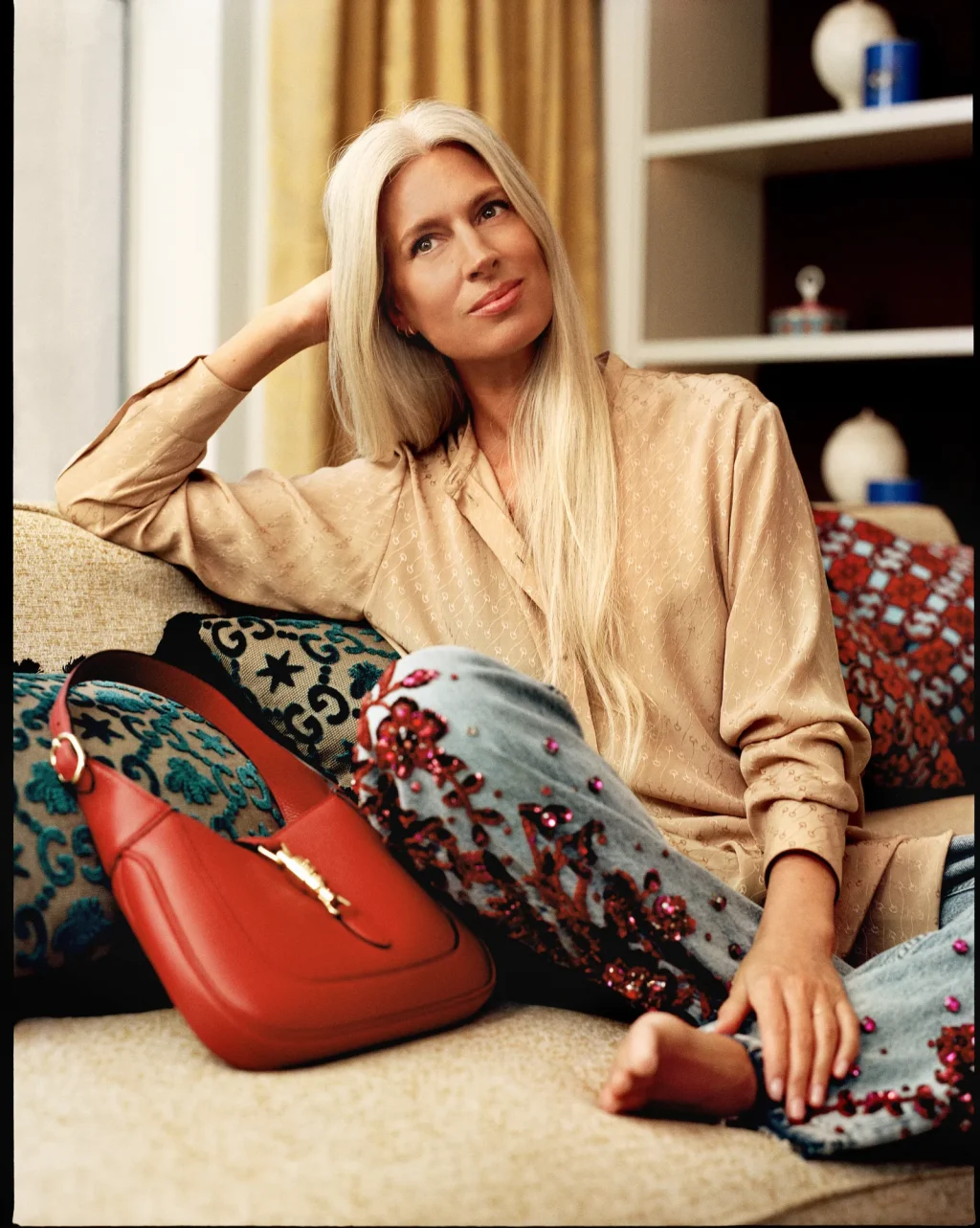
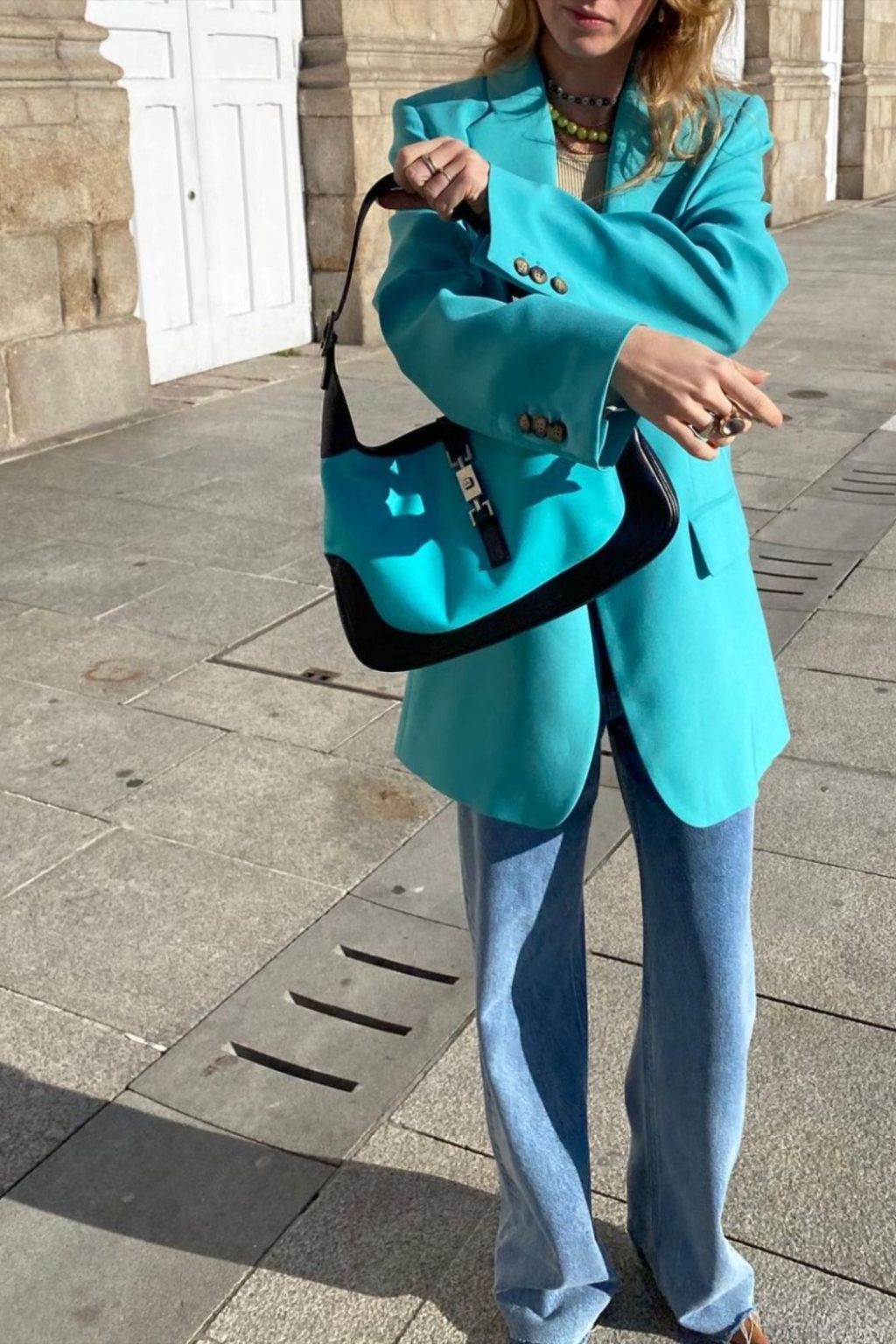
What makes it especially powerful in the current comeback economy is how adaptable the outline is. In leather it’s polished and grown-up; in lighter finishes it becomes casual, almost effortless. It’s a bag that absorbs styling eras without losing its identity—exactly the kind of icon that thrives when buyers want something familiar, wearable, and “future-proof” rather than novelty.
If you’re buying vintage or pre-loved, pay attention to the closure hardware and the strap wear points—this is the kind of piece that’s meant to move with you, so the condition story matters. Store it without overstuffing so the curve stays elegant, not collapsed.
We also break down the Jackie’s cultural origin story in our iconic bags guide.
10. Fendi Baguette
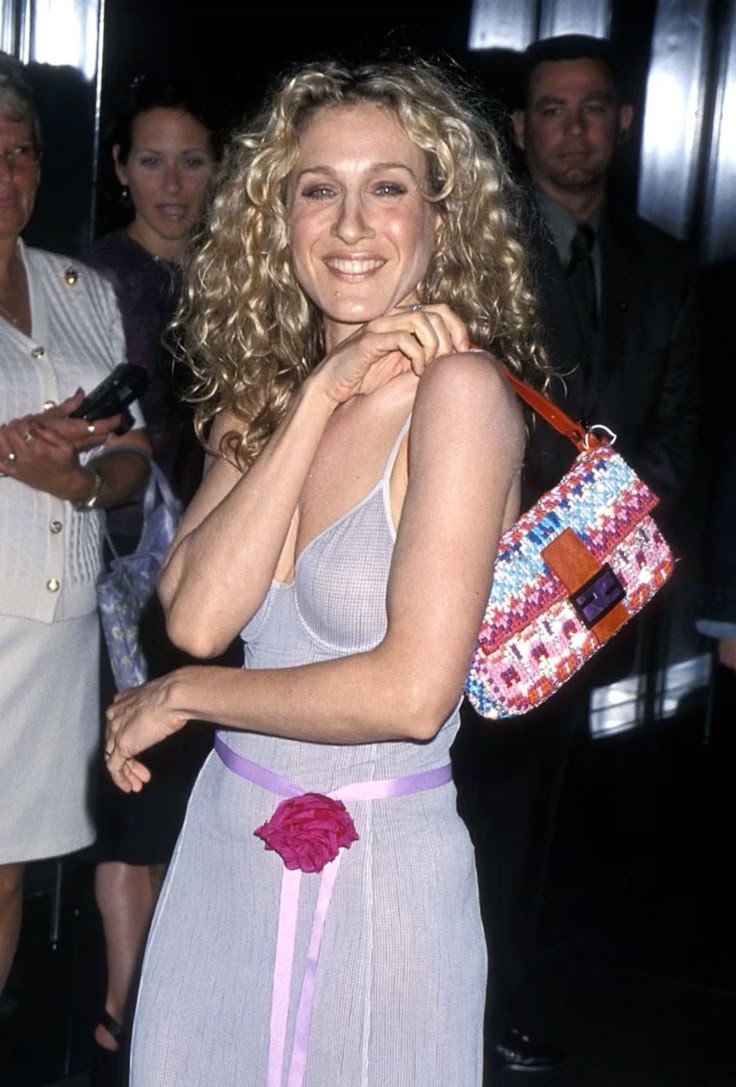
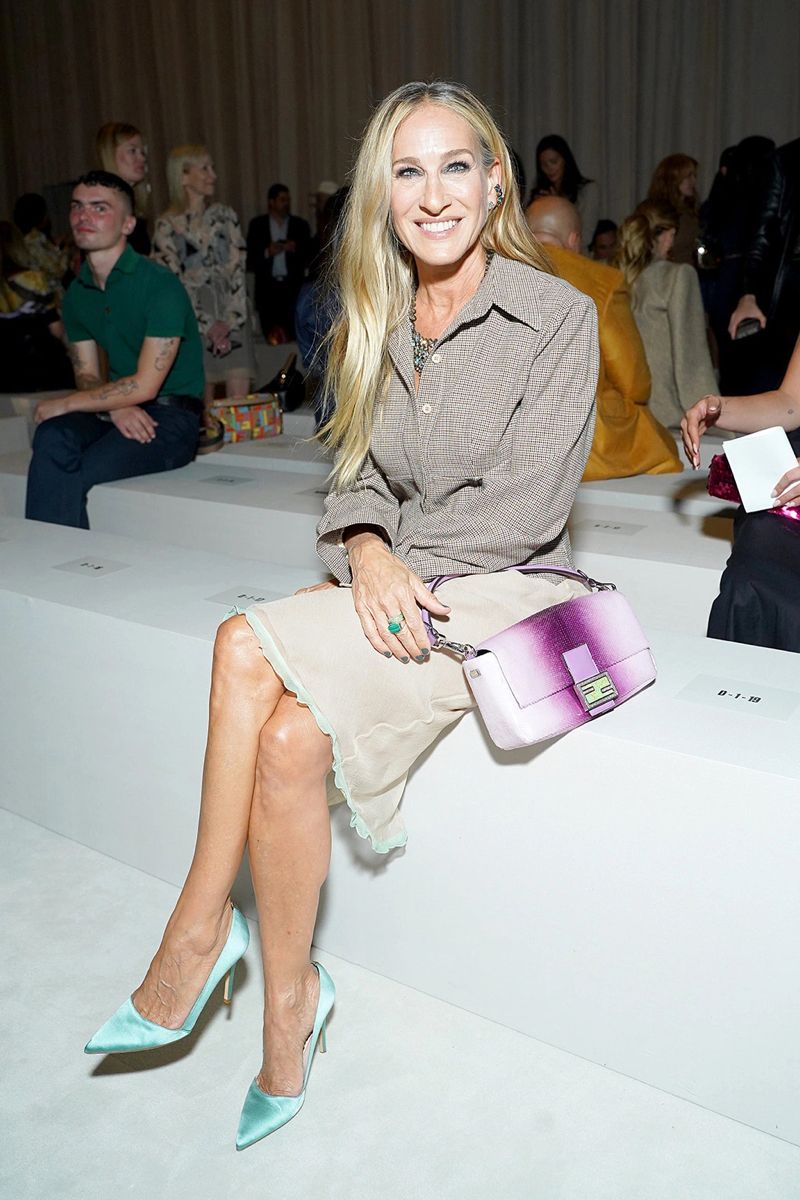
The Baguette isn’t merely a bag that came back—it’s the blueprint for how a handbag becomes culture. Its compact shoulder shape, instantly recognizable proportions, and endless material reinventions make it one of the few silhouettes that can swing from nostalgia to now without ever feeling like a costume. When fashion returns to confident, era-coded accessories, the Baguette is always waiting—because it already has a narrative built into its outline.
What makes the Baguette such a perfect “revival effect” case is elasticity. The same form absorbs new colors, textures, and seasonal styling cues—denim, sequins, embroidery, monograms—yet remains unmistakably itself. That kind of recognizability is the currency of modern revivals: a bag that reads at a glance, photographs effortlessly, and signals membership in a shared fashion memory.
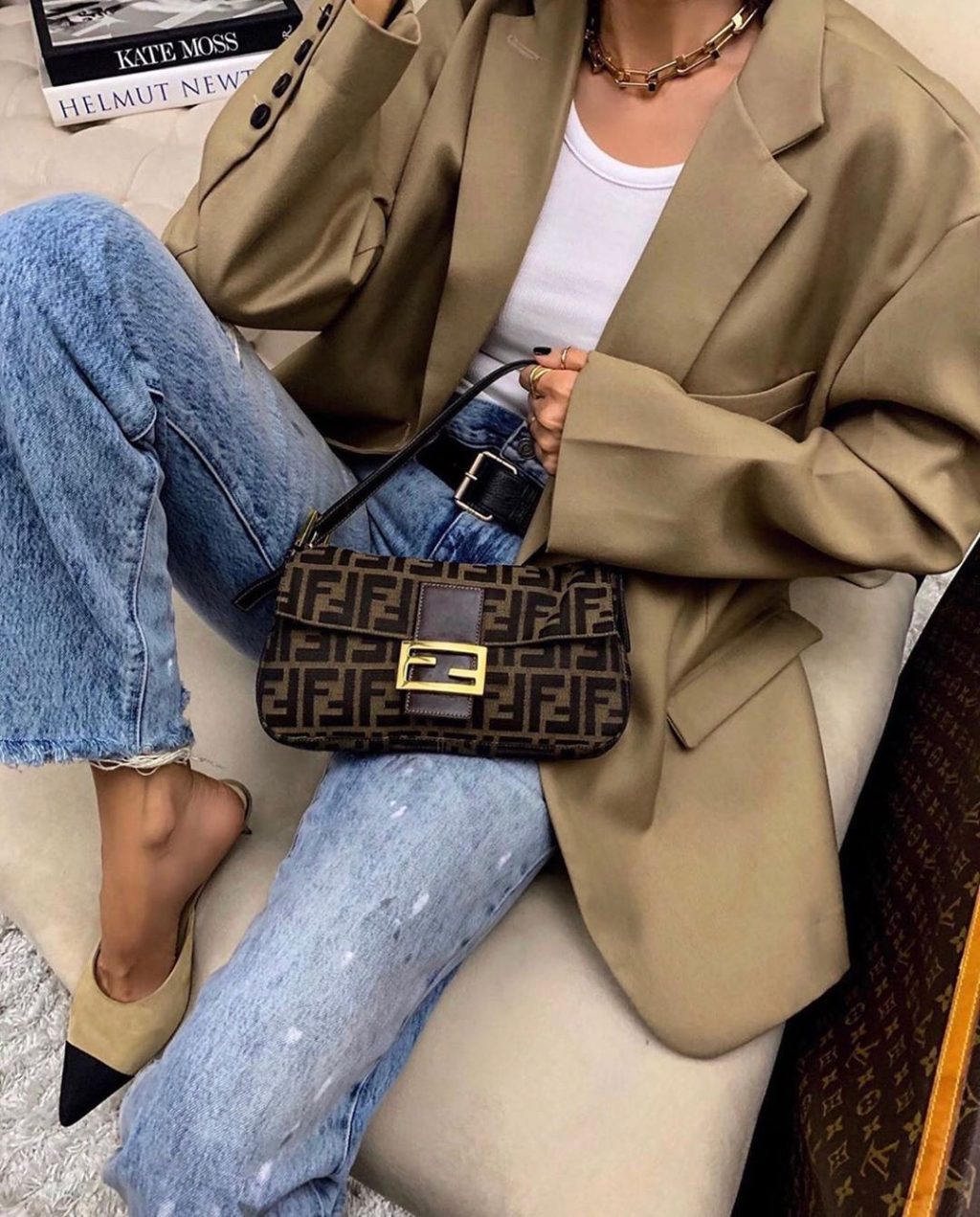
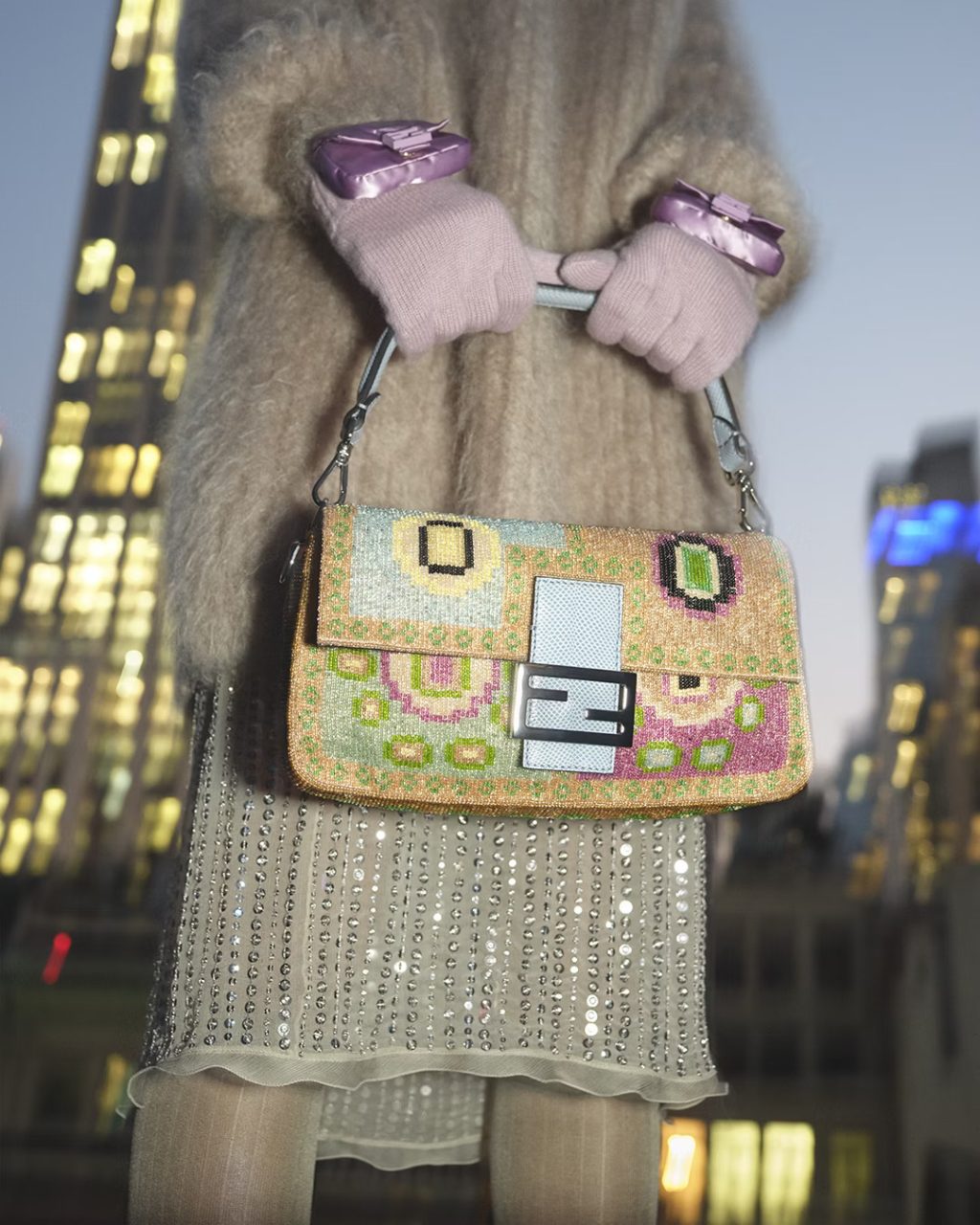
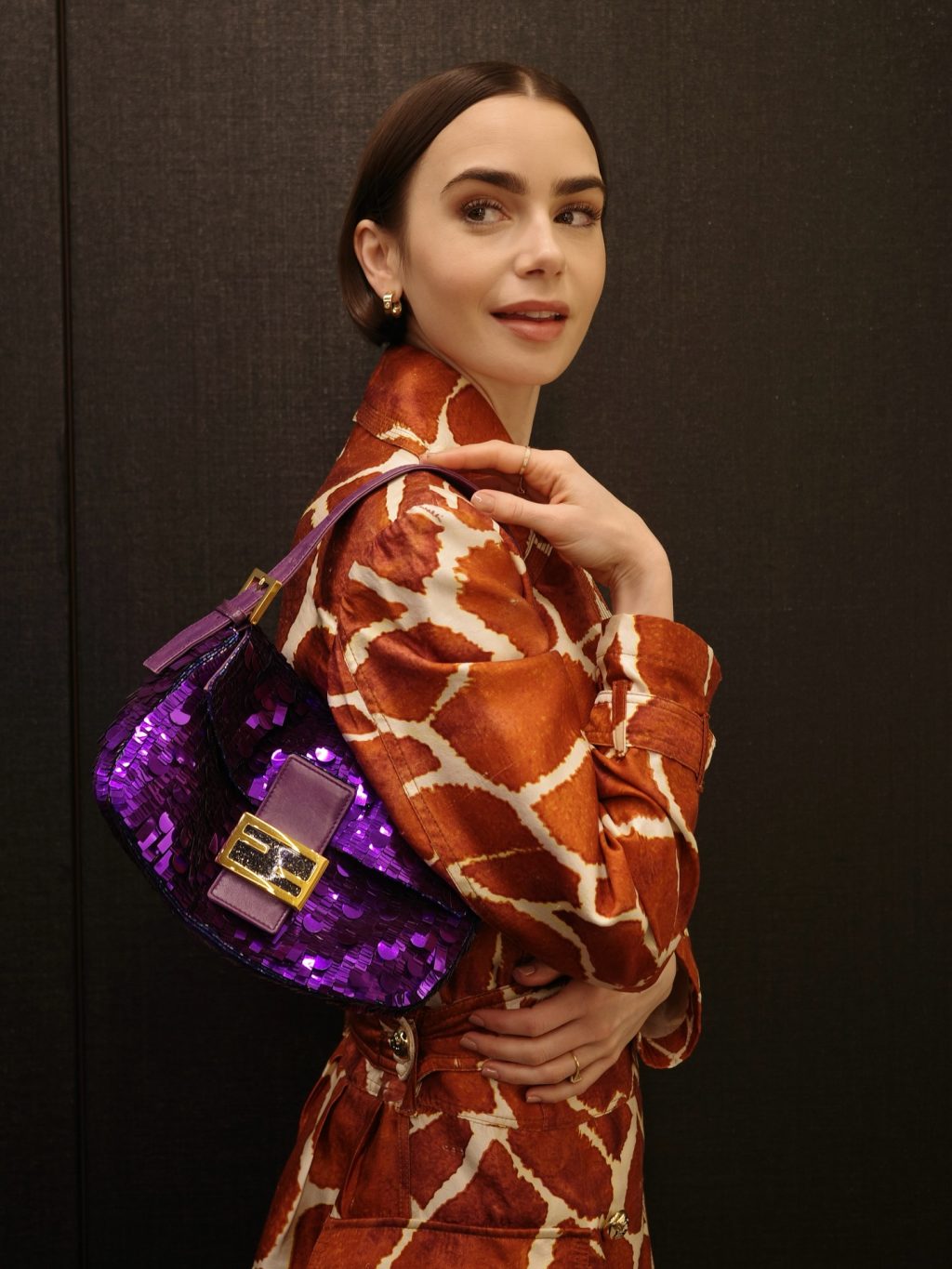
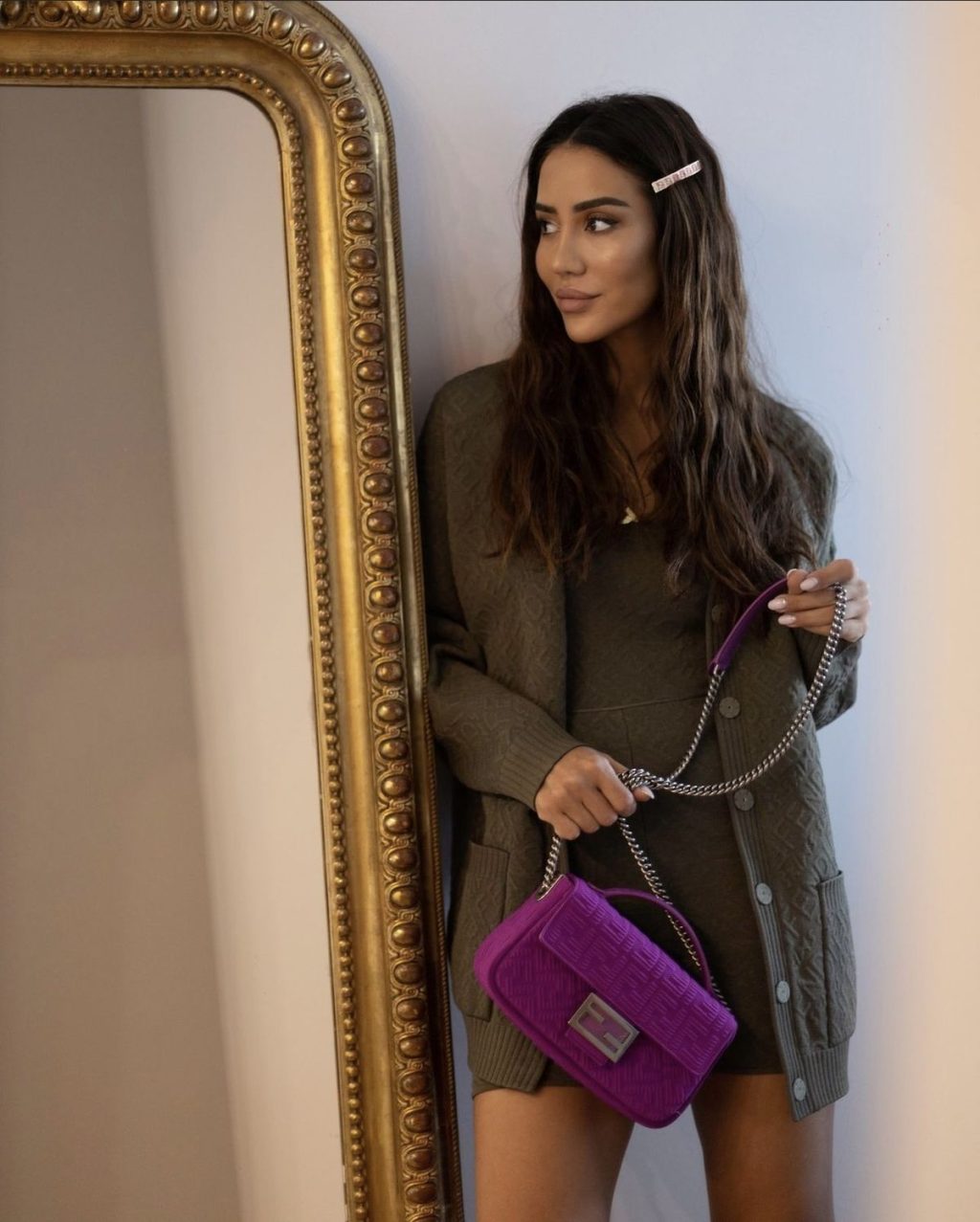
Buying it well is about choosing your “Baguette era.” The most satisfying pieces aren’t always the rarest; they’re the ones that feel like a time capsule you can still wear. If you go vintage, prioritize structure (a clean silhouette), hardware integrity, and corners that look lived-in—not tired. The goal is that iconic, slightly nonchalant charm, with enough condition to make it feel like future vintage.
If you want the data angle, here’s why the vintage Fendi Baguette was one of the most Googled bags of 2025.
***
The revival effect isn’t a phase; it’s a system. In a market where attention is fragmented and consumer confidence can swing overnight, a proven silhouette is a safer bet than a brand-new one. And the feedback loop is now public: runway styling sparks search, search sparks resale, resale sparks reissue.
The result is a new kind of handbag literacy. The most current thing you can wear might be a bag that already had its first life—because in 2025 and beyond, the most modern luxury isn’t novelty. It’s continuity, upgraded.