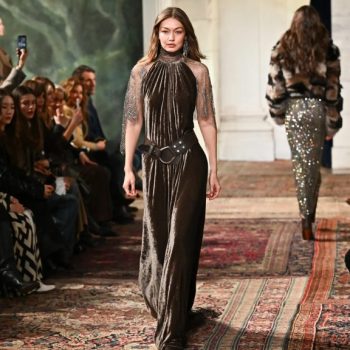
Vintage is no longer just a runway adjective. It’s a search behavior—the kind of late-night query people type at 1:07 a.m. when they’re not trying to be “on trend,” but trying to find the exact thing they remember—down to the clasp, the canvas, the year.
That’s what makes Google’s annual Year in Search so culturally addictive: it shows what the world chased in bursts of curiosity. And in 2025, those bursts skewed delightfully chaotic—Oakley hoodies, Red Kap pants, Mötley Crüe tees, Hollister jackets, Miss Me jeans—an eclectic nostalgia grab bag that Vogue rightly called out as both specific and strangely inevitable.
But “Year in Search” is not a list of what was searched the most in absolute terms. Google is explicit that these are top trending queries—the searches that increased the fastest year-over-year—measured by spike, not scale. That distinction matters, because it explains why mass, memeable pieces can dominate the cultural conversation… while luxury classics quietly rack up volume in the background like they’re on payroll.
So it’s worth looking at the other side of the mirror: not just what spiked, but what stayed consistently hunted.
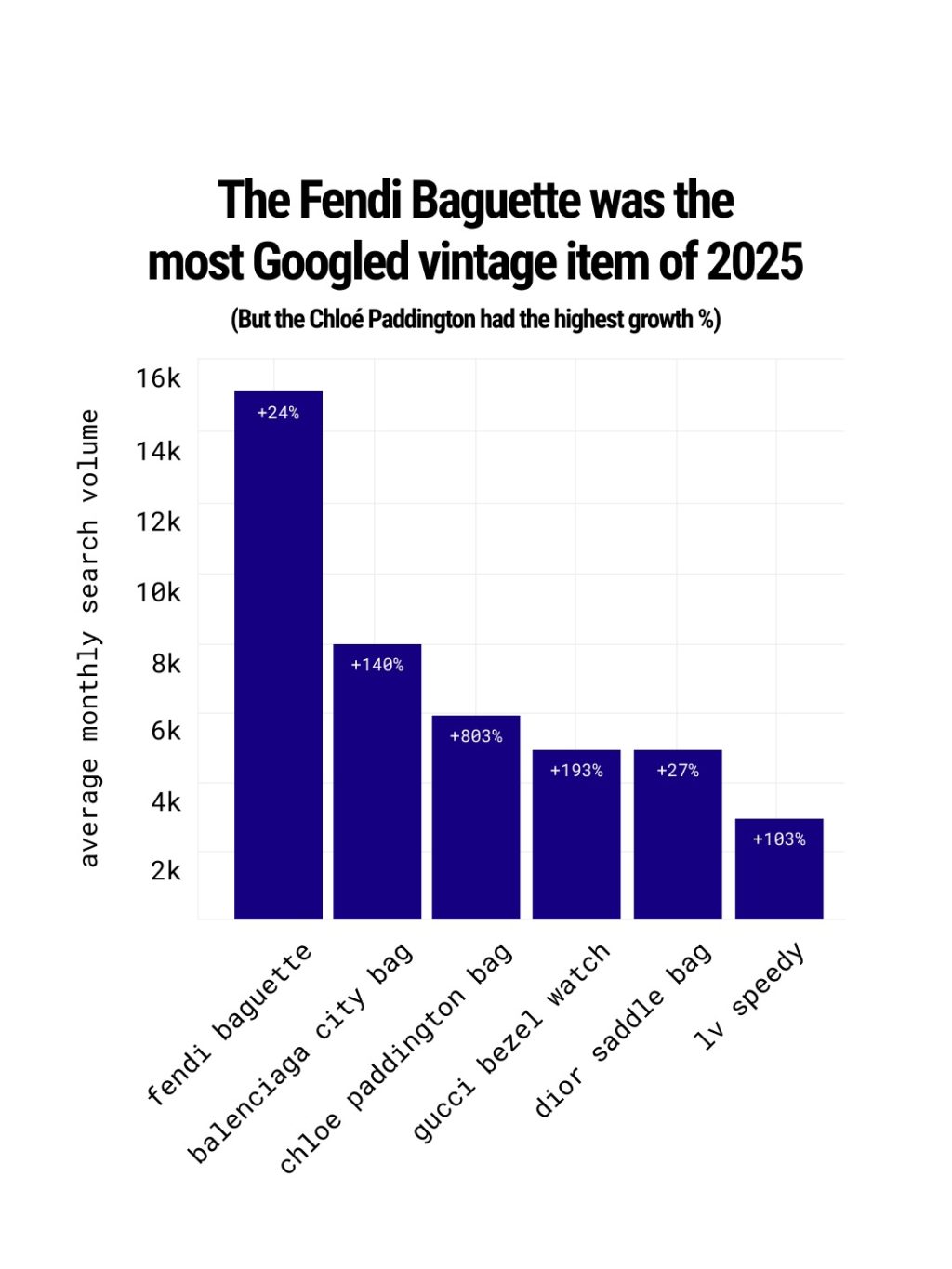
This post draws on analysis published by Style Analytics (style.analytics). Using Glimpse search volume and year-on-year growth across 45 luxury brands—then manually logging product-level queries via related terms (only distinct, named items; no vague “vintage Chanel bag” catch-alls)—their dataset showed one result held steady at the top: the vintage Fendi Baguette remained the most searched vintage luxury item overall in 2025.
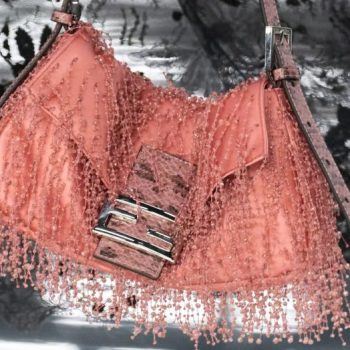
The vintage Fendi Baguette stayed No.1 in 2025 search volume
In the dataset, the Baguette didn’t win because it had the most dramatic growth rate. It won because it already had what search engines reward: baseline demand, repeated intent, and a name that’s both iconic and extremely searchable.
In other words: the Baguette is not a moment. It’s infrastructure. In the product-level ranking (average monthly search volume), the Baguette sits at the top—while the Chloé Paddington registers the highest growth percentage, a classic “revival effect” pattern: once a bag is reintroduced, the internet scrambles to locate the original.
And importantly: this isn’t just a data artifact. The broader vintage market conversation aligns with it. British Vogue’s 2025 roundup of the most sought-after vintage bags puts the Fendi Baguette in the perennial-favorite category—alongside other “always wanted” designs—while explicitly tying today’s resale heat to runway revivals and early-2000s nostalgia.
Why Google’s “Year in Search” looks random
If you only look at “Year in Search,” you could conclude that the vintage story of 2025 is mall-brand chaos and ironically specific hoodies. That’s not wrong. It’s simply a different measure.
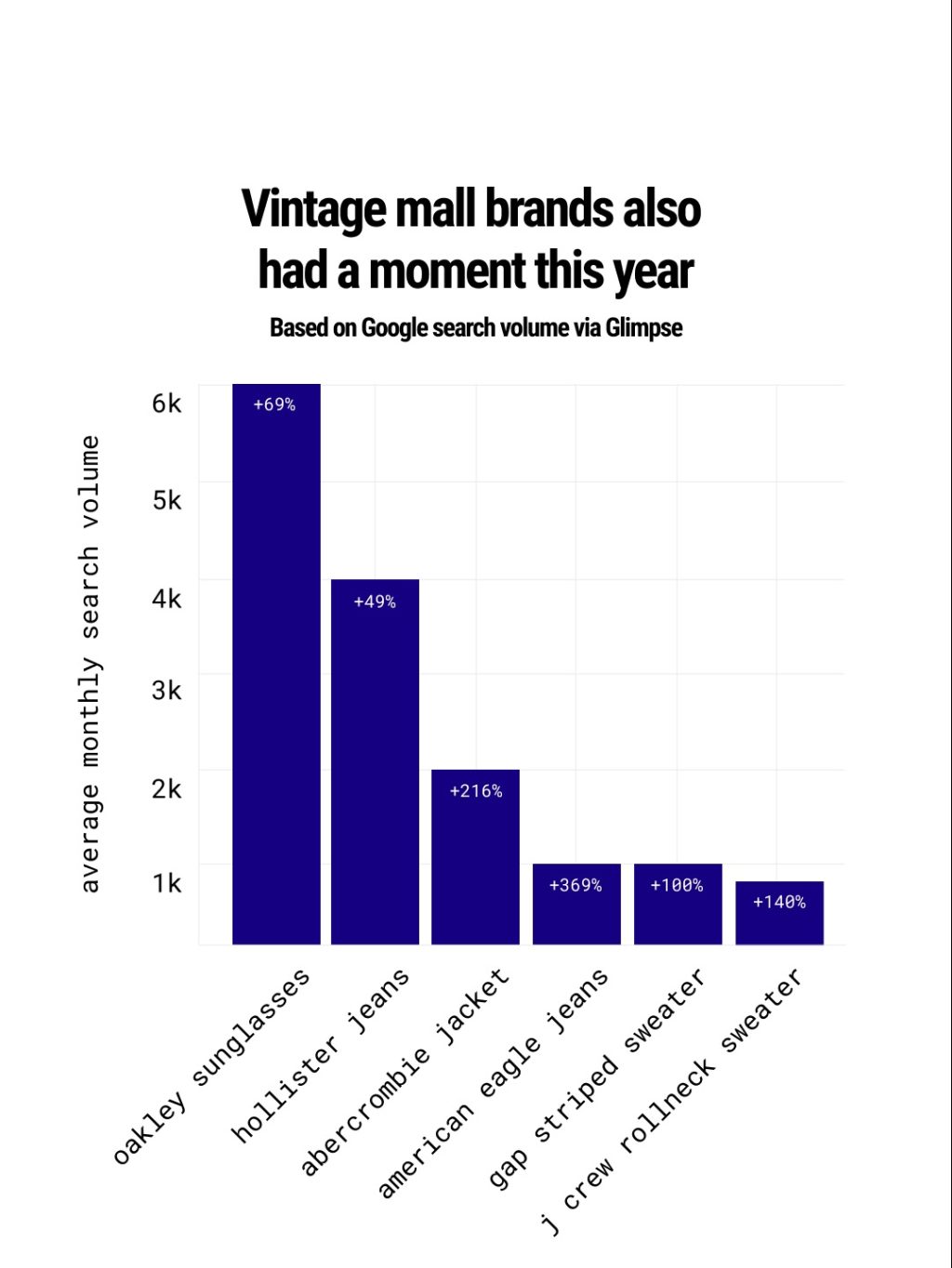
Google’s methodology spells it out: Year in Search lists reflect the queries that grew the fastest between Jan 1 and Nov 25, 2025 compared to the same period the year prior, and Google cautions against calling them “most searched.”
Luxury behaves differently: it doesn’t always spike—it accumulates, repeats, and lingers. It lingers. And it tends to be searched with more purchase-adjacent intent: authentication, model names, materials, year ranges, “how much,” “real vs fake,” “Zucca vs Zucchino,” “what fits.”
That’s why the Baguette’s dominance in volume is so telling. It suggests a market where the internet’s attention may dart, but its desire keeps returning to a few durable icons.
The Baguette blueprint
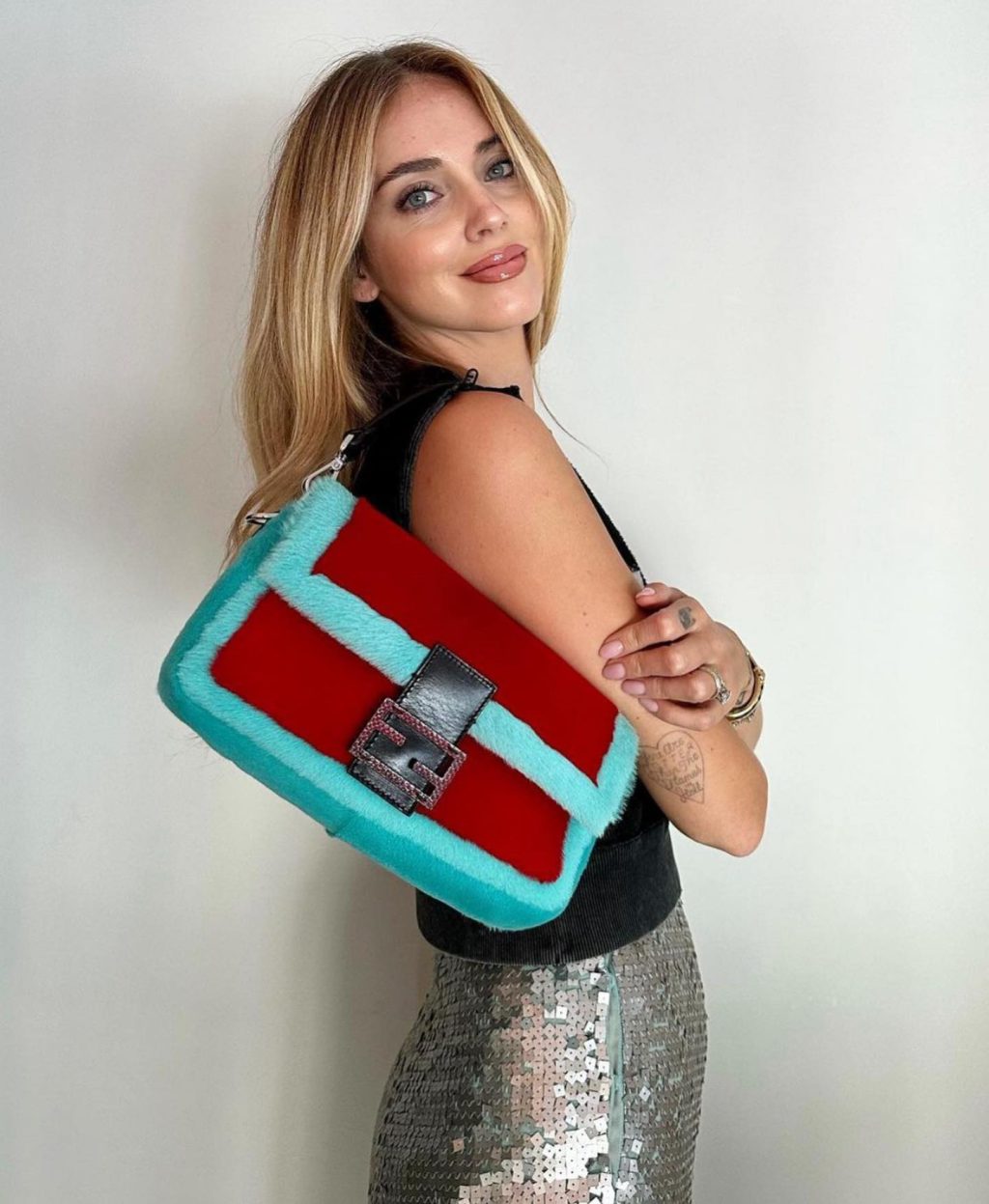
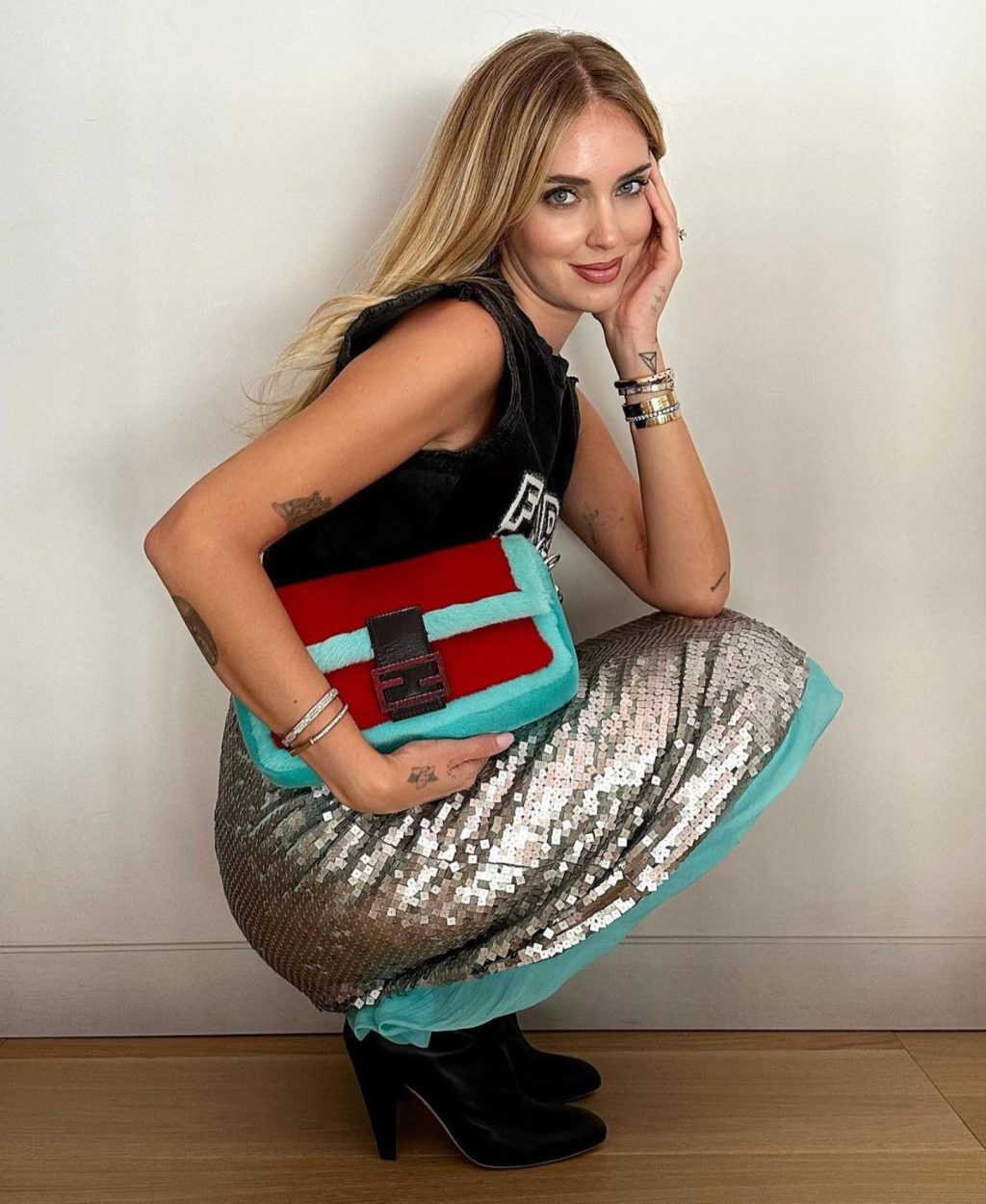
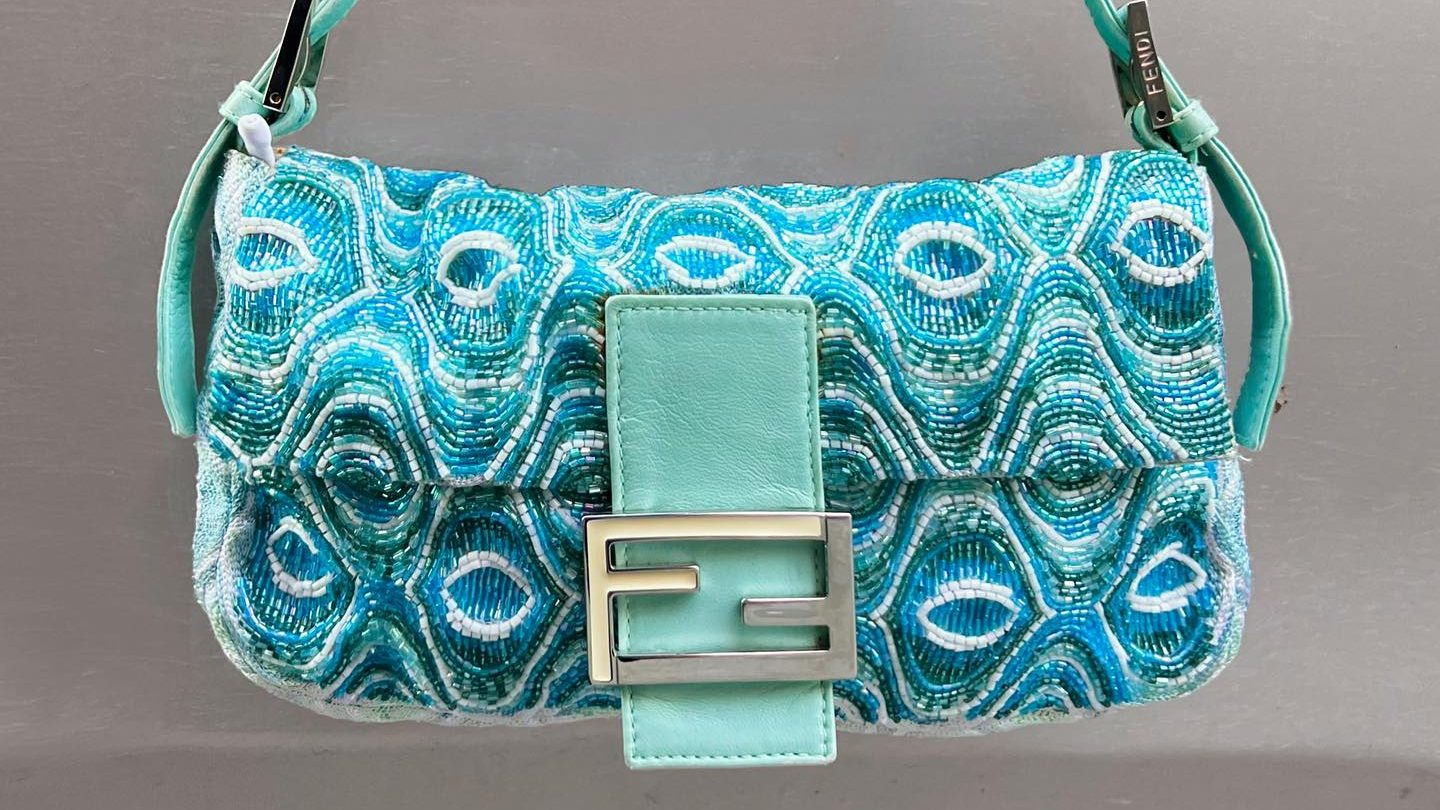
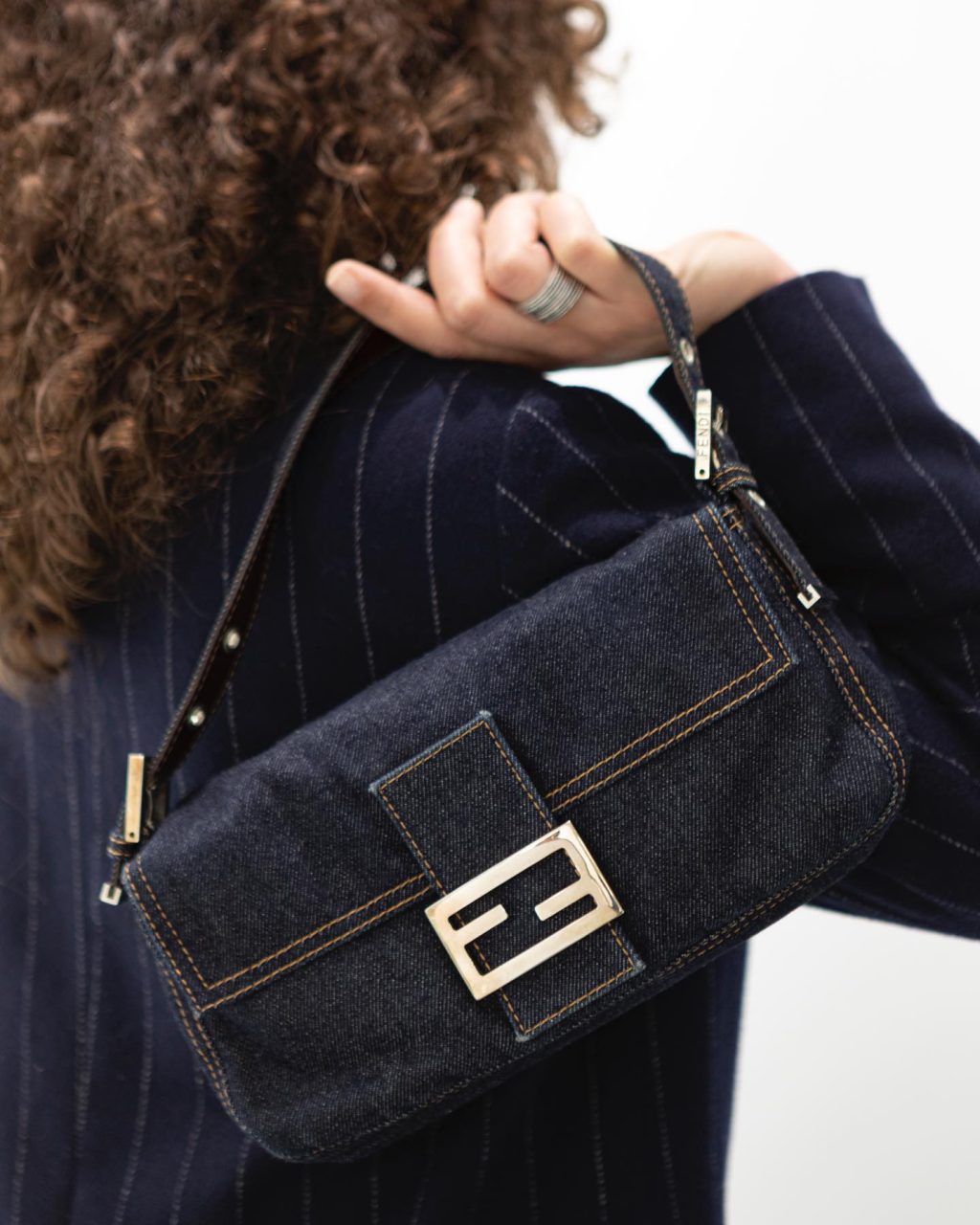
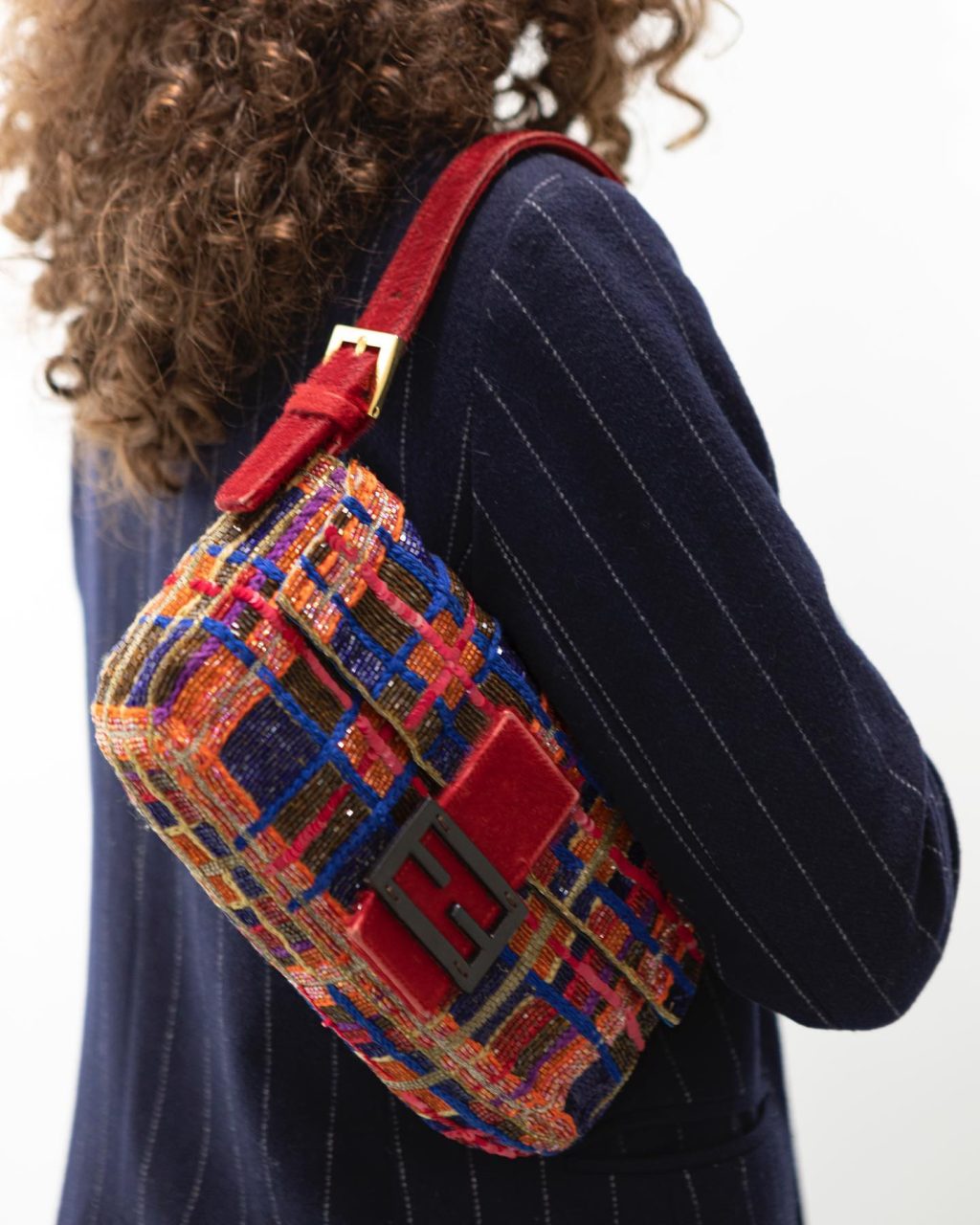
The Fendi Baguette was designed in 1997 by Silvia Venturini Fendi, and it was literally named for the way it sits tucked under the arm—like the French loaf.
That origin story sounds cute until you realize it’s also product strategy:
The Baguette is compact, immediately legible, and silhouette-driven. It can be made in denim, beads, sequins, shearling, canvas, leather, embroidery, logo jacquard—and still read as “Baguette” from across a room. That matters in the resale economy, where recognizability is a form of liquidity.
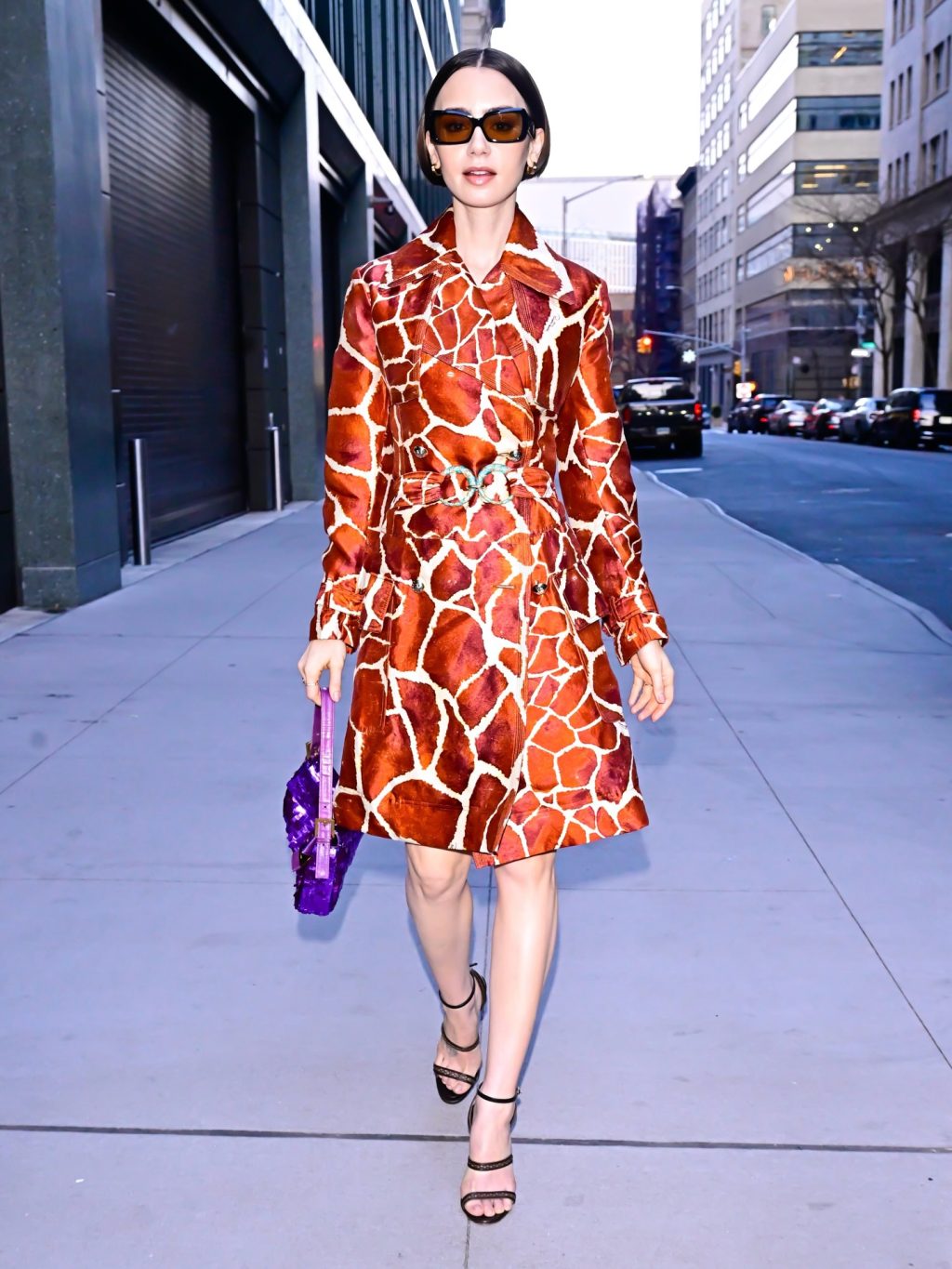
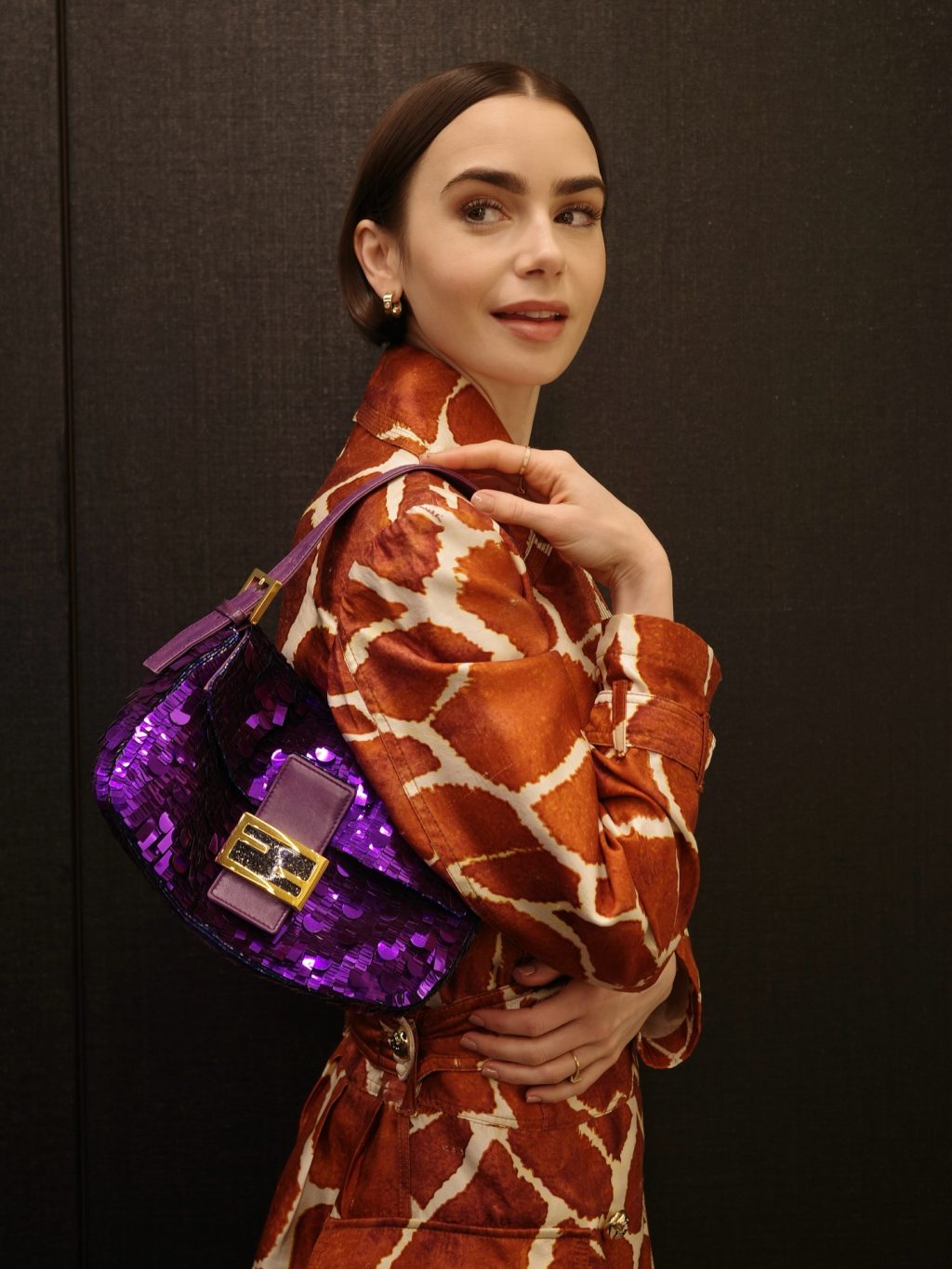
Even Fendi’s own archive-facing releases lean into that continuity. The House has explicitly rereleased the purple sequin style first introduced in the Autumn/Winter 1999–2000 collection—because a “vintage” hit doesn’t die; it becomes a reference you can reissue.
Pop culture compounding
There are famous bags, and then there are bags that got scripted into identity.
The Baguette’s association with Sex and the City—and the line that effectively turned it into a punchline and a status object at the same time—continues to anchor how the internet talks about it today. British Vogue notes that online mentions of the Baguette are still closely tethered to Carrie Bradshaw, to the point where the reference functions almost like a compulsory footnote.
But pop culture doesn’t just create demand once. It renews it through rewatch culture, screenshots, TikTok recaps, and the never-ending loop of “what was she wearing, exactly?” The Baguette benefits from what I’d call compounding nostalgia: the original moment (late ’90s/early ’00s), the resale era (2010s), the Y2K resurgence (late 2010s onward), the anniversary industrialization of the icon (25th celebrations and beyond). Vogue’s coverage of Fendi’s 25th anniversary re-editions captures how intentionally the House has kept the Baguette in circulation—not as a throwback, but as a living franchise.
The runners-up: City, Paddington, Saddle, Speedy
Once you see the list beneath the Baguette, you can read it like a psychological profile of 2025 vintage shoppers:
Balenciaga City searches surge because the City is “messy cool” made physical: studs, slouch, paparazzi-era energy. It also benefits from the modern cycle where a bag trends on resale first, then gets reissued—feeding authenticity-seekers back into the archive market.
Chloé Paddington explodes in growth because runway revival works like a flare gun. British Vogue explicitly links the Paddington’s renewed heat to its return on Chloé’s autumn/winter 2025 runway—exactly the kind of event that turns “I remember that bag” into “I need the original.”
Dior Saddle remains steady because it’s one of the most visually distinctive designs of its era—and still one of the easiest to “read” instantly in a photo. It’s not always the loudest spike; it’s consistently in the background, behaving like a classic.
Louis Vuitton Speedy endures because heritage monograms operate like global shorthand—especially for shoppers who want a vintage entry point that still feels universally recognizable.
And above them all, the Baguette: not the most explosive, but the most constant.
The quiet macro-trend: vintage Japanese designers led brand-level search growth
The other signal in the data is less about a single product and more about a collective mood: vintage Japanese designers drove some of the highest year-on-year growth at the brand-search level—Issey Miyake, Yohji Yamamoto, and Comme des Garçons leading the pack in growth terms.
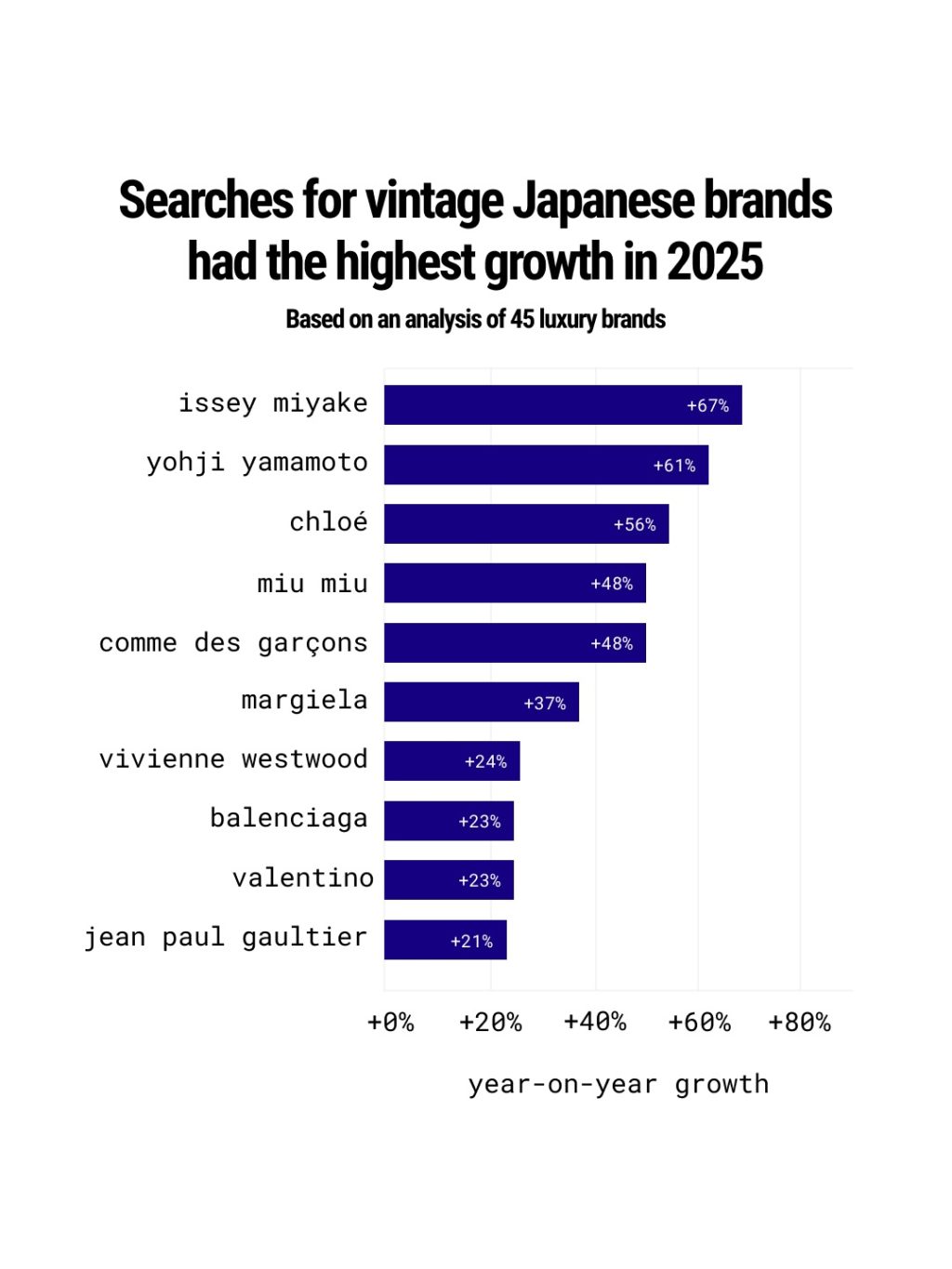
This is what happens when the fashion conversation shifts from “logo” to “language.” Japanese design—especially in its vintage and archival forms—offers structure, experimentation, and an insider vocabulary that rewards deeper knowledge. It’s also deeply compatible with the way modern shoppers build identity: less about copying a look, more about collecting a point of view.
Placed beside the Baguette, it creates an interesting duality in 2025 search behavior:
- On one side: a universally recognized pop icon bag with decades of narrative attached.
- On the other: brands that signal taste through construction and ideology—searched more as design systems than single objects.
How to buy a vintage Baguette like a collector, not a tourist
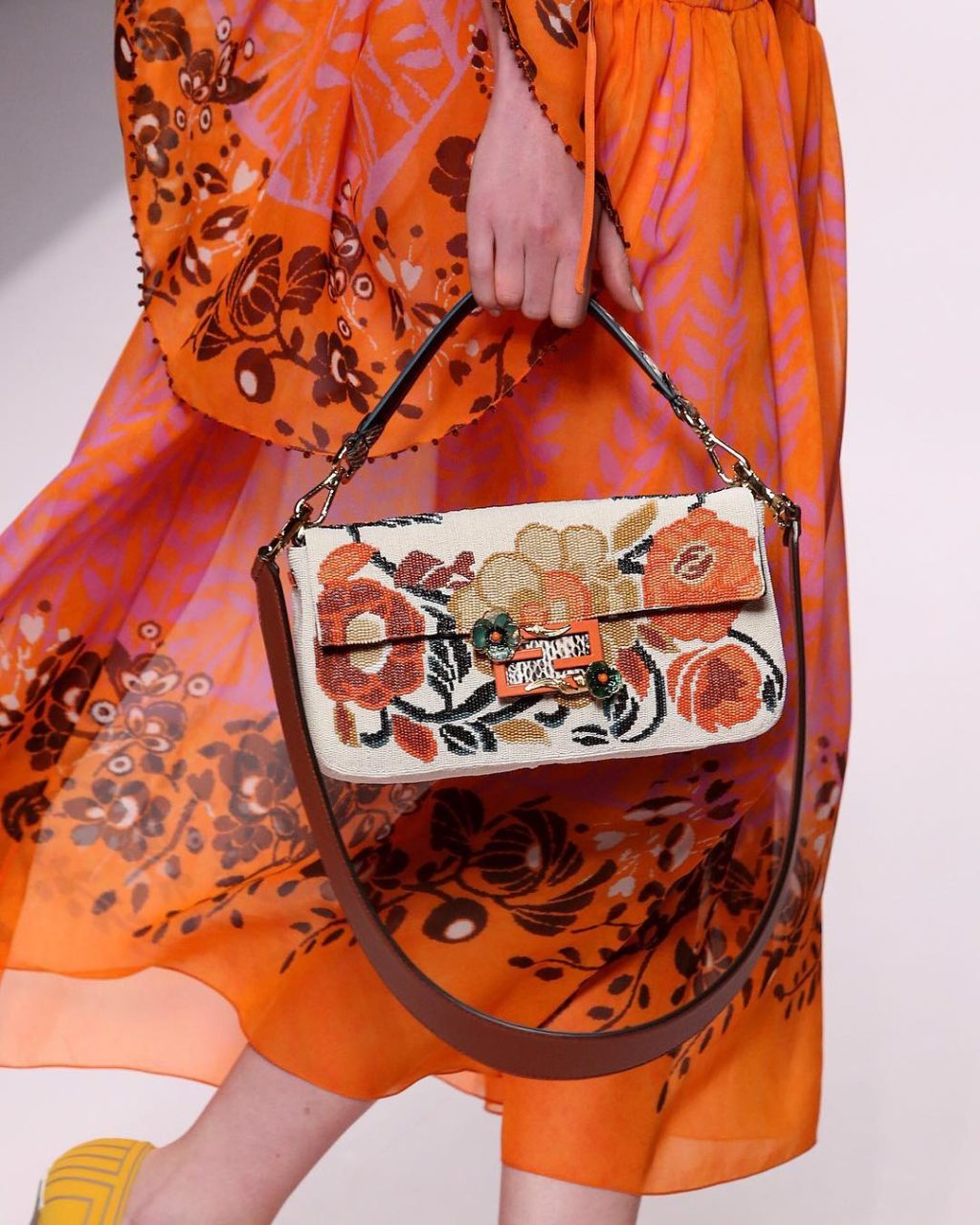
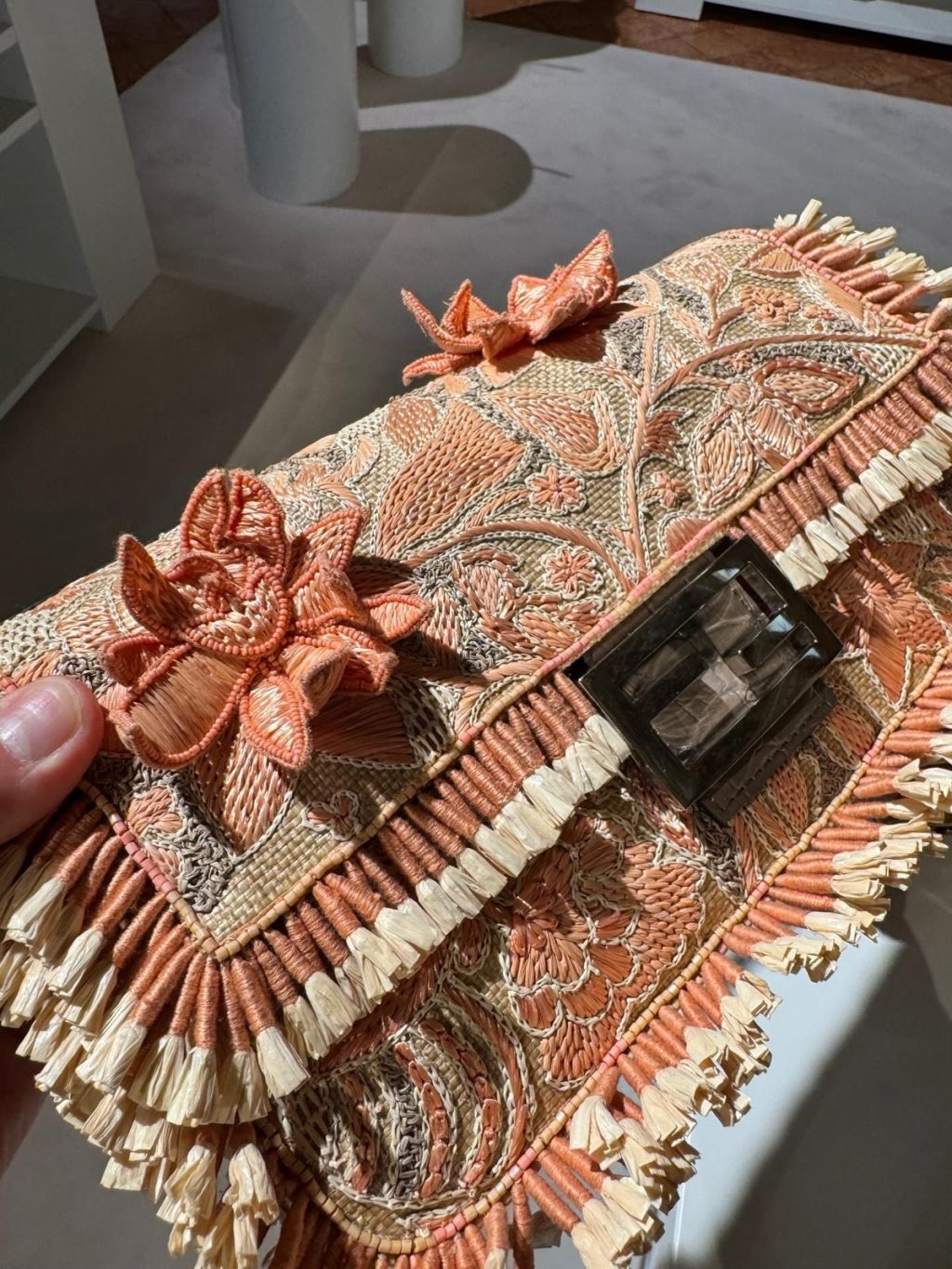
If you’re shopping vintage Baguette, the smartest move is to treat it less like a trend and more like an archive object you plan to live with.
Prioritize condition where it matters most: corners, strap attachment points, interior lining, and the closure mechanism. Learn what “normal aging” looks like in the material you’re considering. And once it’s yours, store it like you mean it—because the Baguette silhouette is part of the value. A bag that keeps its shape photographs better, wears better, and (if you ever resell) performs better.
Which is the quiet truth beneath all this data: in 2025, search is the first act of collecting. And the vintage Fendi Baguette remains the most searched because it’s one of the few bags that can be simultaneously iconic, wearable, reference-rich, and instantly recognizable—no matter how fast the trend cycle spins.