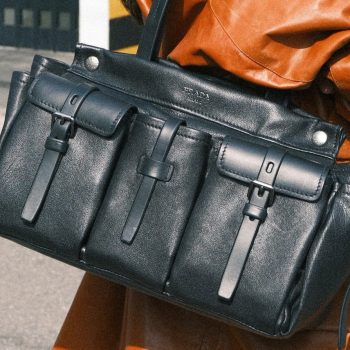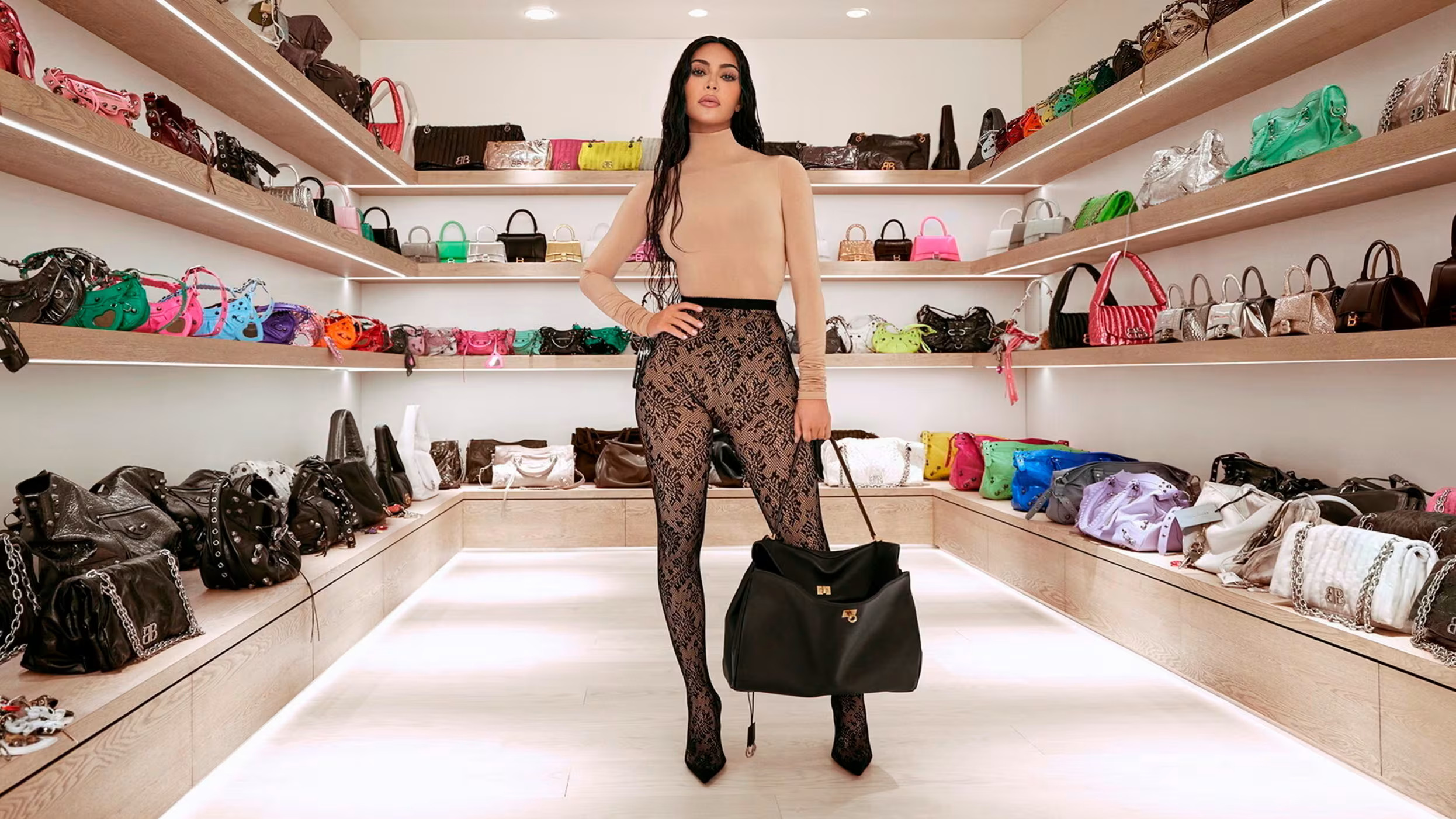
Handbags are one of the few fashion objects that can move like pop culture: fast, emotional, and fiercely contagious. A true It bag isn’t simply “popular.” It becomes a shorthand for a specific era—its taste, its values, its women (and men), its media, its money. Vogue’s historical surveys of It bags describe exactly that arc: a bag graduates from accessory to cultural artifact once it carries a story bigger than its leather.
This edit follows your list—spanning 1997 to 2024/2025—and tracks how each bag earned its status, what made it travel through time, and why it still reads as current now.
What makes a bag an It bag?
An It bag is a product with instant recognisability + mass desire that forms around a tight window of time. The formula changes by decade, but the core traits stay consistent:
It needs a silhouette you can spot across a street, a name you can say in one breath, and a design detail that acts like a logo even when there is no logo. Then it needs distribution that’s strategic, not just wide: the right celebrities, the right editorials, the right runway placement, the right “seen on” cadence. When brands and fashion media talk about what makes an It bag, they keep circling the same tension: timelessness vs. zeitgeist—a bag becomes “It” when it captures what people want right now, even if it borrows from the past.
In the early 2000s, “It” often meant status + recognisable branding. Today, “It” can also mean aesthetic alignment (quiet luxury, office-core, indie sleaze revival) and platform-native visibility (TikTok, paparazzi loops, resale screenshots). That’s why a Coach bag can sit in the same conversation as Dior in 2024: the modern It bag economy is driven by attention physics, not only price tags.
What does “It bag” mean?
The term “It bag” functions like “It girl”: it points to the object that everyone wants at once, the one that dominates fashion weeks, celebrity candids, waitlists, and—later—nostalgic resurgences. InStyle’s retrospective of “It bags” across decades frames them as annual-ish milestones: each one defines a mood, from late-’90s playfulness to Y2K maximalism to 2010s “work bag” practicality to 2020s virality.
Over the past 25 years, the bags on your list map almost perfectly to the key eras:
- Late ’90s: the birth of the modern It bag as media object (Fendi Baguette).
- Y2K / early 2000s: shaped icons and logo-joy (Dior Saddle; LV x Murakami; Chloé Paddington; Fendi Spy).
- Late 2000s: fashion’s “cool girl satchel” era (Proenza Schouler PS1).
- 2020s: new rules—microtrends, commuting culture, social media velocity, and the rise of “attainable” It bags (Miu Miu Arcadie; Balenciaga Rodeo; Alaïa Le Teckel; Coach Brooklyn).
It bag vs. Iconic bag: what’s the difference?
Think of it this way: An It bag is a main-character moment—wide cultural saturation, instant recognisability, and a strong “this season” narrative. A iconic bag is devotion—a smaller (sometimes quieter) audience that stays loyal over time, often because the bag solves a real styling or lifestyle need, or because it signals taste more than status.
The Wall Street Journal describes “cult” items through the lens of collective fascination and magnetism that endures—often beyond trend cycles. And fashion reporting increasingly notes that today’s social media environment can turn an It bag into a iconic bag (or vice versa): virality sparks the first wave; longevity is earned later through repeat sightings, reissues, and secondhand demand.
In other words: It bag = peak heat. Iconic bag = lasting pull. The rarest category is the bag that becomes both.
If you want the deeper “forever canon,” I mapped it out in my article HERE.
1. Fendi Baguette
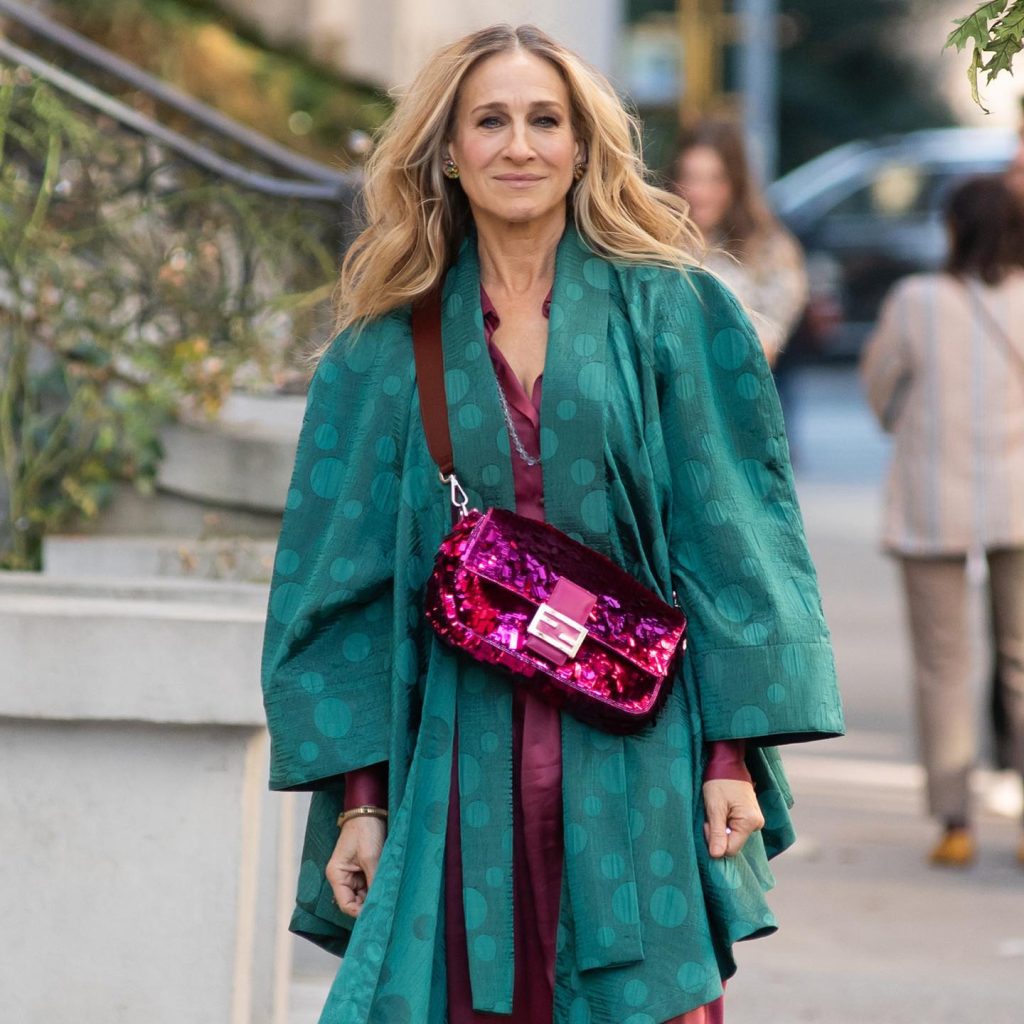
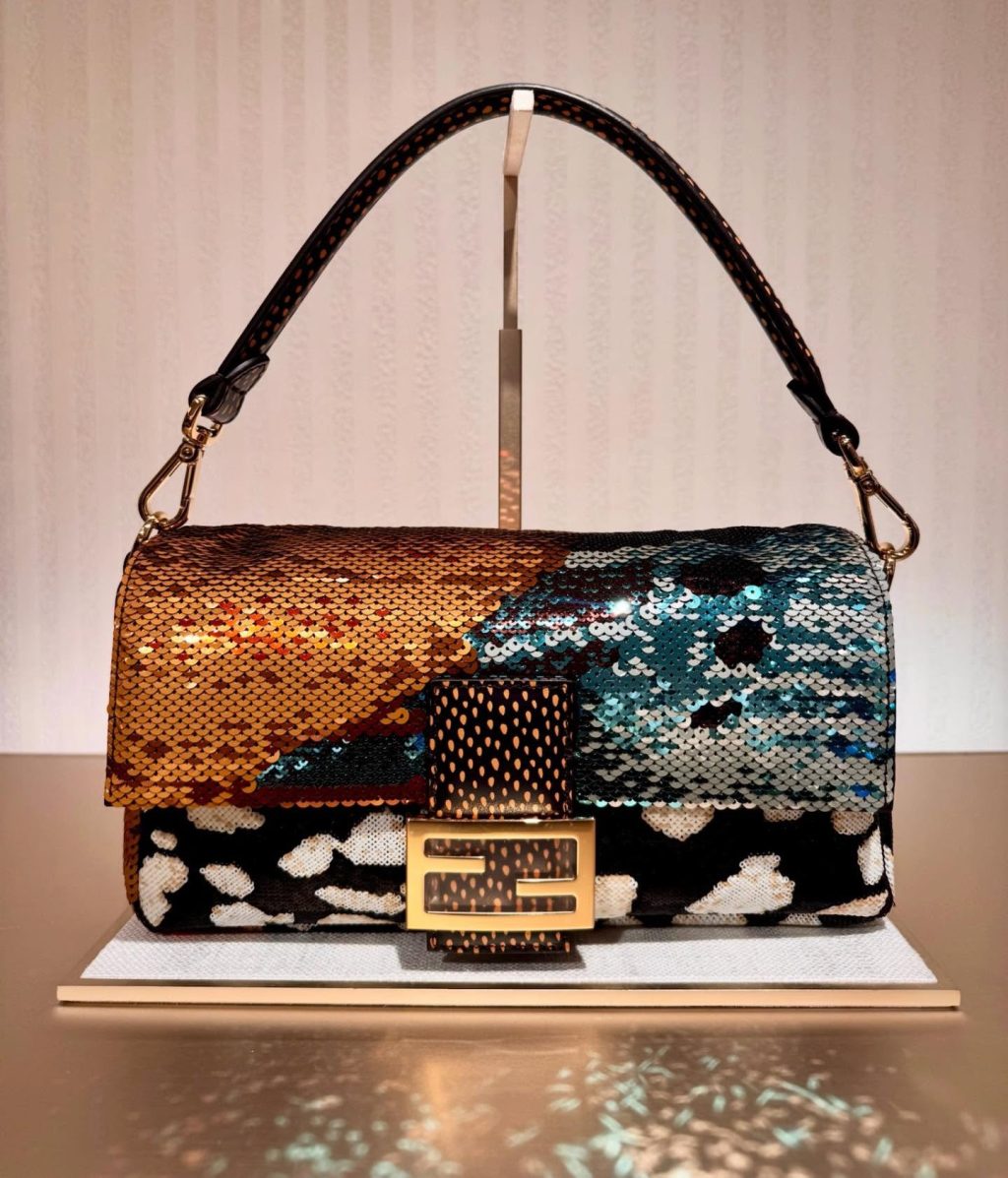
Before “micro bags,” before “quiet luxury,” before “core” anything, there was the Baguette: compact, underarm, crisp in concept, endlessly remixable in materials. It matters historically because it codified the modern handbag obsession: a bag can be small and still feel important if the design is unmistakable.
Silvia Venturini Fendi is widely credited with creating the Baguette, introduced in 1997, and it has remained the brand’s most reinterpreted icon. The Baguette’s genius is that it behaves like a fashion sentence you can rewrite forever: sequins, embroidery, shearling, FF canvas—each variation still reads as “Baguette” because the structure is so tight.
Why it became It: the Baguette arrived at the exact moment when fashion began to merge with television, celebrity culture, and aspirational consumption at scale. Once a bag has that kind of storyline, it never fully exits—its comebacks feel like reunions, not revivals.
2. Dior Saddle
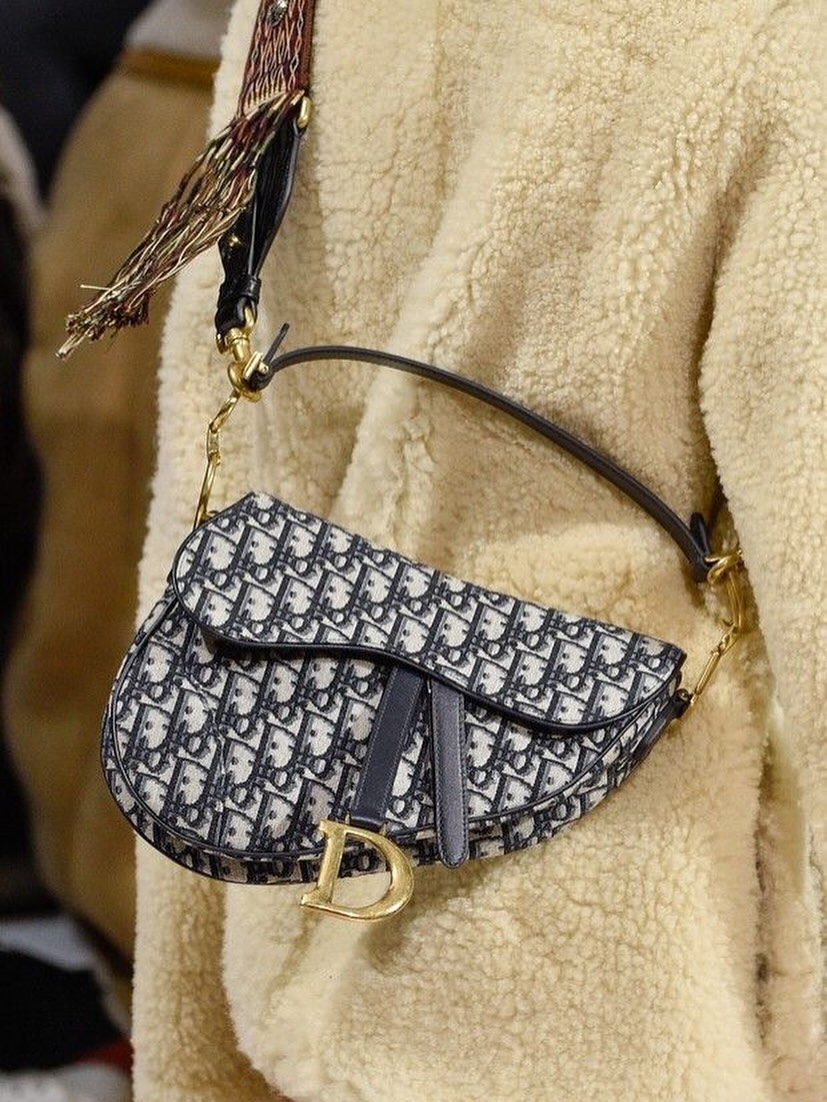
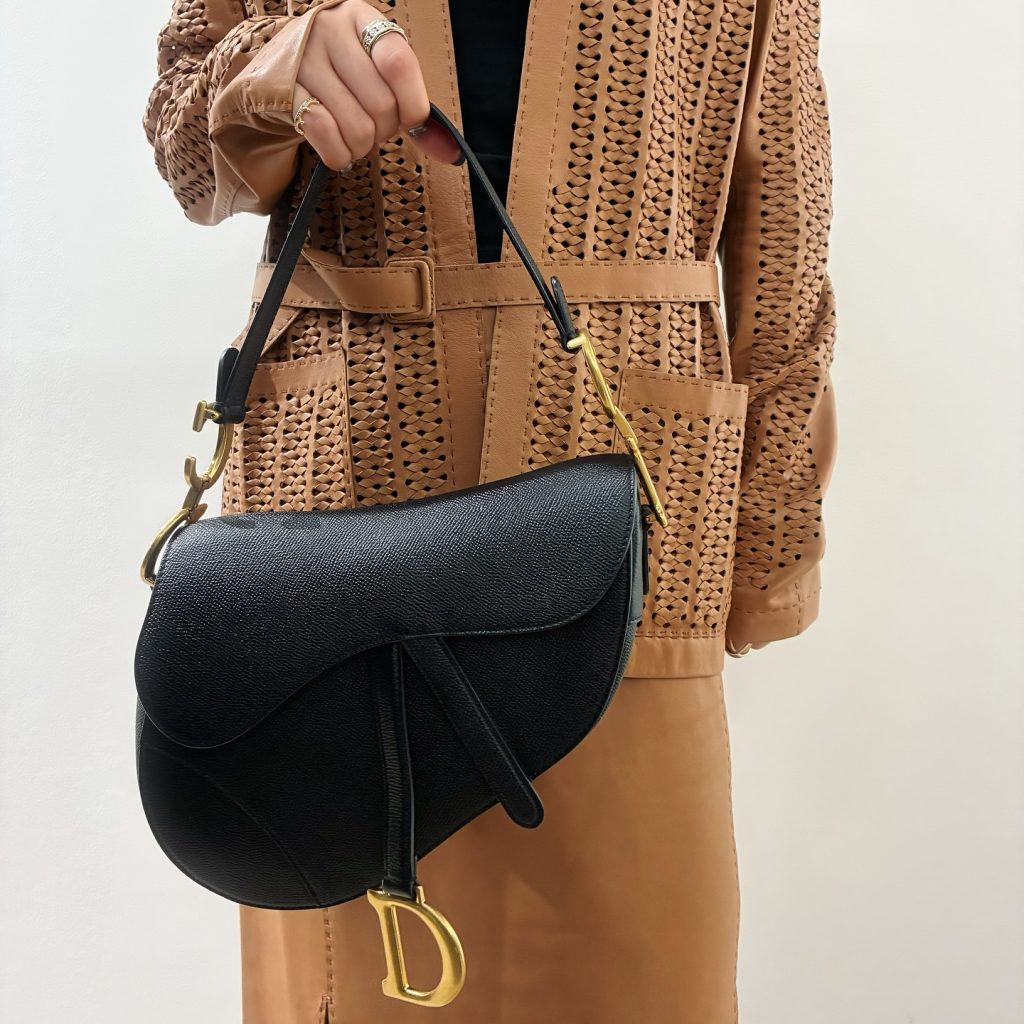
The Saddle bag is what happens when a house with heritage decides to flirt with cheekiness. Its asymmetry and equestrian references are the opposite of “safe,” which is precisely why it worked: it photographed like a logo without needing one.
Multiple fashion histories trace the Saddle to John Galliano and 1999, with its early-2000s dominance framed as one of the first truly defining bags of the 21st century. Dior’s current product language also positions the Saddle as an icon that has been continually updated and reinterpreted—proof that, for Dior, it’s not archival nostalgia; it’s a living pillar.
Why it became It: the Saddle had attitude. In the Y2K era, bags weren’t just containers; they were personality cues. The Saddle was the kind of shape that told the world you understood fashion as spectacle.
3. Louis Vuitton x Takashi Murakami (SS 2003)
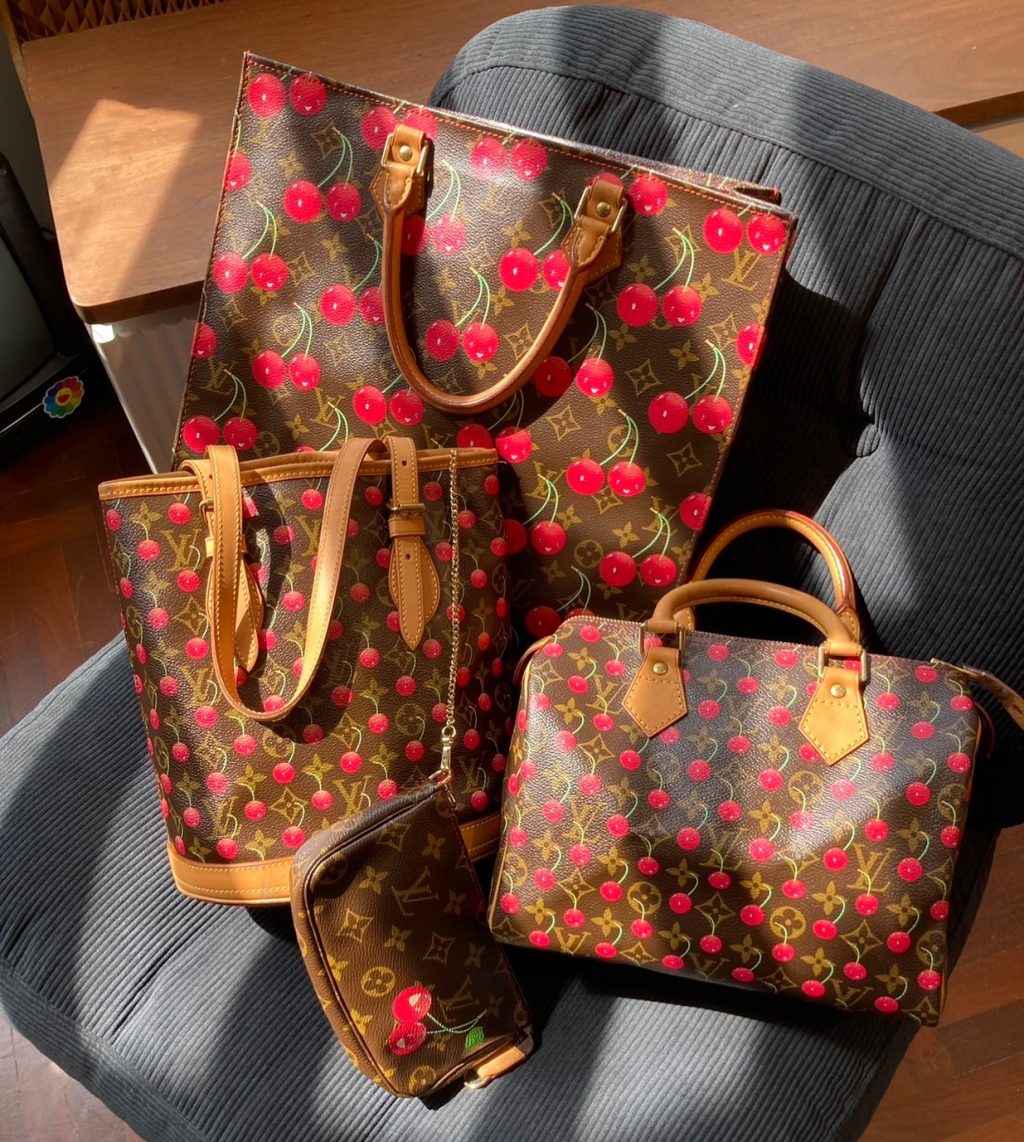
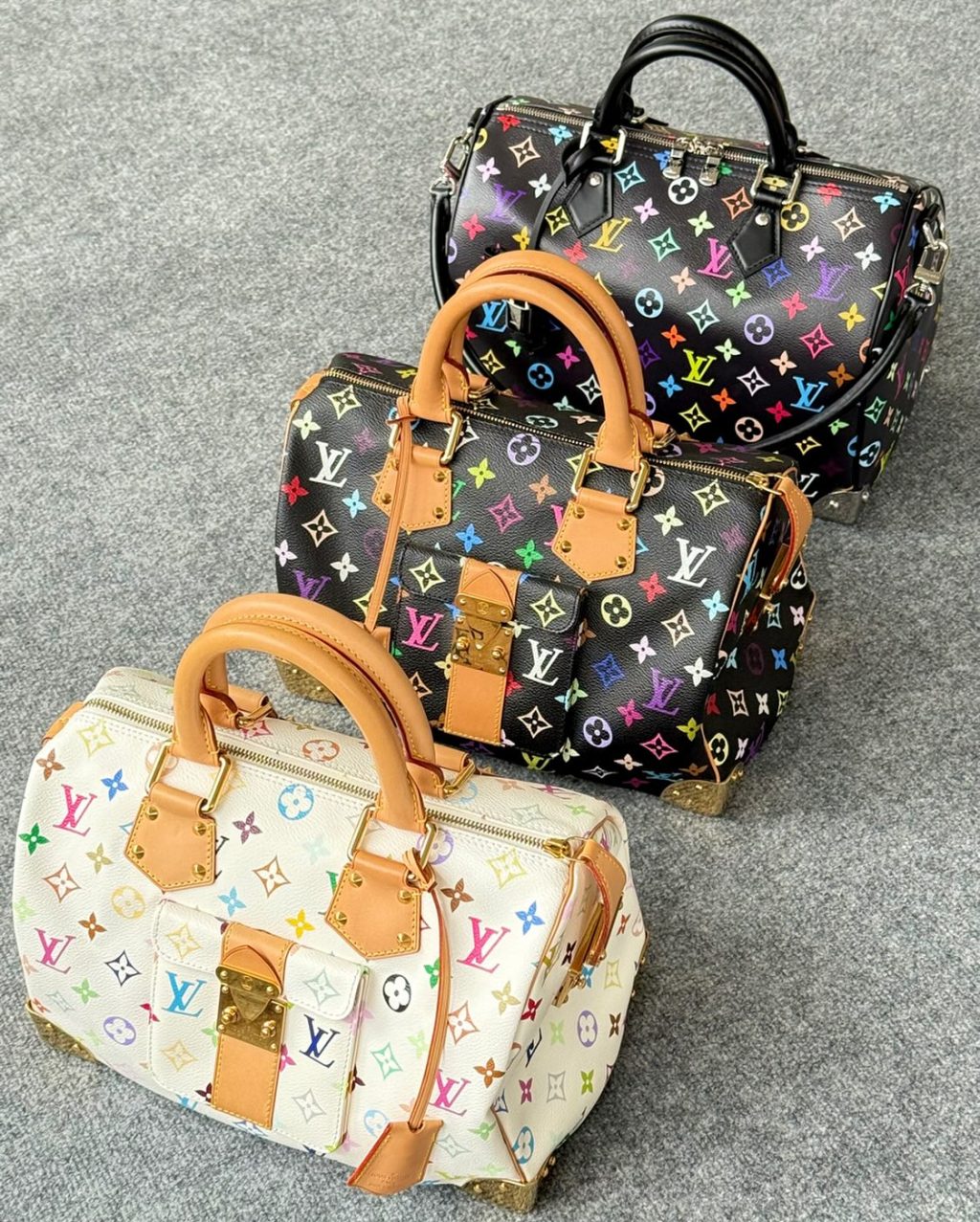
If you need one case study for how an It bag can be built through art, brand power, and cultural timing, this is it.
Sotheby’s and major fashion coverage consistently place the debut of Murakami’s Louis Vuitton work on the Spring/Summer 2003 runway, under Marc Jacobs’ creative direction. The Monogram Multicolore (and the broader Murakami universe—cherry blossoms included) turned the LV monogram into pop art: high luxury that didn’t take itself too seriously, perfectly tuned to the early-2000s appetite for colour, logo play, and collectible drops.
Why it’s It again: because the culture has returned to Y2K with a new kind of sophistication. Recent Vogue coverage notes how the original 2003 Murakami pieces—and their reissues—have re-entered the celebrity loop as statement “elevators” for simple outfits.
4. Chloé Paddington
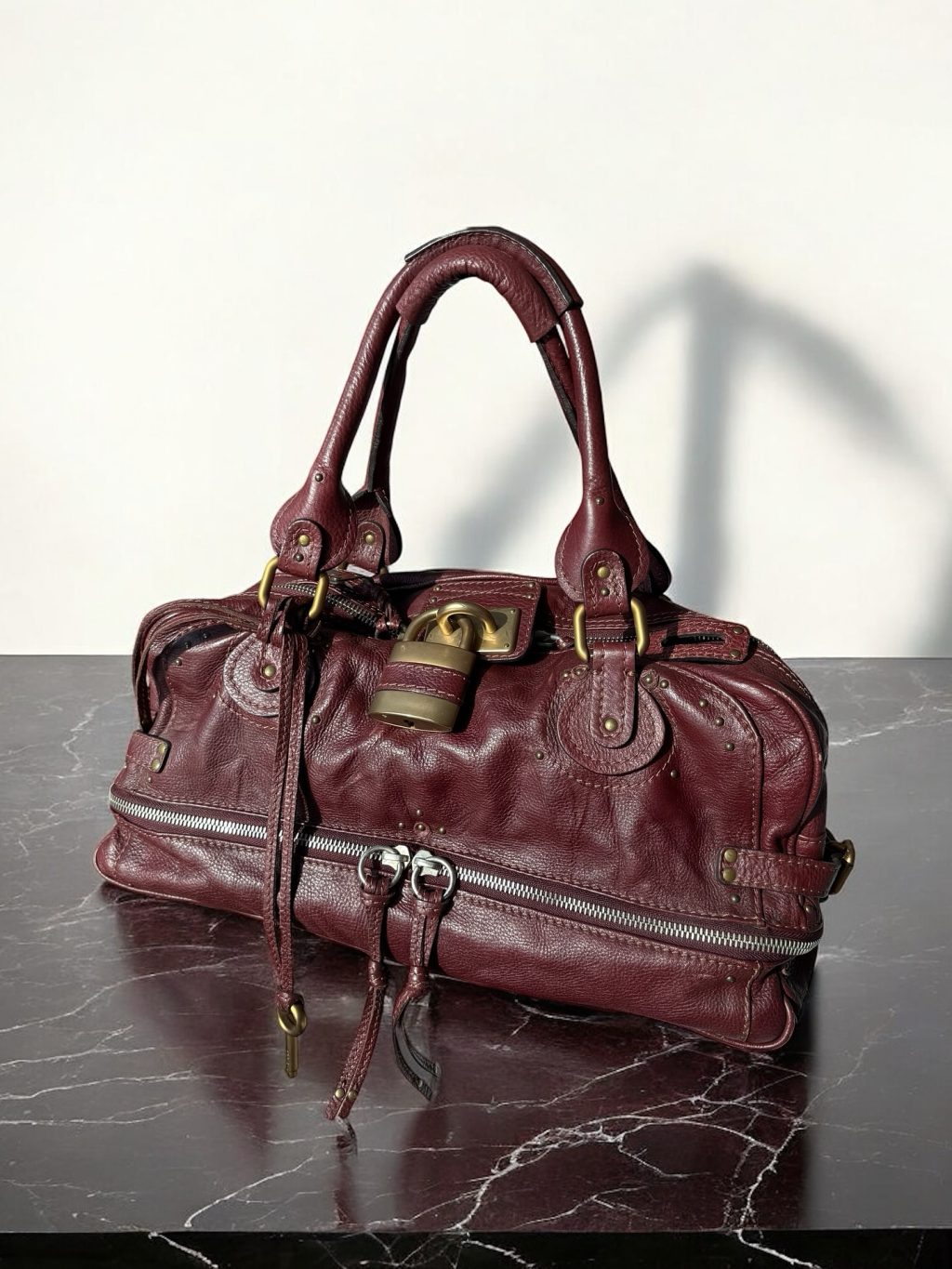
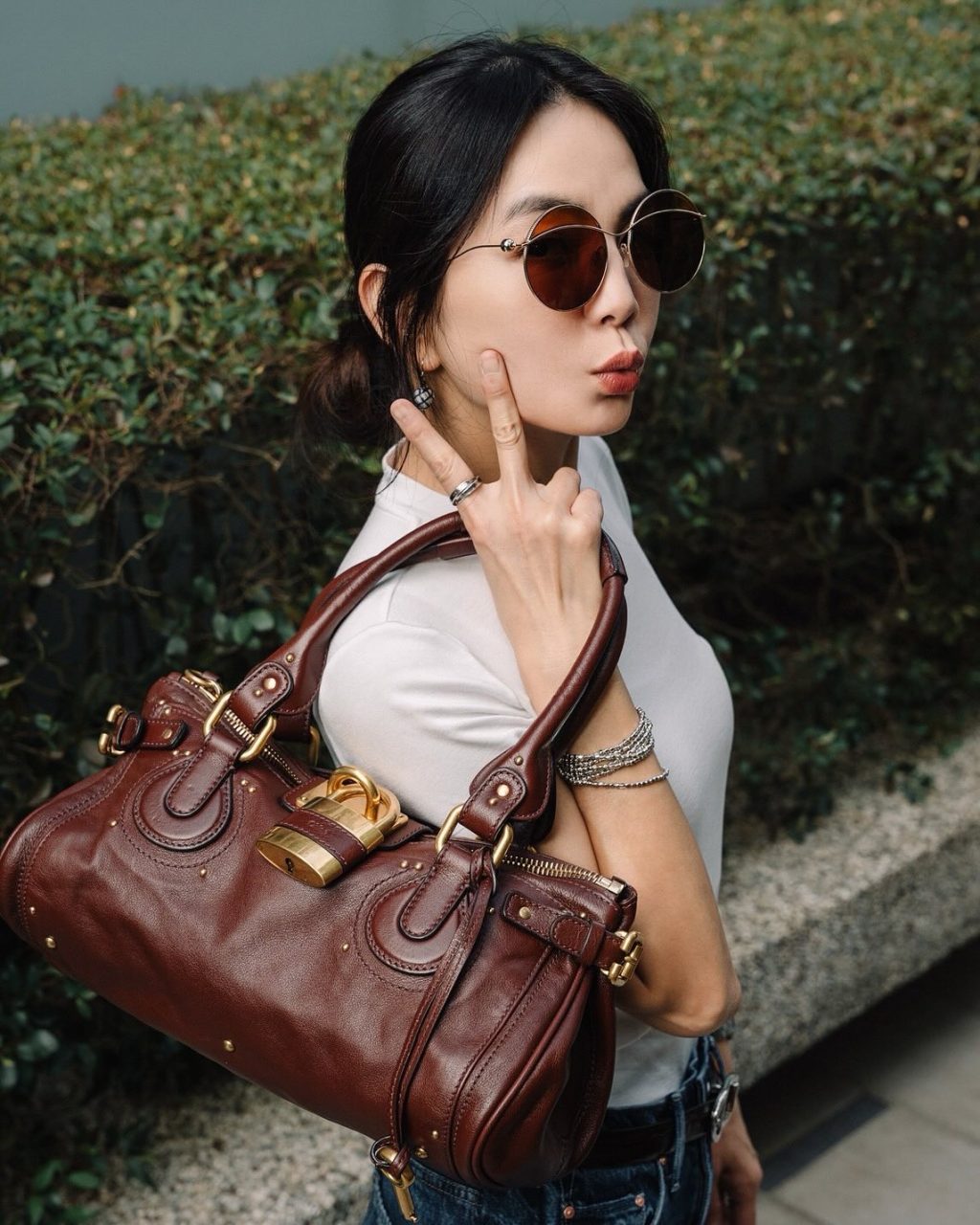
The Paddington is peak mid-2000s: tactile, slightly heavy, unapologetically styled. It wasn’t trying to be minimal; it was trying to be loved. The oversize padlock wasn’t a logo in the classic sense—it was a charm, a talisman, a kind of emotional hardware.
Recent fashion reporting about 2025’s revival wave explicitly positions the Paddington as a major returning It bag, closely tied to Phoebe Philo’s original 2005 vision. Why it became It: it aligned with the era’s romantic maximalism—big sunglasses, big hair, big bags, big feelings. And now, in an age of carefully curated “effortless,” its return reads as refreshingly physical and personal.
5. Fendi Spy Bag
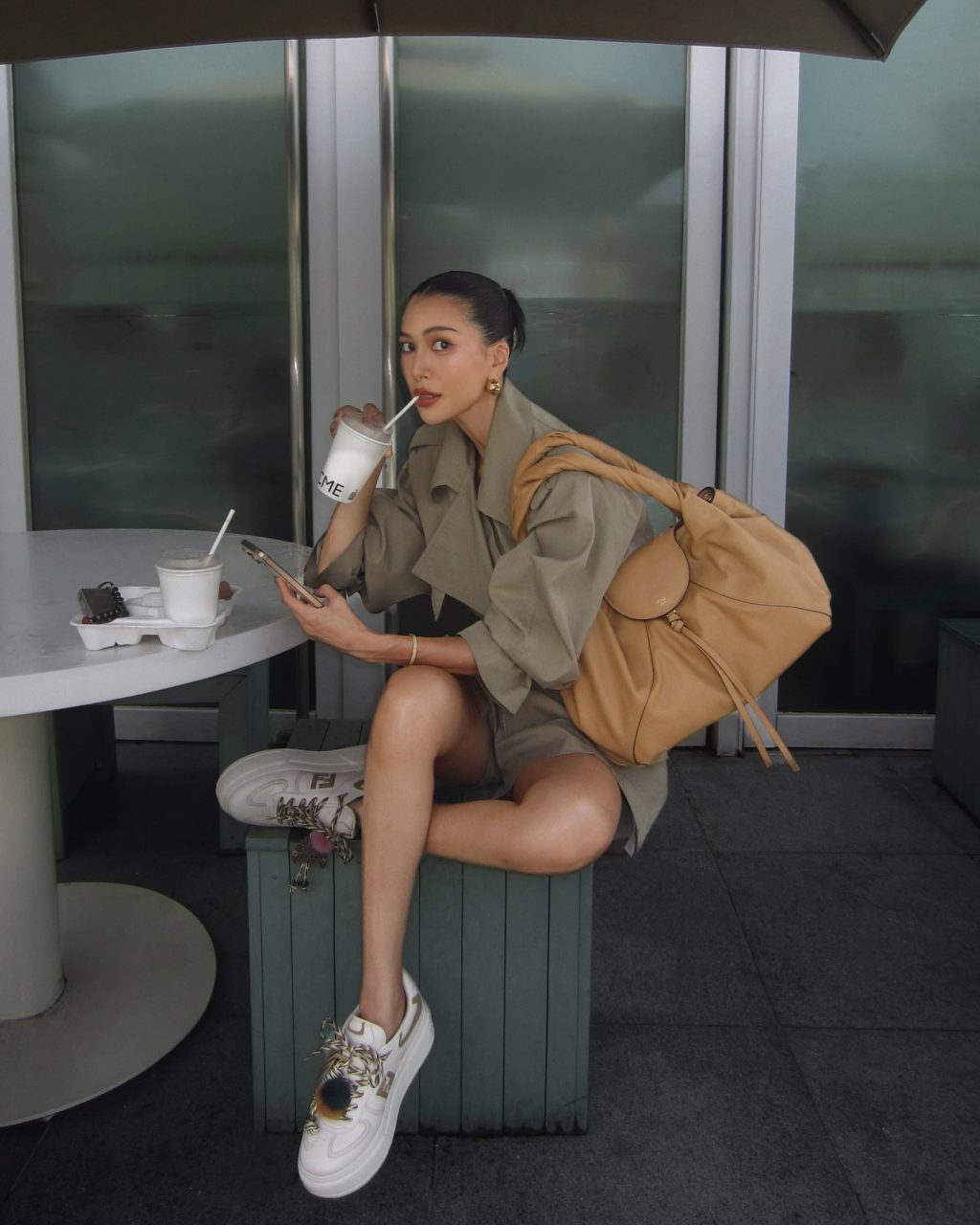
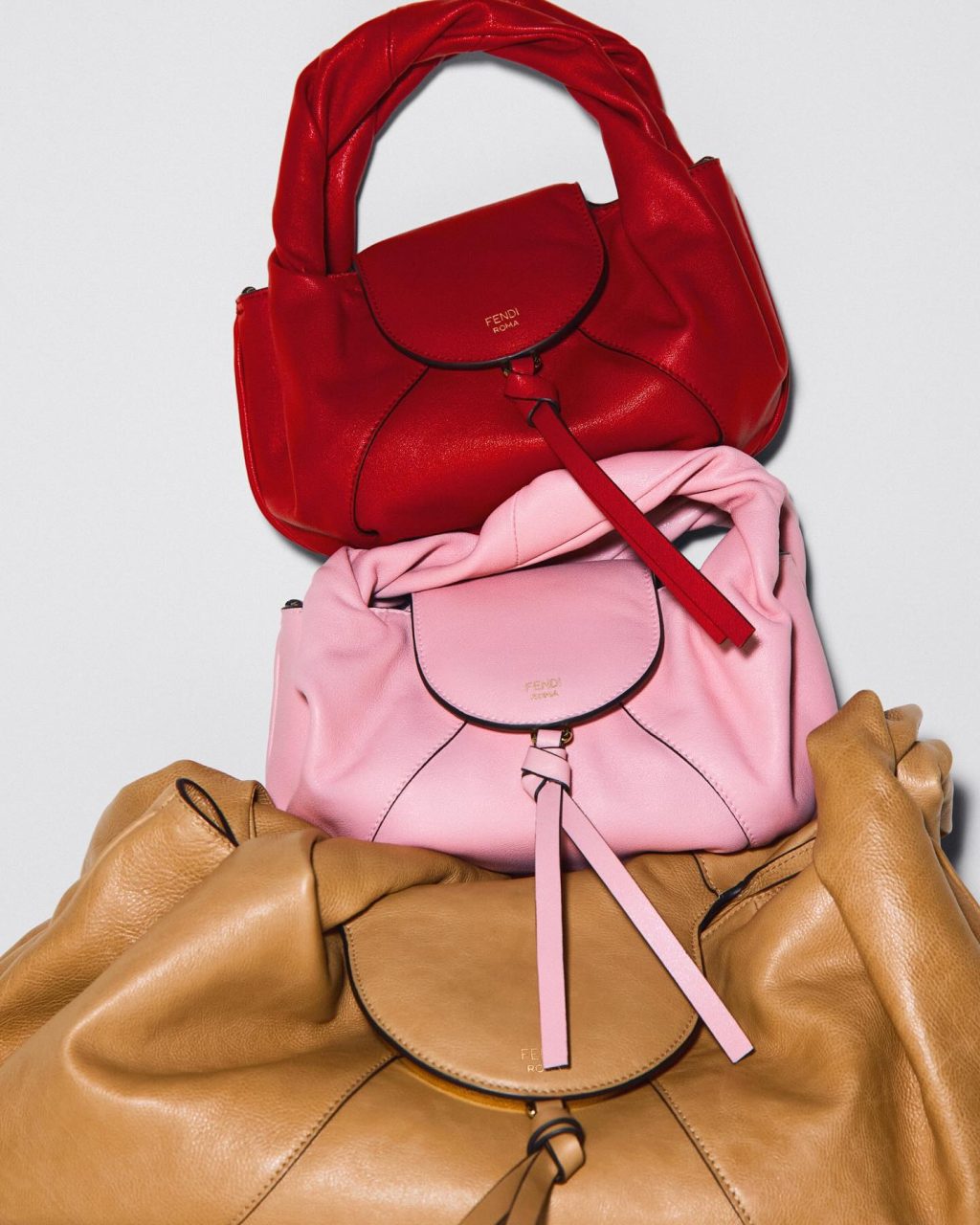
The Spy bag’s silhouette—soft, rounded, intentionally “un-logo’d”—was a counterpoint to the loudest Y2K branding. It’s often described as a cult favorite from the mid-2000s, originally launched in 2005, with a resurgence driven by celebrity sightings and the broader return of early-2000s handbags.
The “spy” idea wasn’t only marketing: coverage of the bag’s construction highlights its hidden compartment detail, a functional wink that turned the bag into a conversation starter.
Why it became It: it gave wearers the thrill of an inside joke—recognisable to the right people, but not screaming for the wrong ones. That’s a powerful status language, especially now.
6. Proenza Schouler PS1
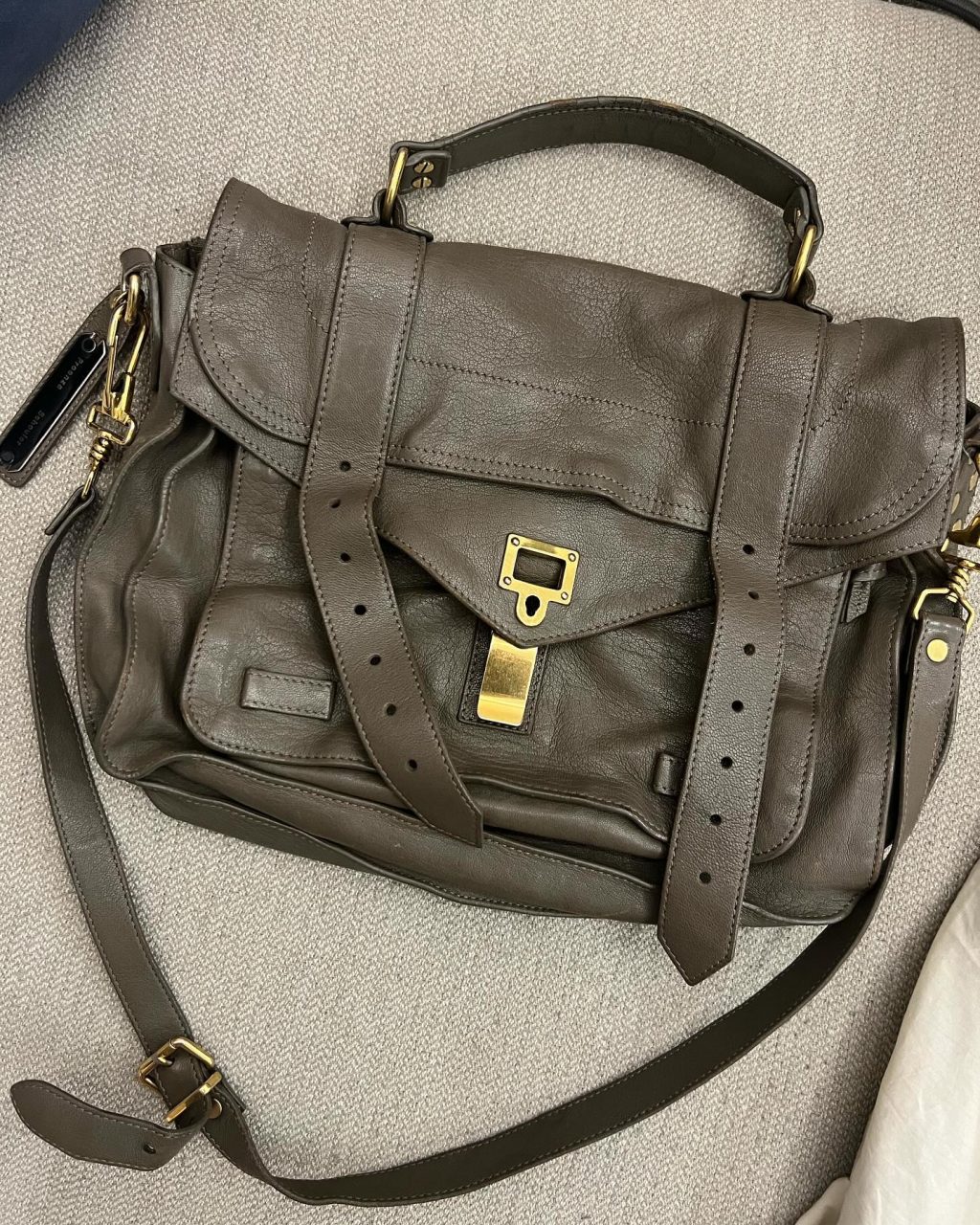
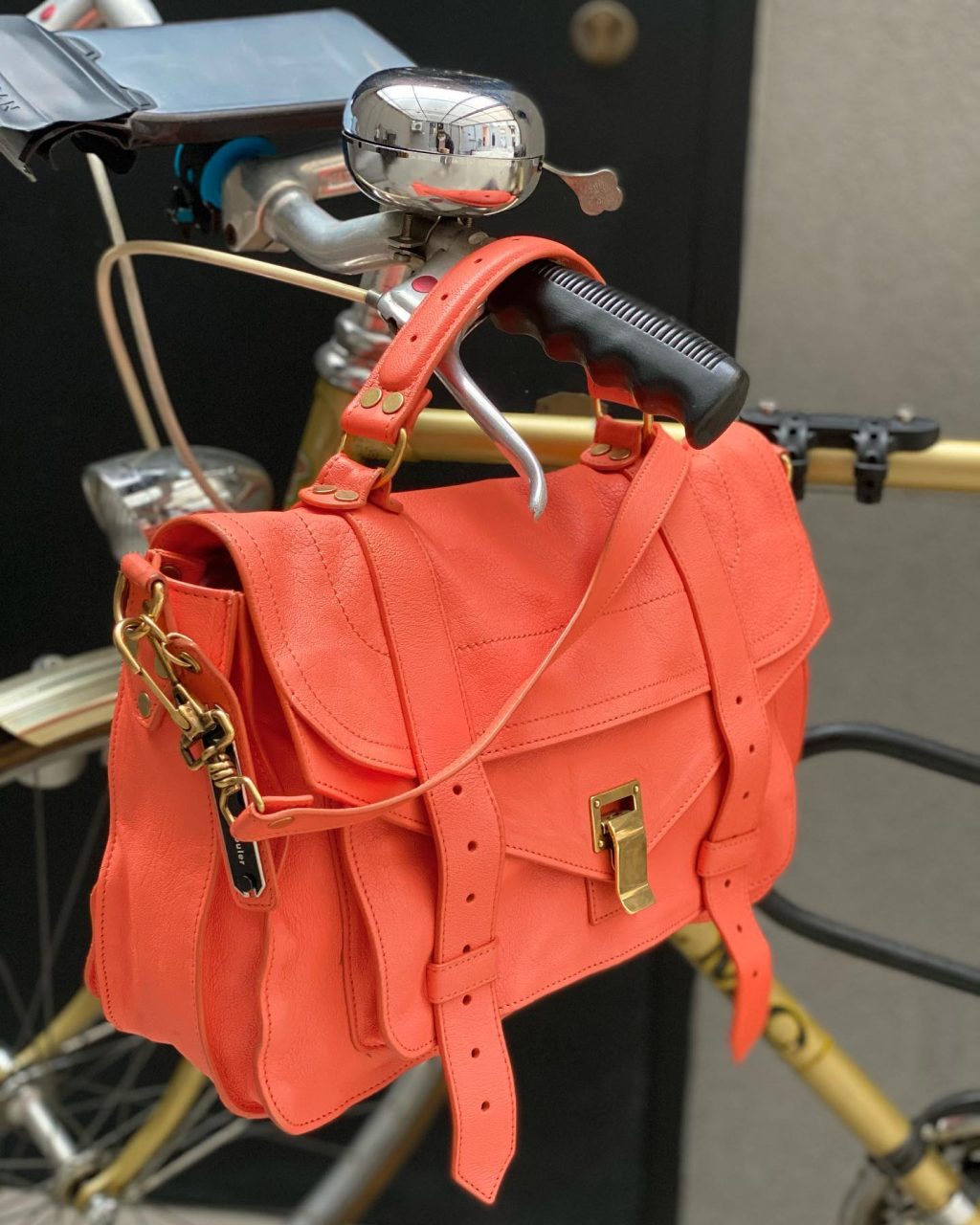
The PS1 was the antidote to fussy “occasion bags.” It looked like it belonged to someone who had places to be and things to carry—laptops, shoes, life.
Vogue explicitly notes the PS1’s 2008 launch and frames its appeal as durable, understated, and aligned with a shift away from heavily branded It bags—an It bag for people who wanted their fashion to look lived-in. Why it became It: it professionalised “cool.” It was the bag version of being taken seriously while still being stylish—one reason it keeps resurfacing whenever “back to the office” becomes a cultural headline.
7. Miu Miu Arcadie
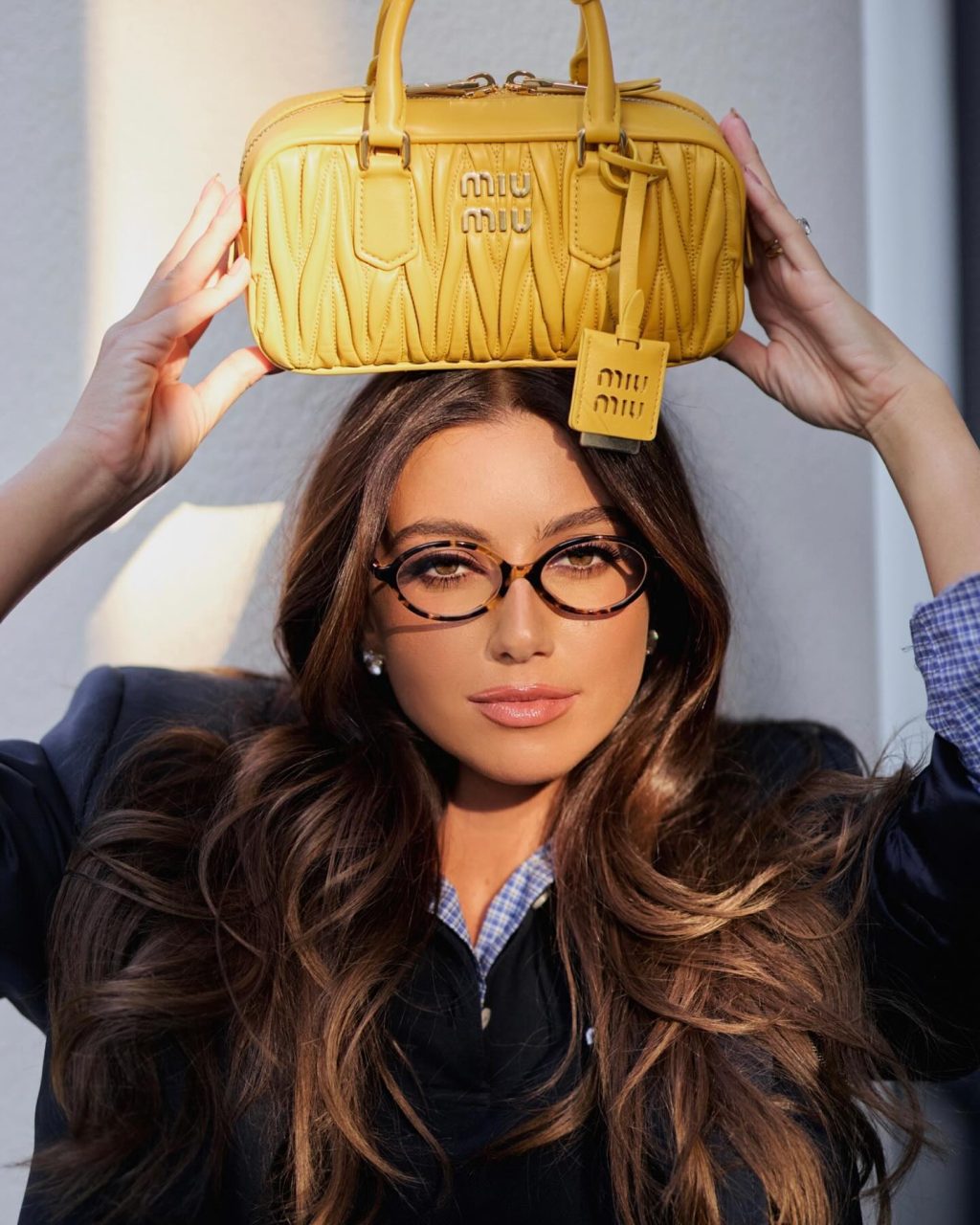
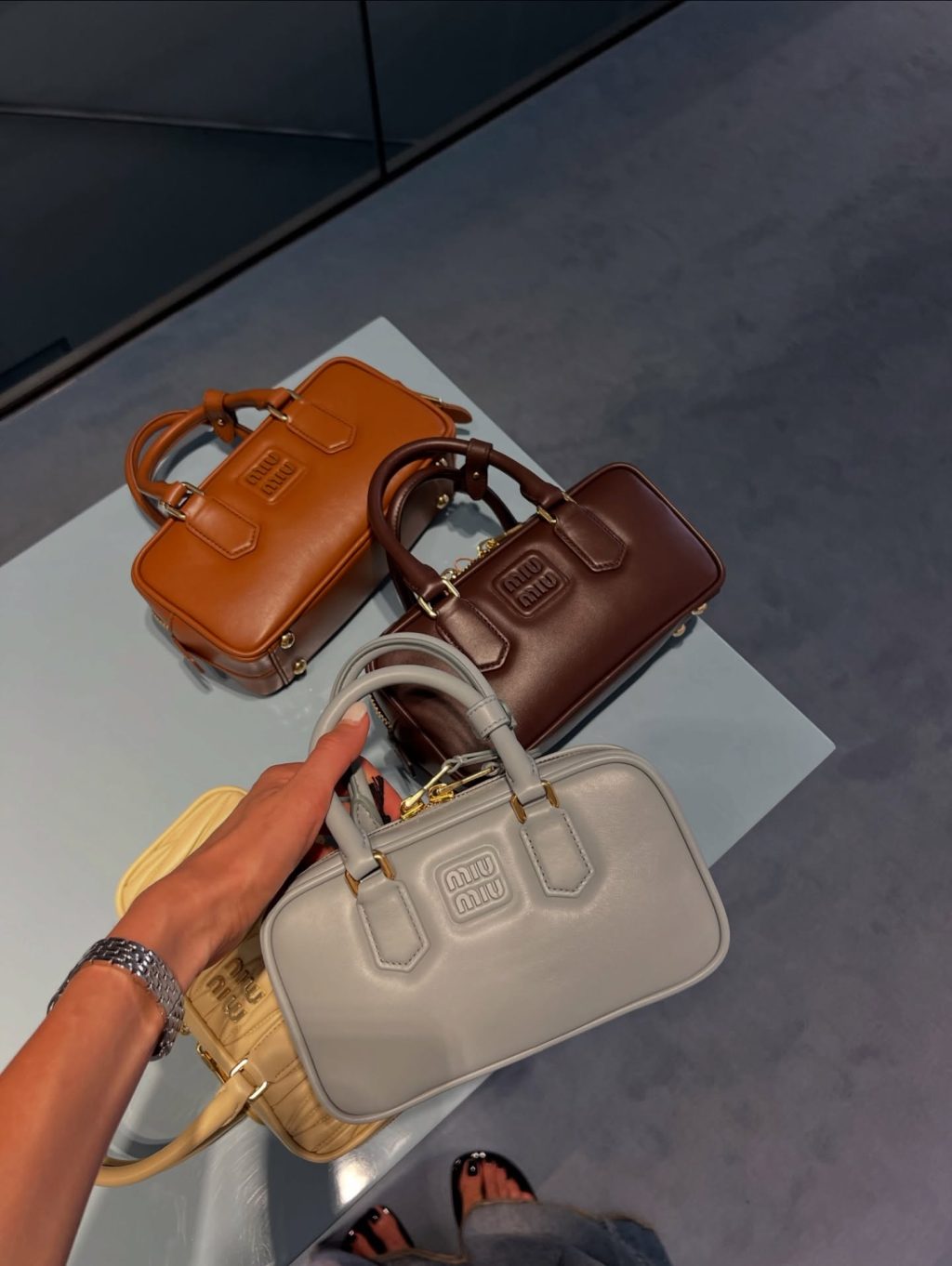
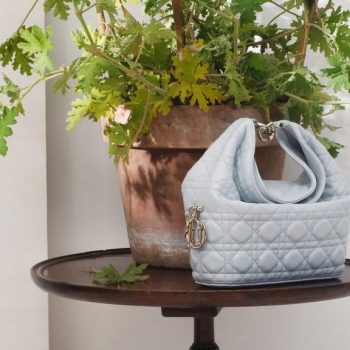
Miu Miu has always understood that “pretty” becomes powerful when it’s slightly undone. The Arcadie does that through proportion and texture: a polished top-handle idea rendered in soft, tactile form (often in matelassé), with a charm-like branding rhythm that feels playful rather than formal.
Miu Miu positions Arcadie as an “iconic” bag family—built around a top-handle silhouette and the house’s craftsmanship codes. Miu Miu And in broader trend reporting about 2025’s nostalgia cycle, Miu Miu’s matelassé language is repeatedly cited as a key returning motif, with designs like Arcadie benefiting from that renewed appetite.
Why it’s It now: it photographs beautifully (texture + compactness), but it also fits the 2020s taste for “rich girl vintage,” where the styling looks inherited, not purchased.
8. Balenciaga Rodeo
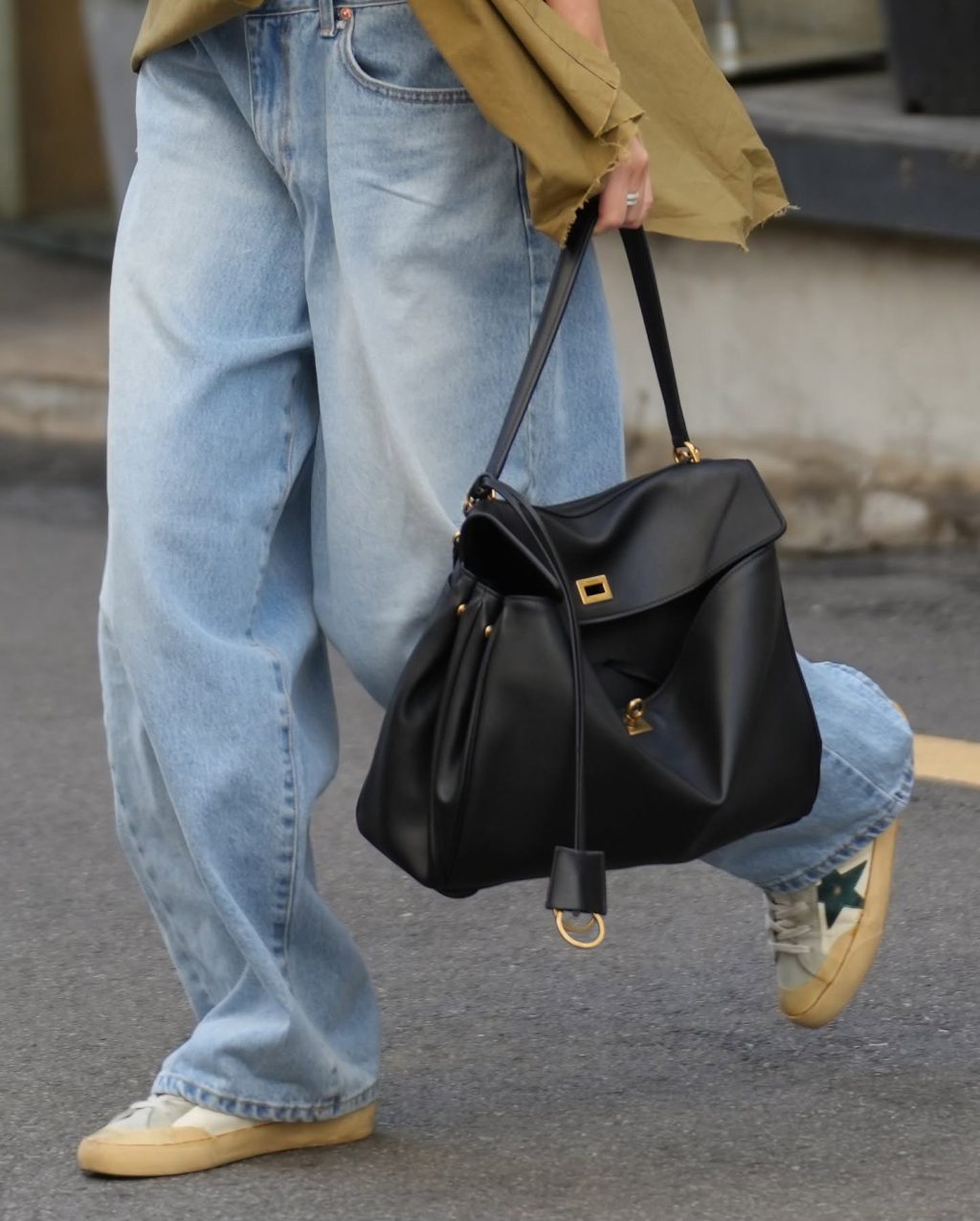
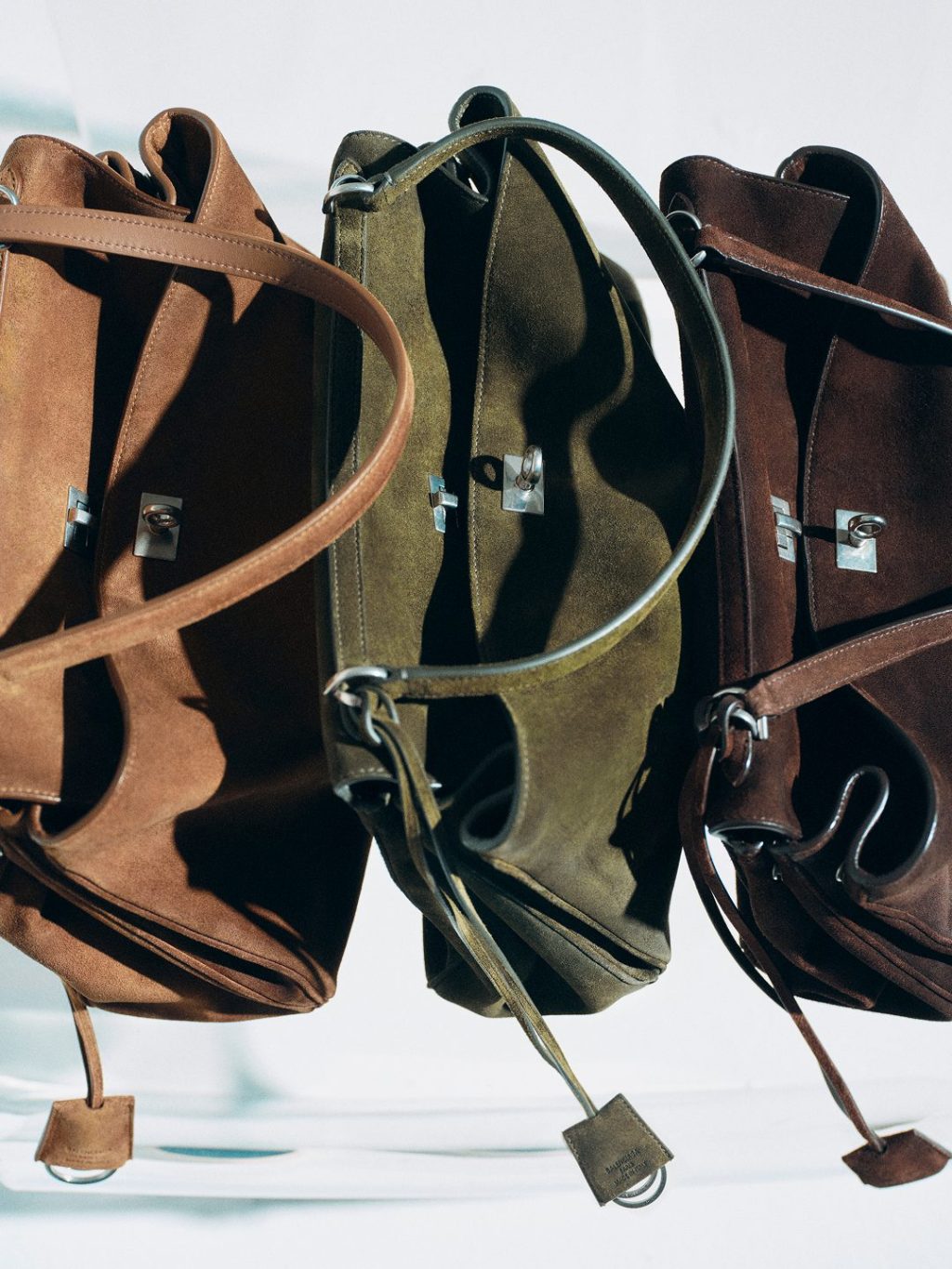
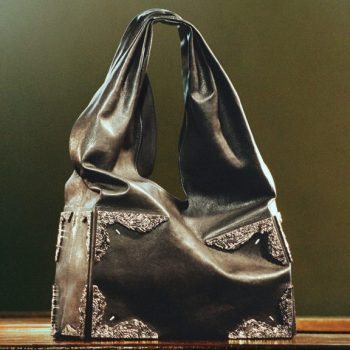
The Rodeo’s success sits at the intersection of two modern cravings: quiet structure and intentional nonchalance. It looks like a bag you grabbed on the way out—except everything about it is designed to make that gesture look expensive.
Balenciaga’s own launch communications position the Rodeo as a new house icon, rolling out with a defined release window (launching February 2024), while editorial coverage notes it was first introduced around the S/S 24 context and emphasizes its “open” ease and tilted silhouette.
Why it became It: it speaks the current language of luxury—minimal branding, maximum styling flexibility, and a silhouette that looks better when it’s slightly imperfect.
9. Alaïa Le Teckel
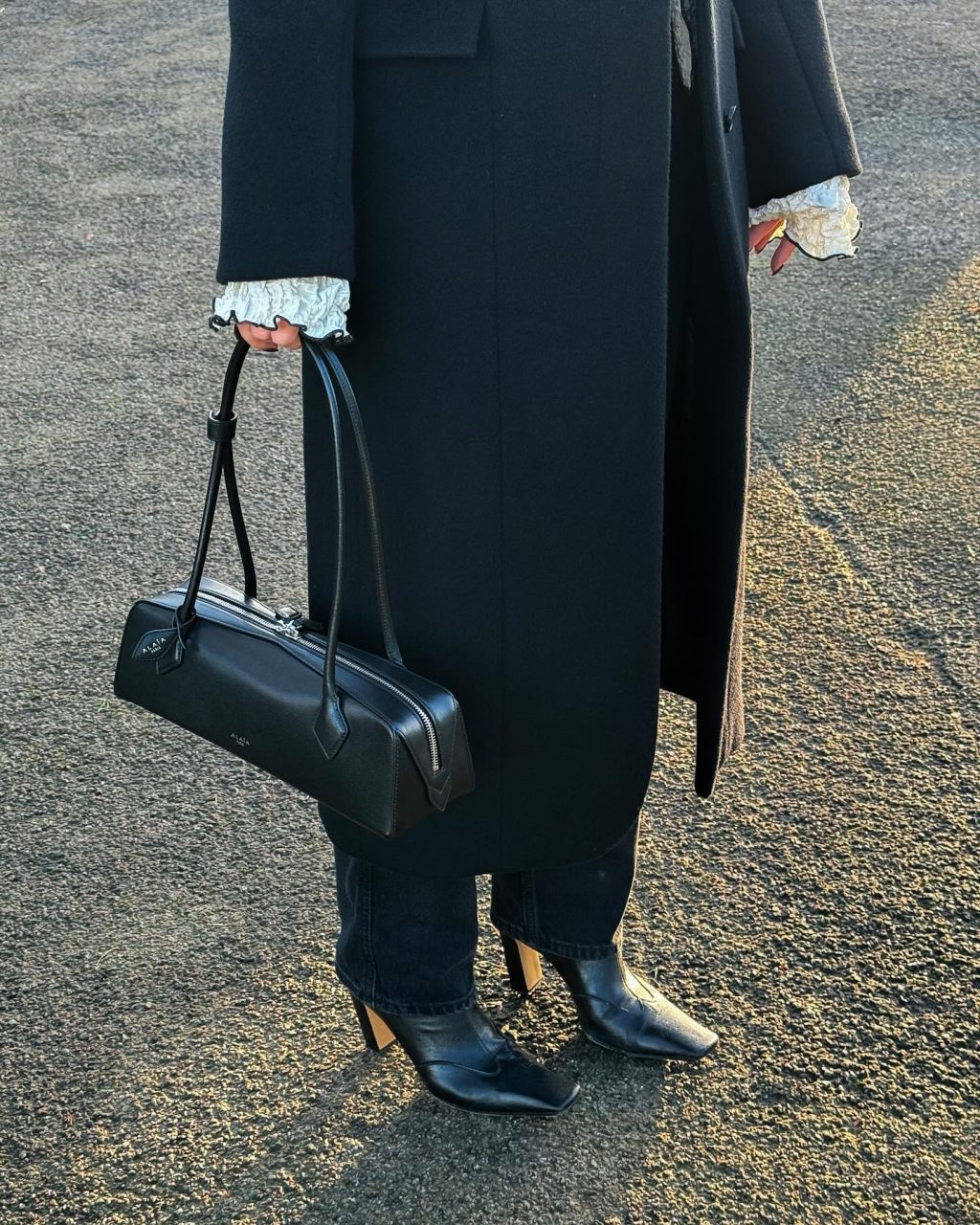
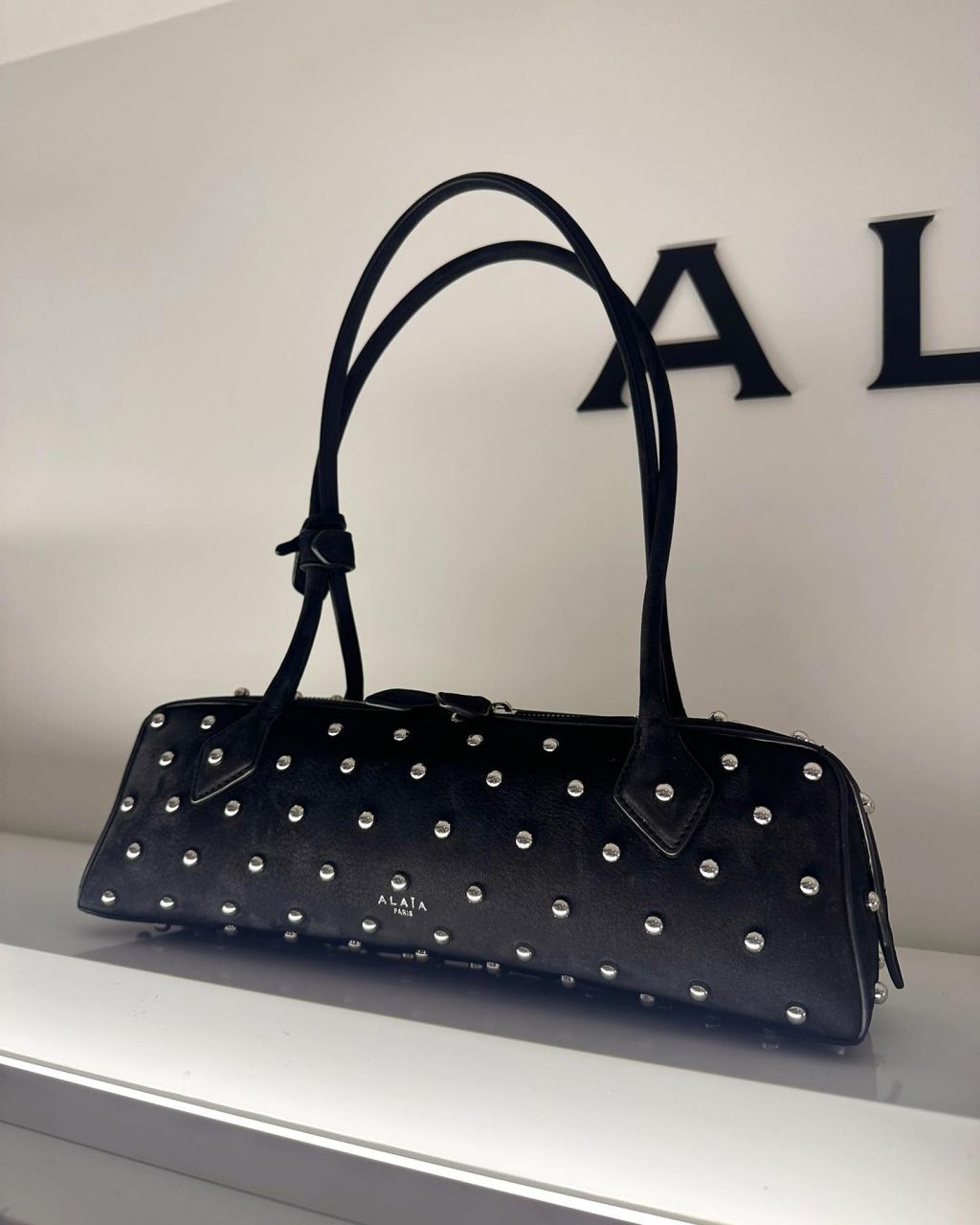
Few bags have so cleanly embodied a single trend as Le Teckel embodied the east–west shape. Long, narrow, and slightly cheeky, it made the “sausage bag” proportion feel elegant rather than novelty.
Vogue explicitly ties Le Teckel’s rise to its introduction for Spring/Summer 2024 and even foregrounds the meaning of the name (“dachshund”)—a rare case where the meme and the maison align.
Why it became It: it’s a silhouette that instantly updates an outfit. In the 2020s, where a bag must often do the work of styling, that kind of visual impact is priceless.
10. Coach Brooklyn
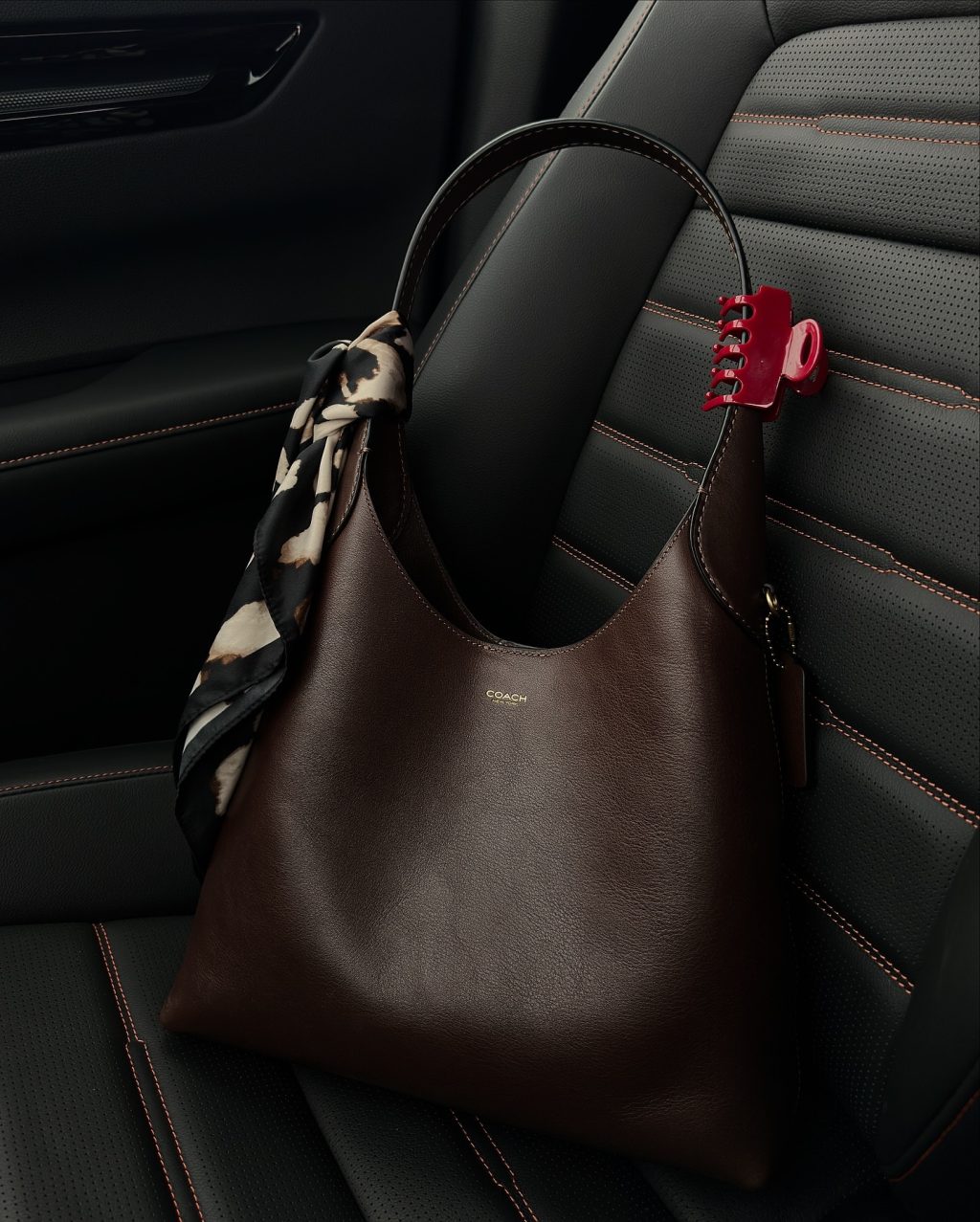
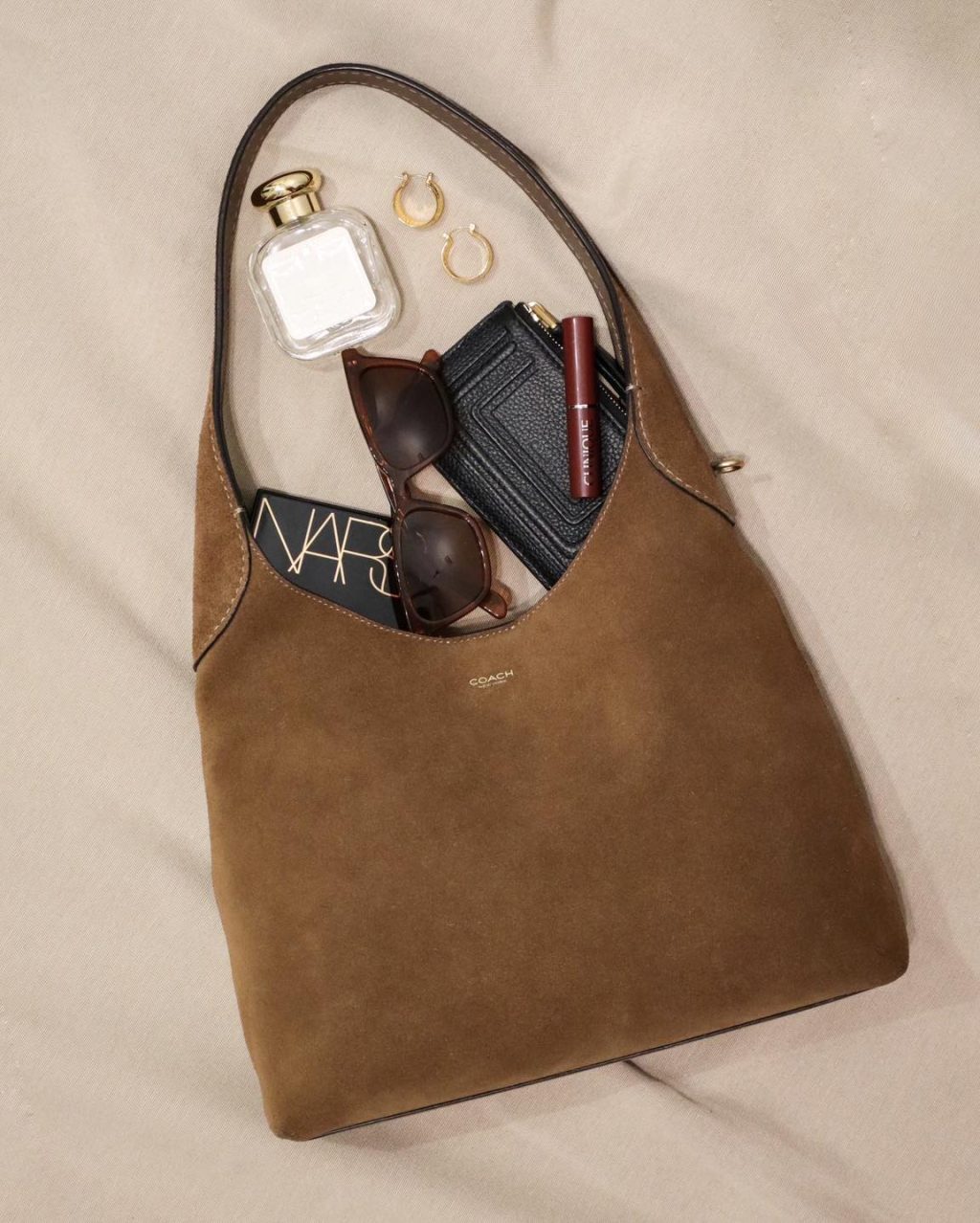
The Brooklyn bag is a masterclass in timing: it arrived when consumers were fatigued by luxury price inflation but still wanted the feeling of luxury—soft leather, generous size, a silhouette that reads “New York” without shouting.
Coach’s Fall 2024 materials explicitly state that the collection debuted with the Brooklyn Bag, positioning it as a hero product. Coverage of the brand’s momentum and the Brooklyn’s visibility loop (including editorials and street style sightings) shows how quickly it entered the “hottest bags” conversation.
Why it became It: because it hits the modern requirements—roomy enough for real life, stylish enough for photos, priced (relatively) within reach, and backed by a brand that understands cultural casting.
The It bag is a mirror, not a trophy
Across these ten bags, you can see the evolution of desire. From logo spectacle to shape obsession to craft-coded quietness to viral repeatability. Some were born as lightning strikes. Others became It through a slower accumulation of sightings, affection, and reissues. But the real constant is this: an It bag isn’t just “a best-seller.” It’s a bag that makes people feel like they’re holding the current moment in their hand.