A first campaign is rarely just “a campaign.” It is a brand-new creative director’s first sentence—written in images—about what the house is, what it has been, and what it can become next. For Chanel, Matthieu Blazy’s opening statement arrives not on a studio set or a fantasy street, but in a real place with real dust on its stone steps: La Pausa, Gabrielle “Coco” Chanel’s Riviera retreat in Roquebrune-Cap-Martin. In choosing the villa, Blazy is effectively choosing Chanel’s most intimate archive—one that was never meant to be an archive at all.
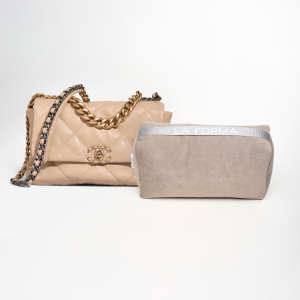
For the runway-to-accessories context behind this image language, start with our Chanel Spring-Summer 2026 bags guide.
Why Alec Soth changes the temperature of “Chanel campaign imagery”
Photographing this campaign is Alec Soth, a Magnum Photos member known for an observational, human style that can make a room feel inhabited rather than styled.
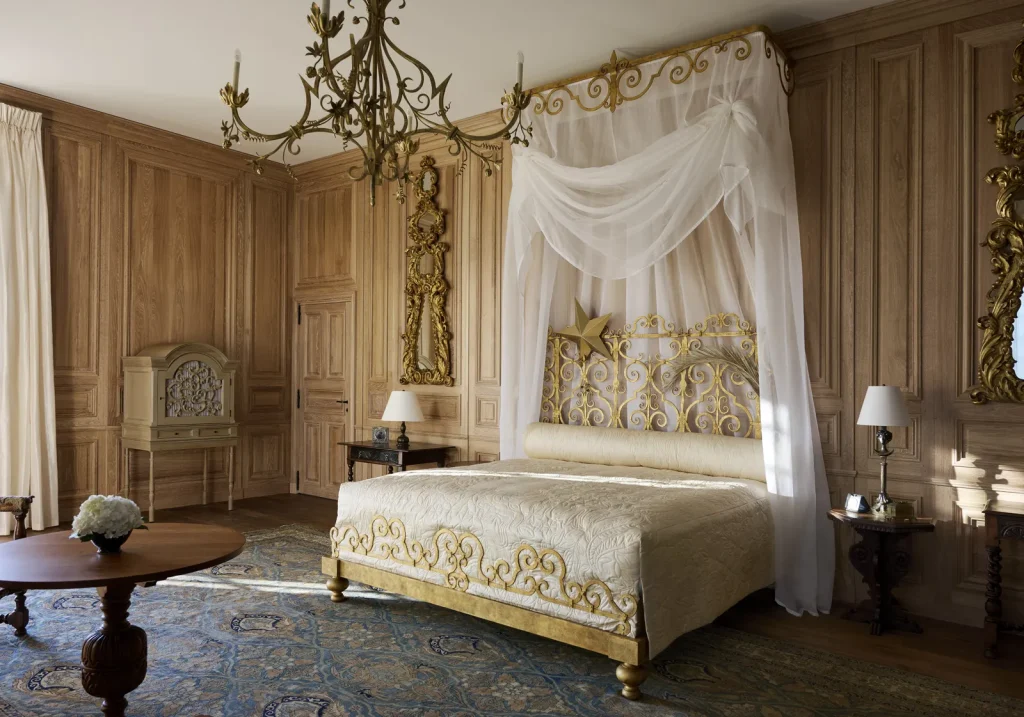
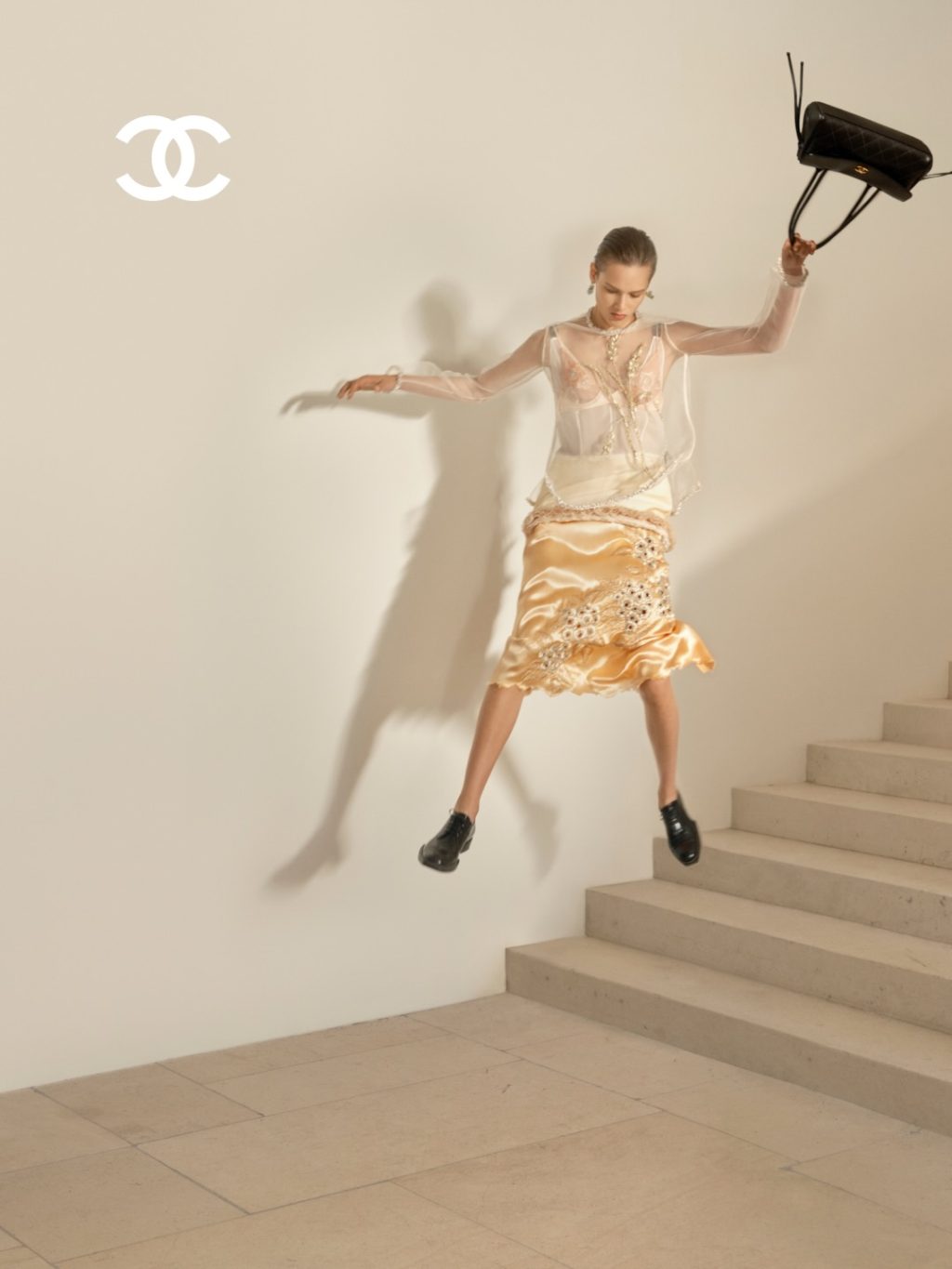
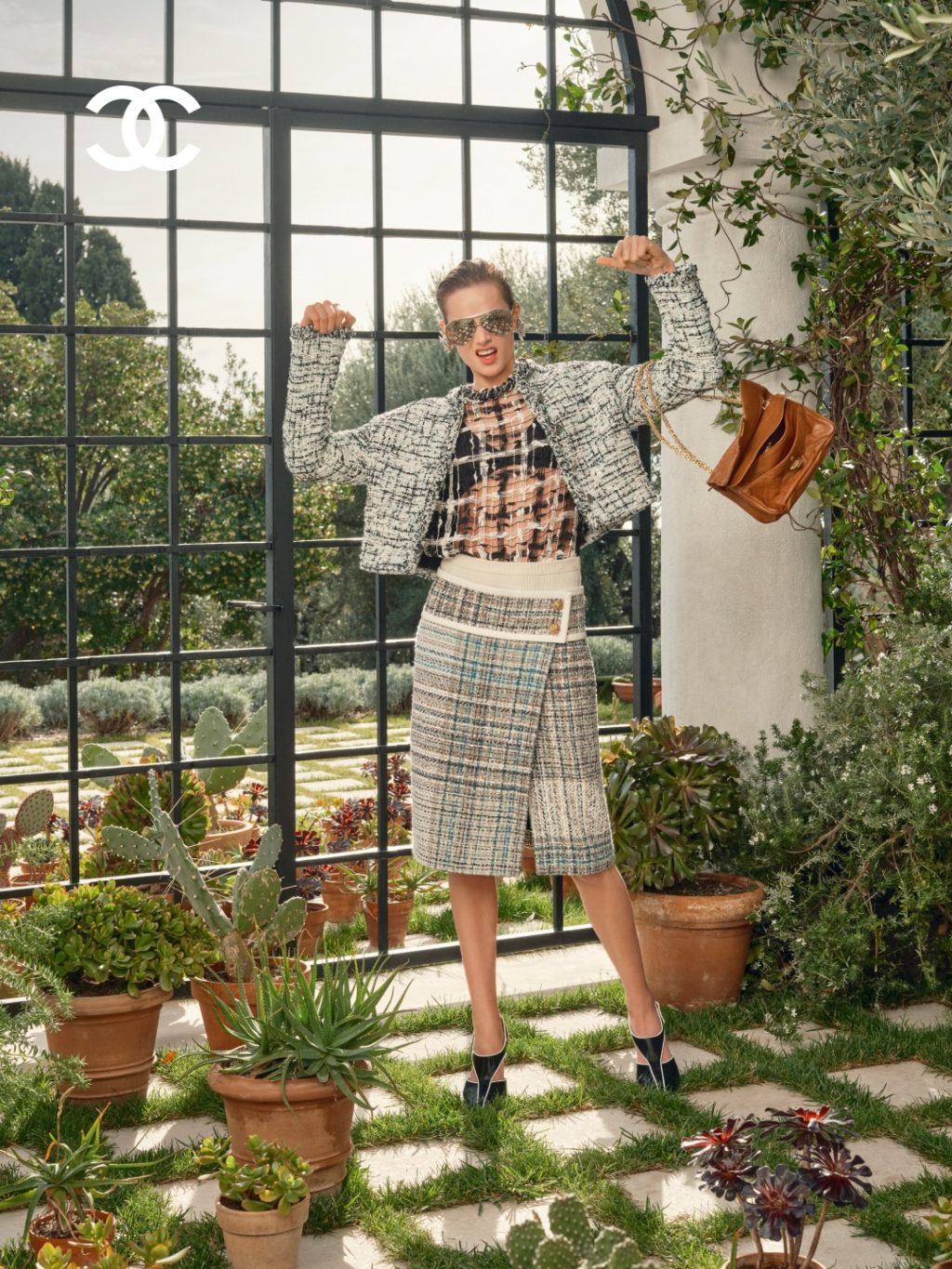
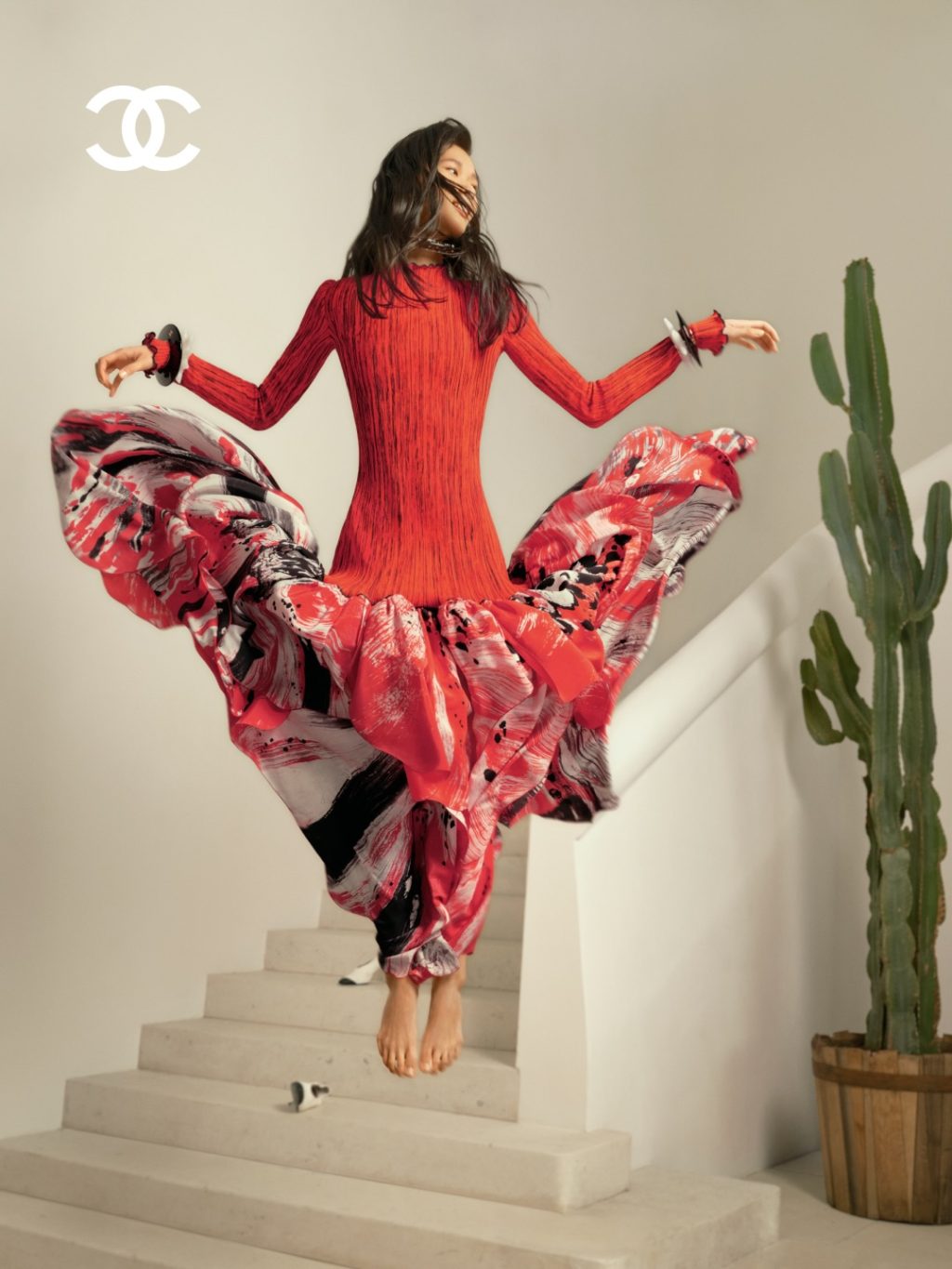
That choice matters because La Pausa is already heavy with narrative. A fashion photographer can turn that into décor; a documentarian can turn it into atmosphere. In these images, the villa doesn’t read like a set—it reads like a witness. The light is allowed to be real, the rooms are allowed to look lived-in, and the gestures (leaping down stairs, lounging on Chanel’s bed, pausing in doorways) feel like behavior rather than posing.
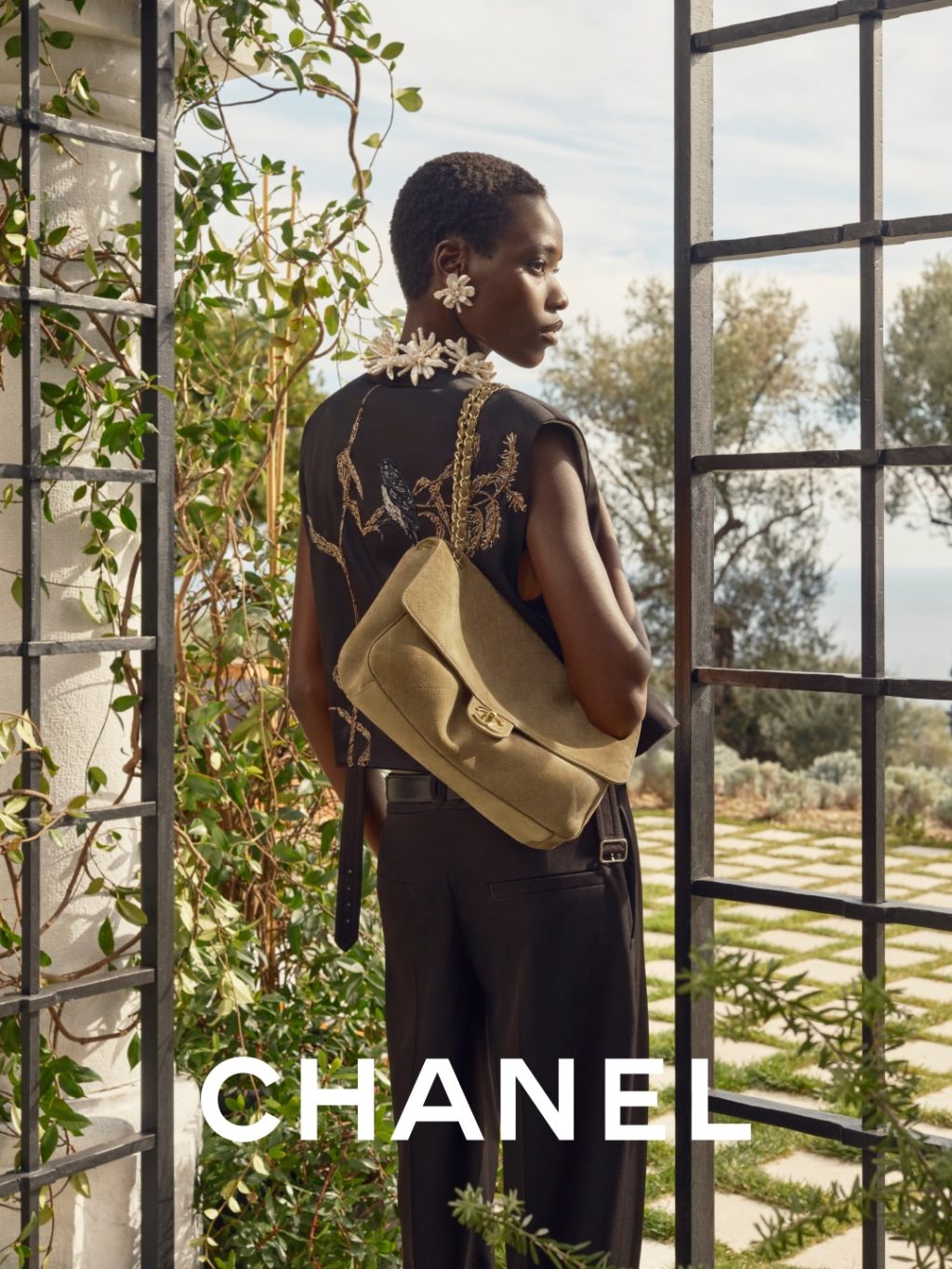
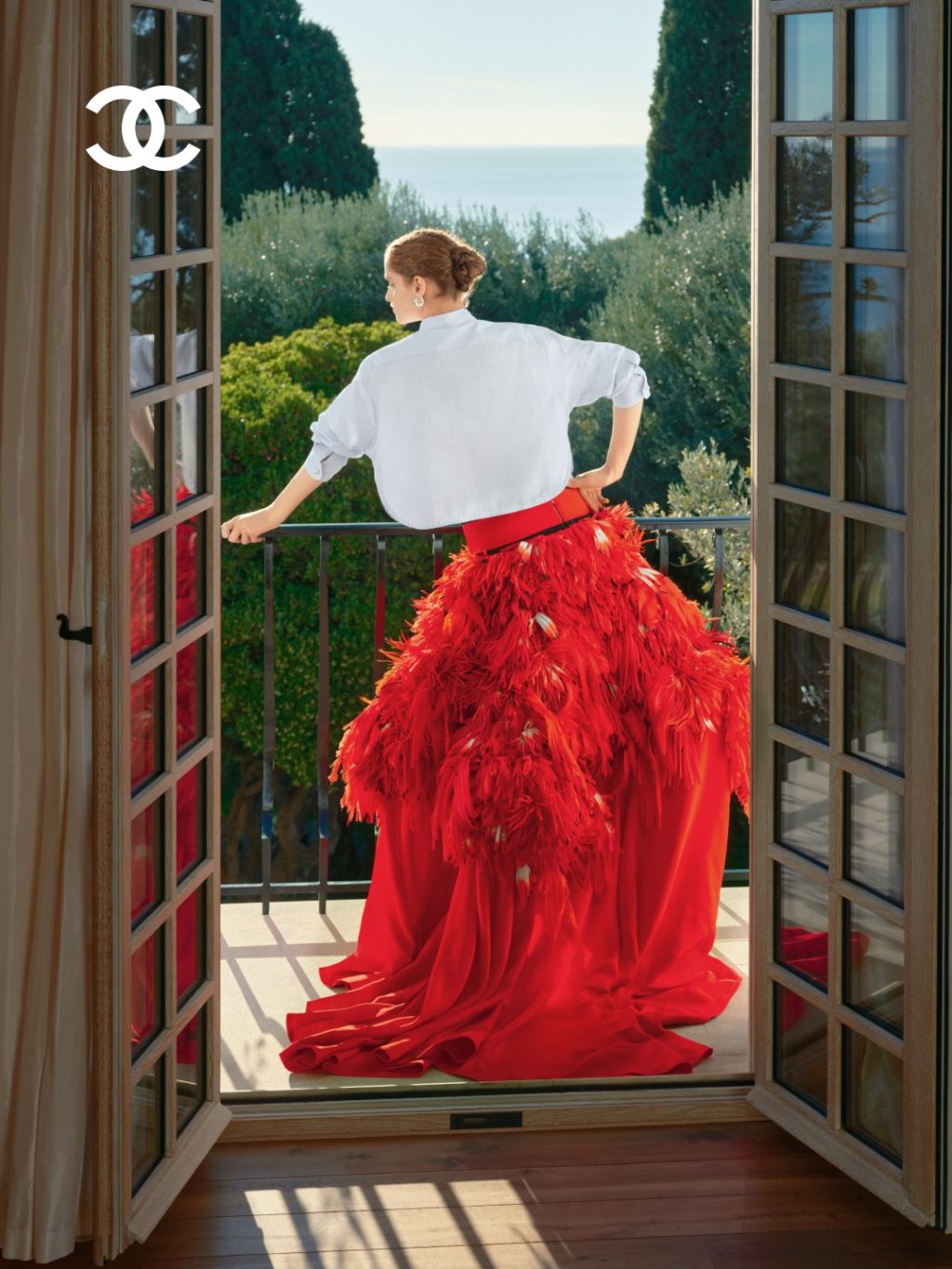
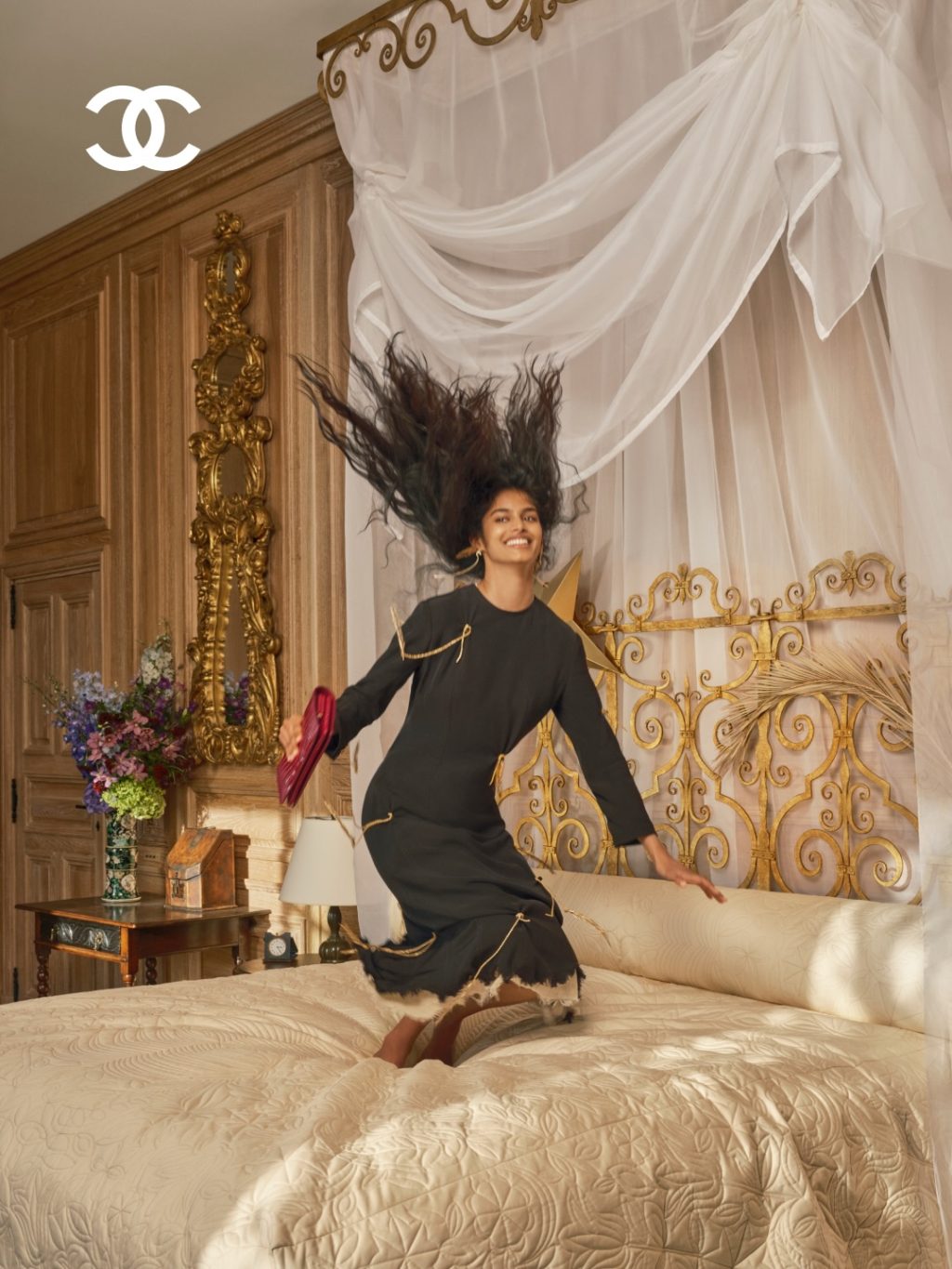
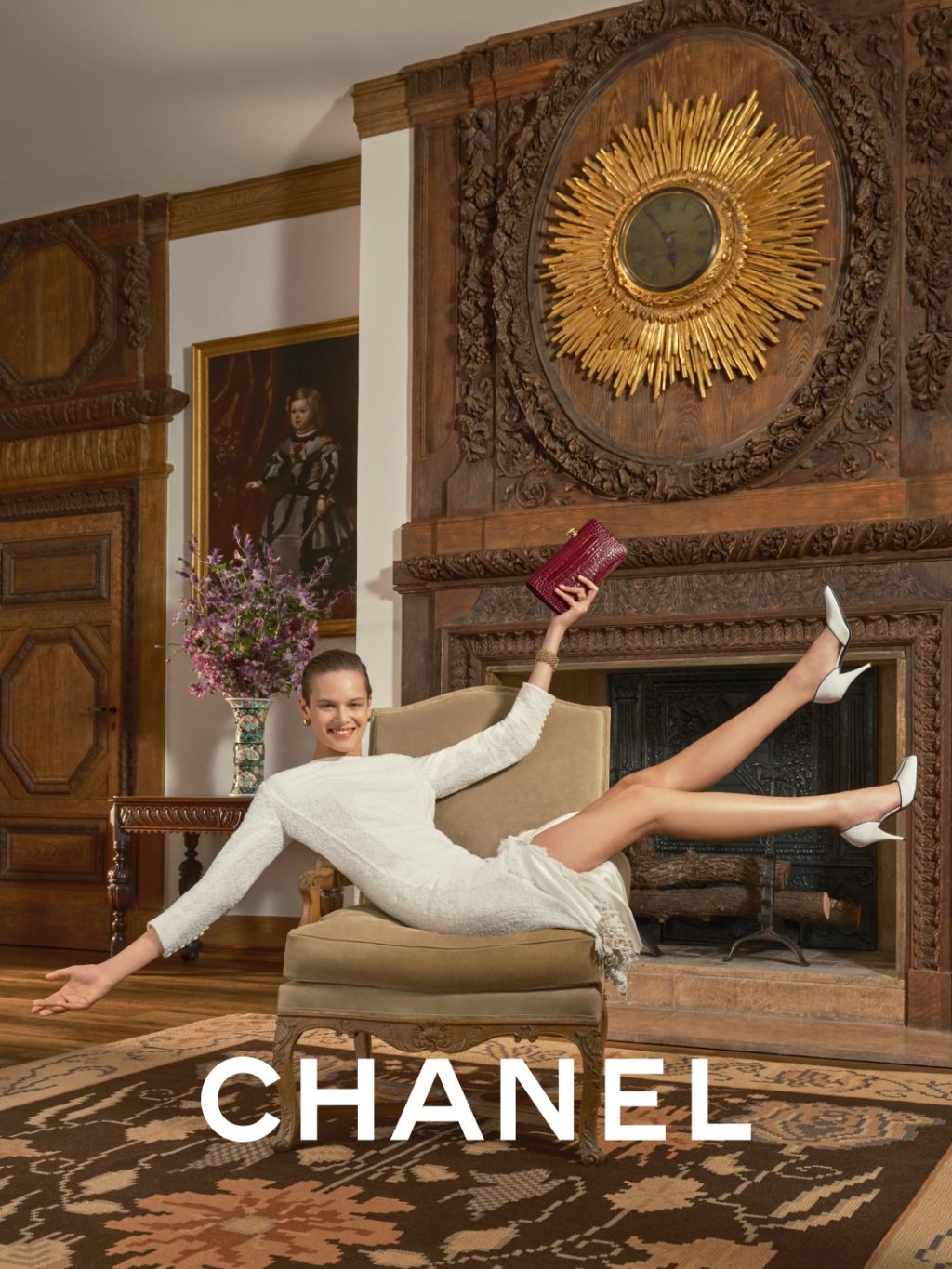
The campaign’s key idea: dialogue across time, staged in the same frames
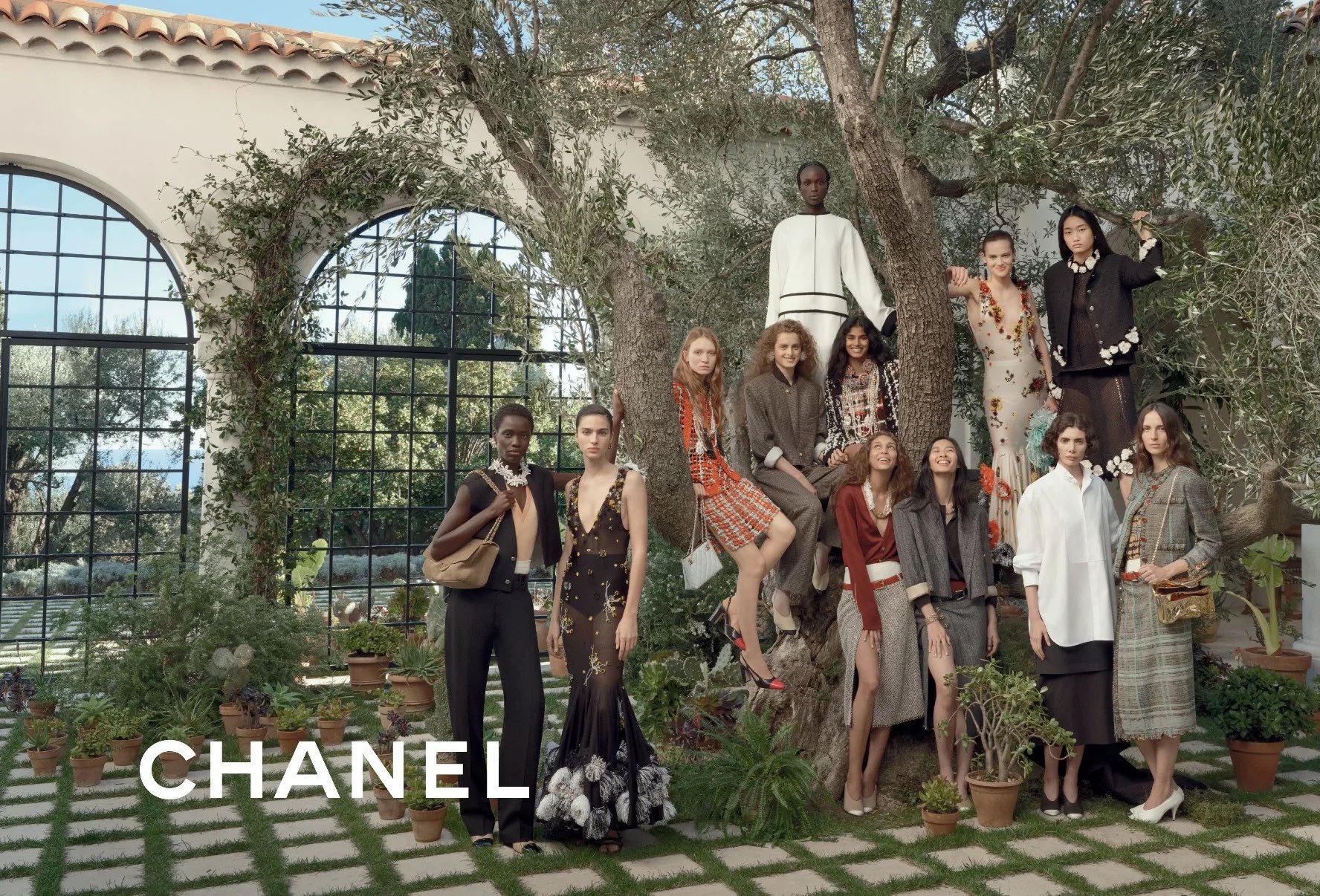
The Spring 2026 campaign unfolds through portraits of an ensemble cast—Awar Odhiang, Bhavitha Mandava, Loli Bahia, Aditsa Berzeniia, and others—moving through the villa’s rooms and thresholds, as if the house is teaching the clothes how to move.
For a fast price scan alongside this story, see our Chanel Spring–Summer 2026 pre-collection handbag prices guide.
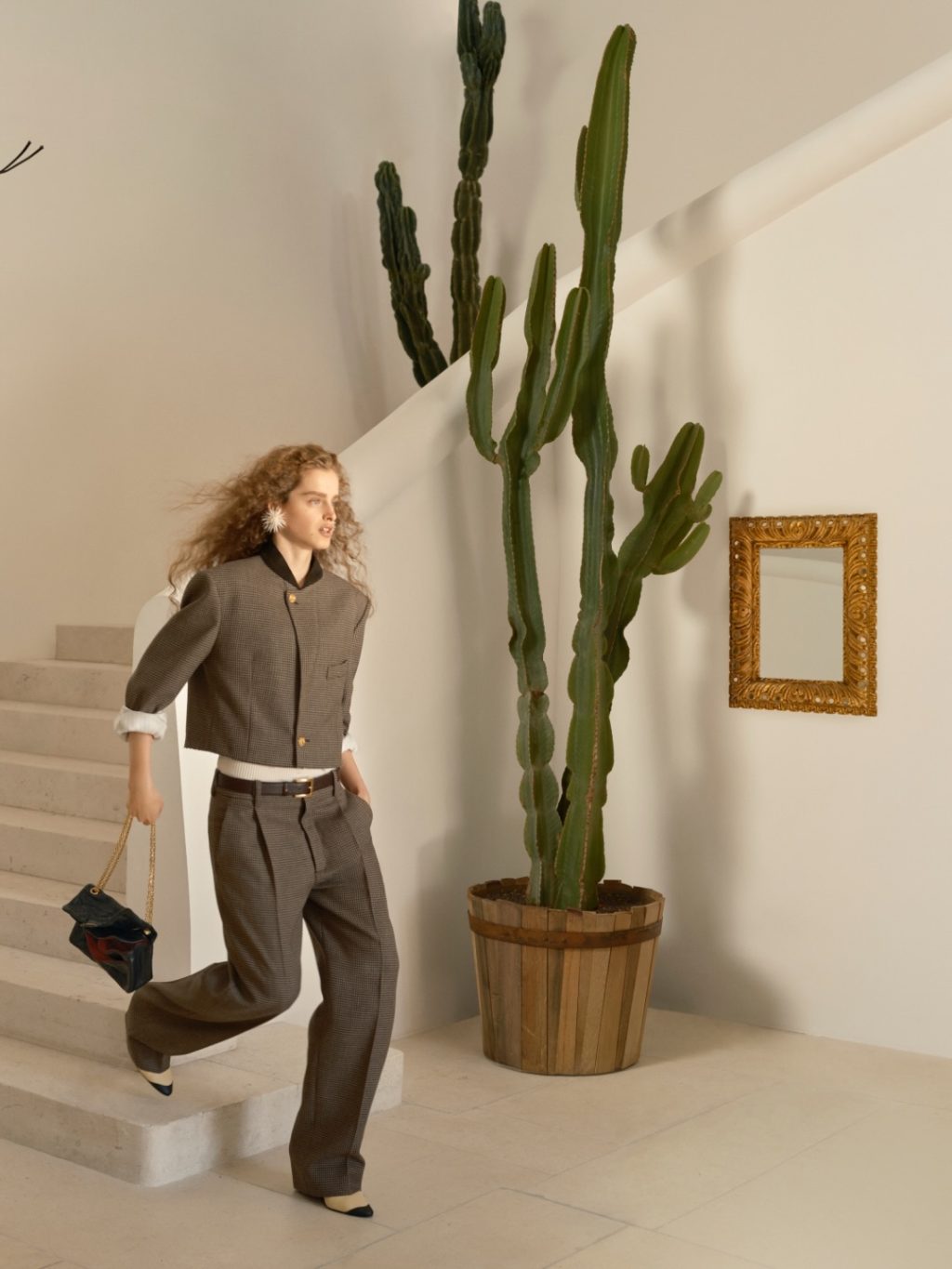
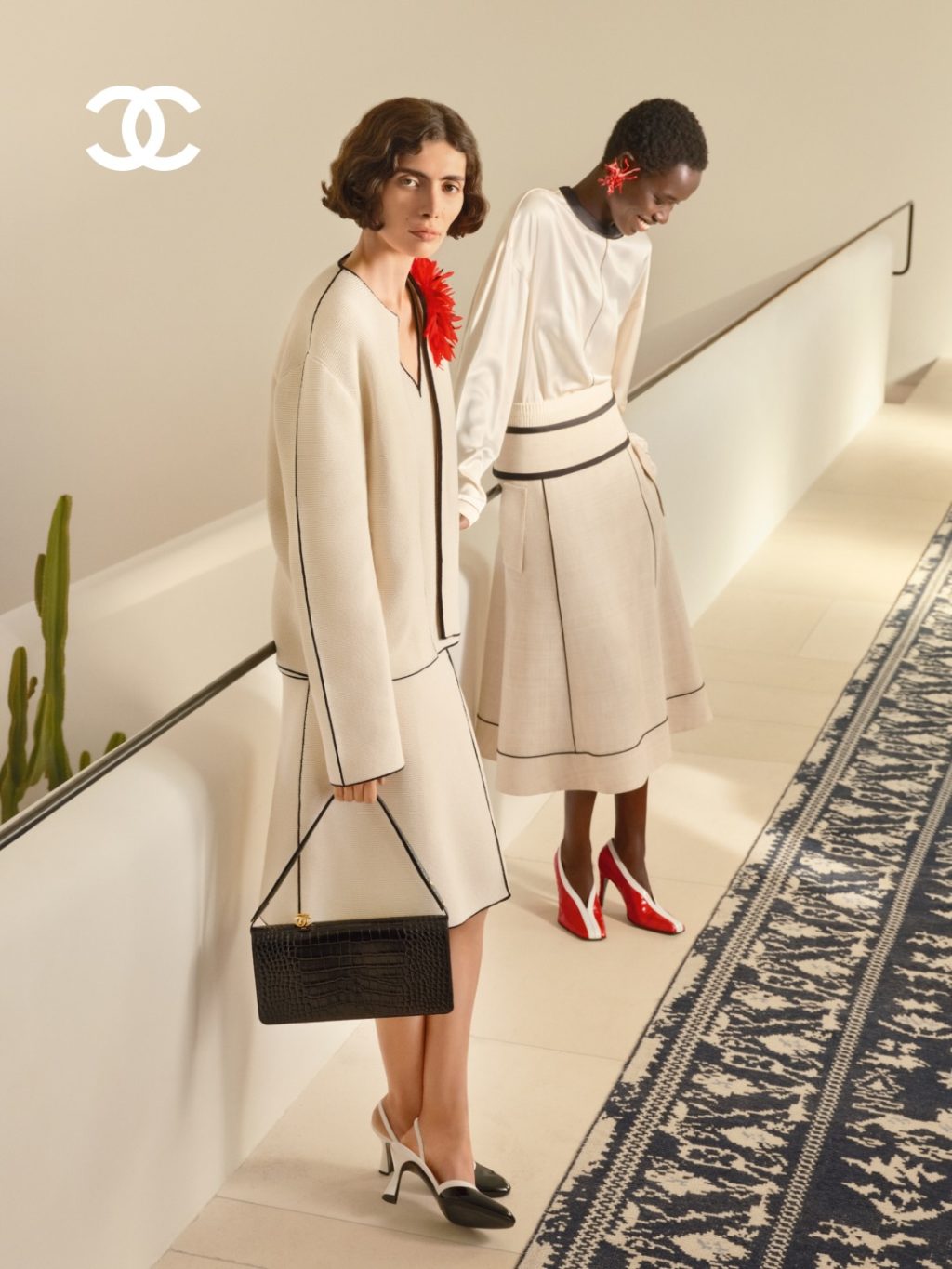
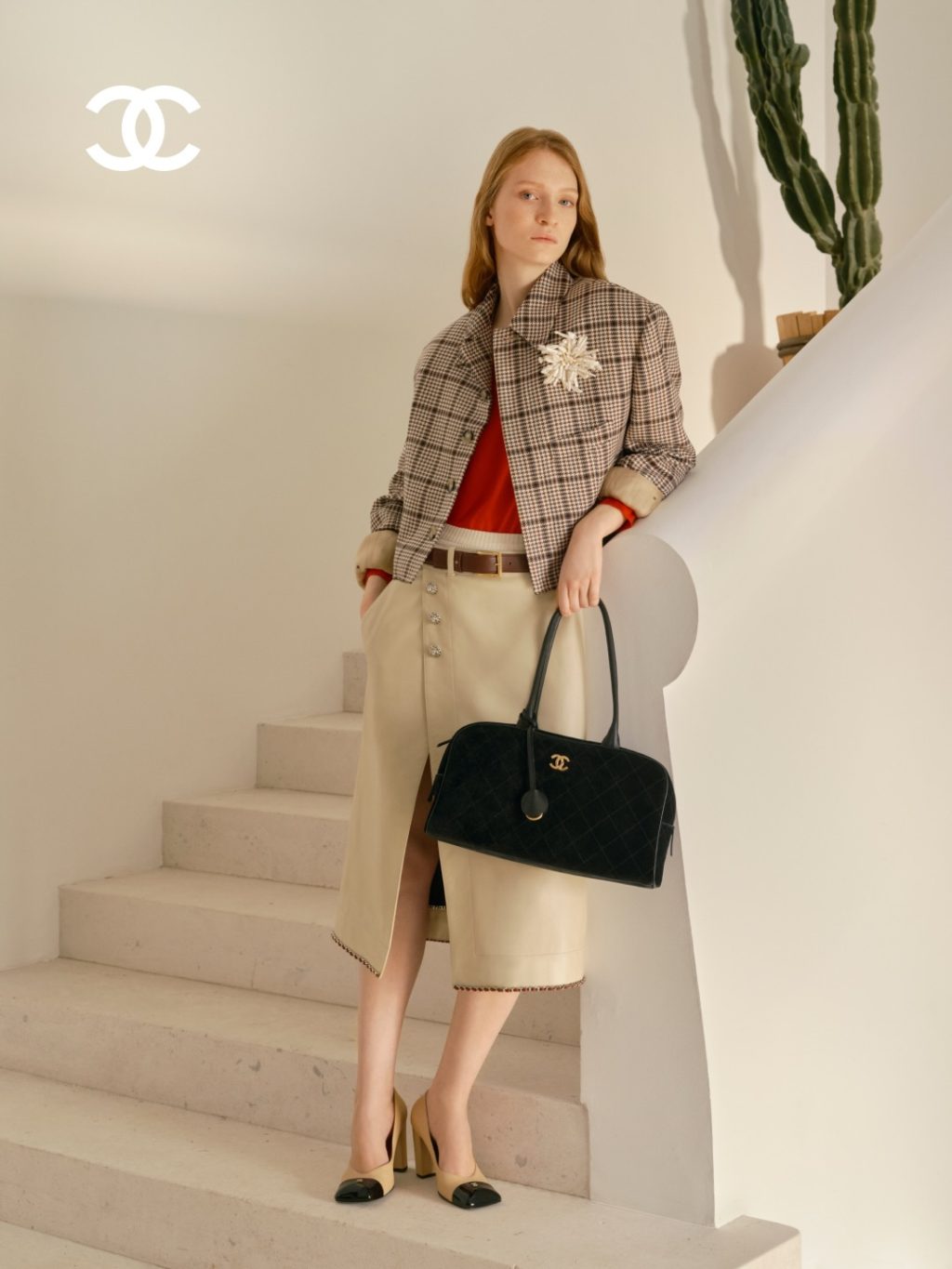
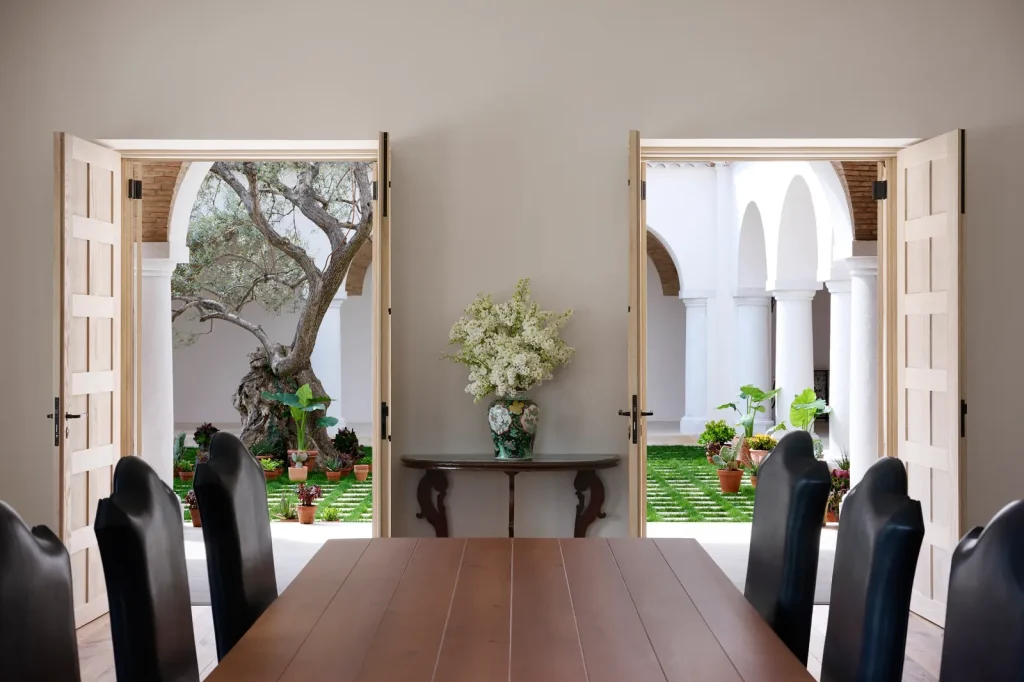
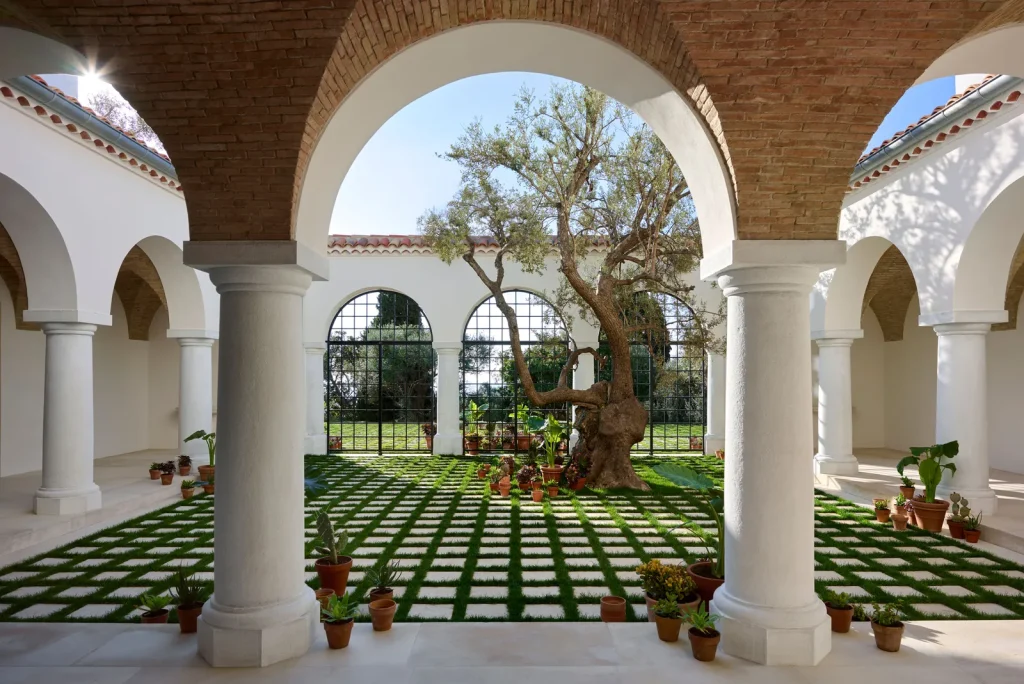
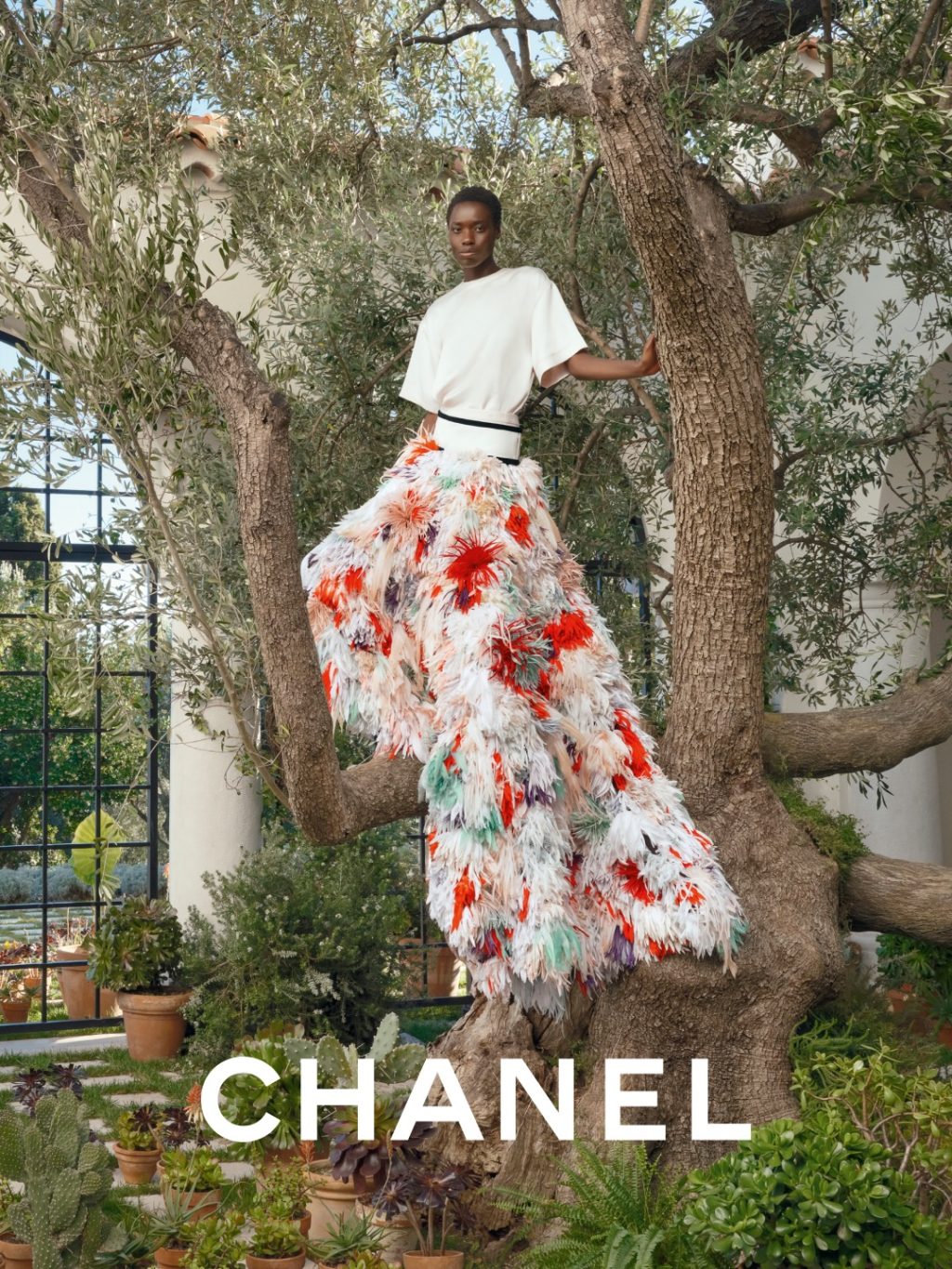
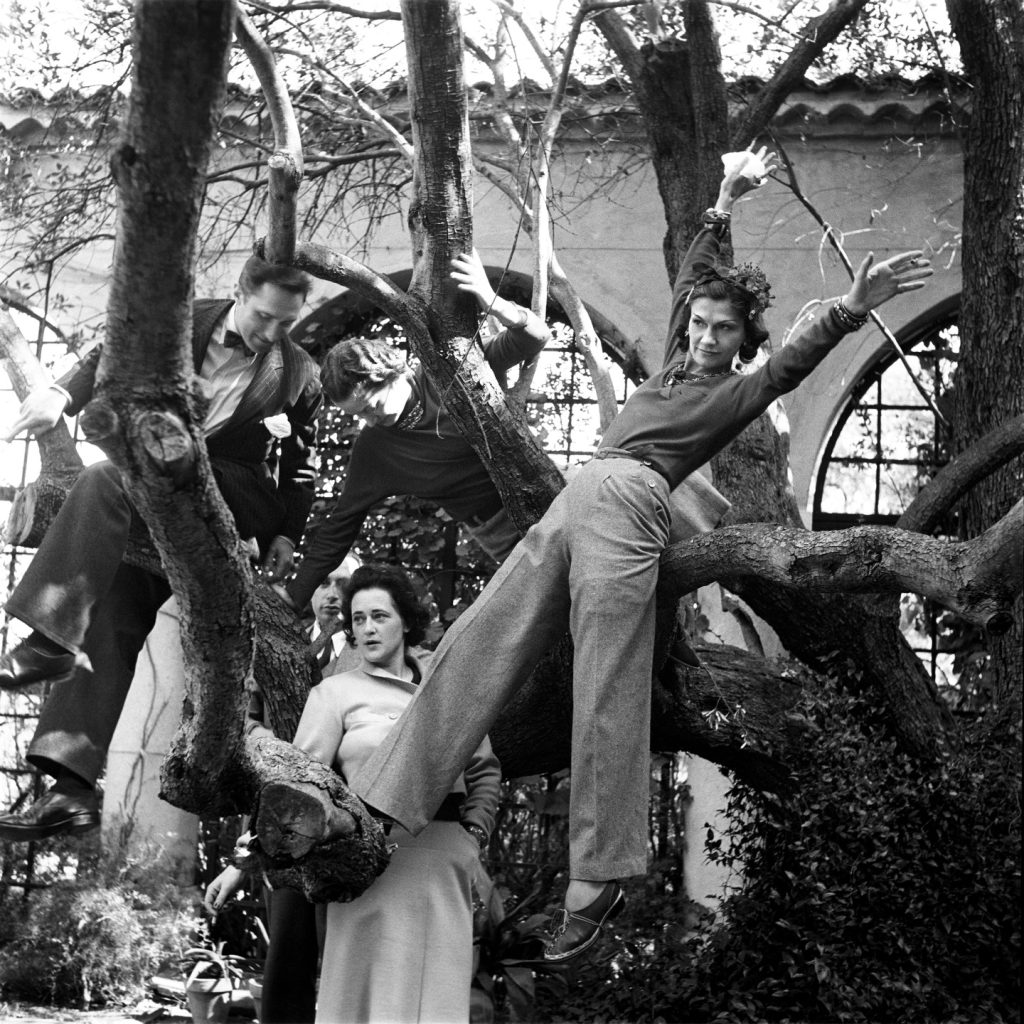
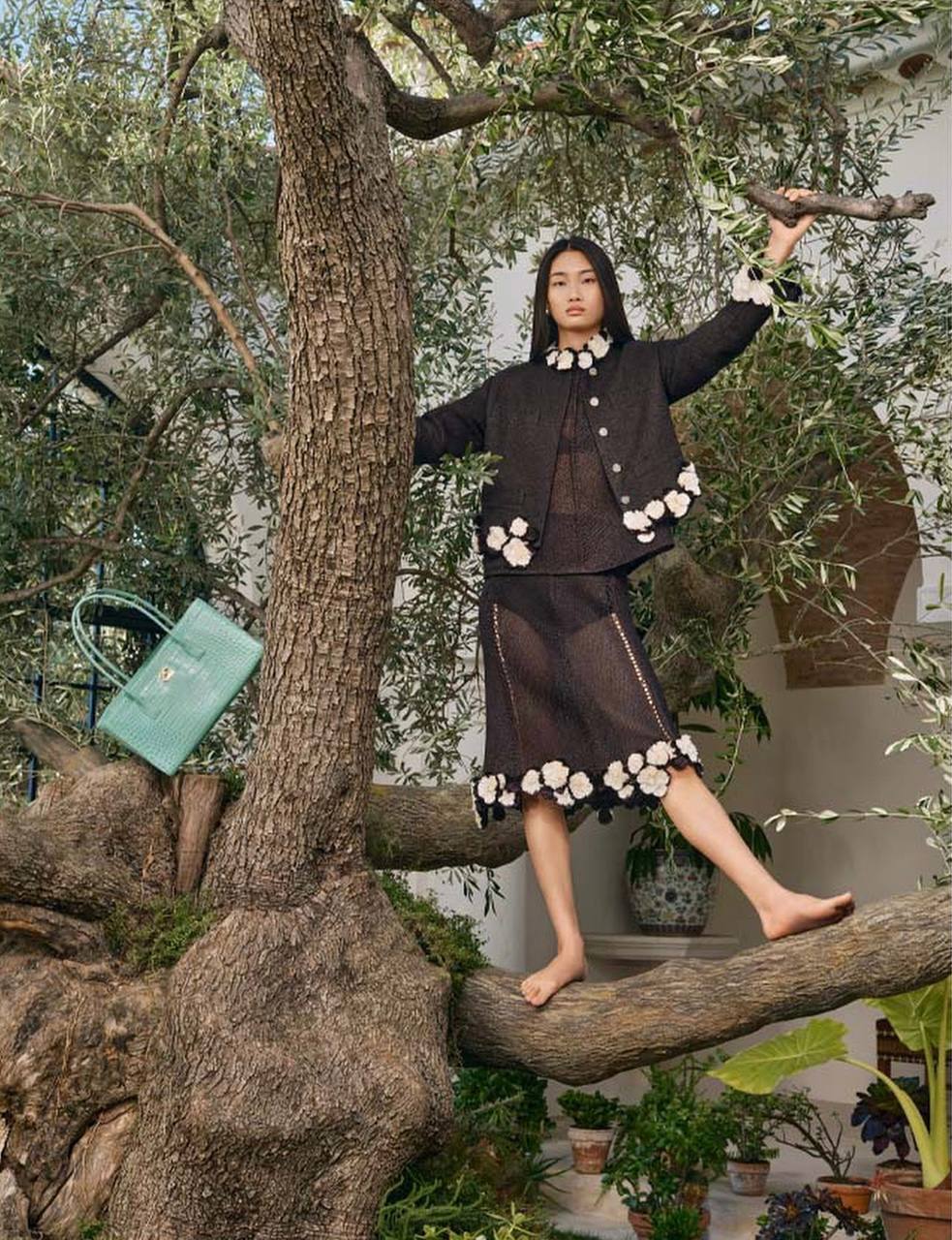
And then there is the most literal “conversation”: the olive tree in the courtyard. The campaign echoes a well-known 1938 photograph of Chanel and friends perched playfully in that tree—proof that La Pausa was never only about serenity; it was about mischief, too.
This is the cleverness of Blazy’s choice. He isn’t referencing Coco Chanel with a quote on a press release; he is putting the collection in contact with her preferred way of living: movement, sociability, sunlight, and the kind of masculine-feminine ease that has always been Chanel’s most enduring code.
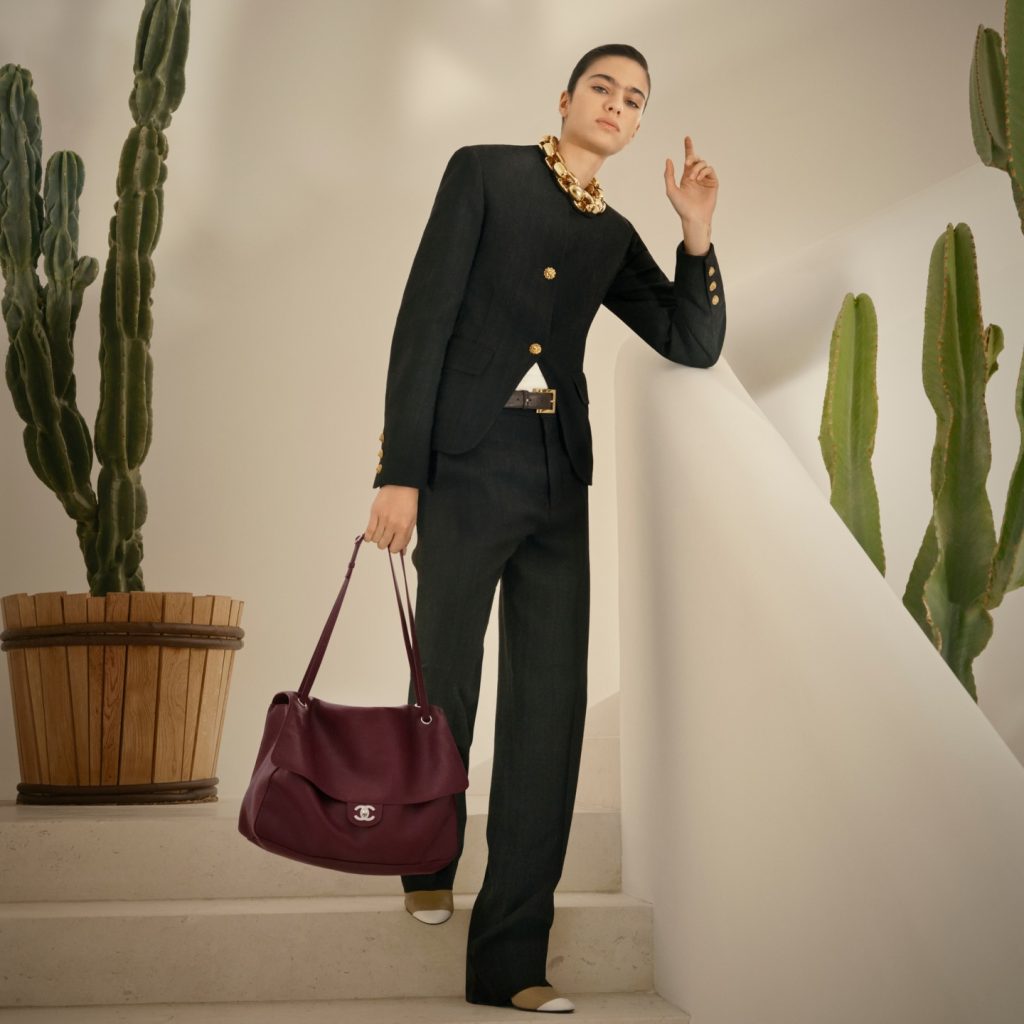
Clothes that look better when they’re in motion
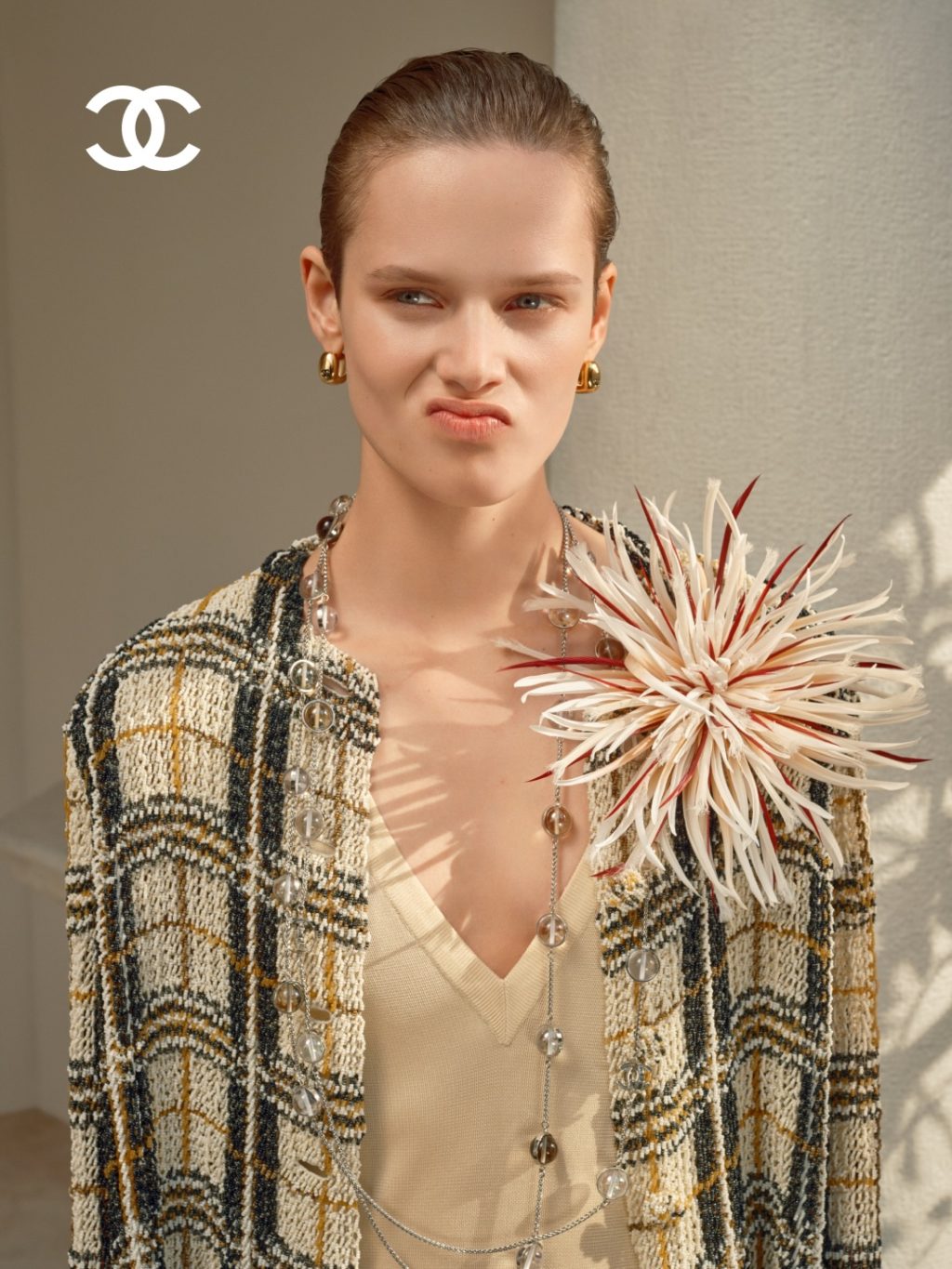
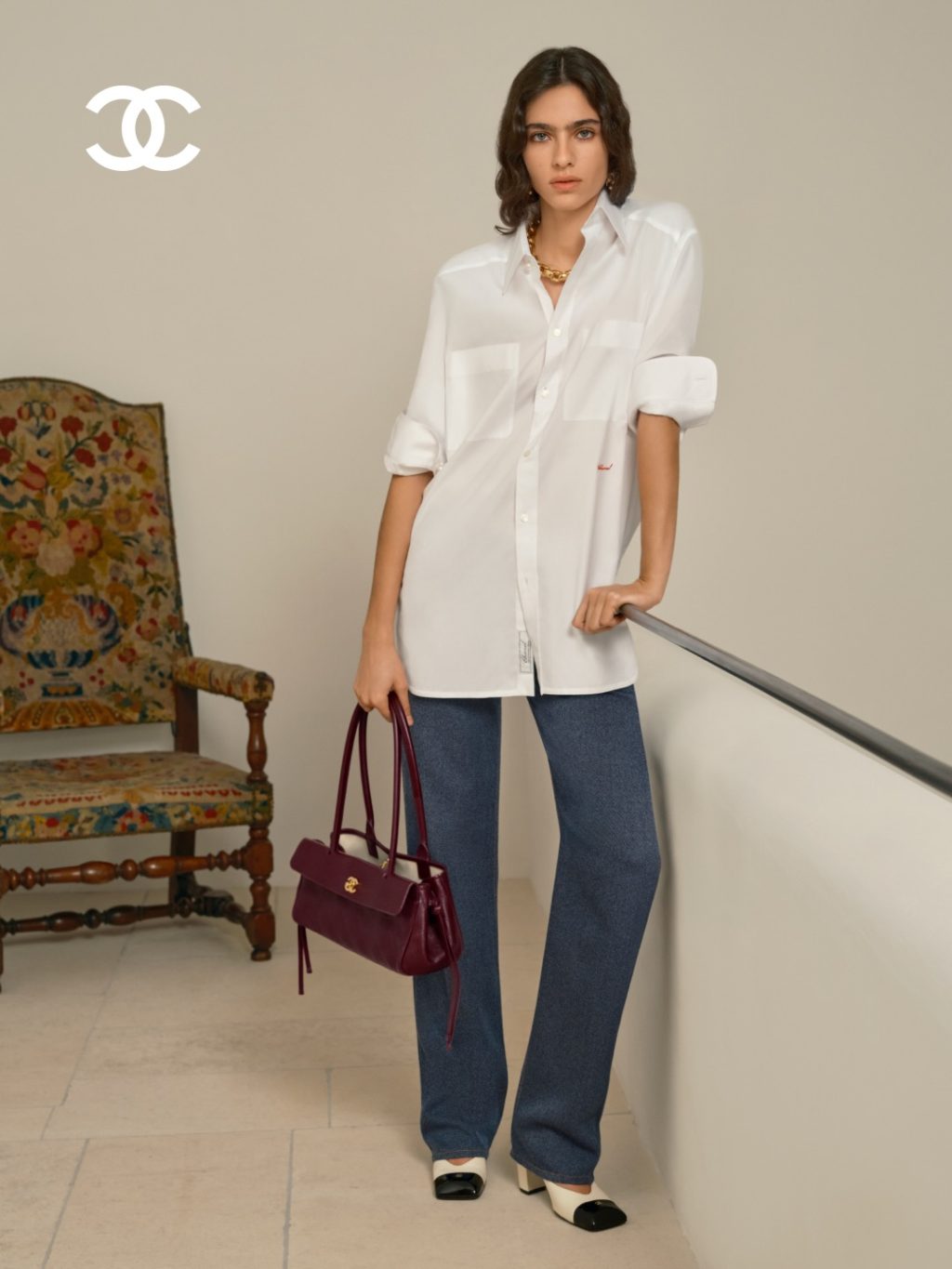
Visually, the wardrobe reinforces that “masculine-feminine” tension without making it theatrical: androgynous tailoring that sits cleanly on the body, and then the interruption—embellishment, transparency, lingerie-like slips, bouclé and openwork textures, jewelry that reads like punctuation instead of armor.
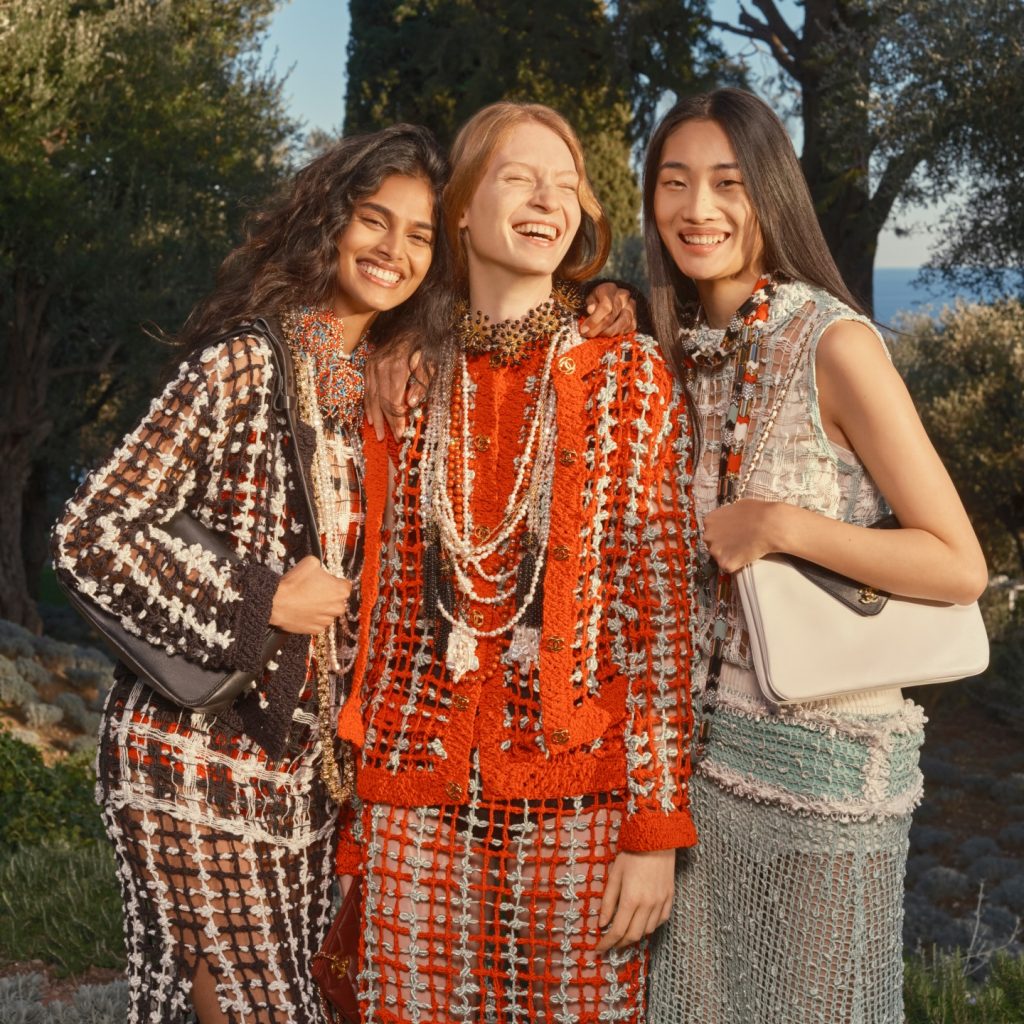
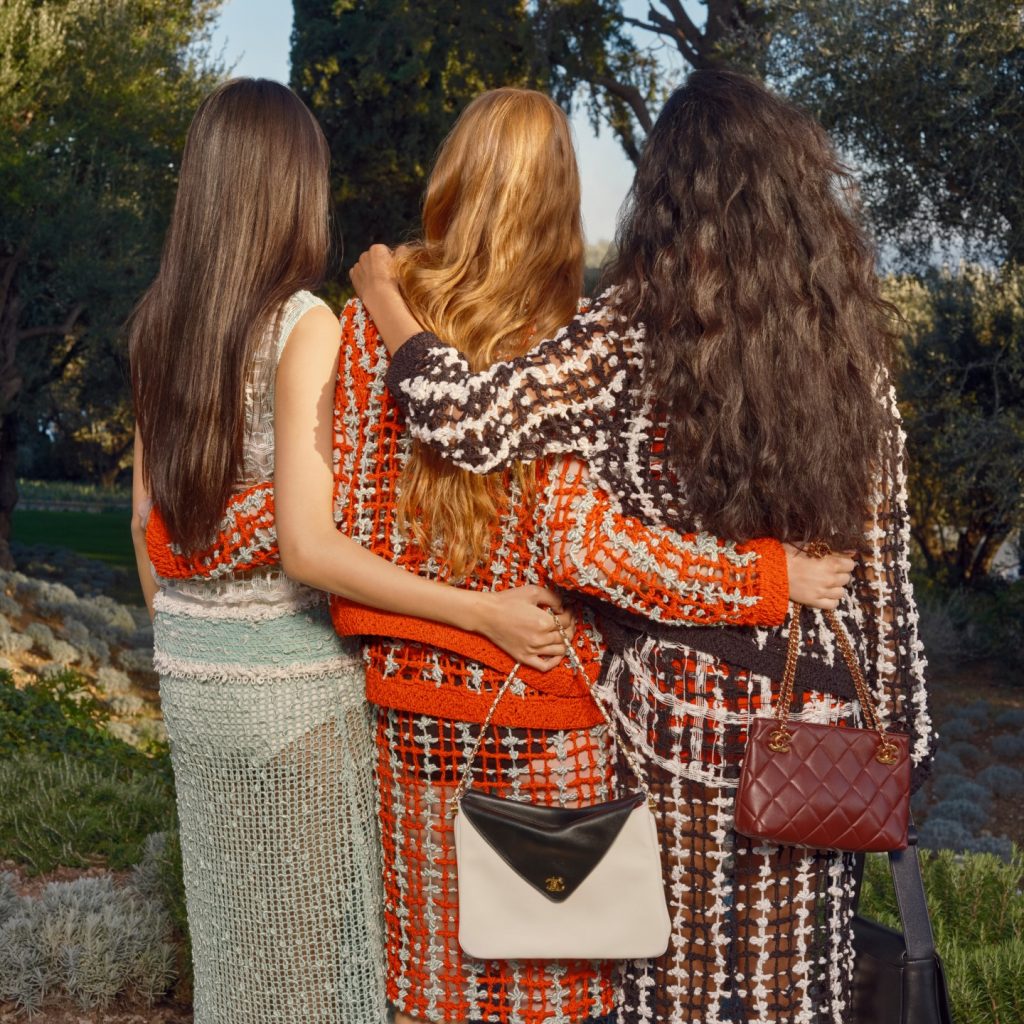
The strongest images lean into play: a model mid-leap with a classic flap bag lifted overhead; another in a cropped, boxy suit on the stairs with a chain-strap bag swinging low; a trio outdoors in richly textured tweeds, the clothes reading as sunshine-proofed craft. The message is subtle but firm: this Chanel is not frozen in reverence. It is wearable, kinetic, and confident enough to let heritage sit quietly in the background—exactly where it belongs.
Blazy’s season also rethinks the house’s icons—see The modern 2.55 and what his reinterpretation changes in silhouette and attitude.
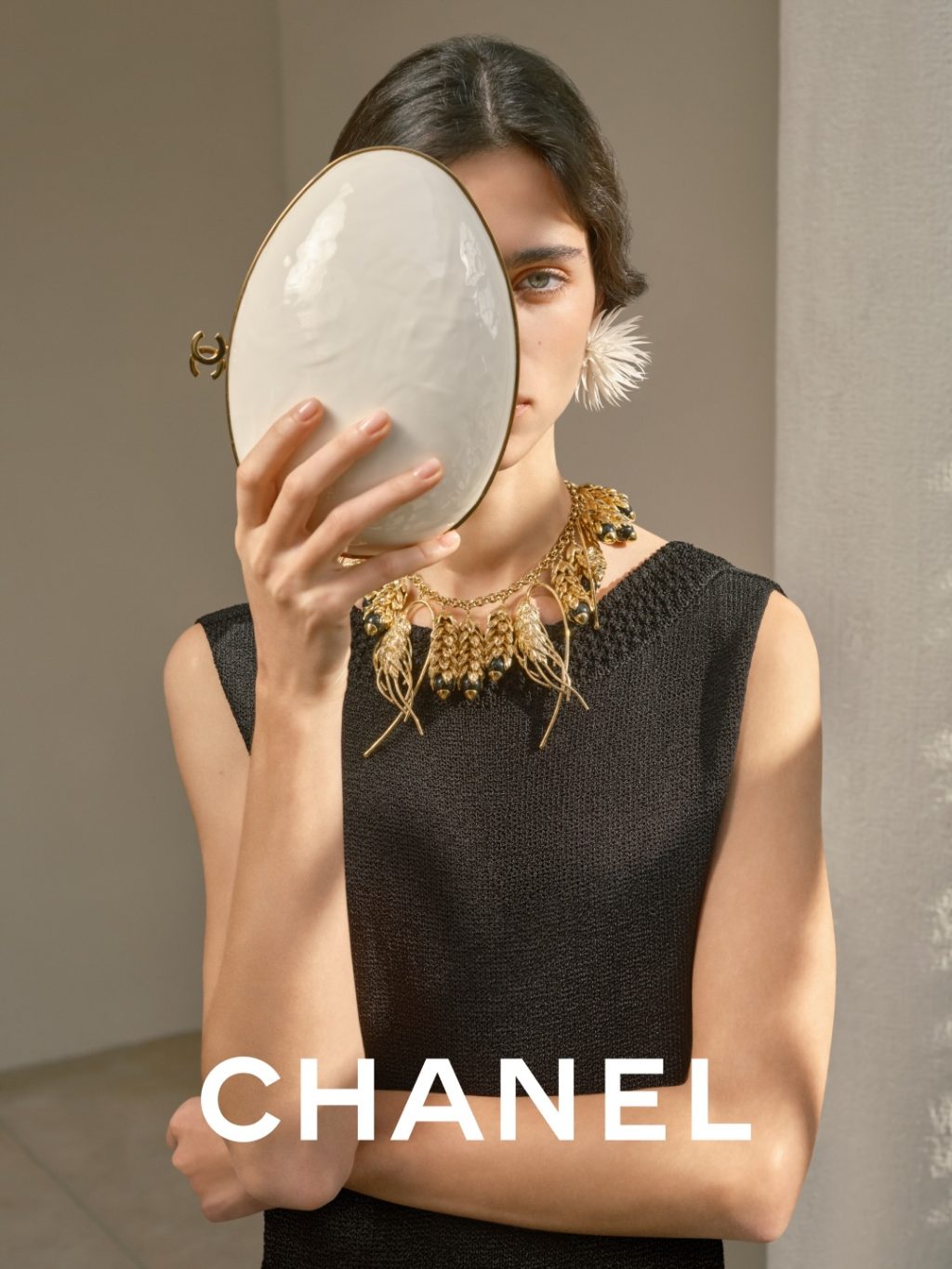
What Blazy is really saying with La Pausa
If you want the thesis, it is this: Chanel’s “house codes” were never only aesthetic—they were social. La Pausa embodies the founder’s taste for freedom inside structure, for comfort that still looks expensive, for the elegance of people who don’t need to prove they’re elegant.
Placing the first campaign there is not nostalgia. It is strategy: anchoring a new era in the most intimate definition of “Chanel”—a home designed as a pause, restored as a cultural engine, and now photographed as a living stage again.
La Pausa – Chanel’s autobiography in architecture
Chanel called it La Pausa—“the pause”—and the name still reads like a personal manifesto: a deliberate interval from Paris, business, and performance. The house was built in the hills above Roquebrune-Cap-Martin in the late 1920s and is often described as the only home Chanel fully “imagined” as a total environment, at a moment when the French Riviera sat at the intersection of modern art and the international social scene.
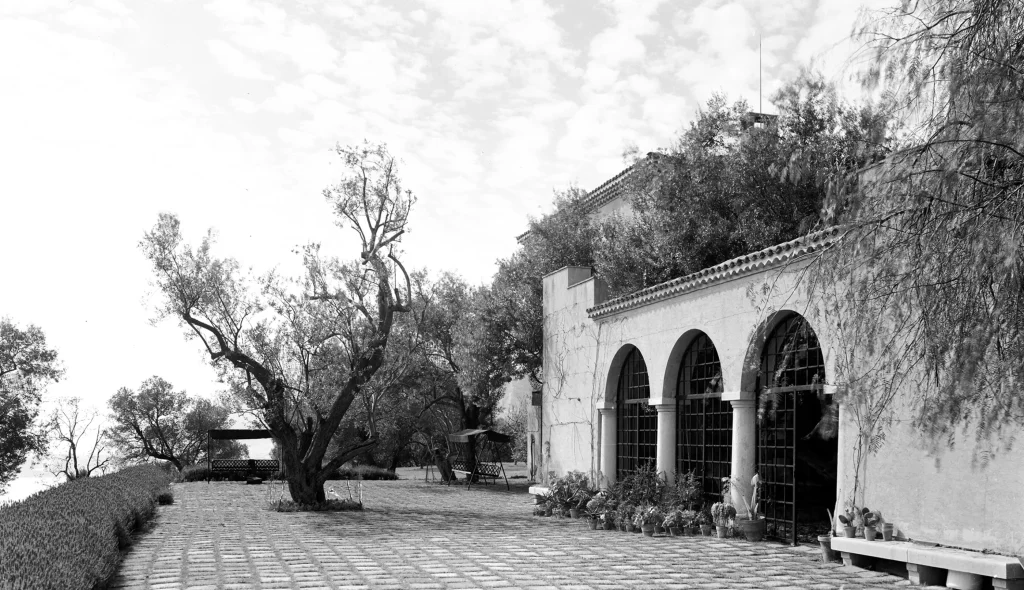
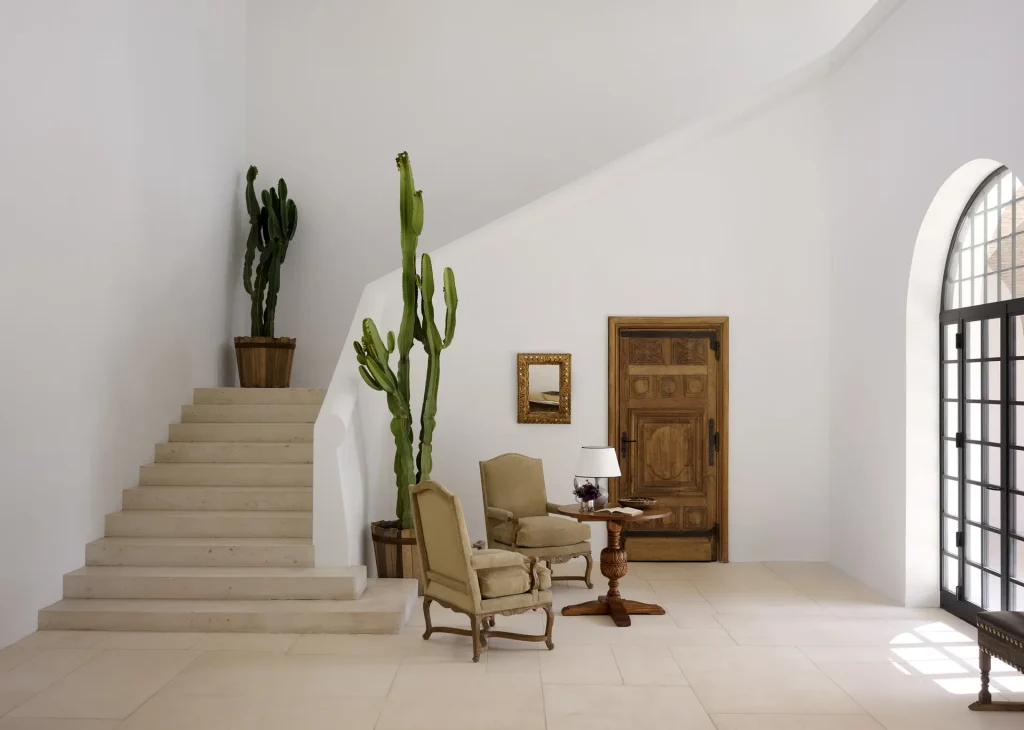
What makes La Pausa so Chanel is not opulence. It’s control: light, line, restraint, and the disciplined calm of spaces that feel almost monastic until they suddenly don’t. Multiple accounts underline how the villa folds in references to Aubazine—the abbey where Chanel spent part of her childhood—through cloister-like layouts and a commanding stone staircase that turns “arrival” into ritual.
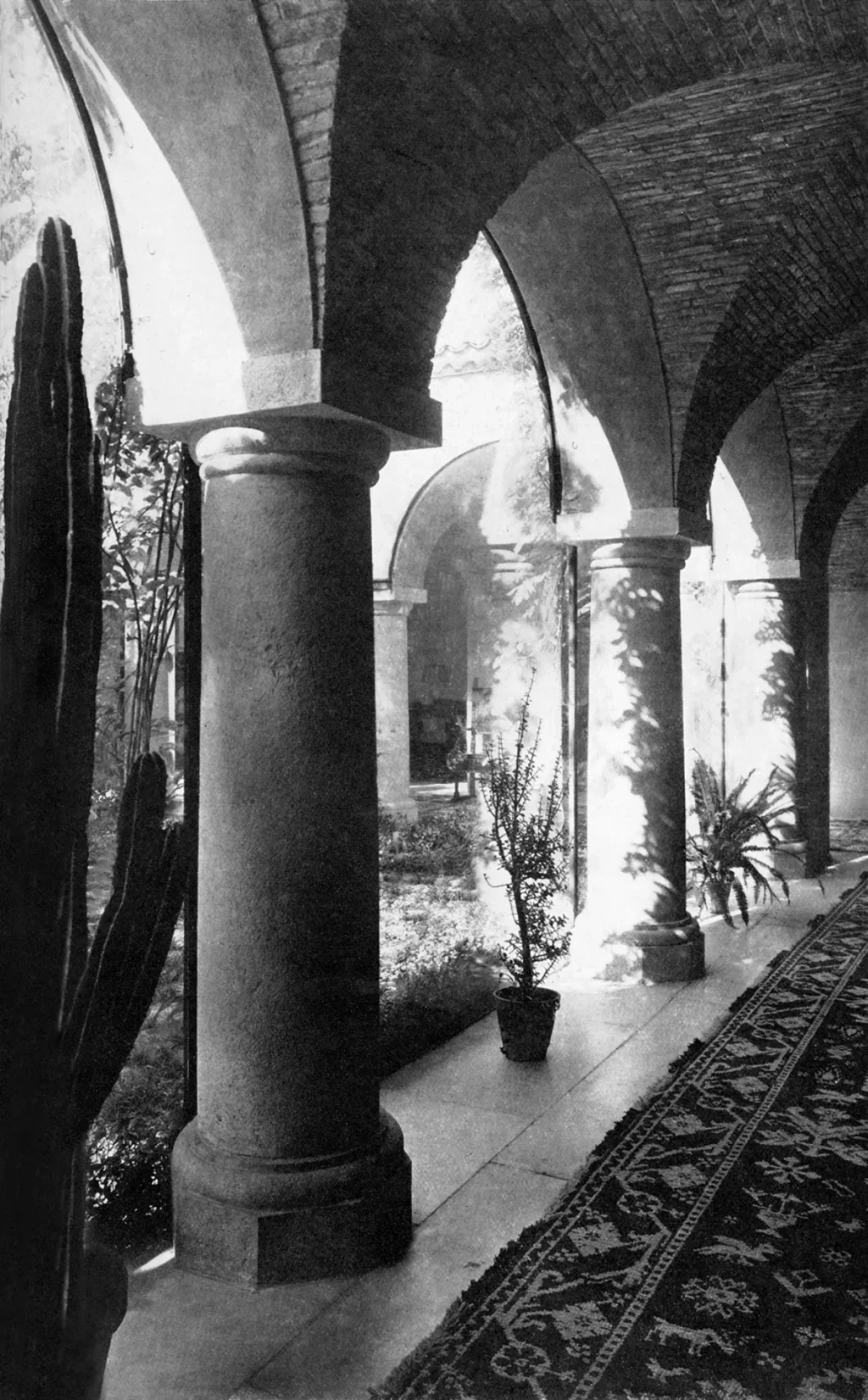
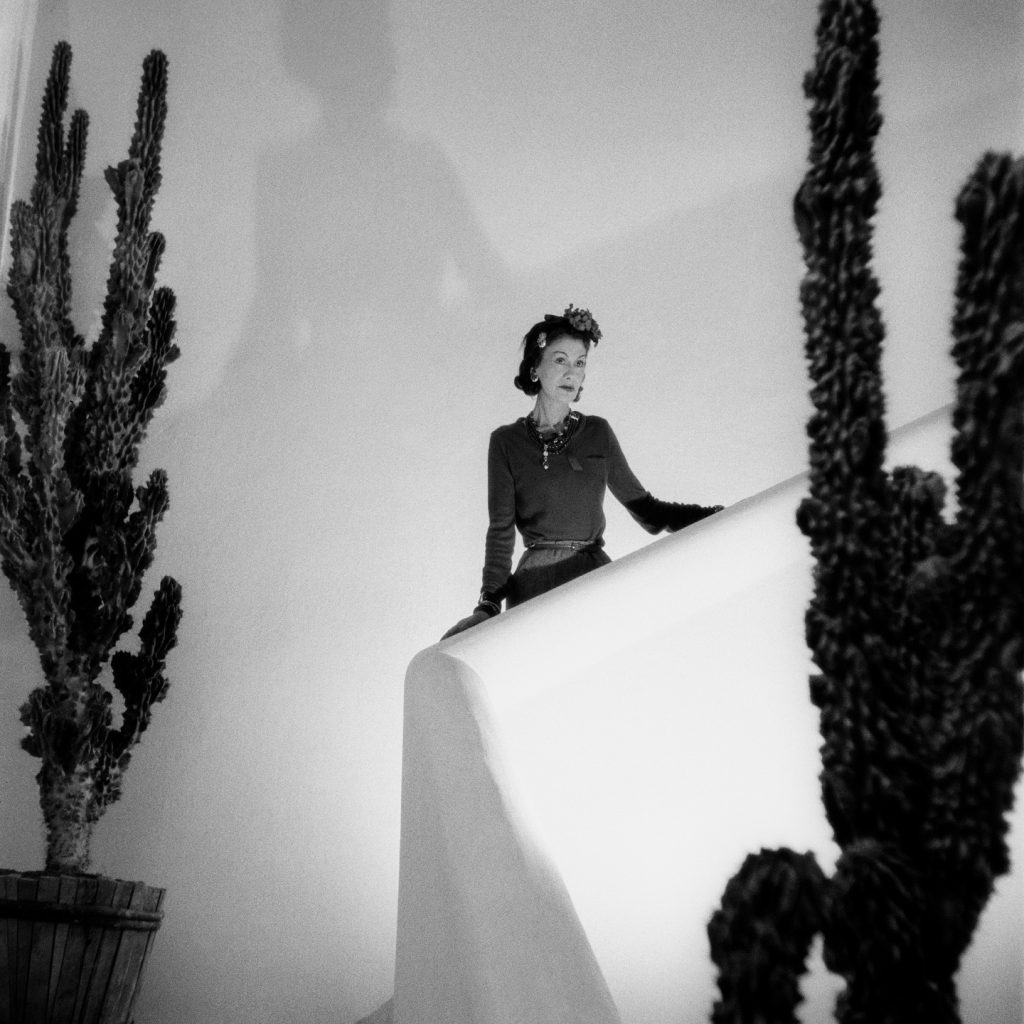
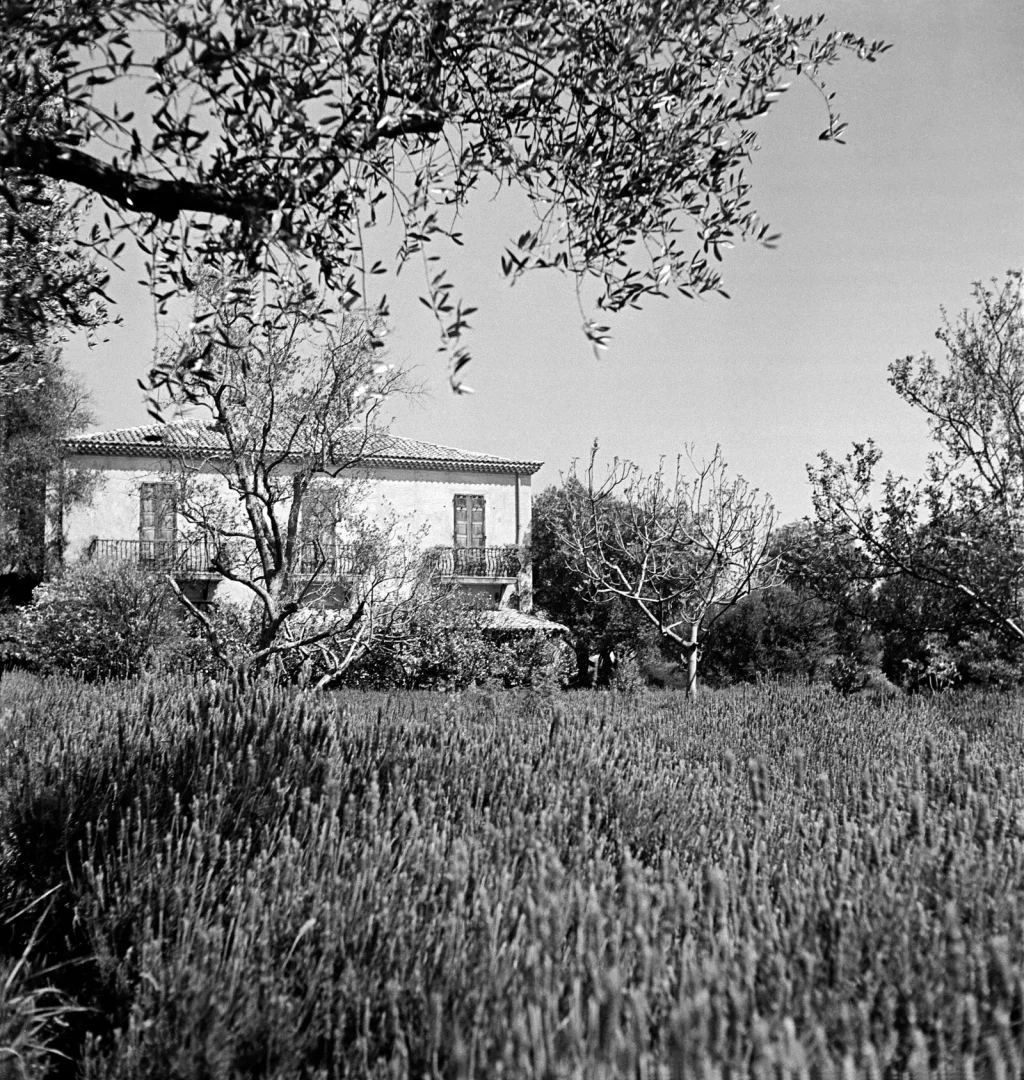
Even the landscape is part of the design language. La Pausa is embedded in olive trees and lavender rather than “exotic” spectacle—an insistence on the native Mediterranean as the true luxury. And yes, the villa’s iconic cacti—those tall sentinels on the staircase—are now part of the mythology too, carefully re-grown to match the originals during the restoration.
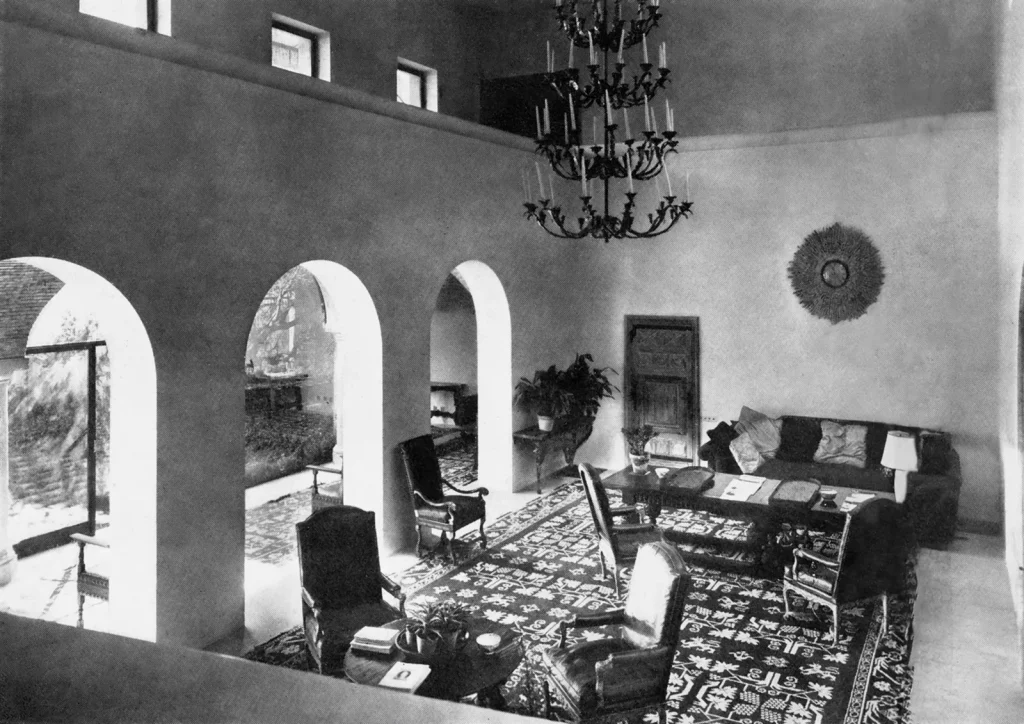
A salon without stiffness: the house where Chanel “collected artists”
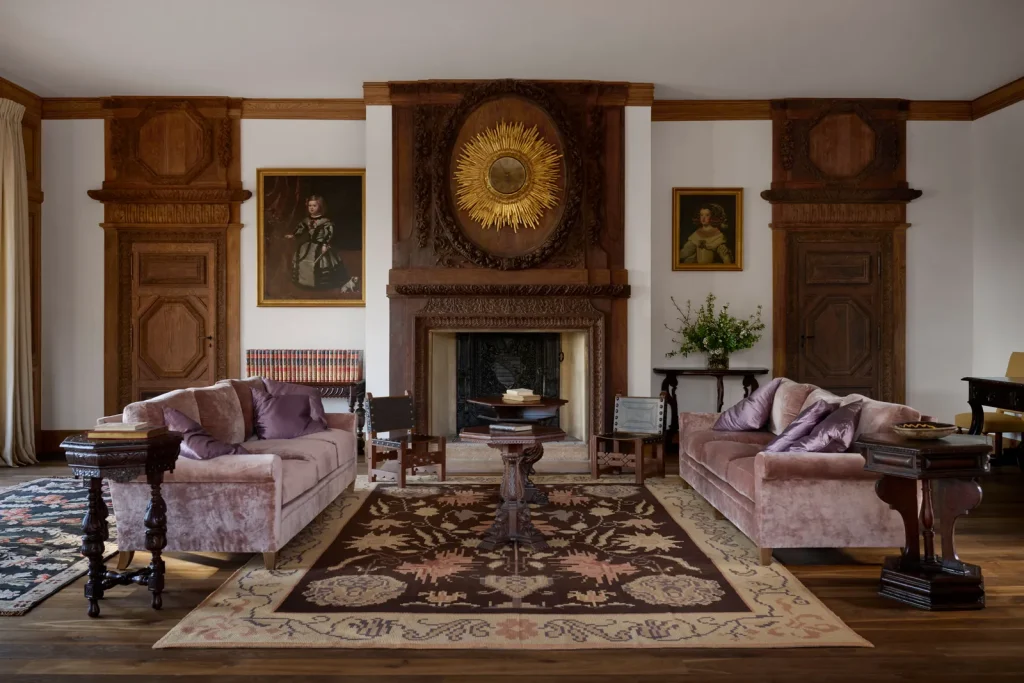
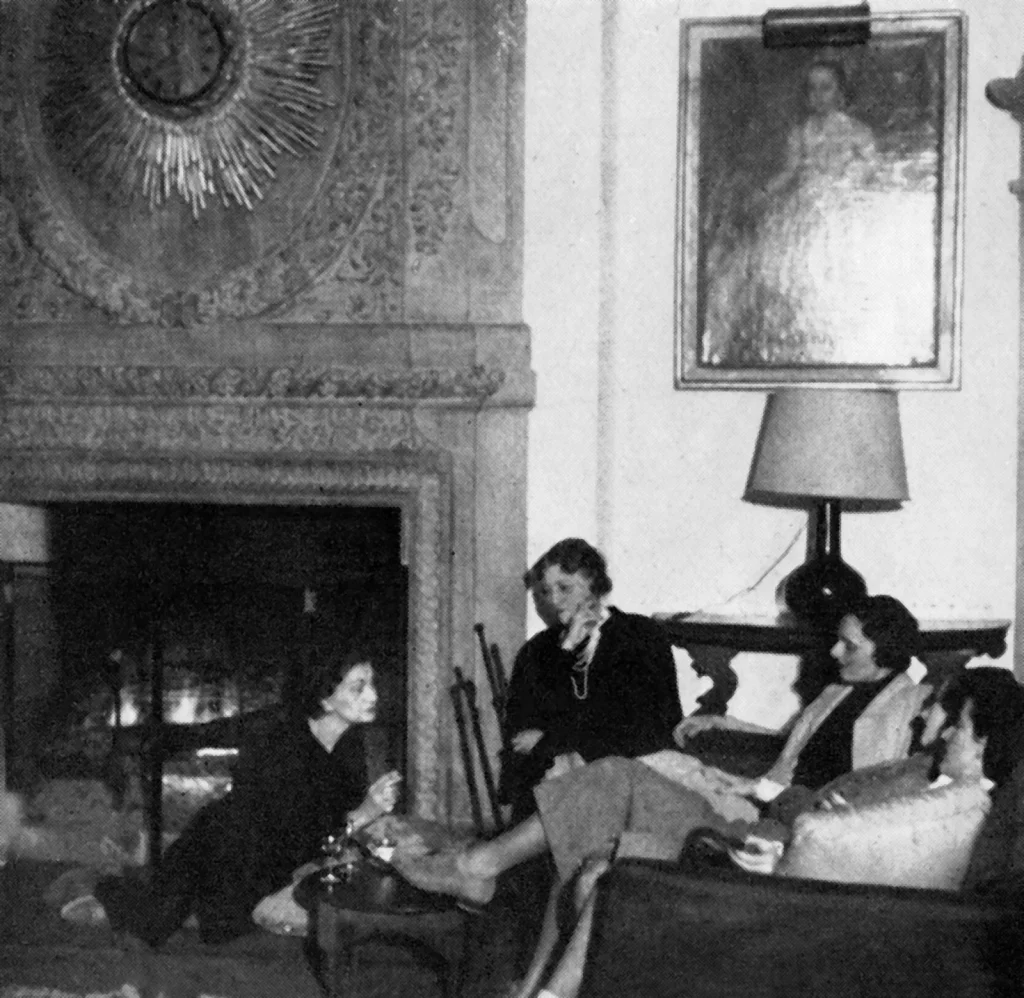
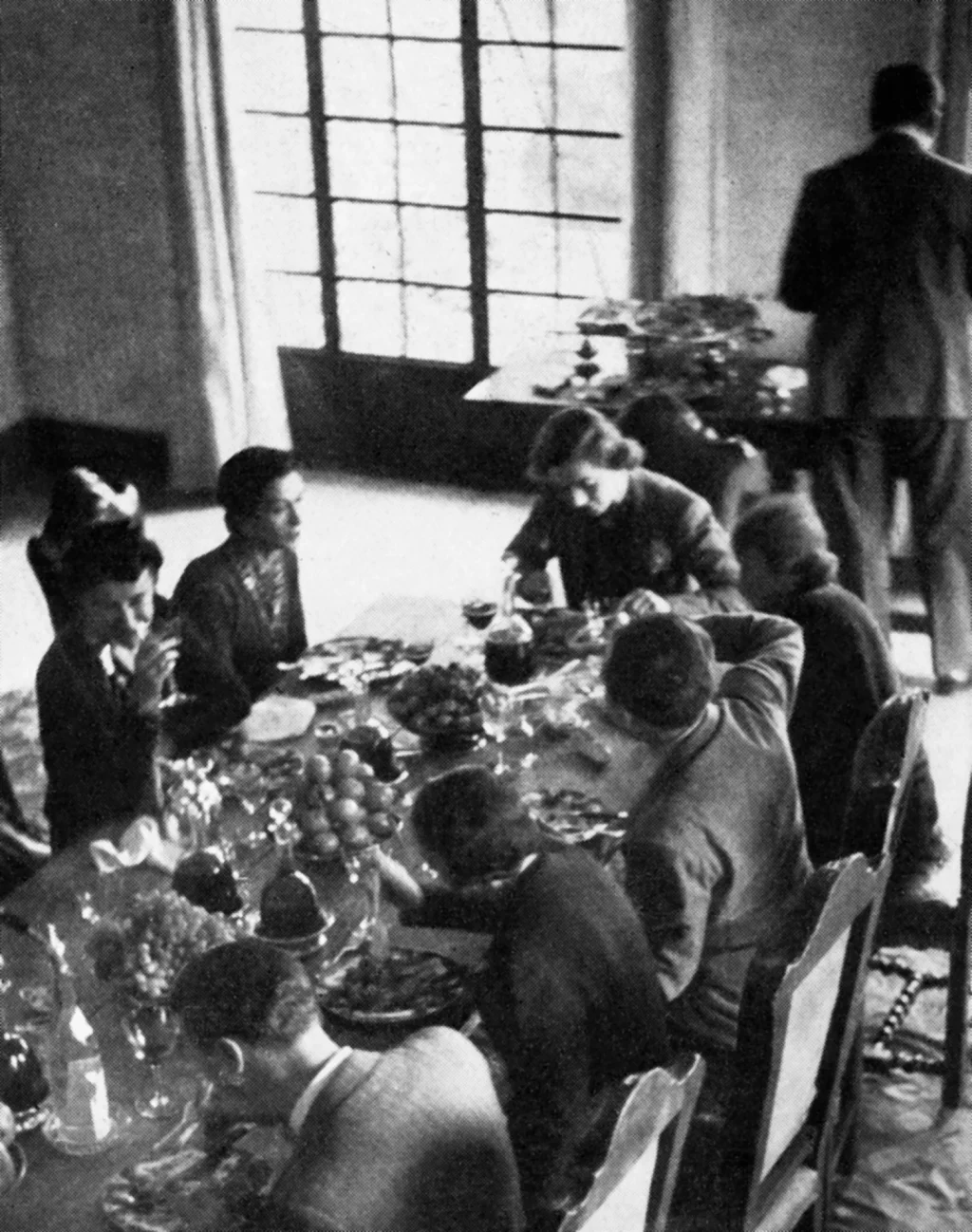
If Paris was Chanel’s stage, La Pausa was where the rules softened. In the 1930s and ’40s it became a magnet for artists and intellectuals—Cocteau, Reverdy, Visconti, and more—drawn not only by Chanel, but by the house’s relaxed intelligence.
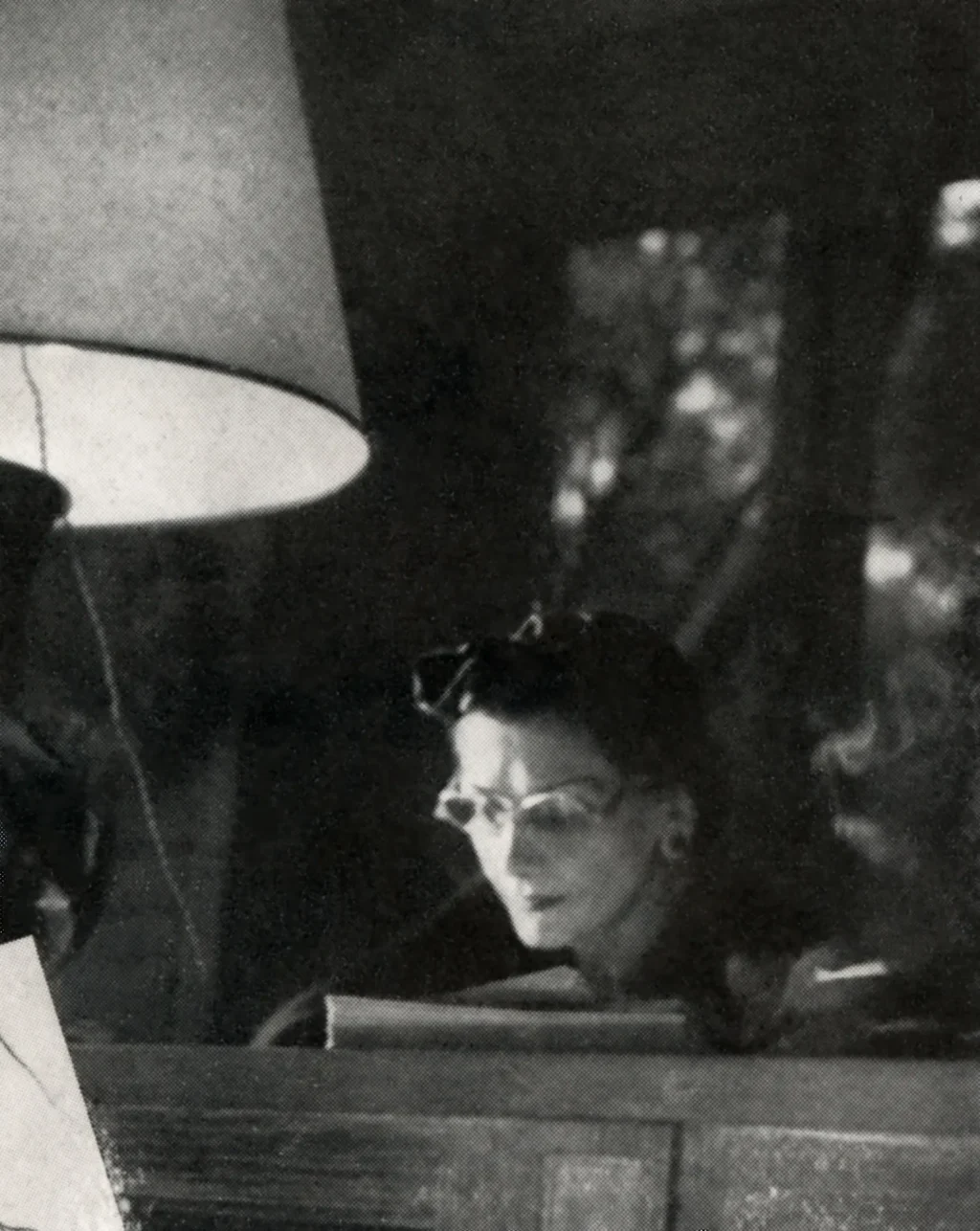
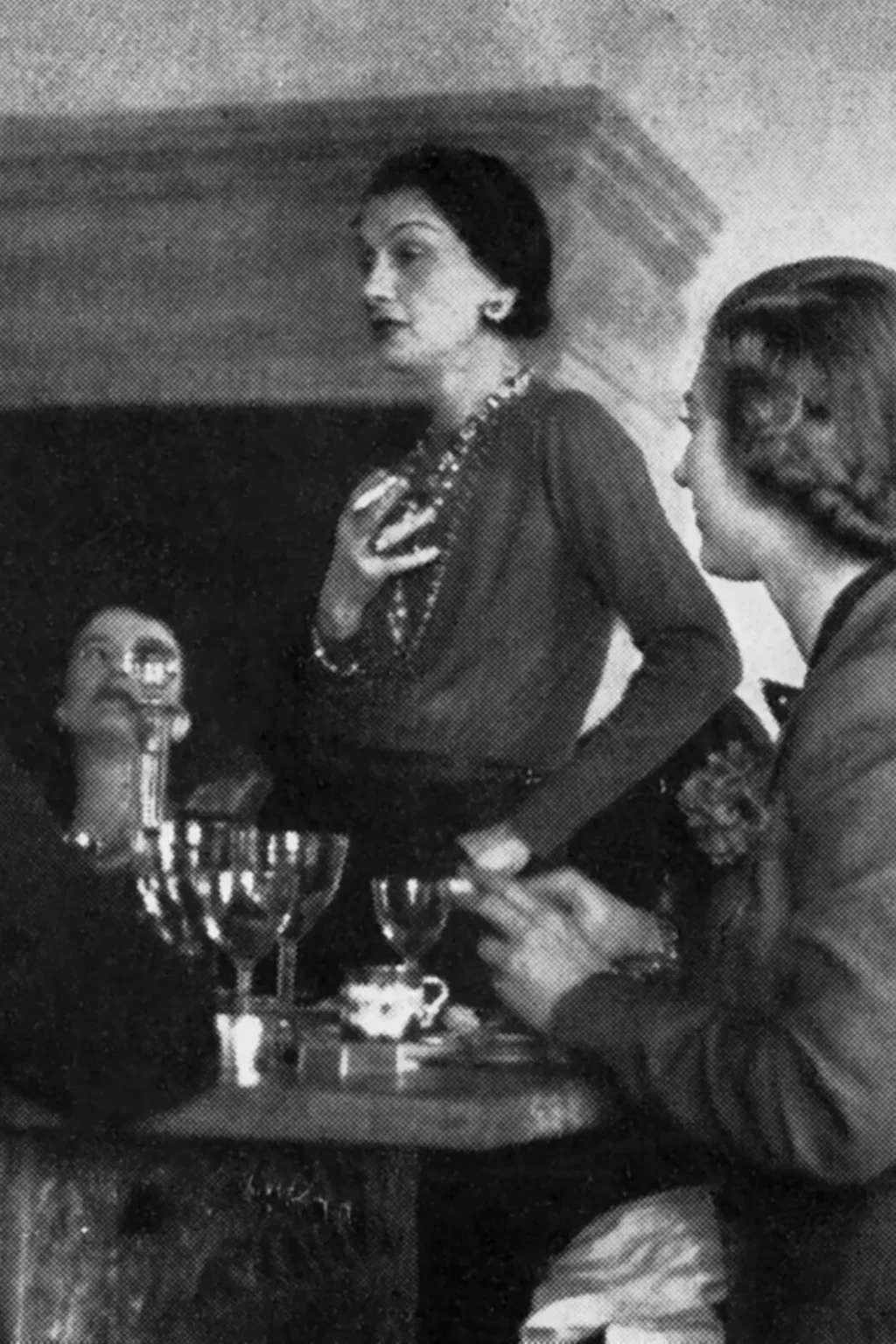
The villa’s most telling detail is not a rare object; it’s the social choreography. Contemporary reporting from the period describes buffets instead of formal seating plans, conversation that moved and peaked, and evenings where rugs were rolled up for dancing—Misia Sert at the piano, Chanel as hostess, the house behaving like a living organism rather than a museum.
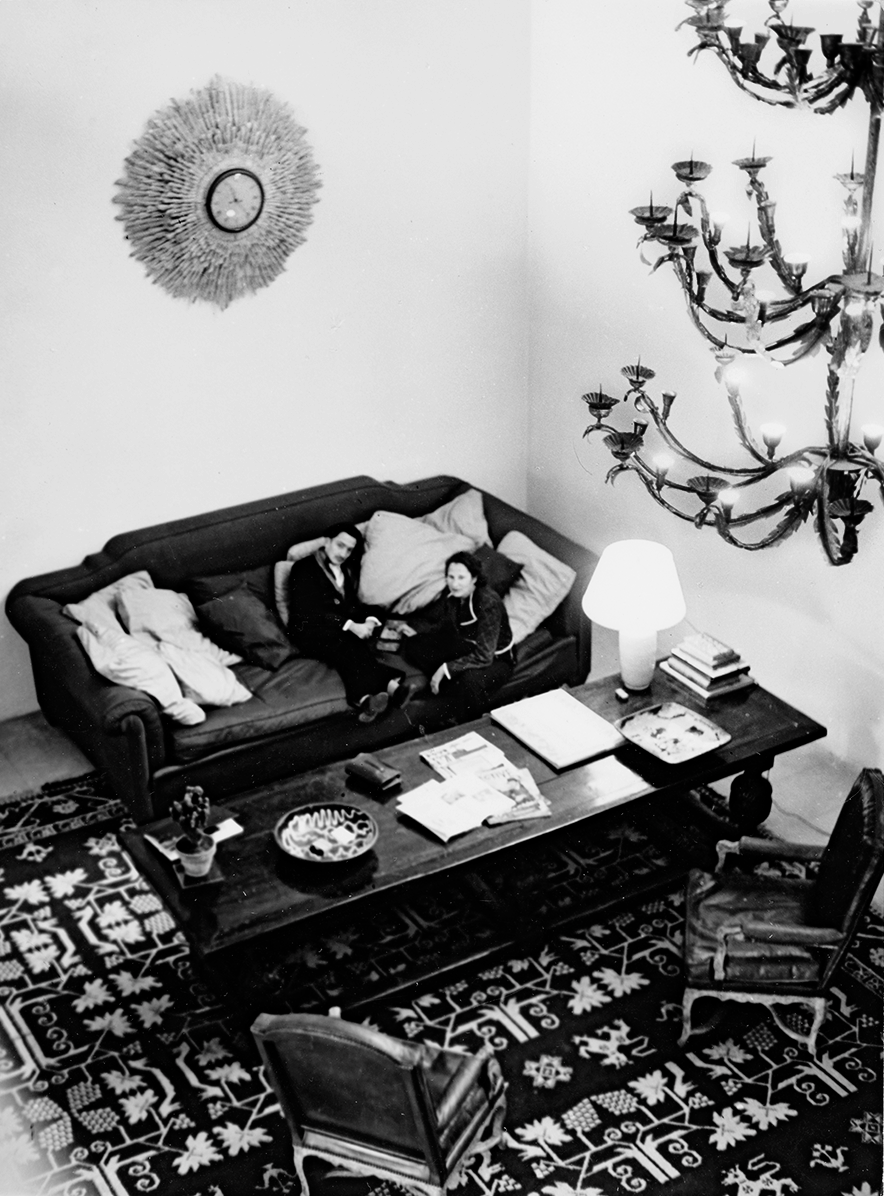
This matters because it reframes “heritage.” La Pausa’s heritage isn’t only the famous guests; it’s the mood: ease, movement, play, and a certain cultivated freedom inside discipline.
Restored to “exactly the way she left it,” then reopened as a creative engine
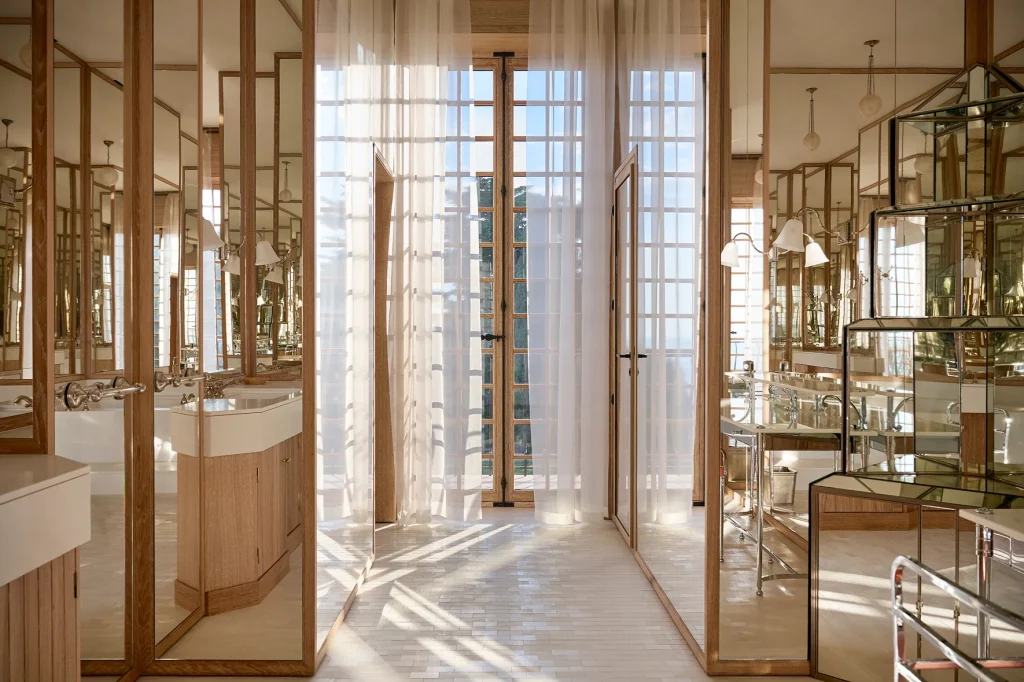
The campaign arrives at La Pausa after a meticulous, multi-year restoration led by architect Peter Marino and completed in 2025—an effort repeatedly described as returning the villa to the way Chanel left it, down to signature elements like the books lining the library, the piano, the mirrored bathroom, and the Giacometti lamp beside her bed.
Chanel’s own framing is clear: La Pausa has reopened as a private home and a site for cultural creation, inspiration, and education—an institutionalized continuation of the villa’s original purpose as a place where creative life happened.
Even the book culture around La Pausa reinforces that point. A major Flammarion volume, La Pausa: The Ideal Mediterranean Villa of Gabrielle Chanel (346 pages), positions the villa as an ecosystem—architecture, gardens, guests, and the world it incubated—complete with archival materials and a conversation between Yana Peel and Peter Marino.