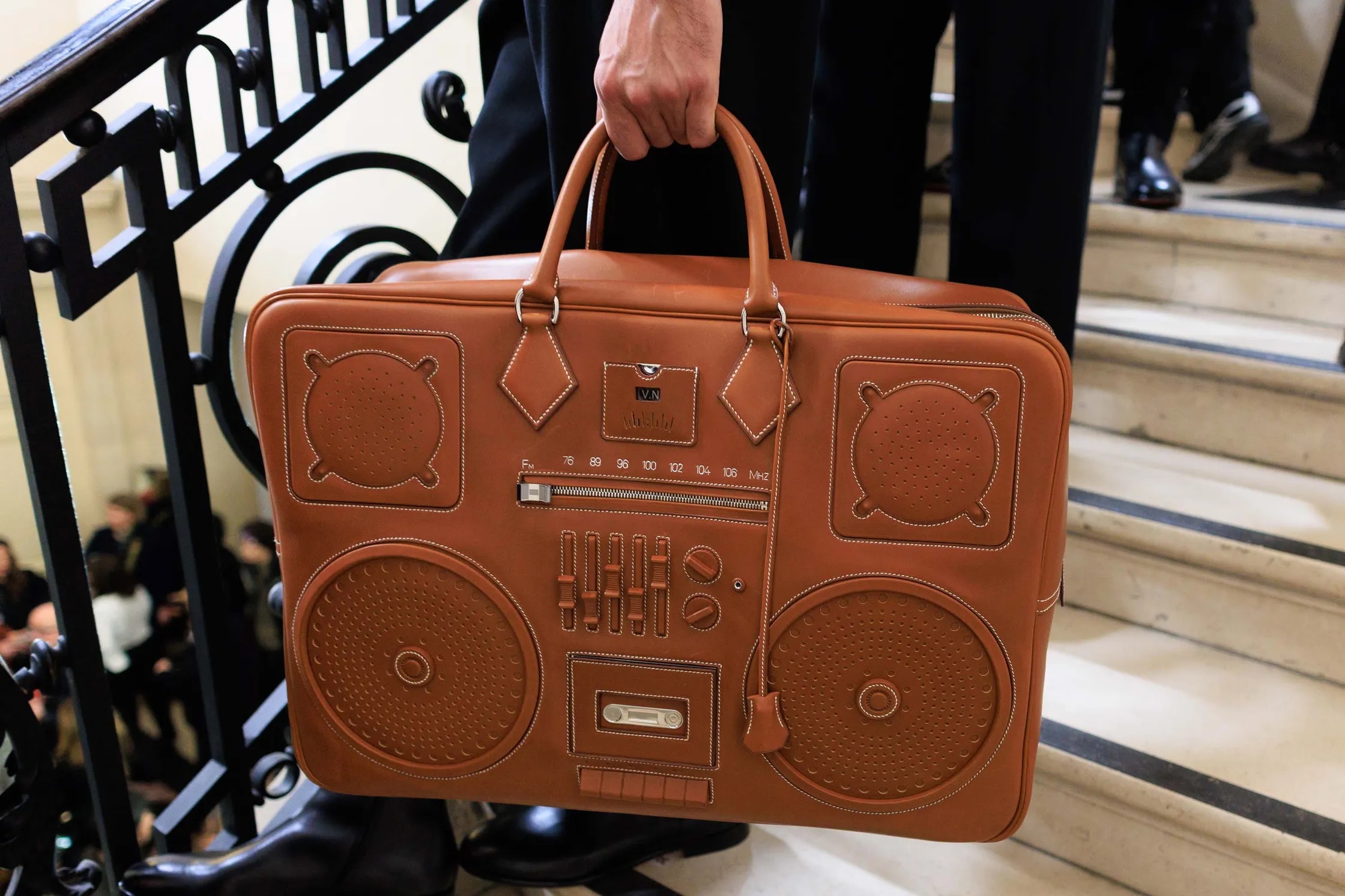
This Hermès FW26 menswear bags guide decodes the season’s luggage-first accessories: the Plume’s return in leather, suede, canvas, and exotic finishes—plus the boombox suitcase that turned craft into nostalgia. Hermès rarely uses accessories as punctuation marks; it prefers them as quiet proof.
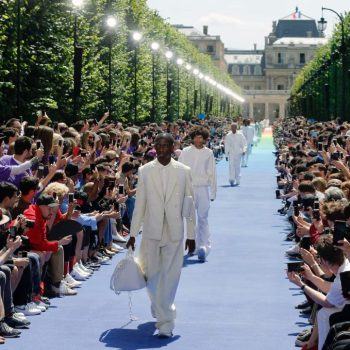
This show—staged at the Palais Brongniart during Paris Men’s Fashion Week—was not only another entry in the house’s calendar. It was the closing chapter of an era: Véronique Nichanian’s final menswear runway after 37 years shaping the Hermès man.
In moments like this, Hermès doesn’t “go big.” It goes exact. It distills. The bags this season read like a designer’s last signature on a letter: the strokes are familiar, but the pressure changes. And the message is consistent with what Hermès itself emphasized in its official communication around Nichanian’s tenure—an aesthetic of function, a belief in clothes (and objects) designed “for the long term,” where innovation and heritage are not opposites but collaborators.
That philosophy is unusually legible in FW26 because the bags refuse trends. They are handheld, travel-leaning, engineered around closure and structure, and rendered in materials that tell time—glossy leather that reads like architecture, suede that absorbs light like charcoal, canvas reinforced the way proper luggage should be reinforced. In other words: these are not “outfit bags.” They are life bags—made for movement, made to last, made to age with intention.
Most brands use a finale to introduce a new icon. Hermès used this finale to remind you that icons can be re-activated instead of reinvented.
For a runway-to-runway baseline of how the Maison evolves its leather goods language, read our Hermès Fall–Winter 2025–2026 bags deep-dive.
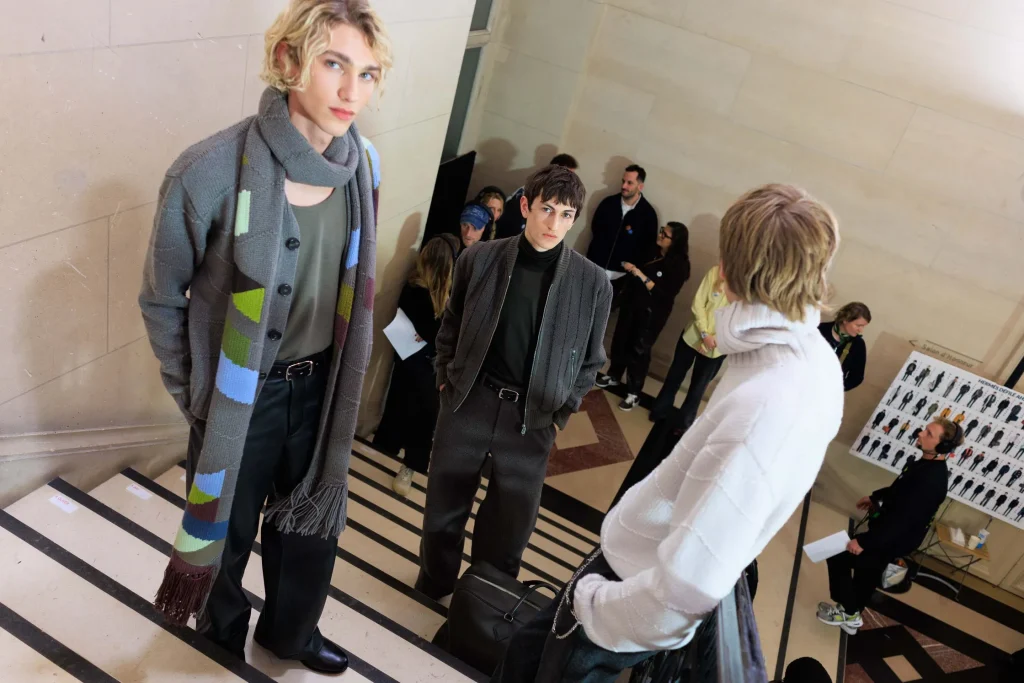
The anchor is the Plume, which Hermès positions as its first all-leather luggage format, created in the 1960s to make travel feel lighter. The house describes Plume as minimal, supple, and secure, defined by a long zipper and a rectangular logic that draws inspiration from 1920s document holders. This isn’t random heritage trivia—this is the blueprint for FW26.
For the women’s-runway counterpart (and a useful contrast in travel shapes and hardware), see our Hermès Spring–Summer 2026 bags guide.
You can feel the intent in the show’s emotional temperature as well. The runway review frames the collection as sleek, minimal, highly crafted—and explicitly notes that Nichanian seeded the lineup with revived pieces from earlier decades to prove longevity, then delivered her final bow with a clear instruction: “Slow down.” That sentence is a thesis for the bags too. They are designed for the long timeline, not the fast feed.
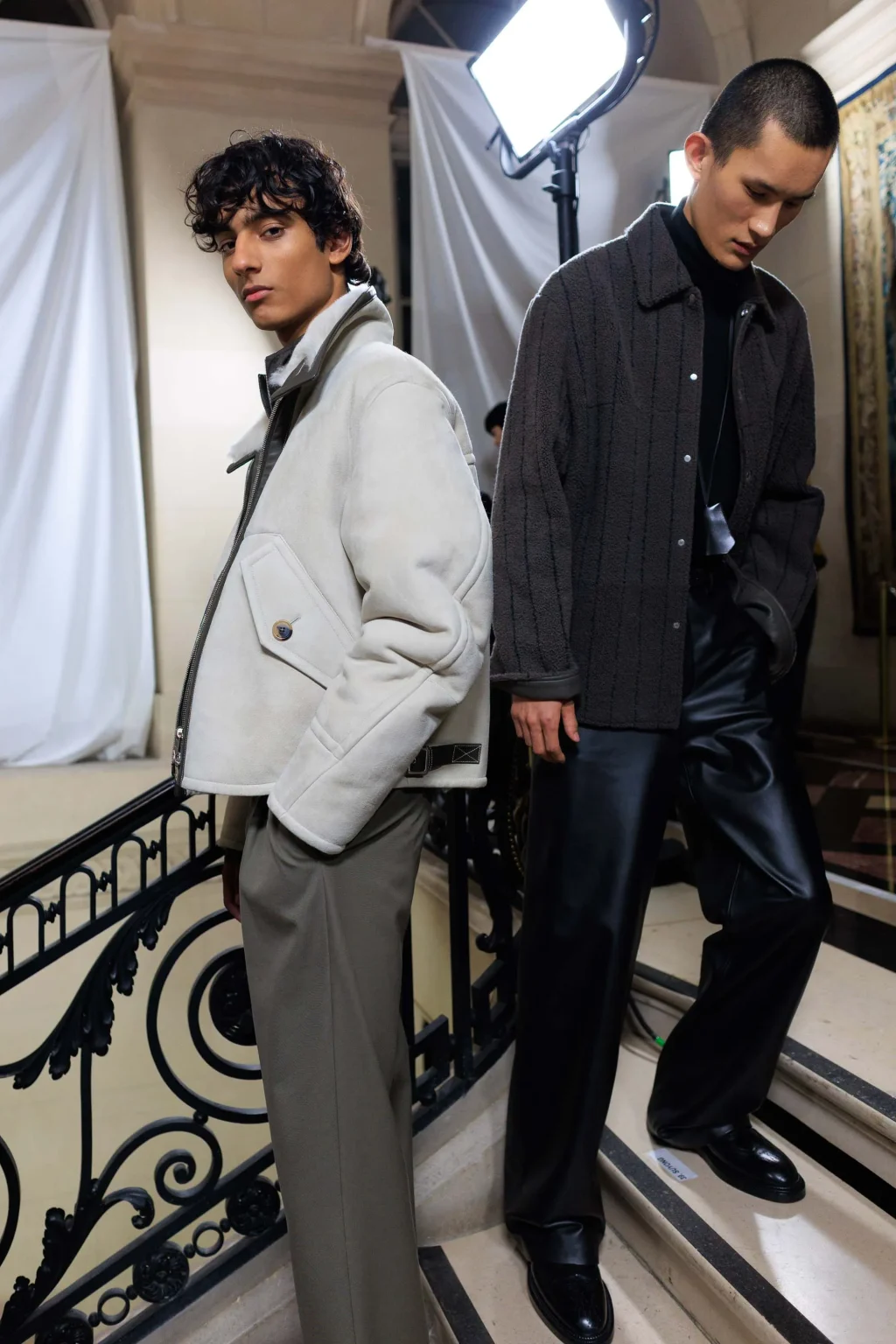
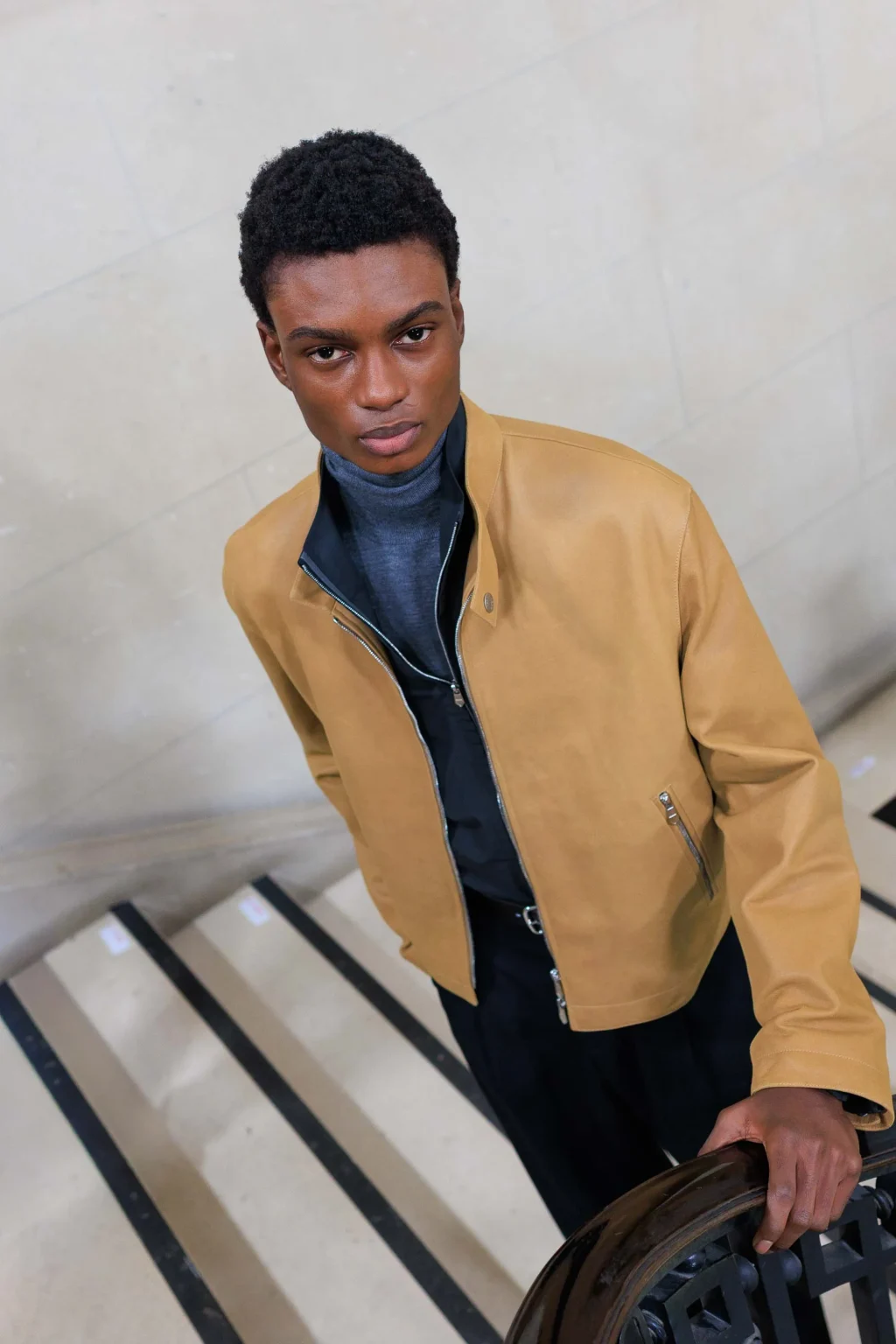
Plume: the Hermès luggage code behind FW26
Plume is one of those Hermès designs that hides in plain sight. It doesn’t perform status through overt signatures; it performs status through construction. Hermès’ own language around Plume is telling: polishing, saddle stitching, and “large workable leather” that expresses savoir-faire without weighing down the line; a men’s version that is “practical and secure,” where the long zipper “very effectively protects your belongings.” Even the poetry is functional: the bag is light, the line is clean, the closure is the point.
Three technical ideas matter here because they show up—visually and philosophically—across FW26:
First, geometry. Hermès highlights Plume’s “perfectly rectangular format,” rooted in document-holder inspiration. That rectangle is why Plume always looks composed in the hand: it behaves like a portable object rather than a soft sack.
Second, zip logic. The zipper is not an afterthought; it is the primary security mechanism. Hermès calls it out repeatedly: long zipper, effective protection, minimal fuss.
Third, handheld posture. Hermès emphasizes the handheld format and its versatility. FW26 leans into that posture hard: the bags sit in the hand like proper luggage, which changes how the wearer moves—more deliberate, more upright, less casual.
With that in mind, FW26 doesn’t feel like “Hermès does bags.” It feels like Hermès returns to luggage as character—the kind of character that fits Nichanian’s menswear universe: discreet, rigorous, built for real life.
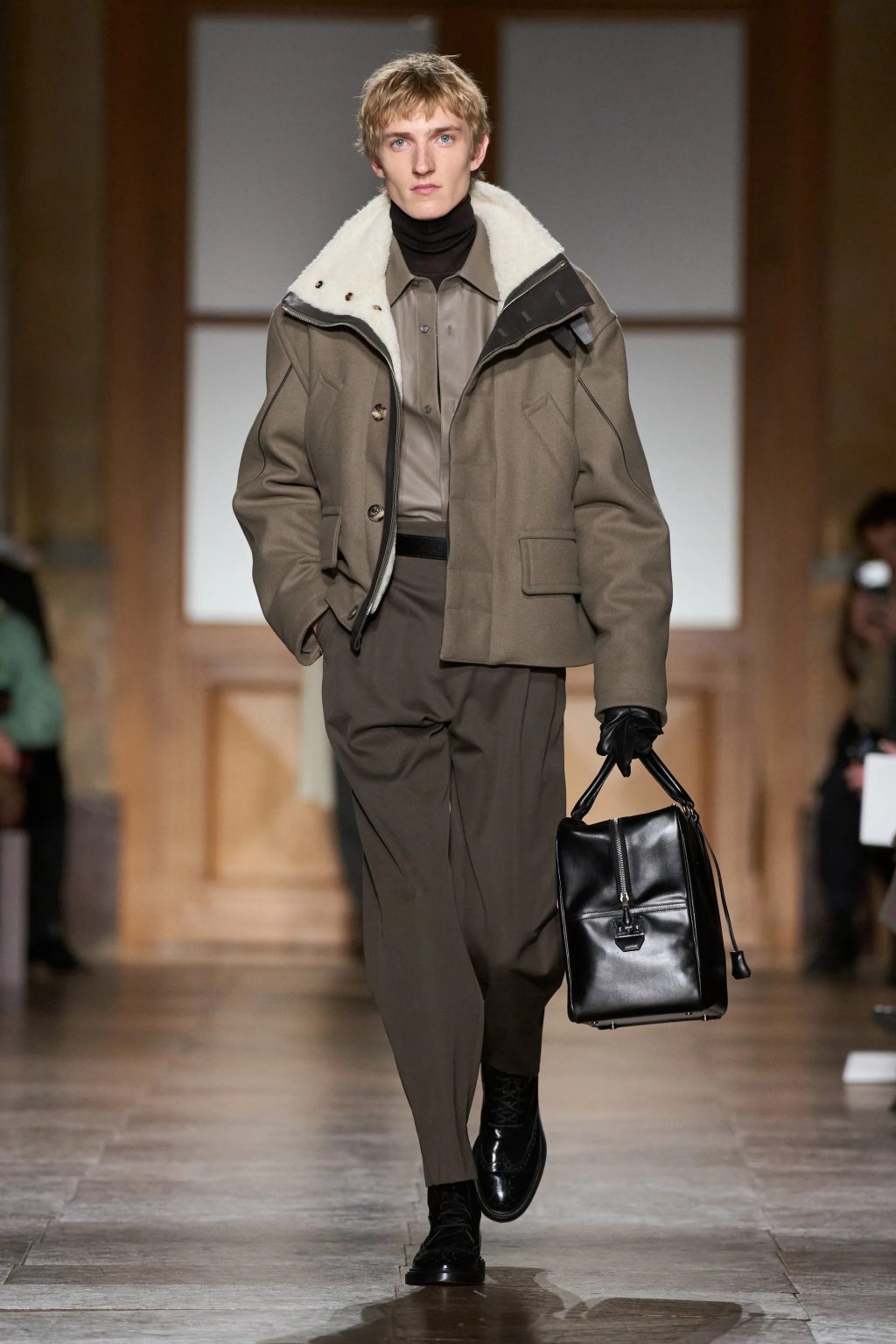
The FW26 Plume, re-drawn for 2026
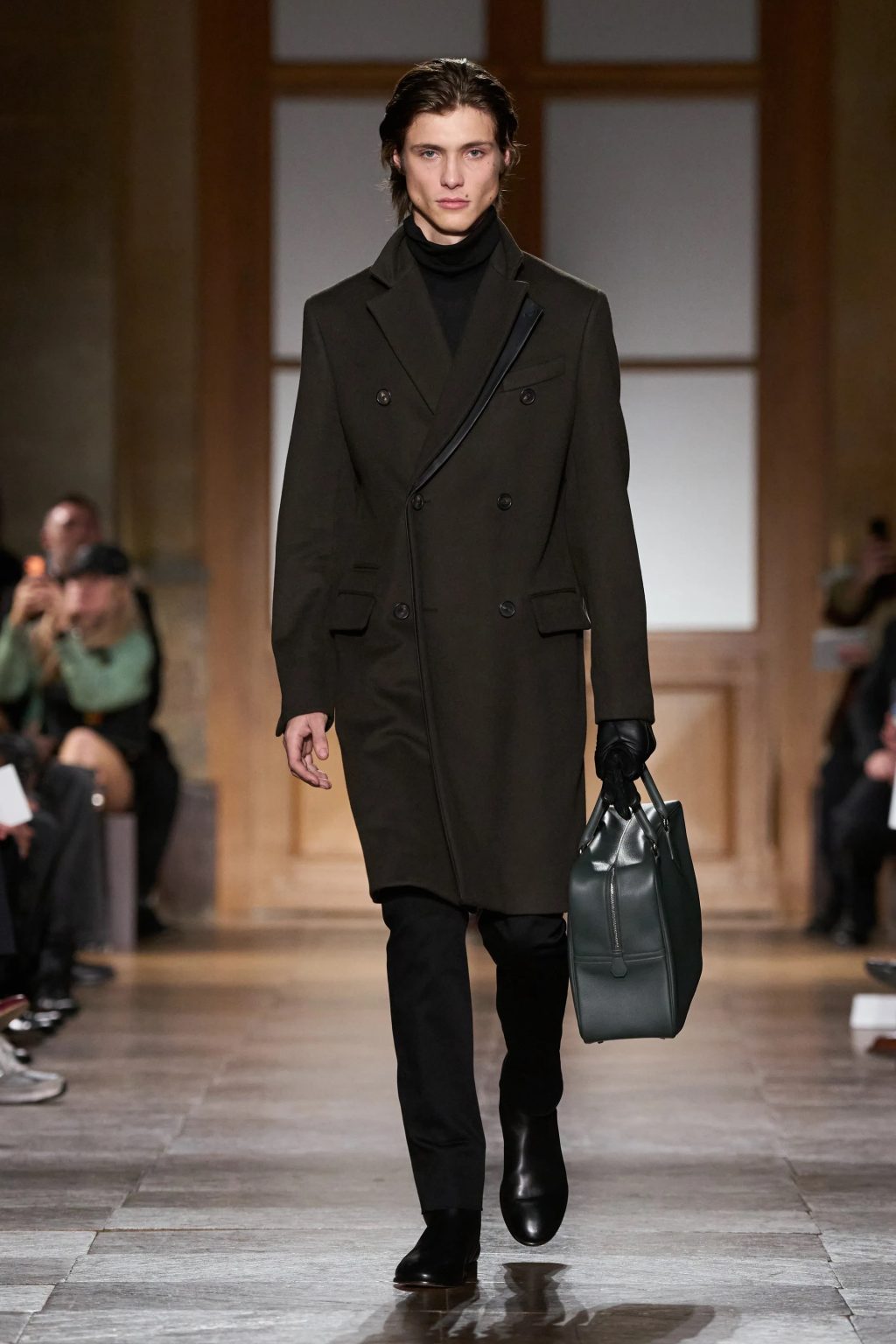
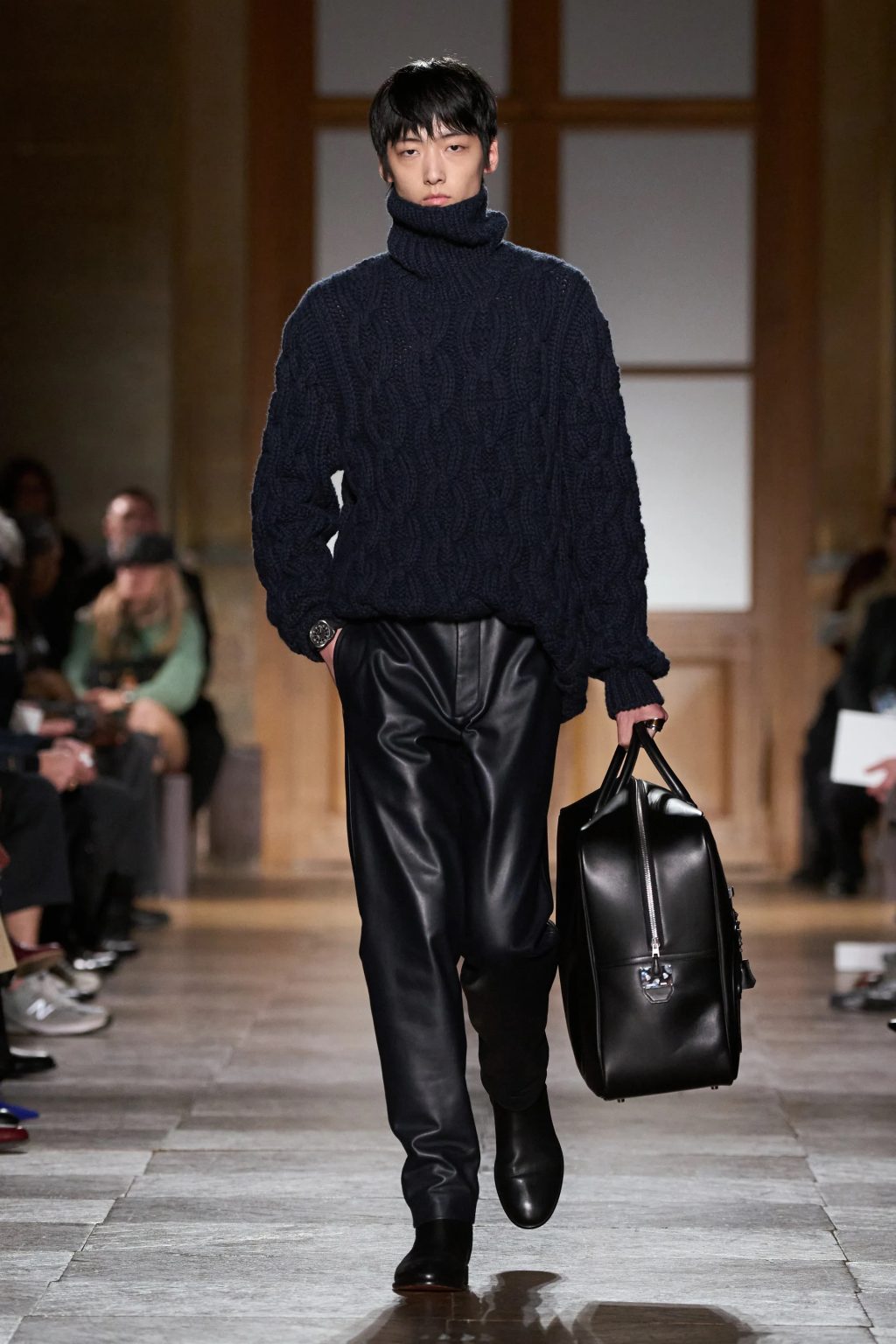
The most striking FW26 Plume iterations—visible throughout the runway images and backstage close-ups in this story—take the original travel logic and sharpen it into something almost architectural.
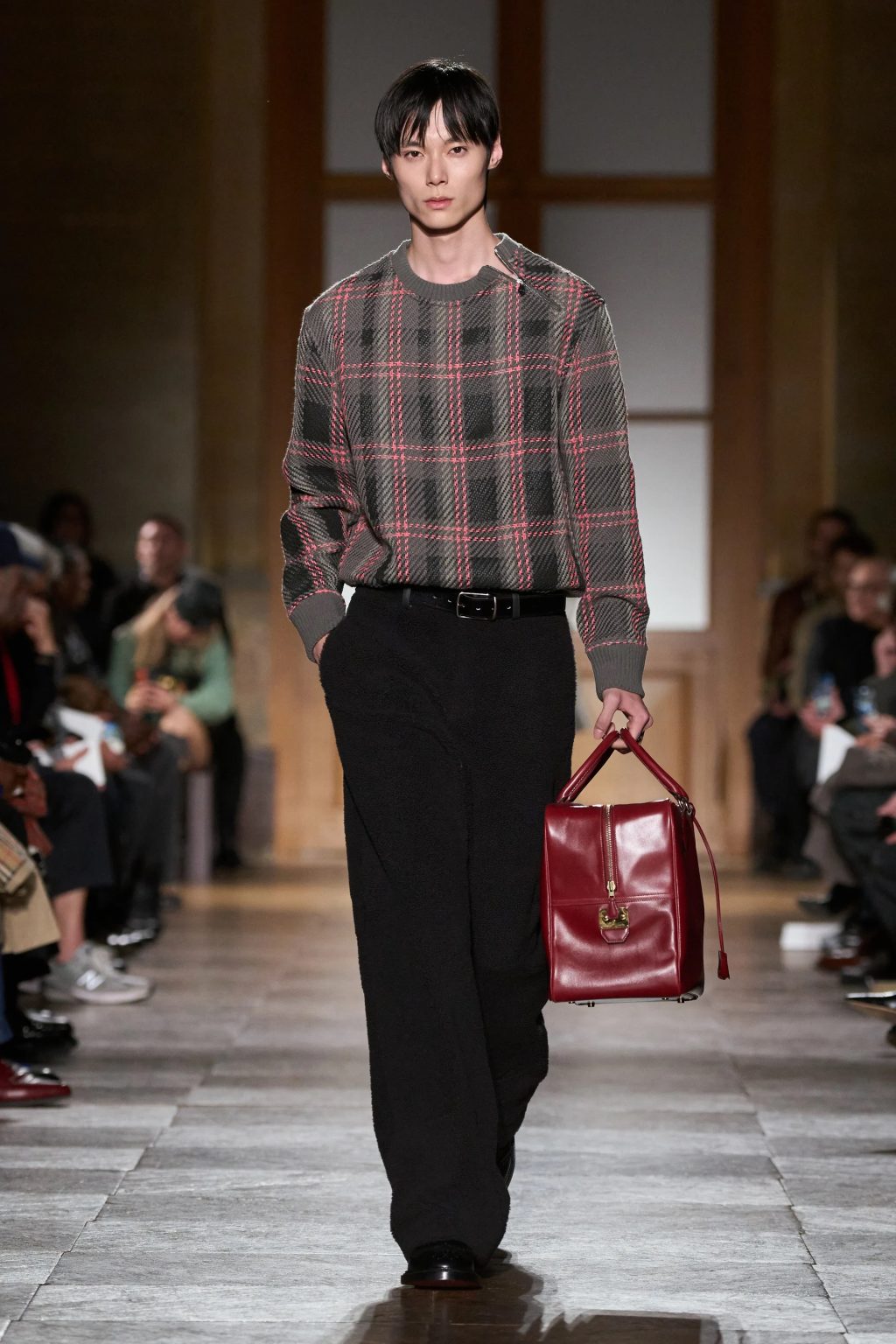
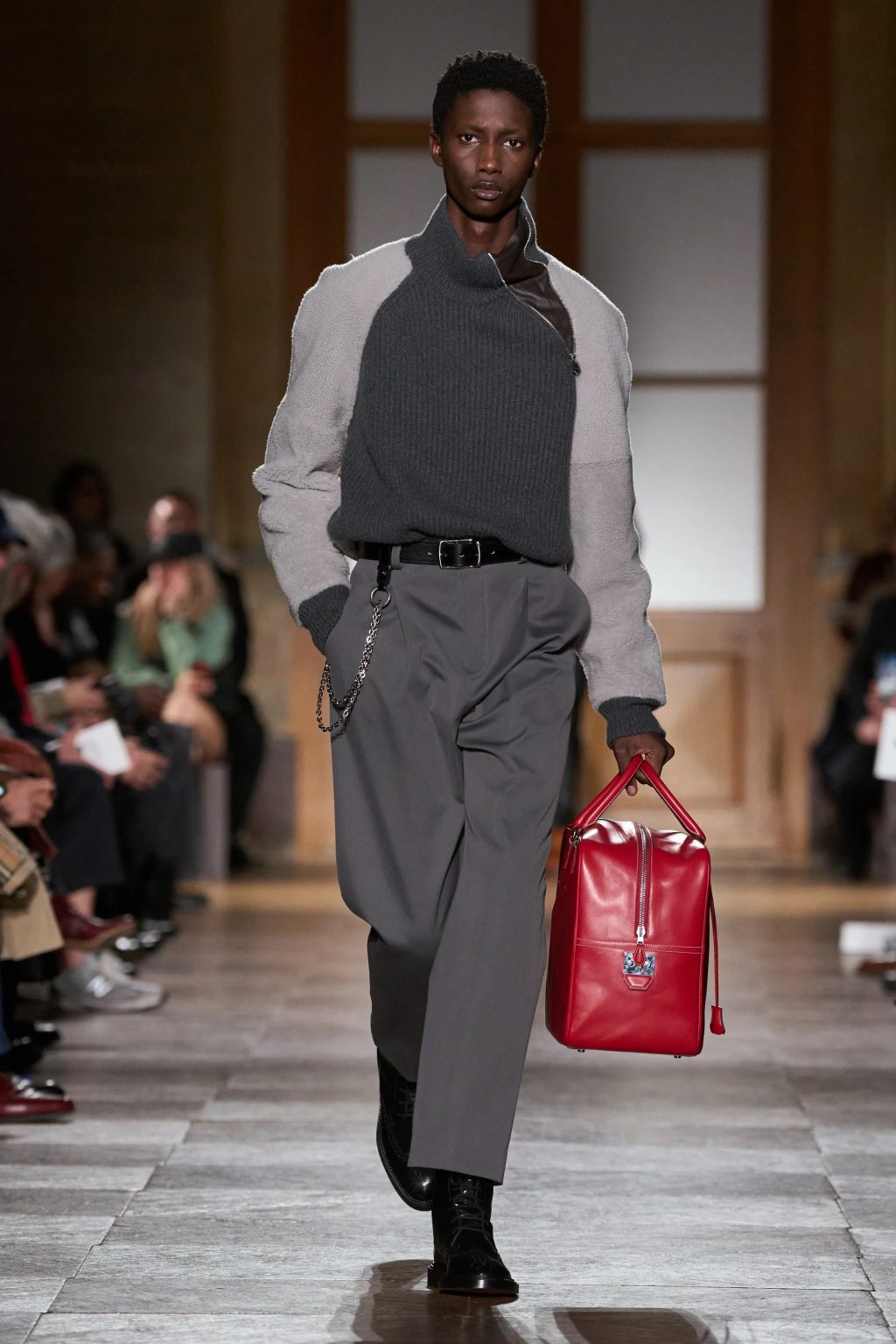
Several looks feature a tall, upright Plume-like holdall with two handles, a central zip track that reads as a vertical spine, and a crisp base supported by metal feet. In glossy black, the bag becomes a shadow-object: minimal from a distance, precise up close. In bright red, the same form becomes graphic—proof that when the pattern is correct, color can be the only statement required.
What makes these versions feel particularly “2026” isn’t just proportion; it’s the sense that closure and hardware have been treated as design, not finishing. Which brings us to the most Hermès move of the season: the way the house treats locks.
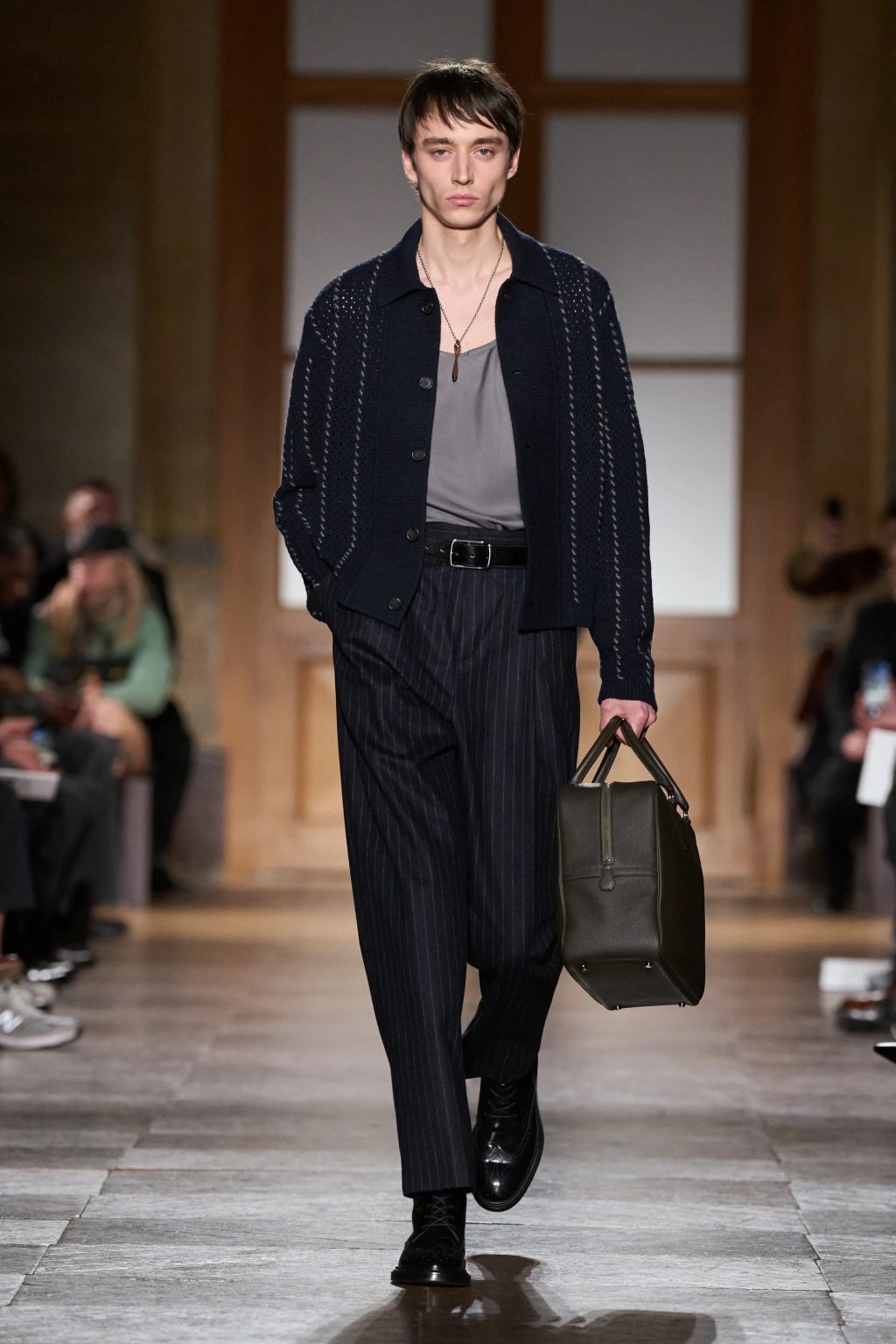
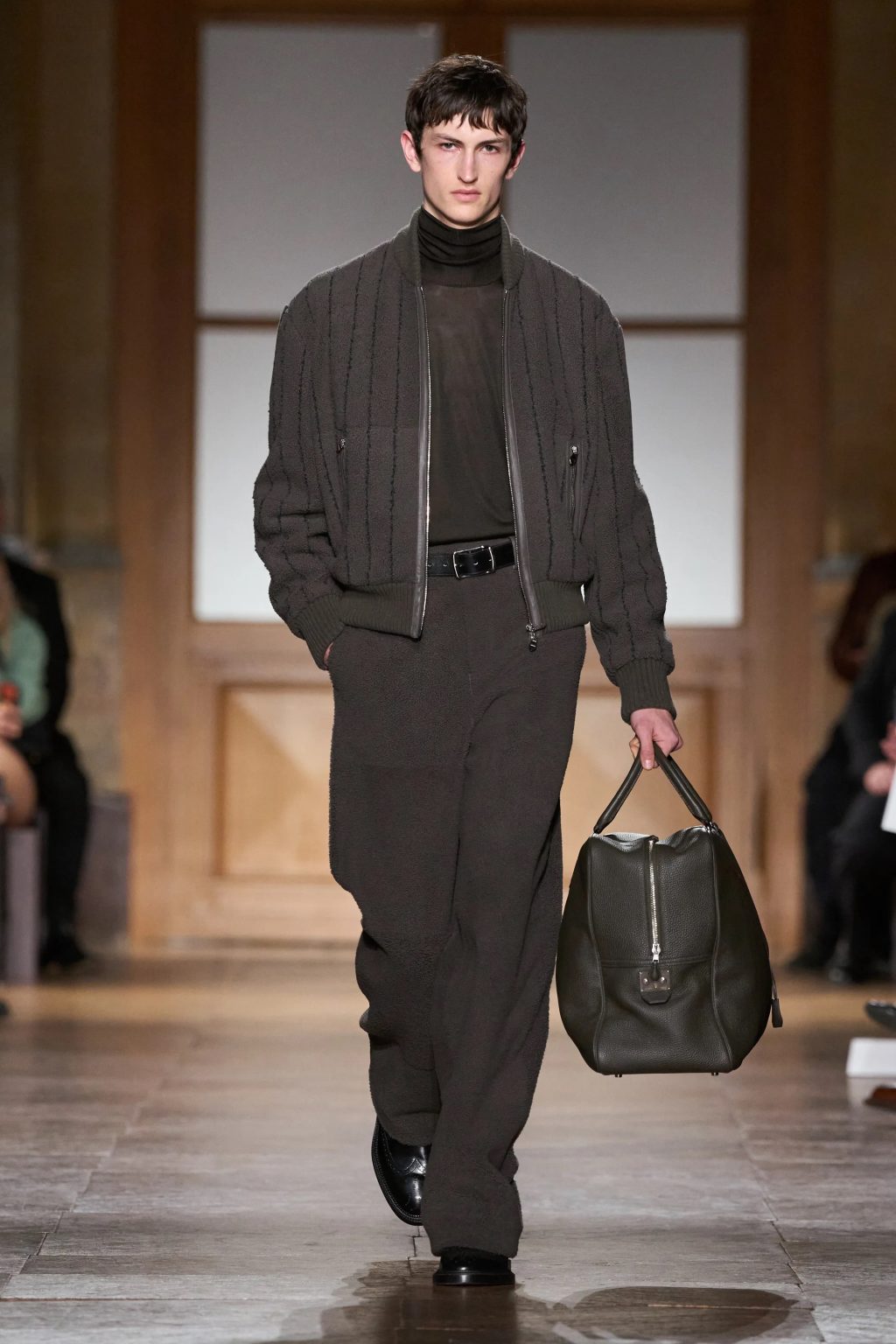
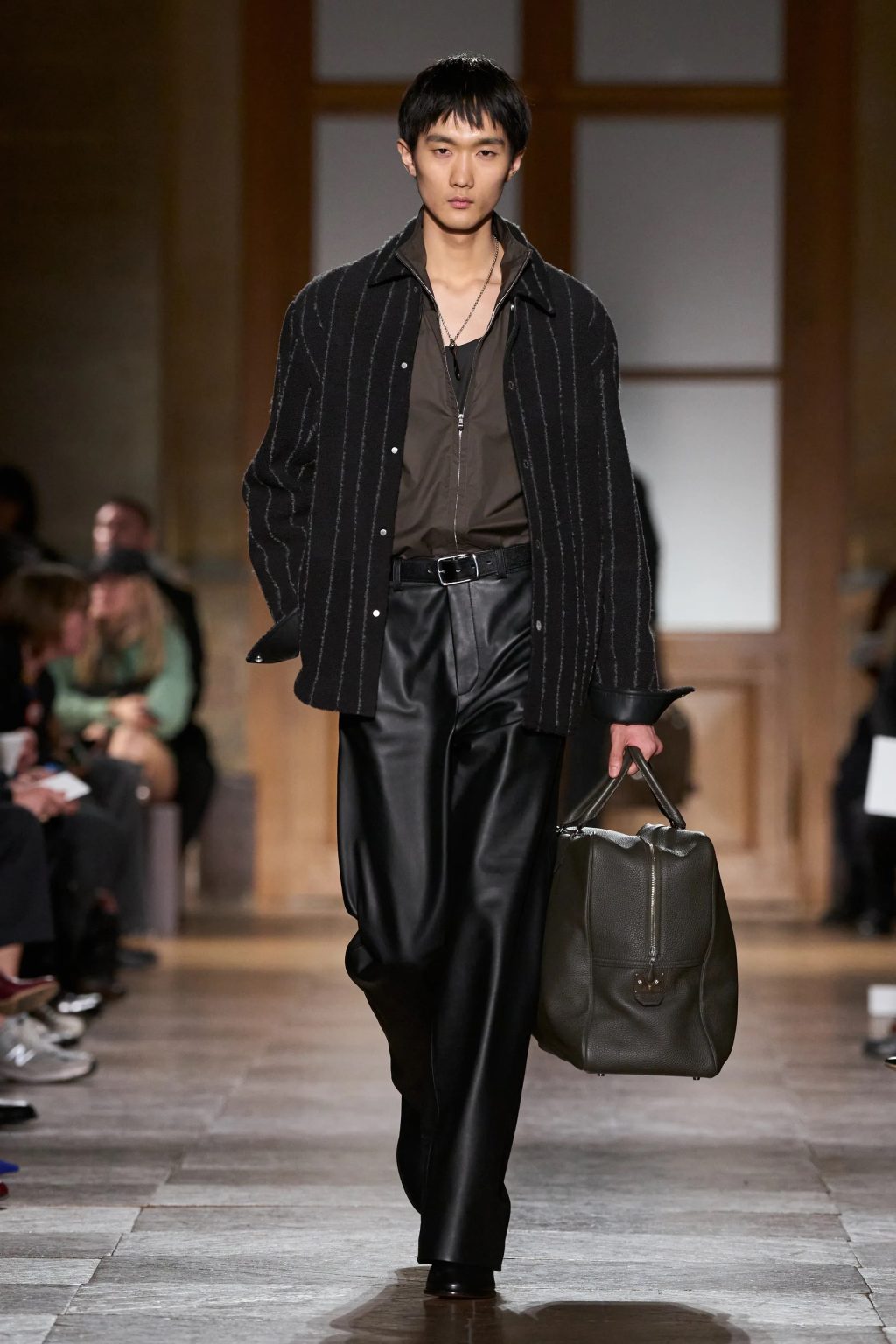
Closure as identity: why Hermès keeps making you look at the lock
Hermès does not think of locks as decorations. It thinks of them as mechanisms—miniature pieces of engineering that prove the maison’s “object” DNA. You can see that logic clearly in how Hermès describes the Faubourg Express (a different bag family, but crucial for understanding the brand’s recent closure language): its lock draws inspiration from the “intricate mechanisms and fine craftsmanship” of the Plume bag and an archival Quirus model; the story behind the bag explicitly frames structure, mold assembly, and clasp details as the point. That perspective helps decode FW26’s runway Plumes: the bag face is clean because the mechanism is allowed to become the signature.
Material as mood: the same Plume, four personalities
One of the most collector-relevant aspects of FW26 is that the bags communicate through surface. Across runway looks and backstage detail shots, the Plume logic is expressed through surface—finishes that will age in radically different ways:
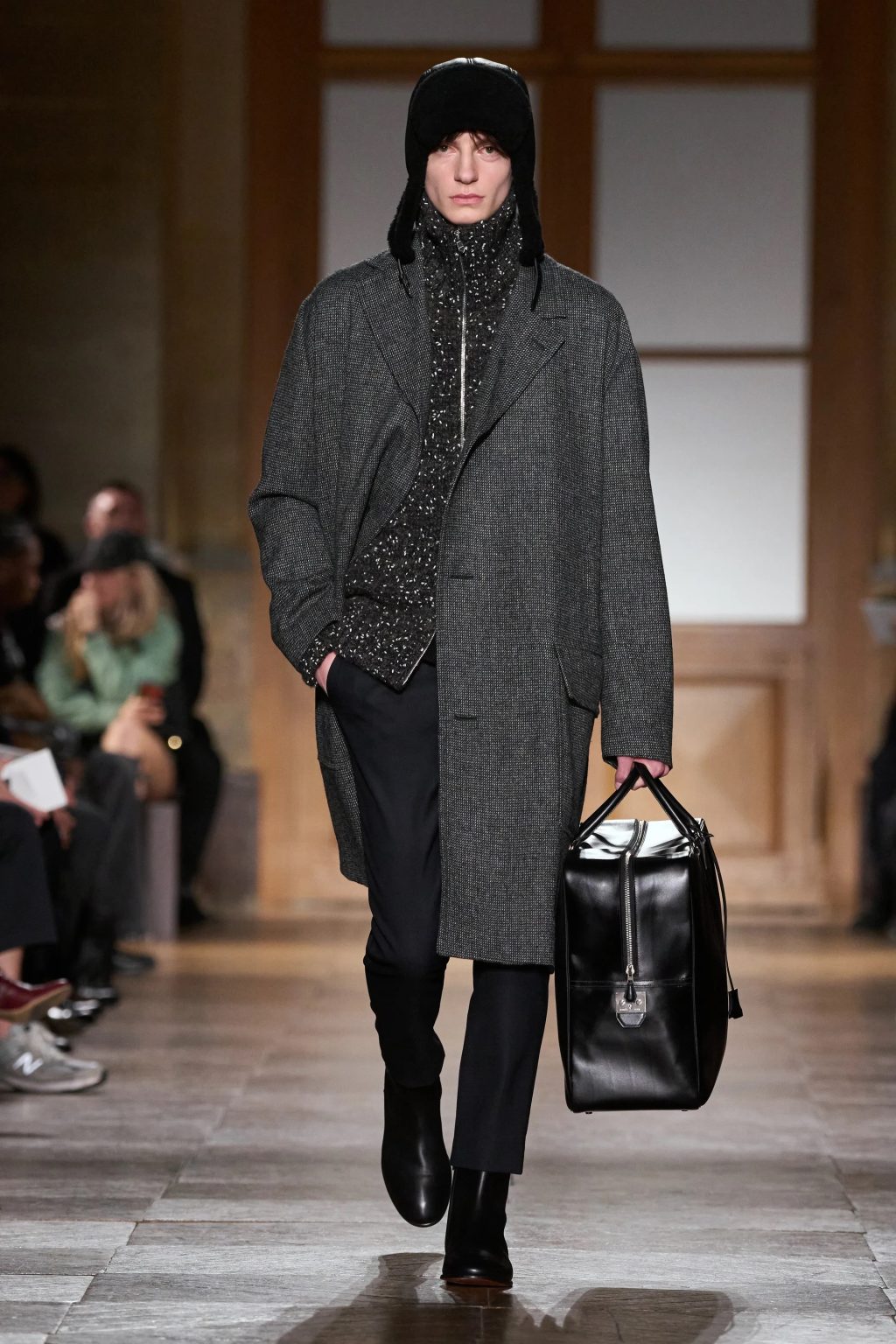
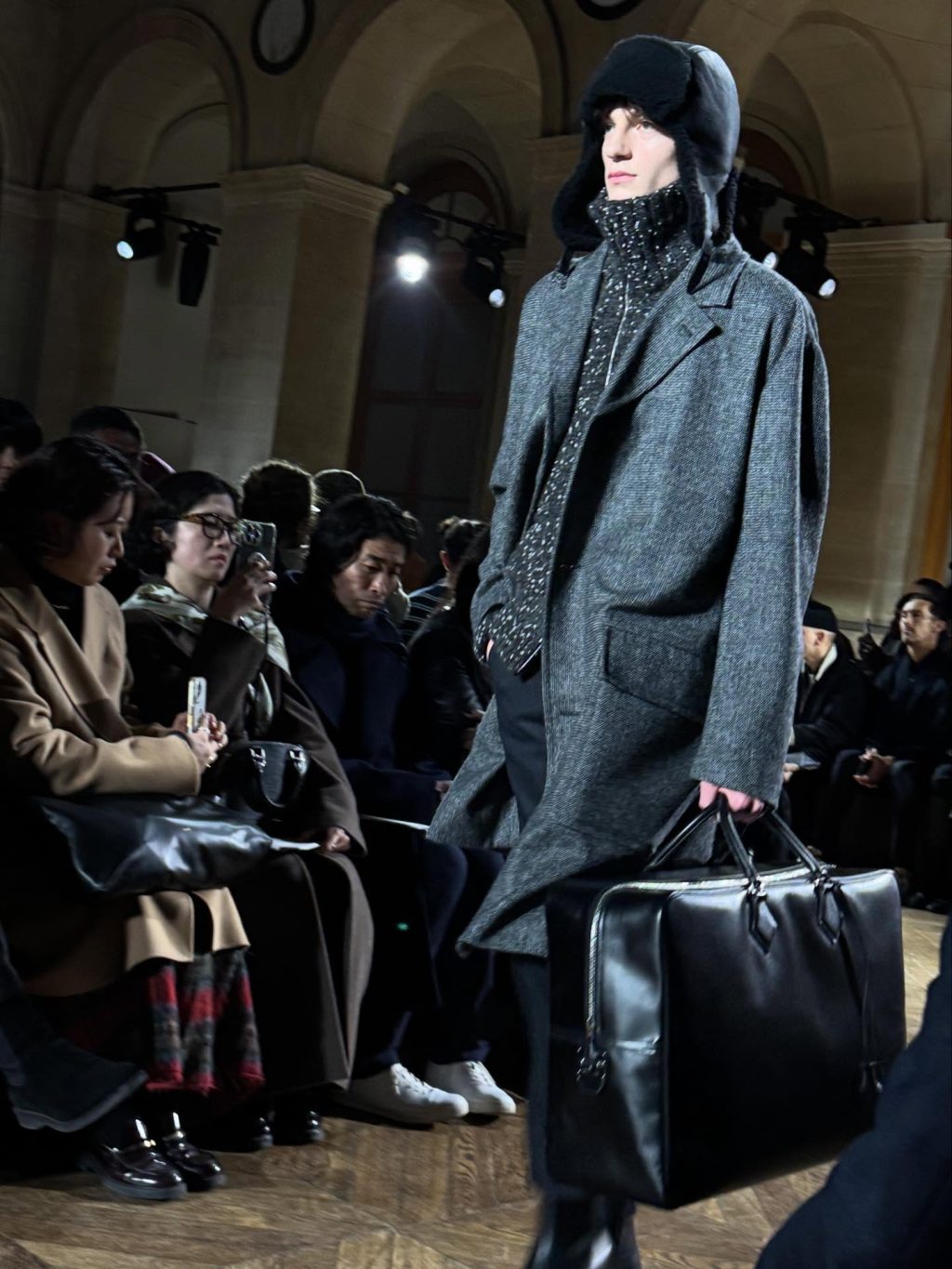
Glossy black leather Plume holdall
This is the bag that photographs like architecture. It has that polished, almost reflective finish that turns a simple rectangle into a statement—because light becomes design. In FW26 styling, it’s carried with quiet authority: not “look at my bag,” but “this is the bag I travel with.” The black finish also makes every seam line and edge treatment more visible, which is exactly where Hermès craft lives.
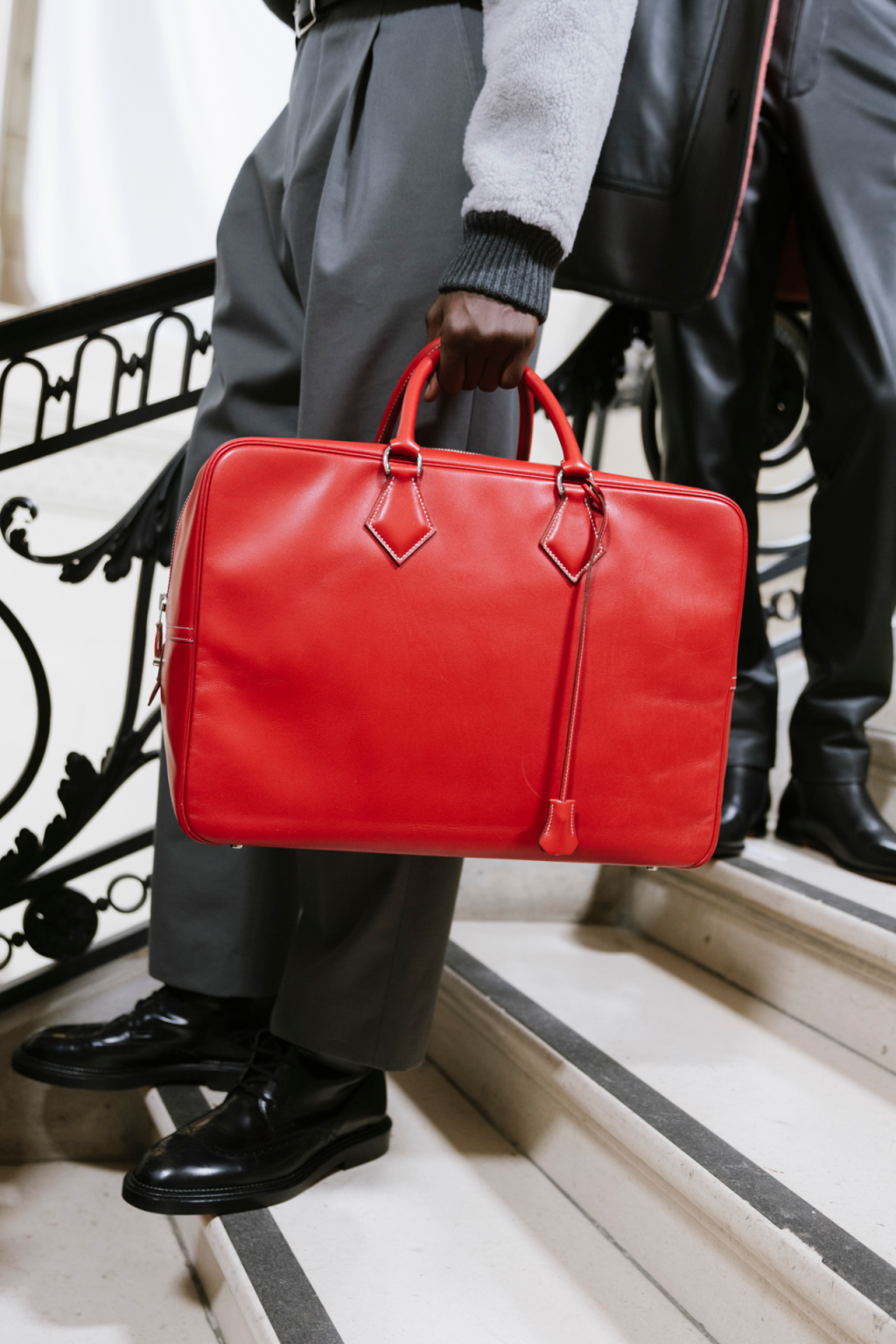
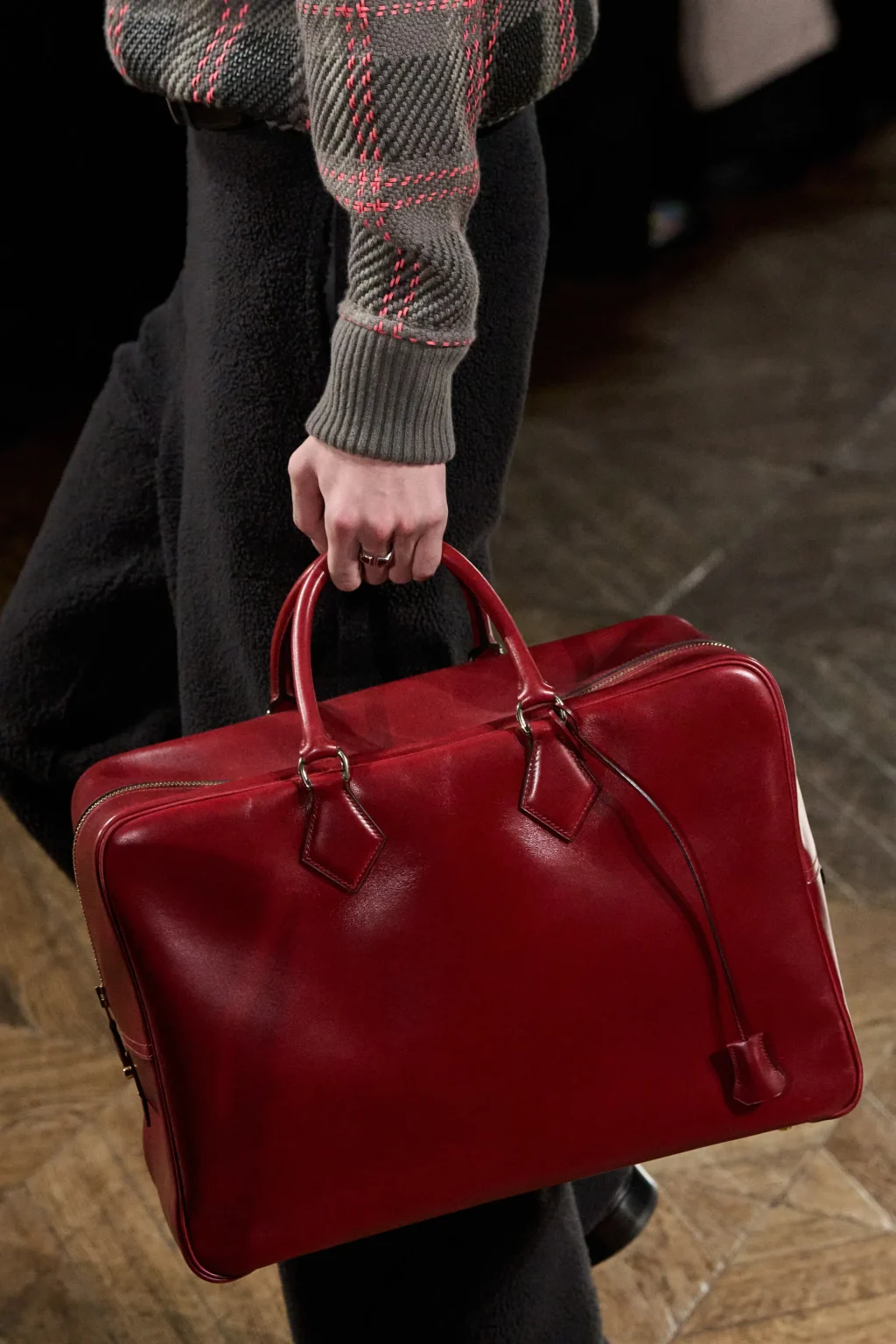
Glossy red leather Plume holdall
Red can easily tip into fashion theatre. Here it doesn’t, because the structure is so disciplined. This bag reads like a pure graphic block: a modern object with a functional spine (the zipper track) and hardware that feels like punctuation rather than ornament. In a season that is otherwise heavy on charcoal, taupe, and deep neutrals, the red works as a controlled interruption—intentional, not decorative.
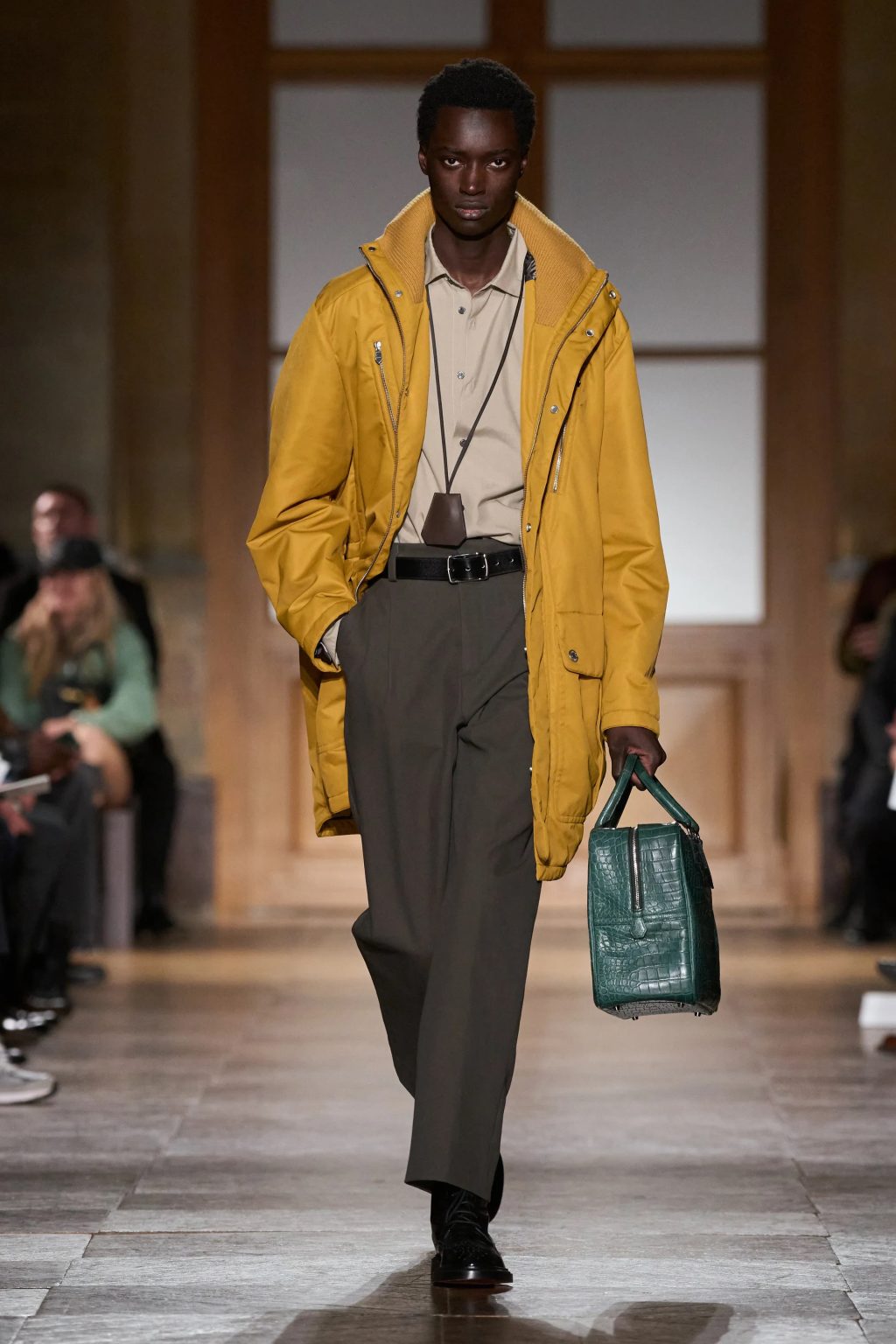
Deep green exotic-finish Plume
The images above show a dark green, high-shine exotic surface that reads crocodile/alligator in effect—mirror-like, scaled, intensely luxe. Vogue’s runway review notes a “mirrored crocodile” in the context of the finale, reinforcing that exotics were part of the collection’s high point. For collectors, this matters: exotic Plume variants are the type of piece that moves differently on the secondary market because the silhouette is discreet but the material is decisive.
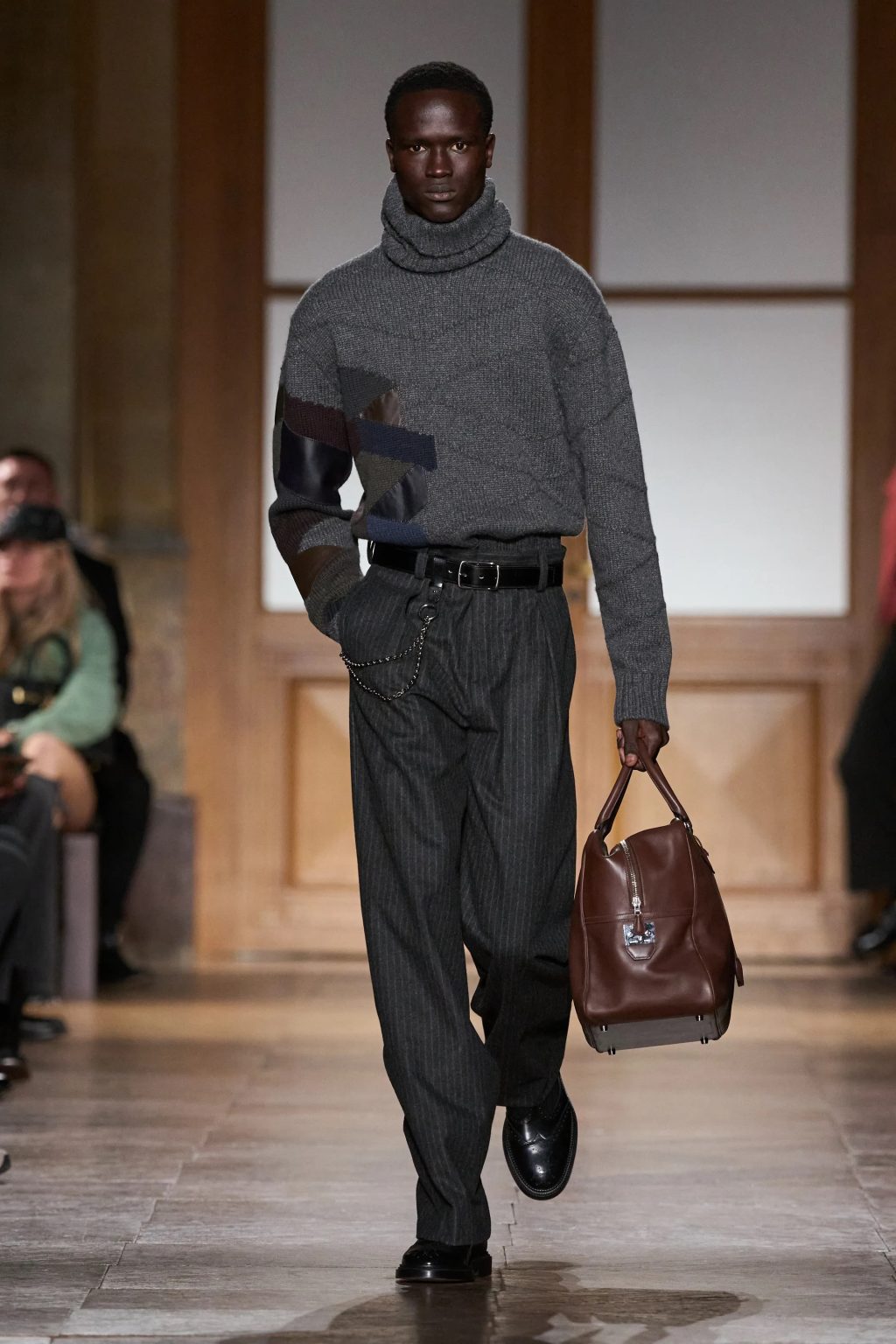
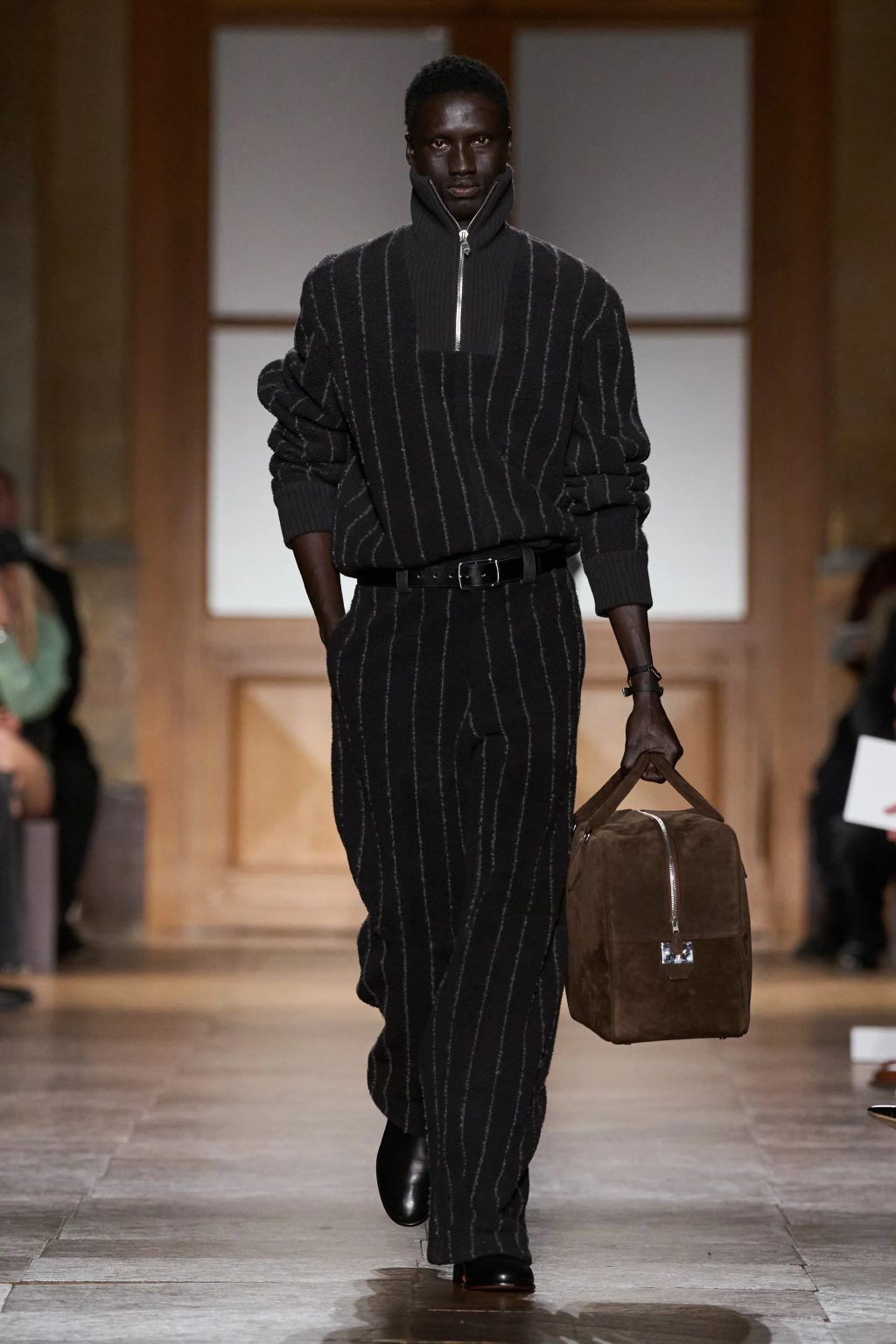
Brown suede Plume holdall
Suede changes the whole personality of the Plume idea. It absorbs light, softens the silhouette visually, and makes the bag feel more intimate—less boardroom, more weekend travel. It also shifts the maintenance conversation immediately: suede shows pressure, rubbing, and corners differently than glossy calf. If Hermès is telling you to “slow down,” suede is the material that forces it: it rewards careful wear.
None of these are vague “colors.” Each finish carries a different relationship to time—and that is one of the most Hermès things about FW26: the bags are designed to look better when you live with them correctly.
Canvas holdalls with leather discipline
If the leather Plumes are the collection’s polished sentence, the canvas holdalls are its paragraph—longer, more practical, and quietly impressive in construction.
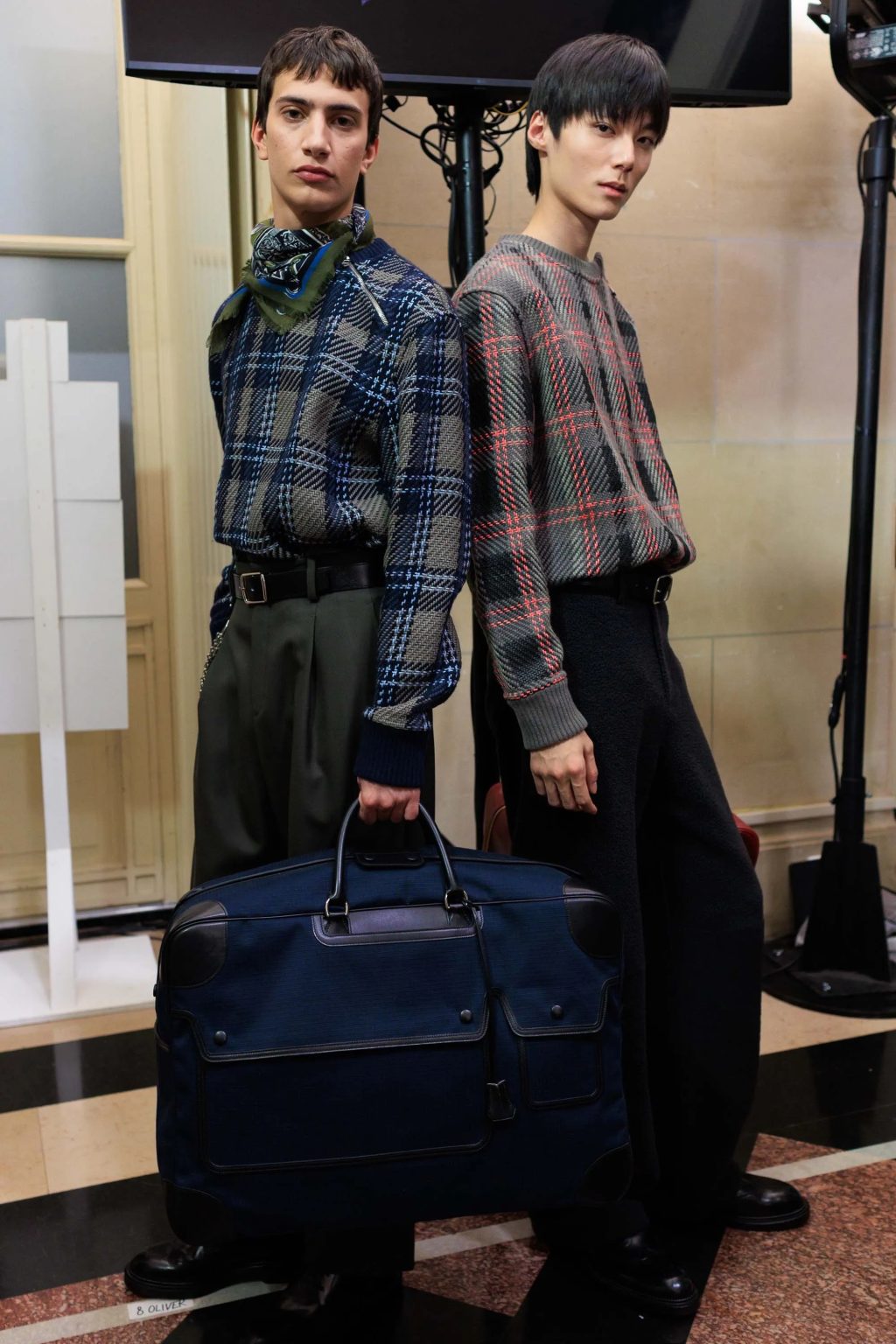
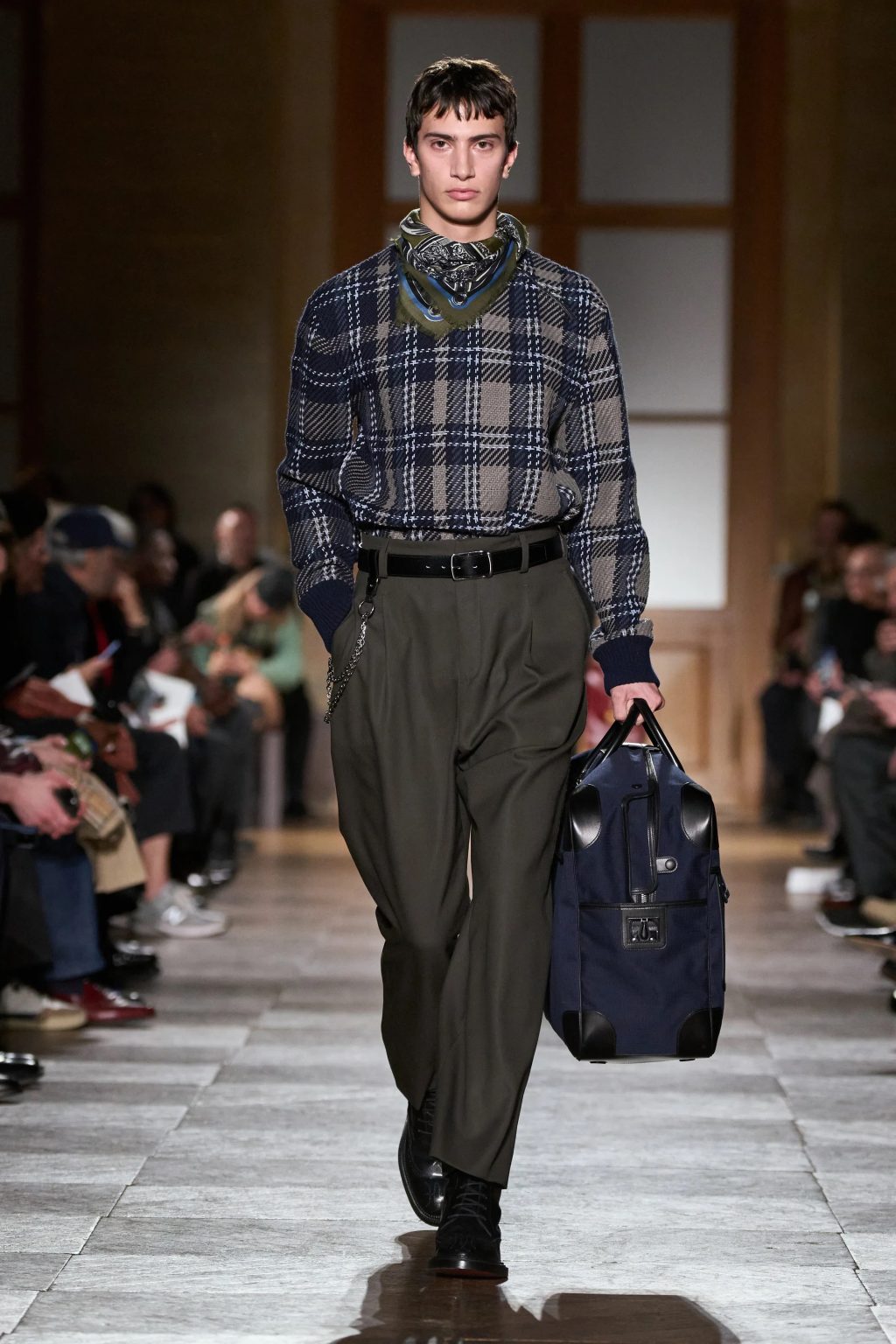
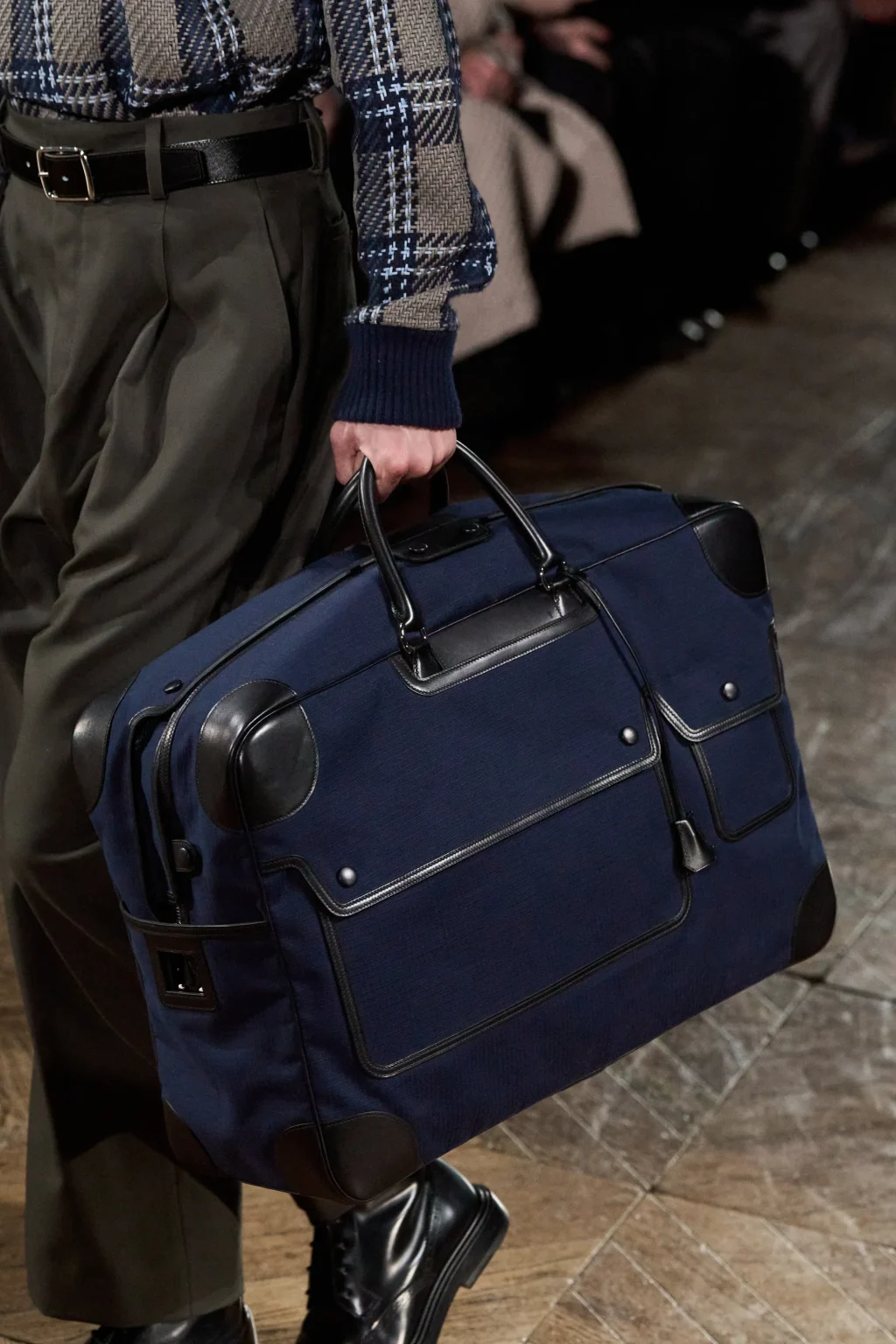
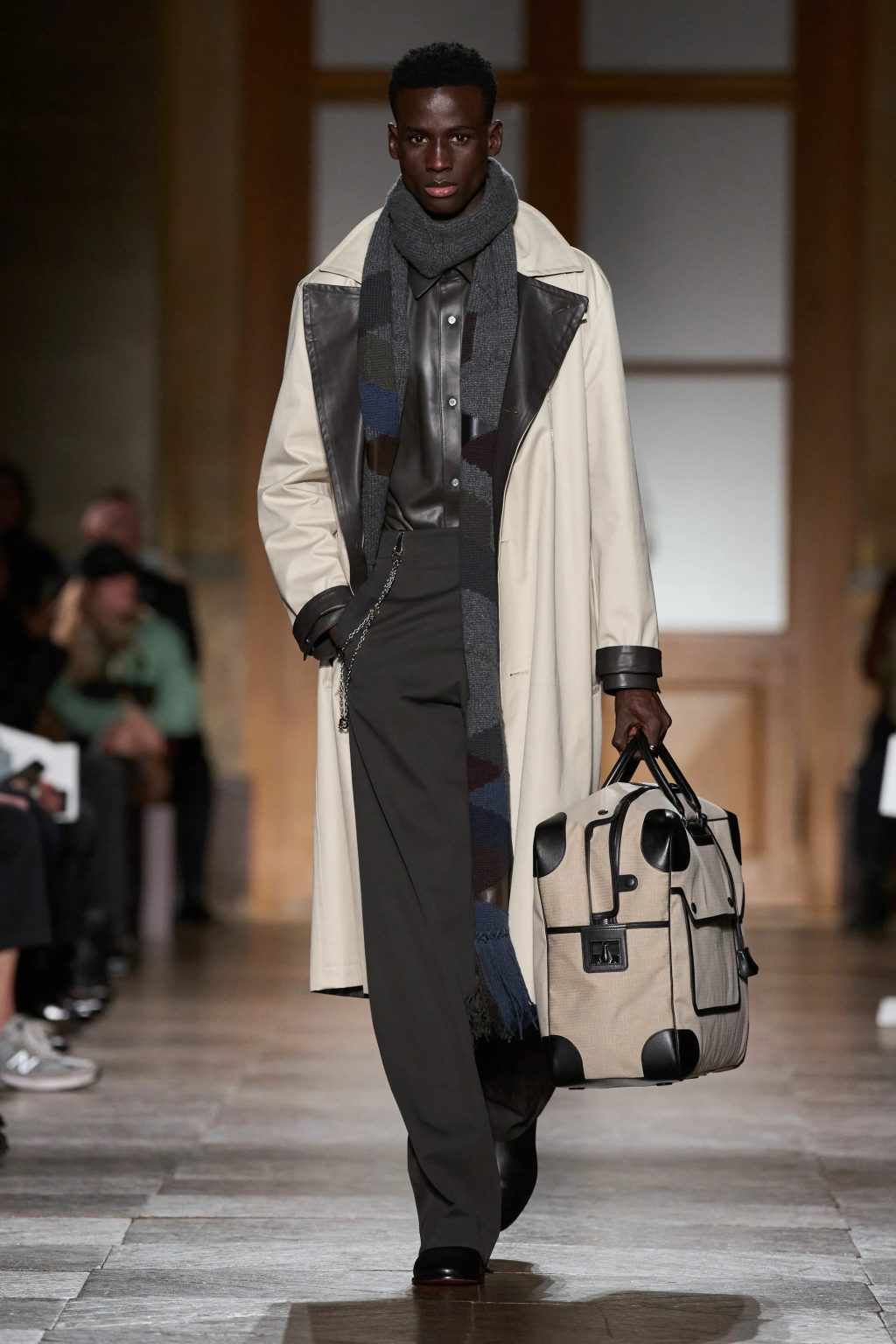
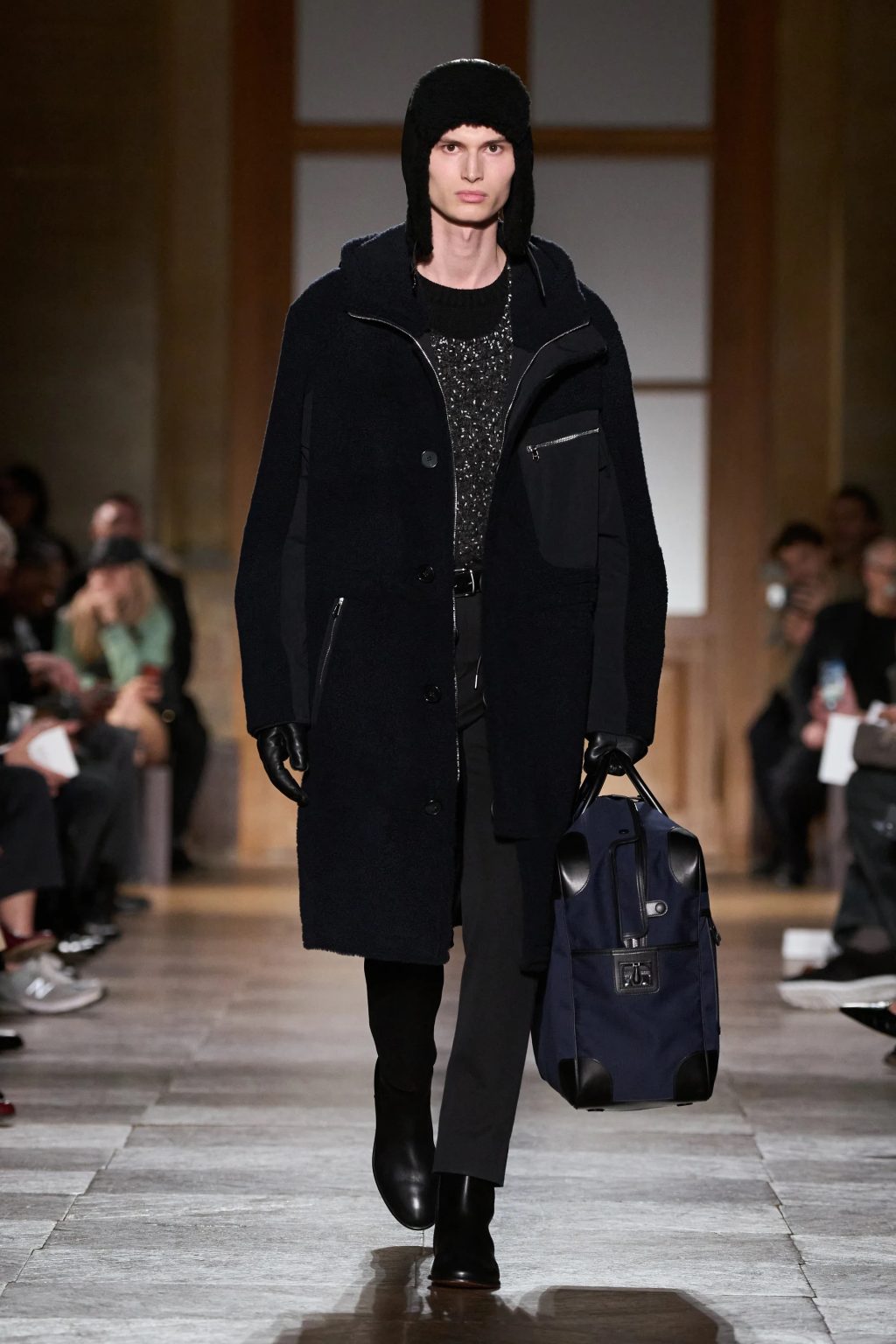
FW26 shows two-tone canvas travel bags with leather corner reinforcements and dark leather trim that behaves like protective armour: the corners are guarded, the base is structured, the bag stands like proper luggage. In the runway images above, the canvas appears in a light, ecru-leaning body with dark leather details, and also in a deep navy execution. The shape reads like a modernized holdall: generous volume, top handles, structured edges, and visible front pocket architecture.
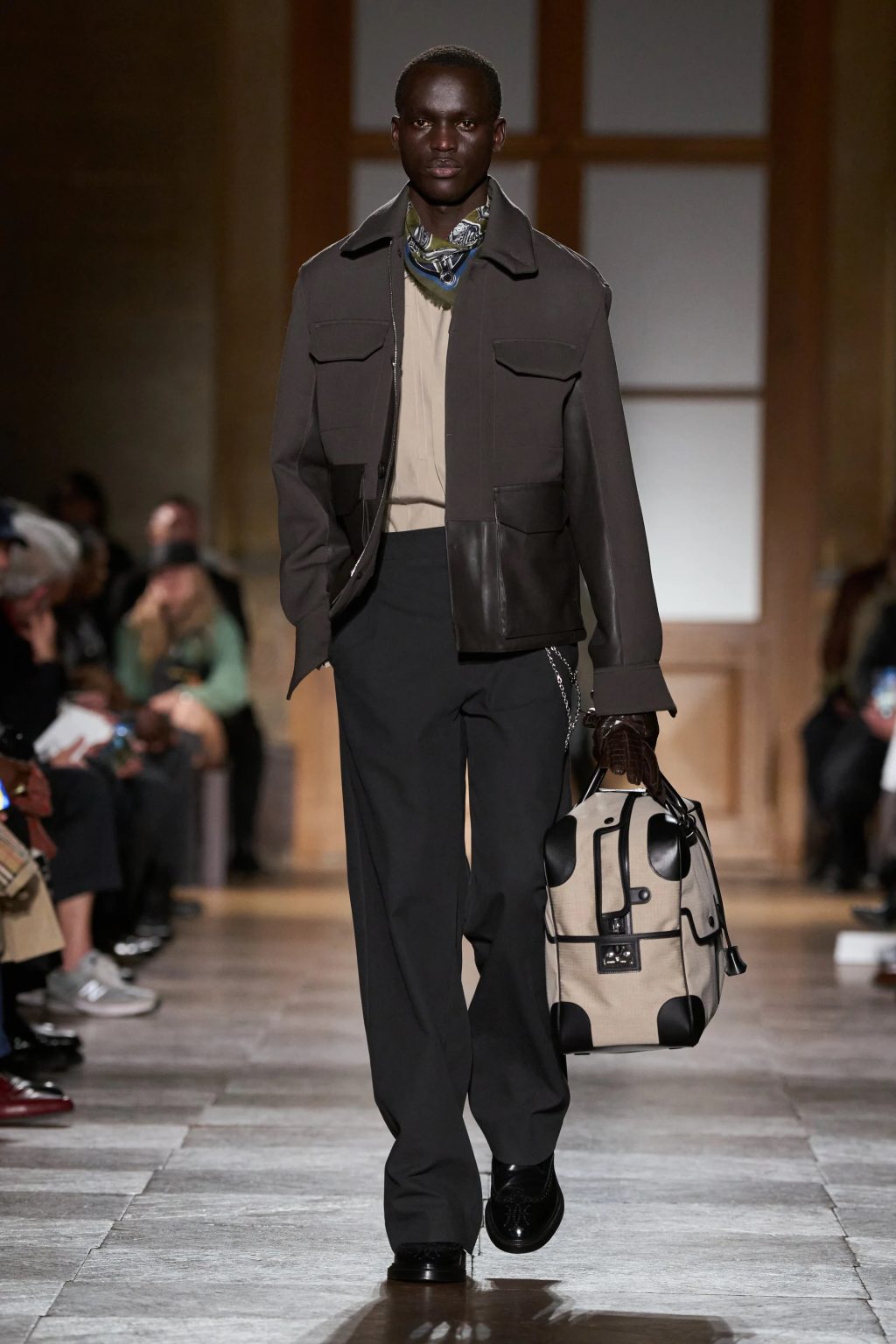
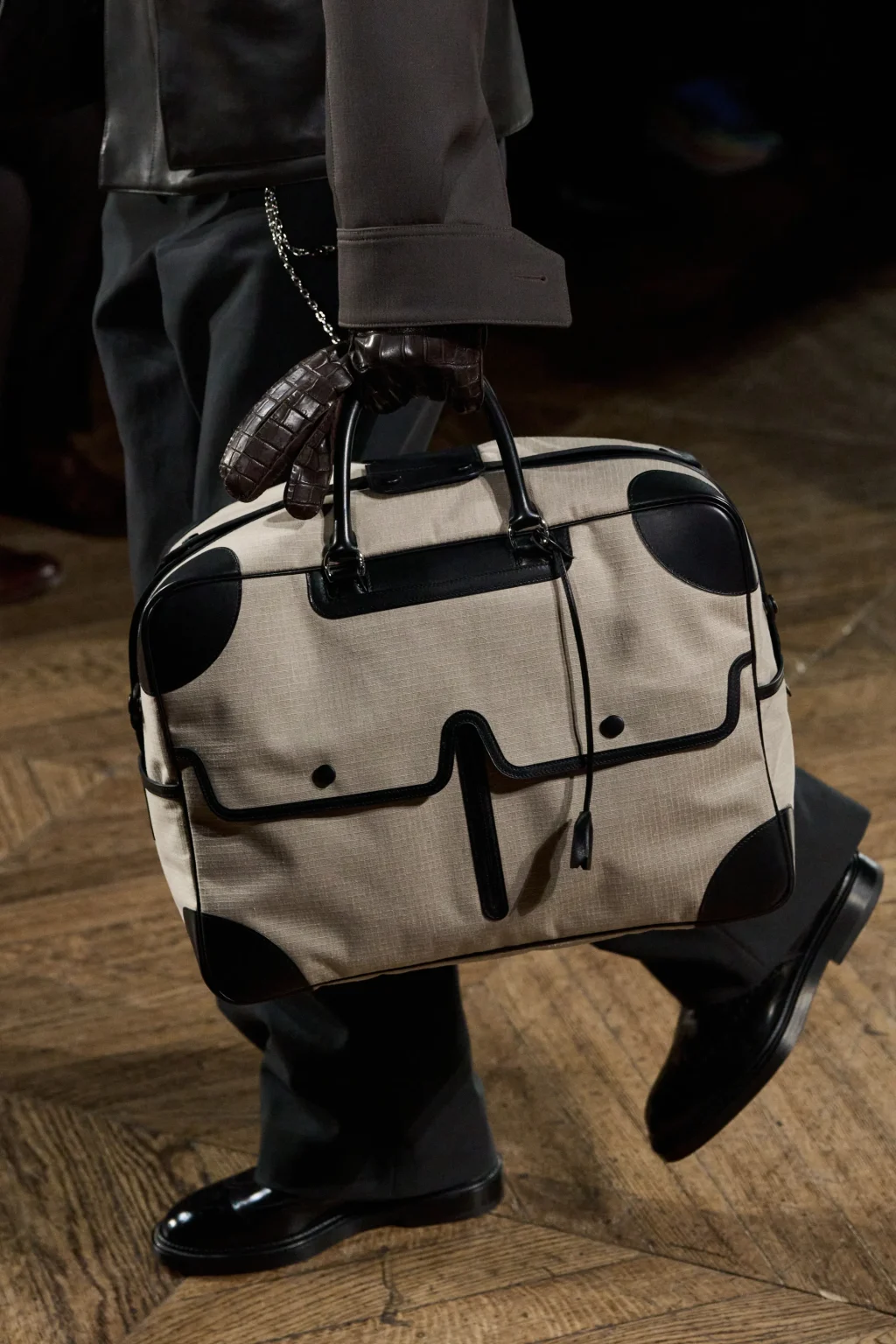
Why it matters is the balance: this is “utility,” but Hermès refuses the easy language of utility—no loud webbing, no aggressive logo placement, no tactical cosplay. Instead, it uses the quiet luggage language Hermès has always owned: reinforced corners, precise pocket placement, clean seams.
This is consistent with the house’s own way of talking about craft and structure—again, visible in how Hermès narrates a bag like the Faubourg Express, where “defined structure” and master saddler techniques are positioned as the story. The same values show up in these holdalls: structure is the luxury.
The backstage close-up of the large navy holdall underscores the point: the bag looks bigger, more “real travel,” and the front pockets and panel lines become even more legible—like luggage designed by someone who has actually packed. The result is a bag that signals capability without looking sporty.
The boombox suitcase bag
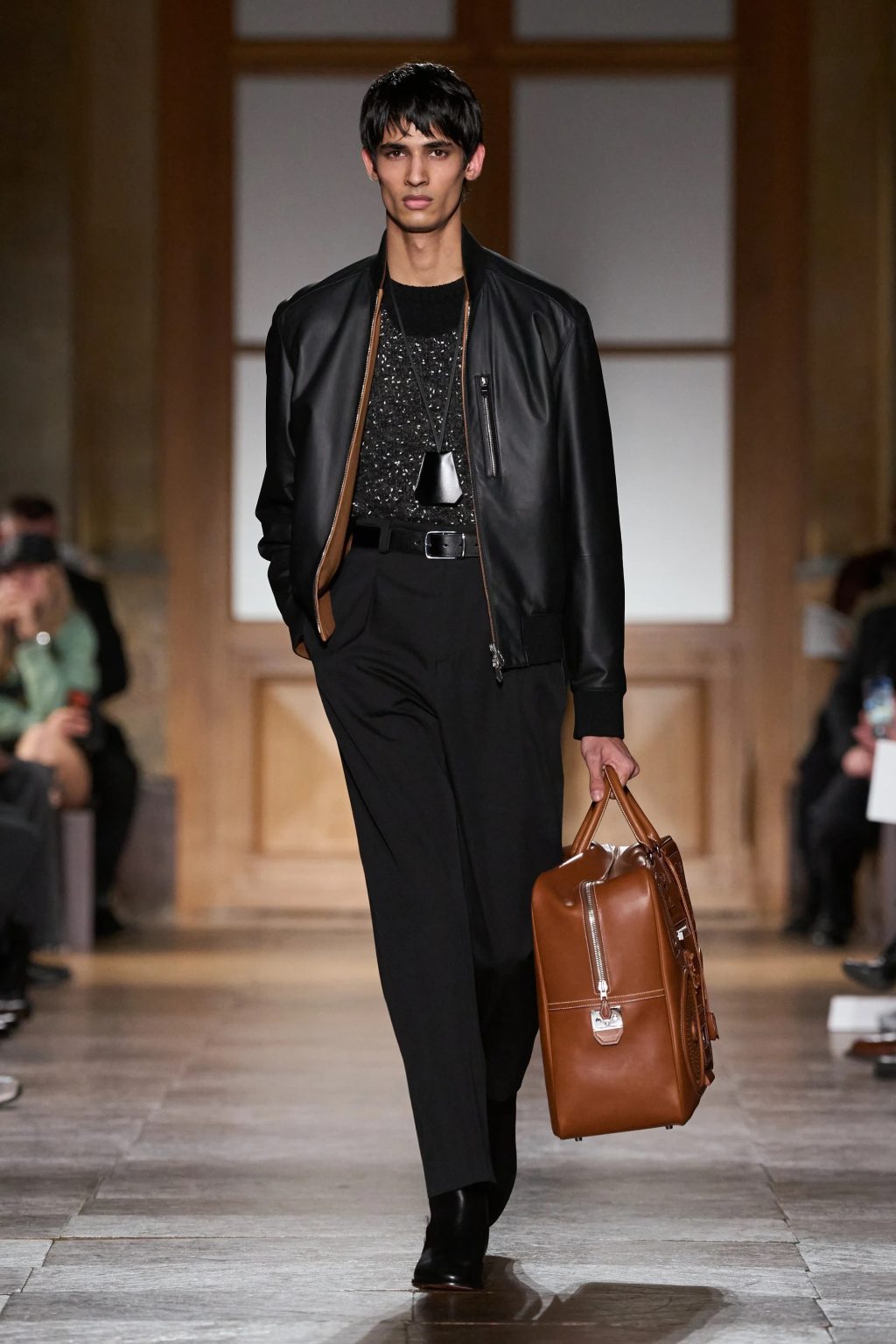
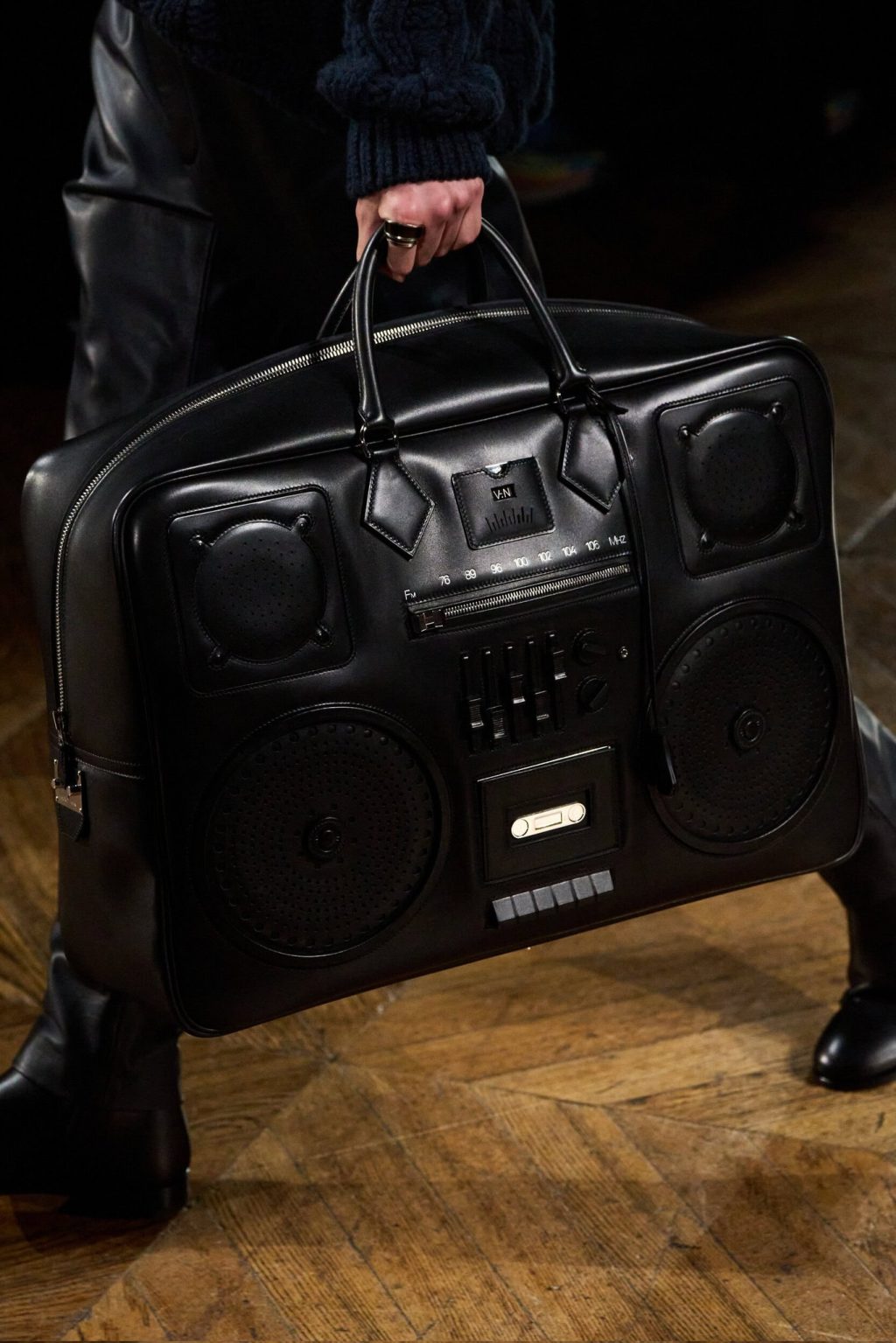
FW26’s most discussed bag moment is also the most Hermès-like in its restraint: a square, suitcase-style bag whose outward-facing side is sculpted in leather to resemble a boombox—an intentional nod to the era around Nichanian’s 1988 arrival at the house.
This matters because it’s not novelty for novelty’s sake. It’s a farewell device—a memory rendered as an object.
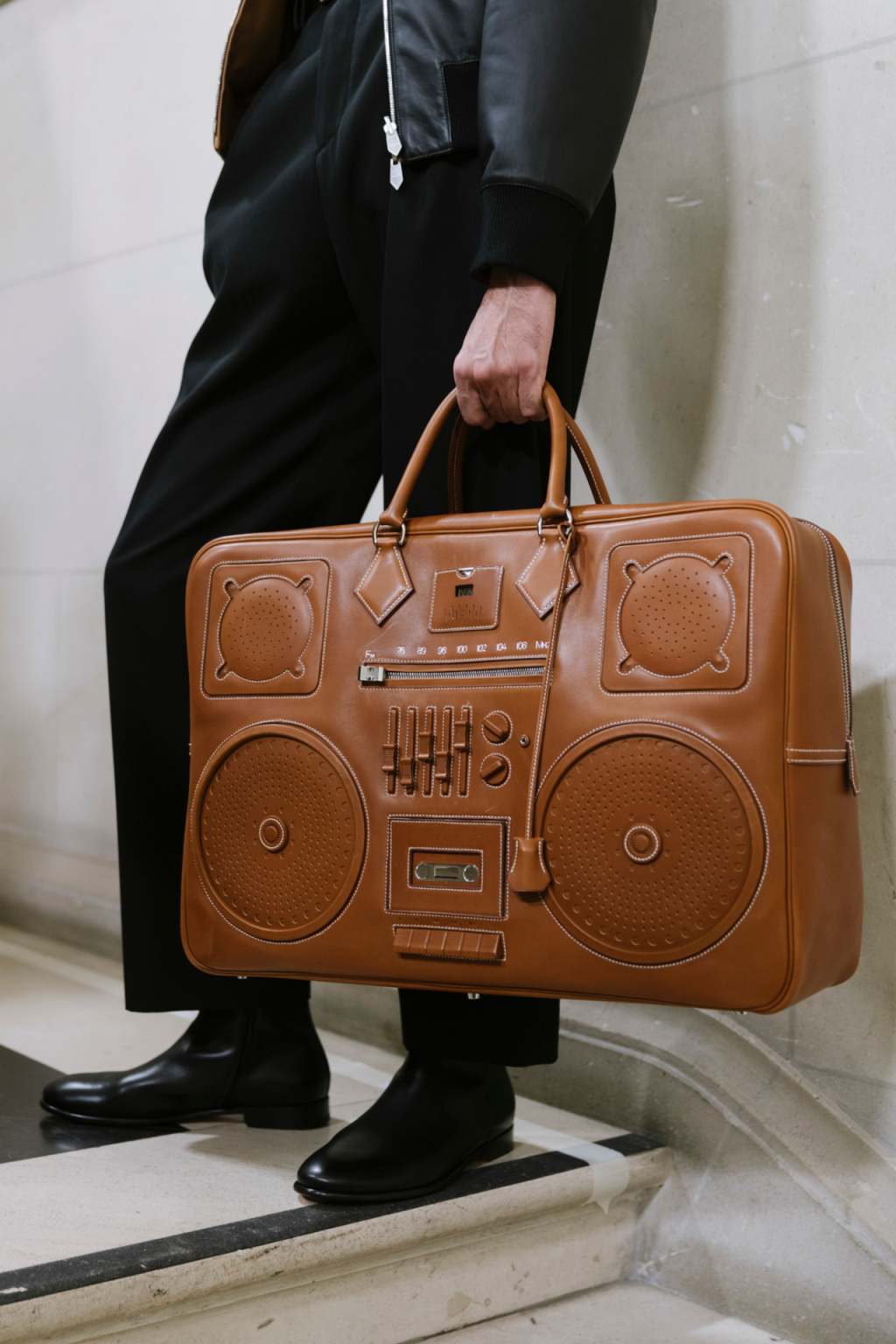
The close-up above shows exactly why it works: the boombox isn’t “printed” or cartooned; it is constructed. The speaker circles are mapped with precision; the “controls” read as raised leather forms; the central radio-like geometry sits within the rectangle like a carefully planned façade. The bag remains, fundamentally, a Hermès suitcase: structured edges, clean handles, real closure, real leatherwork.
That is the key distinction: Hermès can afford to be playful because it never abandons seriousness. The joke is secondary to the craft. The bag becomes a collector piece not because it’s loud, but because it is specific—tied to a date, a designer’s tenure, and a house that prefers subtext to spectacle.
If you care about the collector ecosystem beyond the runway—presentation, ritual, and the details that signal provenance—read our Hermès Blue Box guide.
Hermès runway bags do not always translate one-to-one into boutique reality, and Hermès does not publish a complete public release calendar. So there are limits to what anyone can confirm at this stage.
Also, the leadership transition amplifies interest. Grace Wales Bonner will succeed Nichanian, with her debut expected the following January season. Transitional moments often become collectible moments—not because the new is better or worse, but because the “before” becomes definable.
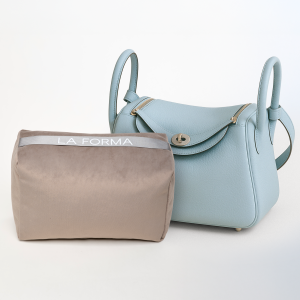
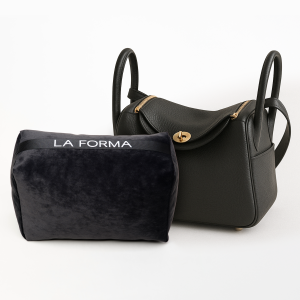
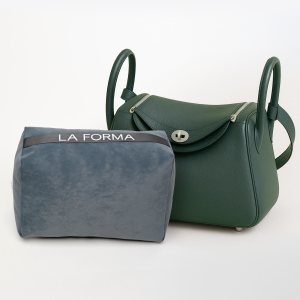
Storage and preservation: keep the geometry crisp
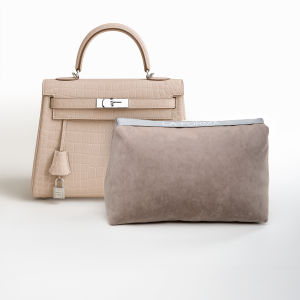
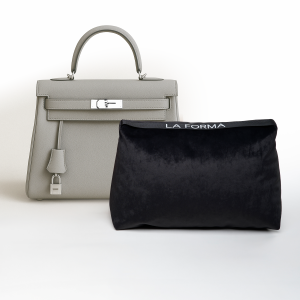
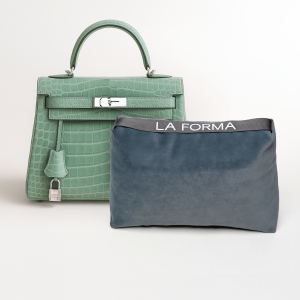
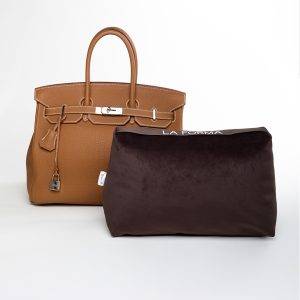
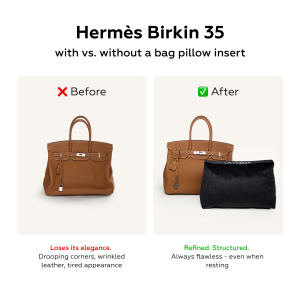
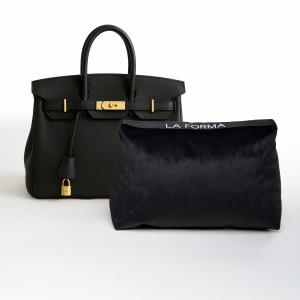
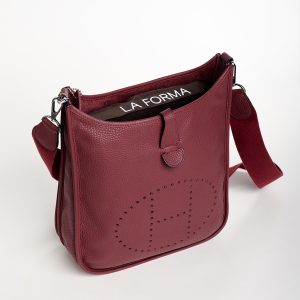
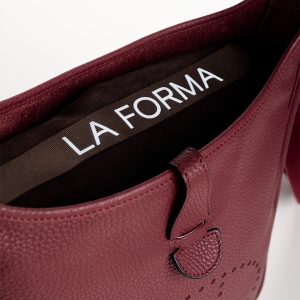
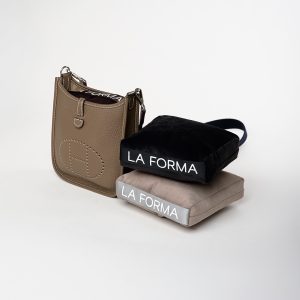
Travel silhouettes are beautiful because they’re honest—and honesty comes with rules. Store a tall holdall empty and it will slump; suede will record pressure at the corners; glossy leather will telegraph micro-creases and fine scratches depending on what it rests against. With FW26’s Plume-leaning shapes, silhouette longevity is inseparable from geometry: crisp planes, a firm base, an upright posture. Treat internal support as basic maintenance and the bag reads intentionally designed for years; let the body collapse and even Hermès starts to look tired.
For FW26 Plume-style bags, the logic is even stricter: the bag’s value is inseparable from its clean planes. Keep the geometry crisp, and the bag reads “designed.” Let it collapse, and even Hermès starts to look tired.