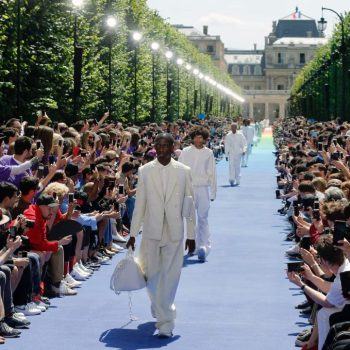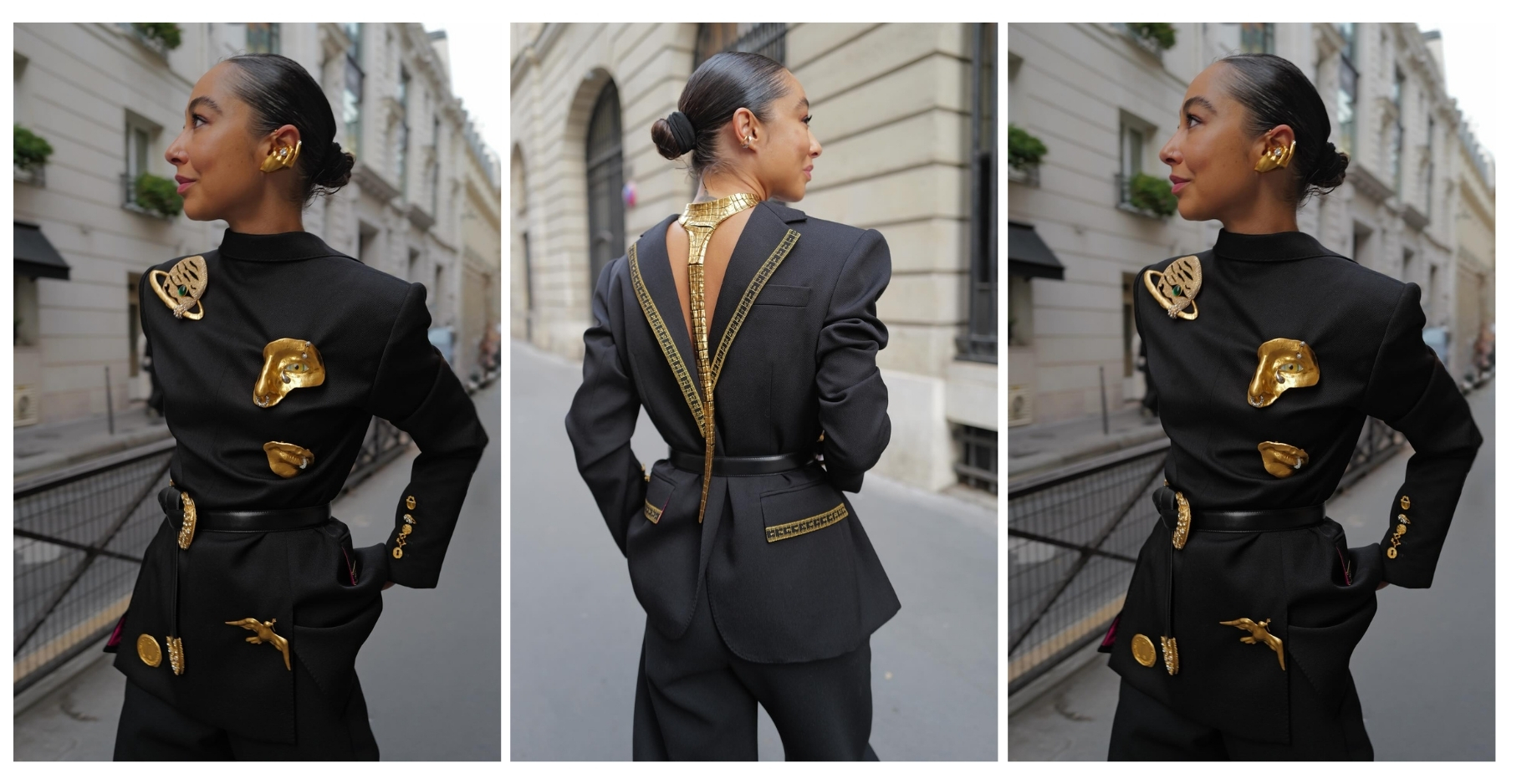
Fashion Week dates are the quiet infrastructure behind everything we see: the runway images that flood your feed, the celebrity front rows that ripple into red-carpet styling, and—most importantly for a bag-focused site like LaForma—the first sightings of the accessories that will dominate wishlists months later. In 2026, the cadence is classic but relentless: men’s weeks and couture ignite the year in January, women’s ready-to-wear marches across four capitals in February and early March, then the cycle repeats in June/July and again in September/October—always one season ahead of what’s actually landing in boutiques.
Before we jump into dates, a crucial translation: the “season name” and the “calendar date” rarely match. The February–March shows in 2026 are primarily for Fall/Winter 2026–2027 collections; September–October 2026 is largely Spring/Summer 2027. That time lag is the system—buyers need it, editors build around it, and brands use it to seed desire long before product hits shelves.
The 2026 Fashion Week calendar
| Month | City / Week | Dates (2026) | What it covers |
|---|---|---|---|
| Jan | Milan Men’s FW 26/27 | Jan 16–20 | Menswear + accessories/travel |
| Jan | Paris Men’s FW 26/27 | Jan 20–25 | Menswear + major house moments |
| Jan | Paris Haute Couture SS26 | Jan 26–29 | Couture (and the wildest bags) |
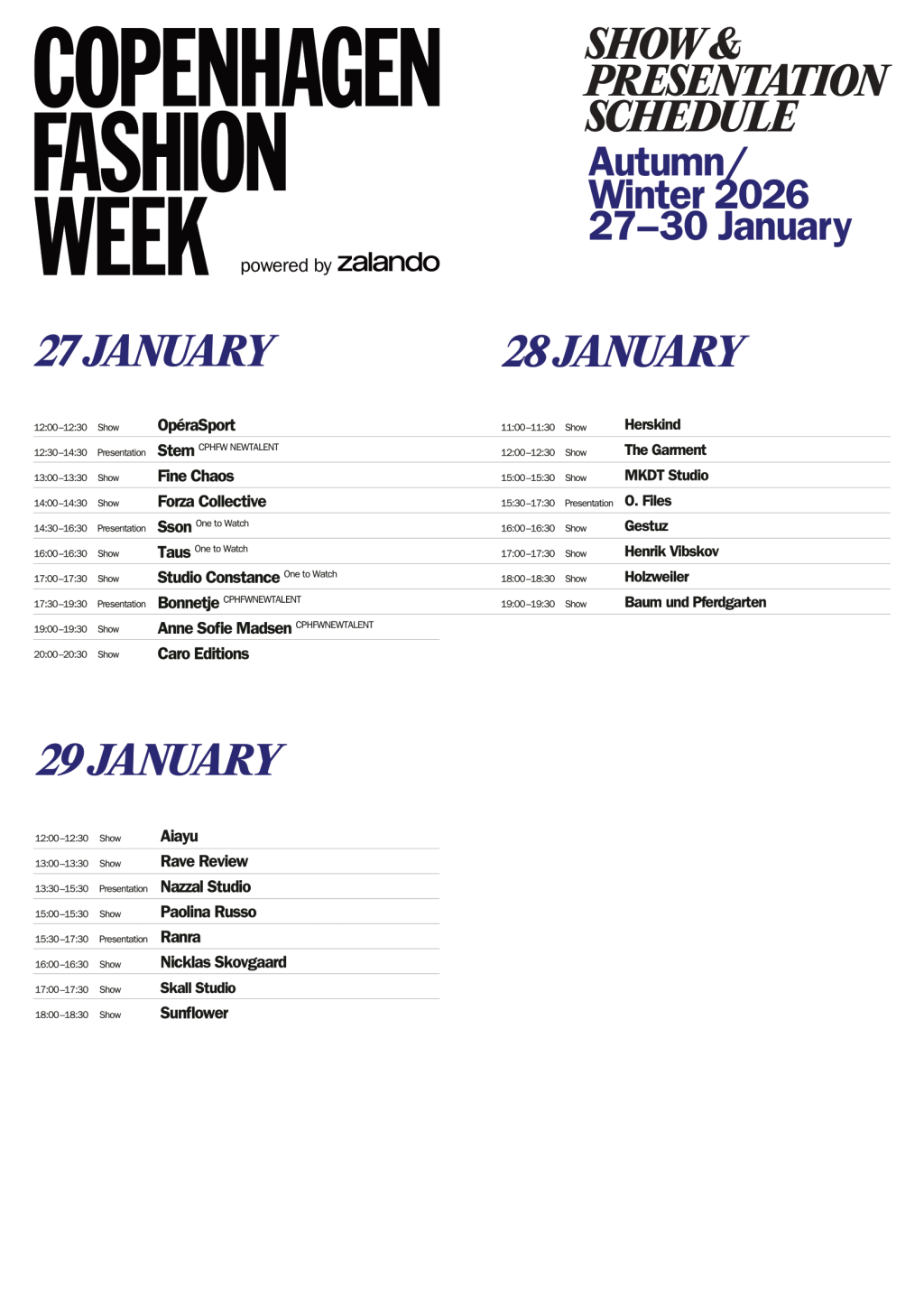
| Jan | Copenhagen Fashion Week AW26 | Jan 26–30 | Nordic ready-to-wear, rising brands |
| Feb | New York Fashion Week (FW26) | Feb 11–16 | American collections calendar |
| Feb | London Fashion Week (FW26) | Feb 19–23 | British ready-to-wear |
| Feb–Mar | Milan Women’s FW 26/27 | Feb 24–Mar 2 | Italian ready-to-wear + bags |
| Mar | Paris Women’s FW 26/27 | Mar 2–10 | The industry “final exam” week |
| Apr | NYFW Bridal (Spring 2027) | Apr 8–10 | Bridal market + couture-adjacent |
| Jun | Milan Men’s SS27 | Jun 19–23 | Menswear summer collections |
| Jun | Paris Men’s SS27 | Jun 23–28 | Menswear + blockbuster shows |
| Jul | Paris Haute Couture FW 26/27 | Jul 6–9 | Couture (July edition) |
| Sep | New York Fashion Week SS27 | Sep 9–14 | Spring/Summer 2027 runway |
| Sep | London Fashion Week SS27 | Sep 17–21 | Spring/Summer 2027 runway |
| Sep | Milan Women’s SS27 | Sep 22–28 | Spring/Summer 2027 runway |
| Sep–Oct | Paris Women’s SS27 | Sep 28–Oct 6 | Spring/Summer 2027 runway |
Milan Men’s Fashion Week (Fall/Winter 2026–2027) — Jan 16–20
Milan Men’s starts the year with an unusually transparent emphasis on structure—not just runways, but the broader machinery of appointments, presentations, and brand programming. CNMI’s disclosed scale for January 2026 (as reported in trade coverage) points to a week built as a dense professional circuit, with a large number of total appointments across physical shows, digital shows, presentations, and events. That mix matters: it reflects how menswear weeks have evolved into a multi-format business platform, where “show” is only one of several ways brands meet press, buyers, and partners.
What’s notably “2026” about Milan Men’s is the way it sits in a broader menswear kickoff that begins in Florence with Pitti Uomo—a trade-and-industry ignition point that effectively primes the conversation before Milan even begins. In other words: this isn’t one city’s moment. It’s the first leg of a system switching on.
Paris Men’s Fashion Week (Fall/Winter 2026–2027) — Jan 20–25
Paris Men’s is where the season turns from industry cadence into global headline-making, and 2026 has been particularly rich in “chapter-change” energy. One of the most discussed real-time narratives has been the end of an era at Hermès menswear, with Véronique Nichanian taking a widely covered final bow after decades at the house—news framed explicitly as a generational handover, with her successor already named.
But the most structural “what’s new” detail worth adding to a generalist guide is FHCM’s continued investment in SPHERE, its curated showroom platform for emerging talent. For this season, FHCM states that the Menswear Fall/Winter 2026–2027 showroom session runs at the Palais de Tokyo (Jan 21–25), paired with a digital version by invitation starting Jan 20. It’s a clear signpost of how Paris formalizes talent support inside the official Fashion Week ecosystem—building a pipeline, not just a calendar.
Paris Haute Couture Week (Spring/Summer 2026) — Jan 26–29
Couture week is fashion’s highest-pressure proof of concept: craftsmanship, yes—but also identity, myth, and institutional continuity. In 2026, that continuity is being tested (and, in some cases, rewritten) in public.
Two major “new chapter” moments have dominated coverage: Matthieu Blazy’s first couture collection for Chanel and Jonathan Anderson’s couture debut at Dior—debuts that have been treated by press as defining signals of where each house is going next. At the same time, Armani Privé has entered a profoundly different phase: multiple outlets report this couture season as the house’s first following Giorgio Armani’s death in 2025, with Silvana Armani stepping forward in a more visible leadership role.
If you want one line that captures “what’s new” here without becoming brand-by-brand: this couture week is less about fantasy-as-escape and more about couture-as-transition—the runway as a place where legacies are actively handed over.
Copenhagen Fashion Week (Autumn/Winter 2026) — Jan 27–30
Copenhagen isn’t simply “another week”—it’s a statement about how a fashion week can operate as a policy platform. Officially, 2026 is also Copenhagen Fashion Week’s 20th anniversary year, and the organization has signaled that both 2026 editions will be amplified by international events, partnerships, and projects, culminating in a commemorative book and broader activations.
The most interesting “2026-specific” layer is that Copenhagen’s anniversary isn’t framed as nostalgia—it’s framed as institutional momentum, especially around sustainability. CPHFW explicitly positions its Sustainability Requirements as binding minimum standards introduced and implemented in phases since 2020/2023, reinforcing the week’s role as a catalyst for industry change. In practical terms, it means Copenhagen’s news cycle is often about systems (requirements, guest programs, partnerships), not just collections—and that’s exactly what makes it feel current.
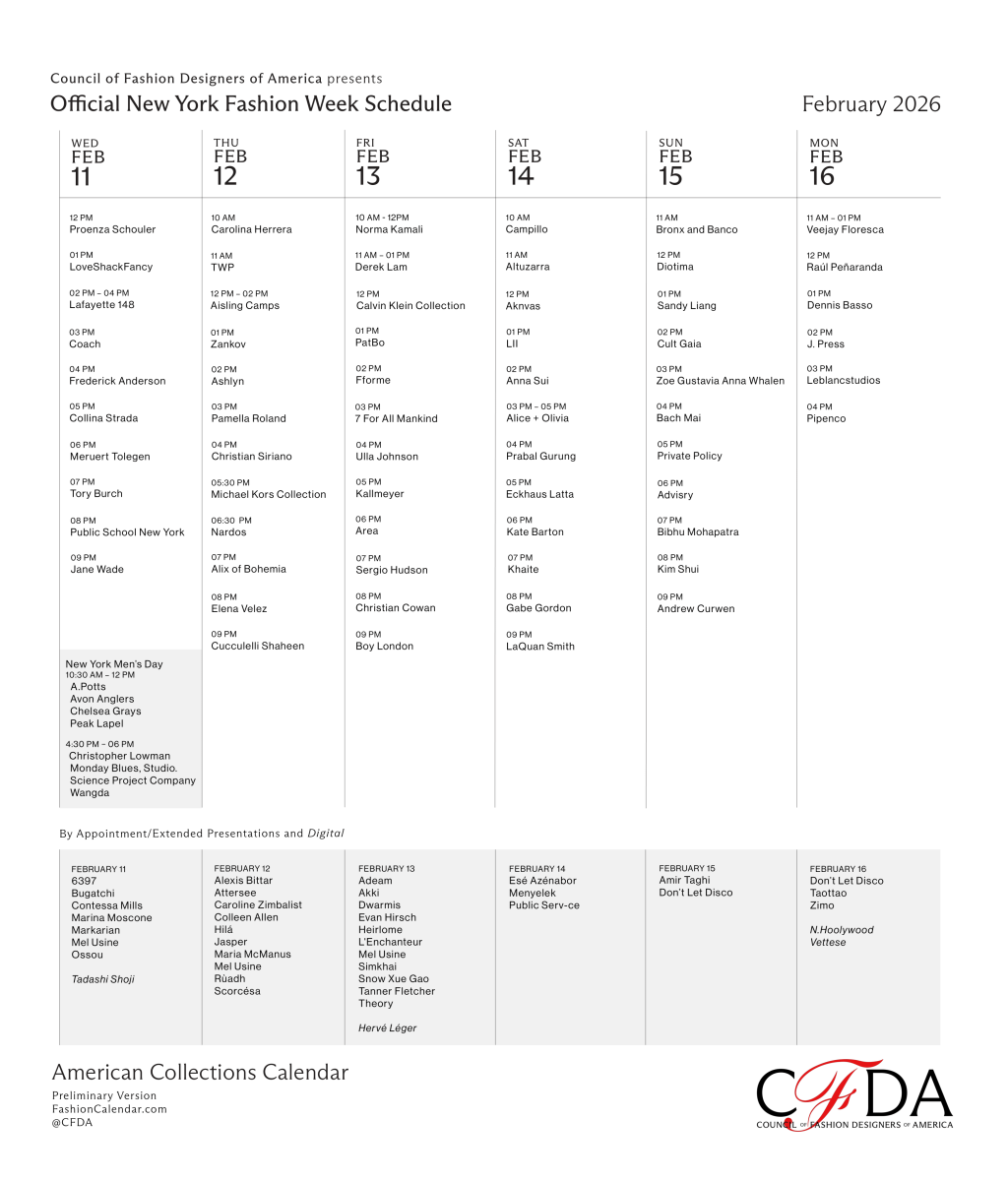
New York Fashion Week (Fall/Winter 2026) — Feb 11–16
New York’s 2026 storyline is unusually clear: a “reset” feeling shaped by emerging talent, high-profile calendar strategy, and notable returns. CFDA’s official release states that the week opens with Rachel Scott’s runway debut for Proenza Schouler on Feb 11, and closes on Feb 16.
Press takeaways add texture: Vogue notes that major names are choosing off-calendar positioning (a classic NYFW power move), with Marc Jacobs and Ralph Lauren staging shows just before the official start, and multiple labels returning or joining. The “newness” here isn’t one aesthetic—it’s the calendar itself behaving like a competitive landscape, where timing is part of branding.
London Fashion Week (Fall/Winter 2026) — Feb 19–23
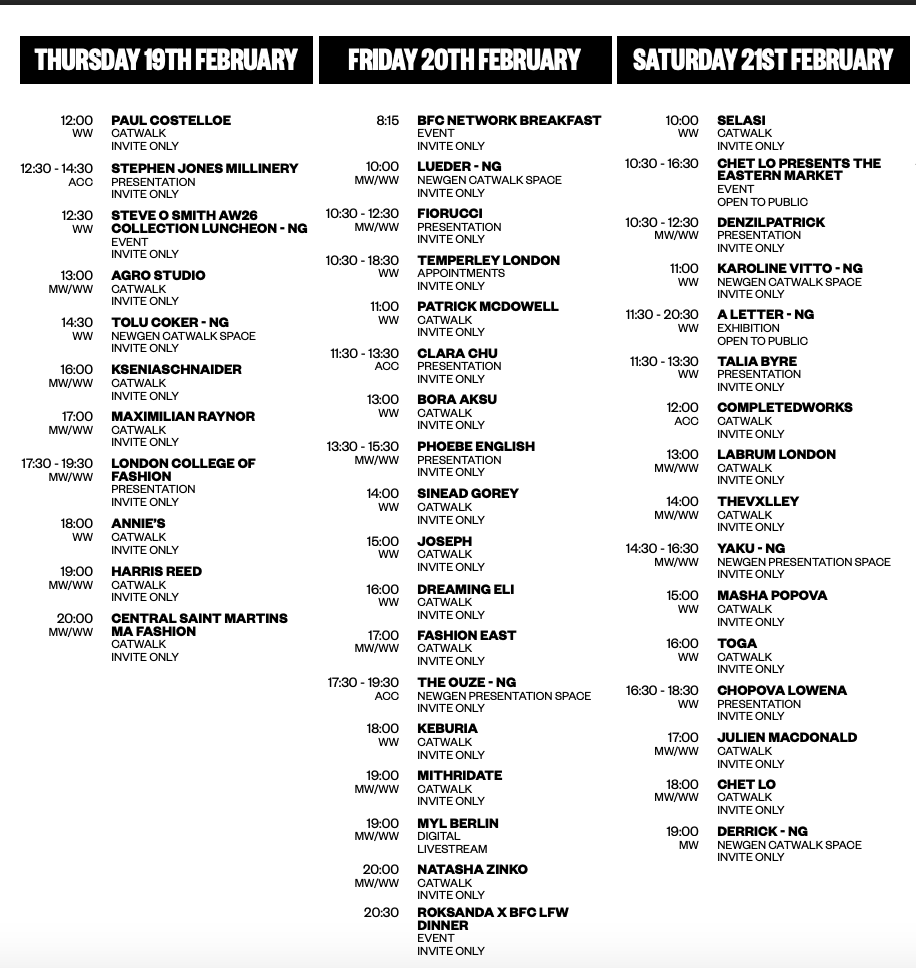
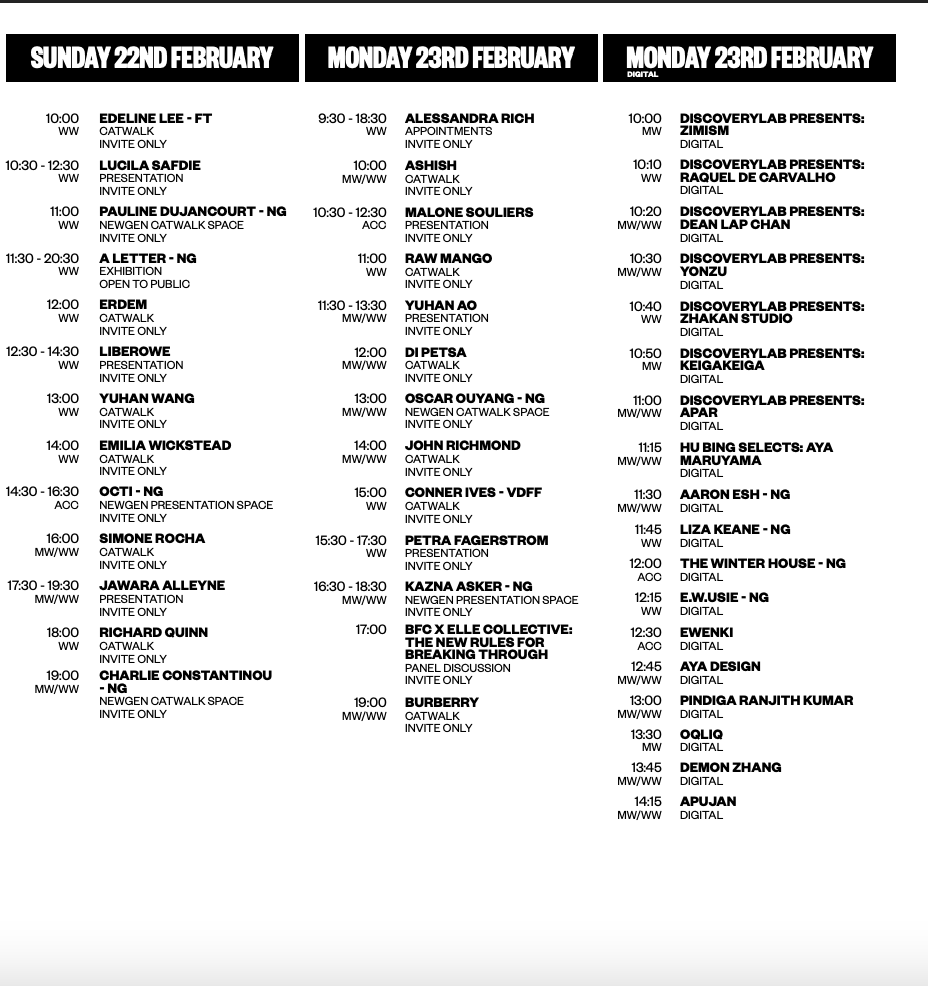
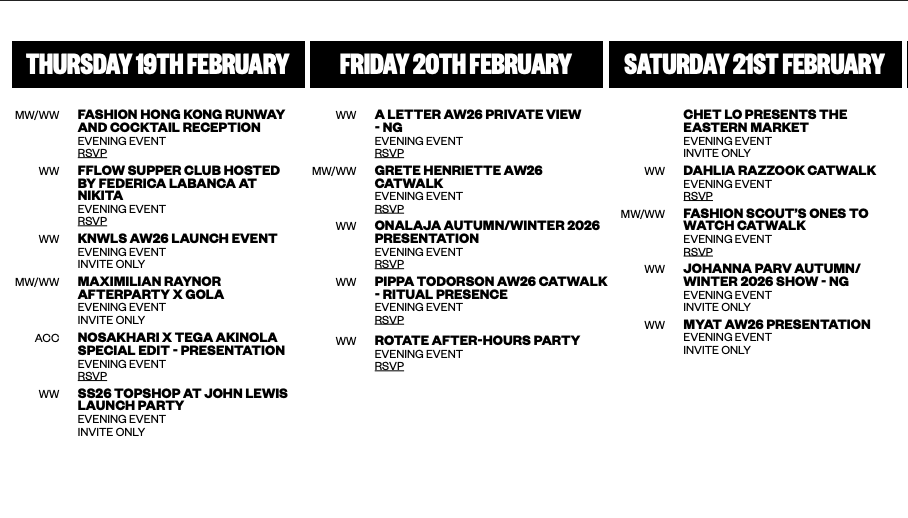
London’s 2026 framing is explicitly community-forward. The official London Fashion Week site positions the February edition as a celebration of “the community that sustains British creativity,” which is a telling headline in a year where many fashion institutions are trying to justify their cultural value beyond commerce.
From a calendar mechanics perspective, the BFC has also been unusually visible about dates across editions, anchoring both February and September 2026 windows clearly. London’s “newness” tends to show up less as one “big debut” and more as how the week functions as a platform—for emerging designers, press/buyer programming, and the city’s ongoing role as fashion’s idea-lab.
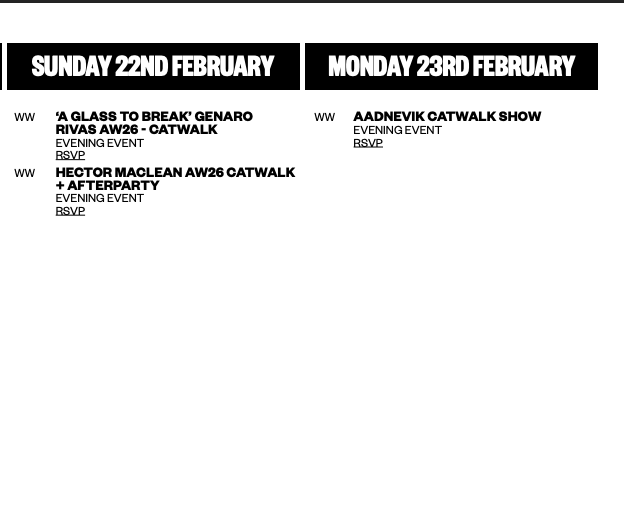
Milan Fashion Week (Women’s Fall/Winter 2026–2027) — Feb 24–Mar 2
Milan women’s week is always anchored by CNMI’s official calendar, but 2026 adds a strong cultural-program layer around it. A standout “what’s new/interesting” note: PhotoVogue Festival’s 10th edition (“Women by Women”) is scheduled for March 1–4, 2026 in Milan and explicitly tied to Milan Fashion Week’s cultural orbit, including patronage by CNMI.
That matters because it underscores Milan’s increasing habit of operating as fashion + cultural institutions, not just runway venues—where week programming bleeds into exhibitions, panels, and city-scale activations.
See HERE the full show calendar.
Paris Fashion Week (Women’s Fall/Winter 2026–2027) — Mar 2–10
Paris women’s week remains the circuit’s closing argument—the longest, most compressed in prestige, and the one that tends to canonize the season’s ideas. FHCM’s official “Upcoming seasons” confirms the March 2–10 window.
What feels particularly “2026” is how Paris now operates with an increasingly public-facing digital layer (official calendars, watch-again infrastructure, event ecosystems) while still holding the most traditional authority in the system. It’s the city where fashion’s future is broadcast—without losing its gatekeeping muscle.
NYFW: Bridal — Apr 8–10
Bridal is the calendar’s quieter power broker: not the loudest headlines, but a reliable signal of where occasion culture is going—and how fashion translates into life events. CFDA lists the official April 8–10 dates in its NYFW ecosystem.
In 2026, bridal’s relevance is less about tradition and more about its role as a market week where brands test how romance, ceremony, and modern identity coexist—often in a more commercially legible way than the main runway weeks.
Milan Men’s (Spring/Summer 2027) — Jun 19–23
By June, the calendar shifts into “summer logic”: lighter presentations, travel-heavy city movement, and a menswear conversation that’s increasingly international. CNMI’s “Next editions” positioning confirms this window as part of the official annual rhythm.
The 2026 “newness” here is the ongoing normalization of hybrid formats—the idea that a fashion week is not purely about a runway show, but about a suite of touchpoints designed for different audiences.
Paris Men’s (Spring/Summer 2027) — Jun 23–28
Paris in June often feels like a hinge between menswear and couture season—still official, but already building toward July’s craftsmanship narrative. FHCM confirms the dates.
The week continues to emphasize the “ecosystem” model (calendars, events, showrooms), reinforcing that Paris doesn’t just host fashion week—it administers it.
Paris Haute Couture Week (Fall/Winter 2026–2027) — Jul 6–9
FHCM confirms July couture dates. July couture is often treated by the industry as a second annual peak—less “new year energy,” more “mid-year clarity.” In 2026, after a January couture dominated by debuts and institutional transition, July is likely to be read as the moment when those changes either stabilize—or provoke further shifts.
New York Fashion Week (Spring/Summer 2027) — Sep 9–14
September NYFW carries the year’s most concrete “new rule”: the CFDA confirms that beginning with September 2026, animal fur will no longer be permitted in collections on the Official NYFW Schedule. Regardless of where you stand on the debate, it’s a landmark policy shift because it defines NYFW as a week willing to formalize standards rather than simply reflect brand choices.
London Fashion Week (Spring/Summer 2027) — Sep 17–21
BFC lists the September 2026 dates clearly. September London tends to be the city at its most visually kinetic—high street style intensity, maximal press attention, and designers often using Spring/Summer to push color, silhouette, and concept.
Milan Fashion Week (Women’s Spring/Summer 2027) — Sep 22–28
CNMI confirms the September 22–28 window. Milan in September is where “polish” meets “lightness”—a week that often sets the commercial tone for Spring/Summer by making newness feel wearable, not theoretical.
Paris Fashion Week (Women’s Spring/Summer 2027) — Sep 28–Oct 6
FHCM confirms the closing week of the year. Paris in late September/early October is the system’s final seal: the last major week where editors, buyers, and brands compress the season into a set of agreed-upon references. In 2026, with policy shifts in New York and anniversary-scale programming in Copenhagen, Paris’s role becomes even more explicit: it is the place that absorbs every earlier signal—and decides which ones endure.