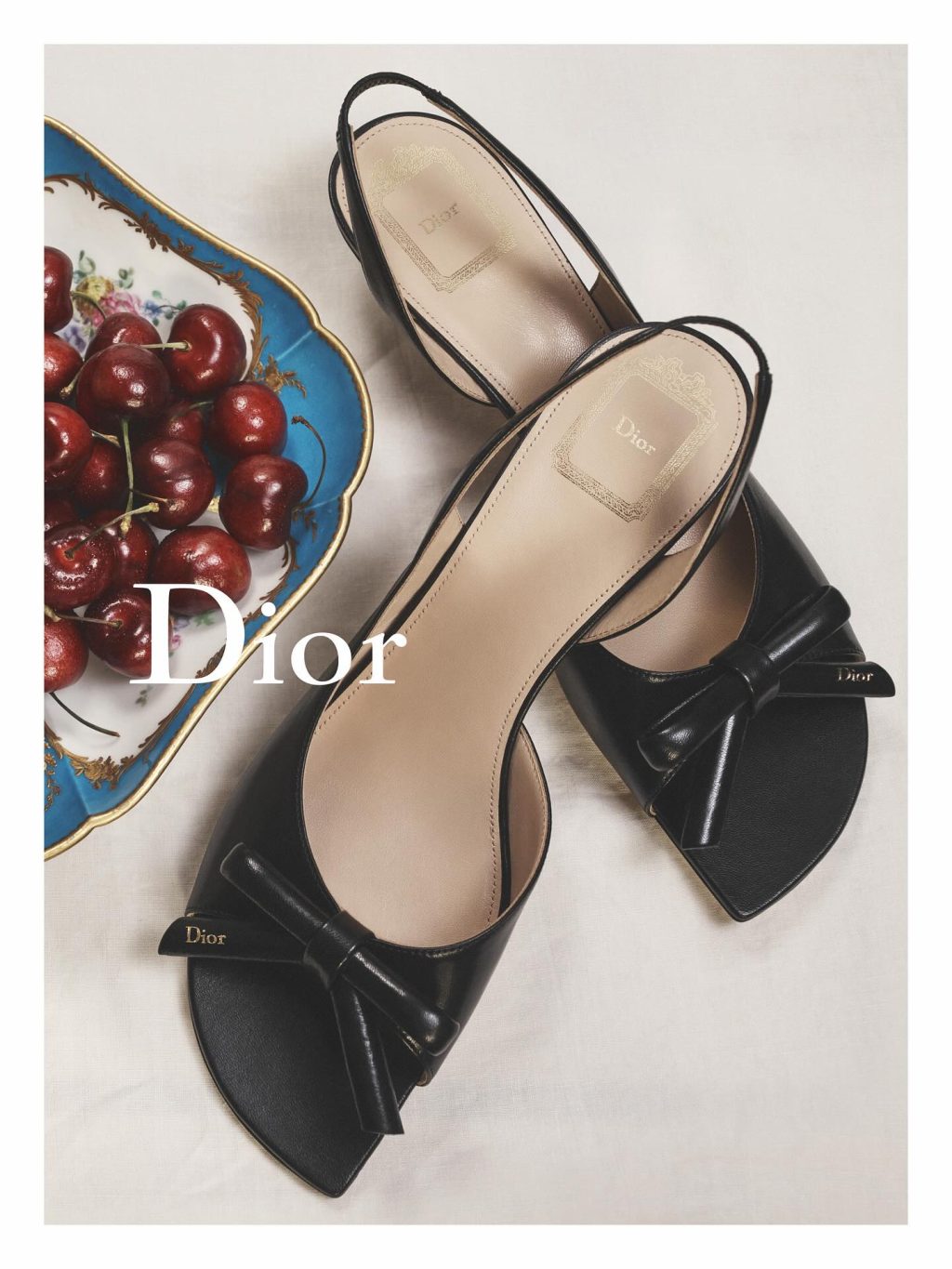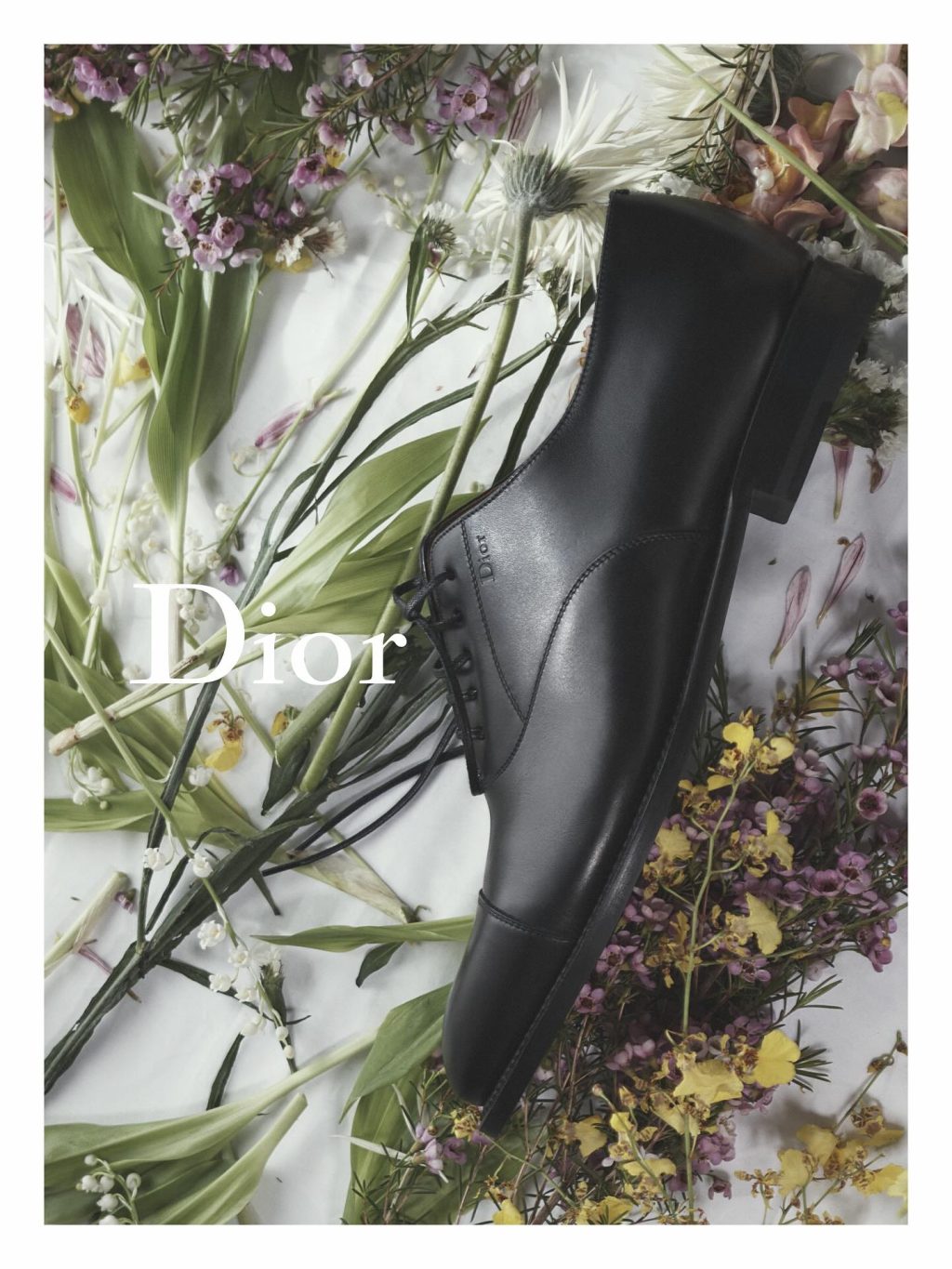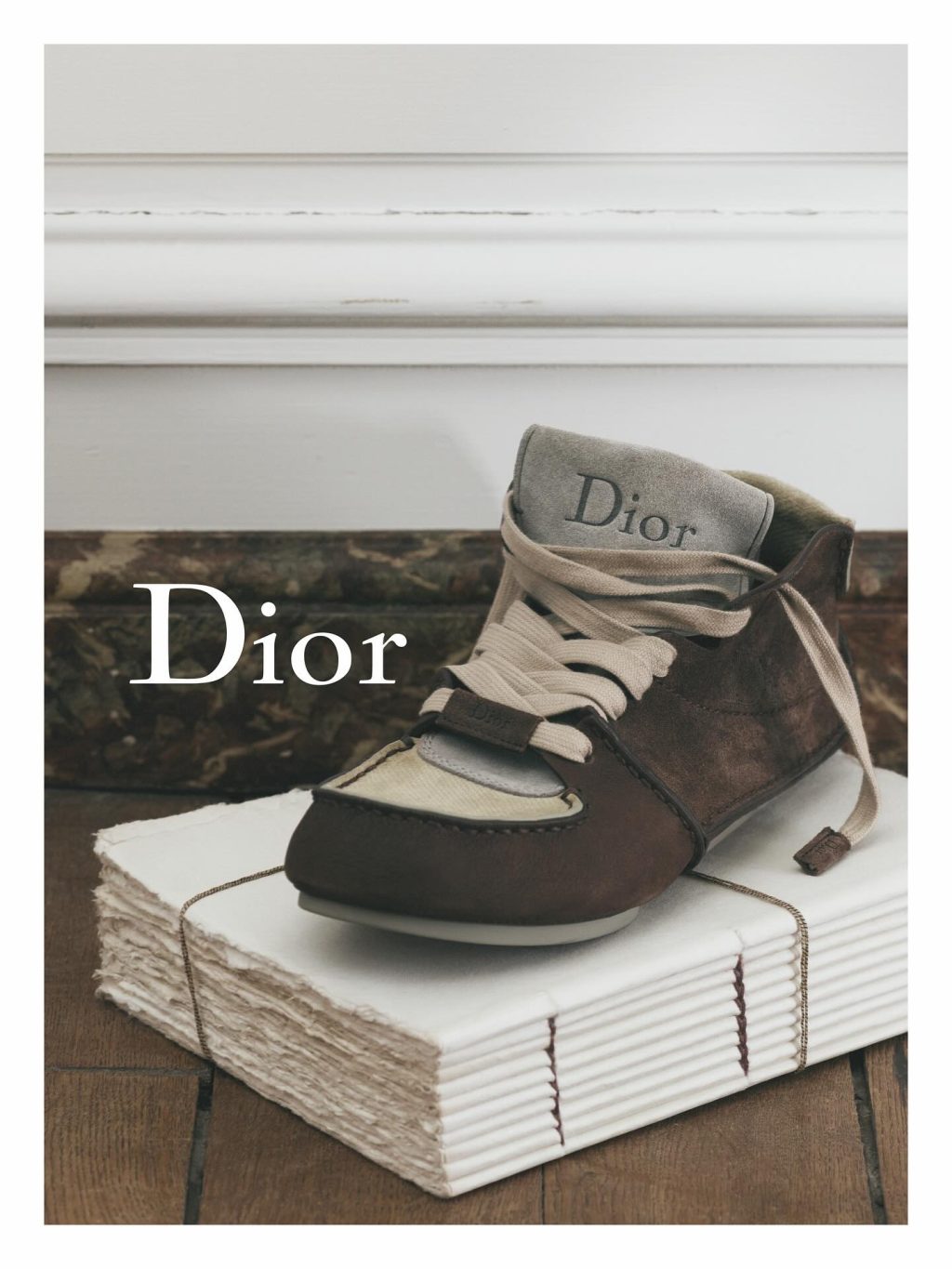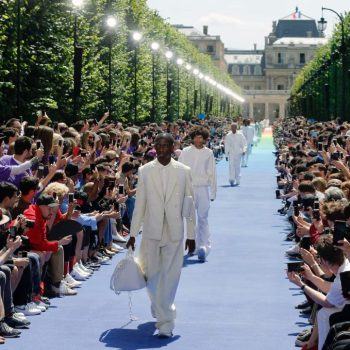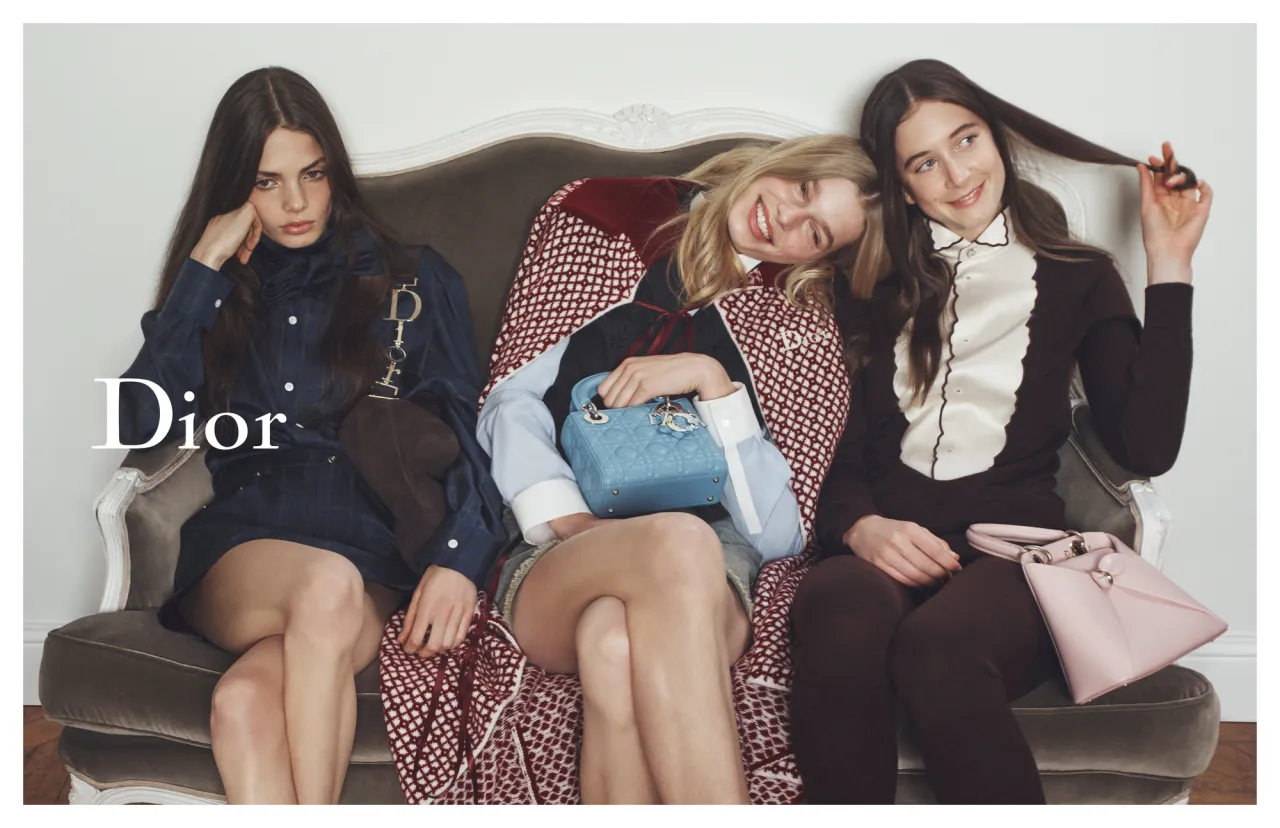
Dior has always understood that a campaign isn’t “marketing” so much as a controlled leak of a future—and the Dior coed campaign bags for Summer 2026 make that future instantly legible. With the unveiling of its first coed advertising campaign timed to the arrival in stores of Jonathan Anderson’s debut collections, the House isn’t simply introducing a new creative director. It’s re-teaching the eye what Dior is supposed to look like now.
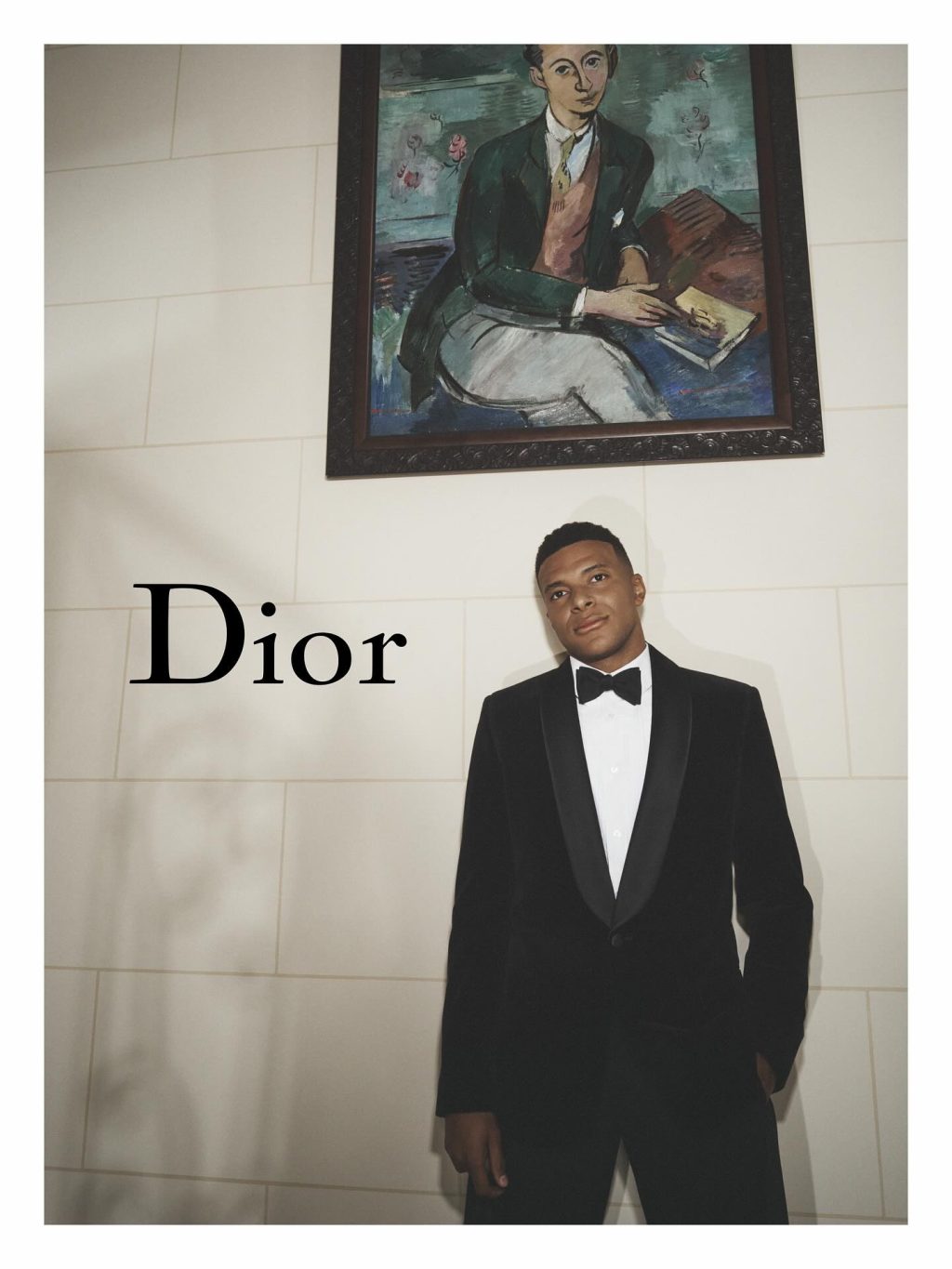
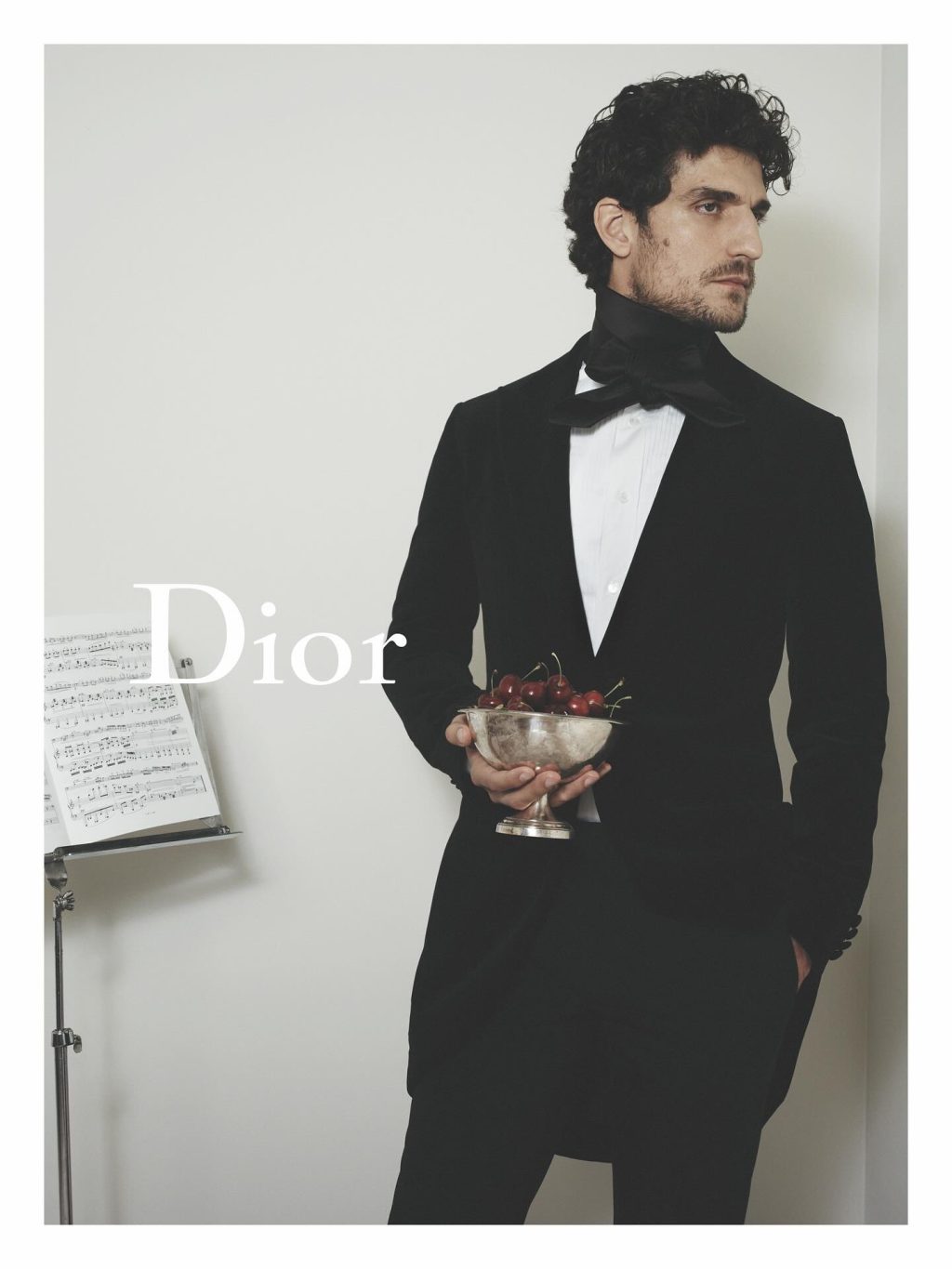
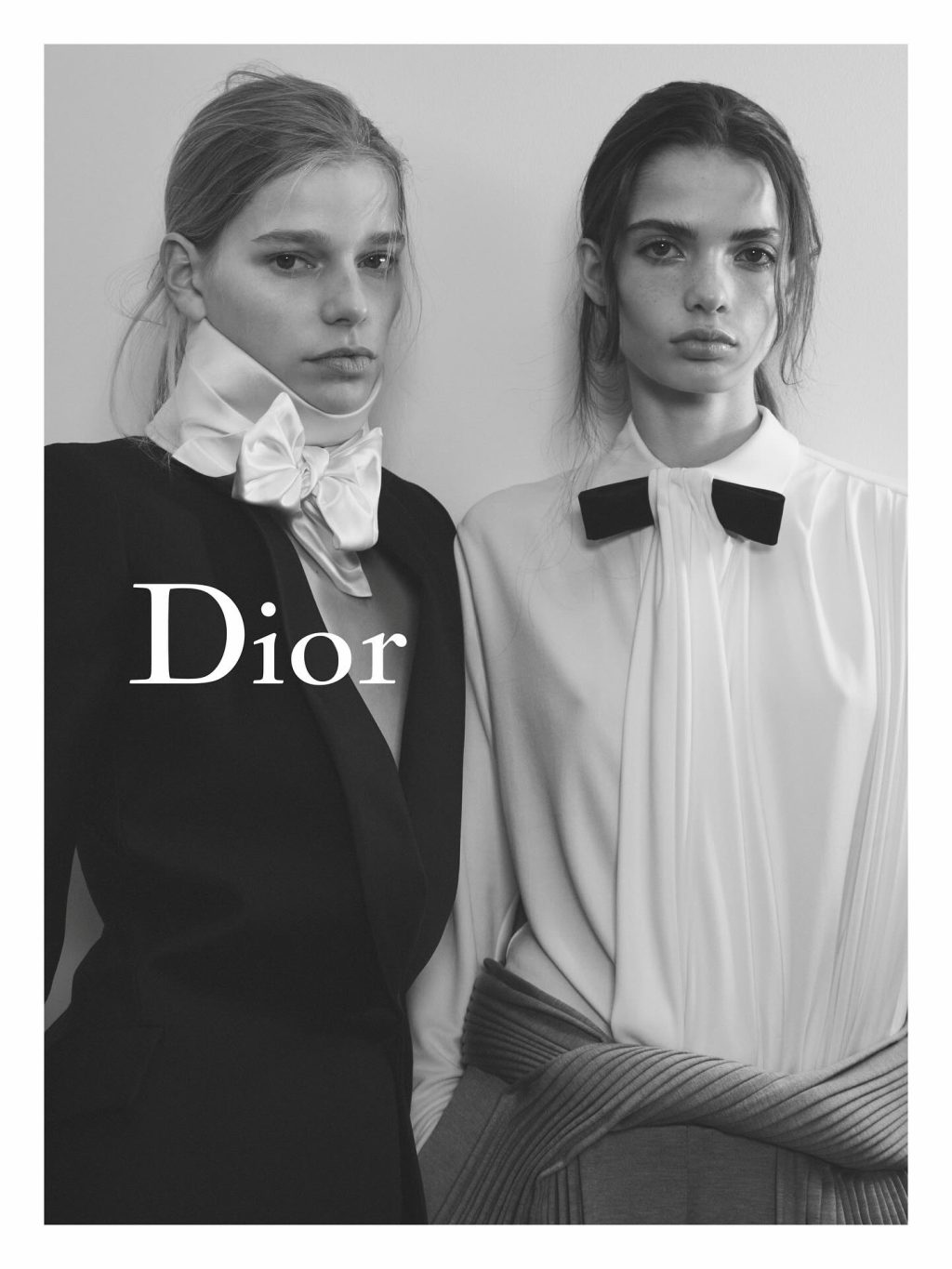
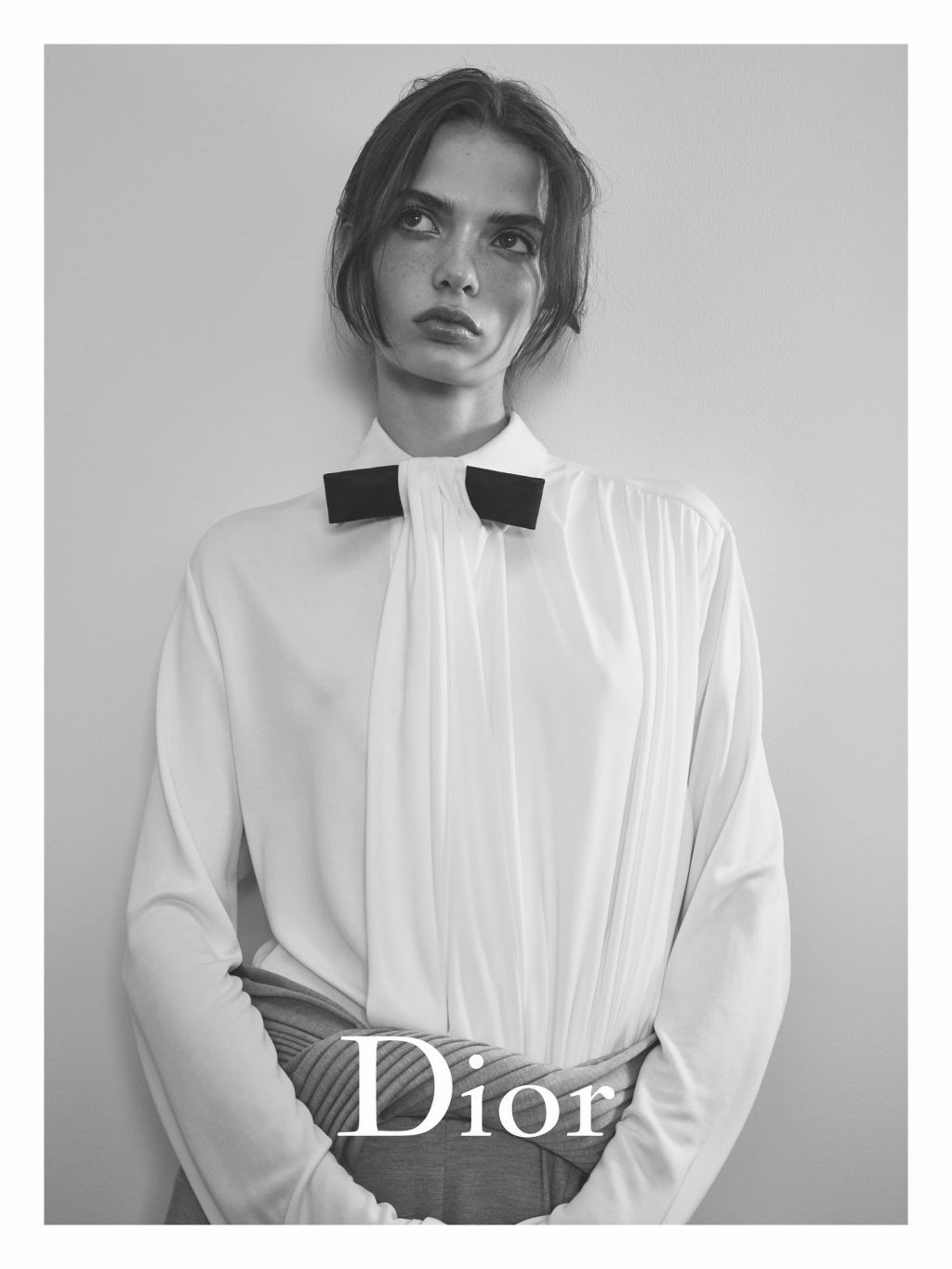
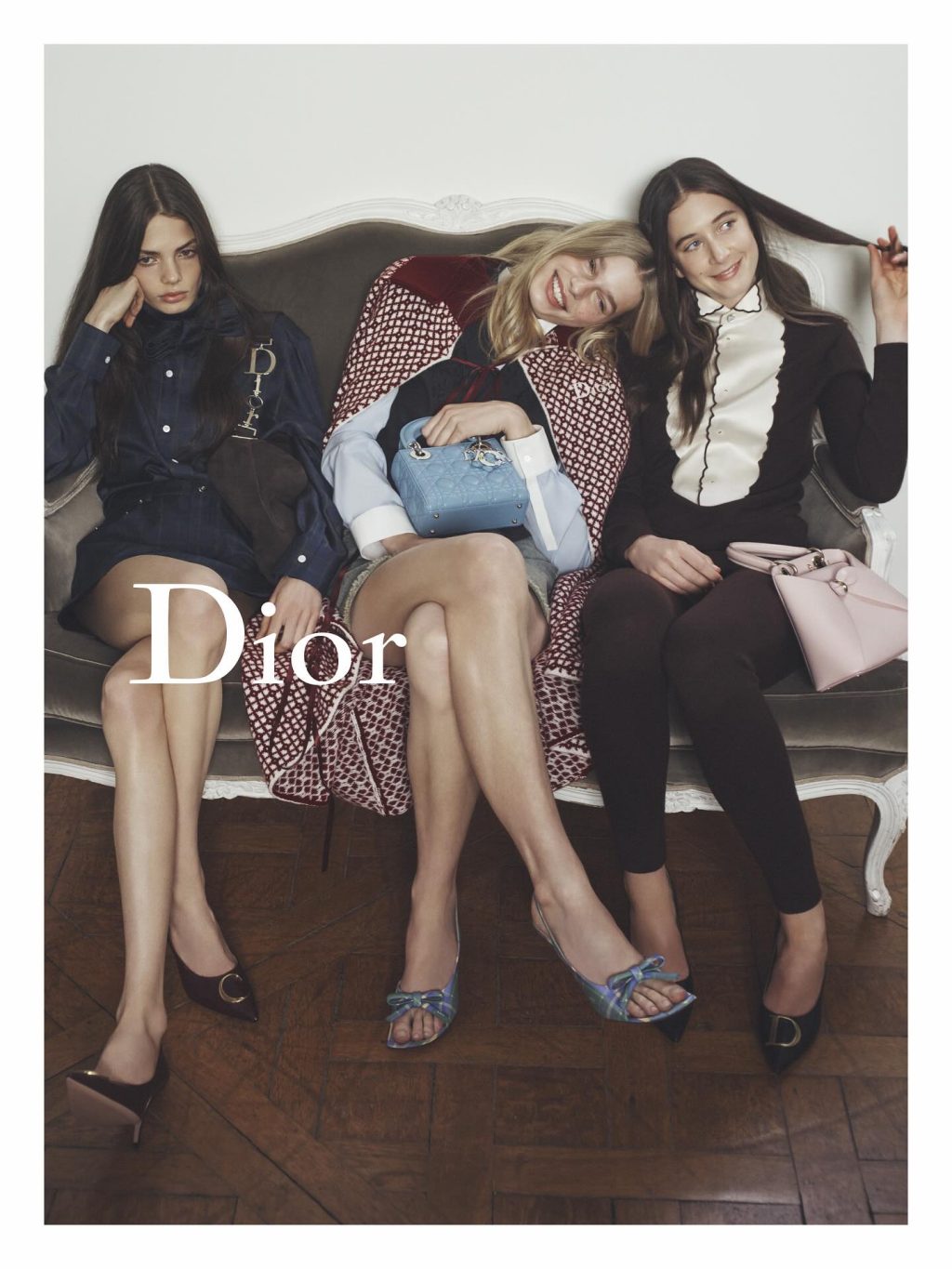
The most immediate shift is tonal. The images—shared in both colour and black-and-white—move away from the high-gloss polish that has defined Dior’s recent campaigns and into something more candid, more character-driven, more human. They read like visual notes: portraits that don’t over-explain, still lives that don’t scream “product,” rooms that feel lived in rather than staged to intimidate. In the material you shared, Dior calls this cast the “Dior clique,” and that framing is telling: a clique implies intimacy, idiosyncrasy, inside jokes, a shared language you don’t need to translate for outsiders. The campaign’s ambition is exactly that—codes that feel instinctive, not performed.
Shot by David Sims and styled by Benjamin Bruno, the series is also a study in restraint: calm compositions, body language that does the talking, and sets that hold back so the clothes and accessories can advance. It’s less “runway fantasy” than “private rehearsal,” the sense of someone trying on a version of themselves—then deciding to keep it.
The “Dior clique,” cast as a wardrobe argument
A coed campaign can easily turn into a casting flex: a list of names meant to carry the weight the clothes haven’t yet earned. This one functions differently. Each figure in the lineup seems chosen to sharpen a specific Dior proposition—how the men’s and women’s worlds are meant to interact, and how Anderson wants you to move between them without changing your personality.
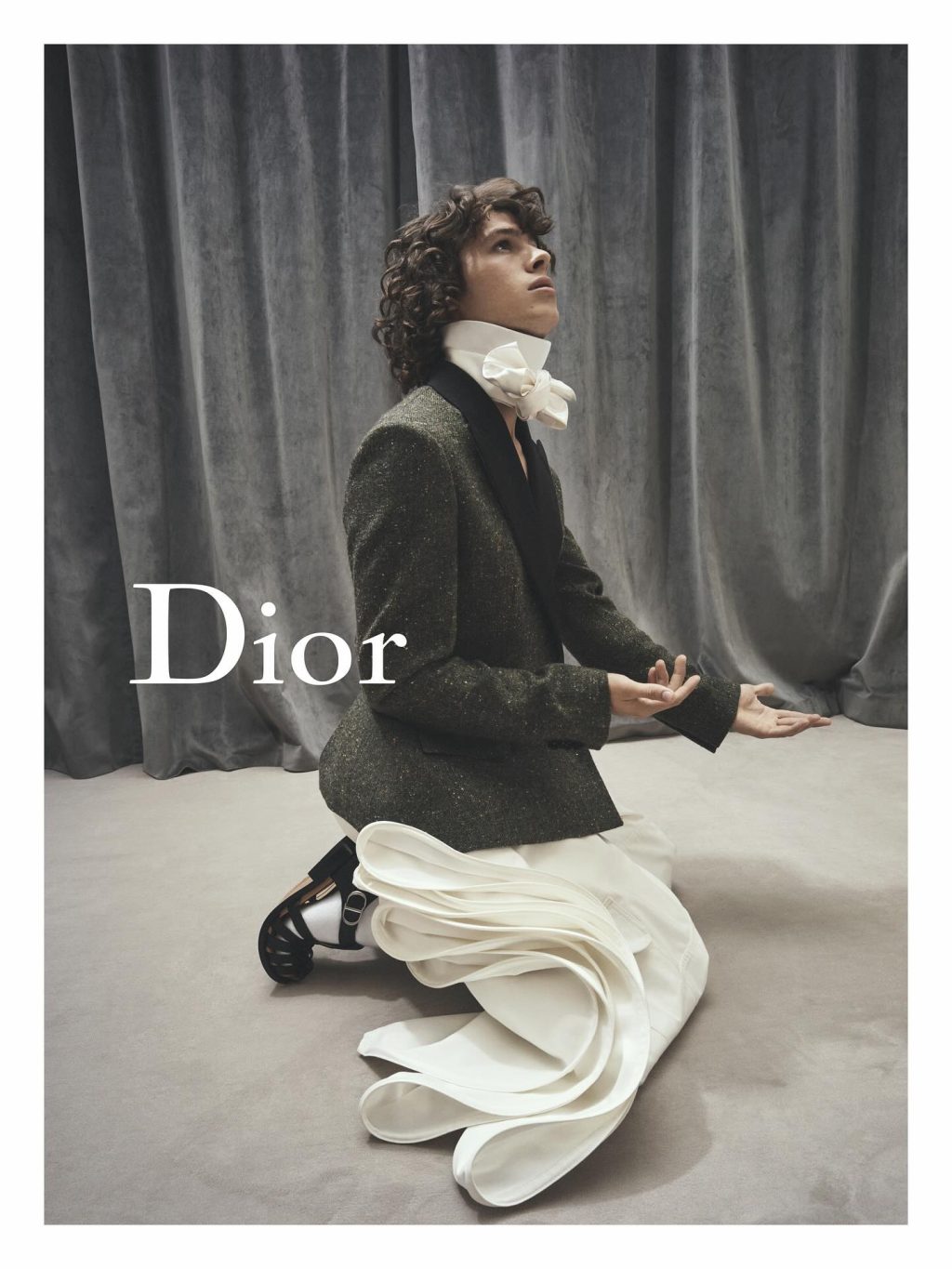
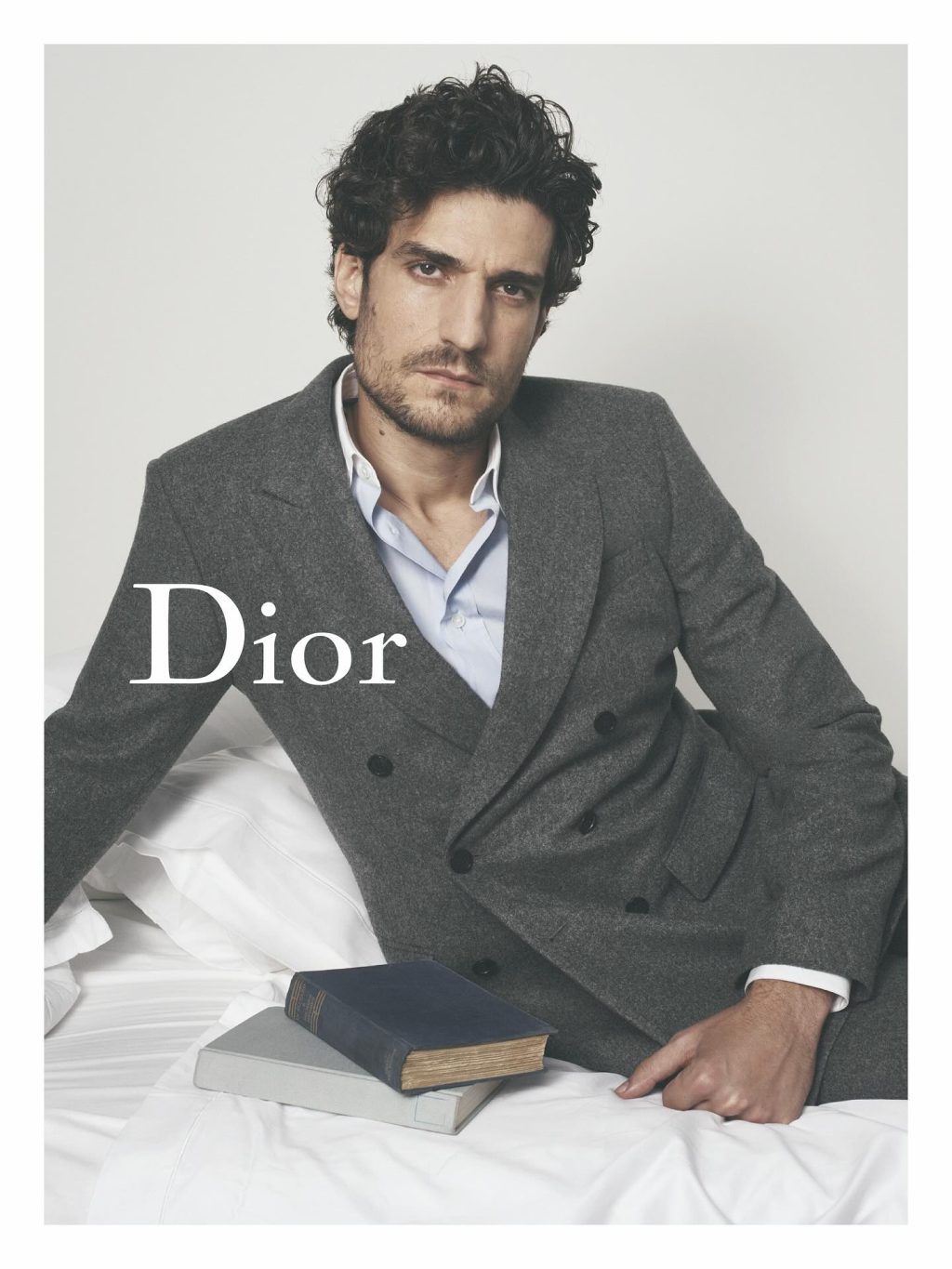
The cast includes Greta Lee, Kylian Mbappé, Louis Garrel, Paul Kircher, and models Laura Kaiser, Saar Mansvelt Beck, and Sunday Rose (Kidman-Urban). What matters is less the celebrity heat than the spectrum of energy: cinema, sport, French nonchalance, youth, and a fashion lineage that’s still forming in real time. Dior isn’t asking, “Who’s famous enough?” It’s asking, “Who makes this wardrobe feel believable?”
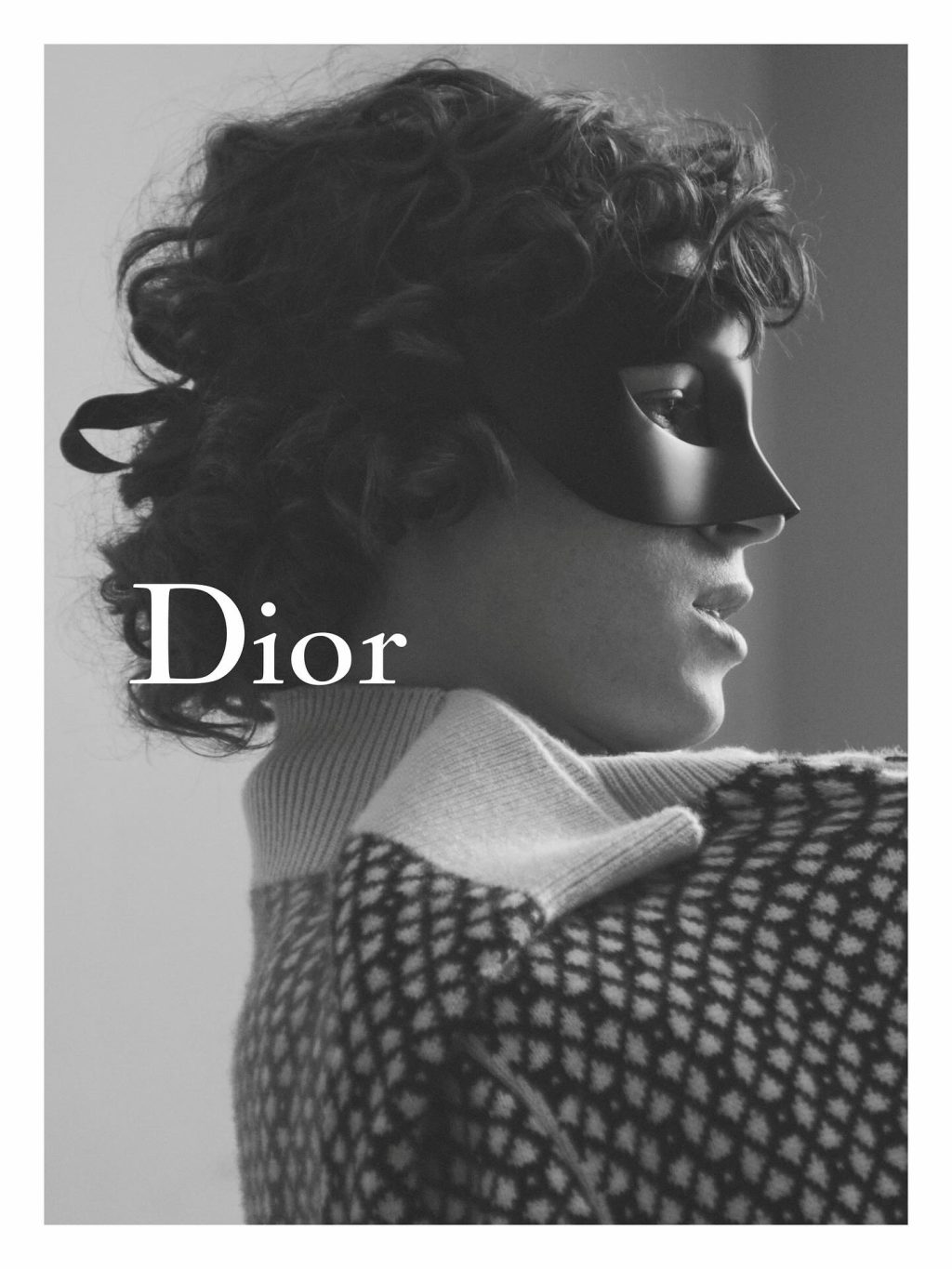
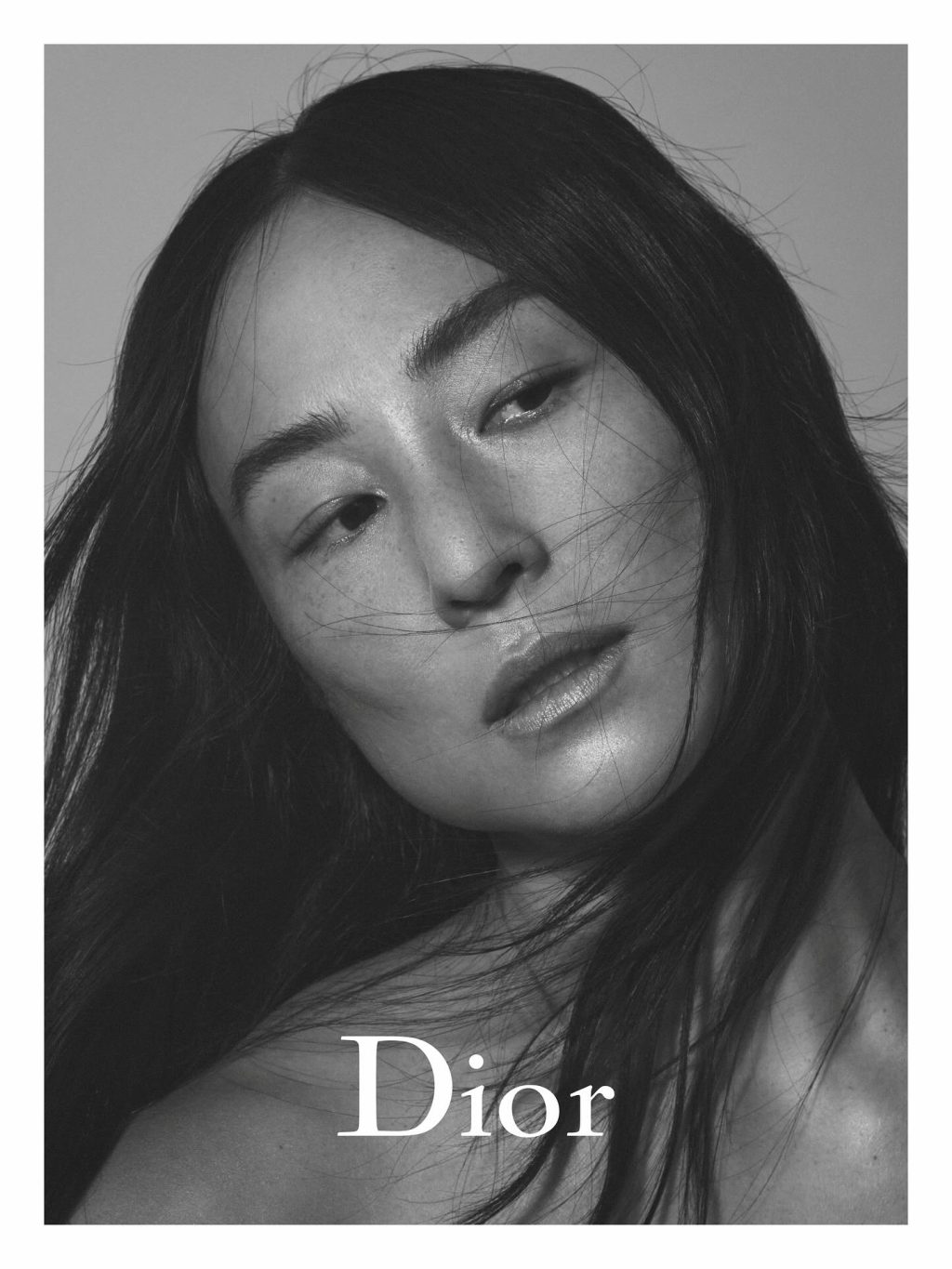
That “believable” quality is crucial to Anderson’s Dior, because his debut codes—denim, knitwear, softened tailoring, stiff collars and ties, a flirtation with historical Dior obsessions—need to land not as costume, but as daily choice. A coed campaign is the cleanest way to show that choice happening across genders, across archetypes, across moods.
A campaign built like a room: domestic theatre, not museum glamour
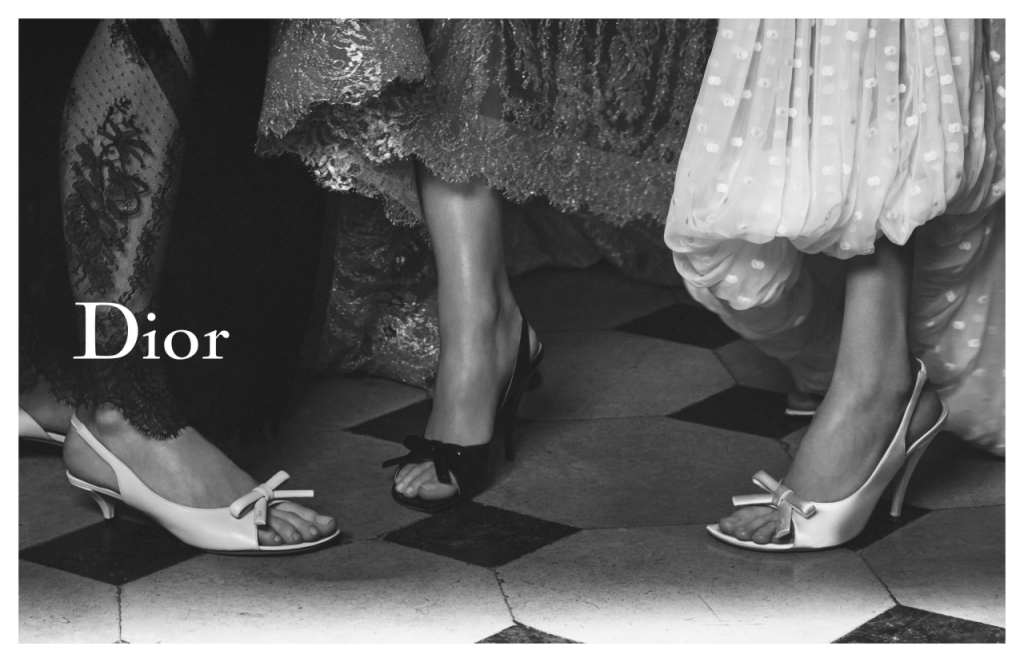
The interiors signal a particular kind of wealth: old, quiet, unbothered. But the styling refuses to make it precious. Instead, the rooms become stages for character—someone lounging too comfortably, someone caught mid-thought, someone trying on shoes as if the decision matters more than the event.
This is where David Sims’ long-standing ability becomes strategic: he photographs clothes in a way that makes them feel like memory. The black-and-white frames add a sense of documentation—an archive being created in the moment—while the colour shots act as emotional temperature checks. Dior’s campaign language leans into “liberated” style: the idea that looking right isn’t about dressing up, but about the intuitive alignment of self and silhouette. In this campaign, that intuition is the product.
Dior coed campaign bags: accessories as character props
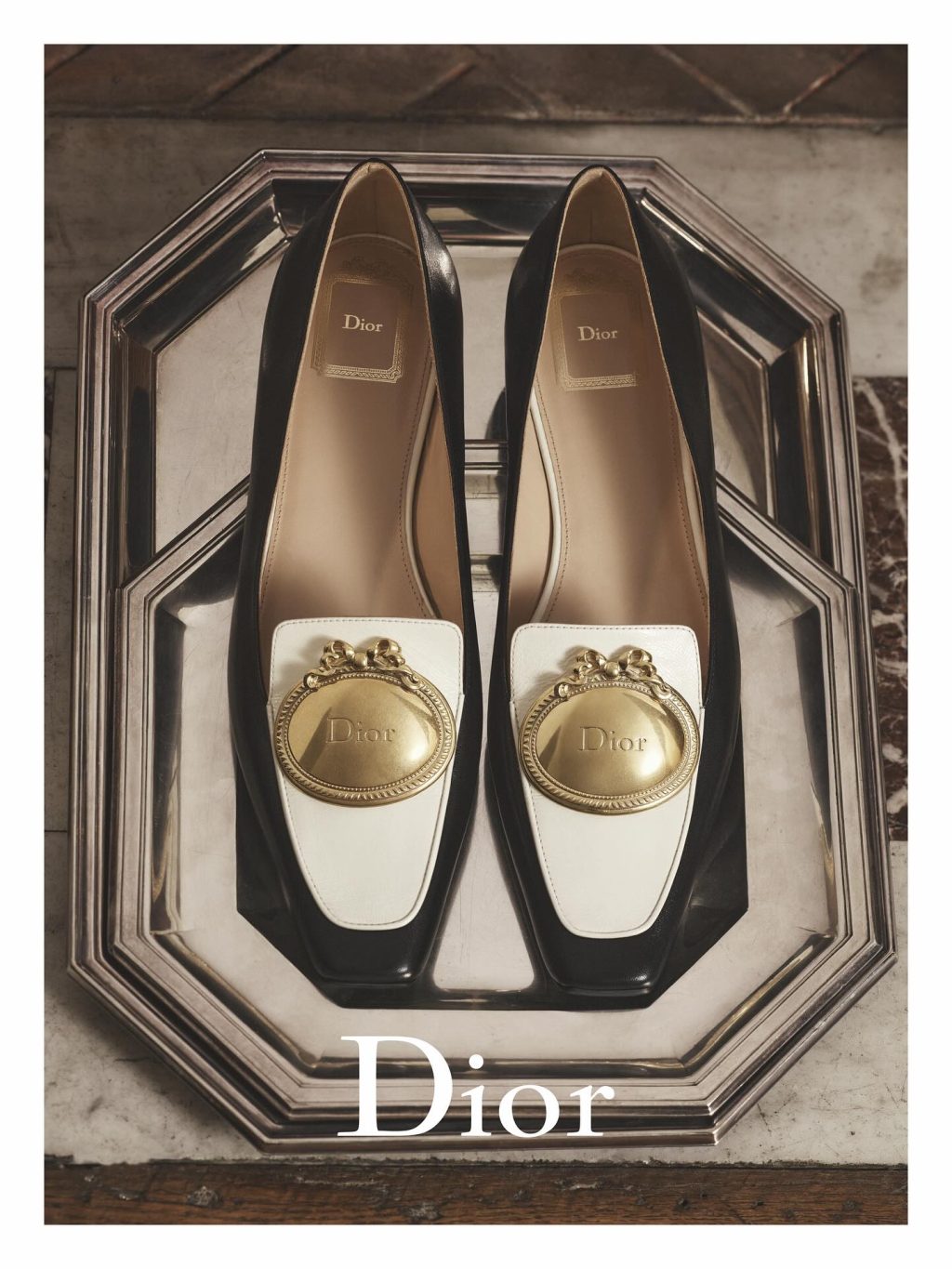
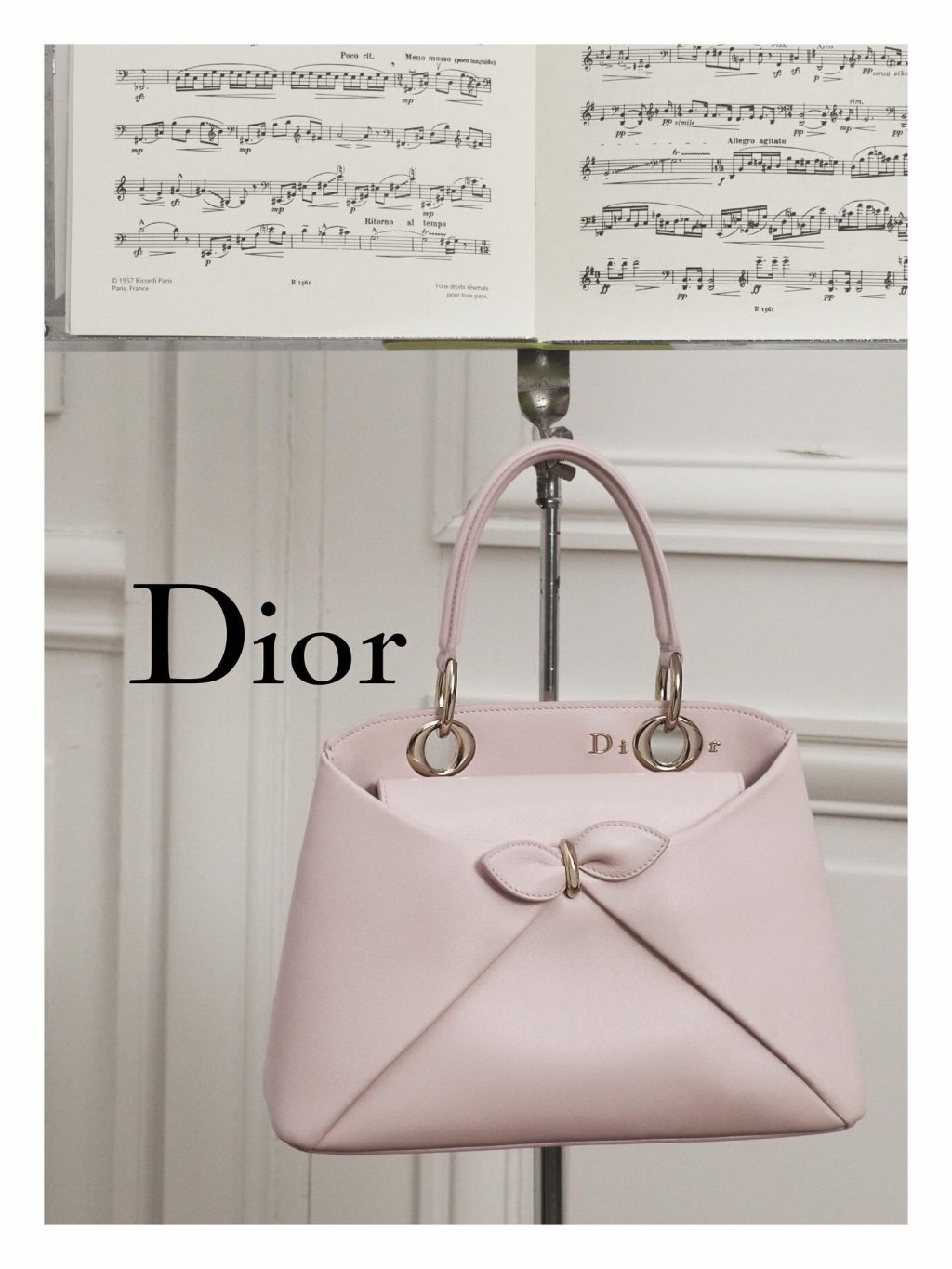
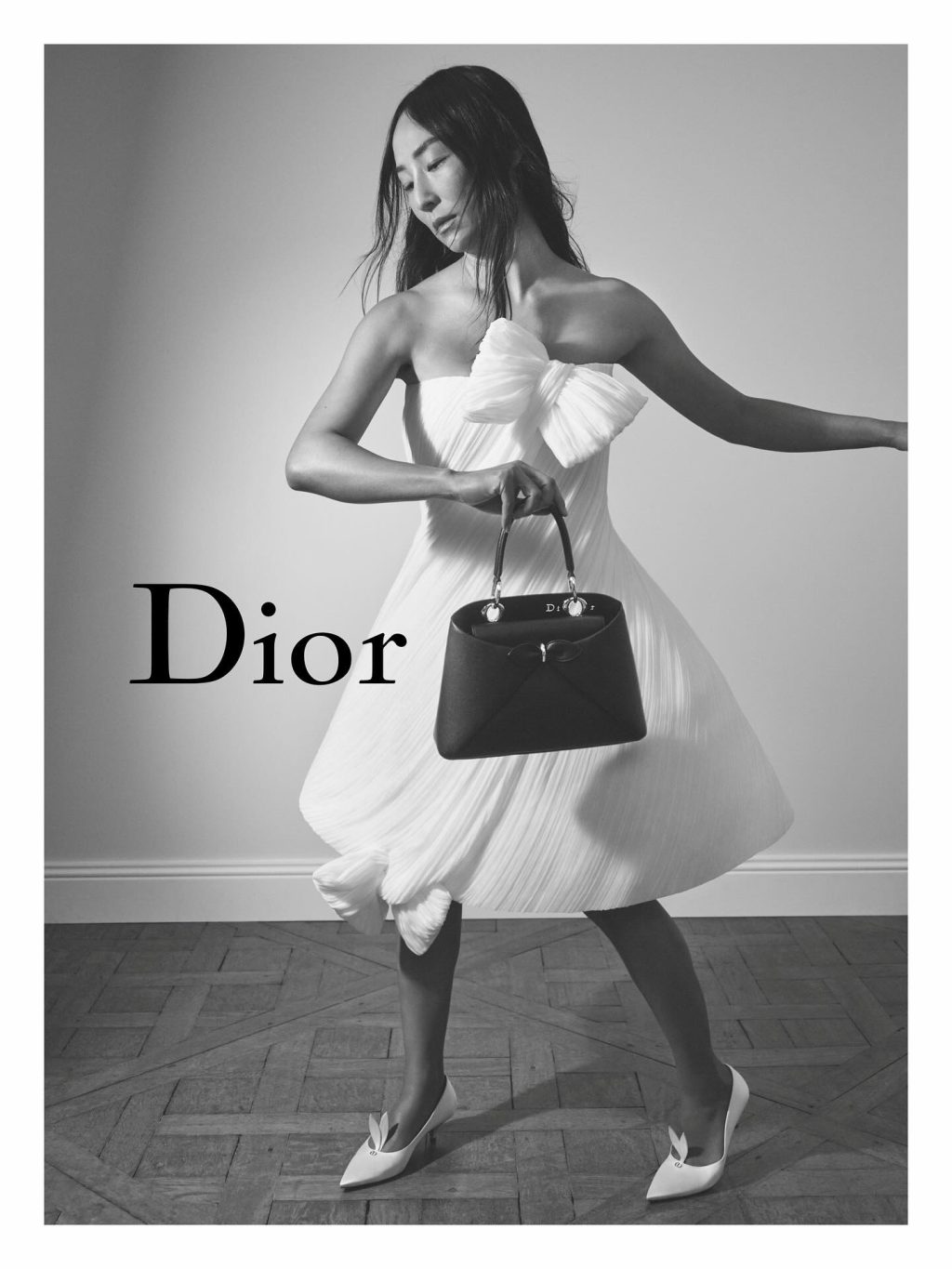
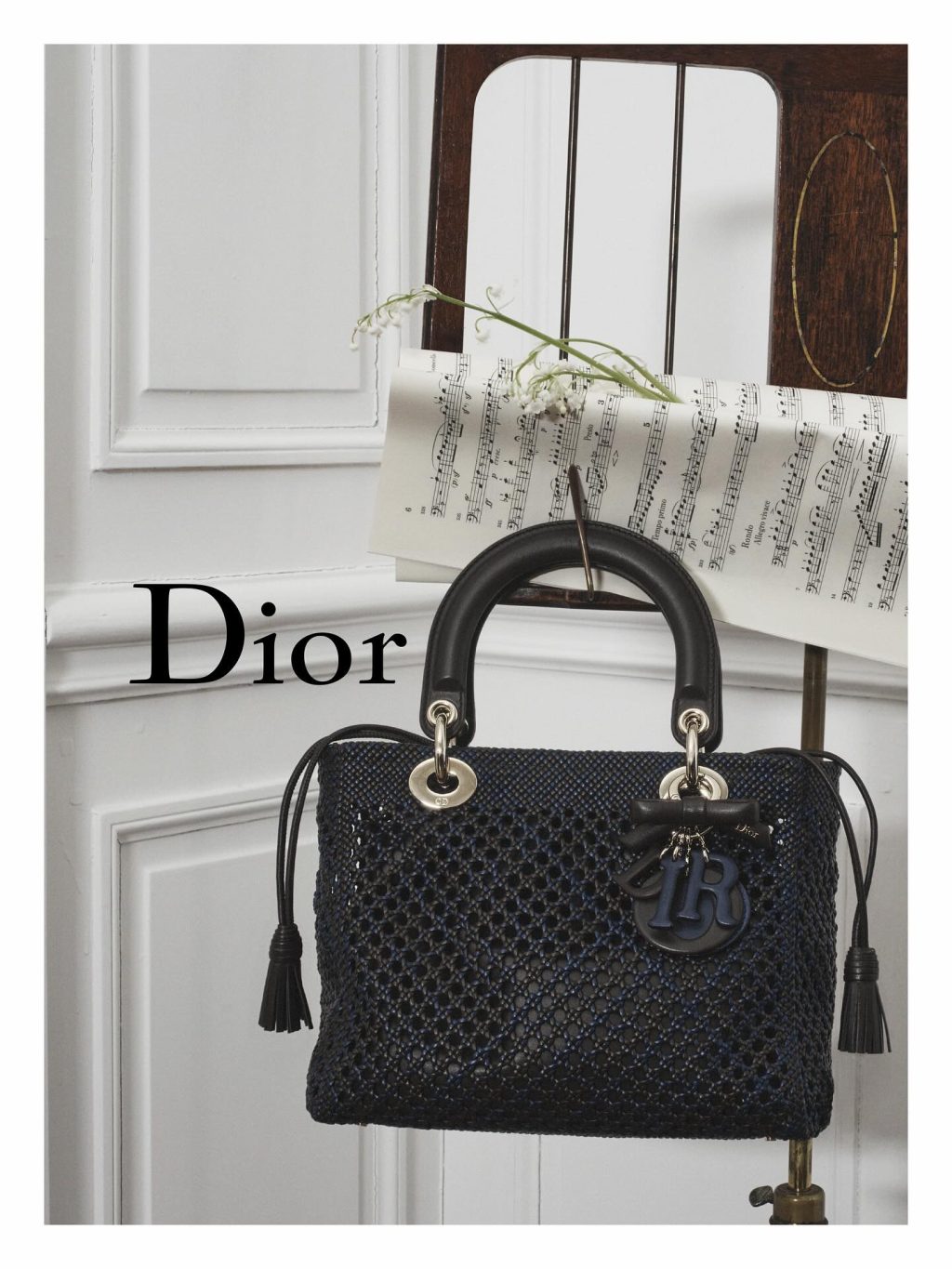
If the campaign’s human energy is the hook, the accessories are the punctuation. They’re placed with the ease of personal belongings—hung from a music stand, set on a table, dropped into a scene with fruit—so that they read less like “new product” and more like “objects that already have stories.” Anderson’s Dior is also unusually literate in how it treats handbags: not as trend tokens, but as narrative devices. In this campaign, bags don’t simply “match” outfits. They introduce subplots.
For a full runway-to-retail breakdown of the Dior coed campaign bags beyond this campaign edit, start with our Dior women’s Spring–Summer 2026 — handbags, decoded.
1. The literary Book Totes
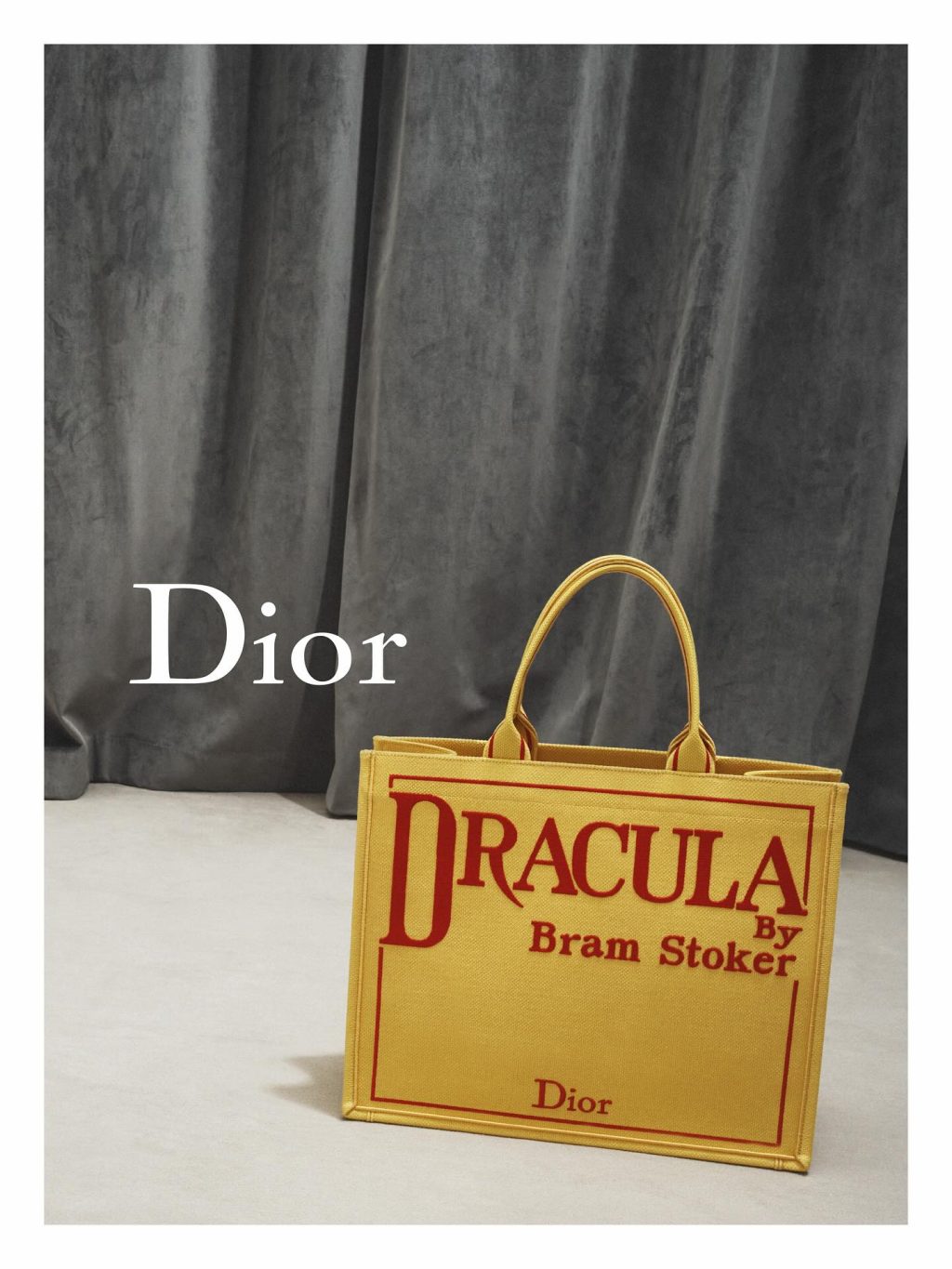
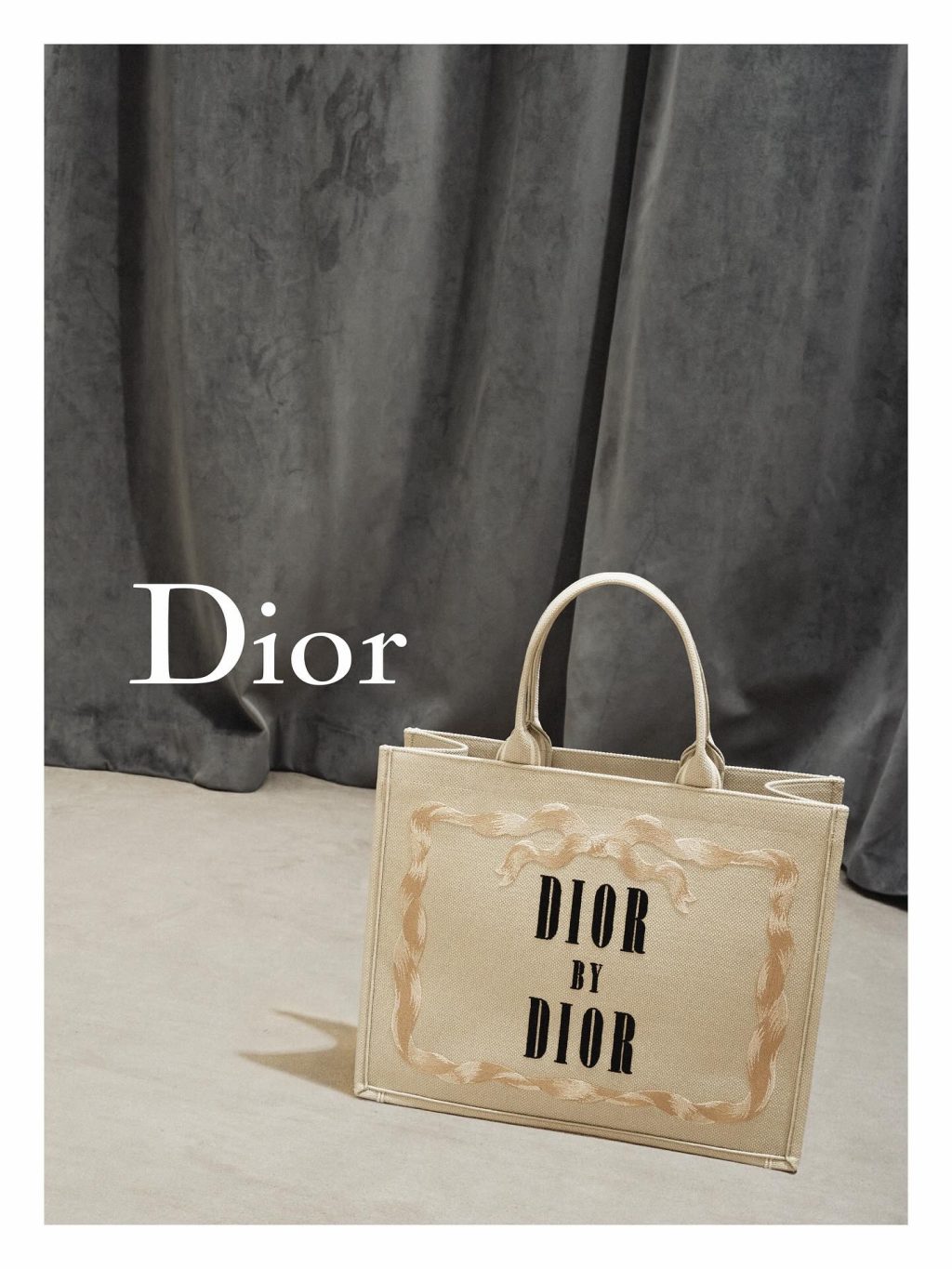
The most instantly shareable accessories are the Book Totes embroidered with the covers of literary classics—Bram Stoker’s Dracula and Truman Capote’s In Cold Blood, alongside a Dior by Dior design. In a landscape where “quiet luxury” can flatten every logo into the same beige whisper, these totes do something riskier: they broadcast taste. They’re cultural merchandise—book covers as identity—made couture-adjacent through craft.
If you’re deciding which version to buy, our Dior Book Tote prices & sizes (2026) guide breaks down the size ladder, key dimensions, and the current price points.
This idea has been bubbling in the wider Dior conversation around Book Totes, with fashion coverage pointing to a renewed cool factor around the silhouette and its cultural resonance.
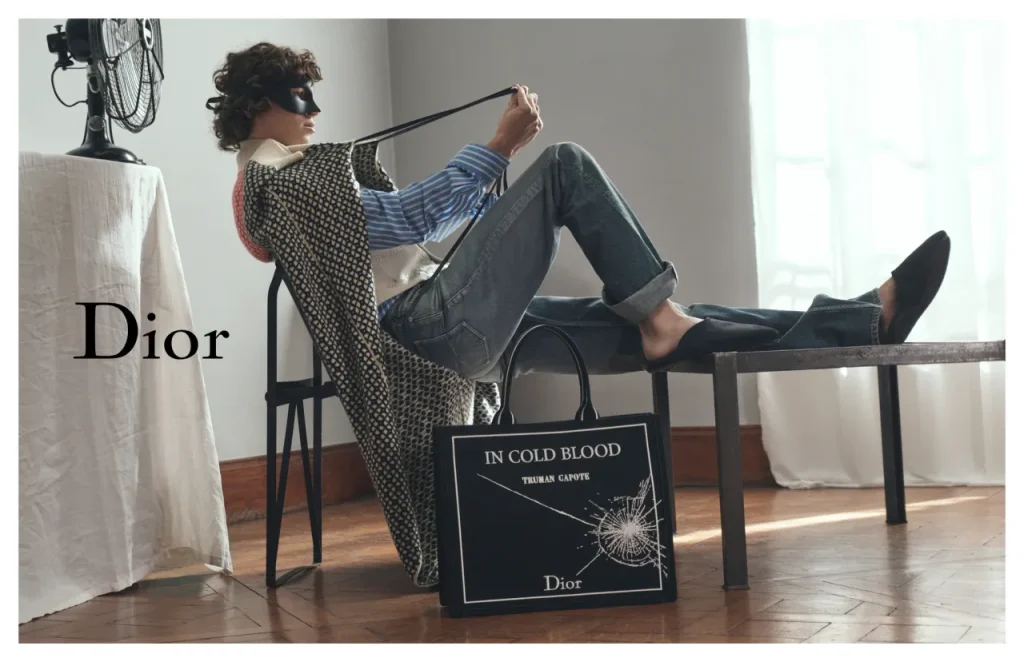
In the campaign, typography becomes the statement. Like the punch of a concert tee—except here it’s rendered at Dior scale, with texture, weight, and the meticulous discipline of embroidery. It’s Anderson’s inversion in plain sight: rather than translating Dior into street language, he turns everyday graphic language into Dior.
Treat the tote as a portable book jacket—a literal cover that turns the body into a moving bookshelf. The friction is the point: classic literature as contemporary branding, heritage made blunt, modern, and deliberately wearable. Styled with denim and knitwear as easily as with sharper looks, the Book Tote reads unisex by default—more attitude than occasion.
For the meaning behind each title (and why Dior chose these covers), read our deep dive on Jonathan Anderson’s literary Dior Book Totes.
2. Normandie
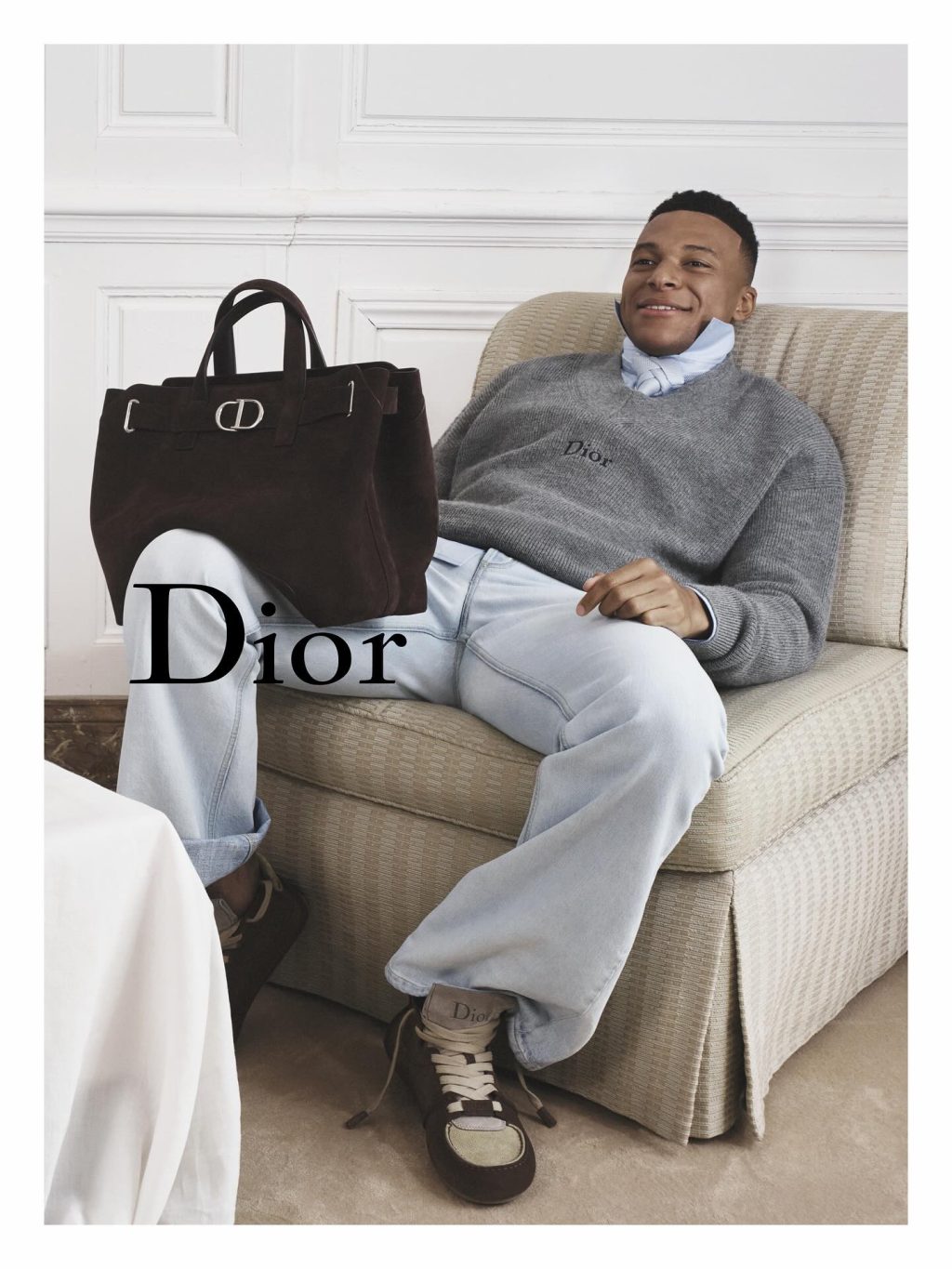
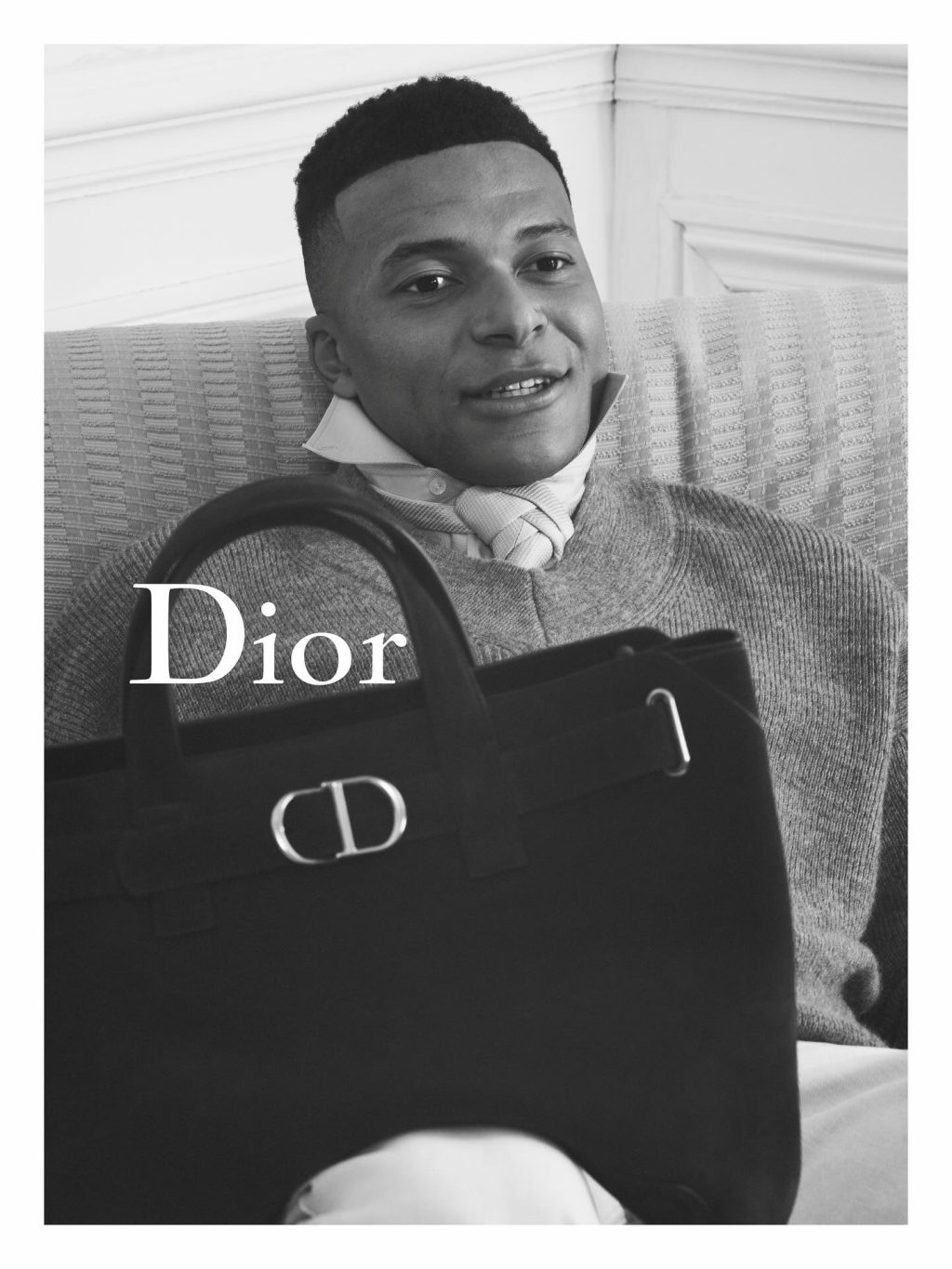
On the men’s side, the Normandie is the campaign’s anchor: a structured, substantial carryall that reads as the grown-up alternative to hype. It doesn’t beg for attention—it earns it through proportion, leather weight, and hardware that feels purposeful rather than decorative.
Seen with Mbappé—lounging, unforced, almost off-duty—the bag becomes a grounding device. It shifts the story from fashion fantasy to real life: travel, hotel rooms, workday rhythm, the kind of routine where a great bag matters because it’s used. And that realism is essential to the coed idea—because when the wardrobe looks lived-in, cross-gender styling stops feeling like a concept and starts feeling like the obvious next step.
3. Dior Suede Hobo Bag
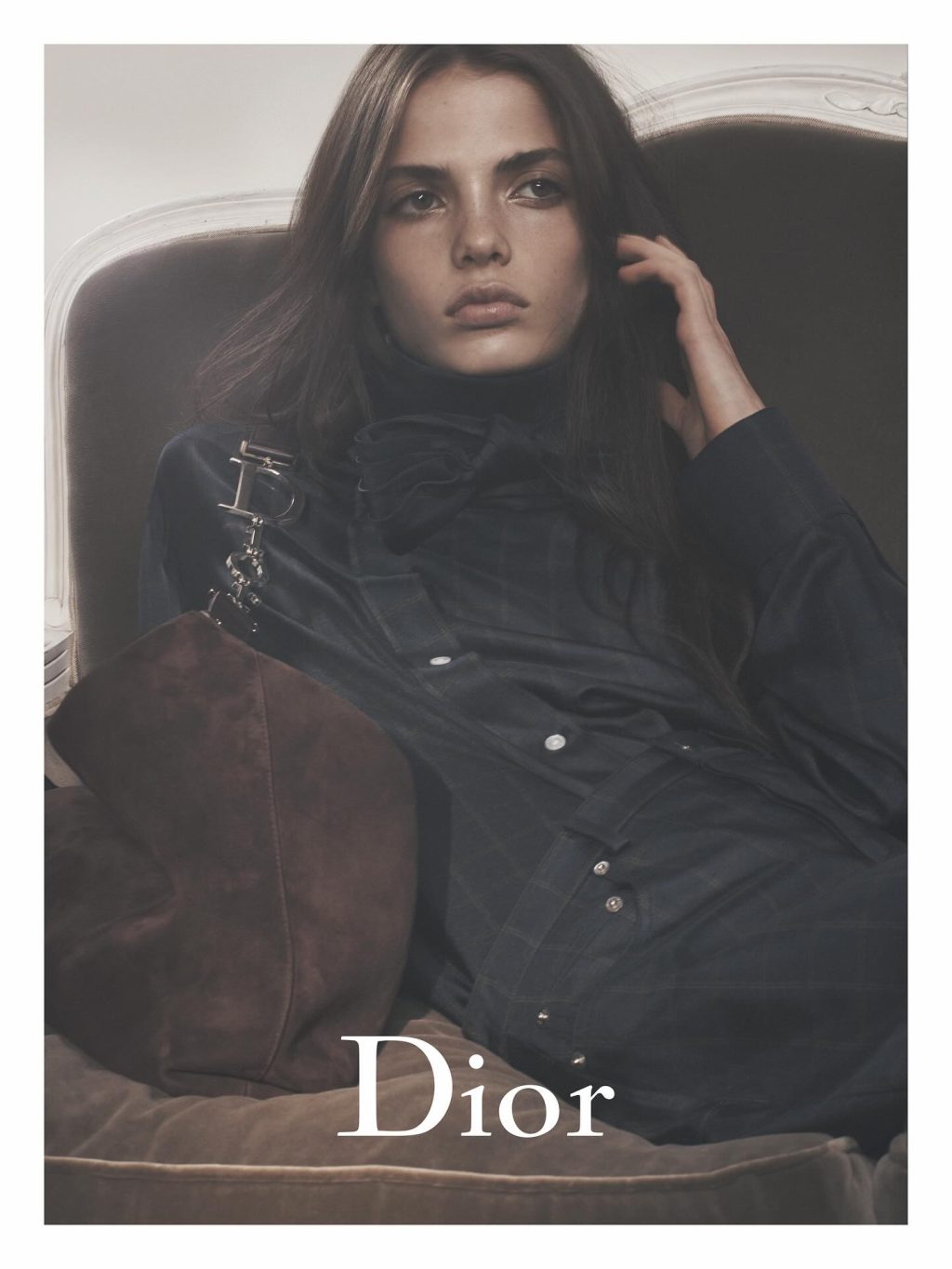
Softness takes centre stage in Dior’s Spring–Summer 2026 accessories through a supple suede hobo that captures Anderson’s tactile minimalism. Stripped of fussy detailing, the bag is engineered to move: the buttery suede body slouches naturally against the hip, while its cleaner, more architectural cues—an elegant crescent-swoop upper line and a confident, graphic handle—keep the silhouette distinctly Dior. A tonal leather strap (sometimes broader for true shoulder carry) adds durability without interrupting the suede’s fluid drape, and silver-tone hardware cools the warmth of the material.
The most quietly nostalgic note is the subtle DIOR lettering embossed on the strap drop—a wink to the Galliano-era confidence, reintroduced here with restraint. Shown in chocolate brown, tan, and taupe, the Suede Hobo reads utilitarian in motion but intimate up close: roomy, light, and intentionally unfussy, it’s the bag that makes denim, knitwear, and cropped Bar-jacket proportions feel lived-in rather than styled.
4. The Bow bag: a literal bow, treated like an attitude
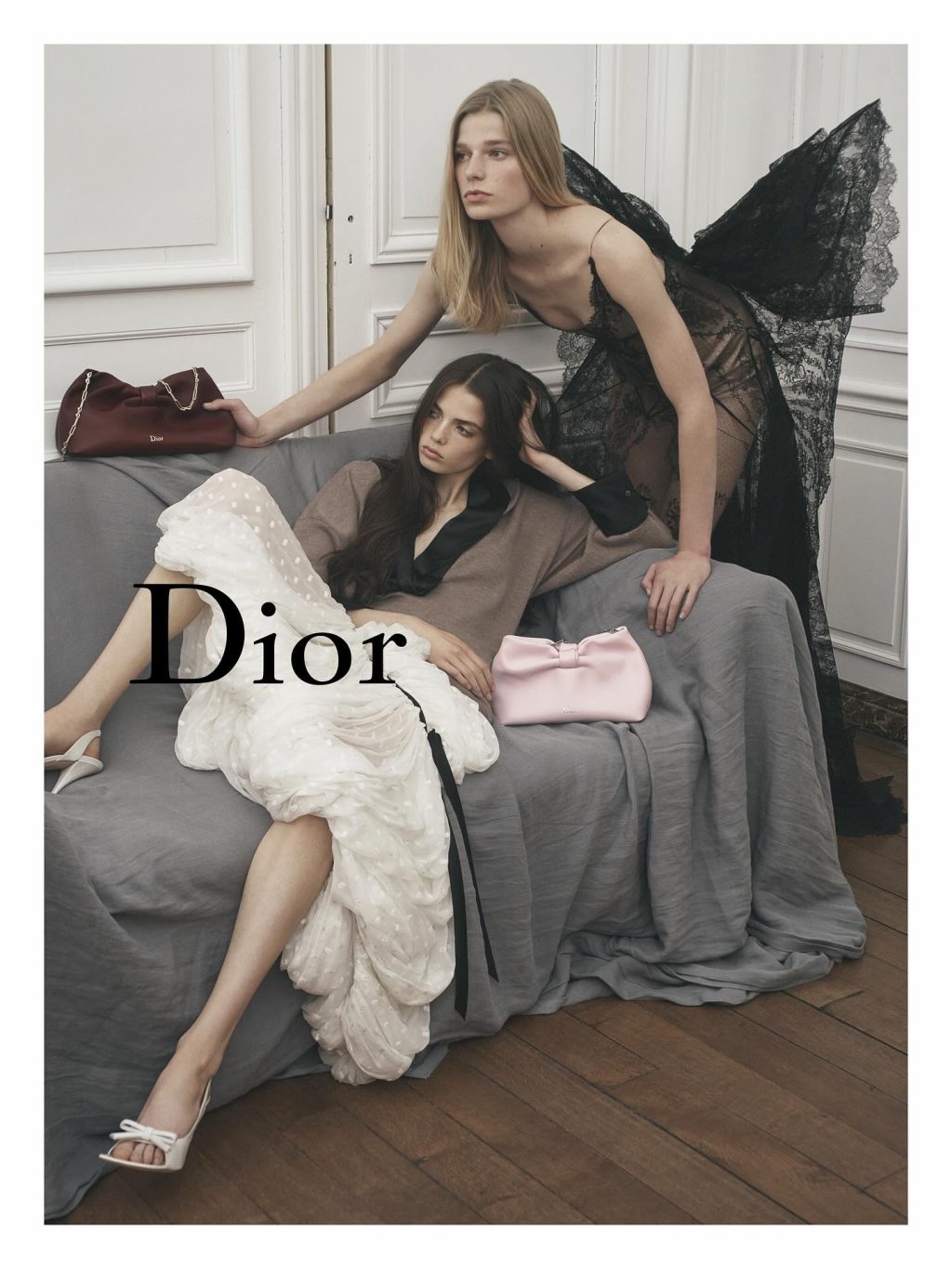
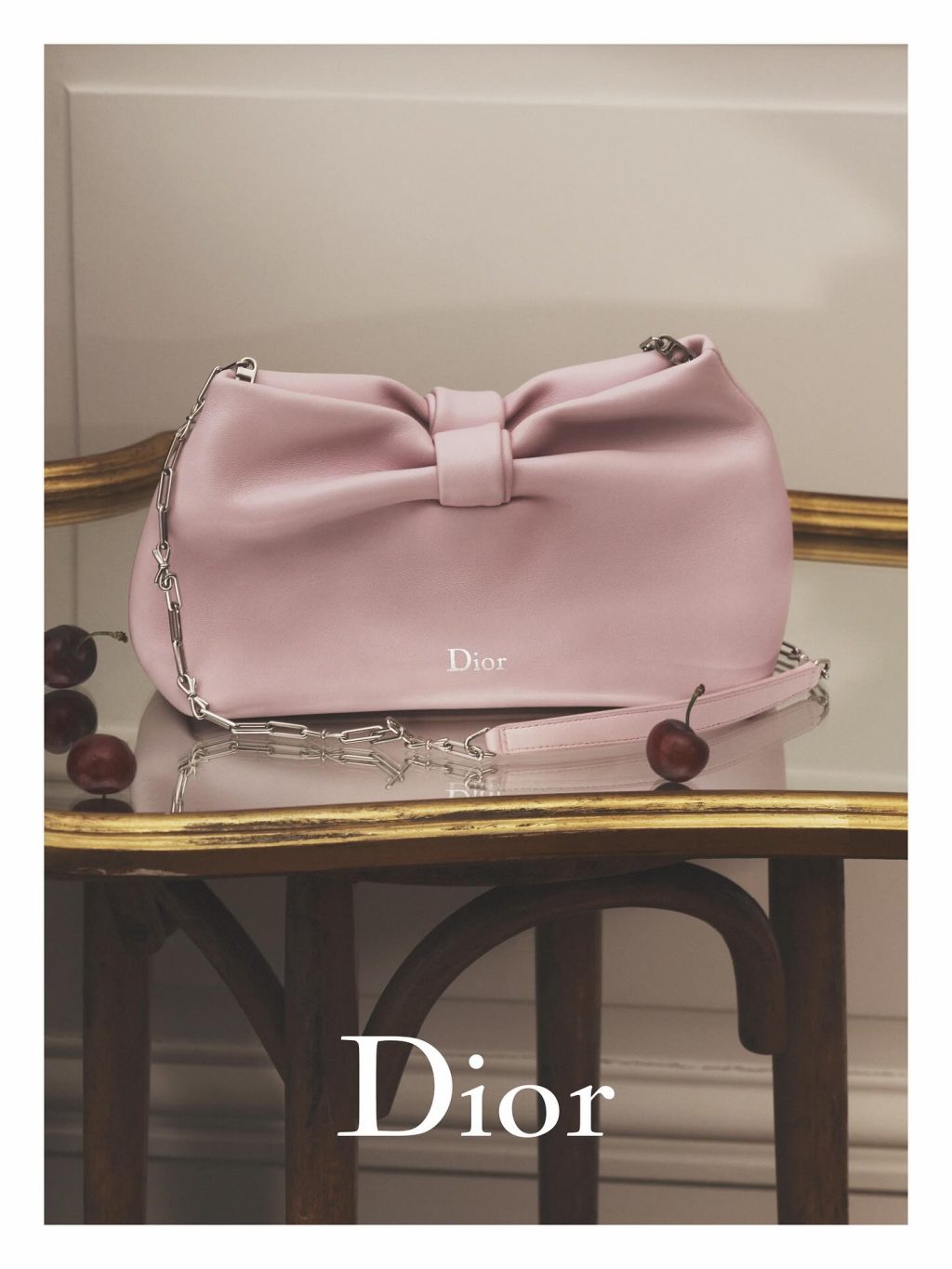
One of the campaign’s clearest new signatures is the bow—repeated across shoes, styling, and accessories. The Bow bag takes the motif and makes it almost cartoon-simple: an oversized bow on a soft pouch silhouette, worn with the nonchalance of something you’ve owned for years.
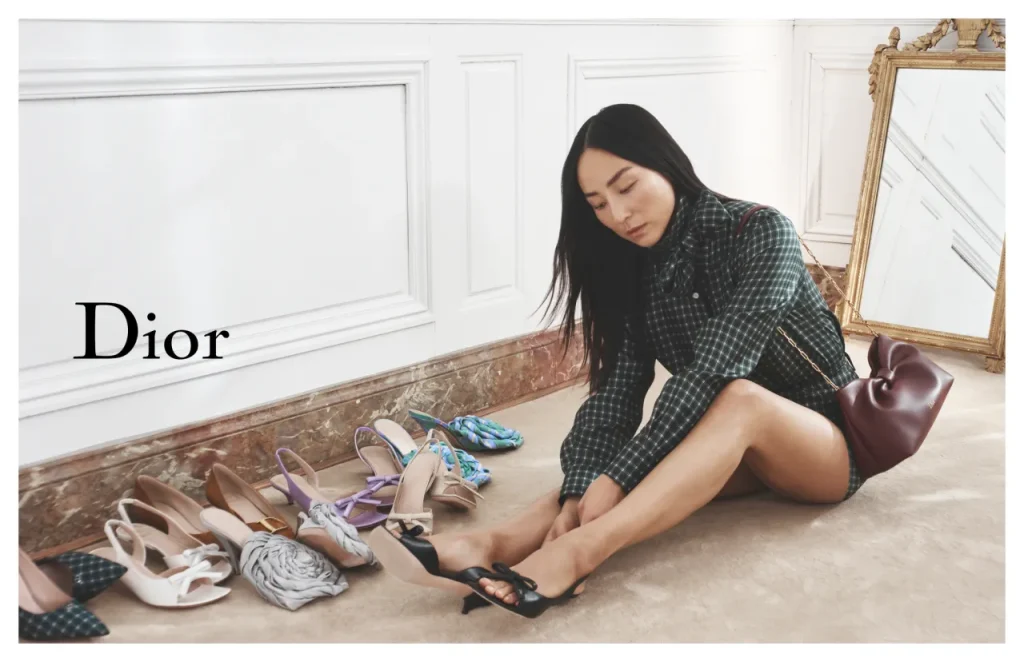
It appears in blush pink and a deeper burgundy tone. The styling is the point: it’s not “girly,” but controlled softness—more suggestion than statement. Set against fruit still lifes (cherries) or worn crossbody with a short dress, the bow stops reading as decoration and starts functioning as a Dior code: repeatable, instantly legible, and quietly confident.
5. Dior Cigale: the mini bow, the top handle, the new “instant Dior” shape
If the Bow bag is overt, the Cigale is discreet: a structured top-handle defined by a mini bow that reads as a quiet signature, not a theatrical flourish. Shown in pale pink as a poised “object” still life, and in black within the portrait series, it shifts effortlessly between softness and severity—proof that Anderson’s new codes can hold multiple moods without changing their grammar.
This is also where his Dior historicism becomes wearable. The Cigale carries a hint of old-world propriety—correct, composed, almost ceremonial—then disarms it with that single intimate detail. Formality, softened; structure, made personal.
6. Lady Dior, reworked
The Lady Dior is the house’s most protected icon, which is exactly why it becomes the sharpest test case for a designer intent on recoding the archive. Here, the bag’s usual polished certainty is deliberately unsettled: netted textures, tassel-like finishes, and charm details pushed into a more playful register—less “perfect object,” more personality.
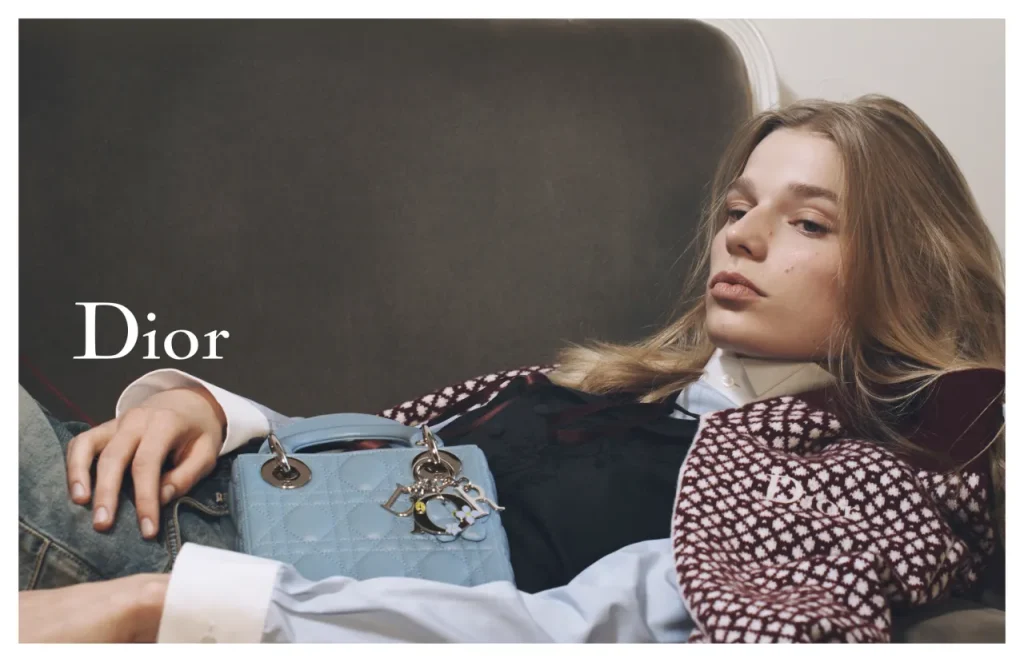
The wider story reinforces the same logic, including the tassel-covered Lady Dior created in collaboration with Sheila Hicks. The point isn’t one specific version, but the new attitude: the Lady Dior is treated less like a museum piece and more like a living surface—something you can exaggerate, roughen, and make tactile, without losing its architectural DNA.
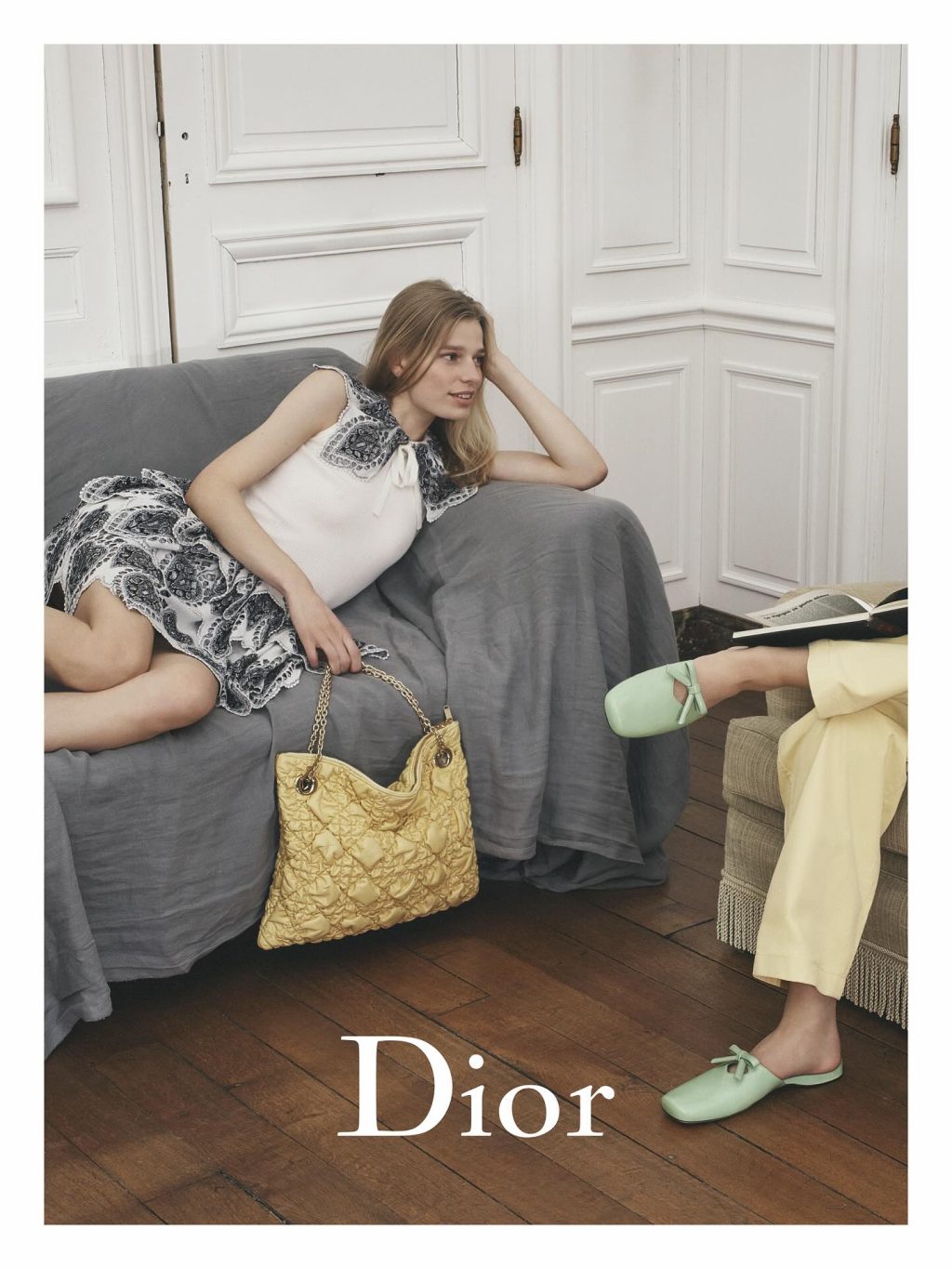
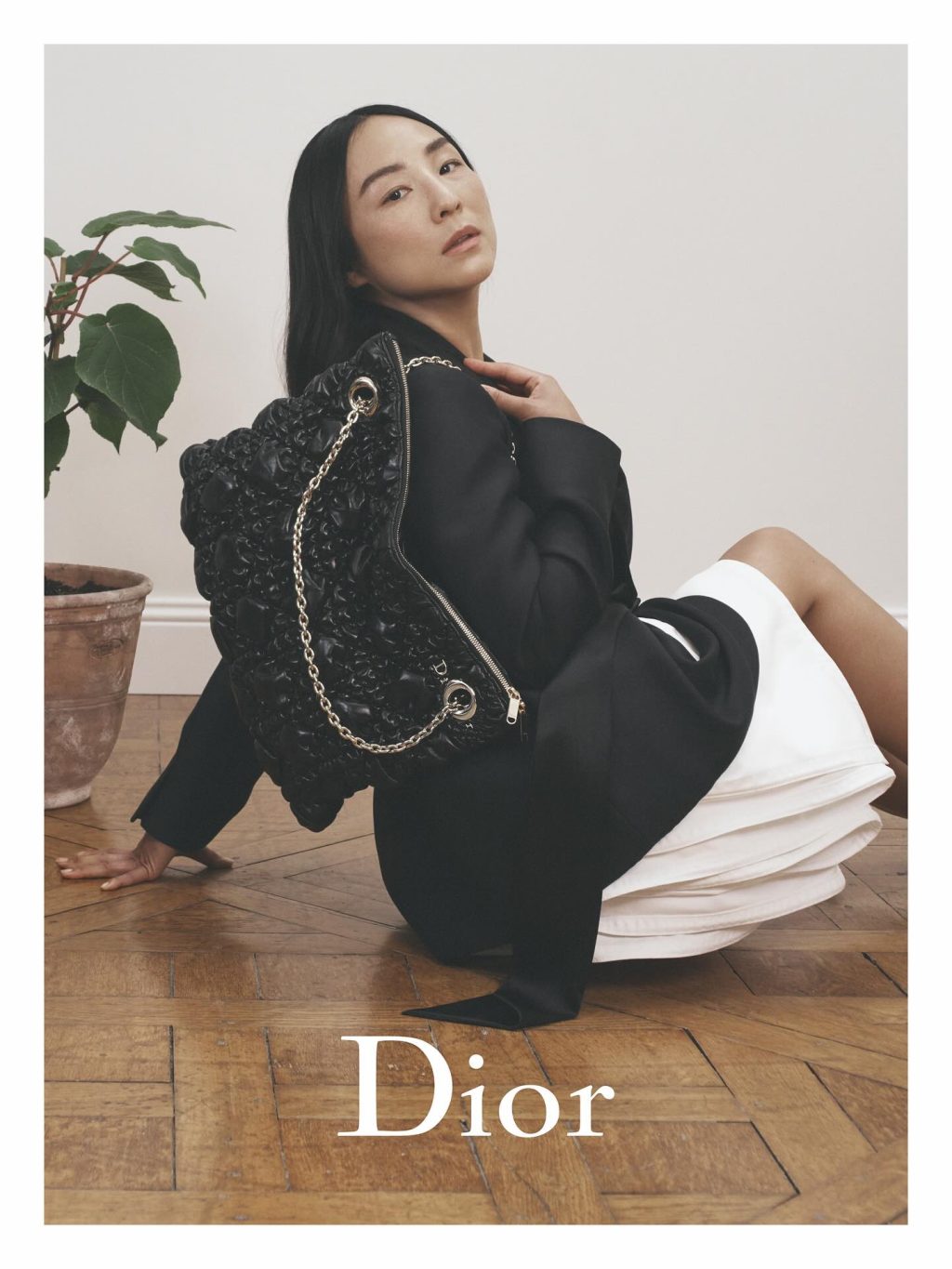
7. Dior Cannage Tote
No Dior collection feels complete without the unmistakable rhythm of Cannage quilting — a motif introduced in 1947 and woven into the Maison’s identity ever since. For Spring–Summer 2026, Jonathan Anderson reworks this signature code in scrunchy, 3D-textured leather, translating the classic diamond stitching into something tactile, contemporary, and subtly rebellious.
The Cannage Tote arrives in a structured leather silhouette with a firmer base and clean planes, its surface gently puckered to create a modern, slightly distorted Cannage that plays with light and shadow. It closes with a neat zip-top fastening and can be carried multiple ways; on the runway, models often held it handheld by just one of its dual chain shoulder straps — a styling detail that gave it relaxed Parisian ease. Shown in pale yellow, black, forest green, chocolate brown, and burgundy, it bridges Dior heritage and Anderson’s forward-looking craftsmanship with unmistakable polish.
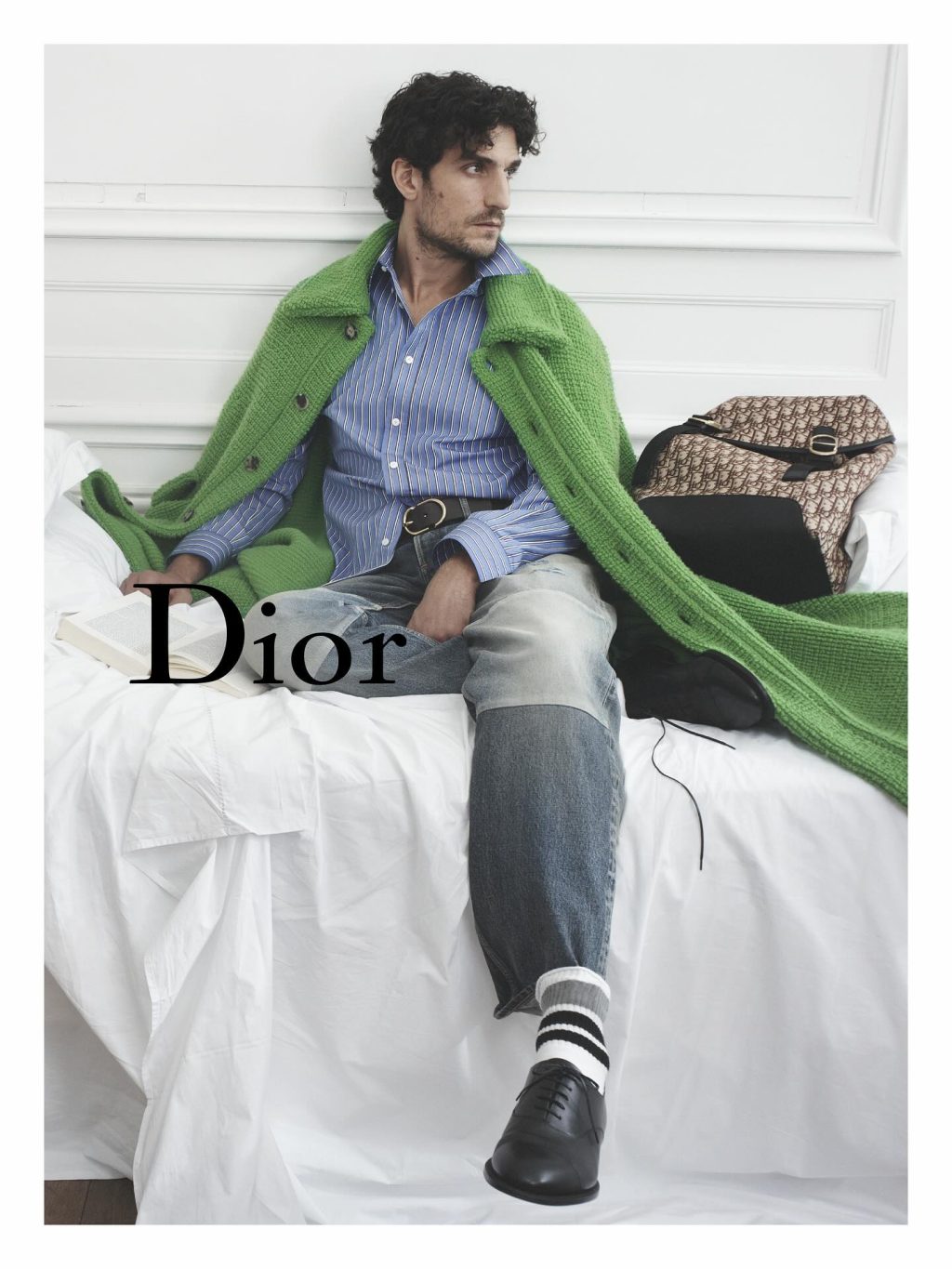
8. Dior Jett Backpack with Flap
Unveiled for Jonathan Anderson’s first collection at Dior, the Dior Jett Backpack with Flap distills his debut mood into one accessory: heritage coded, but built for movement. The familiar brown Dior Oblique jacquard keeps the silhouette anchored in house identity, while antique gold-finish “CD” buckles push it into a slightly vintage register—less techwear, more cultivated utility.
Function drives the design without sacrificing polish. A flap-and-drawstring main compartment secures the interior, while the hardware (magnetic ribbons and buckles) adds that “Dior object” finish—an everyday piece that still reads as considered, collectible, and campaign-worthy.
What this campaign quietly announces about Dior’s next era
The most powerful campaigns don’t tell you what to buy; they tell you what to desire. Here, Dior is asking you to desire a new kind of authority—less ceremonial, more personal. The people in the frames aren’t “perfect.” They’re composed, but human. The rooms aren’t grand; they’re tastefully spare. The clothes aren’t costume; they’re character tools. And the bags—the real stars—aren’t displayed as trophies. They’re treated as companions.
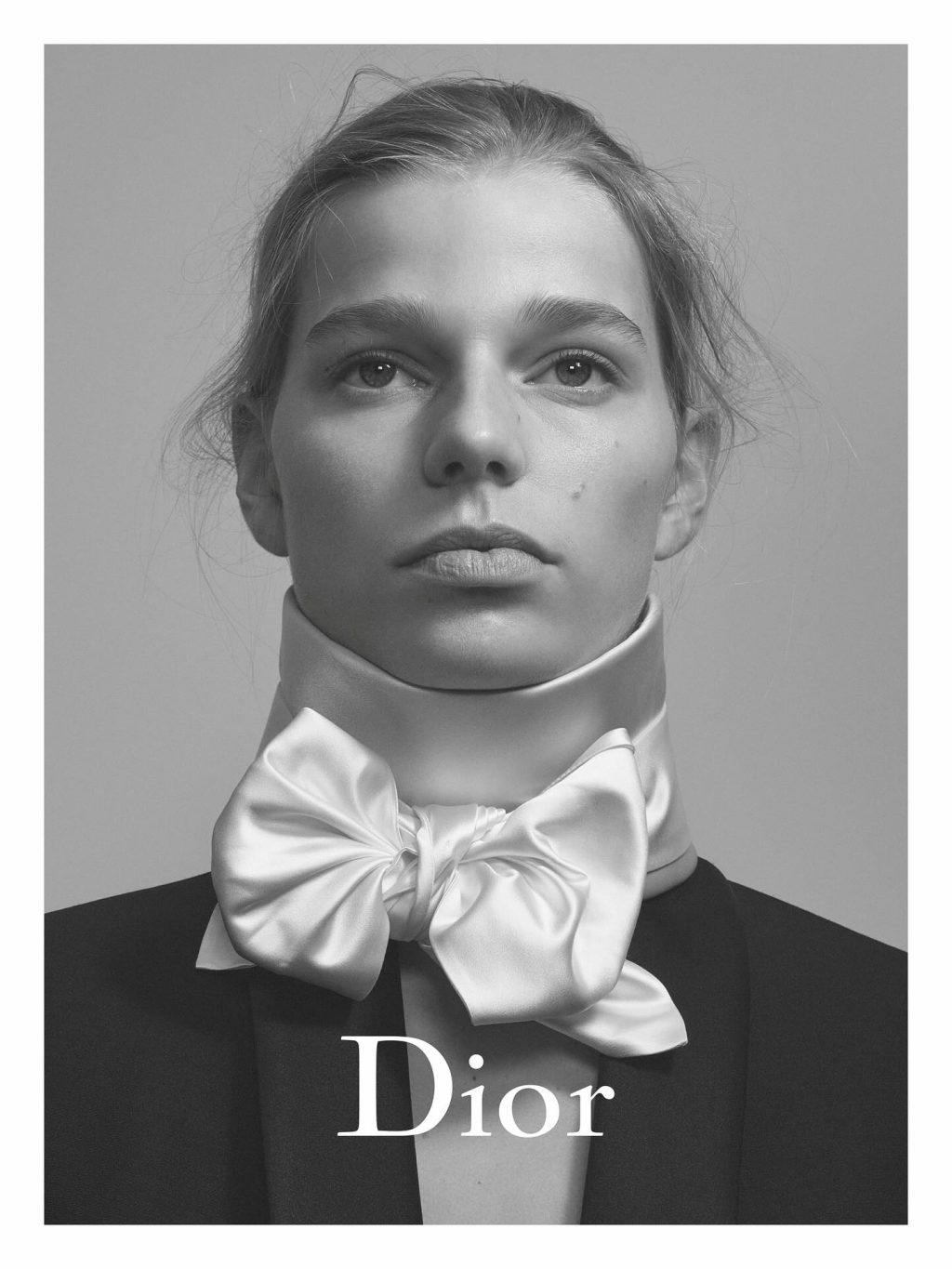
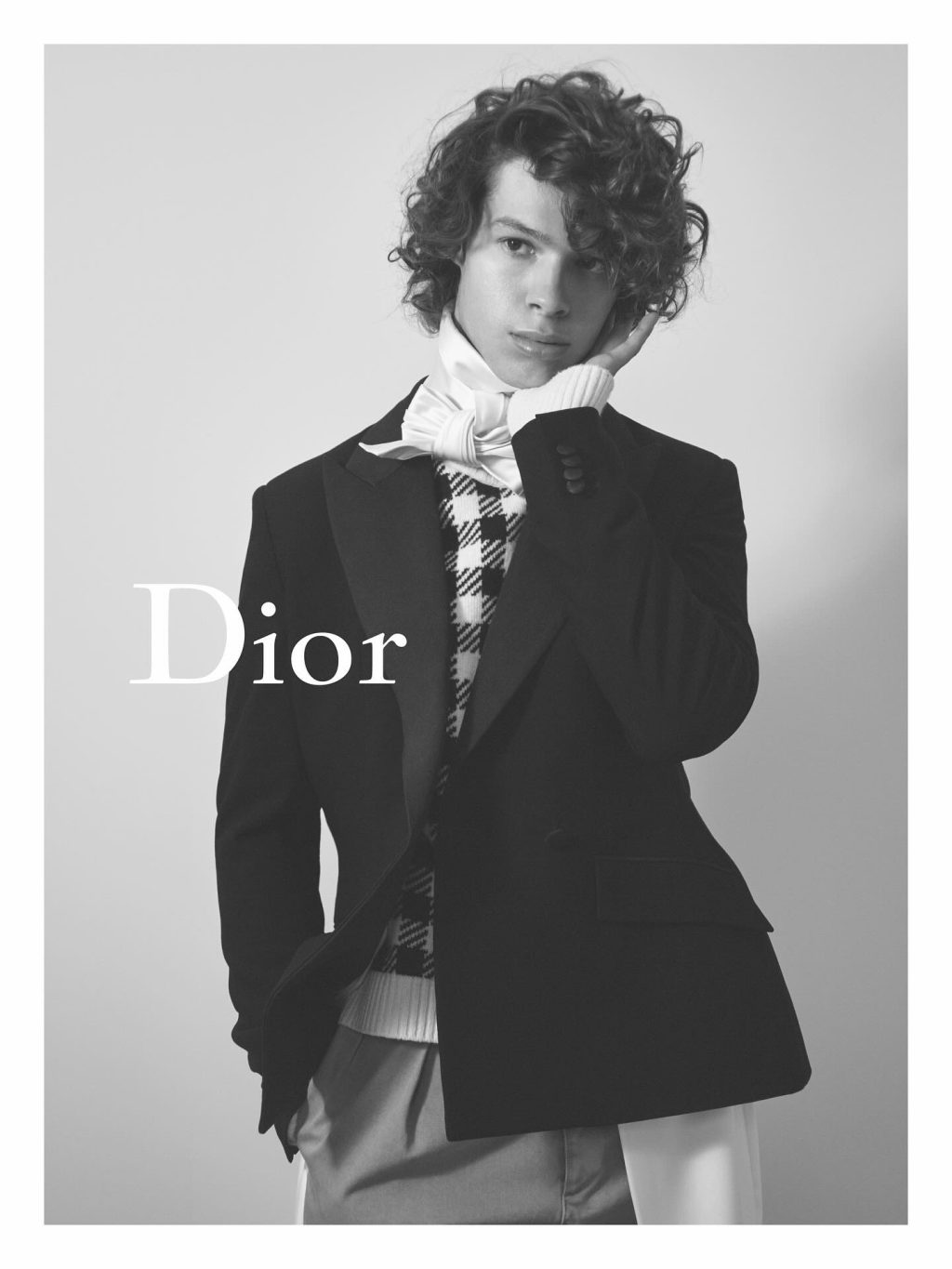
Seen together, these Dior coed campaign bags read like a new Dior dictionary: heritage, made tactile; icons, made human. That is a significant repositioning. If Anderson’s runway shows introduced the vocabulary, this campaign teaches the pronunciation.
For Dior, the gamble is clear: loosen the brand’s image without diluting its prestige. The early reaction you noted—fans reading it as playful, fresher—suggests the gamble is working. And if the accessories are the most legible proof, it’s because they carry Anderson’s strongest instinct: heritage becomes most exciting when you let it misbehave.