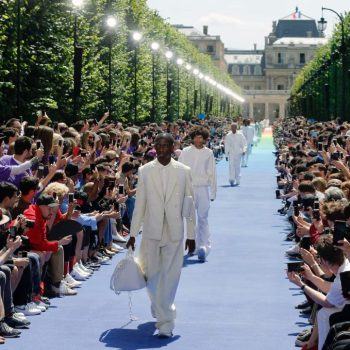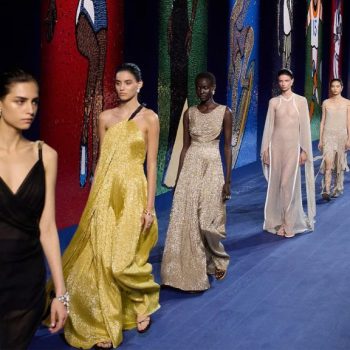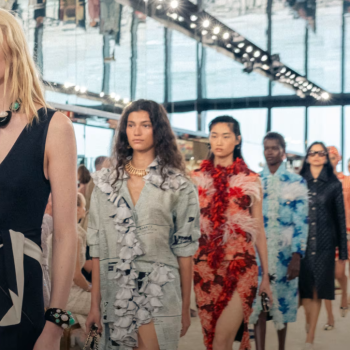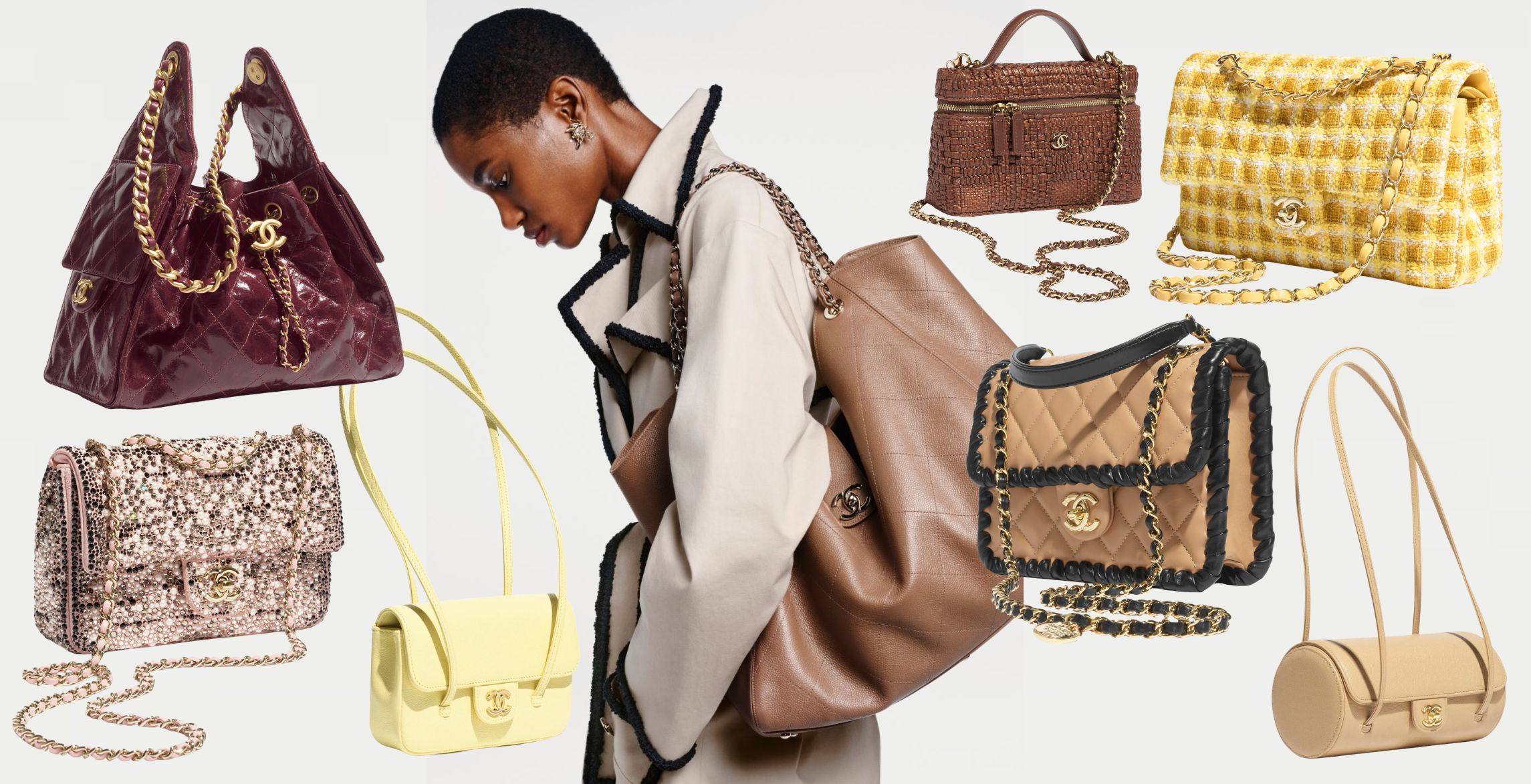
There are fashion seasons, and then there are Chanel seasons—where a “new drop” isn’t a quick trend hit, but a carefully staged set of essentials that revisits house codes and turns them into objects you’ll carry for years. Chanel frames the Spring–Summer 2026 Pre-Collection as a wardrobe of modern essentials revisiting the codes of the House. And when you look at the handbag offering, you see the same strategy: icons kept close, new silhouettes tested gently, and materials used like mood—raffia when the season wants sunlight, tweed when it wants heritage, denim when it wants familiarity with a wink.
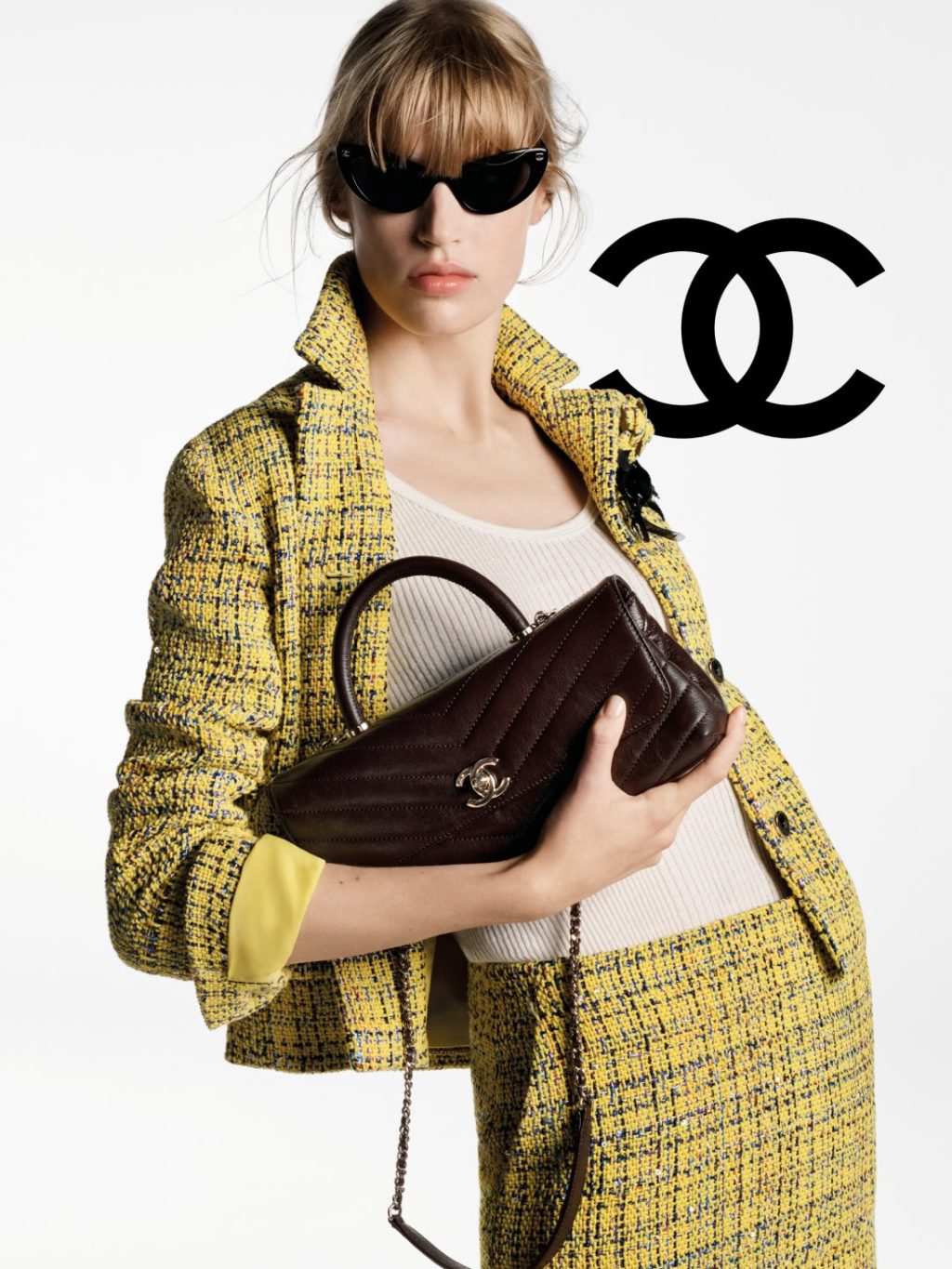
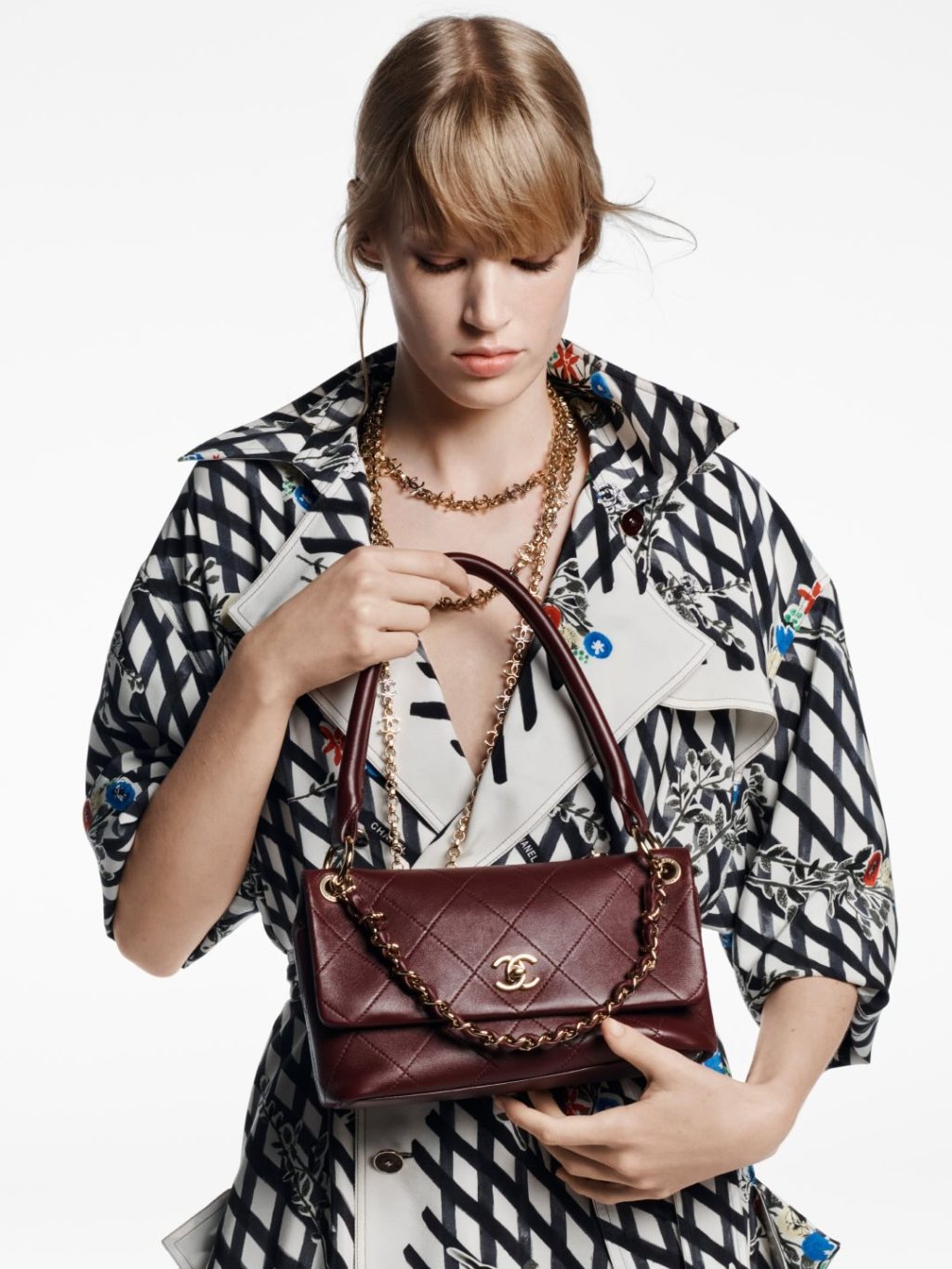
For runway context and the full design breakdown behind these numbers, see our Chanel Spring–Summer 2026 bags guide.
This piece is a price report: a clear, model-by-model list of handbags and small leather goods currently shown on Chanel.com. All prices below are shown in USD as listed on Chanel.com U.S. at the time of writing and may change. Taxes are not included. Pieces marked “Price upon request” are presented on Chanel’s product pages without a public price, reflecting boutique-led positioning rather than a standard e-commerce checkout behavior.
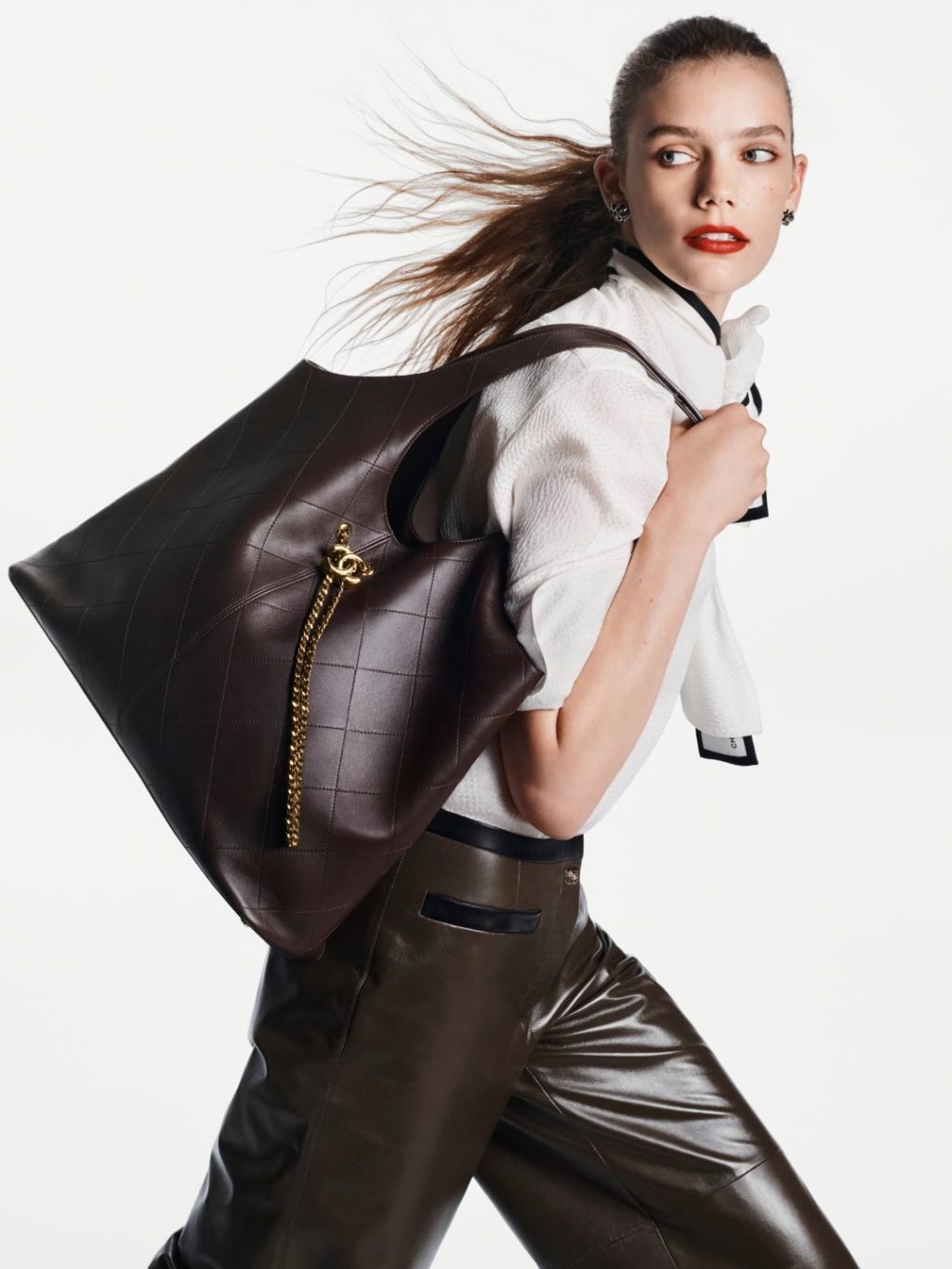
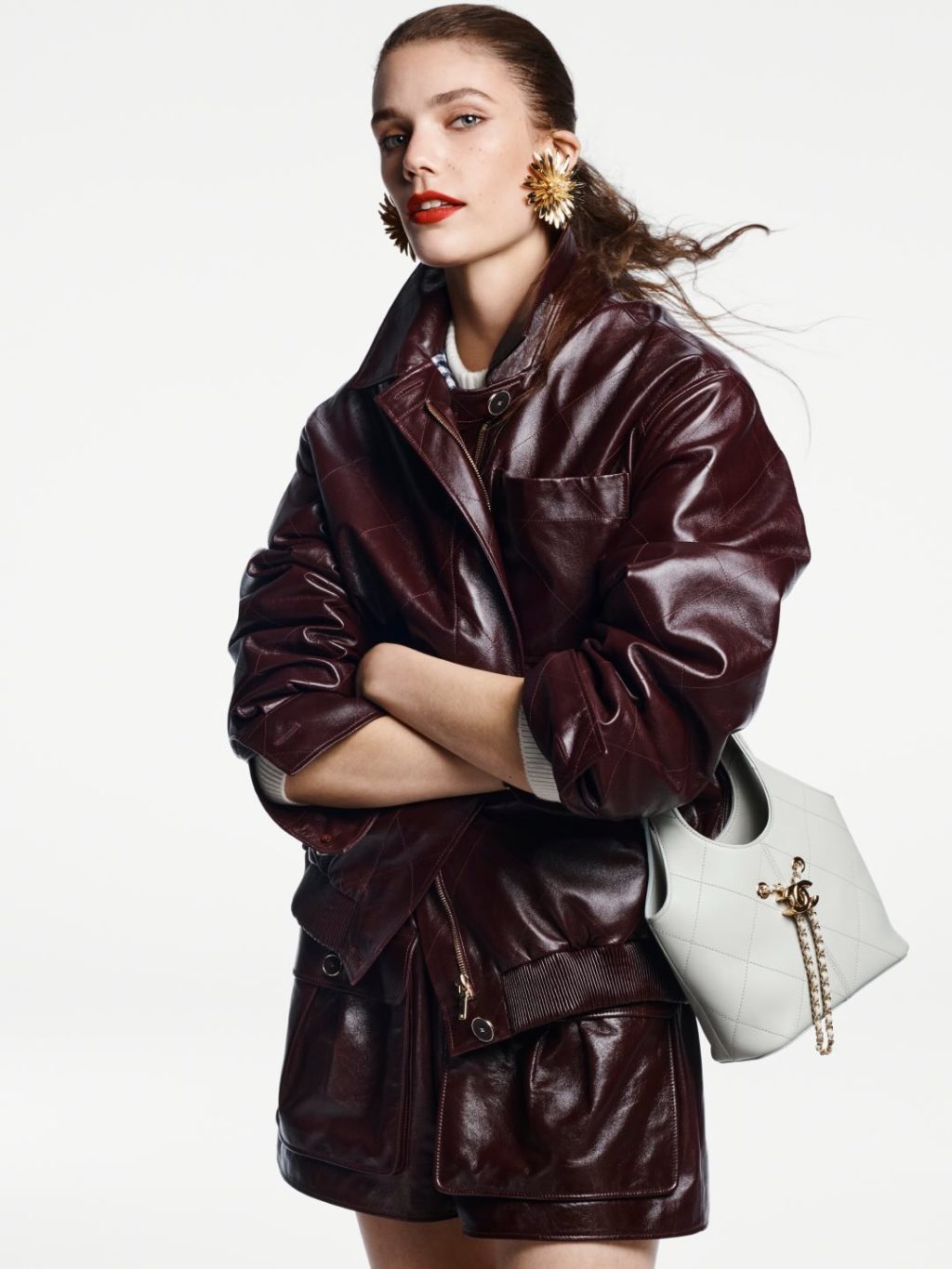
Chanel SS26 Pre-Collection prices: at a glance
Chanel’s SS26 pre-collection pricing forms a clear ladder. The lowest entry point in this list is $2,825 (Classic Long Vanity with Chain in braided raffia), while the ceiling is the Classic 11.12 Handbag in tweed at $11,300. Most handbags cluster in the mid-$5,000s to mid-$7,000s, where minis, small flaps, and newer silhouettes compete for “daily main character” status. Two Evening Bags appear as Price upon request, reinforcing their boutique-only, jewelry-adjacent narrative.
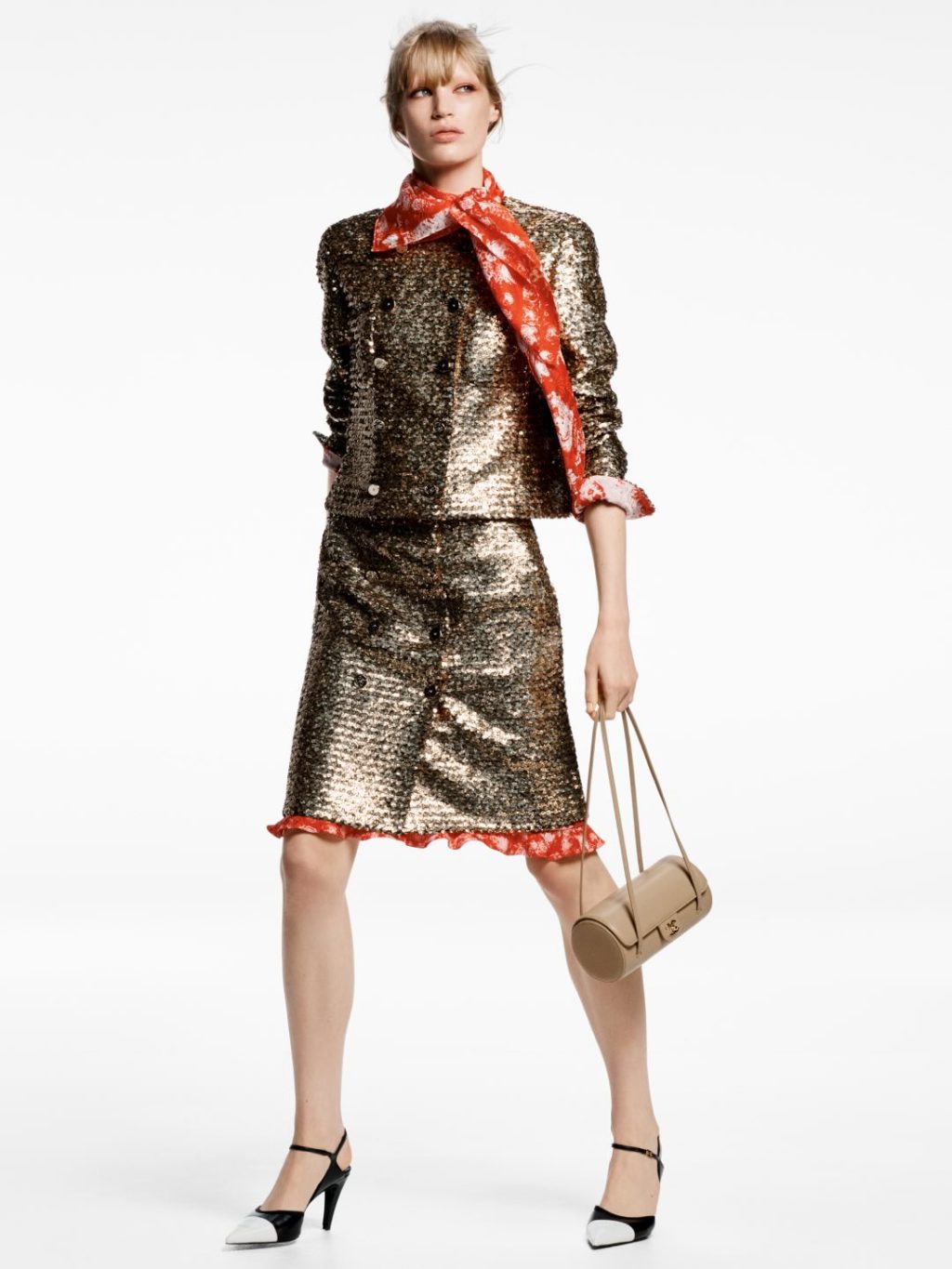
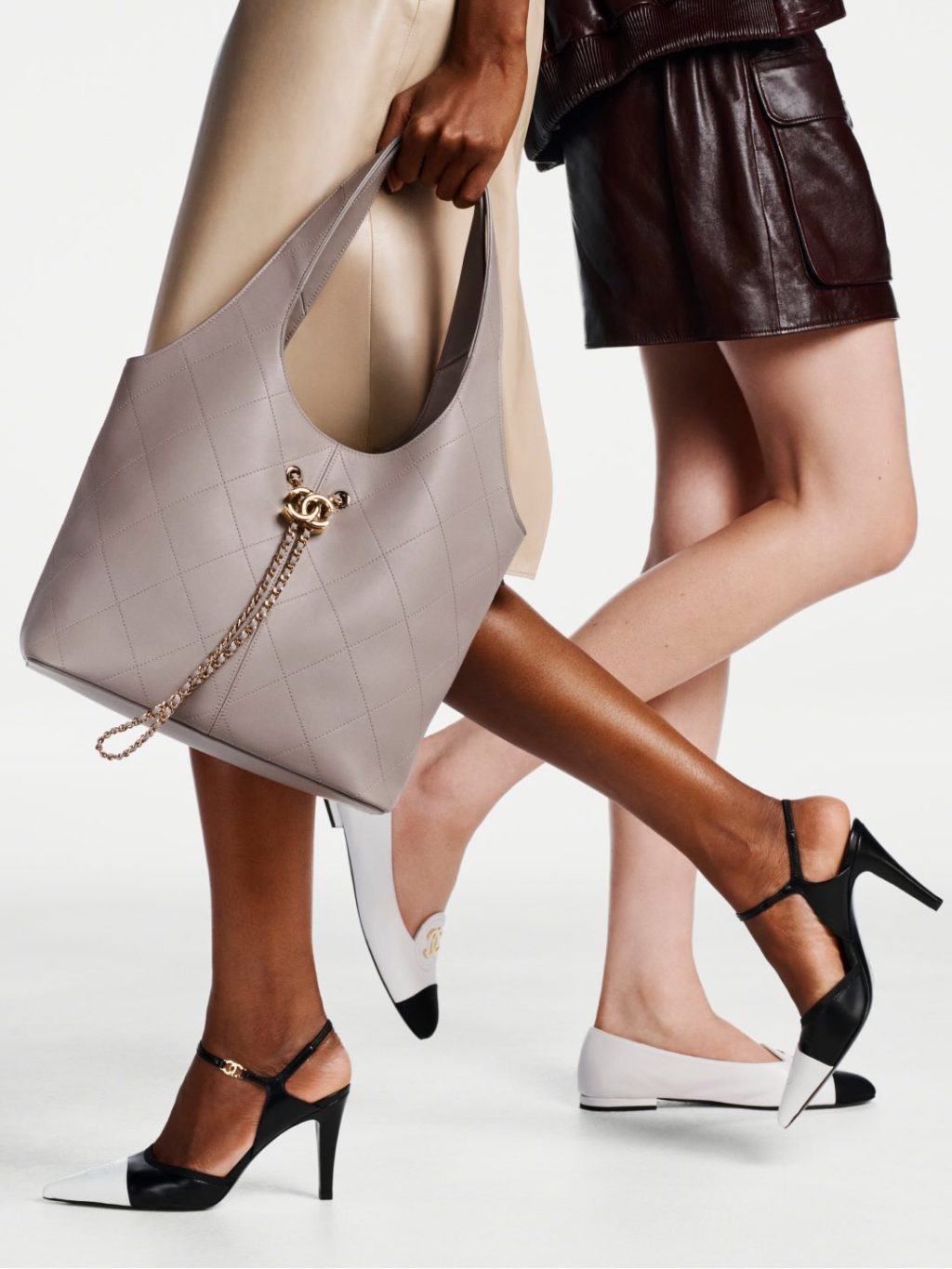
Shopping Bags (Calfskin core)
The calfskin-led shopping bag selection reads like Chanel’s answer to the modern carry-all: structured enough to look intentional, restrained enough to move from weekday to weekend, and large enough to justify the spend through use.
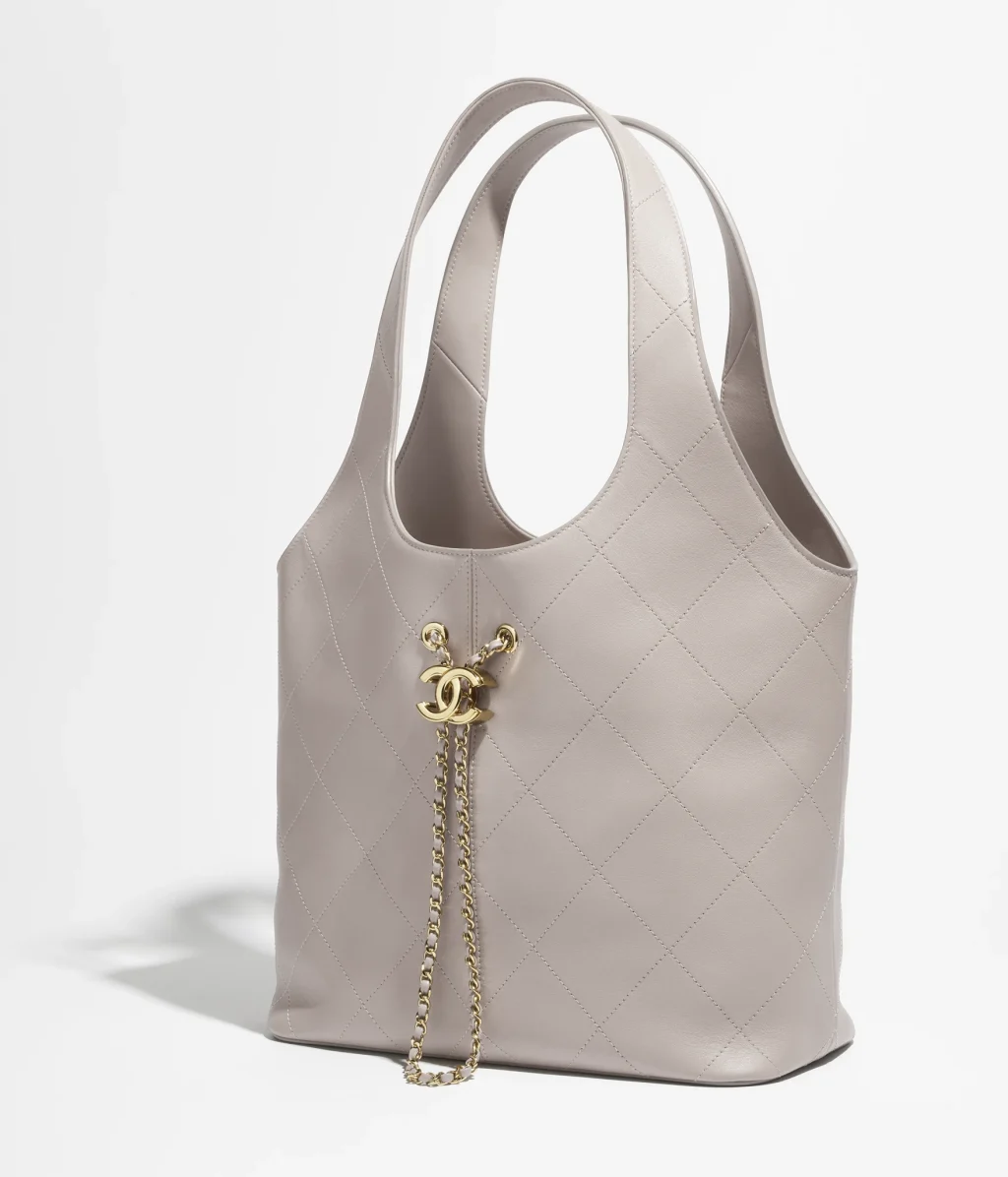
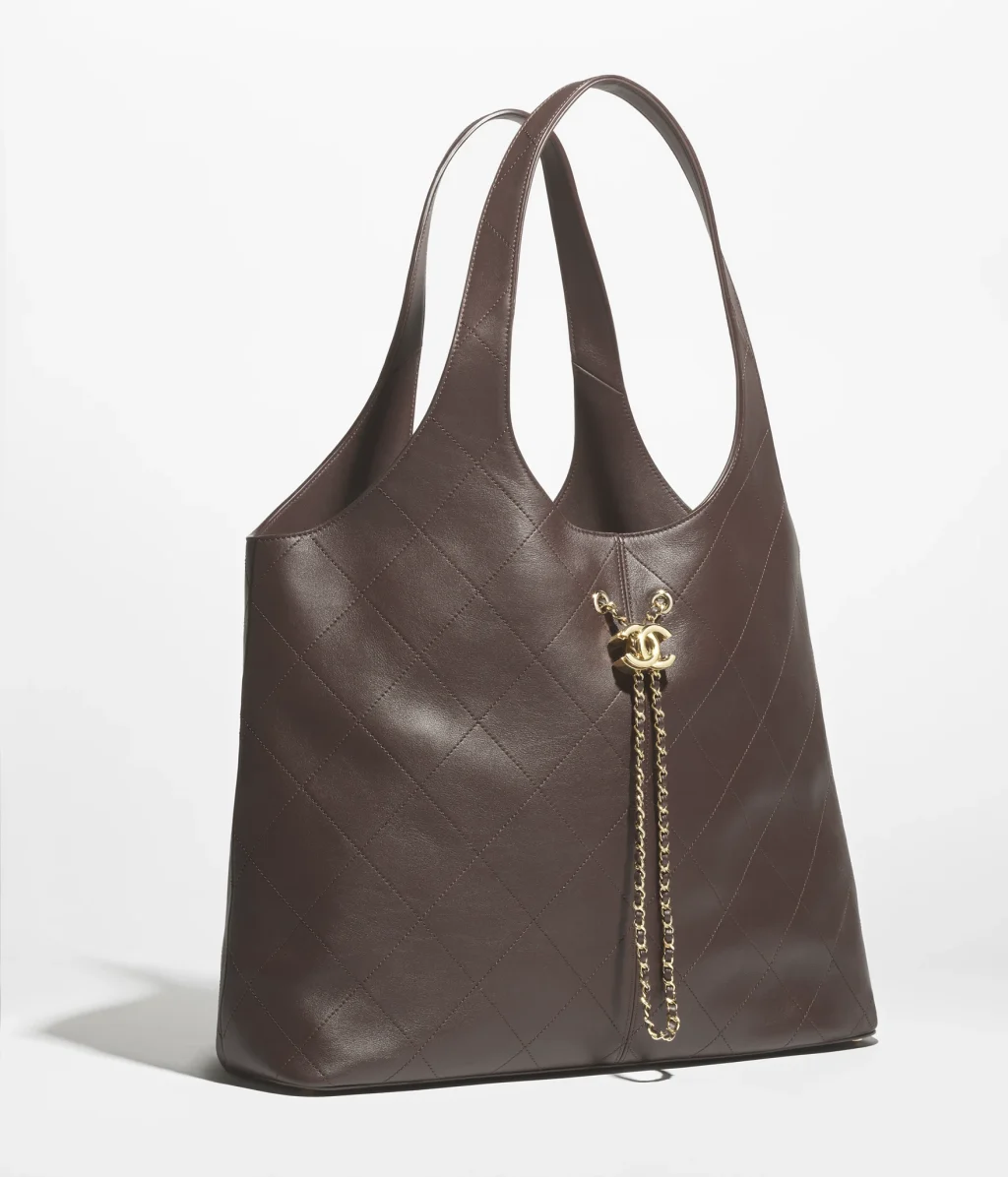
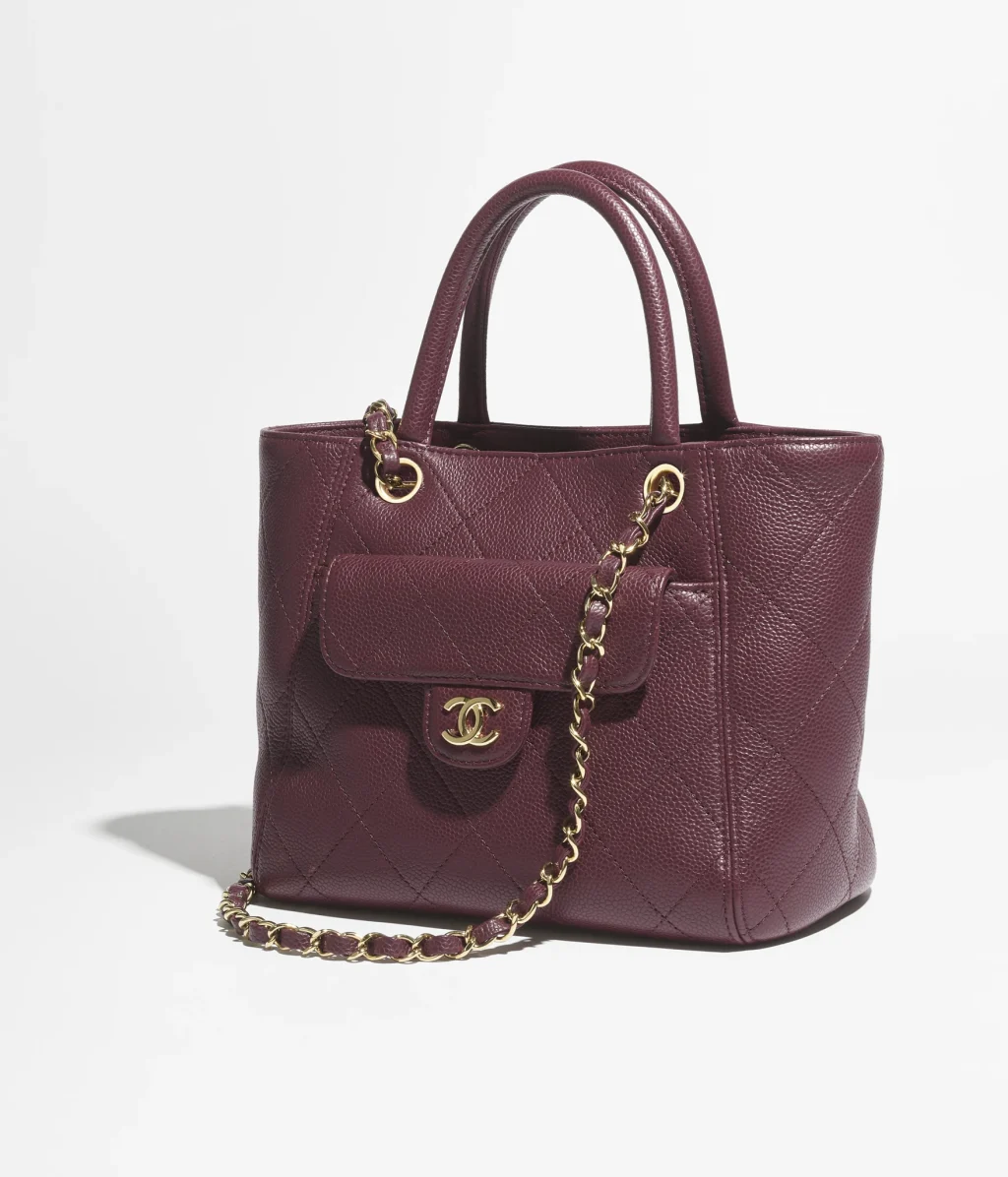
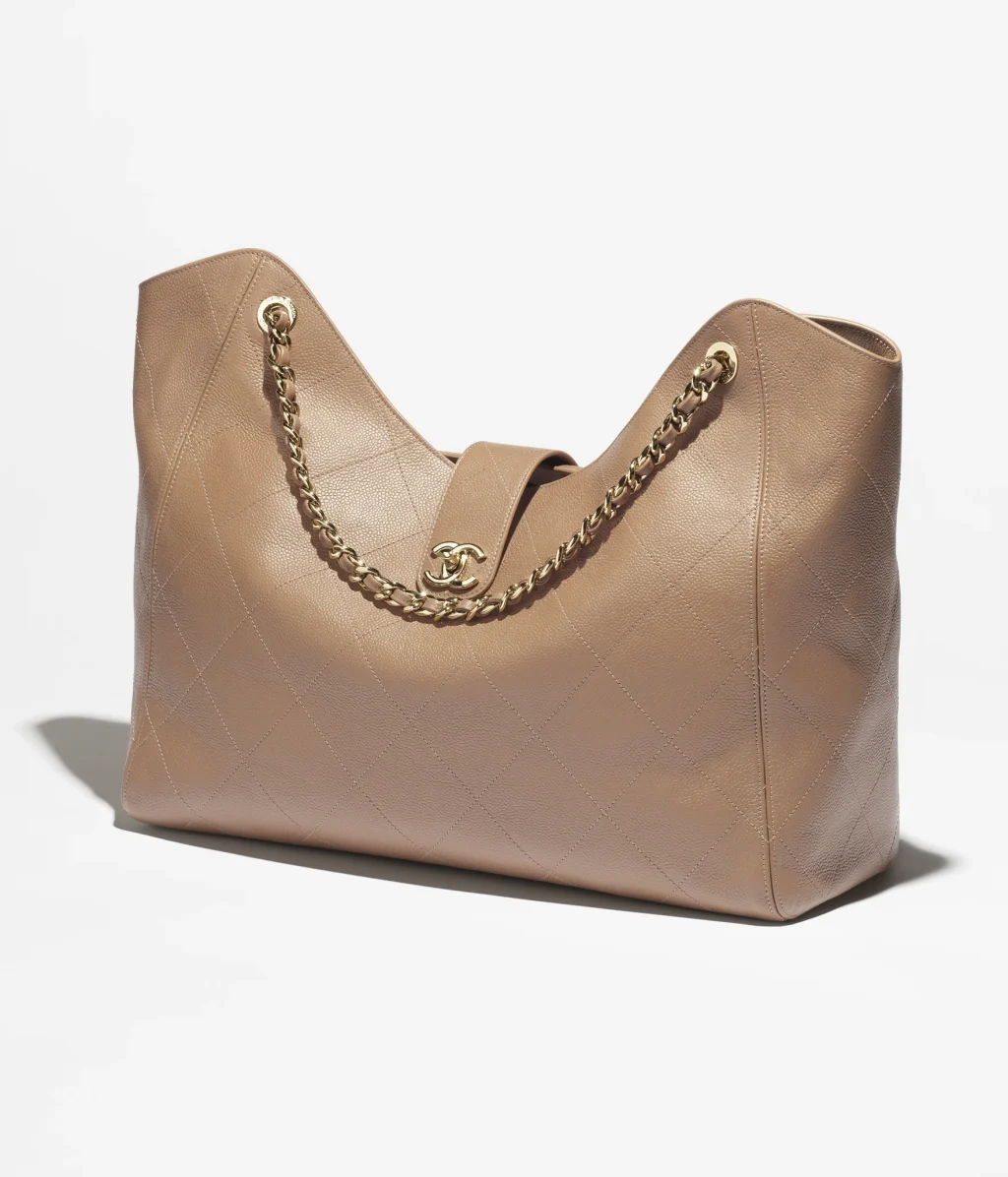
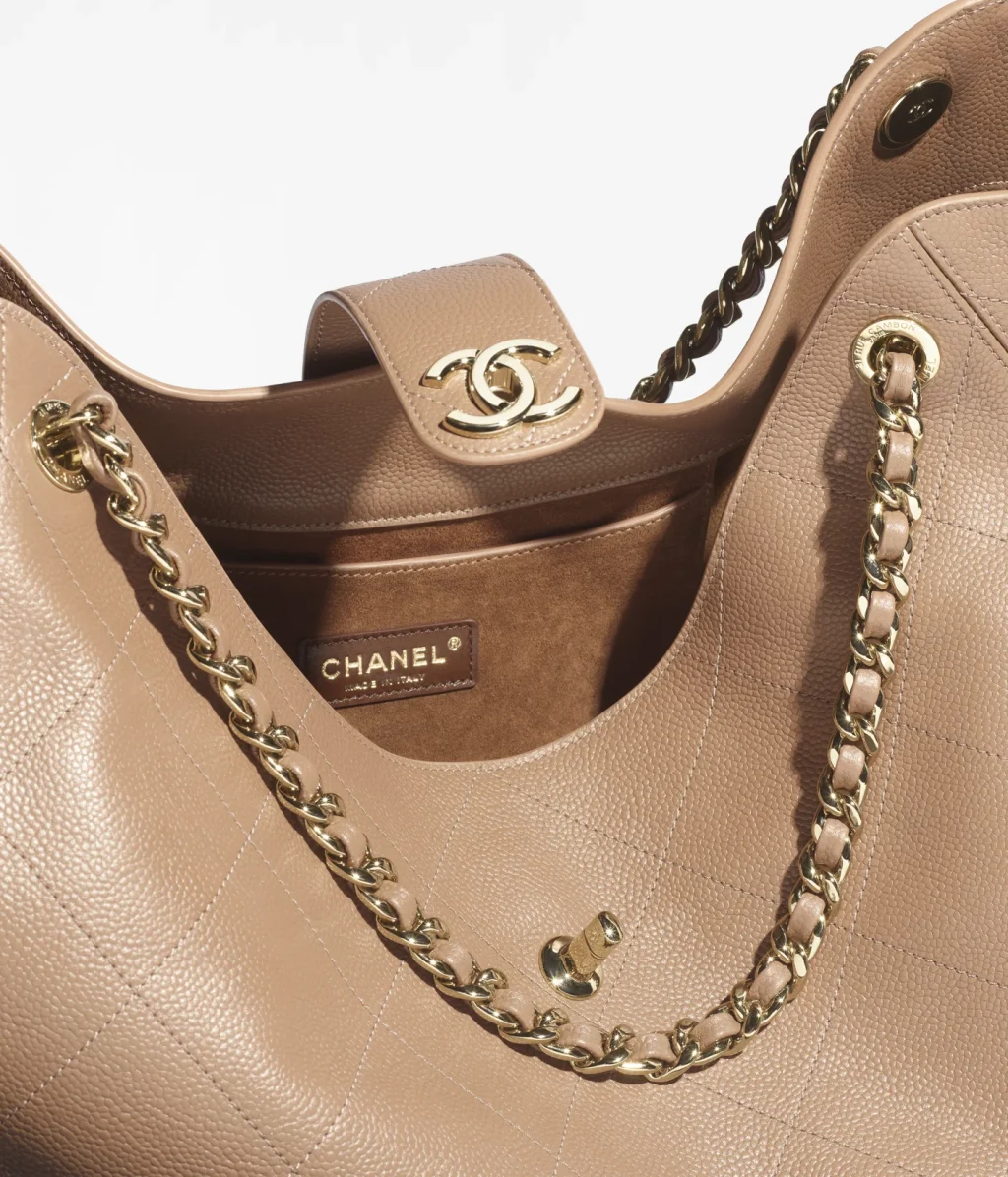
The large calfskin shopping bag in dark gray sits at $7,500, treating the tote as a primary wardrobe piece rather than a seasonal accessory. In the same “workhorse” spirit, Chanel lists a grained-calfskin Shopping Bag in brown at $7,800—a classic daily carry priced for durability and structure.
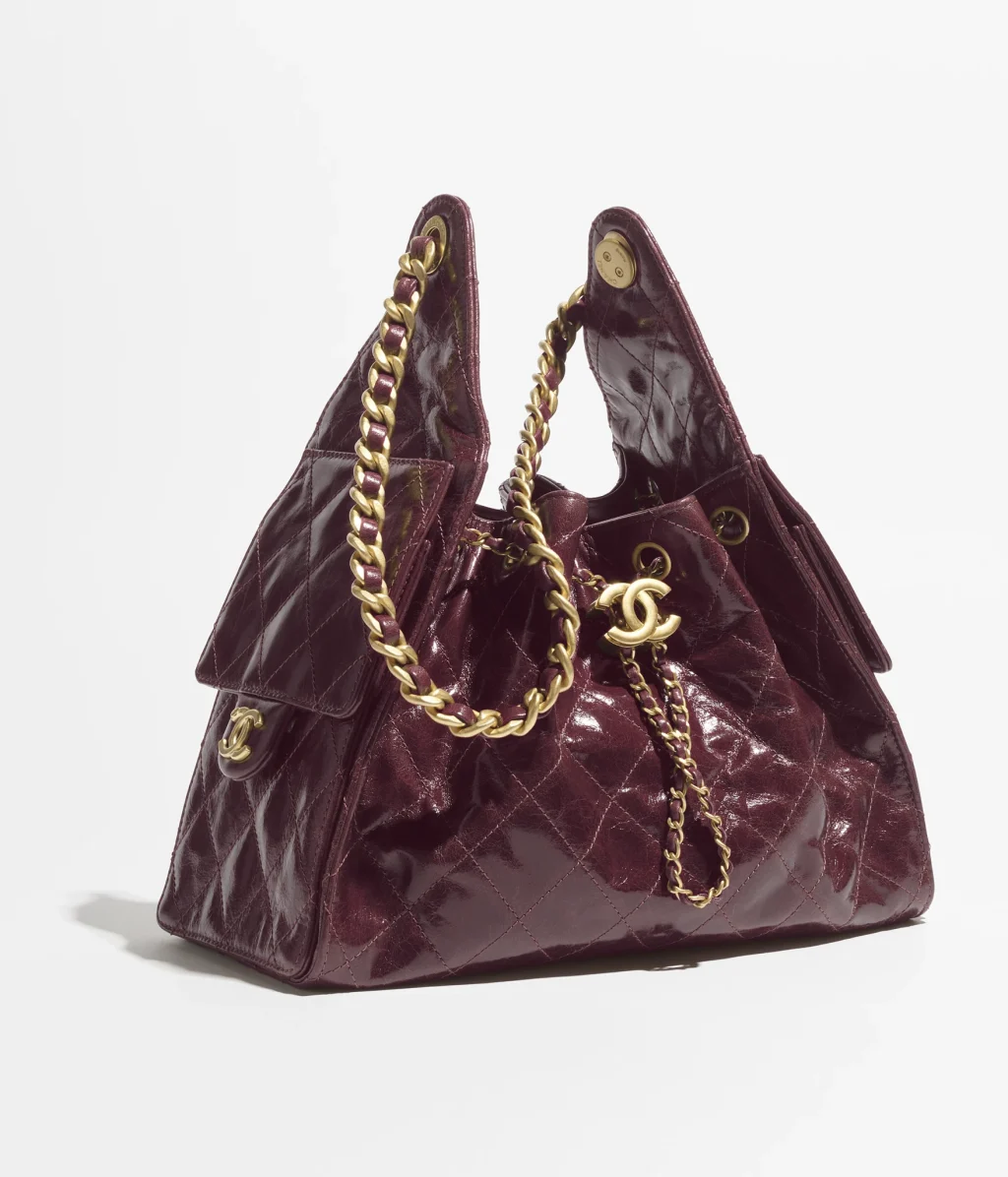
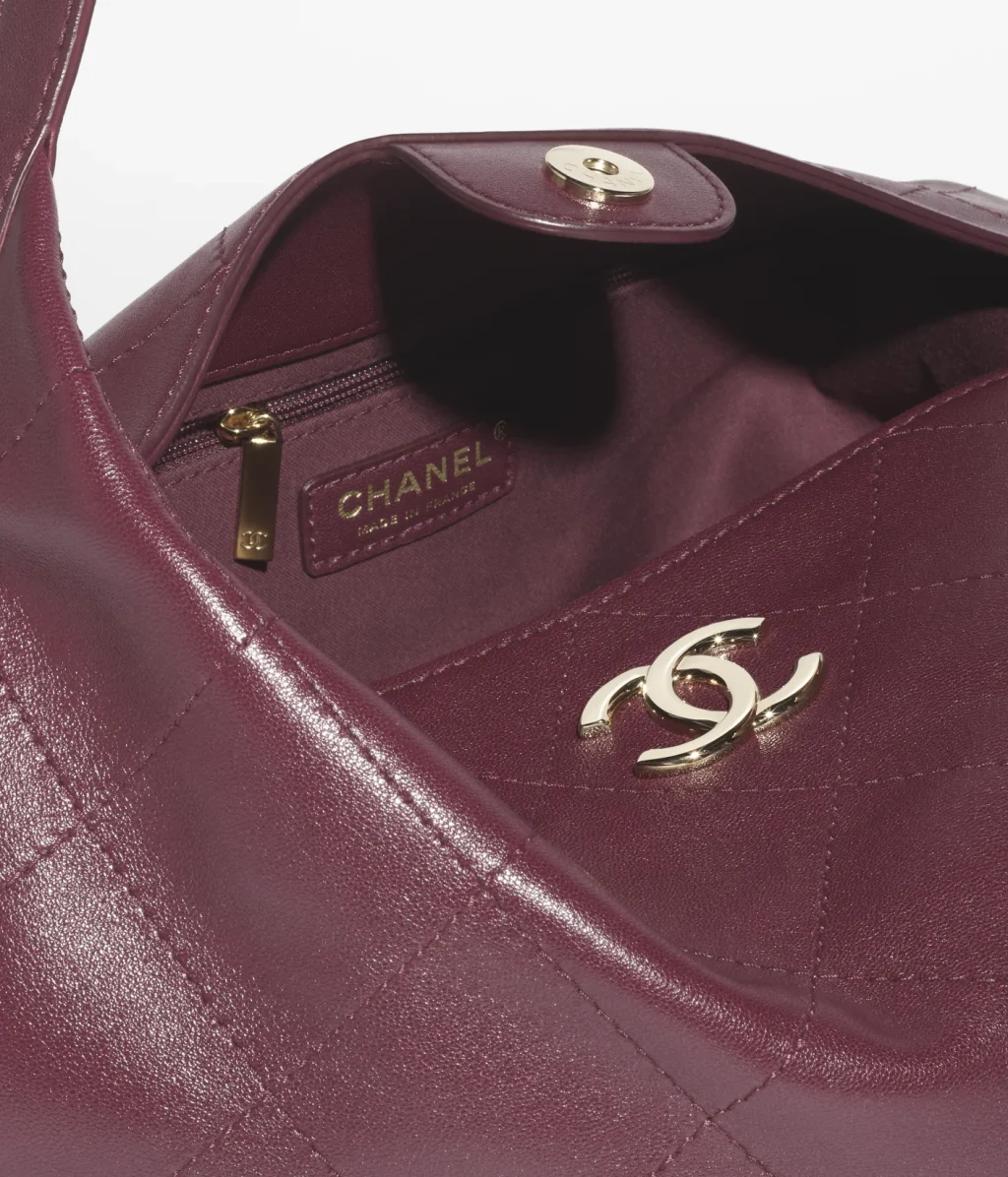
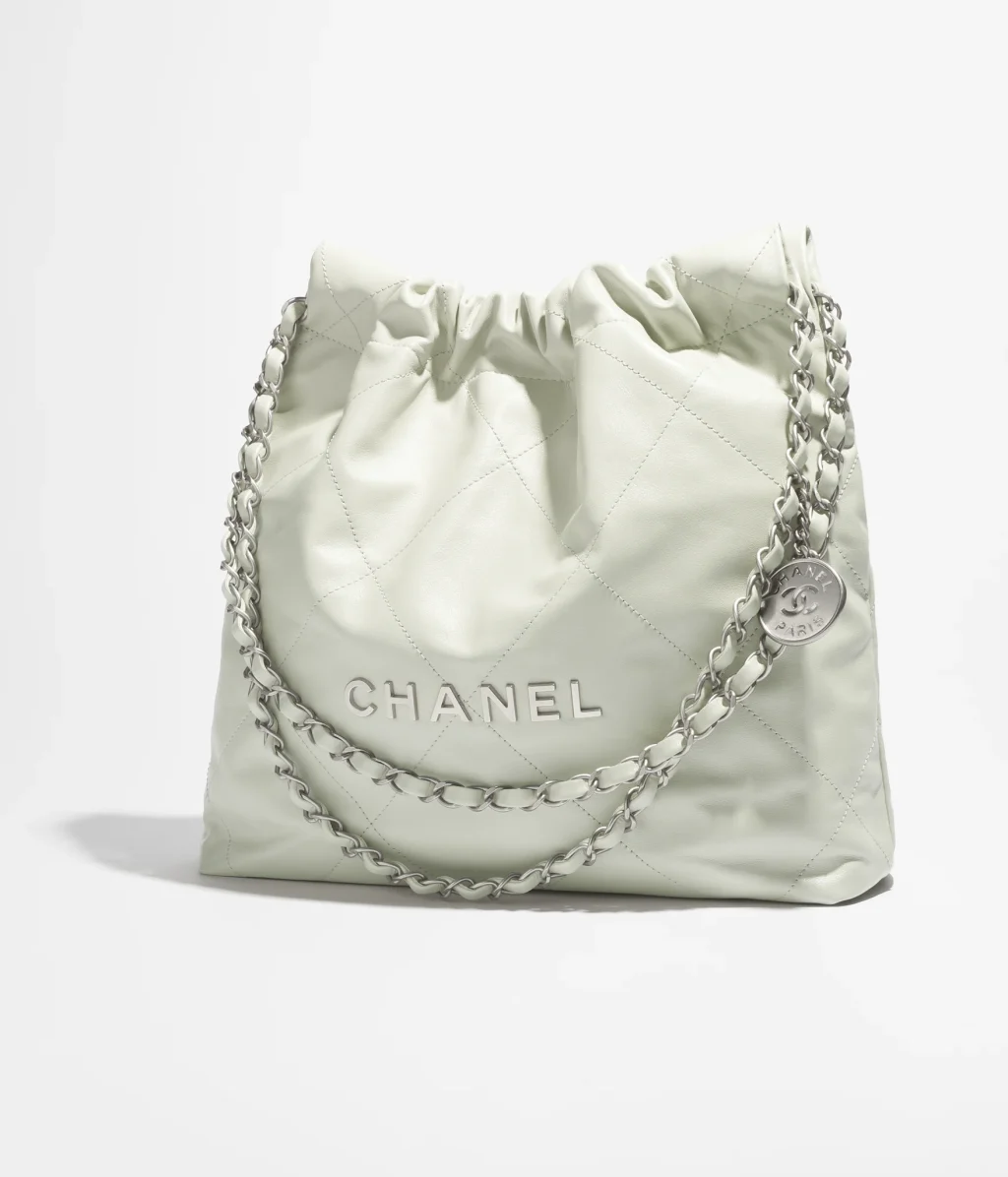
The maxi calfskin version in dark brown commands $8,500, where volume becomes a luxury signal in itself—bigger, more present, priced accordingly. On the smaller end, Chanel makes the point that “small” is a styling decision, not a discount: the light green small shopping bag comes in at $5,400, while the small grained-calfskin Shopping Bag in dark burgundy lands at $6,400.
A quiet, collector-relevant detail here is longevity. With shopping bags, corners and the base panel soften first; supportive interior structure is the difference between a tote that keeps its line and one that collapses early—especially in larger sizes that live on car floors, under desks, and beside chairs.
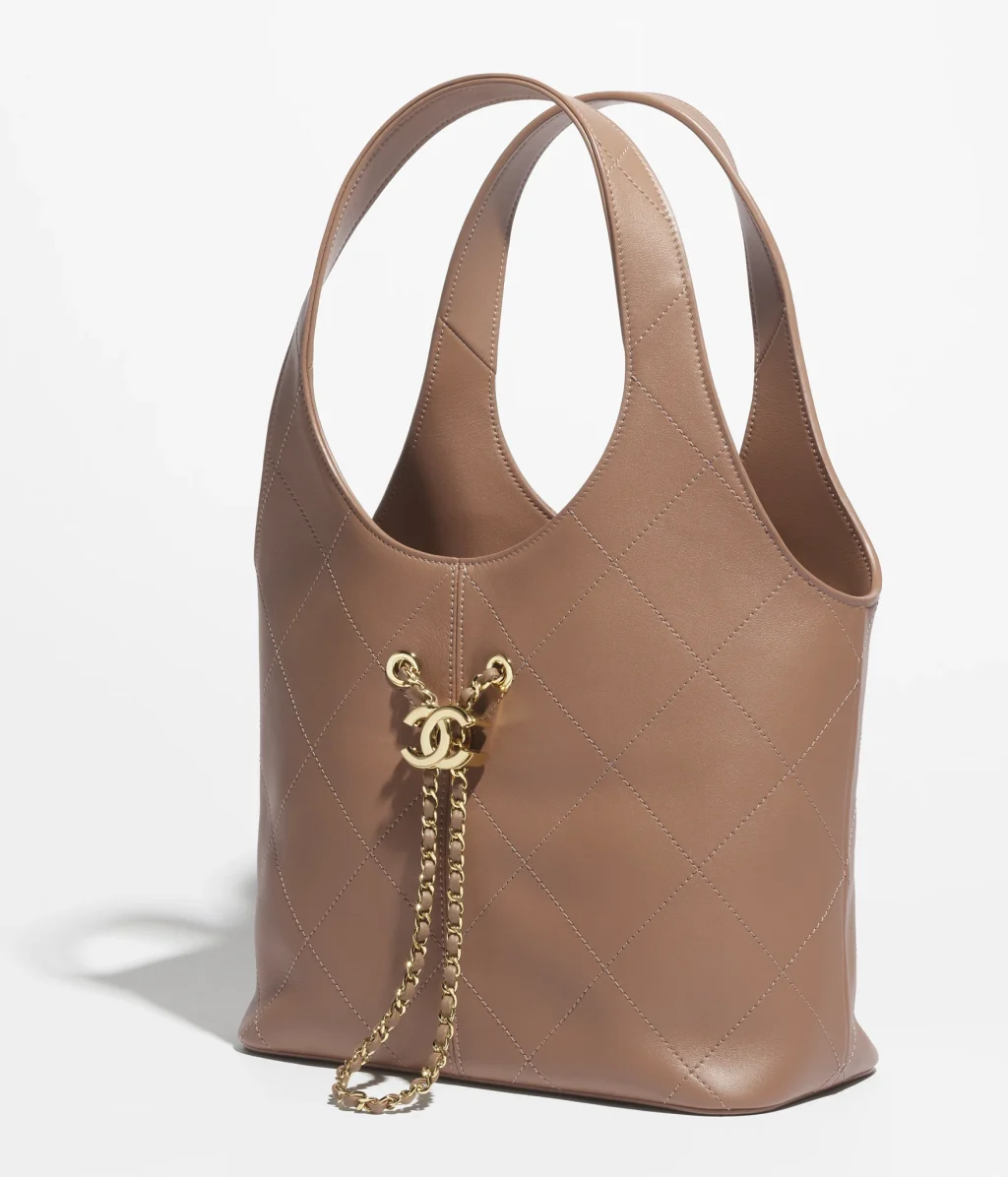
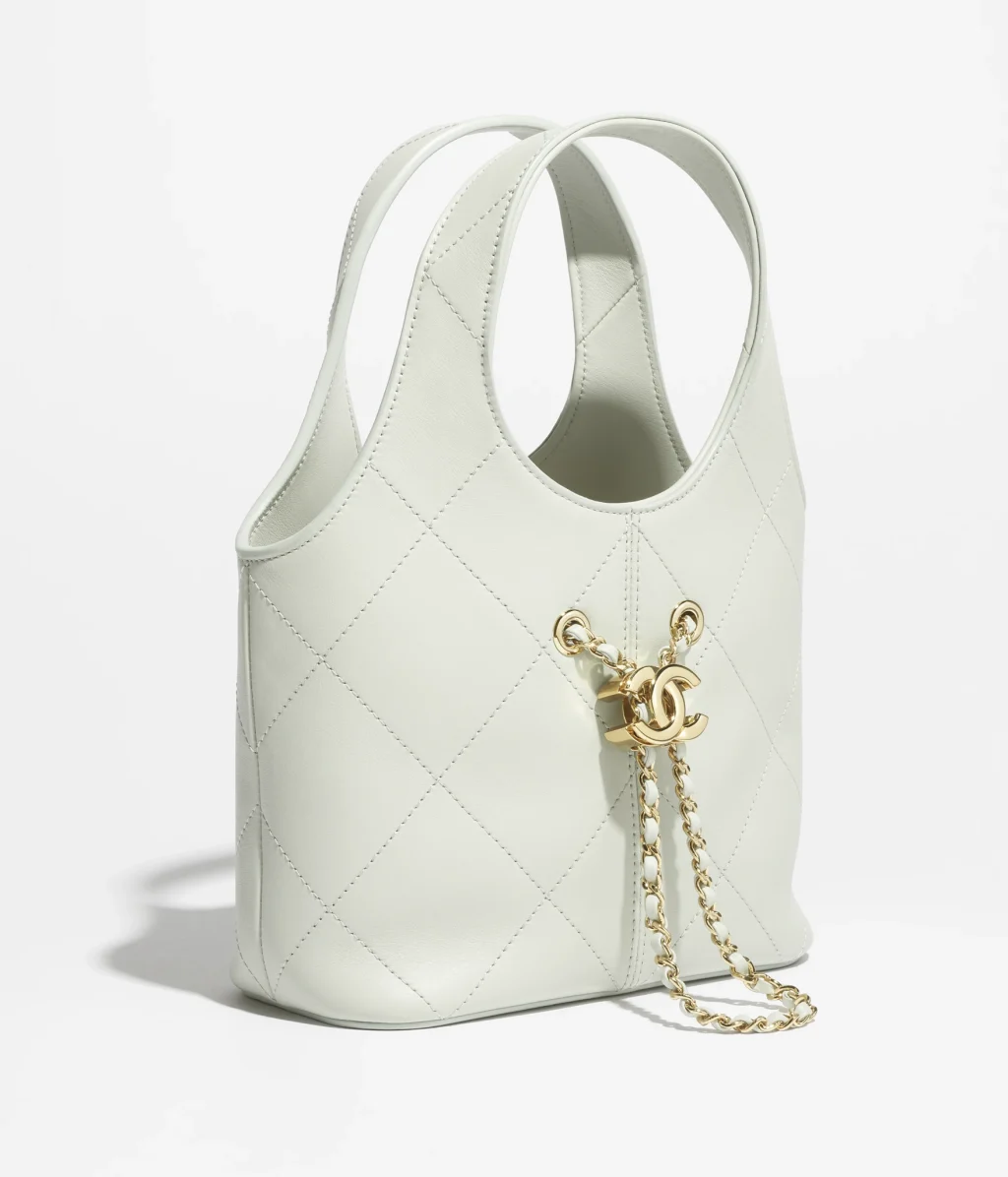
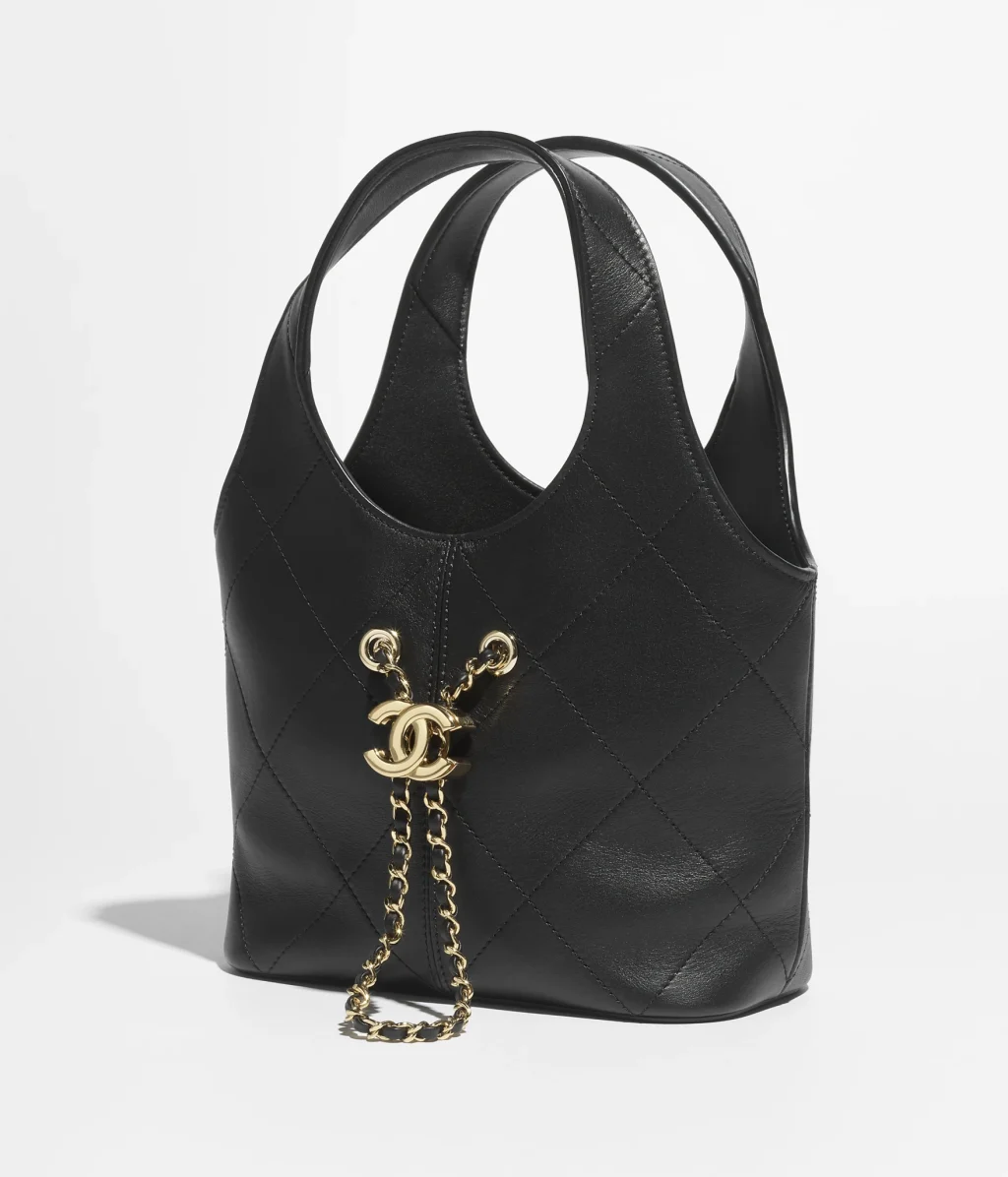
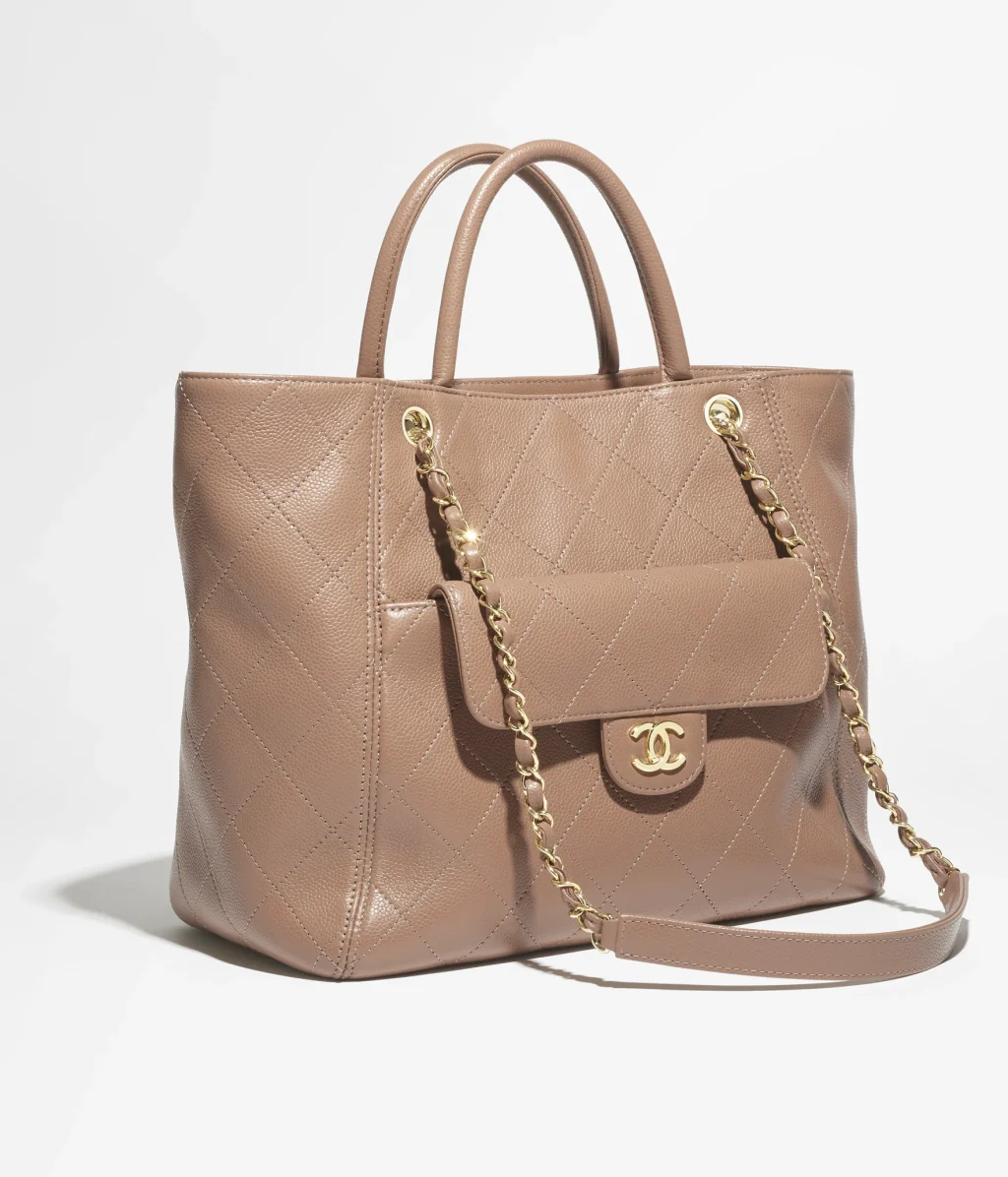
CHANEL 26
This edit is Chanel at its most pragmatic: compact formats, clean hardware, and materials that photograph well but also survive repeat wear. It’s also where you can read a key SS26 pre-collection strategy: “core mini-luxury” pricing that keeps buyers in the house without pushing them up to icon territory.
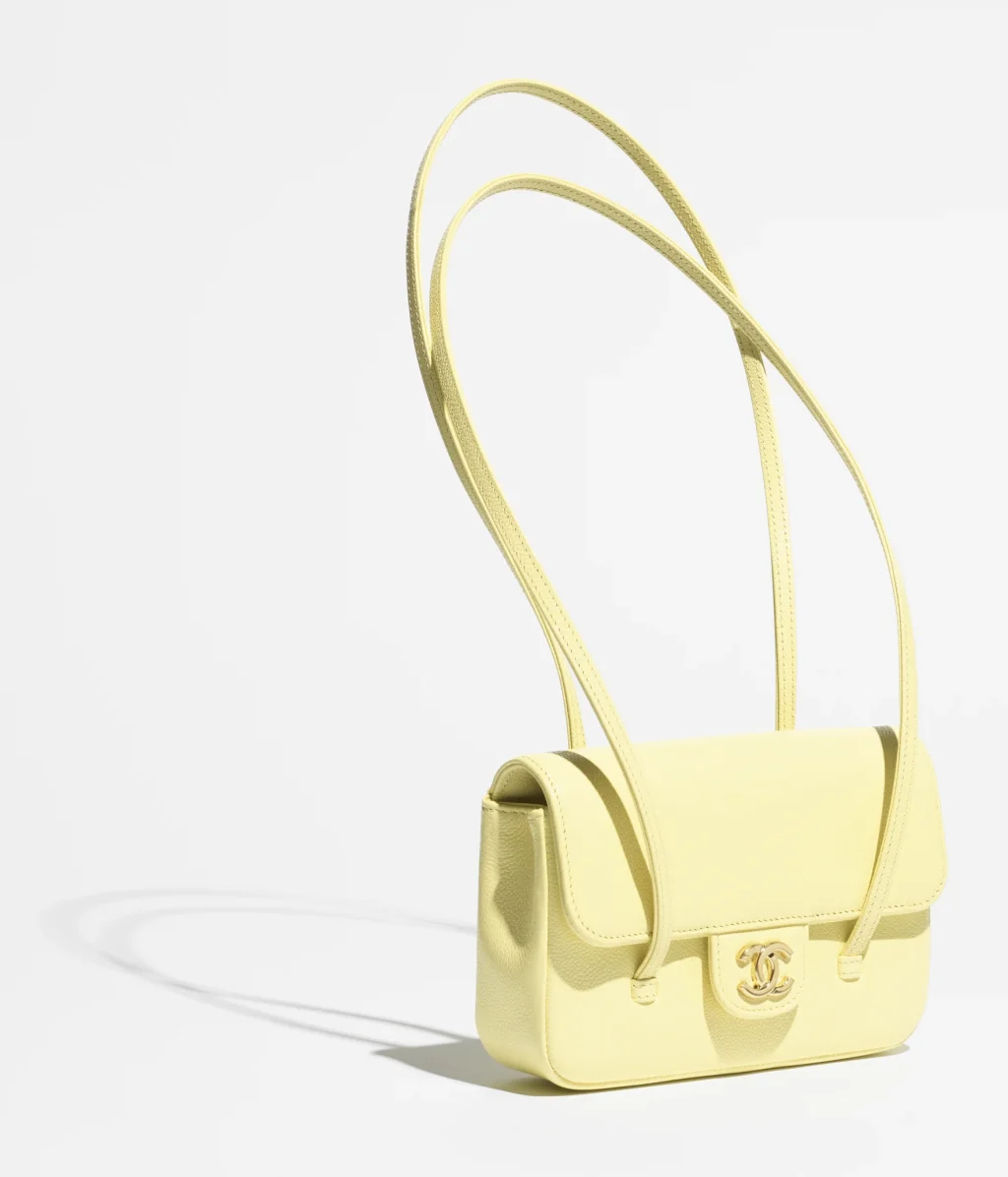
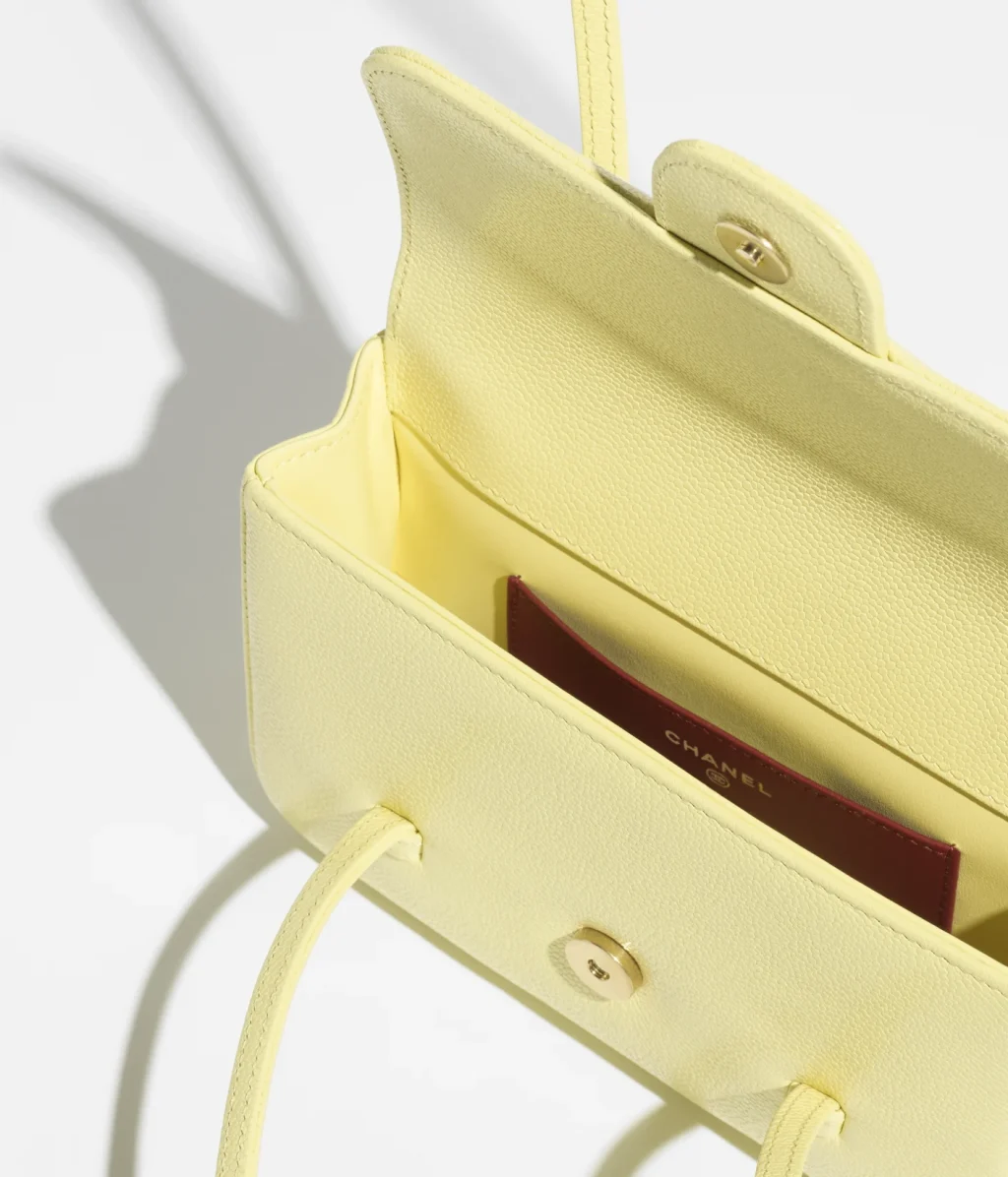
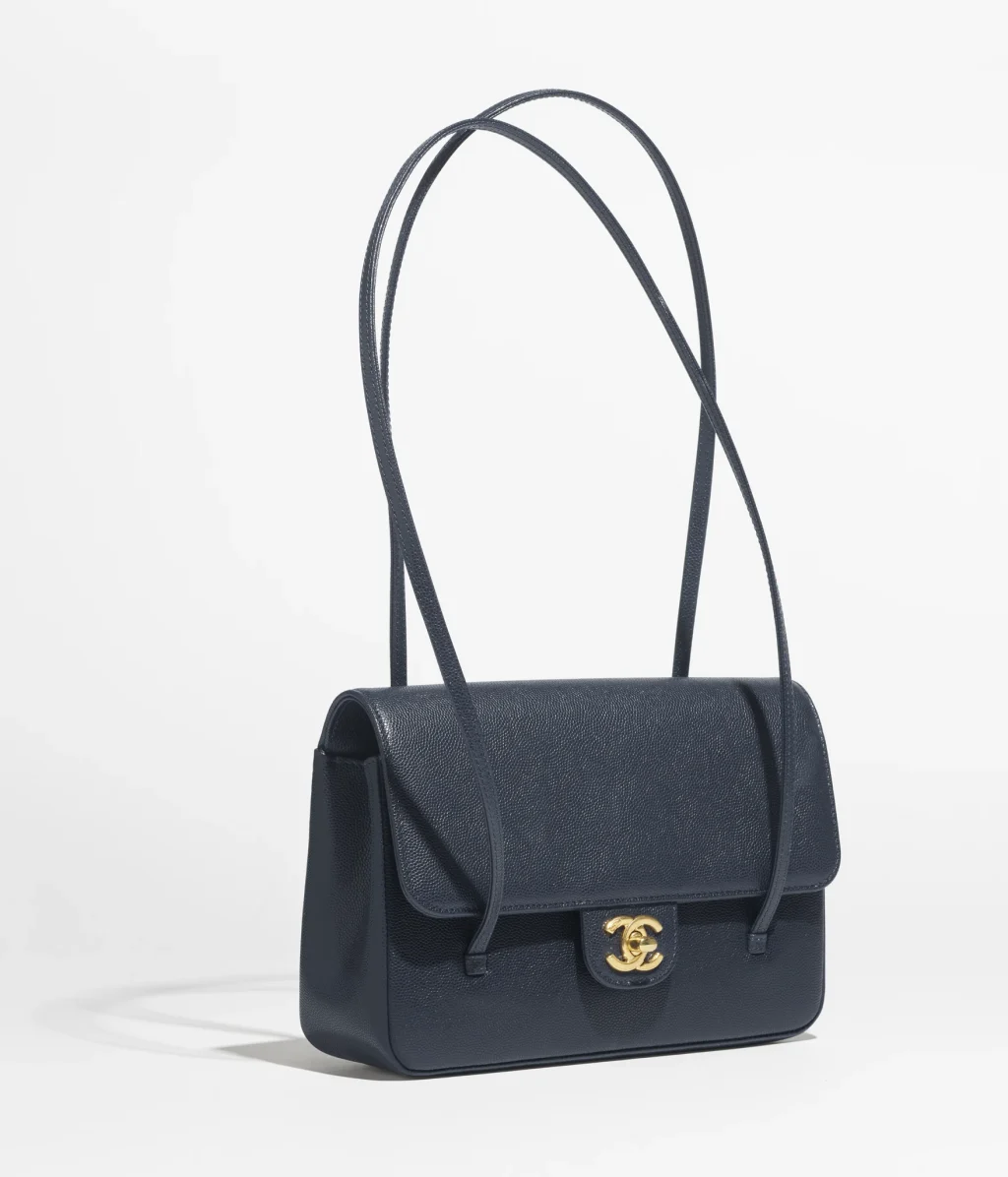
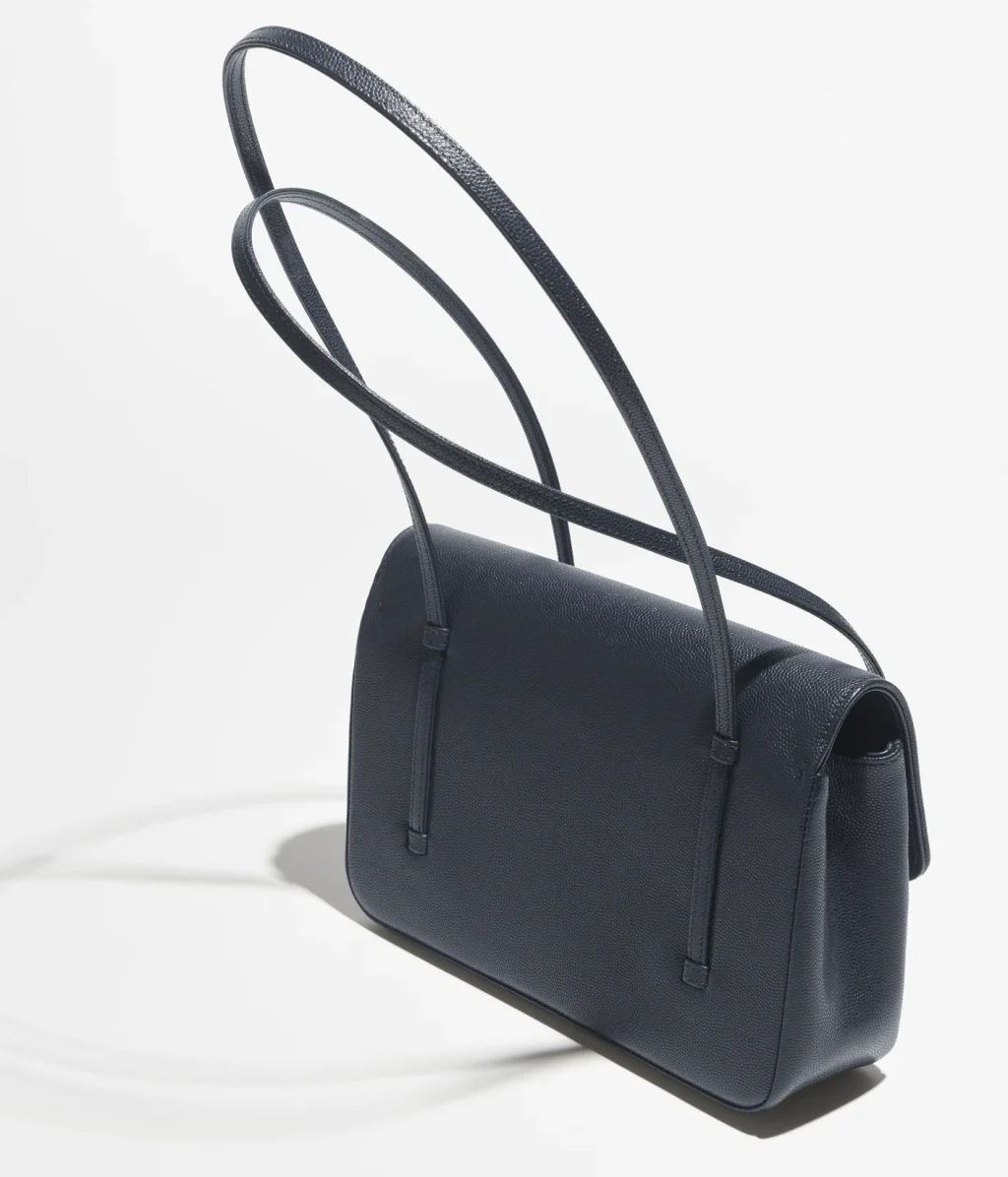
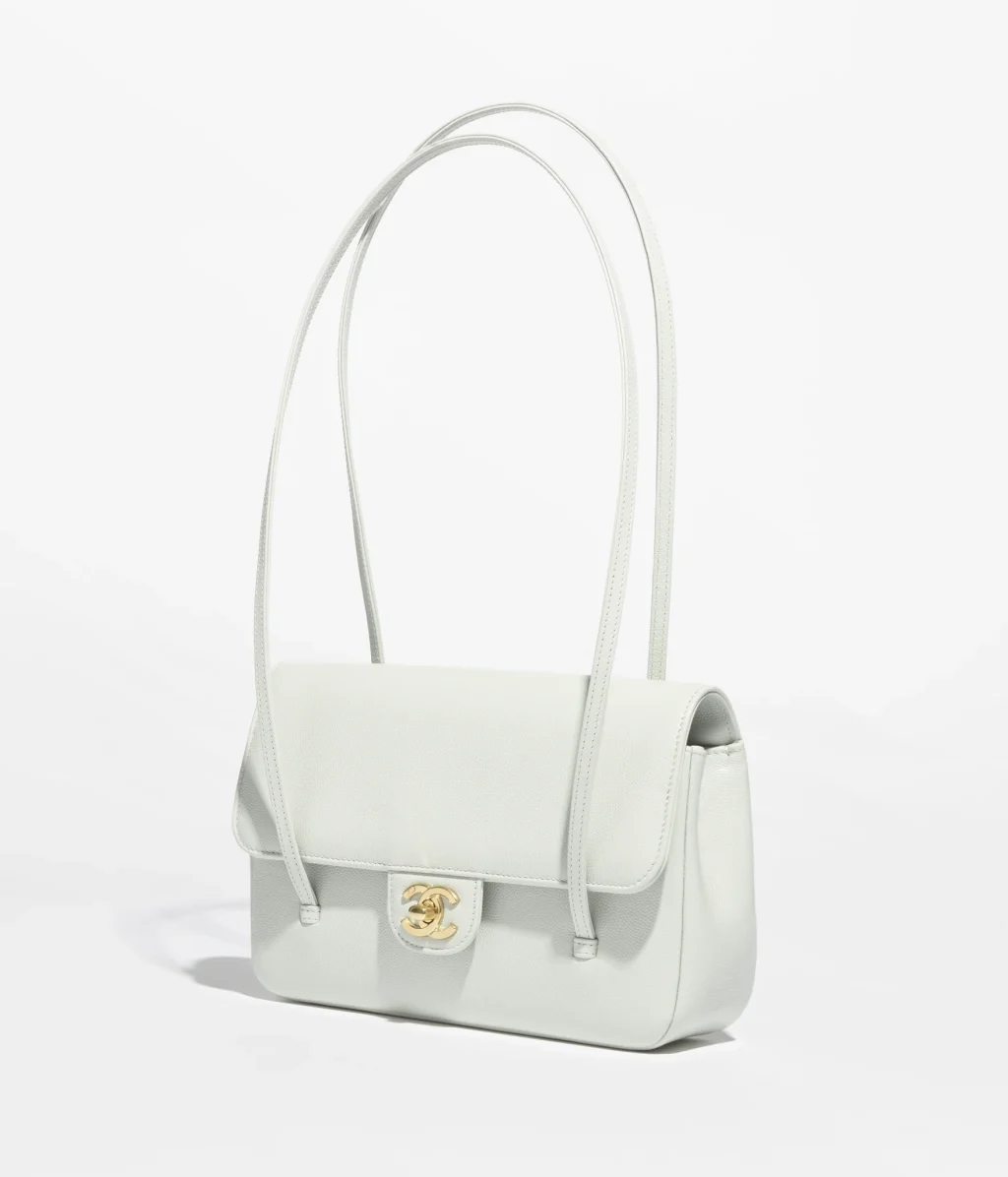
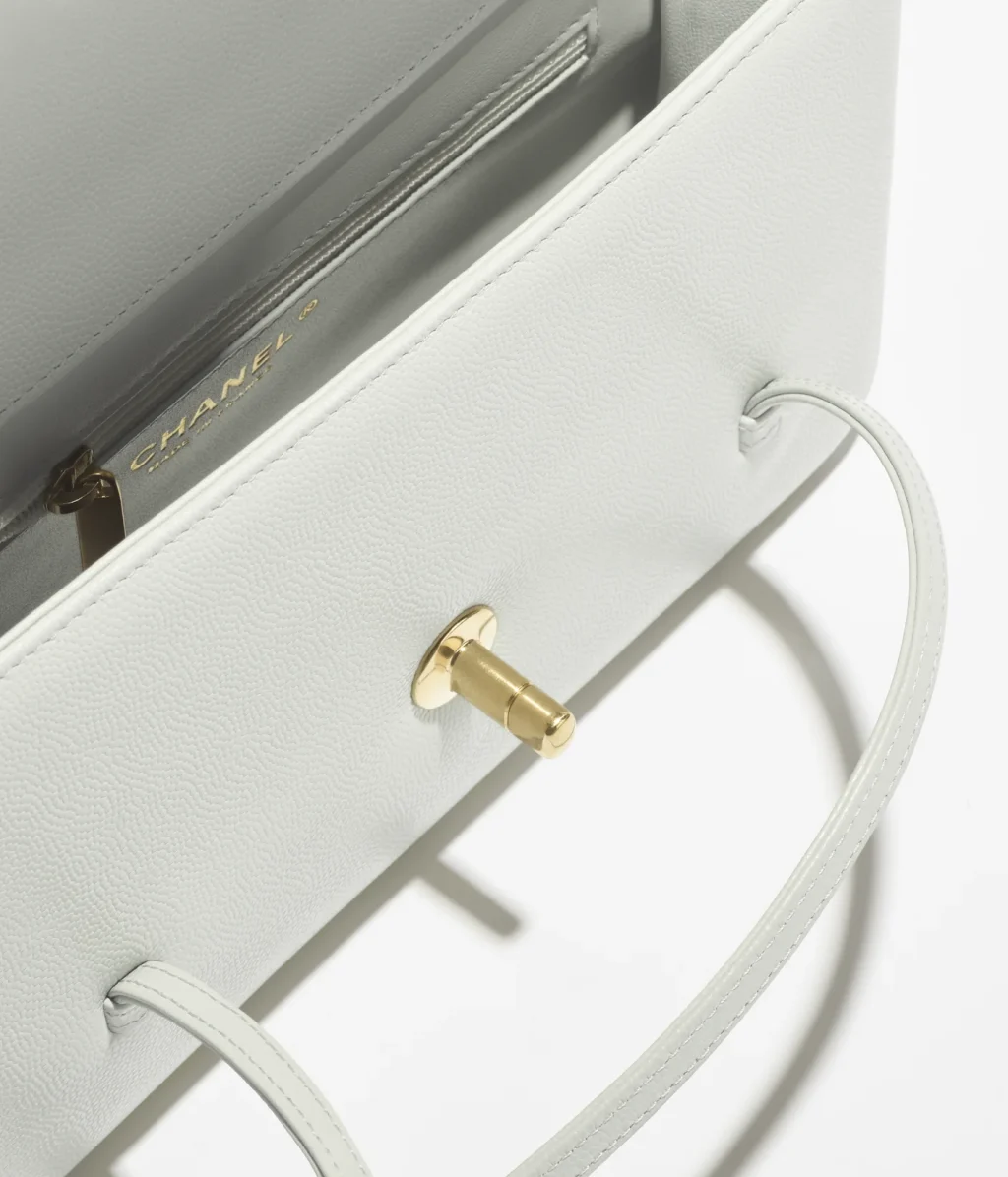
Two small flap bags in grained shiny calfskin—dark blue and light green—establish at $5,100. They function as everyday pieces that still read unmistakably Chanel through proportion and finish. The strap clutches in the same leather family, positioned at $3,975, operate as the bridge between day and evening: styled like bags, behaving like accessories, offering structured Chanel ownership below classic icon pricing.
If you’re considering this silhouette specifically, our Chanel 26 bag guide breaks down what it is, how it wears, and what to look for before buying.
CHANEL 25 (mini + small)
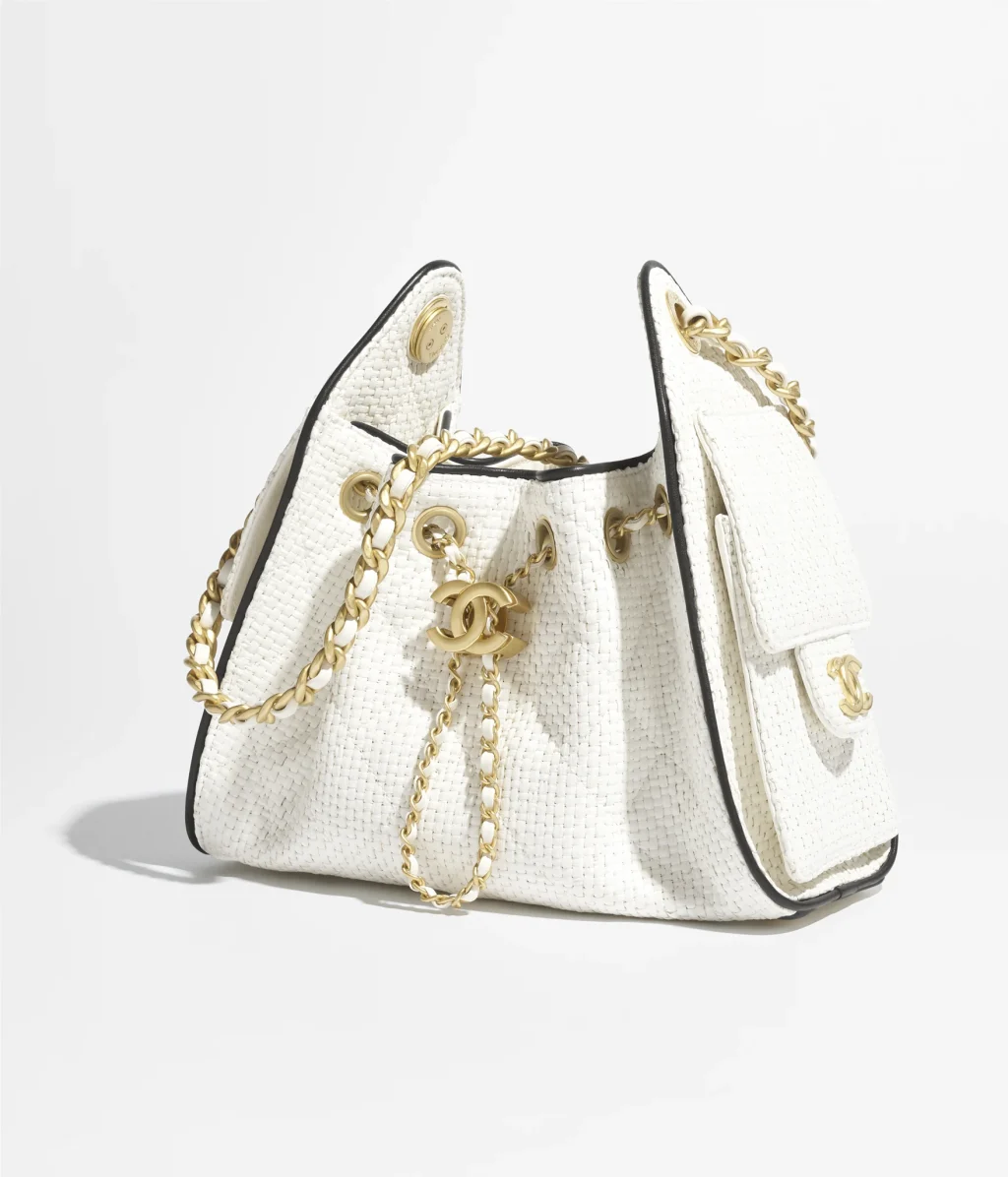
CHANEL 25 is the most strategically layered silhouette in this pre-collection: it’s offered in “summer” materials, but priced like a collectible, not a vacation accessory. Mini versions in braided raffia with calfskin trim open at $6,000, delivered in crisp contrast palettes (white/black and beige/black) that read graphic rather than beach-coded. The message is consistent across the edit: Chanel prices craft as ownership, not occasion.
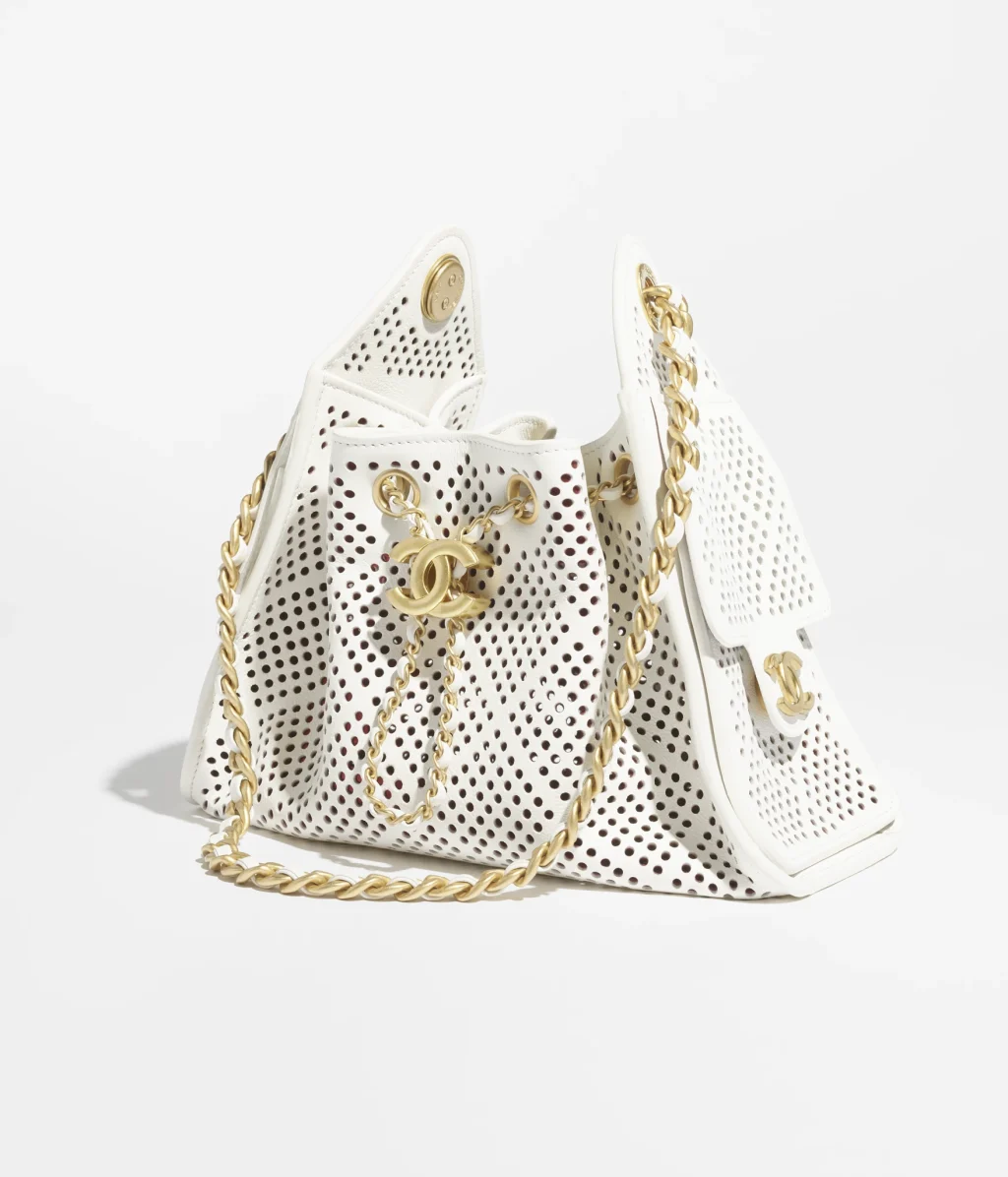
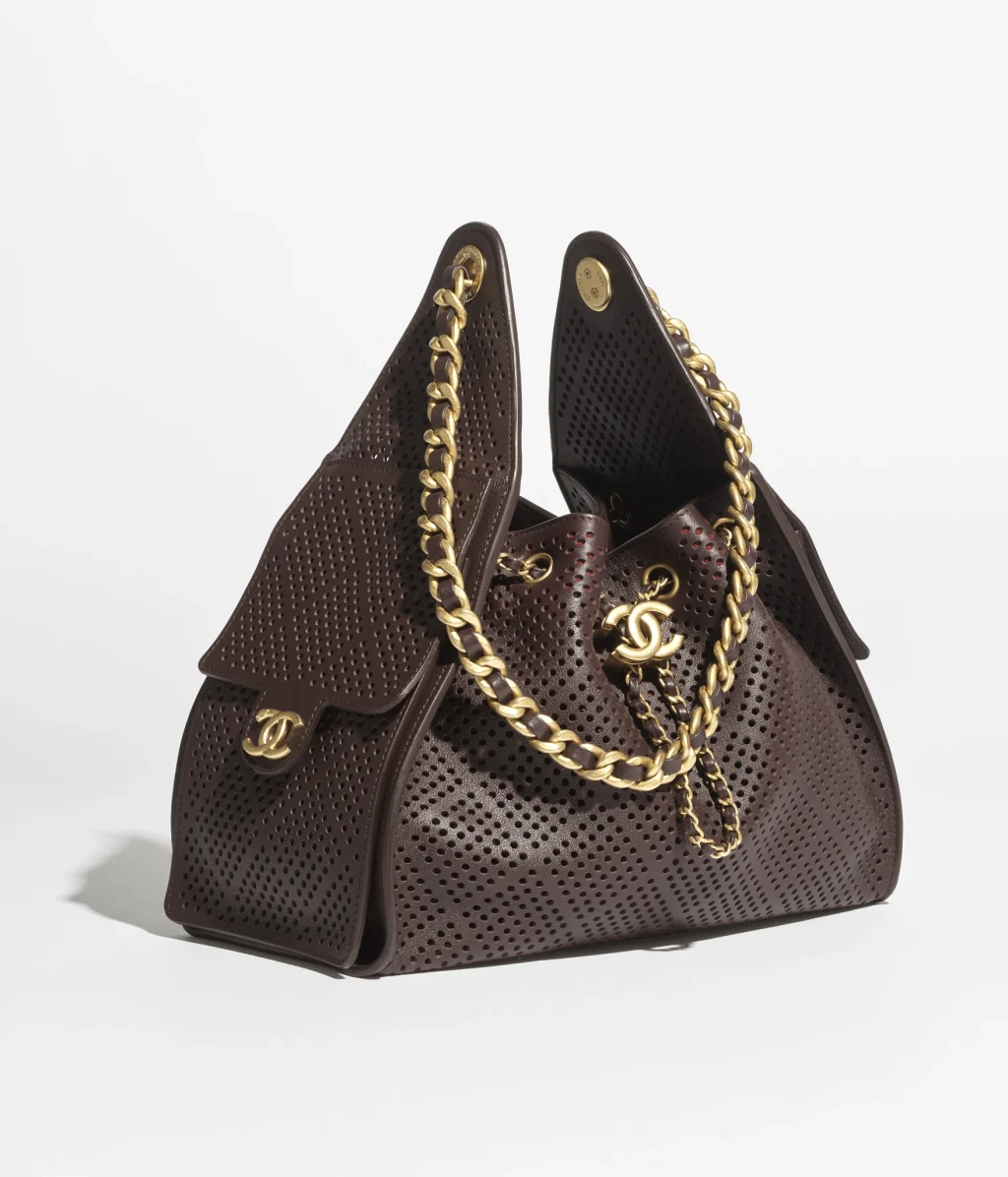
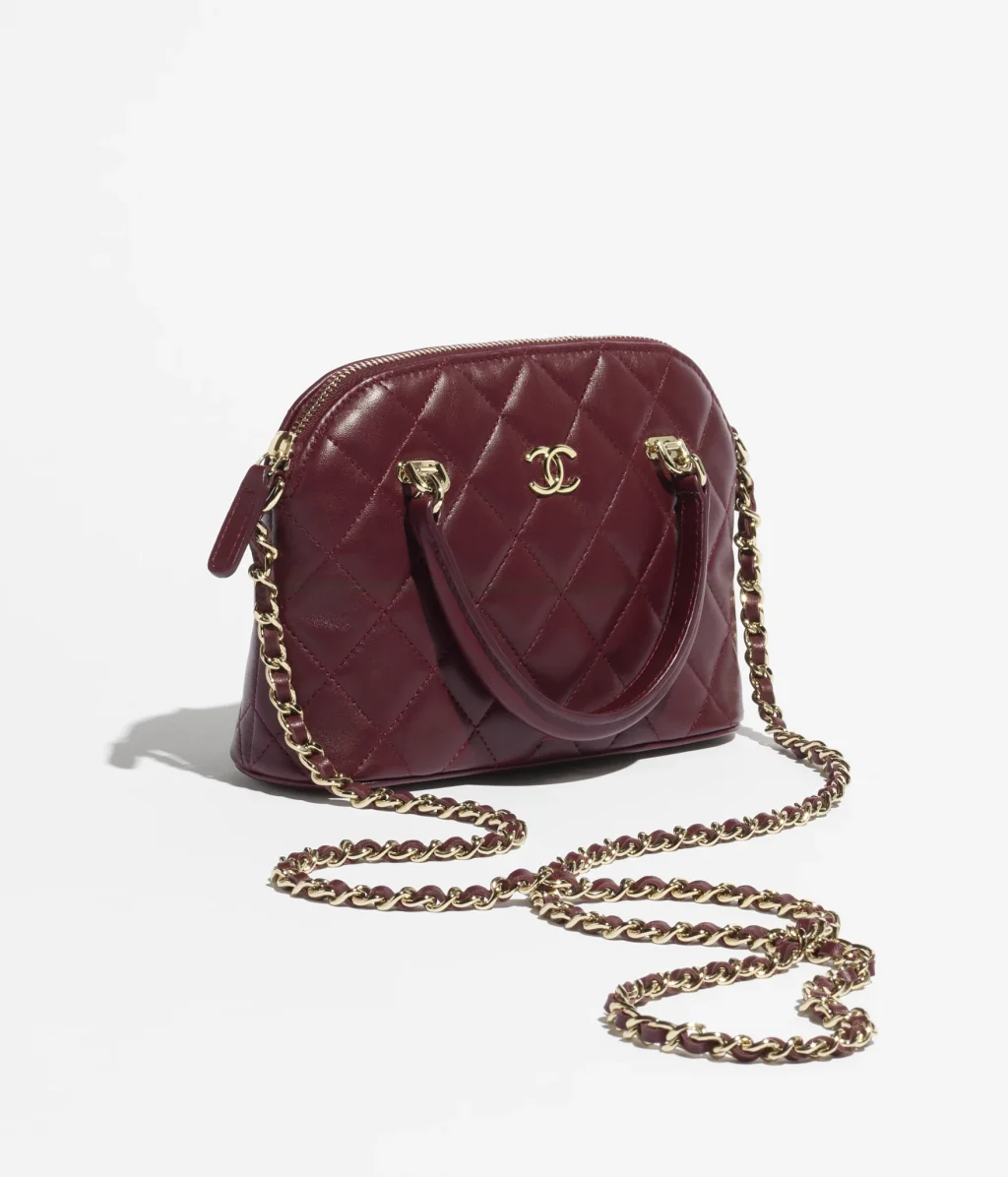
Technique is where the premium sharpens. A perforated calfskin mini in white moves to $6,800, while the small perforated calfskin in dark brown reaches $7,100, effectively charging for texture, labor, and the kind of surface detail that reads expensive up close. For a different mood, a shiny crumpled calfskin small in burgundy lands at $6,400—less architectural, more “lived-in gloss,” designed to look good quickly.
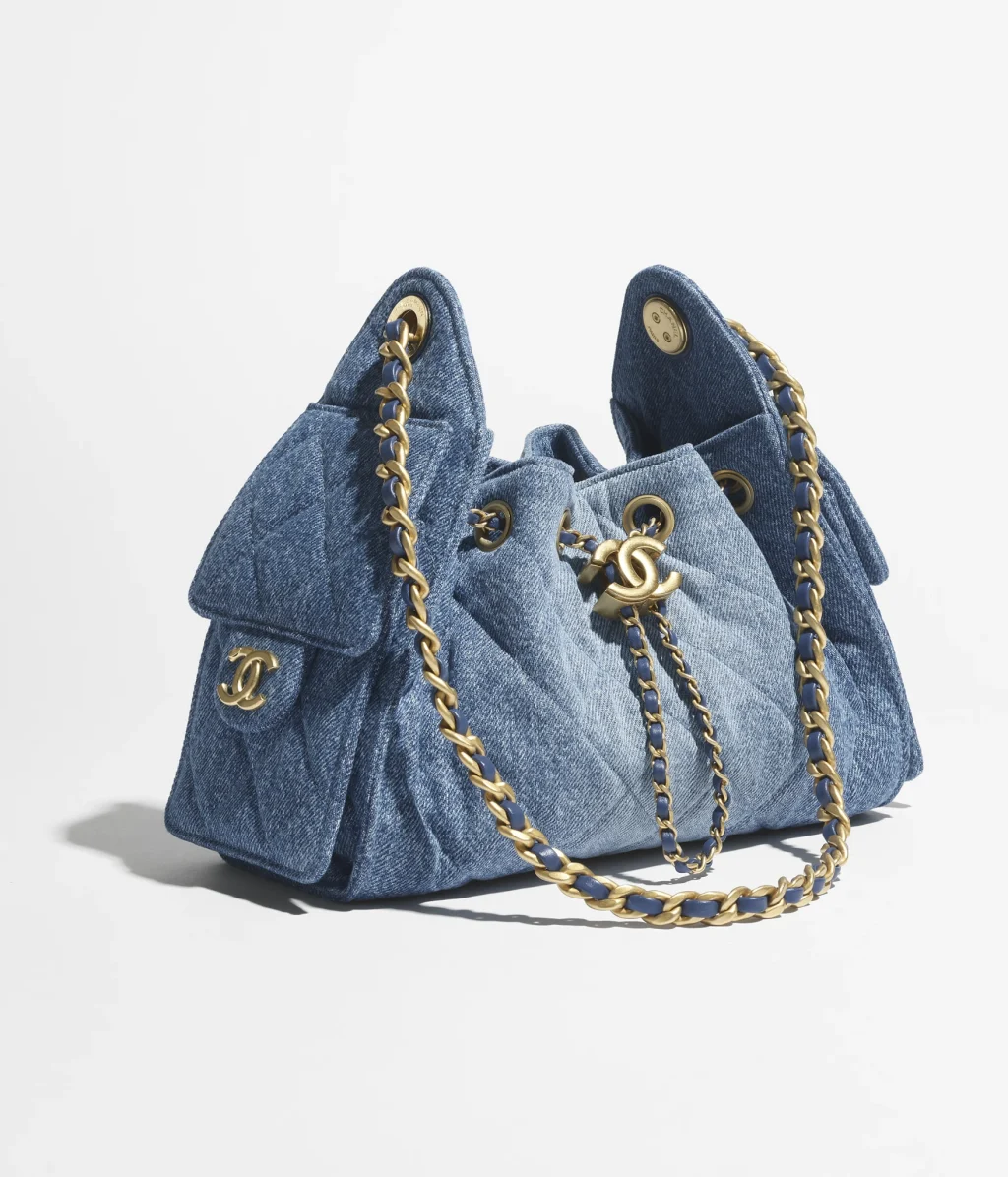
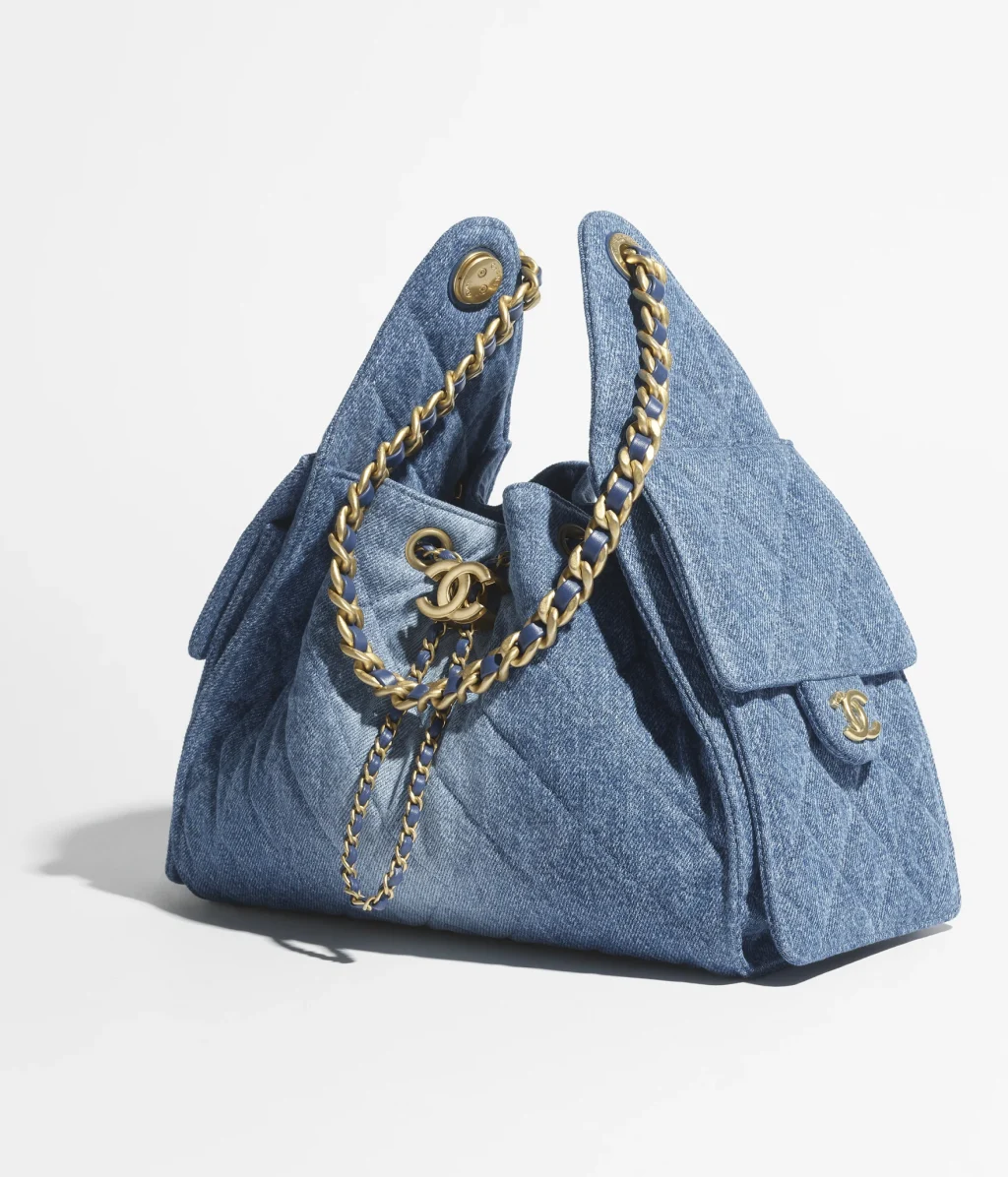
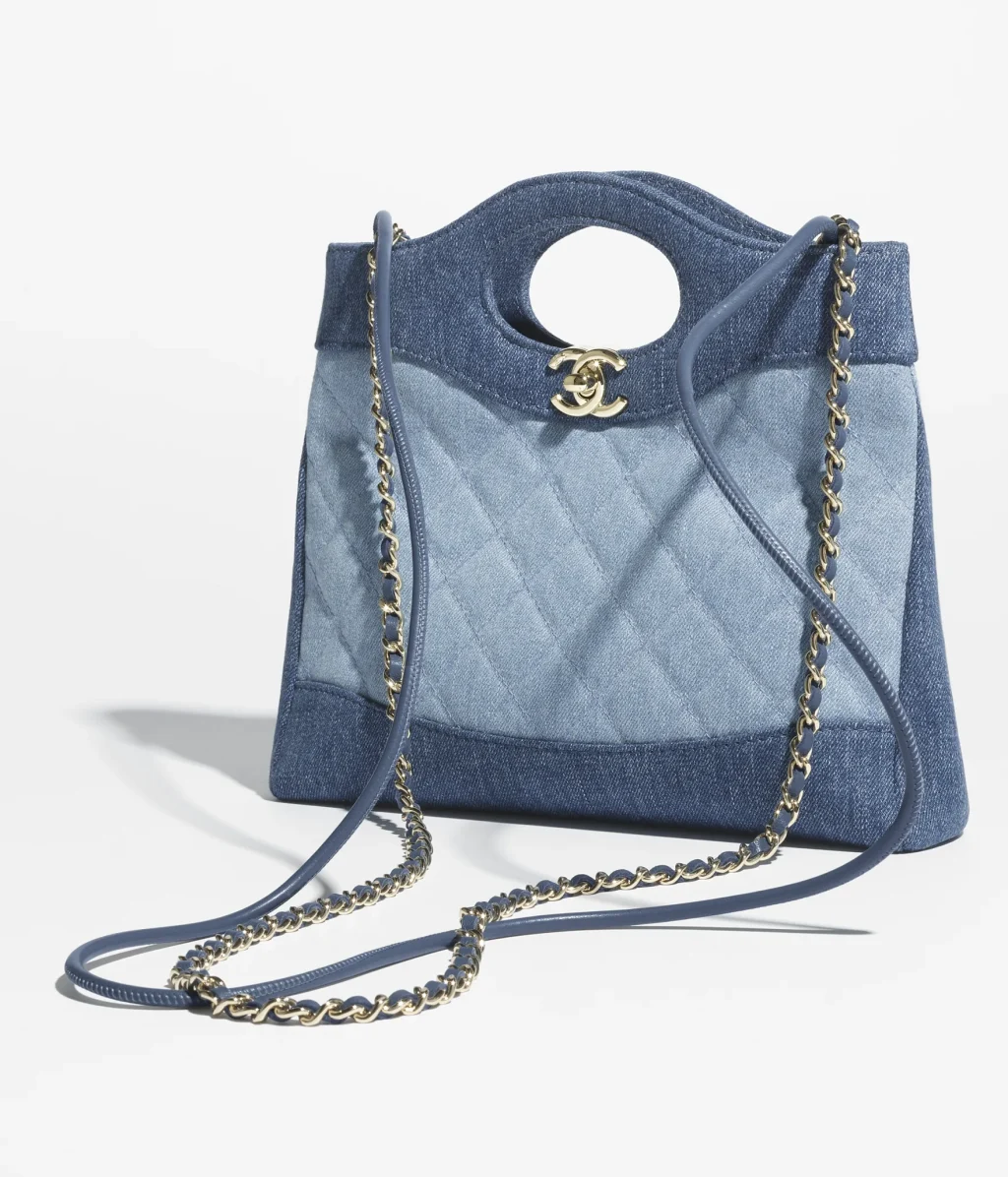
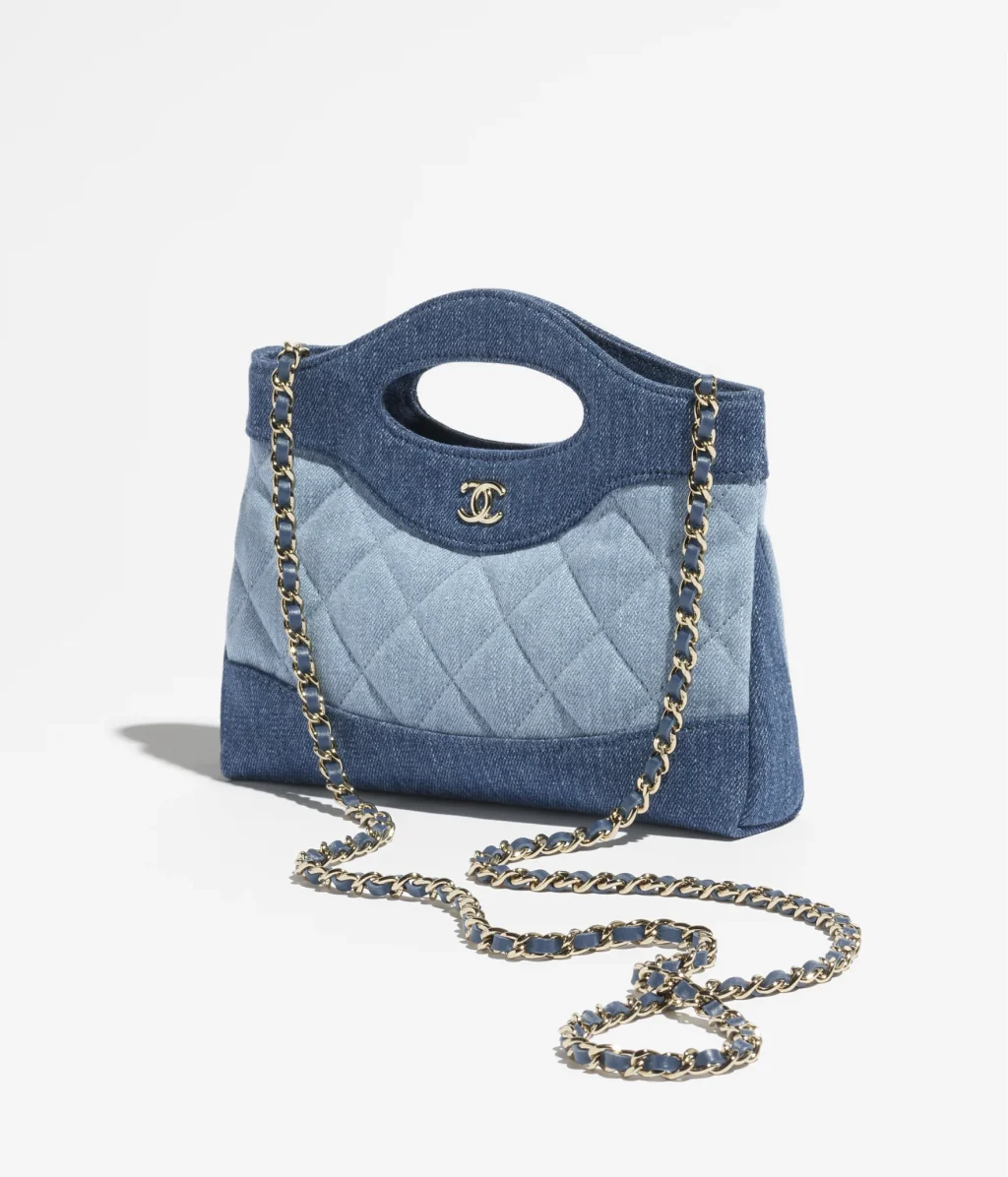
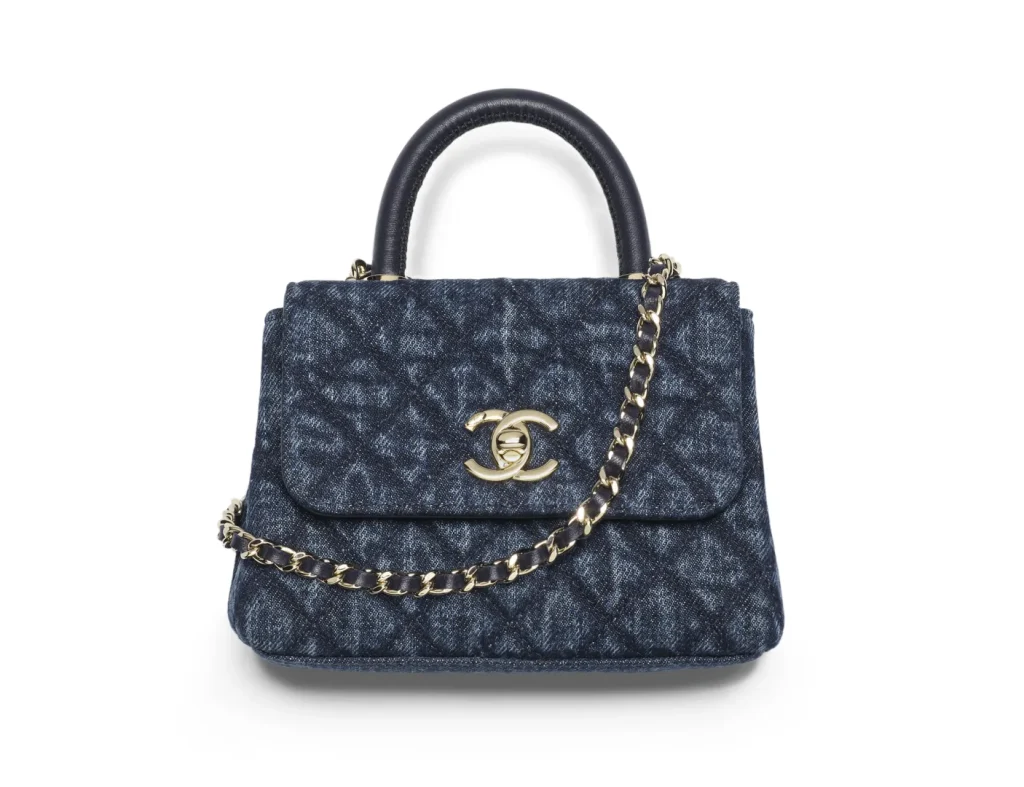
Denim is the relaxed note, but not the discounted one. The washed denim mini positions at $5,700 as the fast-wear CHANEL 25—the purchase that becomes a habit rather than an event.
CHANEL 31
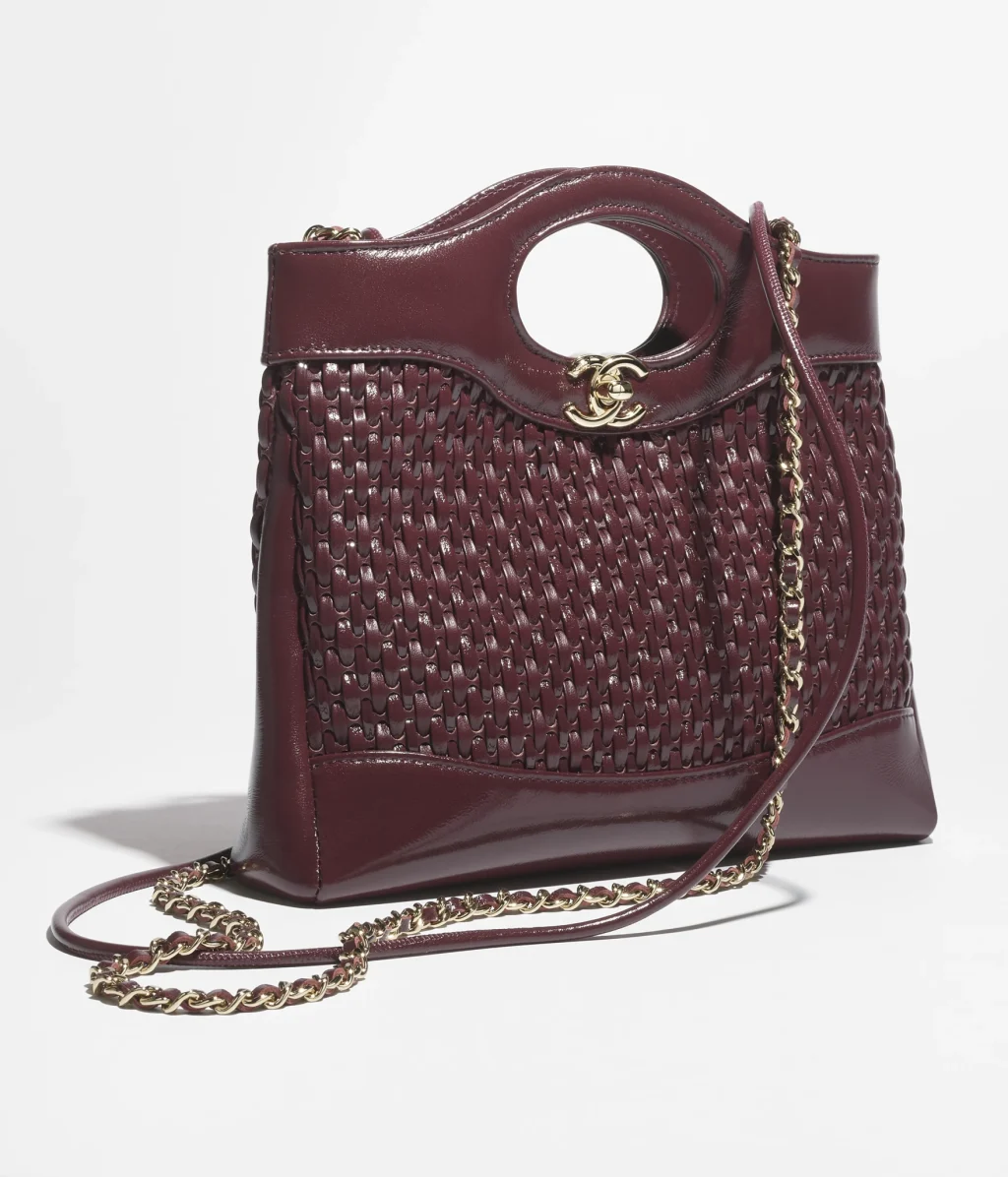
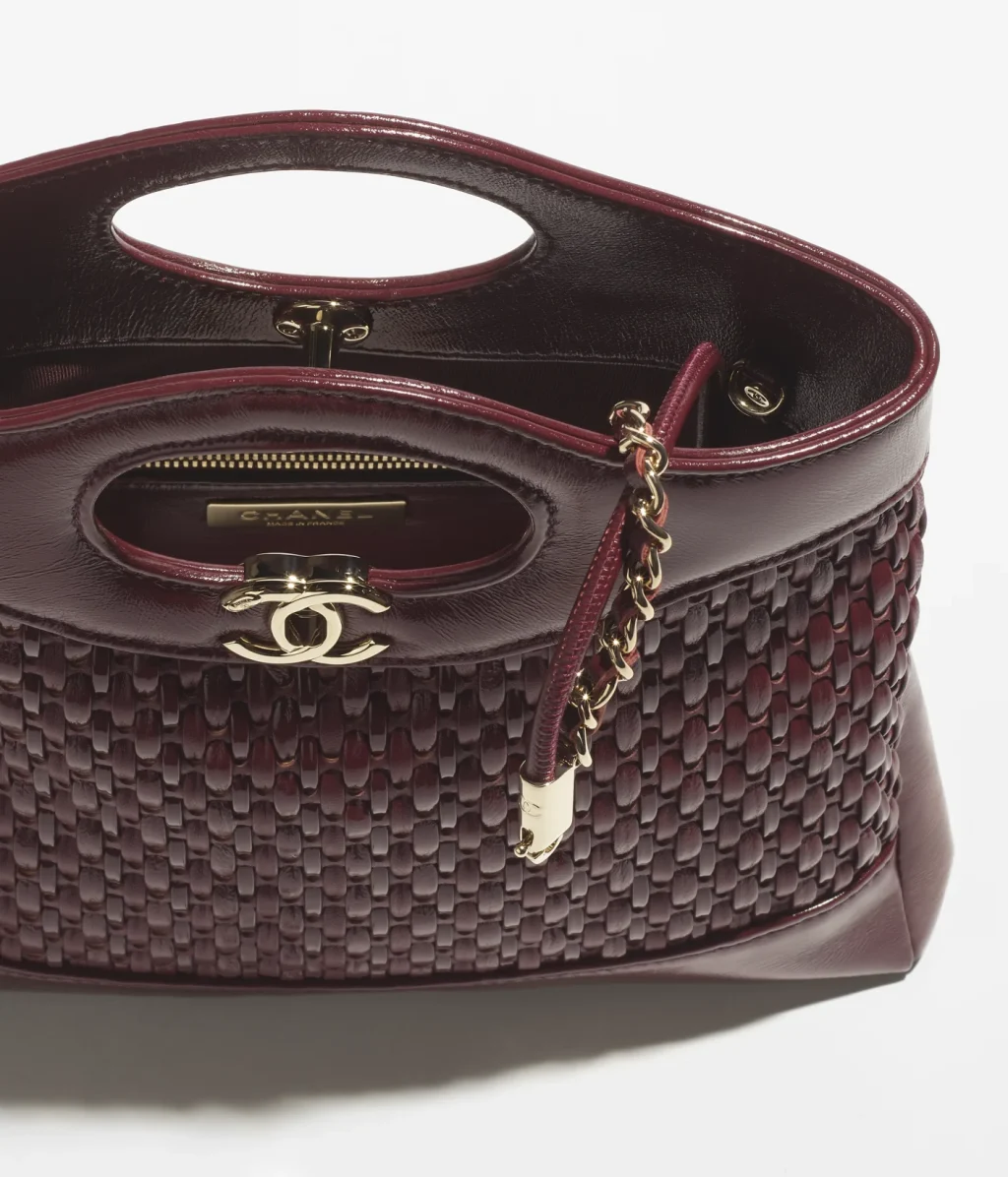
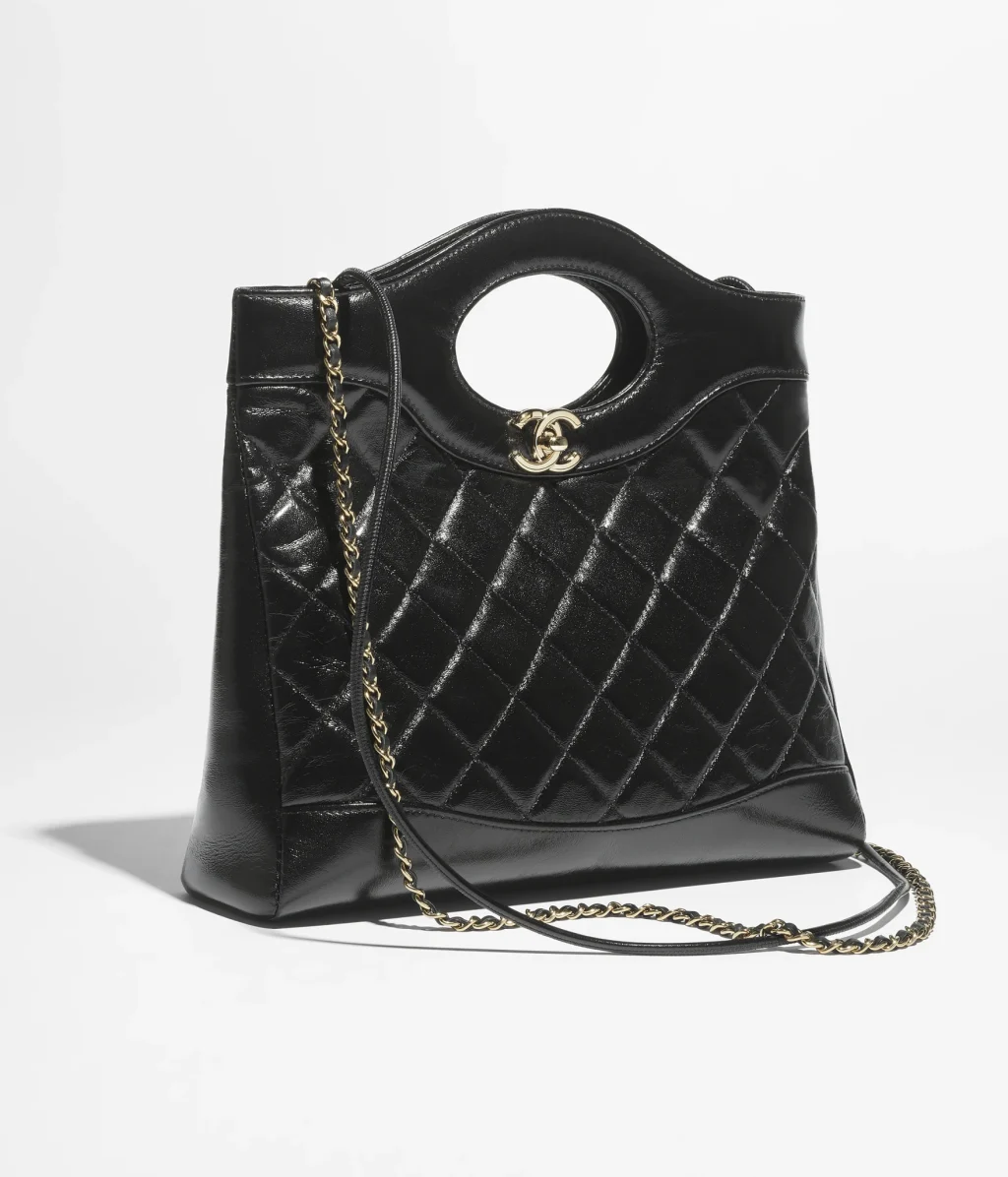
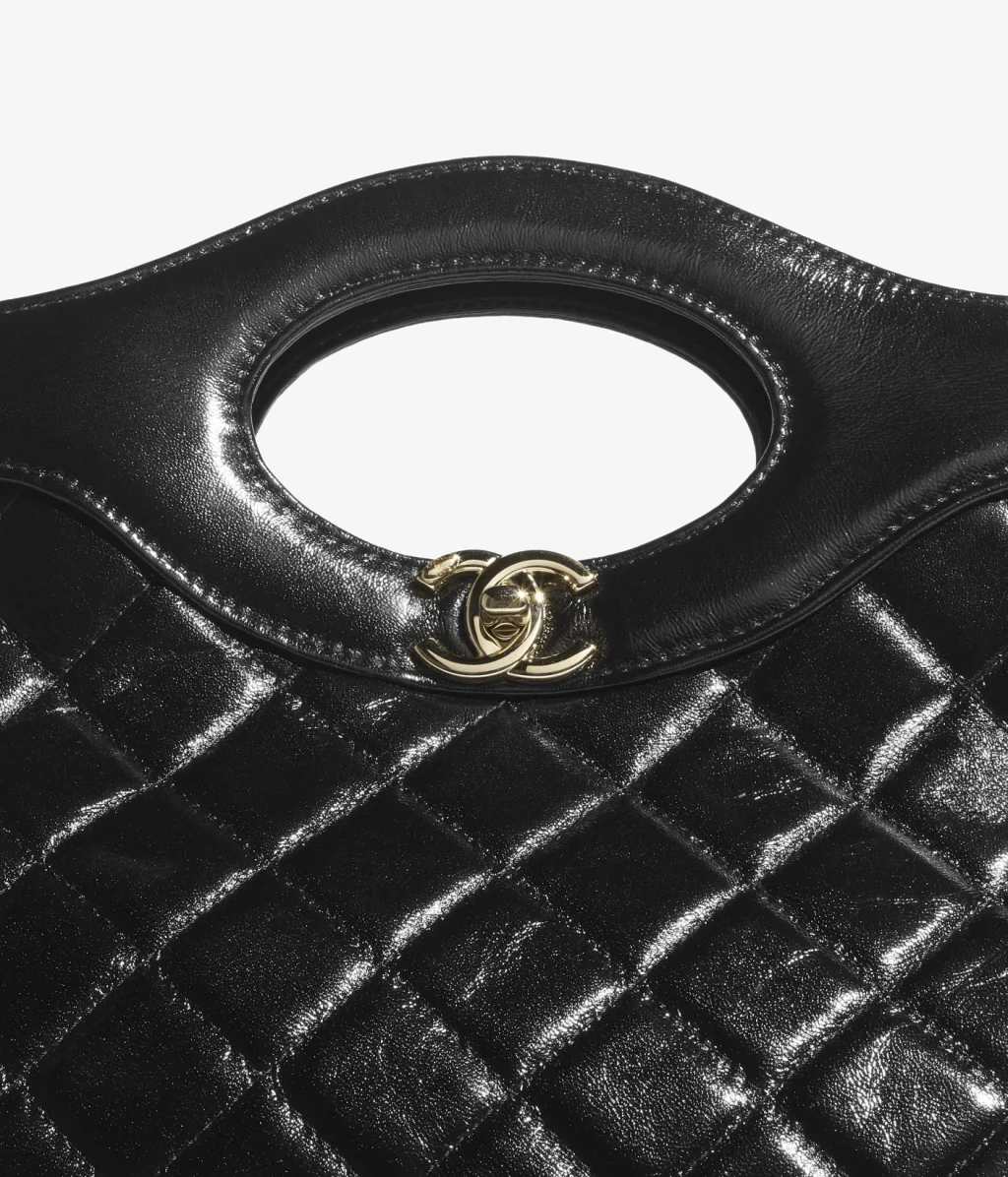
The CHANEL 31 mini shopping bag appears at $6,900 in dark burgundy, a price that treats “mini” as premium—less about capacity, more about construction and the conceptual appeal of a tote reduced to a fashion object. In the same “tote-as-style” spirit, a shiny lambskin shopping bag in black sits at $5,900, reading as the cleaner, more utilitarian counterpart while keeping that polished, evening-ready sheen.
Together they underline a SS26 idea: Chanel is taking practical shapes and making them feel like intentional styling decisions, not just functional purchases.
CHANEL 11.12
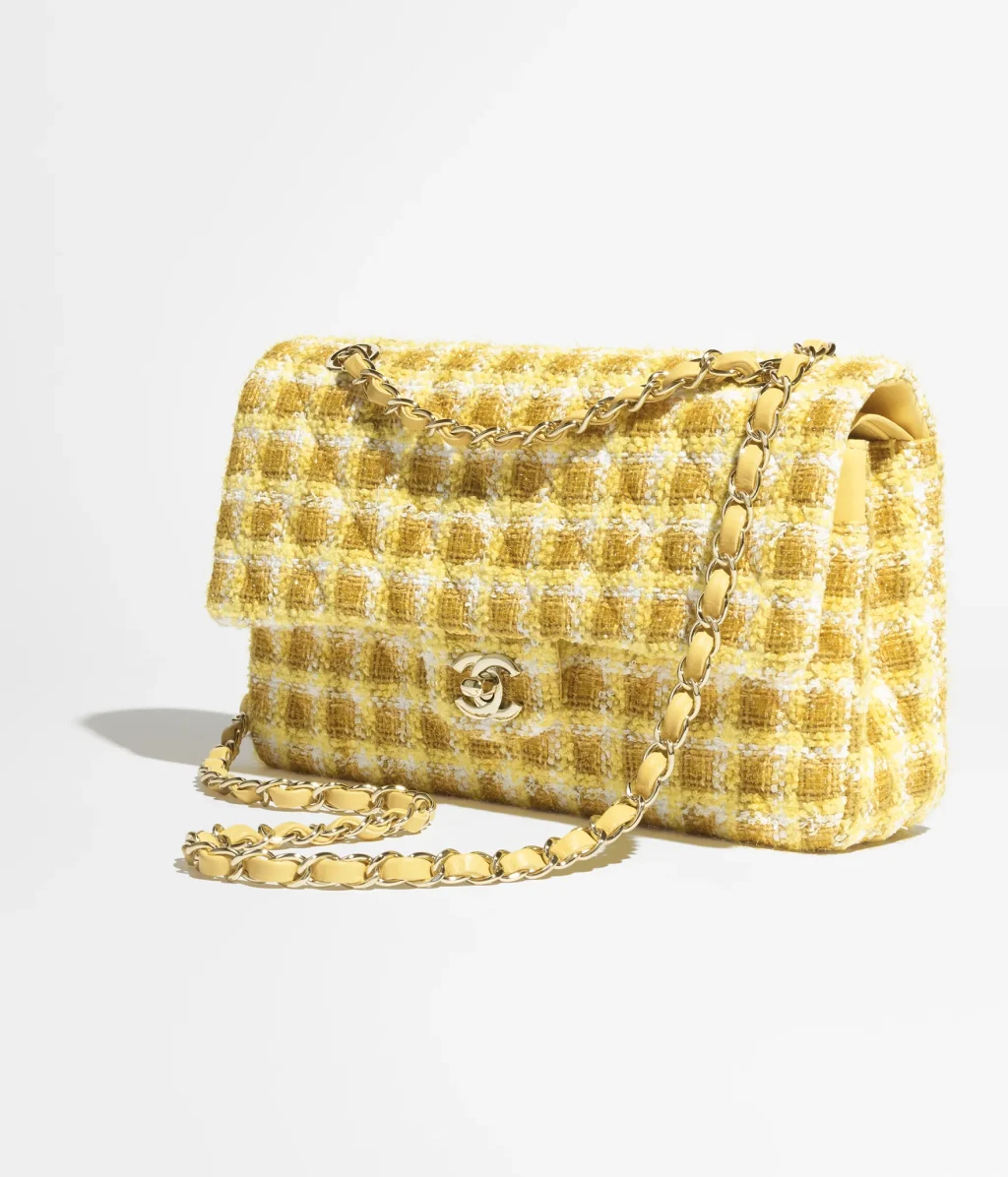
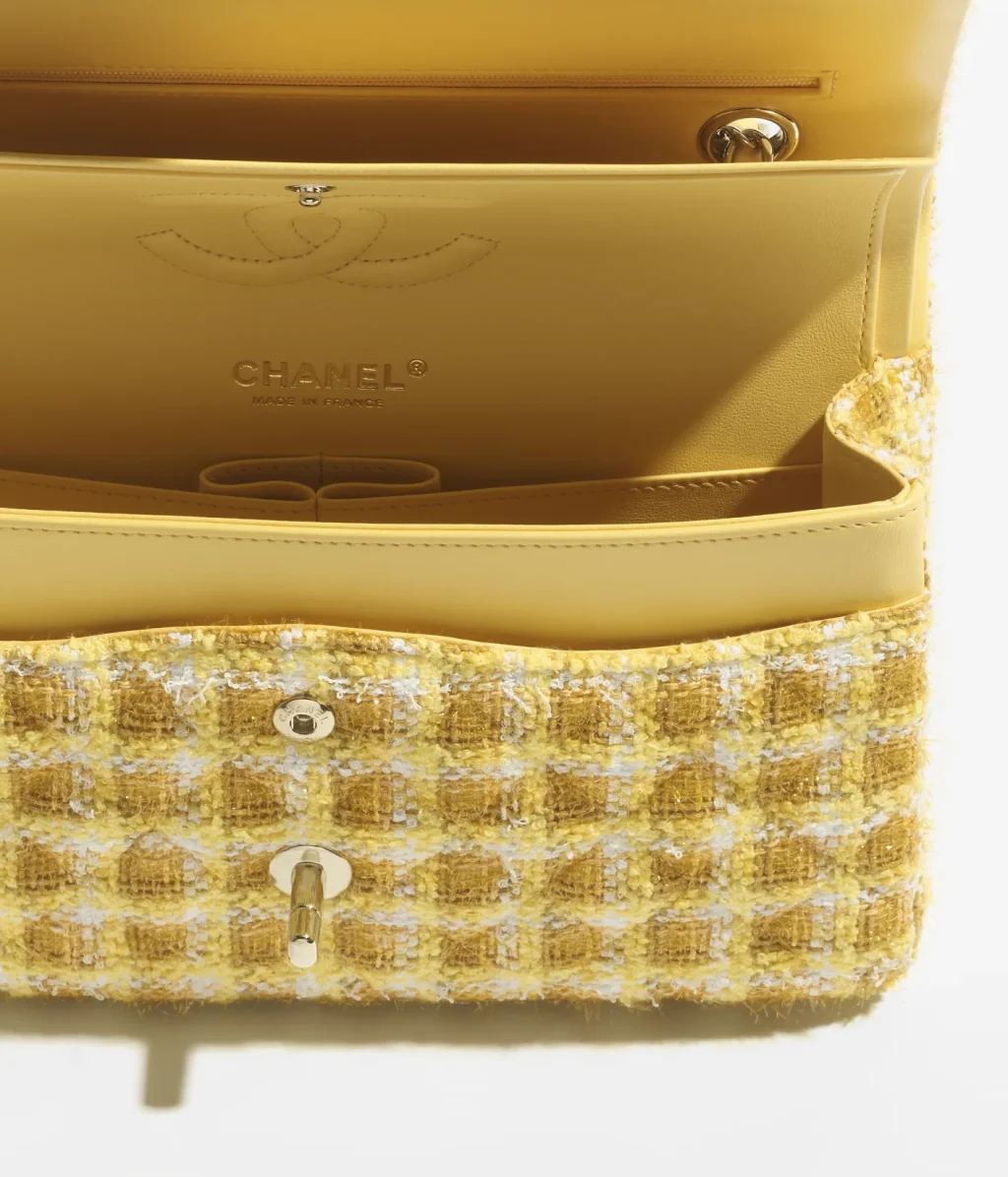
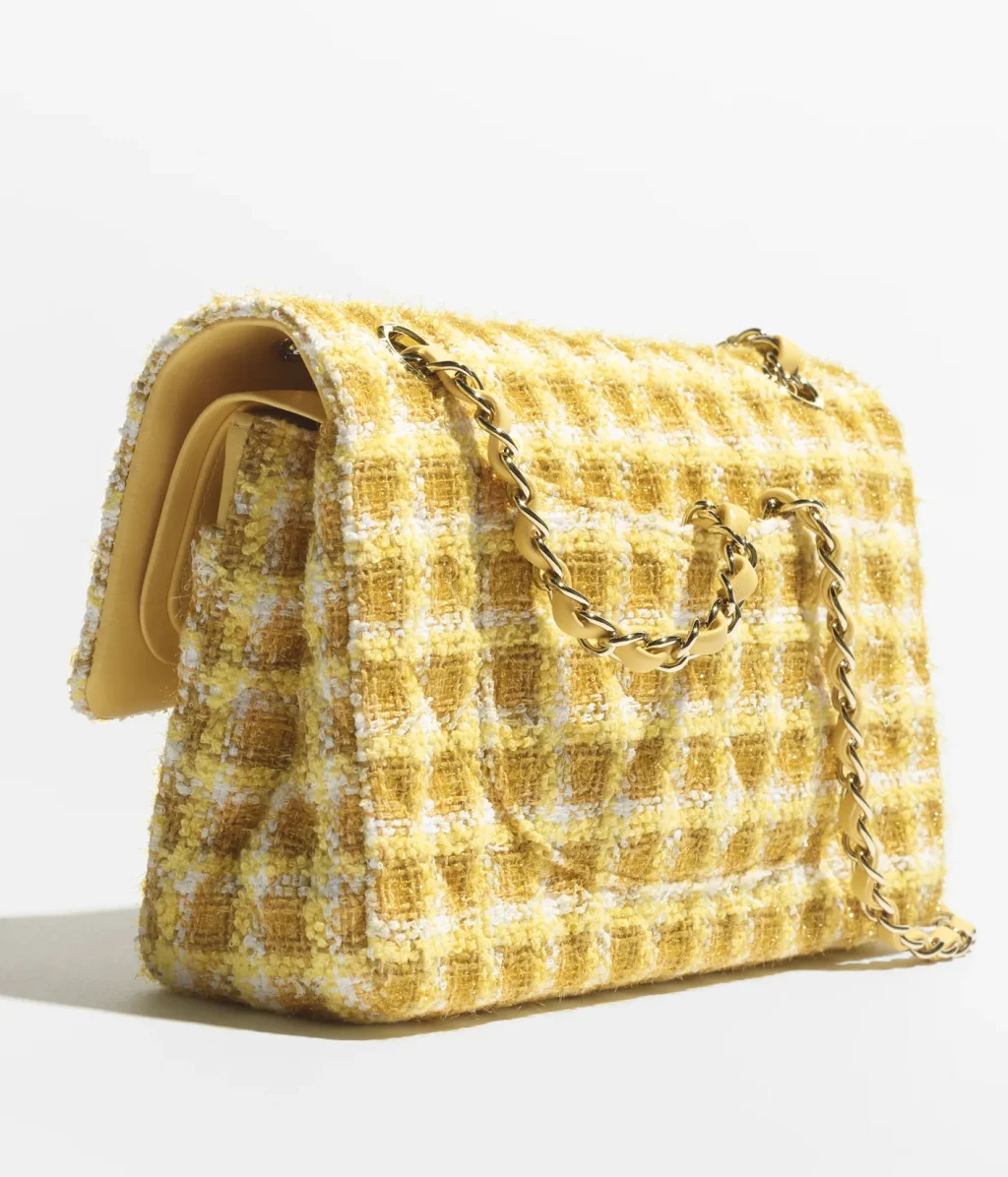
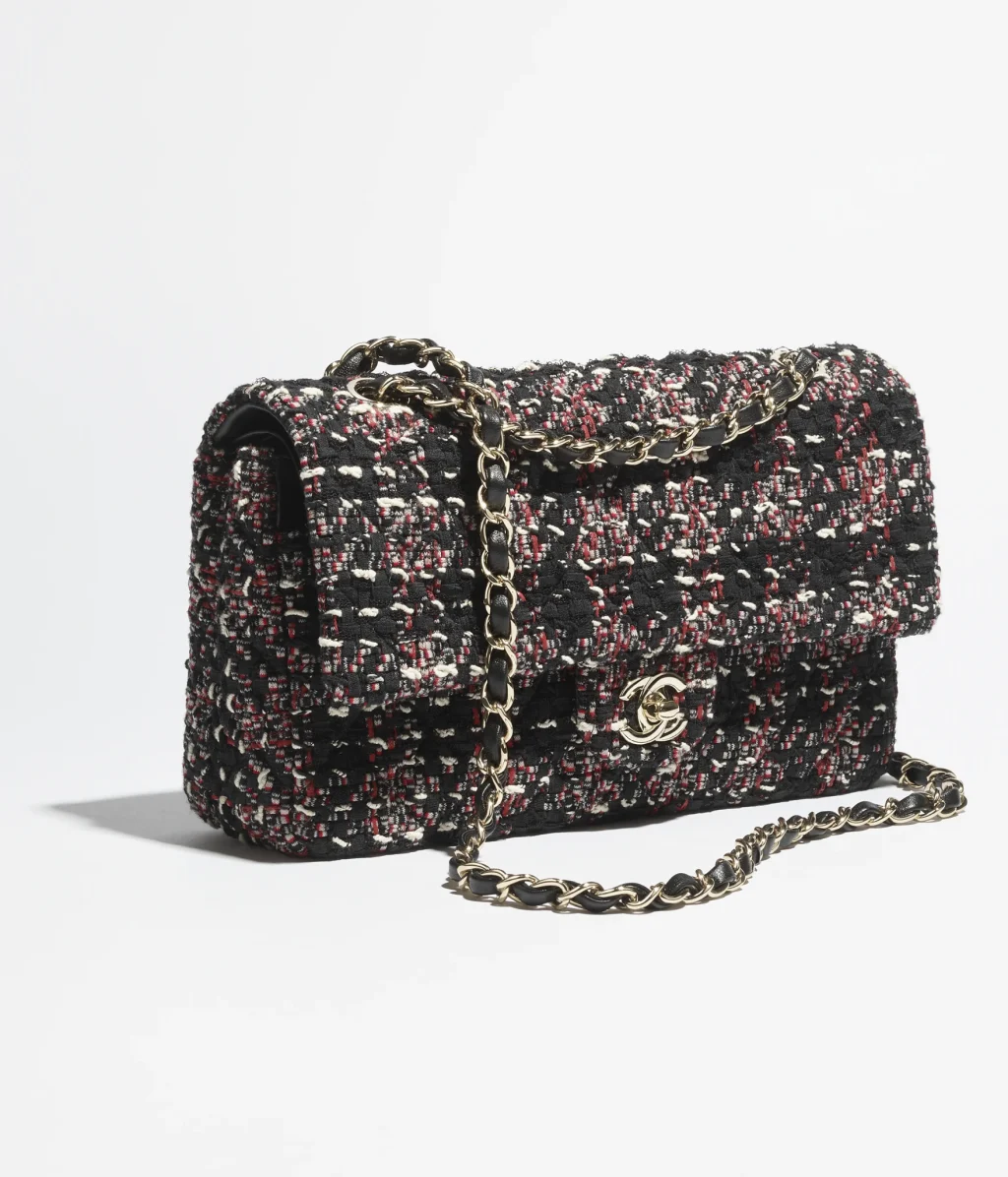
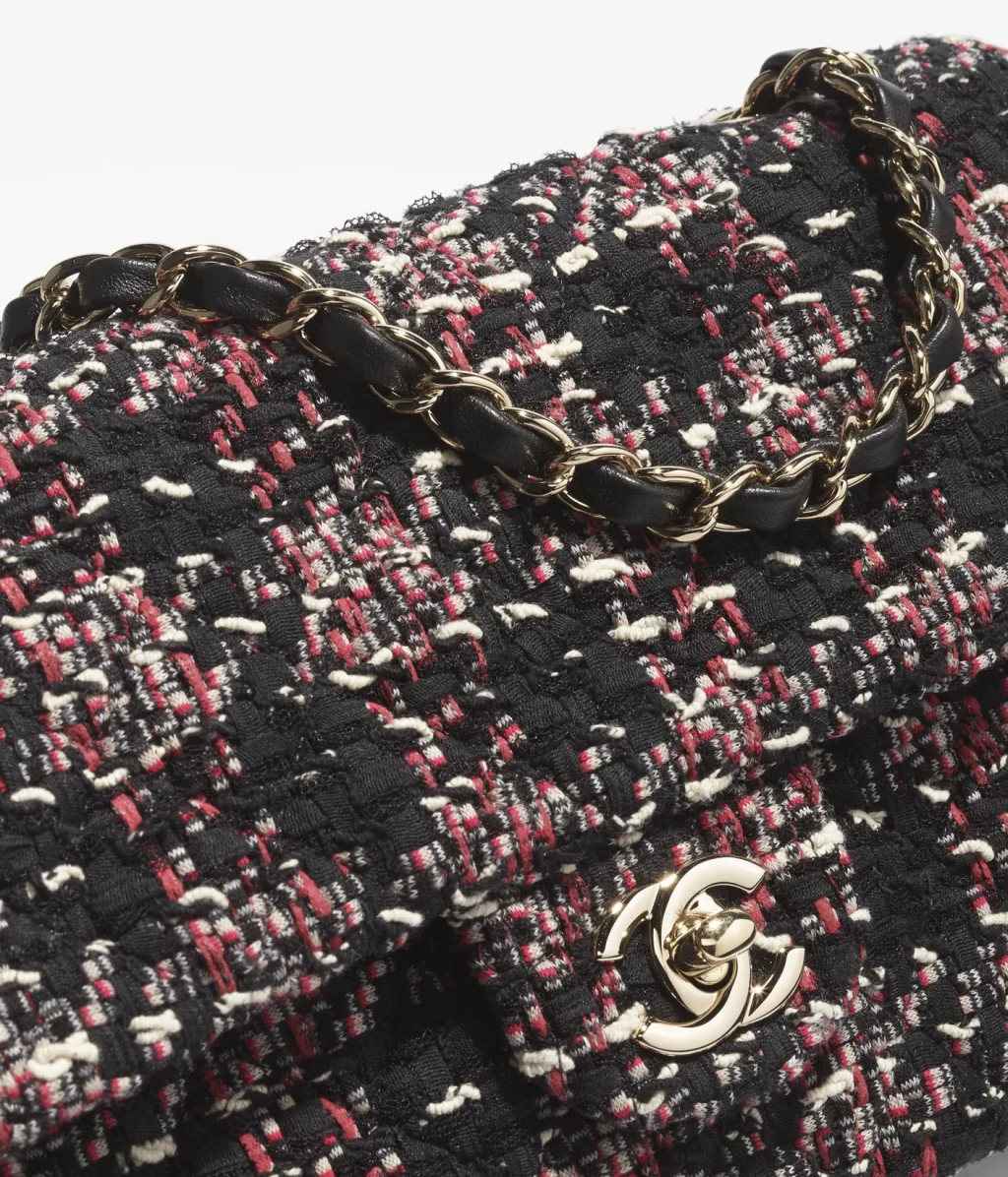
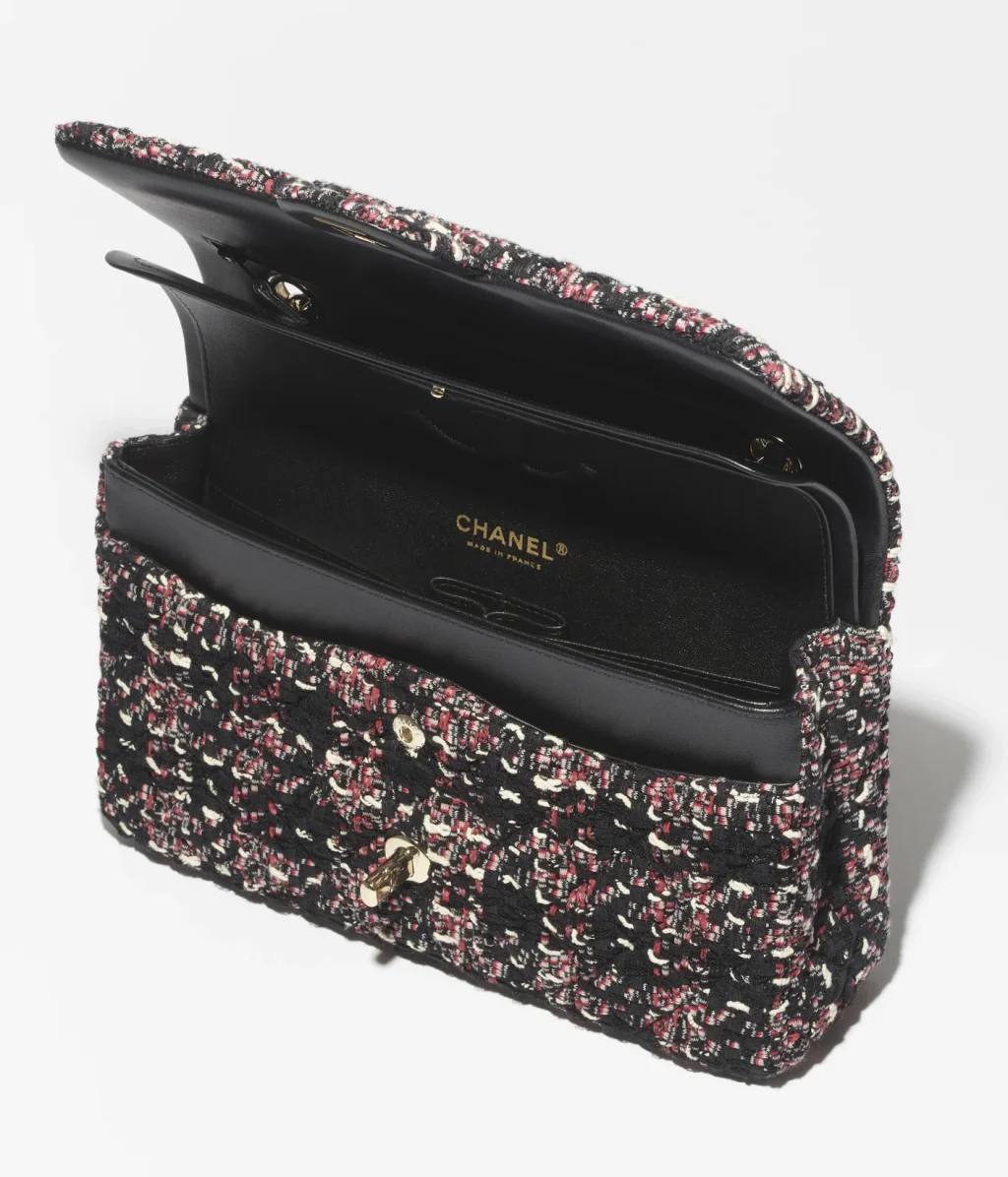
The Classic 11.12 is the anchor that keeps the Chanel price ladder upright, and SS26 pre-collection treats it as the collectible apex. Two tweed iterations stand at $10,800 and $11,300, setting the clear ceiling of this edit.
This is Chanel heritage premium in its most direct form: the icon, dressed in seasonal cloth, priced as permanence. Even when buyers choose other silhouettes, the 11.12 numbers quietly calibrate how every other price feels—because everything beneath reads, by comparison, like relative value.
For the broader icon context—why the classics still anchor the pricing—read The modern 2.55: Matthieu Blazy’s reinterpretation of a Chanel icon.
Shopping Bags (raffia + maxi textures)
This is the texture story told through scale, and it’s where Chanel makes its point most bluntly: summer materials do not mean summer pricing.
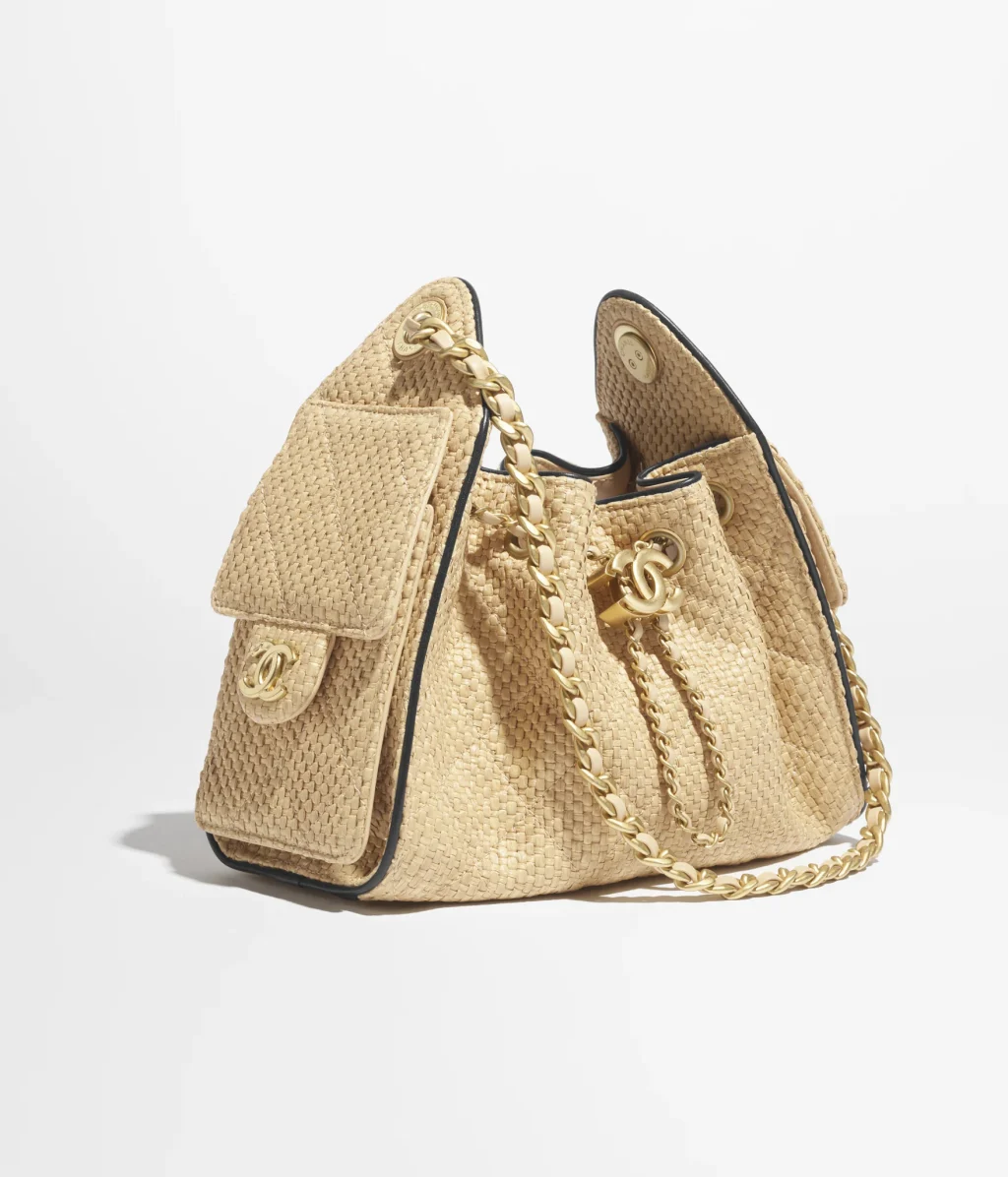
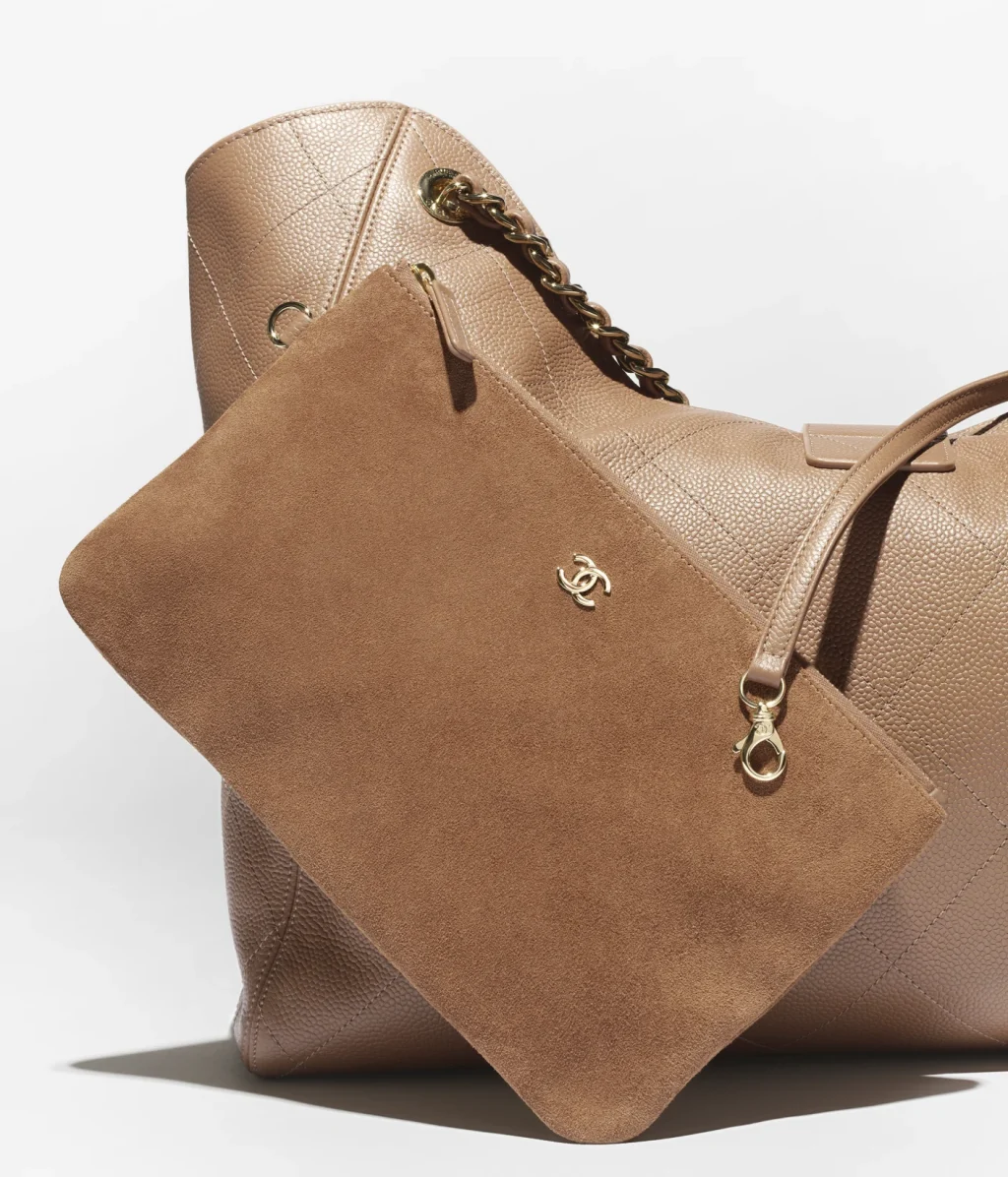
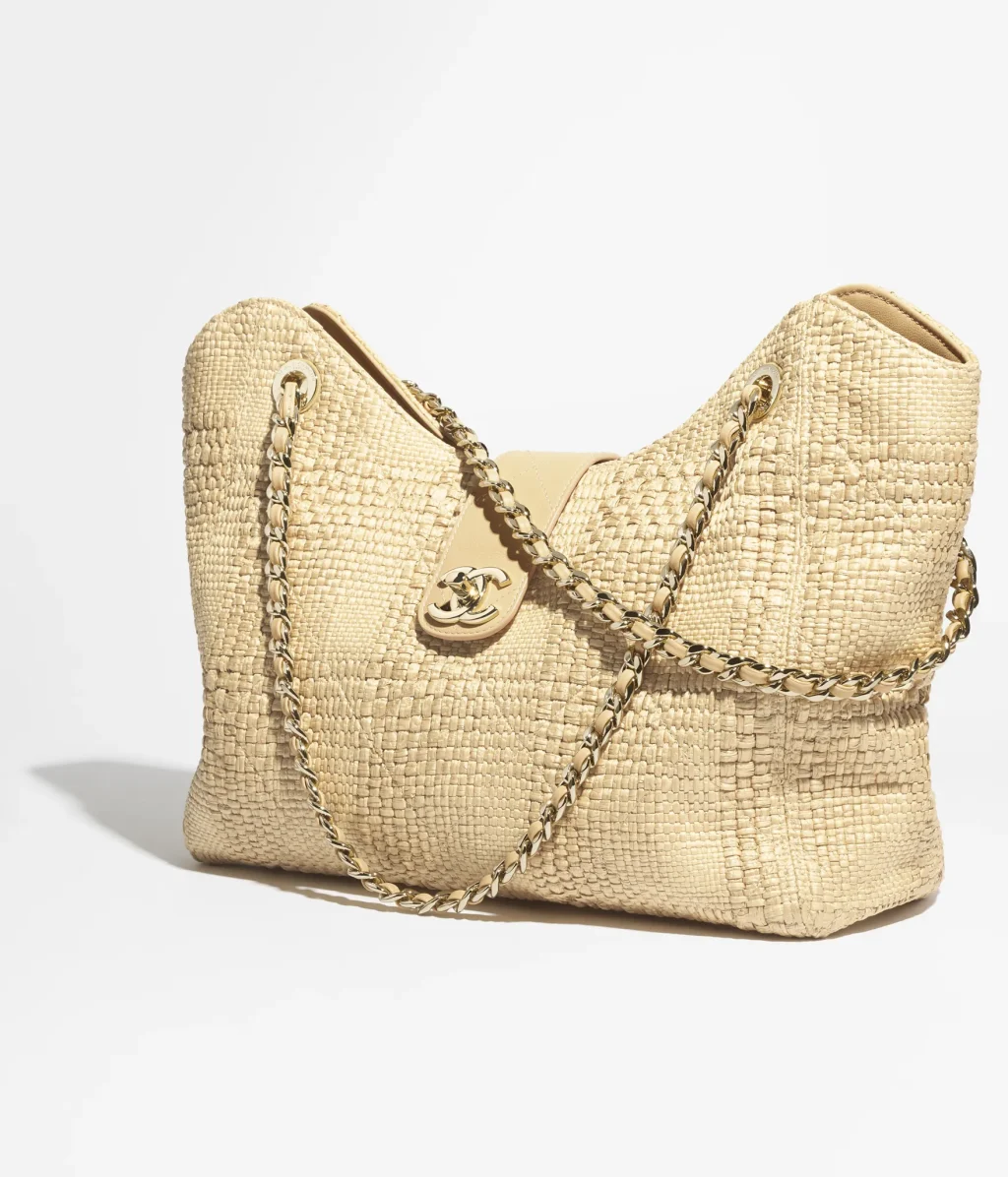
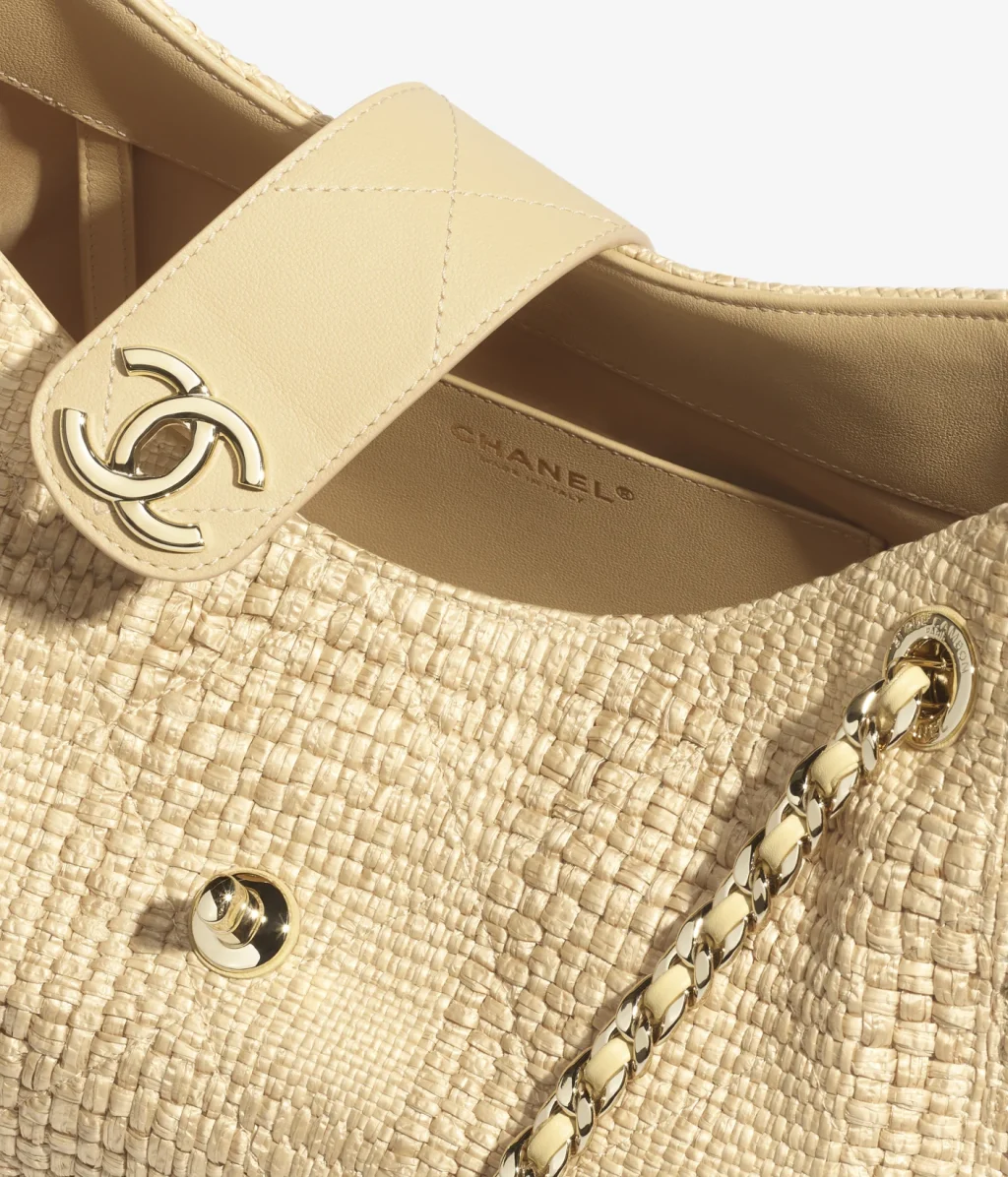
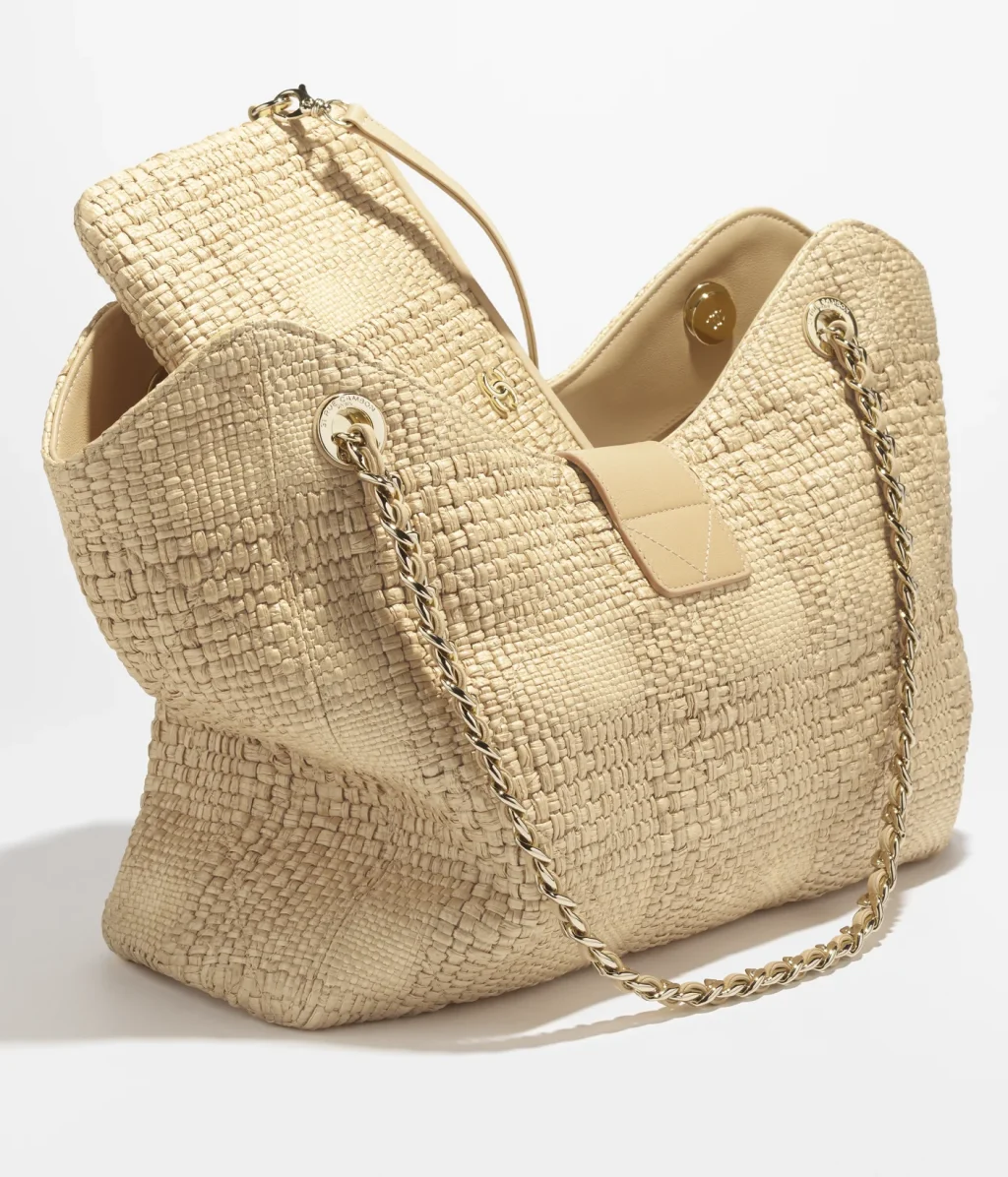
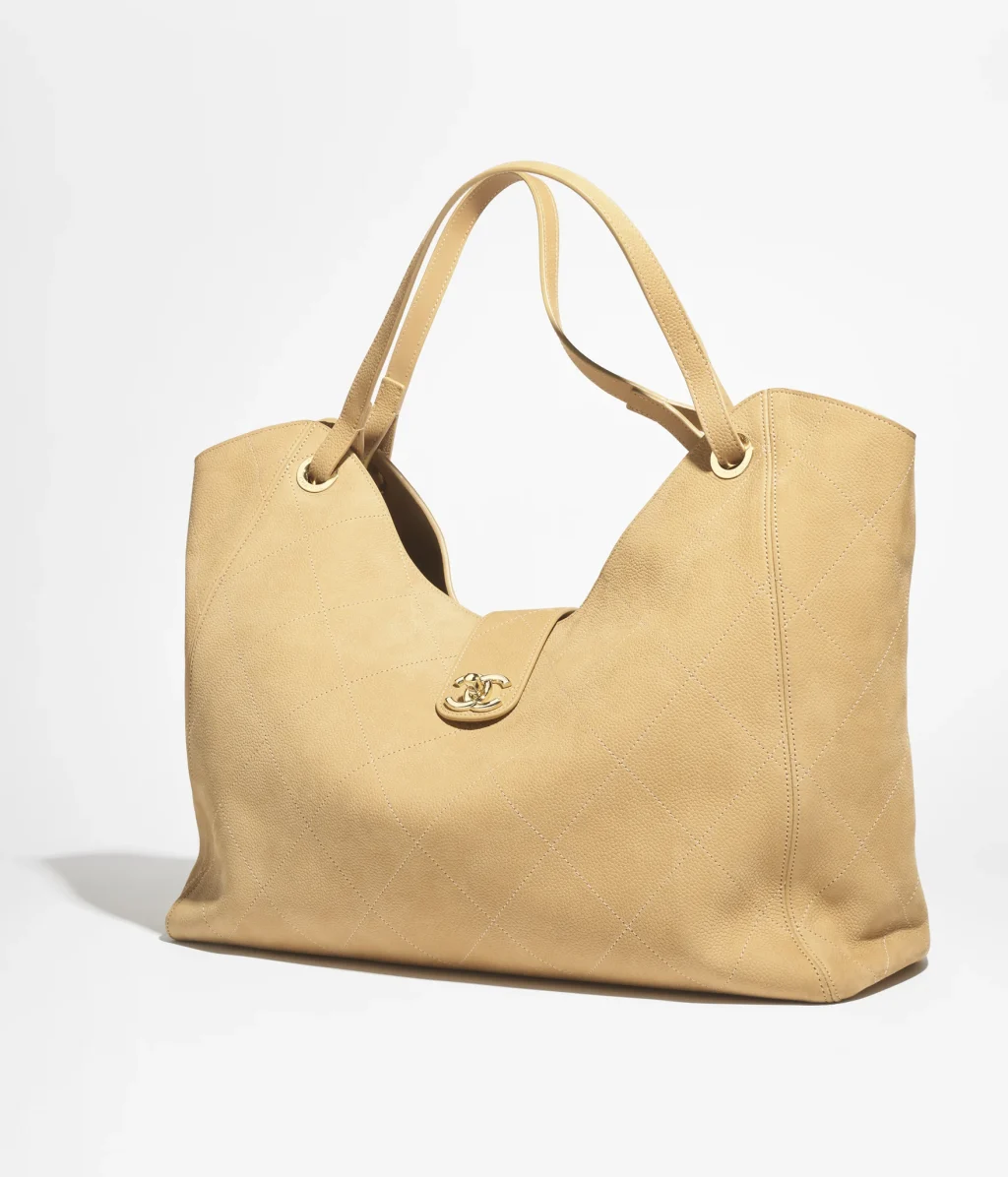
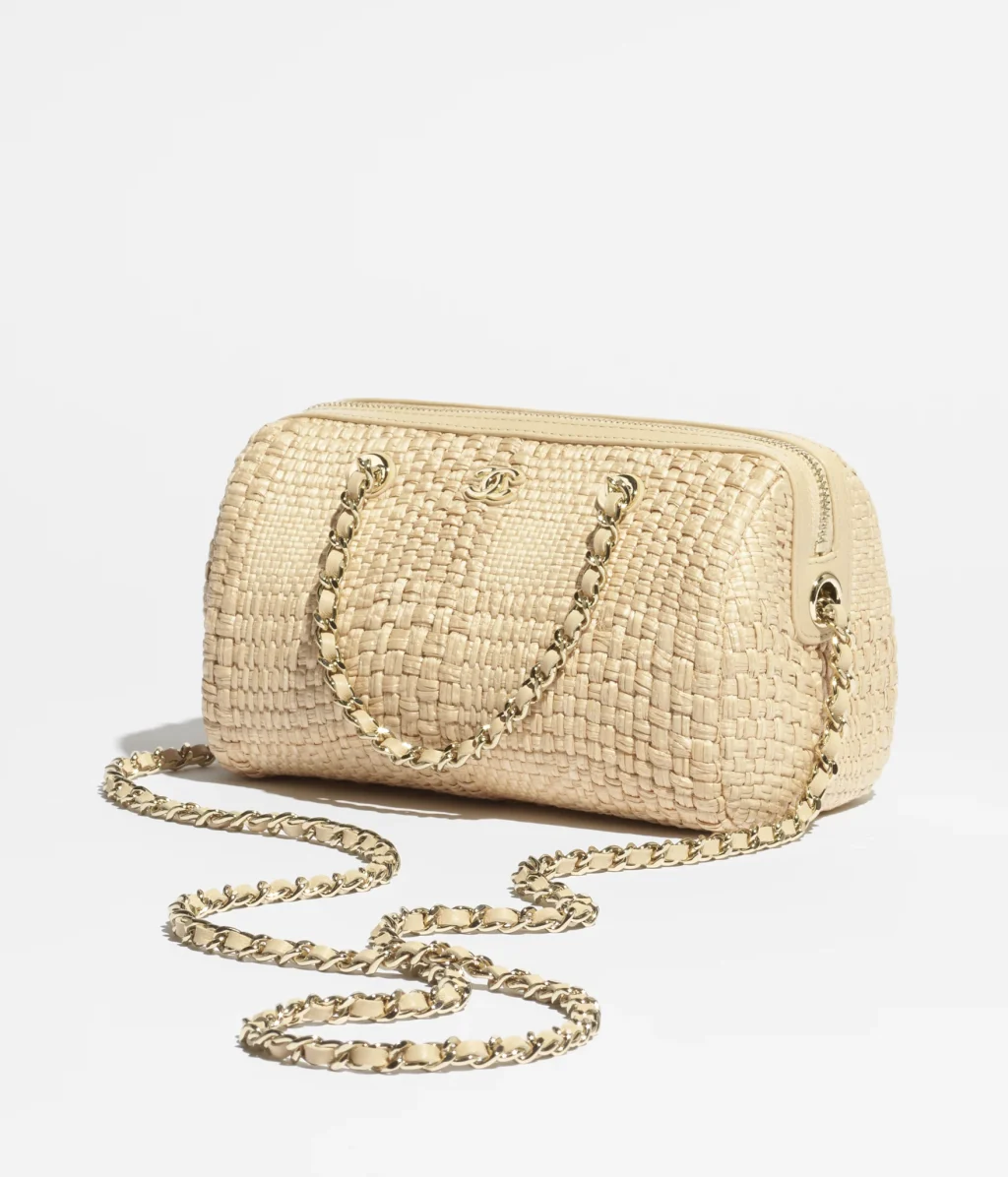
A braided raffia shopping bag in beige positions at $6,400, reinforcing that “raffia” is treated as craft and image, not casual. Two maxi shopping bags—one in grained calfskin and one in grained nubuck calfskin—both hold at $8,100, effectively defining maxi volume + tactile leather as a luxury category of its own. Nubuck, in particular, signals mood rather than function: softer to the eye, warmer to the touch, and deliberately delicate-looking—part of what makes it feel expensive.
If you’re comparing summer textures across the season, you may also like our edit of 15 suede bags for Spring–Summer 2026.
Hobo bags
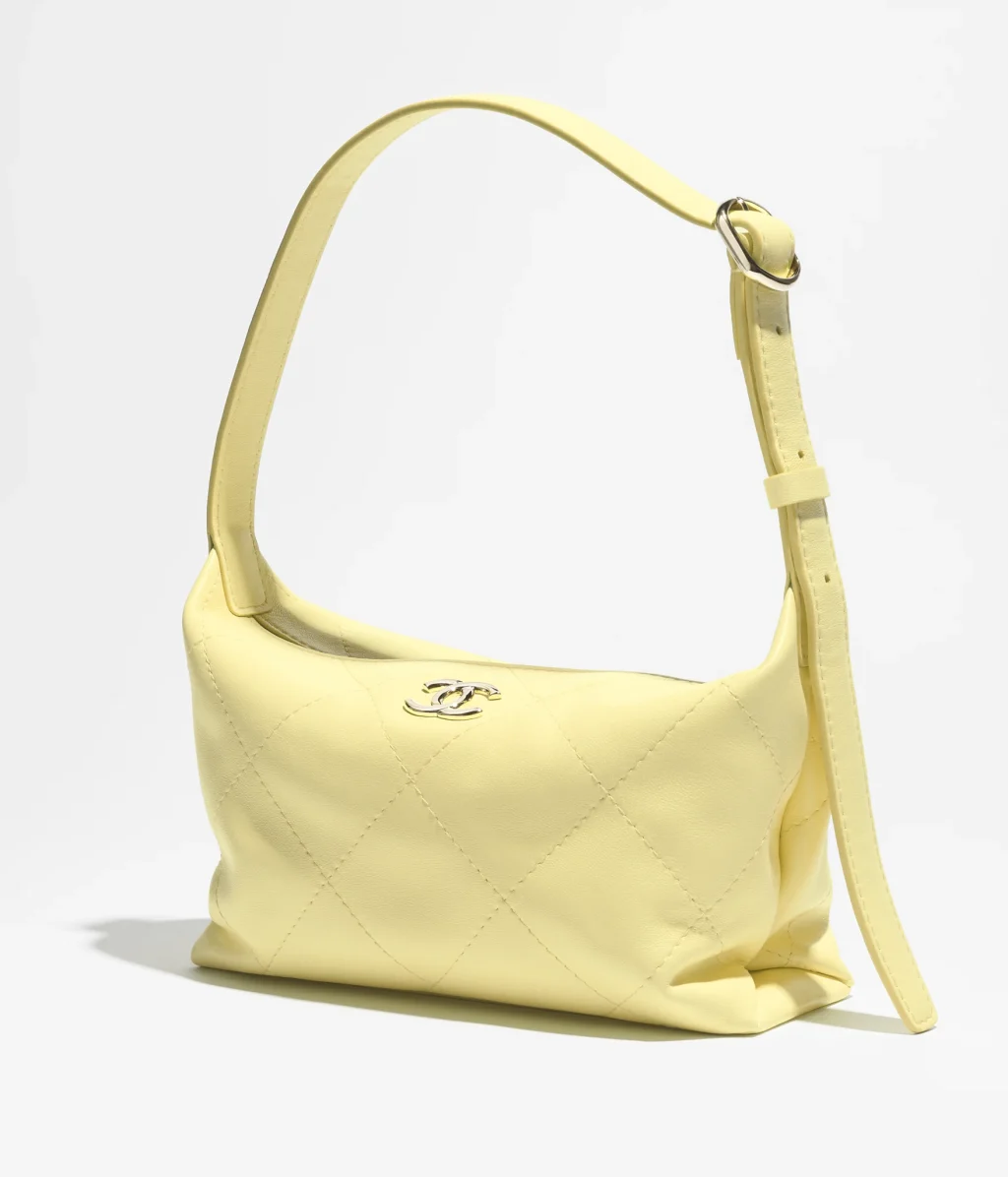
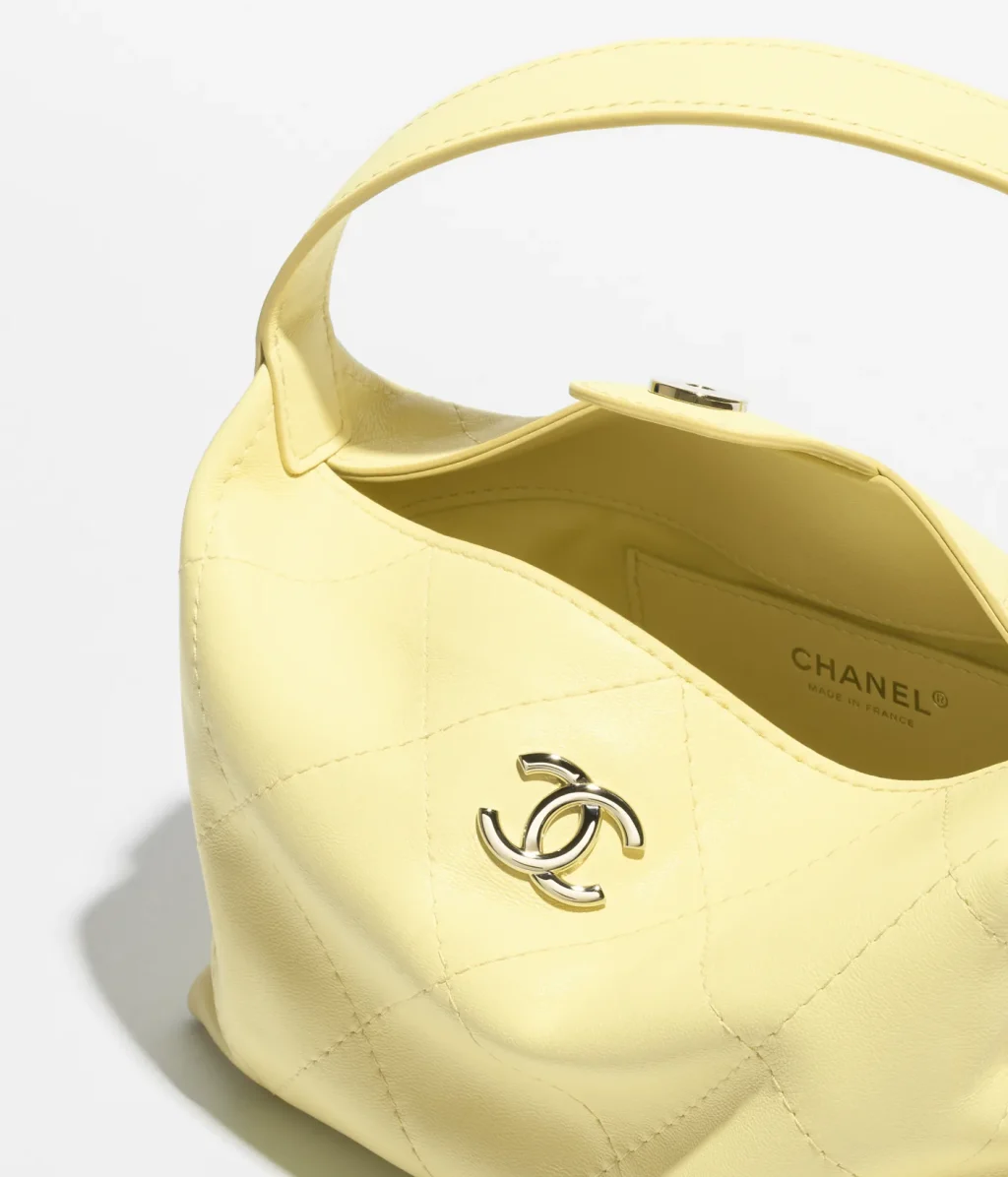
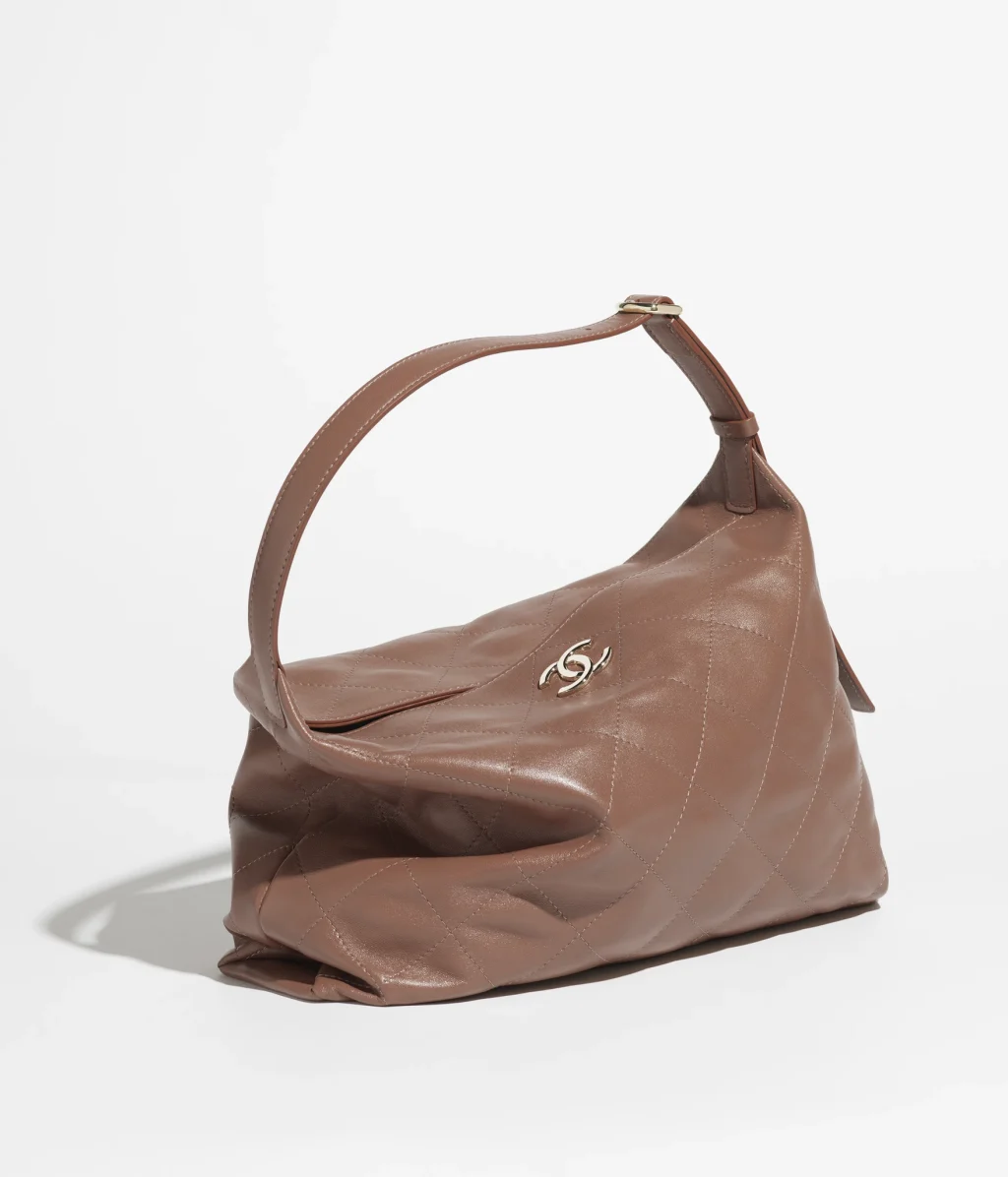
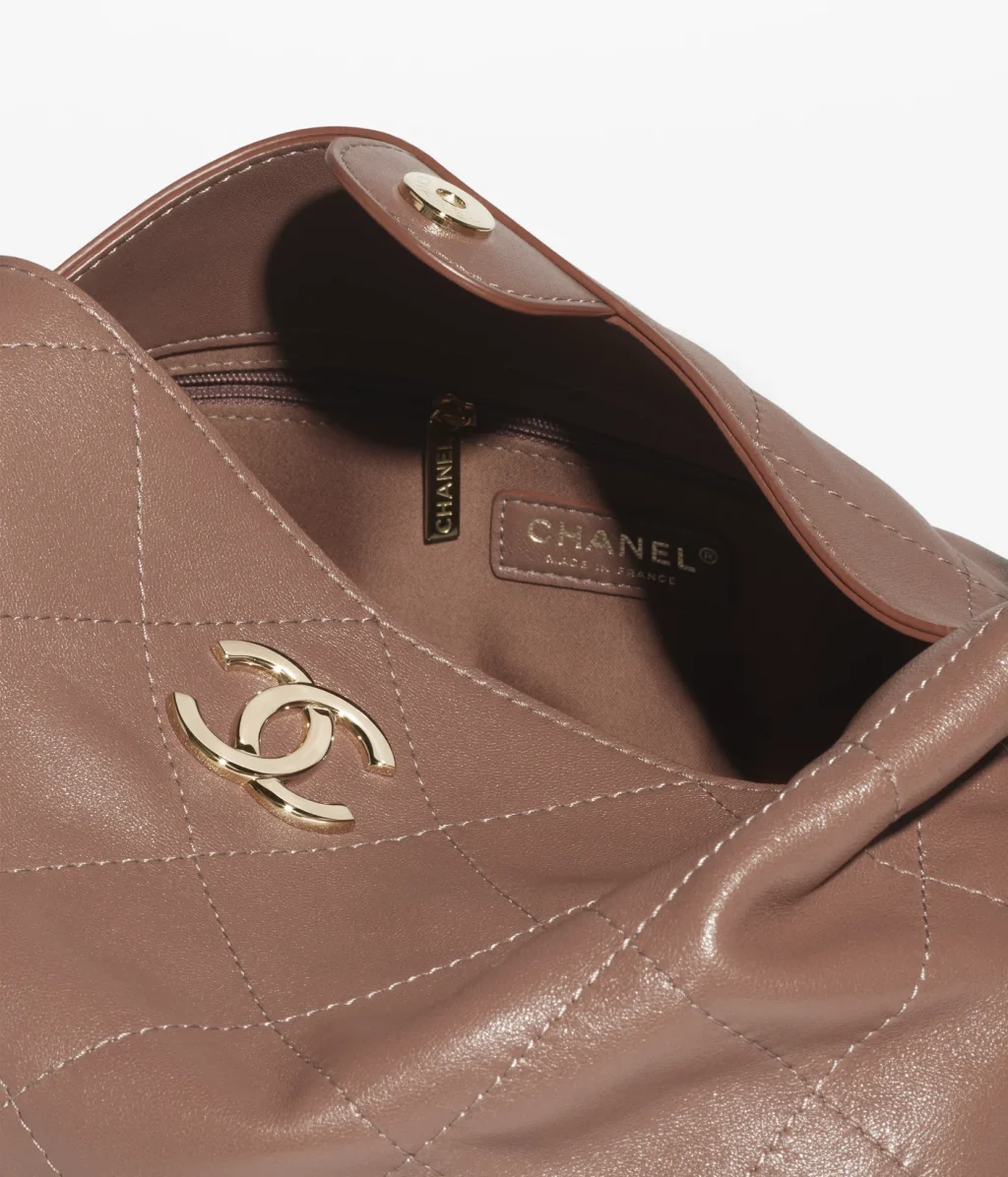
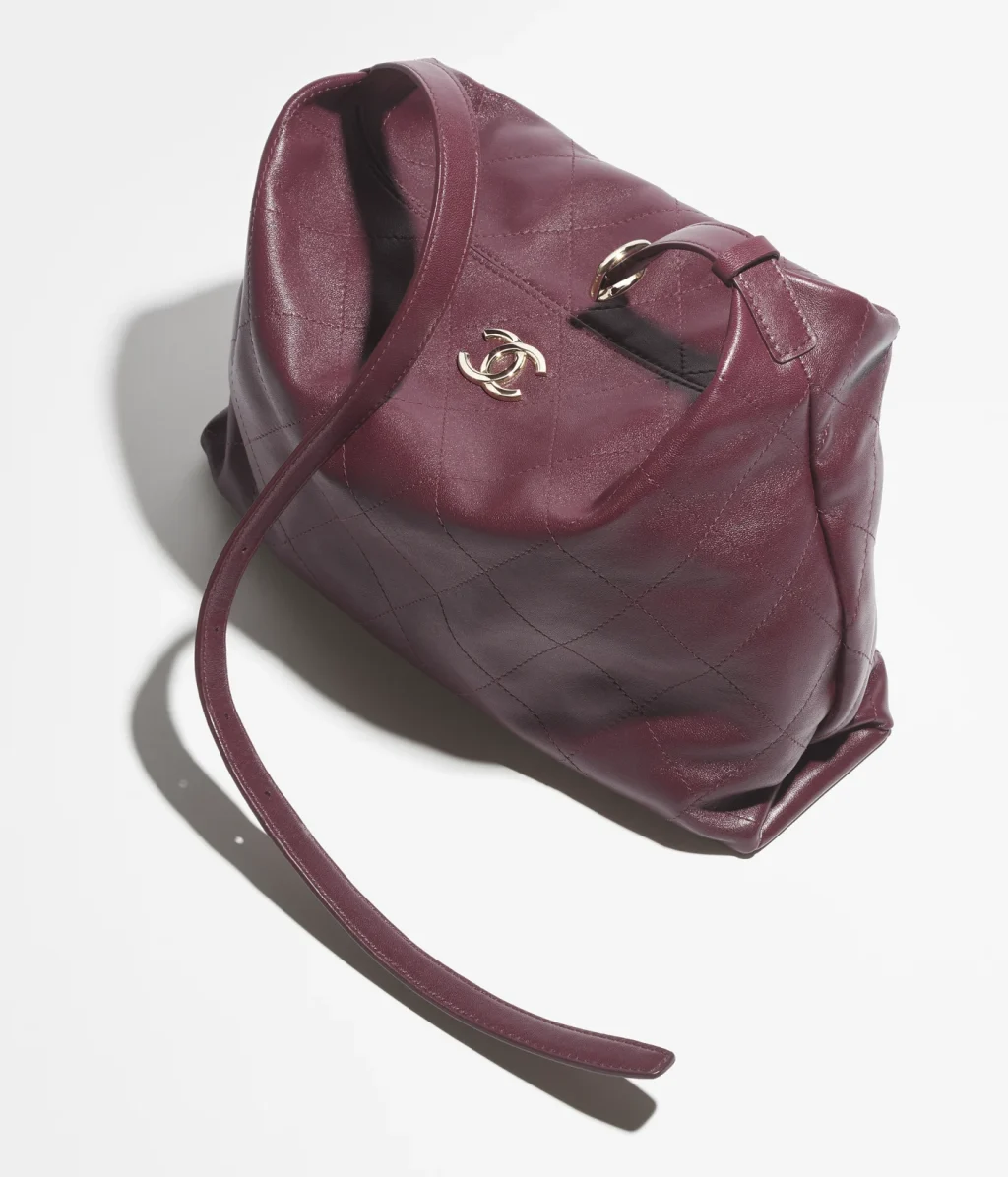
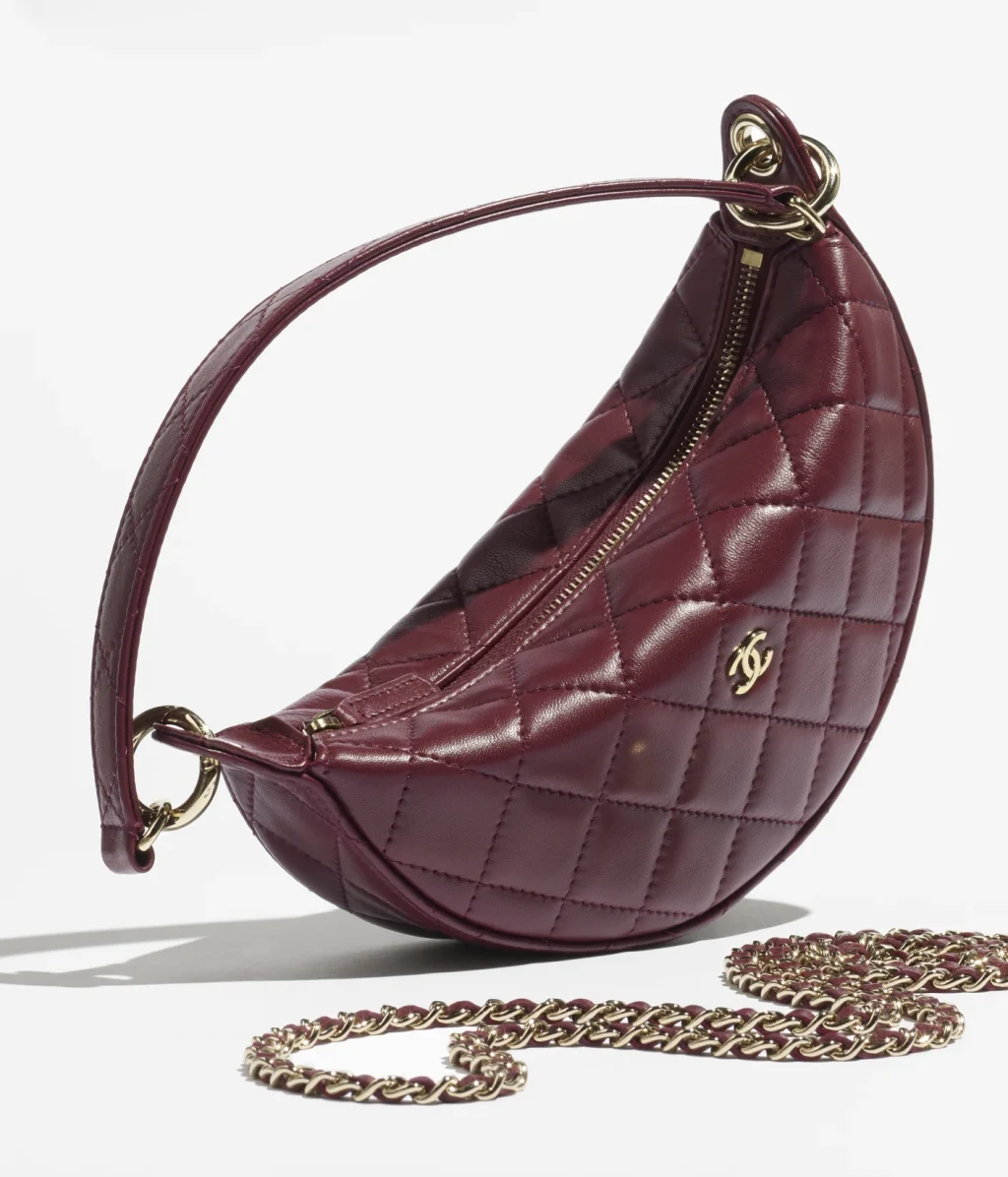
If shopping bags signal structure, hobos signal ease—and SS26 prices volume as presence. The standard hobo handbag in shiny lambskin (light yellow) sets at $5,100, while maxi versions in shiny lambskin (brown and dark burgundy) move to $7,100. The jump is intentional: bigger is not just more leather, it’s more visual territory.
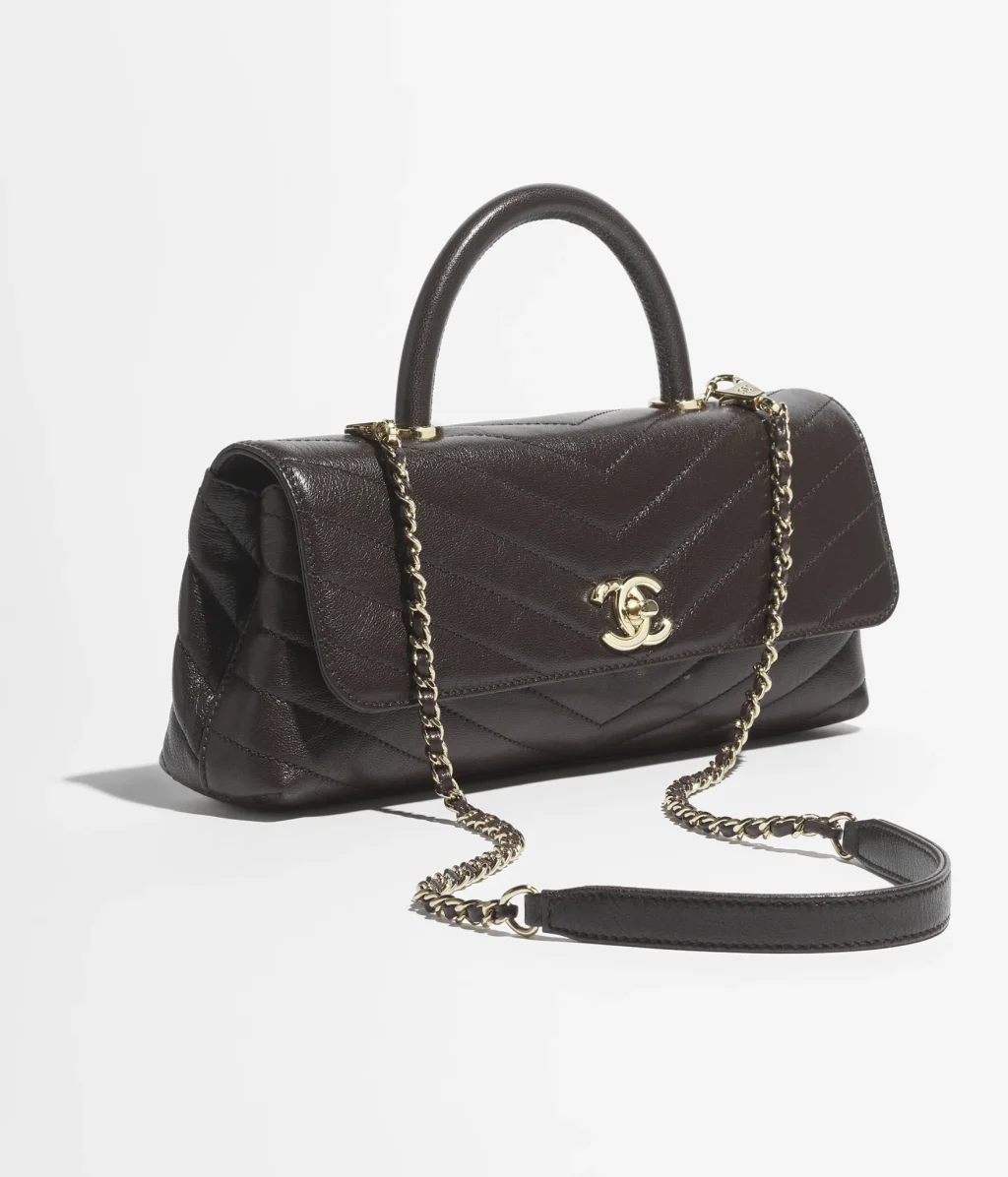
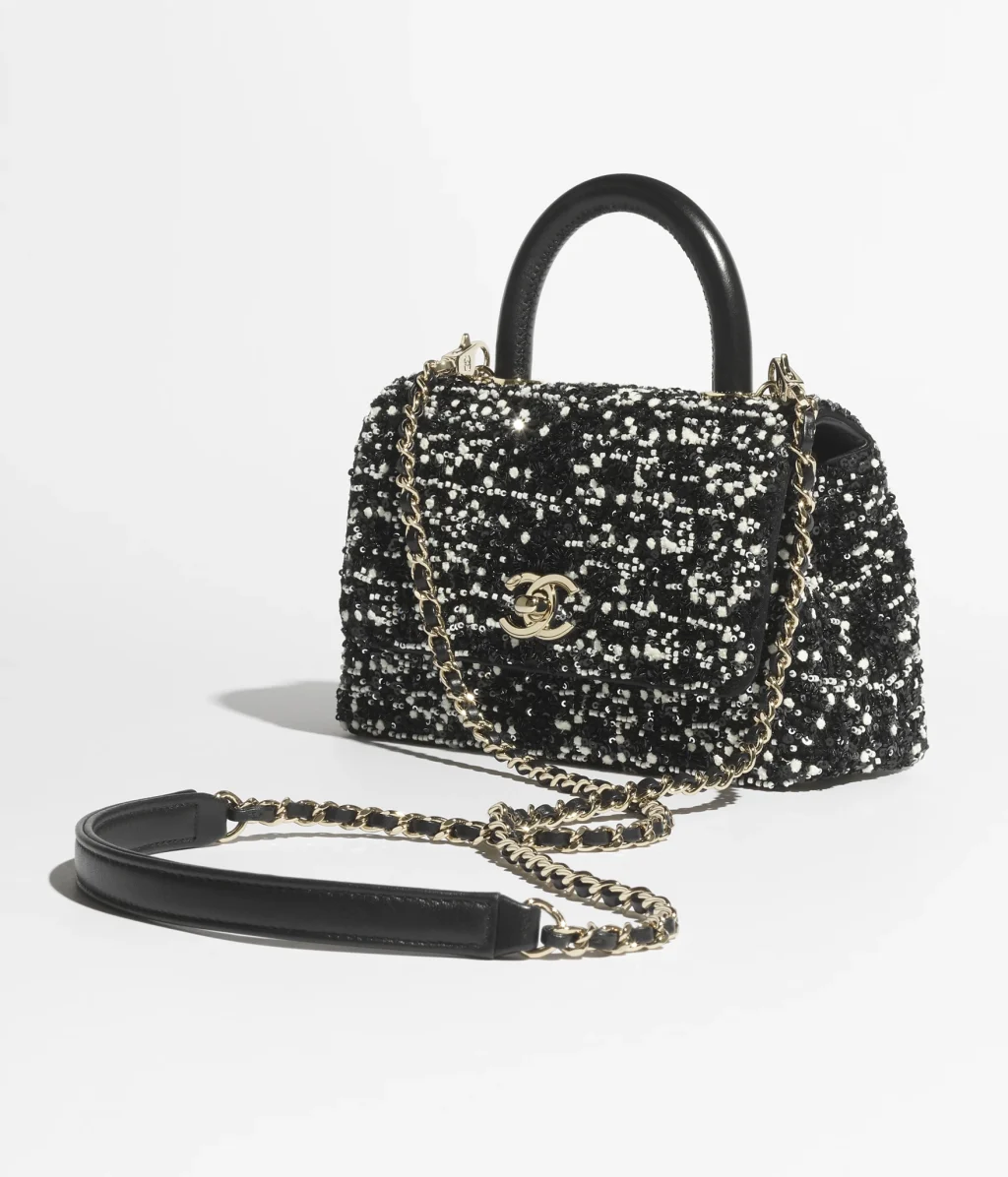
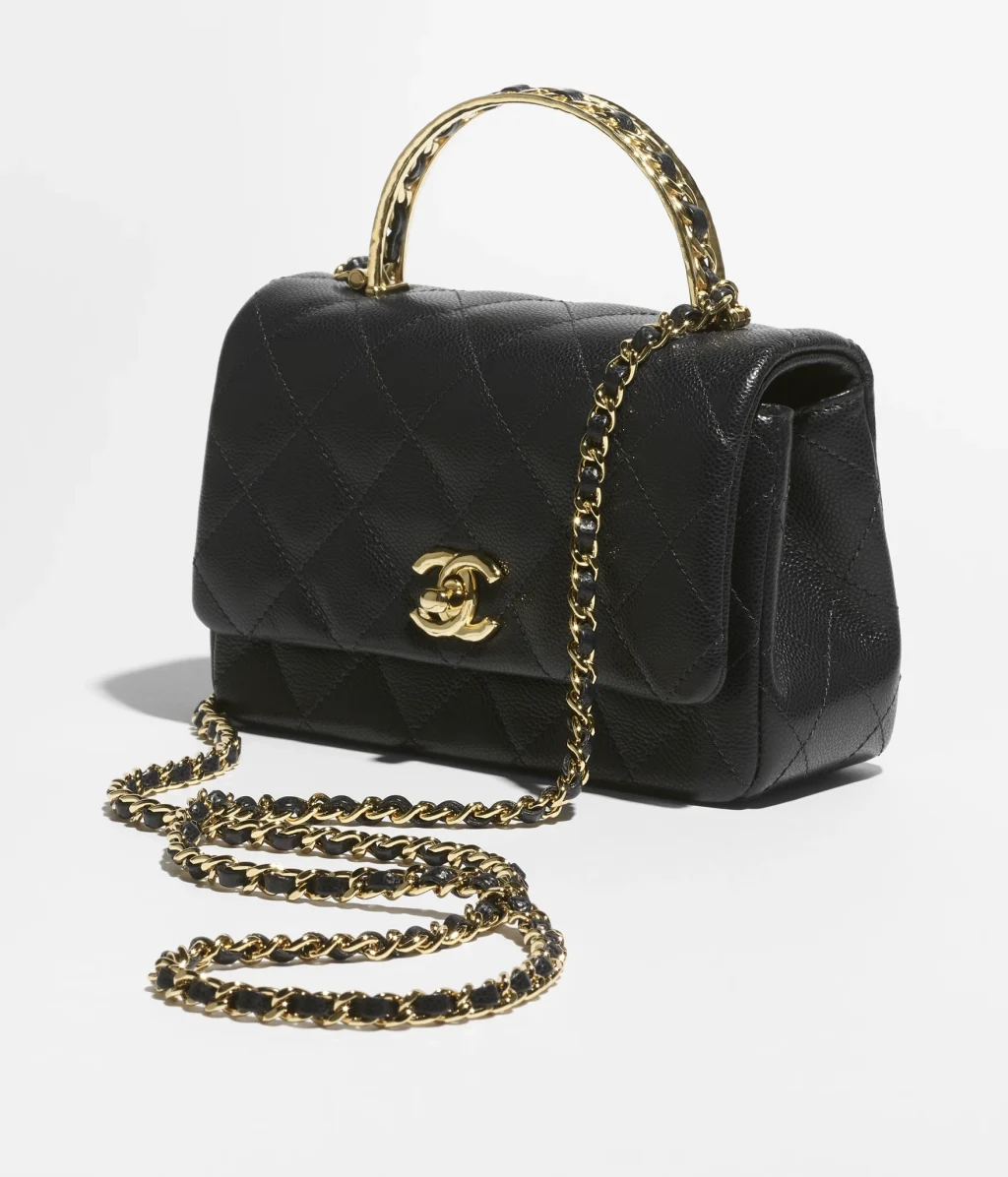
Flap bag with top handle
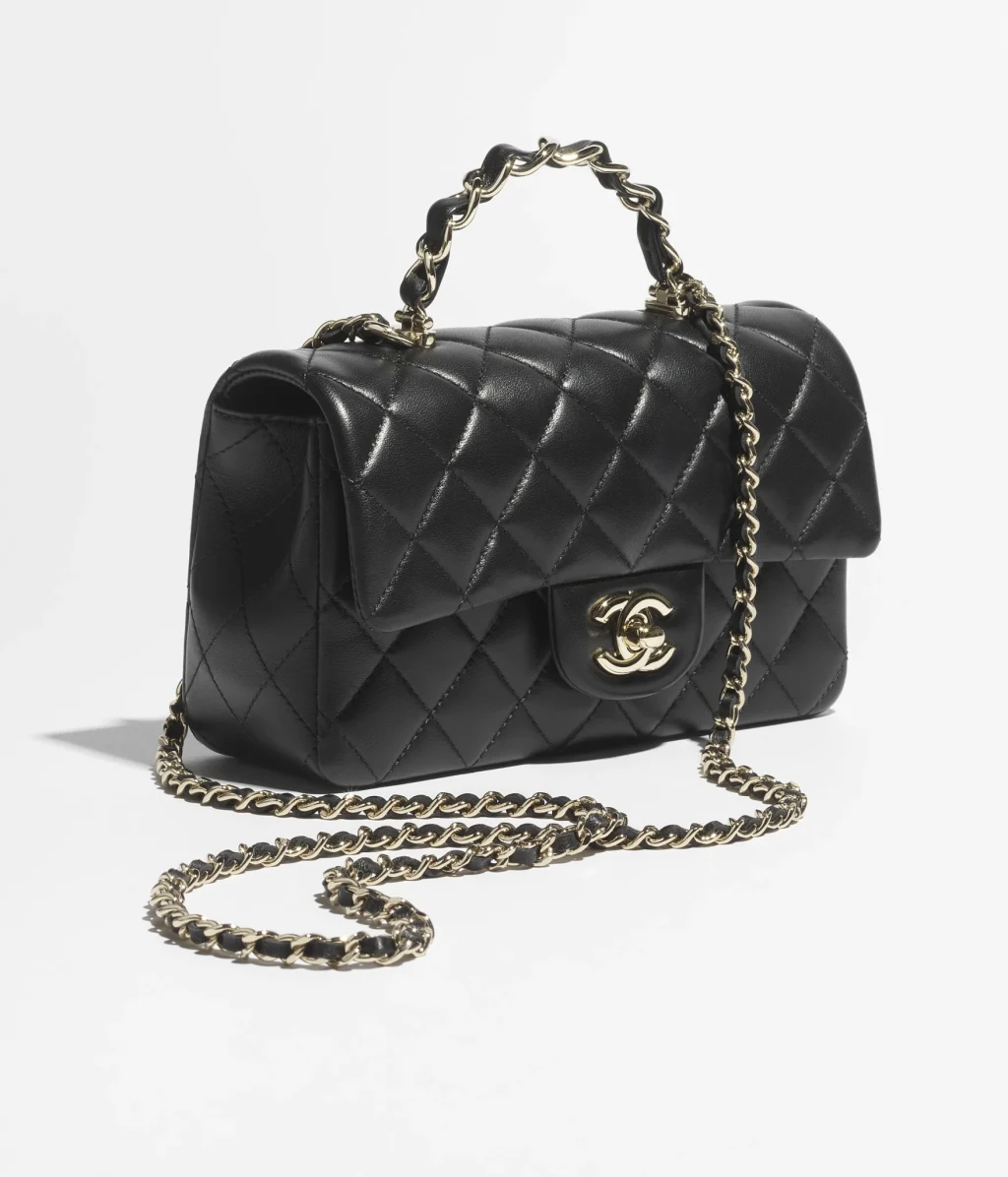
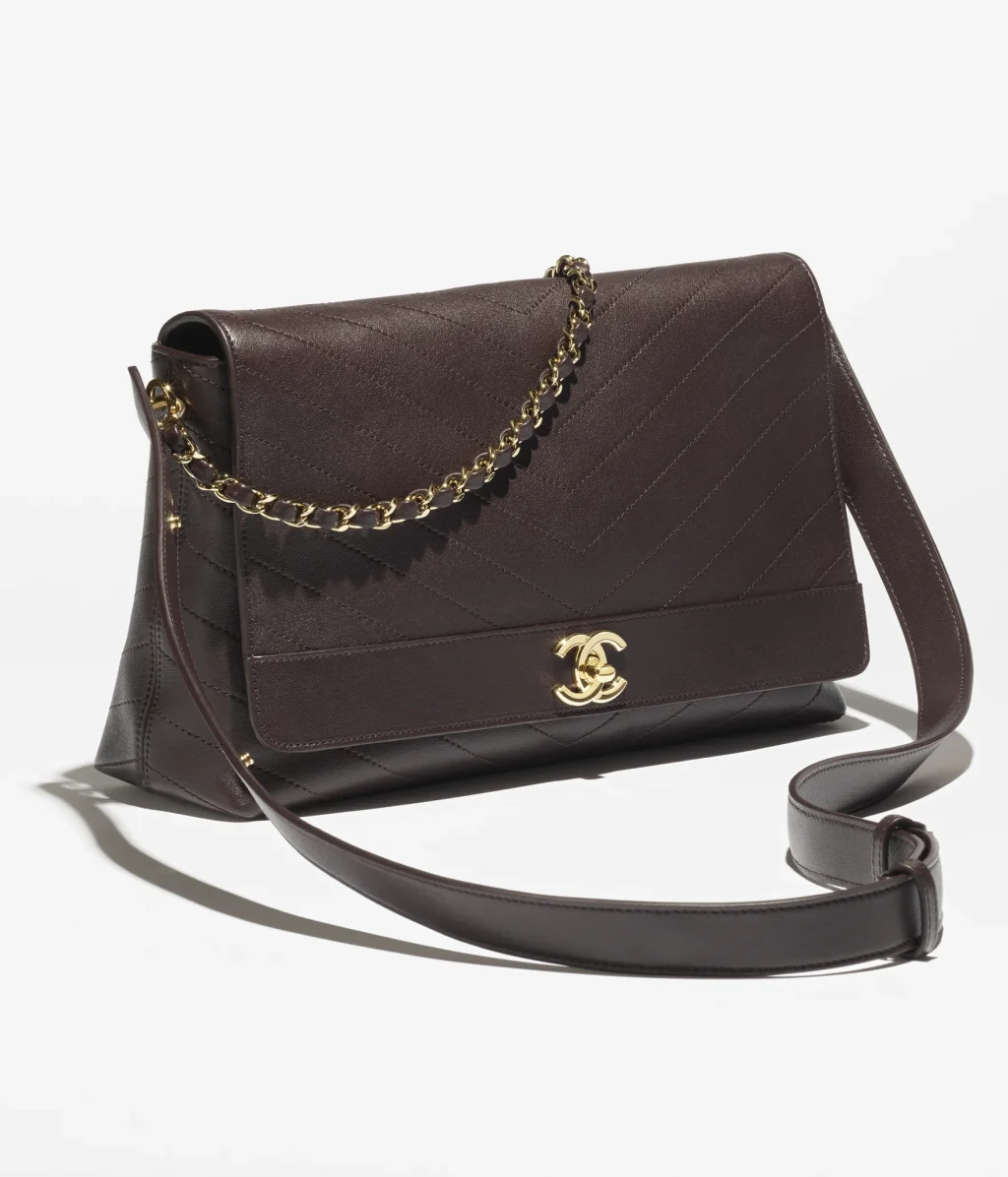
The maxi flap bag with top handle in goatskin (dark brown) positions at $6,700, functioning as a bridge between classic flap codes and day-structured elegance. Goatskin brings a quietly durable feel, while the top handle shifts the posture from “worn” to “carried,” making it a strong choice for buyers who want a more formal read without crossing into five-figure icon territory.
Alongside the maxi, Chanel pushes this code into evening territory with embellished mini versions (pearls/sequins) and cleaner daily options in grained shiny calfskin—so the price range here spans from classic day structure to boutique-leaning statement pieces.
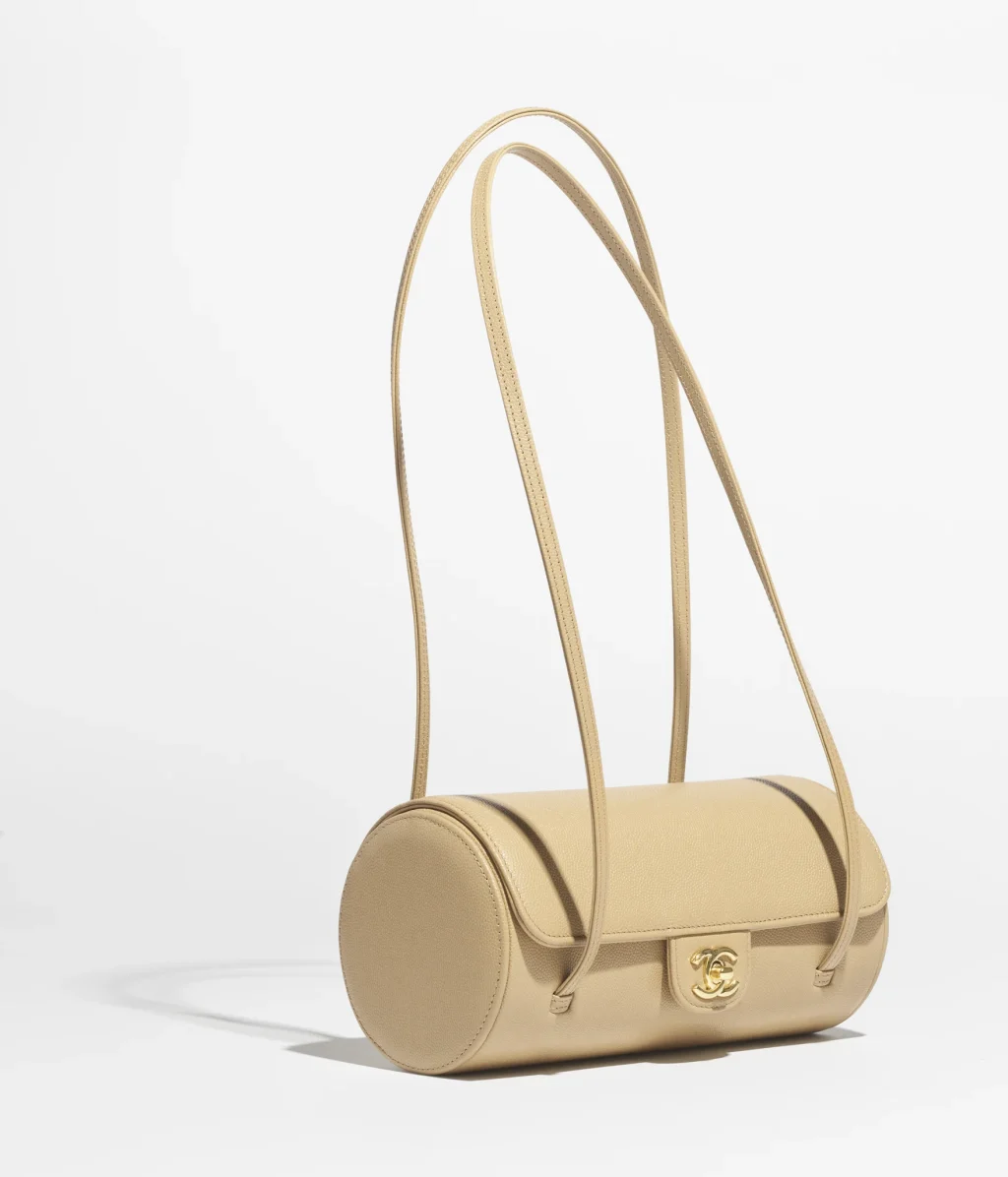
Bowling bag
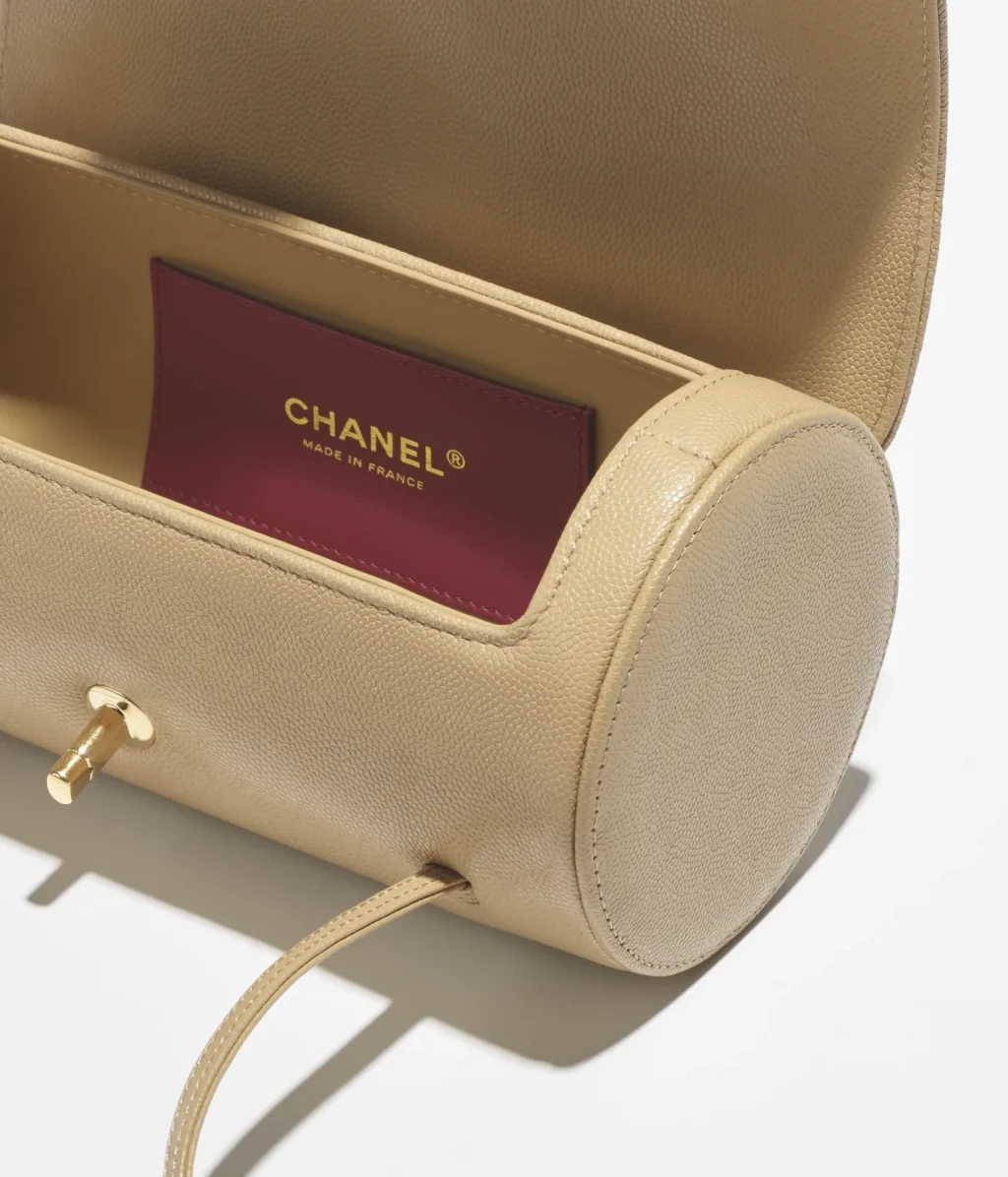
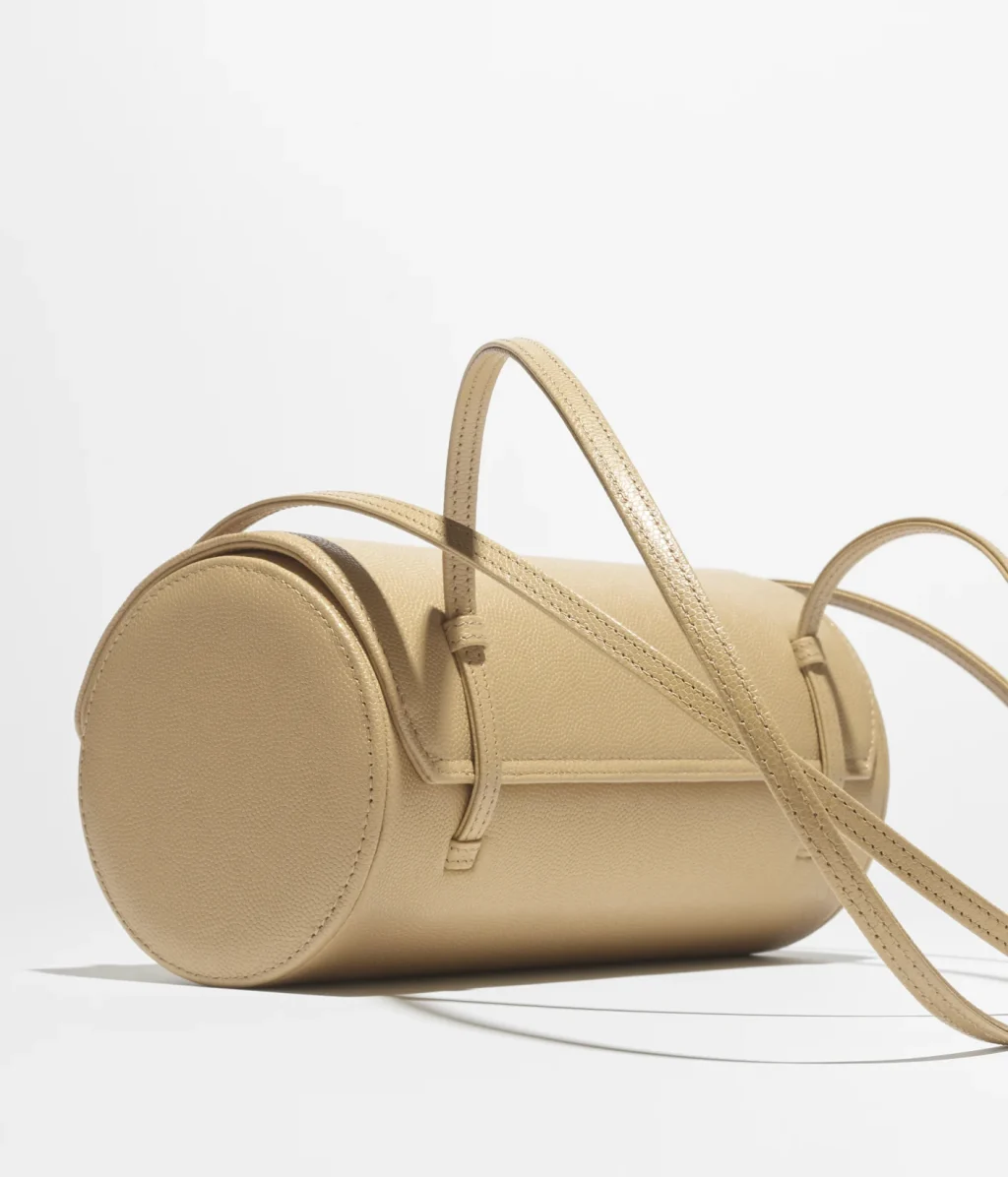
The small bowling bag in grained shiny calfskin (dark beige) lands at $5,100 and feels like the season’s understated classic: structured, neat, designed for repeat wear. In a collection full of scale statements, the bowling bag is the controlled line—a reminder that Chanel still sells everyday elegance without gimmicks.
Evening bags
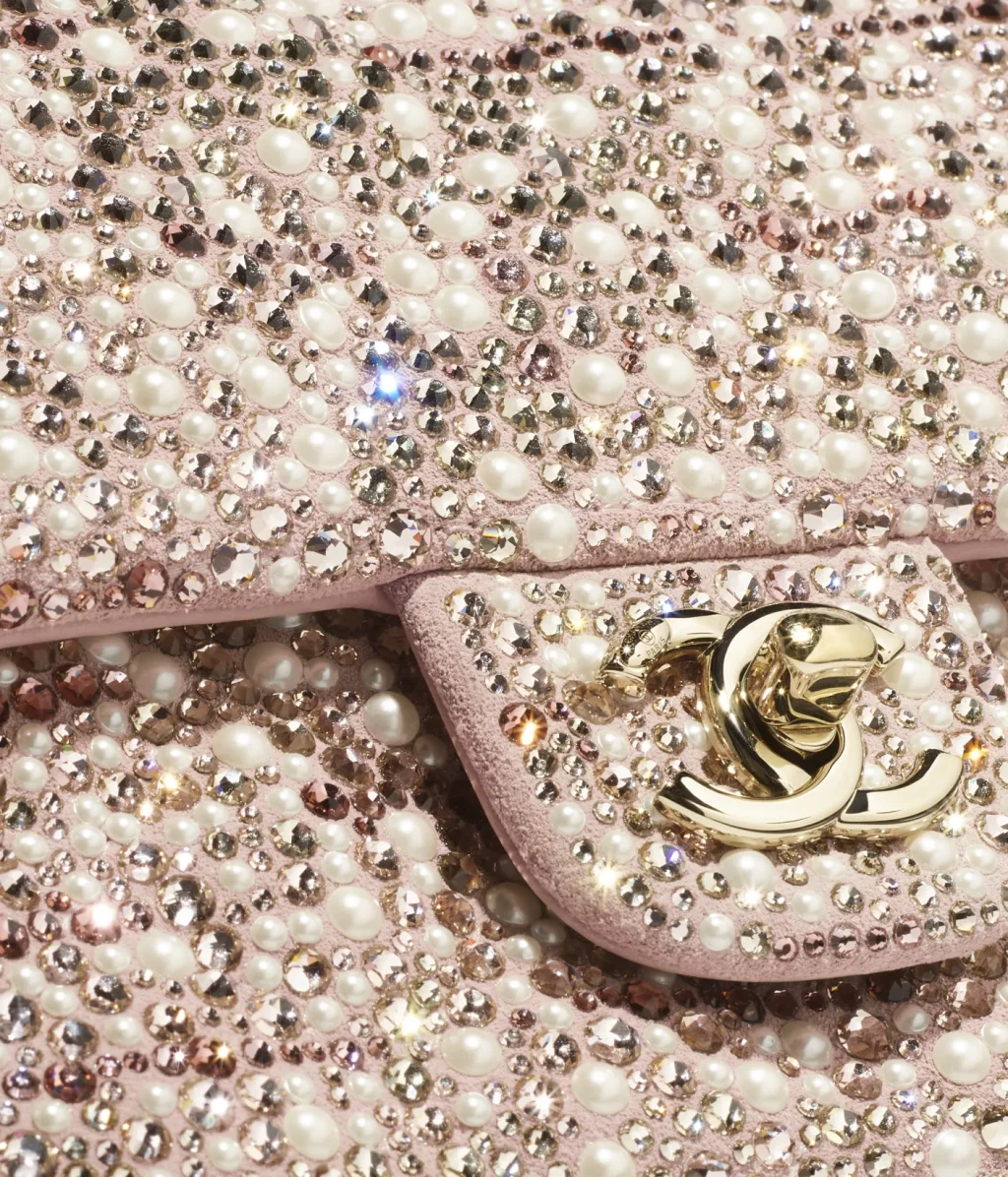
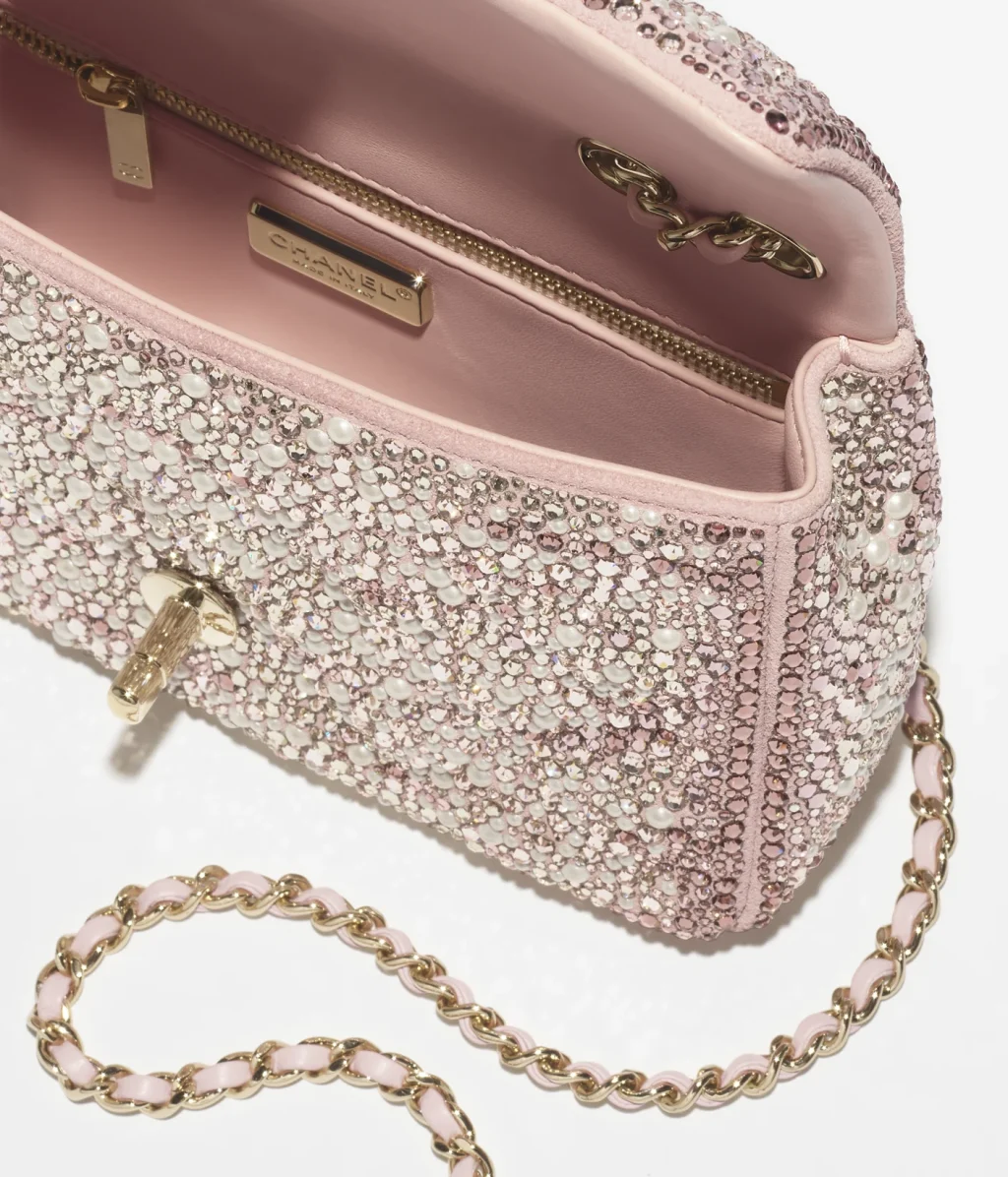
Two evening bags in strass and imitation pearls are listed as Price upon request, positioned less as standard retail objects and more as boutique pieces. The absence of a public price becomes part of the narrative: these bags are jewelry-adjacent, purchased through relationship, treated like event objects rather than daily wardrobe tools.
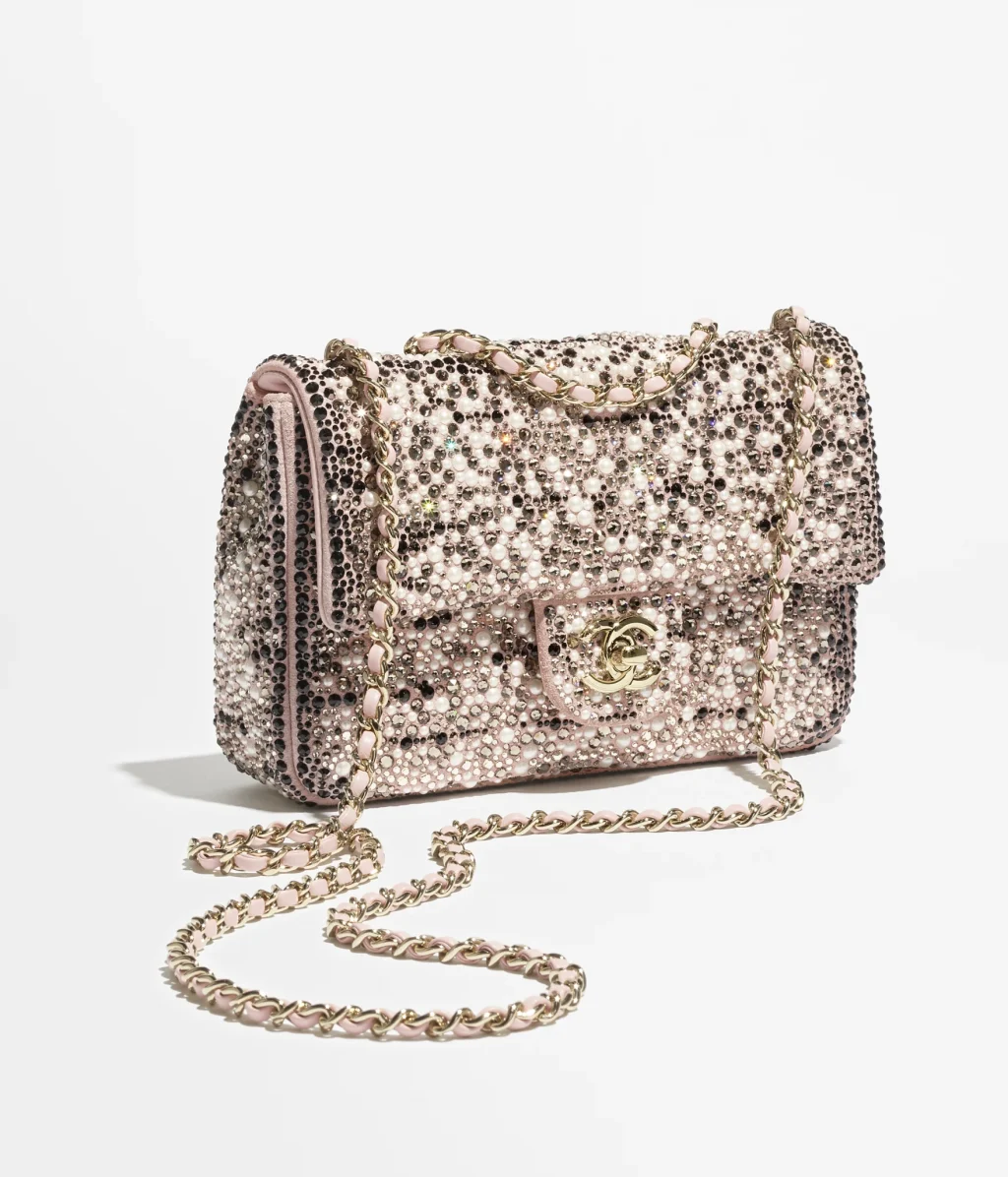
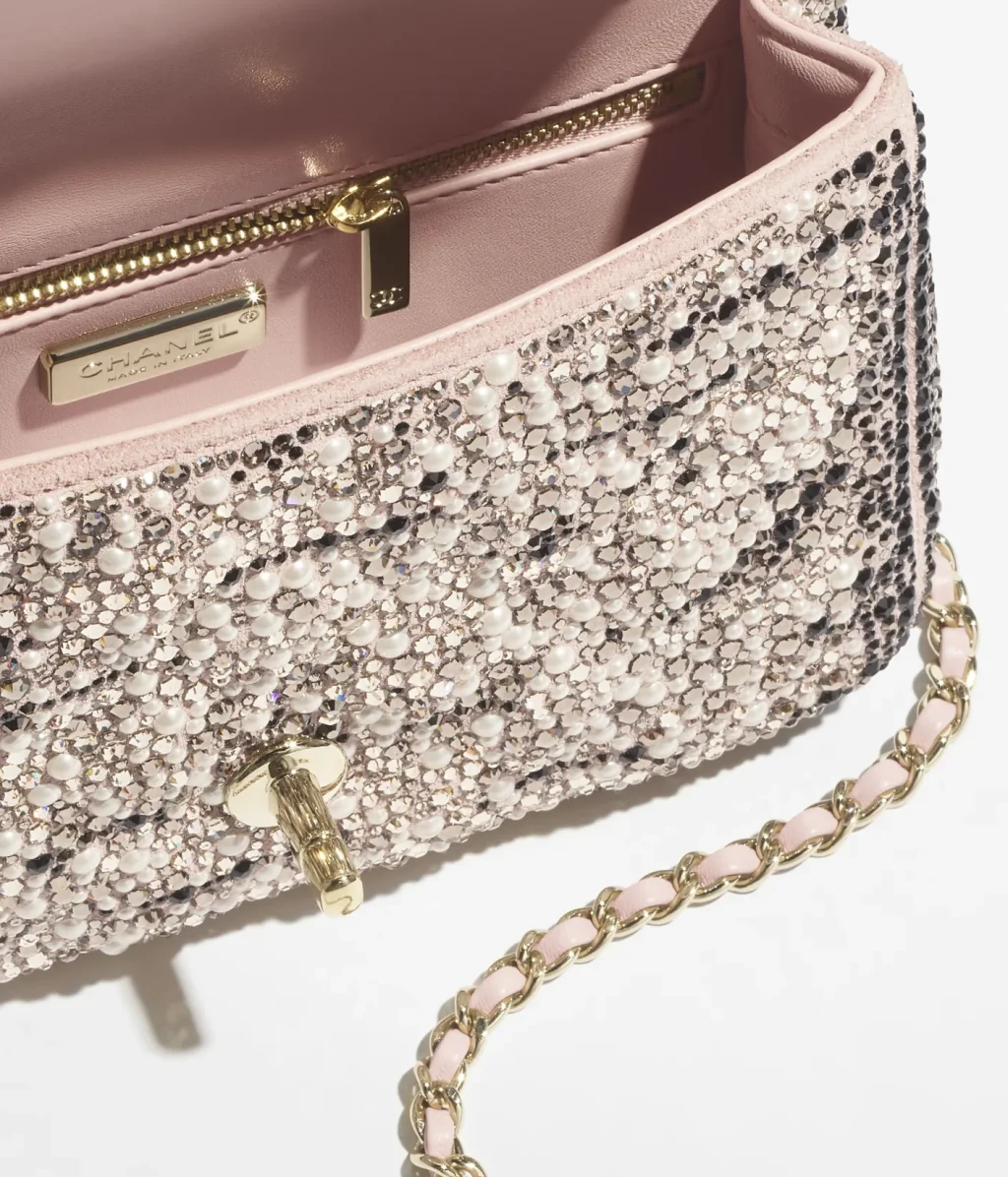
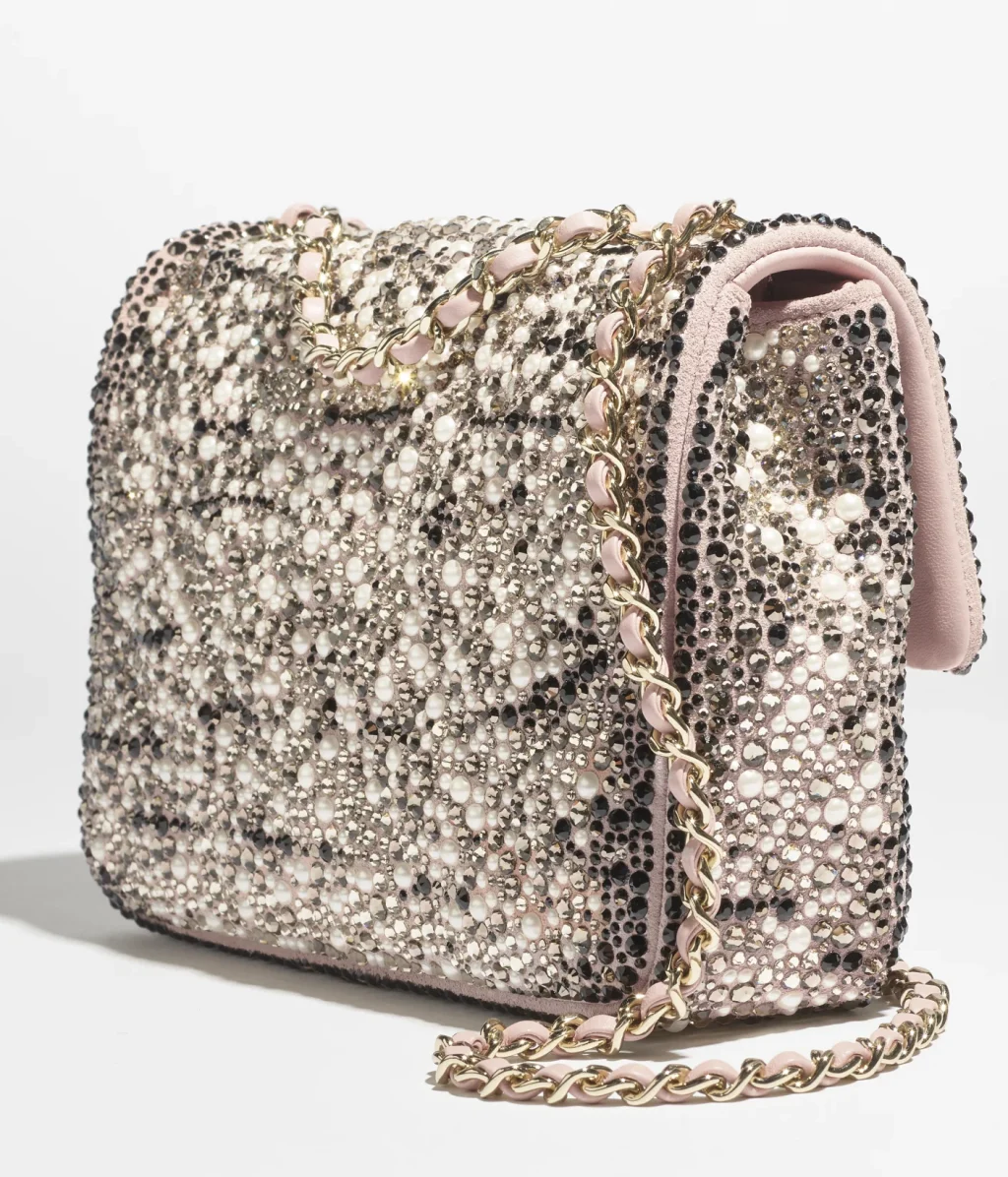
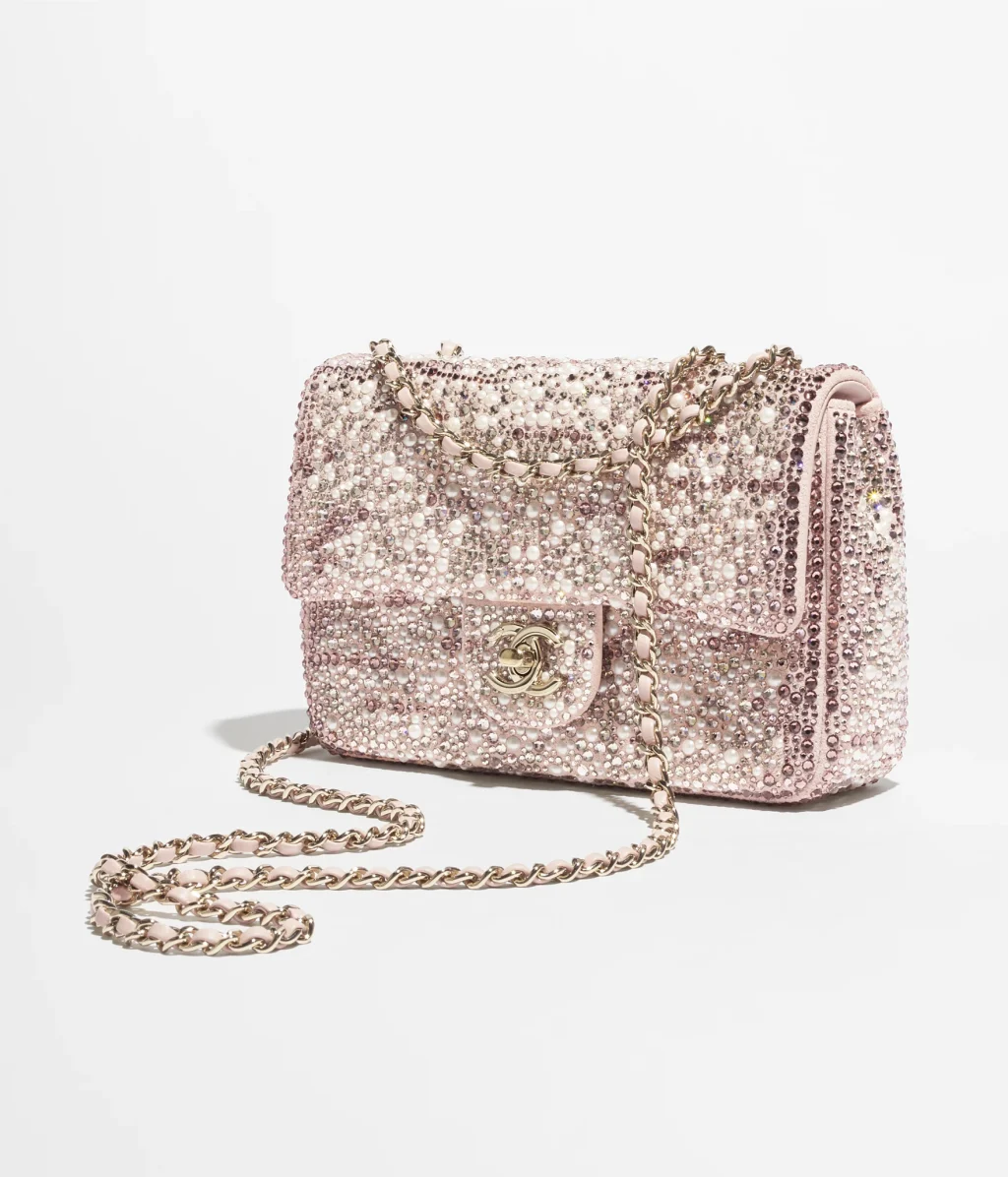
Dark Pink, Pearly White & Light Pink / Price upon request
CHANEL 22
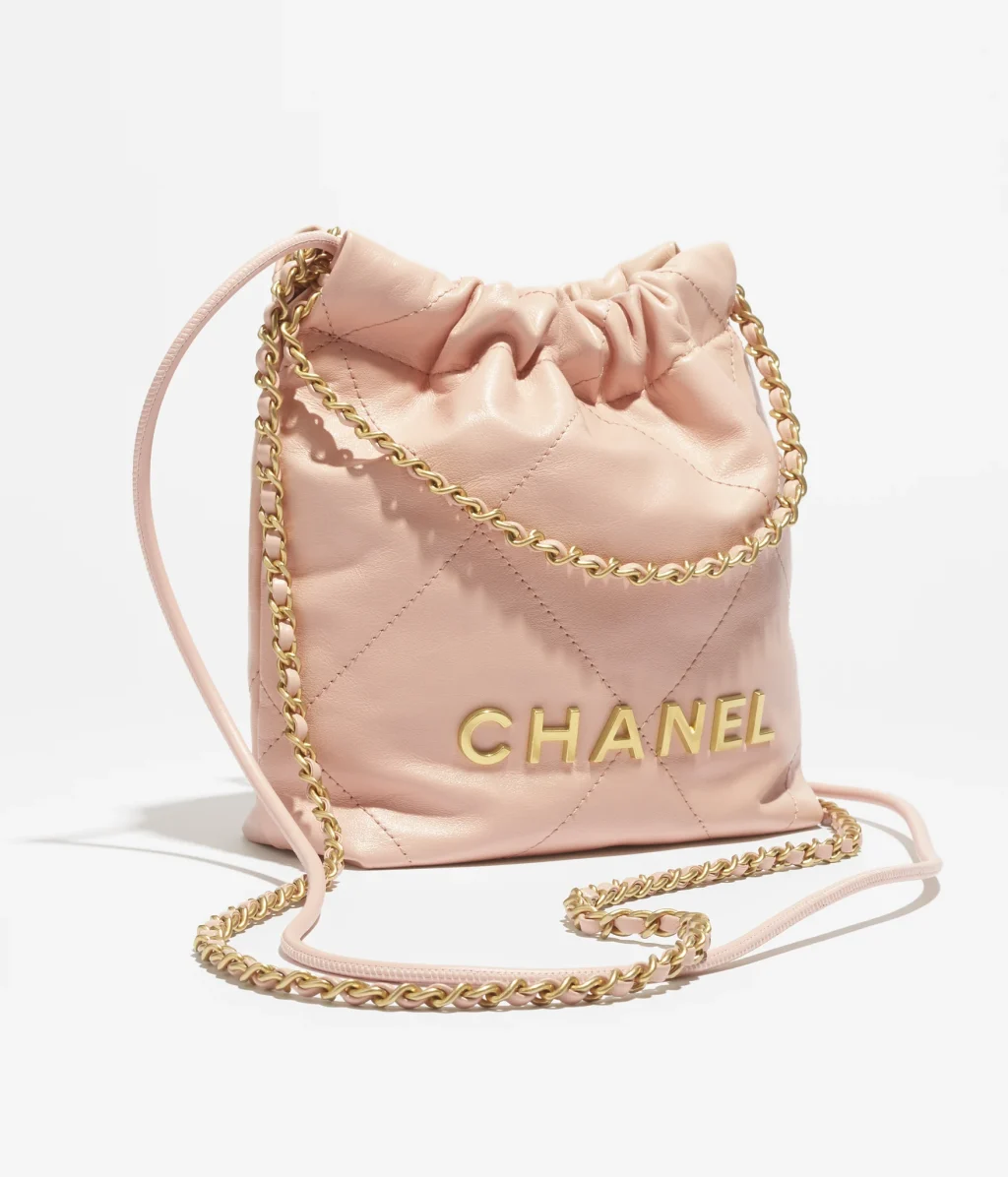
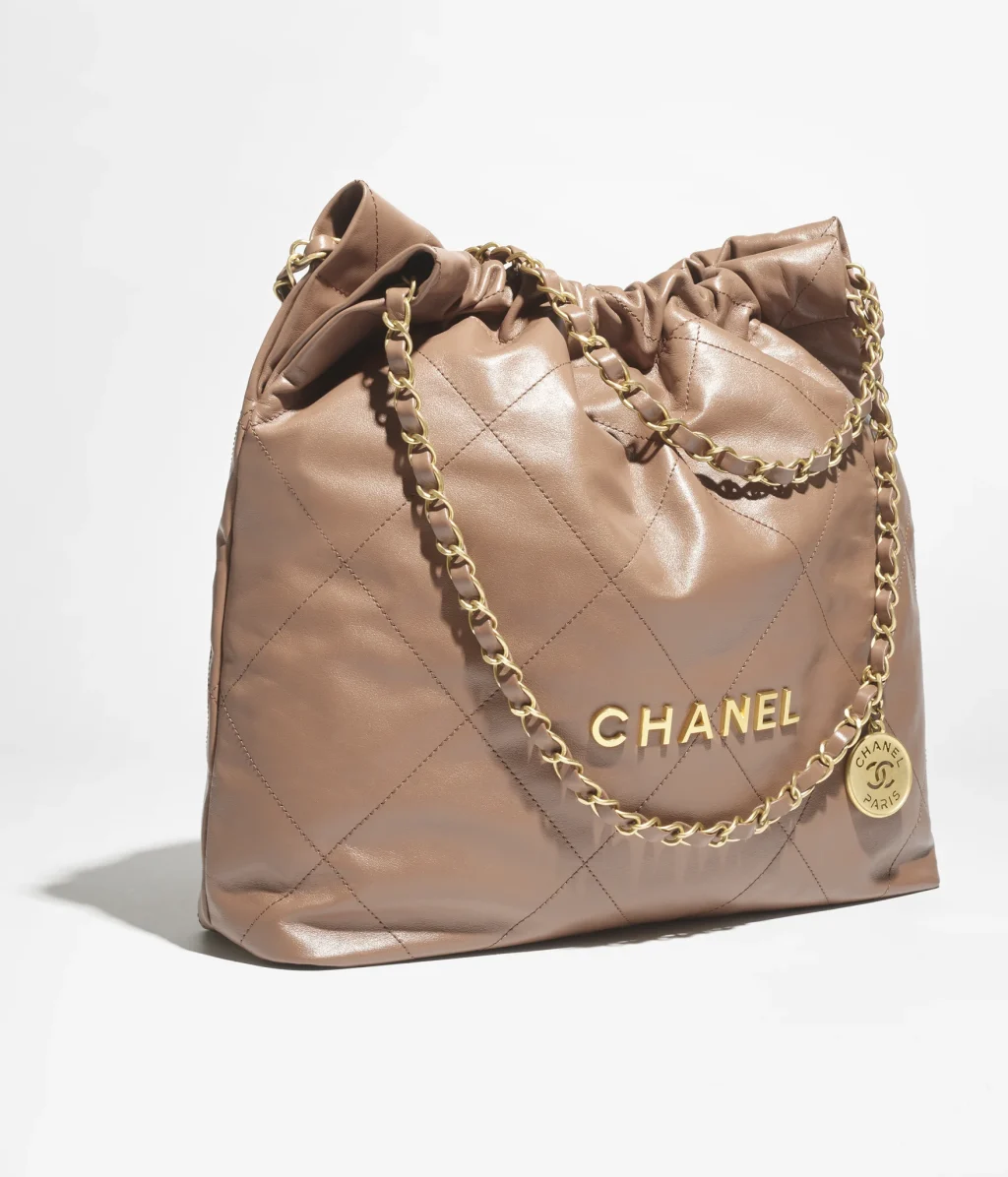
The CHANEL 22 mini in shiny calfskin comes in at $5,300, offering a softer, more modern alternative to structured minis. The pricing places it above many compact entry pieces, signaling that Chanel treats the 22 line as a contemporary pillar rather than an experiment. It’s the silhouette for buyers who want Chanel codes with less architecture and more attitude.
Vanity bags
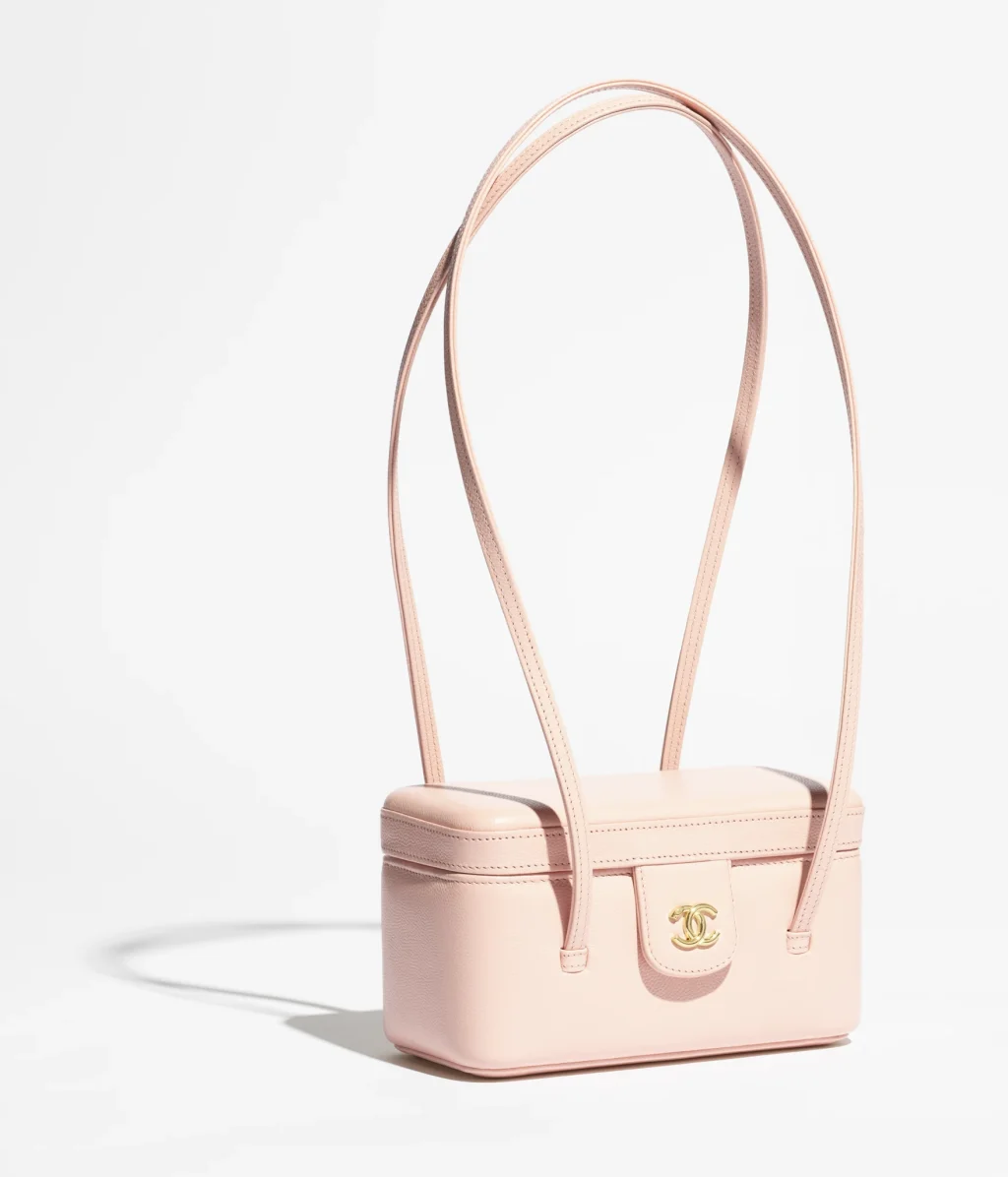
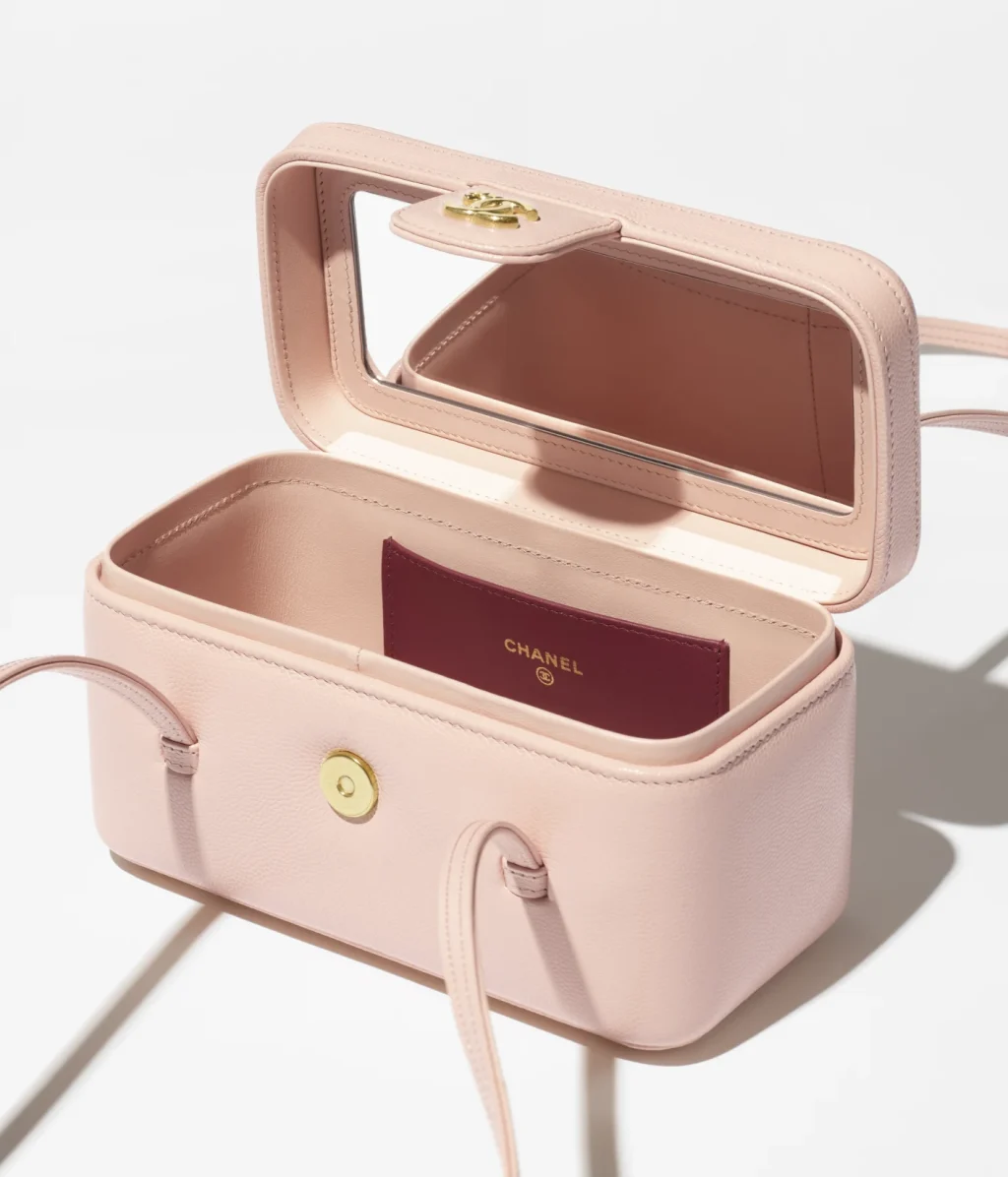
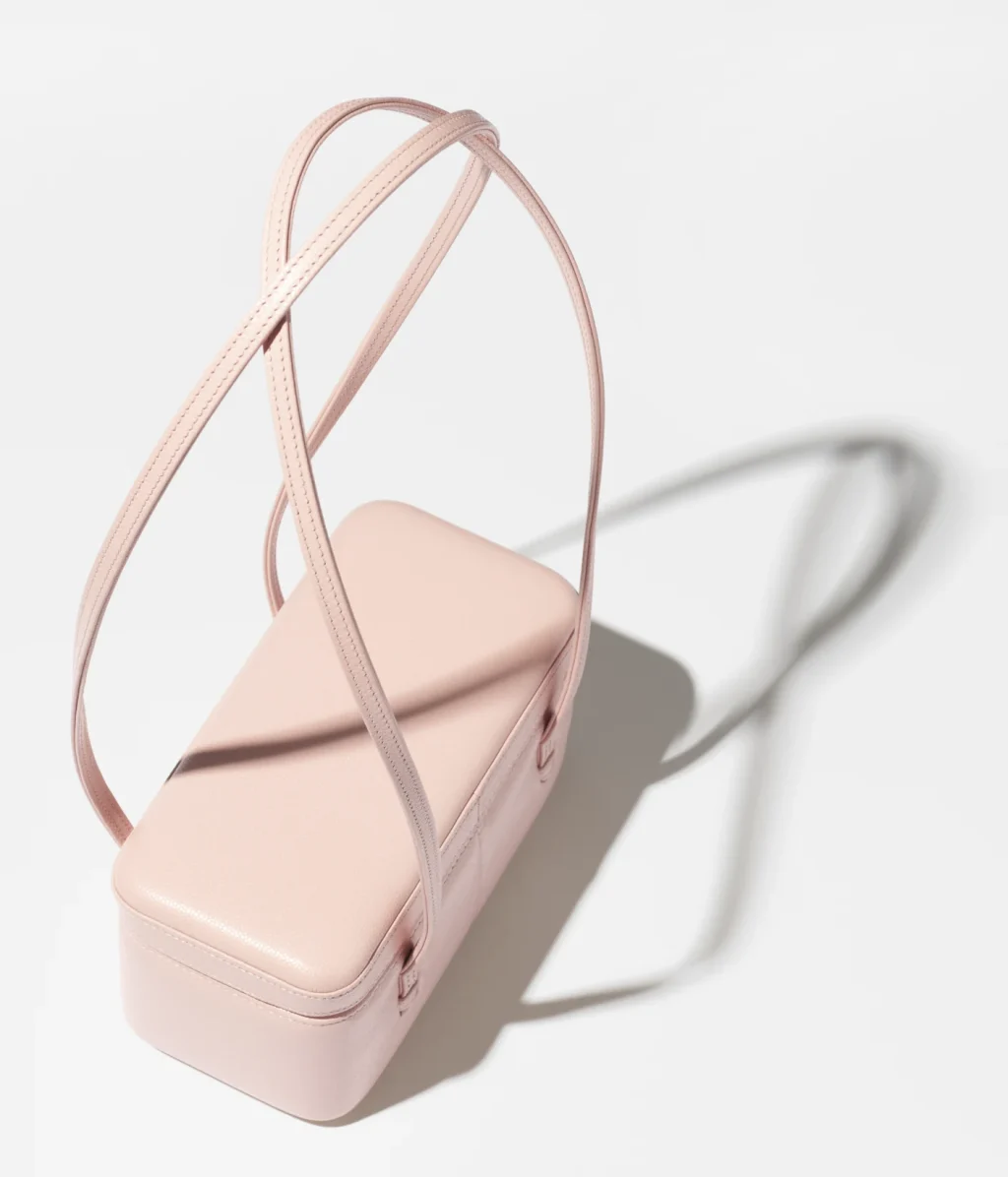
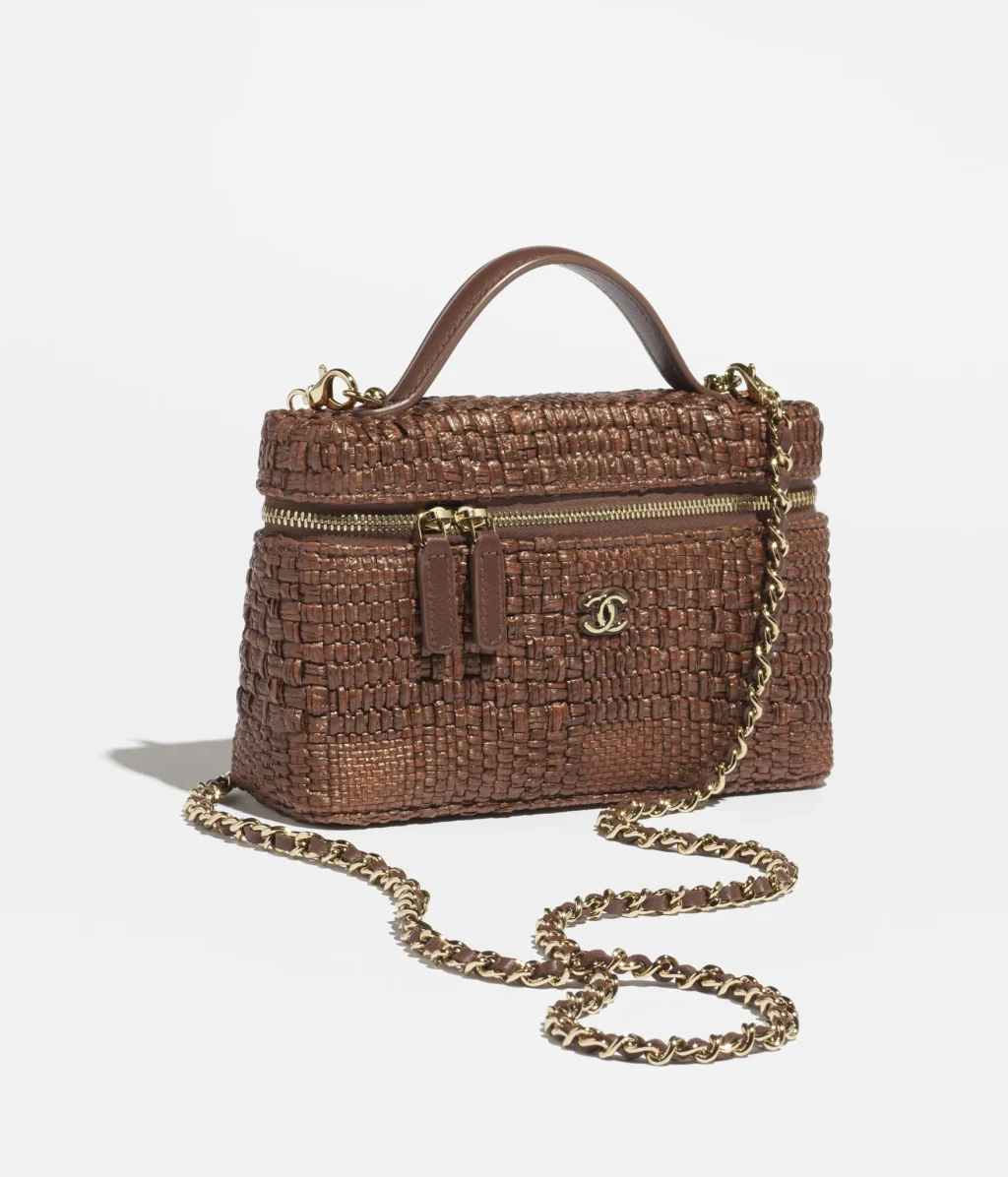
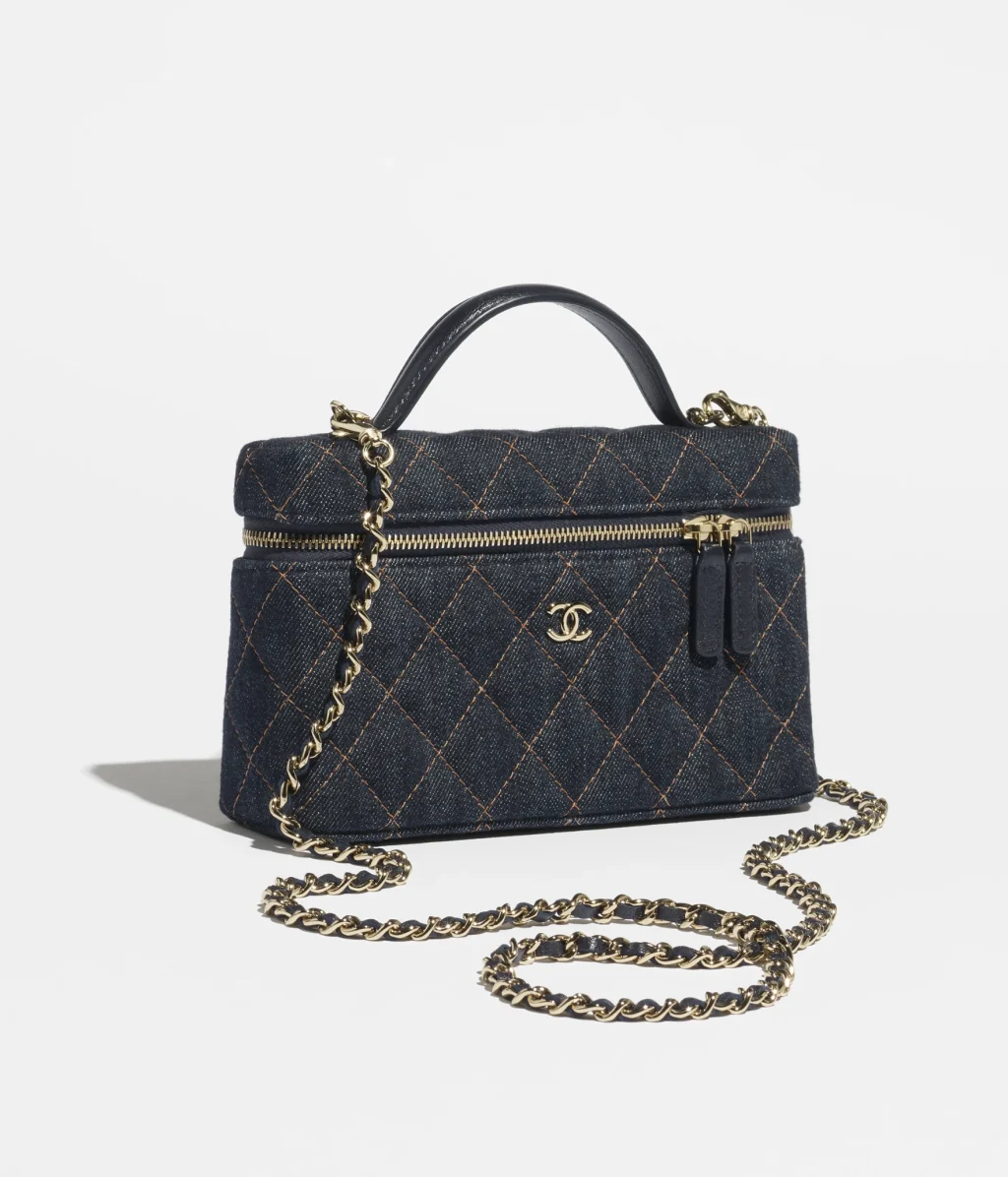
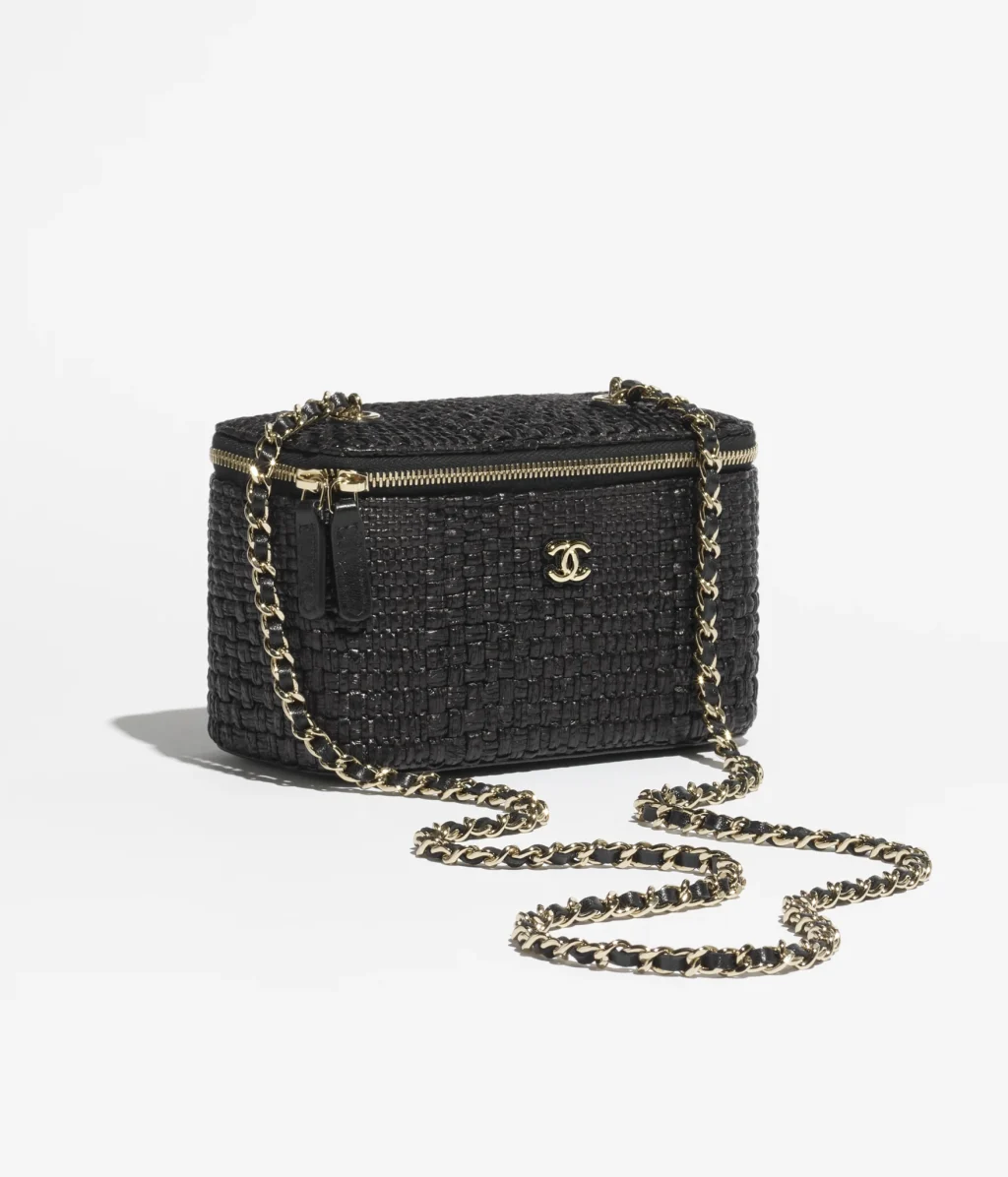
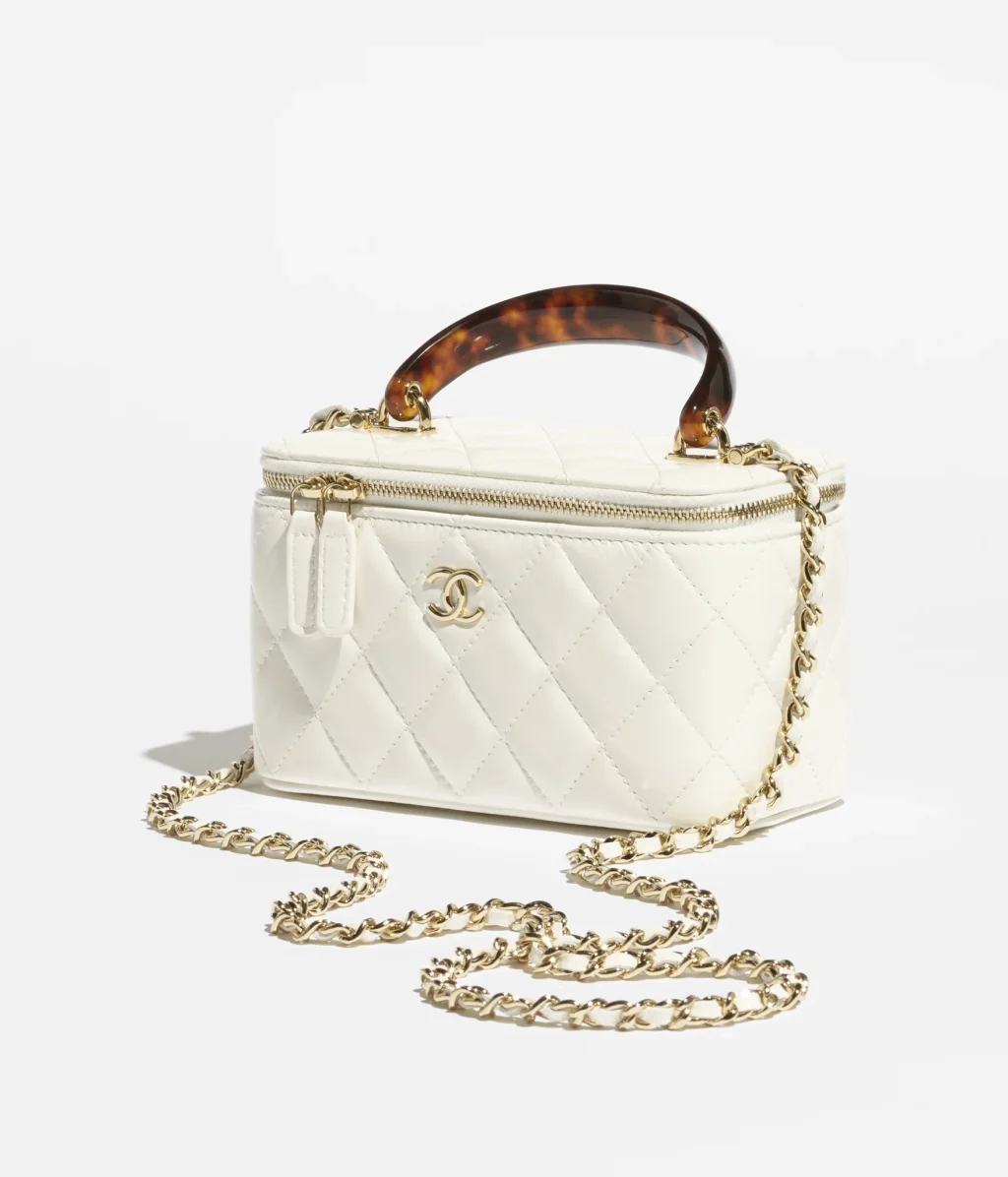
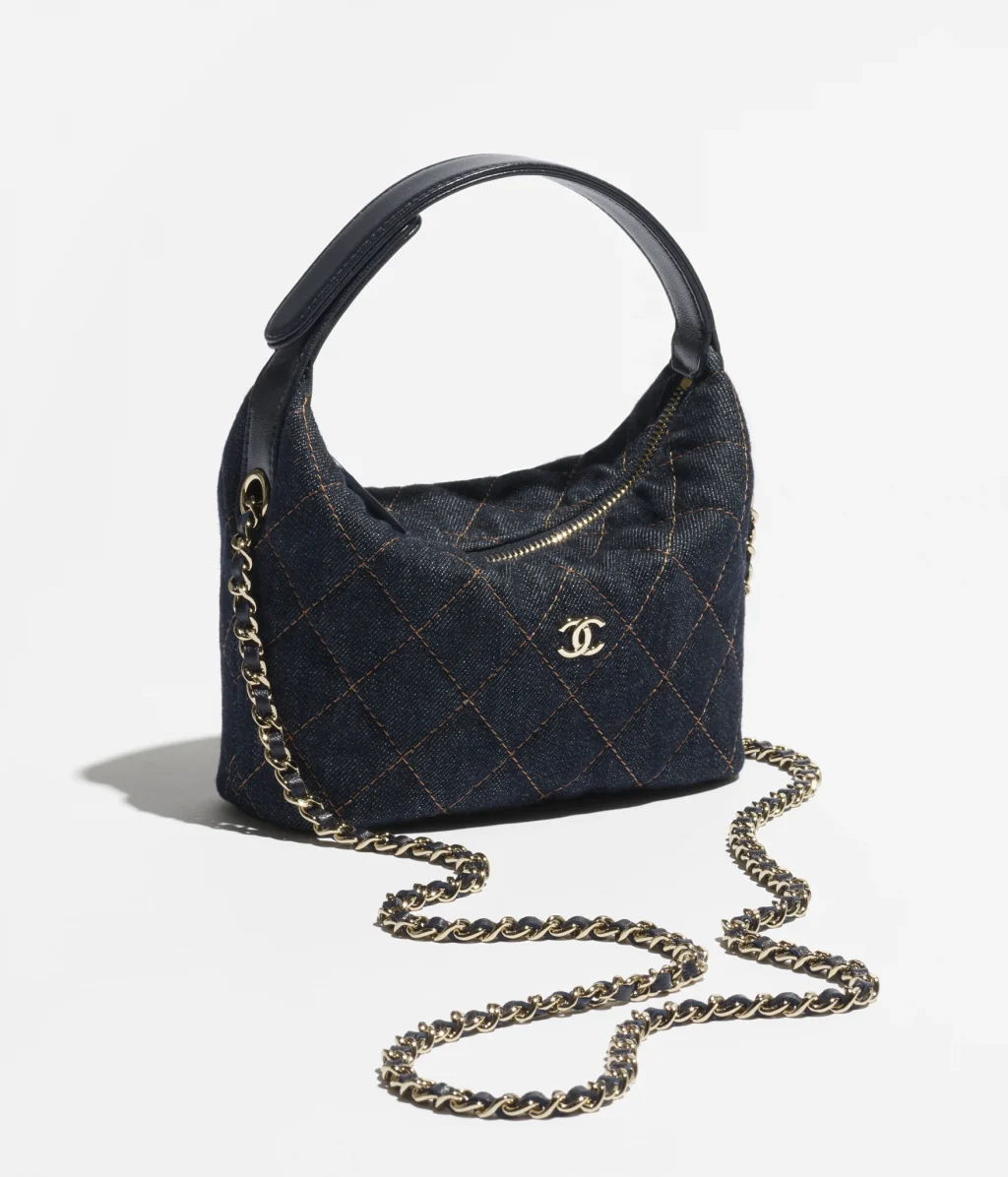
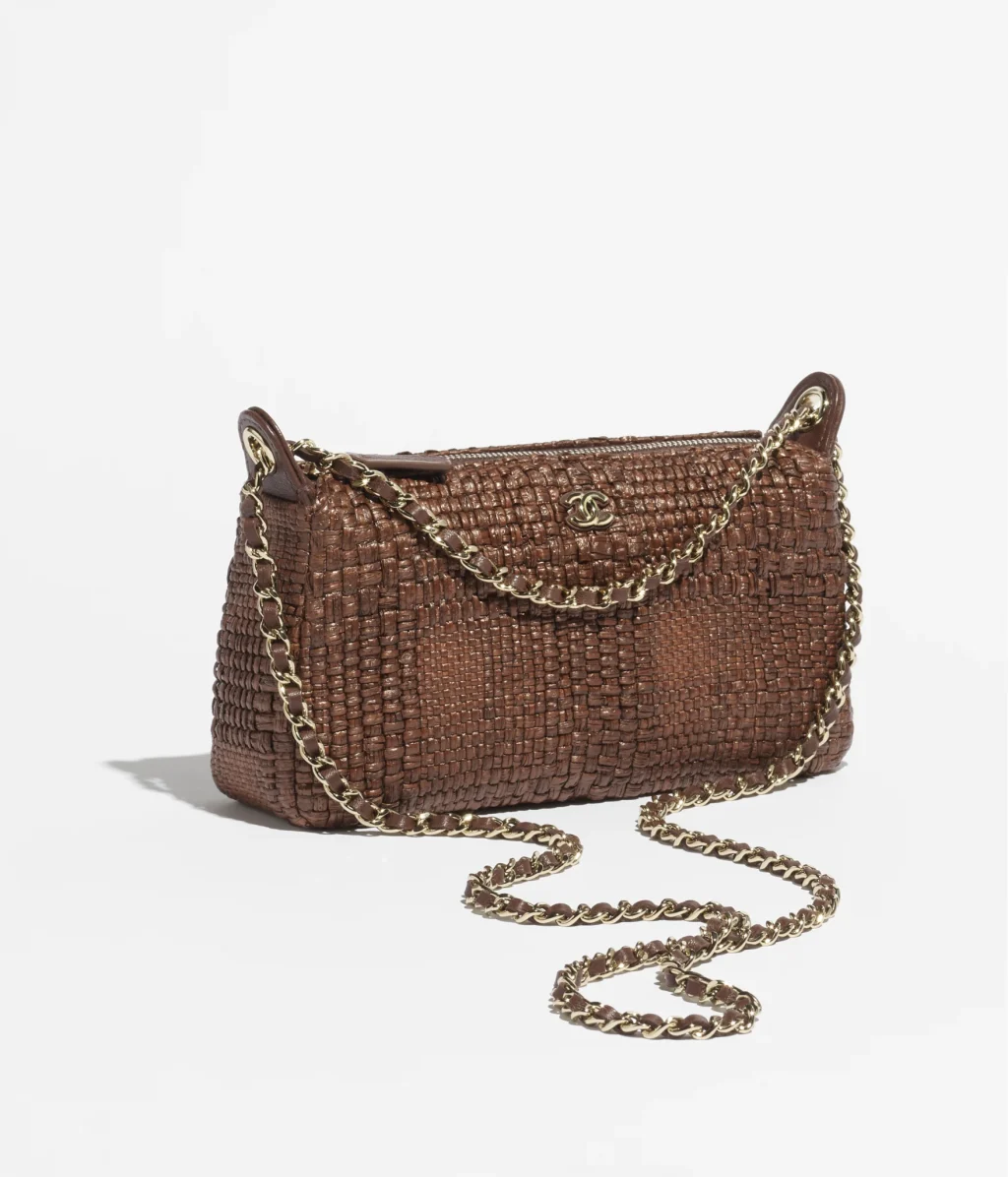
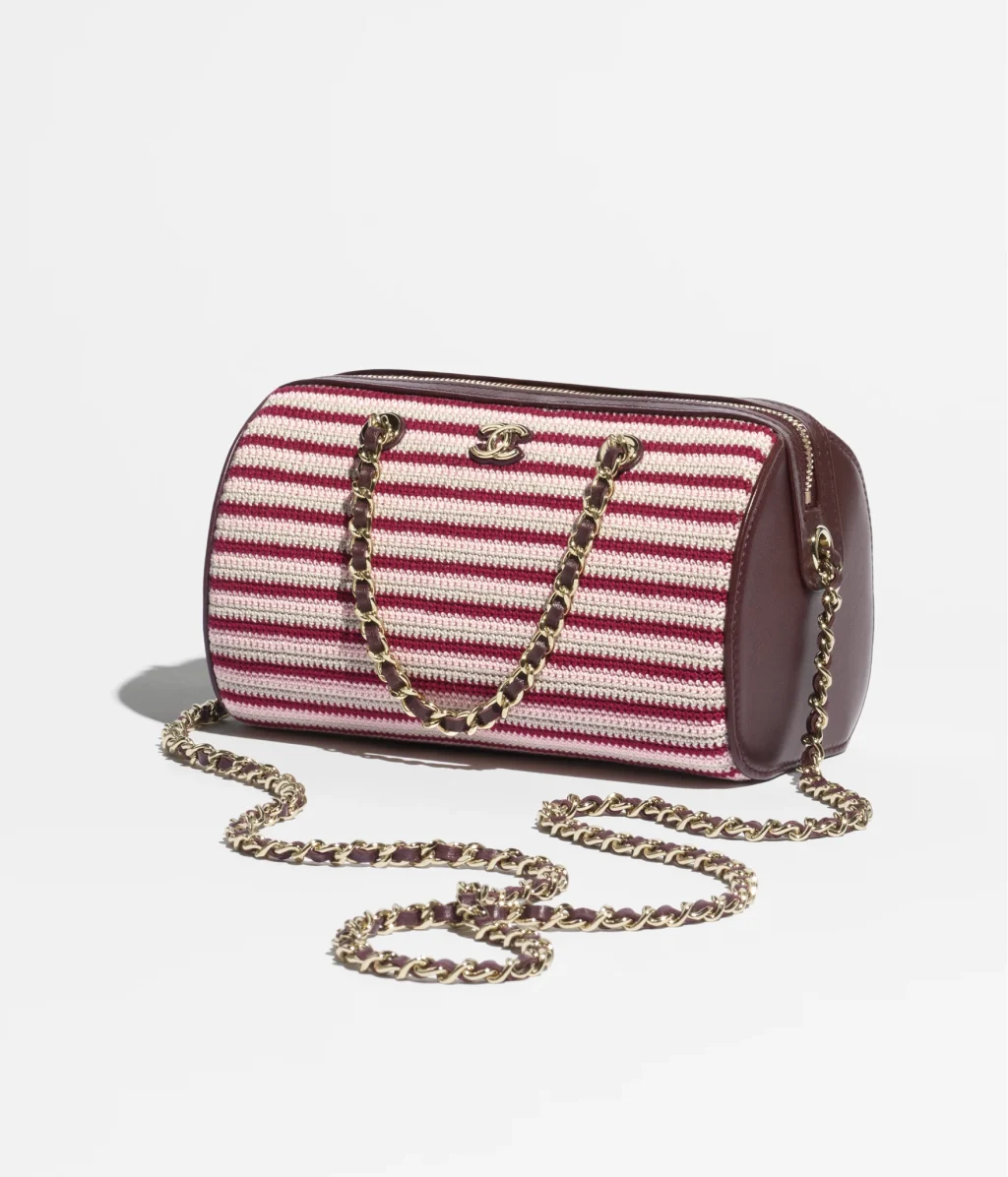
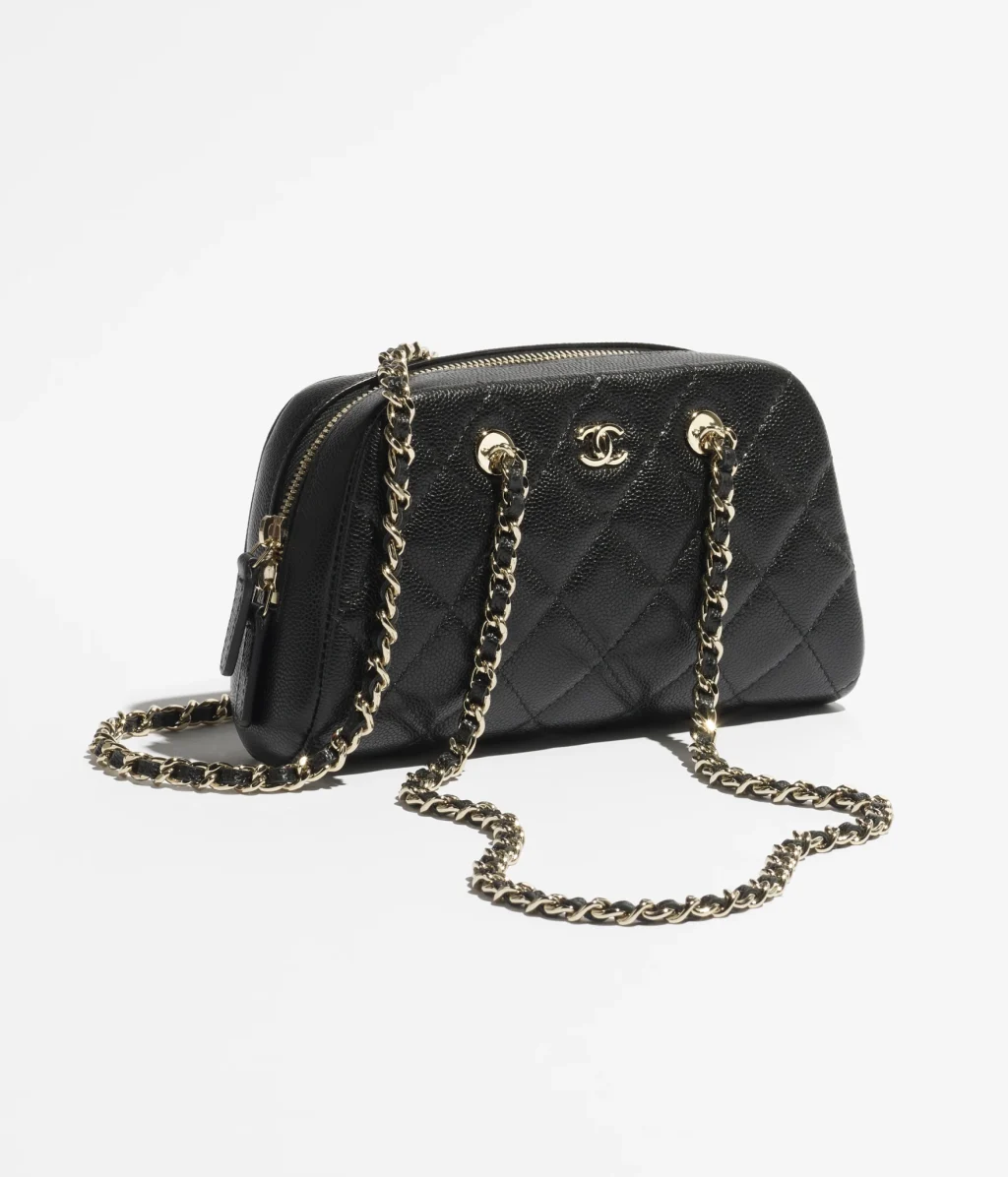
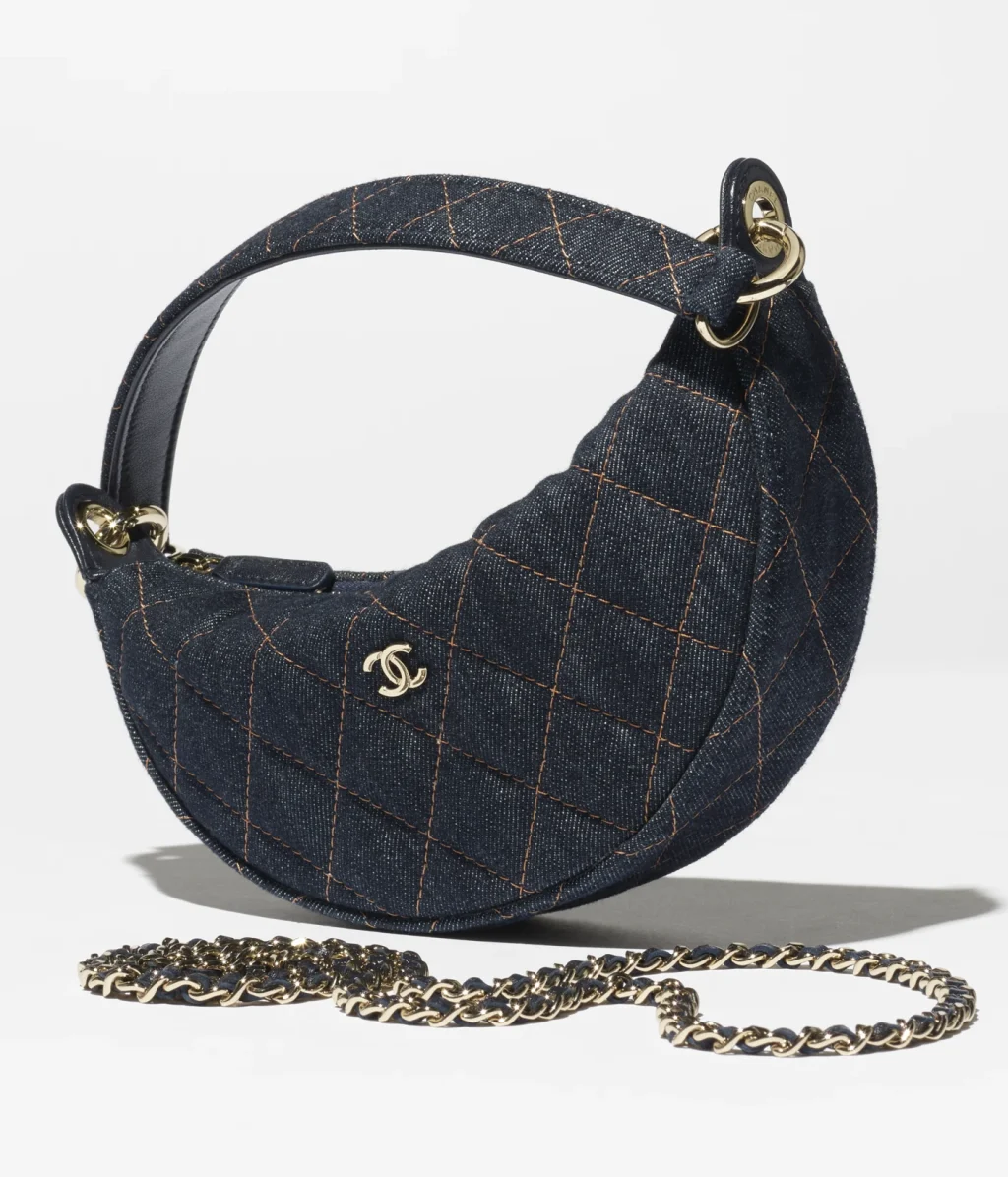
Vanities are where Chanel delivers “object luxury” at some of the most strategic prices in the edit. A classic long vanity with chain in braided raffia (black) opens at $2,825, the clearest entry point in the list. Two classic vanities with chain hold at $3,200—one in braided raffia (brown), one in denim (dark blue/orange). A long vanity with leather strap in grained shiny calfskin (light pink) steps up to $3,750, priced for leather + structure + strap function.
Wallet on chain
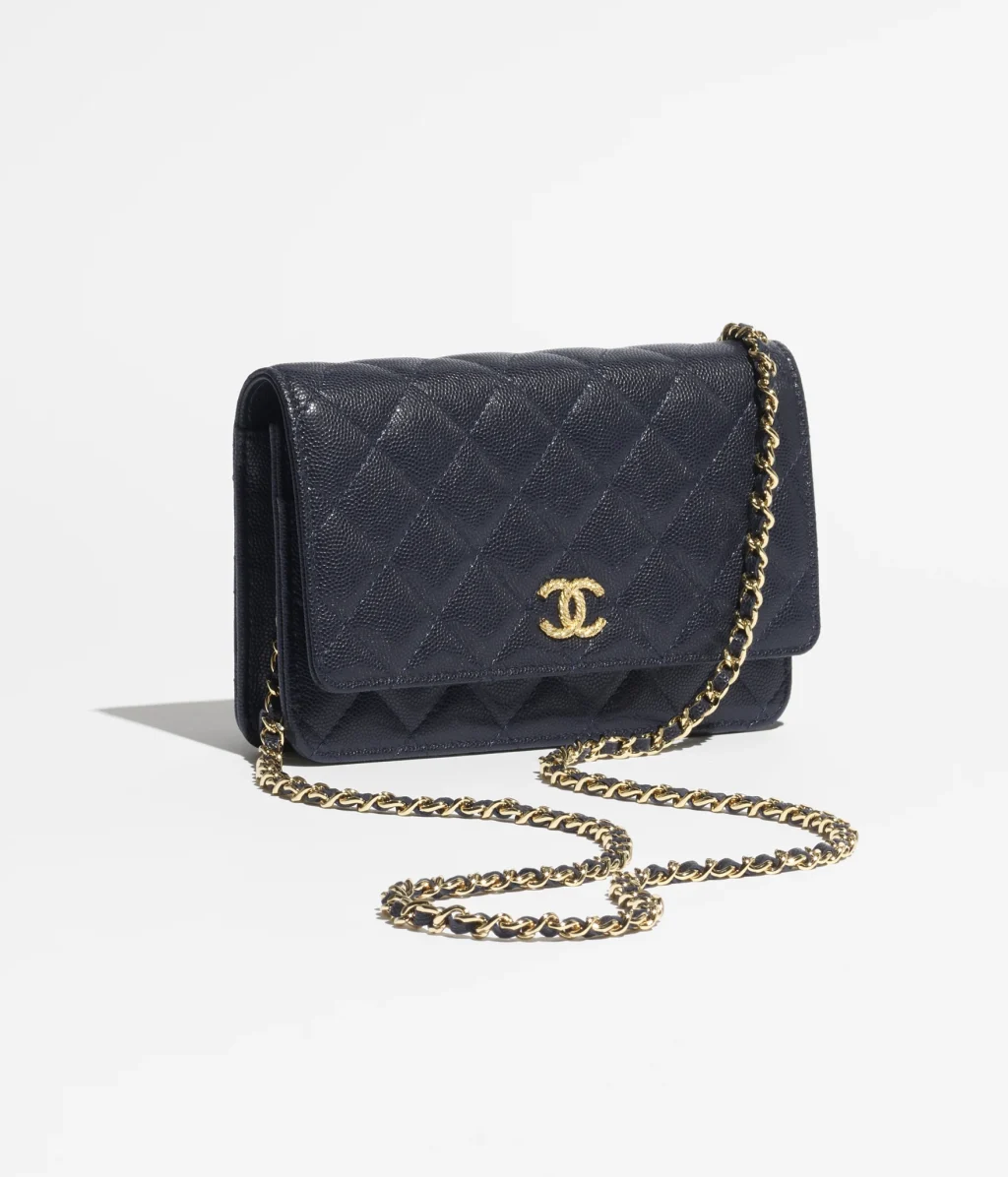
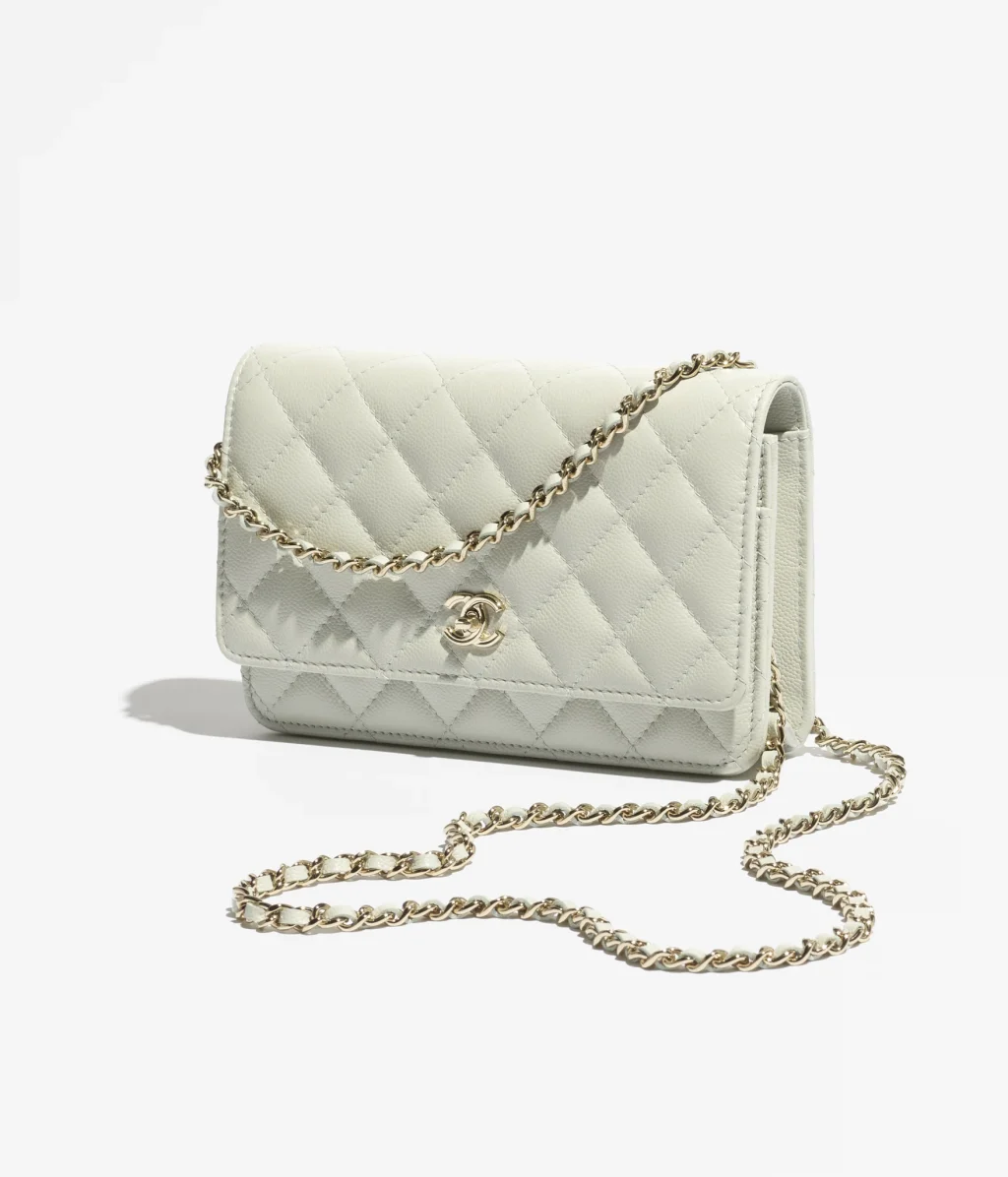
The wallet on chain in shiny grained calfskin with strass (dark blue) positions at $3,925, sitting exactly where Chanel likes “entry with impact”: below full handbag pricing, but visually special enough to anchor a look on its own.
Flap Bags vs Flapbag (and why this separation matters)
Chanel’s own navigation splits “Flap Bags” into a spectrum of codes—braid, tweed, sequins, lambskin, denim—multiple ways to speak the same language at different price altitudes. In collector terms, separating Flap Bag from Flapbag helps keep the edit readable, because Chanel uses the categories to signal styling intention as much as silhouette.
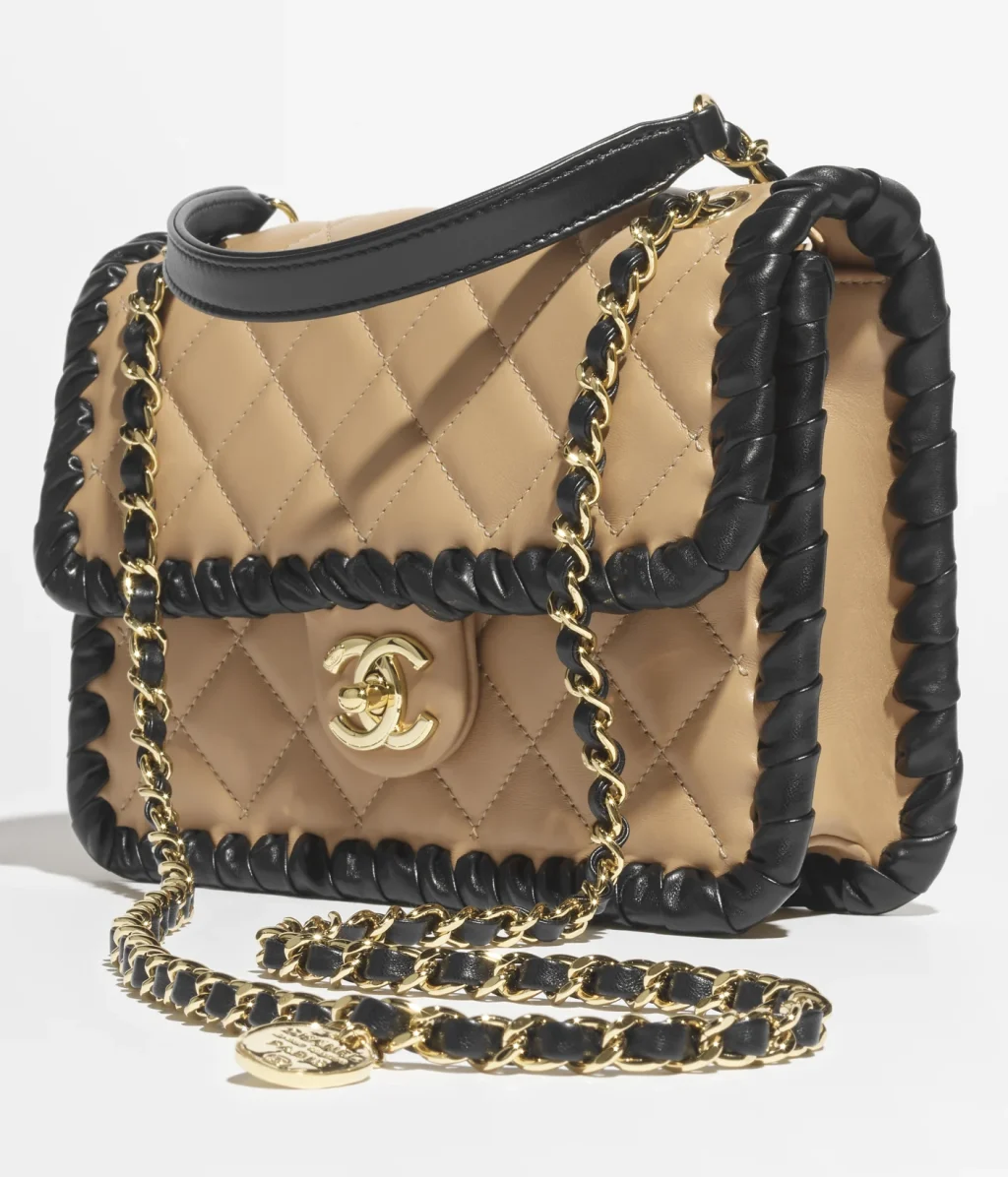
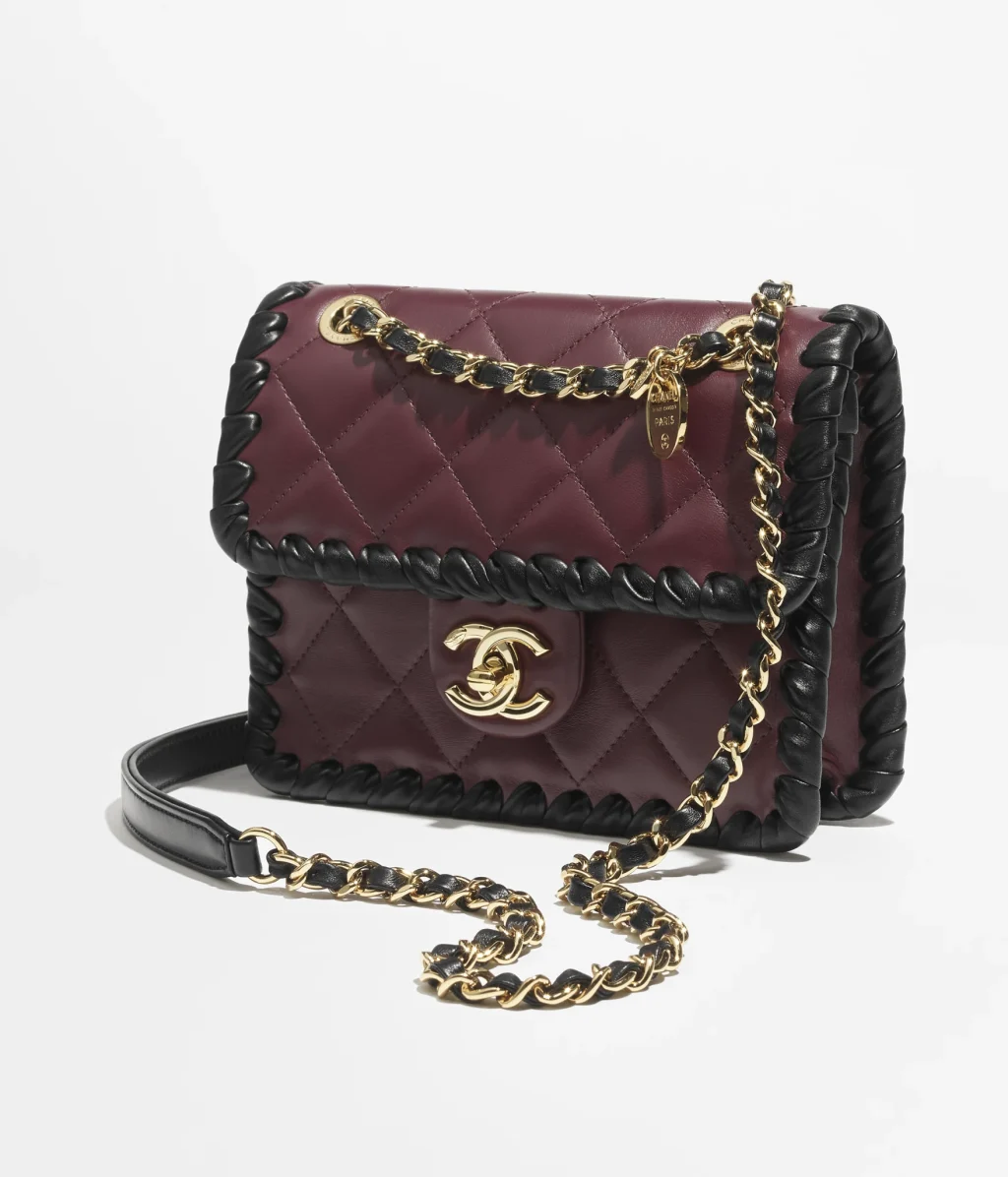
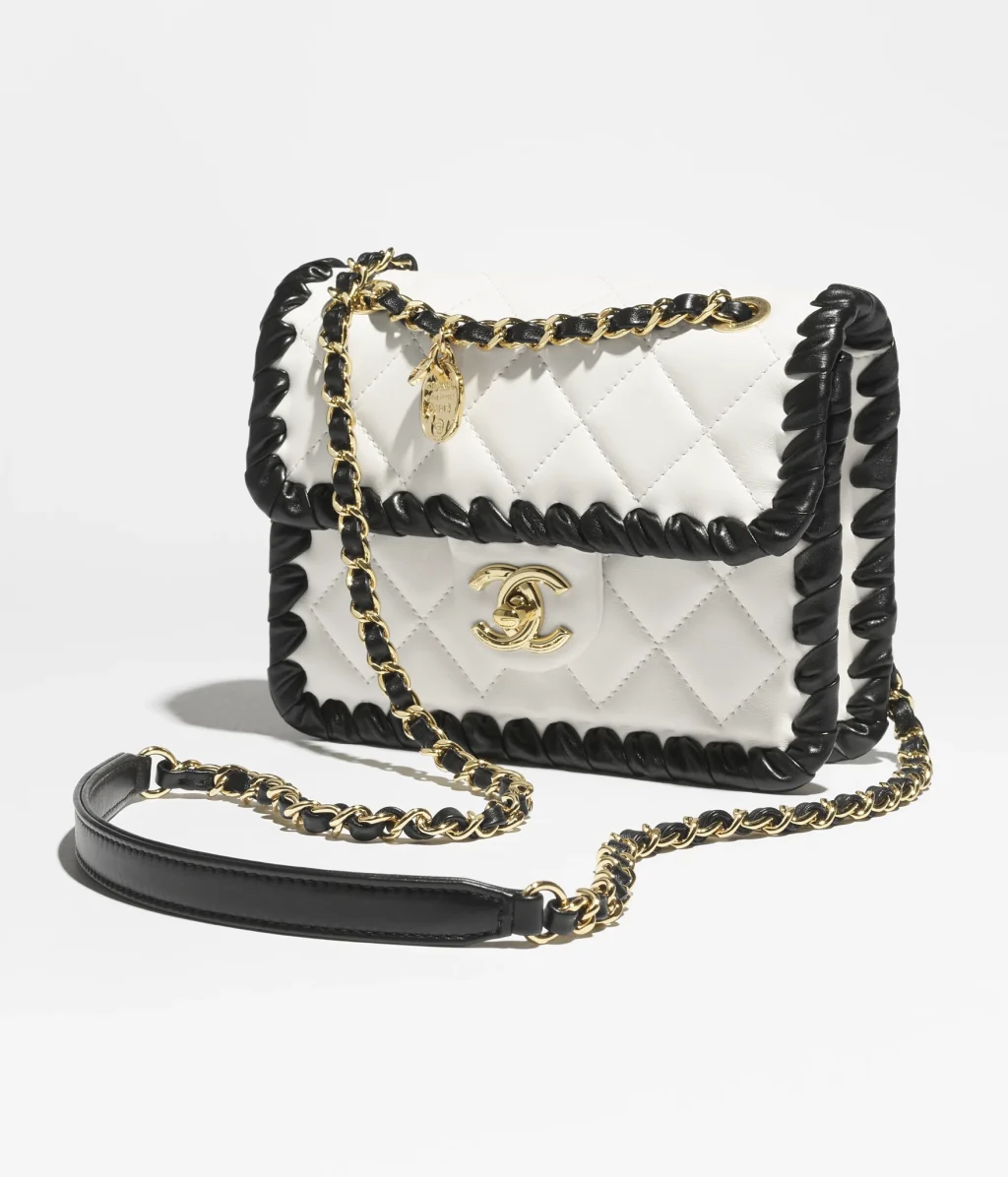
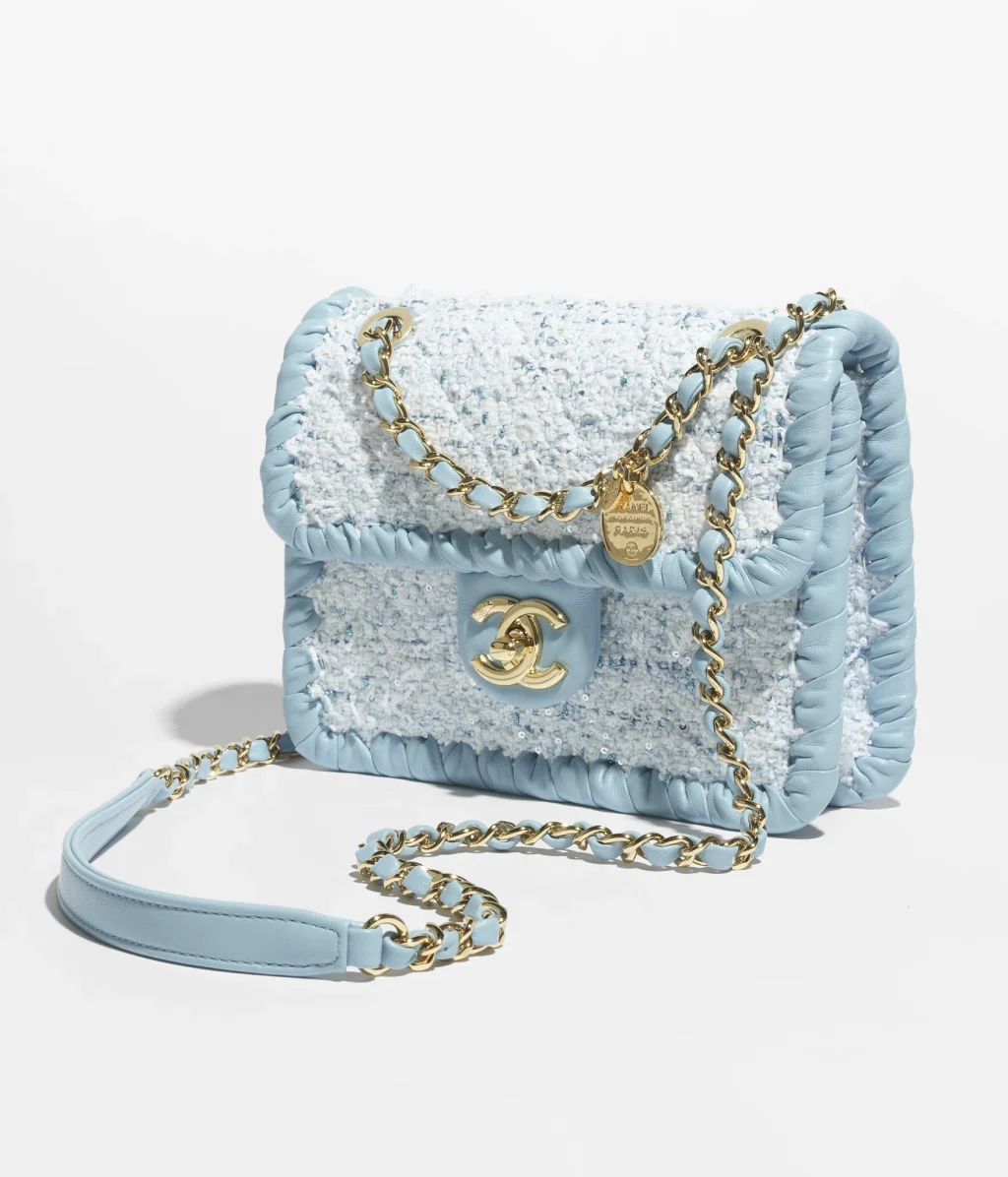
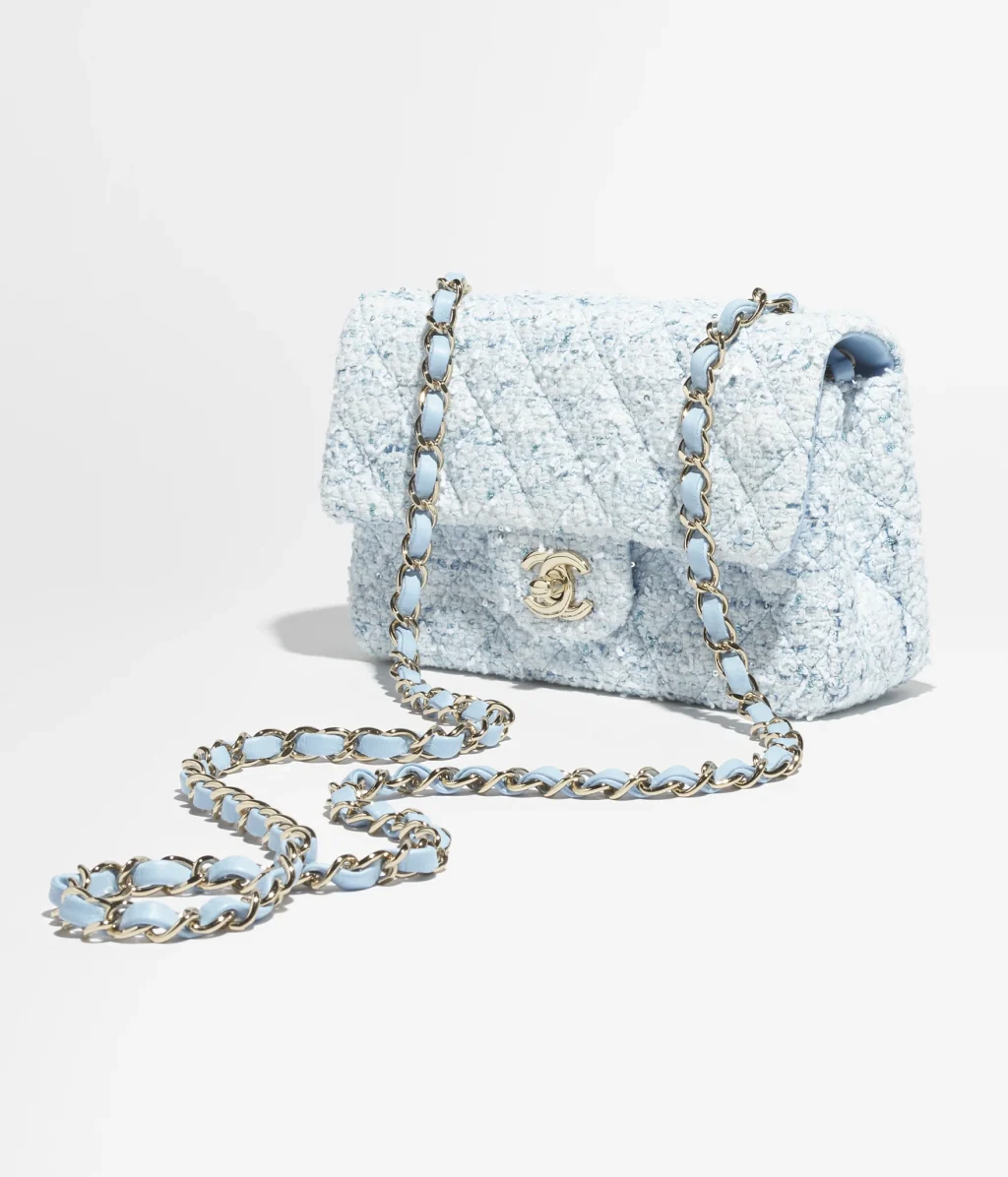
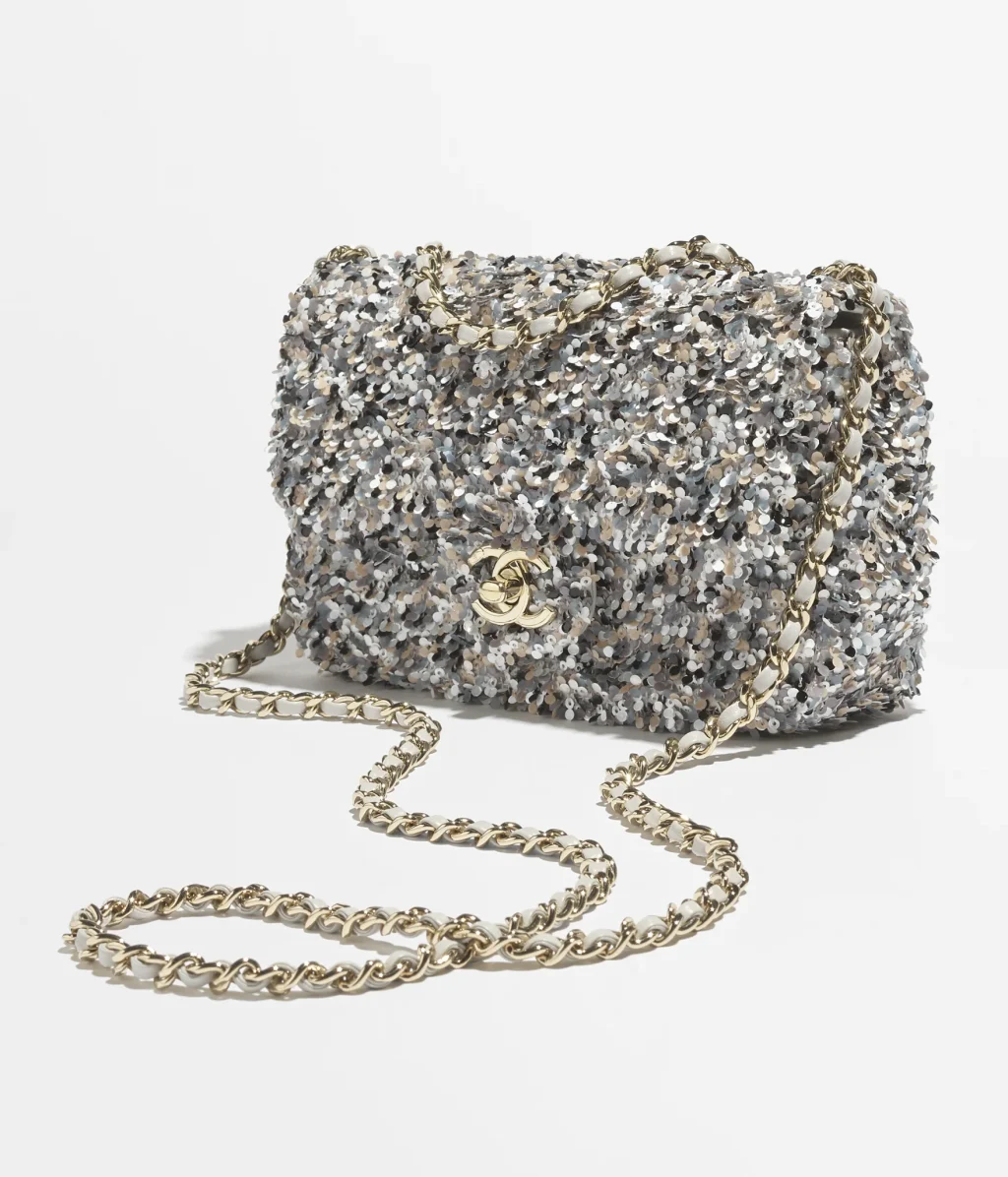
Mini flap bags in lambskin with braided calfskin trims stand at $6,500 in graphic palettes (dark burgundy/black; white/black), while a tweed mini lands at $6,200, offering heritage texture in a smaller format. The sequin mini reaches $7,500, priced for spectacle and event utility rather than daily wear.
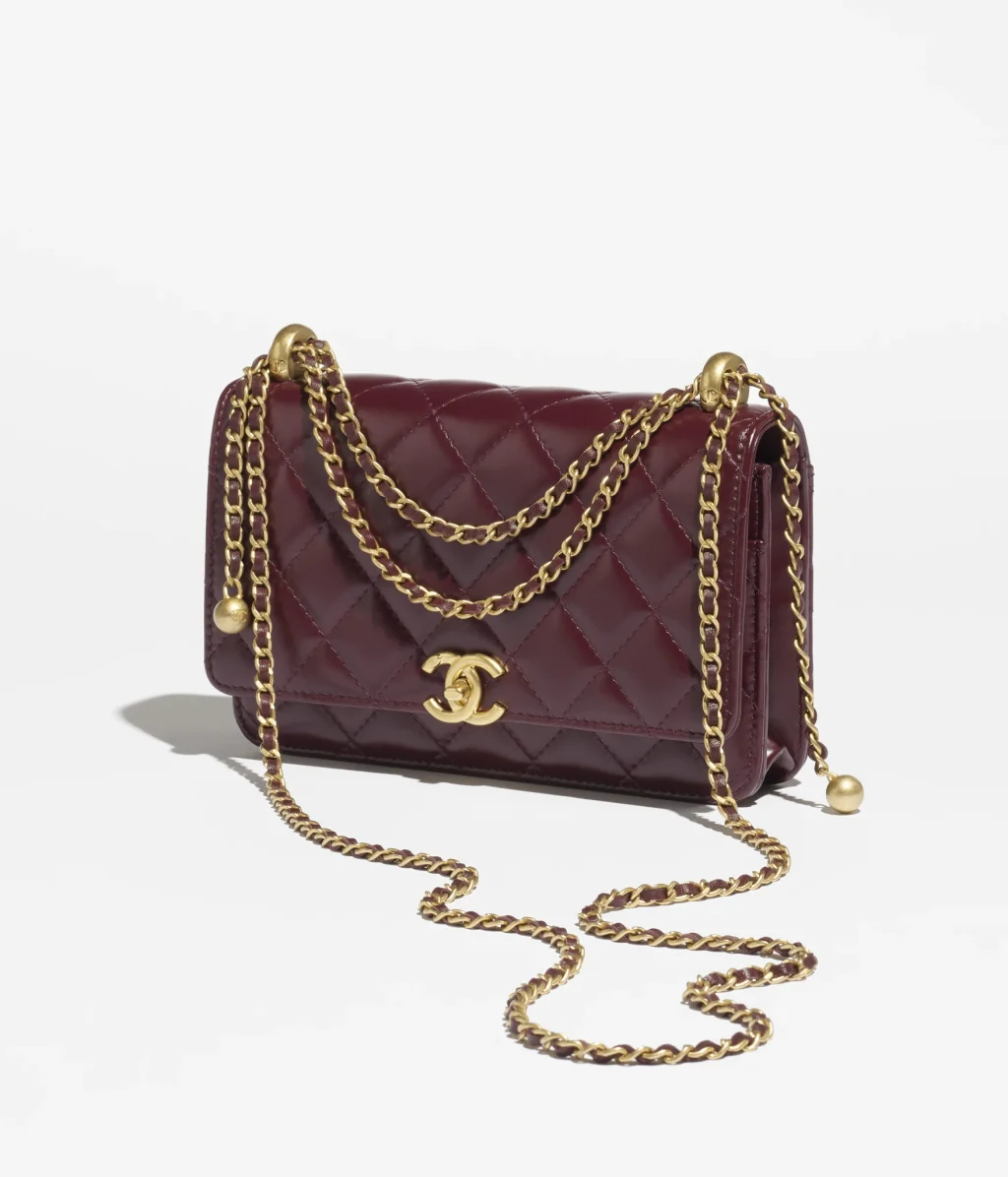
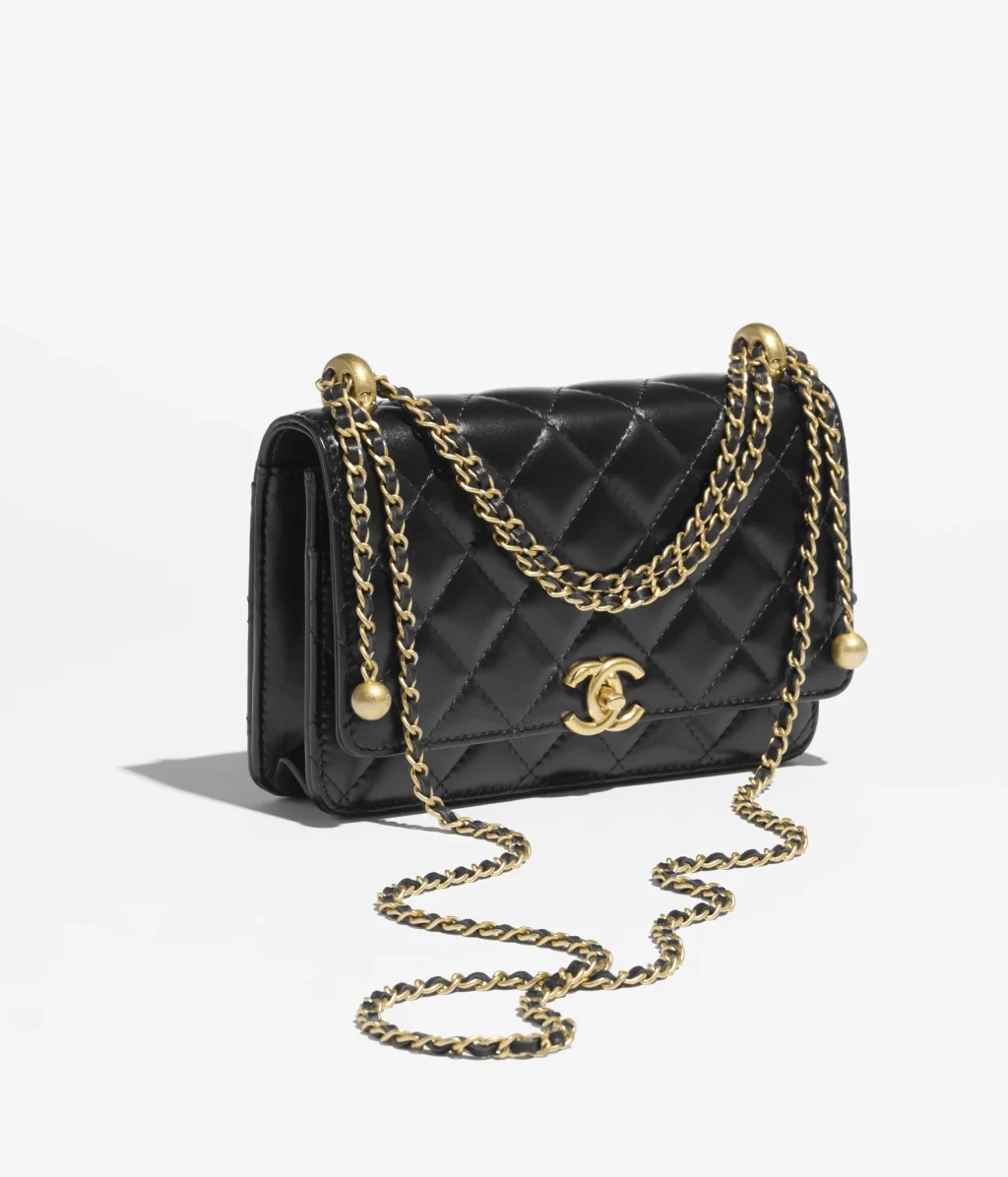
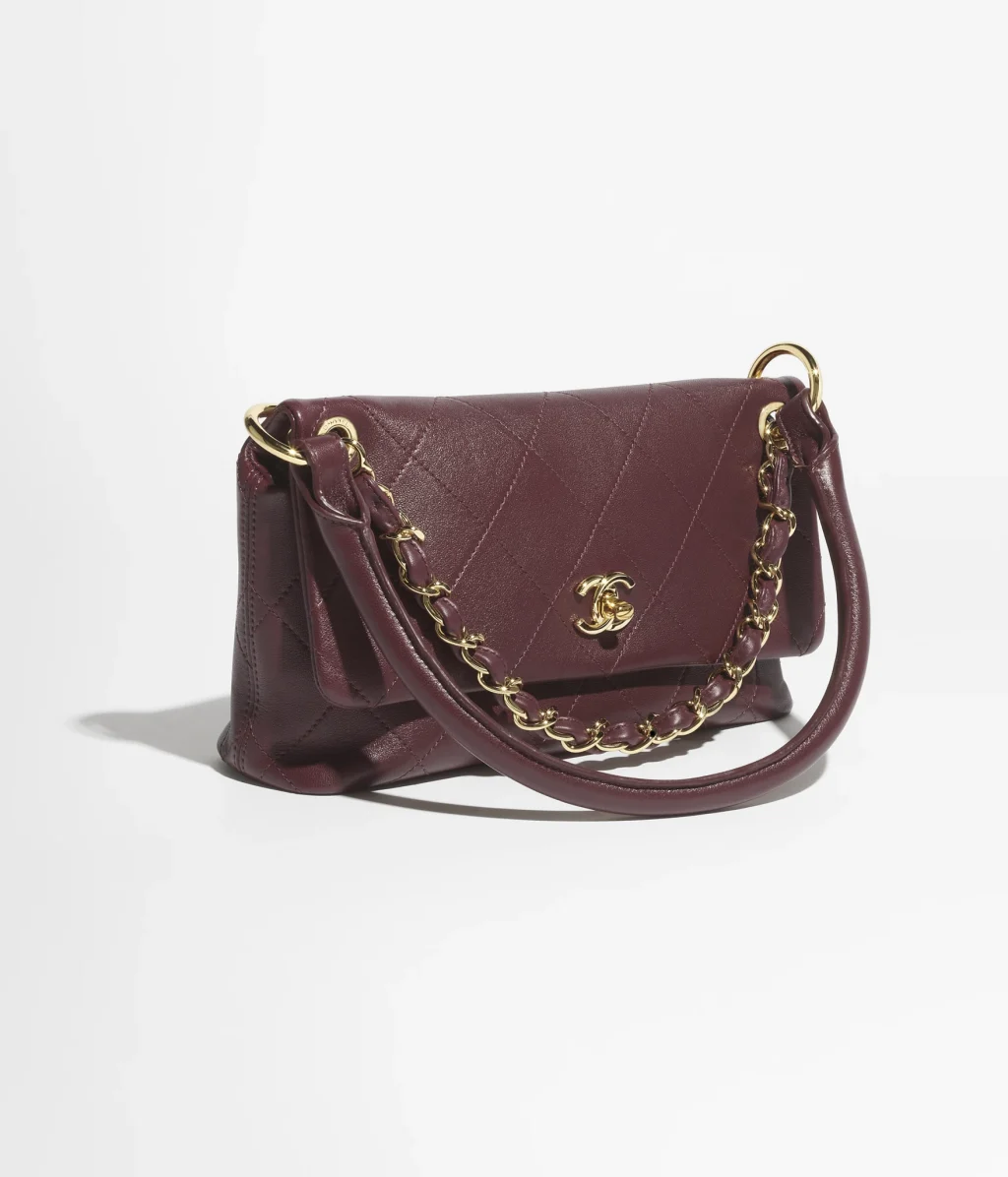
At the small scale, a lambskin flap bag with braided calfskin trims positions at $6,800, while a lambskin flap bag in dark burgundy sits at $6,400, reading as the cleaner, more classic-leaning option within the broader flap universe.
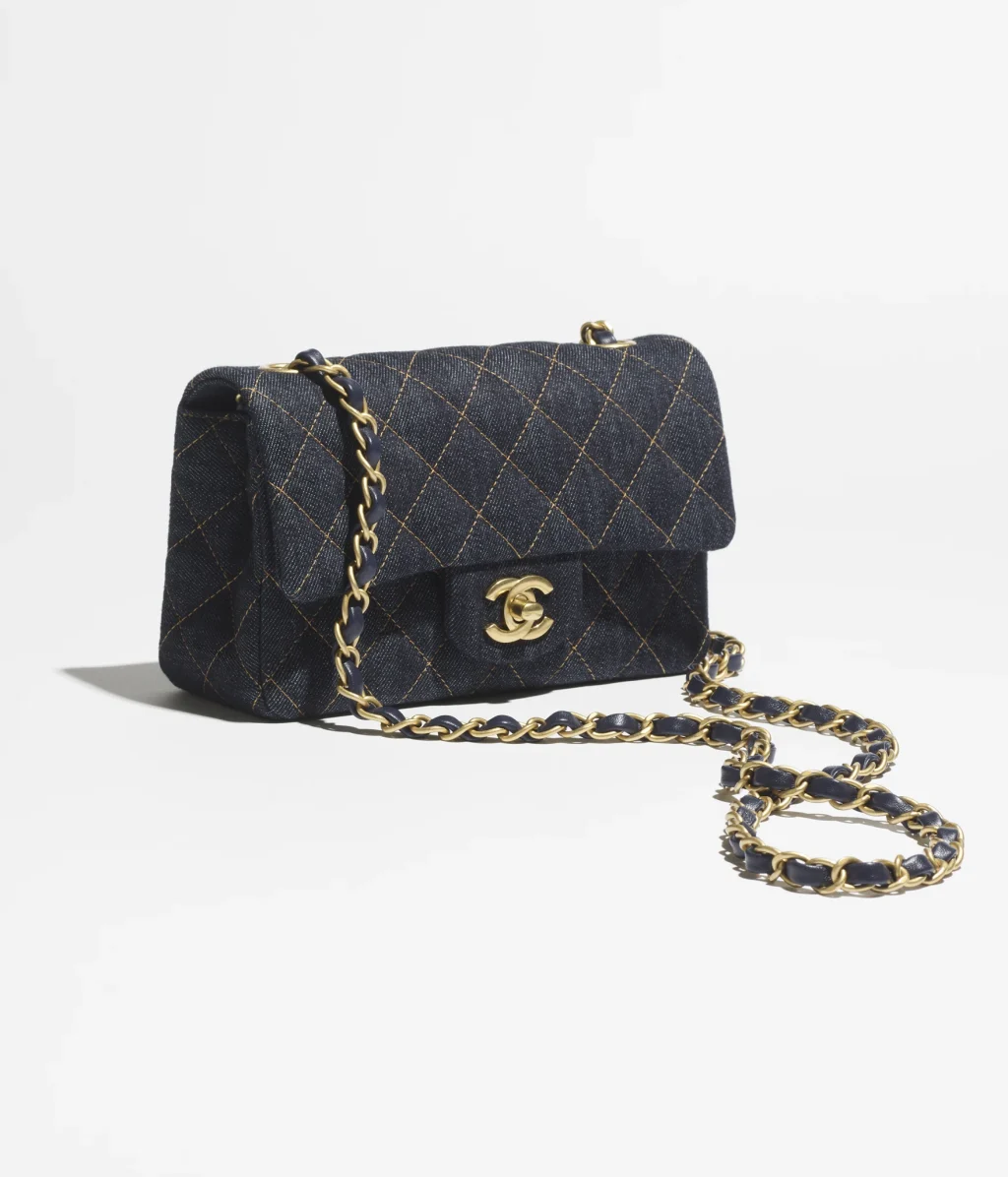
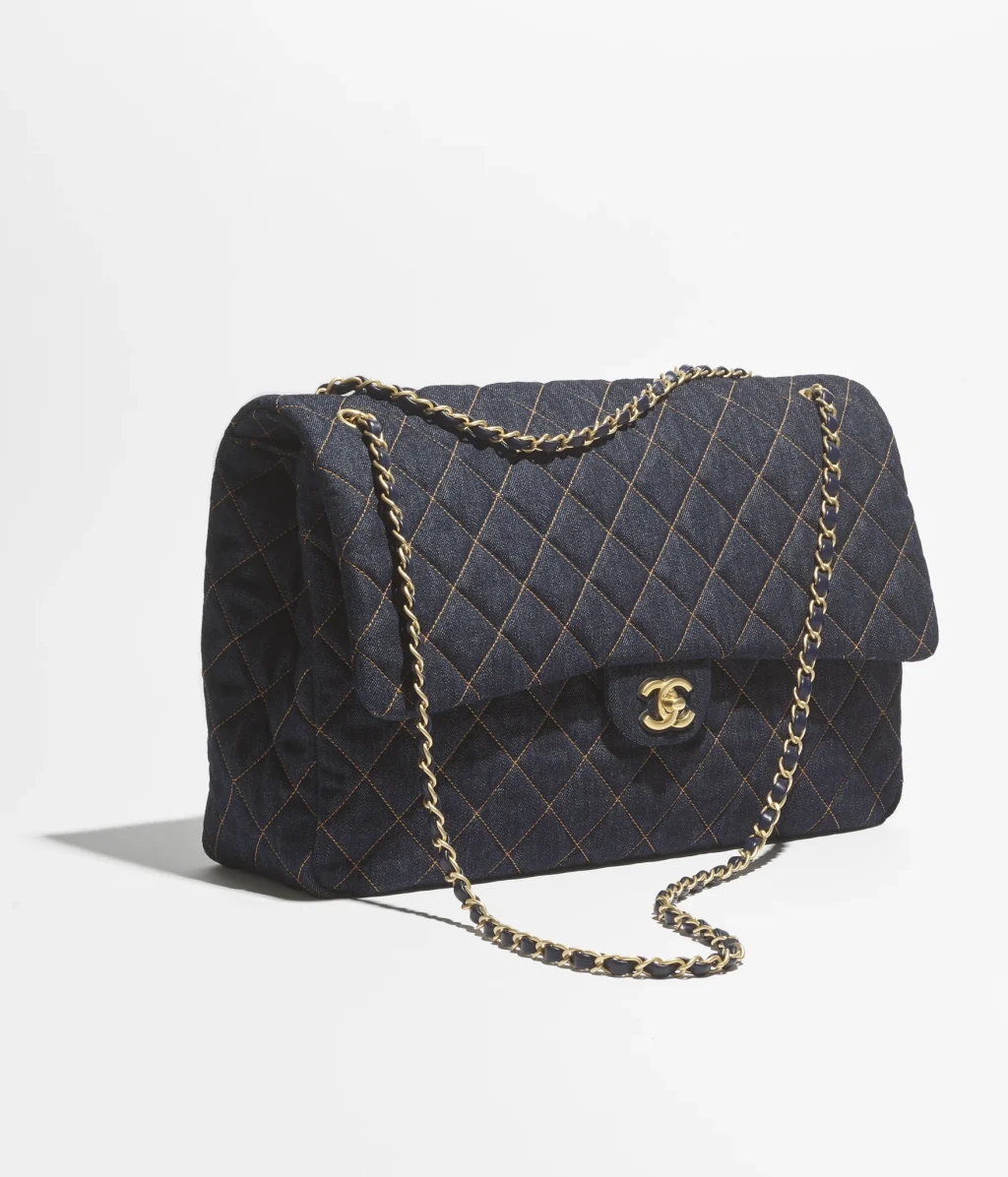
At the maxi end, a lambskin maxi flapbag (dark brown) holds at $7,400, while the denim maxi flapbag jumps to $8,700—a reminder that Chanel does not treat denim as casual when it’s paired with scale and hardware. Denim also appears in a mini classic handbag format at $5,200, offering the same material story in a sharper, smaller silhouette.
Clutches
Clutches sit where Chanel lets buyers enter the season without committing to full handbag pricing—until craft turns the piece into the outfit’s focal point.
A classic clutch with chain in denim comes in at $3,400, a braided raffia clutch with chain stands at $3,375, and a black grained shiny calfskin clutch with chain lands at $3,250—the cleanest “evening Chanel” entry in the edit. The crochet lambskin clutch with chain is the standout at $5,225, priced for technique and visual complexity; it functions less like an accessory and more like the centerpiece.
Care and shape preservation (the part collectors don’t skip)
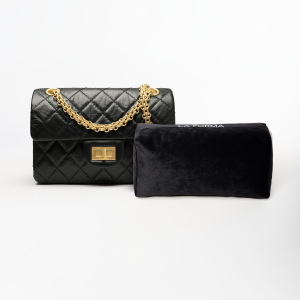
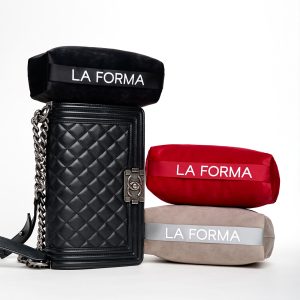
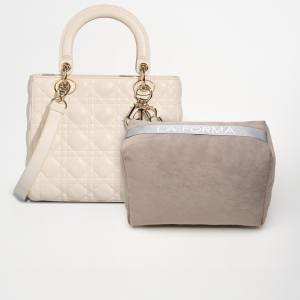
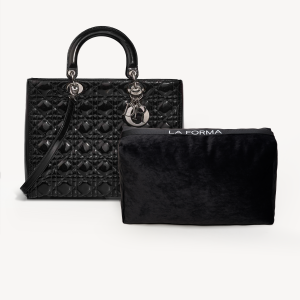
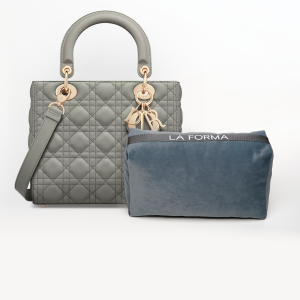
At this tier, bags rarely “wear out” first; they lose their line first. Corners soften, panels relax, interiors crease—and suddenly the bag looks older than it is. The ownership routine that preserves value is simple: store in a dust bag, keep the silhouette supported on a stable shelf, and use interior support that maintains structure between wears—especially for flaps, vanities, and structured totes.
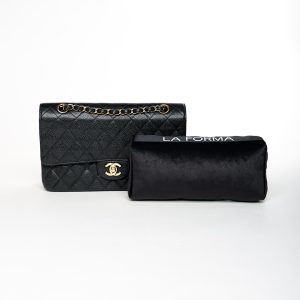
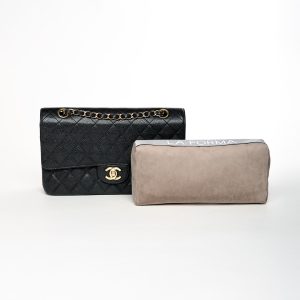
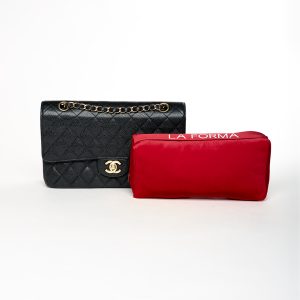
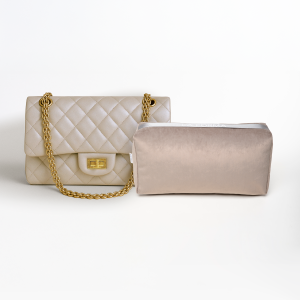
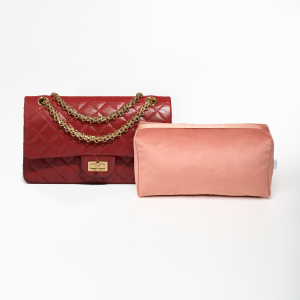
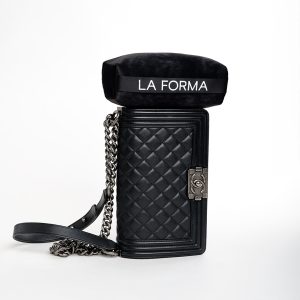
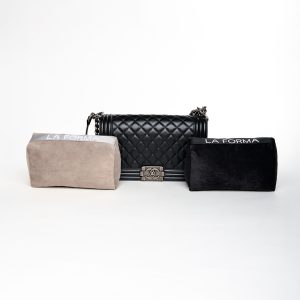
For collectors building a long-term Chanel wardrobe, LA FORMA Bag Pillows for flap bags and other structured silhouettes offer a discreet way to preserve shape without changing how the bag is worn—supporting the profile, reducing creasing, and keeping corners and panels crisp over time.