Chanel Métiers d’Art Seoul lands on May 26, as the House brings its Métiers d’Art 2025/26 collection—first staged in New York—into a new city chapter, keeping the exact Seoul venue deliberately undisclosed. This is less a rerun than a recalibration: the same collection, repositioned where craft, culture, and client energy converge.
Yes, it’s technically a reprise. But Chanel rarely treats repetition as repetition. The brand uses movement as meaning—turning a logistical decision into narrative momentum, and a change of coordinates into a strategic signal about what matters now. Métiers d’Art, after all, is not just “another category.” It’s Chanel’s most explicit manifesto on savoir-faire: the proof point that luxury still earns its status through hands, not hype.
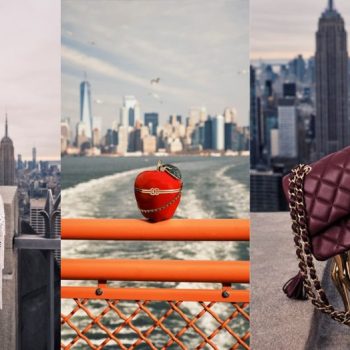
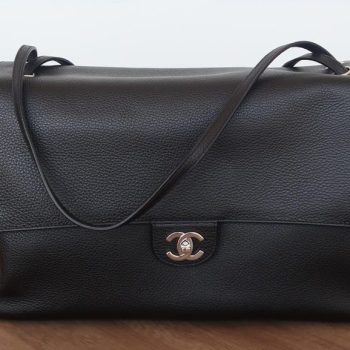
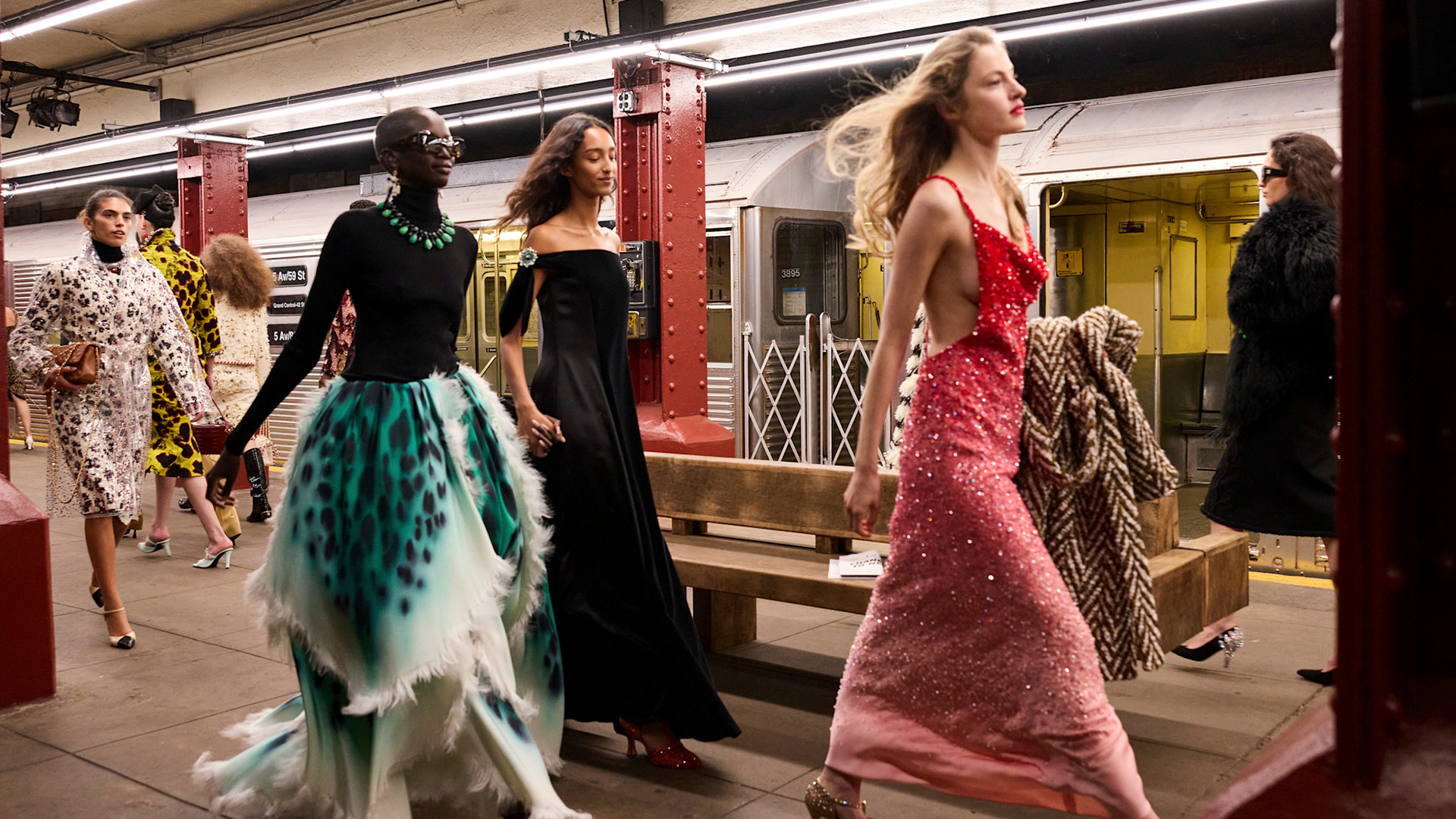
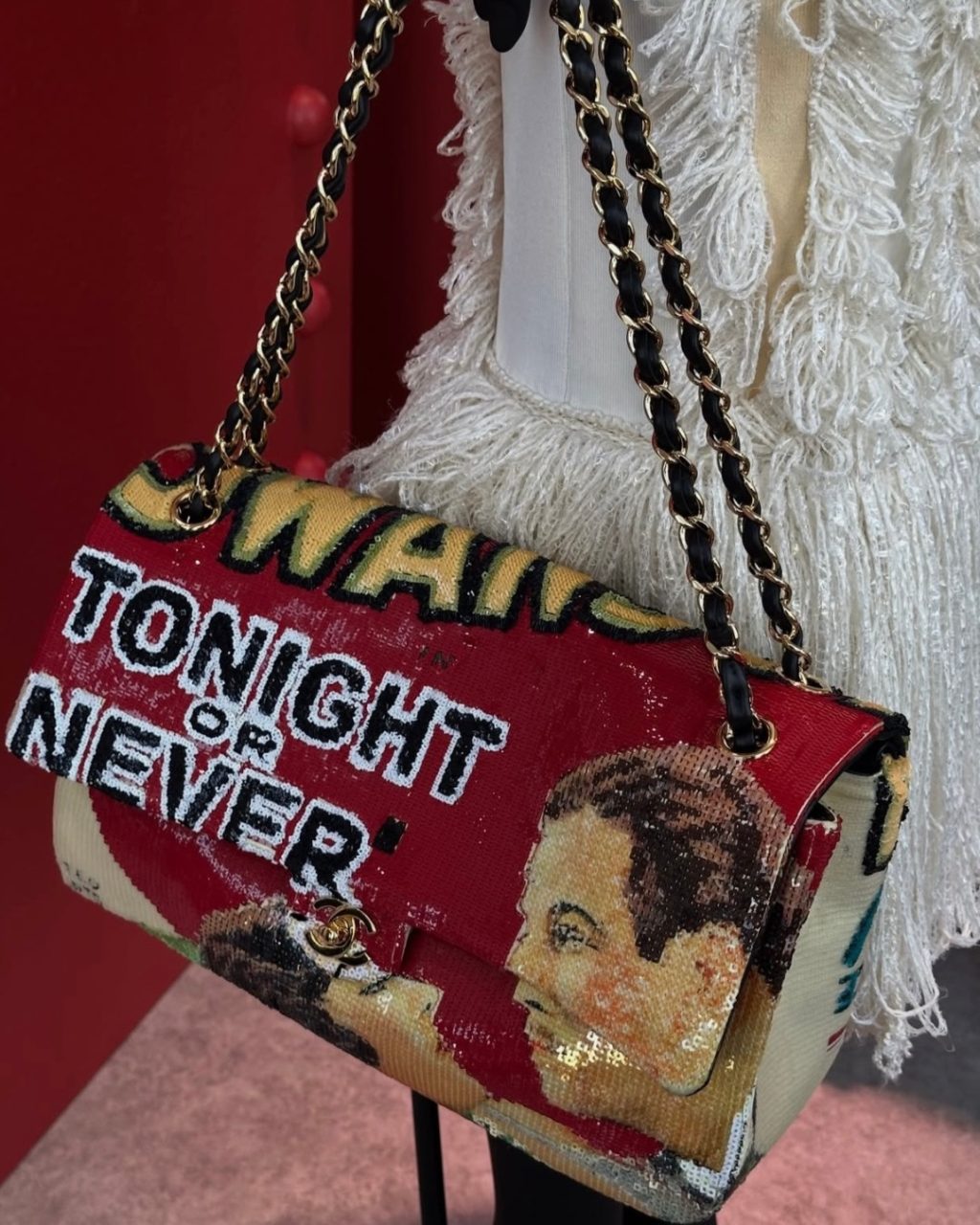
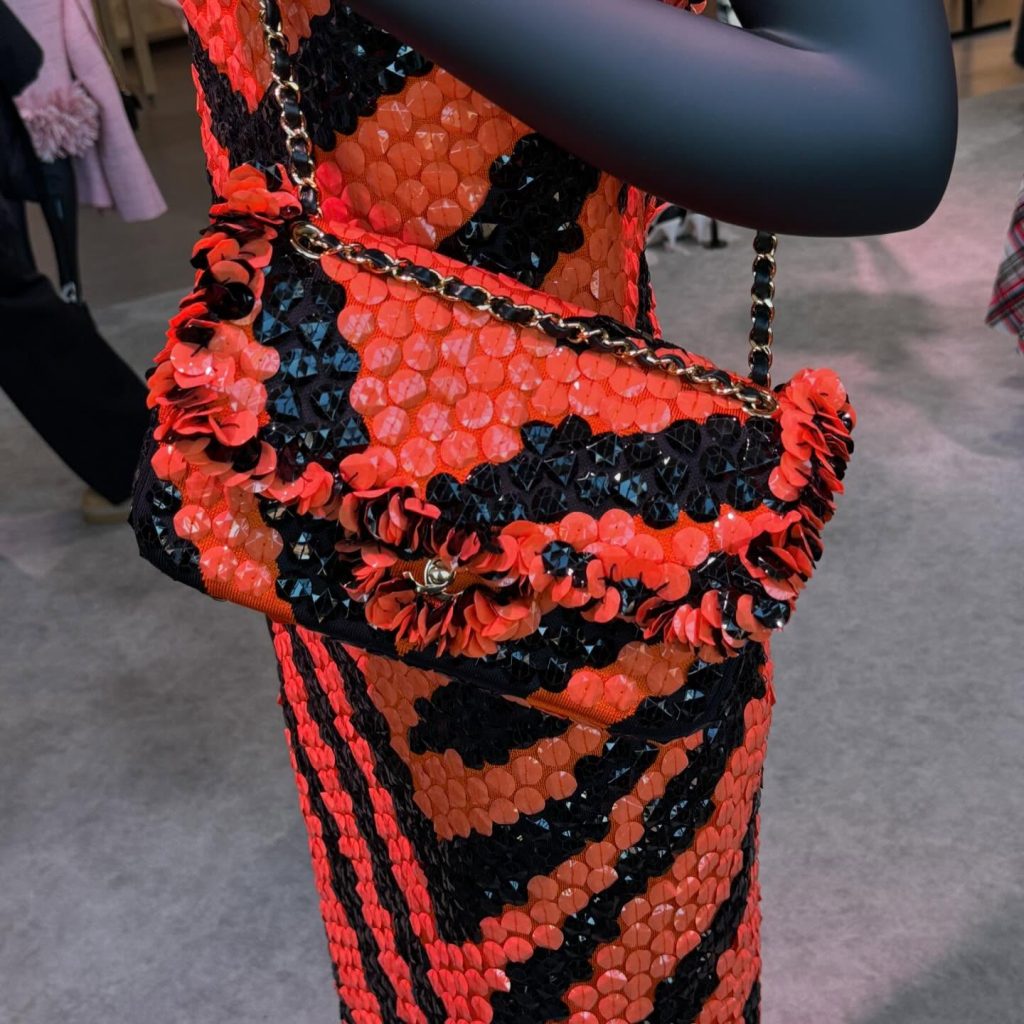
New York framed that manifesto with cinematic grit—subway-platform realism, characters in motion, accessories as the sharpest form of identity. Seoul will likely refine the same message into something even more contemporary: craft engineered for a city that reads images fast, amplifies detail instantly, and makes obsession feel like a daily language. If you want the accessory-level decoding before Seoul re-frames the collection, start with All bags from Chanel’s Métiers d’Art 2026 show in New York.
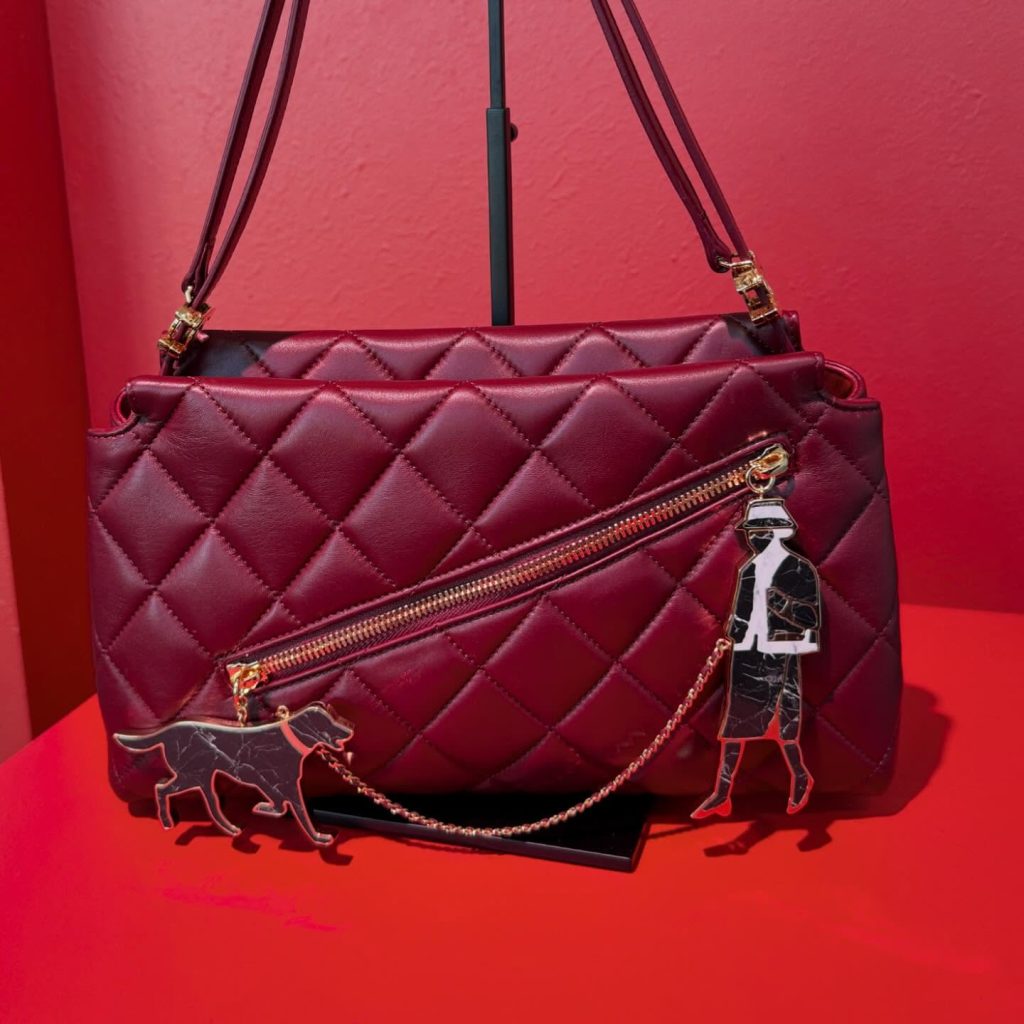
From a New York platform to a Seoul premiere
The New York Métiers d’Art show (often referred to as the Métiers d’Art 2026 collection because of its retail calendar) wasn’t a neutral backdrop moment. It was a thesis.
Chanel staged the collection in a disused New York subway setting—an environment that reads instantly, even if you’ve never lived there: rush, rhythm, proximity, personality. The show treated the commute as a social cross-section and the handbag as the most legible form of status and self-expression, the accessory you “wear” even when the rest of you is half-dressed in real life.
For the cultural map behind the show’s details, read Chanel Métiers d’Art 2026 references.
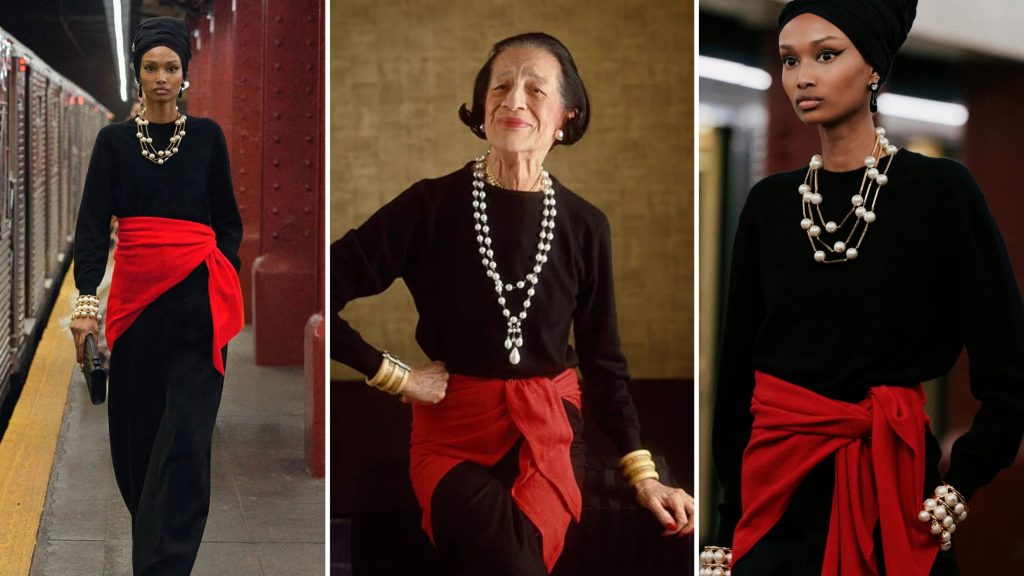
Now Chanel is essentially exporting that thesis—New York’s cast of characters, Chanel’s ateliers, Blazy’s first Métiers d’Art chapter—and asking Seoul to read it in its own language.
That is what makes this move interesting: Seoul is not a “pretty destination” choice. It’s one of the most image-literate cities in the world. A place where fashion, beauty, and pop culture don’t sit in separate departments—they form one ecosystem. Chanel knows that if the collection was built like a film, Seoul is where the audience understands editing.
Why Métiers d’Art is the collection that wants to travel
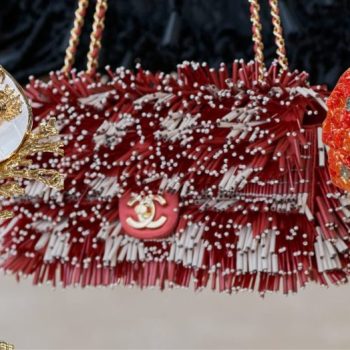
Métiers d’Art is Chanel’s annual celebration of its specialist craft houses—the embroidery, feather work, millinery, jewelry, pleating, and all the “human-only” techniques that sit behind the fantasy. The entire point is to show what hands can do that machines cannot. And for the craft backbone—Lesage, Lemarié, Montex, and more—see The ateliers powering Chanel Métiers d’Art 2026 in New York.
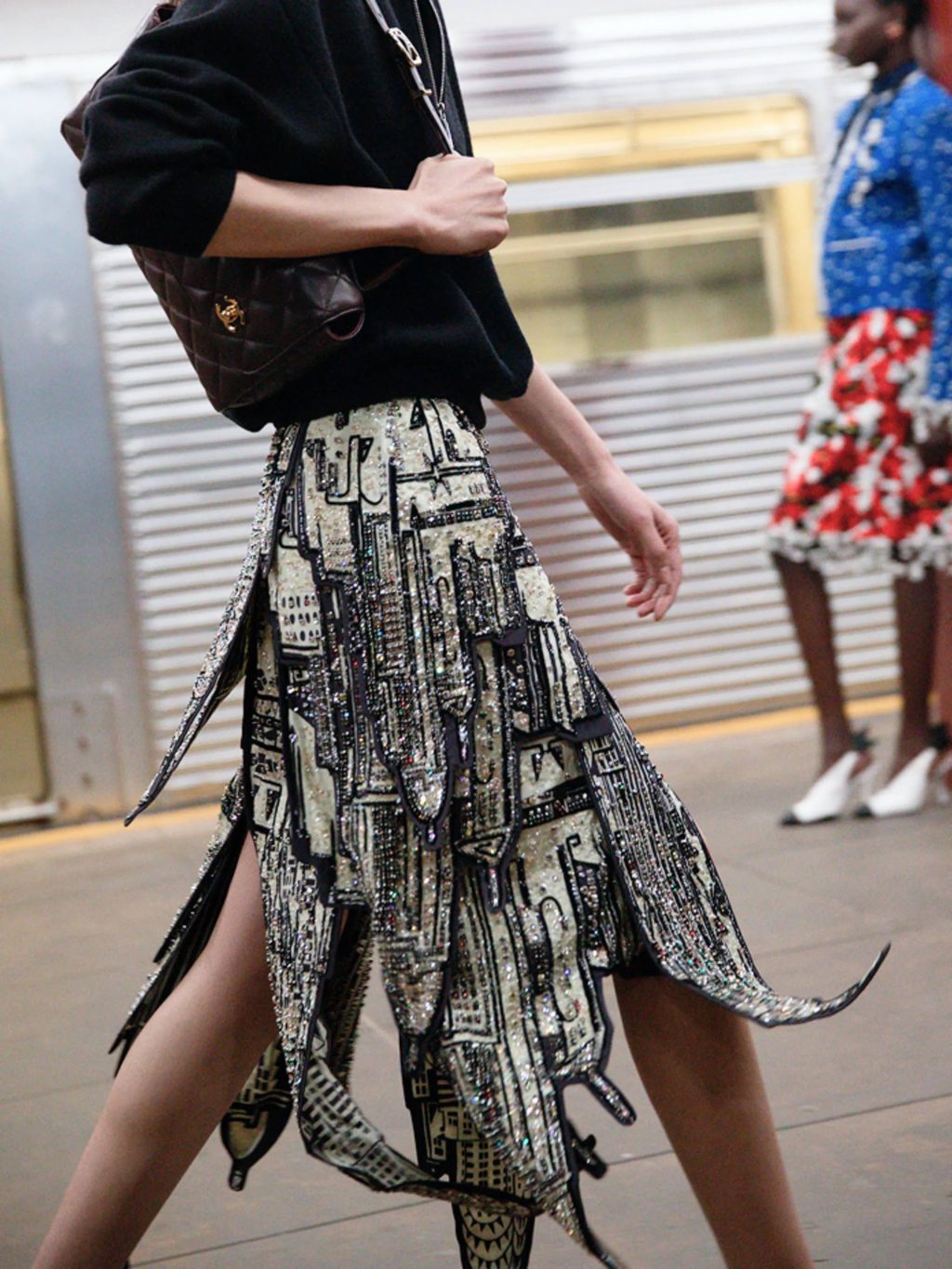
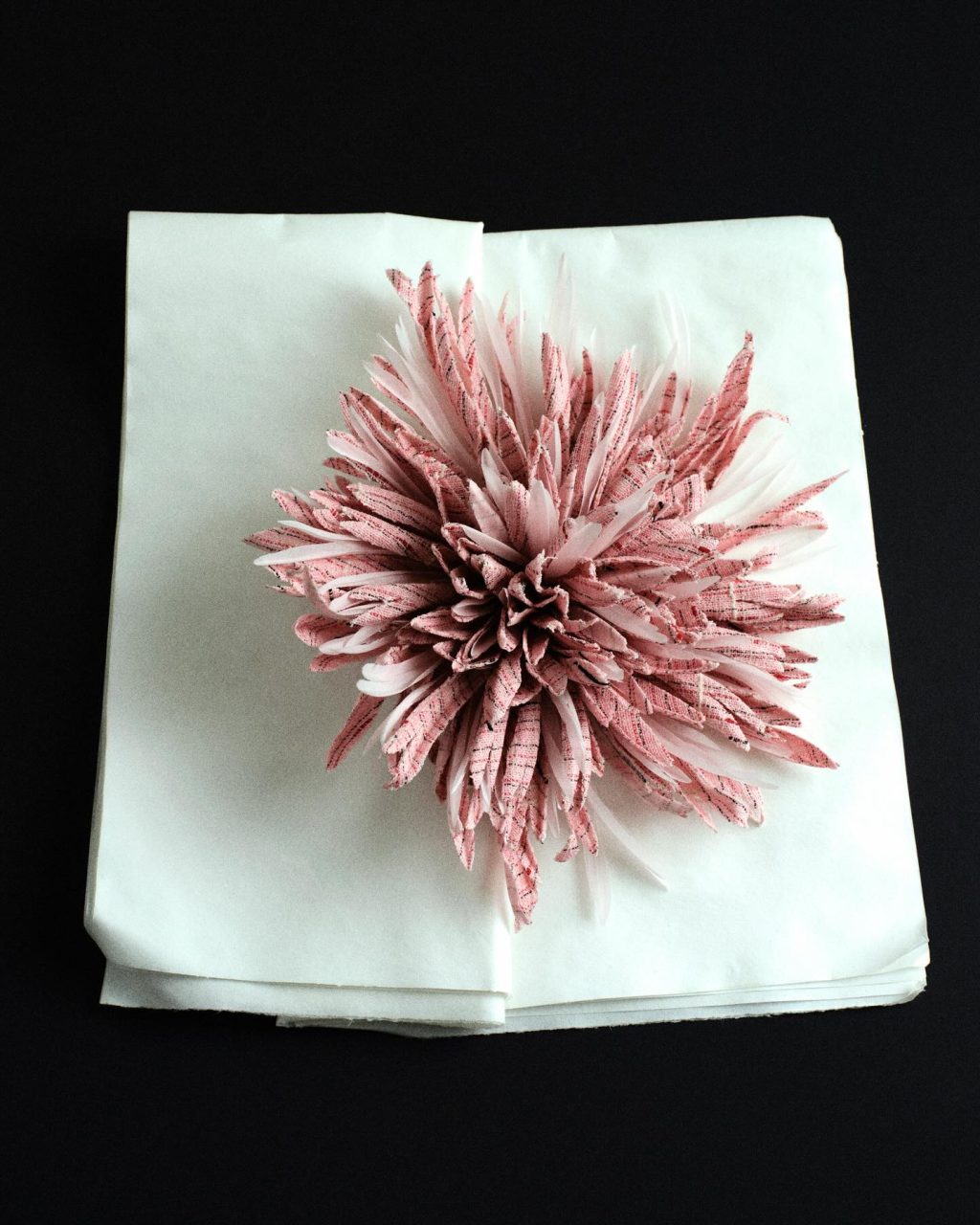
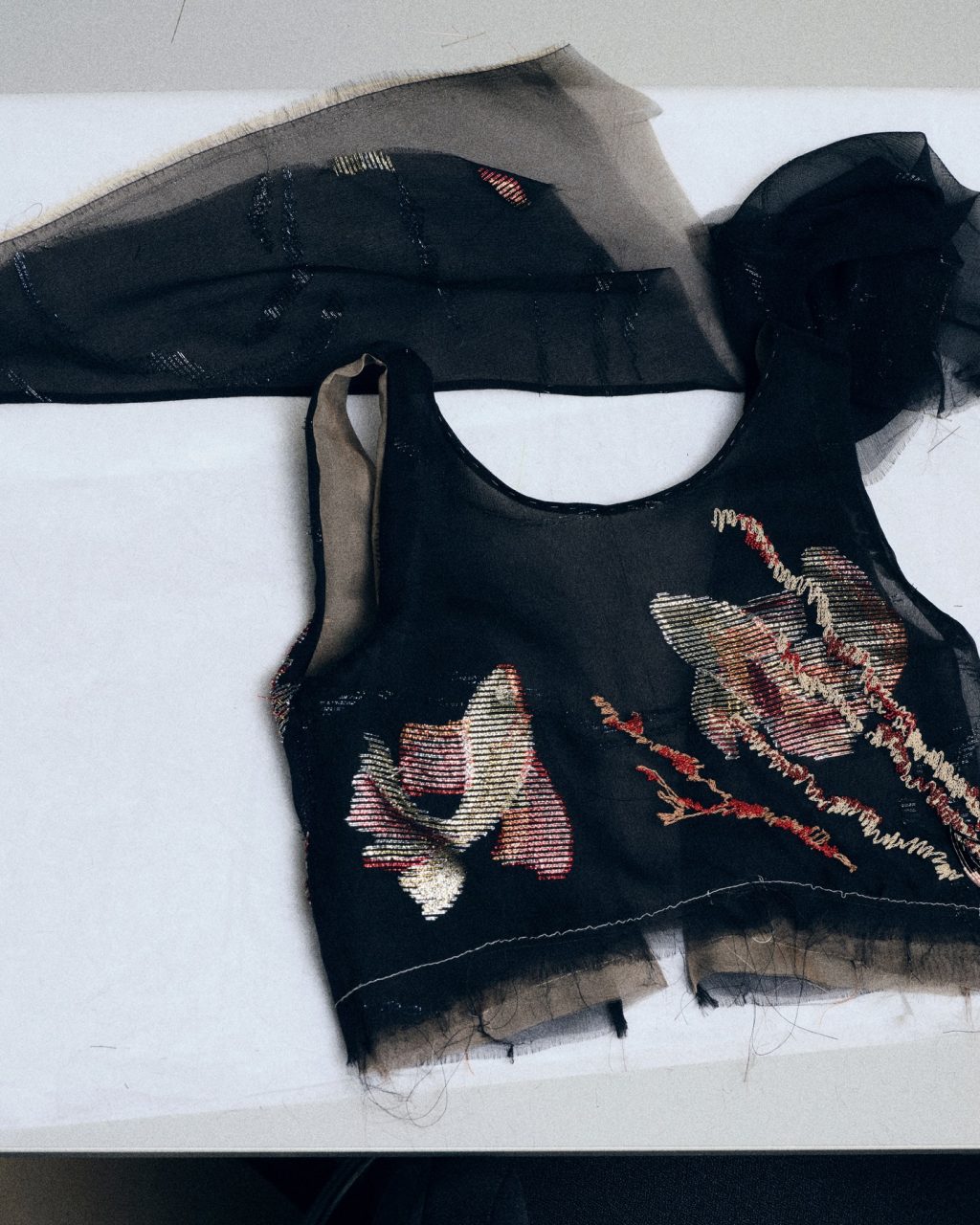
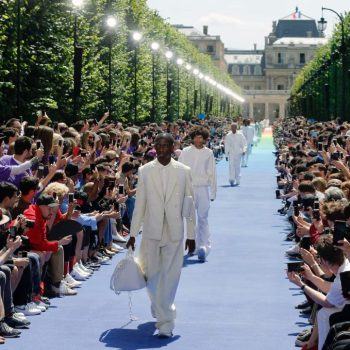
This is also why Métiers d’Art adapts so well to the replica-show model. When Chanel restages a collection, it isn’t only to replay the runway. It’s to move the craft closer to clients and to renew the emotional charge around the pieces before they land in boutiques.
In other words: a repeat show isn’t a rerun. It’s a targeted amplification—often staged in a market where Chanel’s clients are highly engaged and where cultural influence travels fast across borders.
You can see this logic in how Chanel has increasingly used replica presentations globally (Cruise, in particular), treating them as client-facing spectacles that keep the collection alive long after the first runway moment.
Why Seoul makes sense for this New York collection
If New York is the collection’s mood board, Seoul is its mirror.
Seoul is where luxury becomes daily content—absorbed, analyzed, reposted, remixed. It’s a city that understands “craft” but also understands “drop culture.” It understands heritage, but it also runs on immediacy. And Métiers d’Art 2025/26—despite being the most craft-laden Chanel category—was staged in a way that felt deliberately contemporary: public-space energy, character styling, accessories with personality, and a sense of movement.
Seoul can hold both sides of that contradiction at once. It can host a show that’s technically about savoir-faire, while the front row and the street outside make it trend.
This is also a market where Chanel’s presence is decades deep. Chanel entered South Korea in the early 1990s via fragrance and beauty, and established fashion retail a few years later—an arc that mirrors how many luxury maisons built their footprint in the region: beauty first, then wardrobe, then cultural dominance.
Chanel and Seoul: A relationship built through “return visits”
Chanel’s history with Seoul isn’t just retail—it’s runway memory. The House has returned repeatedly, and often with the same intent: bring a collection “home” to the clients who will carry it, and let the city add its own atmosphere.
A few pivotal moments sketch the pattern:
1992–1997: the market foundation. Chanel’s early entry into South Korea is widely cited as starting through beauty distribution before expanding into fashion retail. The Fashion Law
2011: a Cruise collection reprise in Seoul. Chanel restaged its Cruise show in Seoul at AX-Korea on Nov. 10, 2011, explicitly framing it as a reprise of a runway originally staged elsewhere.
2015: the Seoul Cruise show as a global statement. Chanel staged the Cruise 2015/16 show at Dongdaemun Design Plaza on May 4, 2015, a location choice that already hinted at Seoul’s pull as an architectural and cultural stage.
2019: Métiers d’Art Paris–New York arrives in Seoul. Chanel brought the Paris–New York Métiers d’Art collection to Seoul on May 28, 2019, further proving that the city is not just a Cruise destination—it’s a Métiers d’Art one, too.
And now, in 2026, Chanel is repeating the cycle—restaging the New York Métiers d’Art show in Seoul on May 26.
The through-line is clear: Seoul is one of the few cities Chanel treats as a legitimate second runway capital for major collections, not just an afterparty stop.
What changes when a show moves cities
Chanel hasn’t disclosed the Seoul venue yet. wwd.com That secrecy matters, because the venue is the first line of the script.
A New York subway platform is a story about movement, anonymity, friction, and style as instinct. Seoul, depending on the venue, can shift the tone in several directions without changing a single garment:
- Architecture as precision. Seoul is a city where design reads as discipline. A stark modern venue would sharpen the collection’s line-work and tailoring message.
- Heritage as atmosphere. A more historic or culturally loaded venue would push Métiers d’Art back toward its roots: craft as lineage, not just novelty.
- Nightlife as glamour. If Chanel opts for a high-energy, high-light environment, the show will likely lean into accessories, sparkle, and the “bag as personality” aspect that played so well in New York.
What almost certainly won’t change is the collection’s core proposition: this is the craft-focused lineup that introduces Matthieu Blazy’s Métiers d’Art language—how he wants Chanel to feel when it’s not chasing trends, but building icons.