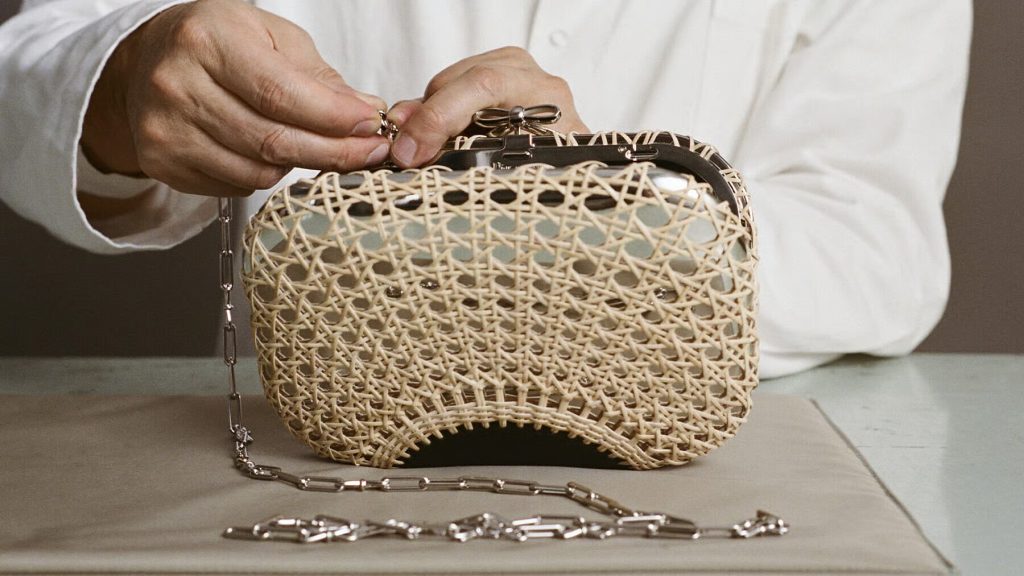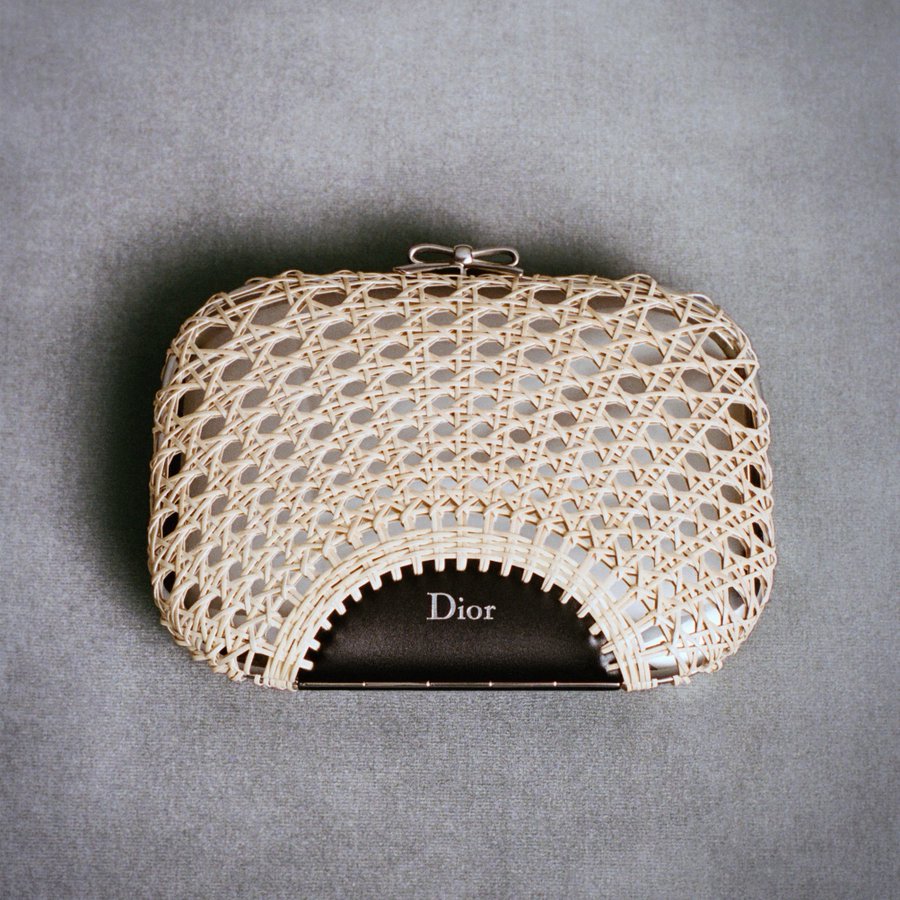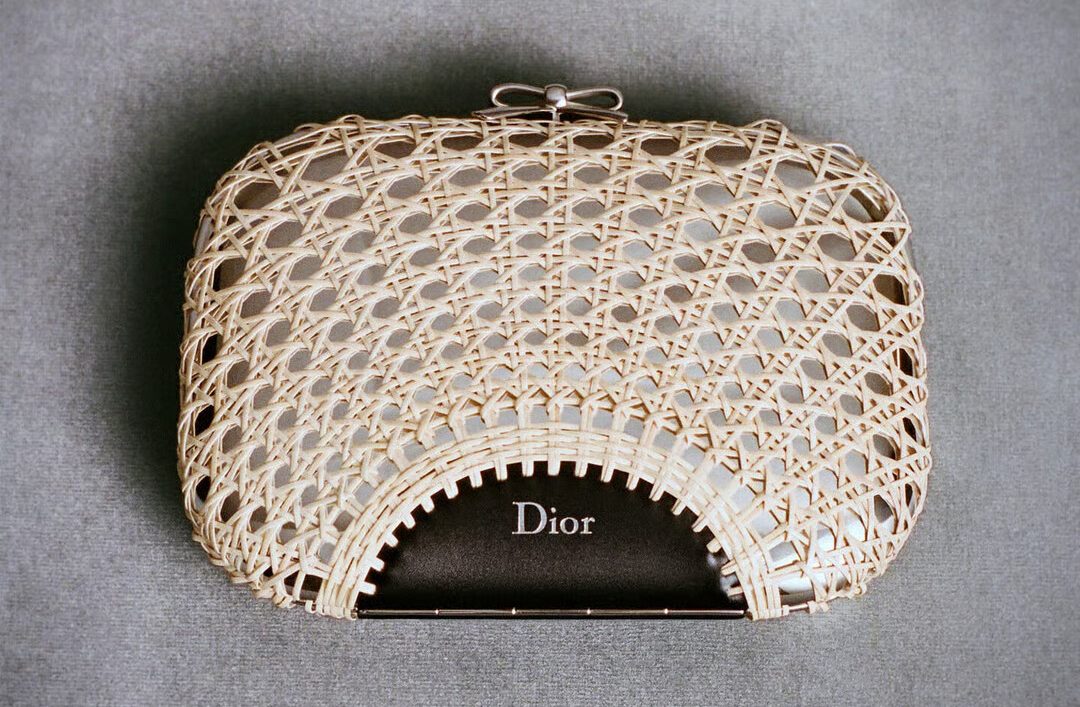
The Dior Petit Dîner Bag is one of the most intriguing evening bags from Dior’s Spring-Summer 2026 collection: a compact metal minaudière wrapped in hand-woven Cannage raffia, finished with a bow-shaped clasp and rooted in the House’s post-war couture vocabulary.
Dior Spring-Summer 2026: A Collection Built Around the Archive
For Spring-Summer 2026, Dior returned to its own memory with a sharper, more playful eye. The collection revisited archival ideas rather than treating them as museum pieces, bringing early couture codes into a lighter, more contemporary rhythm. Among the most precise objects in the collection is the Dior Petit Dîner Bag, a small evening piece inspired by a 1948 Haute Couture dress.
That reference matters. In the late 1940s, Christian Dior was reshaping eveningwear through structure, ceremony and silhouette. The Petit Dîner does something similar at accessory scale: it compresses couture gesture into a rigid object small enough to hold in one hand.
The Invitation: A Bag That Feels Like an Object Before It Feels Like an Accessory
The Petit Dîner Bag belongs to the world of the evening minaudière, but Dior gives it the tension of a crafted object. It is not simply a small bag covered in raffia. Its construction depends on contrast: natural fibre against polished metal, openwork Cannage against a gleaming shell, a delicate bow placed on a hard architectural body.
This is where the bag becomes interesting. The form is compact and almost ceremonial, while the raffia softens the surface. It has the logic of a dinner piece, but also the intimacy of handwork.
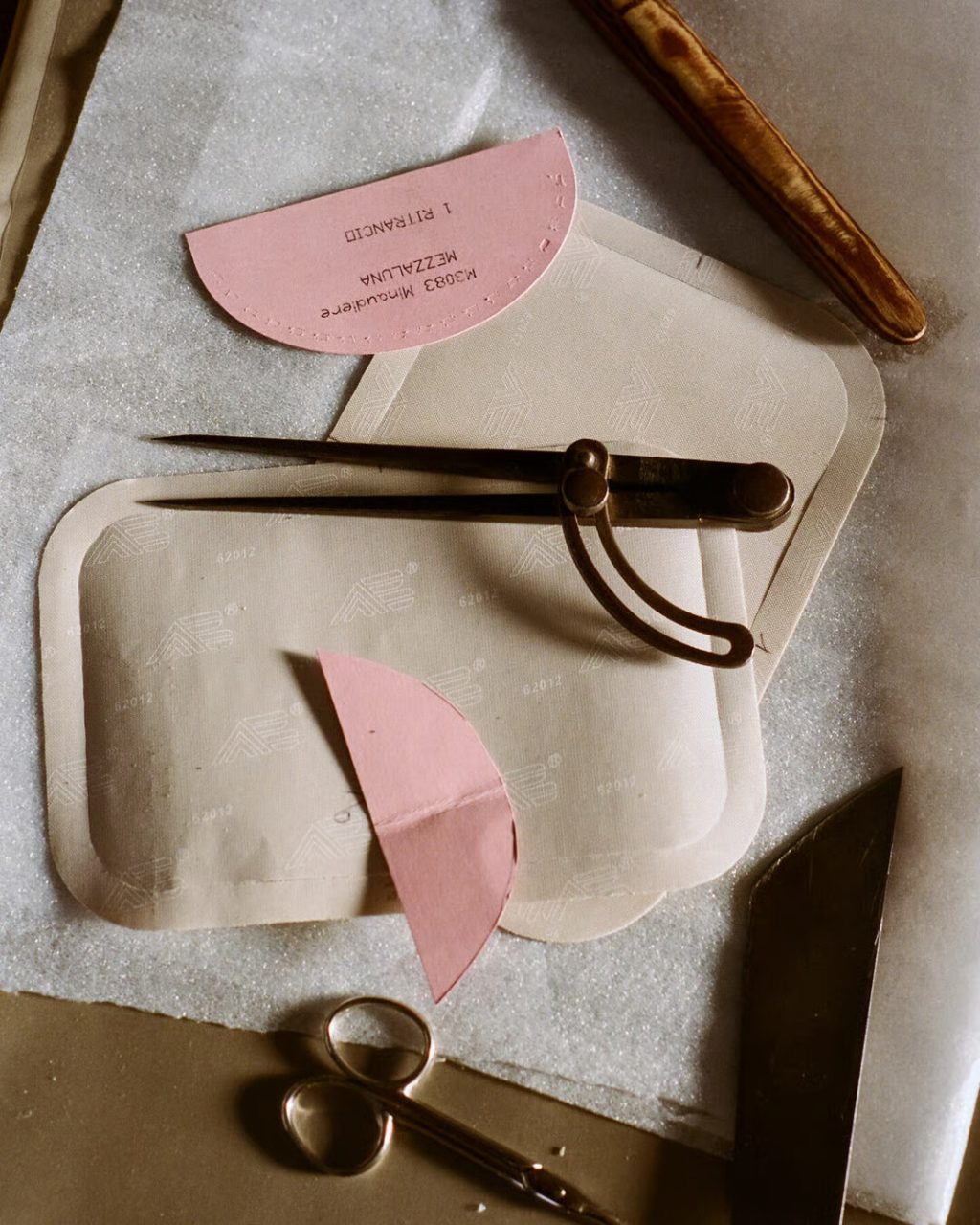
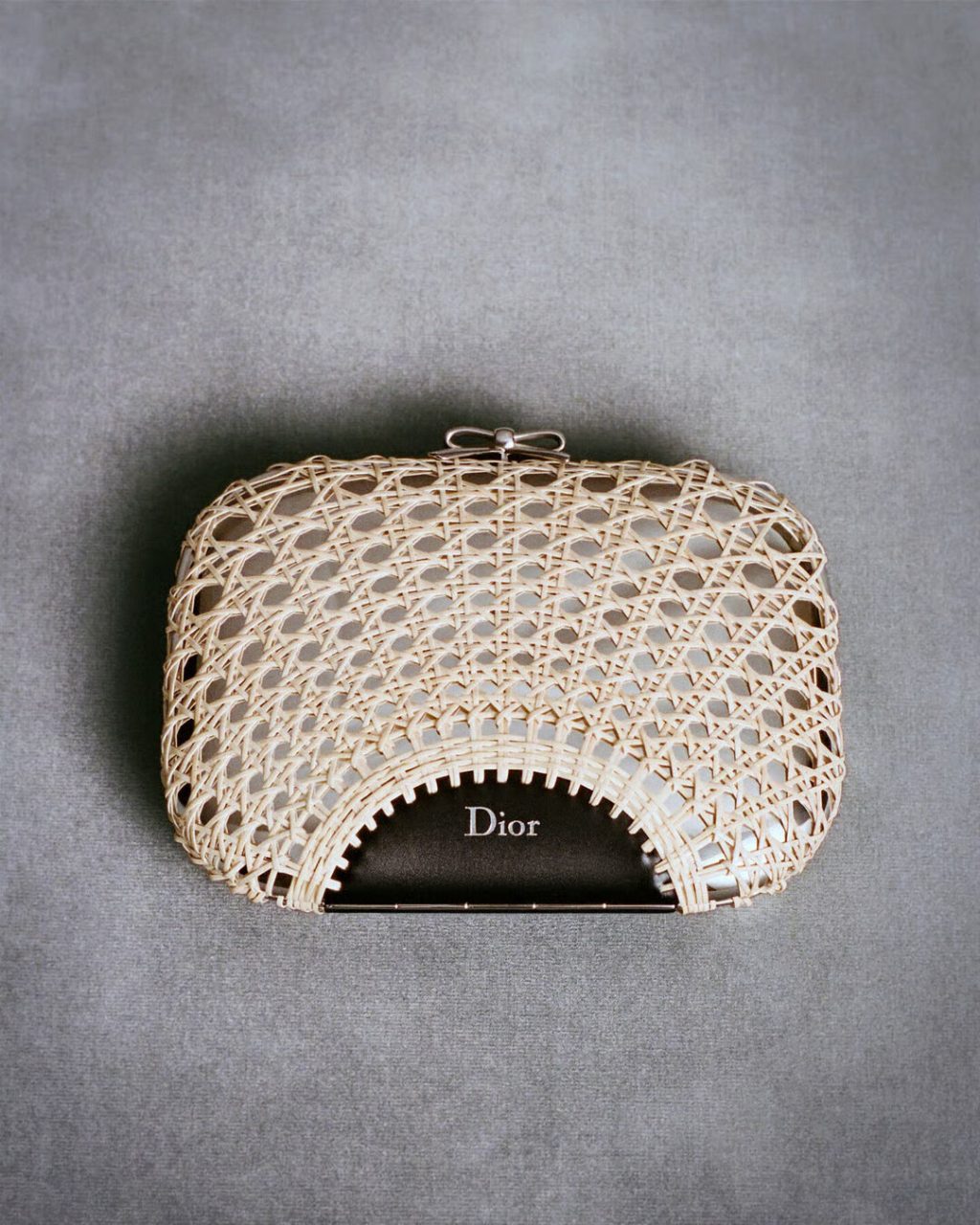
How the Dior Petit Dîner Bag Is Made
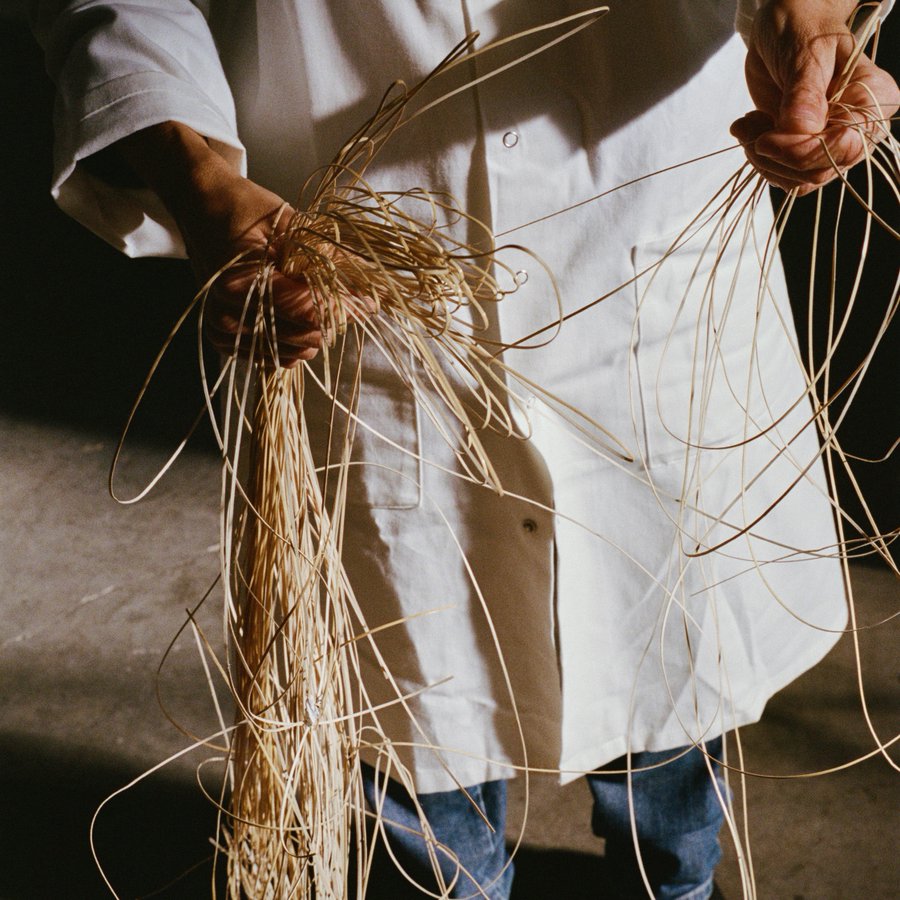
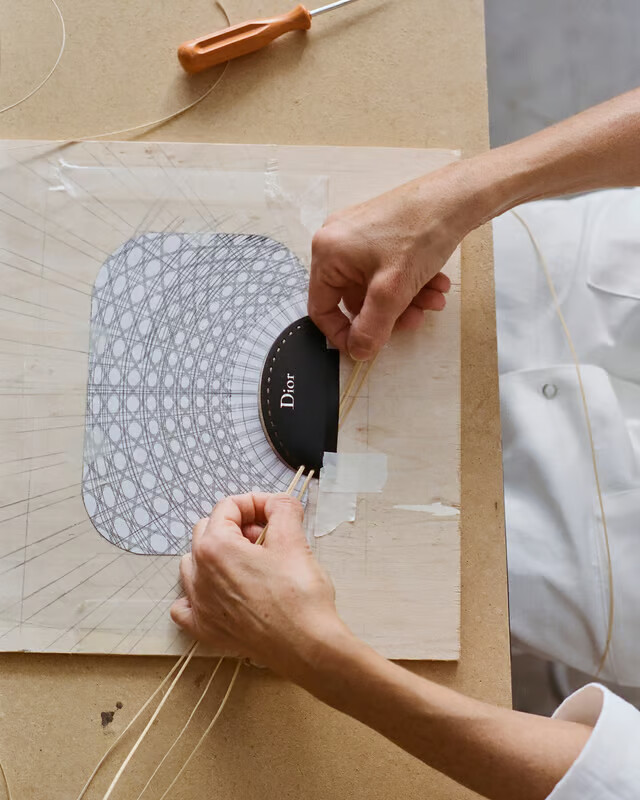
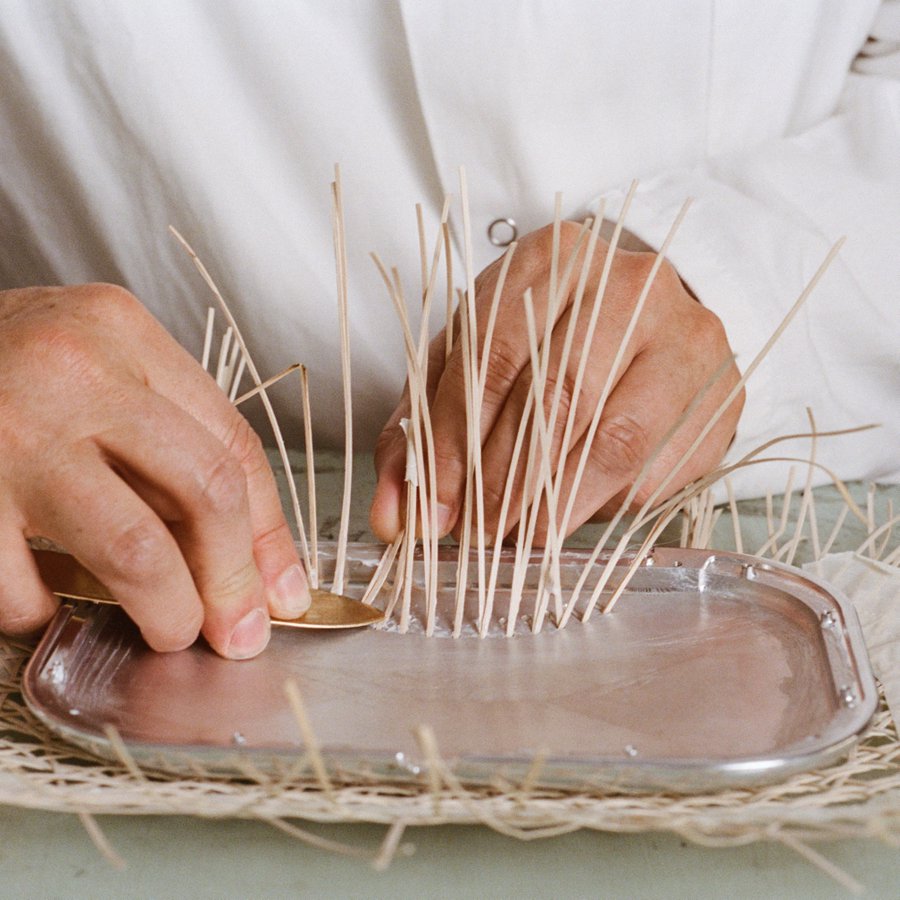
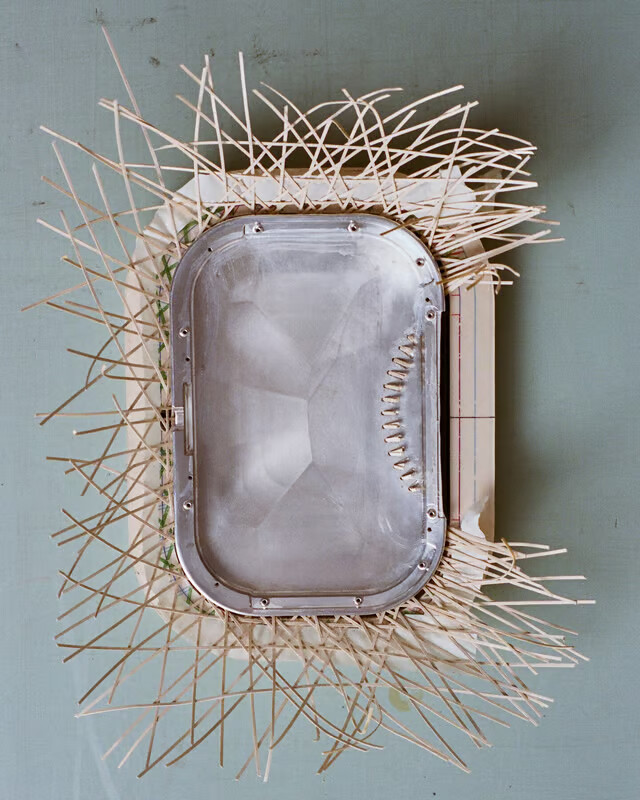
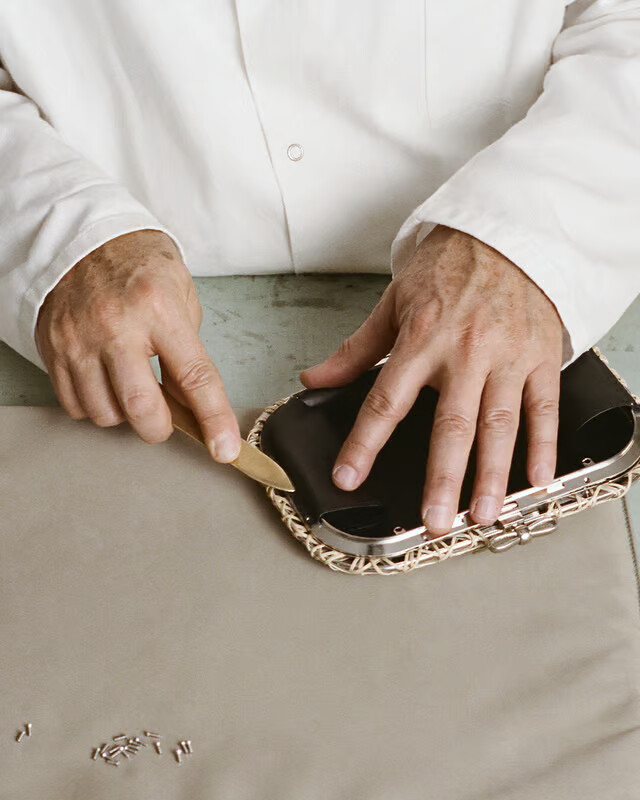
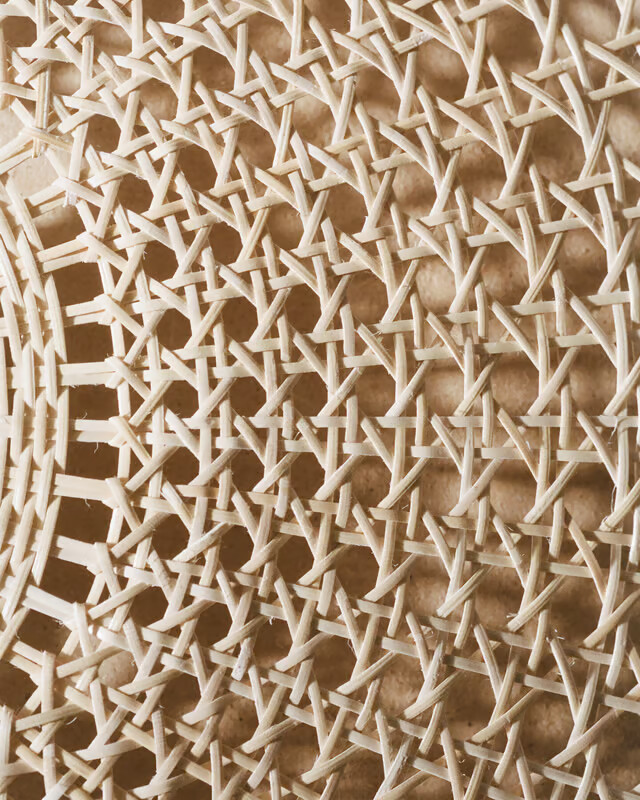
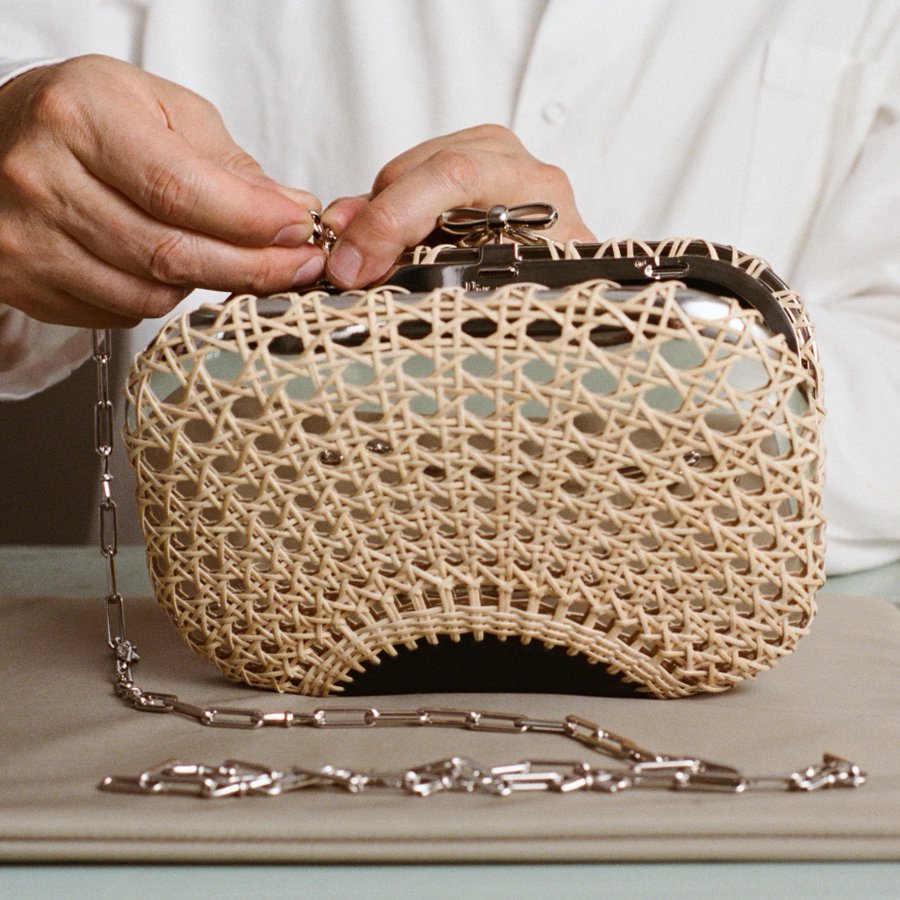
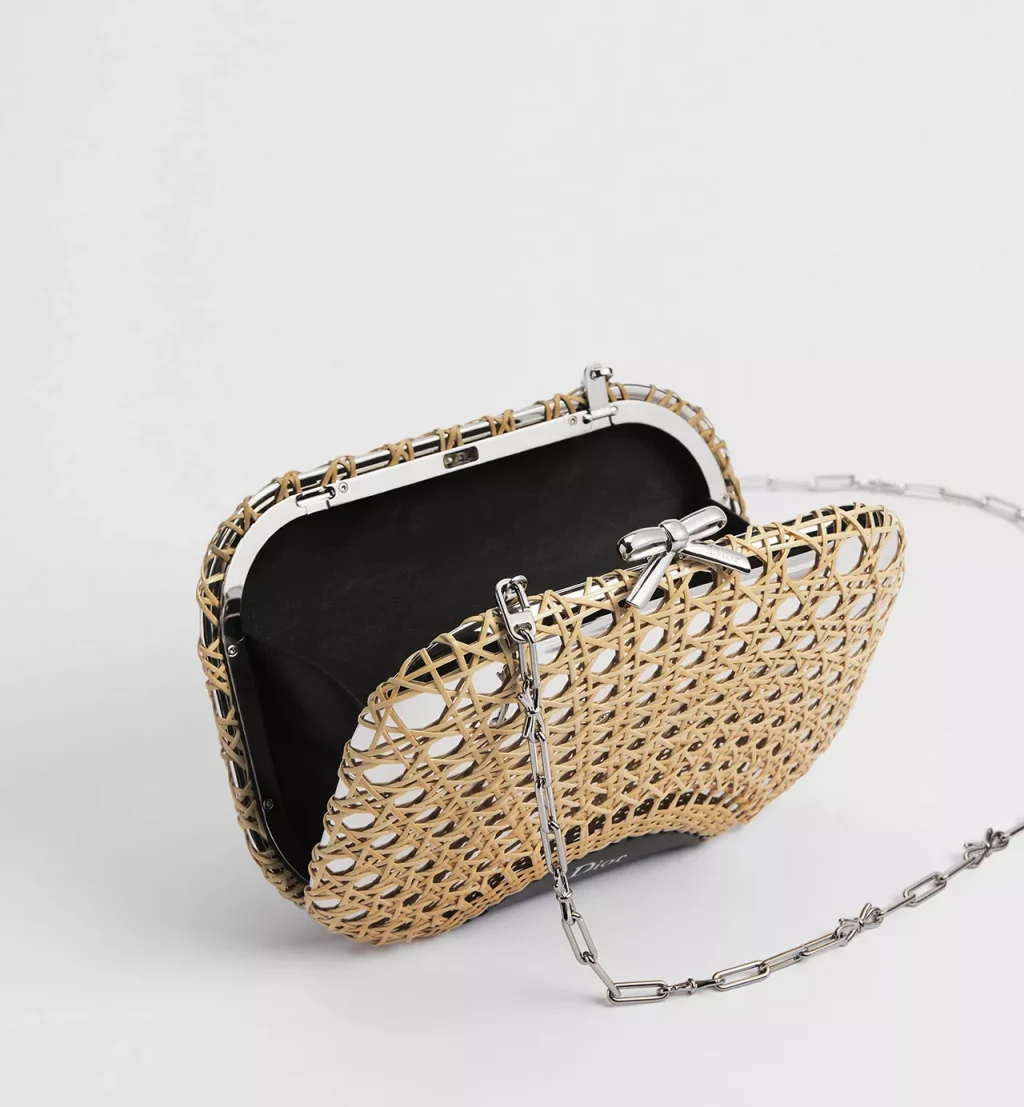
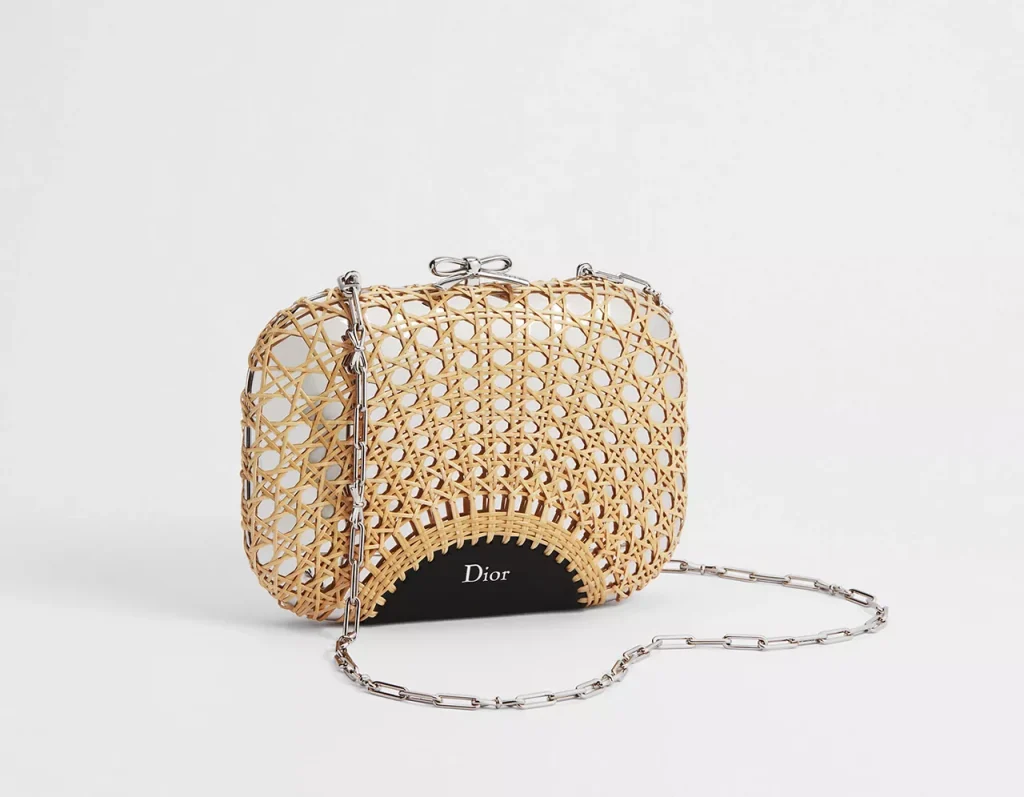
At the centre of the design is a silver-finish metal shell. Over this rigid structure, natural raffia is laced and woven by hand into Dior’s Cannage motif. The openwork technique allows the metal beneath to remain visible, so the bag never reads as a simple wicker accessory. It is both reflective and tactile.
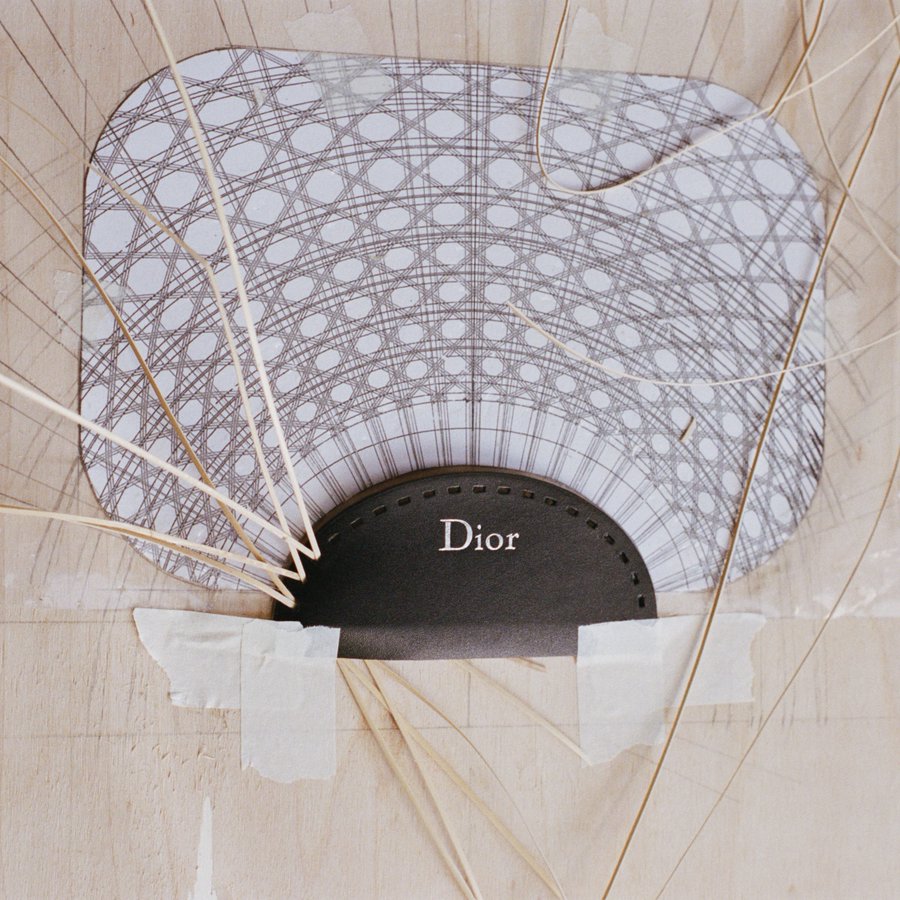
The Cannage is one of Dior’s most recognisable decorative codes, historically linked to the Napoleon III-style chairs used for the House’s early couture presentations. On the Petit Dîner, that motif becomes structural decoration: it frames the surface, controls the rhythm of the raffia and turns the bag into a miniature grid of craft.
The result is unusually precise. The raffia gives warmth and texture, while the metal body keeps the silhouette sharp. Nothing looks casual, even though one of the primary materials is natural fibre.
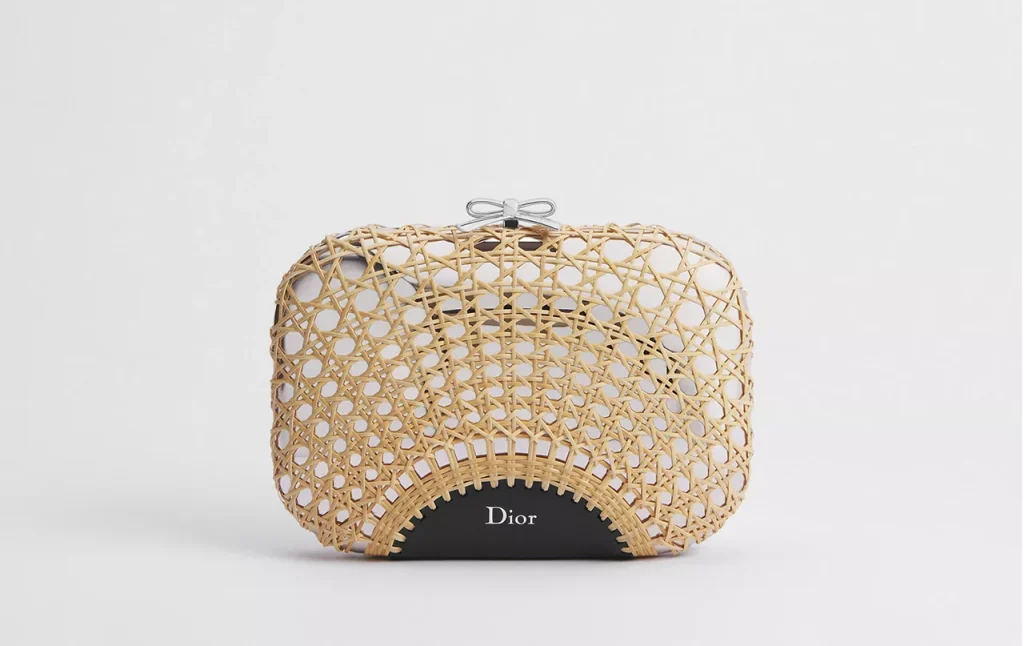
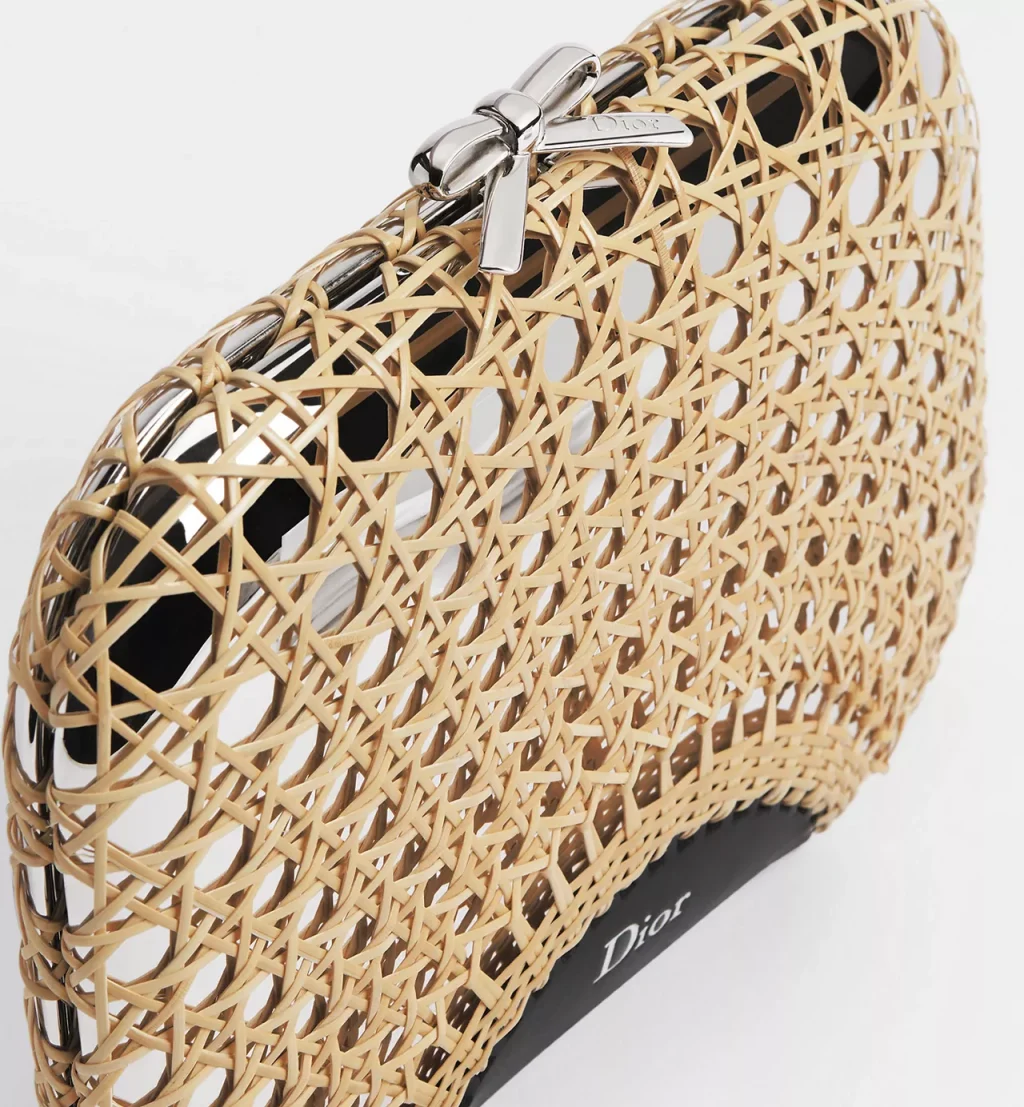
The Bow Clasp and the Dior Signature
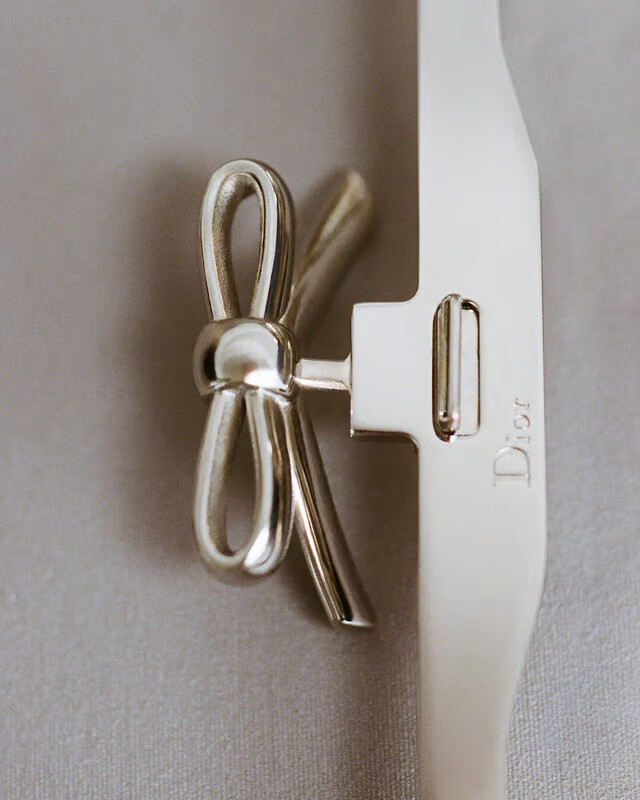
The clasp is shaped into a silver-tone metal bow, a small but important Dior gesture. It softens the minaudière without making it sweet. Instead of using a logo-heavy closure, Dior chooses a house motif associated with femininity, wrapping and couture finishing.
On the front, a black leather inset carries the Dior signature. The mark is hot-foil stamped, which gives the logo a cleaner, more evening-appropriate presence than embroidery or hardware would have done. It sits quietly against the raffia and metal, acting as a graphic pause in the composition.
Inside, the bag is lined in calfskin. A thin silver-finish chain strap can be stowed away, allowing the Petit Dîner to move between hand carry and shoulder carry. The proportions are deliberately narrow: 21.5 x 15.5 x 3.5 cm, large enough for a phone and card holder, but still very much an evening bag.
Priced at €9,800 in Europe and released as a limited-edition piece in selected Dior boutiques.