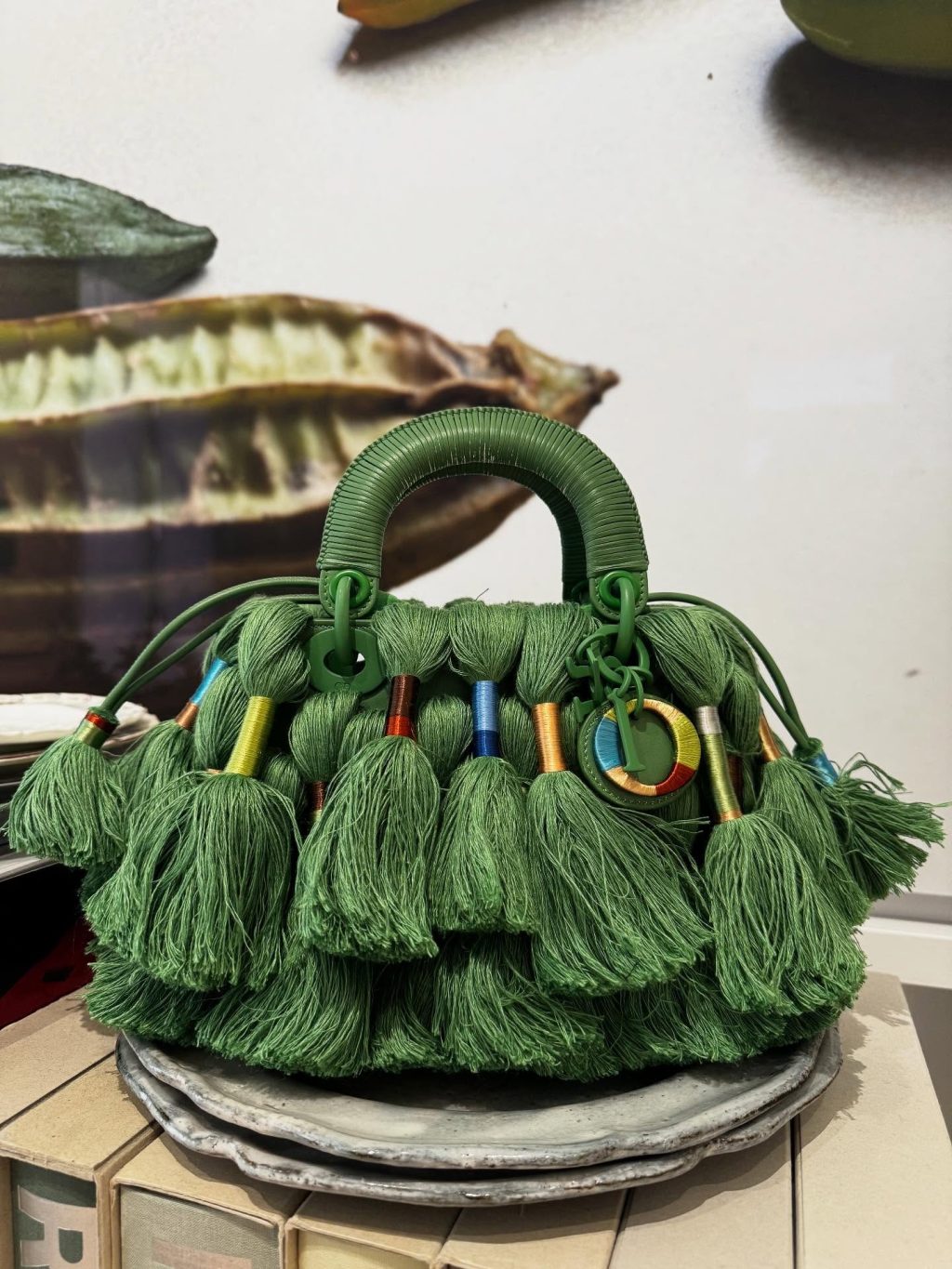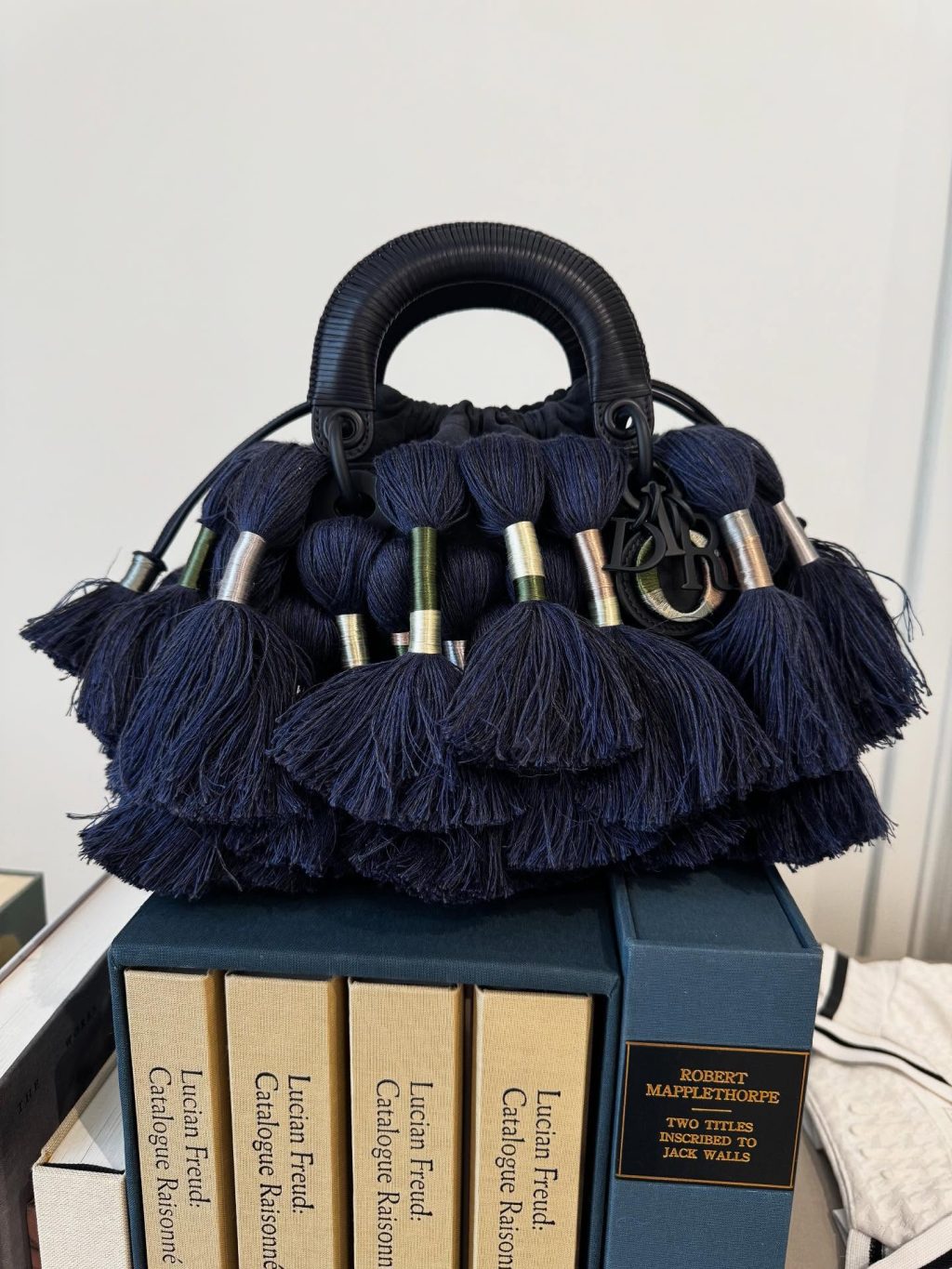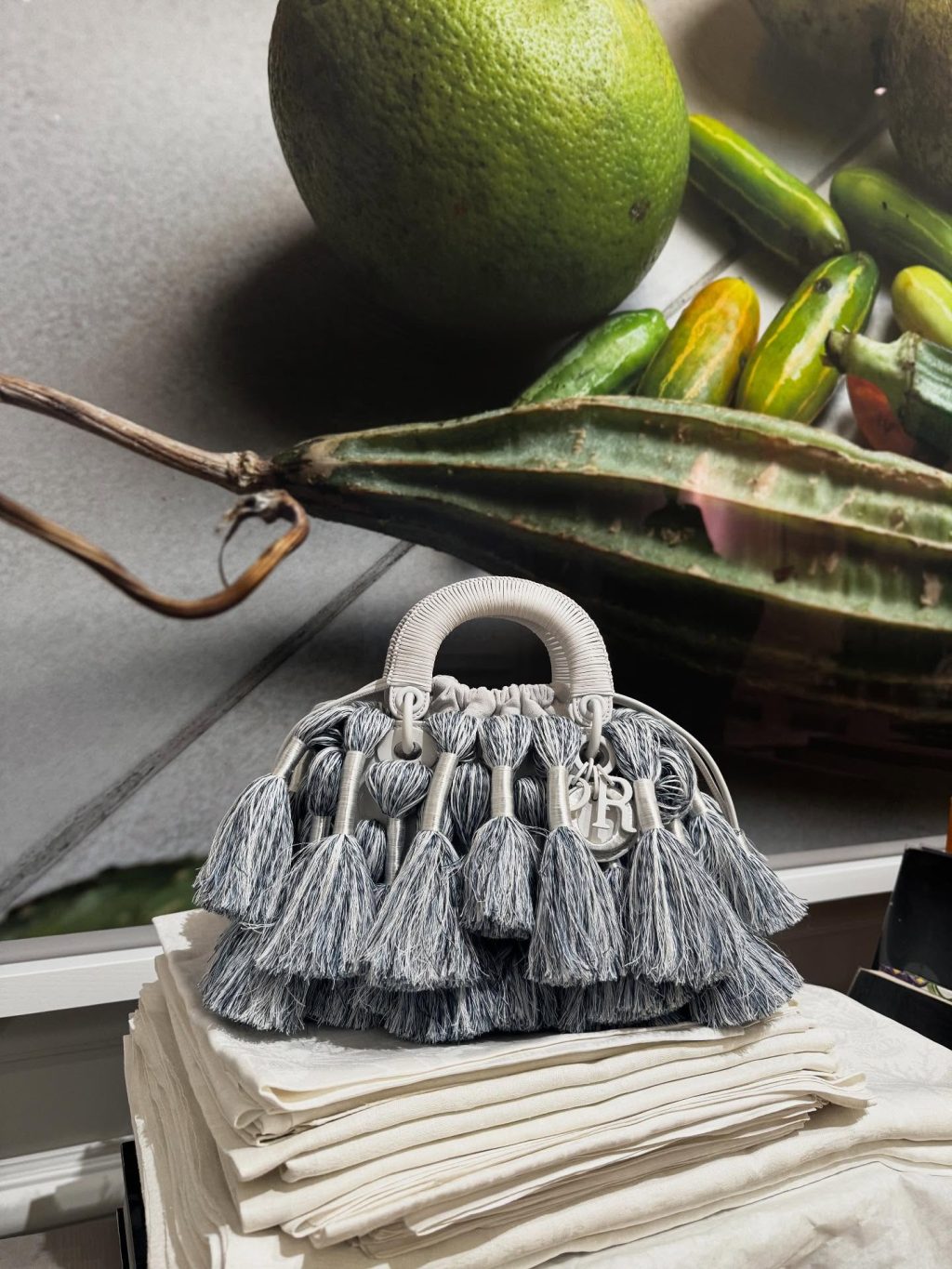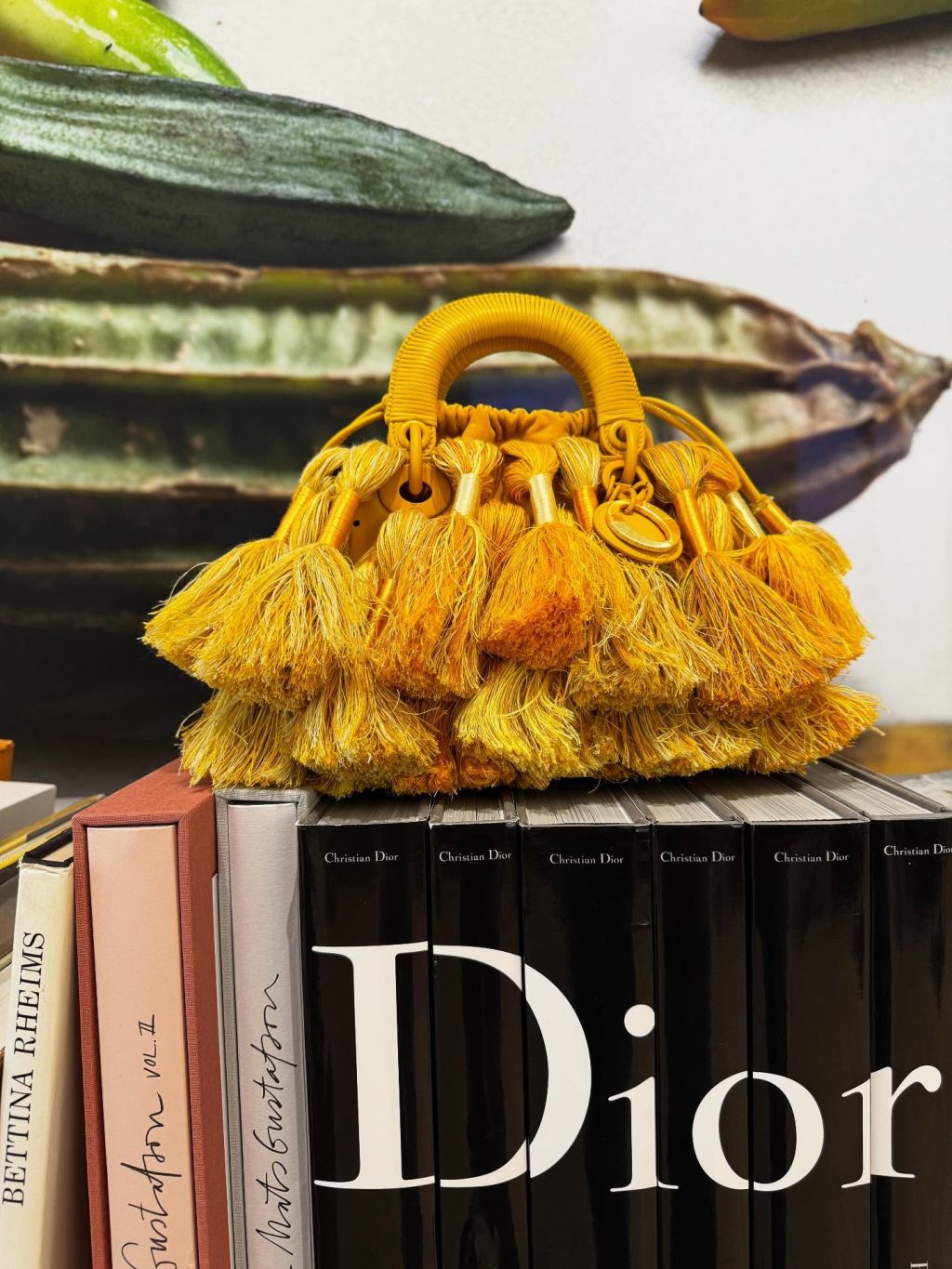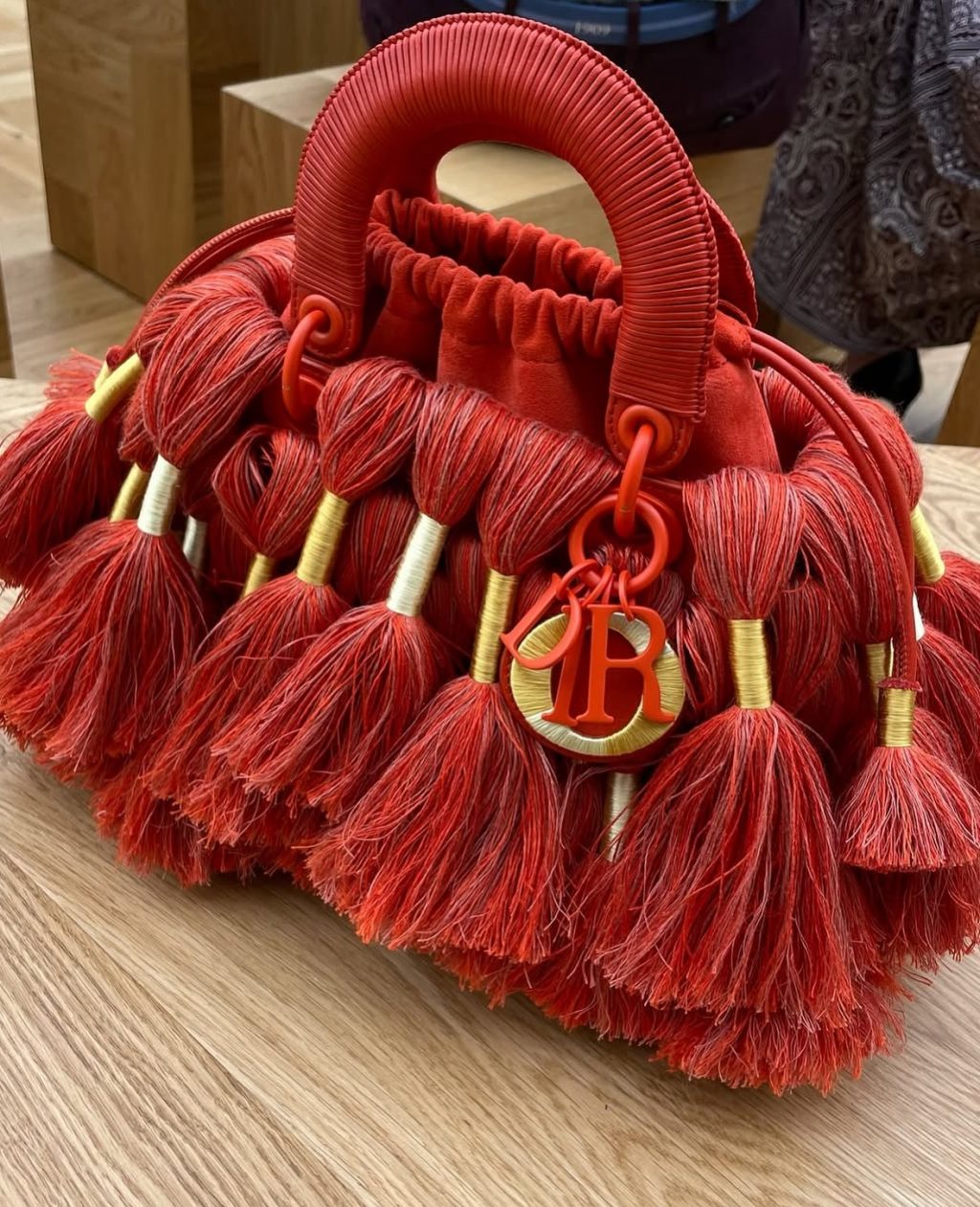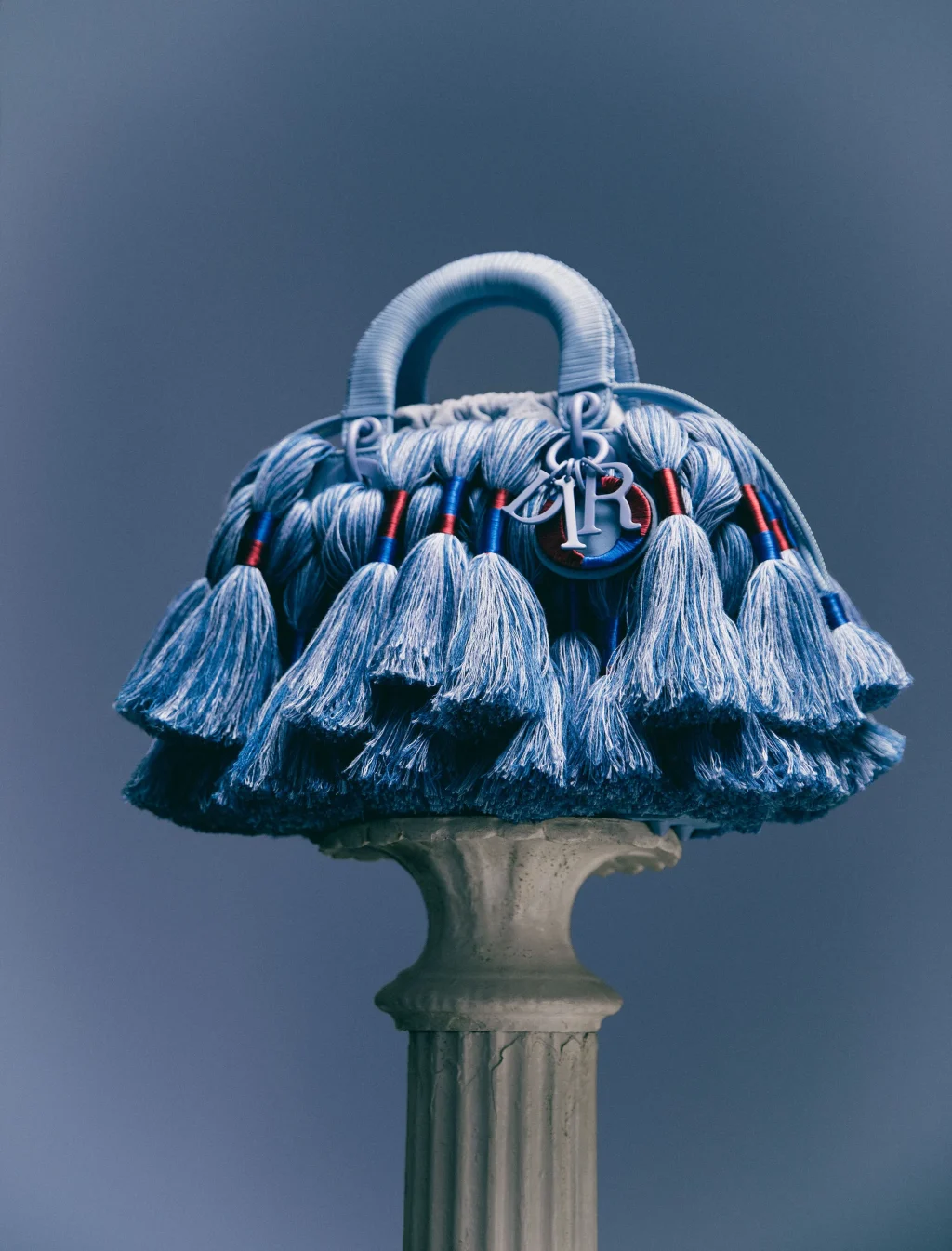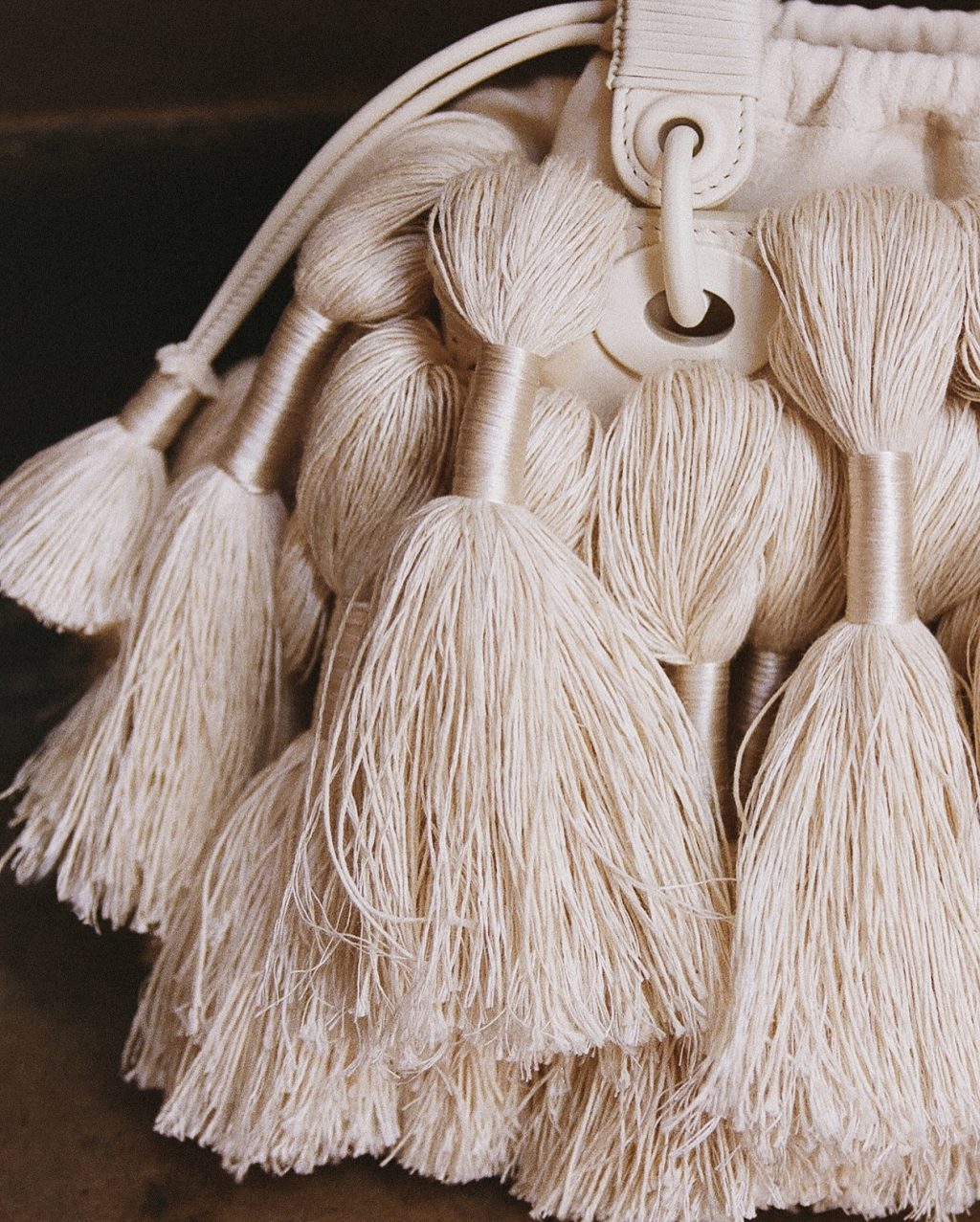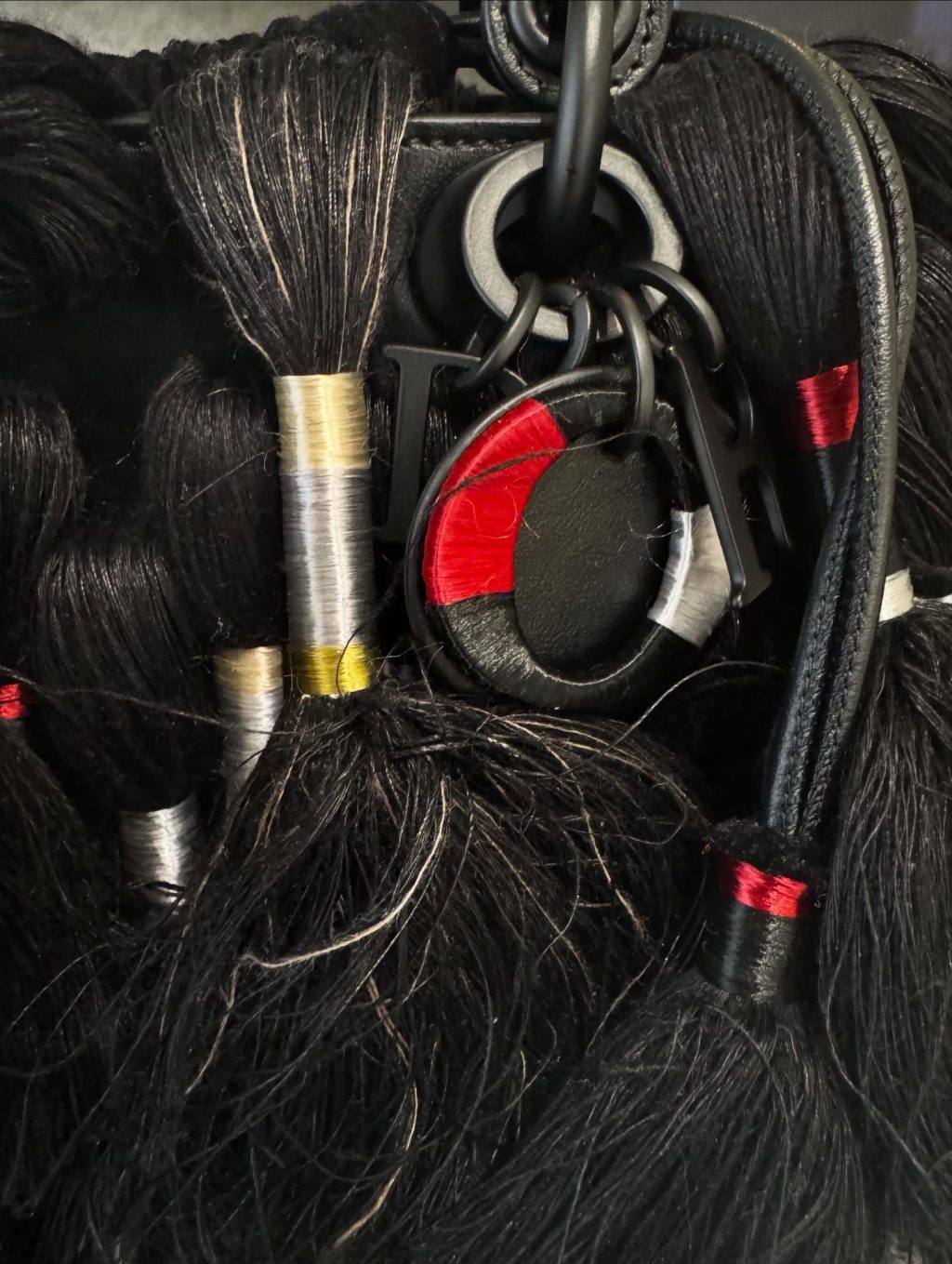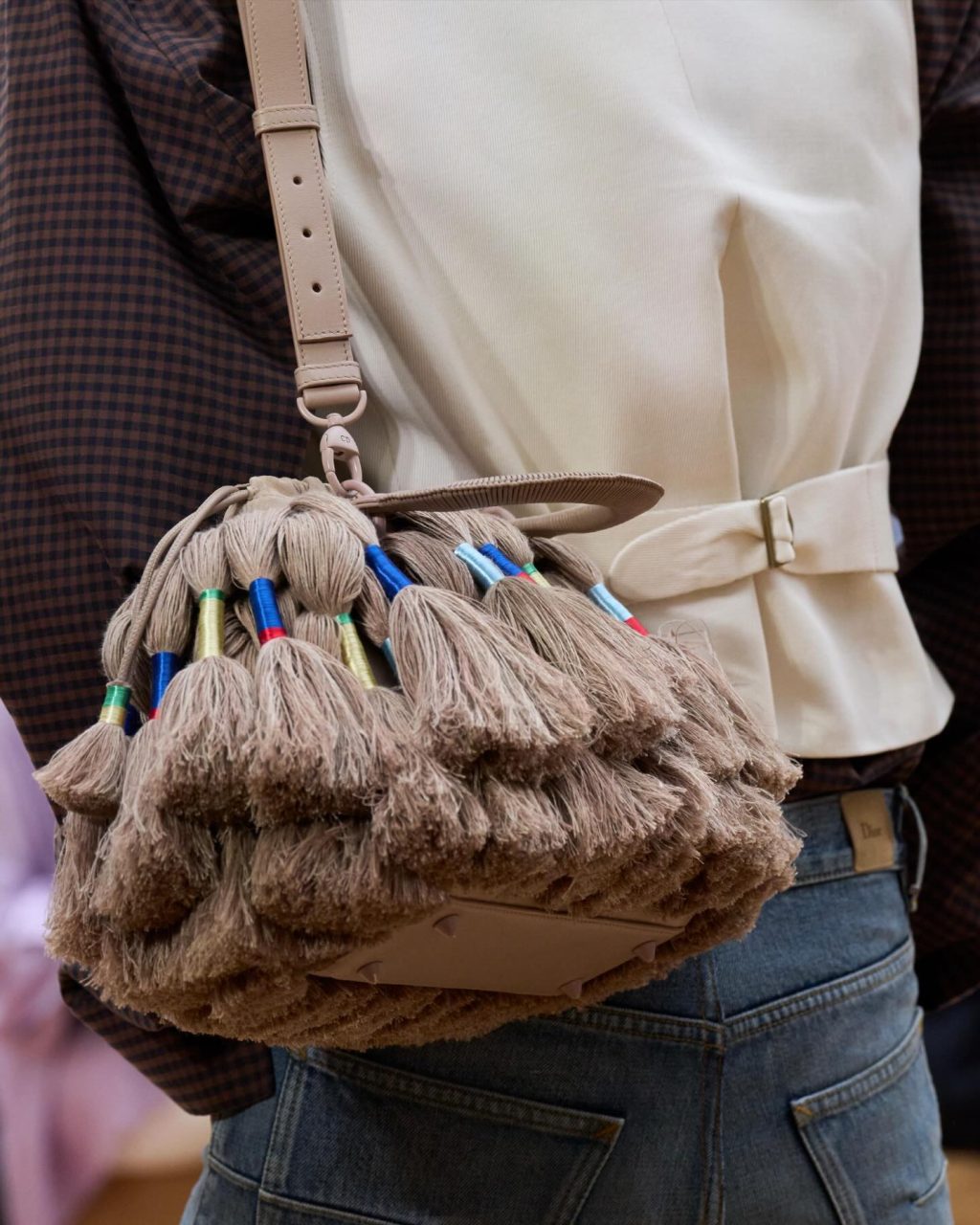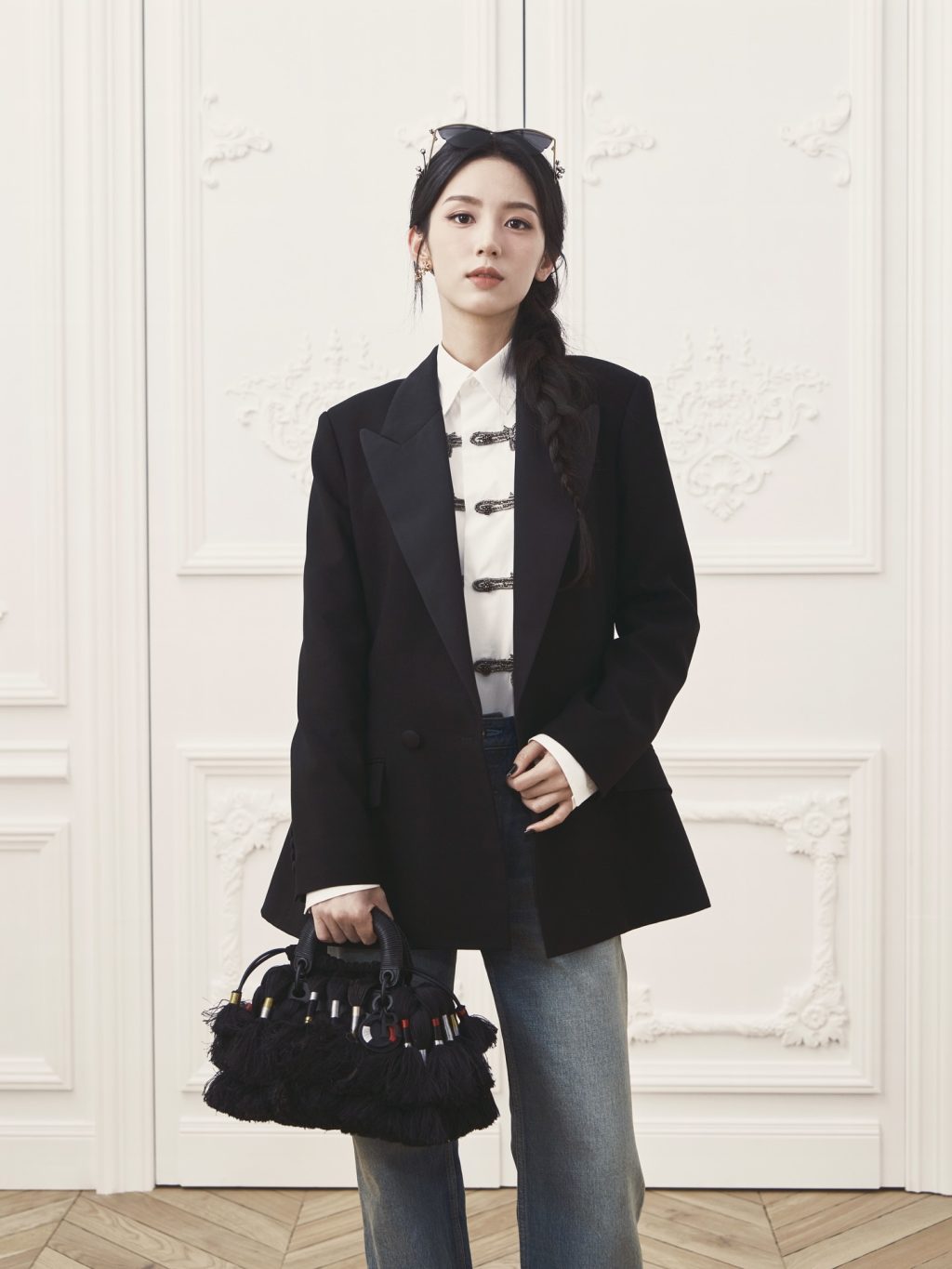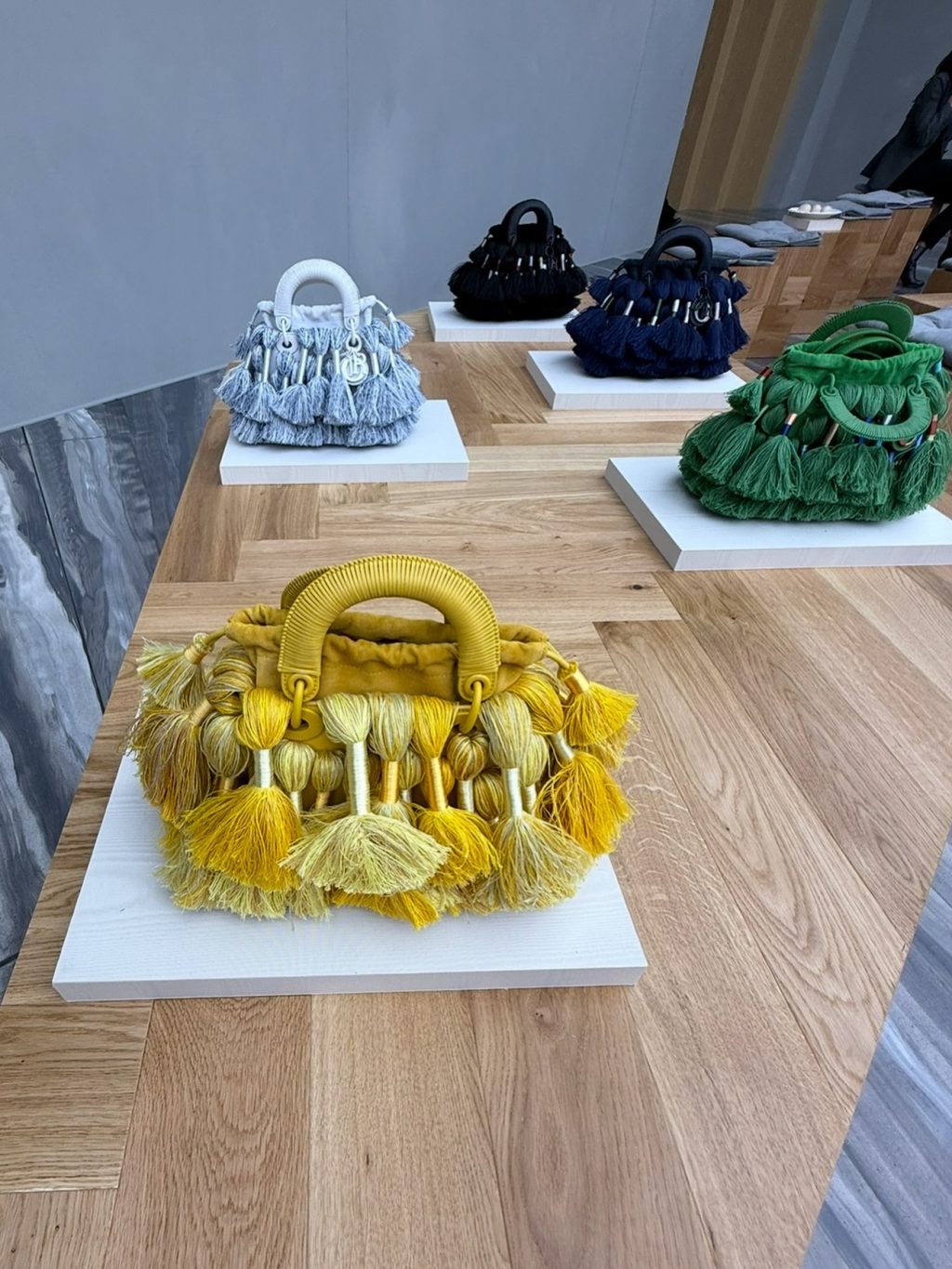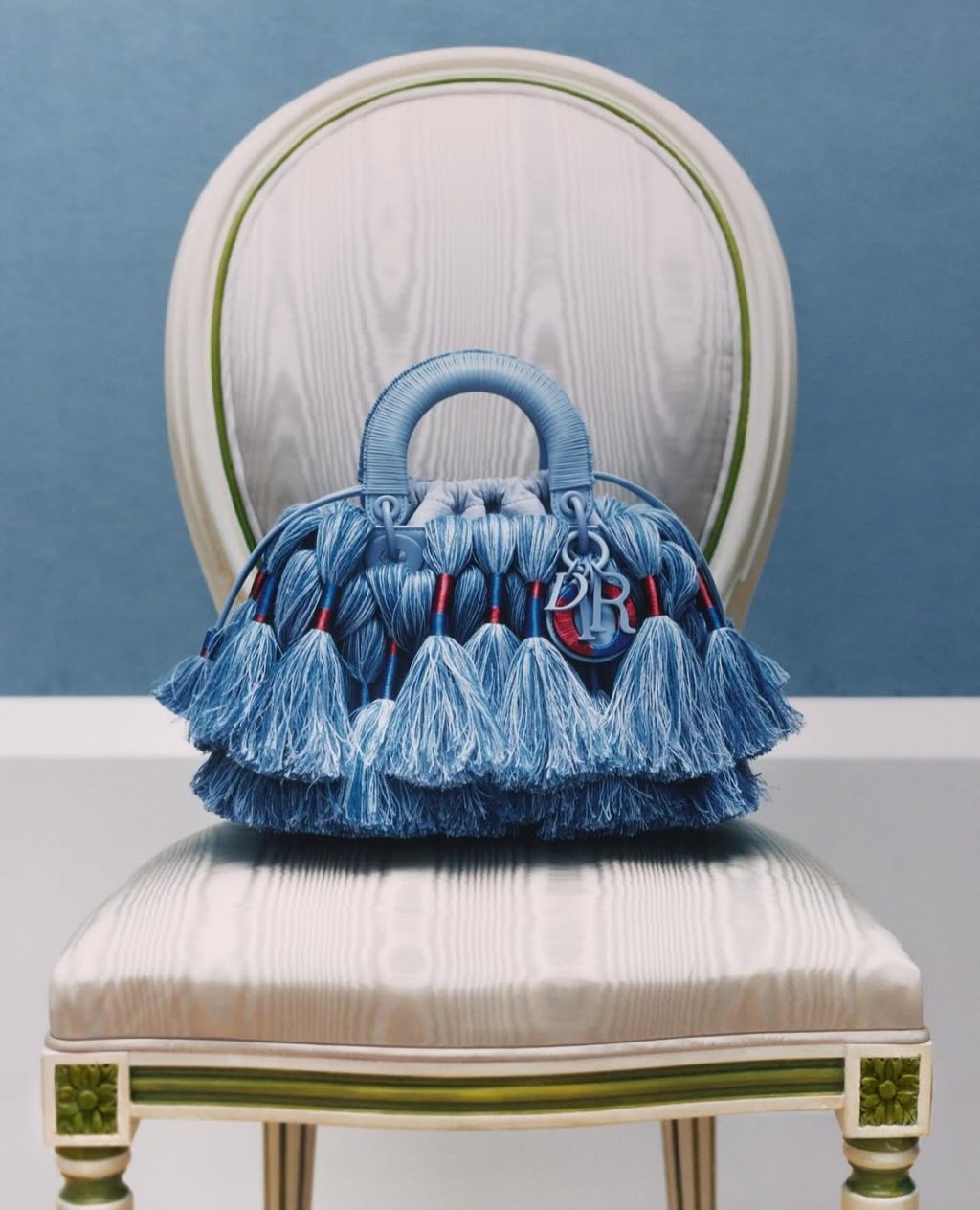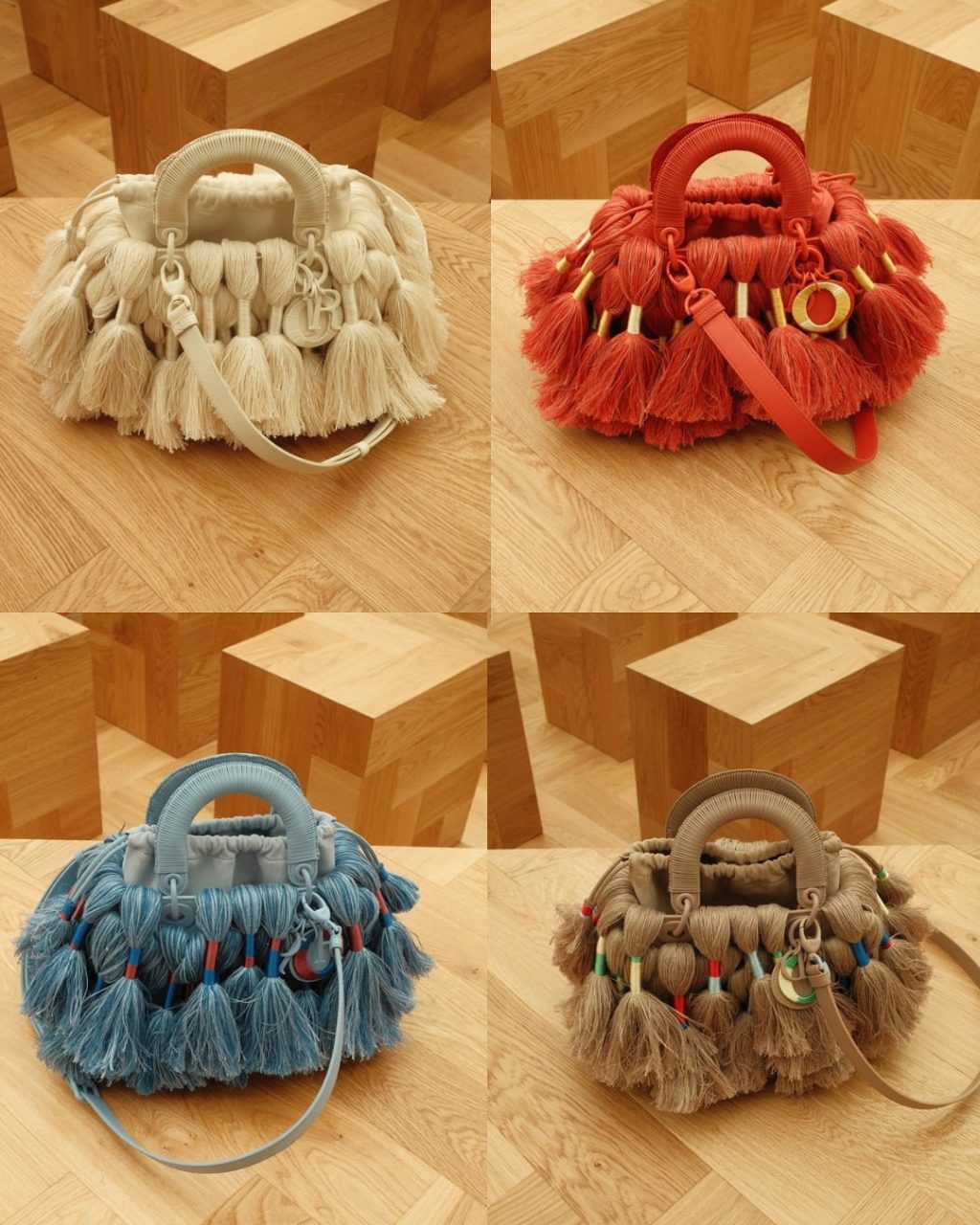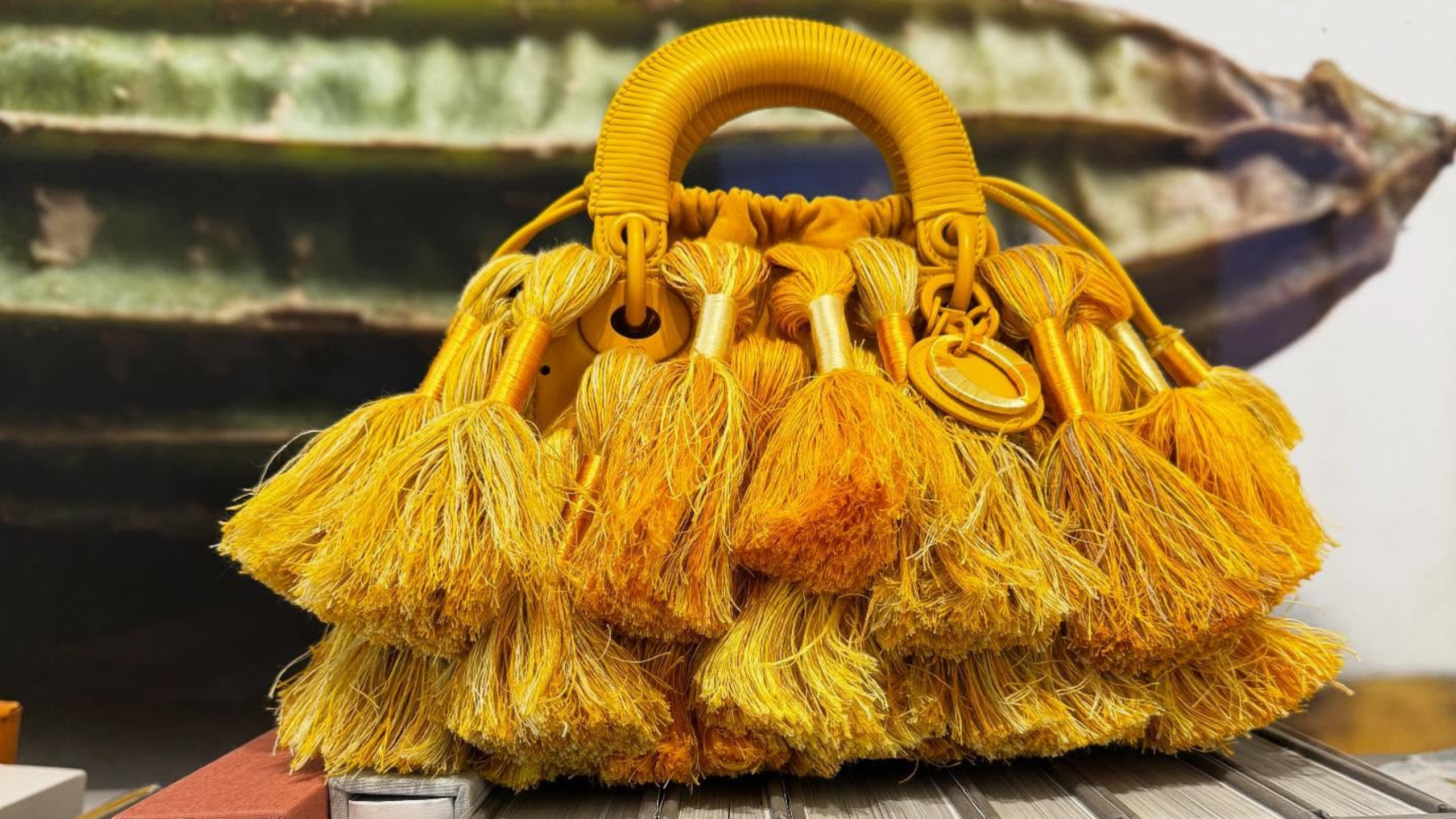
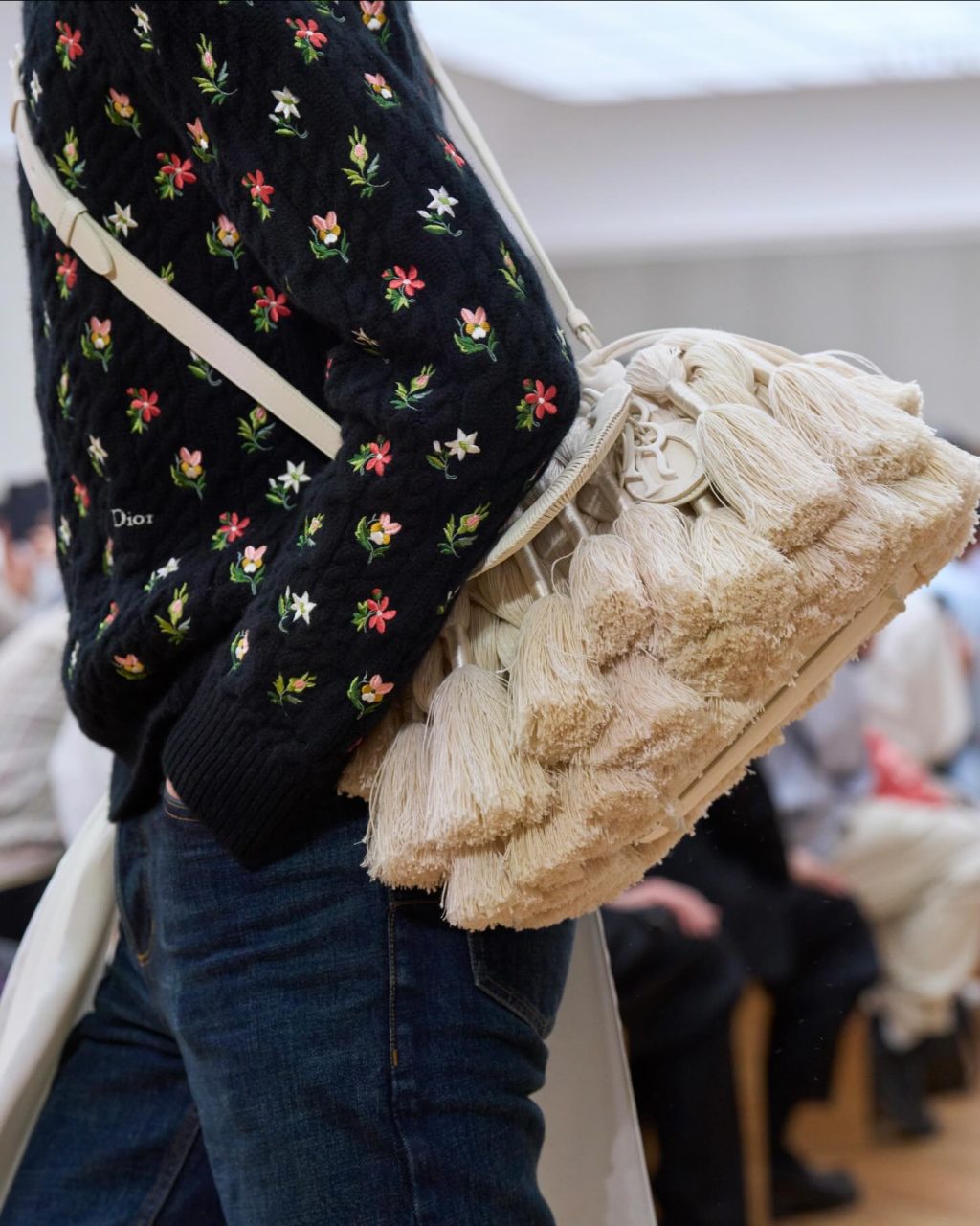
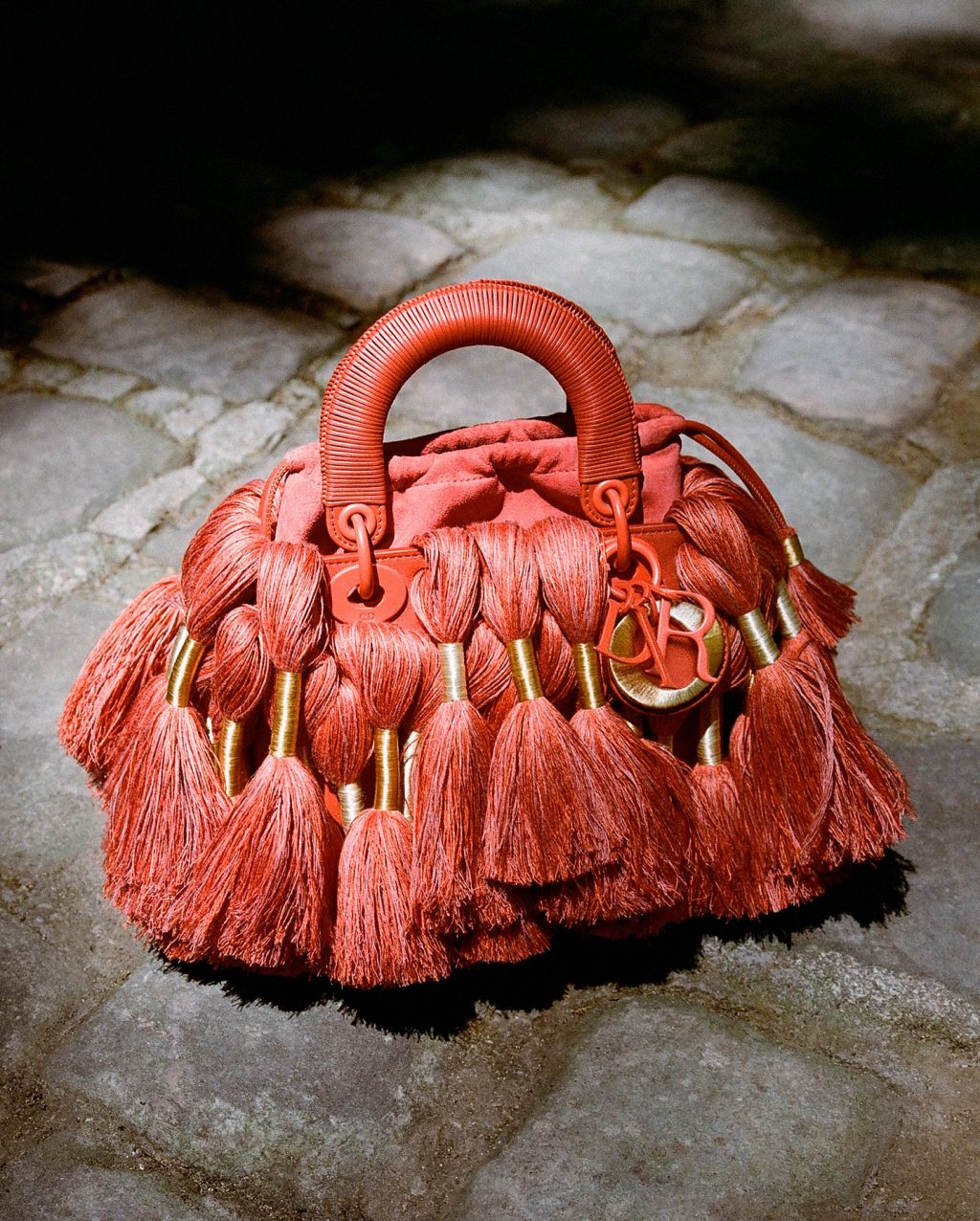
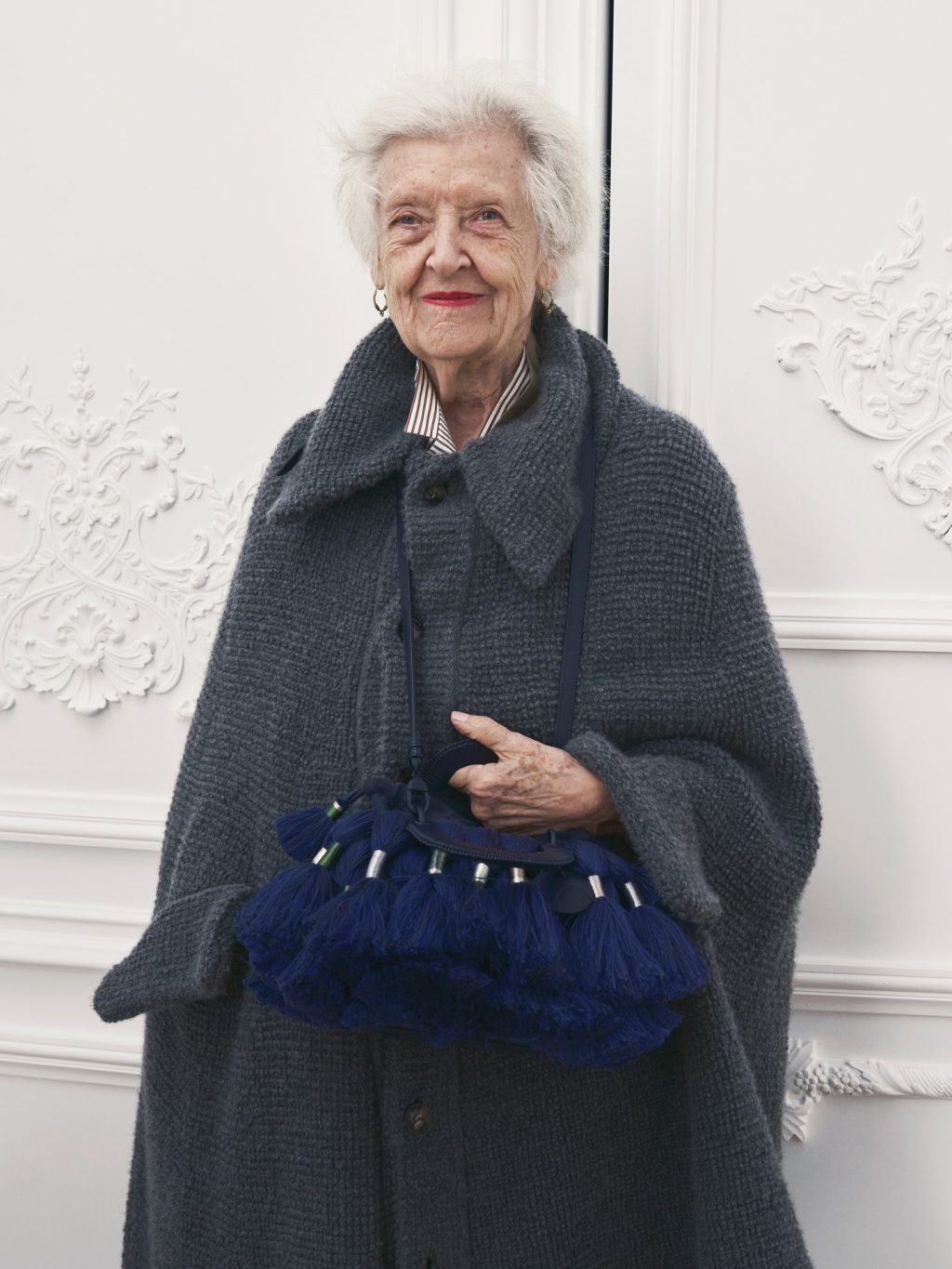
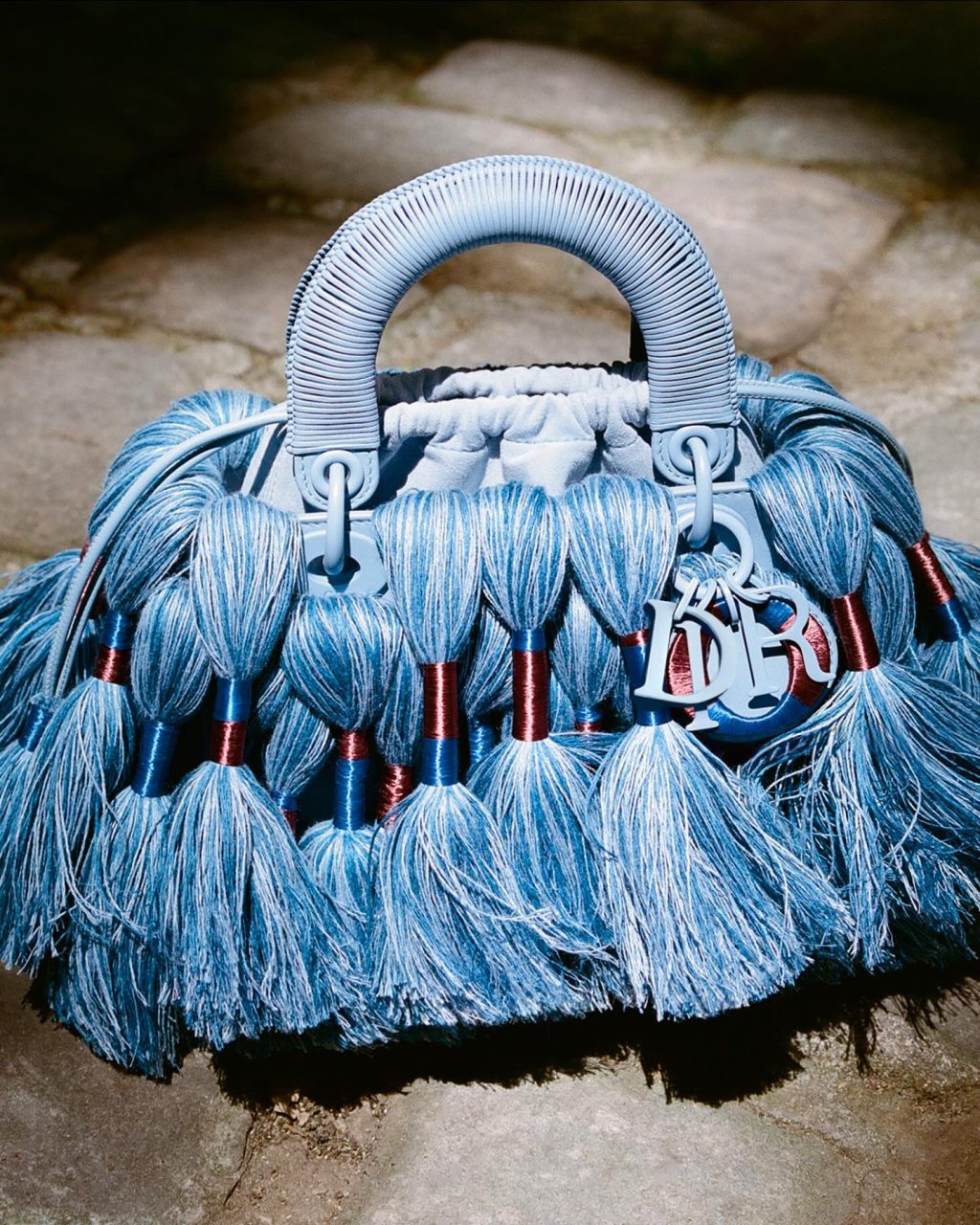
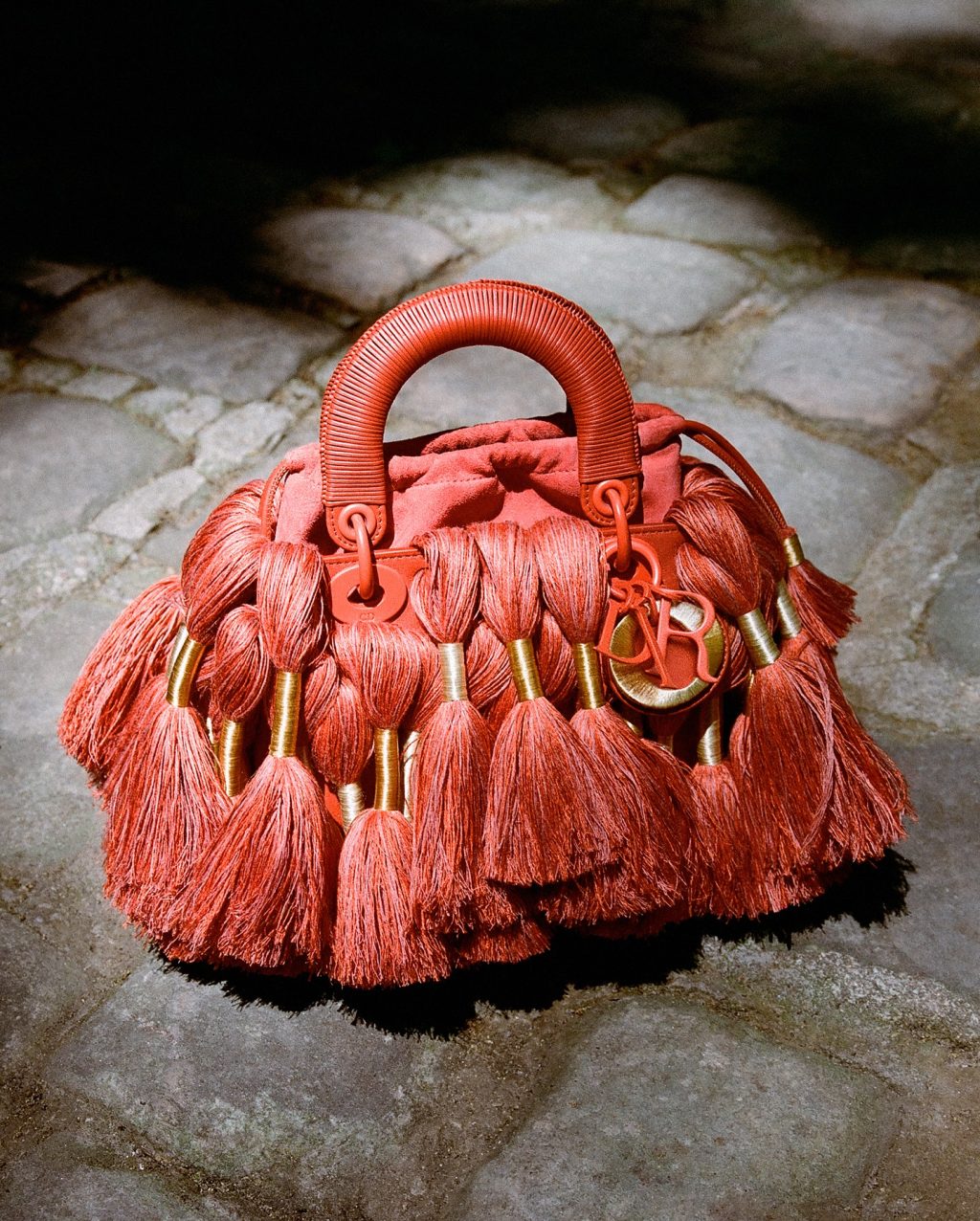
When Jonathan Anderson took his first Dior bow with the Men’s Summer 2026 show in Paris, one small, boxy silhouette stole a disproportionate share of the spotlight: the Lady Dior—suddenly wild, kinetic, and alive. Cloaked “in a nest of pure linen ponytails,” the bag arrived as an art-object in motion, a collaboration between Anderson and the legendary American textile artist Sheila Hicks. It was the clearest signal of Anderson’s priorities at Dior: material intelligence, craft at center stage, and a dialogue with art history that feels tactile instead of merely referential.
Why Sheila Hicks—and why now?
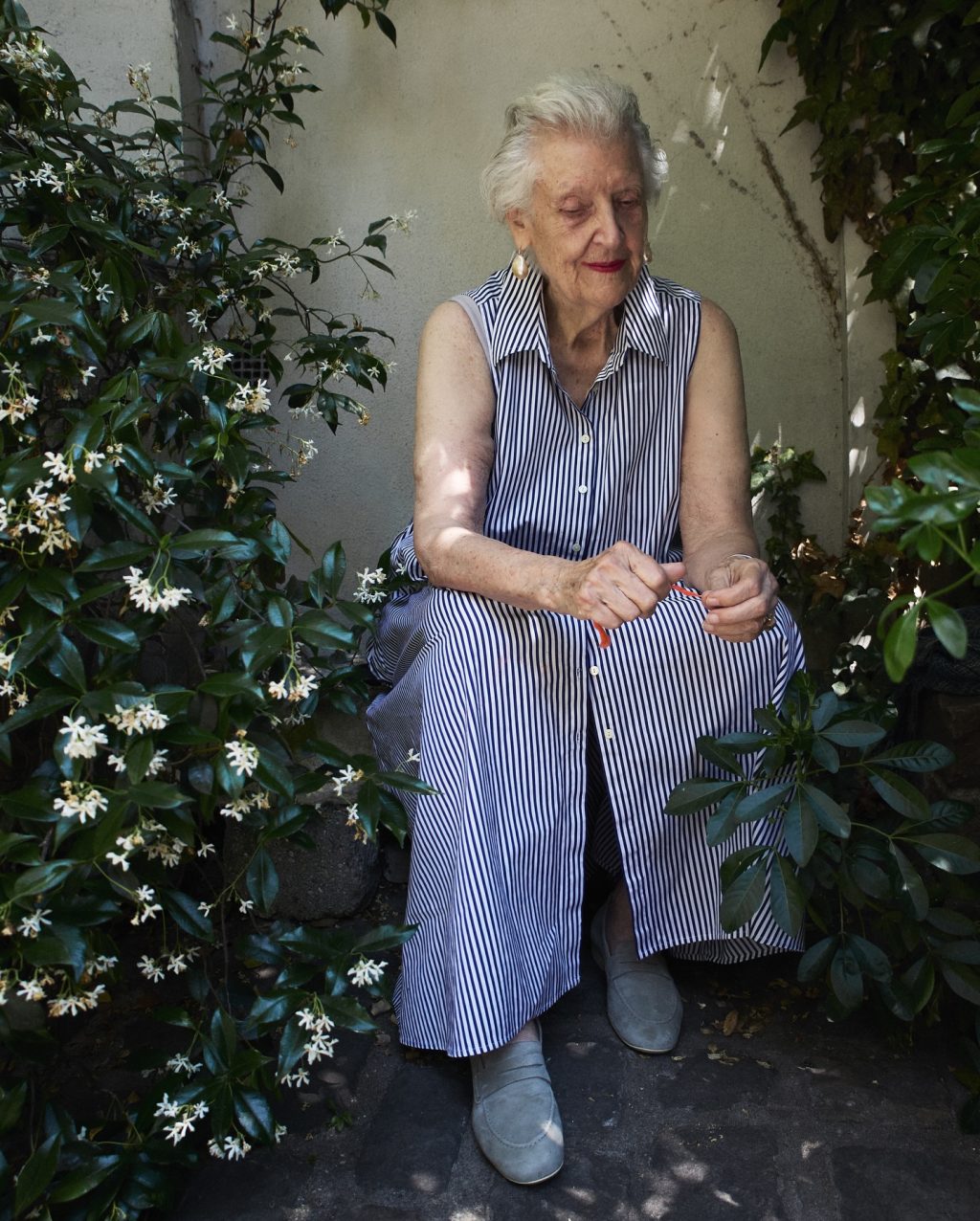
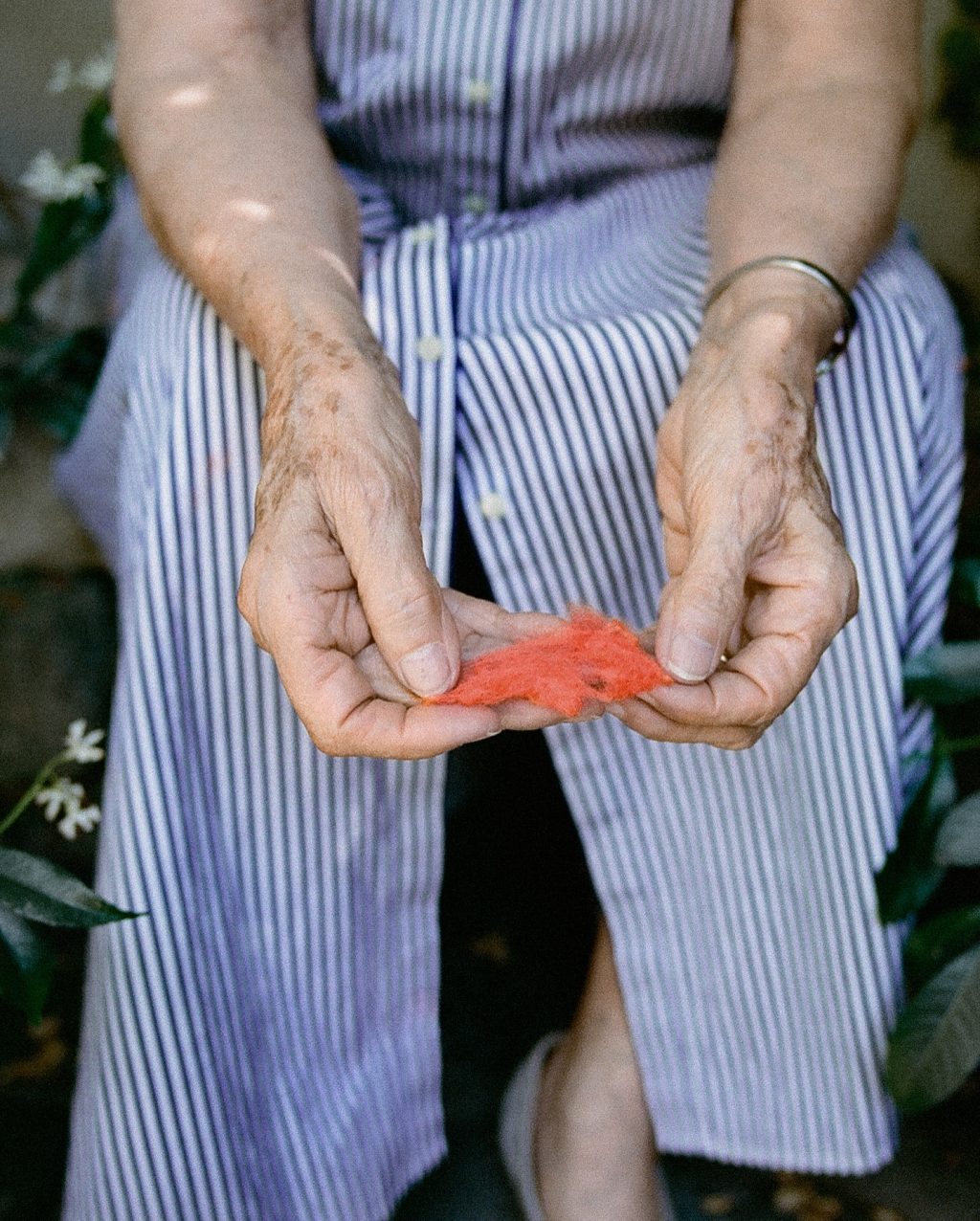
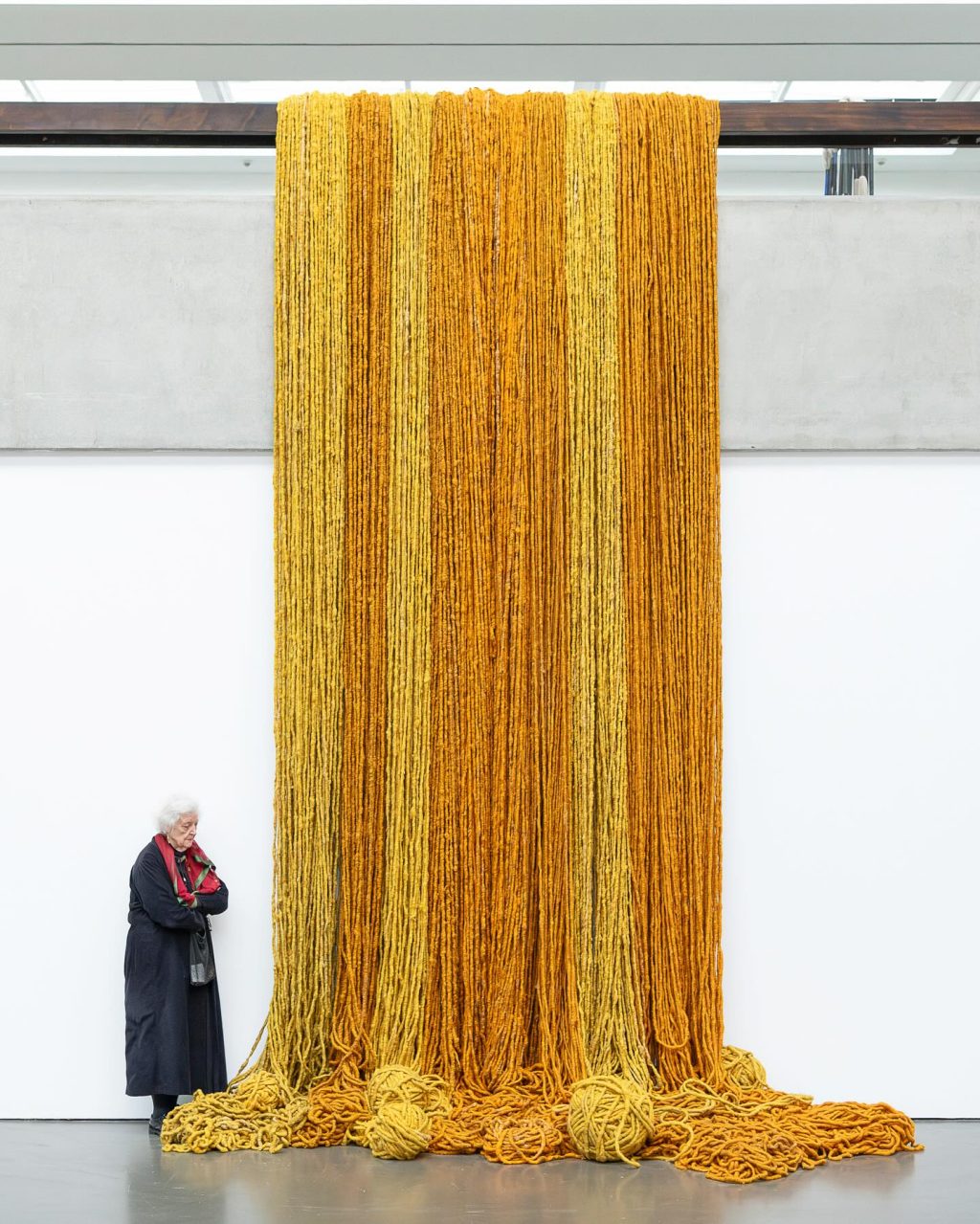
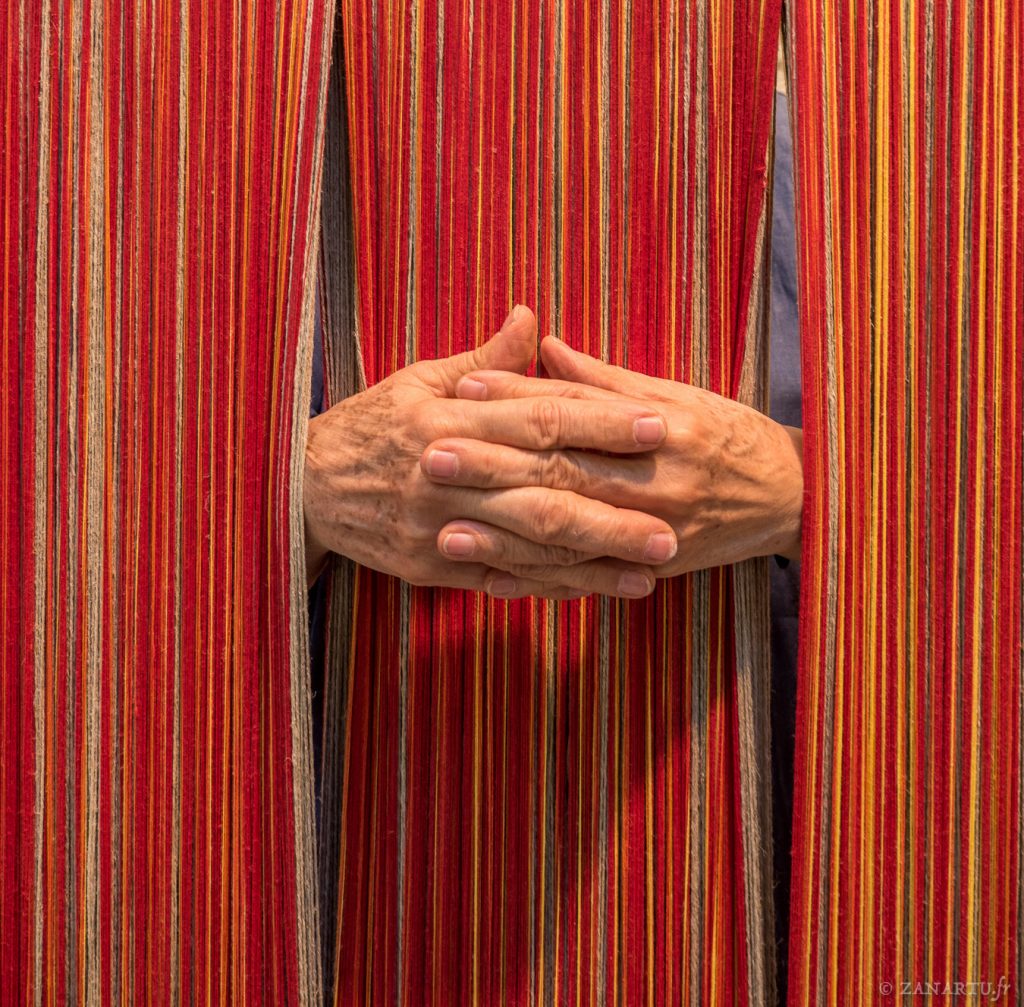
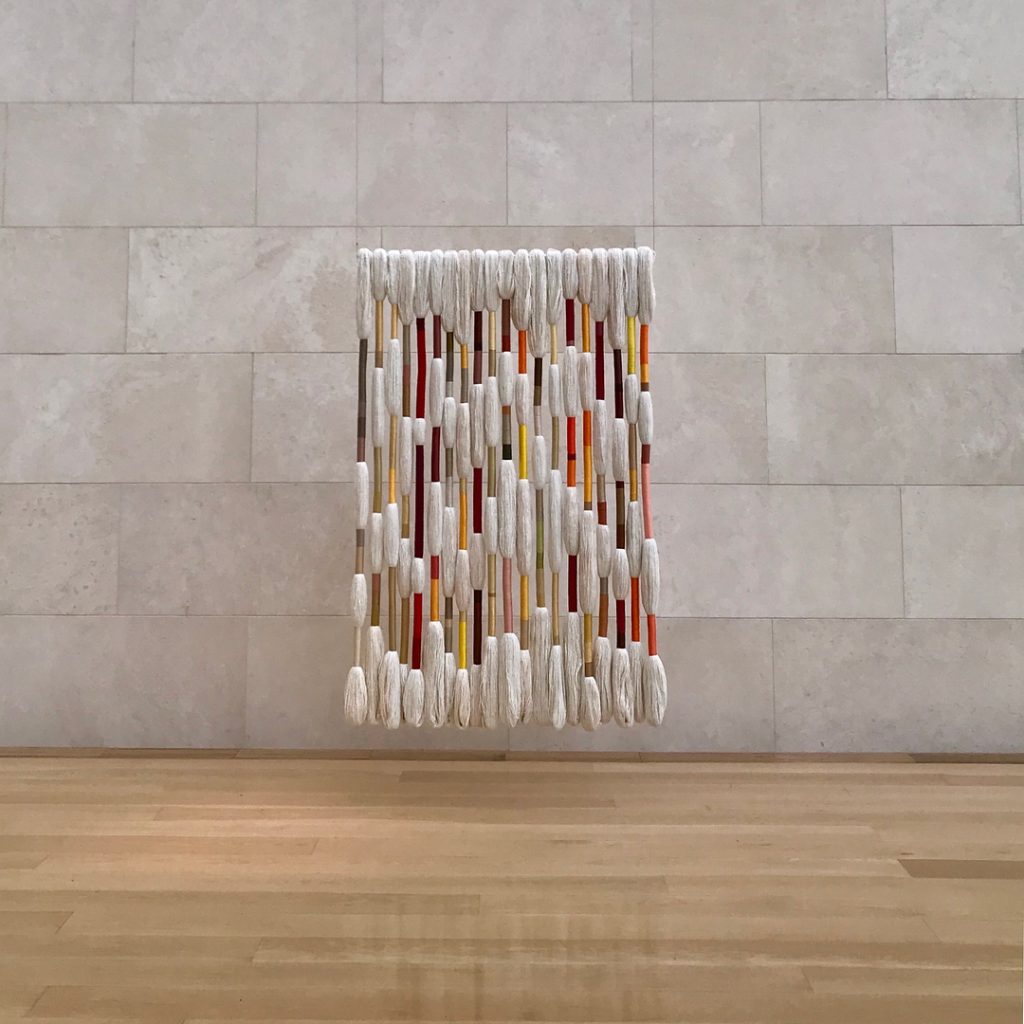
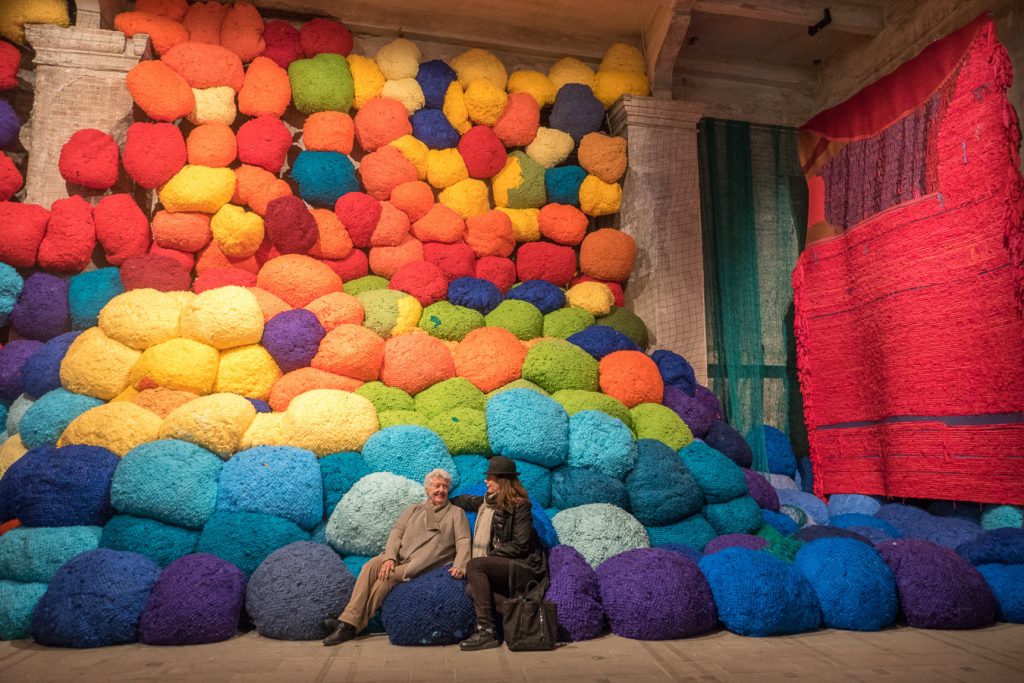
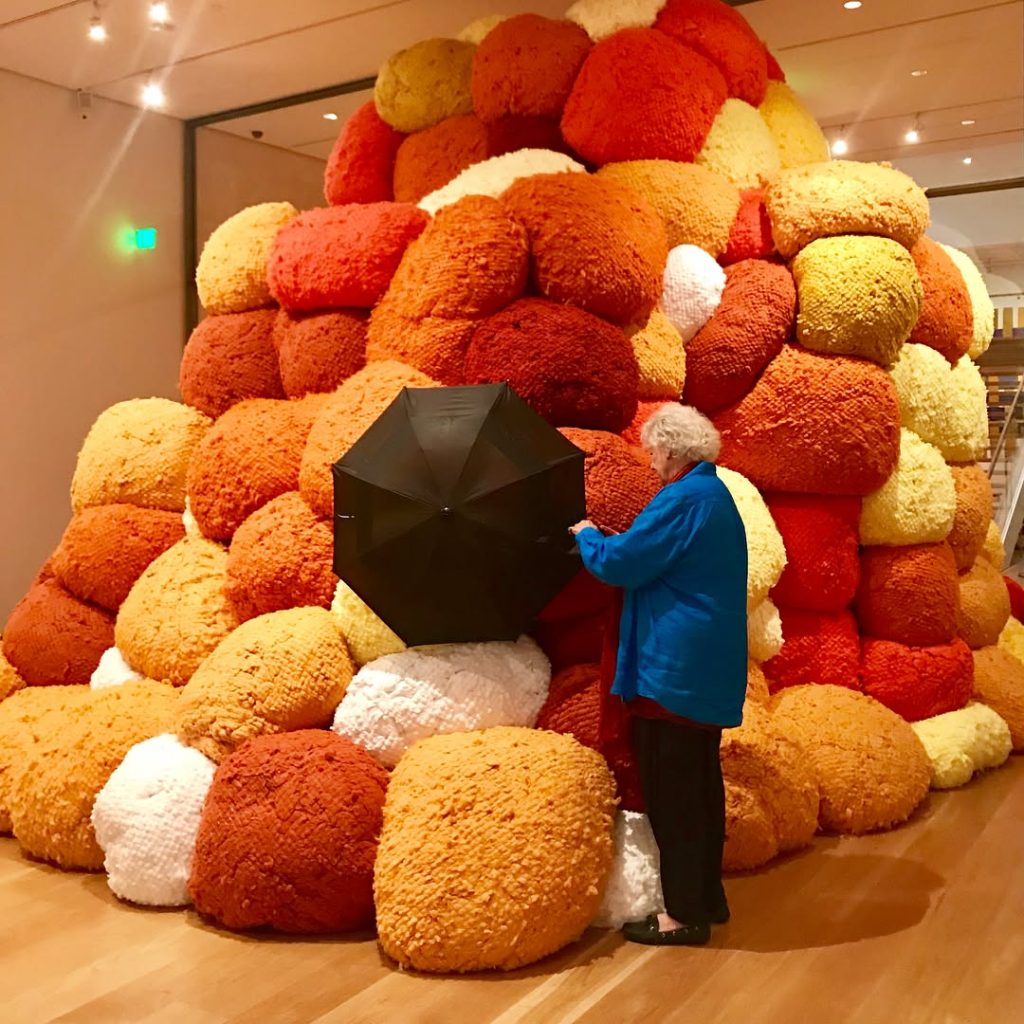
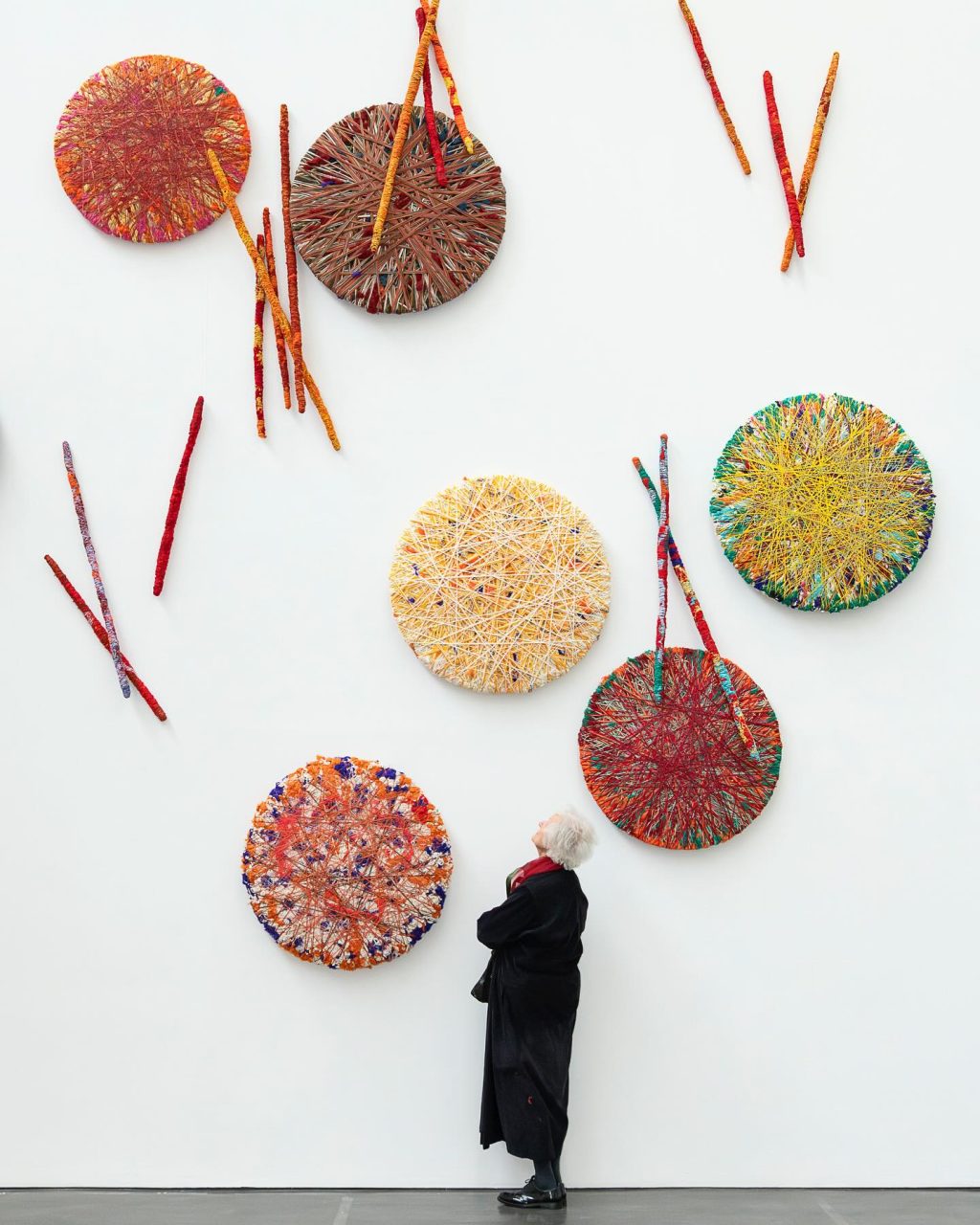
Hicks has spent decades expanding what fiber can do in space, from intimate woven studies to colossal installations that behave like architecture. Her recurring “ponytail” motif—first exhibited in 1969—compresses that research into dense, suspended cords that read as both playful and rigorous. Anderson, long an “art enthusiast and collector,” tapped directly into that language for Dior, asking Hicks to reinterpret the Lady Dior as an encounter between structure (the bag’s quilted box form) and flow (those cascading linen tails). Over roughly three months, the pair iterated not only on the exterior but “even rethinking [the] interior,” so the craft intervention would serve function as much as form. The result: a Lady Dior that swings, swishes, and changes silhouette as you move—less a static icon than a kinetic companion.
A men’s runway, a women’s icon—and a deliberate crossing of wires
Showing a Lady Dior on a menswear runway is not a gimmick here; it’s a thesis. The house’s own show notes flagged the Hicks collaboration as a core accessory statement for Summer 2026, situating the ponytail-cloaked Lady alongside re-readings of other Dior bag codes. By placing an historically feminine emblem in a men’s context—without neutering its elegance—Anderson reframed the bag as an object of culture rather than category. It’s consistent with his past work: let craft, material, and idea lead; let convention catch up after.
What, exactly, is different?
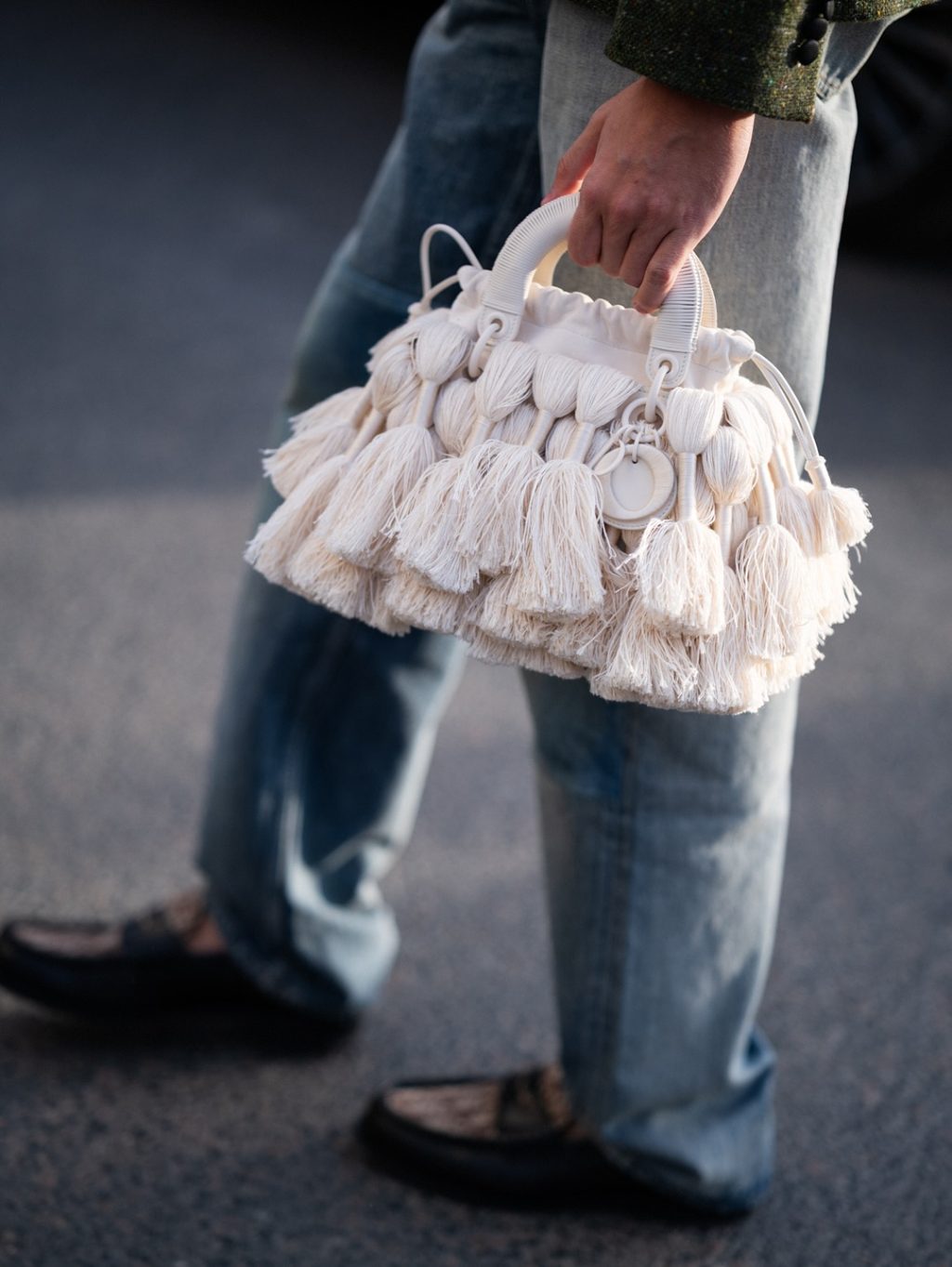
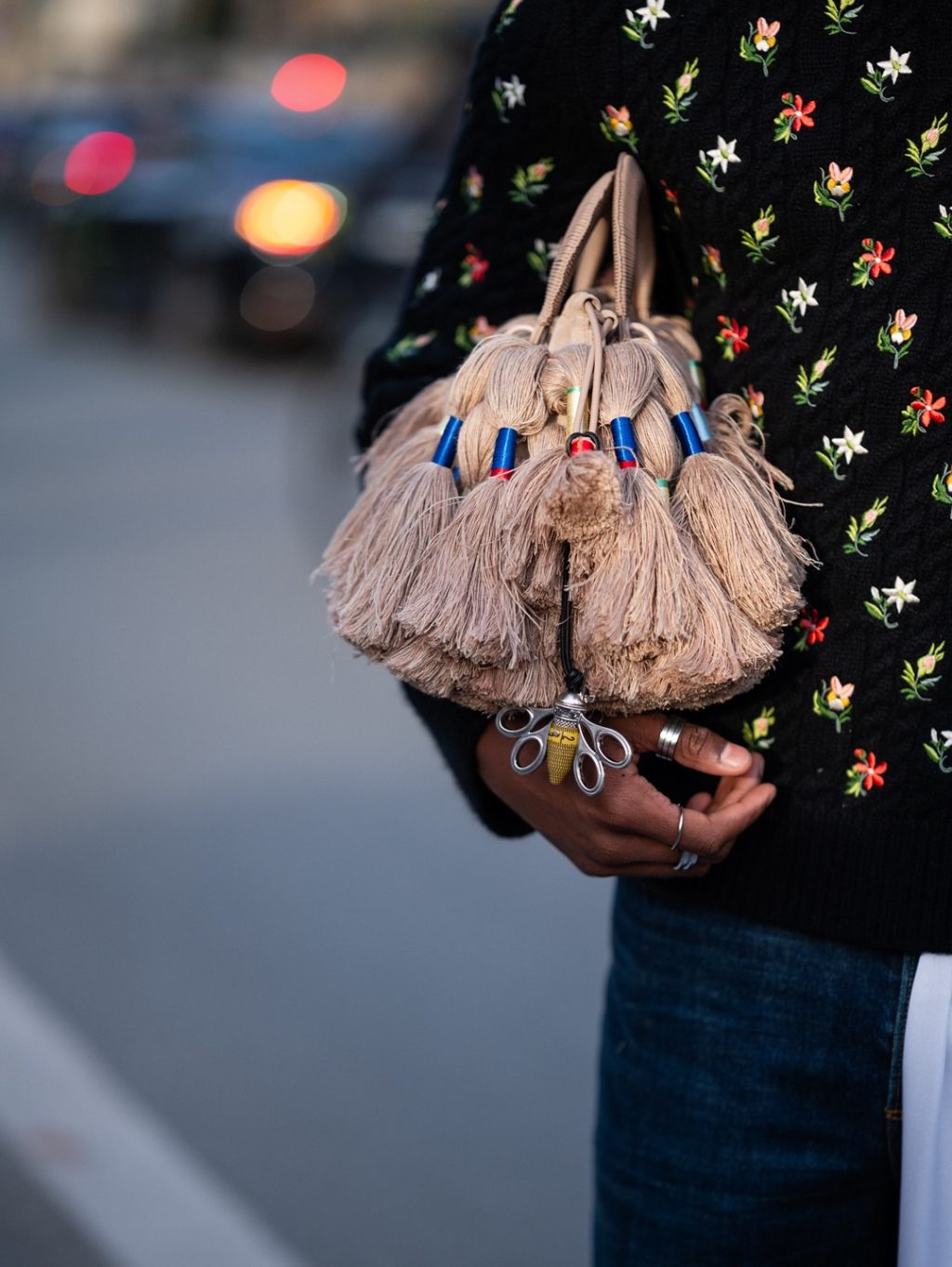
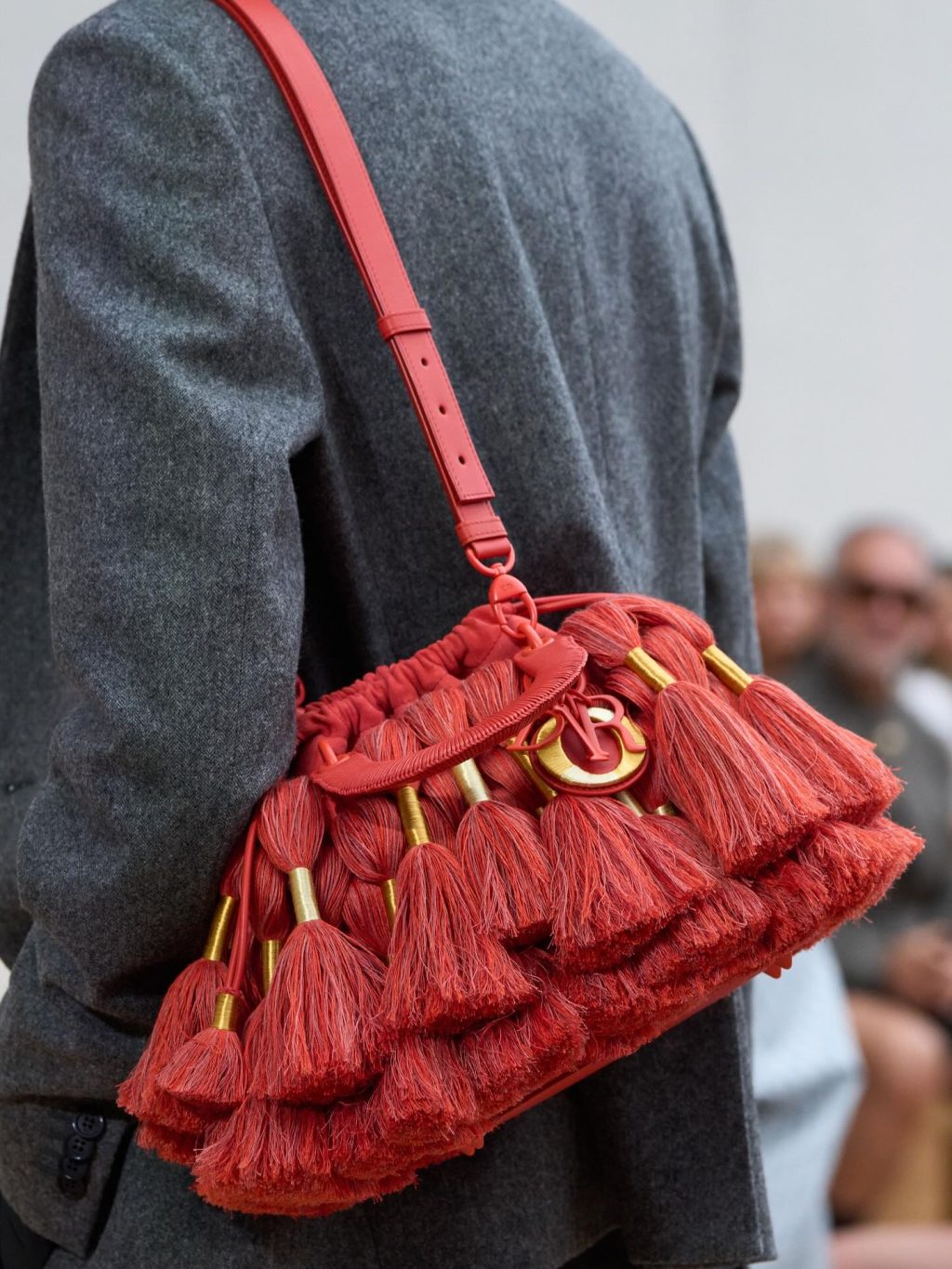
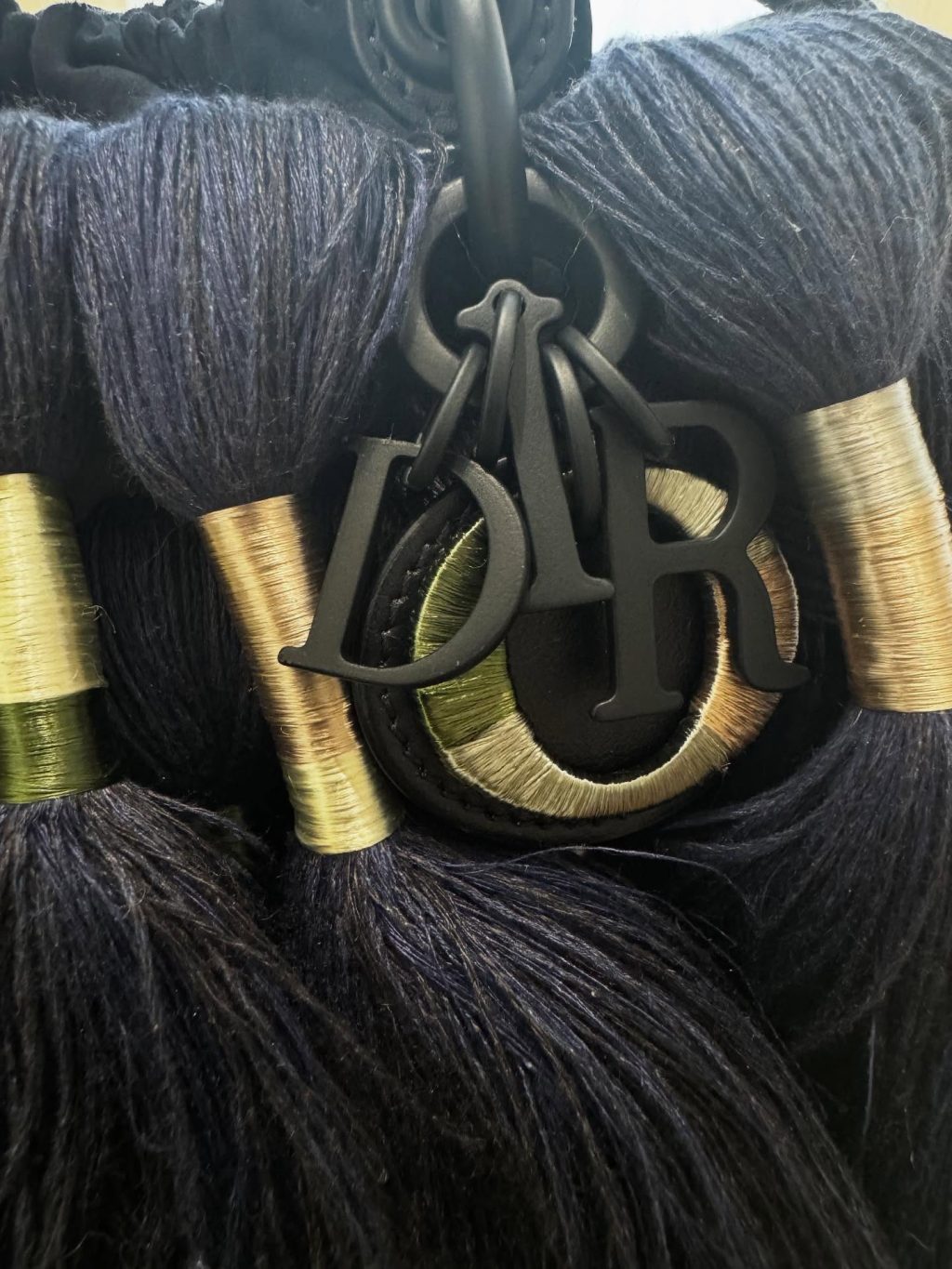
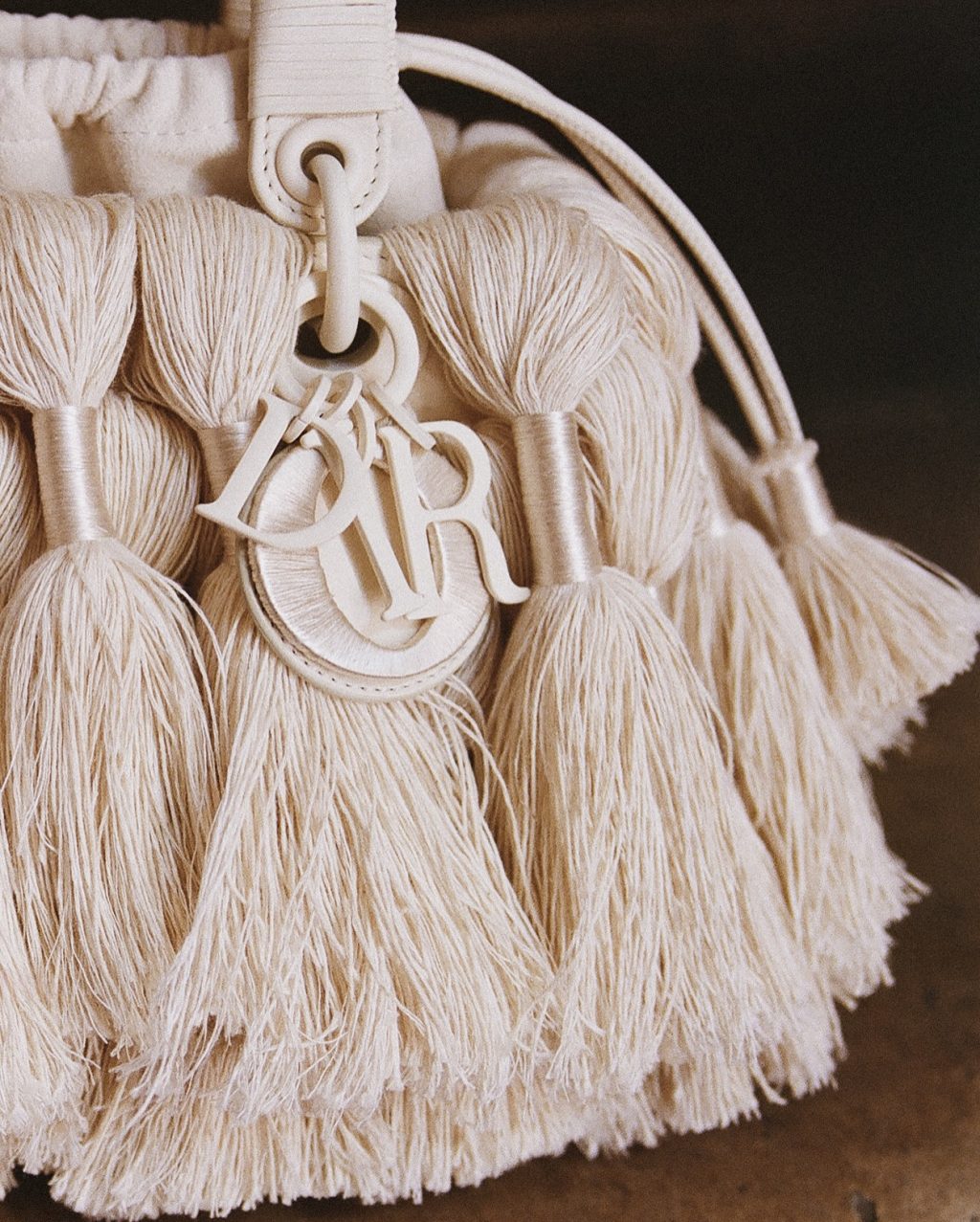
- Materiality & motion. The body is enveloped in pure linen “ponytails”—tightly bundled cords that drape and bounce. They’re not trim; they’re architecture, producing shadow, density, and a softly rustling soundscape as the bag moves.
- Inside as design space. Anderson has said the process involved refining how the ponytails integrate with, and don’t obstruct, the bag’s interior. Think: access, weight, carry comfort—craft as ergonomics, not just ornament.
- Carry versatility. On the runway, the Lady Dior was slung over shoulders or tucked under arms—the tassels turning a familiar rectangle into something almost performative, changing character with each gesture.
Lineage matters: from Lady Dior Art to a living collaboration
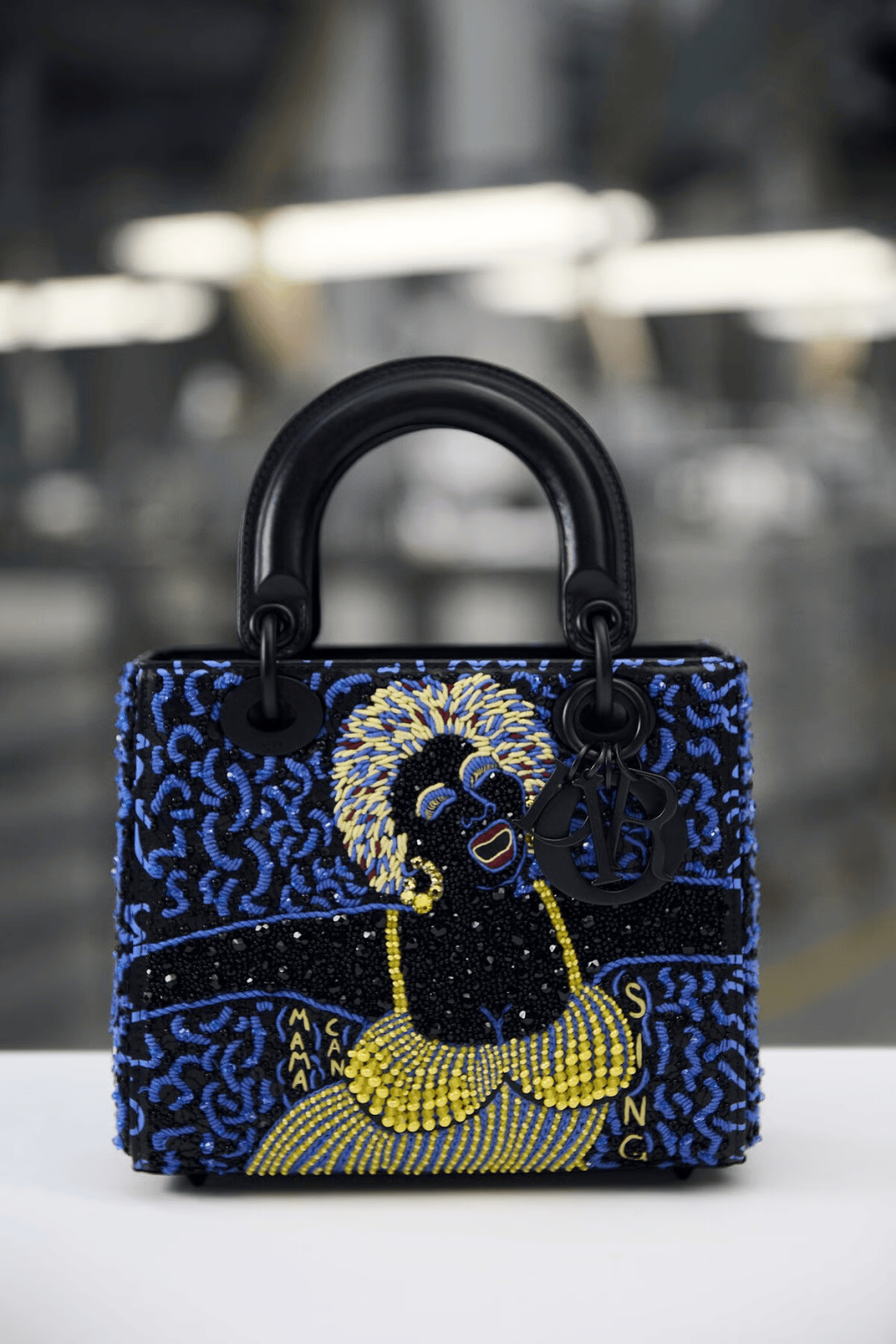
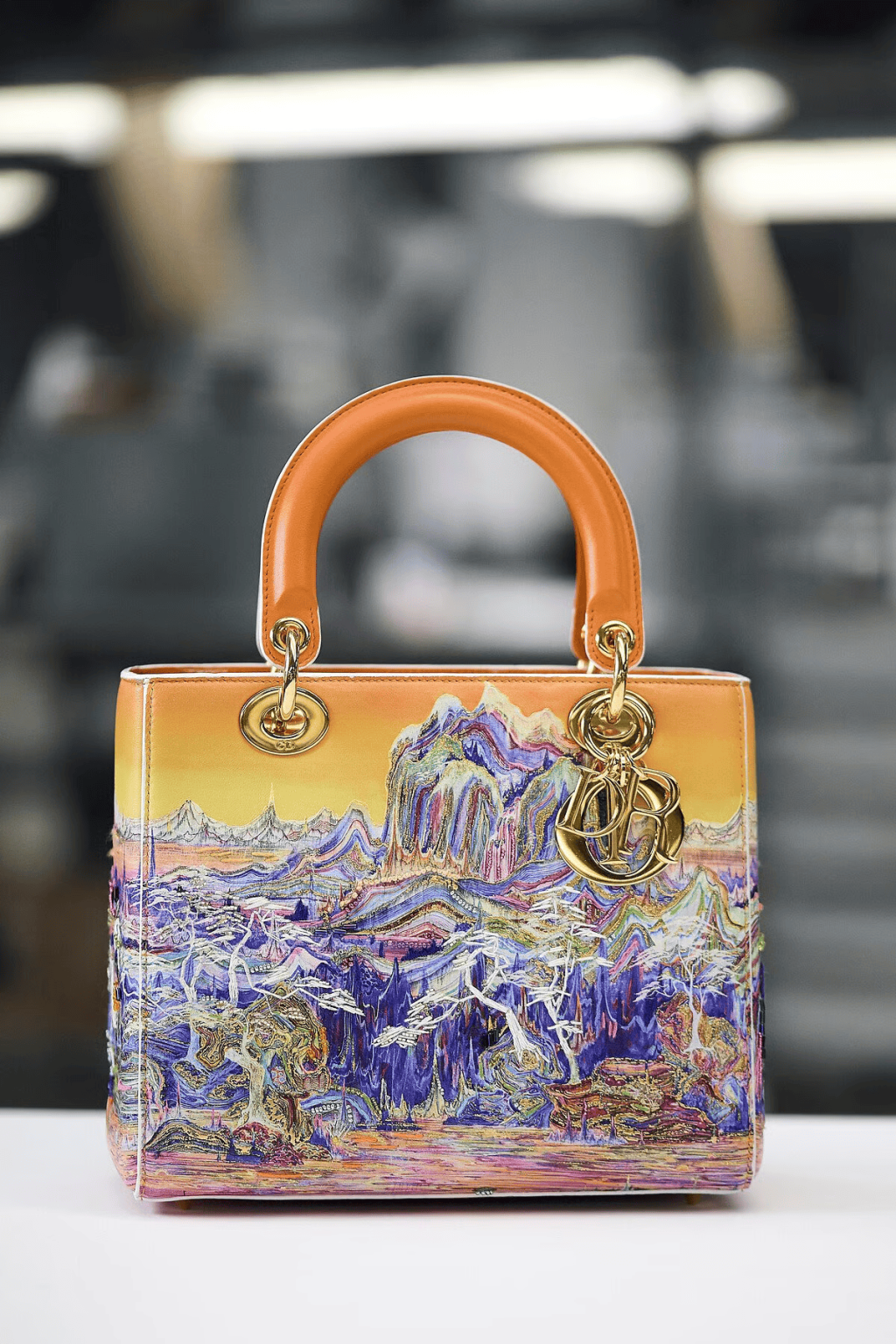
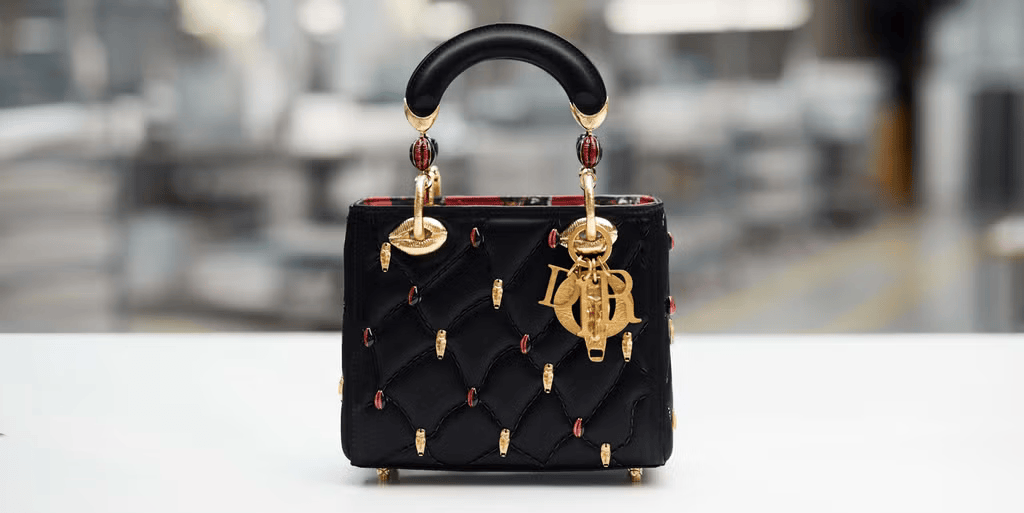
Since 2016, Dior has invited artists to treat the Lady Dior as a canvas through its Lady Dior Art project, commissioning limited-edition interpretations by talents including Faith Ringgold and Jeffrey Gibson. The Hicks collaboration rhymes with that initiative but is distinct in authorship and timing: it’s embedded in a seasonal collection, co-developed with the creative director, and intended to function within the brand’s broader accessories story rather than as a detached capsule. In other words, this isn’t “an art bag added on,” it’s art thinking shaping the collection’s core accessory.
Price, positioning, and collectability
Dior’s external communications have framed the Hicks Lady Dior as a high-craft, special piece; coverage close to the house lists the bag as “price upon request,” which is customary for limited, hand-intensive editions. That pricing posture underscores its collector logic: scarce runs, labor-heavy construction, and a direct tether to a museum-scale artist’s recognizable vocabulary. Expect the piece to behave more like collectible design than seasonal trend.