Jacquemus titled its Fall/Winter 2026 show “Le Palmier” and staged it at Musée National Picasso–Paris on Sunday, January 25, 2026—a location choice that instantly frames the collection as both Parisian memory and museum-grade mise-en-scène.
Returning to the Musée National Picasso–Paris also carried a personal charge. Simon Porte Jacquemus has described it as a full-circle moment—“I’m back at the Musée Picasso. Where everything started for me, somehow… Where I launched the Chiquito in 2017.” In his own words, that show “changed my life and, in a way, the history of Jacquemus,” making FW26’s venue choice feel less like a rental and more like a deliberate wink: a return to the room where the brand’s modern bag mythology began, now revisited with the confidence of everything that followed.
The brand’s own framing is unusually precise: the season’s attitude is inspired by Simon Porte Jacquemus’s daughter and her “palm-tree ponytail,” a sweet domestic detail that becomes a creative engine for the runway’s nonchalant swagger.
That “ingenuous nonchalance” is then anchored in a three-part time capsule—1950s couture shape, 1990s sensuality, and a satirical 1980s humor—as if the show is flipping through French television channels until something sharp, sculptural, and slightly absurd clicks into focus.
Even the pre-show storytelling was built like a mini-film universe. Jacquemus developed a series of teaser videos—described as a short choral comedy with subtly burlesque humor—written and directed by Valérie Donzelli, with casting choices meant to underline intimacy, family, and transmission.
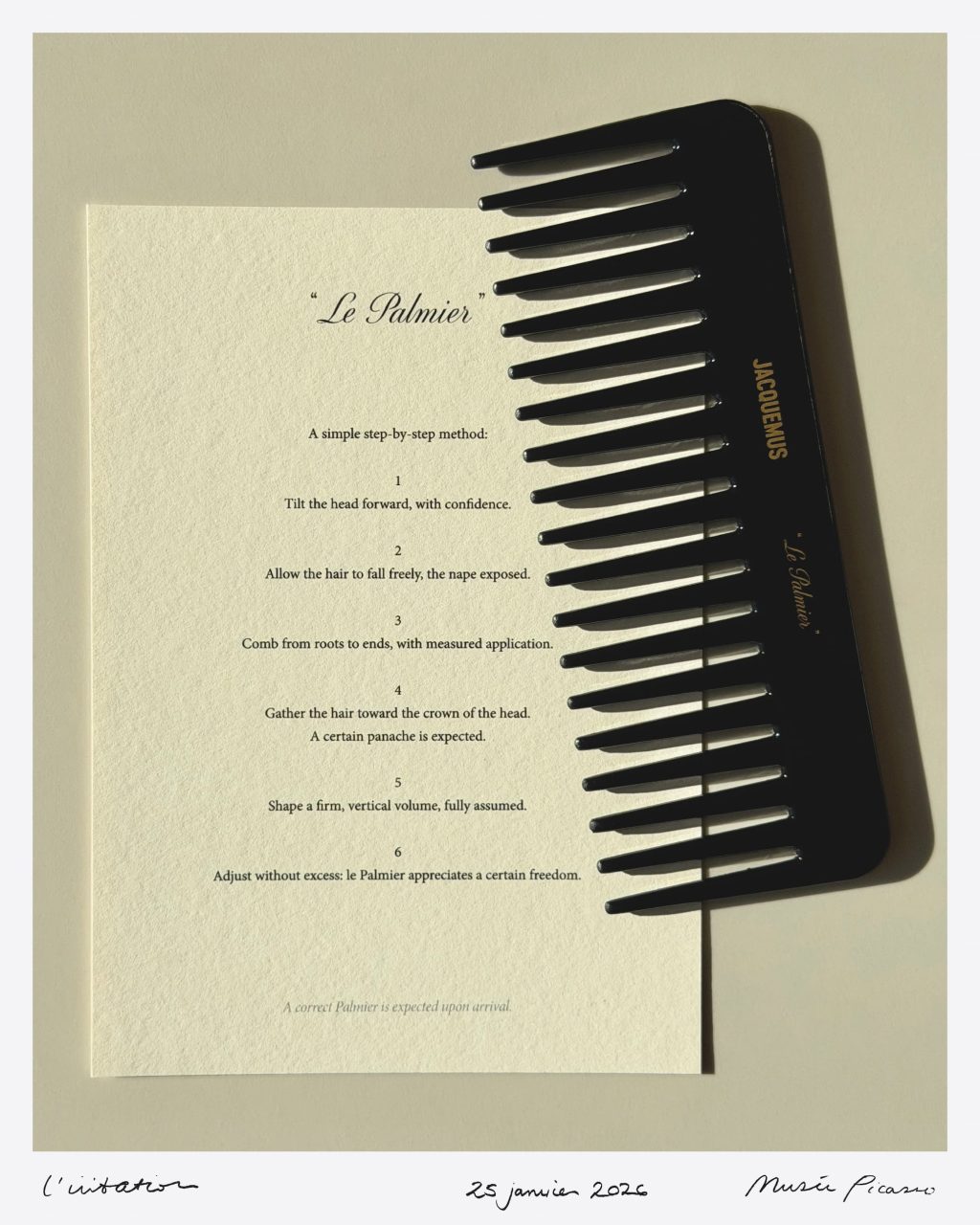
The invitation itself made the theme literal—and deliciously deadpan. Guests received a Jacquemus-branded, oversized black comb laid over a cream card titled “Le Palmier,” formatted like a tiny etiquette manual: a numbered, step-by-step “method” for achieving the palmier look—head tipped forward, hair released, combed, gathered high, shaped into vertical volume, then “adjusted without excess.” The closing line lands like a punchline and a dress code in one: a correct Palmier is expected upon arrival. In other words, the show didn’t just reference a hairstyle; it staged grooming as ritual—half couture preparation, half burlesque instruction—perfectly in tune with the collection’s 80s/90s French-film humor and social-soirée theatrics.
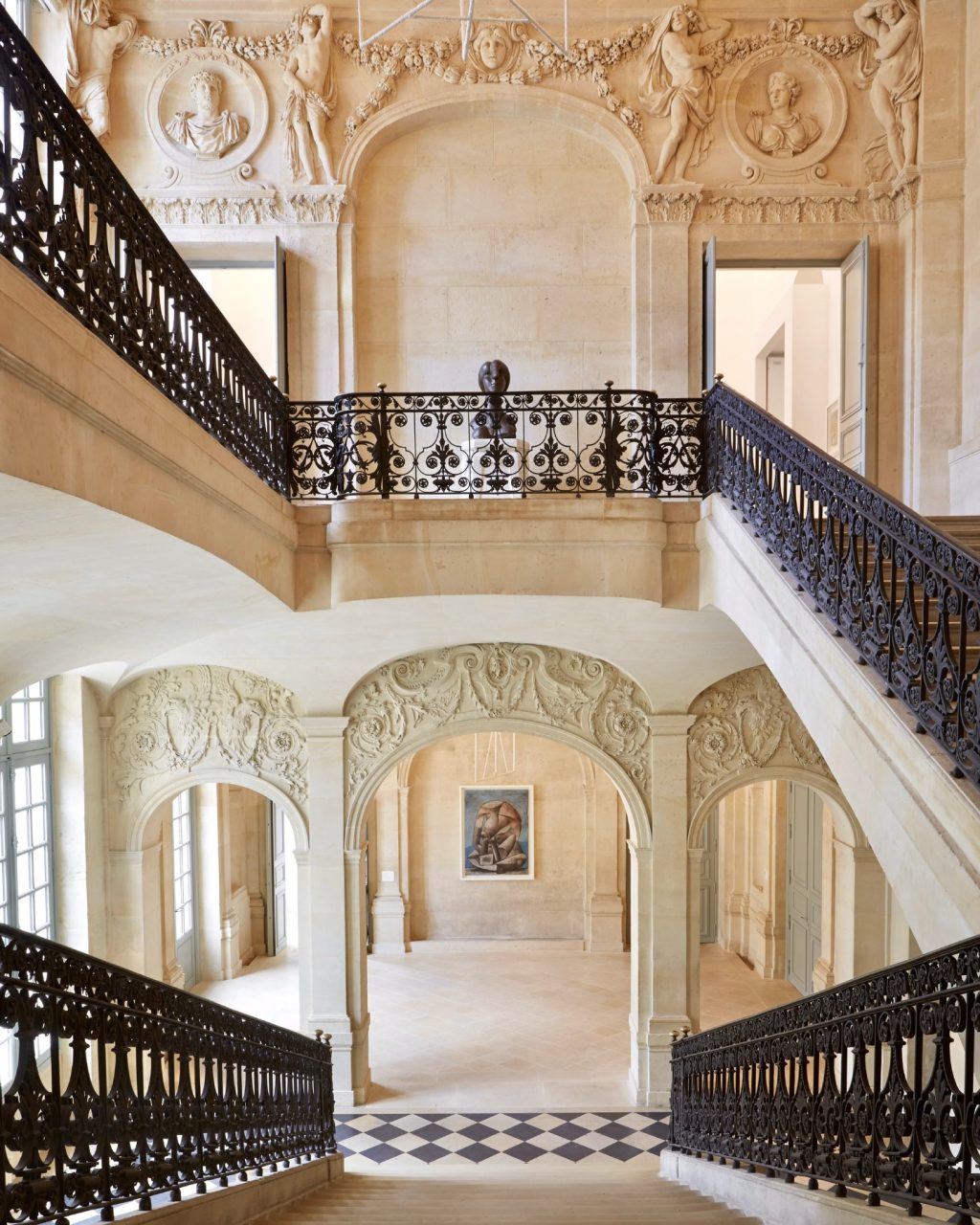
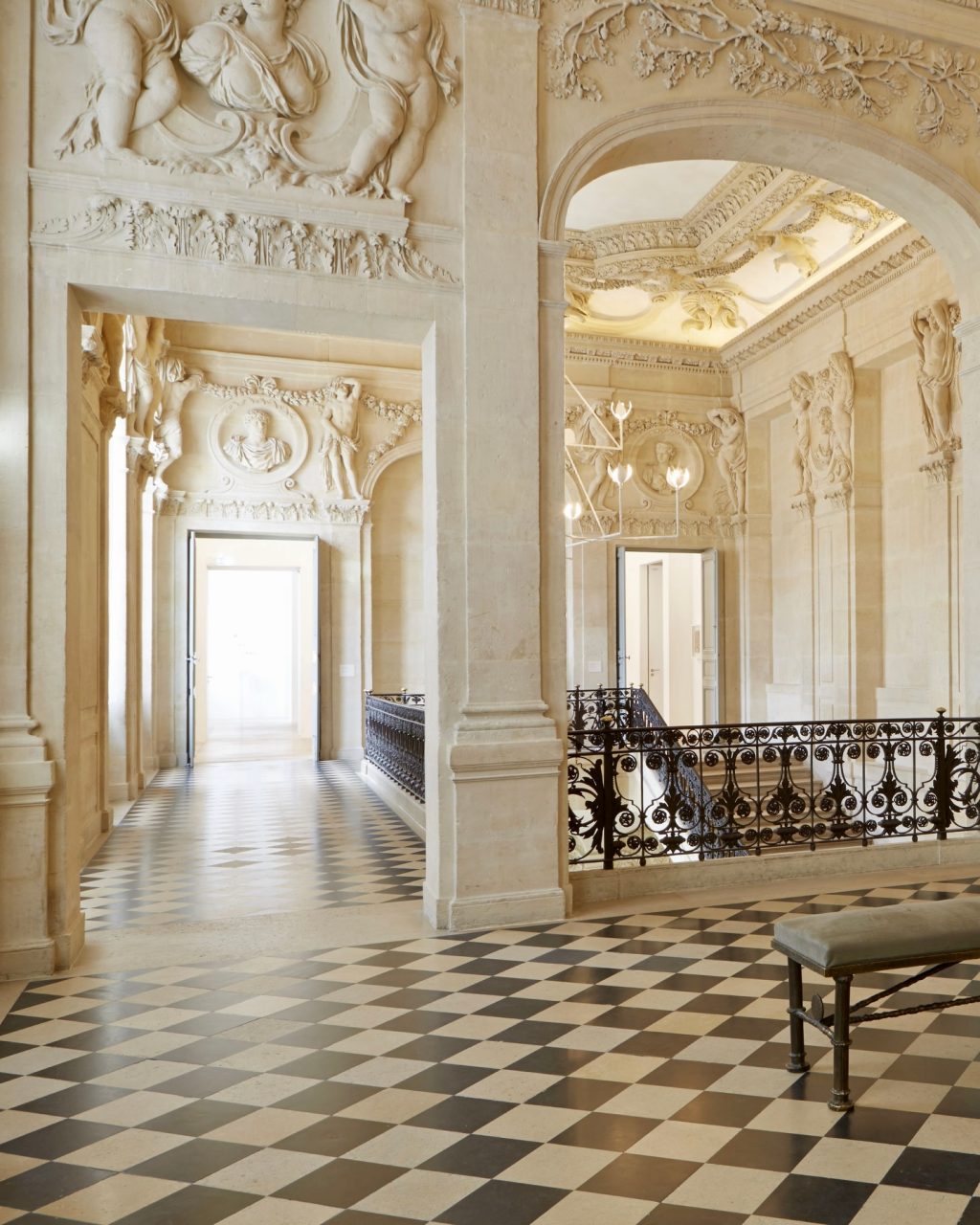
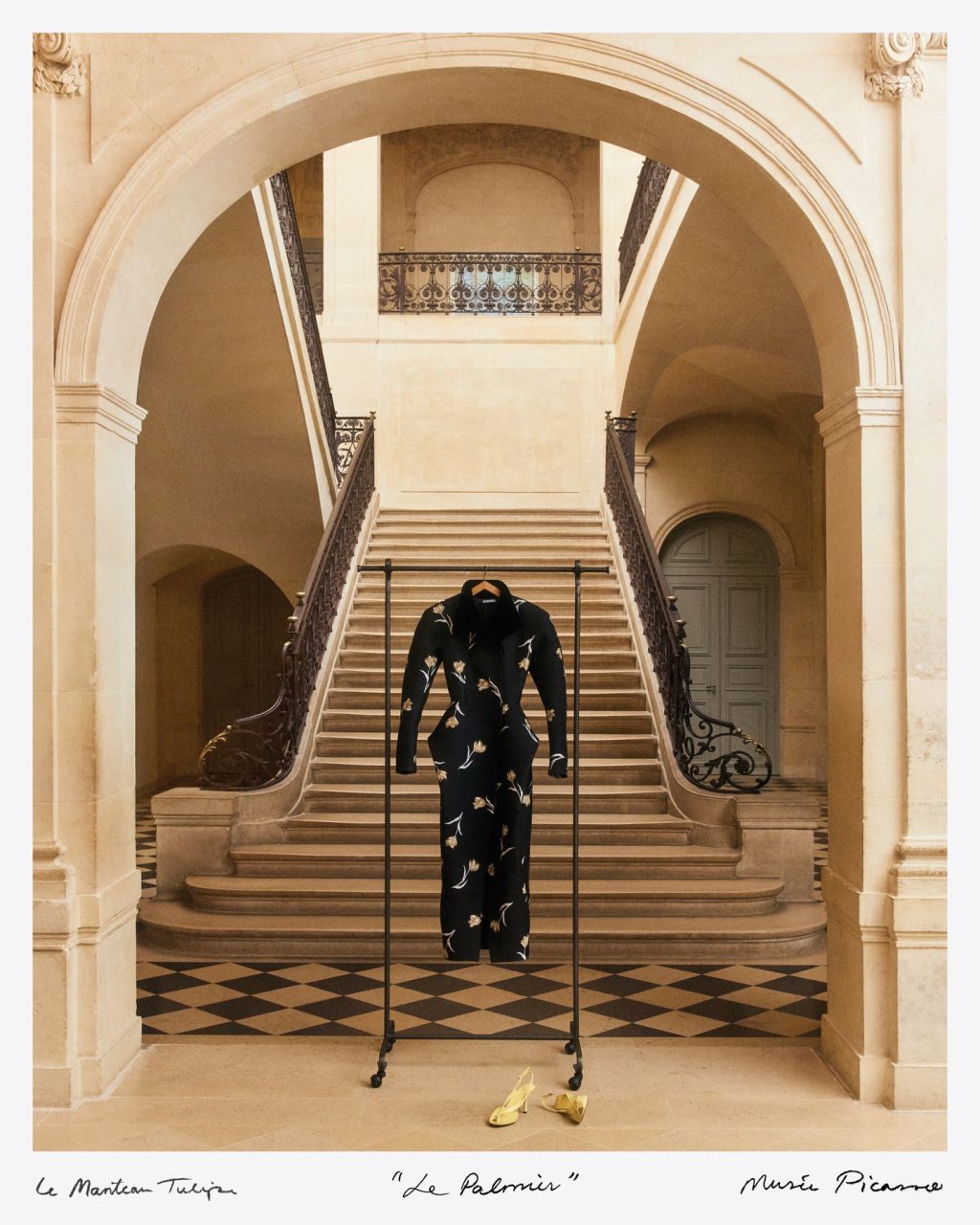
And then there’s the venue: Musée Picasso occupies the Hôtel Salé, a historic mansion refitted into a museum, with renovation work (1979–1985) led by architect Roland Simounet—a project explicitly conceived to let modern art “shine” inside patrimonial rooms. The building’s atmosphere isn’t generic Paris grandeur; it’s a very specific mix of stone, ironwork, and salon drama—made even more tactile by the museum’s furnishings commissioned from Diego Giacometti, including a significant collection of chairs, benches, lights, and tables created for the Hôtel Salé. Jacquemus even published detailed art credits tied to the space (including references to Picasso and Giacometti elements), reinforcing that the setting wasn’t a backdrop—it was part of the script.
Why the bags matter in this collection
In “Le Palmier,” the bags don’t behave like accessories. They behave like props with status—objects that help define the character archetypes Jacquemus is playing with: the woman who steals the show, the man who looks like he wandered out of a French film, the guest who arrived overdressed and slightly mischievous. Across the collection, two design “languages” dominate:
- The Valérie half-donut clasp (a magnetic, jewel-like half-donut) reads as a single bold punctuation mark—graphic, instantly legible, and photographed beautifully.
- The Rond-Carré clasp (seen on Berlingot and related clasp styles) pushes the object-feel further: part geometry lesson, part jewelry hardware, part toy.
The result is a lineup where bags are not only identifiable by silhouette, but by closure code—a collector-friendly signature.
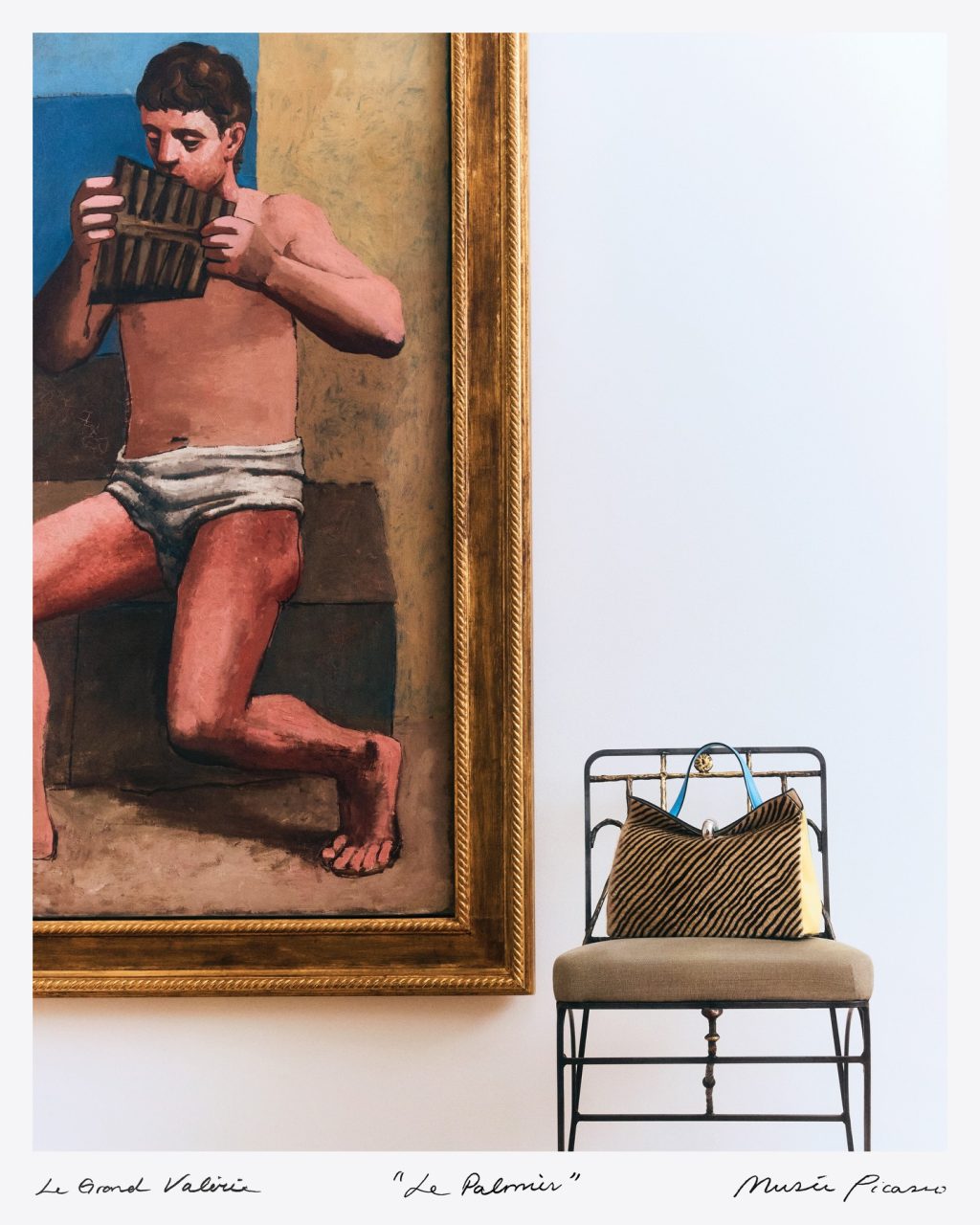
Valérie
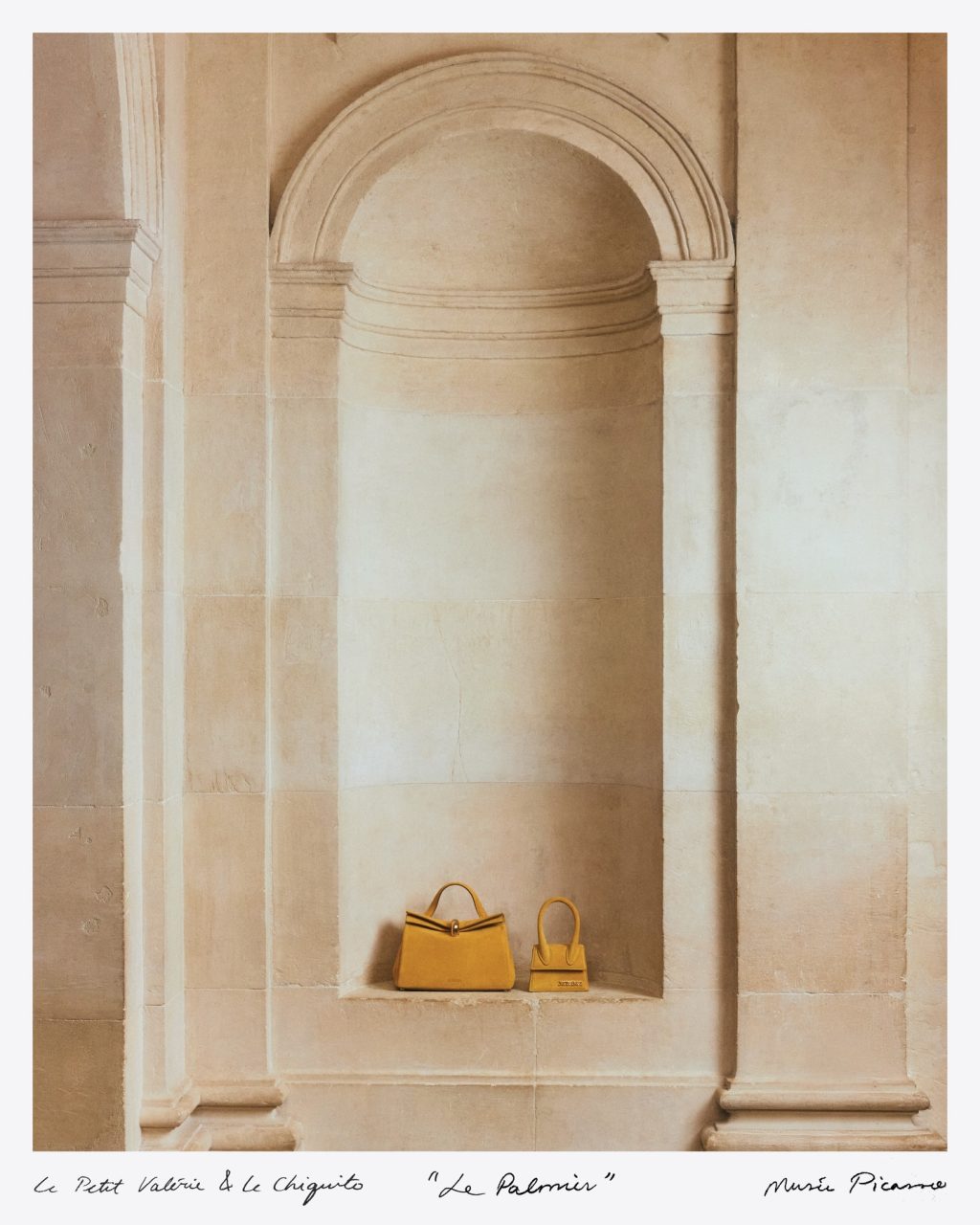
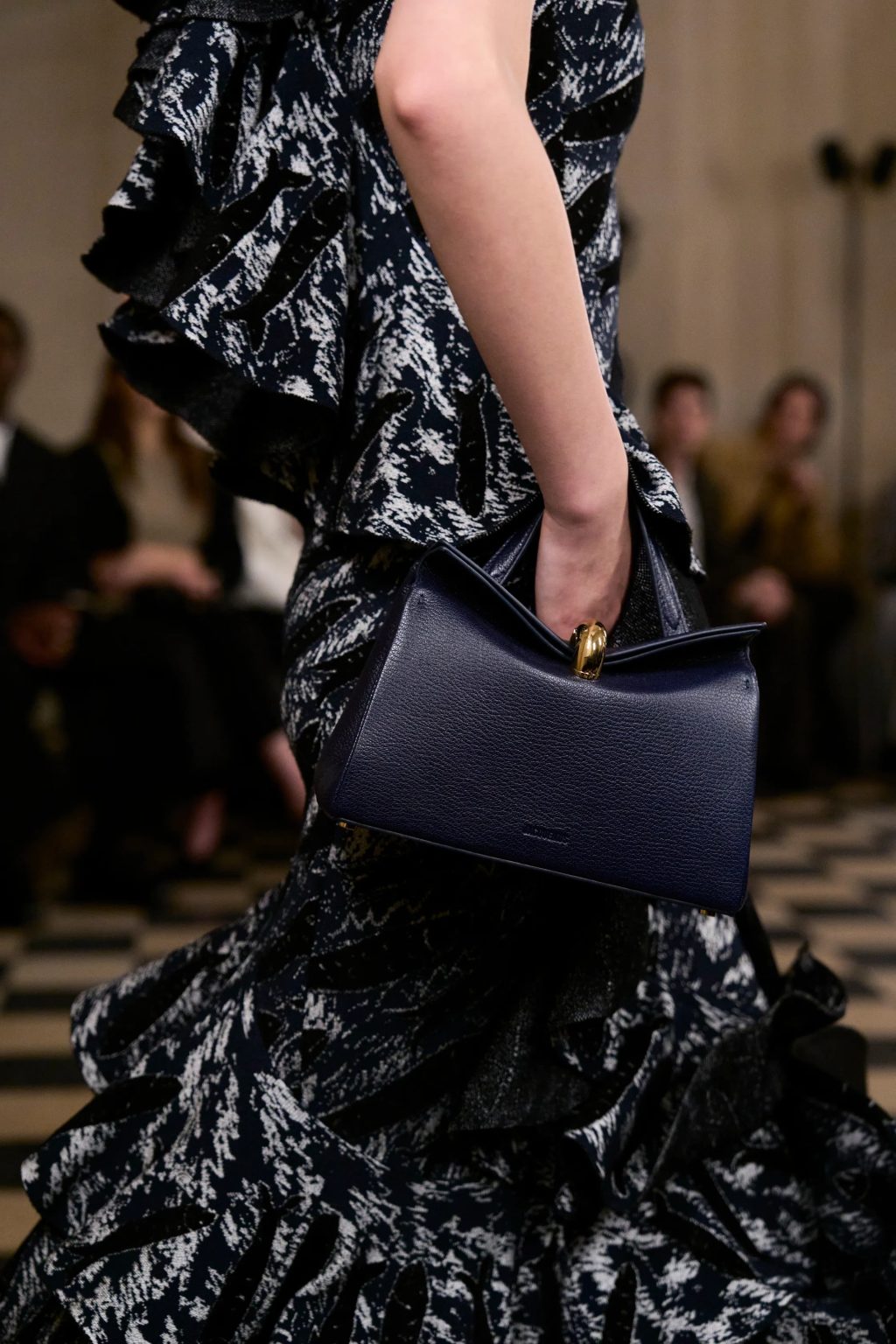
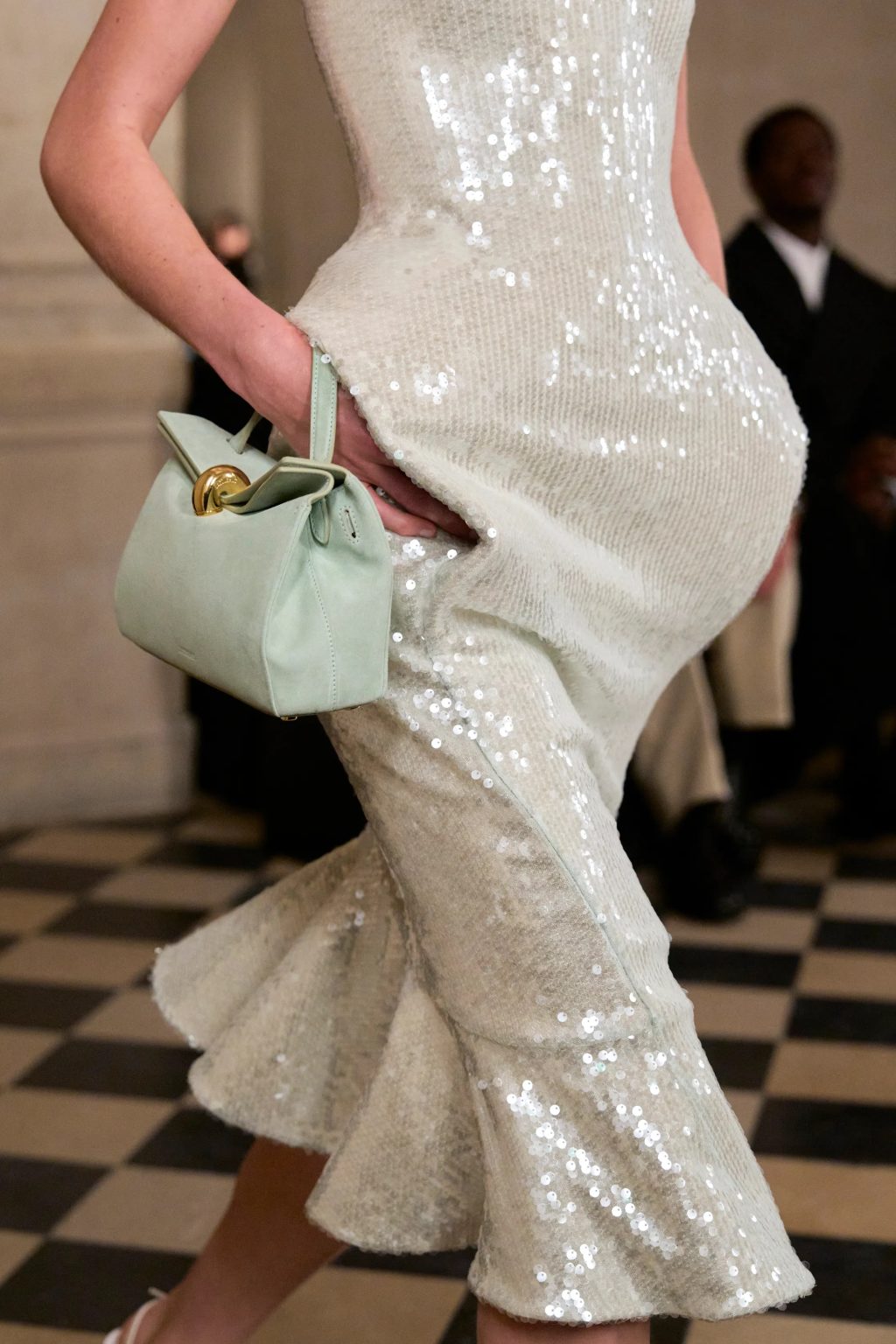
If one bag summarizes Jacquemus’s current accessory intelligence, it’s Valérie—a folded silhouette designed to look effortless while being structurally clever. On the official product description, Valérie is positioned as an everyday carry, sized to hold modern essentials (phone, keys, earphones—plus more), but what matters visually is the folded top line and the half-donut clasp that sits like a piece of jewelry at the center of the bag’s expression.
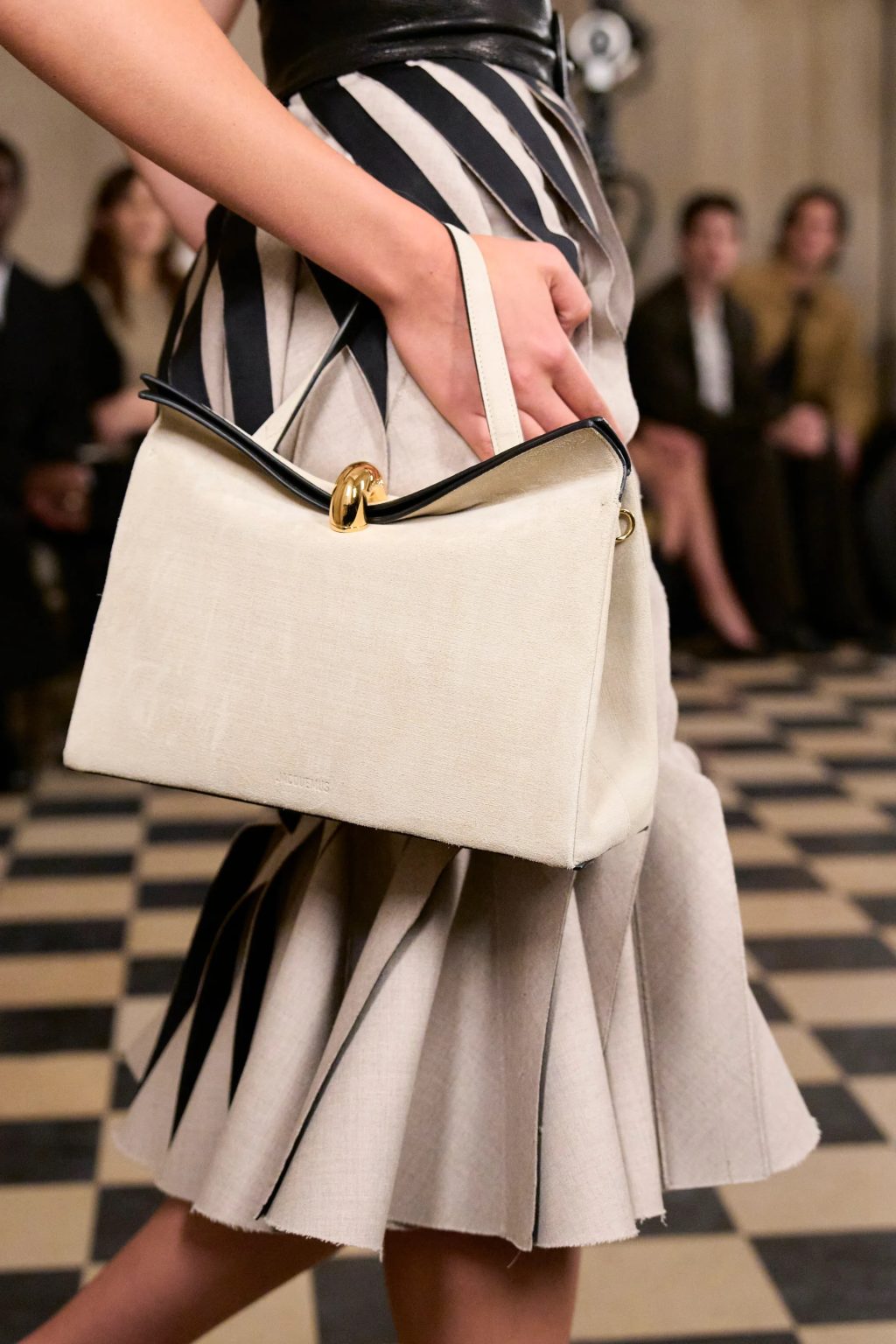
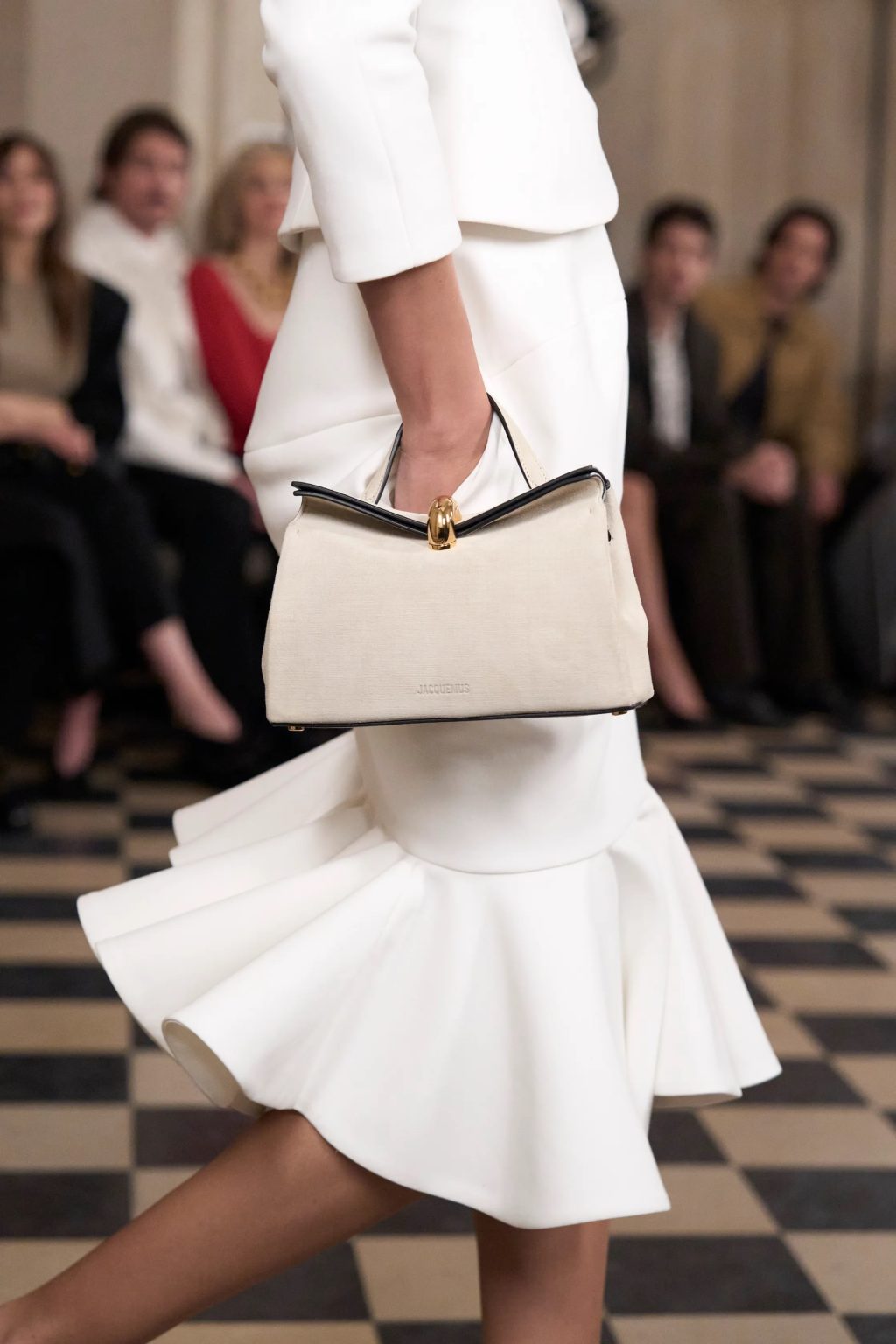
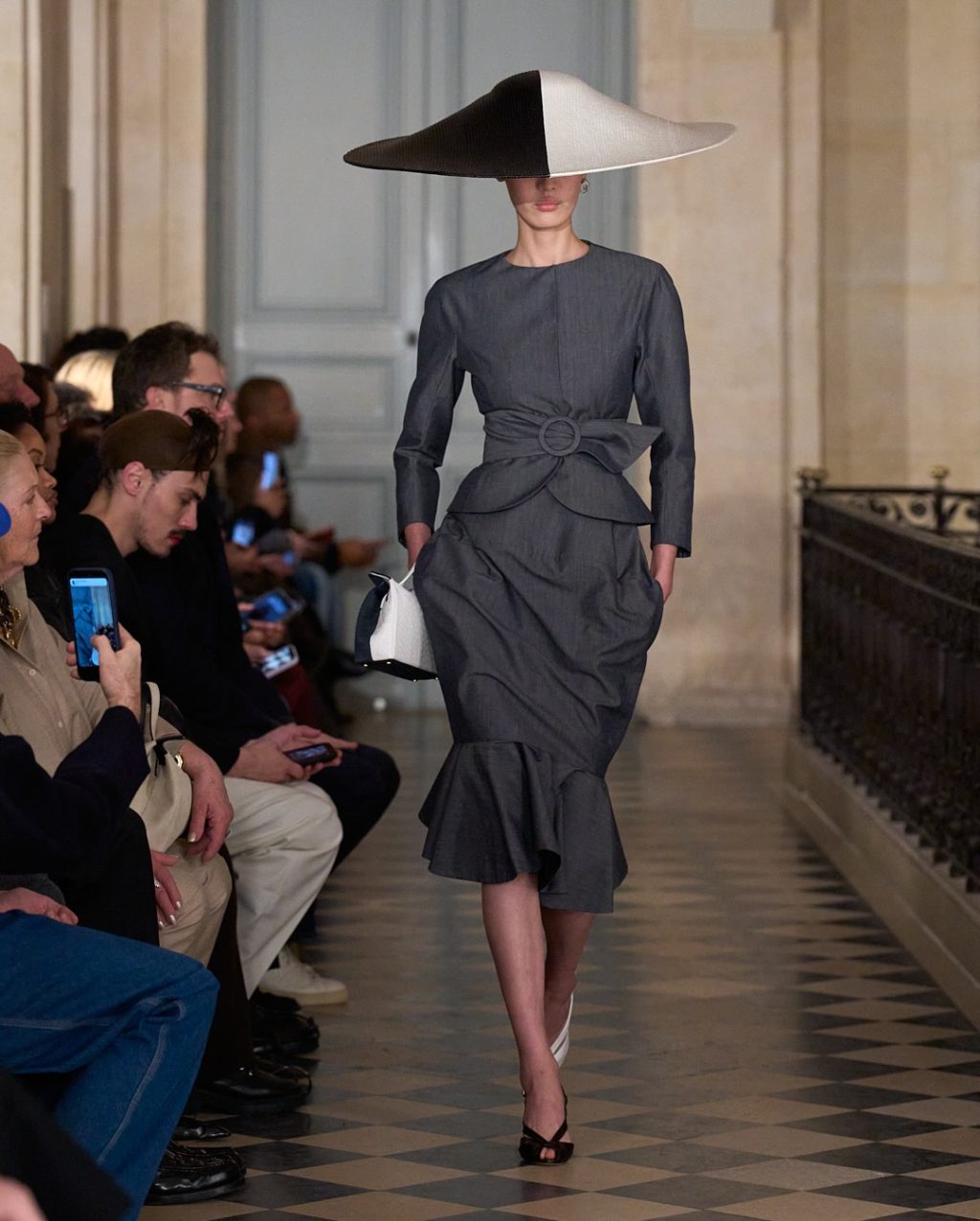
Material-wise, Valérie is explicitly built in leather (smooth calf for the main model; goat leather for the small), with a protective metal base and lamb lining depending on size—details that signal Jacquemus is treating this as a long-game bag, not a seasonal novelty. In runway terms, Valérie becomes the show’s “handheld punctuation”: it grounds the more theatrical silhouettes (peplum hems, cartoonish hats, satirical flourishes) with a bag that reads modern, sculptural, and surprisingly grown-up.
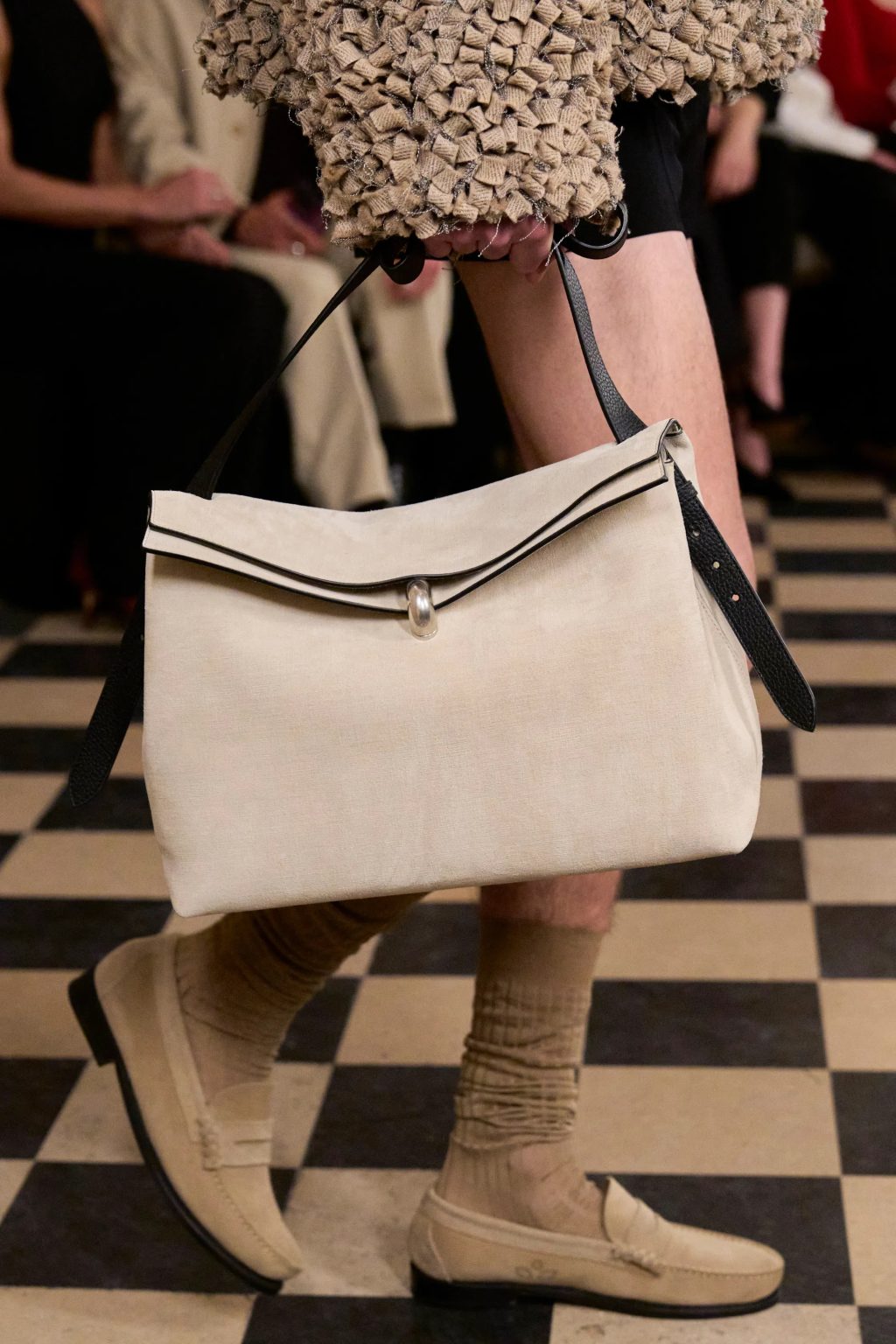
A collector note that matters: Valérie isn’t just a name floating in the air—Jacquemus introduced “Le Valérie” as a tribute to his mother, and the launch messaging leans hard into childhood gaze, humor, and tenderness. That emotional anchoring is exactly how It-bags become more than product.
How to style Valérie: Think contrast. The strongest looks pair Valérie with silhouettes that carry a wink—graphic dots, exaggerated hemlines, couture-leaning shapes—so the bag’s clean fold and jewel closure acts as the calm center.
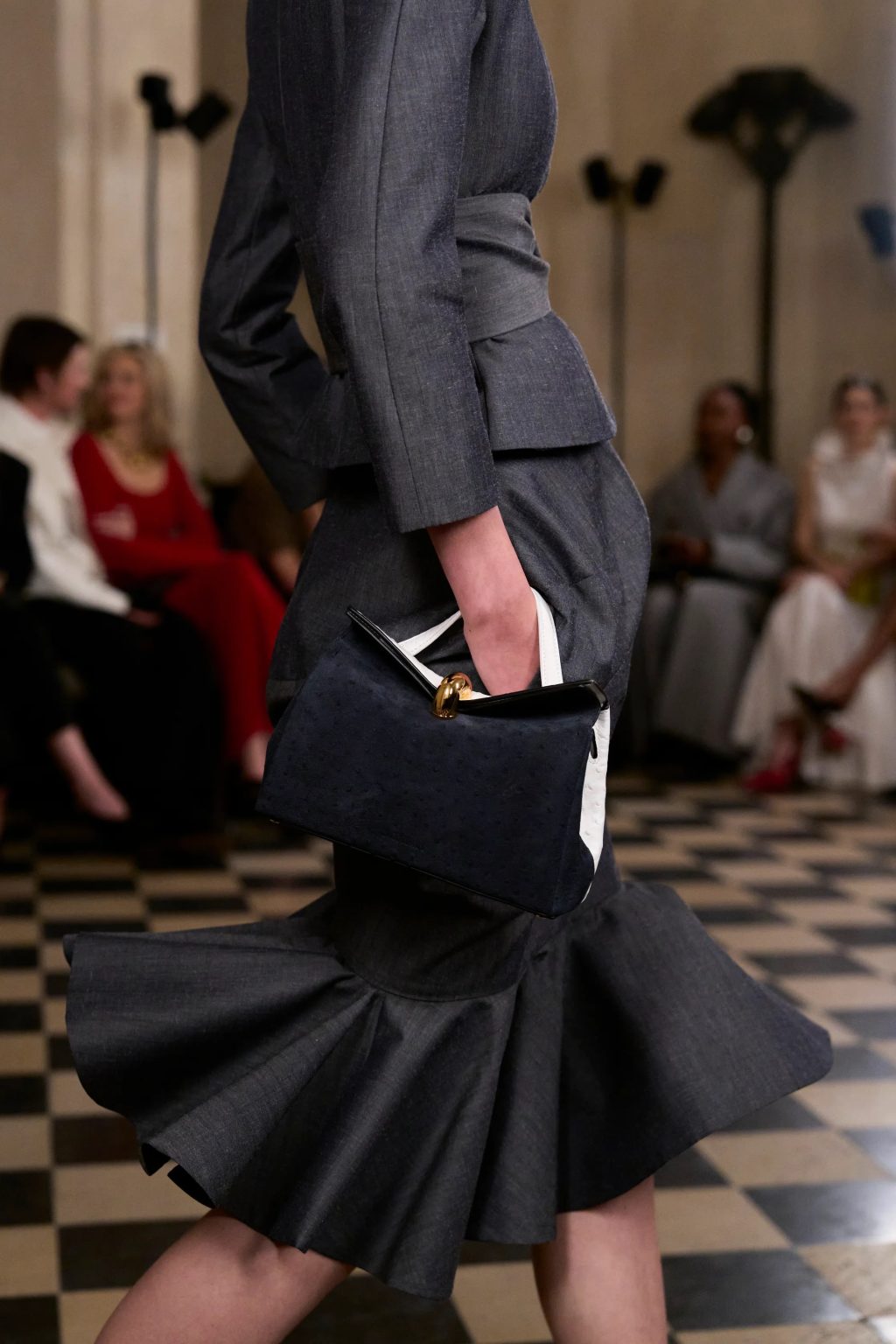
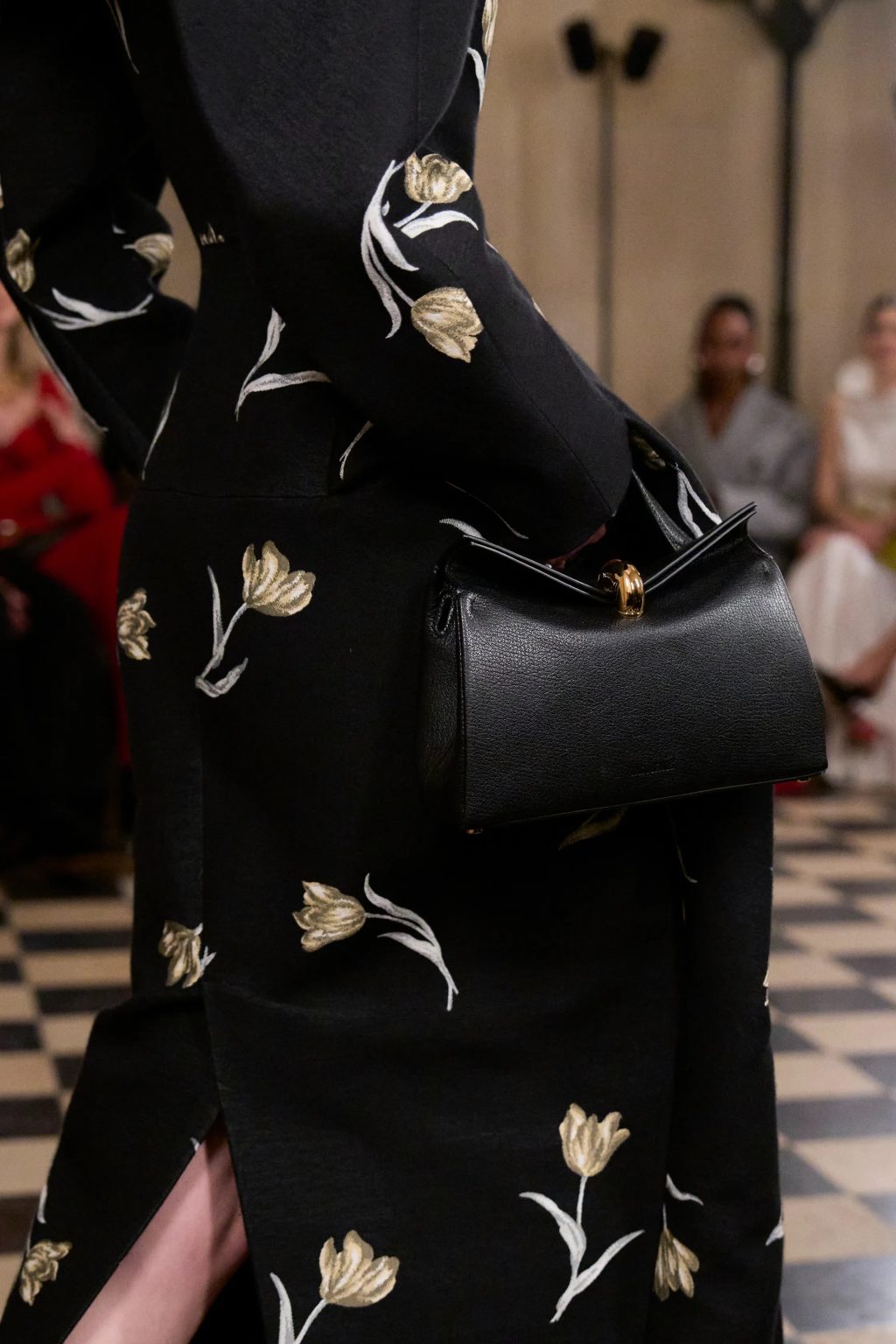
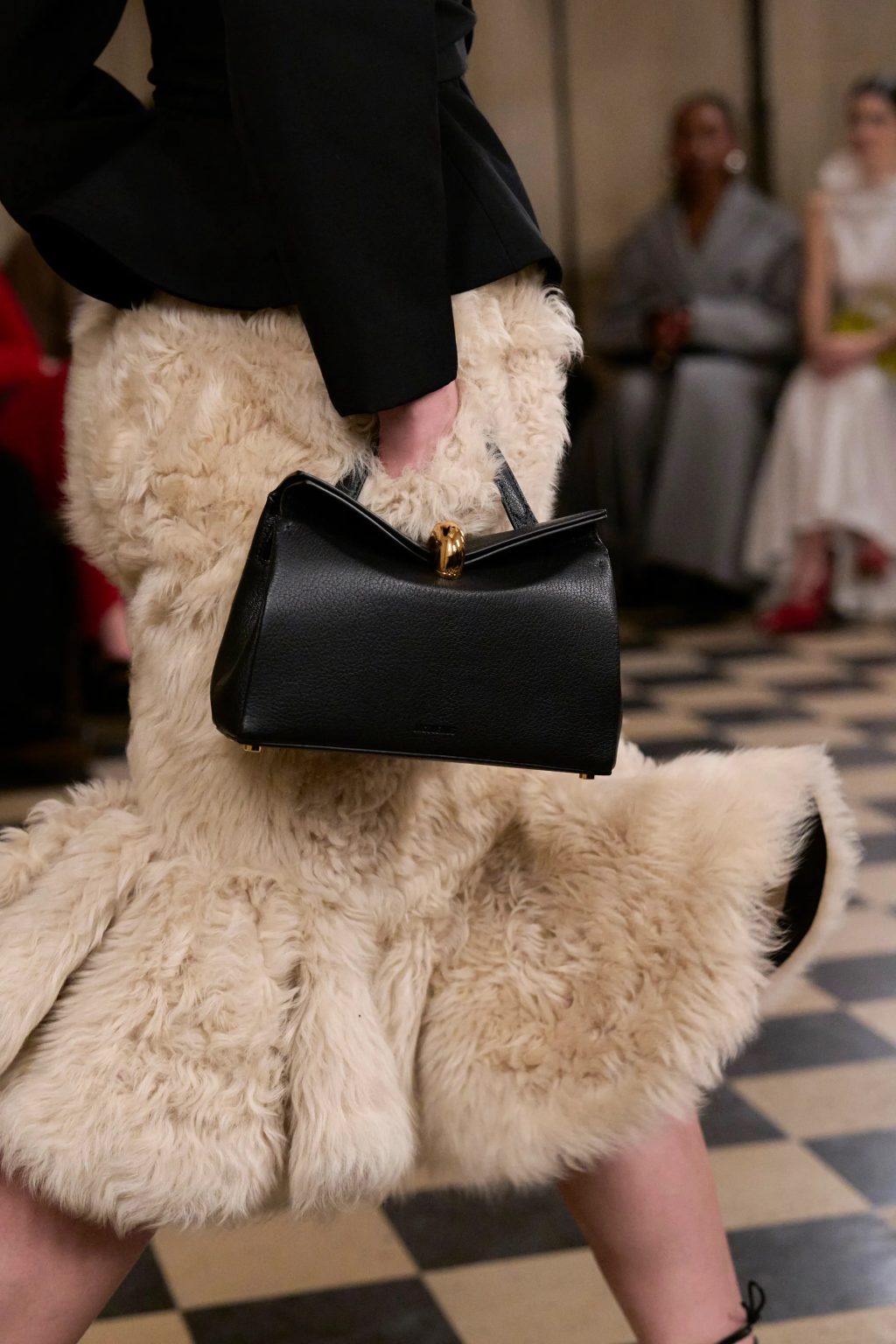
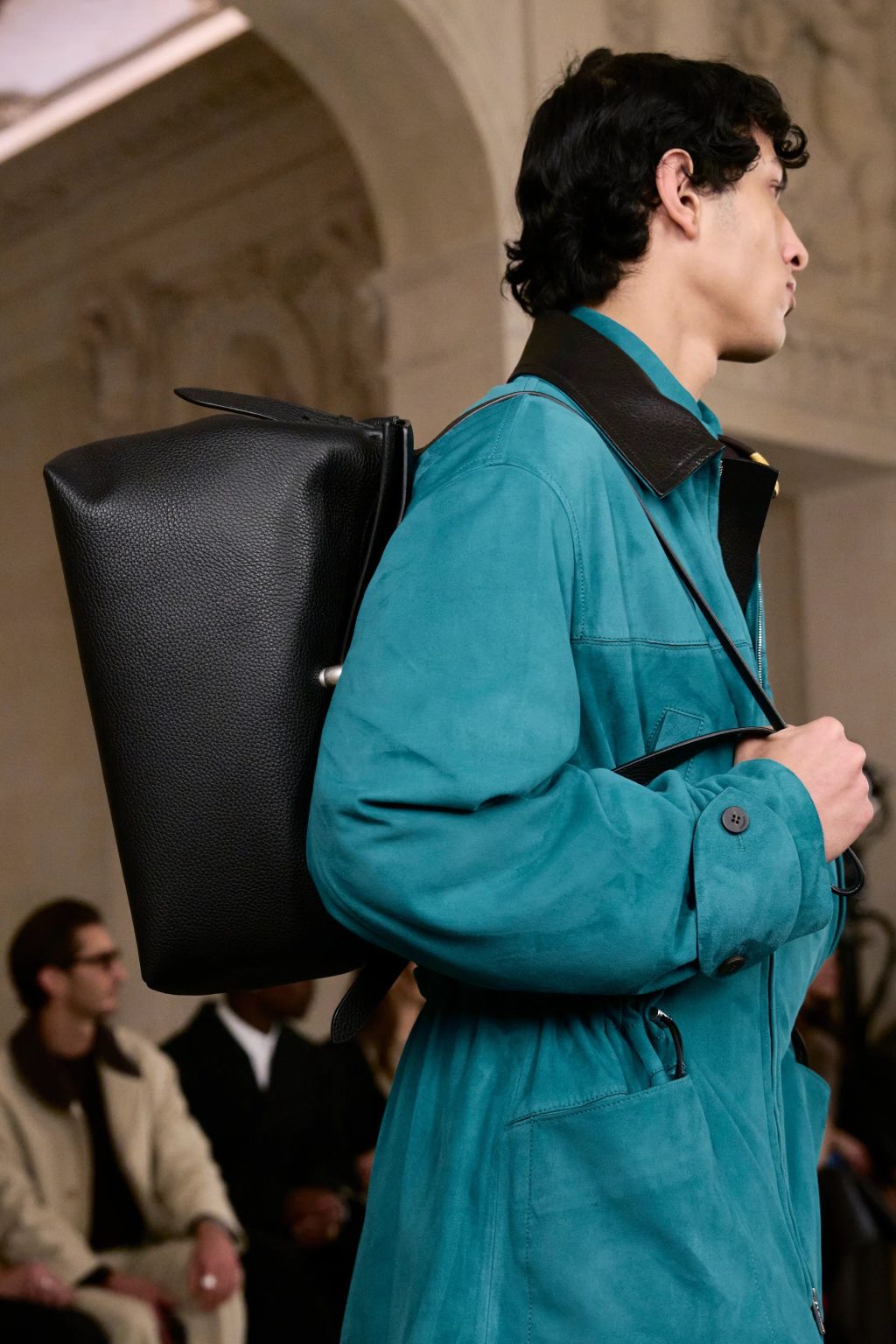
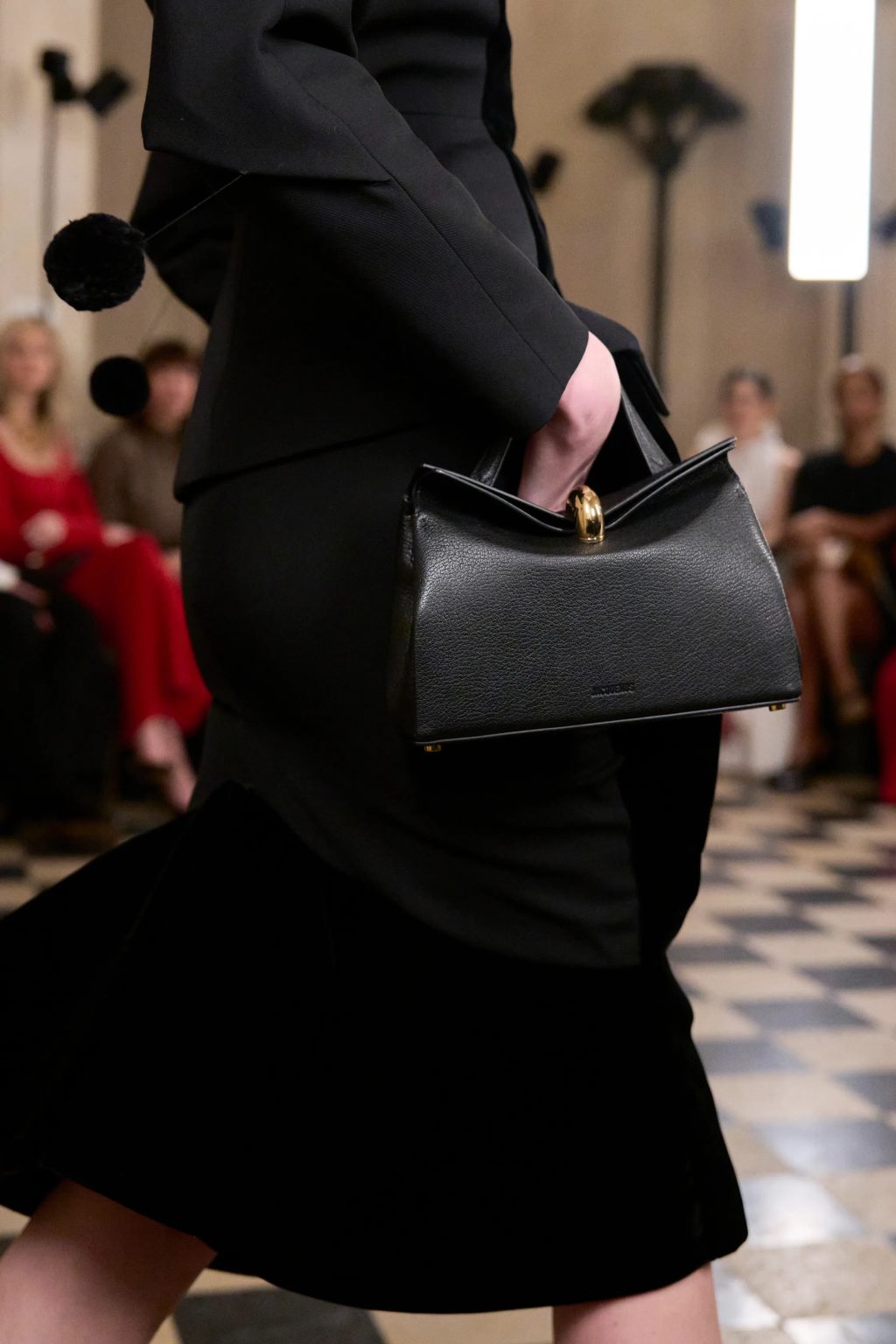
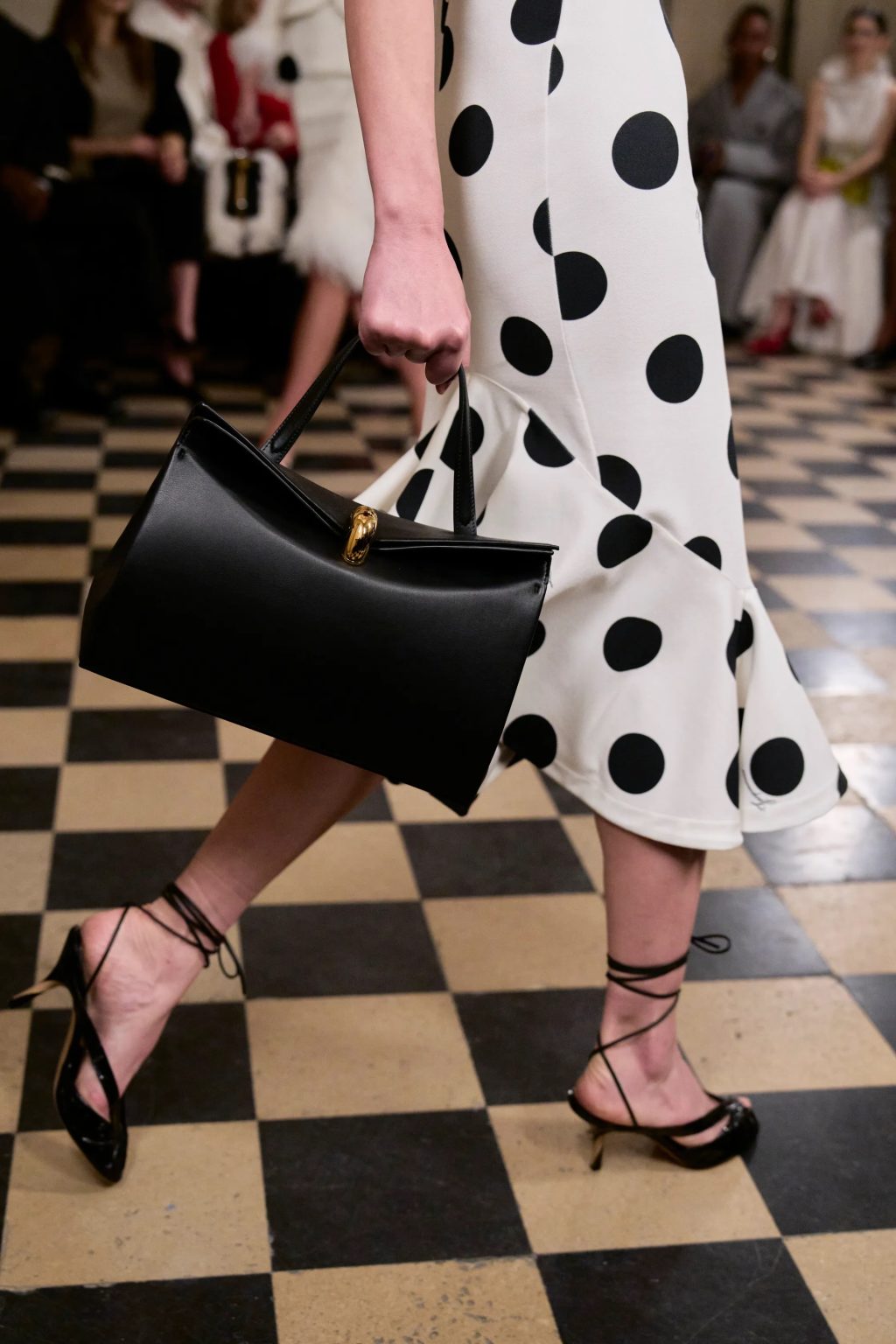
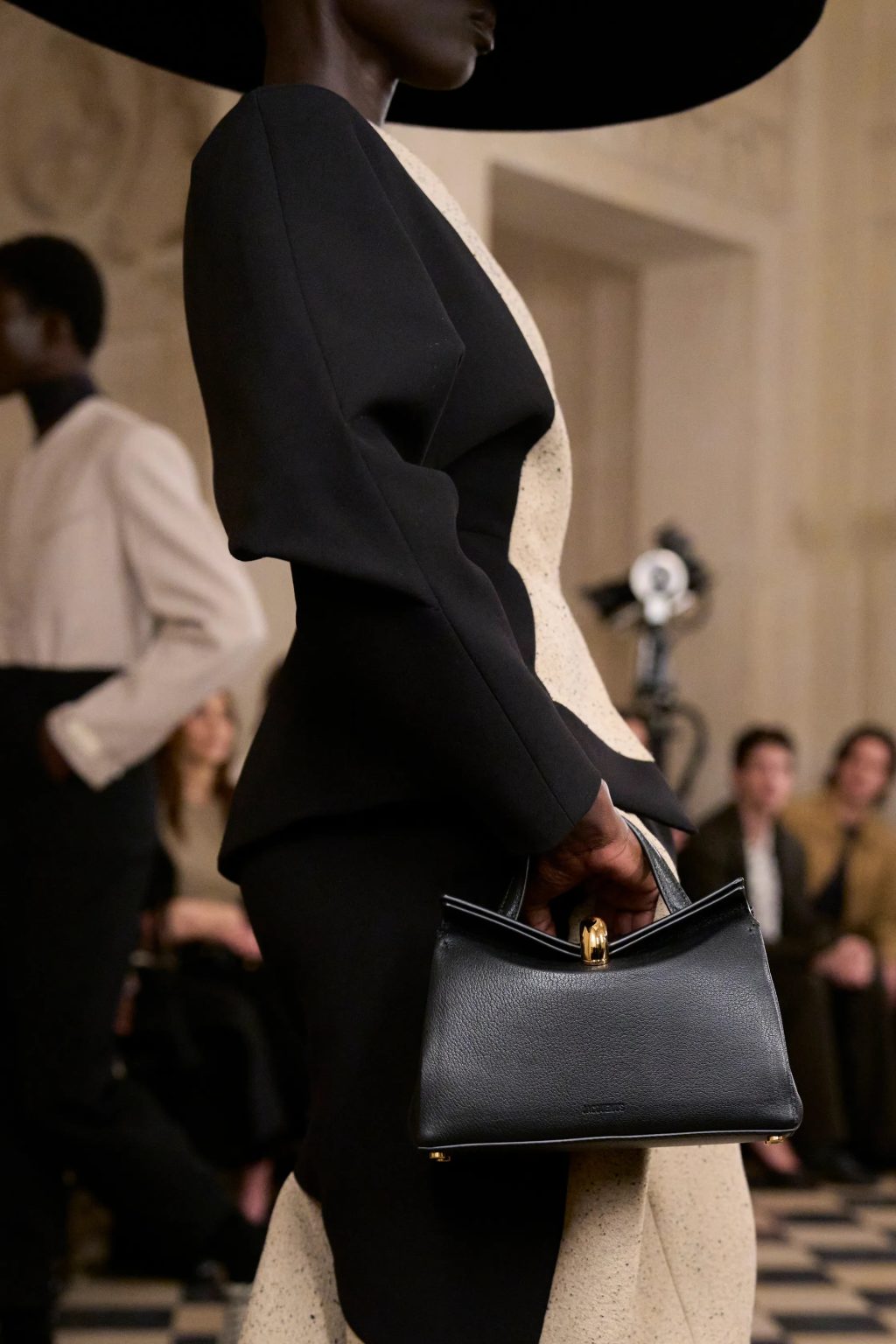
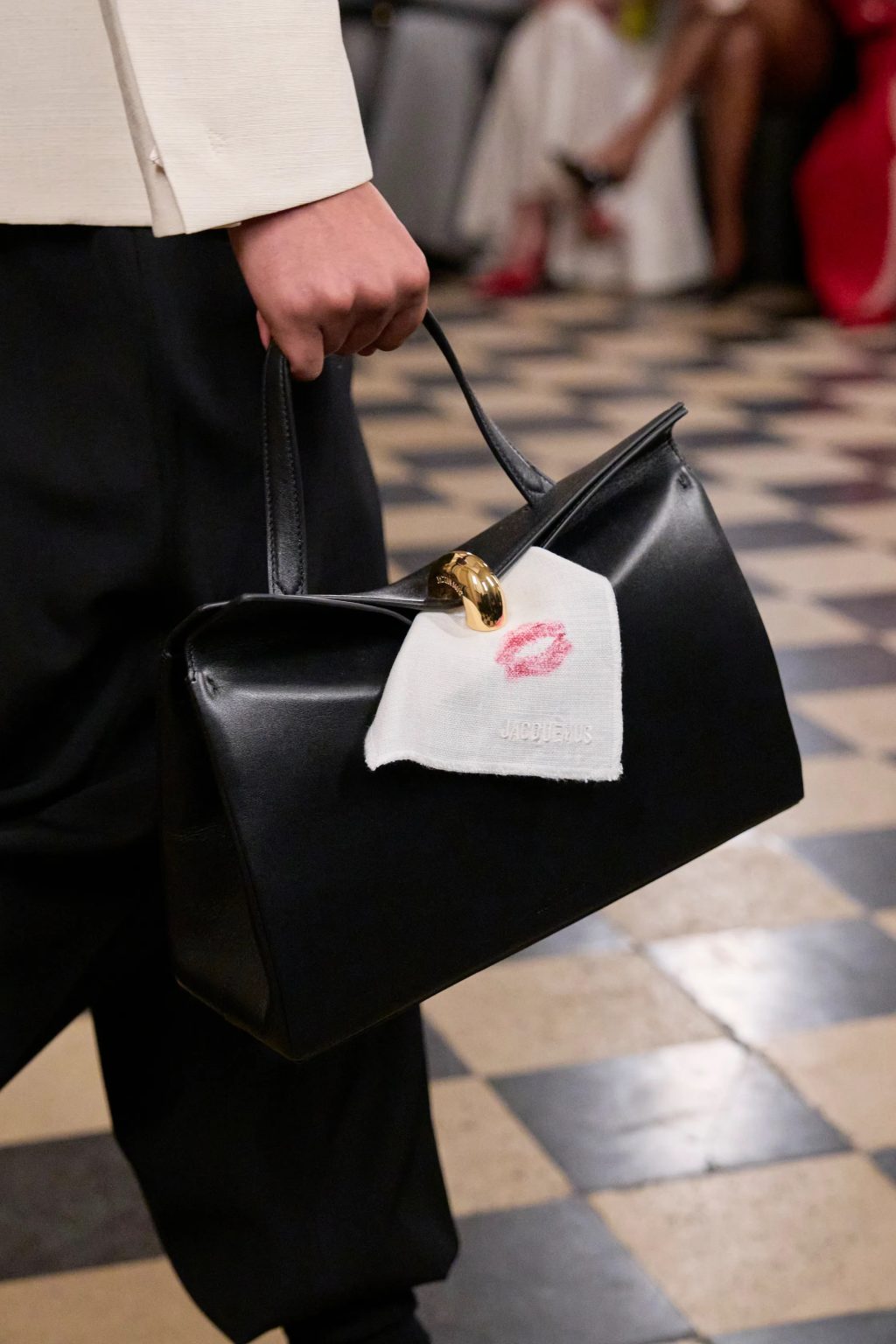
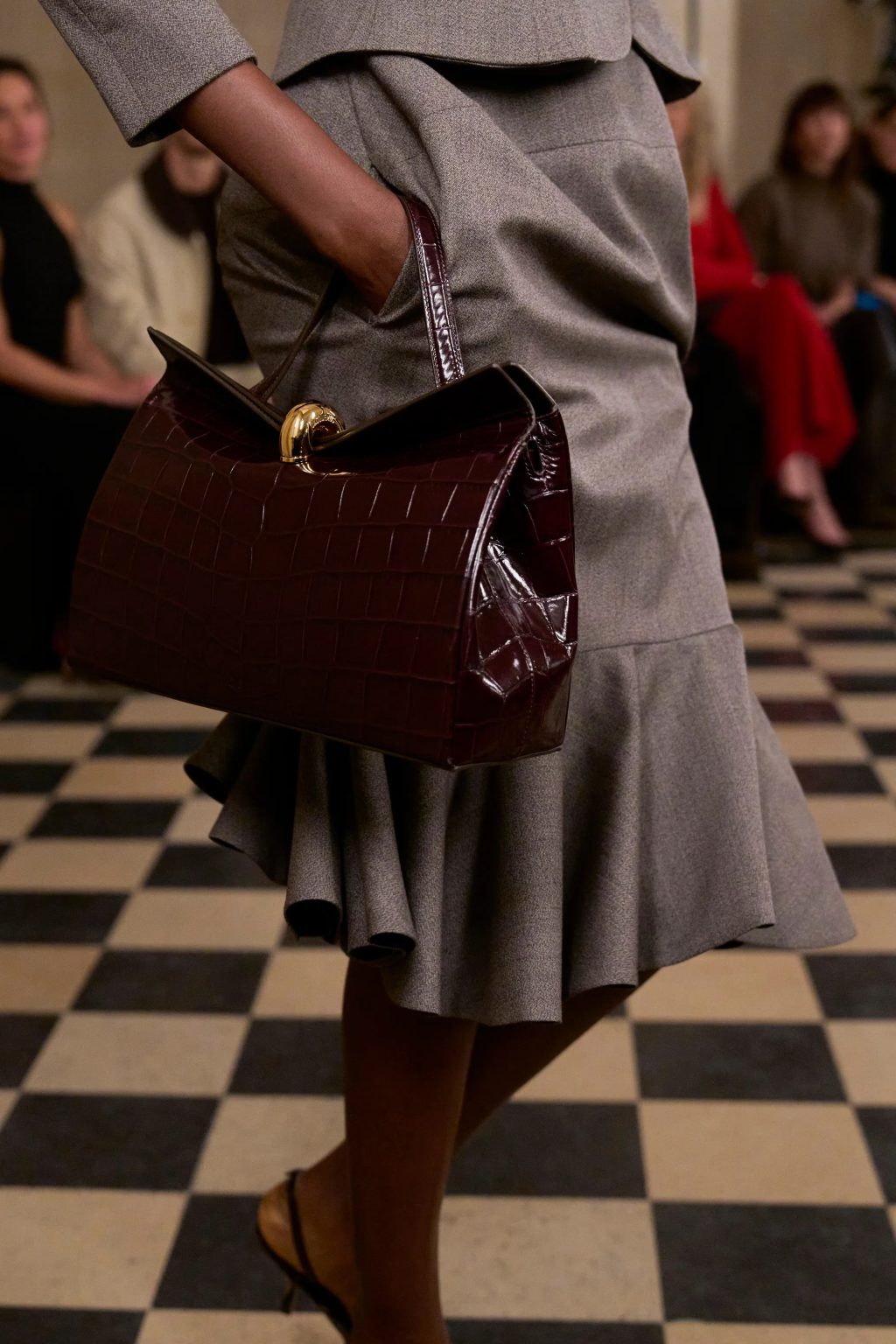
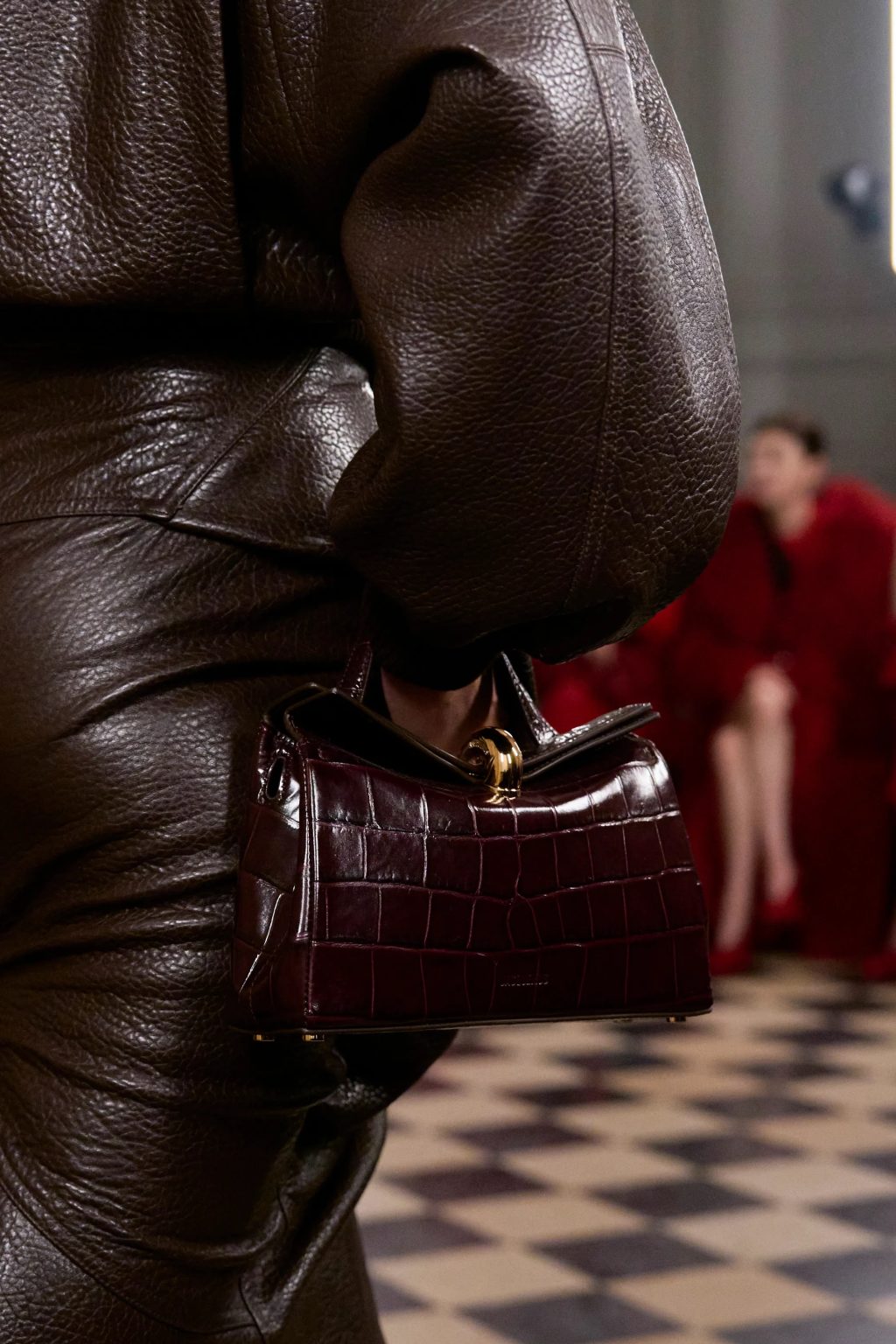
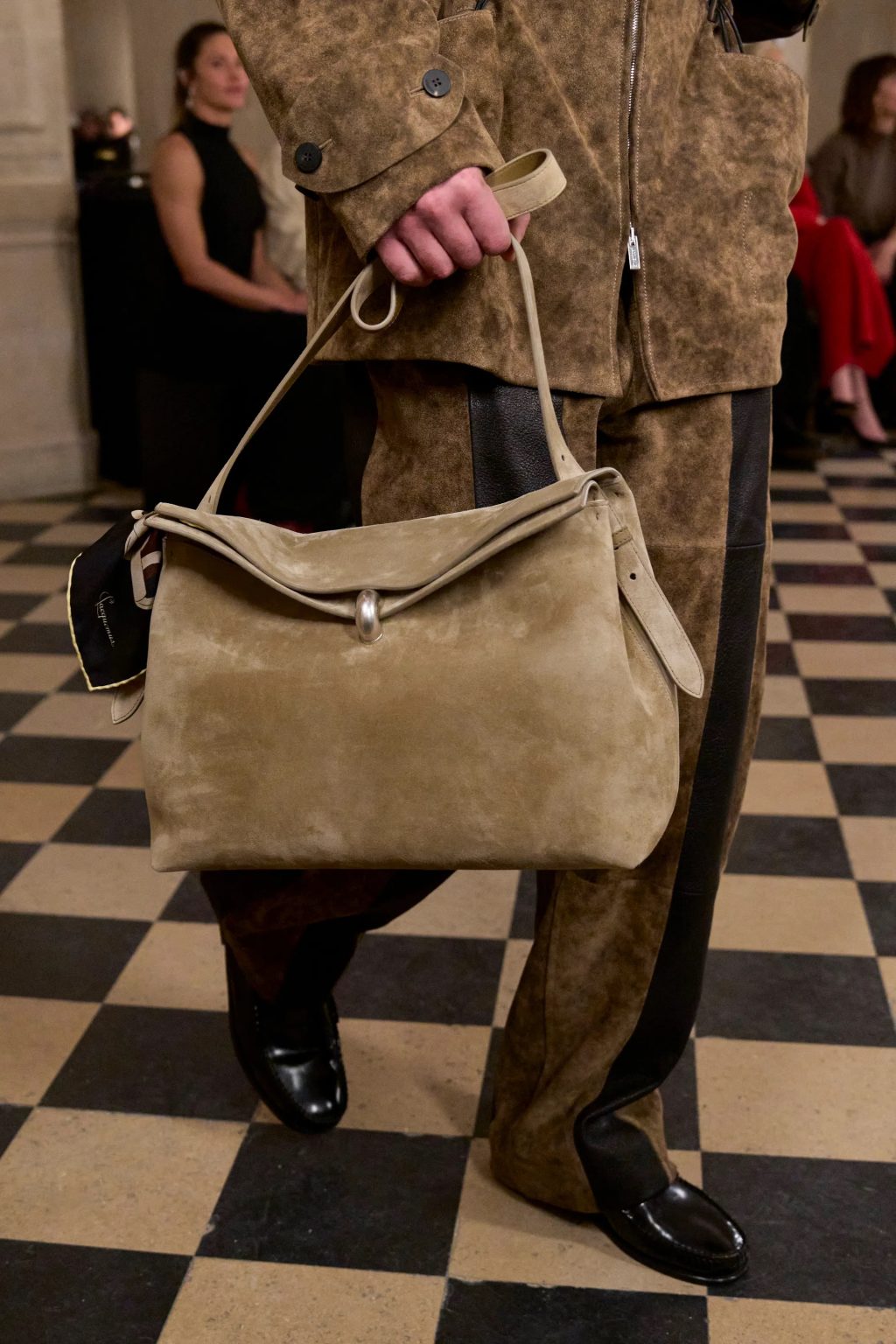
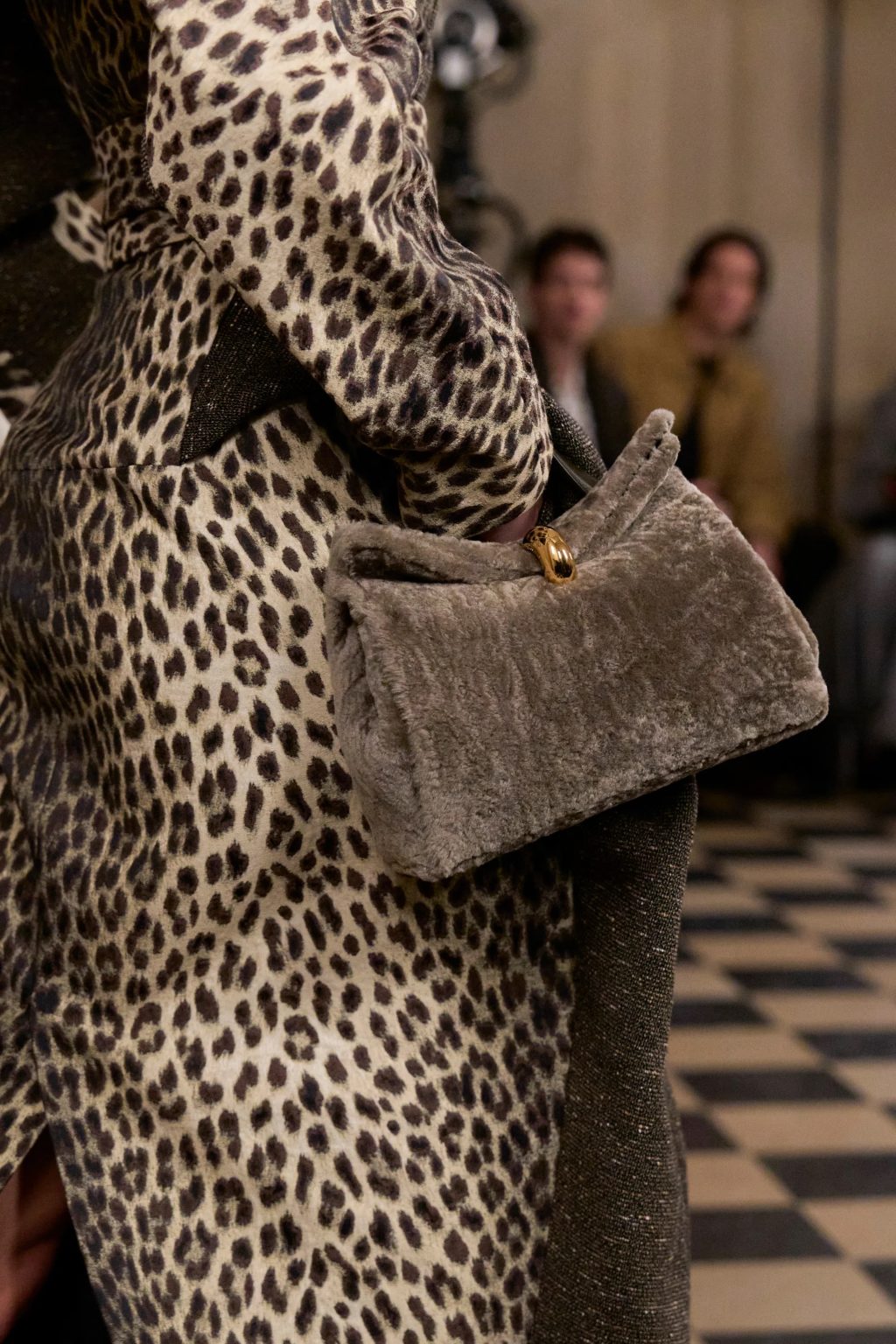
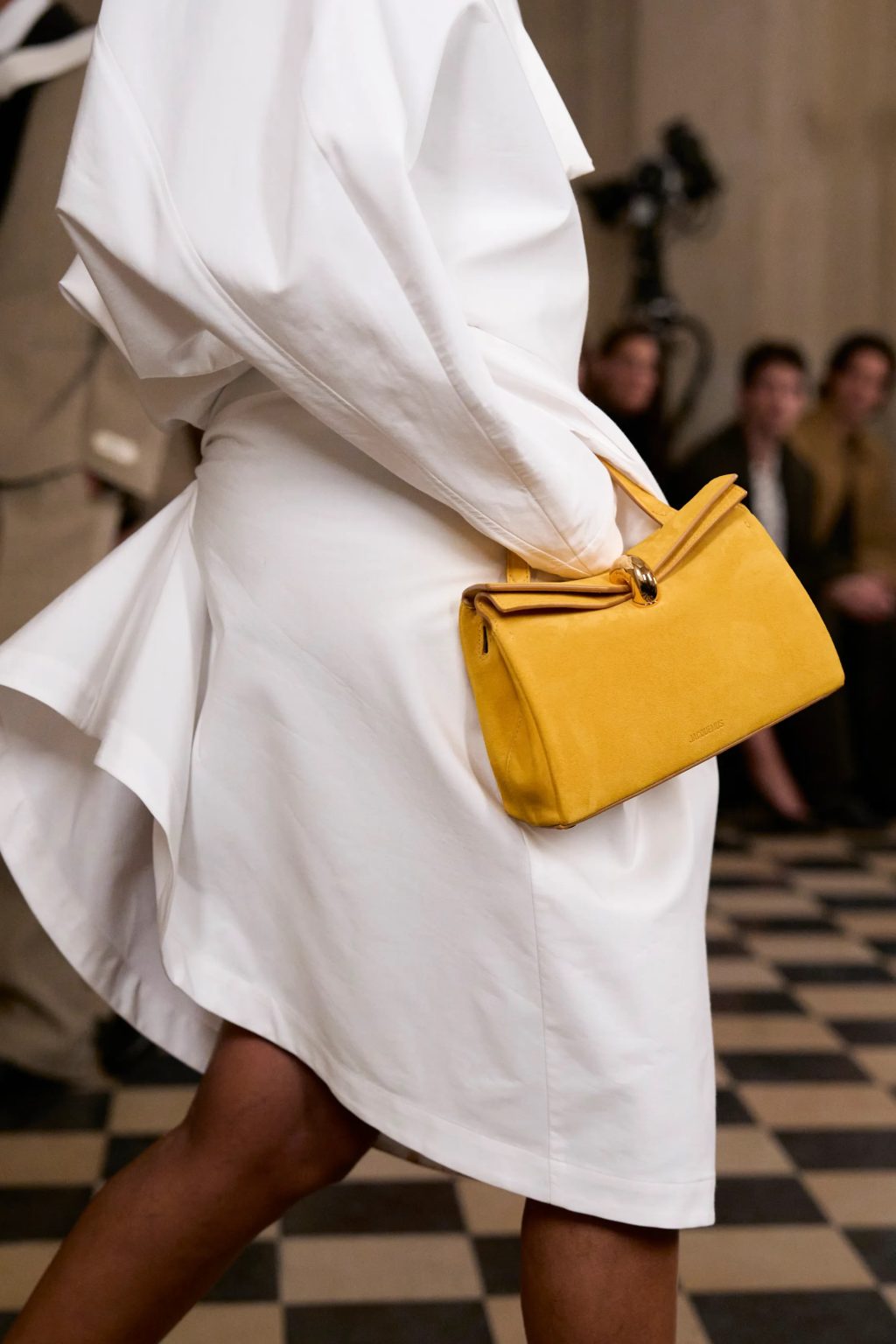
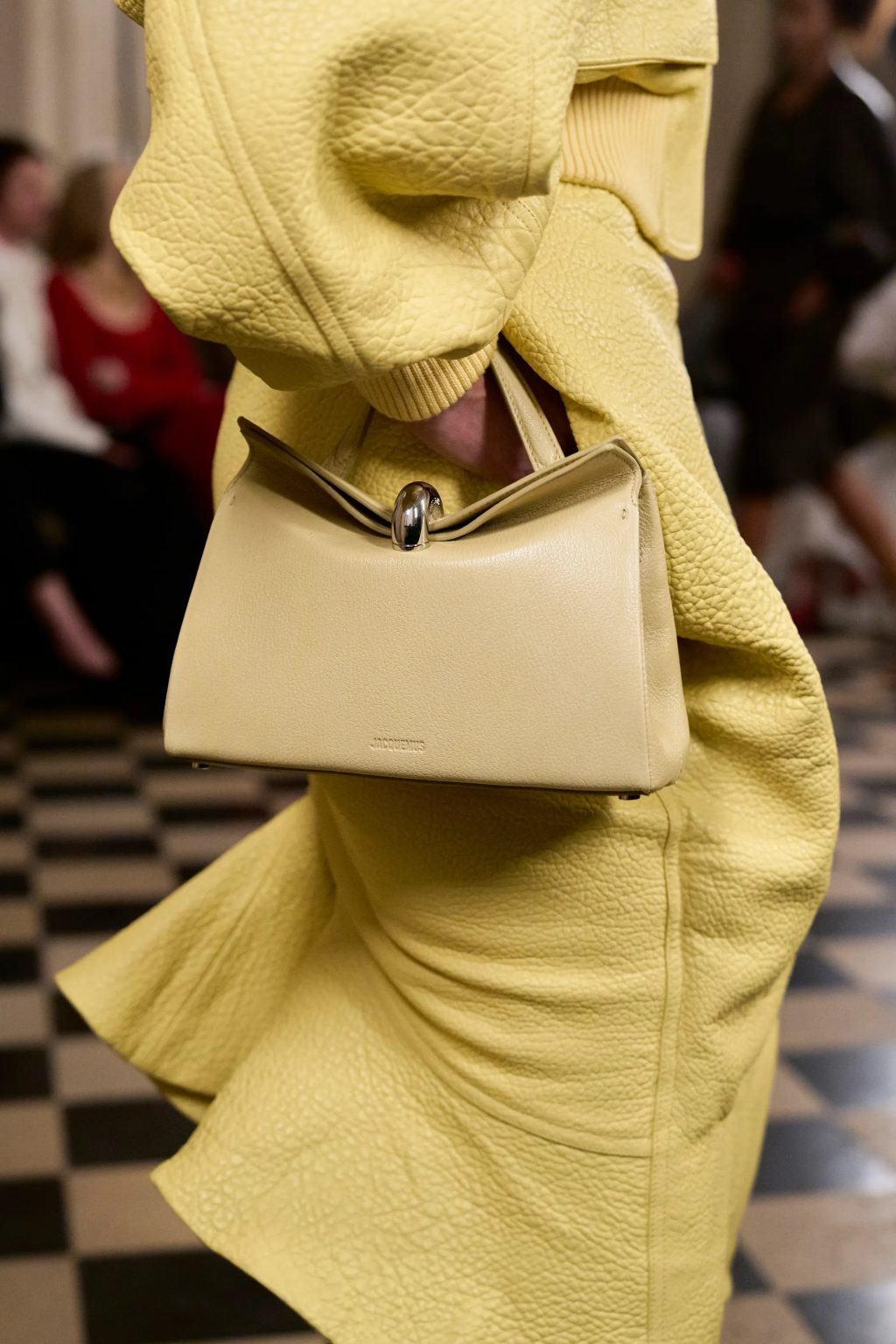
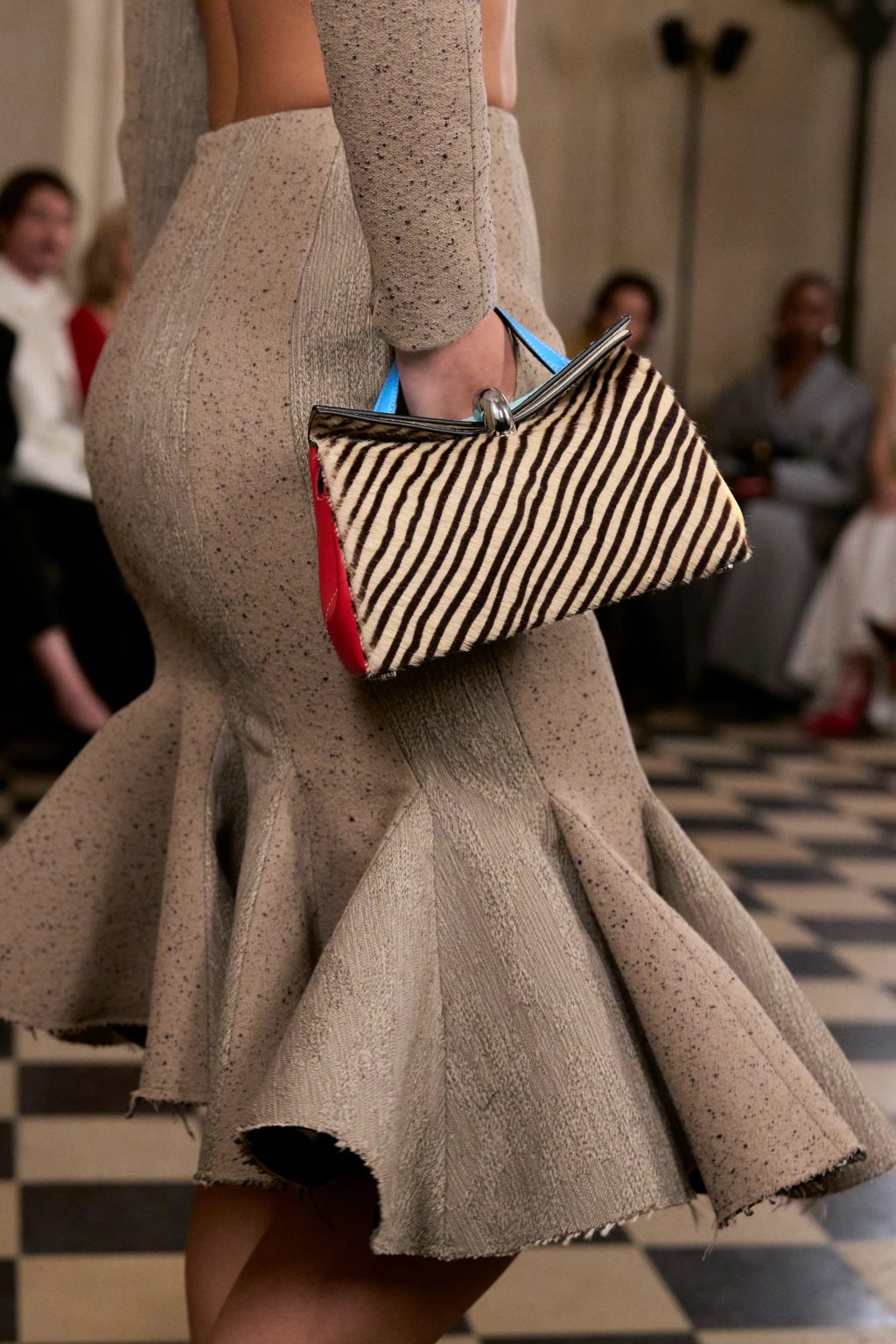
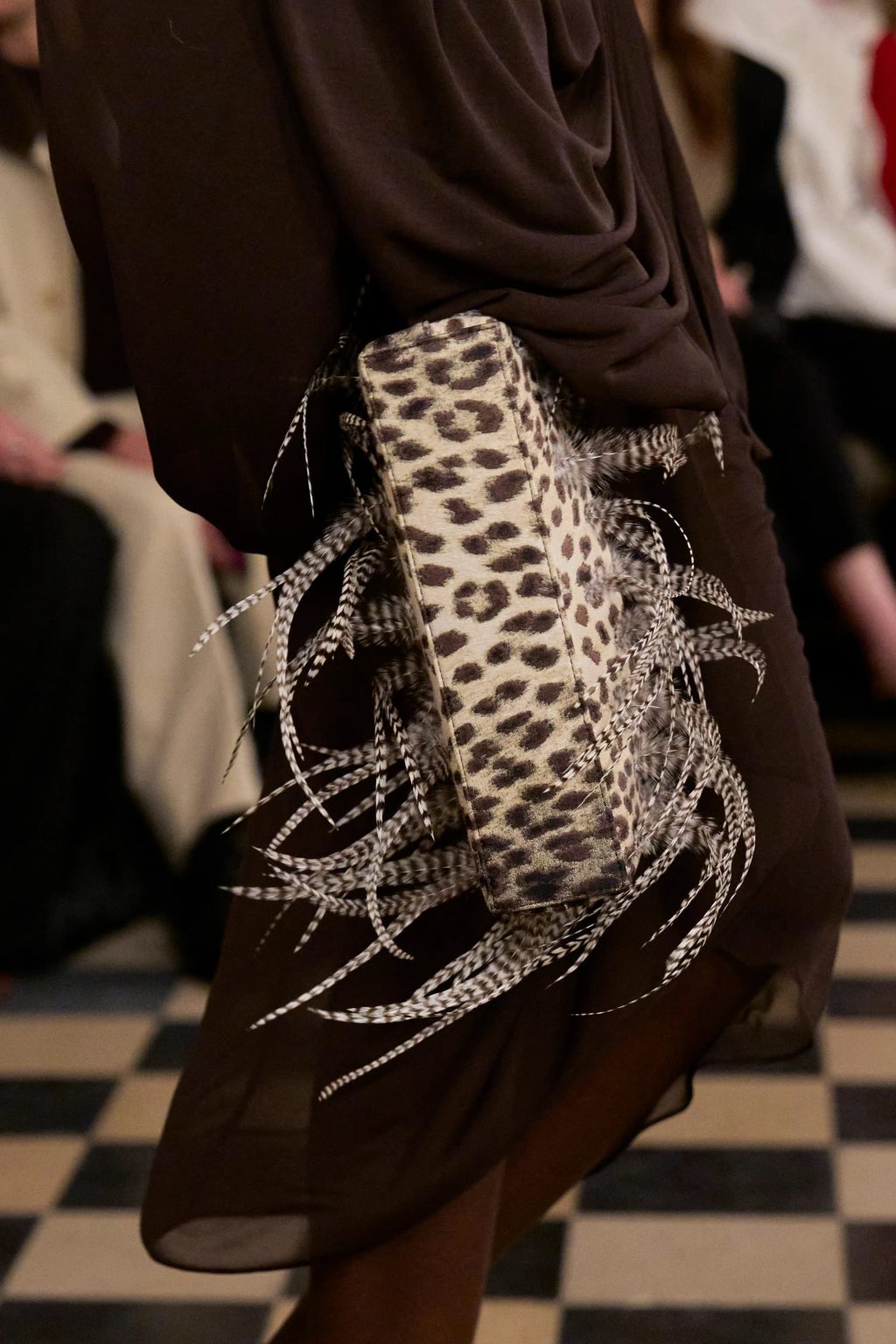
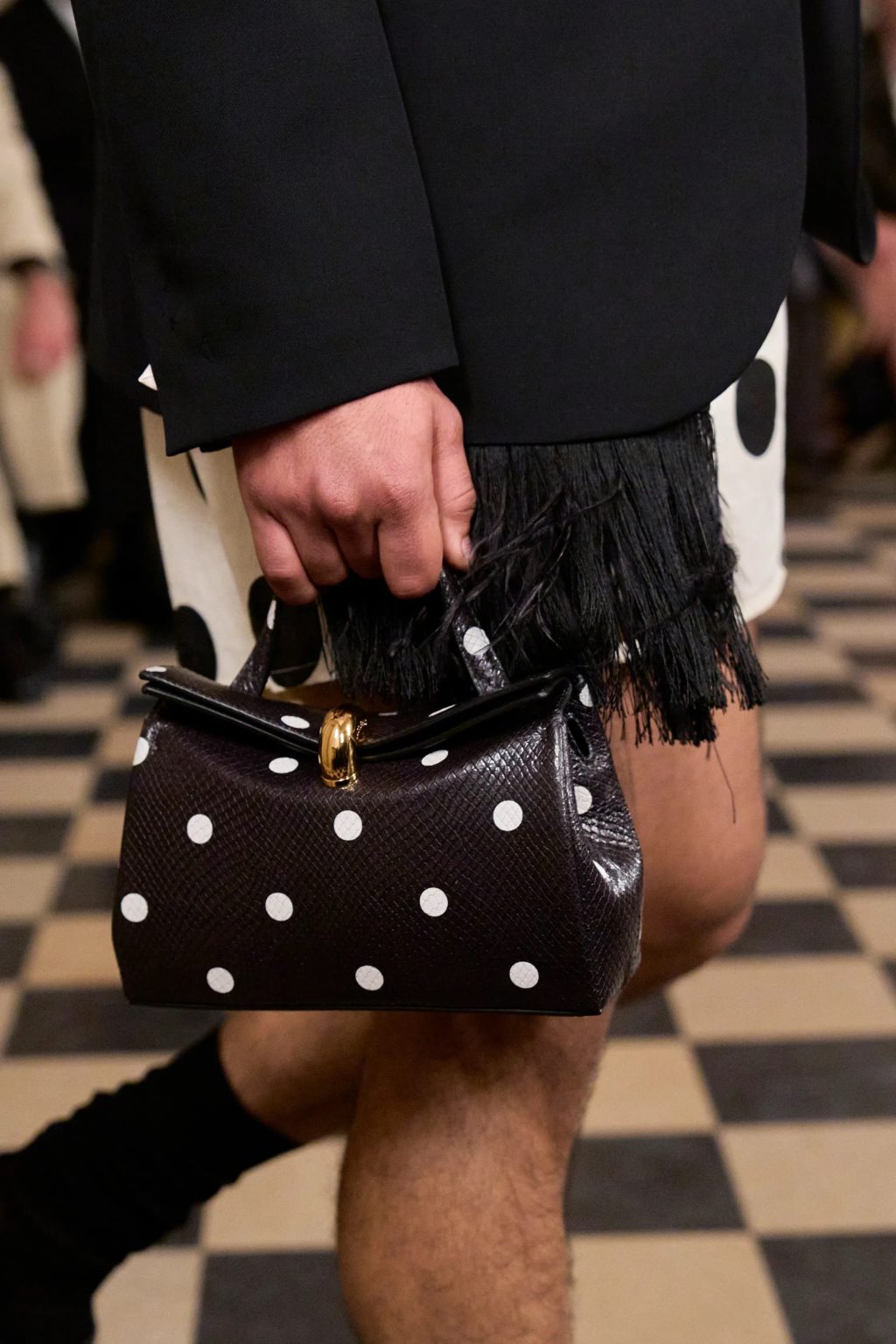
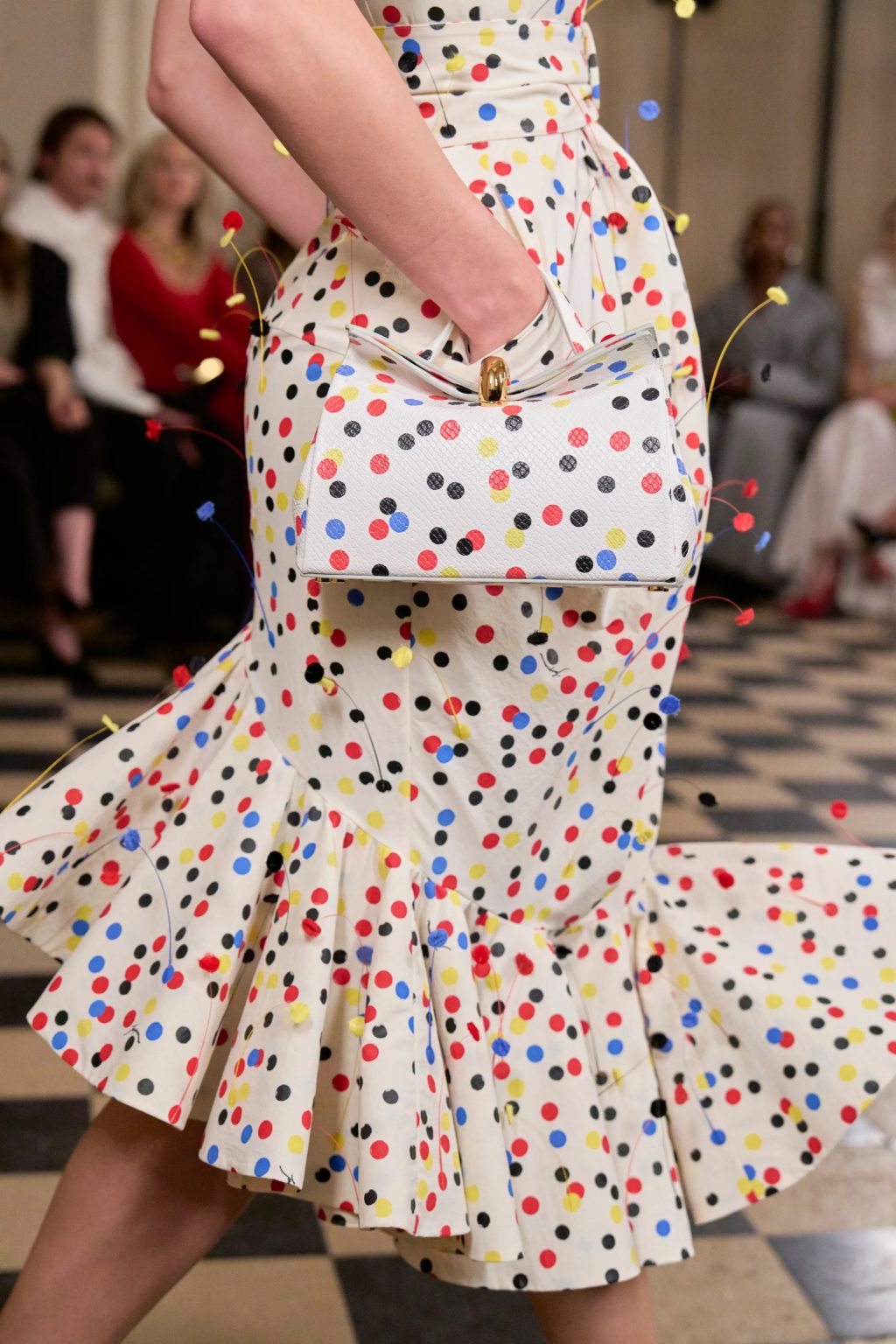
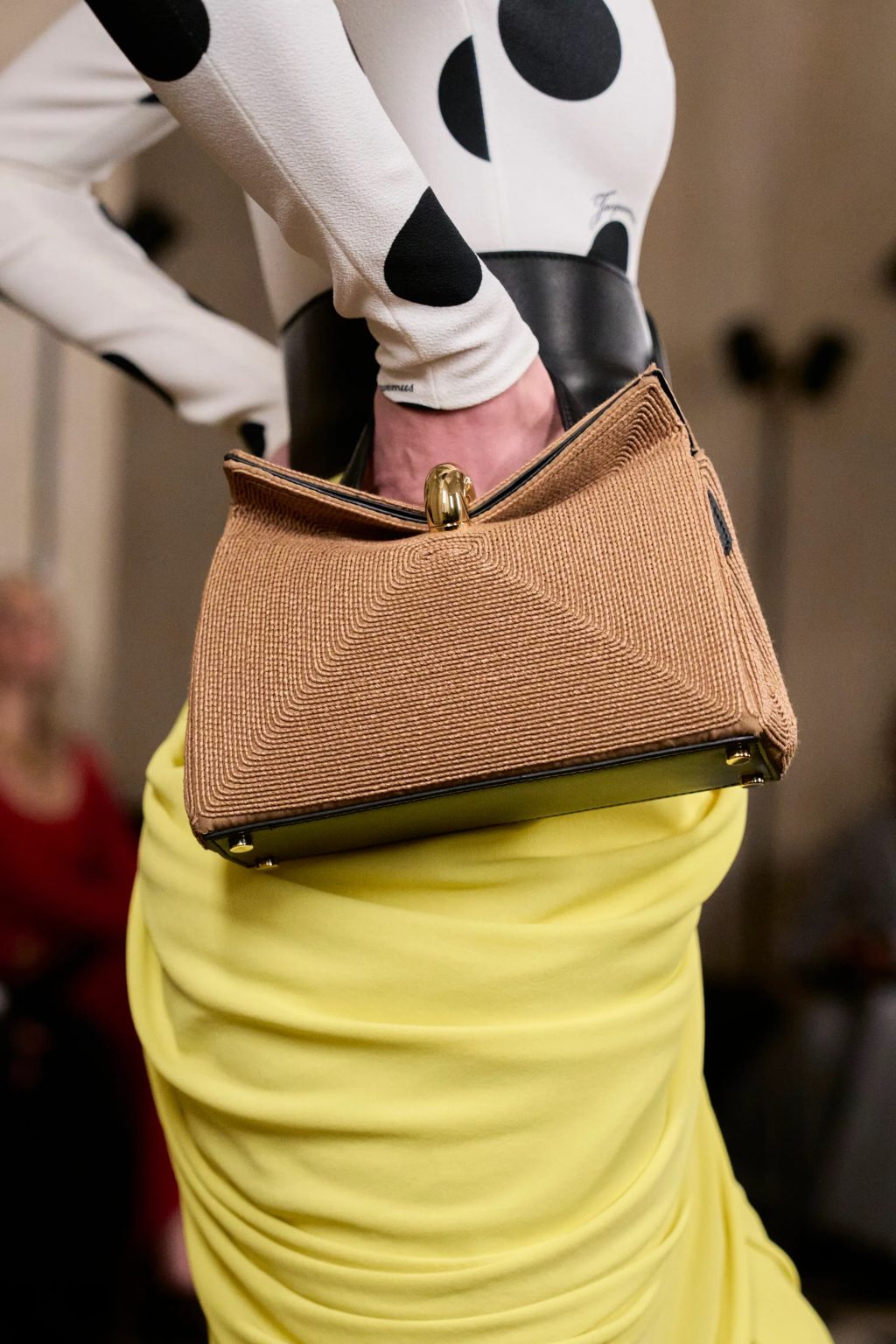
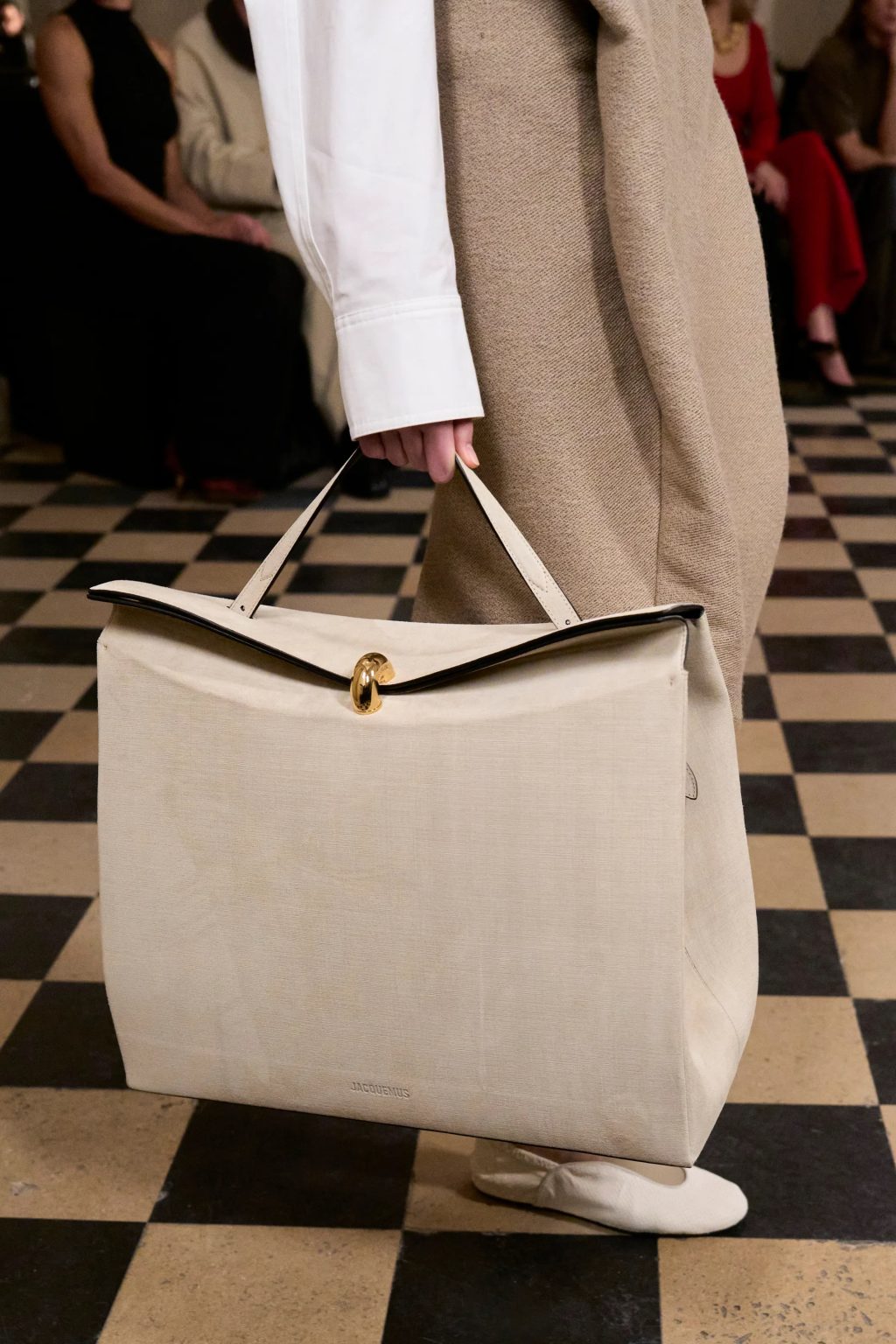
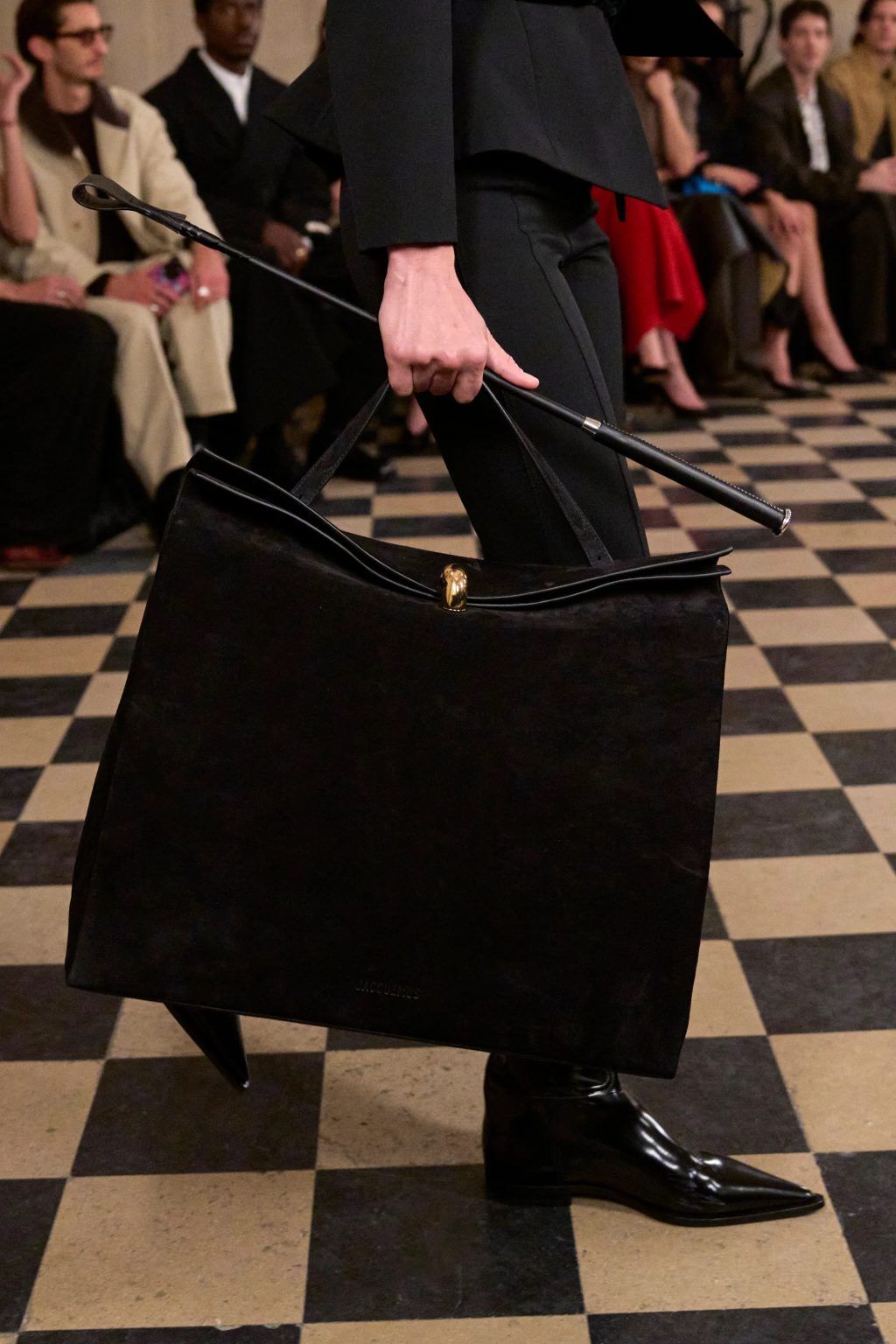
Le Grand Valérie
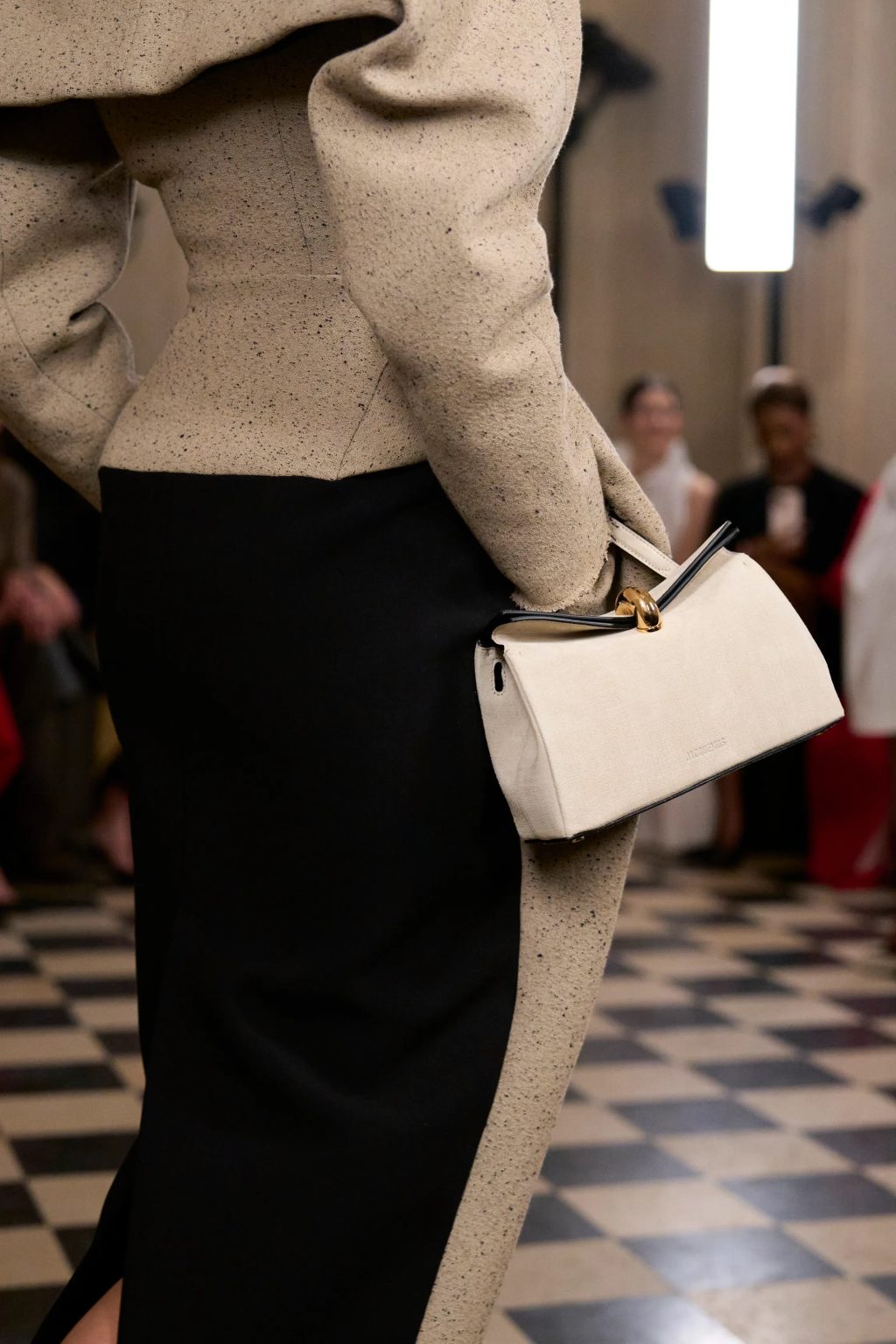
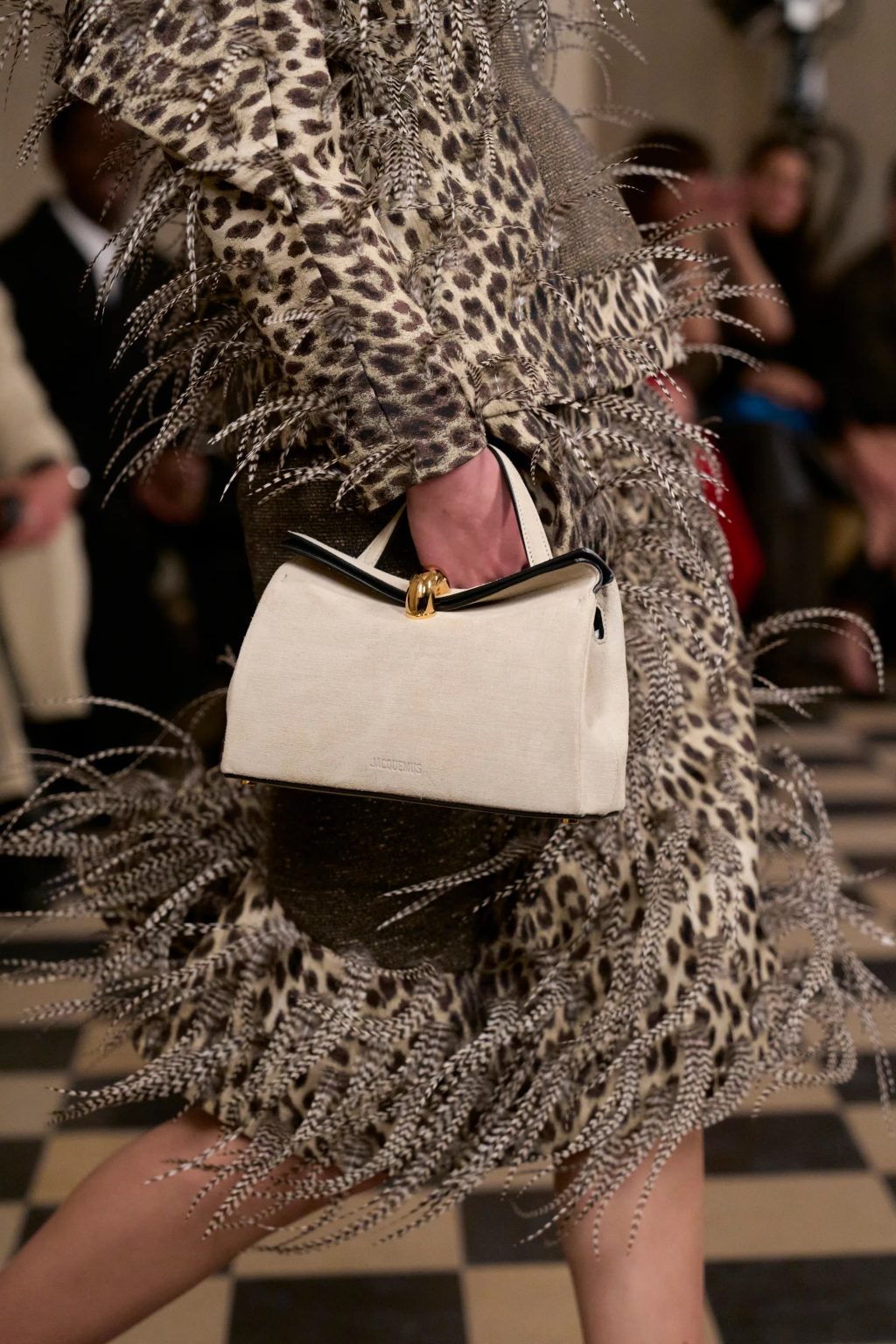
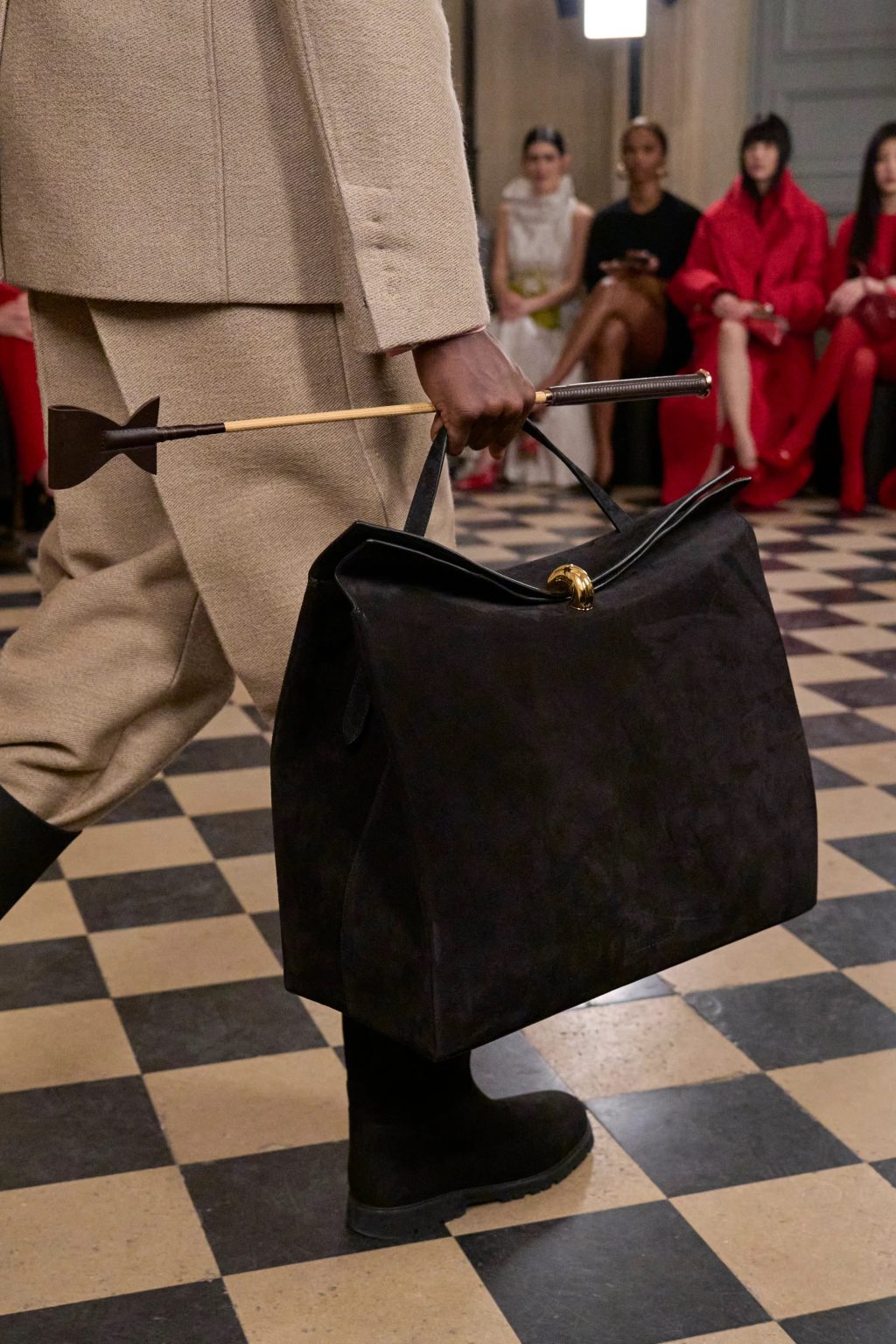
On the runway, Le Grand Valérie reads like the Valérie idea turned up in volume: more surface, more presence, more “object.” The reason collectors will care is simple: the half-donut clasp scales beautifully—the larger the bag, the more the closure behaves like jewelry.
Even if you’re a minimalist, Le Grand Valérie works because it doesn’t rely on loud branding. The structure and clasp do the talking. In styling terms, it’s the bag that can handle Jacquemus’s theatrical side (oversized hats, exaggerated shapes) without becoming costume—because it’s designed with restraint.
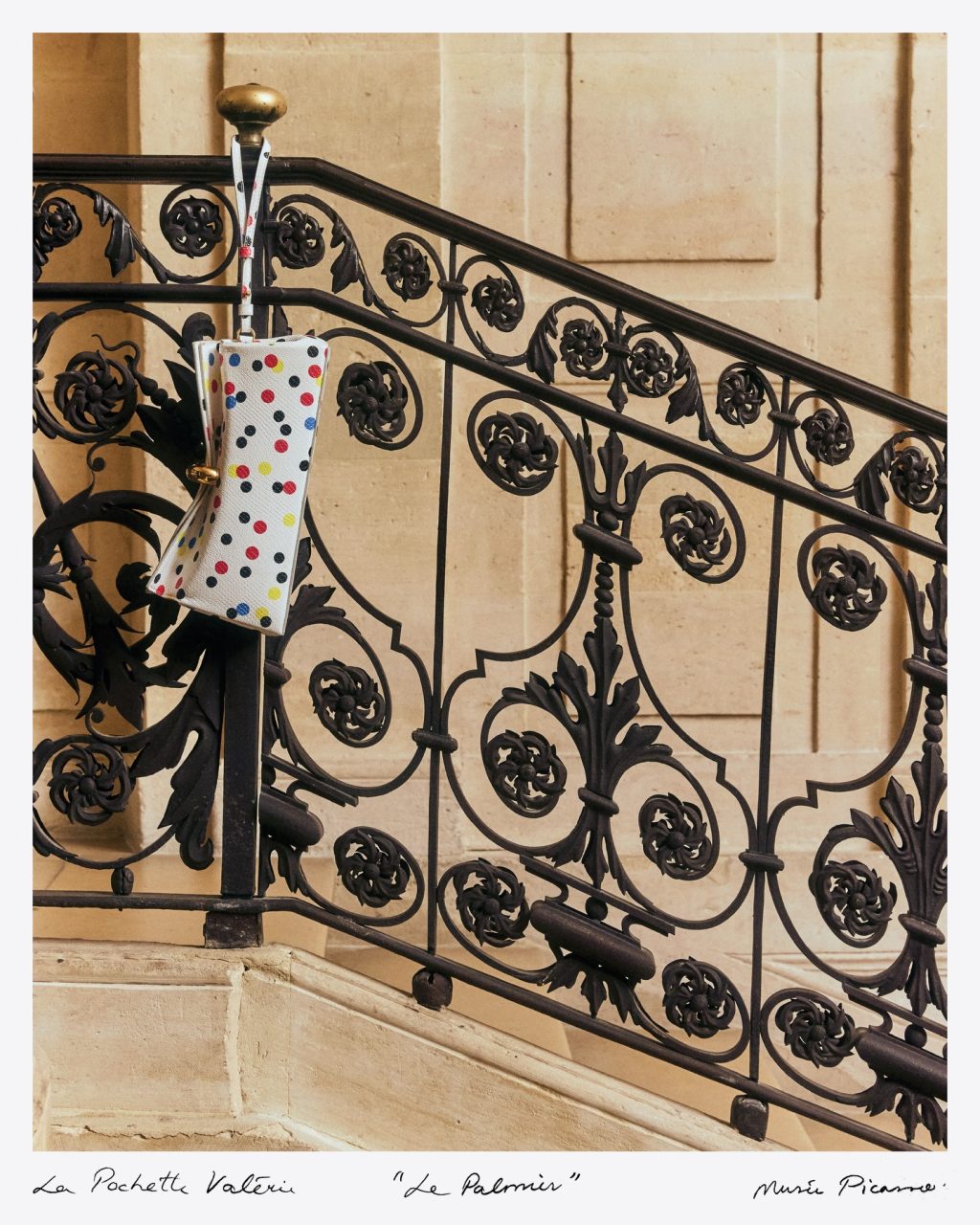
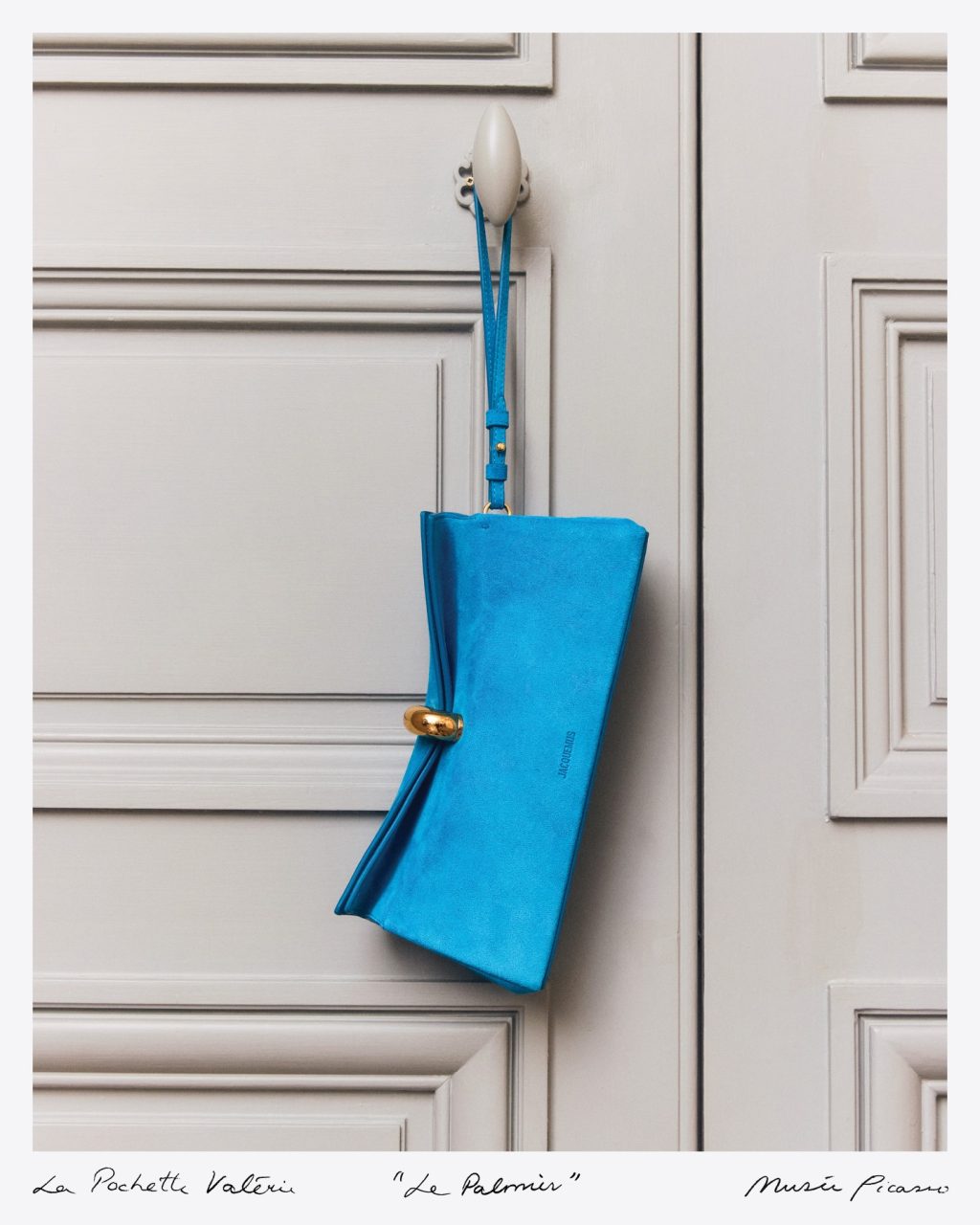
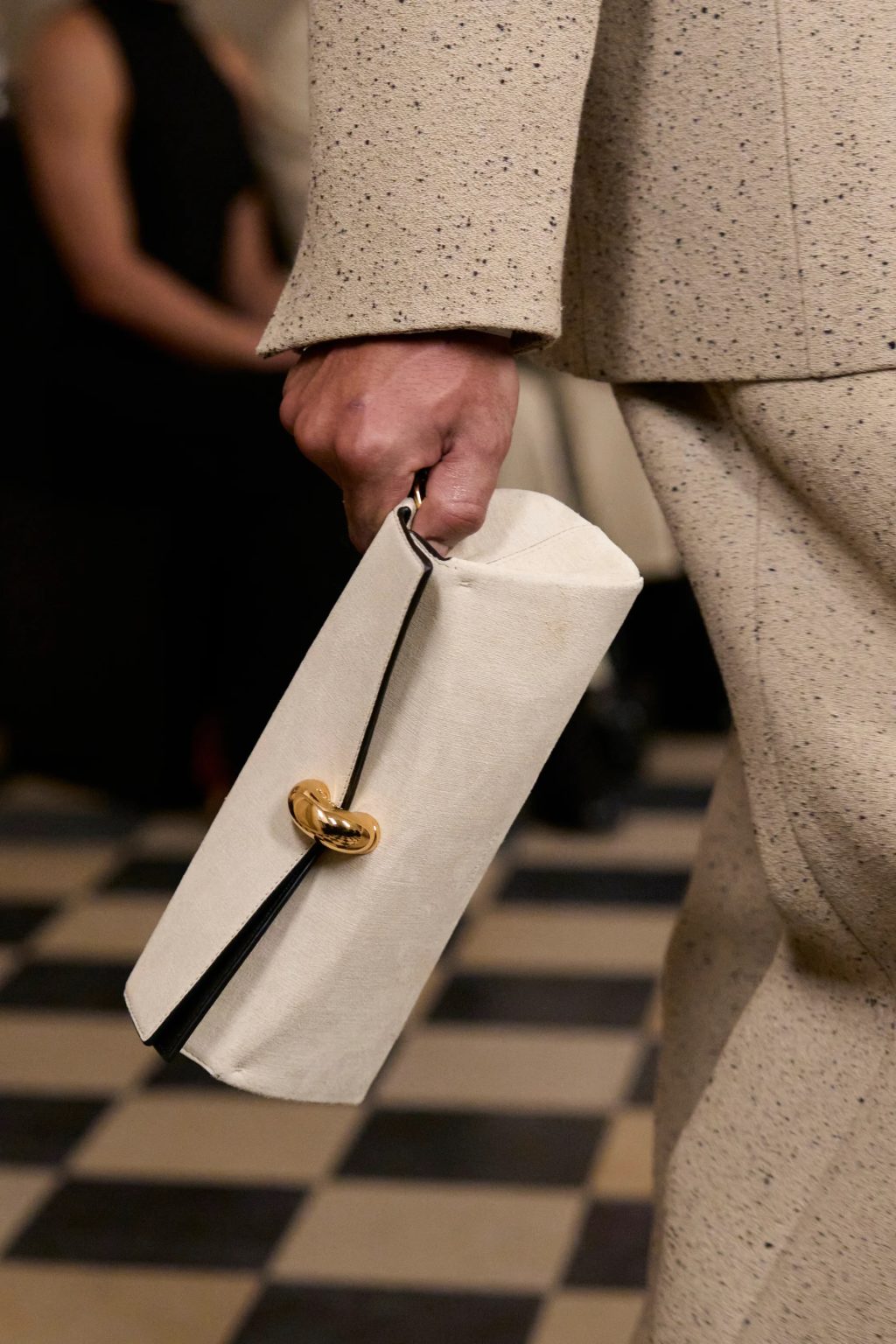
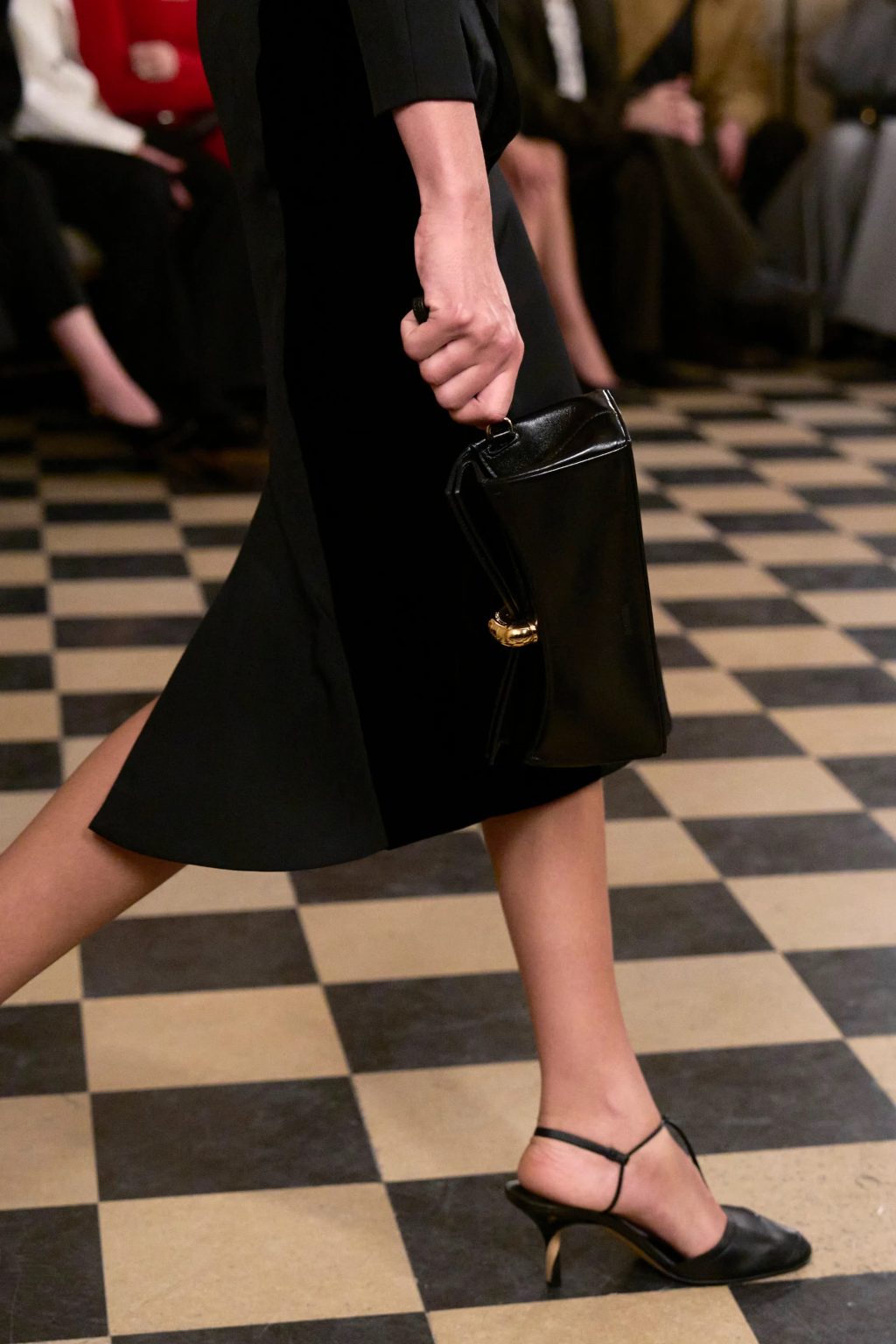
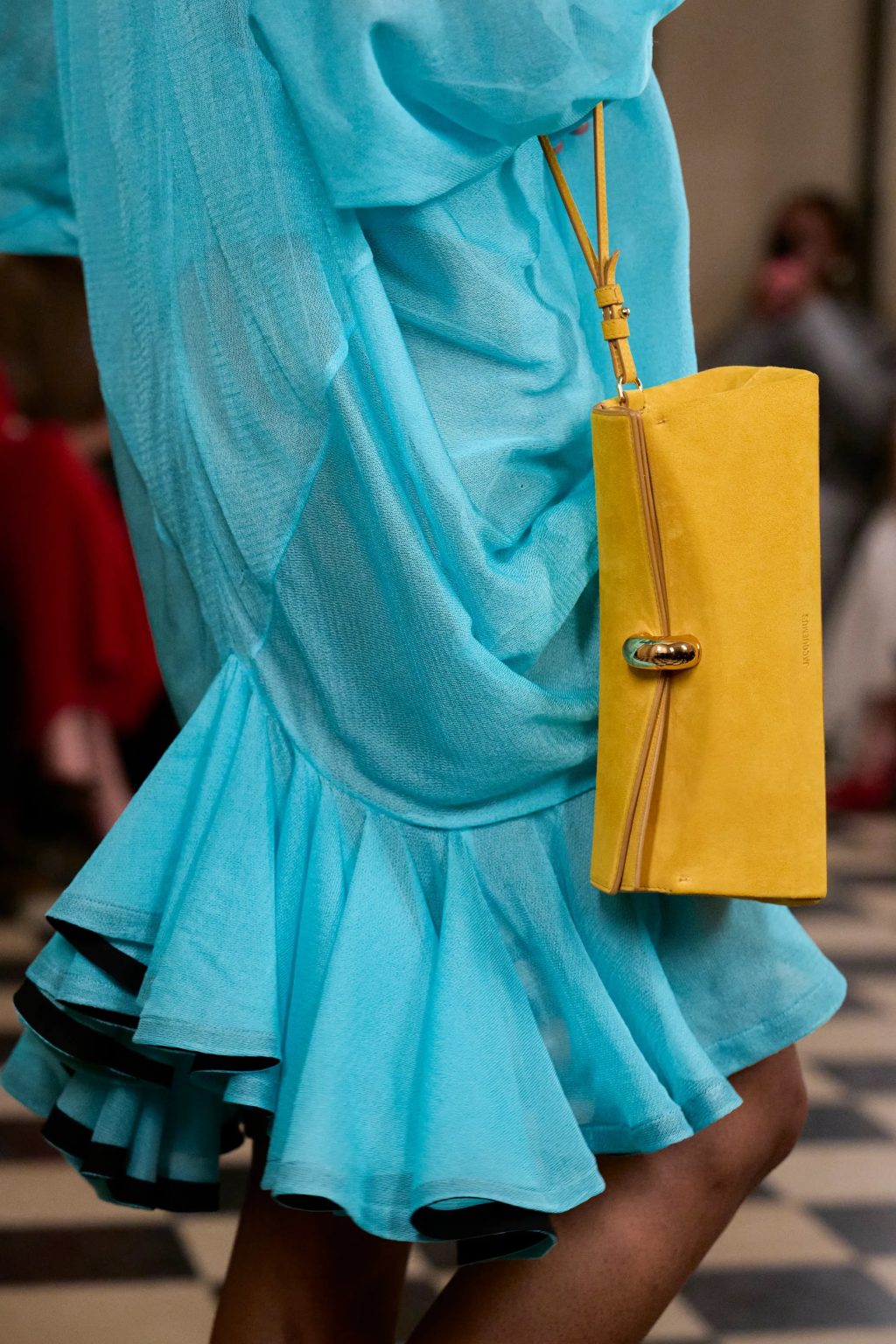
La Pochette Valérie
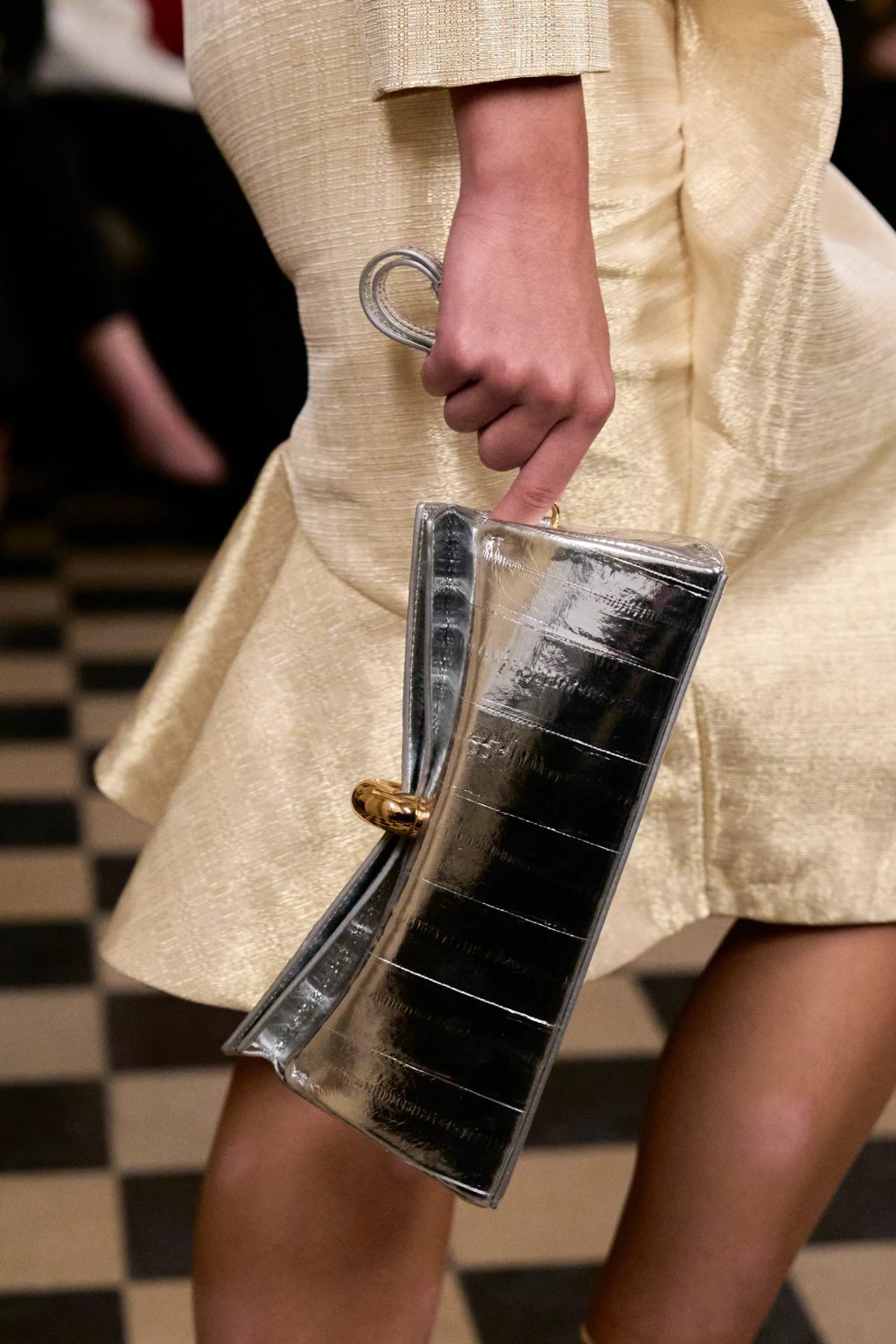
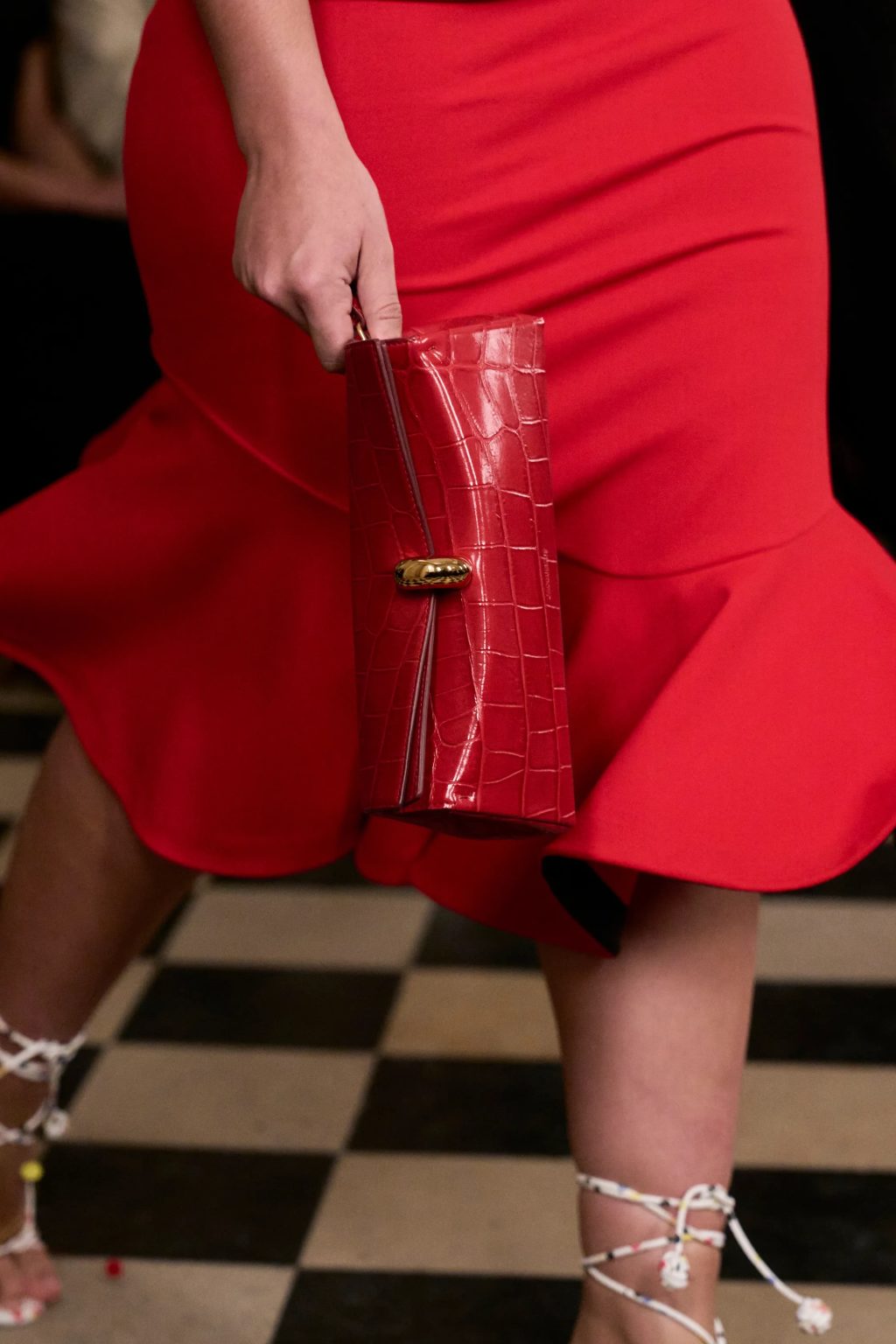
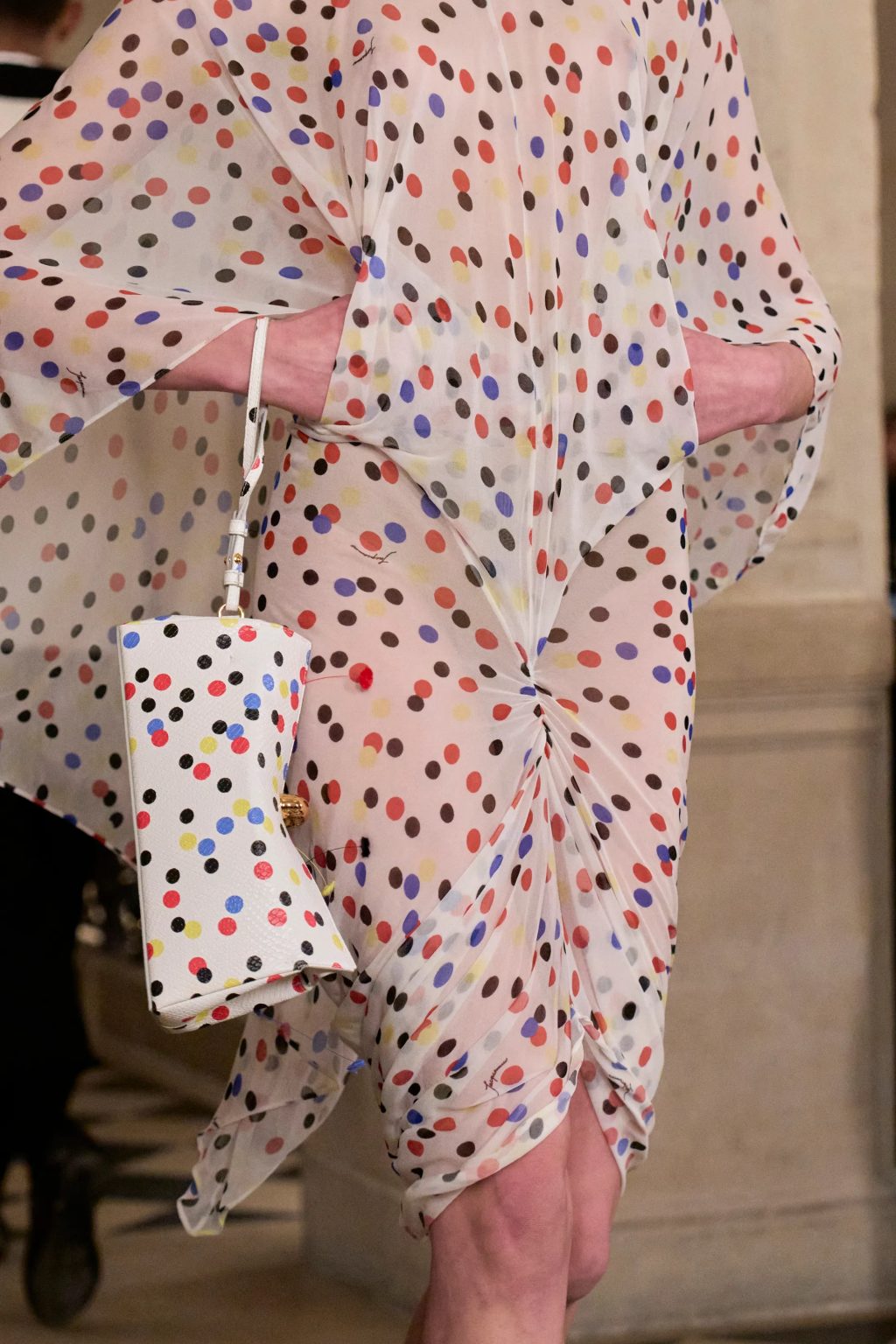
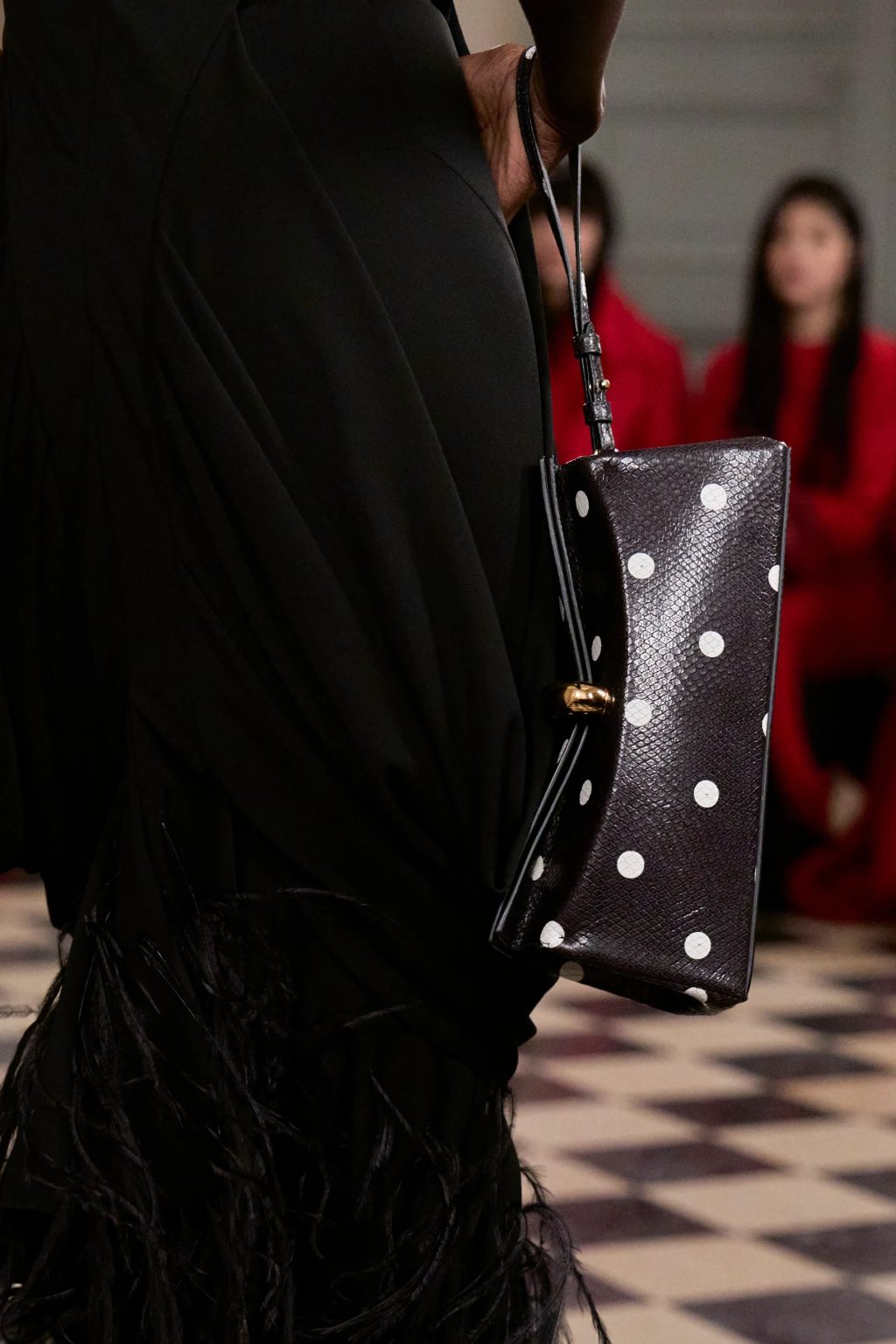
In your show imagery, La Pochette Valérie appears as a slimmer, more vertical interpretation of the Valérie “jewel closure” concept: a clutch-like piece that turns the half-donut clasp into a graphic closure across a seam—especially striking in high-contrast color (sunny yellow), lacquered croc-style embossing (red), or mirror-like metallic finishes.
This is the bag category where Jacquemus is at its best: an evening object that feels playful but not childish. The silhouette is clean enough to pass as modernist, but the clasp keeps it in the Jacquemus universe.
Treat this as a shape-first purchase. Slim clutches crease easily and show pressure points; storage and internal support matter.
Le Turismo
The Turismo family has always been Jacquemus’s answer to travel nostalgia: compact luggage codes translated into fashion objects. Vogue frames Turismo as a “mini weekender” idea—downsized travel gear with real design intent—which fits perfectly with Jacquemus’s broader language of playful functionality. In FW26, the line expands into two poles:
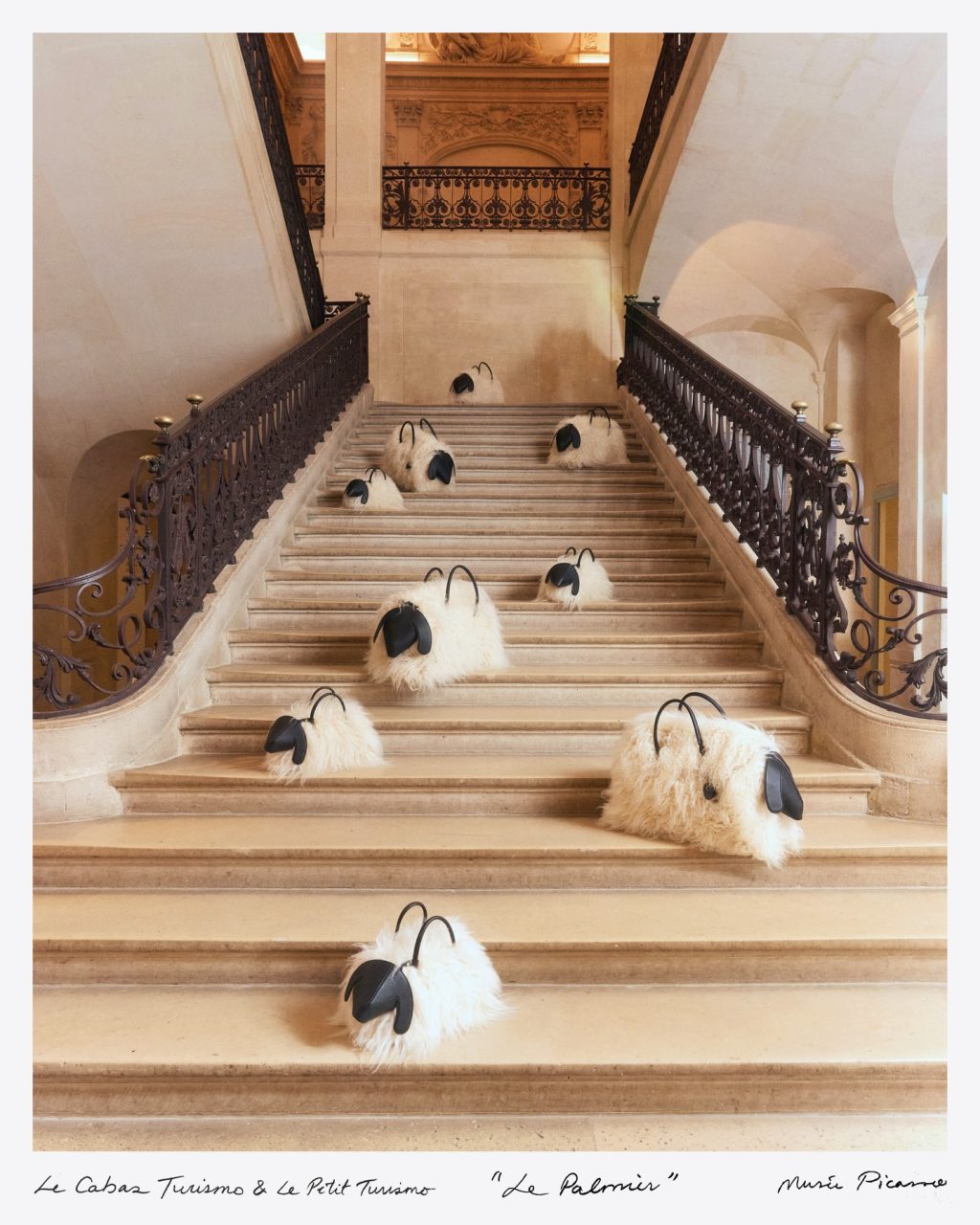
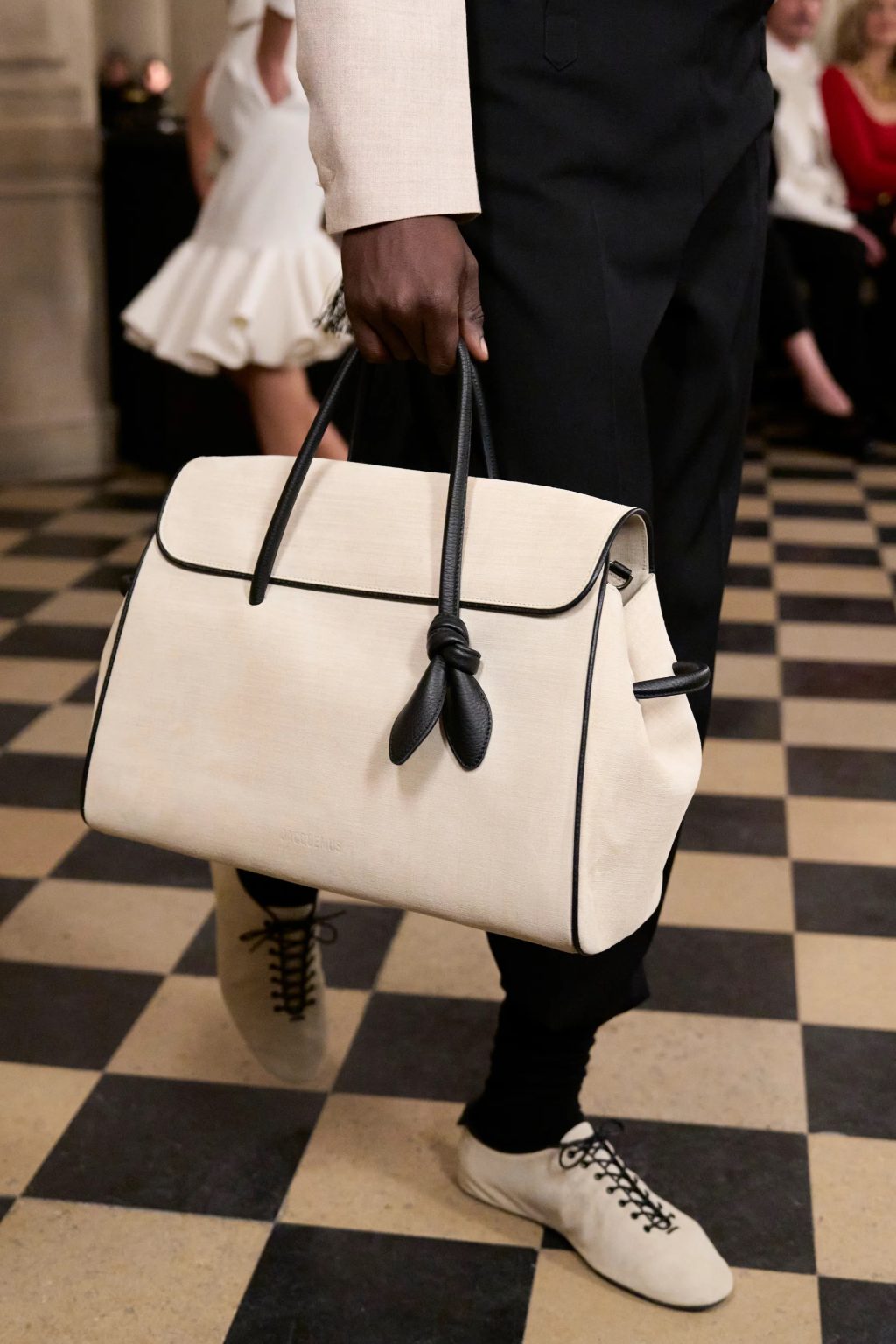
Le Cabas Turismo (The Turismo shopper bag): A soft shopper with a magnetic flap closure, top handles, removable crossbody strap, and a tied bow detail—dimensioned generously at 42 x 39 x 19.5 cm. This is not a micro-bag joke. It’s a real bag for real days, designed to look relaxed even when full.
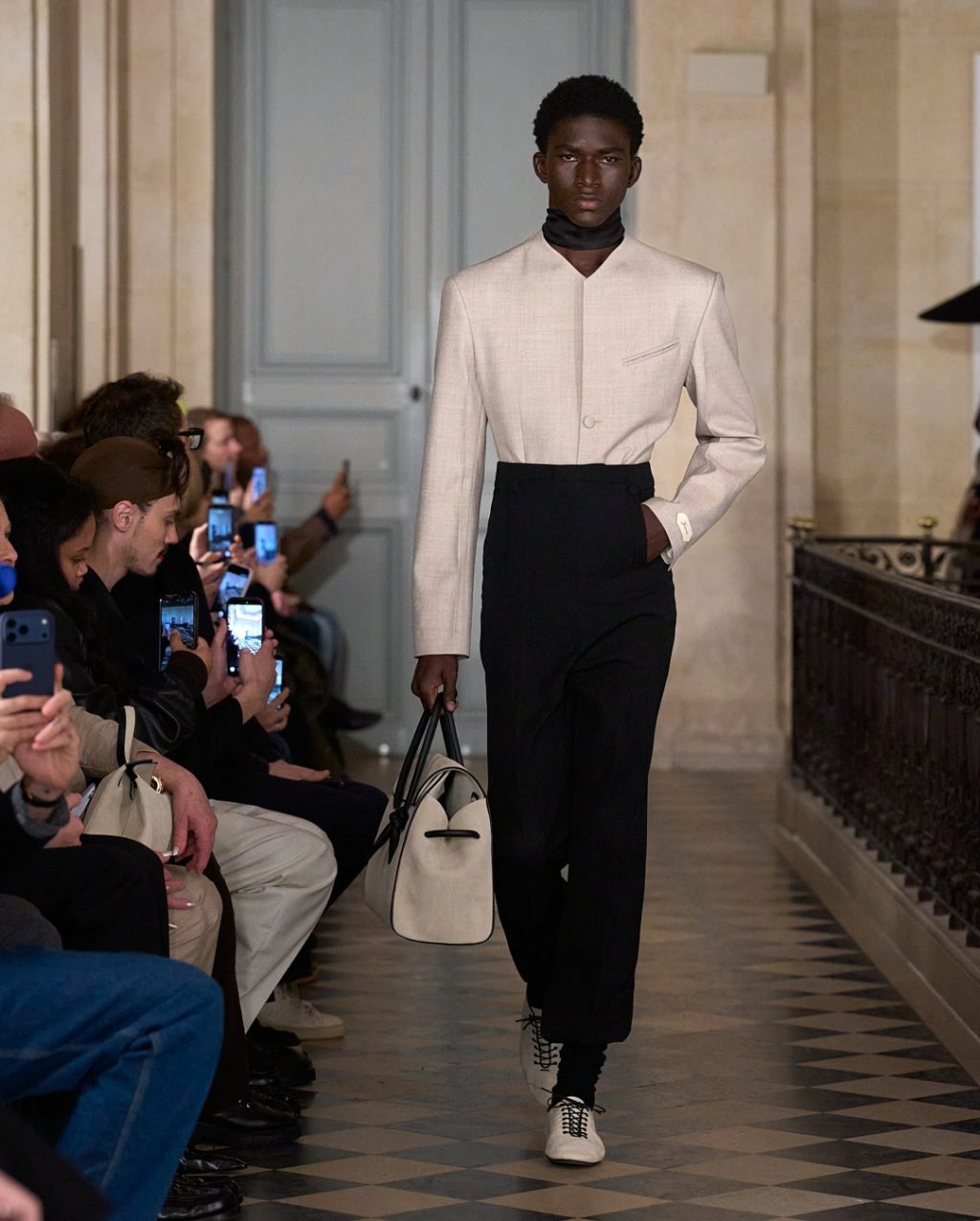
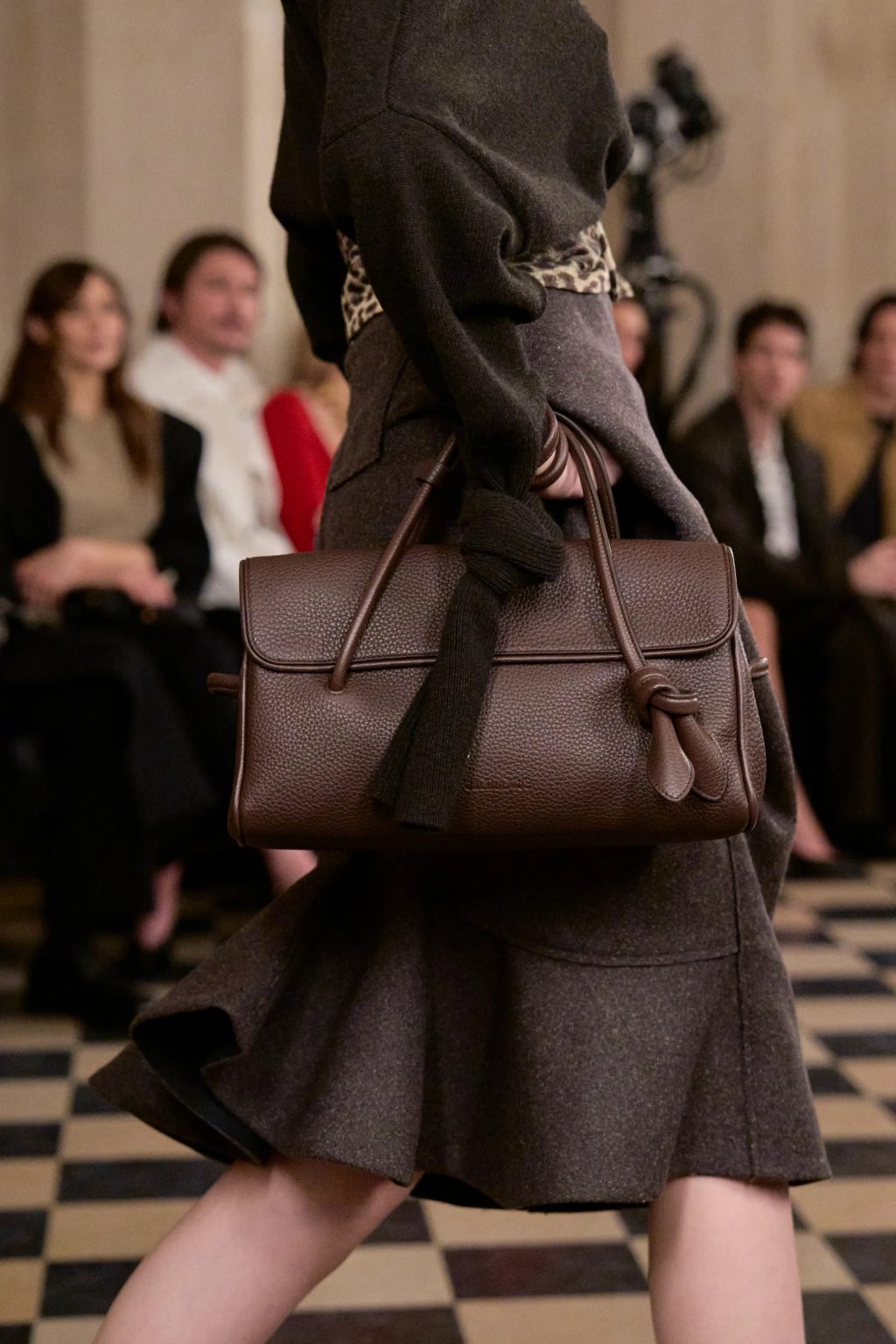
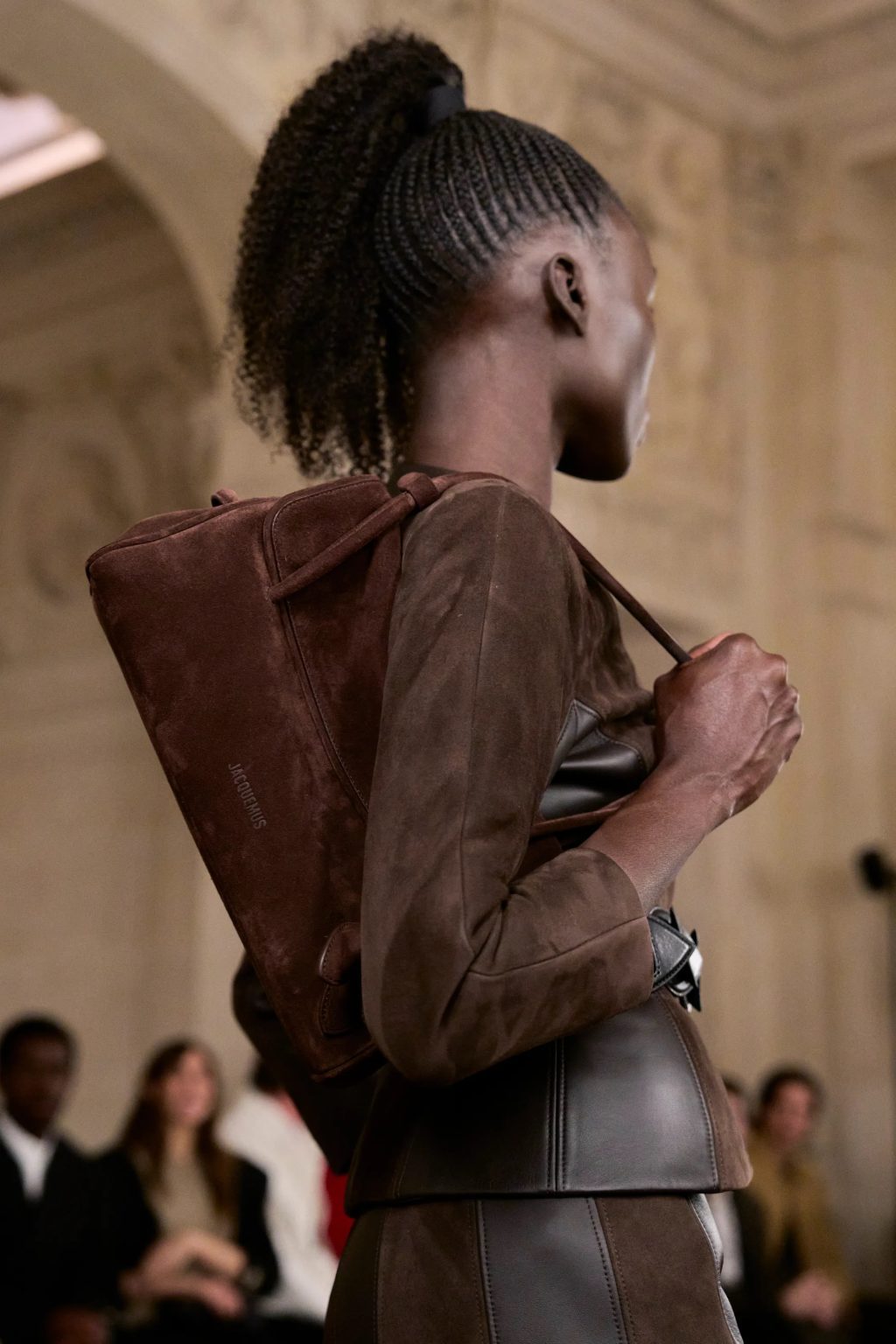
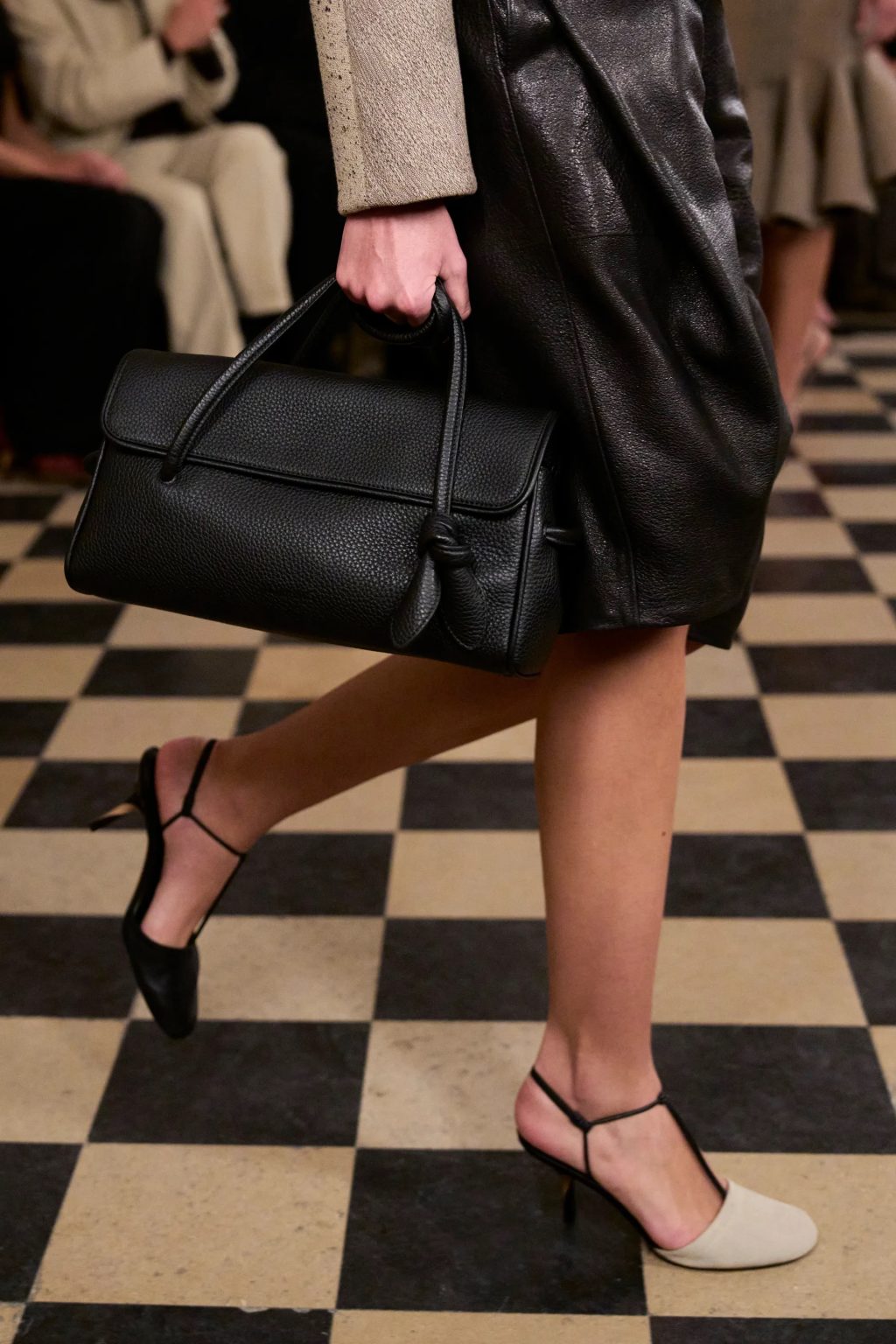
Le Petit Turismo (The small Turismo): A smaller bowling-bag expression with the zip closure and bow detail, scaled down to 26 x 16 x 11 cm. The charm here is proportion: it keeps the travel silhouette but removes the bulk, which makes it read youthful and sharp on the runway—especially when the outfit is already doing something “couture-ish.”
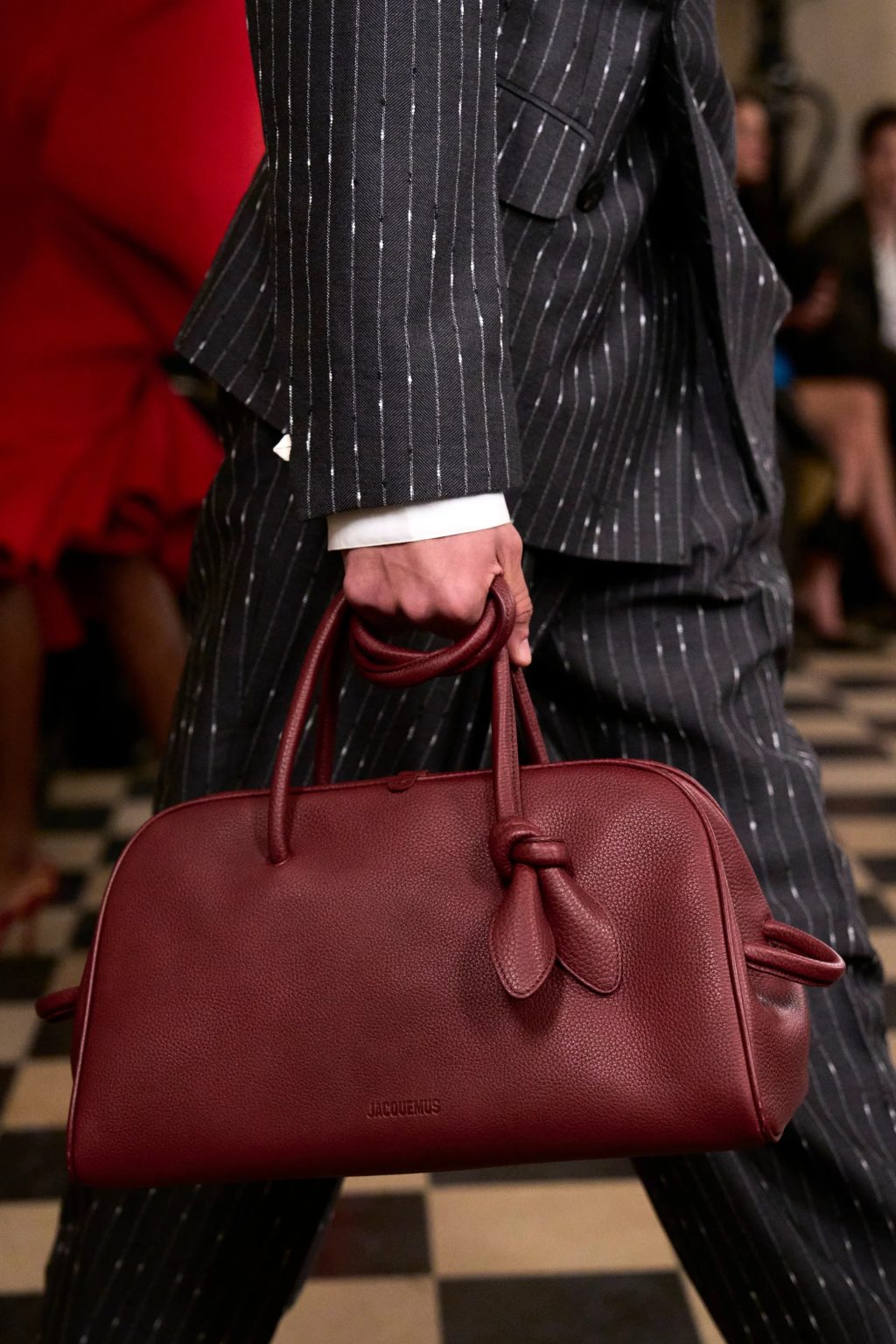
Le Berlingot
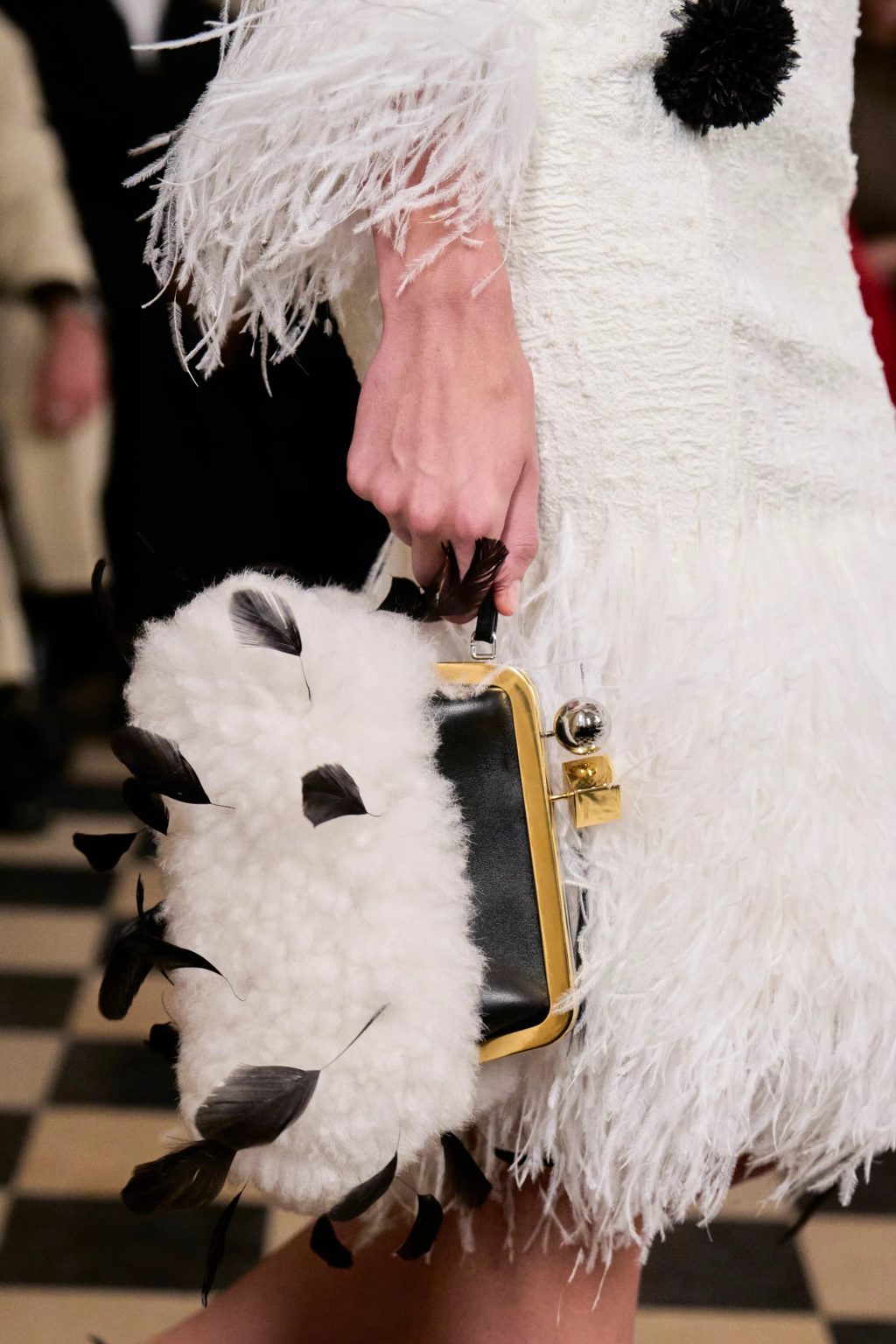
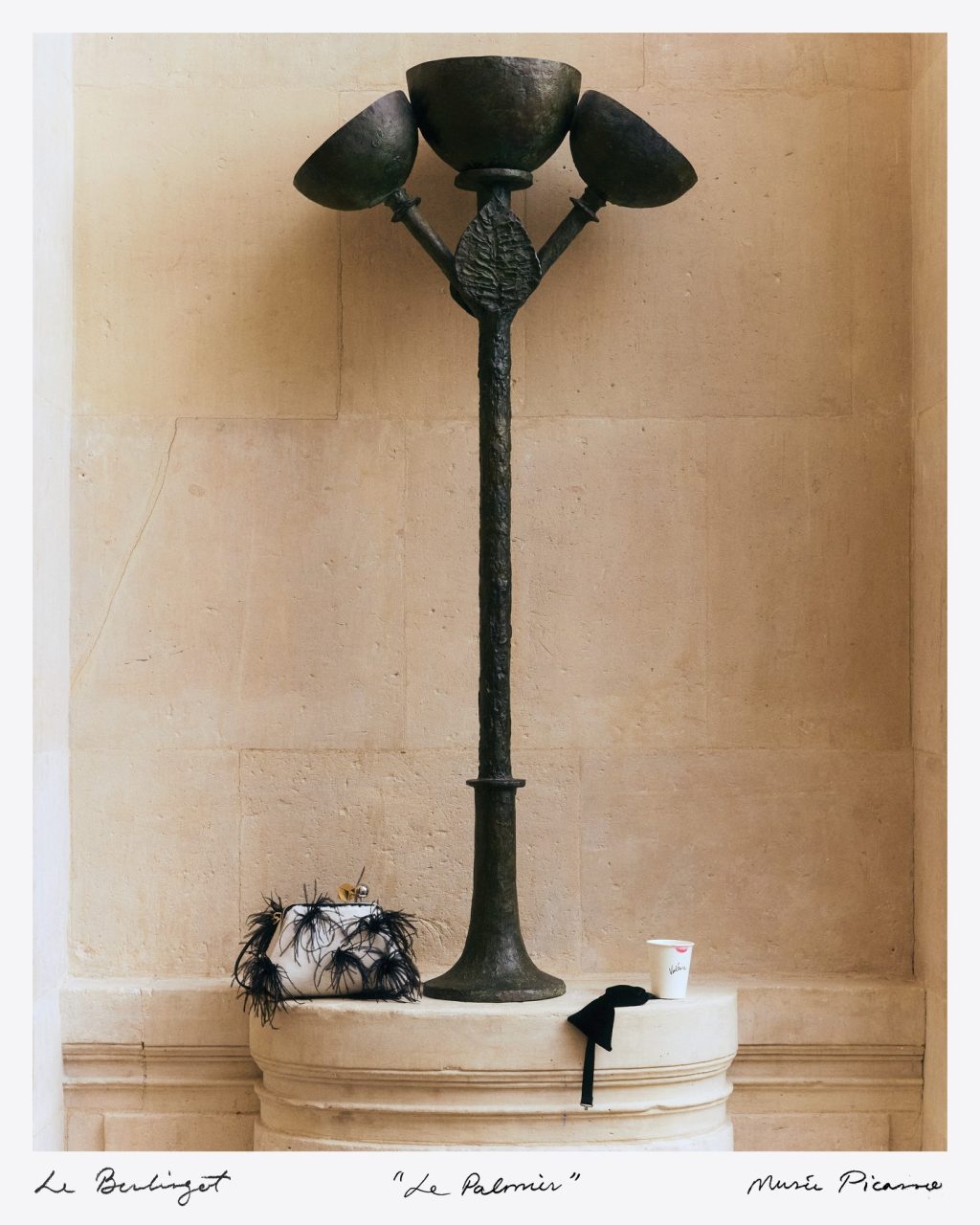
Le Berlingot is the collection’s small sculpture: a compact pouch bag with the Rond-Carré clasp closure, mixing silver and gold metal tones, and sized 20 x 13.5 x 13 cm. This clasp is a different personality from Valérie’s half-donut. It’s less “jewel,” more “design object”—a geometric signature that looks like it belongs in a museum gift shop, in the best way.
In “Le Palmier,” Berlingot functions as punctuation for more dramatic outfits: it’s the kind of bag that makes even a simple look feel curated, because the closure reads instantly as a “Jacquemus thing.”
Le Petit Vanity Chaîne
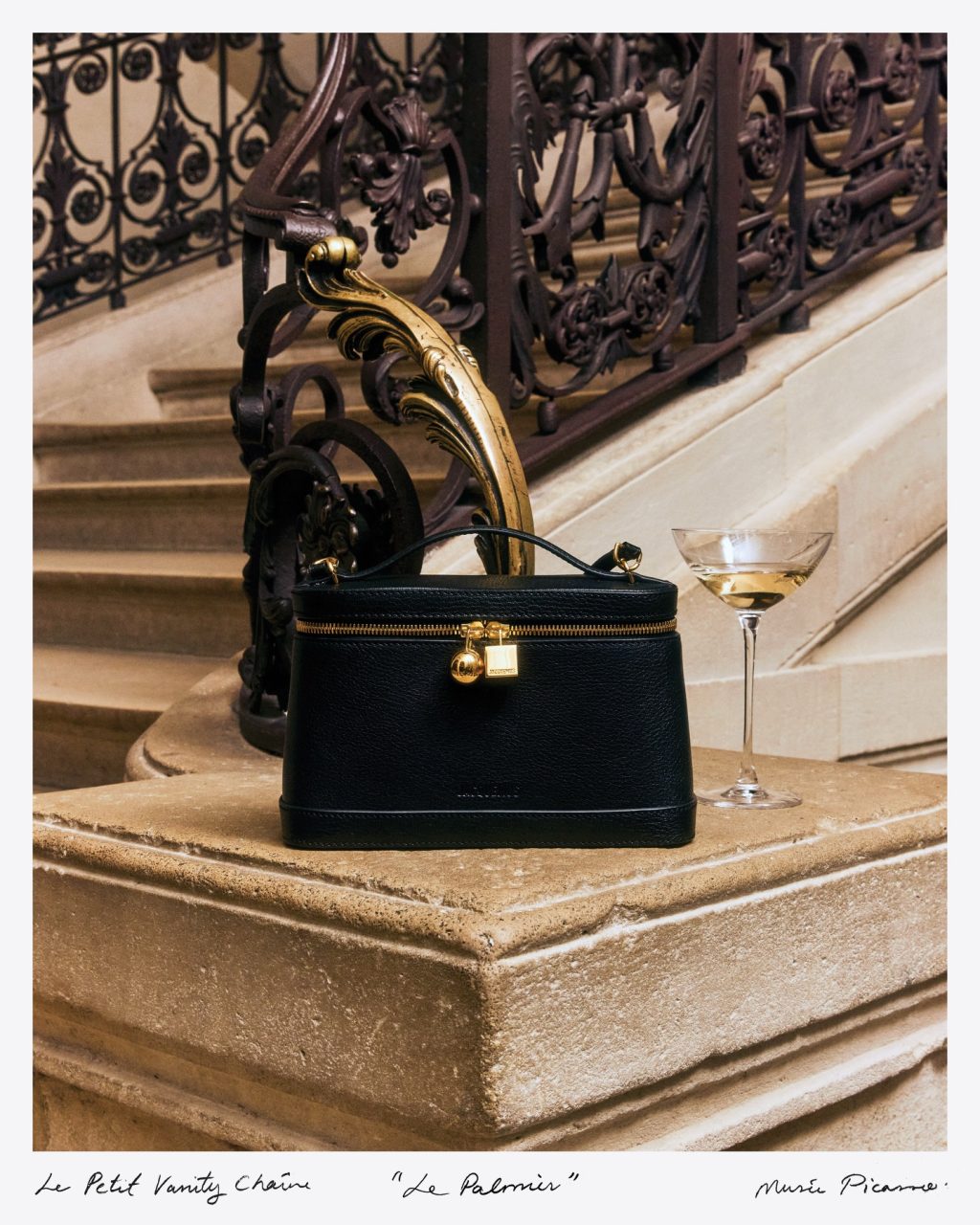
In the “Le Palmier” still-life world, Le Petit Vanity Chaîne is the vanity case reimagined as a character prop: structured, compact, and staged with the kind of casual luxury (a drink, a staircase, a stone ledge) that implies a social plotline.
This bag’s power is cinematic: vanity cases are inherently nostalgic—tied to dressing rooms, travel, and ritual. In a collection steeped in references to French television and cinema, the vanity bag isn’t just pretty; it’s thematically correct.
Le Chiquito
Any Jacquemus bags guide needs Chiquito context, because the brand’s modern accessory mythology was built on it. Vogue calls Chiquito the viral icon that reshaped It-bag scale and humor, and its family expansions (Moyen, Long, Grand) show how Jacquemus turns a single joke into a category.
From the official product description, the Chiquito is a signature mini handbag with a reinforced handle, magnetic flap closure, removable strap, and gold hardware. In FW26, Chiquito’s role is almost editorial: it reminds the audience that Jacquemus can be playful without being unserious. It’s the house’s shorthand.
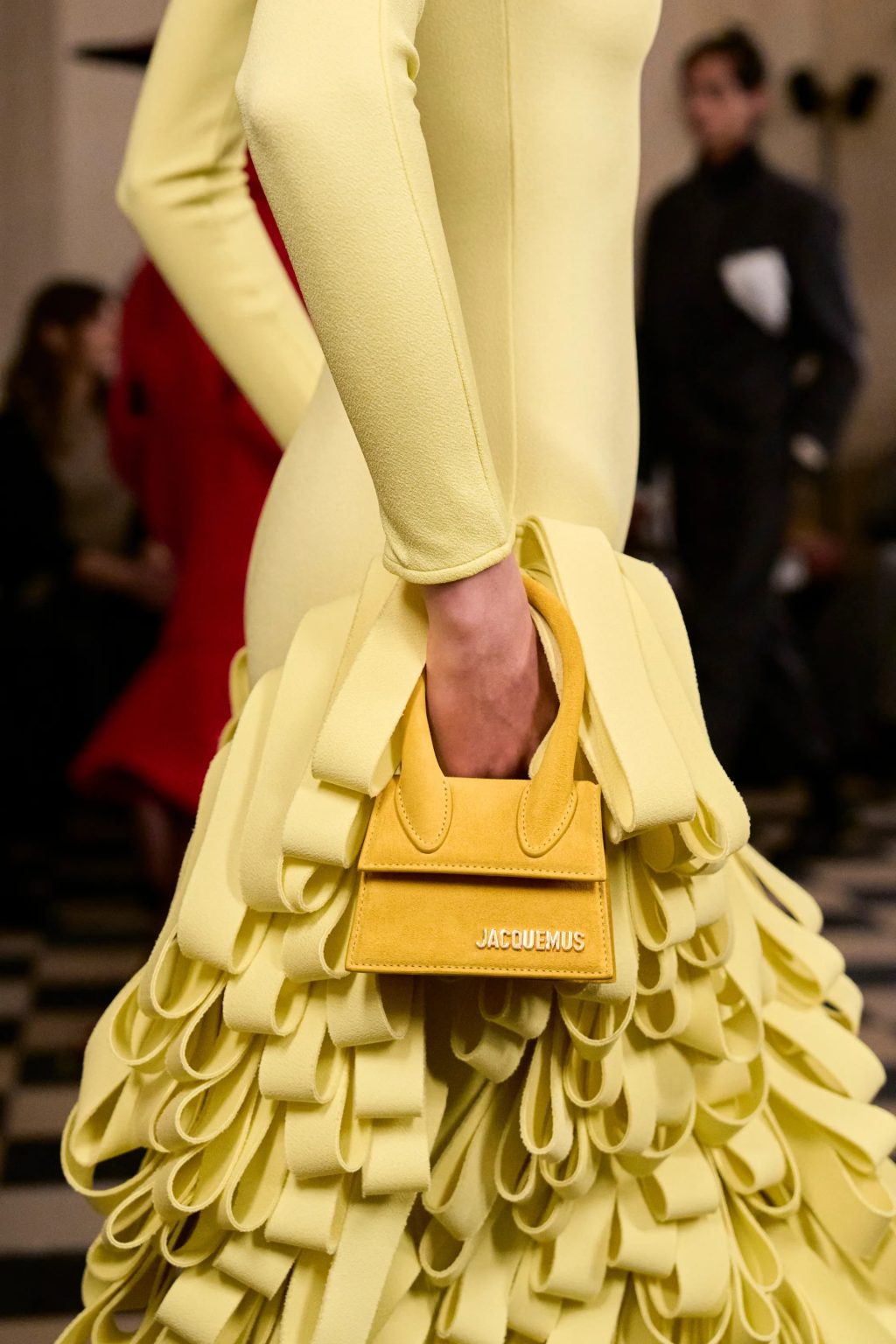
The rest of the bags
Beyond the named core lineup, FW26 leans into “bag as staging.” From your runway images, the most notable additional categories are:
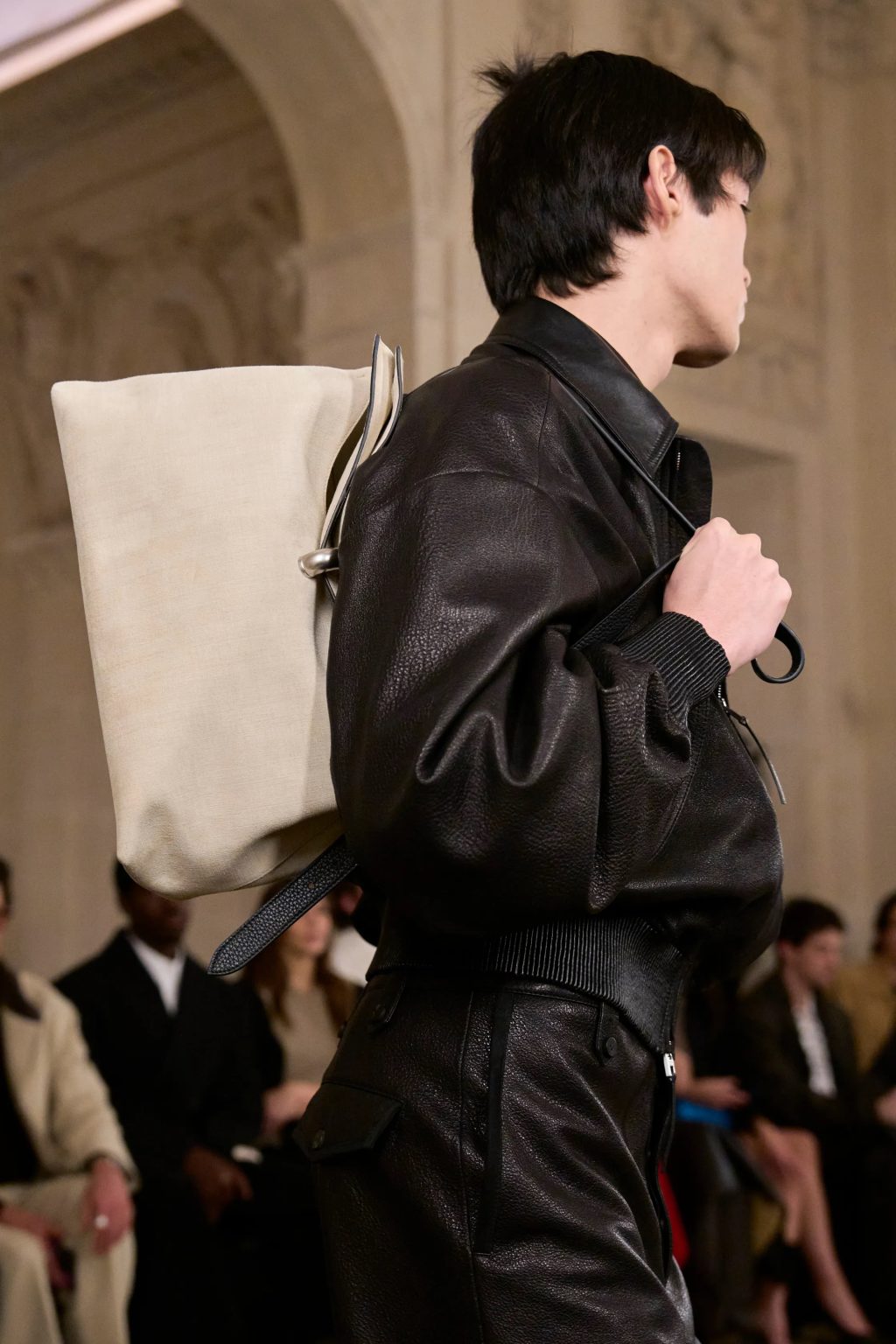
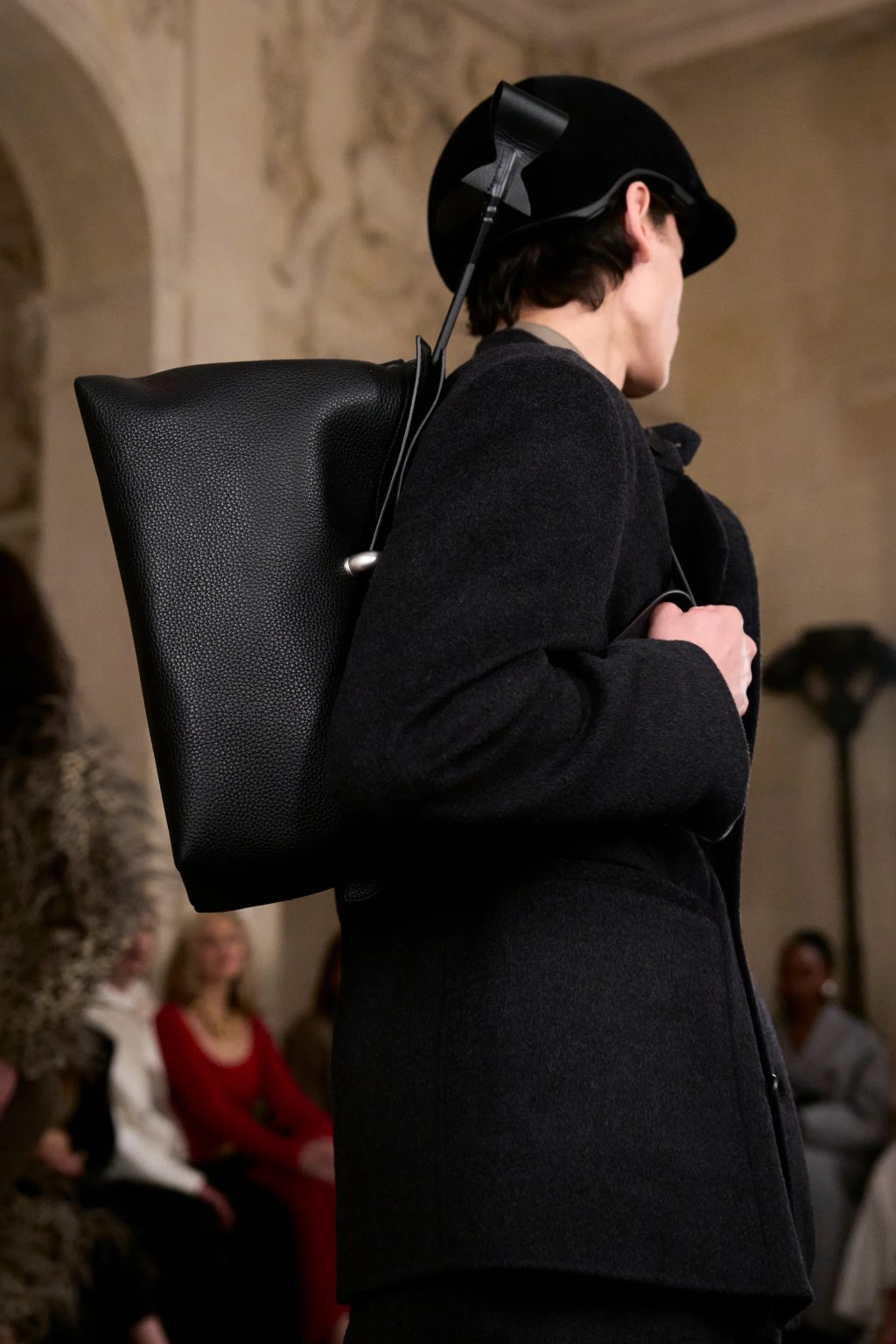
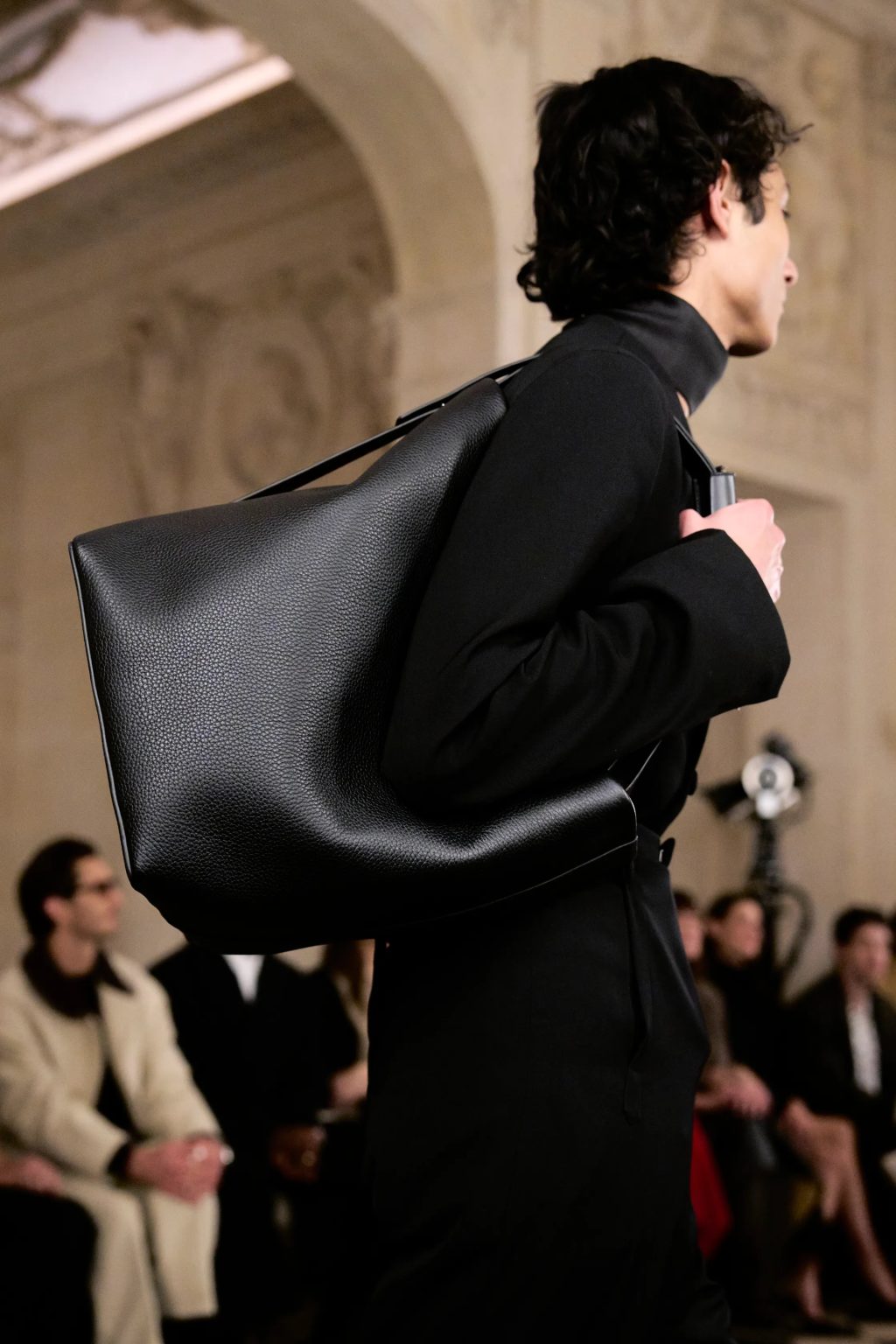
Oversized carry-alls (tote/backpack hybrids): Massive, slouchy shapes worn on the back or hugged like sculpture. The scale feels deliberate: it mirrors the show’s couture-like silhouette play, but translates it into accessories.
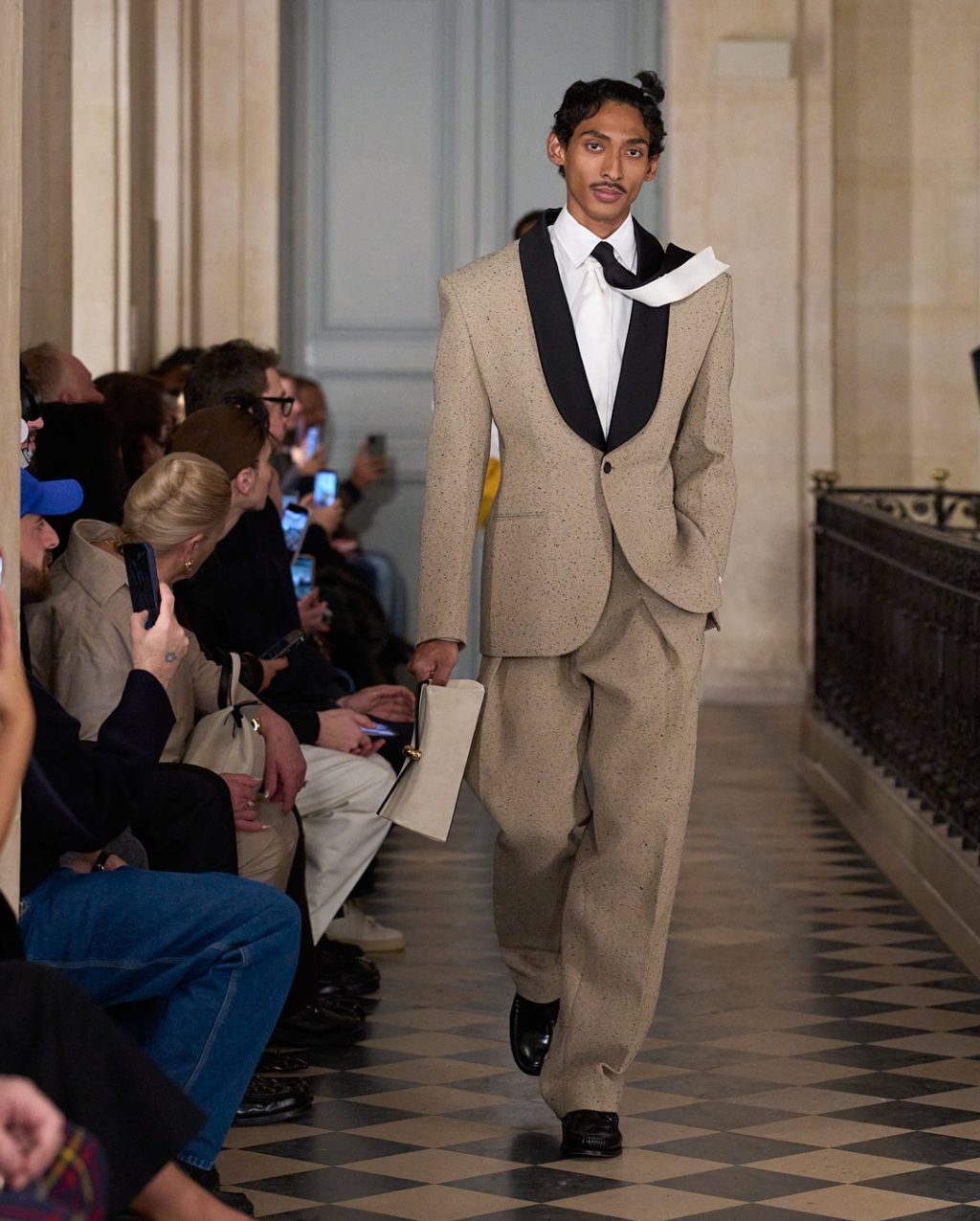
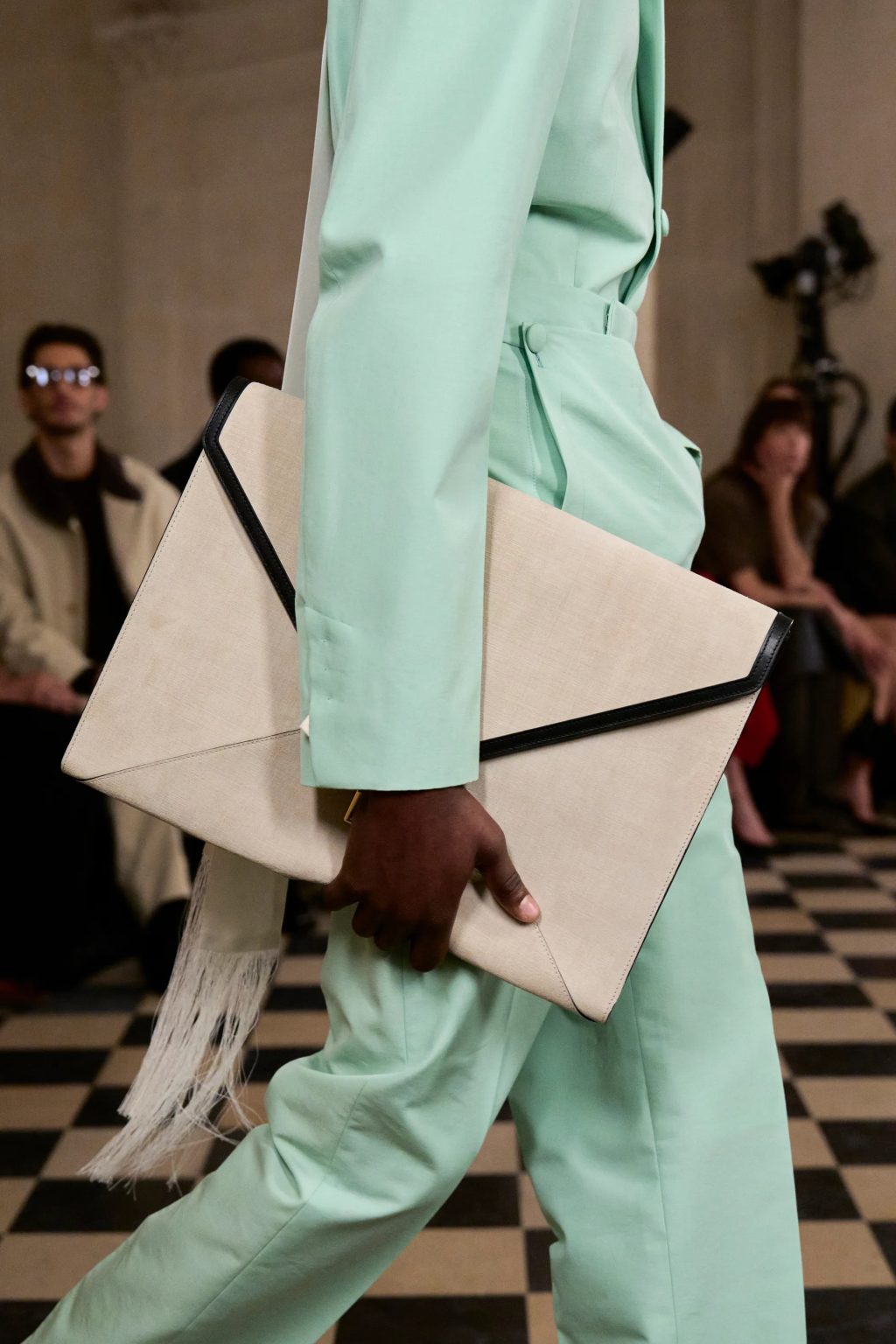
Envelope clutches at near-absurd scale: These read like an exaggerated version of Jacquemus’s long-standing love for flat, architectural shapes (Vogue even classifies the brand’s “oversized envelope” category as a Jacquemus signature in its broader handbags guide).
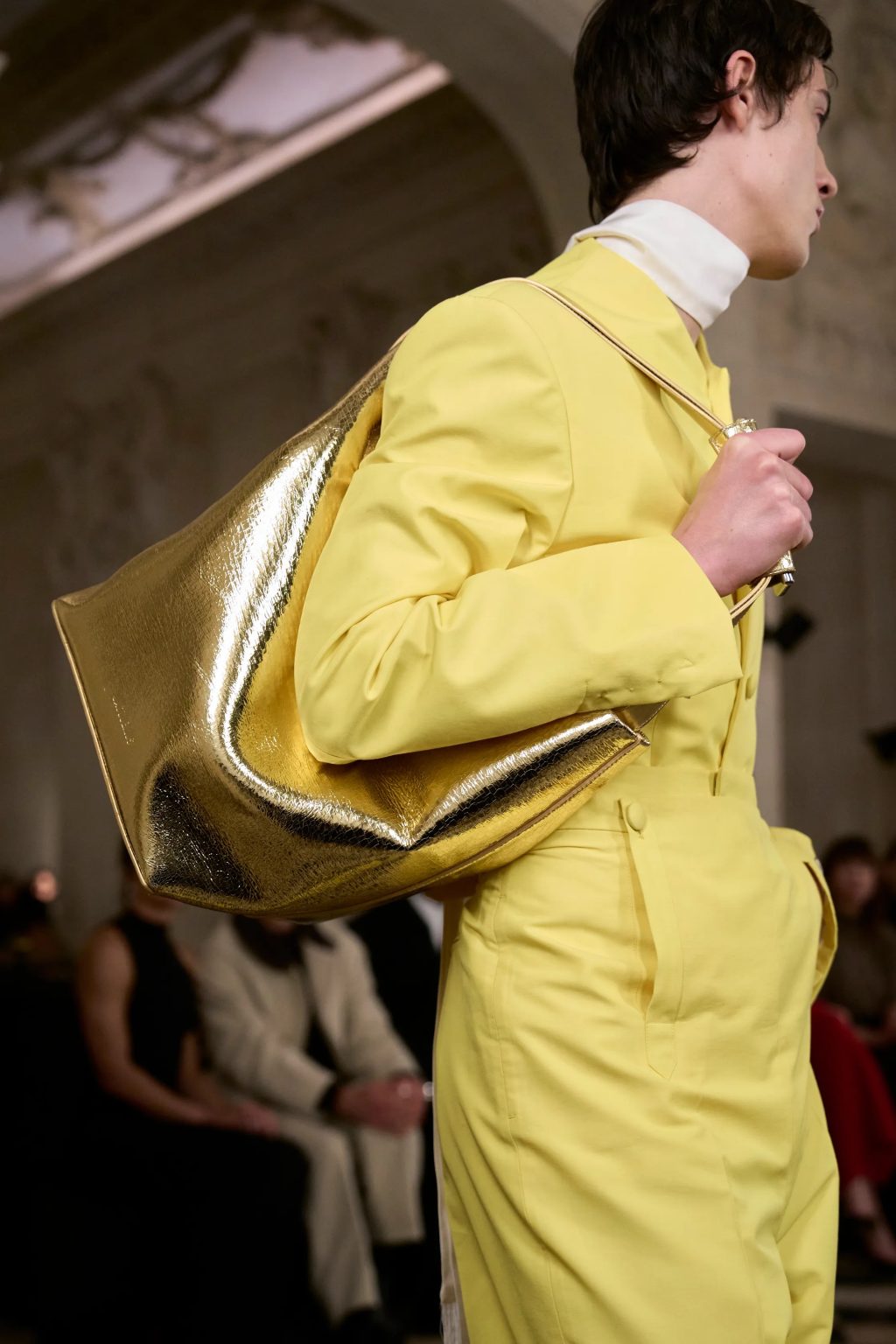
Metallic “social armor”: Gold and high-shine finishes function like stage lighting you can carry—very “technicolor television show,” very 80s wink, very Le Palmier.
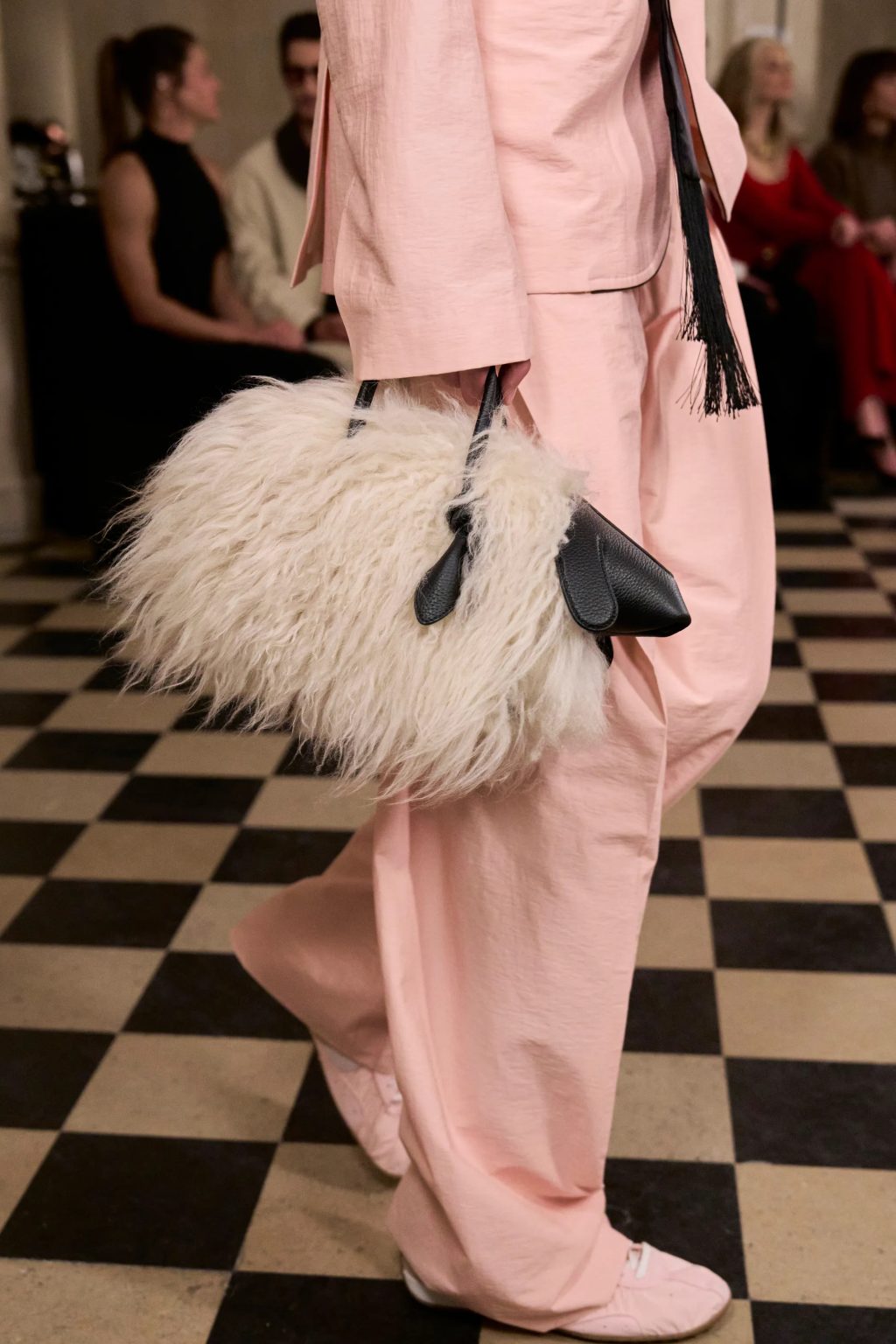
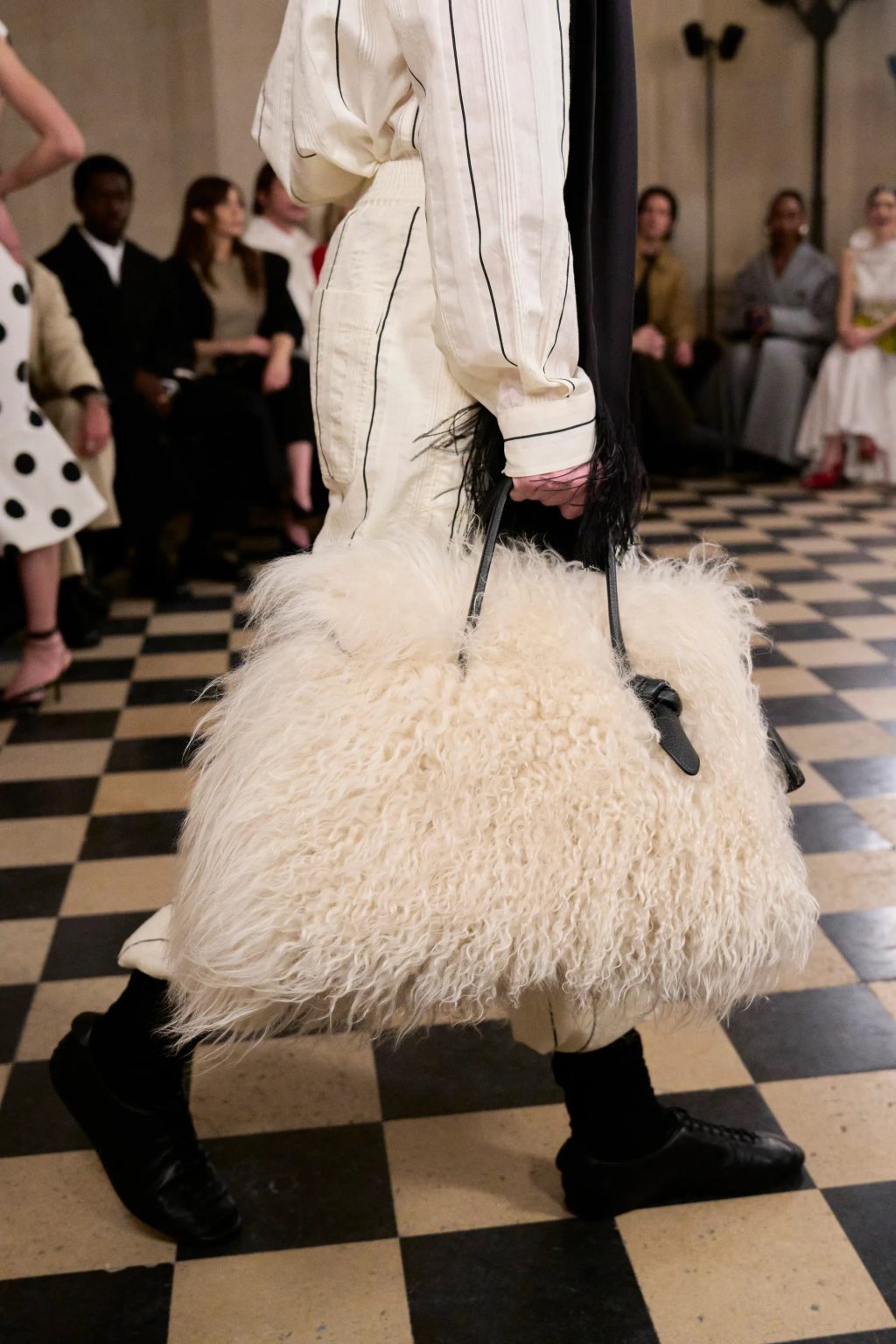
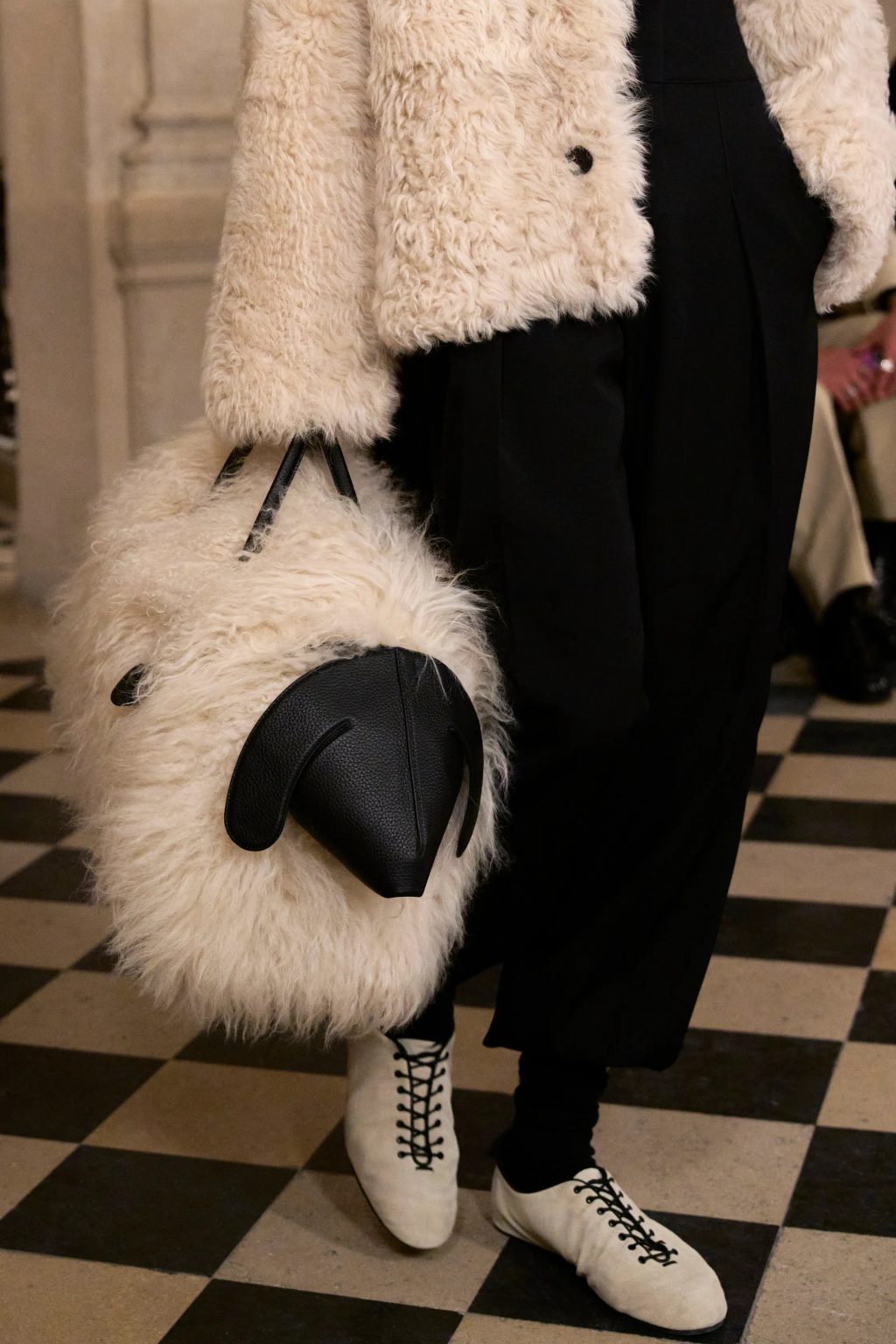
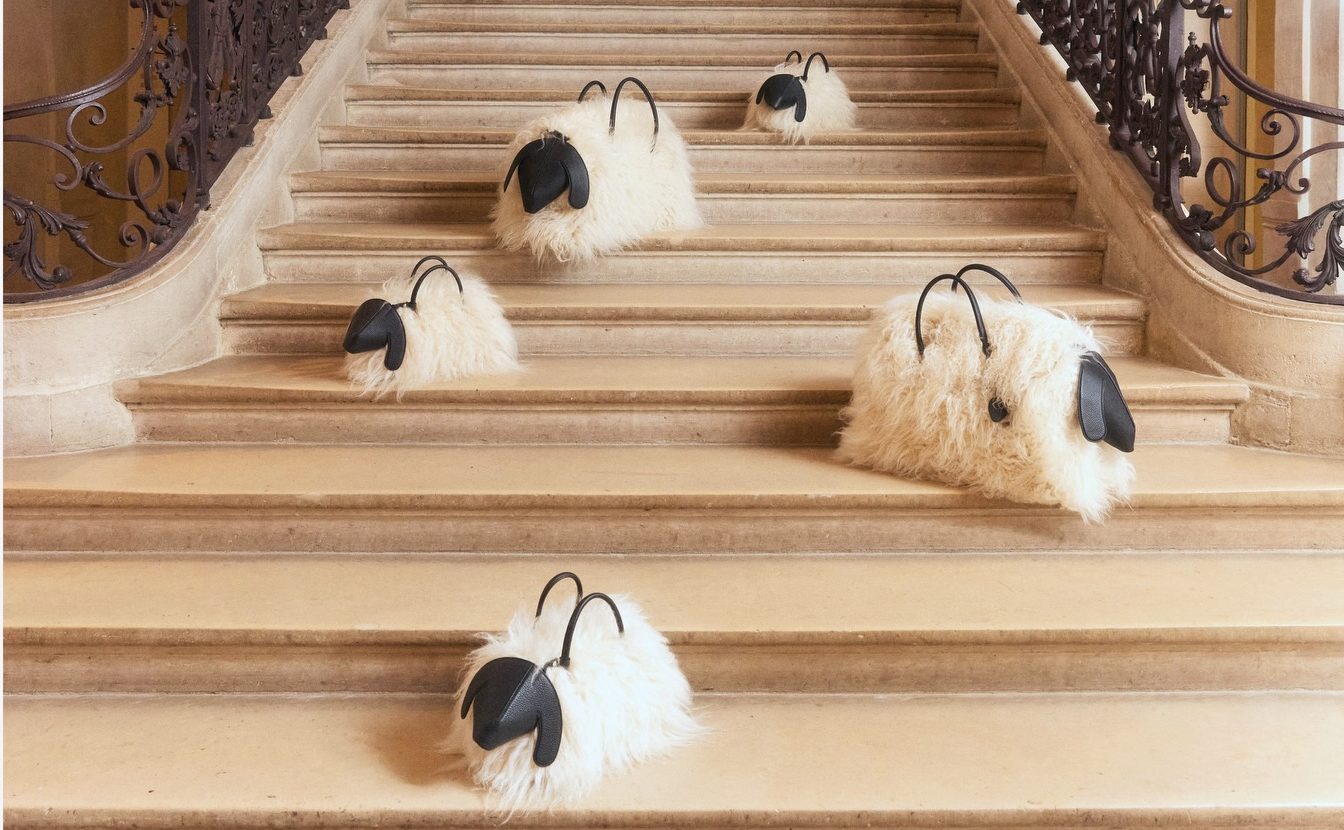
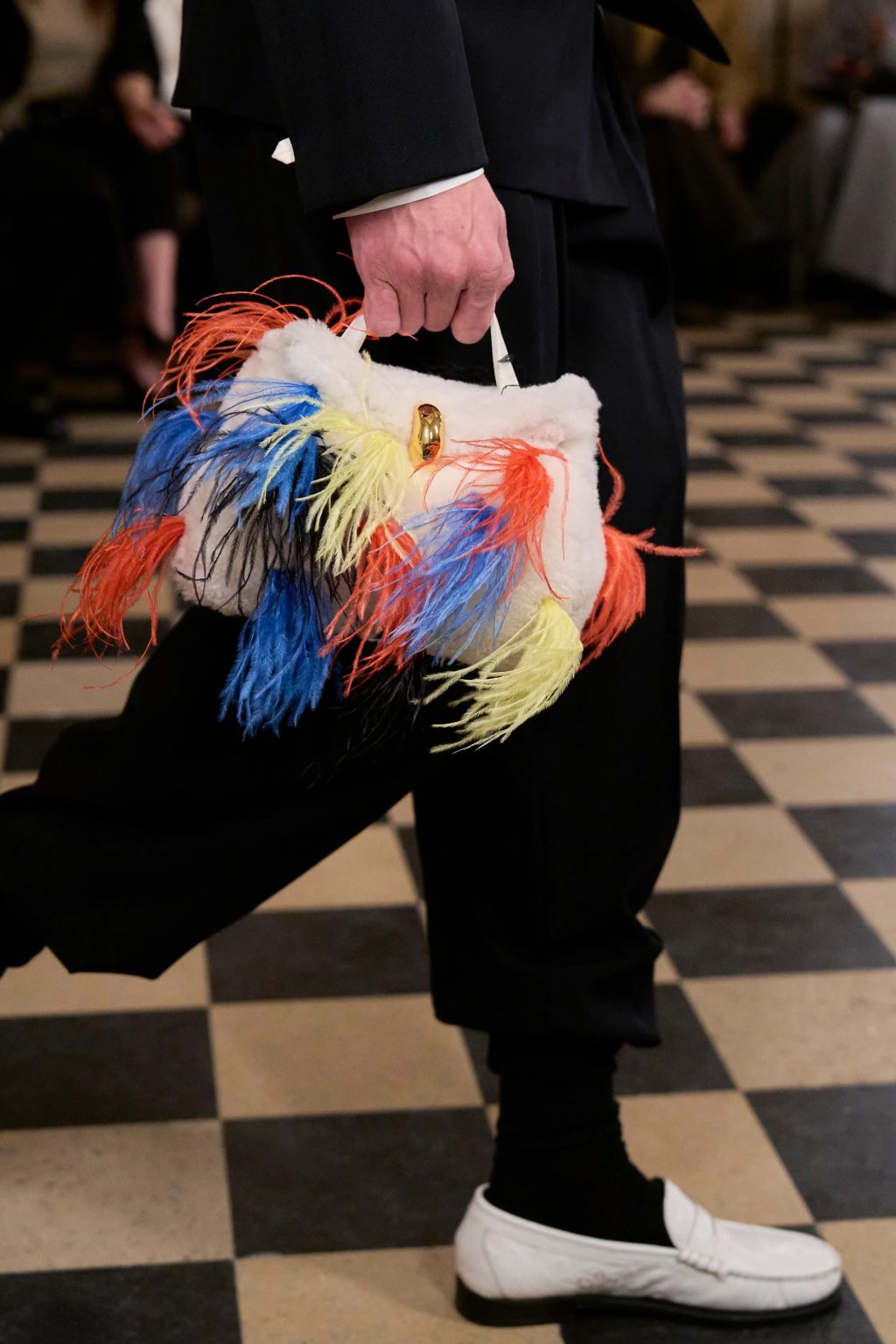
Shearling “sheep” bags: These are pure Jacquemus humor: plush, friendly, slightly surreal objects that still maintain a clean leather “face” or ear-like detailing. They’re accessories as punchline—but with craft.