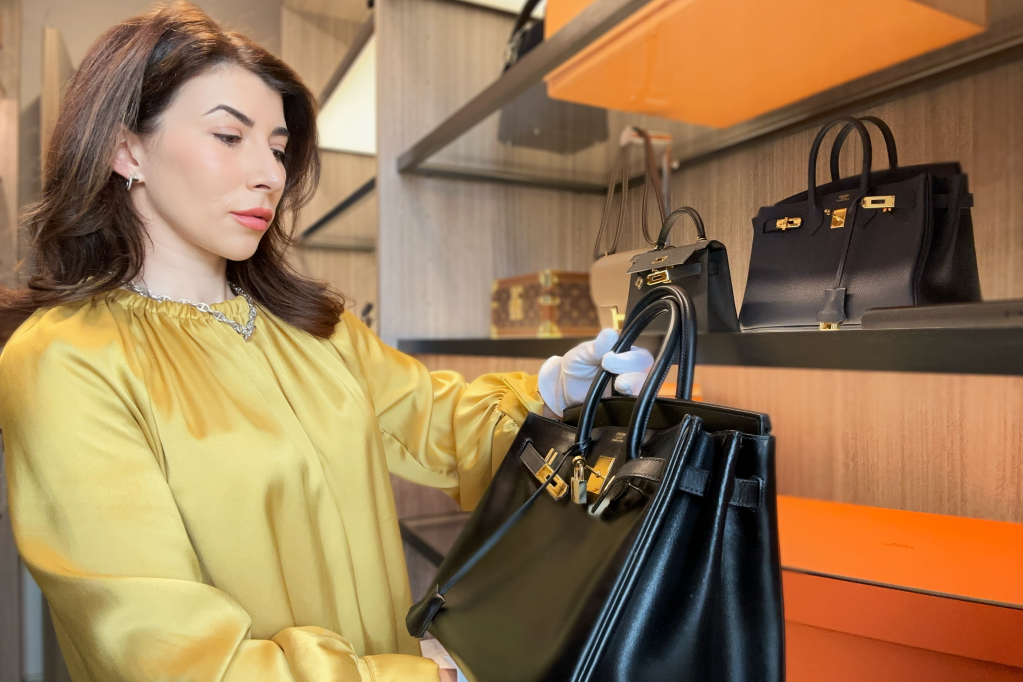
Hermès client profiling allegations are ricocheting through collector circles for one reason: they describe the boutique experience with uncomfortable specificity—down to addresses, Instagram handles, and a silent scoring of who “deserves” access. The story, as reported by luxury investigative outlet Glitz and repeated in English-language coverage, suggests sales associates may research prospective clients—checking where they live, how they present online, and whether they look like a resale risk—before offering coveted bags. That is the allegation. It is not a confirmed Hermès policy.
If you’re new to the mechanics behind scarcity, start with our ultimate guide to the Hermès Birkin bag before you read the boutique politics into these allegations.
What the report alleges
According to reporting summarized by Newsweek, the alleged practice looks like this: a client expresses interest in a Birkin or Kelly; staff may then search the client’s address, review social media, and look for signals that suggest flipping—rather than collecting—could be the endgame. The same coverage claims associates discuss “good” vs “bad” indicators, including visible watch choices and the possibility of spotting a client’s Hermès bag listed for resale. These details are presented as insider accounts, not as publicly documented Hermès rules.
Glitz positions itself as a dedicated investigative publication focused on the global luxury sector—important context because it frames the piece as reporting, not rumor. Still, readers should treat the operational details as allegations unless Hermès publishes a policy or a court record substantiates them.
Who reported it—and what’s verifiable right now
There are two different kinds of “truth” in this story:
1) Verifiable, on-the-record reality: Hermès does collect personal data in multiple contexts—digital platforms, stores, events—and its privacy policy explicitly lists categories like postal address, purchase history, and repairs. That is ordinary for luxury retail, especially where clienteling is central to service.
2) Unverified operational claims: The leap from “we have your address because you bought something” to “we Googled your building to decide whether you qualify for a quota bag” is the part that remains unproven publicly. Newsweek reports it; Glitz is cited as the origin; but the most granular claims rely on alleged internal behavior rather than published policy.
So the responsible read is not “Hermès does this.” It’s: a credible-sounding set of allegations has been reported, and the brand’s broader data collection practices make the scenario plausible—without making it proven.
Why Hermès would care: quotas, resellers, and “relationship retail”
Hermès doesn’t sell Birkins like a standard SKU. It sells scarcity as a cultural object—then protects that scarcity through boutique allocation. In that ecosystem, the sales associate is not a cashier; they are a gatekeeper, a brand diplomat, and—crucially—a risk manager.
In practice, the quota game is less about asking for a bag and more about being legible to the store—something you can see in the craftsmanship, proportions, and codes outlined in anatomy of the Hermès Kelly bag.
Resale is the pressure point. If a quota bag surfaces on the secondary market too quickly, it undermines the narrative that these bags are earned through loyalty, taste, and time. The alleged “vetting” described in coverage reads like an attempt to filter out high-velocity resellers and prioritize clients who will keep the bag in a long-term wardrobe rotation.
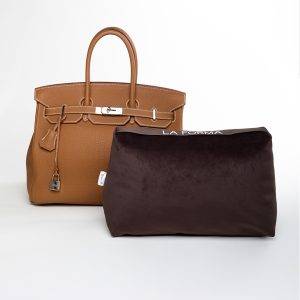
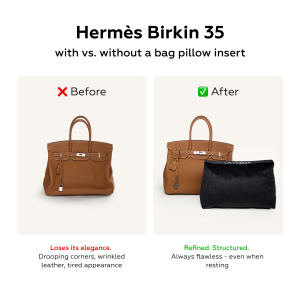
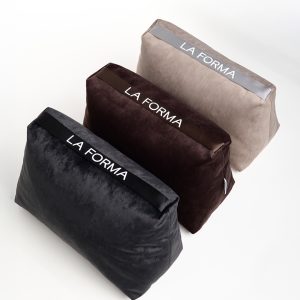
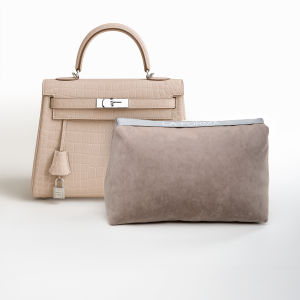
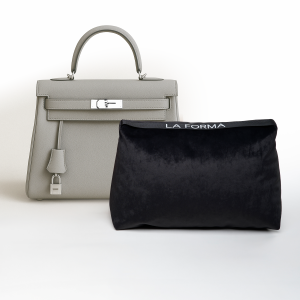
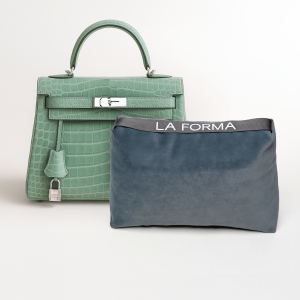
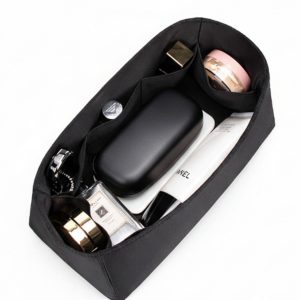
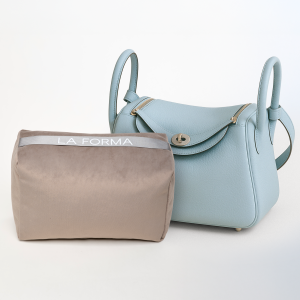
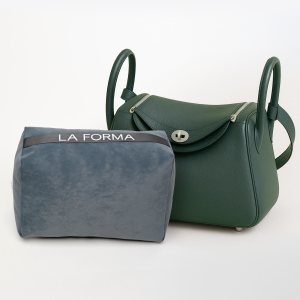
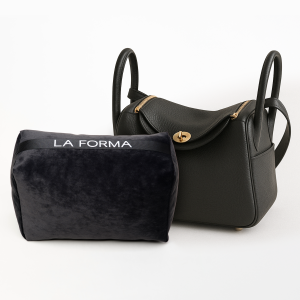
For collectors, the irony is sharp: the same system that makes a Birkin retain value also breeds anxiety around appearing “too transactional.” That’s why preservation matters. If you do secure a quota bag, you’re holding a leather object and a market artifact—store it accordingly. (A properly sized bag pillow is the unglamorous detail that keeps corners crisp and panels from collapsing during long storage, which is exactly how condition—and value—gets quietly protected.)
Hermès has always been fluent in signals—the kind that start long before the bag, down to the ritual of the Hermès Blue Box and what it represents.
The legal backdrop: the U.S. Birkin “tying” case—and what happened next
This is where narratives often get muddled: a separate U.S. class action accused Hermès of effectively forcing customers to buy other Hermès goods to gain access to Birkins—an antitrust “tying” theory. Reuters reported the suit in 2024, framing it around scarcity and alleged purchase pressure.
Then came the outcome many missed: in September 2025, Reuters reported a judge dismissed the revised complaint with prejudice, meaning the plaintiffs could not refile the same claims again. Vogue and Business of Fashion both covered this as the case effectively closing.
That dismissal is not proof that Hermès behaves perfectly in boutiques. It’s proof that a specific antitrust claim, as pleaded, did not survive. Treat it as legal context—not as a verdict on today’s profiling allegations.
Is this “profiling” under privacy law?
“Profiling” has a specific meaning in privacy frameworks like the GDPR: automated processing of personal data to evaluate aspects of an individual (including to analyze or predict preferences or behavior). The European Commission’s guidance highlights that automated individual decision-making and profiling carry special scrutiny, particularly where decisions have significant effects.
Here’s the nuance collectors should understand:
- Manual clienteling (a sales associate taking notes, remembering preferences, observing behavior) is culturally normal in luxury.
- Automated profiling (systems scoring you and making decisions without human involvement) is where regulators pay closer attention.
The allegations described in coverage sound like a hybrid: human decisions potentially informed by online searching and internal history. Without technical specifics—tools, databases, automation—no outsider can accurately label it as GDPR-style profiling. That uncertainty matters. It’s also why Hermès’ own privacy policy language—what it collects, how it uses it, what rights customers have—is the only firm ground available to the public.
A collector’s playbook: how to shop without oversharing
If you want access and boundaries, think like someone managing a private collection, not auditioning for approval.
Buyer checklist: data-smart, boutique-realistic
- Minimize what you volunteer. Give what’s needed for transactions and service; don’t narrate your entire resale history.
- Separate public persona from purchase intent. If your social feeds are effectively a storefront, assume they can be interpreted that way.
- Be consistent with your story. Collectors buy with continuity—sizes, leathers, color families—not frantic scattershot.
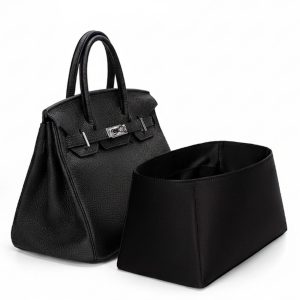
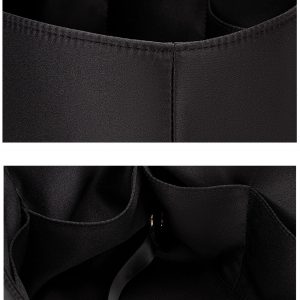
- Document your ownership like an archivist. Receipts, spa history, and storage discipline (yes, including bag pillows to prevent slouching) protect long-term value far more than performative “relationship spending.”
- Ask privacy questions calmly. A simple “What information do you keep on file for my profile?” is reasonable—especially where privacy policies explicitly cover store data collection.
The point isn’t paranoia. It’s control. Quiet luxury isn’t just how the bag looks—it’s how little of your life you need to trade to carry it.
Alternatives to boutique gatekeeping
If boutique access feels like theater, resale is the blunt instrument: expensive, direct, and often faster. But it demands process.
Look for platforms that clearly describe authentication and back it with policy. Fashionphile states it guarantees authenticity (money-back) and outlines its authentication positioning publicly. Rebag describes an in-house, multilayered evaluation and a refund policy if an item is proven inauthentic by a verified authenticator.
A realistic resale approach:
- Prioritize condition + provenance (stickers, invoices, spa records, year stamps where applicable).
- Budget for preventive care immediately after purchase (structure support in storage, hardware protection, humidity control).
- Treat listings with “too perfect, too cheap, too fast” energy as a red flag—especially in a market where counterfeits are increasingly sophisticated.
Scarcity isn’t abstract here; it’s engineered through icons and exceptions—see Notable limited-edition Hermès Birkins for the kinds of pieces that reshape the market overnight.”
FAQs
Is it confirmed that Hermès checks addresses and social media before offering a Birkin/Kelly?
No. It’s been reported as an allegation (via Glitz and summaries in English-language outlets). There is no publicly posted Hermès policy confirming such a practice.
Does Hermès keep purchase history on clients?
Hermès’ privacy policy indicates it may process purchase history and repairs data as part of customer interactions across platforms and stores.
Did the Birkin lawsuit prove anything about boutique behavior?
It established a legal fight over an antitrust theory—and ended with dismissal of the revised claims with prejudice in September 2025. It does not verify today’s “profiling” claims.
If I buy resale, will I be “blacklisted”?
That’s a claim repeated in coverage as an alleged internal concern—not a verifiable policy. Treat it as uncertain.
What’s the safest way to protect value once I own the bag?
Condition is leverage. Store it supported (a correctly sized bag pillow prevents panel collapse and corner deformation), keep documentation, and avoid careless humidity/heat exposure—small habits that compound into resale confidence.
***
The most telling detail in these Hermès client profiling allegations isn’t the alleged Googling—it’s the premise that access can hinge on perception: where you live, how you post, what you signal. Whether or not the specific practices are real, the culture they describe is familiar to anyone who has tried to buy a quota bag “the right way.”
Collectors don’t need panic. They need precision: know what’s verified, label what’s alleged, and protect what you already own like an asset. If your wardrobe includes pieces that trade at auction-house prices, treat storage like conservation—quiet, consistent, and structural. A bag pillow is not a flex; it’s prevention.