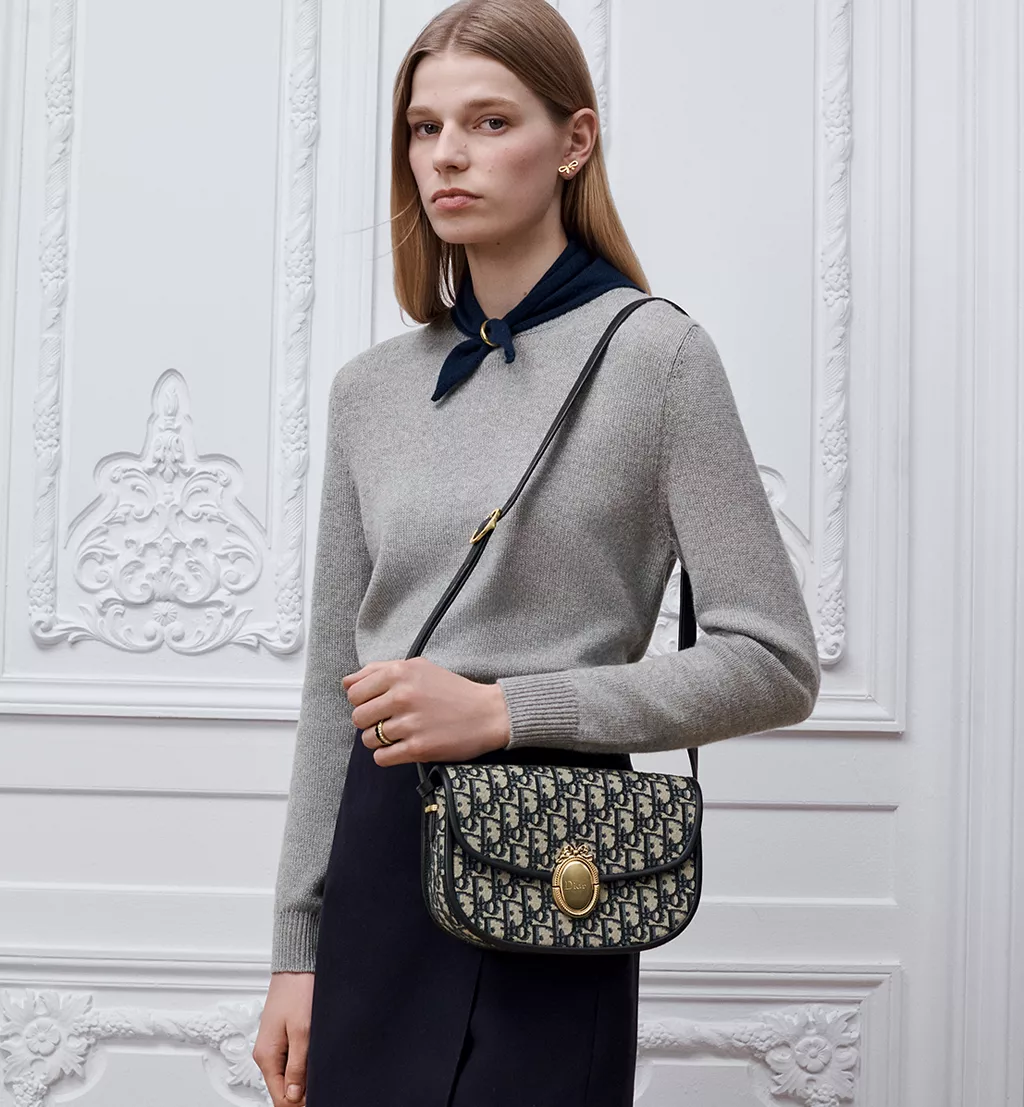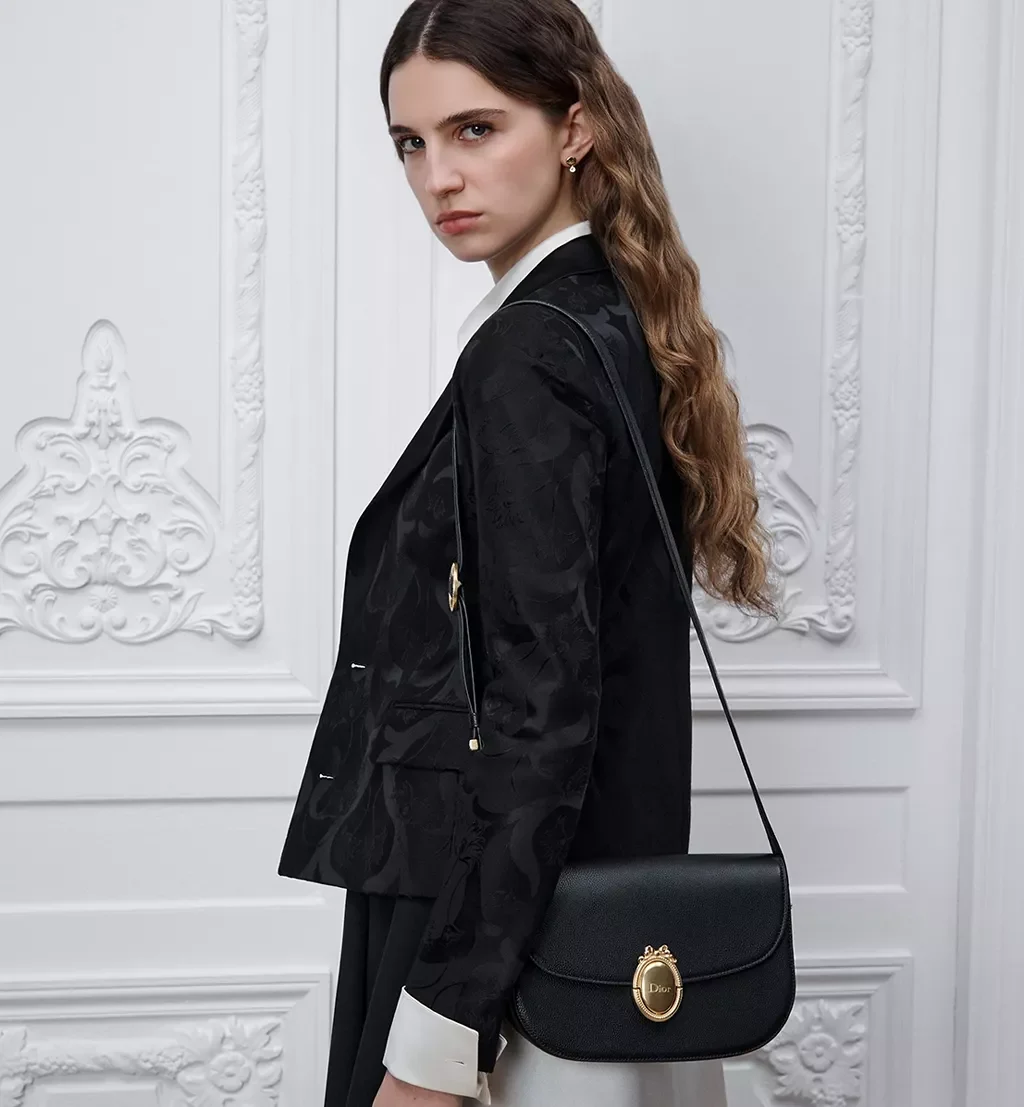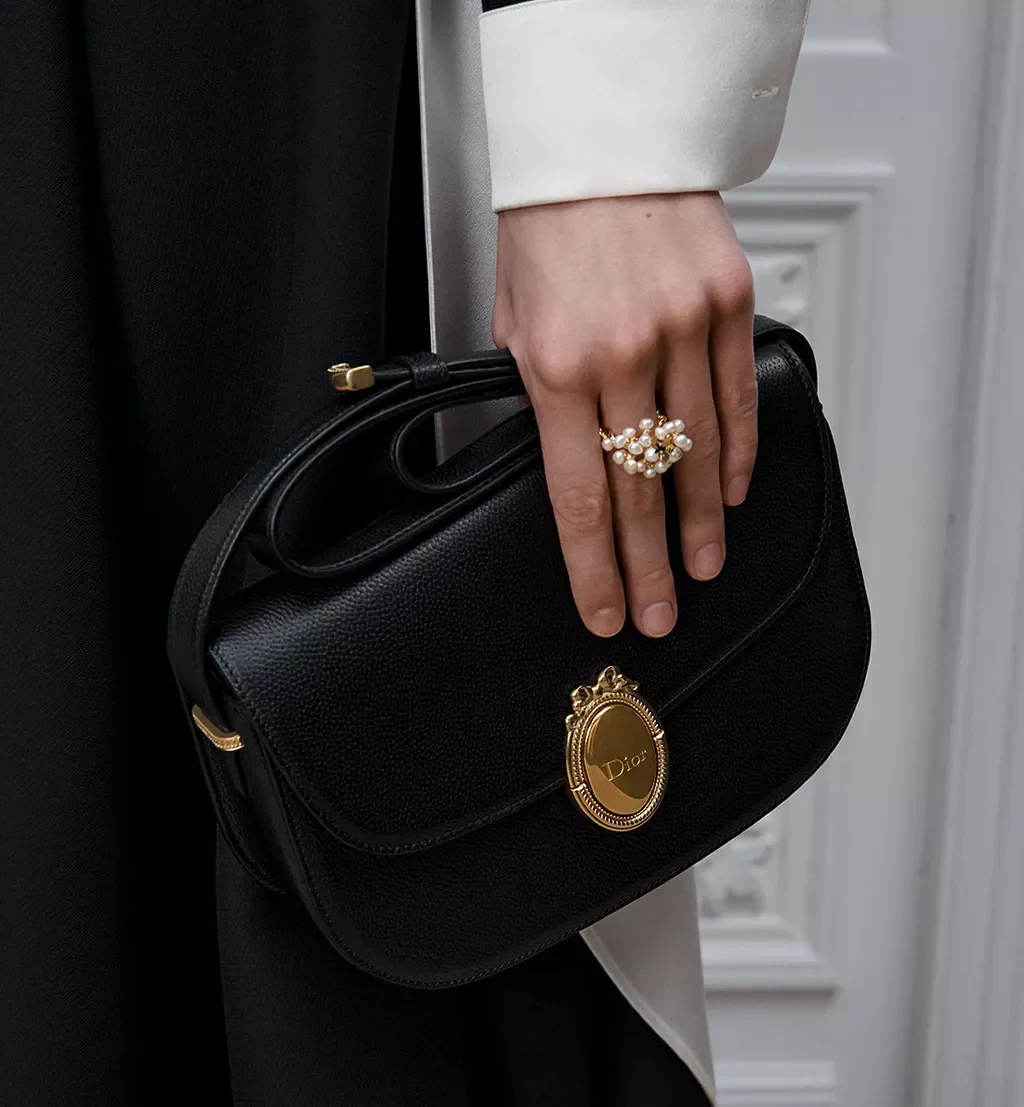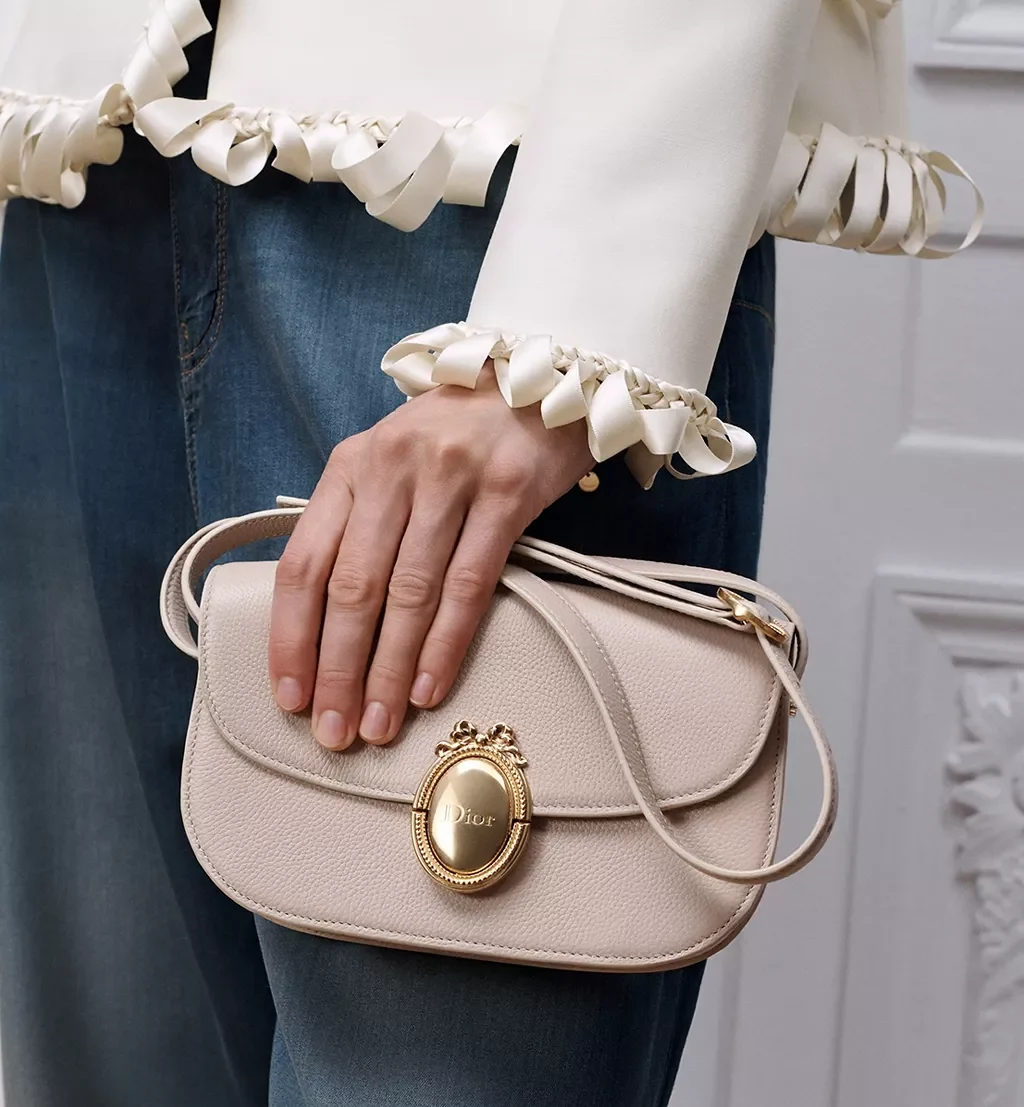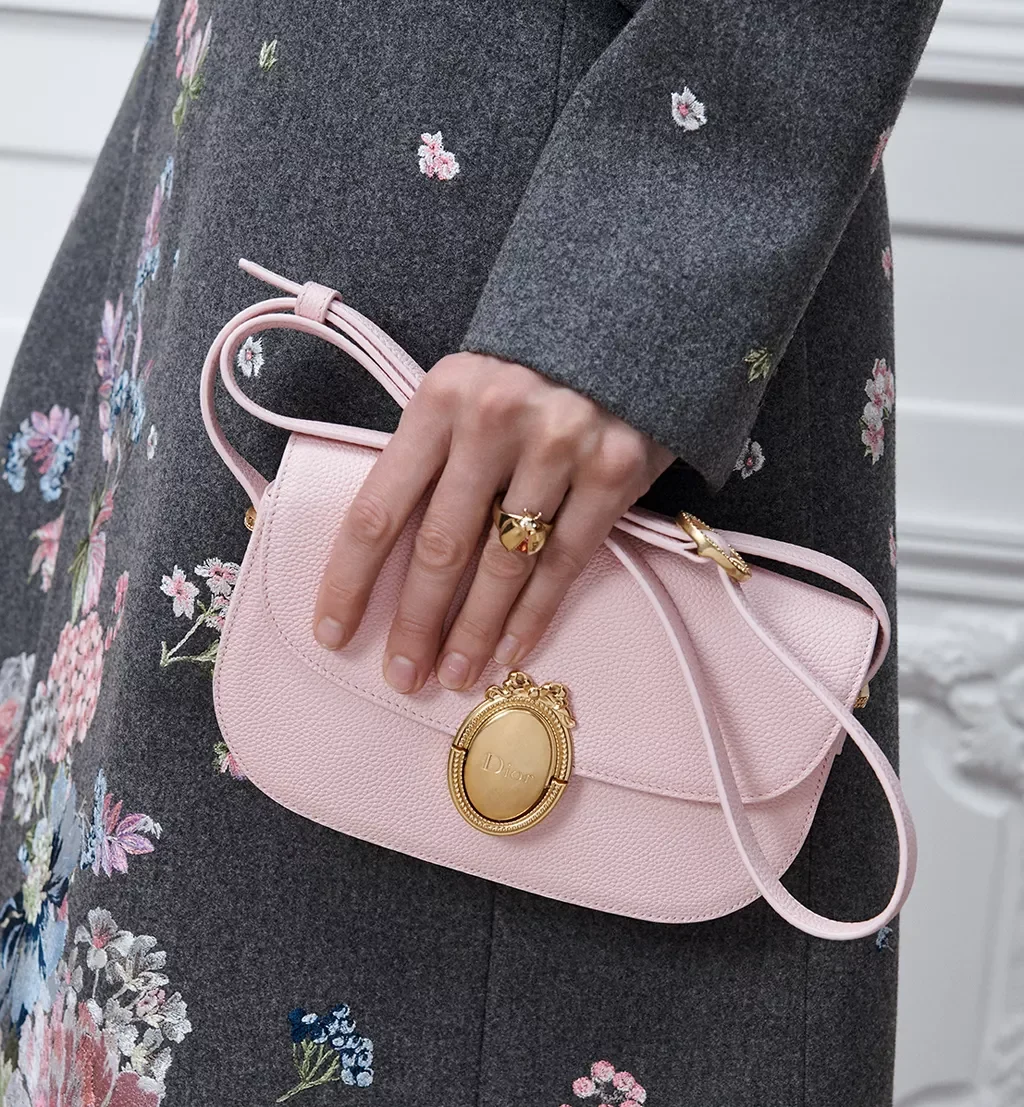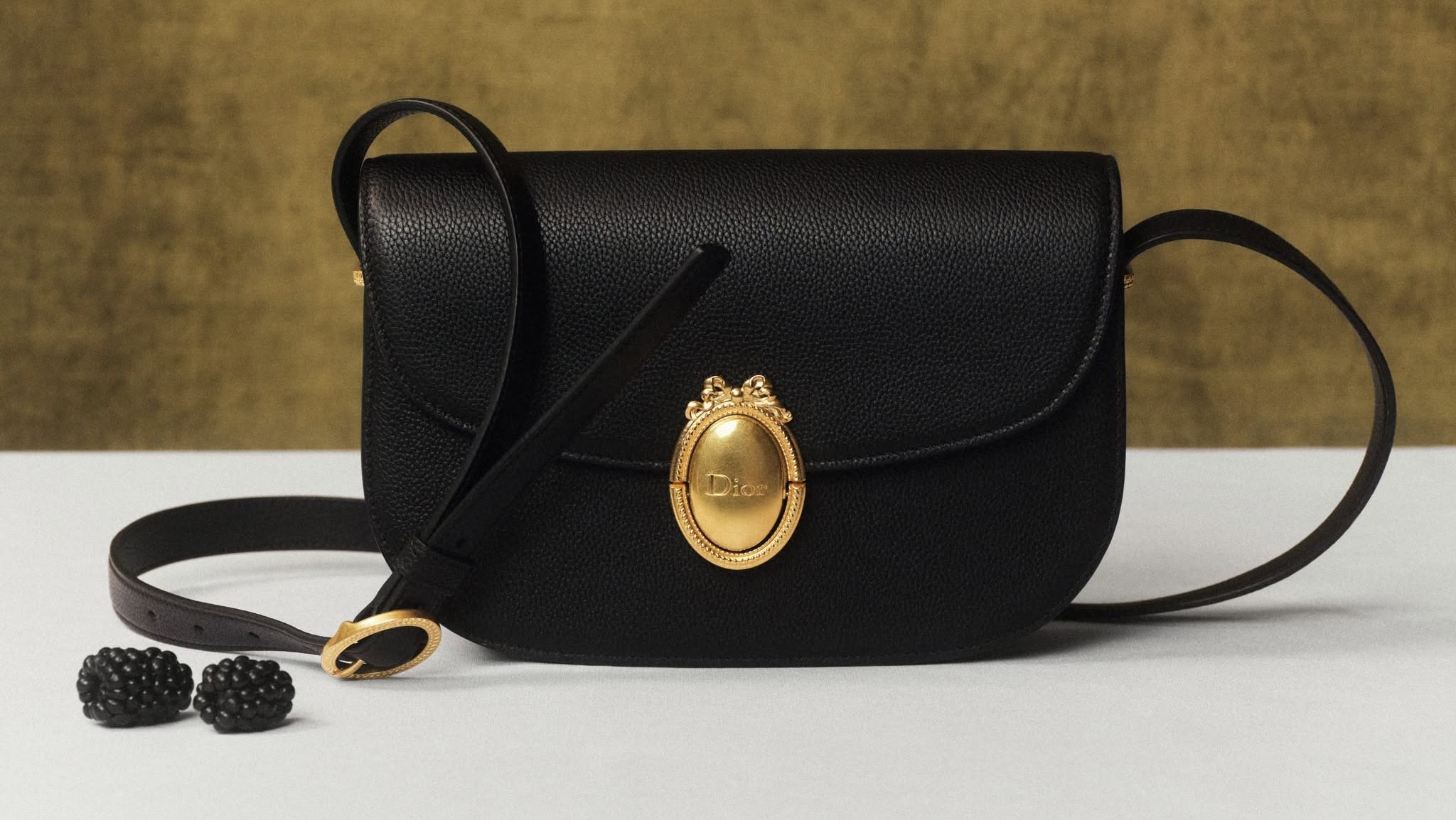
The Dior Médaillon Bag carries a fragment of the house’s earliest interiors inside its name. Every curve of its flap traces back to December 1946, when the médaillon first appeared as a decorative motif inside Christian Dior’s debut Paris boutique, drawing its language from 18th-century rococo design. That same architectural vocabulary now defines one of the house’s most structured bag silhouettes, translated from gilded plasterwork into leather, hardware, and hand-finished stitching.
A Rococo Motif Turned Into a Bag Silhouette
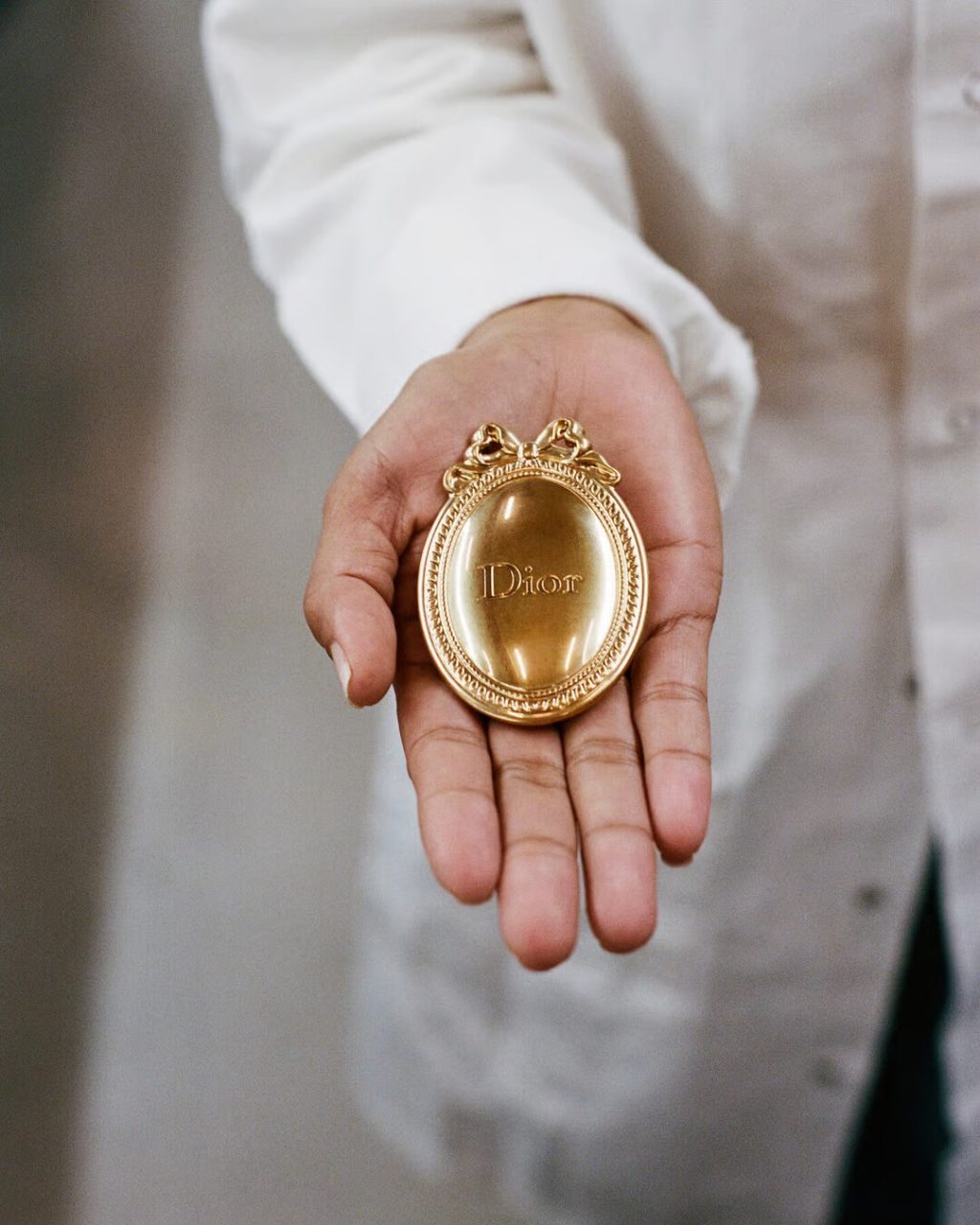
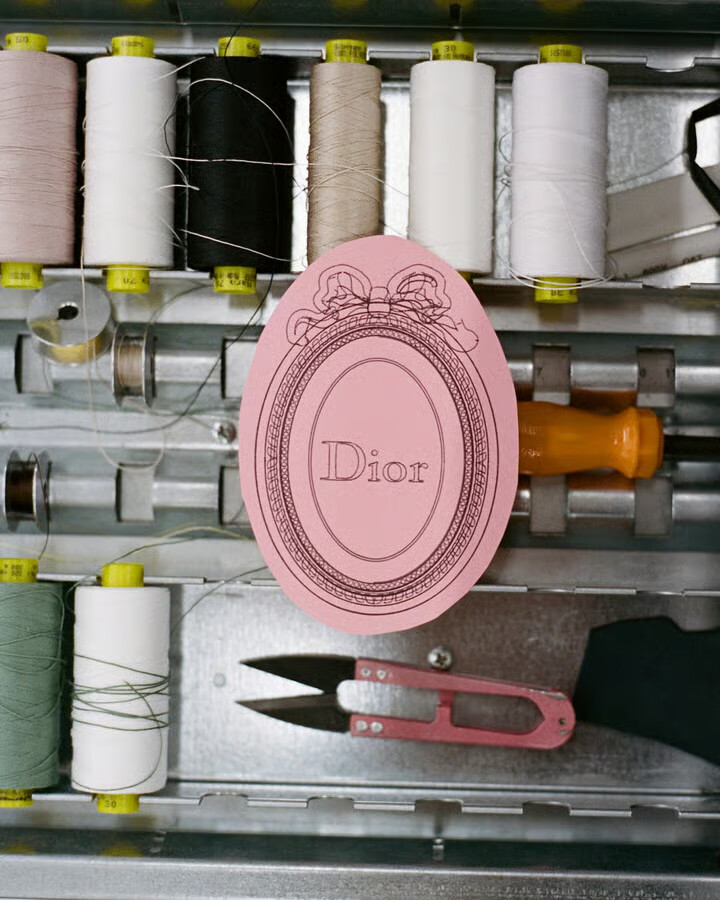
Long before it became a handbag, the médaillon lived on the walls. The motif formed part of the decorative scheme inside the first Dior boutique, and it draws directly on the curved, ornamental language of 18th-century rococo interiors. Rather than referencing the era through a print or a charm, Dior built an entire bag shape around that decorative grammar, turning architectural curves into the bag’s actual silhouette.
Inside the Construction: Hand-Cutting, Stitching, and Hot-Stamping
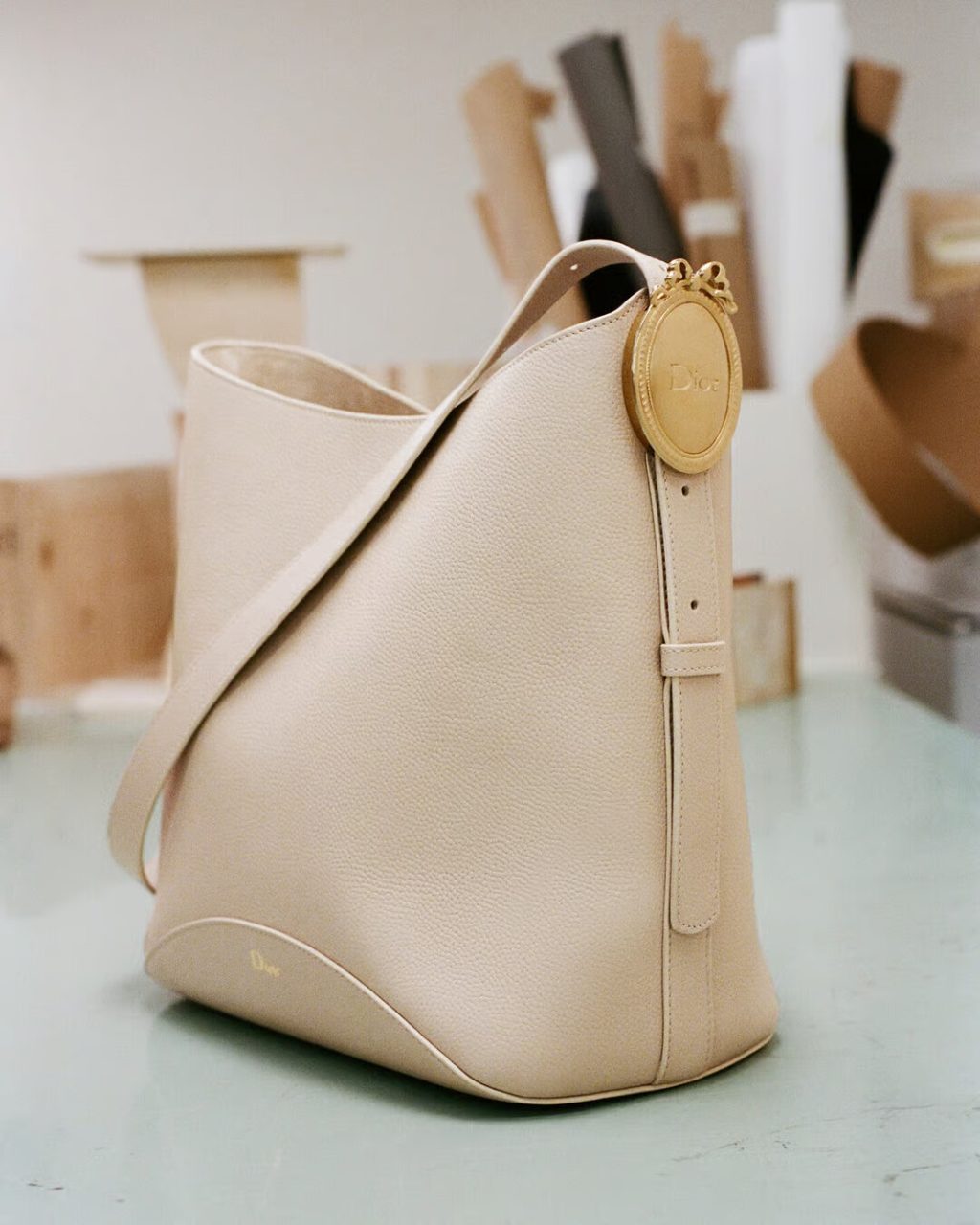
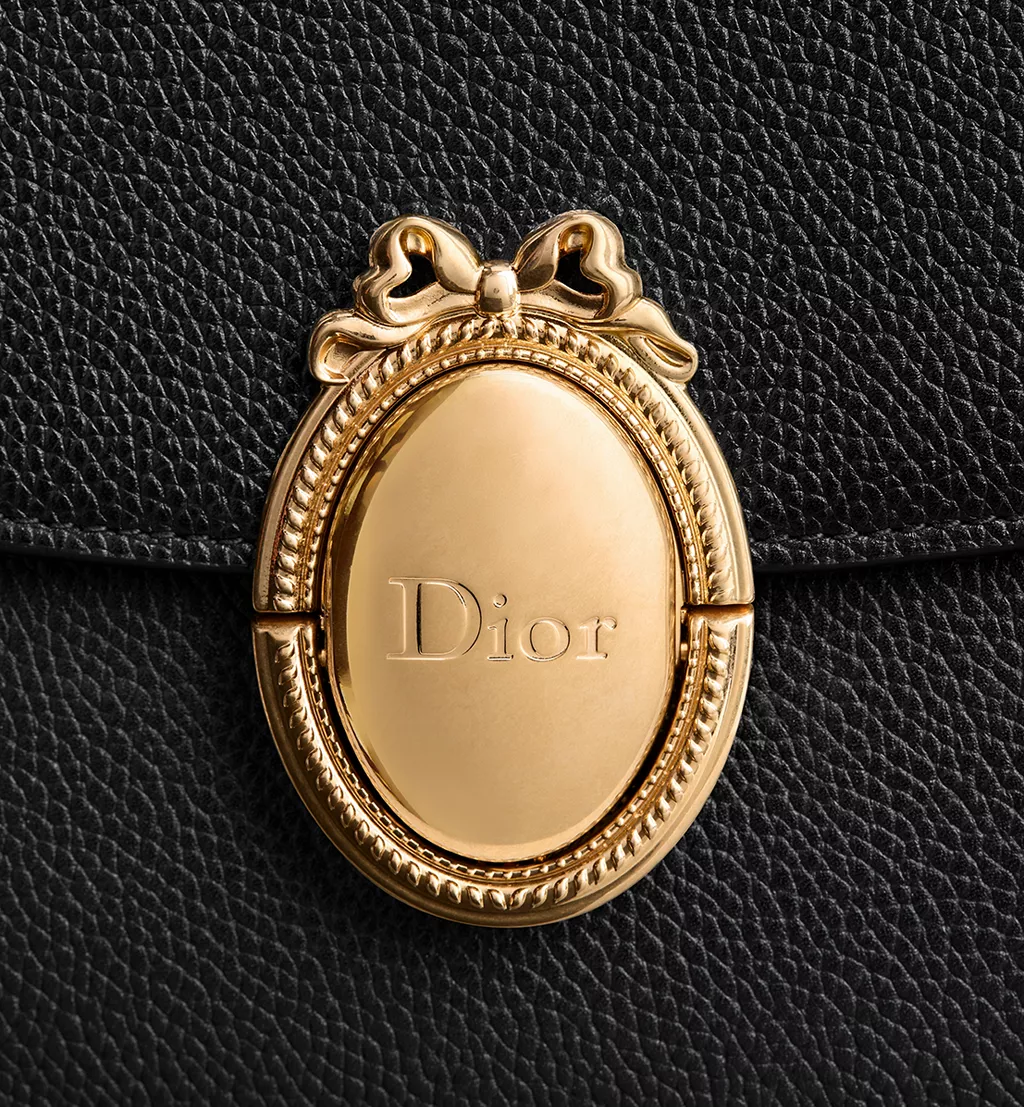
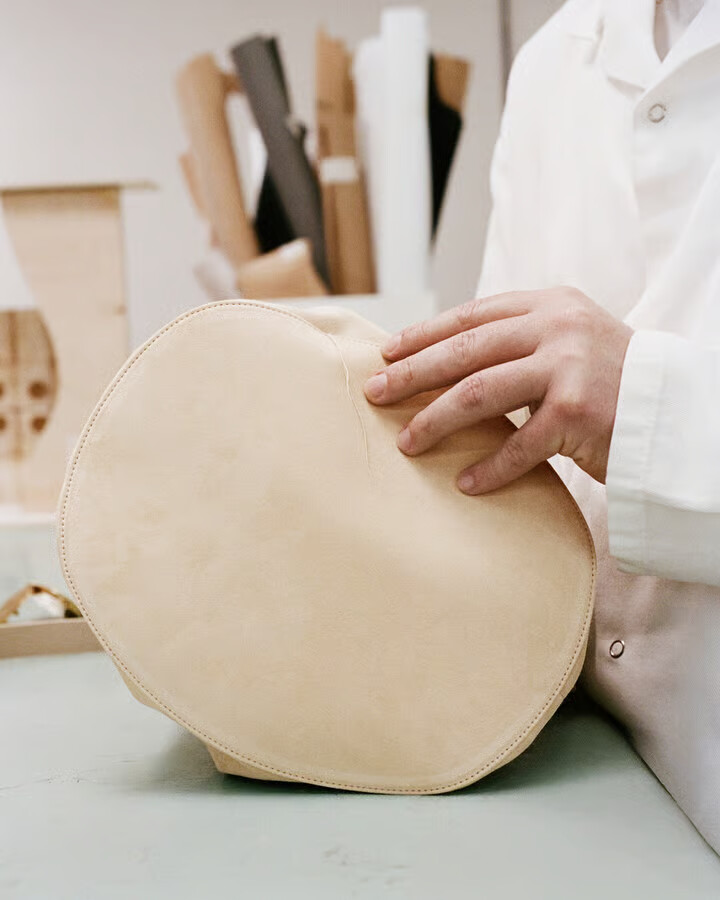
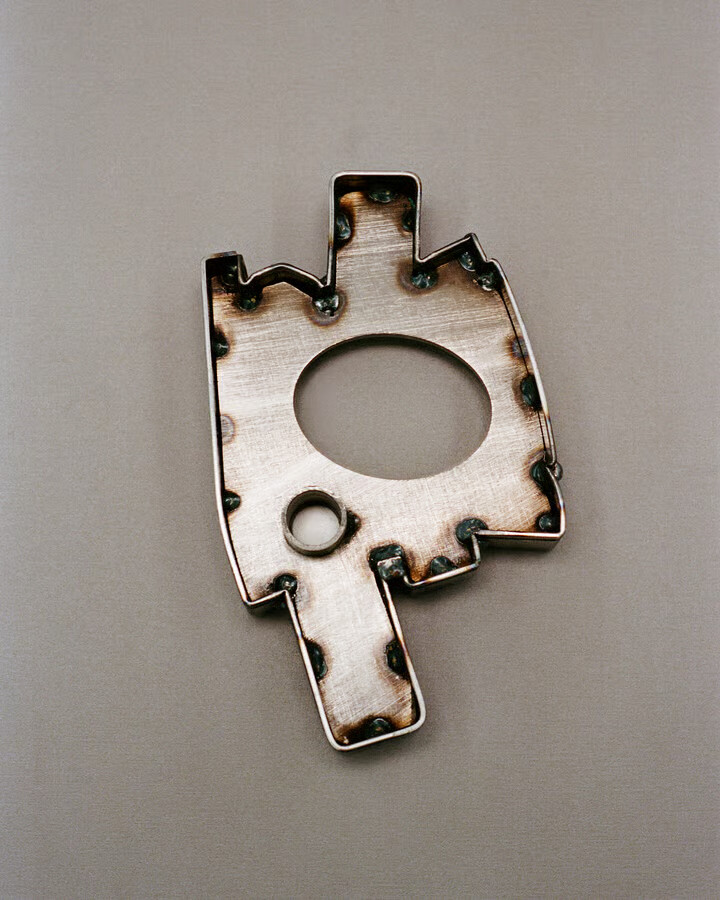
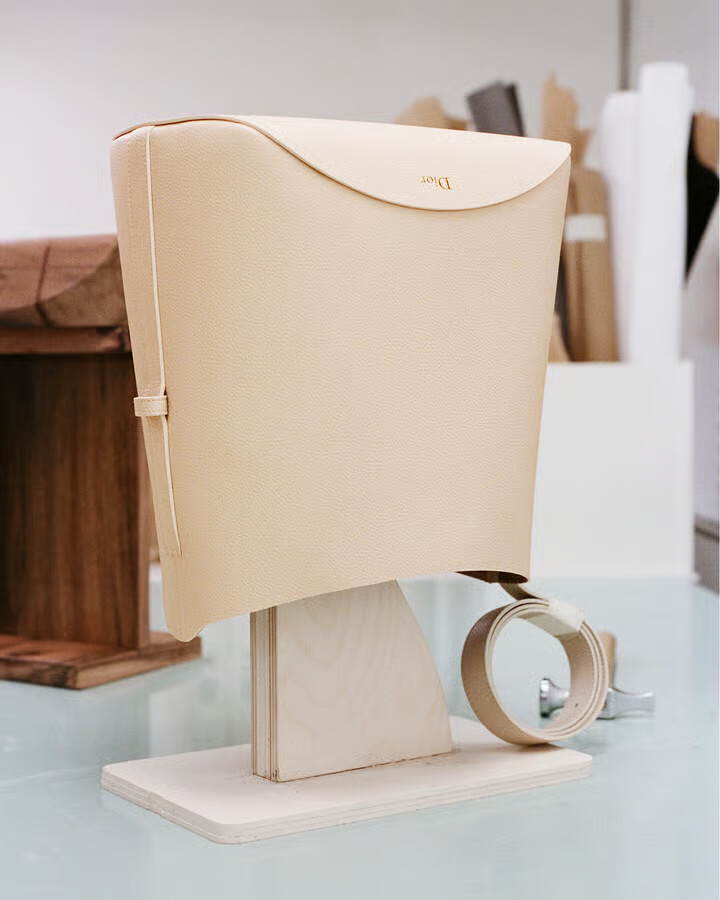
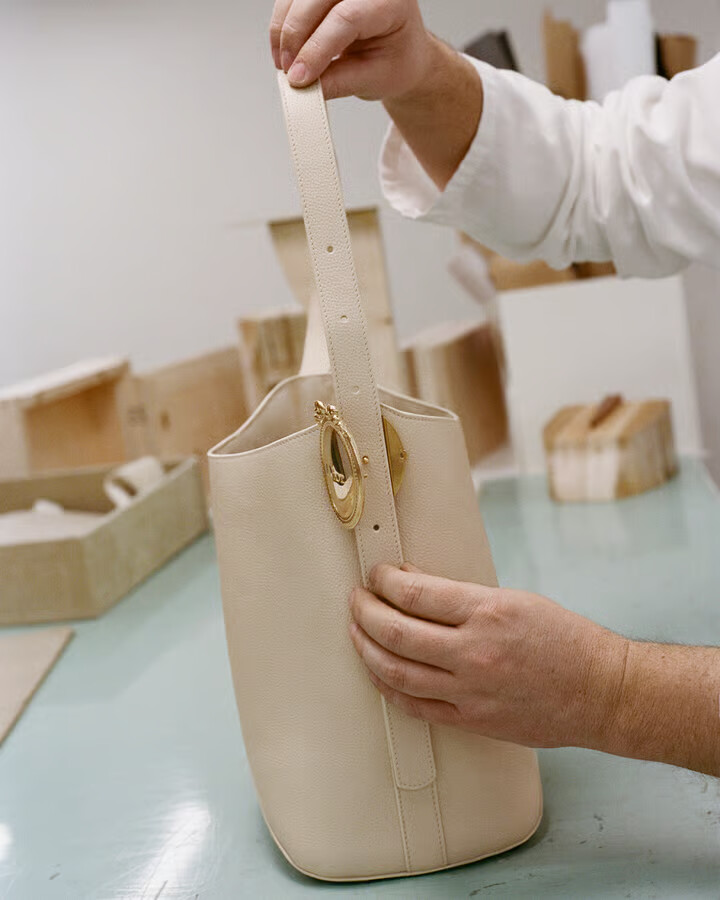
The bag’s rounded, almost shell-like form is the result of precise pattern-cutting rather than padding or moulding. Its sculptural shape comes from a careful interplay of form and line, with each piece cut and stitched by hand before being hot-stamped with the Dior signature on the front. That hot-stamped signature replaces an applied logo plate, keeping the front panel clean and letting the silhouette itself carry the recognition.
The Signature Clasp and Adjustable Strap
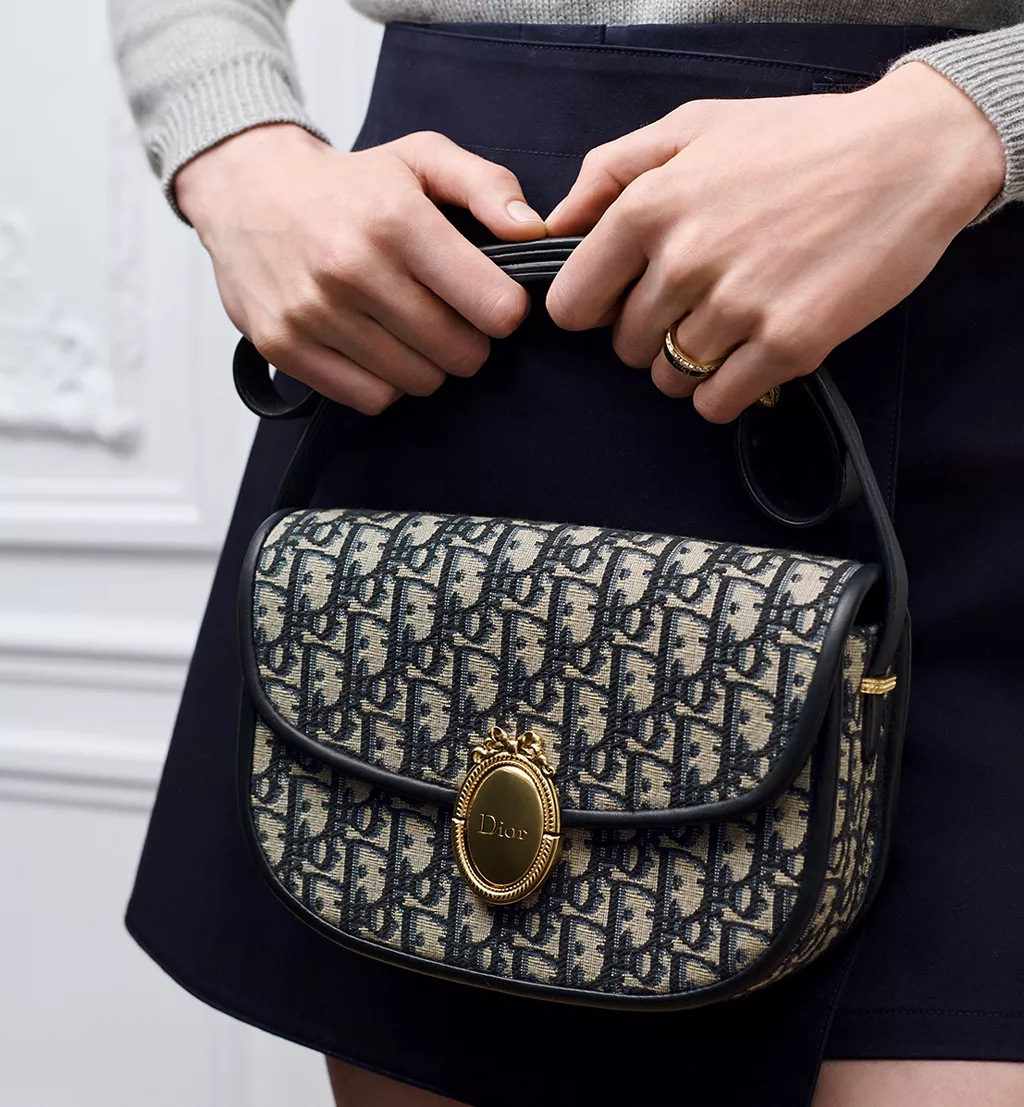
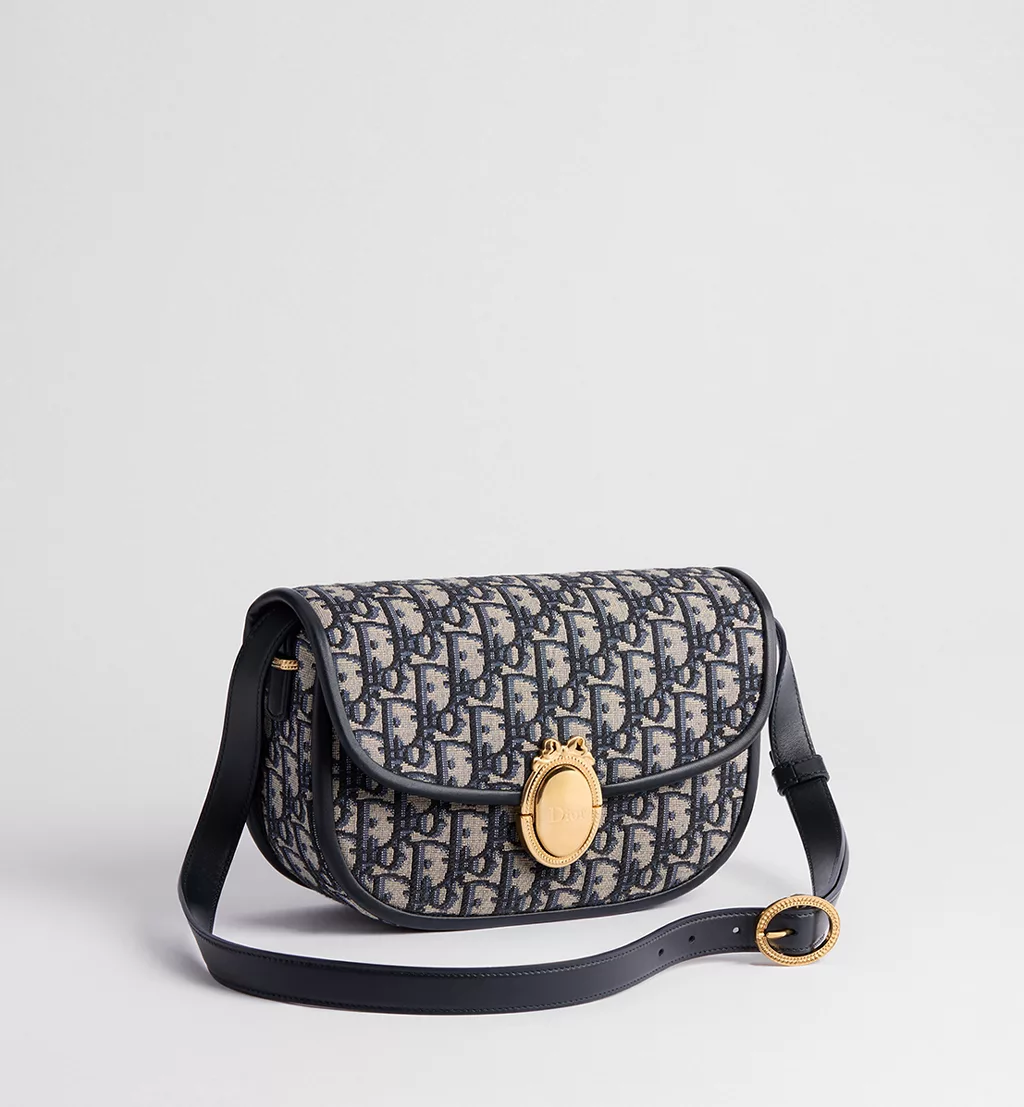
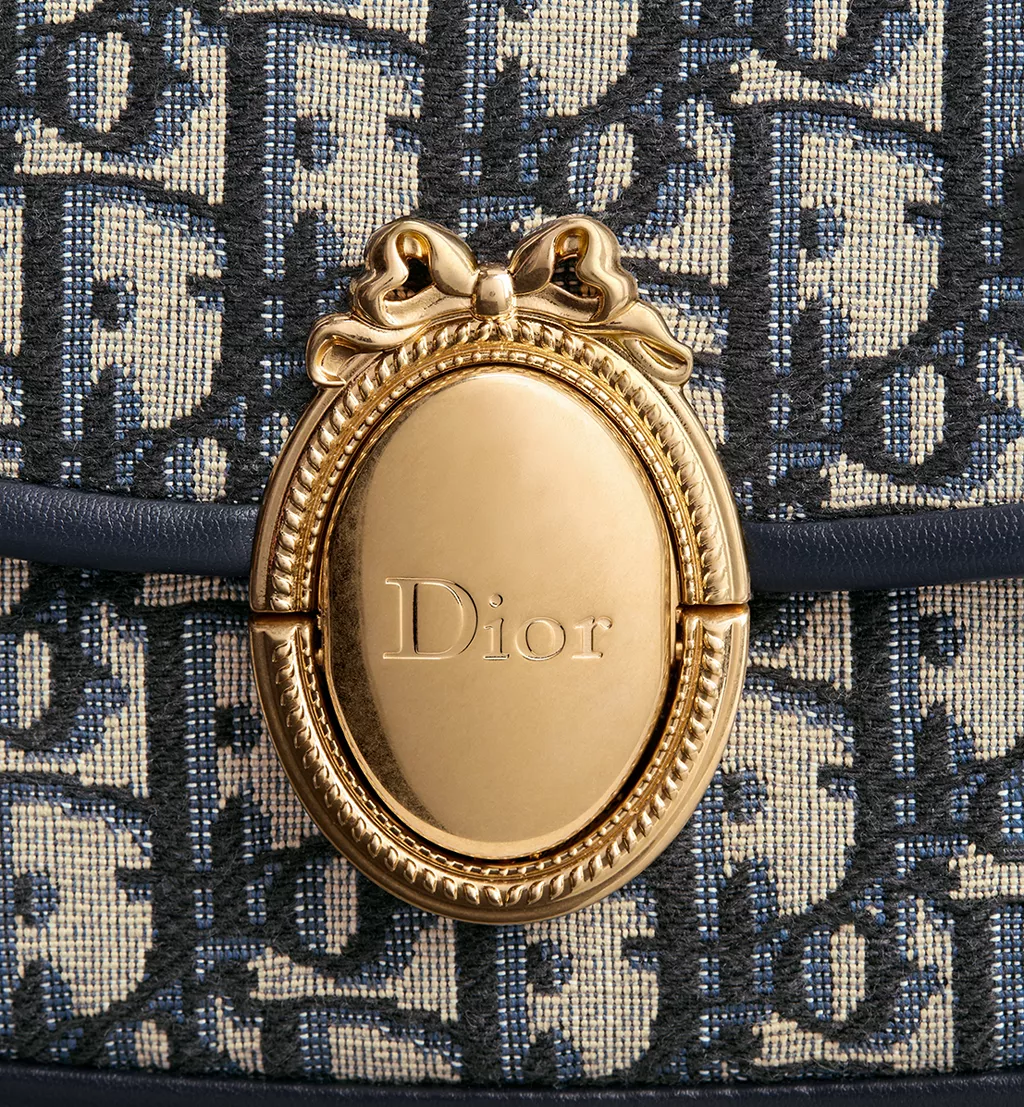
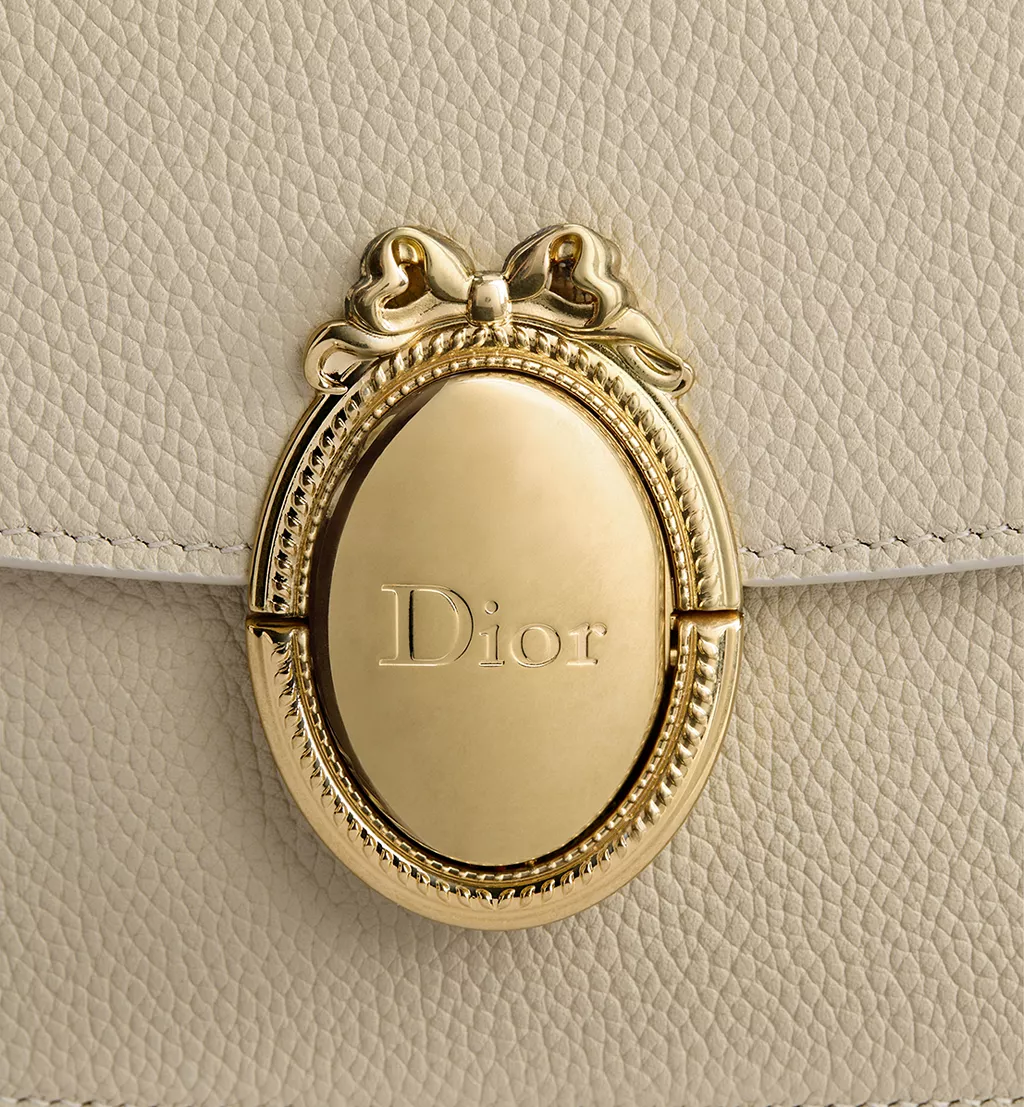
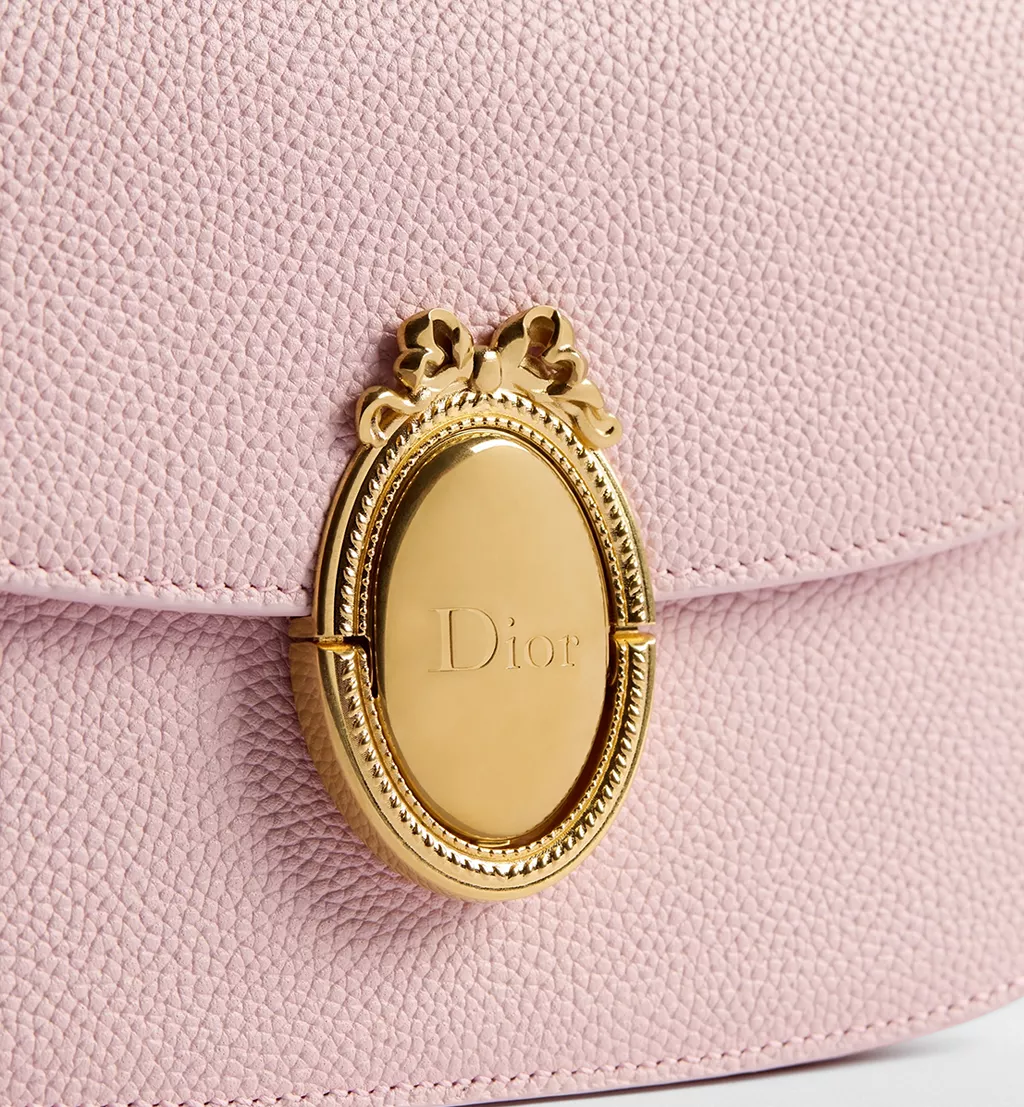
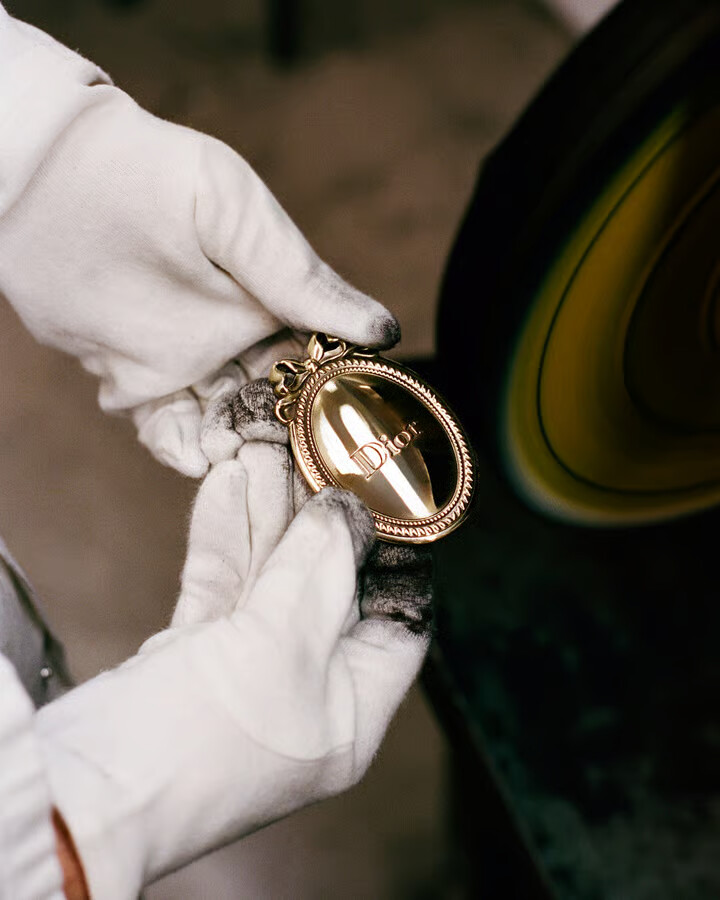
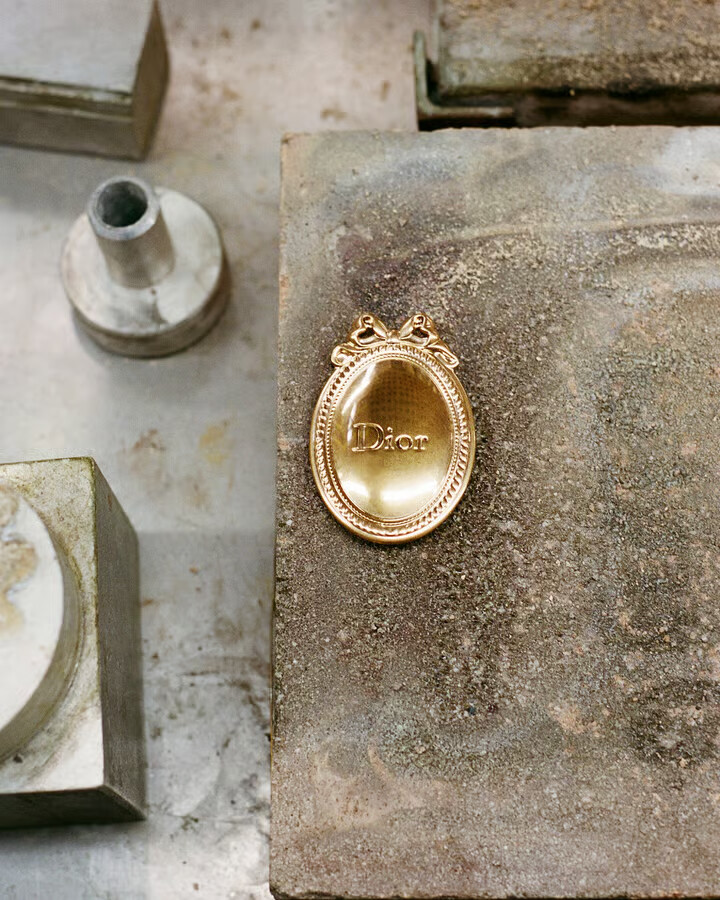
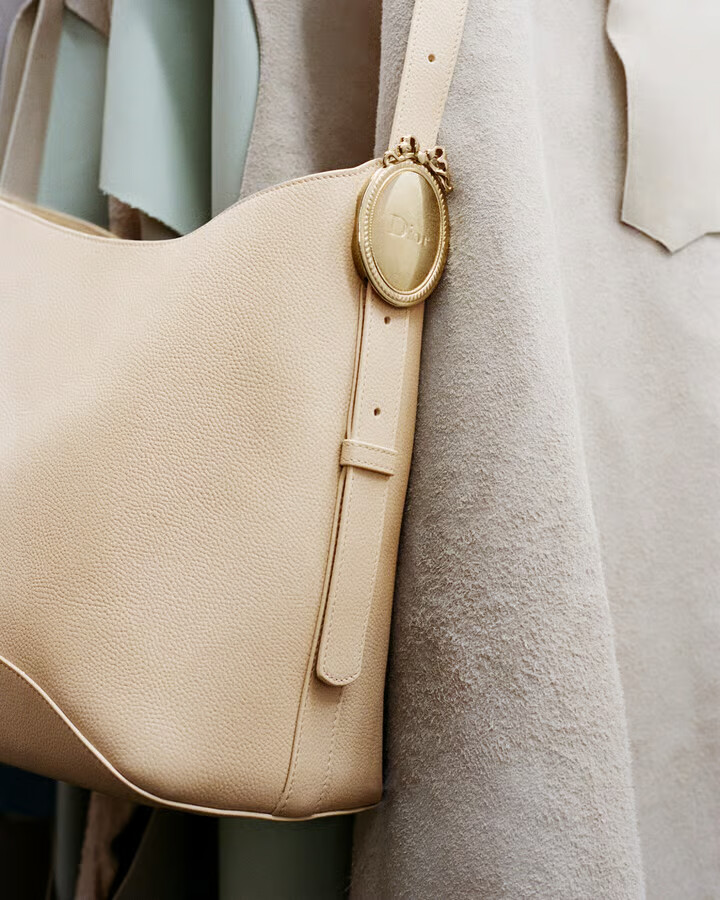
The flap closes with what Dior calls the Médaillon clasp, and its shape is the most literal nod to the bag’s rococo origins. The lobster-style clasp used to adjust the shoulder strap is modelled on the curved silhouette of the rococo-inspired chairs that once furnished the first Dior boutique.
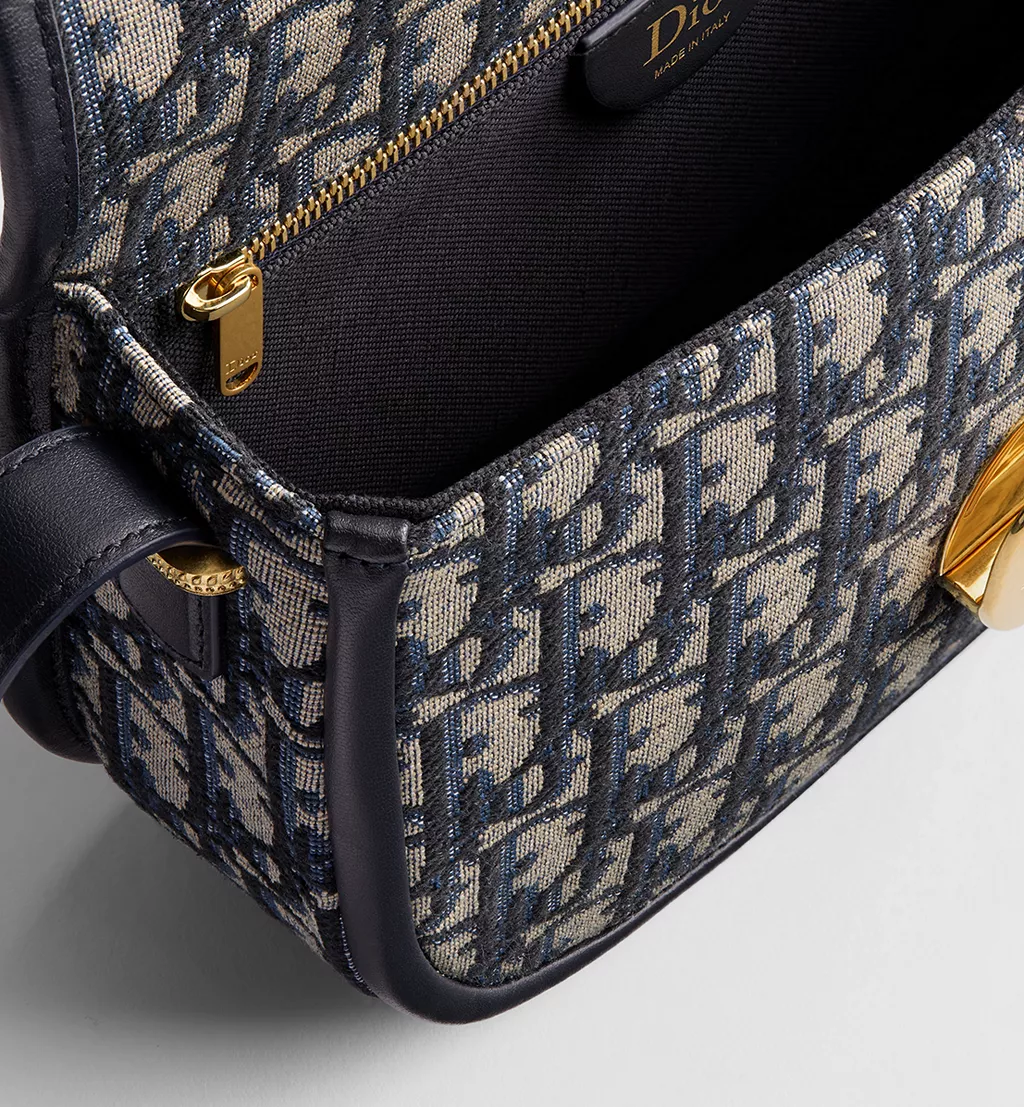
Beyond the historical reference, the clasp does practical work: the adjustable leather strap with a textured buckle lets the medium Médaillon flap bag move between shoulder and crossbody, positioning it as a daily piece rather than an occasion-only bag. Inside, an interior zip pocket and a rear slip pocket organize small essentials without adding bulk.
Calfskin and Dior Oblique Jacquard: Two Ways to Wear the Médaillon
The Dior Médaillon is offered in two principal material stories: supple grained calfskin and the house’s Dior Oblique jacquard. The medium flap bag in black grained calfskin uses a full-leather construction, calfskin lining included, and retails at $4,100. The medium flap bag in blue Dior Oblique jacquard takes a mixed-material approach, combining cotton, calfskin, and technical fabric on the exterior with a cotton, linen, technical fabric, and calfskin lining, priced at $3,900. Both versions share the same construction logic: Dior Médaillon clasp, adjustable leather strap with textured buckle, interior zip pocket, rear slip pocket, and manufacture in Italy, with a dust bag included.
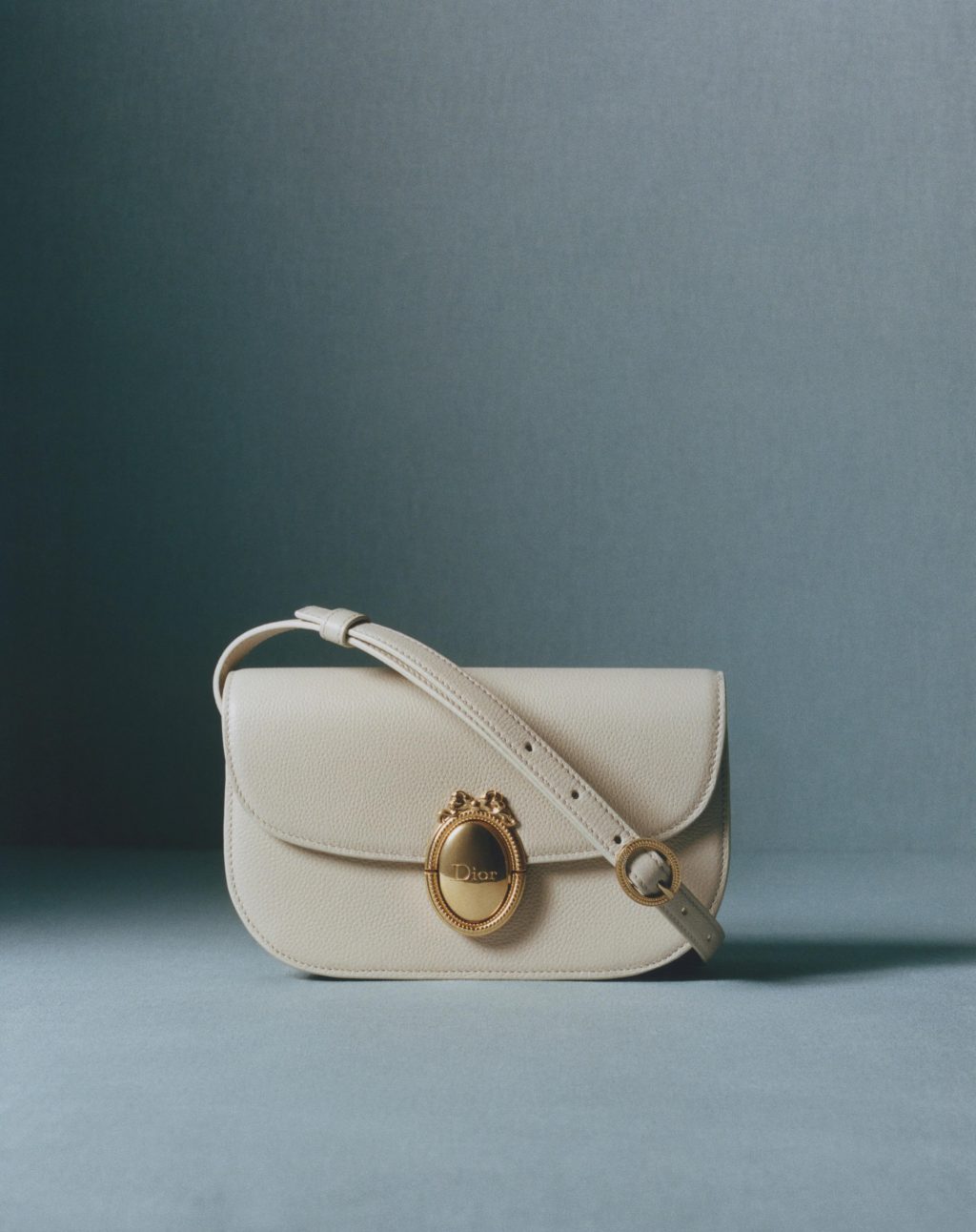
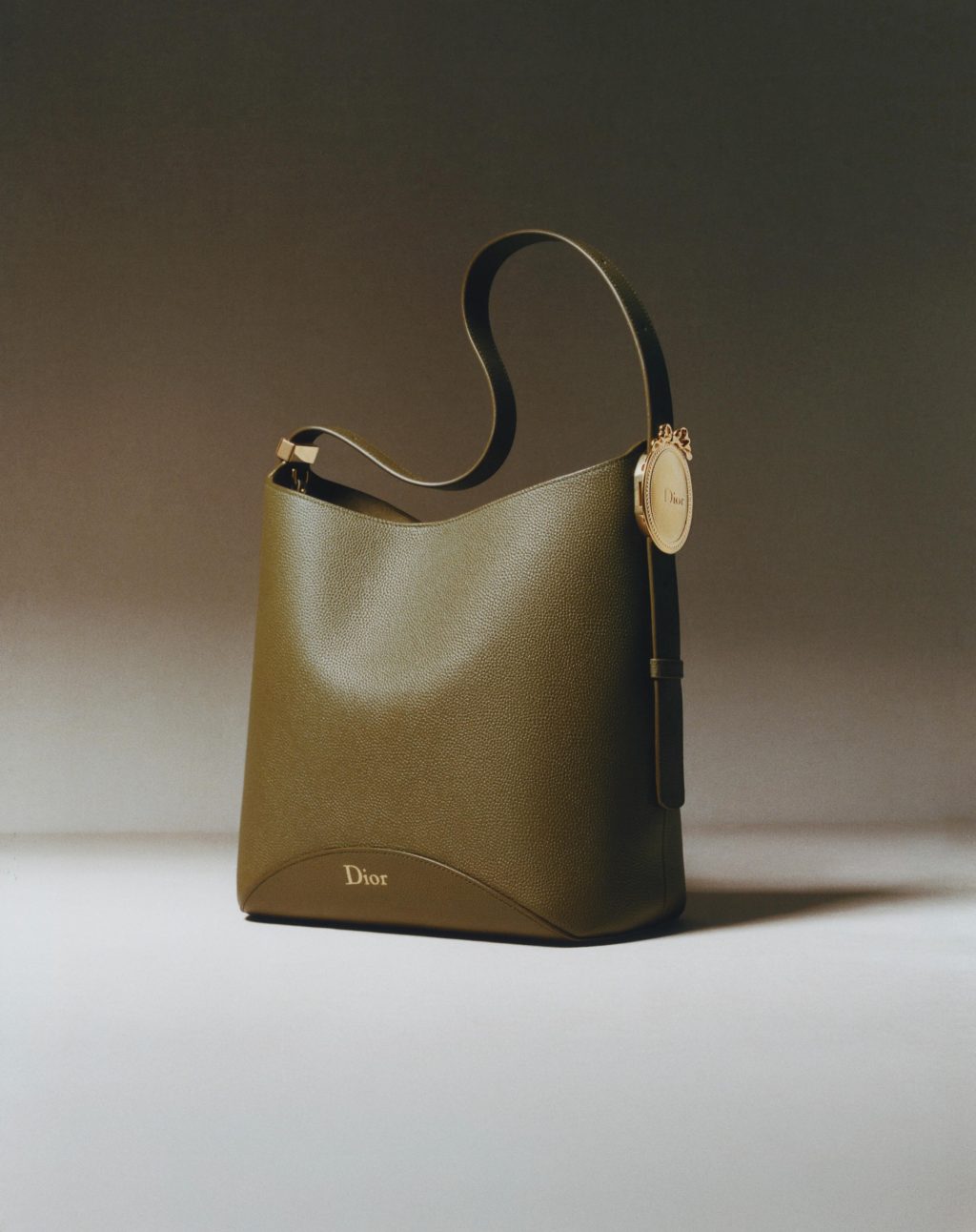
The price gap between the two, roughly $200, reflects material composition more than craftsmanship: full grained calfskin commands a premium over the mixed jacquard-and-technical-fabric construction, even though both styles go through the same hand-cutting and hand-stitching process on the atelier floor.