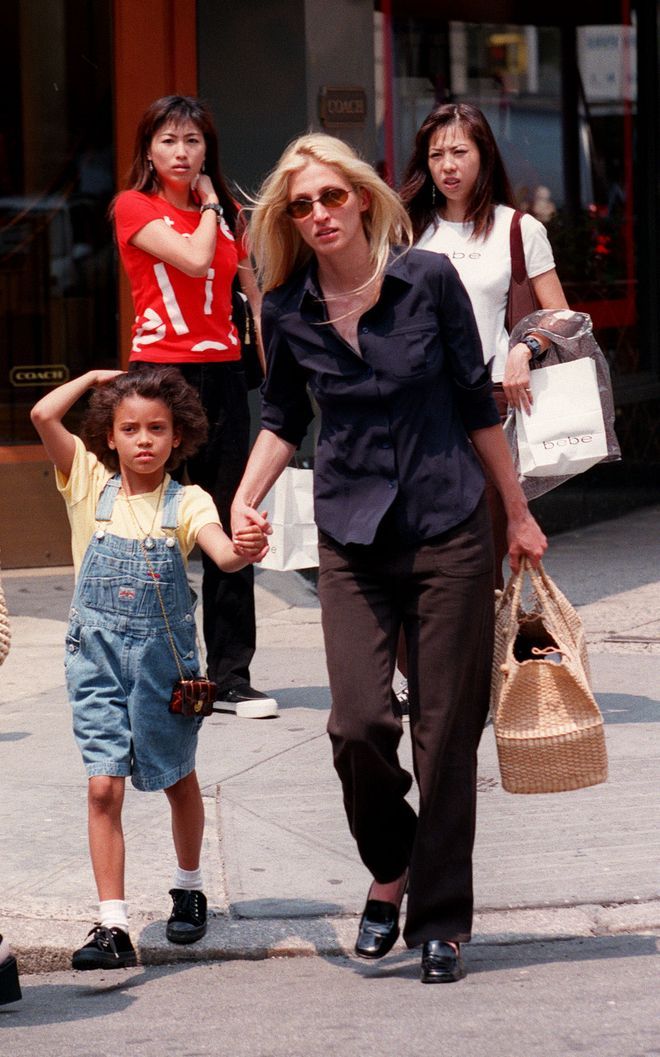
The most misunderstood thing about Carolyn Bessette-Kennedy’s style is that it wasn’t built on variety. It was built on selection—a tight rotation of pieces that were useful, disciplined, and repeated until they felt inevitable. Vogue has described her approach as owning few, choosing deliberately, and wearing the same accessories “day in and out” until they became second nature.
That’s exactly why her handbags still feel contemporary. In an era of constant drops and compulsive unboxings, CBK’s bags read like a counter-argument: one great tote, one great black Hermès, a handful of evening pieces—then wear them hard, in real life, in New York.
And now, with renewed cultural attention around Ryan Murphy’s American Love Story (and the internet’s forensic obsession with getting every accessory “right”), her bag choices are being re-litigated like sacred text.
What follows is a well-documented breakdown of the bags most associated with her wardrobe—what they were, why they mattered, and how to read the styling logic behind them.
If this revival sent you back into fashion storytelling, consider it a gateway: start with our edit of movies about fashion, then go deeper with fashion documentaries and fashion miniseries—because CBK’s minimalism makes more sense when you understand how the ’90s built taste through image, media, and restraint.
The CBK rule: one silhouette, worn until it becomes a signature
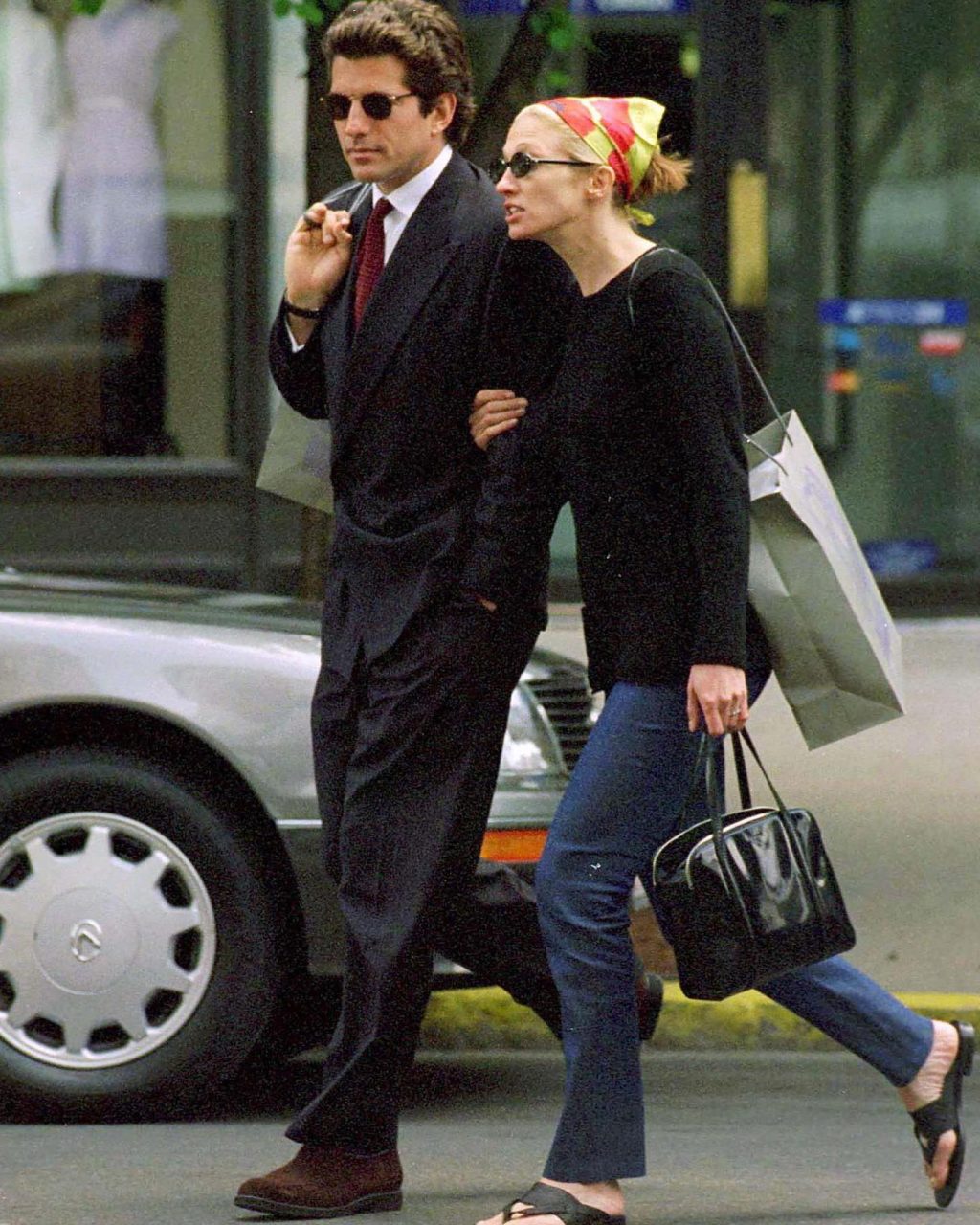
CBK’s handbags weren’t “statements.” They were tools—scaled for real city days, finished in materials that could take wear, and chosen to disappear into her clothes while sharpening the overall line. Vogue specifically frames her day bags as city-functional: the worn-in Hermès Birkin and the sleek Prada Spazzolato tote.
That pairing is the whole philosophy in two objects:
- Hermès for gravity, softness, lived-in authority
- Prada for architecture, modernity, and the cleanest possible rectangle
Everything else—canvas tote, evening pouch—slots into that same principle: shape first, noise last.
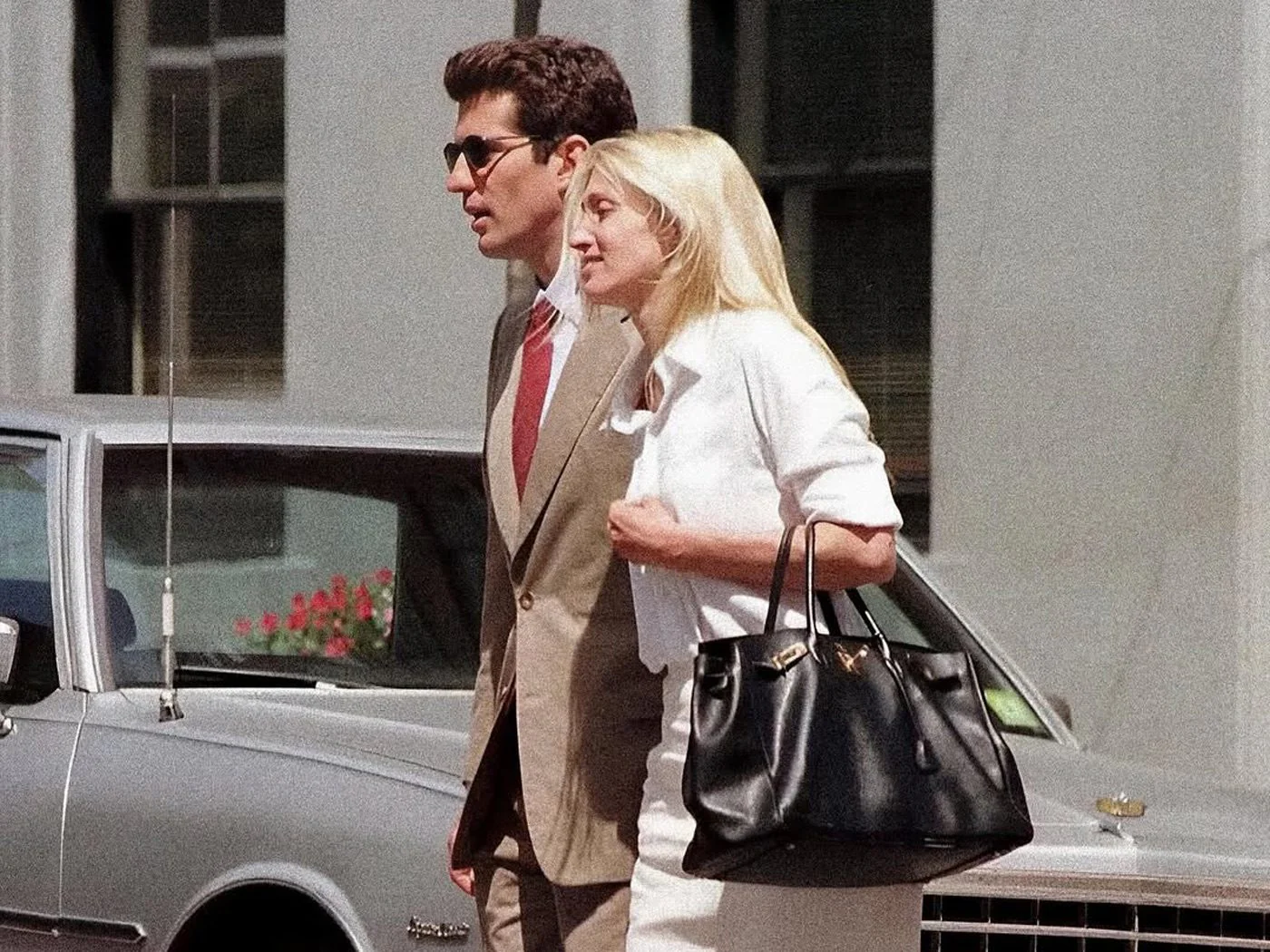
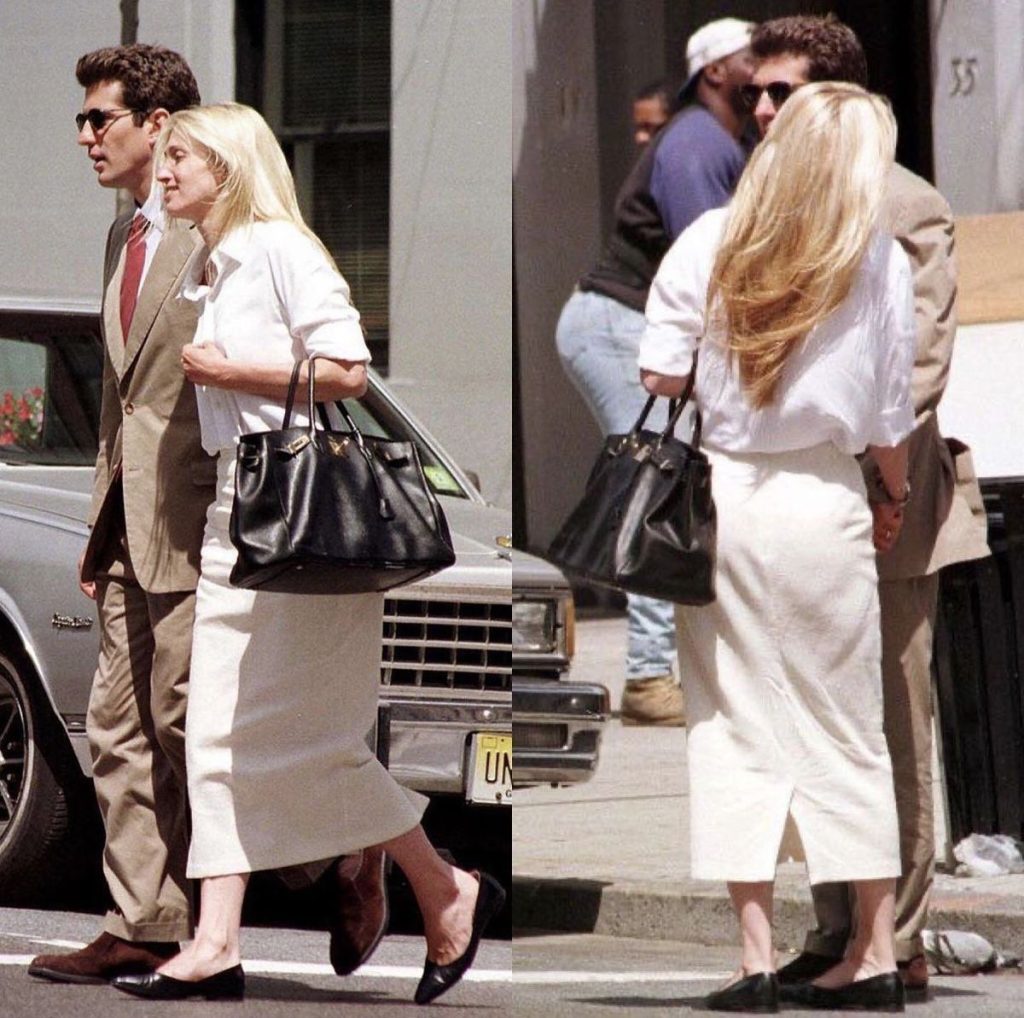
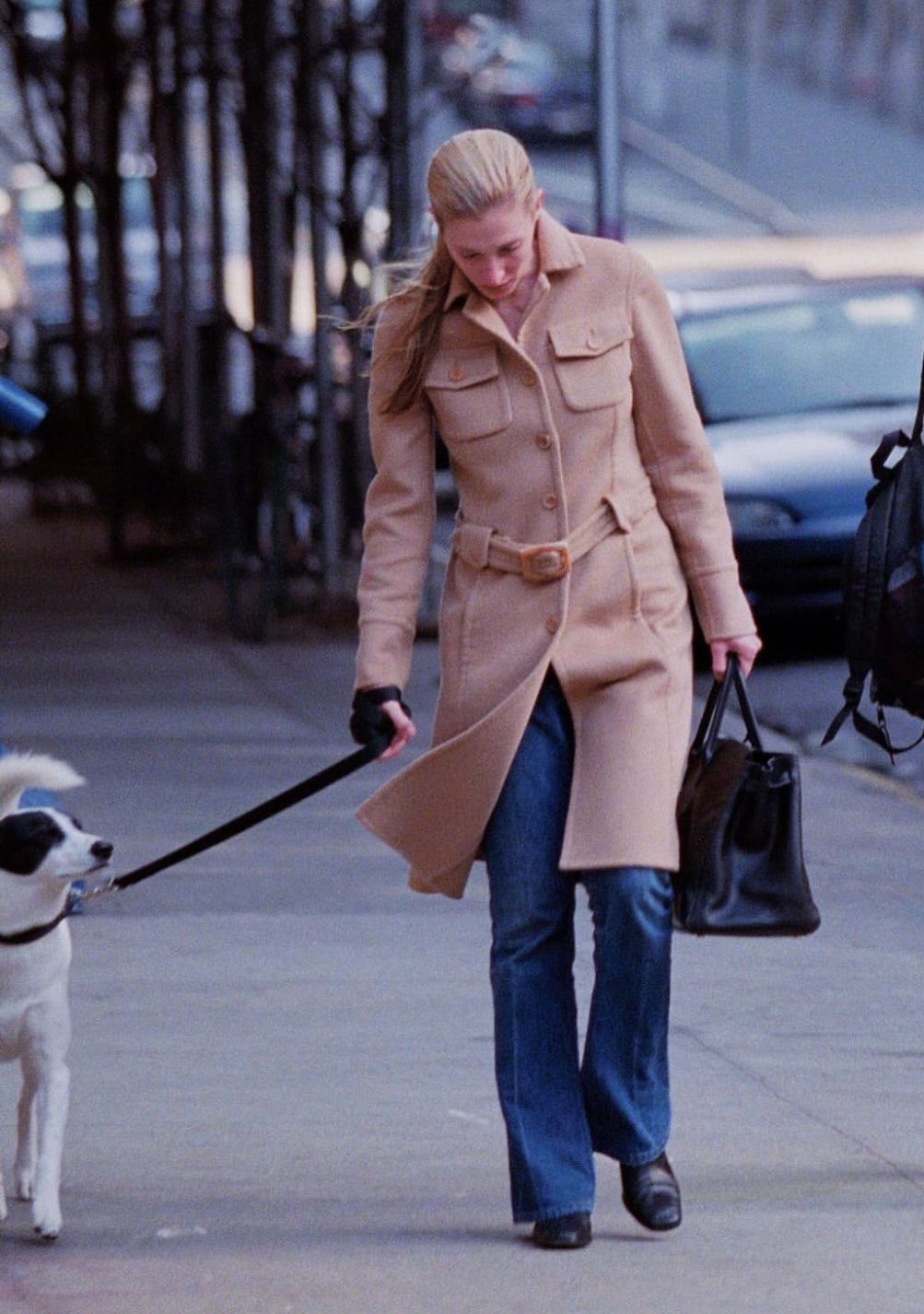
Carolyn Bessette-Kennedy bags: the worn-in Hermès Birkin
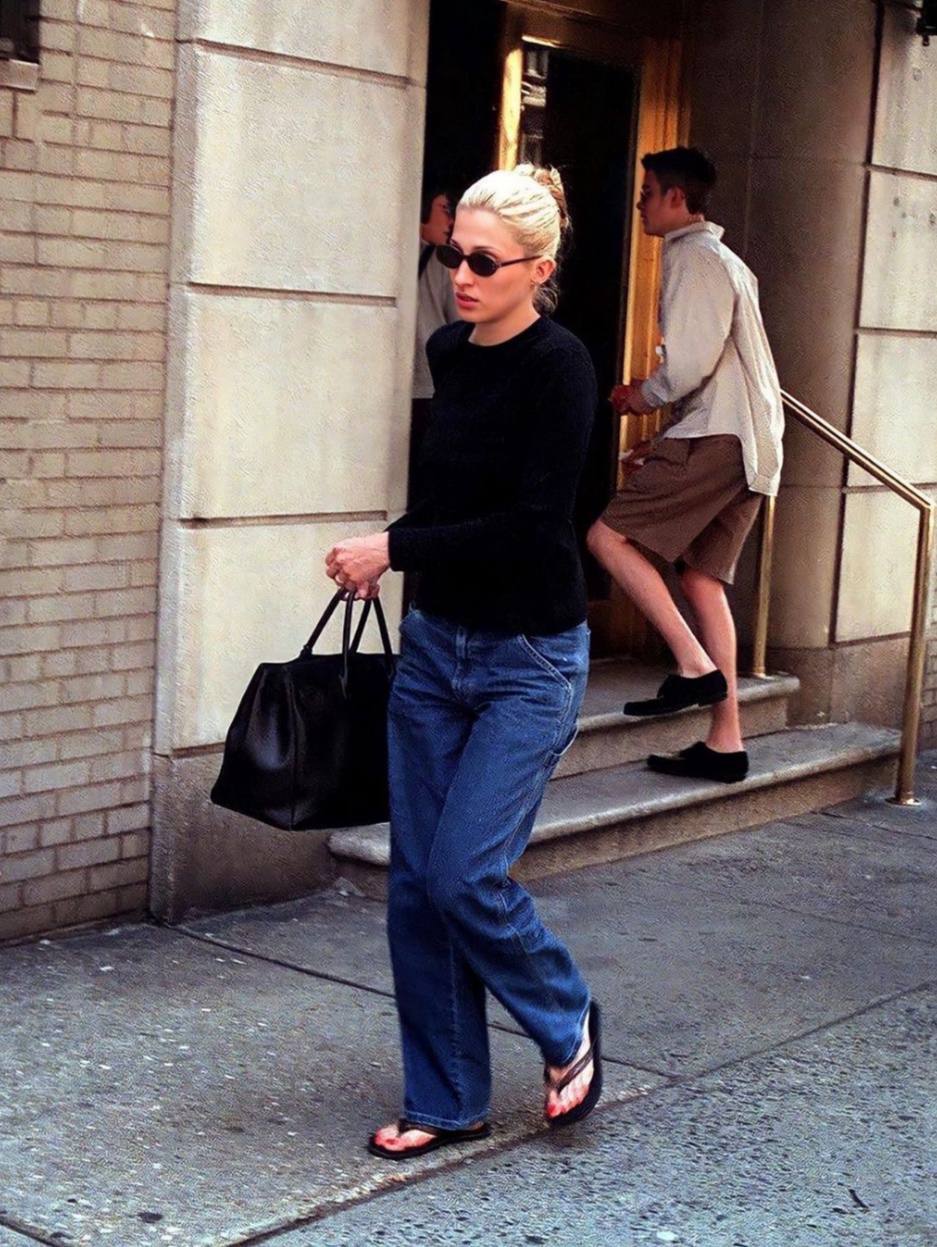
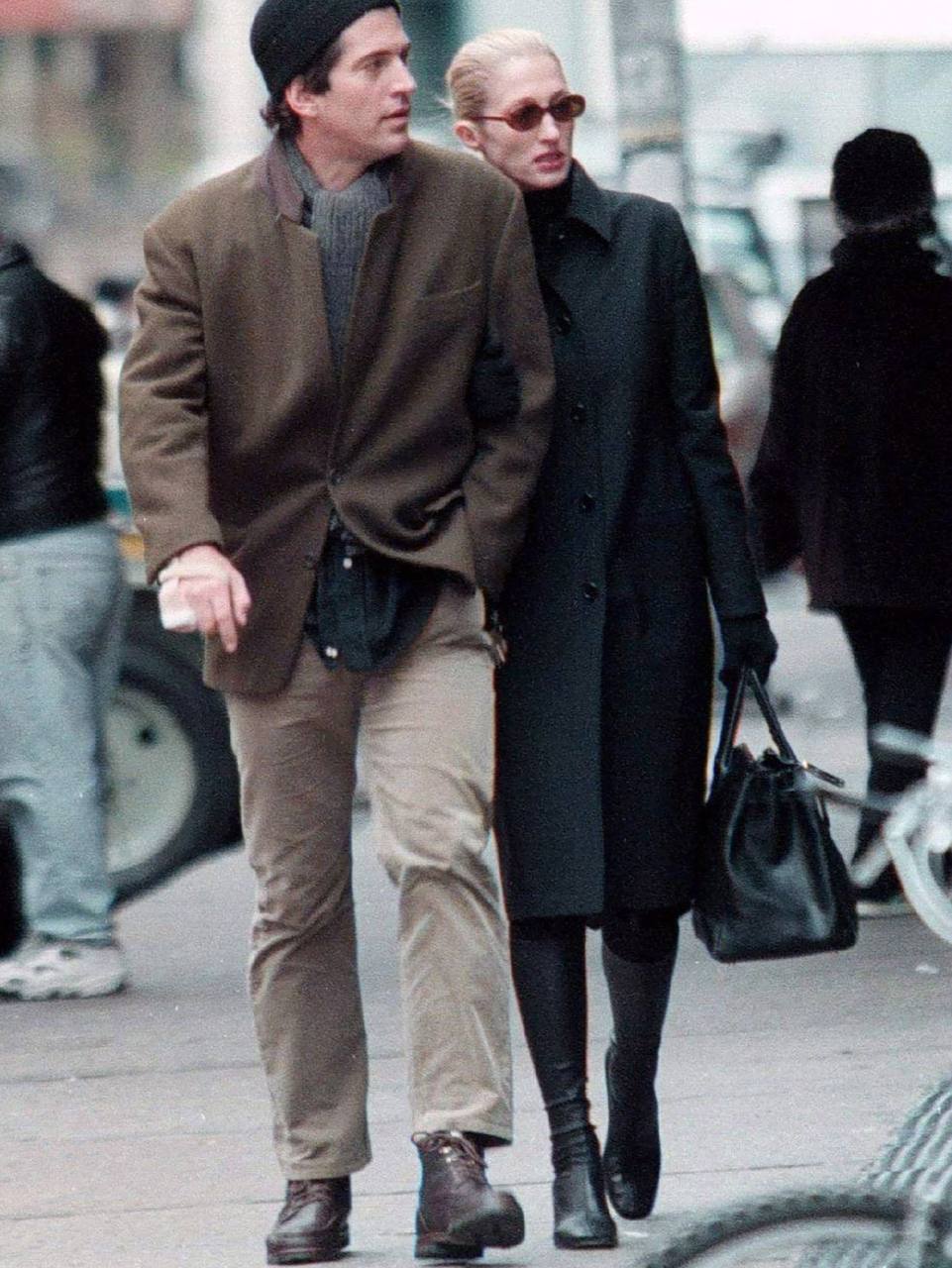
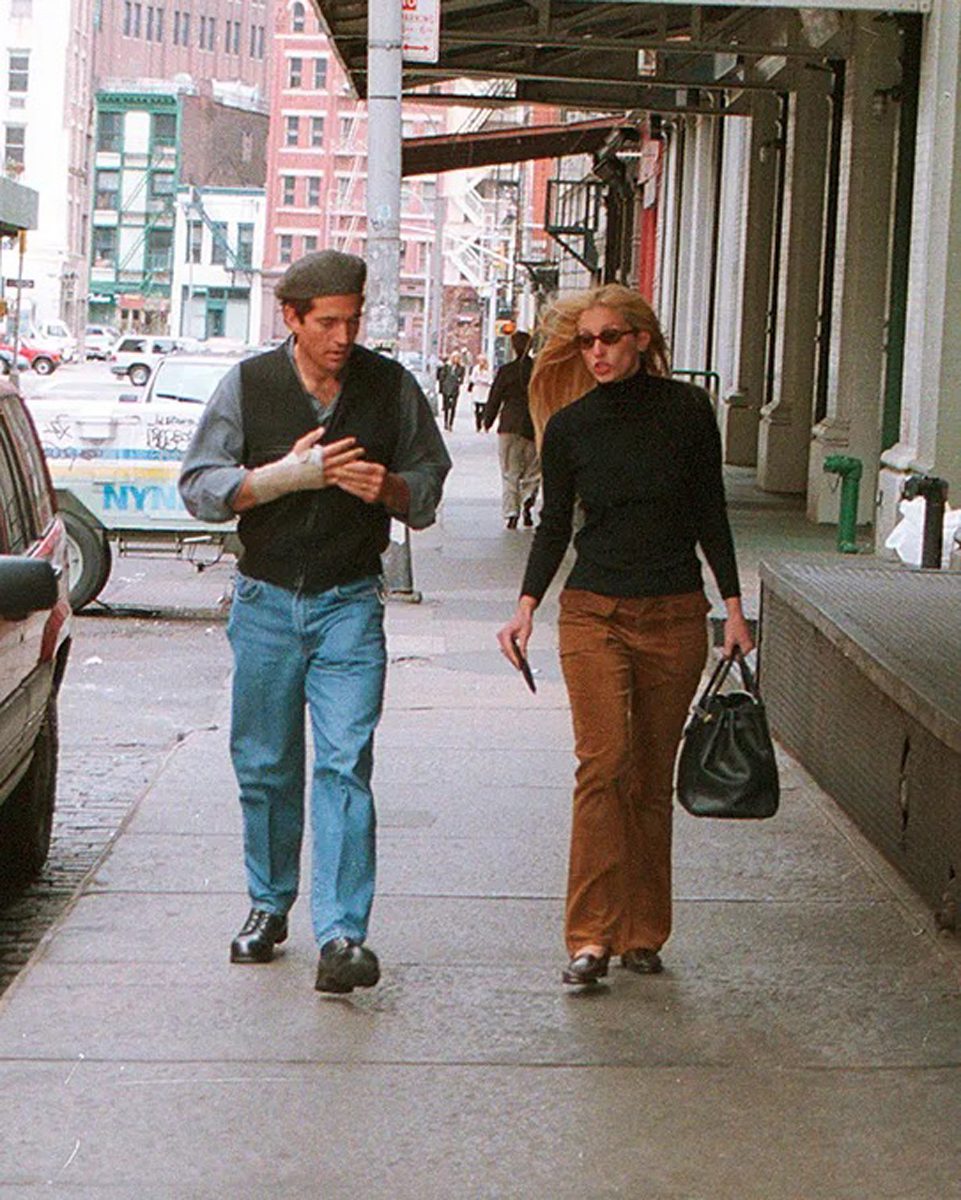
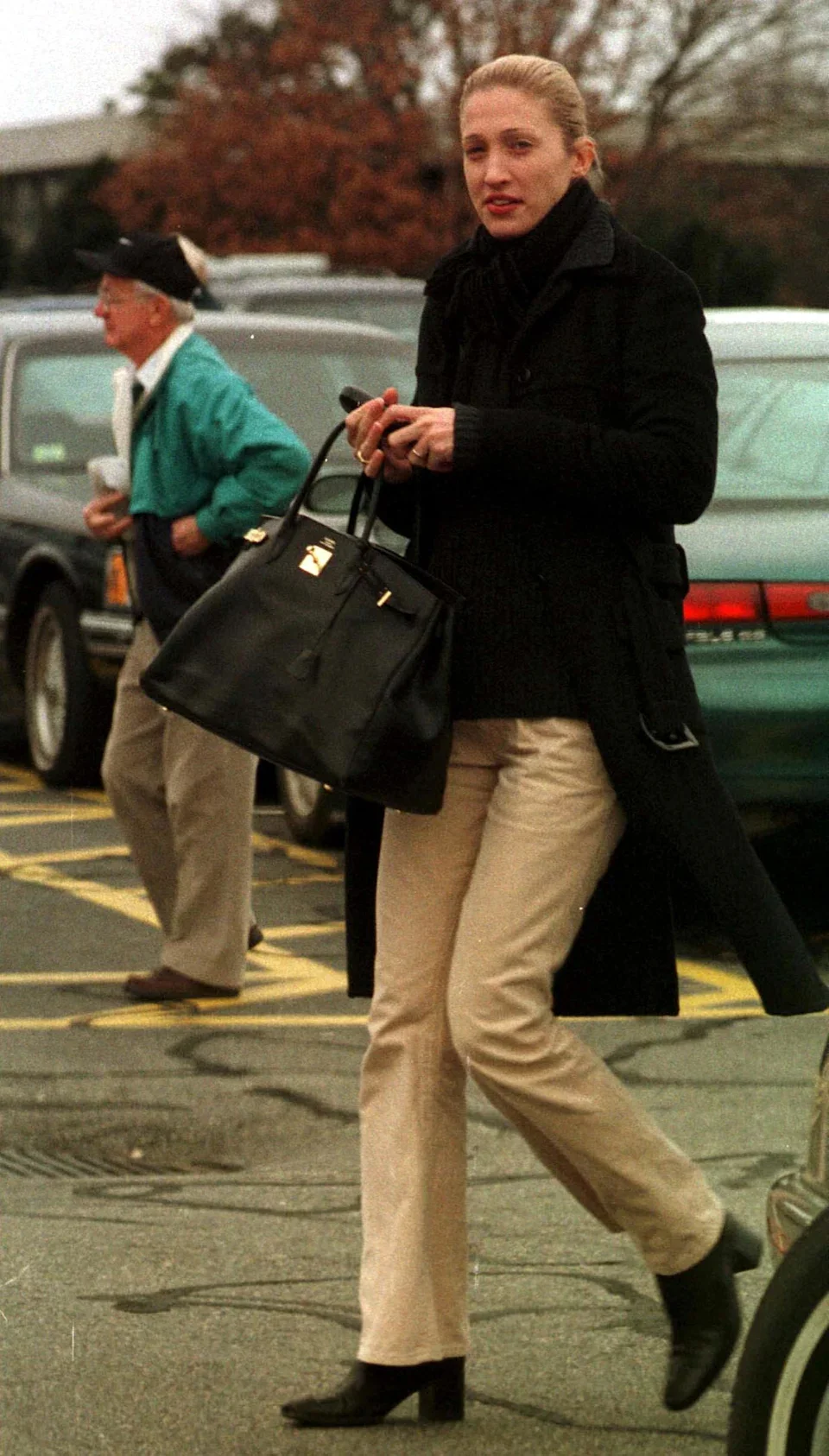
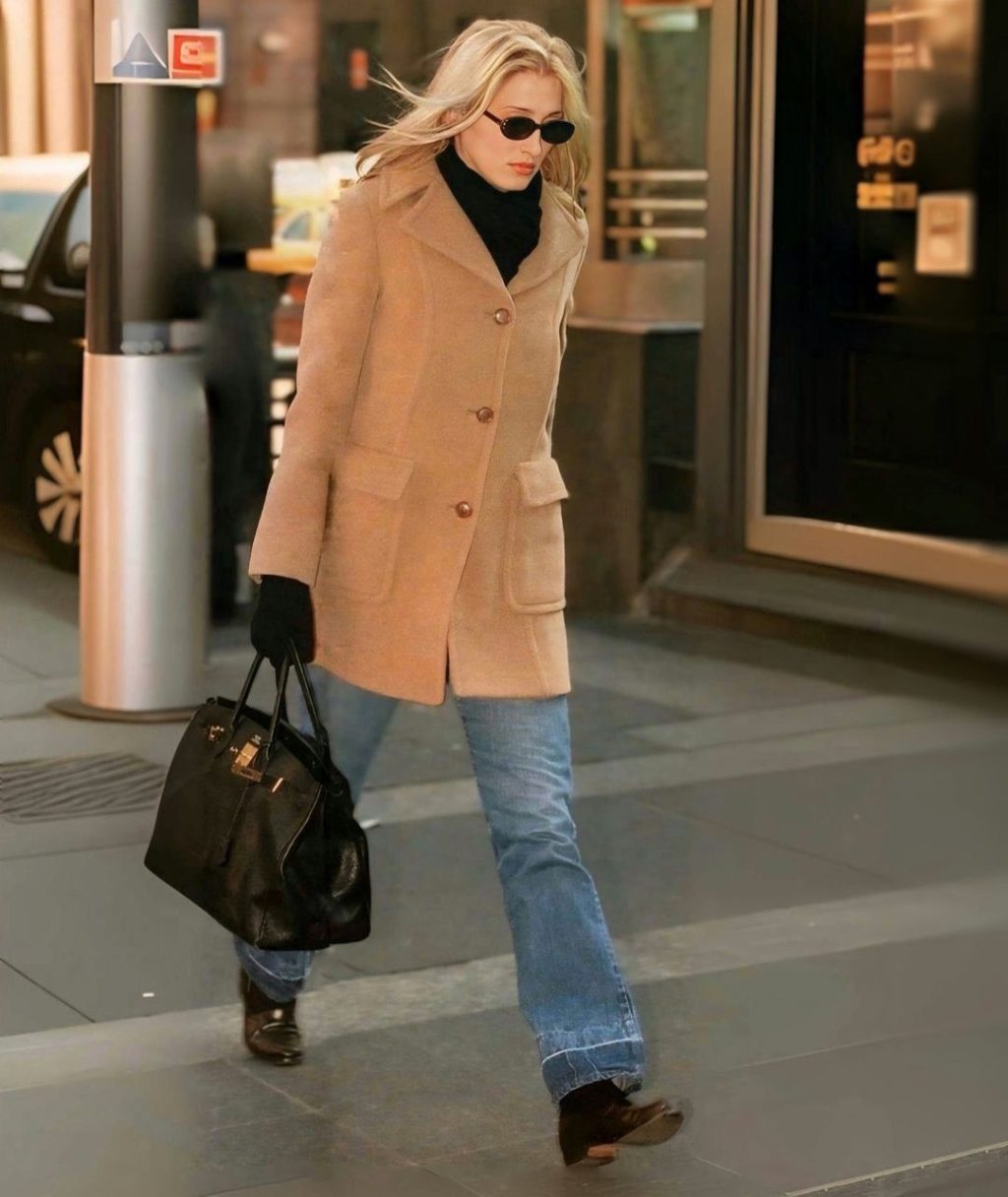
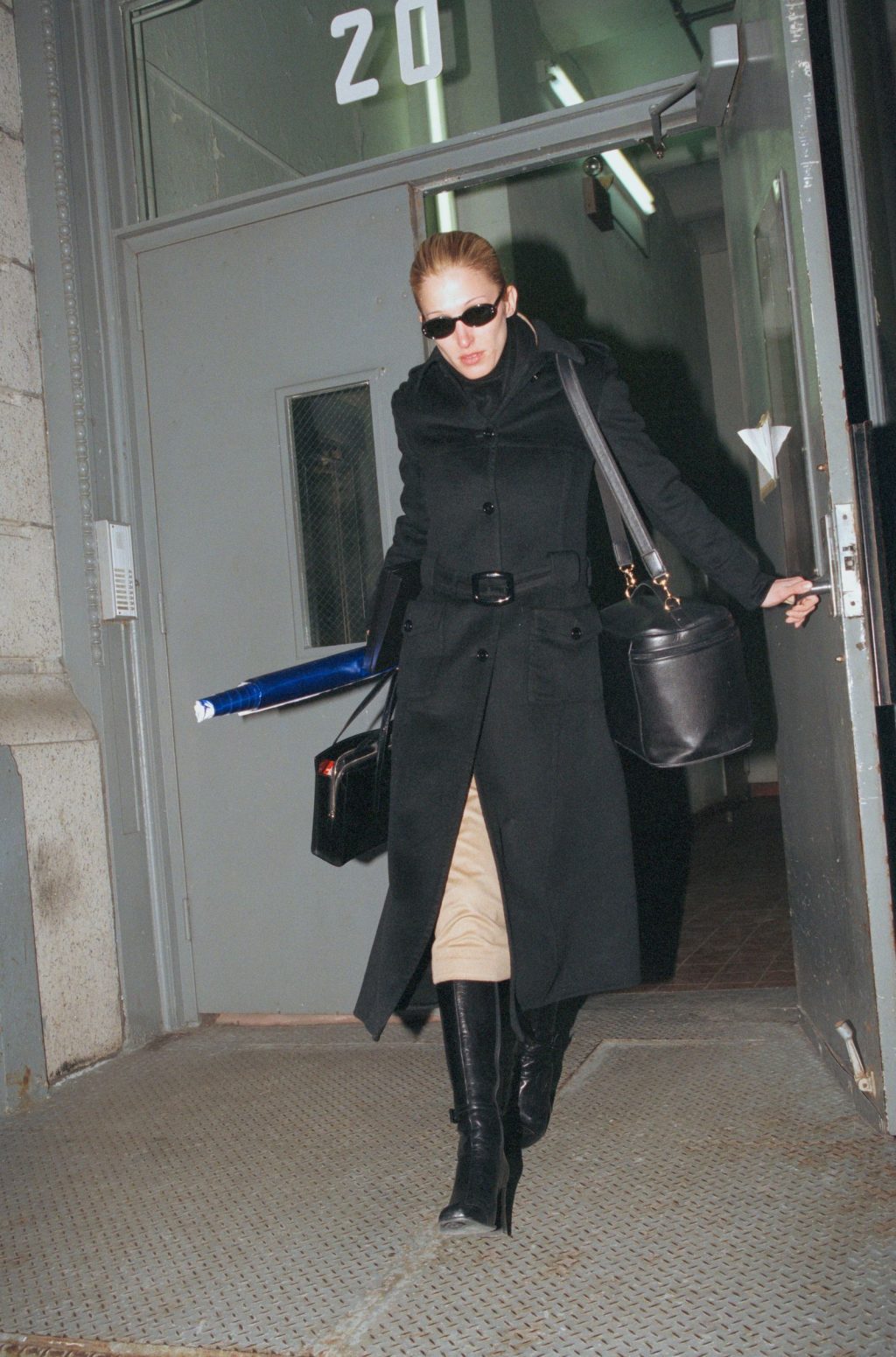
CBK’s Birkin is famous not because it was pristine, but because it wasn’t. The bag is repeatedly described as worn-in—the opposite of precious. Vogue calls it out specifically as a day bag she used in real life, not display life.
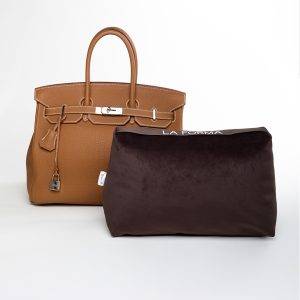
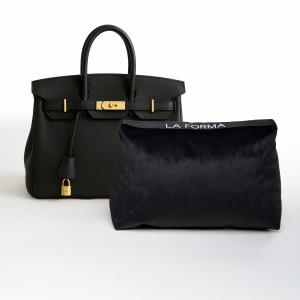
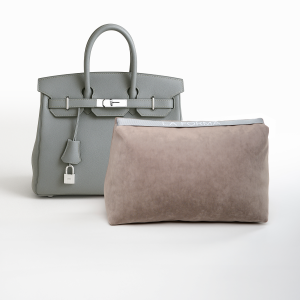
Size matters: the Birkin 40
The internet fixation on whether CBK carried a Birkin 35 or 40 got so intense that Ryan Murphy addressed it directly. He said they have the Birkin No. 40 and even sent it to a specialist to be distressed so it matches the one she wore “half-open on the subway.”
Why the size obsession makes sense: a 40 is not a “cute” Birkin. It’s a working Birkin—a bag that implies you’re carrying a life, not curating a look. That’s CBK’s entire aesthetic in one measurement.
How she made a Birkin look modern
- She didn’t baby it; she let it slump.
- She treated it as a commuter bag, not an event bag (the “half-open” detail matters).
- She wore it against flat, minimal clothing—denim, black knits, long coats—so the bag never looked costume.
Carolyn Bessette-Kennedy bags: the Prada Spazzolato tote
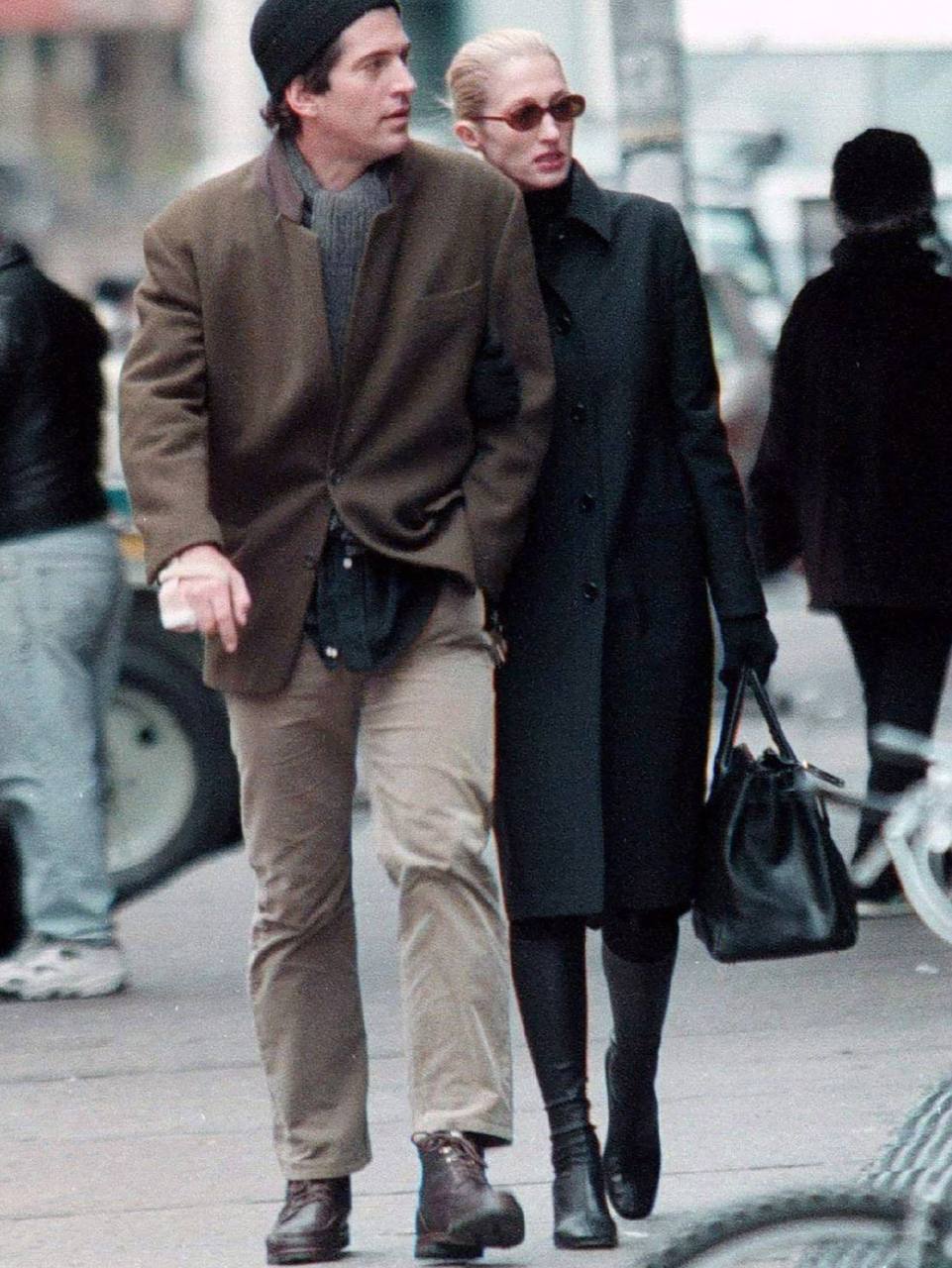
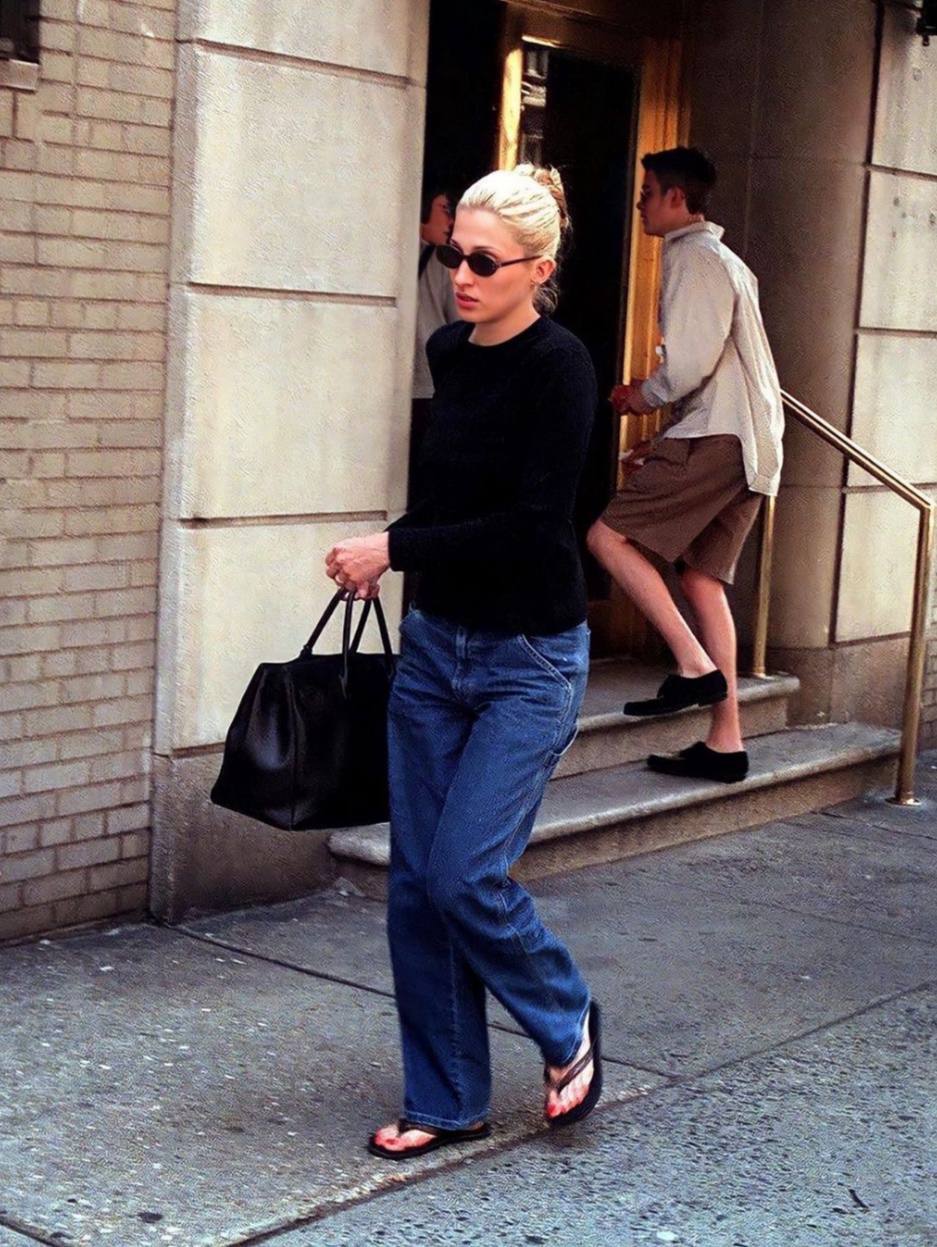
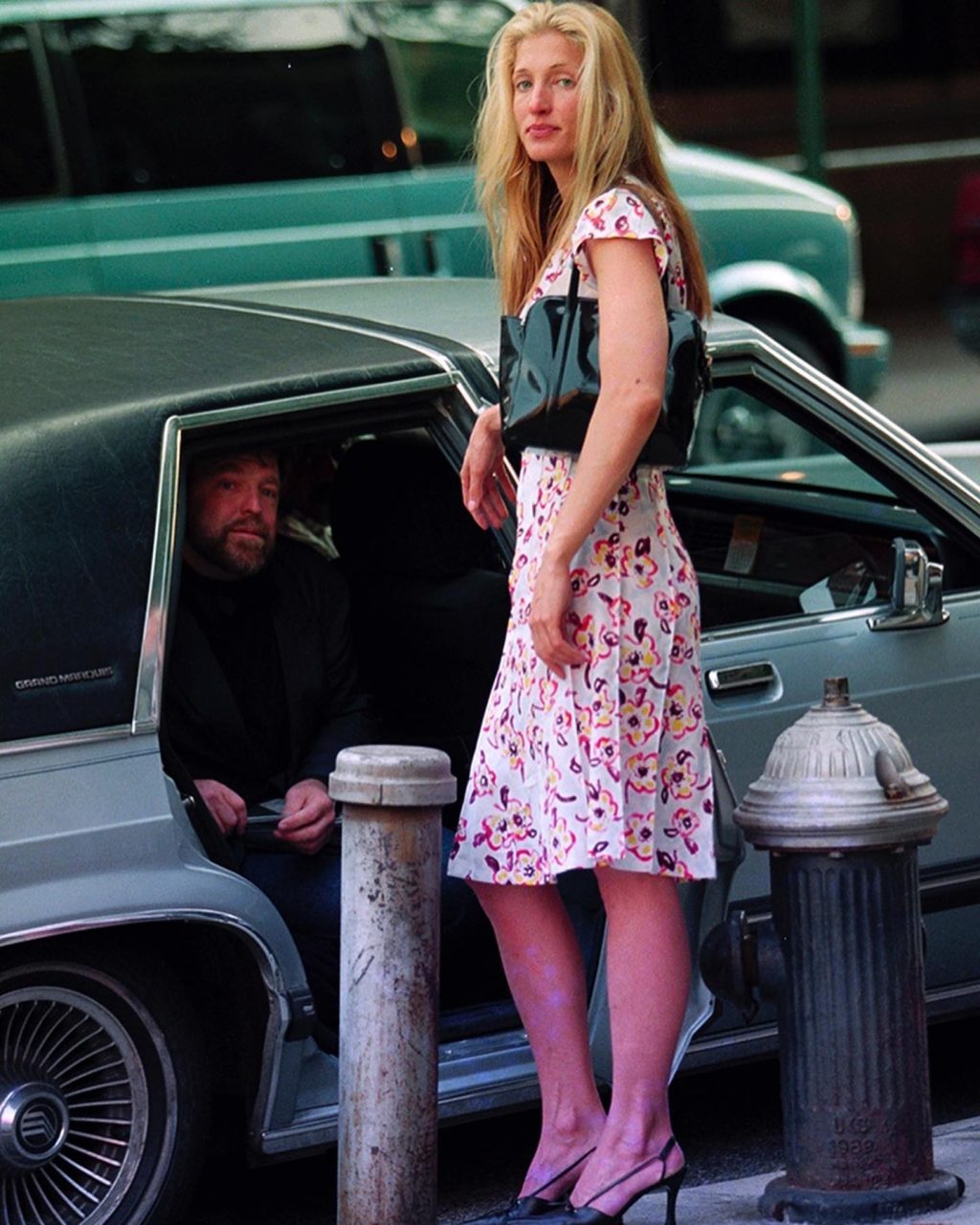
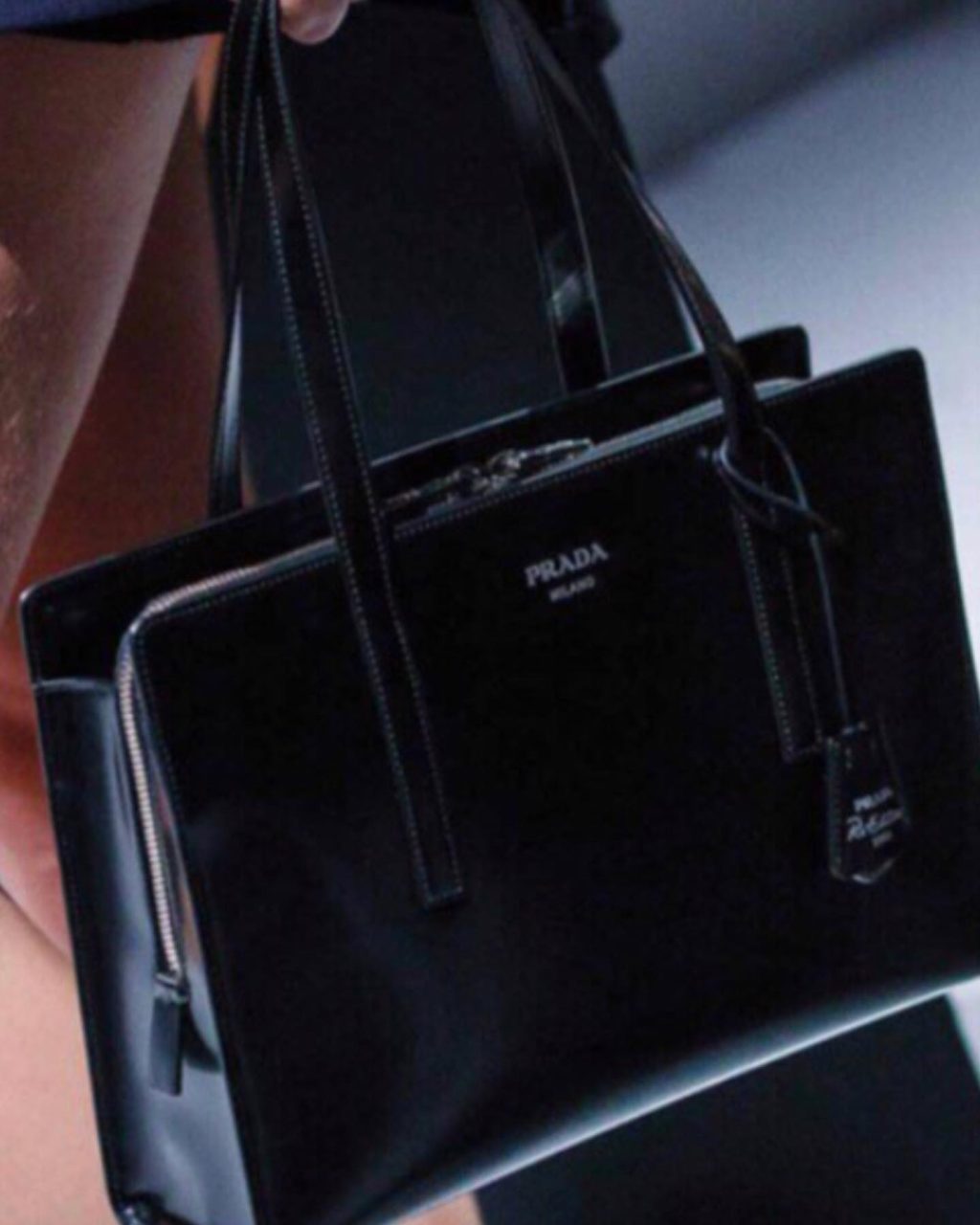
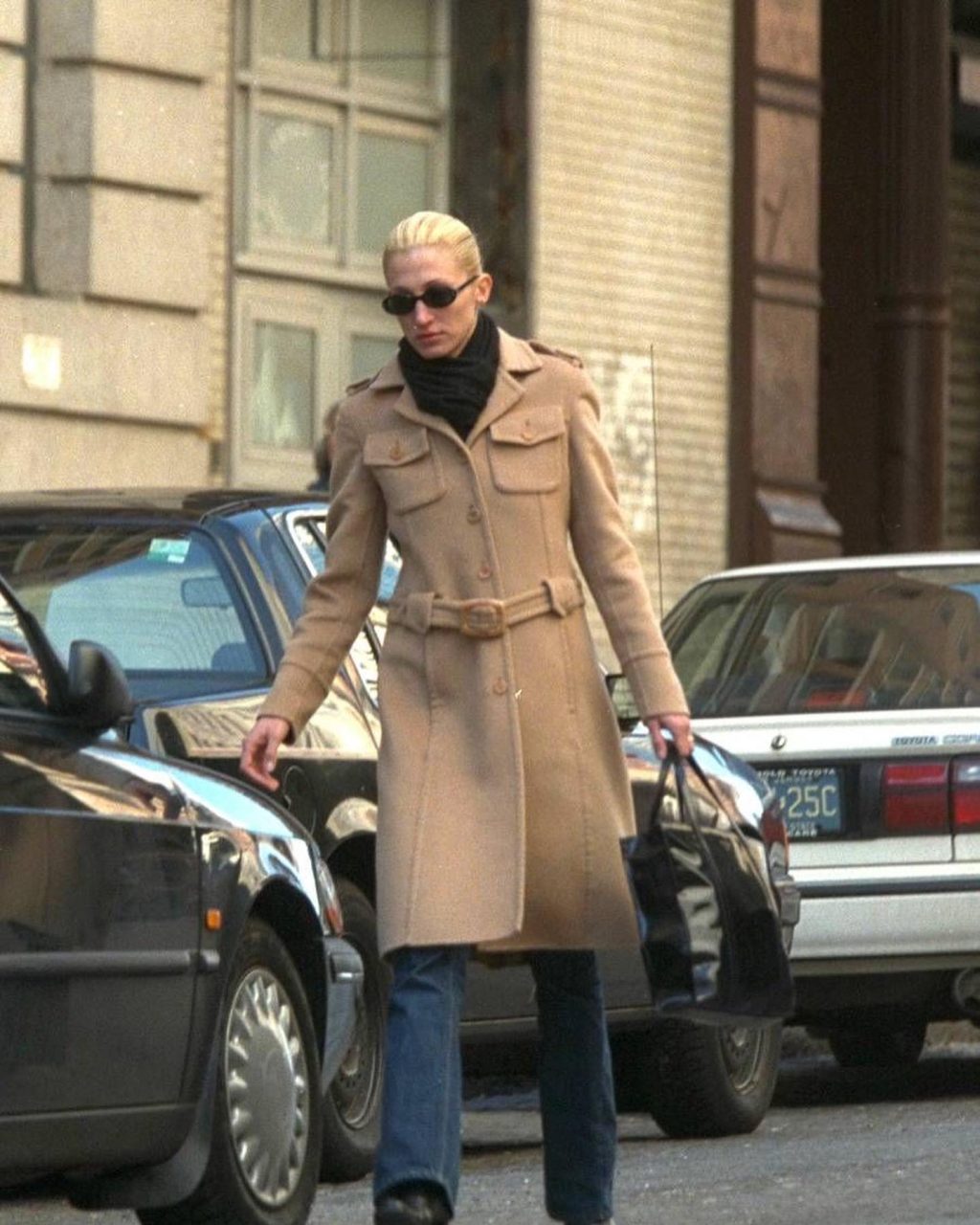
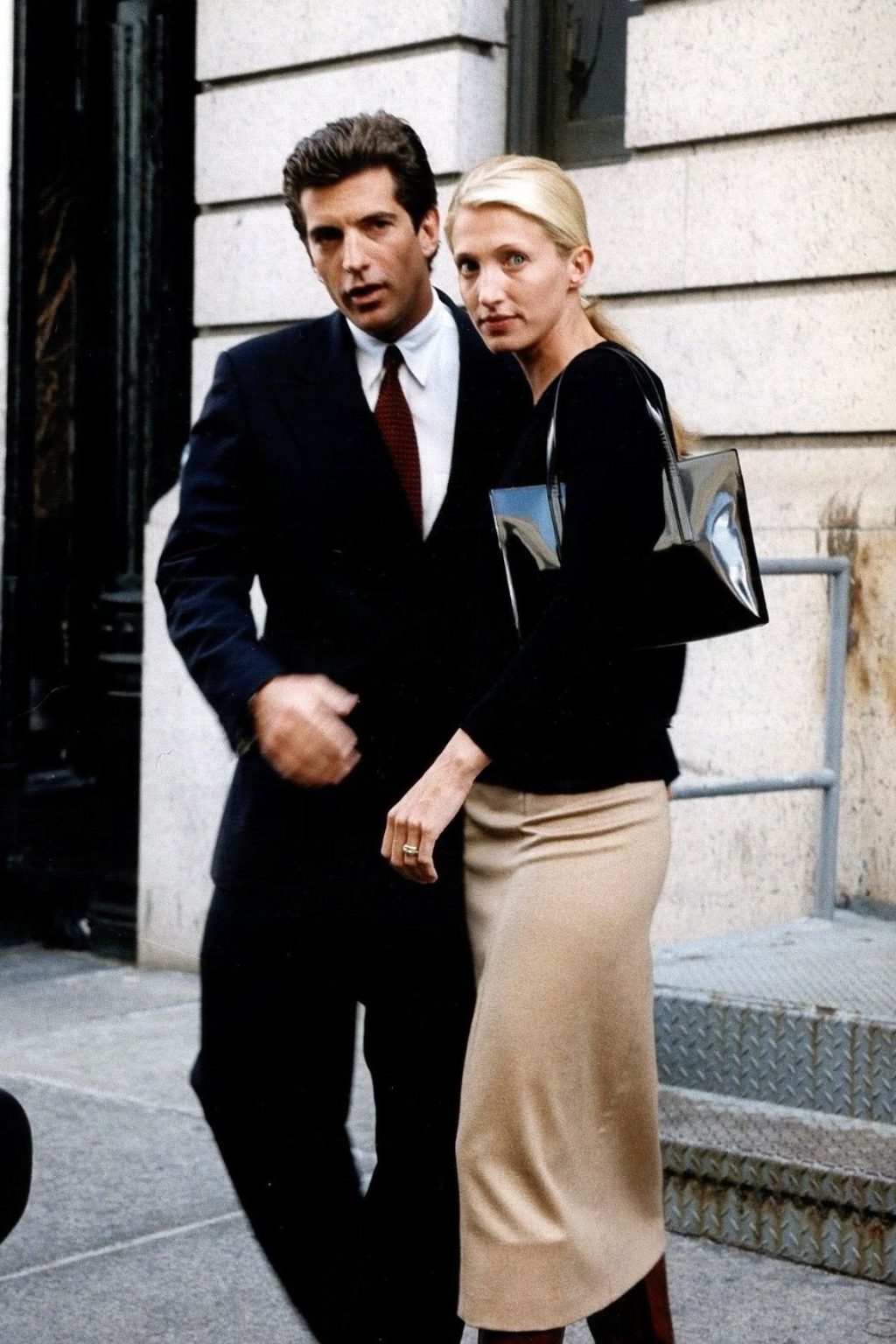
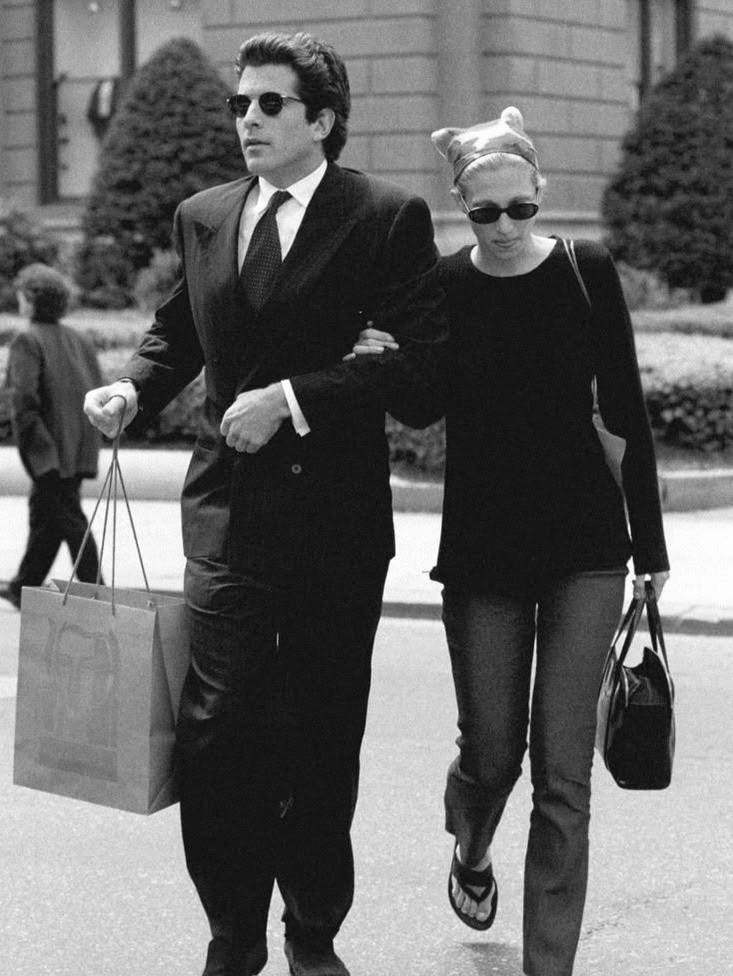
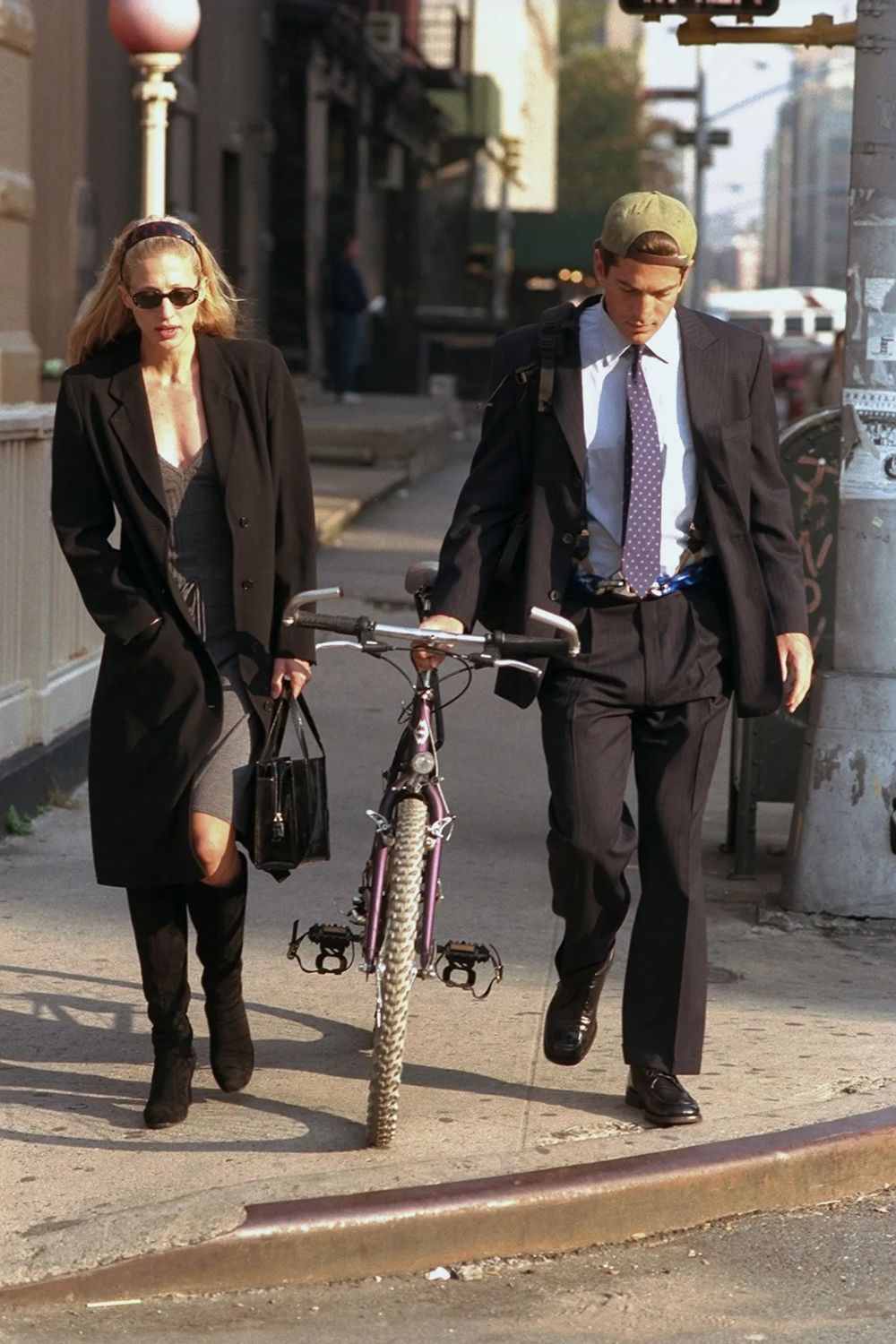
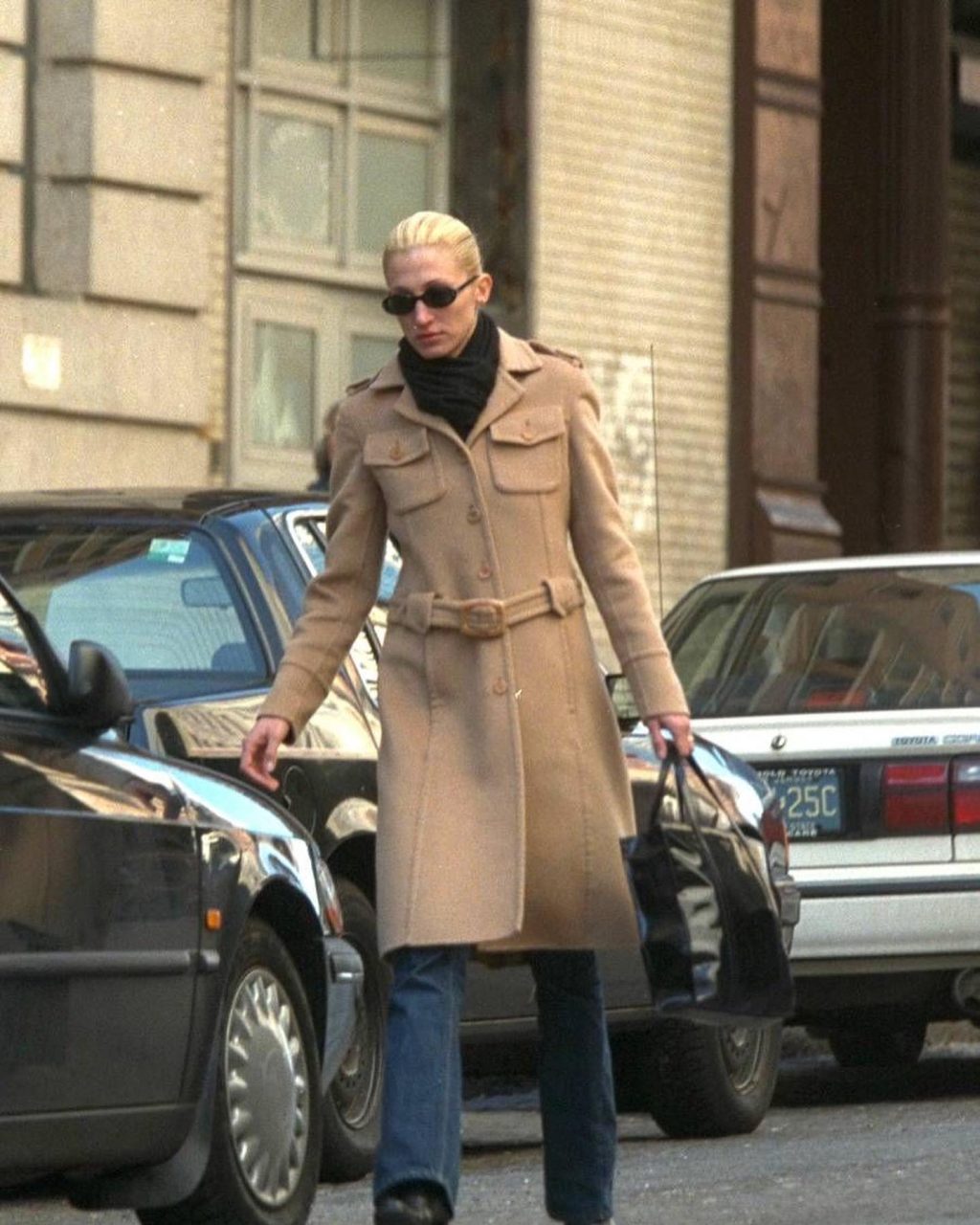
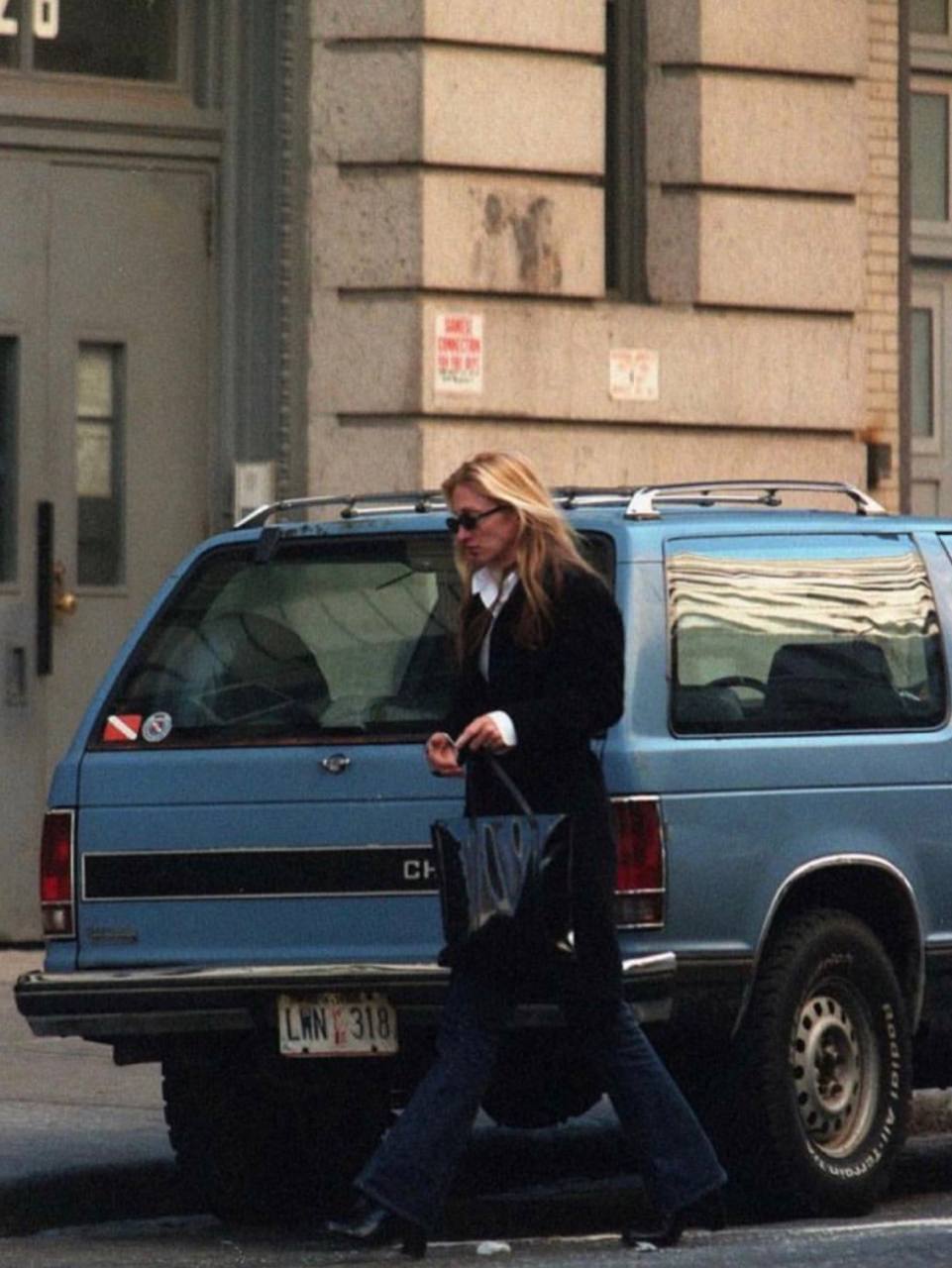
If the Birkin was her soft power, the Prada tote was her hard line—a boxy, streamlined tote carried repeatedly through the ’90s. Vogue explicitly names it her favored bag: Prada’s boxy Spazzolato tote, photographed with her multiple times.
“She didn’t have 75 handbags”
One of the most clarifying quotes about CBK’s bag wardrobe comes from RoseMarie Terenzio (assistant to JFK Jr.), via Vogue: “This Prada bag was her everyday bag for a year.”
That sentence explains the phenomenon better than any trend report: her style was made by repetition.
Why it still reads current
- Spazzolato/brushed leather has that subtle shine that catches light like patent, but stays grown-up.
- The shape is a near-perfect rectangle—architectural, “work bag” coded, and extremely photogenic from the side.
- It sits close to the body, never swinging loud.
The modern echo: Prada reissues and the “Carolyn” naming
Prada reissued the 1995 design and named it “the Carolyn” in her honor. This isn’t just nostalgia. It’s Prada acknowledging that she didn’t merely wear the bag—she authored its meaning.
And if you’re tracking Prada’s screen-life the way the internet tracks CBK’s street-life, bookmark our ongoing set report: The Devil Wears Prada 2 bags—a useful modern comparison for how handbags become character.
Prada nylon: the material that made minimalism practical
Even if the Spazzolato tote is the hero object, Prada’s broader vocabulary—especially nylon—fits CBK’s wardrobe logic perfectly: utilitarian, understated, city-ready. W Magazine notes that on the American Love Story set, the styling references have included nylon Prada totes as a core CBK signifier.
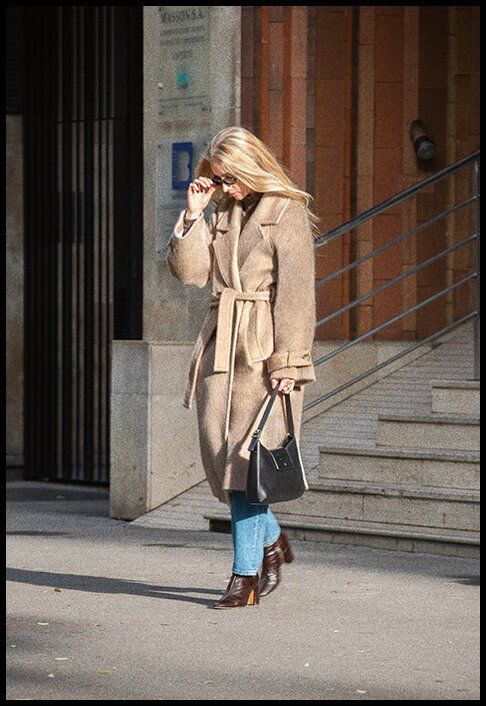
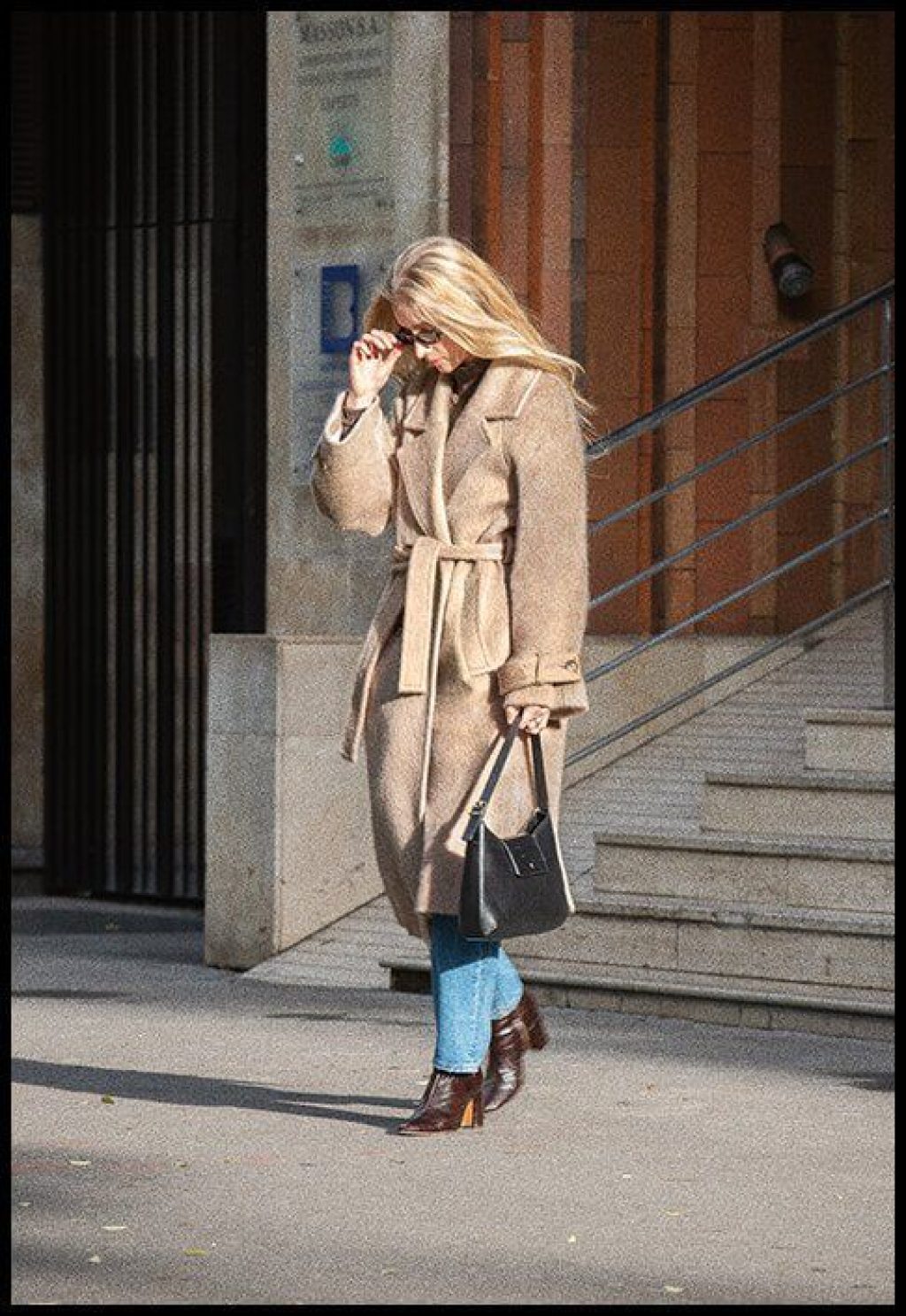
Nylon matters here because it tells you something about her version of luxury: she wasn’t trying to look expensive. She was trying to look clean, capable, and unbothered—which is exactly what Prada’s nylon represented at its peak. (If you’re writing this as fashion history, nylon is the material that made “modern” look like a lifestyle rather than an outfit.)
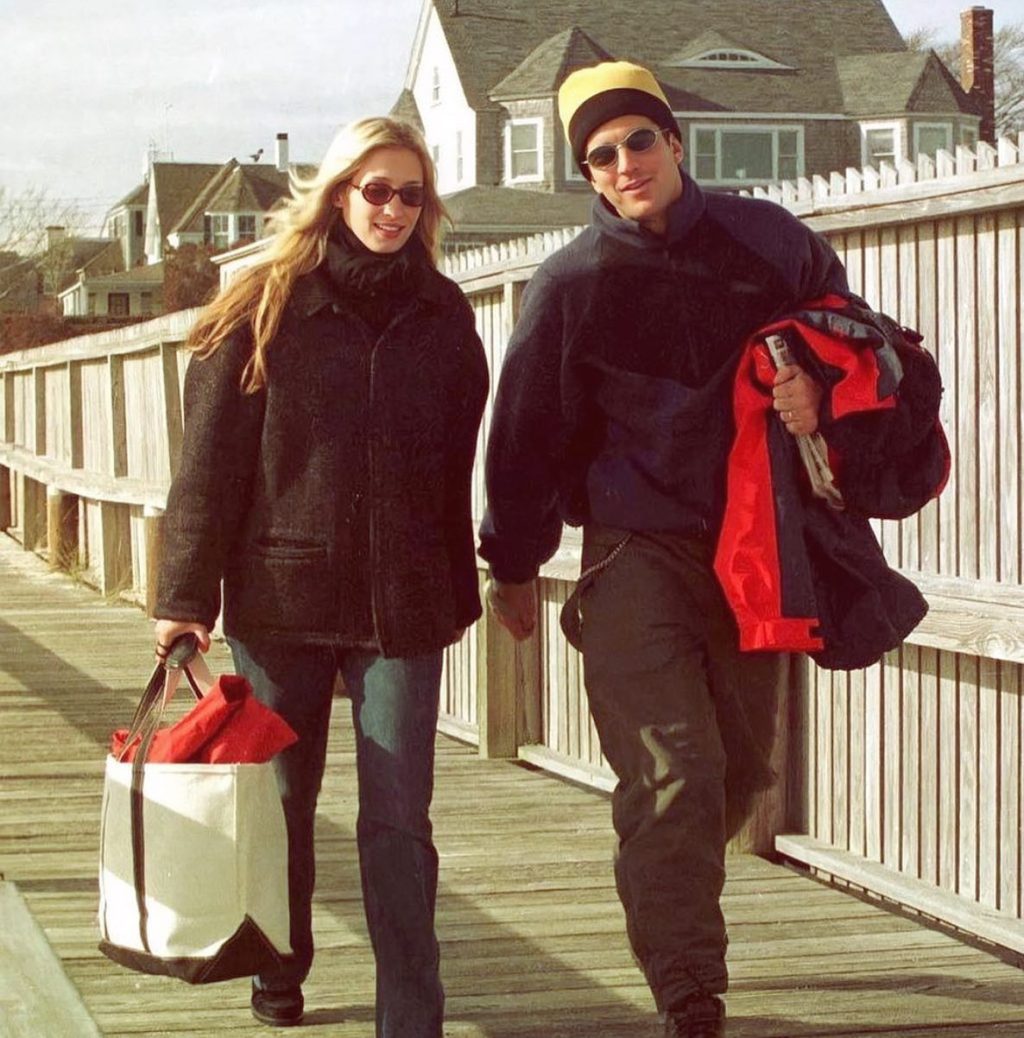
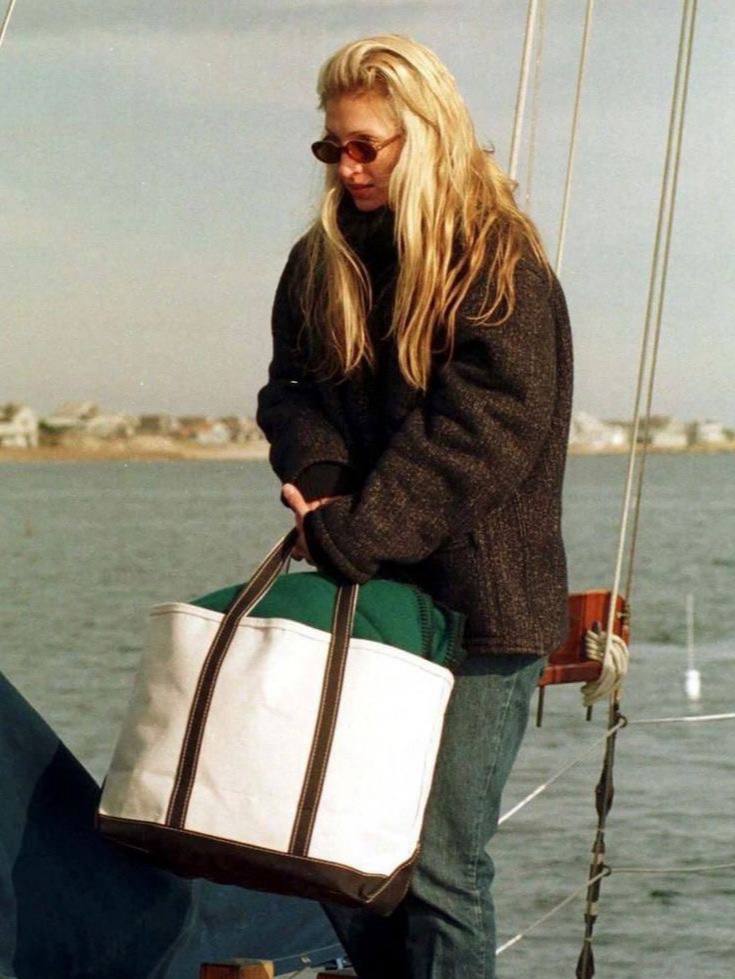
The L.L.Bean Boat and Tote: the anti-status status tote
The canvas tote is the plot twist in her bag wardrobe—because it’s not luxury at all, yet it reads as the purest form of American practicality. It also proves her style wasn’t about price. It was about rightness.
L.L.Bean’s own product specs underline why the tote functions so well: it’s heavy-duty canvas, reinforced handles, and offered in sizes with real capacity.
What to know if you’re trying to match the “CBK tote”
A CBK-focused breakdown argues she carried the Boat and Tote (open-top), likely in Large, based on proportions and strap drop. Even if you don’t treat that as absolute, the styling takeaway is: big enough to look real, not decorative.
Evening bags: the small, dark punctuation mark
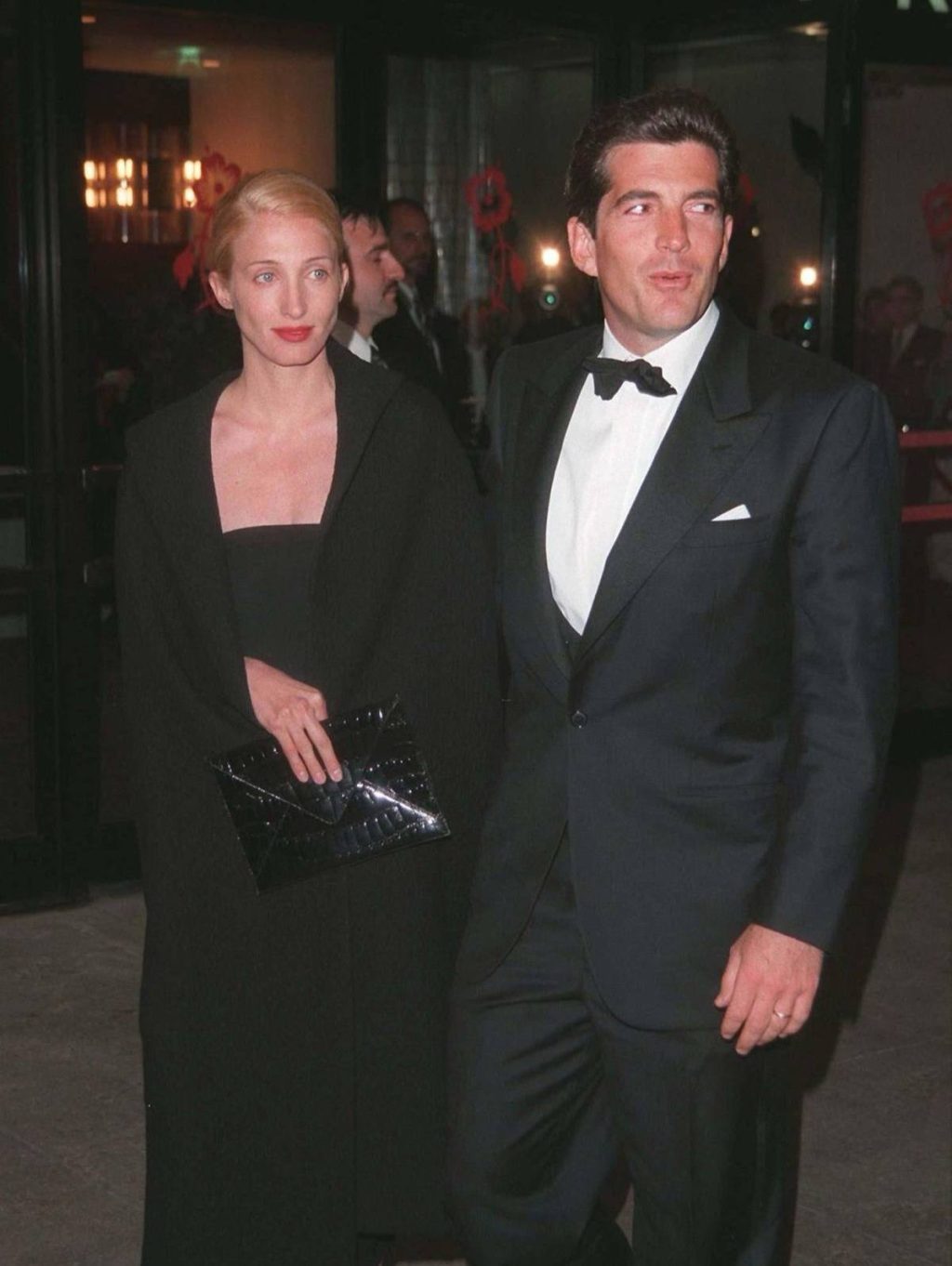
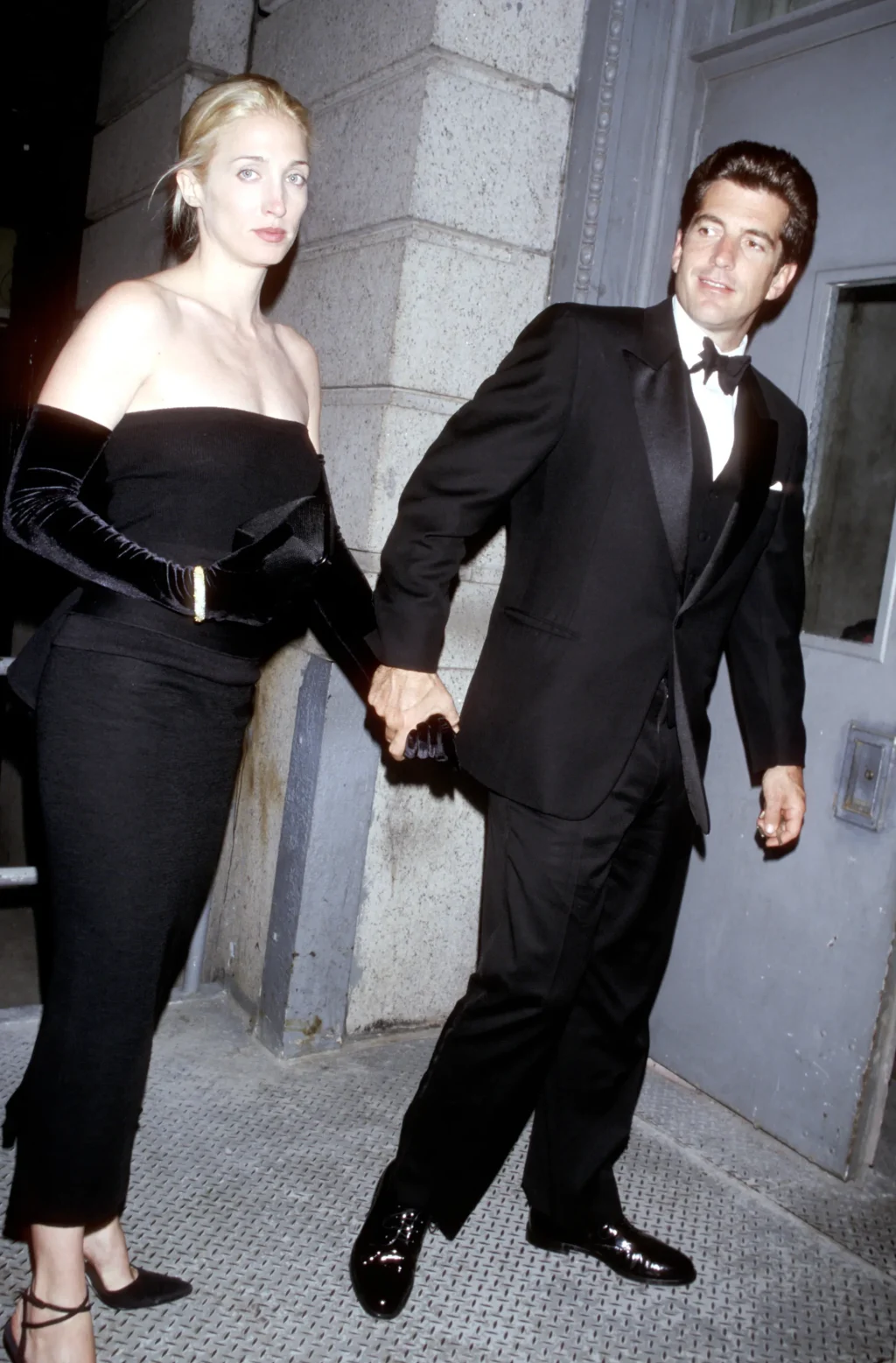
Daytime CBK was about function. Evening CBK was about editing—one dark accessory that finishes the line.
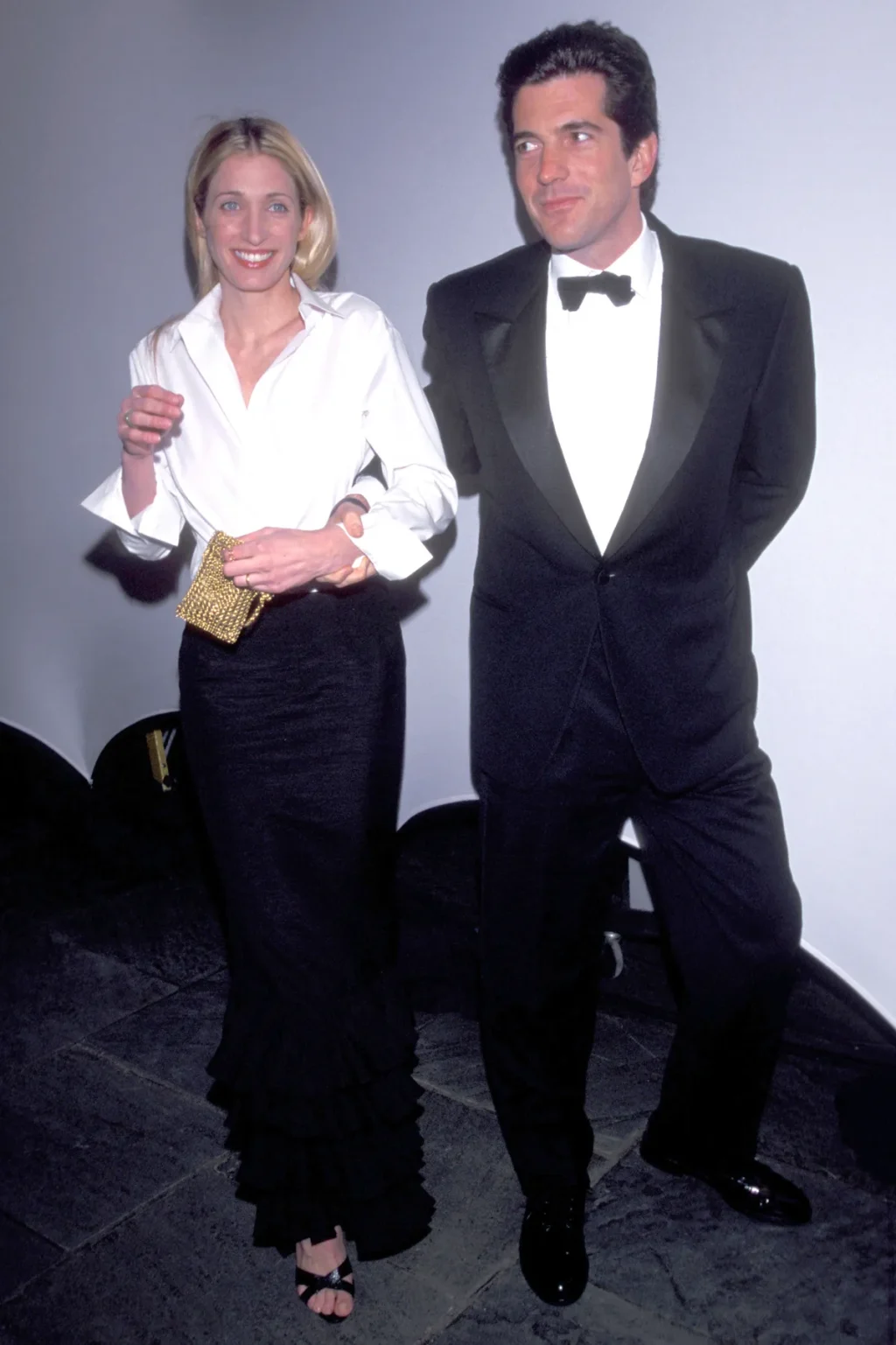
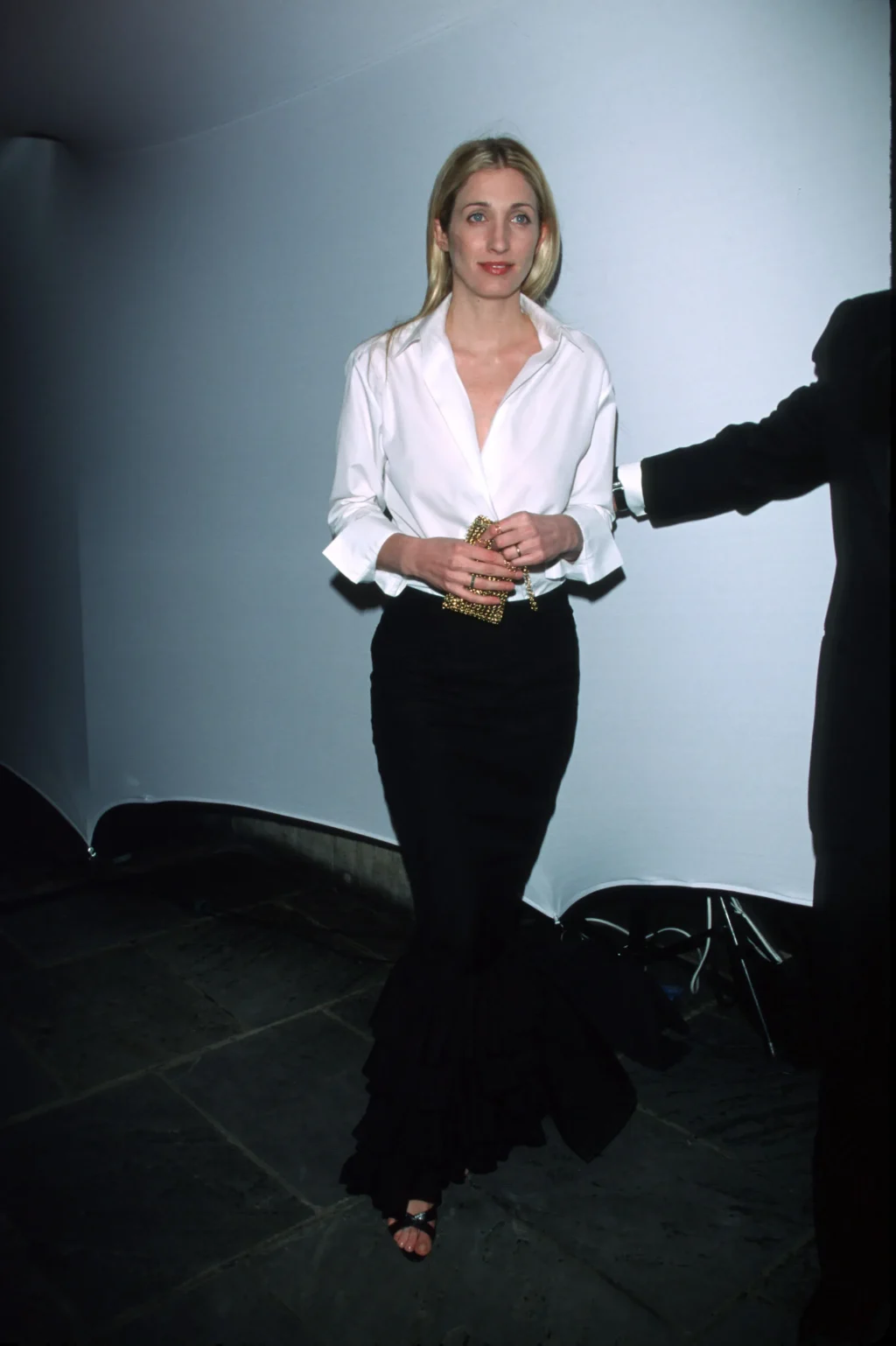
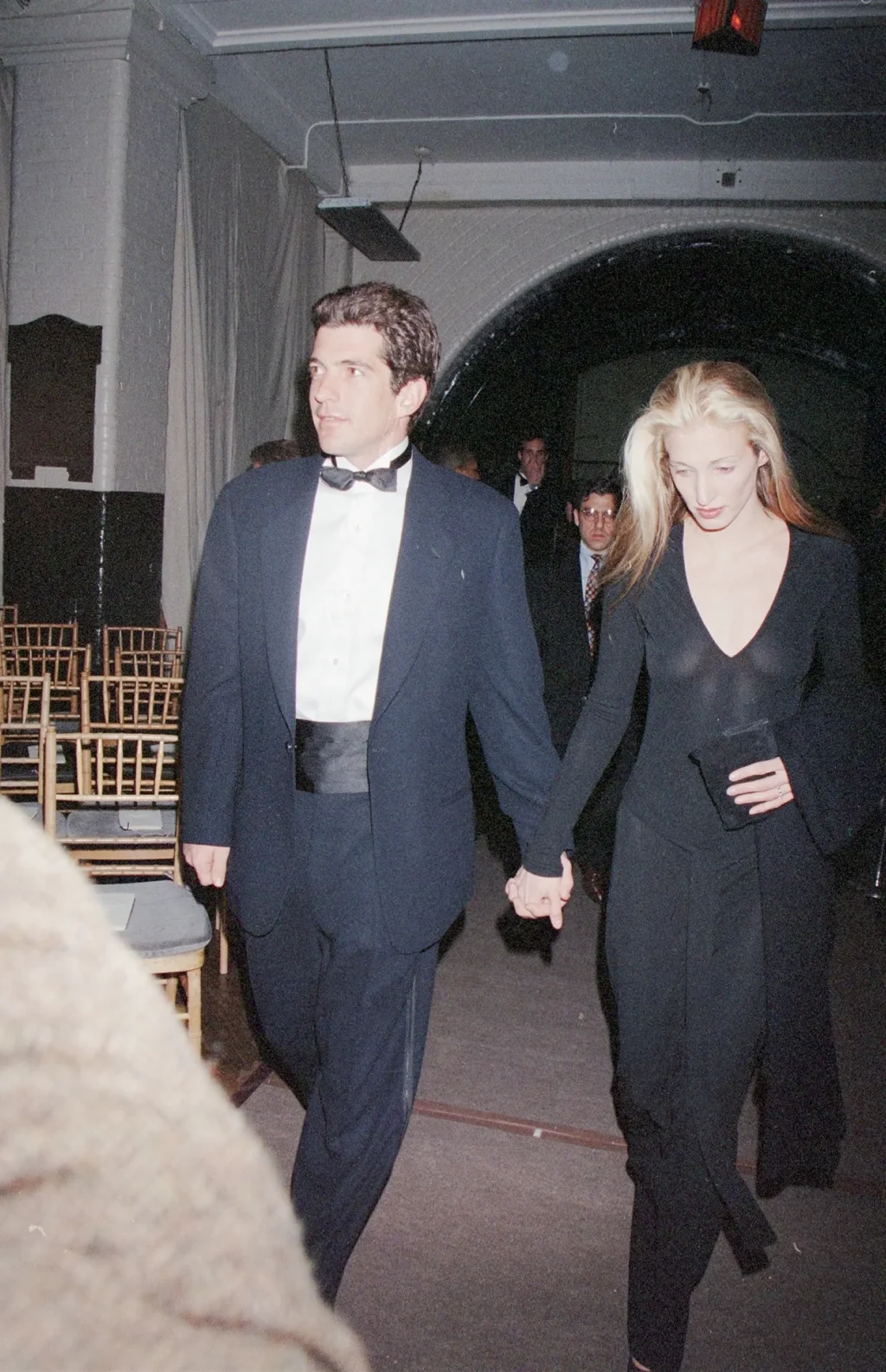
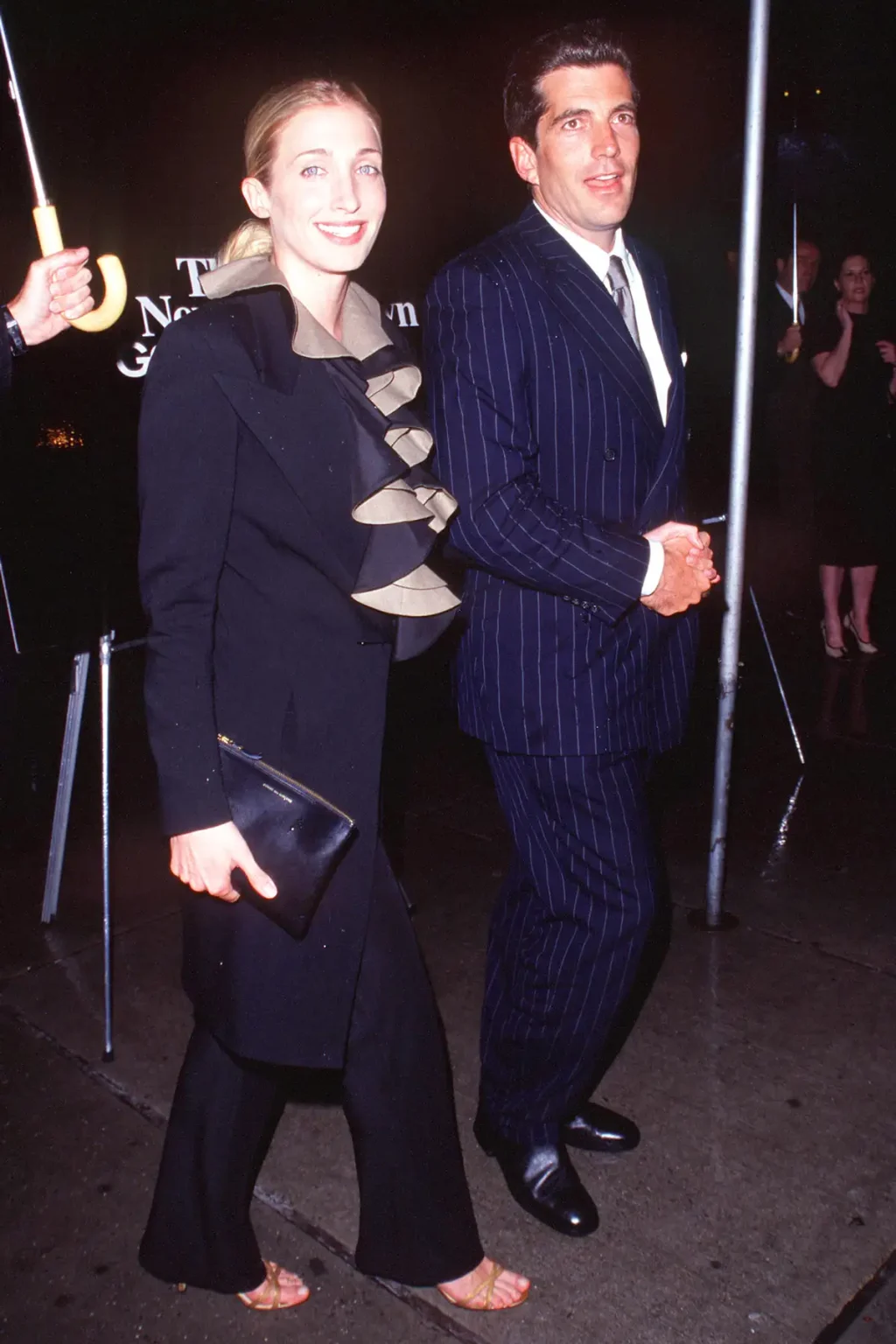
A credible write-up of her style legacy notes she used evening accessories including a Comme des Garçons pouch among other minimalist clutches. Fan archives also track a black CDG leather pouch worn to specific events; useful as a reference point, but treat exact IDs cautiously unless you have a clear photo match.
The point isn’t the brand; it’s the silhouette: a flat black pouch is the perfect companion to her frequent black evening looks because it doesn’t interrupt the column.
How to recreate the effect without copying the exact bags
If you’re translating CBK, don’t chase the exact SKU first. Chase the rules:
- Choose one day bag that can carry a book, wallet, and cosmetic pouch—then commit to it. (The “everyday for a year” energy.)
- Keep the silhouette architectural: rectangle tote, structured shoulder bag, or large carryall that can slump.
- Let the bag age: a CBK bag looks better with use.
- Keep hardware quiet: silver/black hardware, minimal logos, no loud charms.
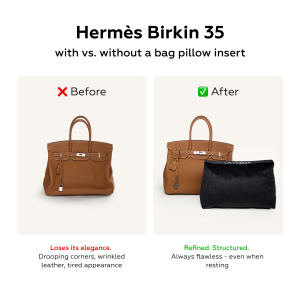
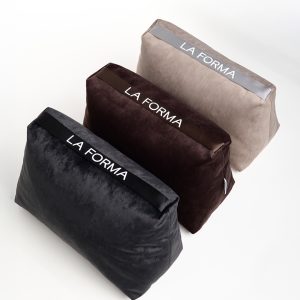
- Store it like you respect it: structure matters. If you love a soft tote or a slouchy Birkin-like shape, use an insert/pillow to keep corners and base from collapsing (that’s how you preserve resale value and the silhouette over time).
CBK isn’t a trend—she’s a pattern
The new wave of CBK attention isn’t just nostalgia; it’s a reaction to exhaustion. Her bag wardrobe offers a calmer model: buy fewer, choose better, repeat publicly, and let your accessories become part of your identity through use. Vogue frames this repetition as exactly what gives her accessories meaning.
That’s why “Carolyn Bessette-Kennedy bags” are trending again: not because people want a museum replica, but because they want a system that makes getting dressed feel clean.