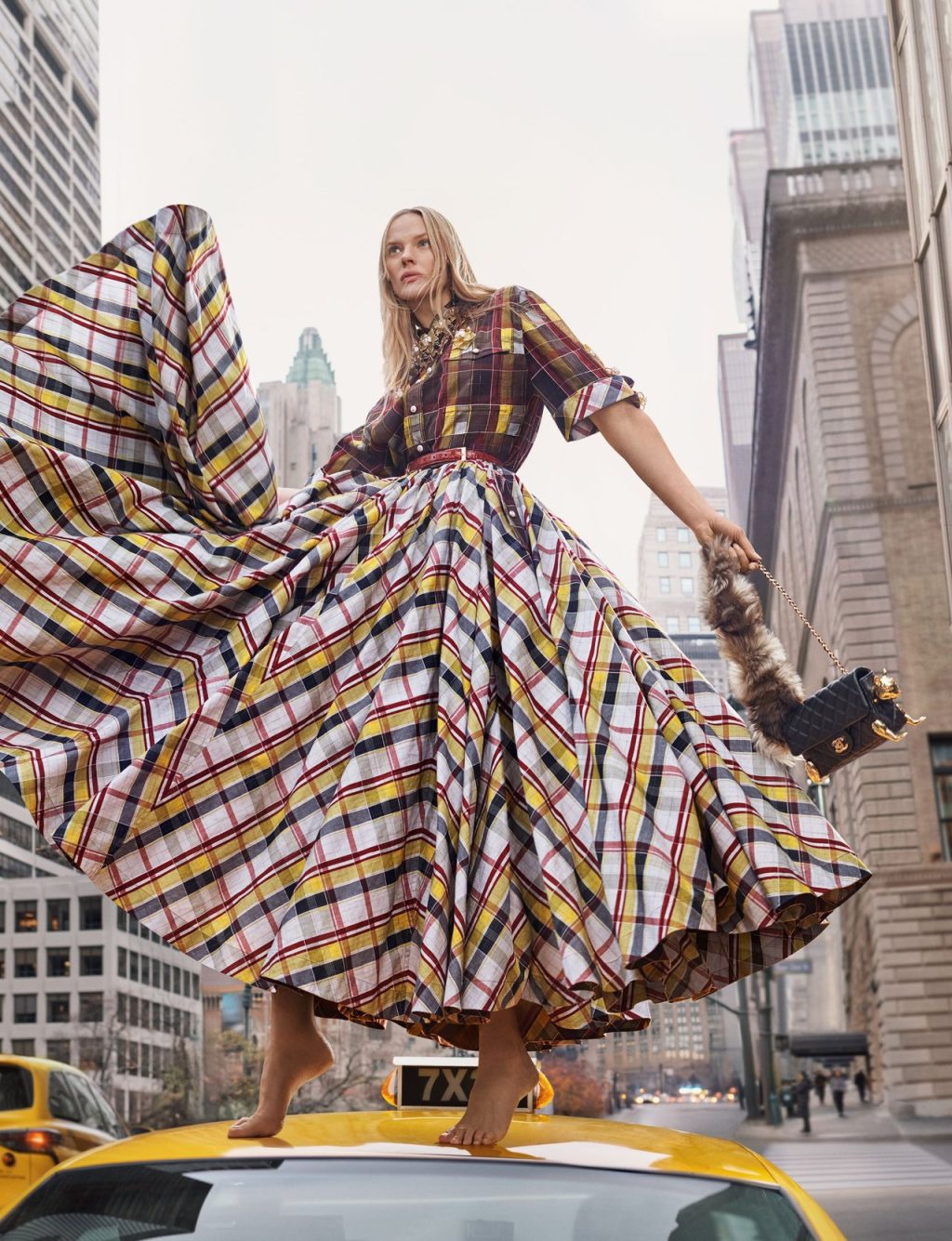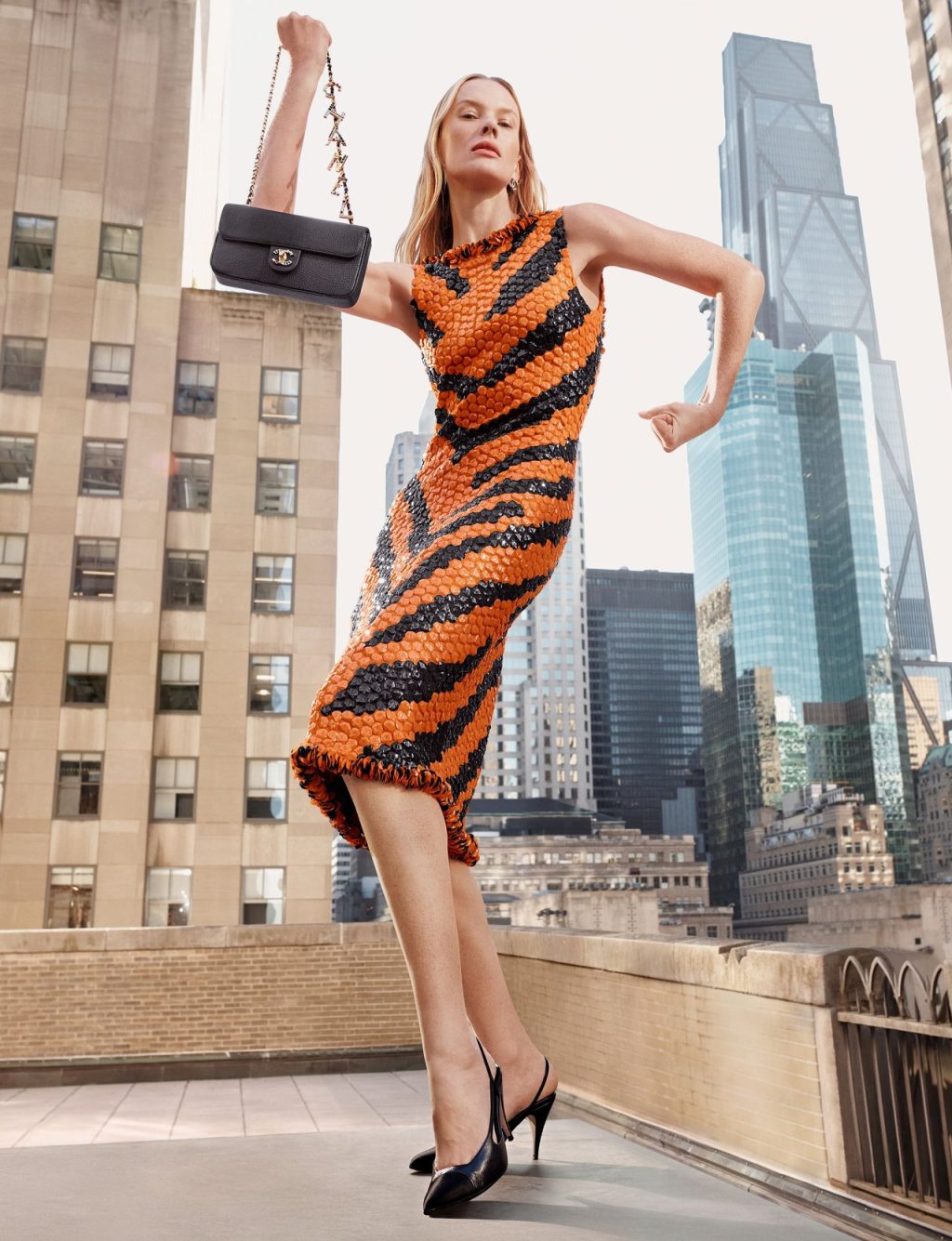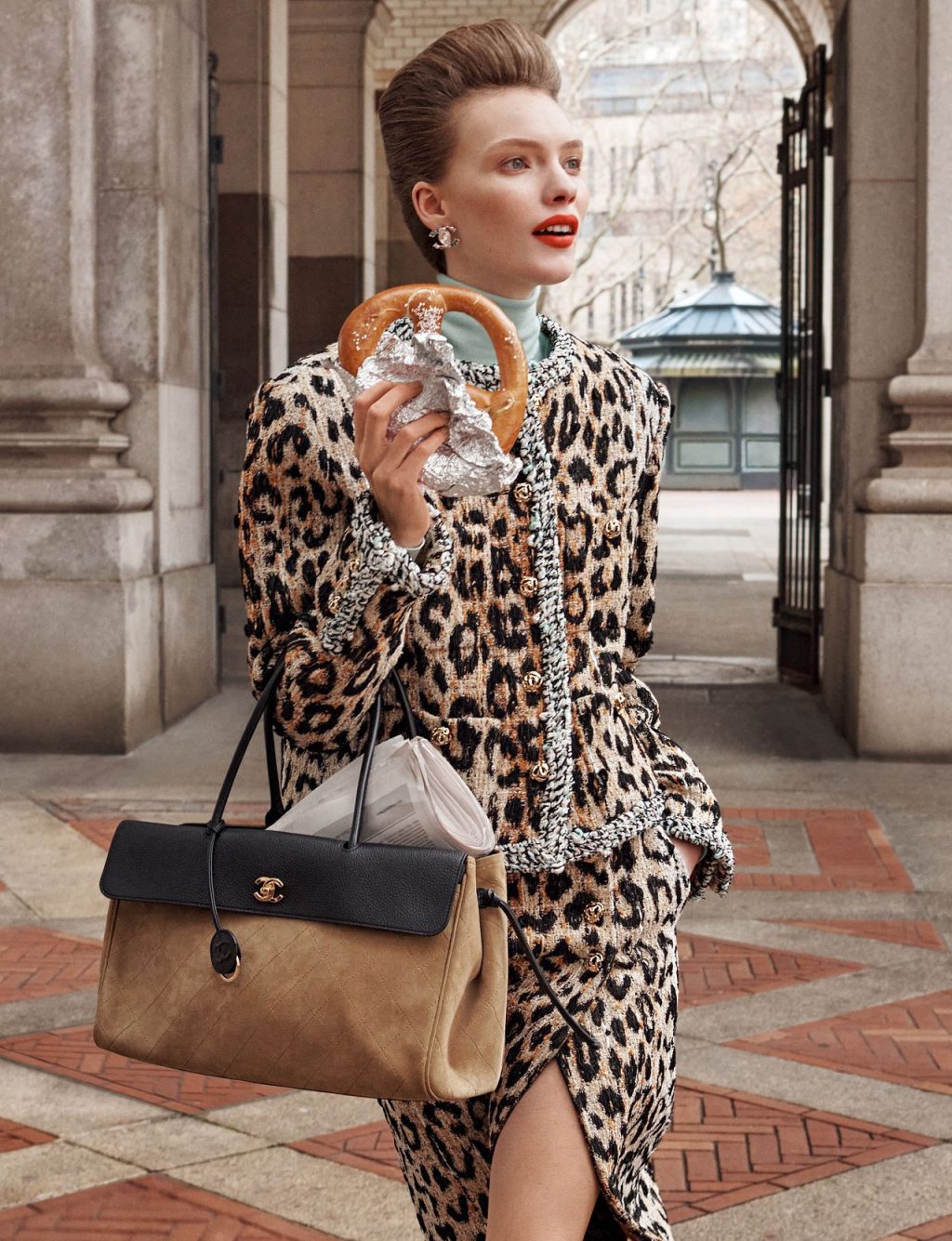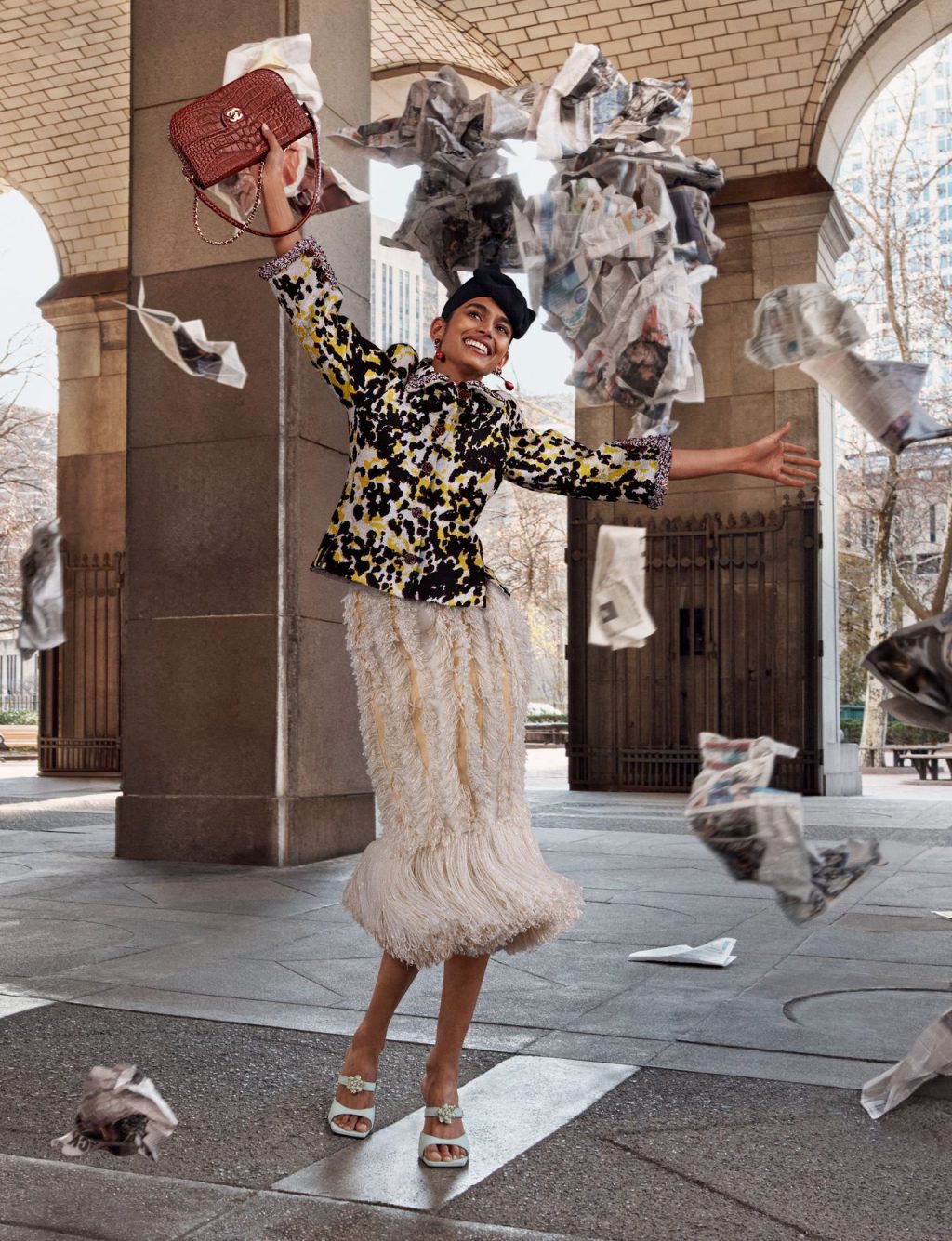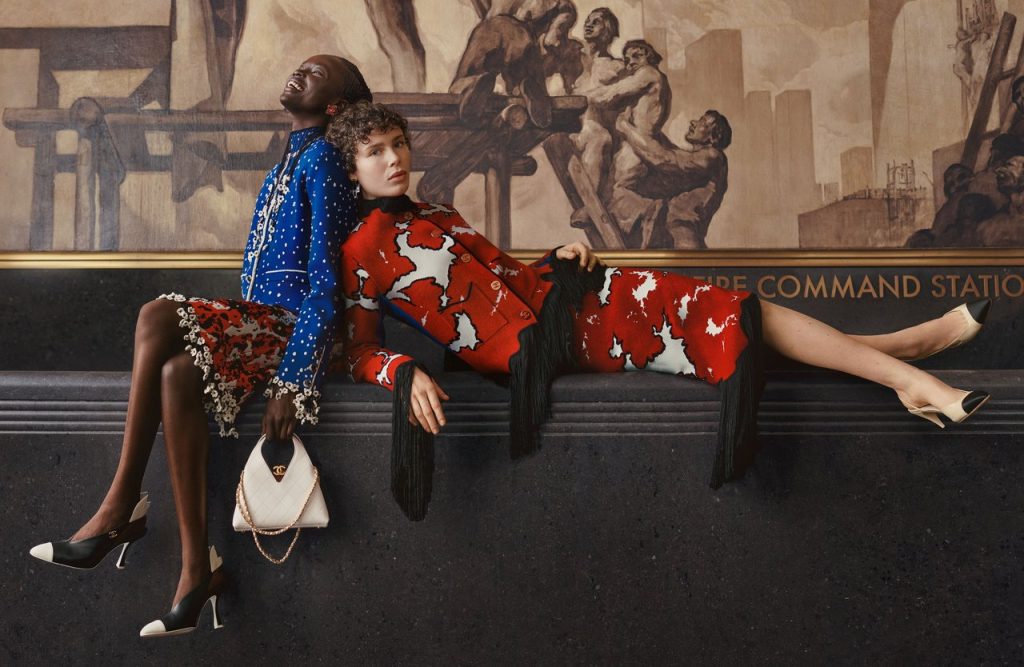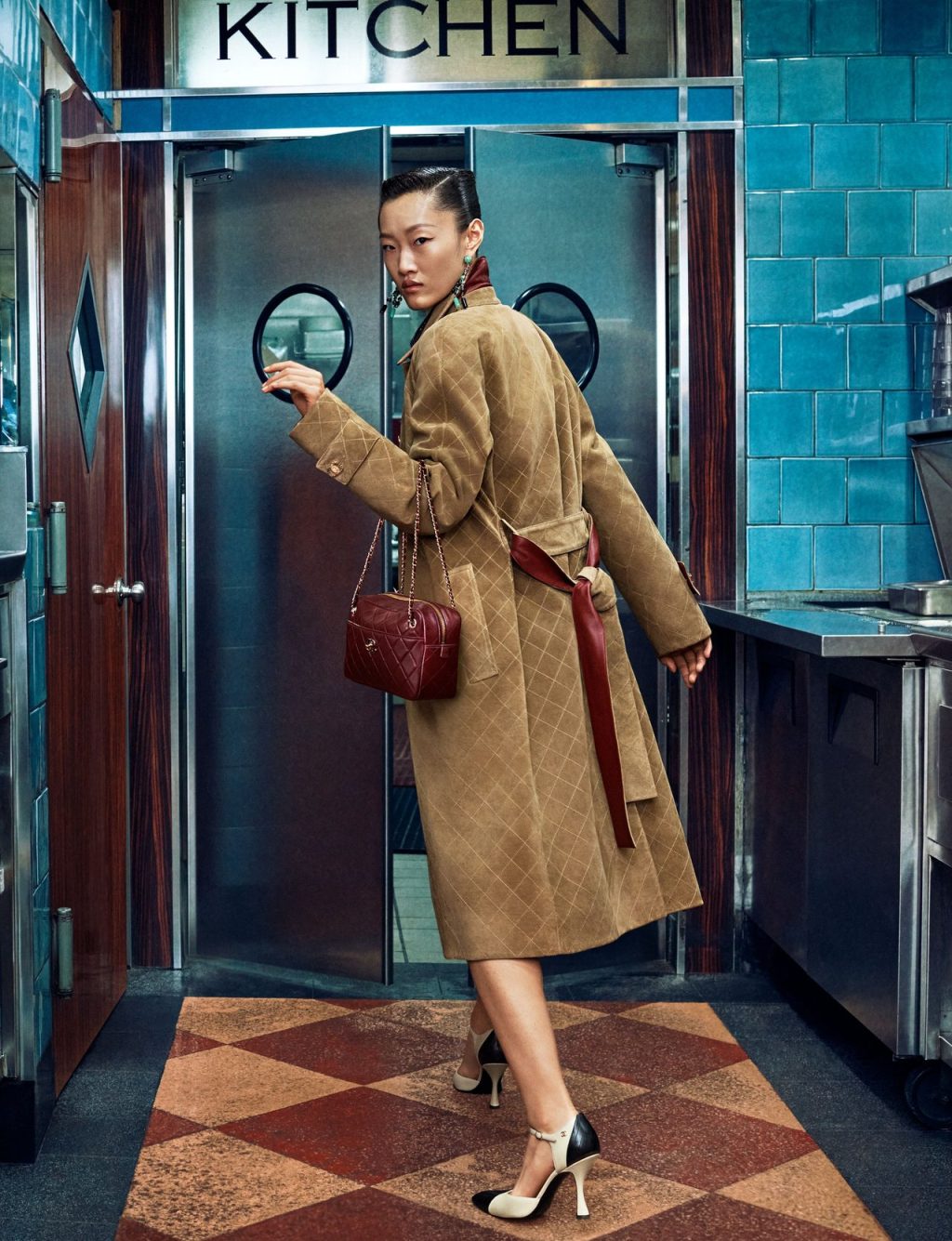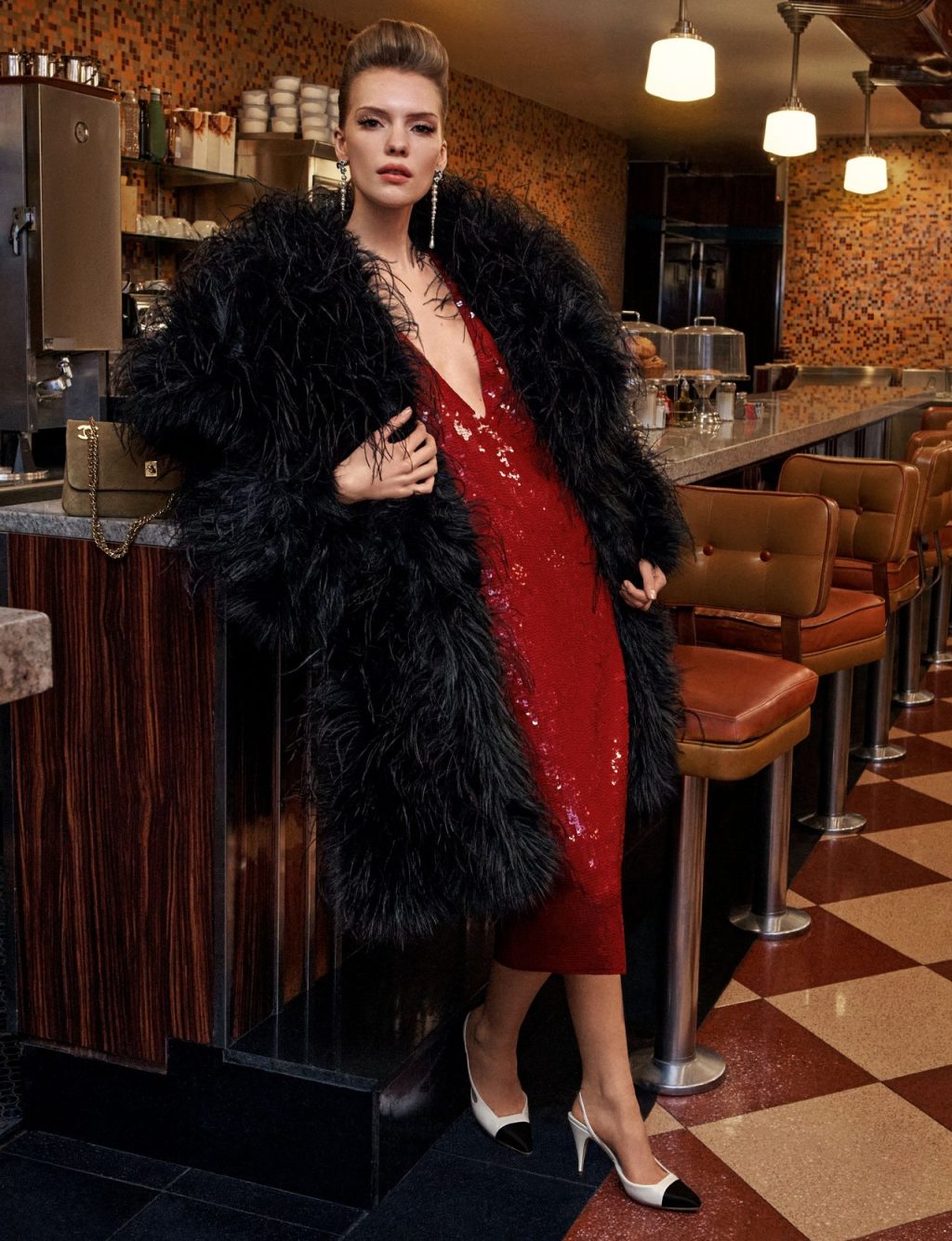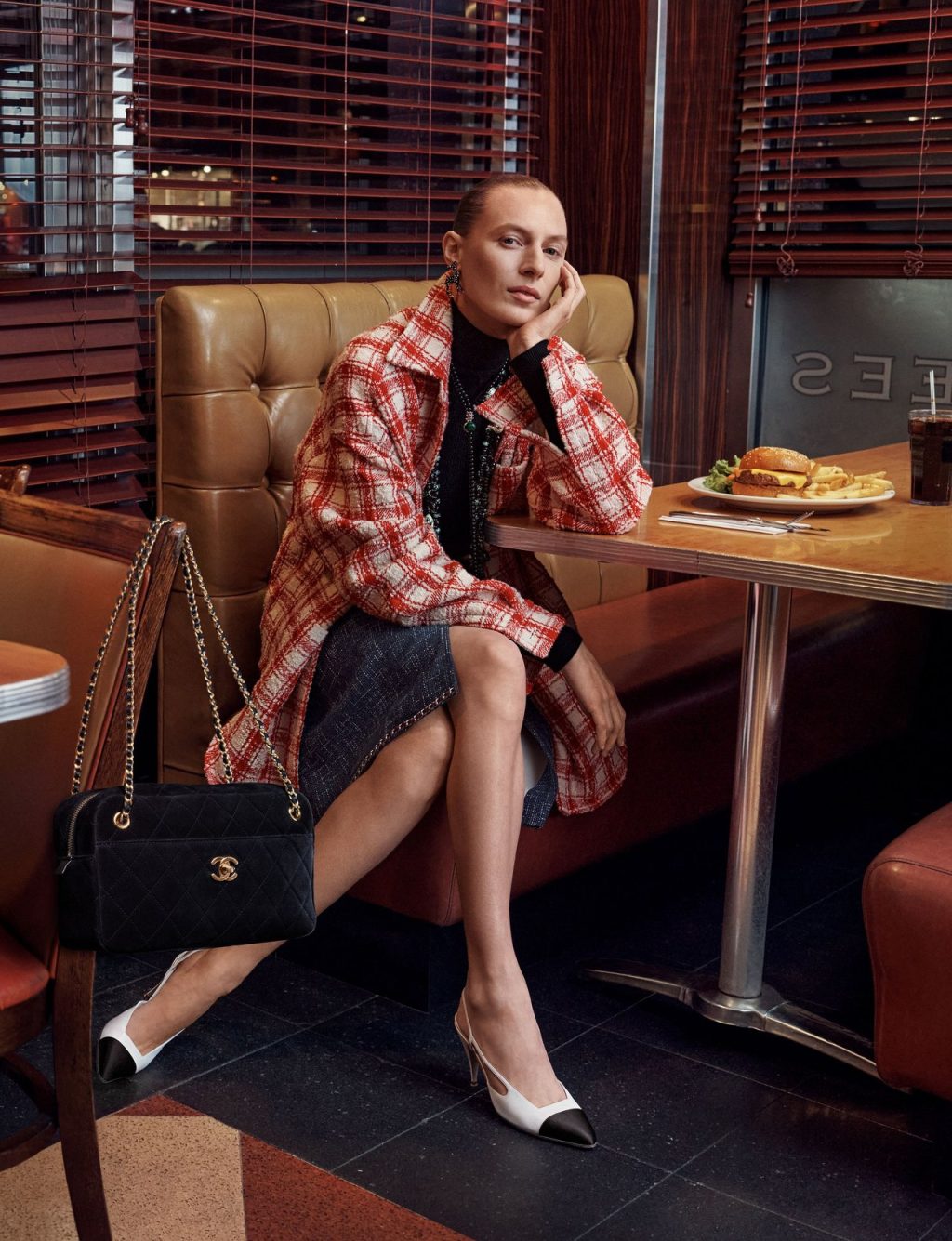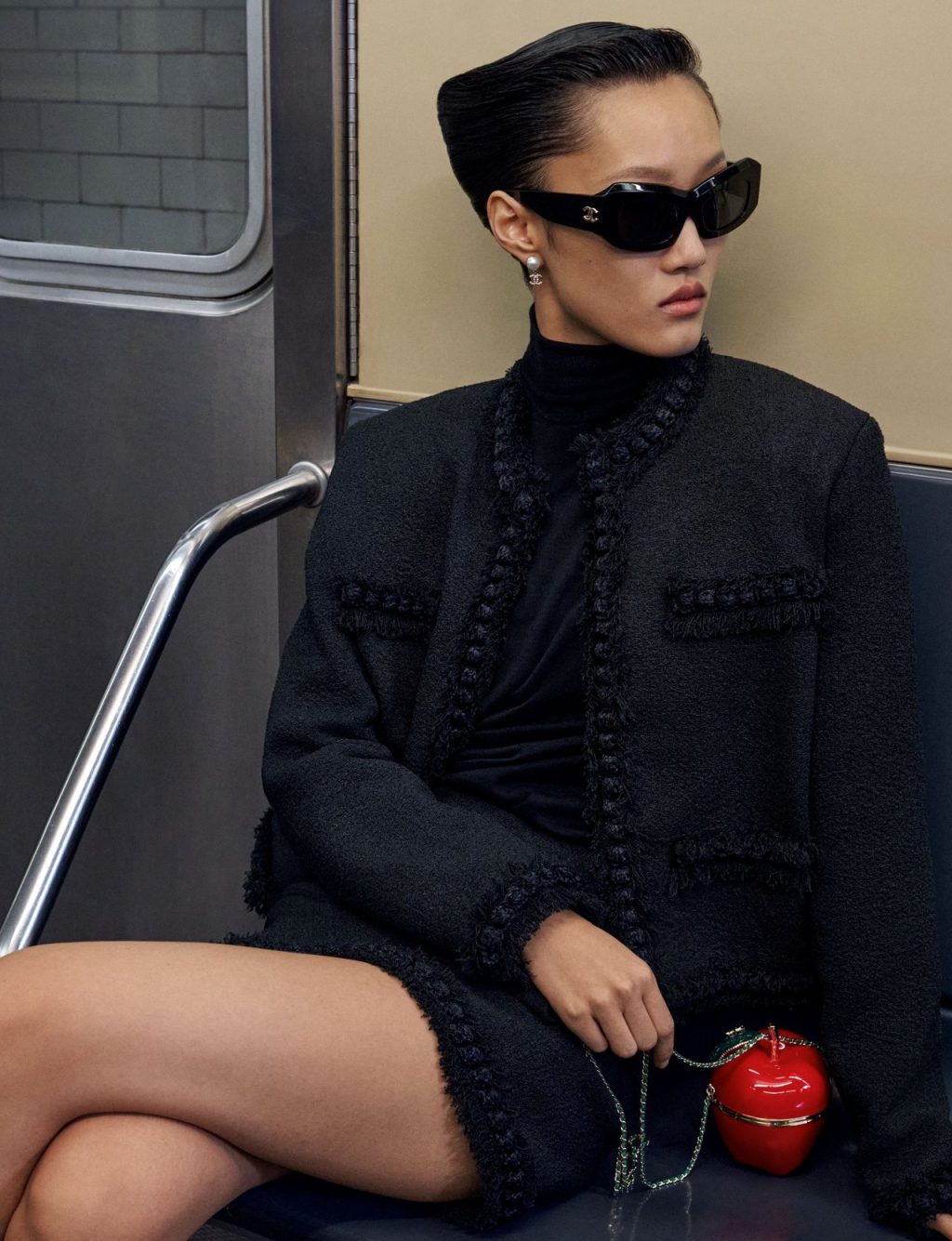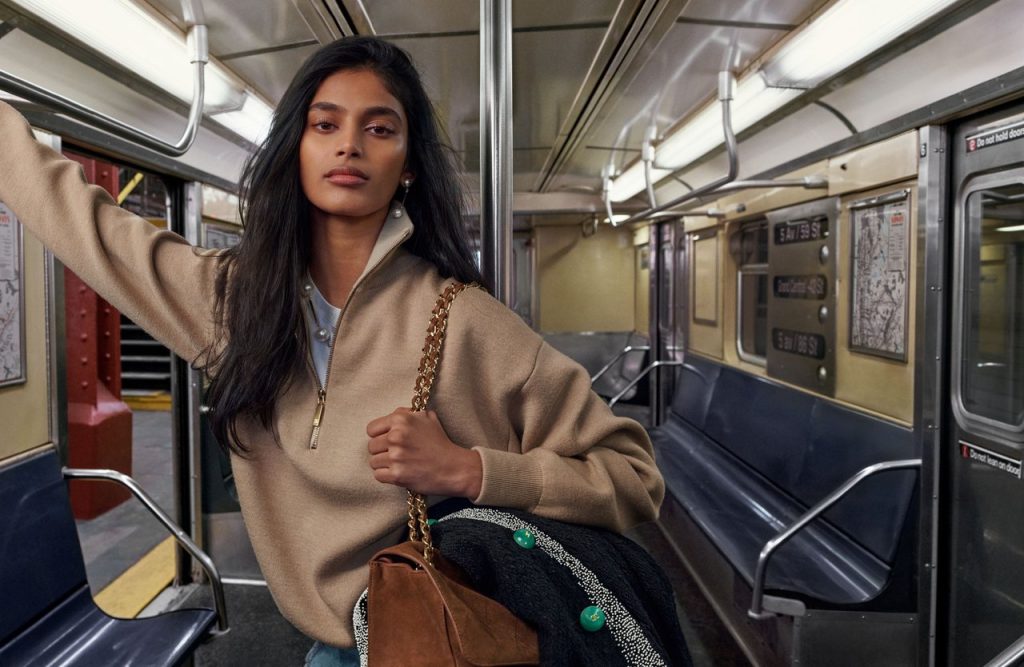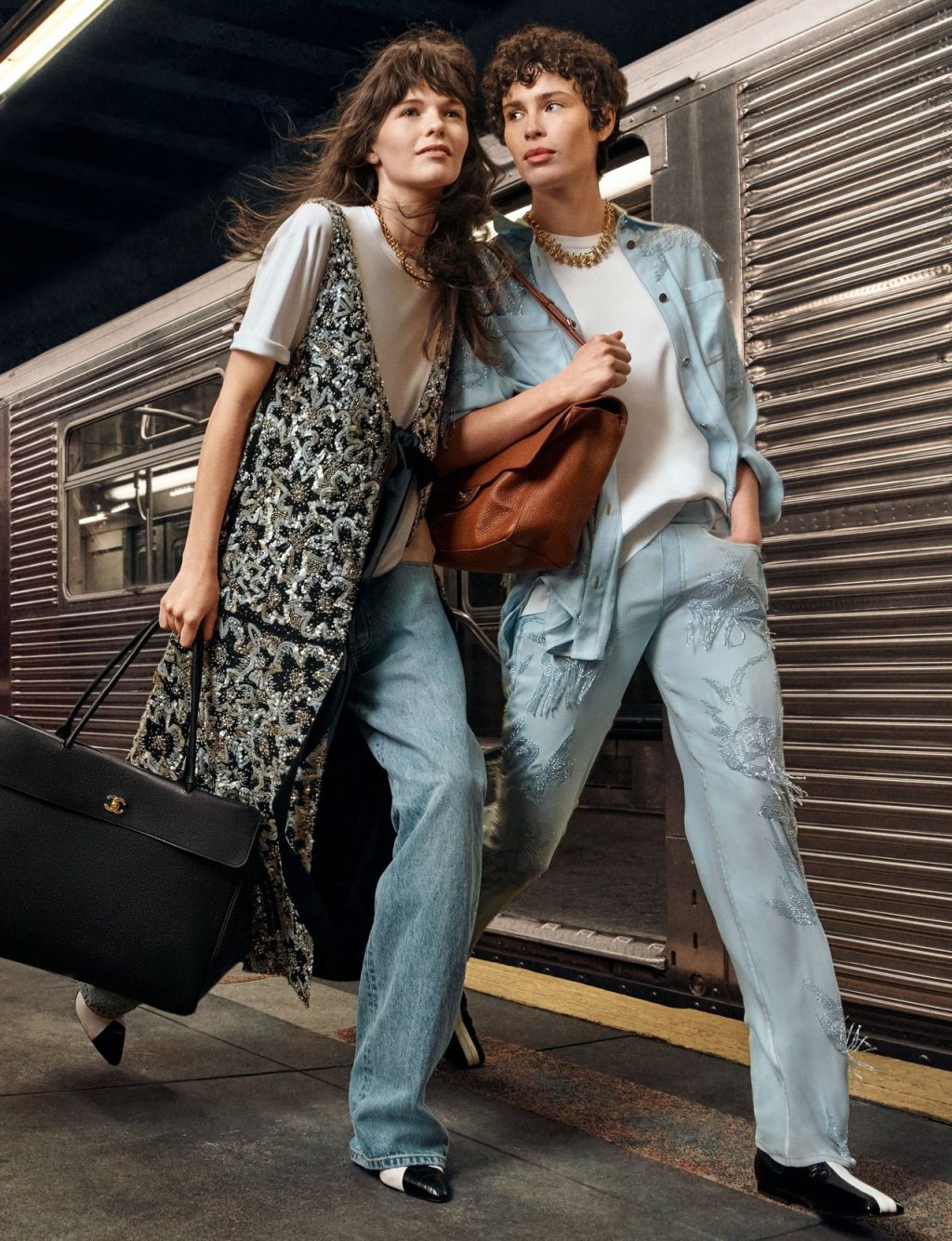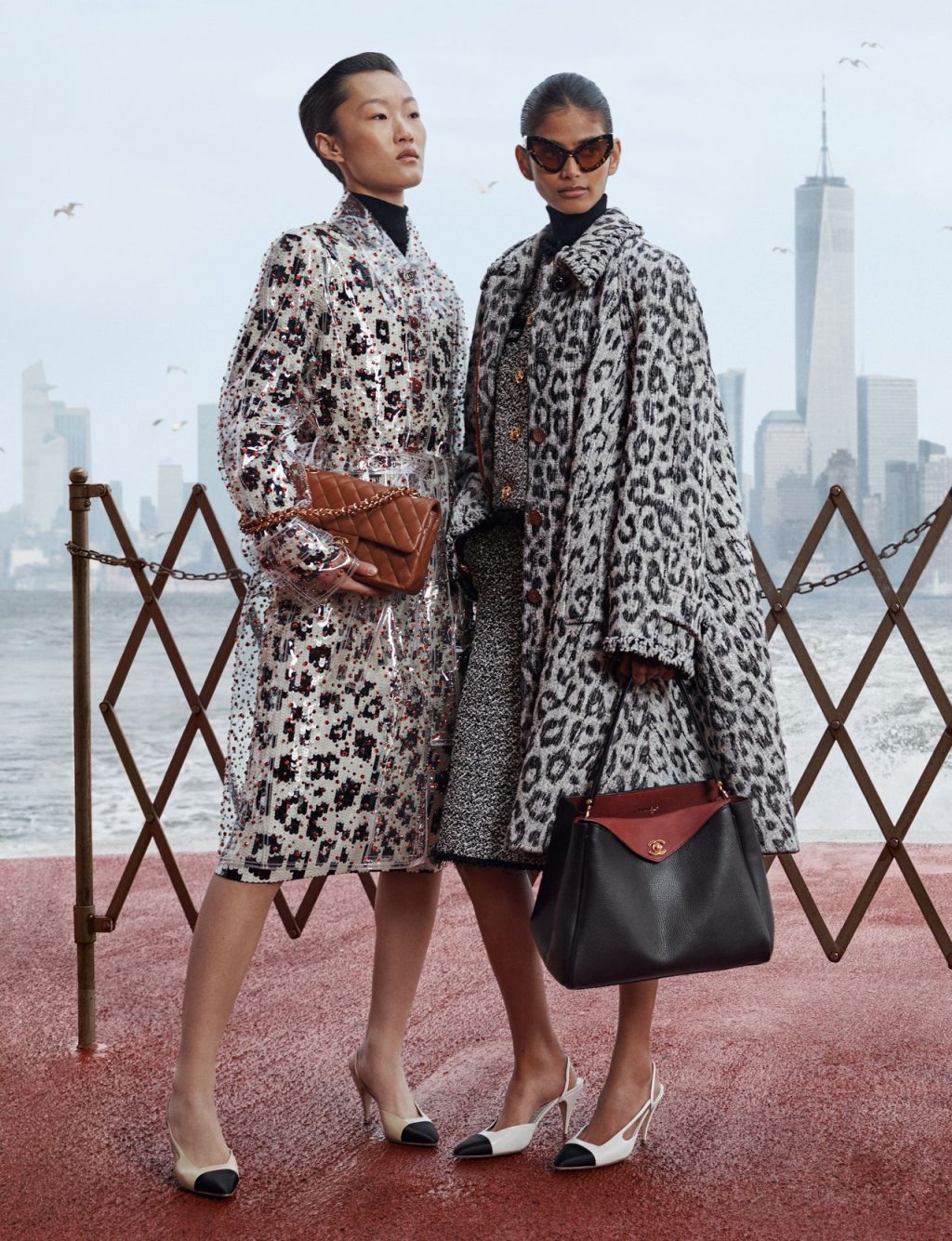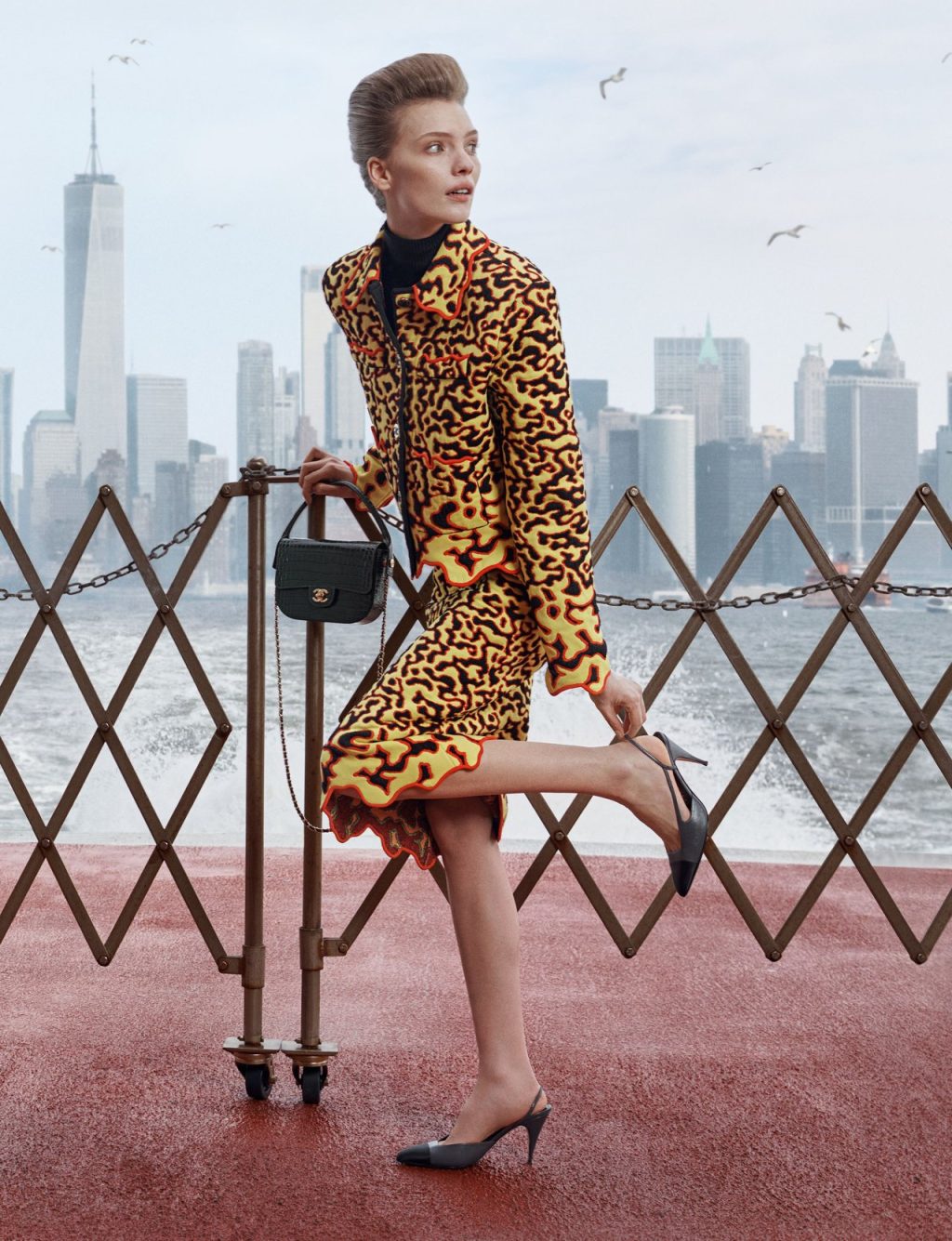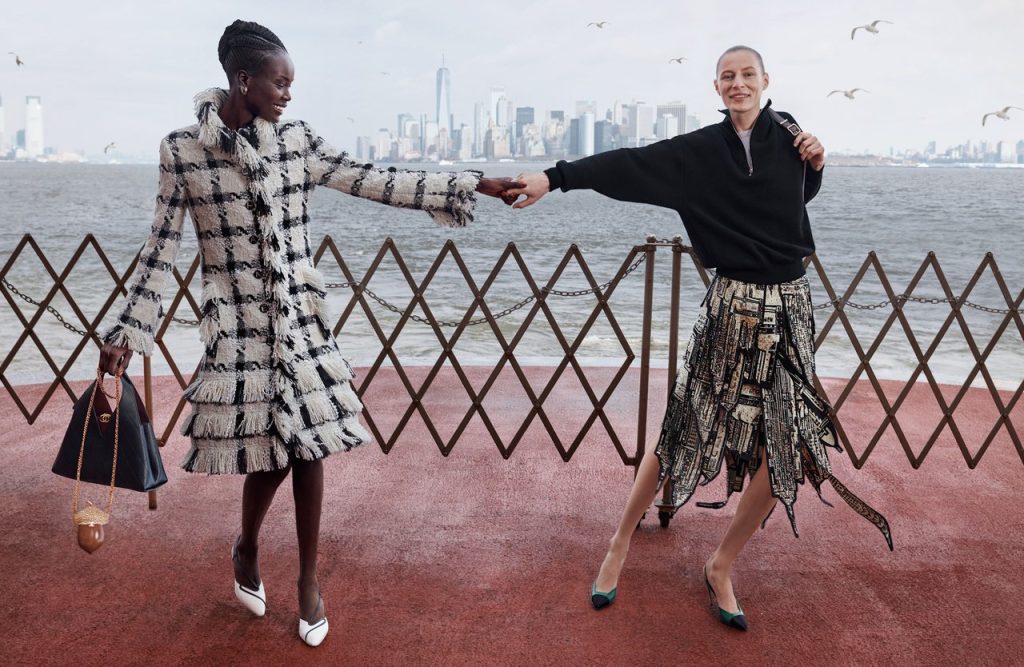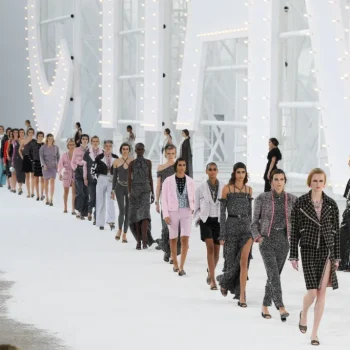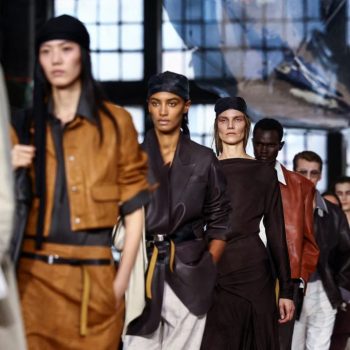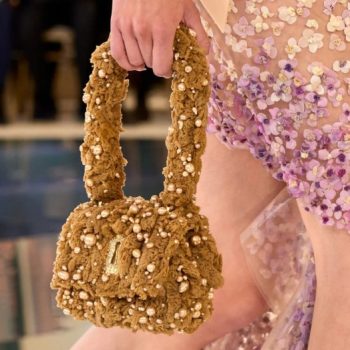
The CHANEL Métiers d’art 2026 collection arrived in the most Matthieu Blazy way possible: carried by women who had somewhere to be, photographed across a city that never softened its edges for anyone. His debut Métiers d’Art collection was staged in December 2025 on a decommissioned platform at the Bowery subway station in Lower Manhattan — and the campaign, shot by Craig McDean and filmed by Rahim Fortune, played the same card: New York as moodboard, street life as the only backdrop worth having.
READ ALSO Chanel Métiers d’Art 2026 references
The Show Setting That Changed the Tone
The subway choice was not simply atmospheric. In 1931, Gabrielle Chanel walked through downtown New York and found ordinary women wearing versions of her designs in ways she had never imagined. That encounter — of high craft meeting real life — is the tension Blazy has been building toward. Métiers d’Art, staged every year since 2002, exists to celebrate the artisanal expertise of Lesage, Lemarié, Atelier Montex, Goossens, Massaro, and Maison Michel — six of the 11 maisons at le19M, Chanel’s Paris creative hub. In Blazy’s hands, their savoir-faire arrived dressed as New York commuters: superheroes, working girls, students, socialites — all sharing the same underground train.
READ ALSO The ateliers powering Chanel Métiers d’Art 2026 in New York
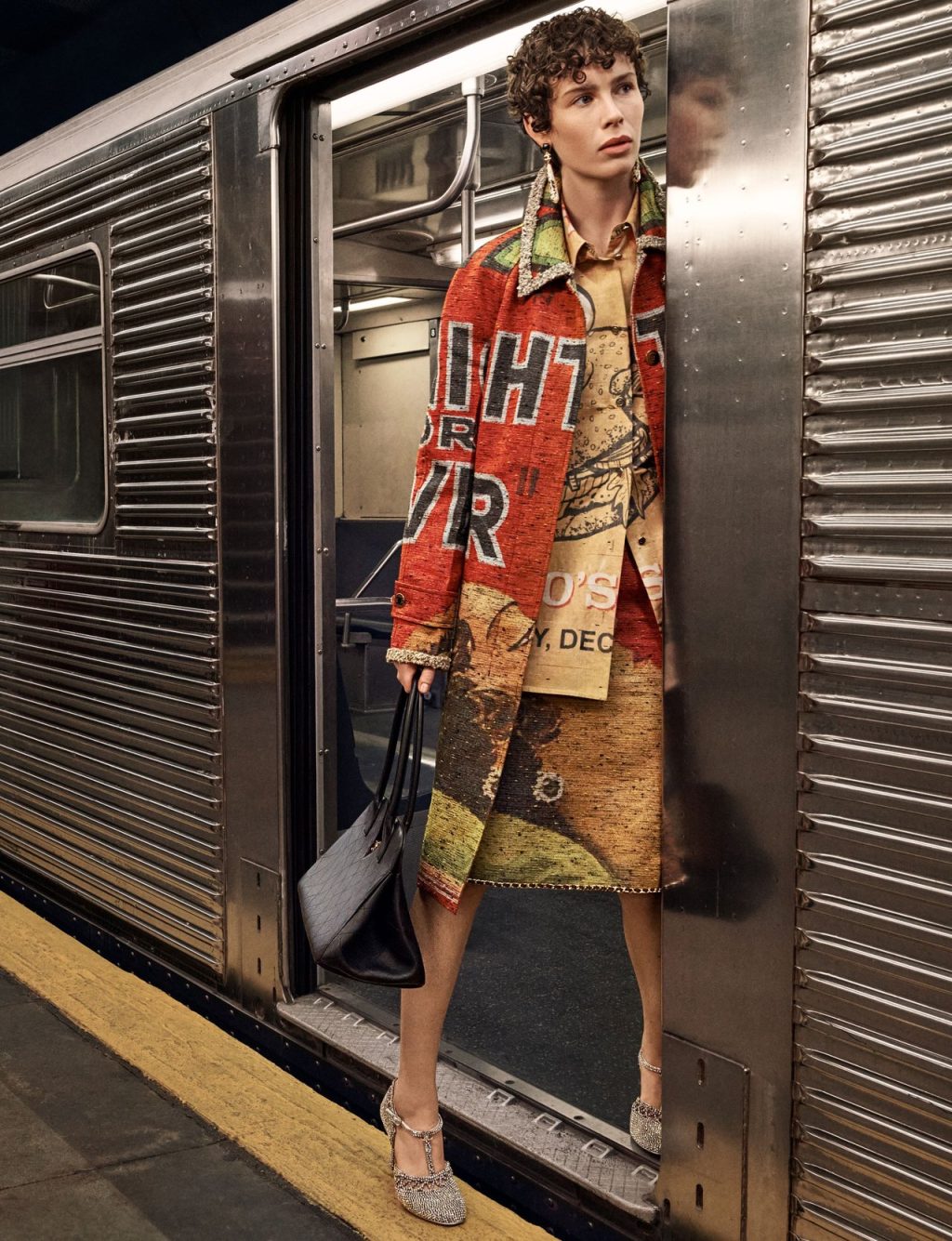
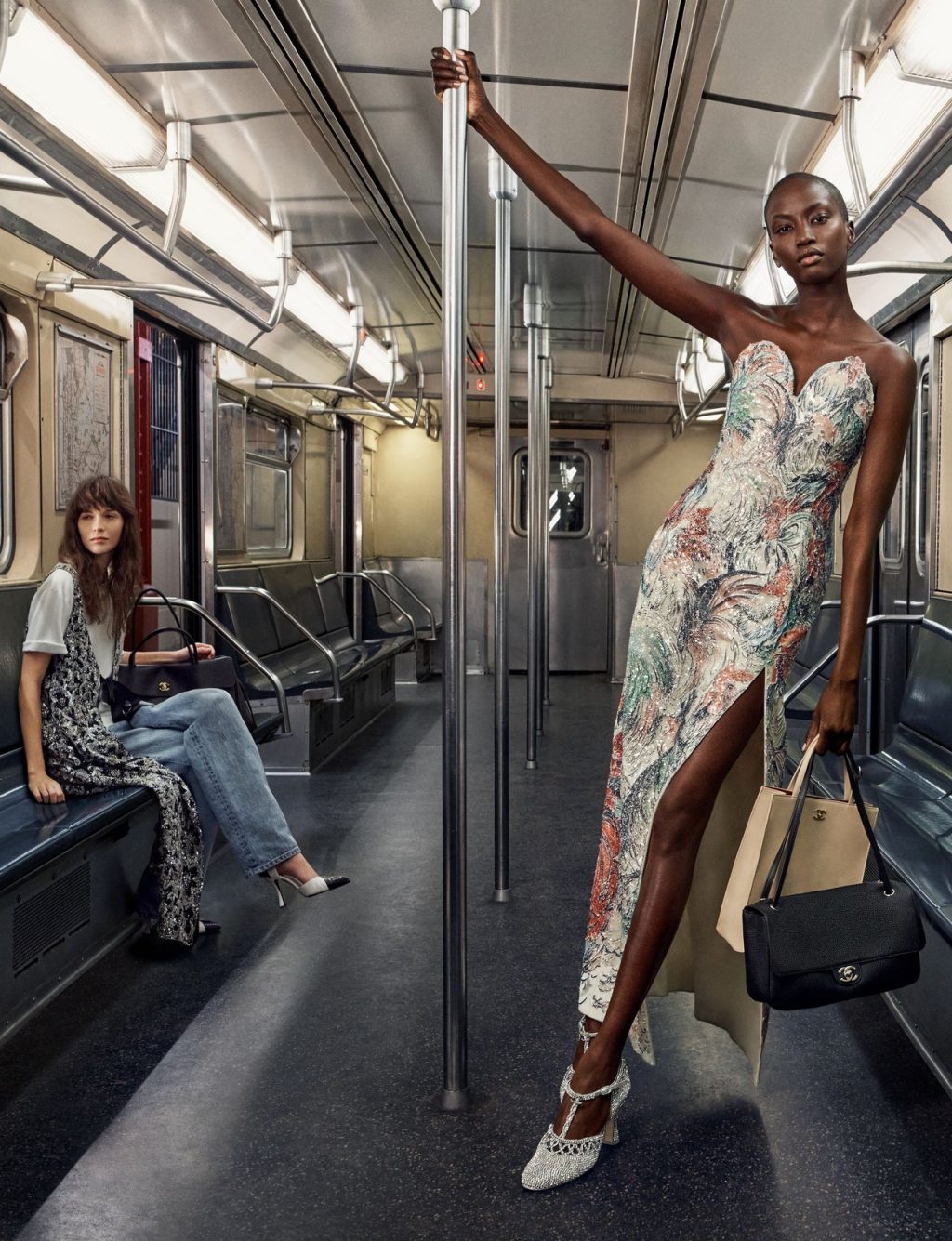
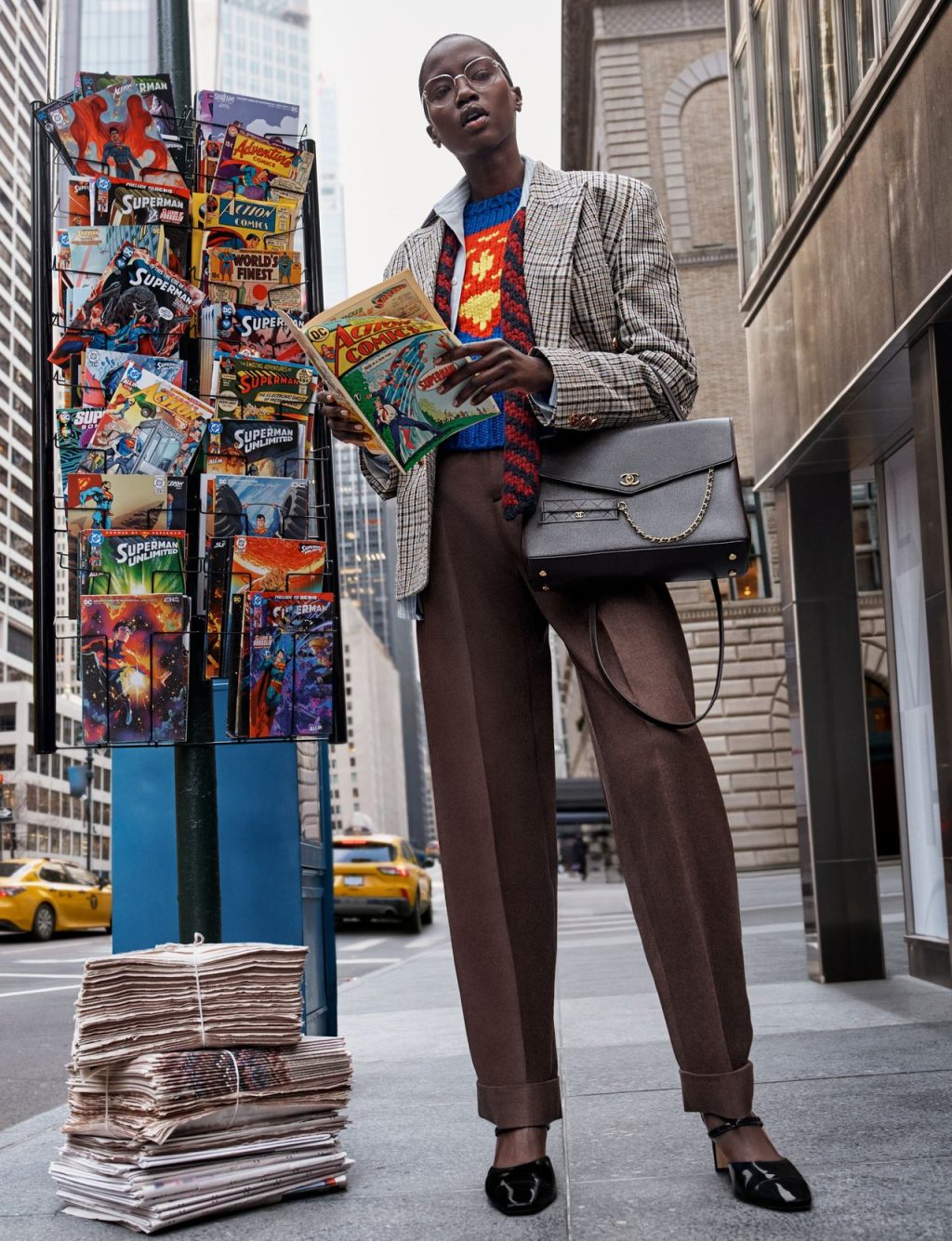
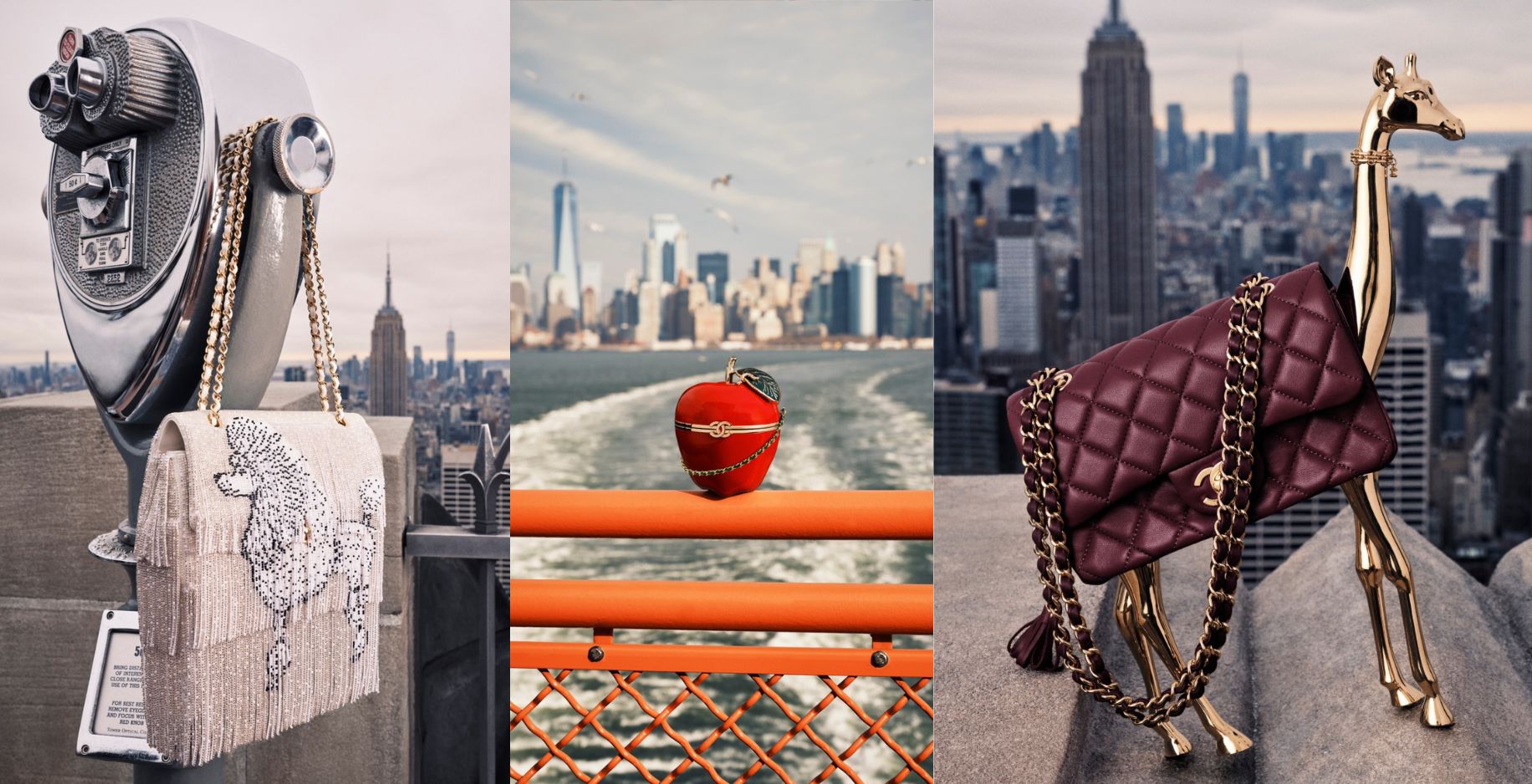
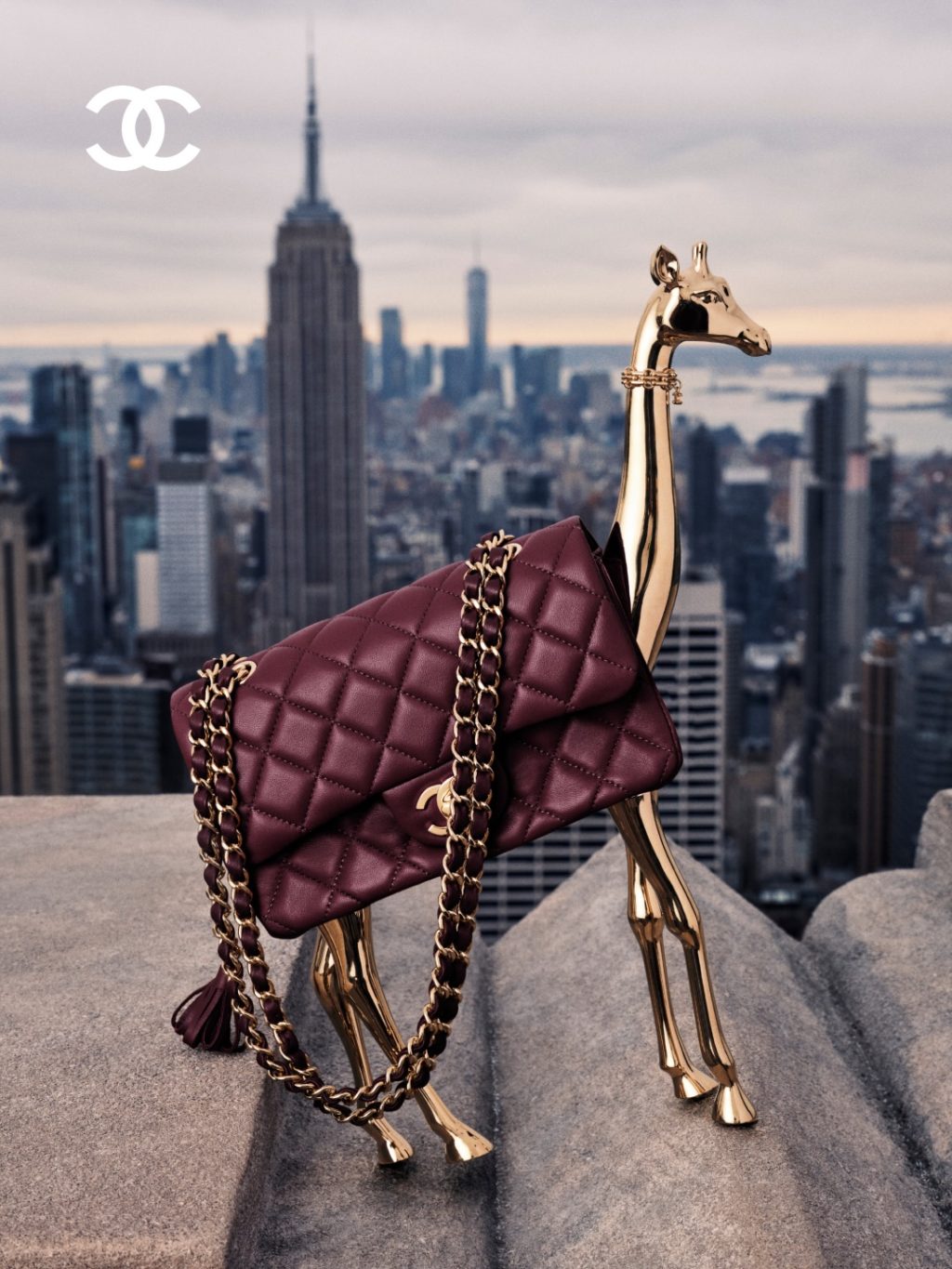
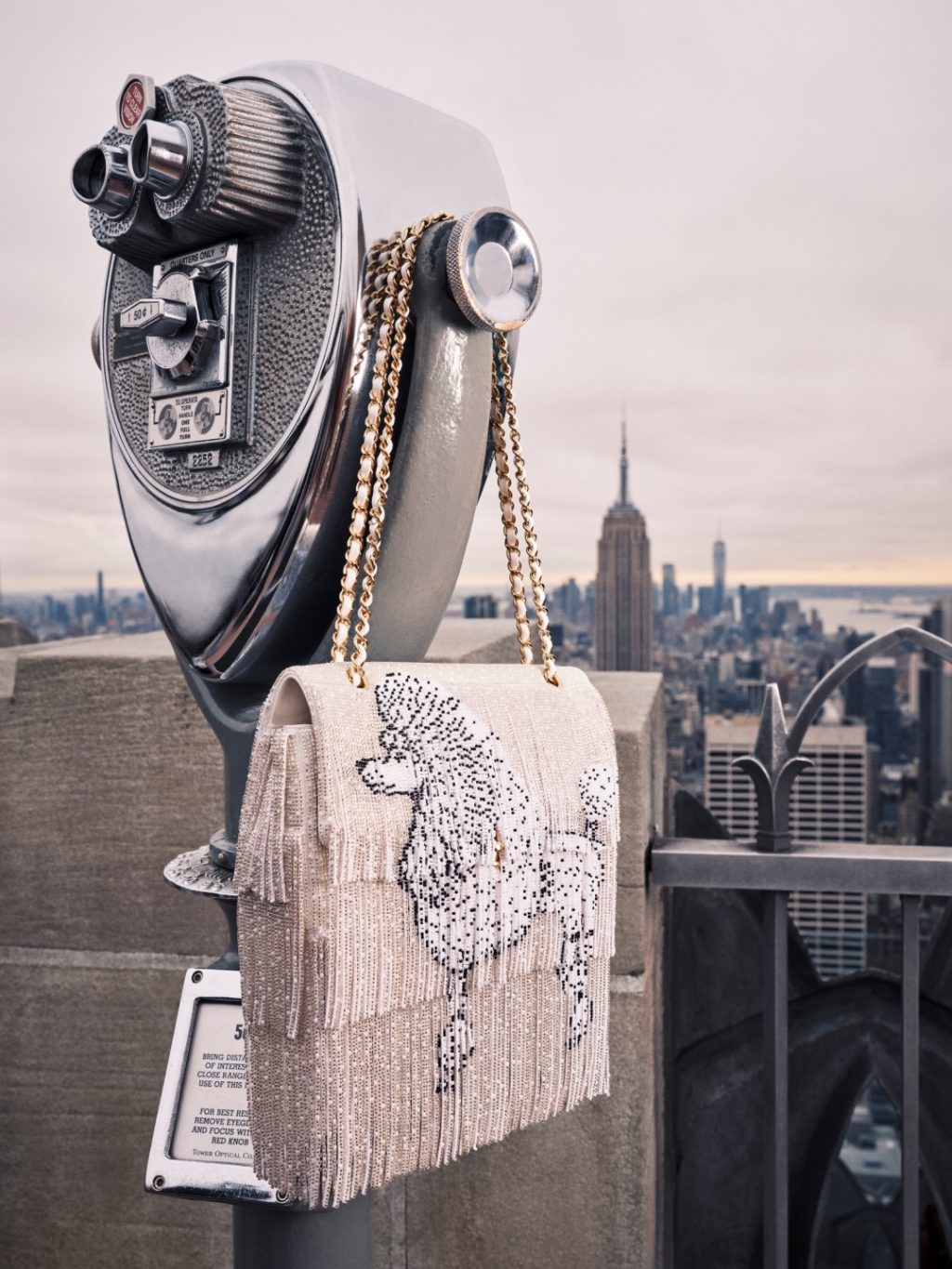
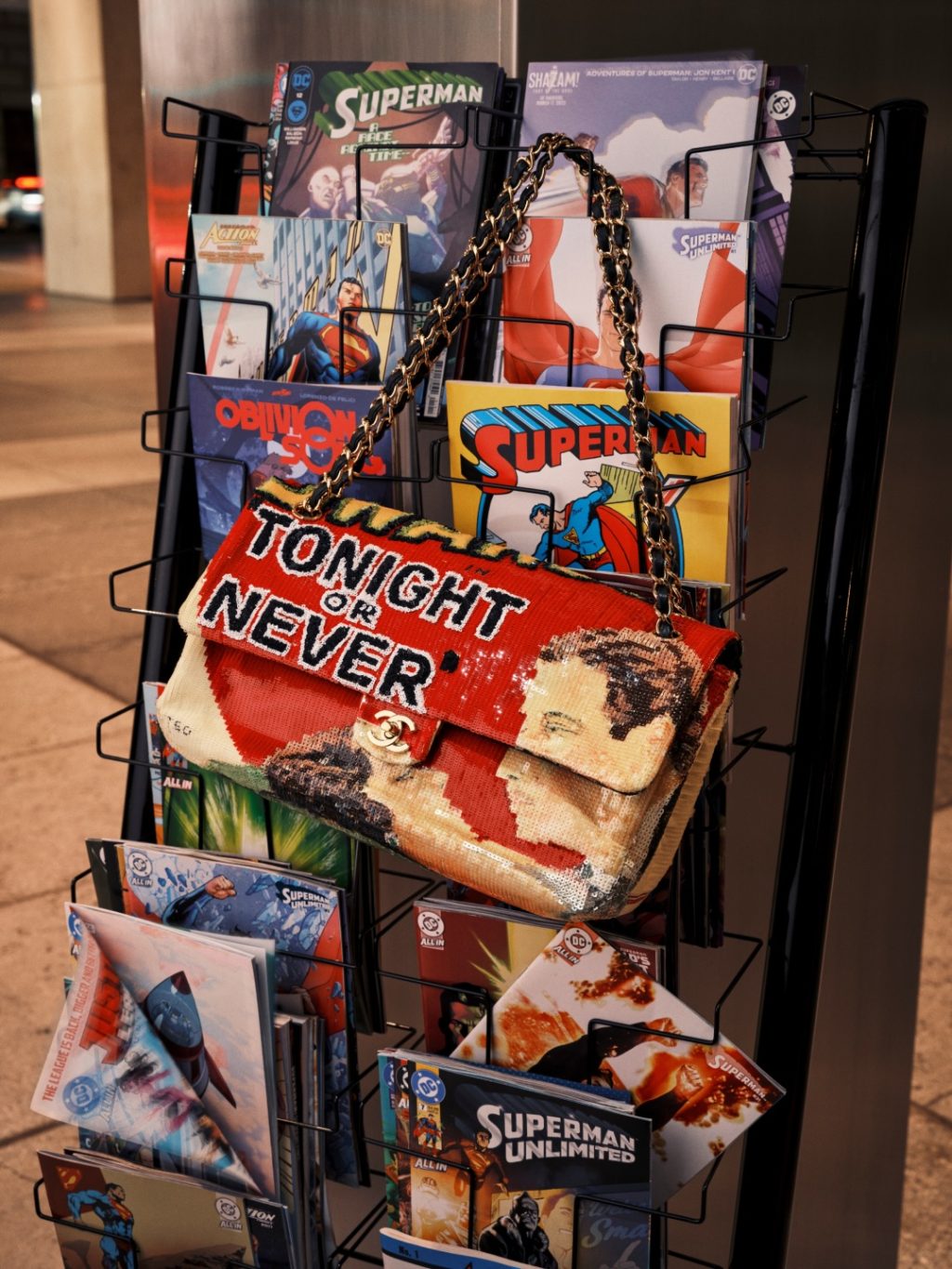
Craig McDean photographed the campaign in locations that felt simultaneously iconic and unglamorous: a teal-tiled diner kitchen, a newsstand stacked with Superman comics, Top of the Rock with the Empire State Building blurred behind a beaded evening bag. Extraordinary objects, placed in environments that demand nothing of them — and holding their own precisely because they are extraordinary.
READ ALSO All bags from Chanel’s Metiers d’Art 2026 show in New York
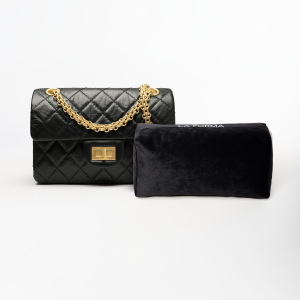
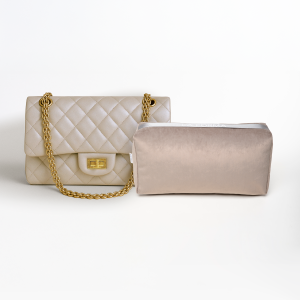
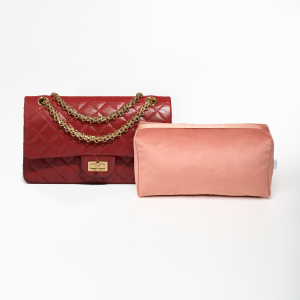
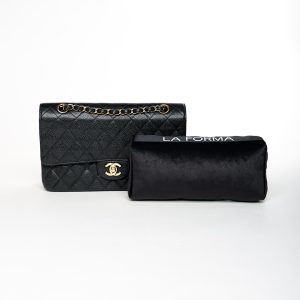
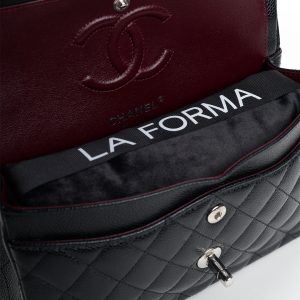
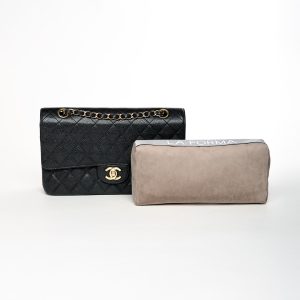
For anyone who owns a structured Chanel bag, Blazy’s emphasis on freedom of movement is worth thinking about beyond the runway. A bag that travels — packed for weekends, stored between seasons — benefits from support that matches its construction. LA FORMA’s bag pillow for the Chanel Classic Flap and for the Chanel 25 are designed for precisely this: keeping the quilted front flat, the base square, and the leather in the shape it was made for.
The Chanel Métiers d’Art 2026 Bags, One by One
The lineup is the most character-driven Chanel has produced in years. The classic flap survives — quilting, CC turnlock, double chain intact — but Blazy has layered over it a degree of narrative wit that is, for this House, genuinely new.
The Giraffe Mini Flap Bag in dark burgundy lambskin retains the signature quilting but extends a sculptural metal giraffe head from one end and a tasselled tail from the other, four small legs completing the base.
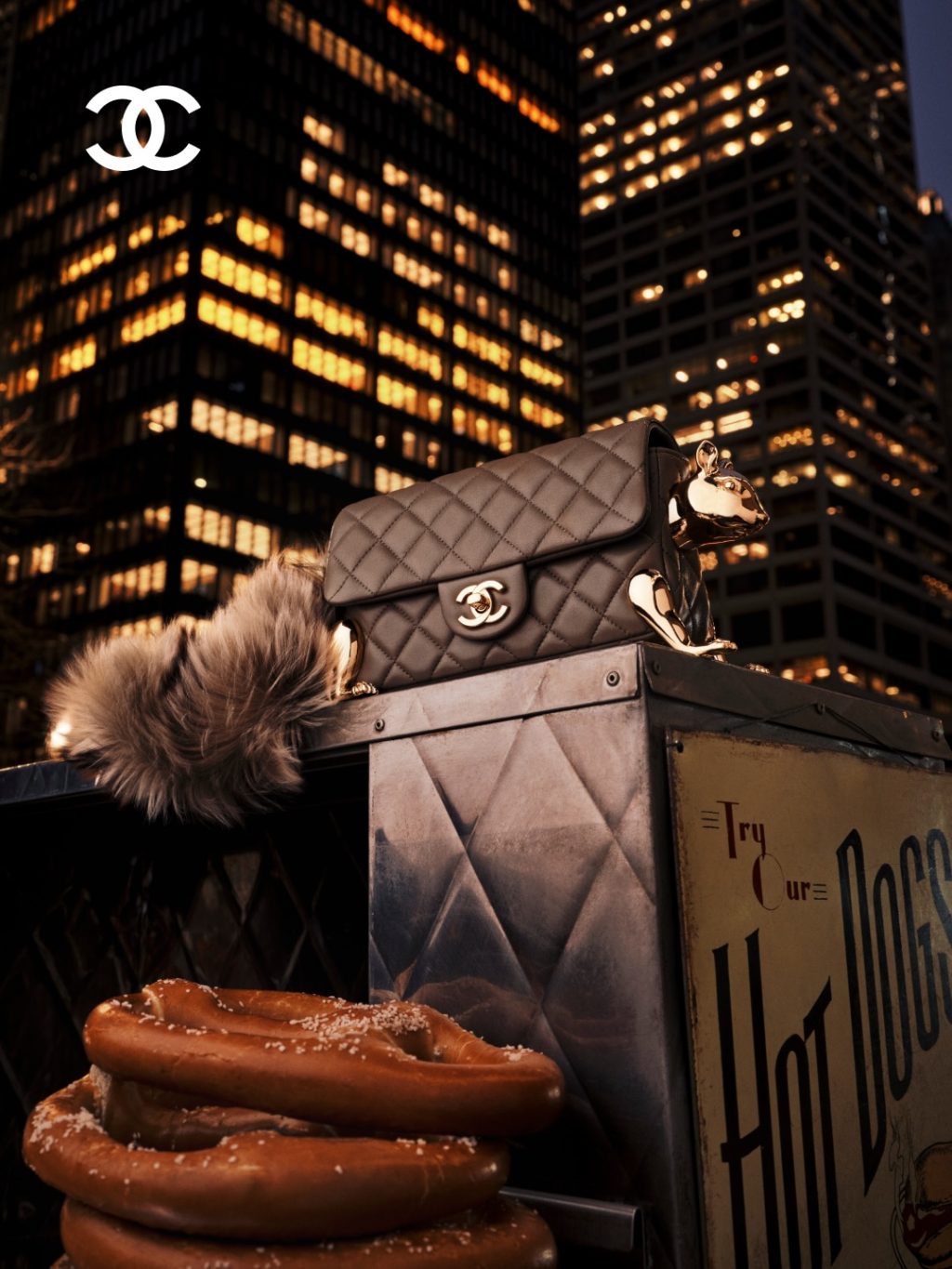
The Squirrel Mini Flap mirrors the idea in dark khaki lambskin, with a gold-tone metal head and a shearling tail climbing the chain strap. Conversation pieces, yes — but also proofs of technique, which is exactly what Métiers d’Art is for.
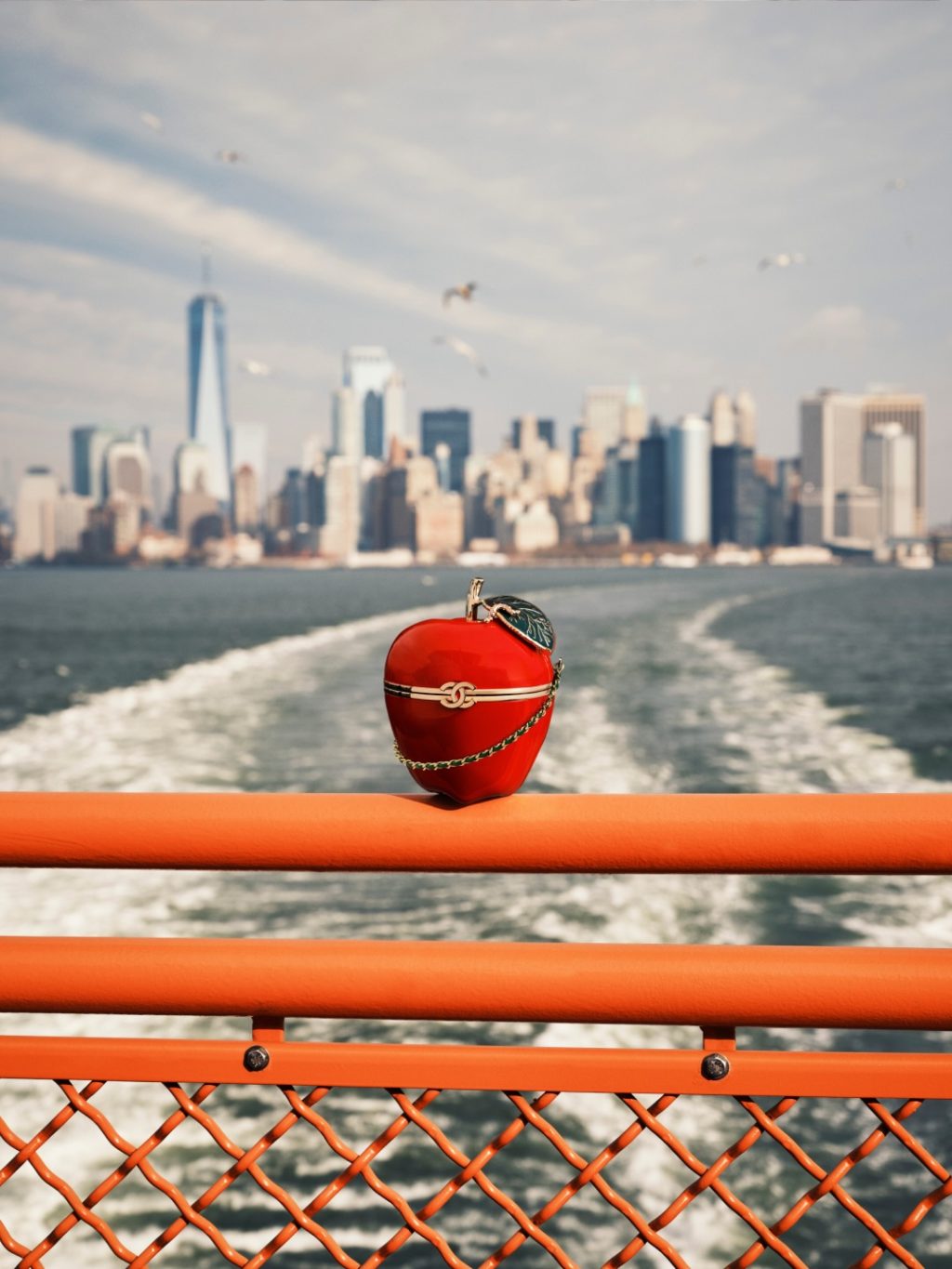
The novelty pieces push further. The Big Apple minaúdière — a lacquered red enamel apple with a green leaf and a fine gold chain — appeared on the rail of the Staten Island Ferry with One World Trade rising behind it: a single image that distilled the entire collection’s logic into one frame.
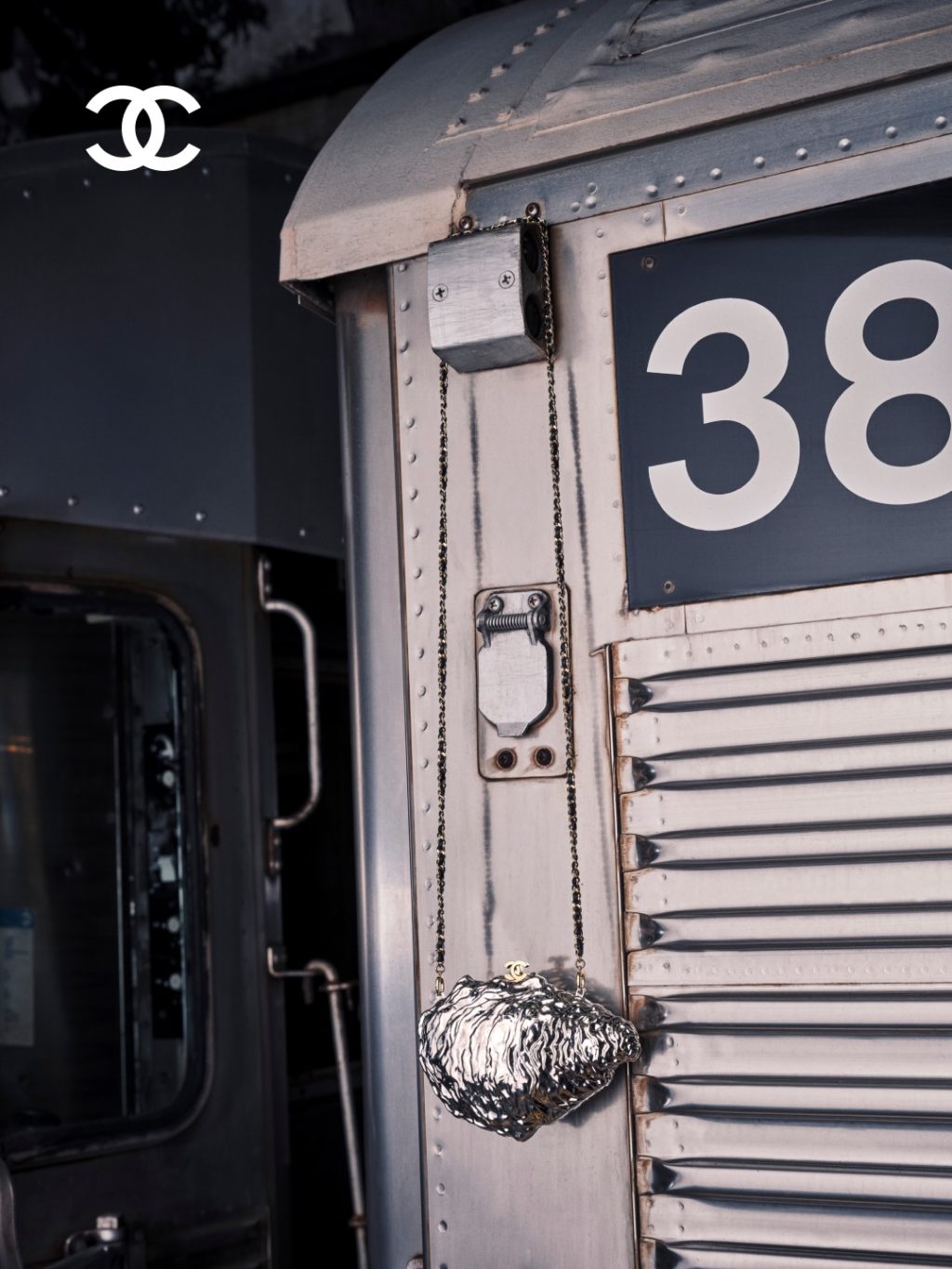
An acorn-shaped minaúdière and a crumpled-foil metallic clutch photographed on a commuter train completed the hyper-realist set. The ivory fringe flap, heavily embroidered by Lesage in black and white beads with fringe falling from the body, stood at Top of the Rock against the Empire State Building — craft positioned directly against the city’s most celebrated feat of engineering, and holding its own.
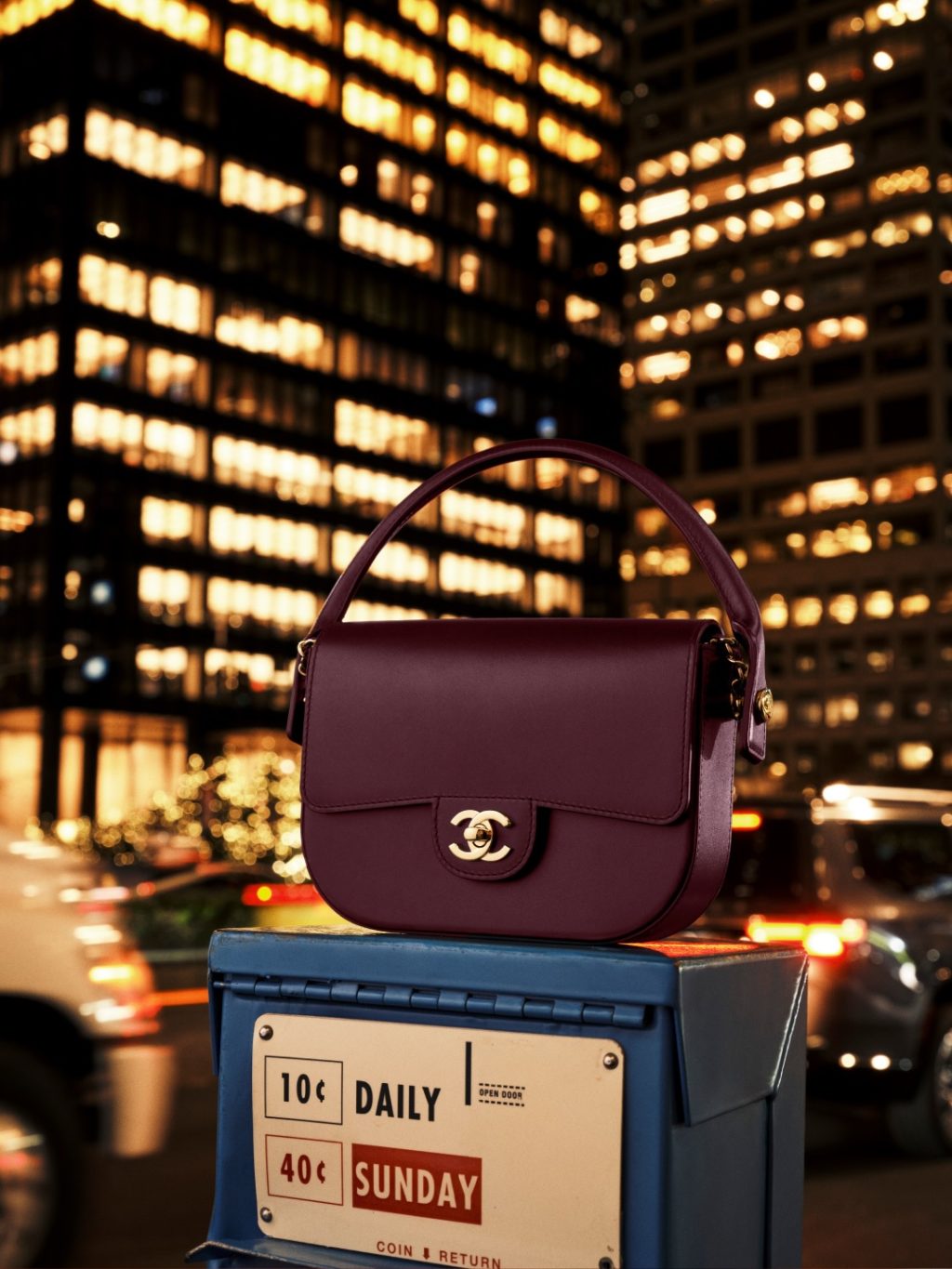
Practical shapes matched the ambition: a suede-and-leather commuter tote, a large caviar flap with no quilting, a burgundy top-handle that carries the presence of an evening bag in the proportions of a day bag.
A “Tonight or Never” sequin flap, a cheetah-print Chanel 25 in pony hair, and animal-print textures across the range — leopard, tiger, faux croc — completed a lineup that reads not as a collection of objects but as a series of arguments.
The giraffe flap and the clean caviar flap and the Big Apple minaúdière are all expressions of the same conviction: that a bag made with extraordinary skill has the right to exist in real life, without ceremony. That is what Chanel has always argued. Blazy, arriving with the energy of a city he has clearly studied, is making it new again.