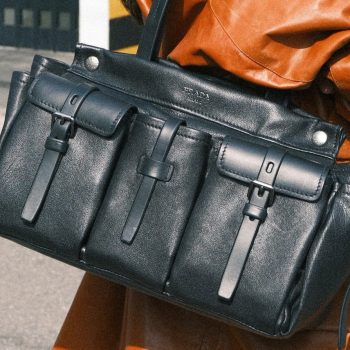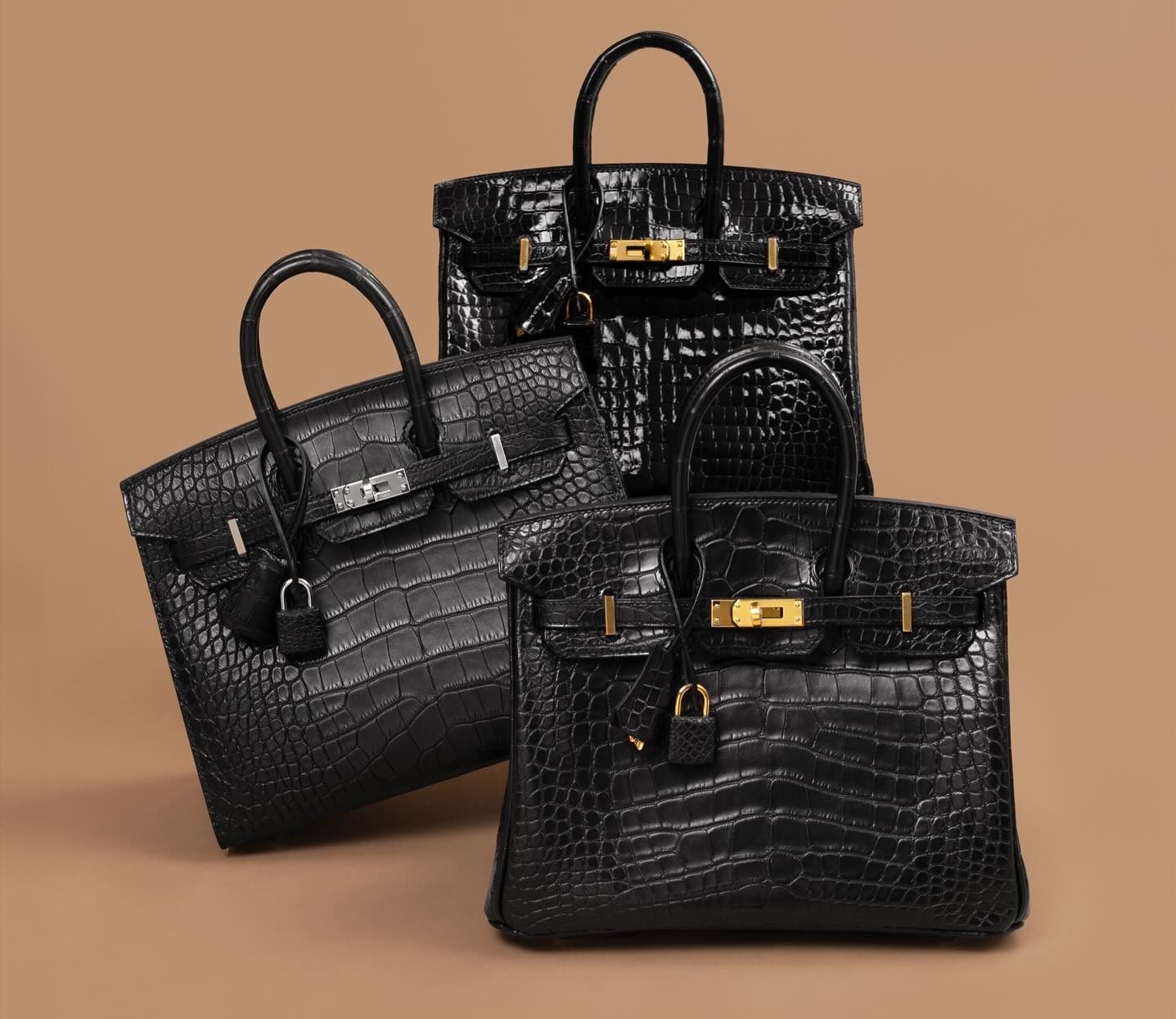
The Hermès Index isn’t a Bloomberg terminal metric—it’s a collector’s shorthand for a very specific phenomenon: the way Birkin value is propped up by retail price resets, structural scarcity, and persistent secondary-market premiums. In 2026, that trio matters more than ever, because Hermès continues to raise prices while demand remains insulated at the top end of the luxury market.
What the Hermès Index is
Call it an “index” only in the same way people say “the art market” when they really mean a ladder of discrete, illiquid transactions. The Hermès Index is best understood as a composite of:
- Retail pricing momentum (the brand’s annual repricing),
- Access friction (controlled distribution and limited supply), and
- Resale clearing prices (what the market actually pays when it wants the bag now).
It is not a guarantee of profit, not a substitute for a diversified portfolio, and not comparable to gold on liquidity. But it is a useful framework for explaining why a Birkin can feel like a “hard asset” in 2026—especially in the most liquid configurations: classic leathers, core sizes, and strong condition.
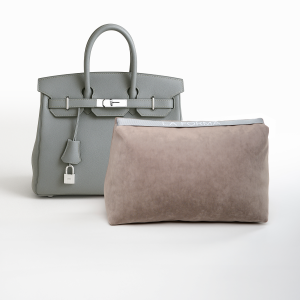
Birkin vs gold in 2026 — the clean comparison
Gold is priced continuously in deep, global markets. A Birkin is not. Gold’s returns are visible, mark-to-market, and relatively frictionless to realize; Birkin returns are transactional, shaped by spreads, fees, condition, and timing.
Over long periods, gold has delivered meaningful annualized returns (World Gold Council research shows ~5.8% annualized over a 30-year span ending 2022, depending on the period measured). That’s the baseline: liquid, globally recognized, easy to price.
A Birkin’s “return” is often more mechanical. When Hermès raises boutique prices, the entire resale floor tends to lift—especially for the combinations buyers treat as “default currency.” In other words, part of the outperformance story is not that the Birkin behaves like a commodity. It’s that Hermès periodically re-writes the replacement cost, and the secondary market recalibrates around it.
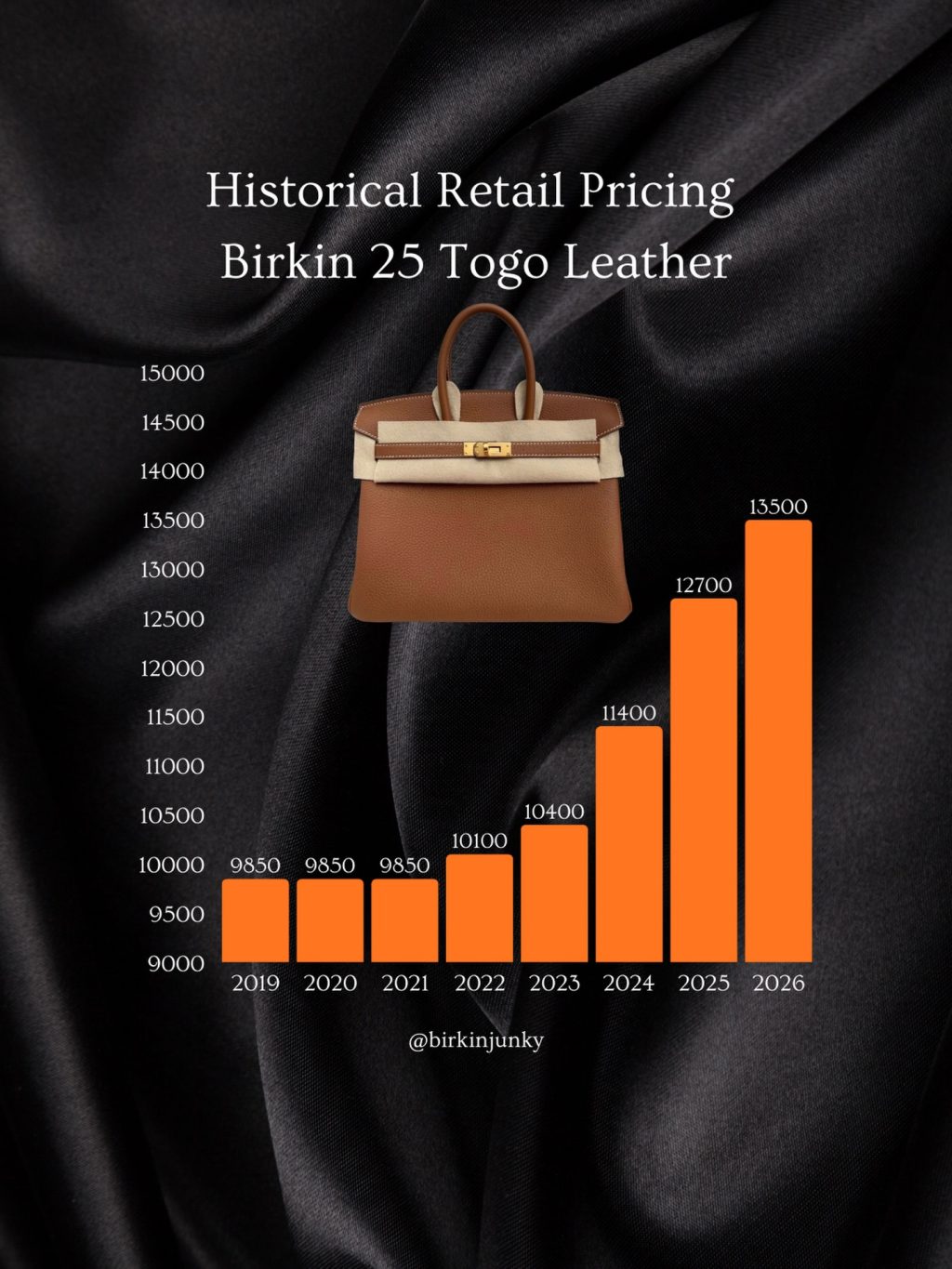
The 2026 retail reset — pricing power as a return engine
In January 2026, Sotheby’s reported another upward move in Hermès pricing for the Birkin 25 in Togo: in the U.S., $12,700 (May 2025) → $13,500 (2026), and in Europe €8,950 → €9,600.
This matters because it changes the psychology of “expensive” on the resale market. When the boutique price rises, a resale listing that once looked irrational can suddenly look like a time-saving premium. Price hikes don’t just increase retail—they re-anchor what buyers feel is “normal.”
Hermès’ own financial reporting context supports the mechanism: the house has continued to raise prices (Reuters cited roughly 5–6% increases “this year,” slightly down from 2025’s pace), and demand at the high end has remained resilient.
The secondary-market premium — where “outperformance” is won or lost
If you want the Hermès Index in one sentence, it’s this: retail sets the floor; scarcity sets the premium; condition decides the spread.
Sotheby’s analysis of the secondary market shows how premiums behave by size and over time. In 2024, it noted that a pristine Togo Birkin 25 sold for about 2.5× Hermès boutique price, while a Togo Birkin 30 sold around 2.4×—and that premiums were closer to ~3× retail in 2021 for comparable leather Birkins.
That detail is crucial for 2026 buyers: retail has risen, and premiums can compress even if resale prices stay strong. Your “return” is not just about the bag going up; it’s about whether you overpay relative to the current premium regime.
Premiums by size: why the 25 behaves differently than 30/35
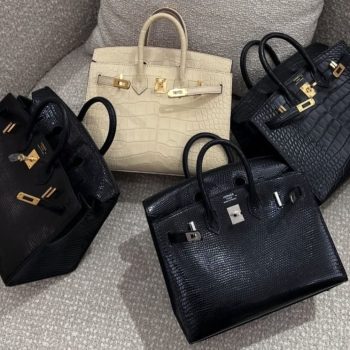
The Birkin 25 is the market’s sweet spot: compact, high-demand, and culturally coded as the modern default. That demand concentration is why the 25 tends to command the sharpest multiples—especially in durable leathers like Togo, in colors the market treats as evergreen.
Bigger sizes can still appreciate, but they often behave like a different asset class: more lifestyle-driven, more sensitive to carry trends, and sometimes slower to exit. If you’re buying for value retention first, size is not a taste decision—it’s a liquidity decision.
Craftsmanship as valuation infrastructure
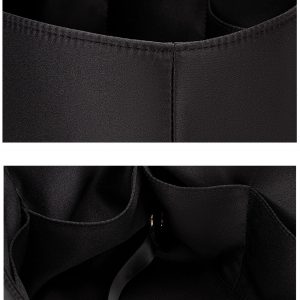
A Birkin’s pricing power is not purely brand myth. The product is engineered to be repairable, inspectable, and—when cared for—remarkably stable over time. That’s why condition sensitivity is so severe: collectors aren’t buying “a red bag.” They’re buying an object whose value is stored in its edges, handles, hardware, and structure.
Materials that hold value better
Think in terms of wear signatures. Grained leathers like Togo can disguise micro-scratches and remain visually consistent, which helps resale. Softer leathers can show slouch, corner wear, and handle darkening faster. Exotics can command higher prices, but they also raise the stakes on documentation, maintenance, and buyer pool size.
Hardware, closure, and carry: the value-sensitive stress points
The “value map” of a Birkin is predictable:
- Top handles (glazing cracks, darkening, flattening from pressure)
- Corners and base (abrasion + color loss)
- Hardware (scratches, plate wear, turnlock action)
- Sangles and closure discipline (shape memory, strap creasing)
A bag can be authentic and still be a poor buy if these high-stress areas have already taken the hit.
Why this matters now in 2026: access friction, litigation noise, and demand psychology
Scarcity isn’t just a vibe—it’s an operating model. Even the legal headlines underline how much access has become part of the Birkin’s market structure. In February 2026, Reuters covered an appeal tied to claims that Hermès effectively requires additional purchases before access to Birkin bags—an allegation Hermès disputes, but one that highlights the market’s core tension: demand exists beyond supply at retail.
For the secondary market, that access friction is gasoline. It doesn’t guarantee appreciation, but it sustains the willingness to pay a premium—especially when retail continues to climb.
Practical buyer guidance: how to buy “right” in 2026
Buying “right” is not about chasing the hottest color. It’s about minimizing friction, avoiding premium traps, and choosing combinations with the broadest buyer pool if you ever need to exit.
The buyer checklist (fast scan)
- Start with the 2026 retail baseline (know boutique price in your region before you negotiate).
- Treat condition as price, not as a footnote: corners, handles, hardware, glazing, interior marks.
- Prioritize liquid configurations if value retention is the goal: classic sizes, classic leathers, neutral or high-demand tones.
- Demand full set / documentation where possible; the easier the paper trail, the tighter the resale spread.
- Be realistic about fees: authentication, platform commissions, shipping/insurance, potential refurbishment.
- Don’t confuse “rare” with “liquid.” Some rare specs sell slowly and at a discount if the buyer pool is thin.
- Price discipline wins: if the premium exceeds the market’s current norm for that size/leather/condition, walk.
Care as value protection: storage, structure, and long-term preservation
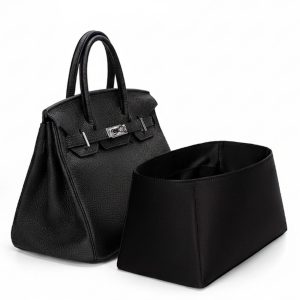
Gold can sit in a vault and remain gold. A Birkin lives in the physical world—and physics is merciless. The fastest way to leak value is not a scratch; it’s structure loss: collapsed panels, handle dents, and corner fatigue that makes the bag look older than it is.
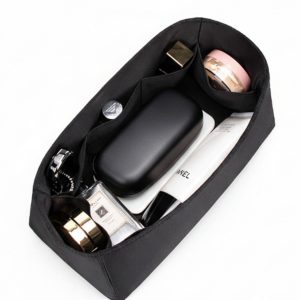
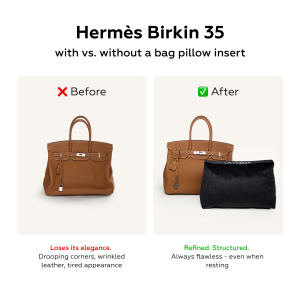
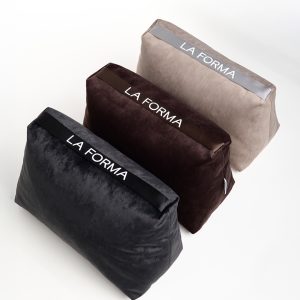
Store it upright, avoid compressing the top handles, keep it out of humidity and direct heat, and don’t let it “rest” empty in a way that encourages slouch. This is exactly where bag pillows become a quiet value tool: not as an accessory, but as a structural support that helps the bag hold its intended silhouette over time. A well-shaped Birkin simply photographs, presents, and resells better.
FAQs
Is a Birkin really a better investment than gold in 2026?
It can outperform in specific cases—especially if you buy close to rational premium levels and maintain pristine condition. But gold is far more liquid, transparent, and cheap to transact. The Birkin’s edge is scarcity + retail repricing; its weakness is friction (fees, condition, time to sell).
Which Birkin holds value best?
Market behavior repeatedly favors classic sizes (especially 25), durable leathers, excellent condition, and “easy” colors. Premiums also depend on whether Hermès retail prices rise faster than resale prices in a given year.
Do Hermès price increases help resale every time?
They help the floor, but can compress resale multiples if secondary prices don’t rise as fast. That’s why paying an inflated premium in 2026 can be the difference between “outperformance” and dead money.
What’s the single easiest mistake buyers make in 2026?
Overpaying for “rarity” while ignoring exit liquidity and condition risk—then discovering that fees and price compression erase the headline appreciation.
Conclusion
The Hermès Index in 2026 is less about mythology and more about market structure: price resets, restricted access, and condition-sensitive premiums. Gold remains the cleaner asset—liquid, universally priced, and easy to hold. The Birkin wins when you buy with discipline, choose liquid specs, and preserve the bag like the high-value object it is.
One quiet rule: protect shape, protect value. If your Birkin is part of a long-term collection strategy, storing it correctly—and supporting it with a well-fitted bag pillow—is a small habit that compounds over years.