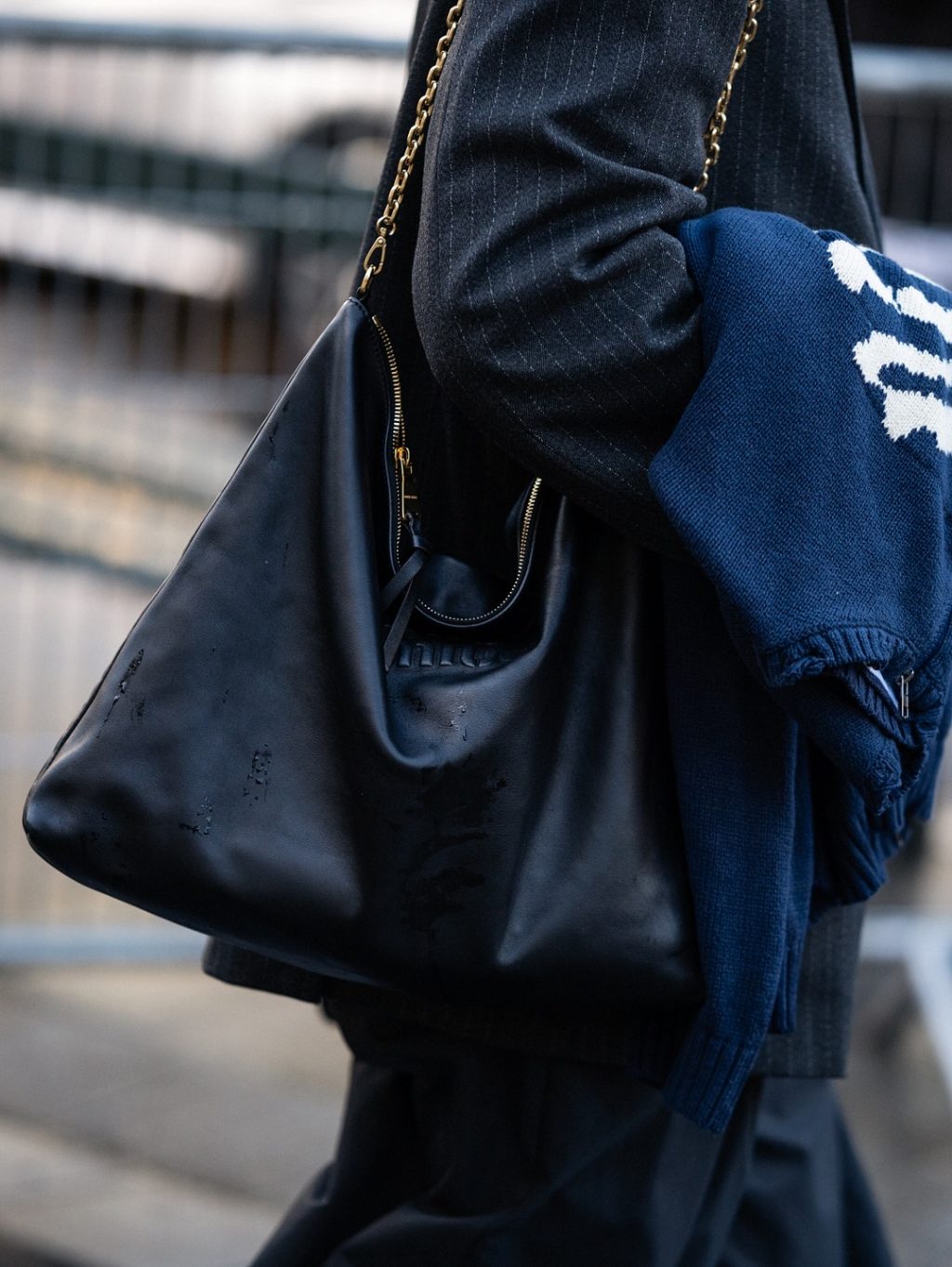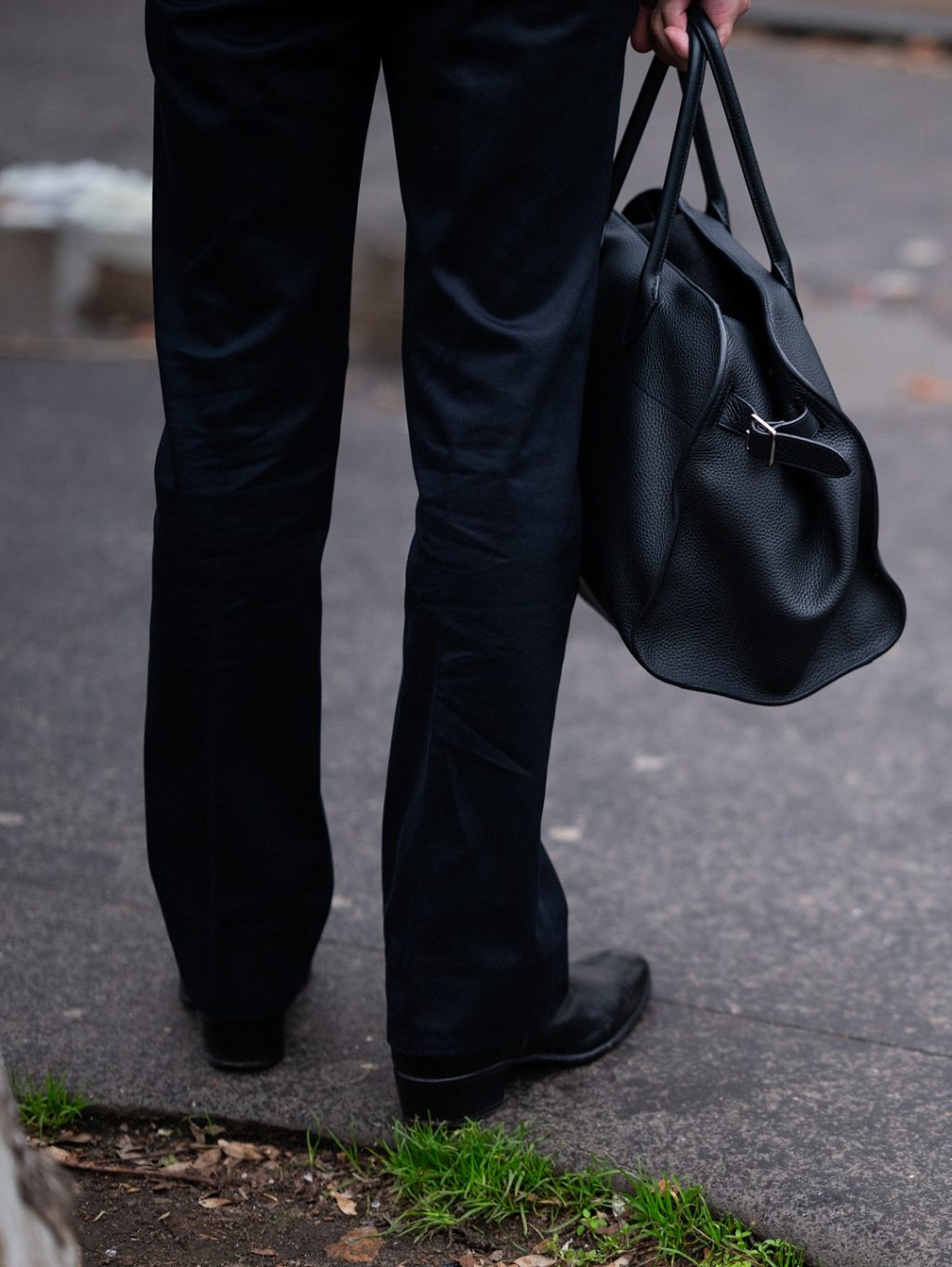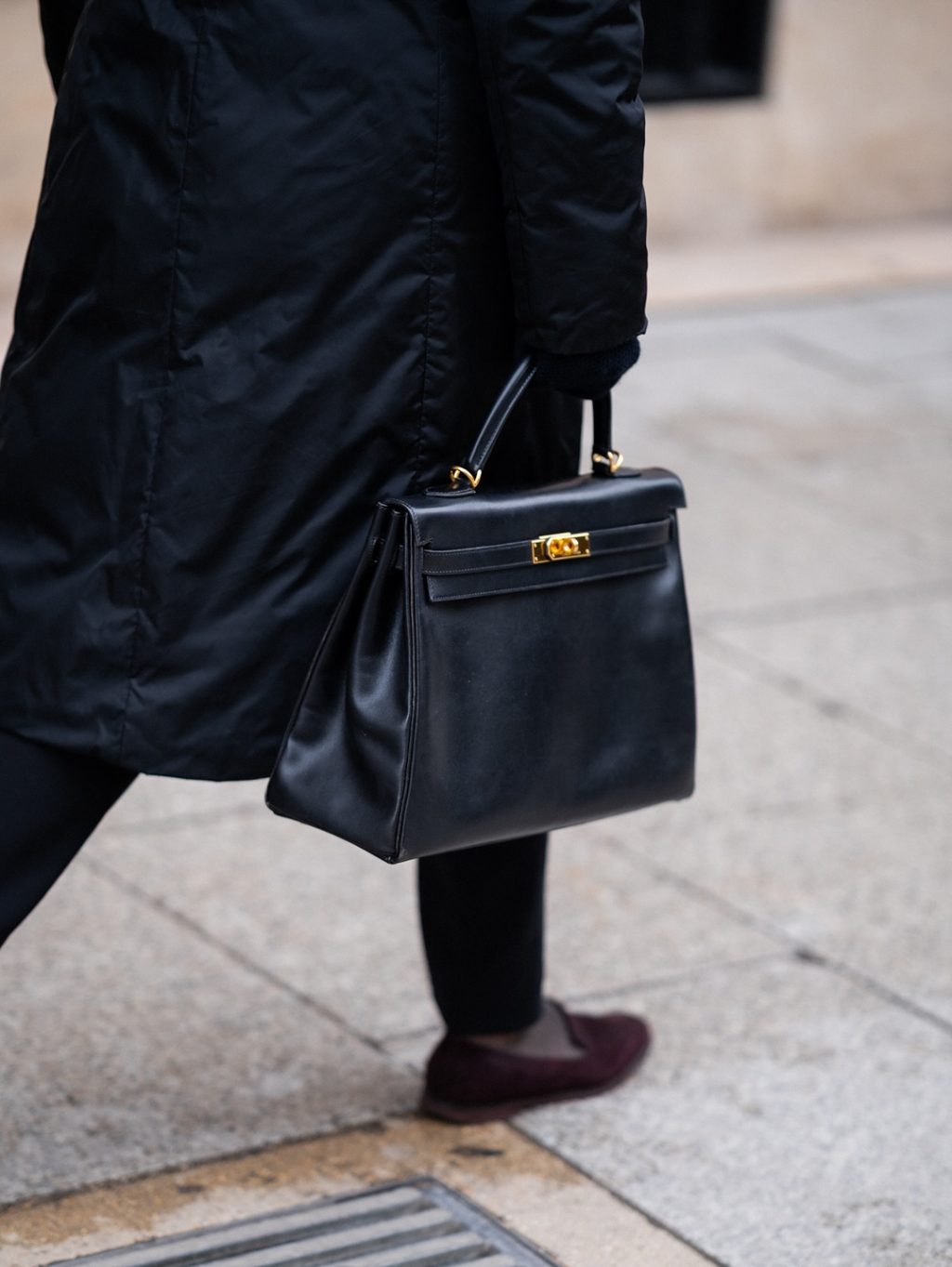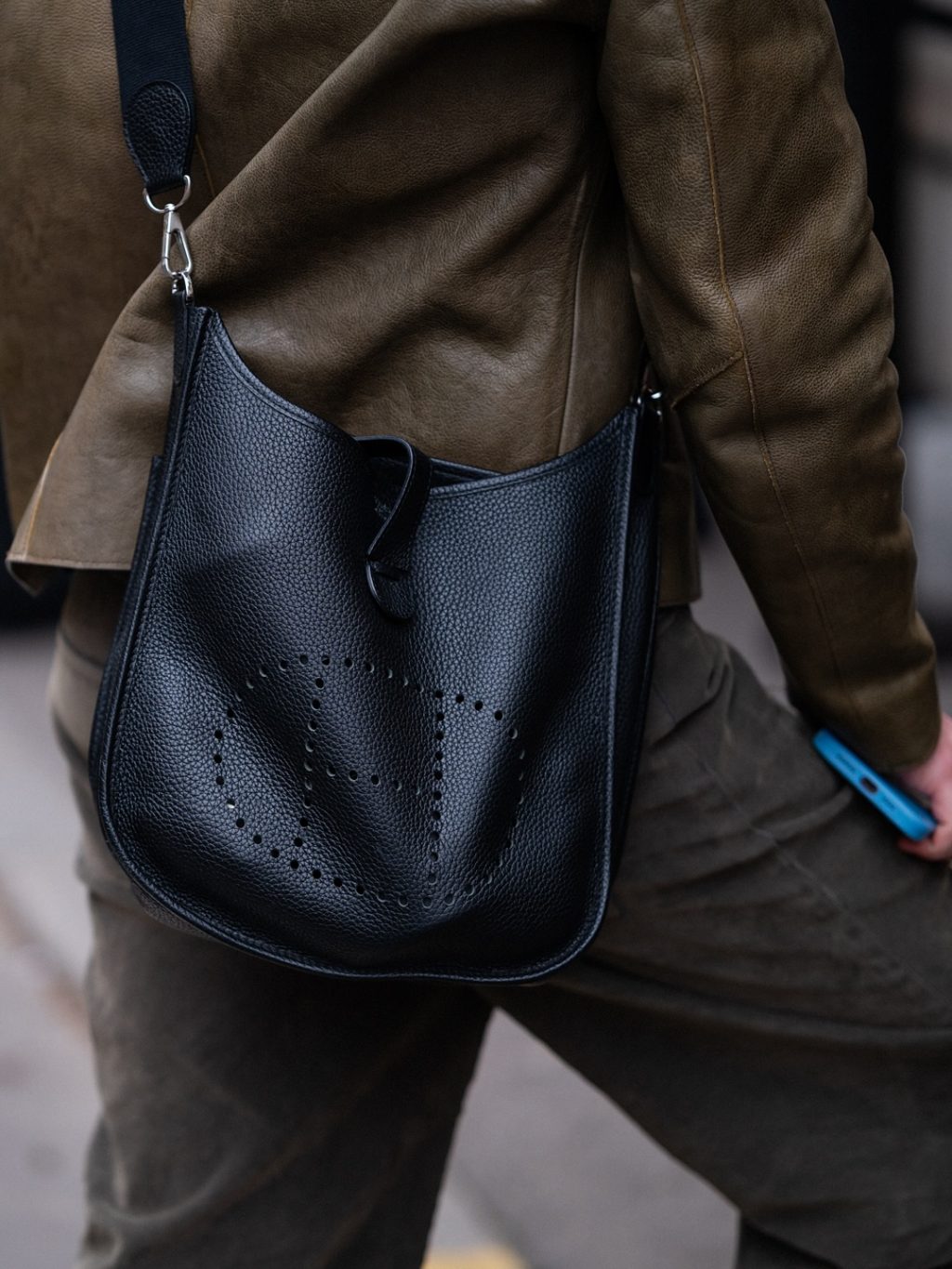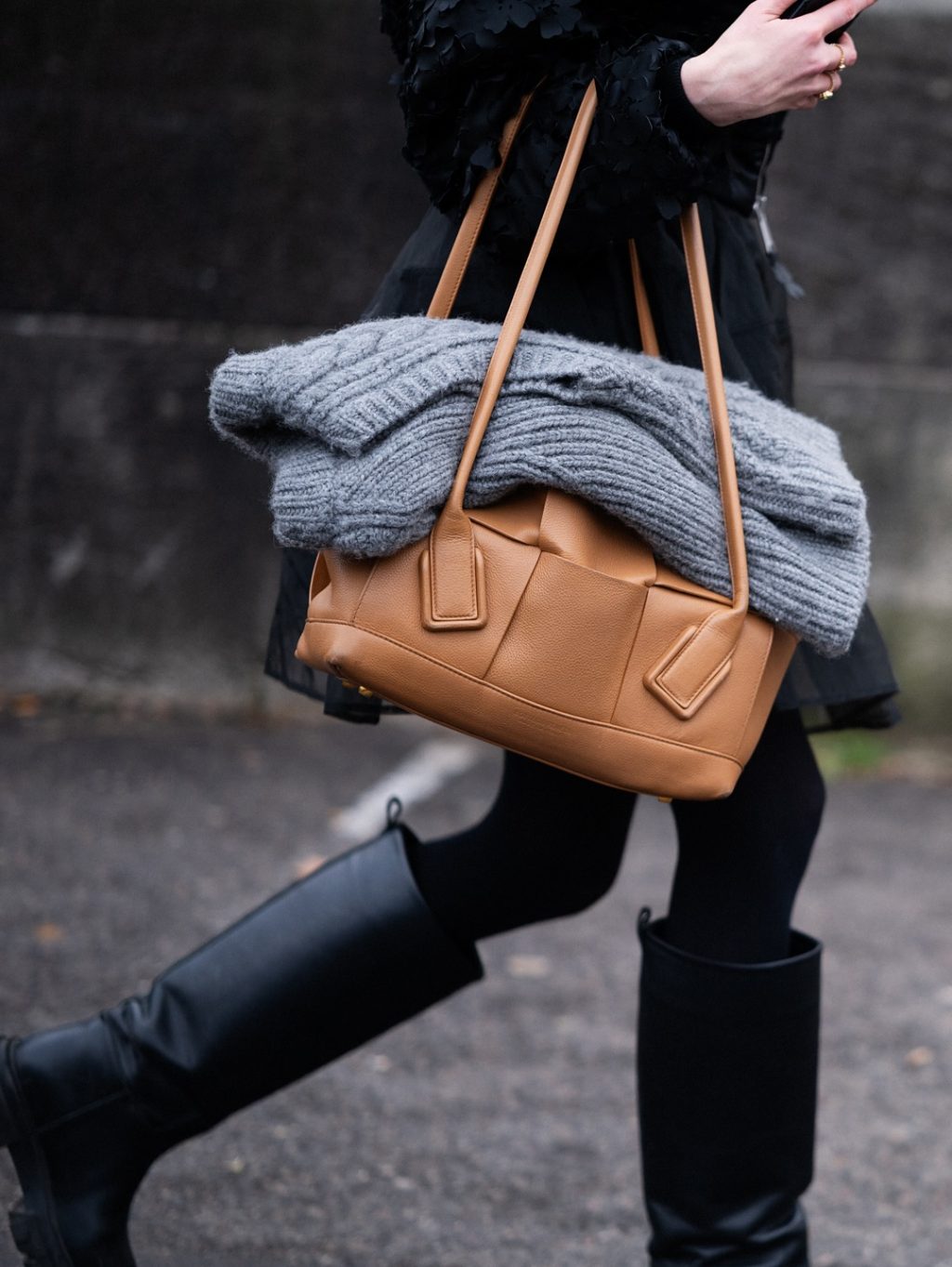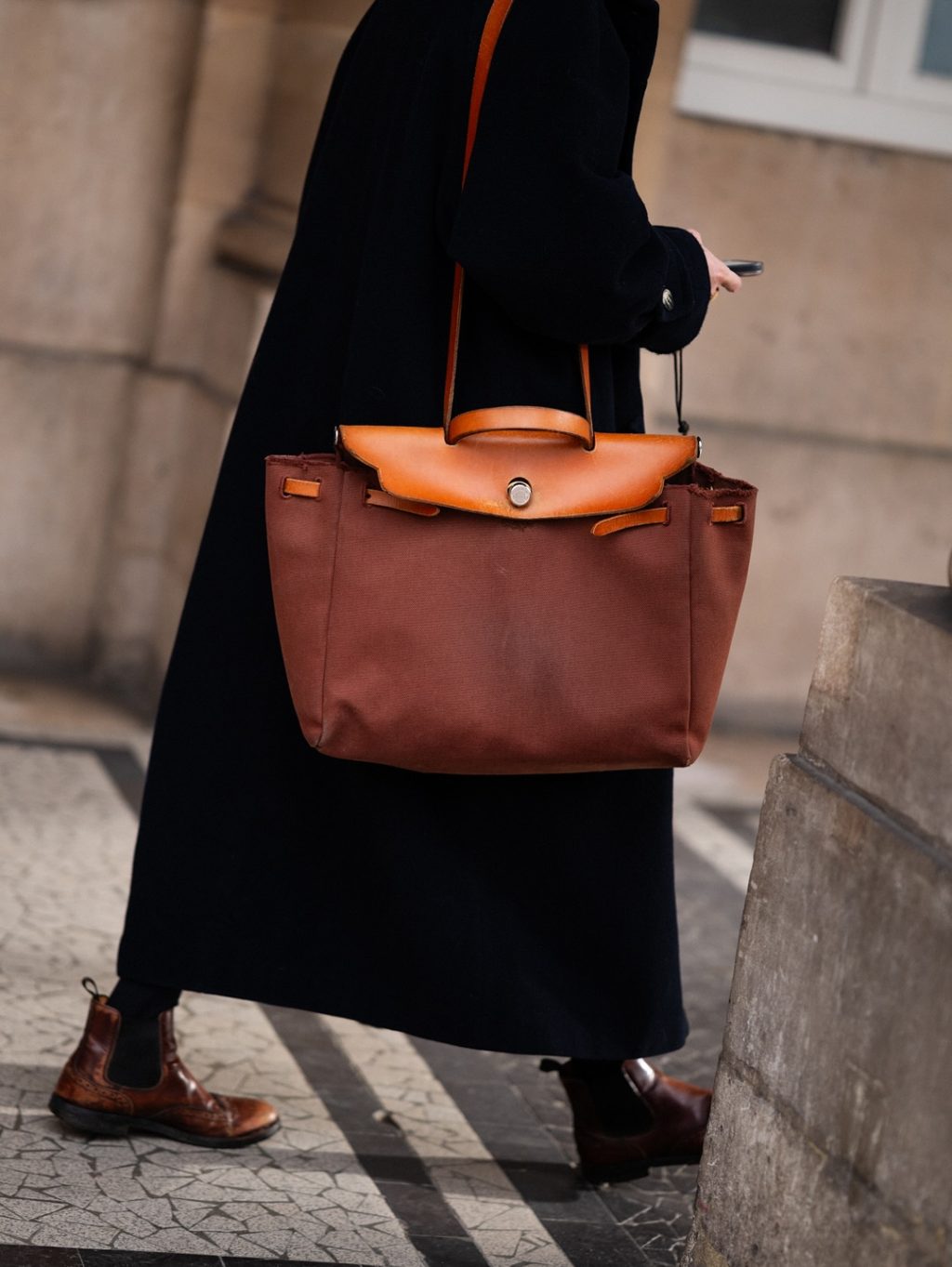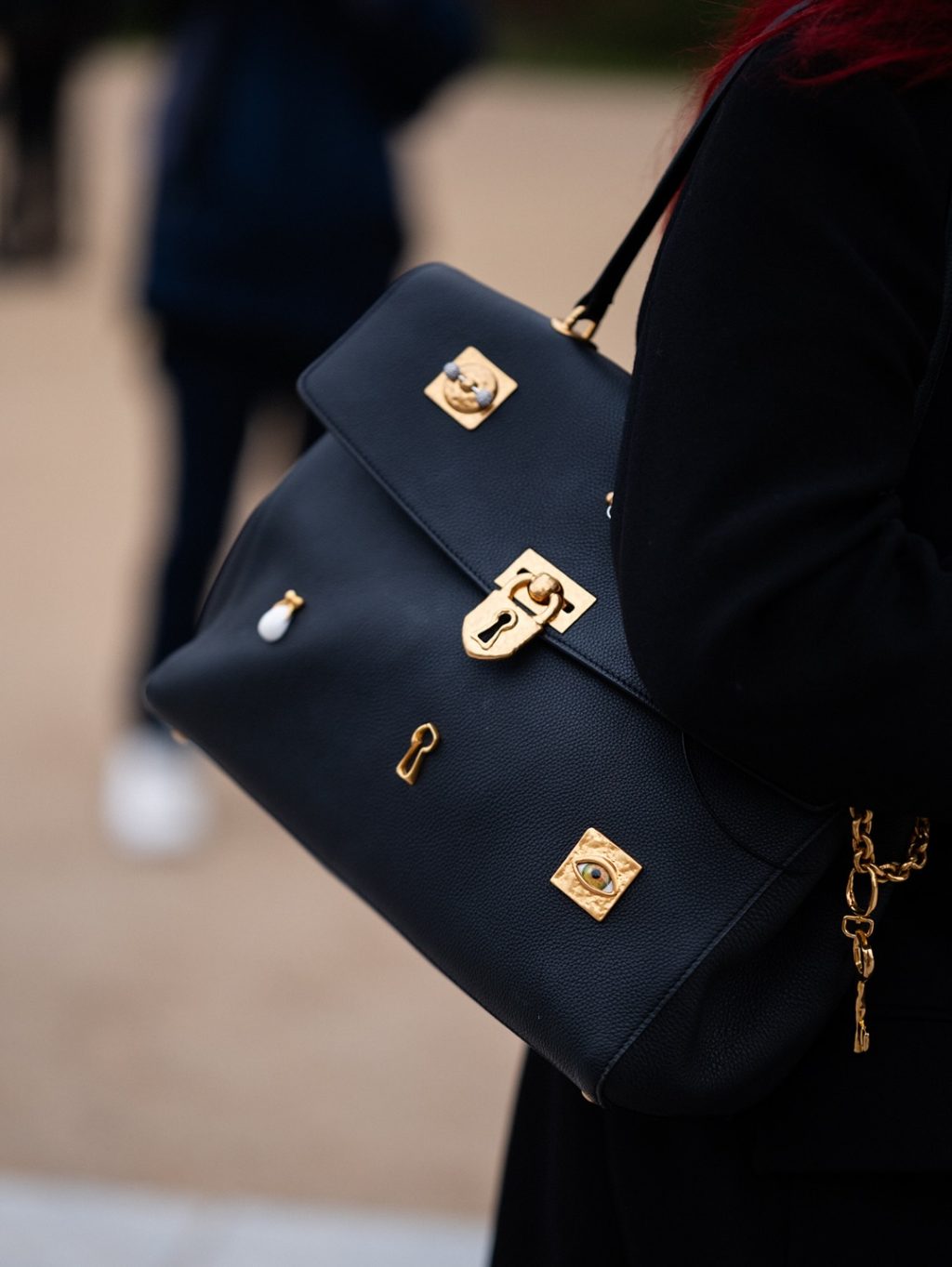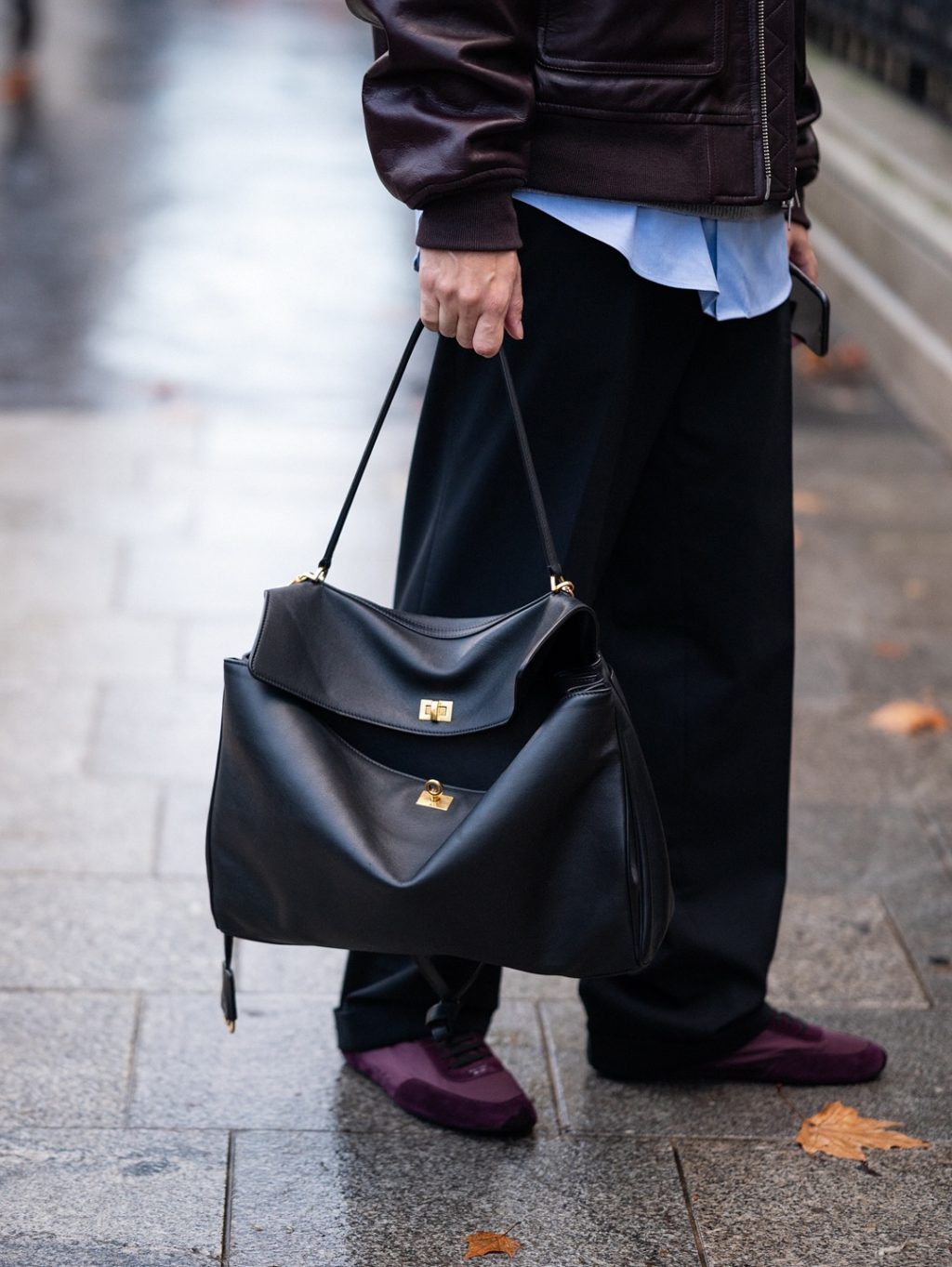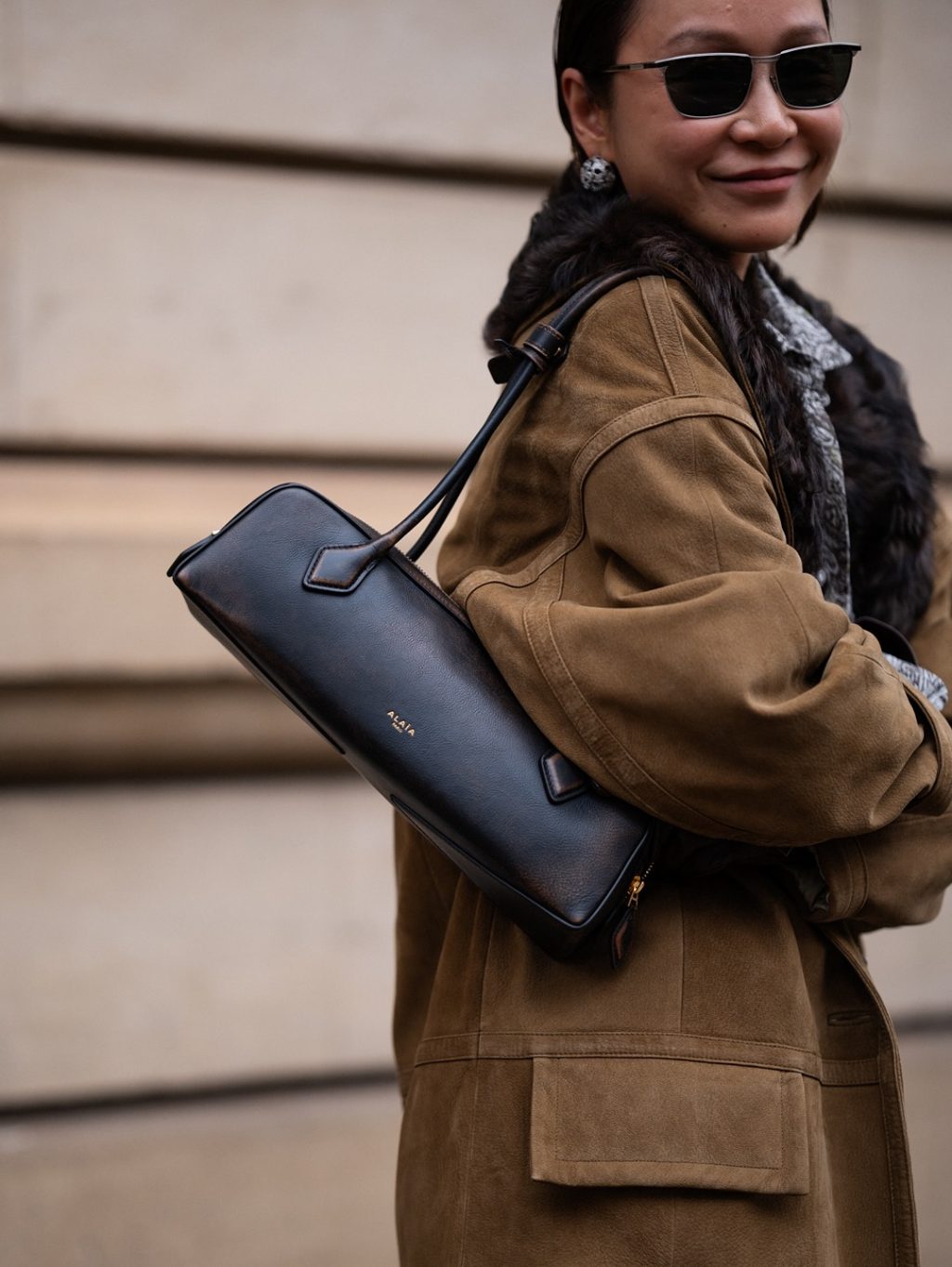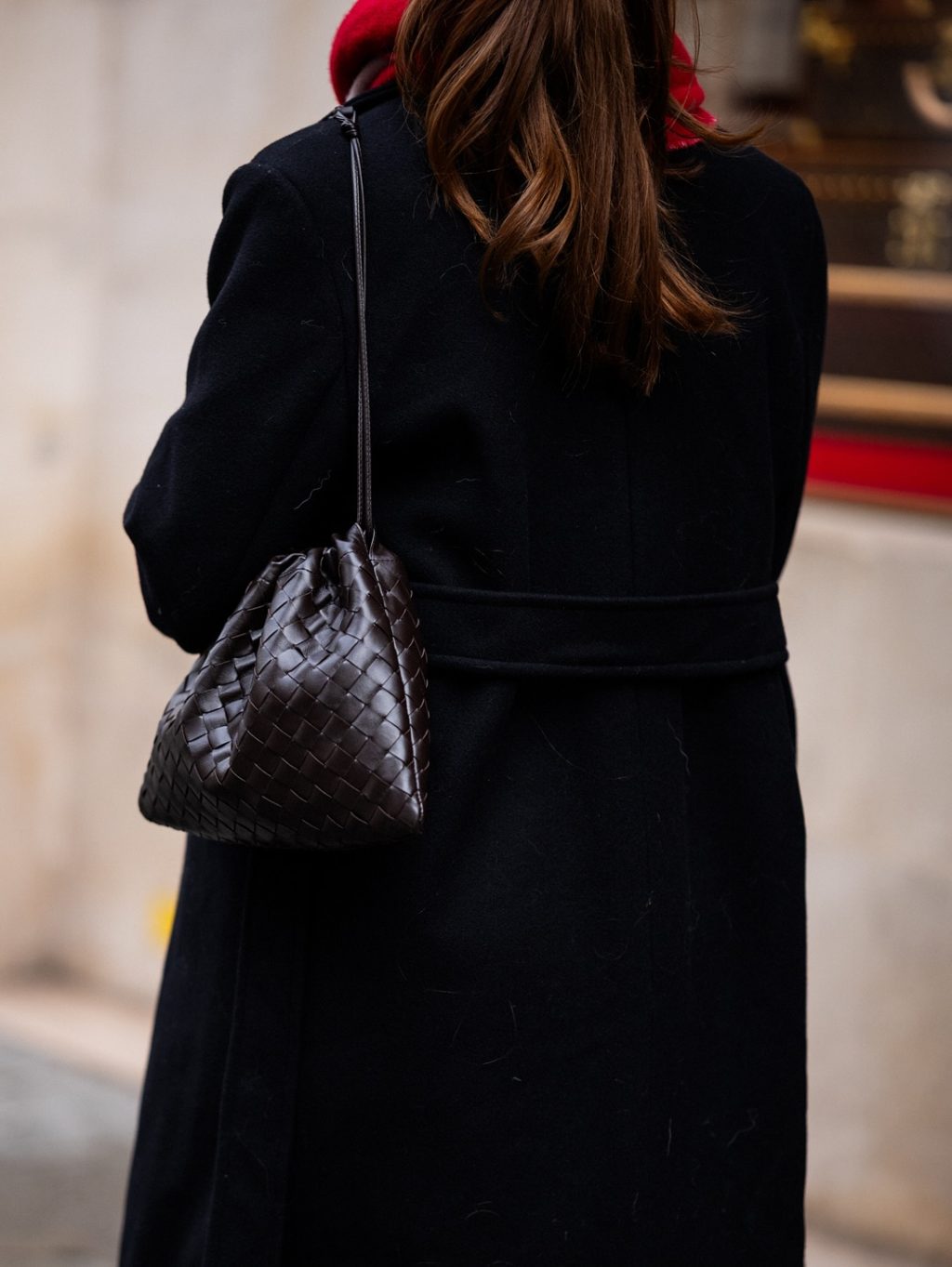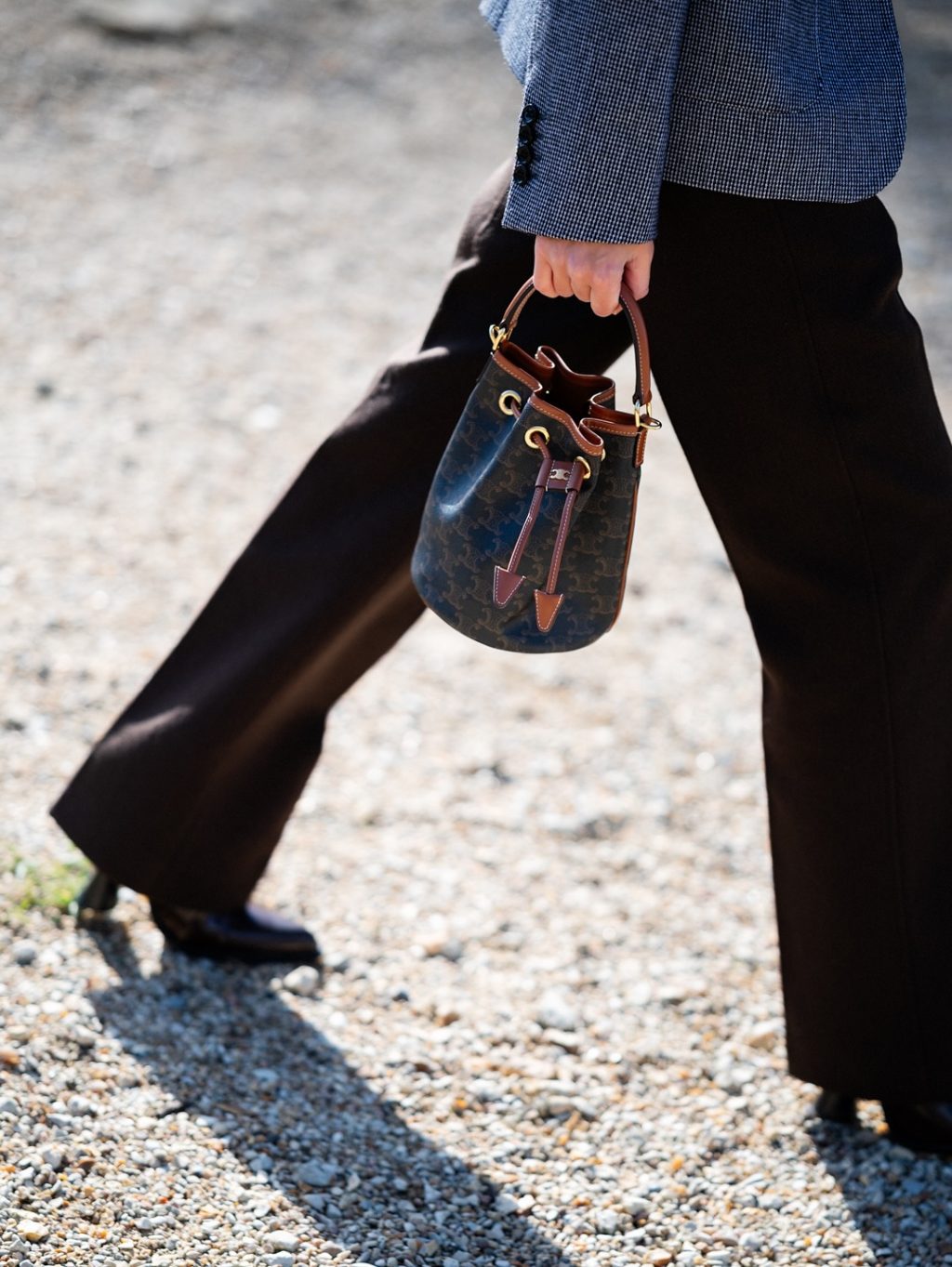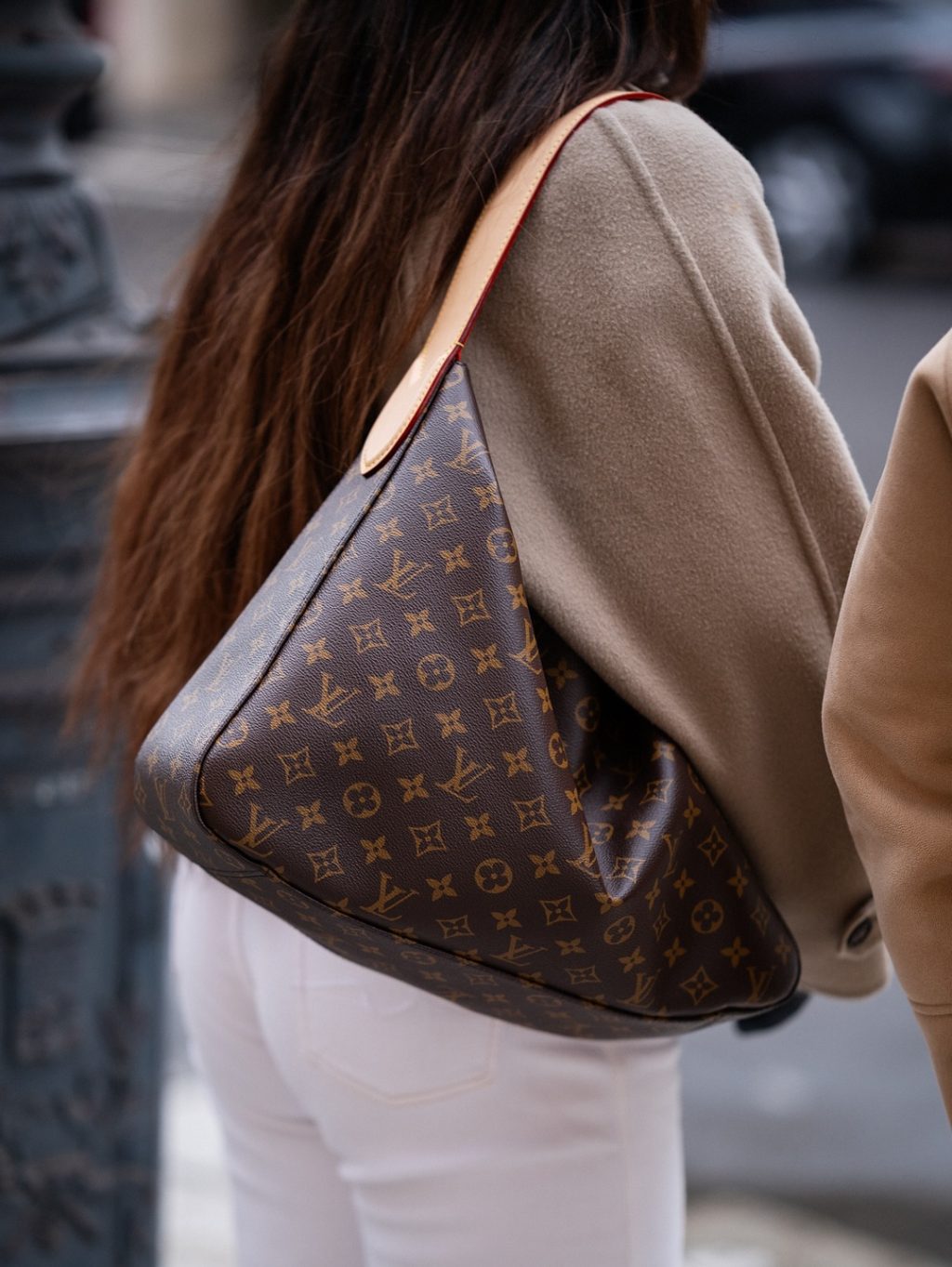
Paris doesn’t “do” accessories quietly—especially not during Paris Fashion Week. In 2026, the city’s street style didn’t just mirror the runway mood; it edited it in real time. Across the winter circuit—men’s Fall/Winter 2026–2027 in late January, couture Spring/Summer 2026 immediately after, and the women’s Fall 2026 edition set for early March—Paris streets became a moving showroom of what people actually carry when they want to be photographed, remembered, and understood in a single frame.
All street style photos in this article are by Déspi Naka.
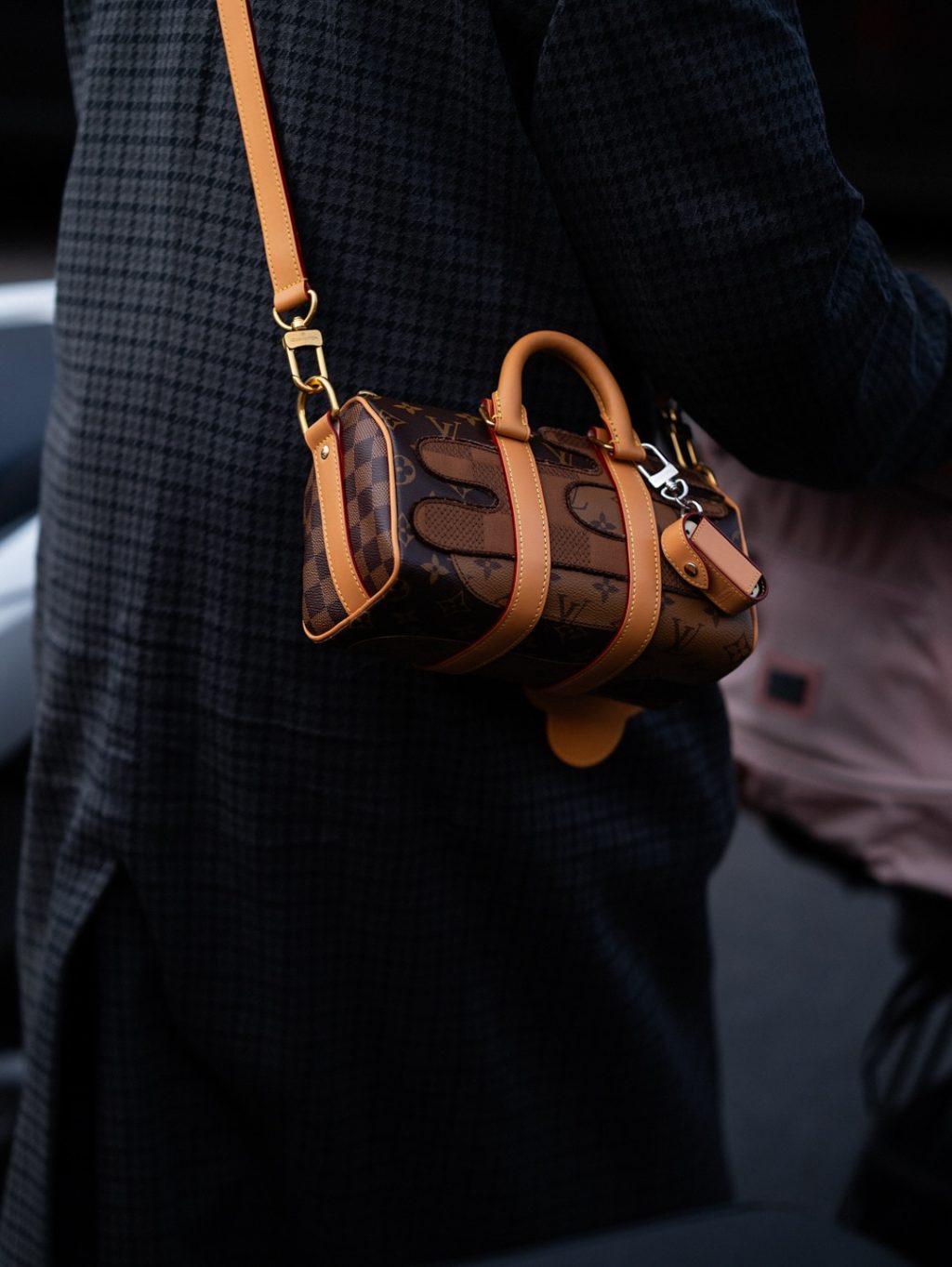
If there’s one headline trend you can feel without reading a single review, it’s this: the 2026 street-style bag is less “new-season trophy,” more personal signature. A bag that reads like a biography—sometimes literal (book covers stitched into canvas), sometimes coded (a charm that signals a niche obsession), sometimes archival (a classic revived with almost defiant confidence).
Below, the most compelling bag narratives spotted on the streets of Paris.
1. The “Library Bag” becomes the smartest flex
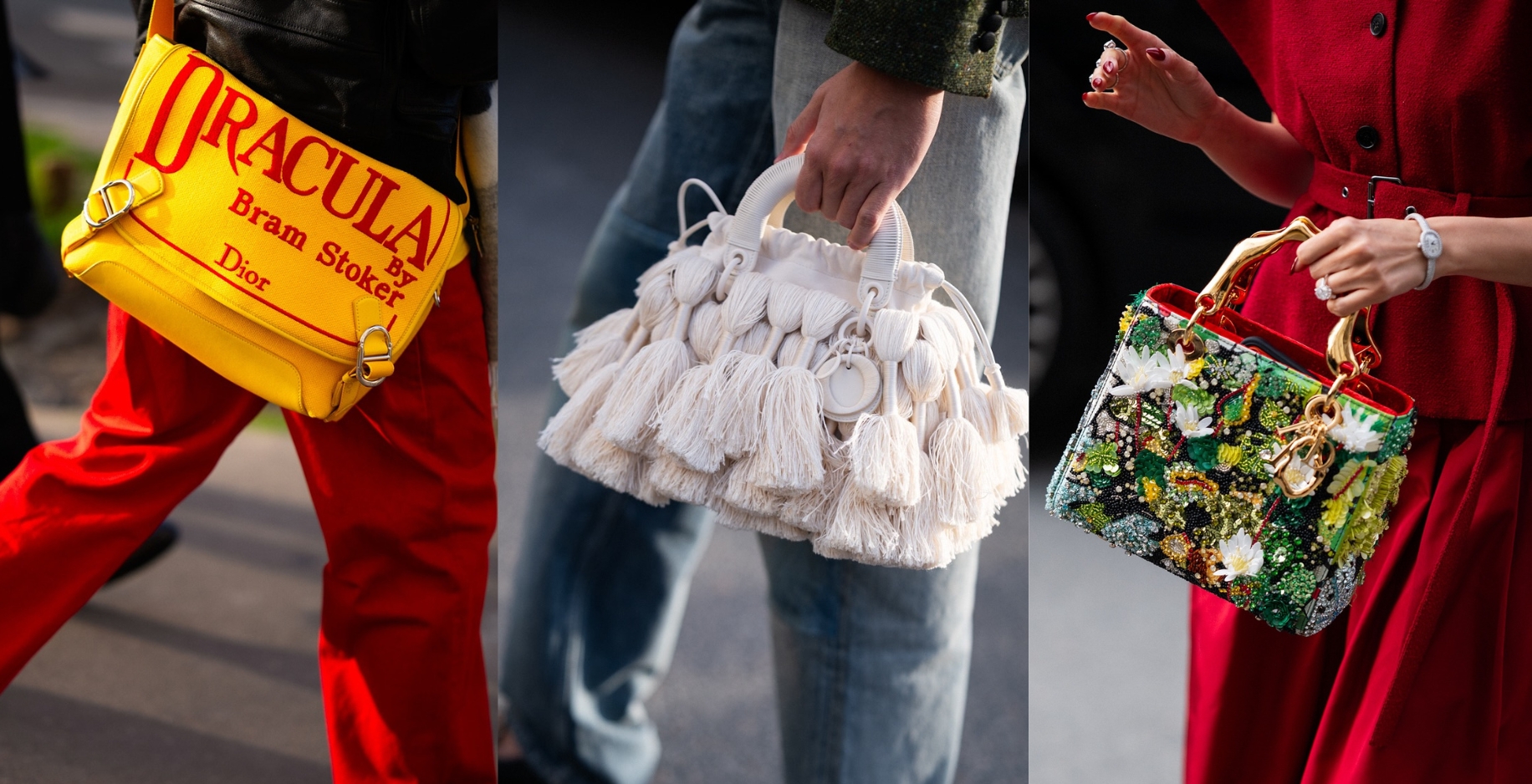
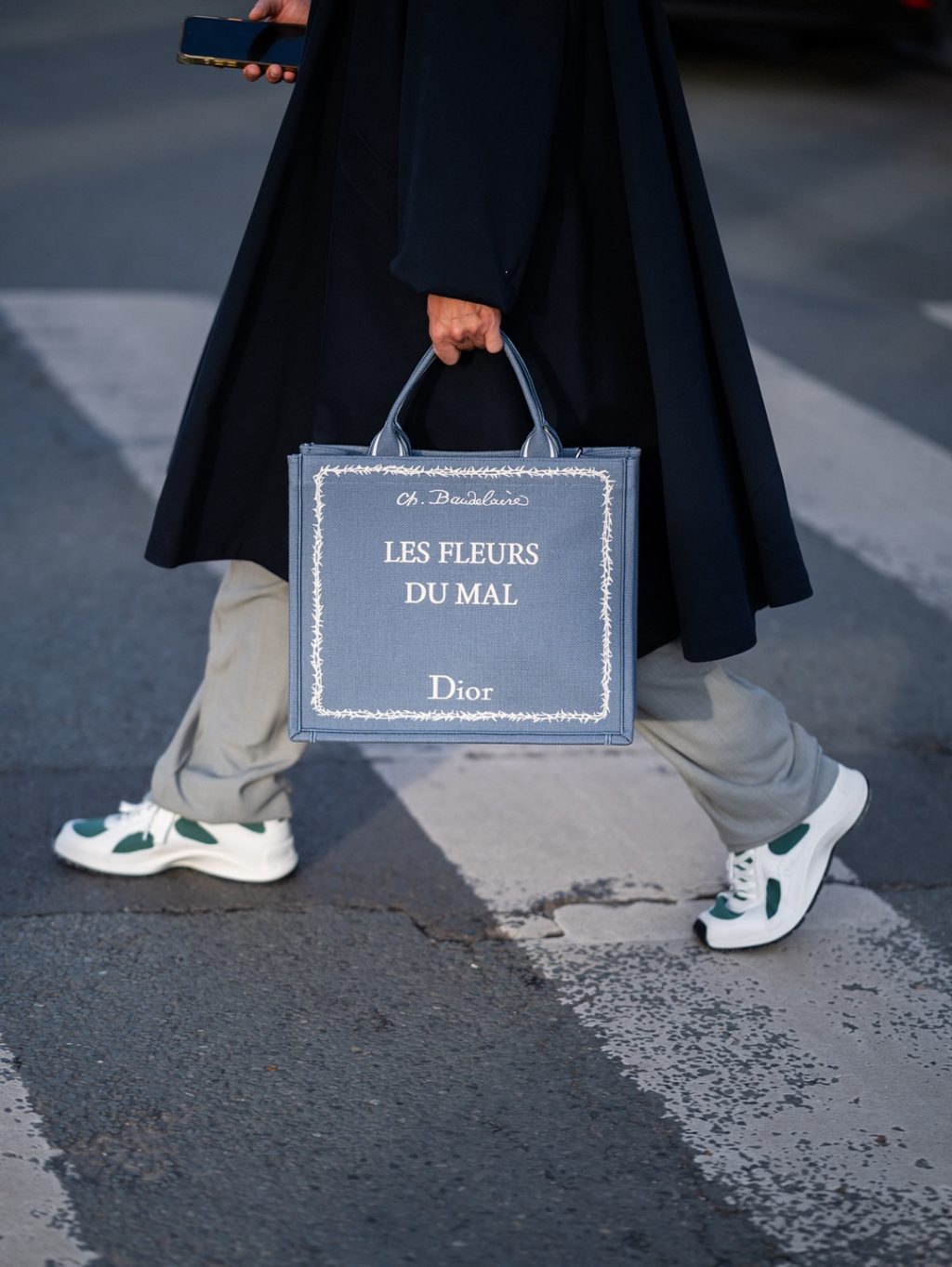
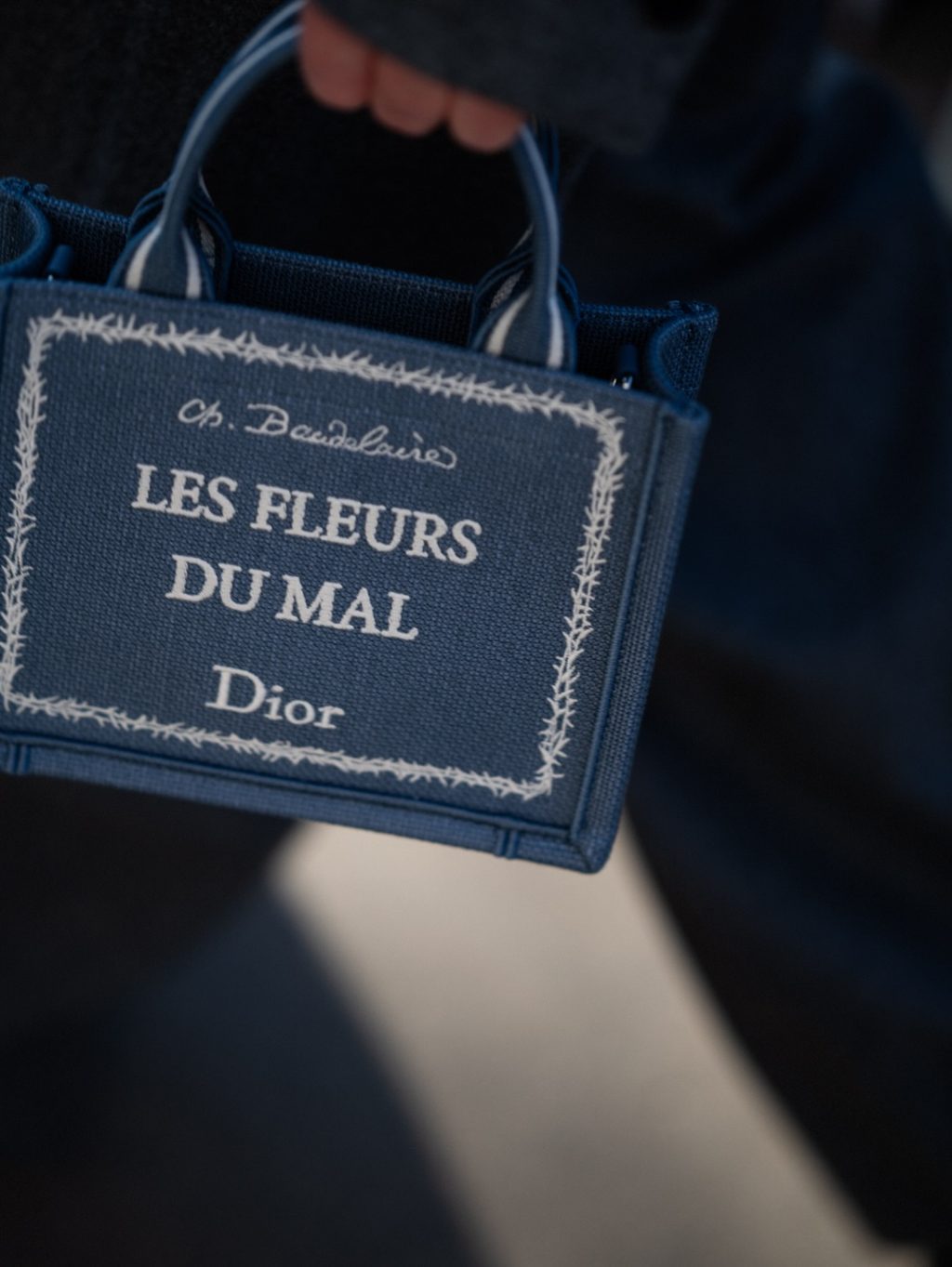
The most Parisian move in 2026 was to make the bag’s surface a text—something you can read before you can fully identify it. On the street, the standout pieces were book-cover motifs that turned accessories into portable literature: Truman Capote’s In Cold Blood, Baudelaire’s Les Fleurs du Mal, and Bram Stoker’s Dracula appeared as bold, graphic statements rather than precious references.
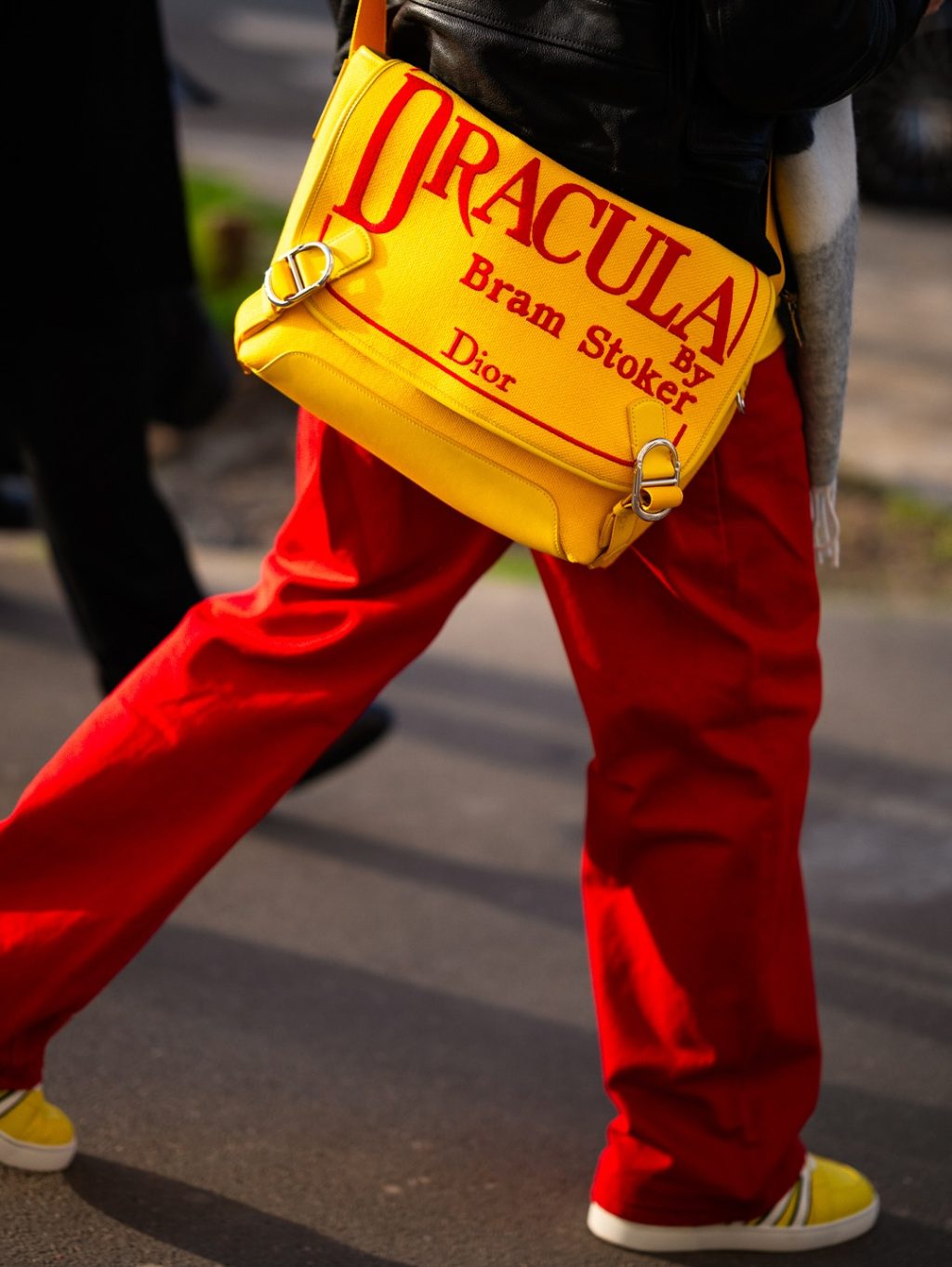
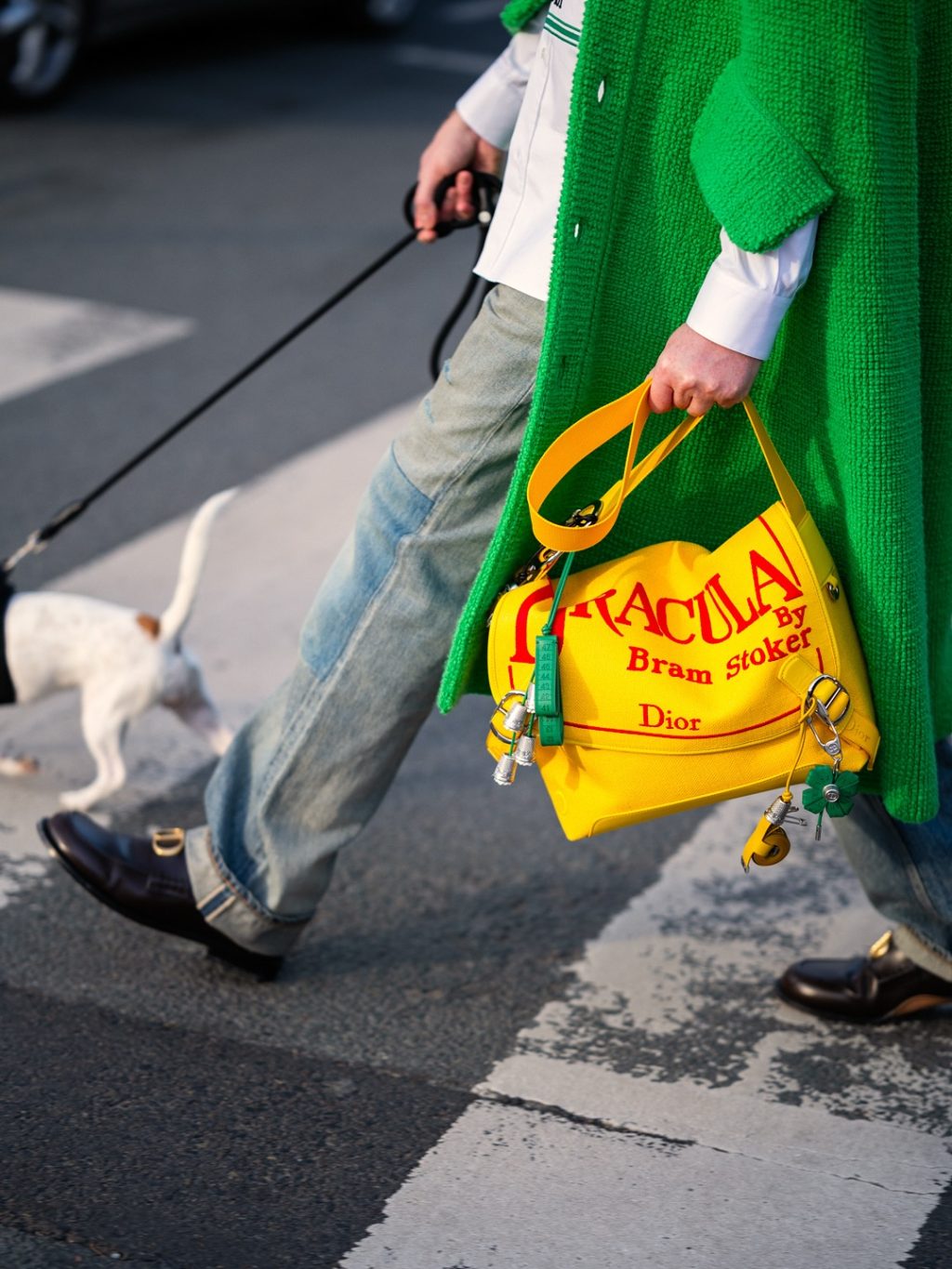
What makes this trend feel significant (not gimmicky) is how officially and deliberately it’s been framed: Dior has described these Book Tote versions as part of a “dream library,” explicitly presenting the bag as an object that carries culture, not just belongings.
Under Jonathan Anderson, the idea goes even further—these literary Dior Book Totes lean into typography and iconic covers so the bag reads like a curated bookshelf, not just a seasonal accessory.
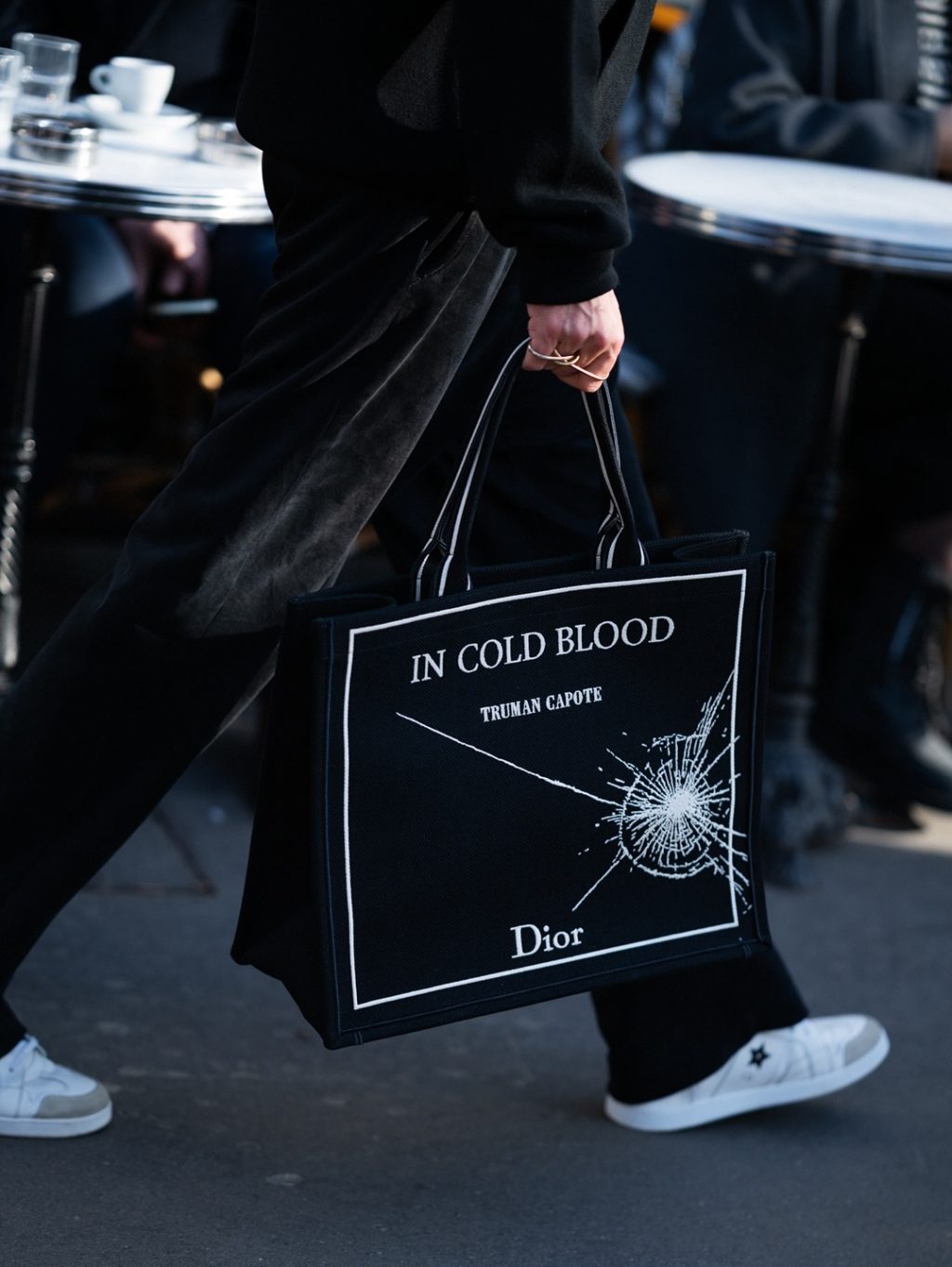
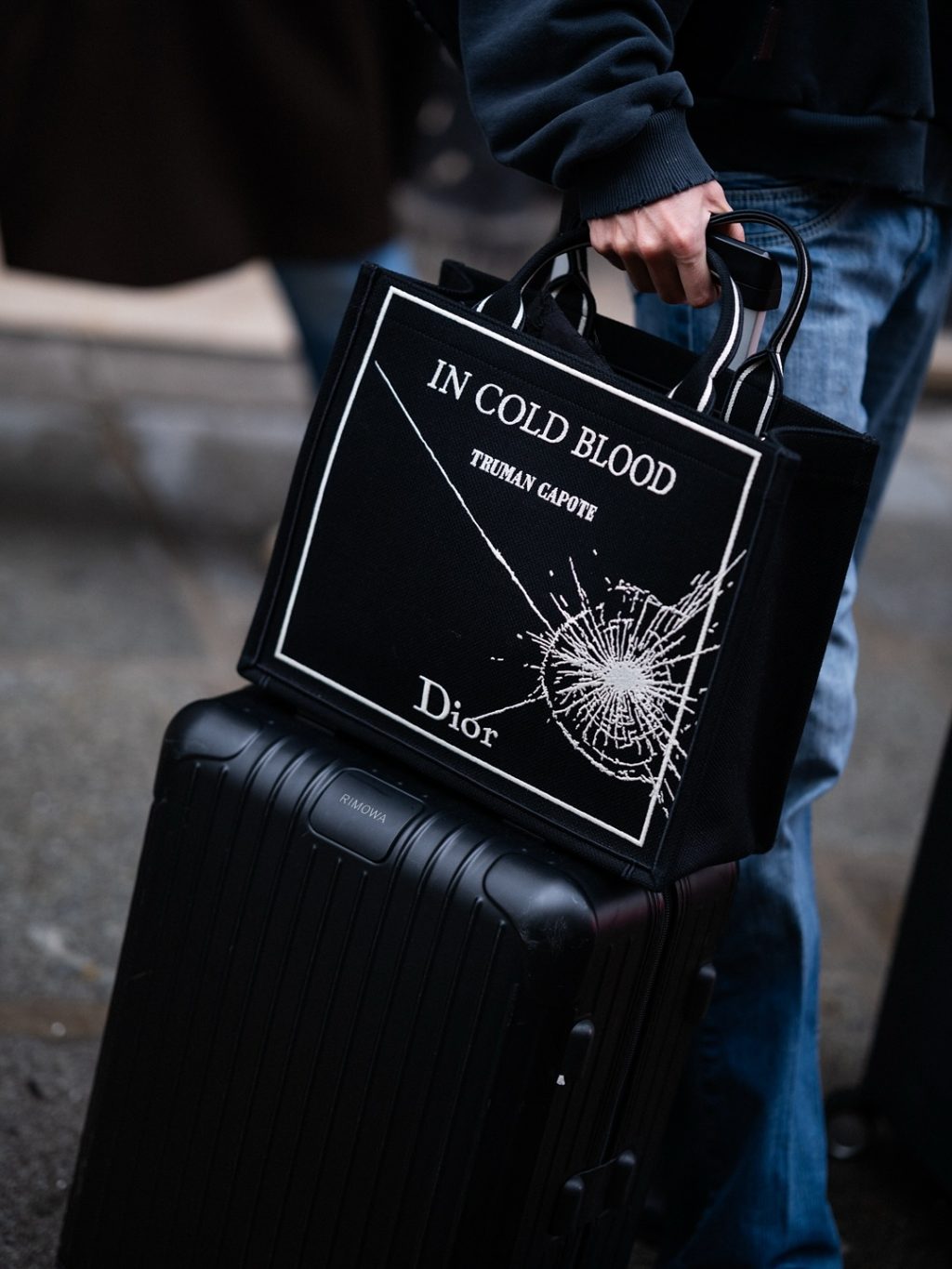
In street style, the effect is immediate: a book-cover bag does the work of styling for you. It can sharpen a minimal outfit into something editorial, or it can clash beautifully with color (yellow against red, powder blue against black) and still look intentional—because the concept is strong enough to hold the chaos.
After seasons of “quiet luxury,” the street is craving intelligence with visibility. A literary bag is loud, but it’s loud in a way that suggests taste, not just spending.
And if you’re shopping the trend, it’s worth understanding the Dior Book Tote sizes (and price ladder), because the proportions change the whole styling effect—from “daily carry” to full-on statement prop.
2. Bag charms aren’t cute— they’re identity tags
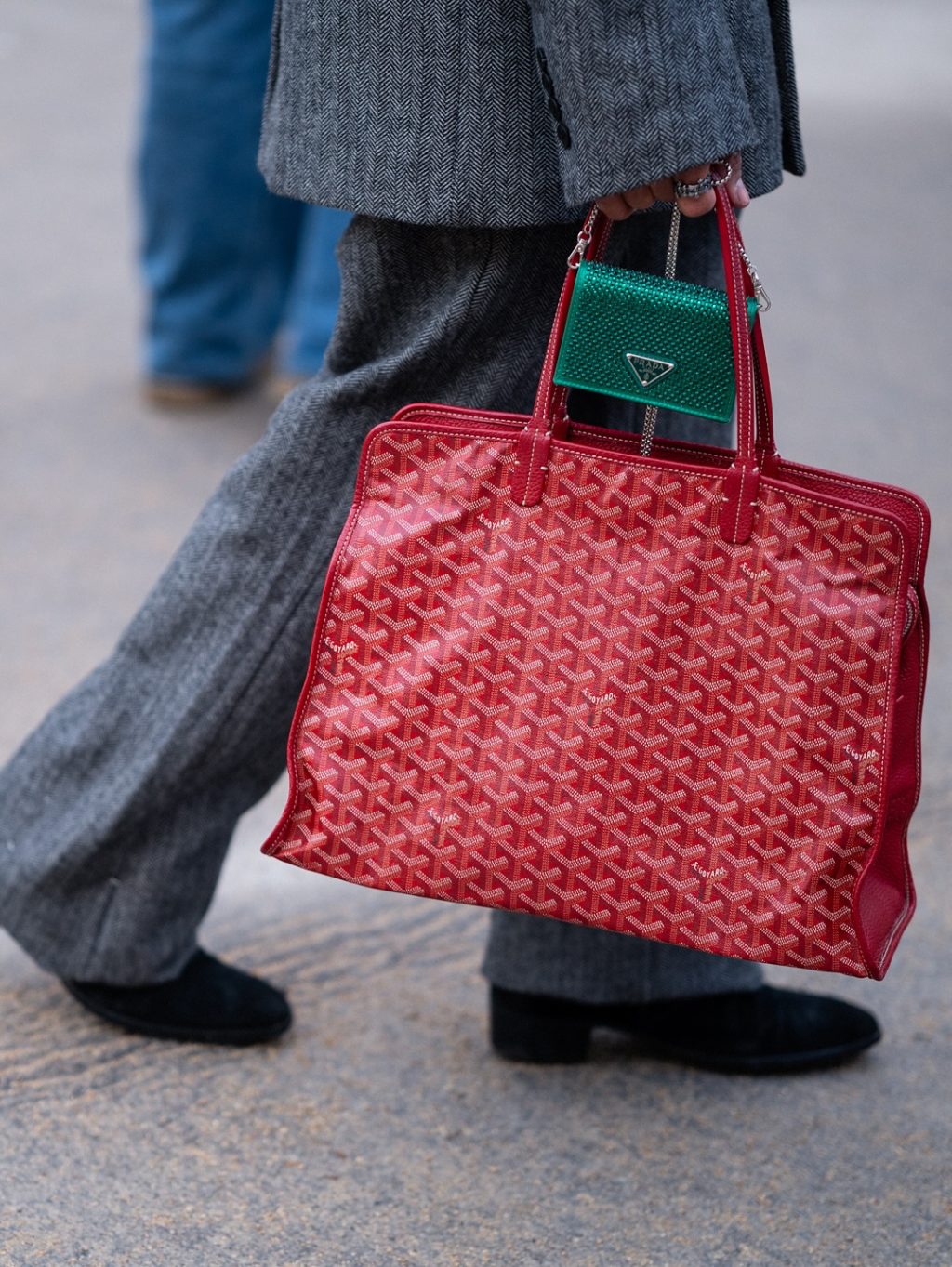
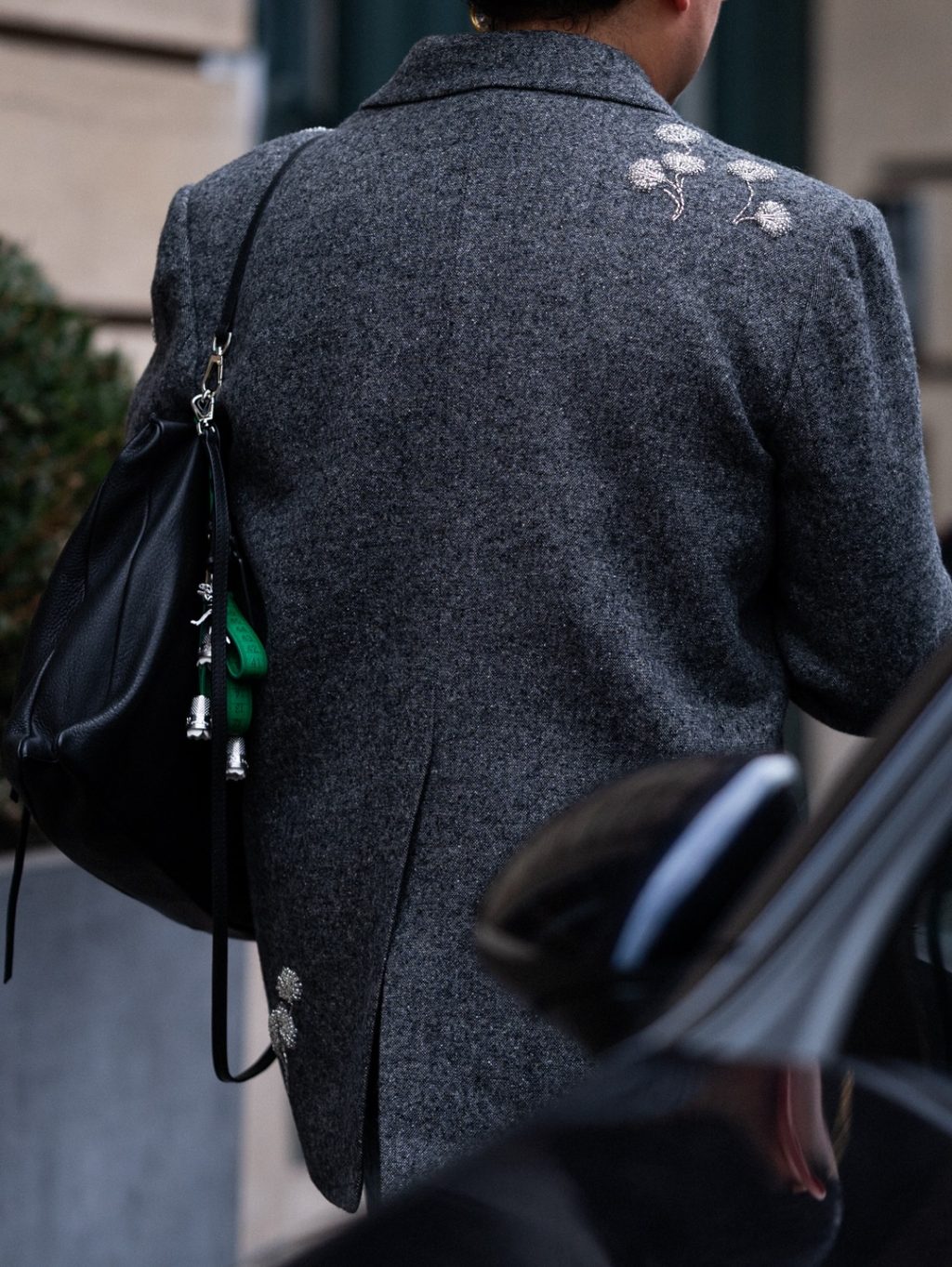
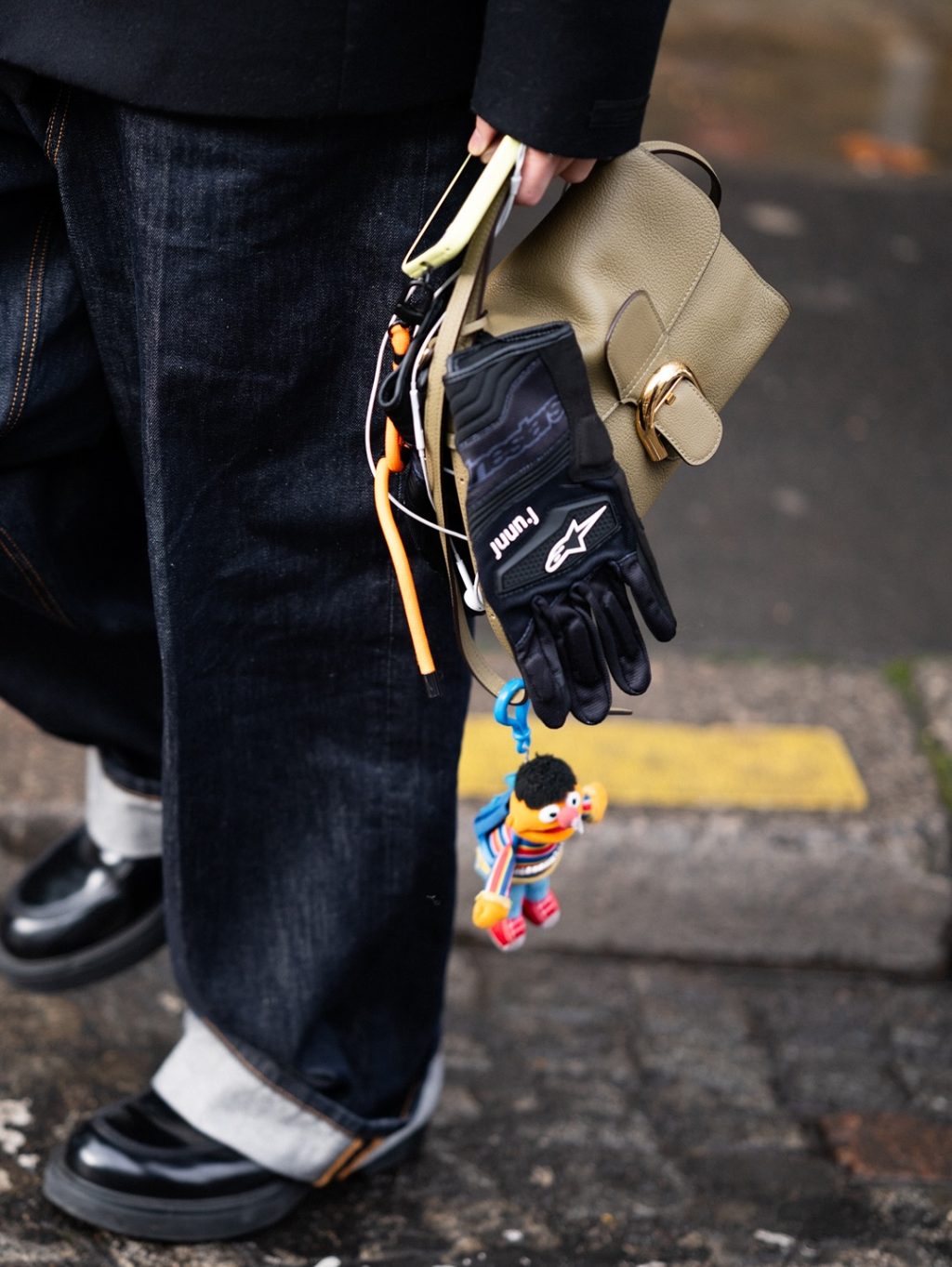
Charm culture has matured. In 2026, the street-style charm isn’t a random teddy clipped on for irony; it’s an intentional cluster—a small ecosystem of objects that tells you who the carrier is before you even see their face. Measuring-tape charms, miniature tools, tiny mascots, and keychains that feel like souvenirs from a private life: the bag becomes a wearable memory board.
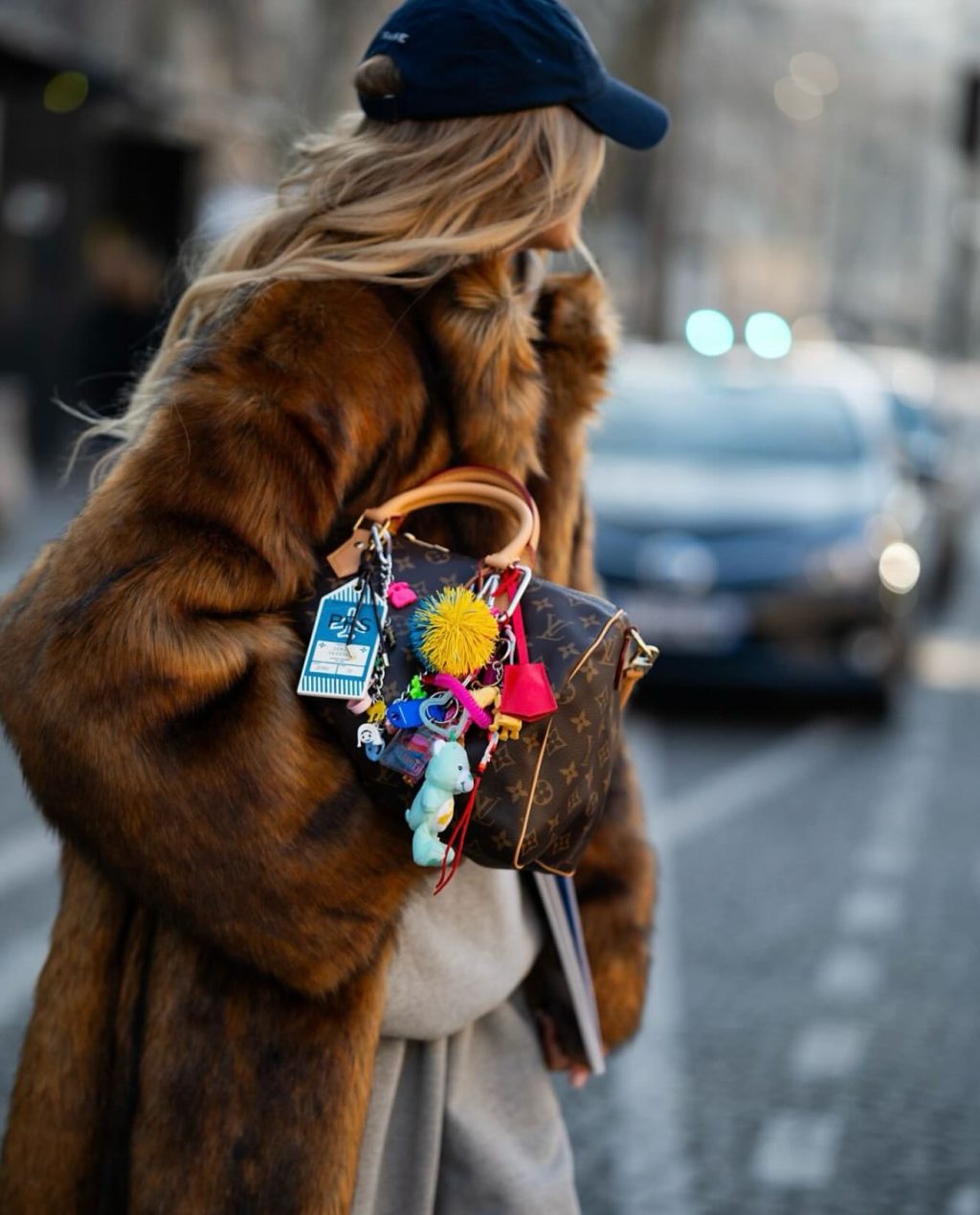
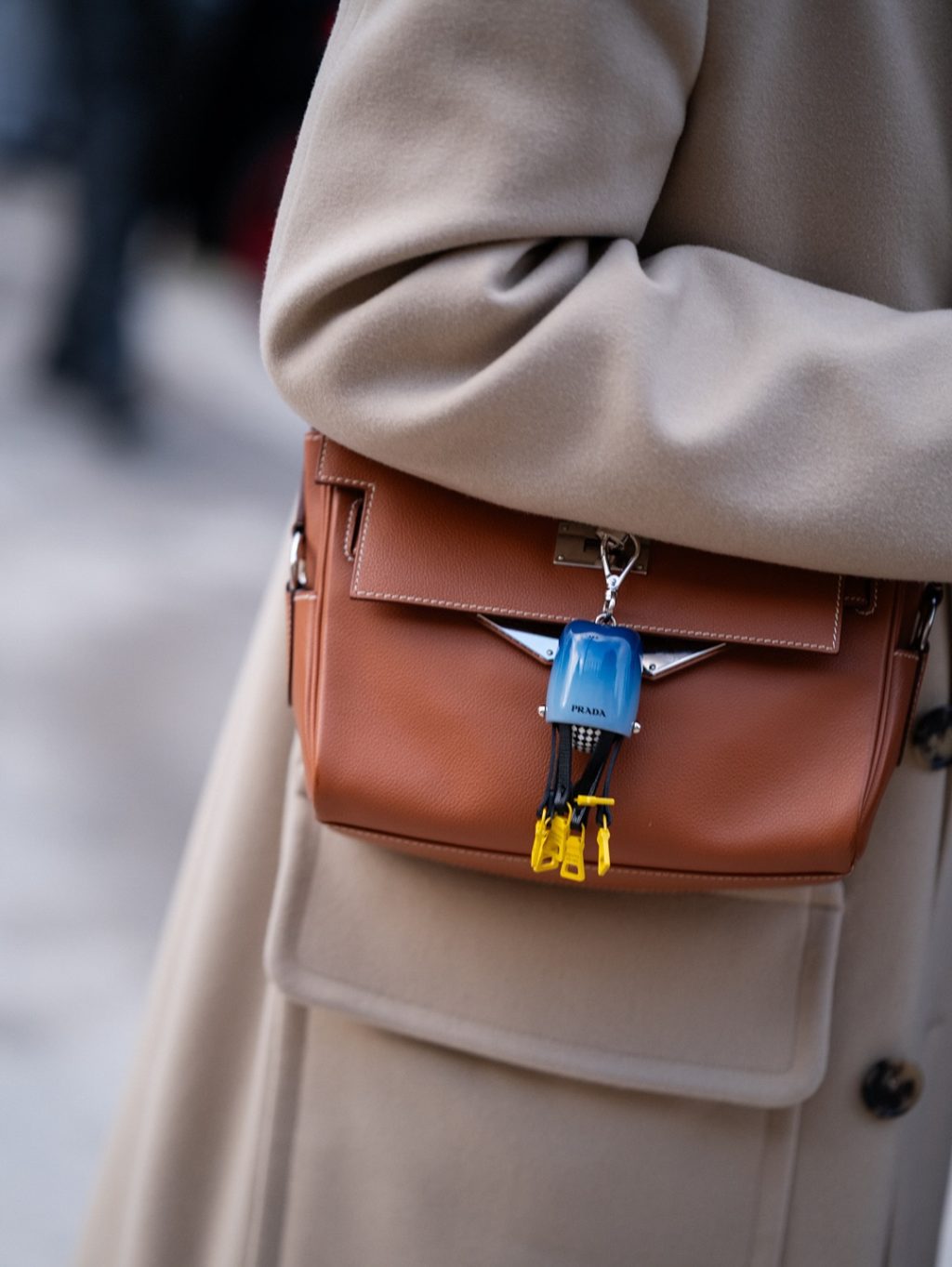
This obsession with personalization lines up with what street style photography has been documenting all season: accessories that behave like totems—and even a broader “puppy love” moment in the fashion crowd (where animals, animal-shaped accessories, and actual four-legged companions keep appearing around the shows).
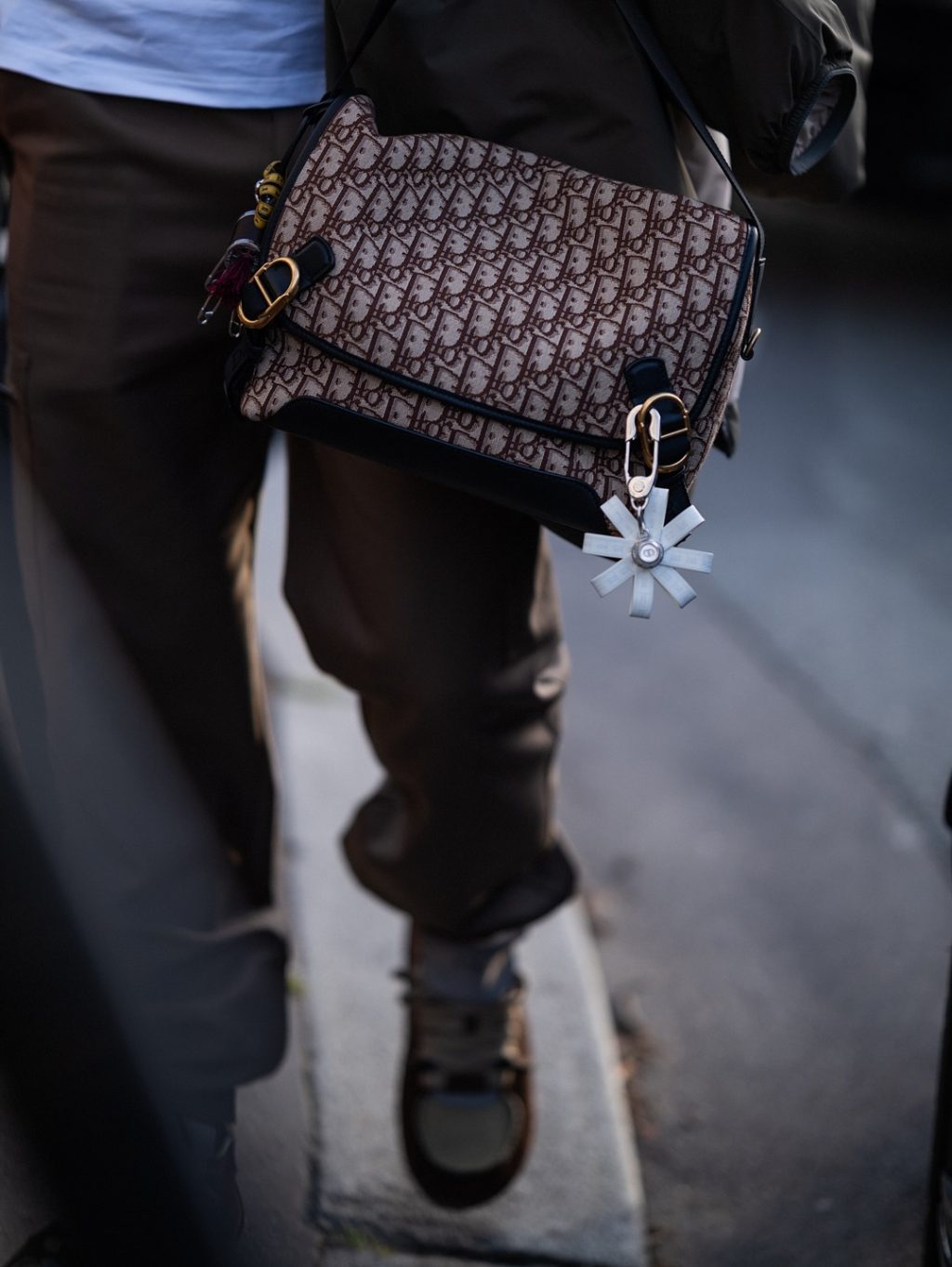
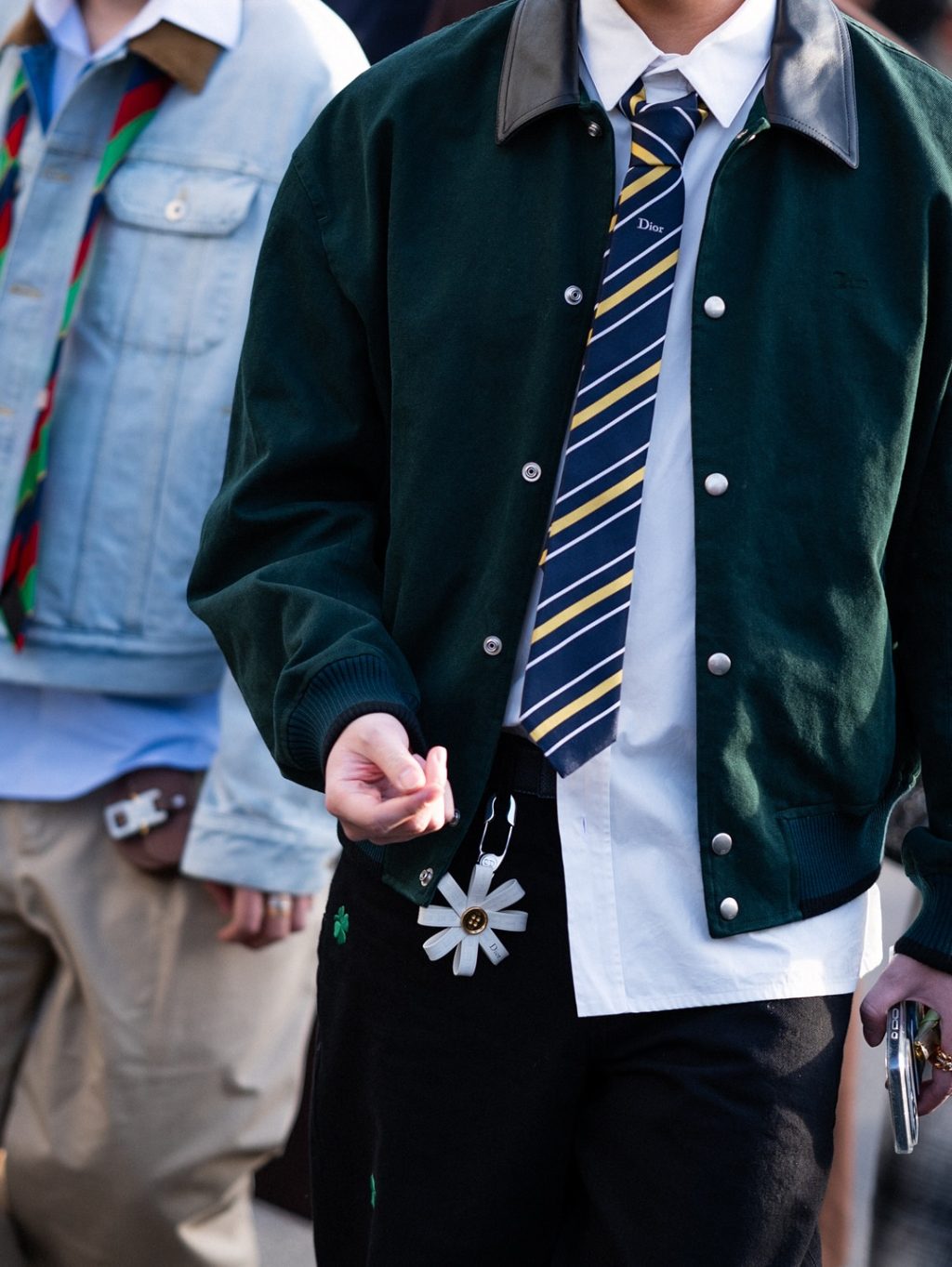
The style trick Paris is teaching here: if the outfit is classic, make the bag chaotic. If the bag is classic, make the charms chaotic. Balance is the whole point.
3. The archival revival
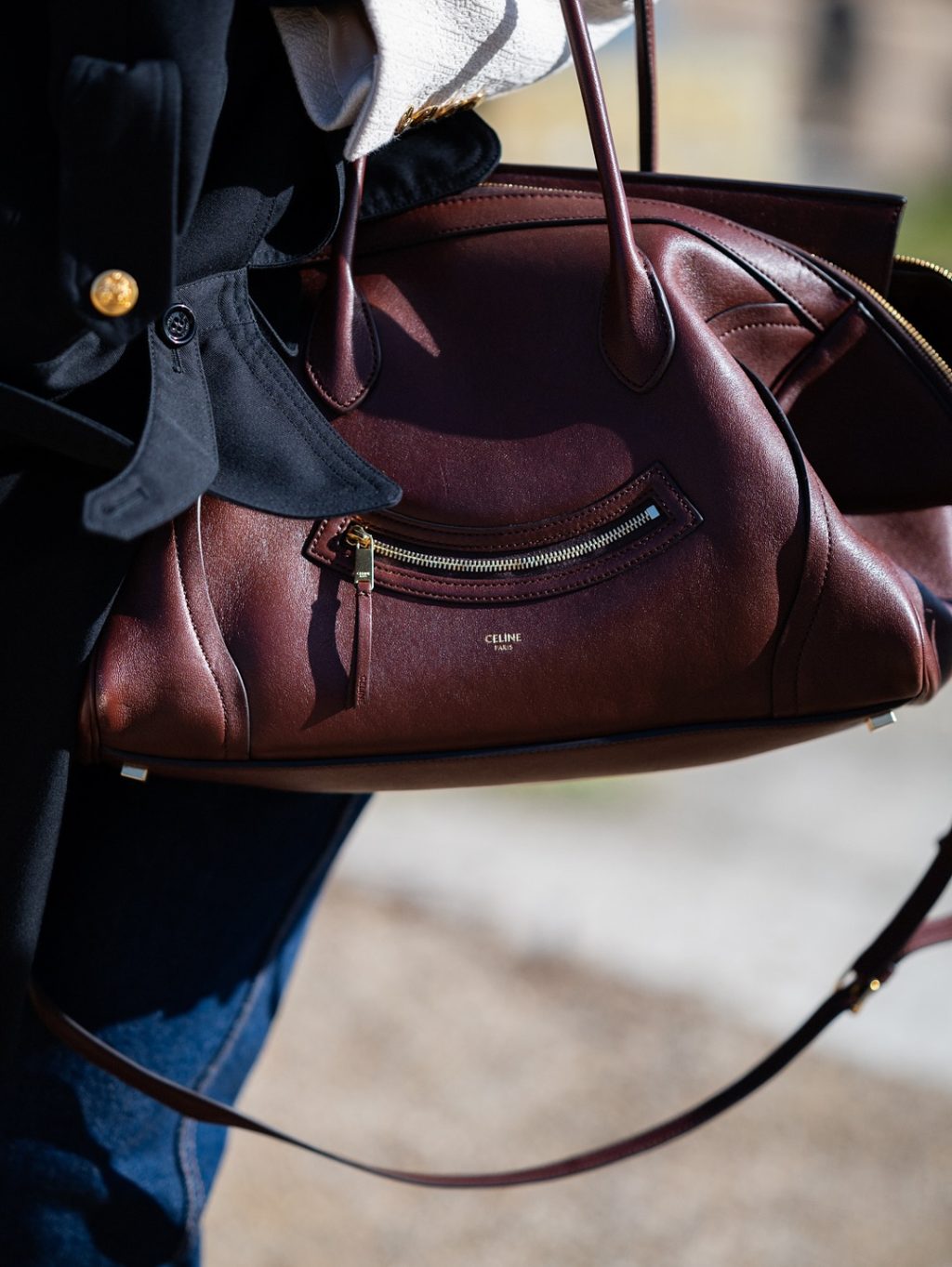
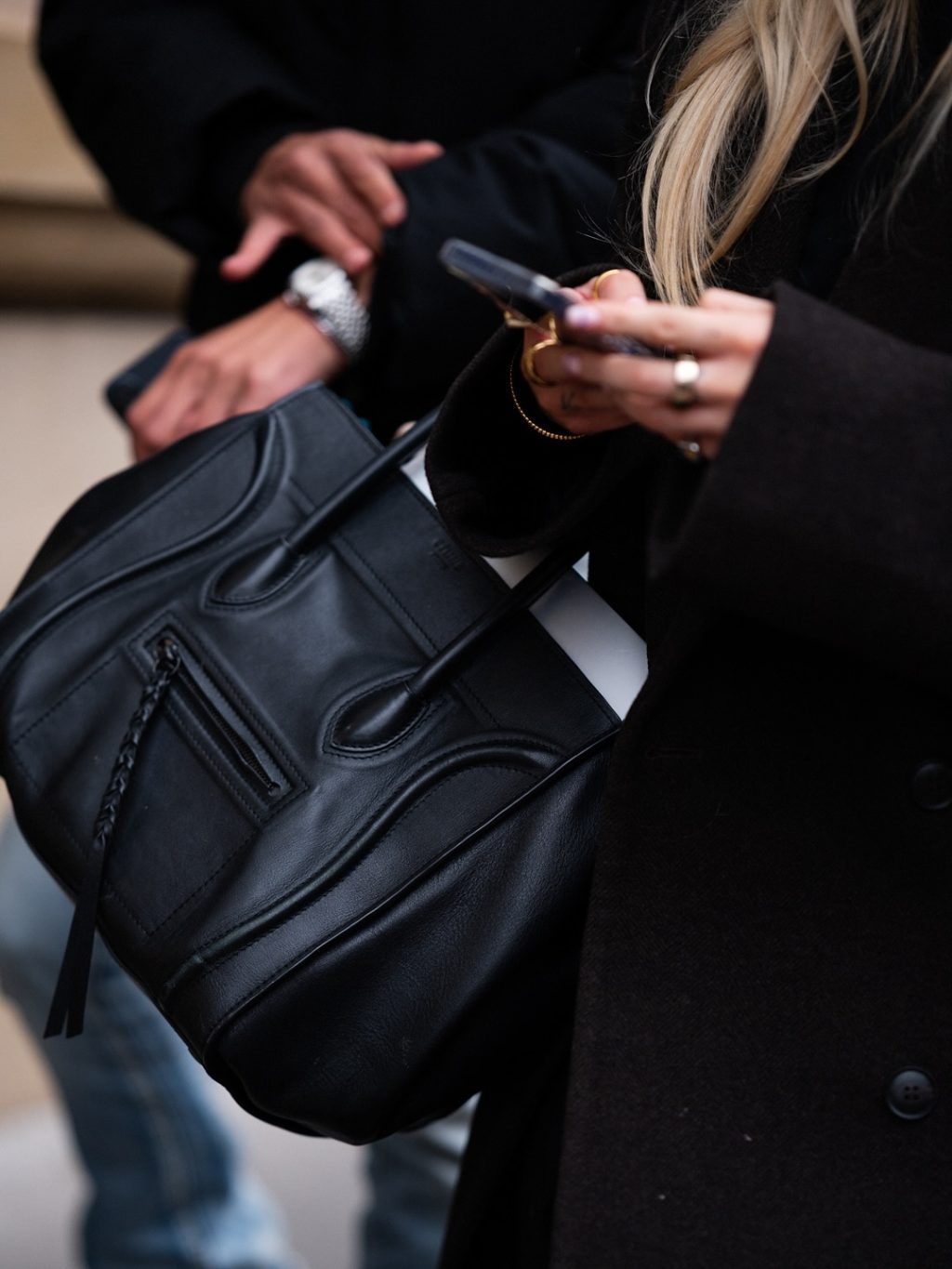
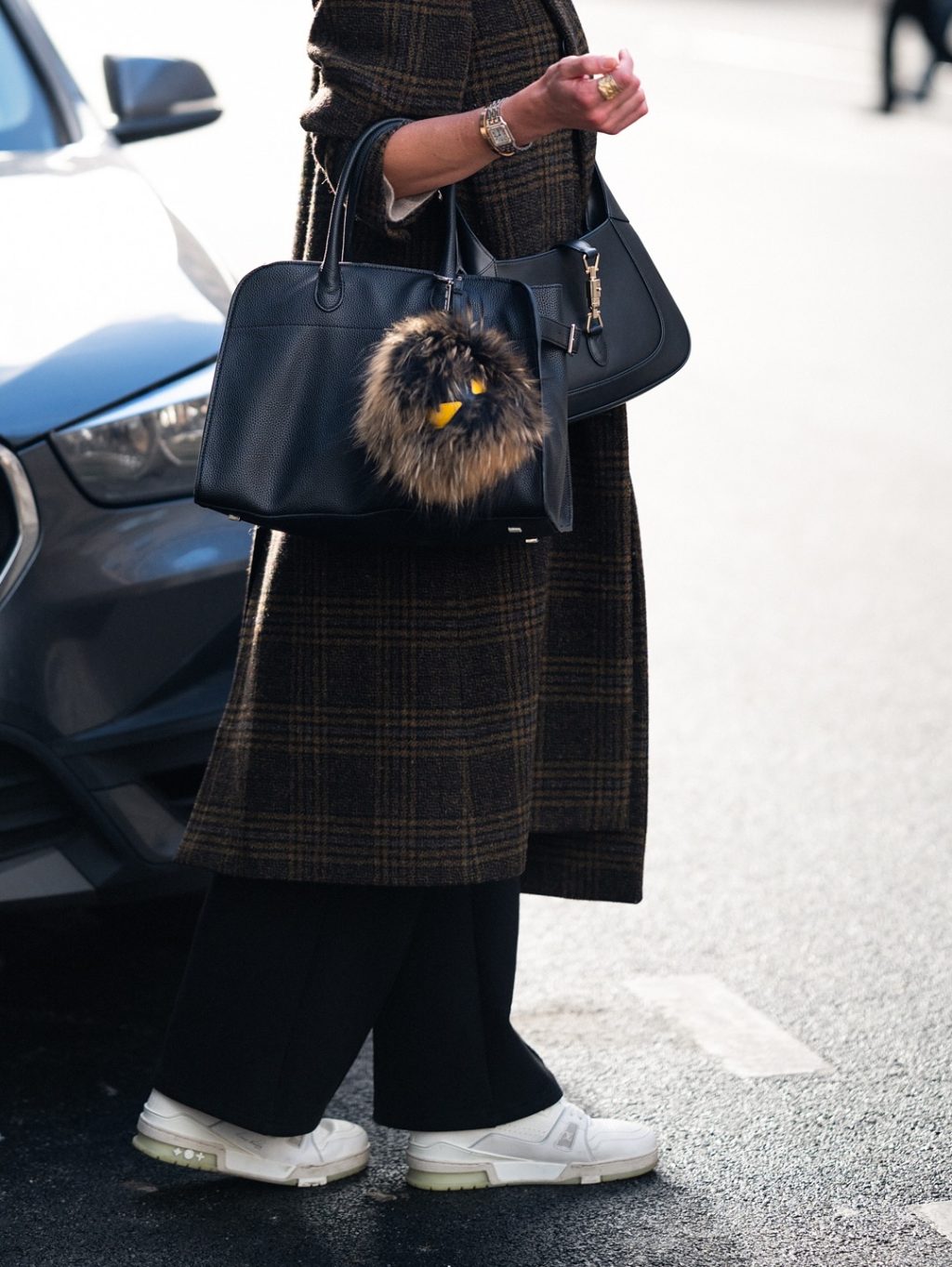
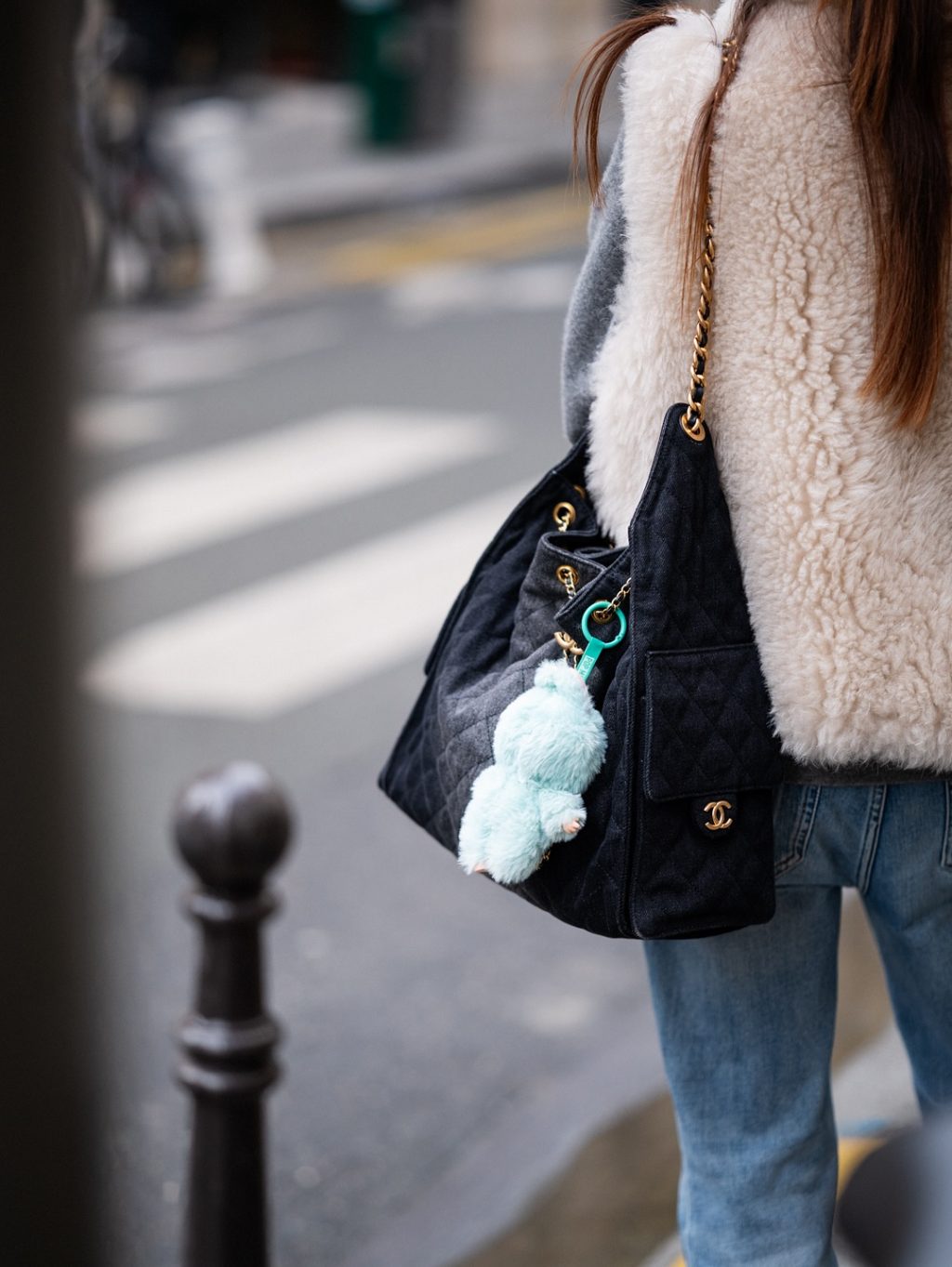
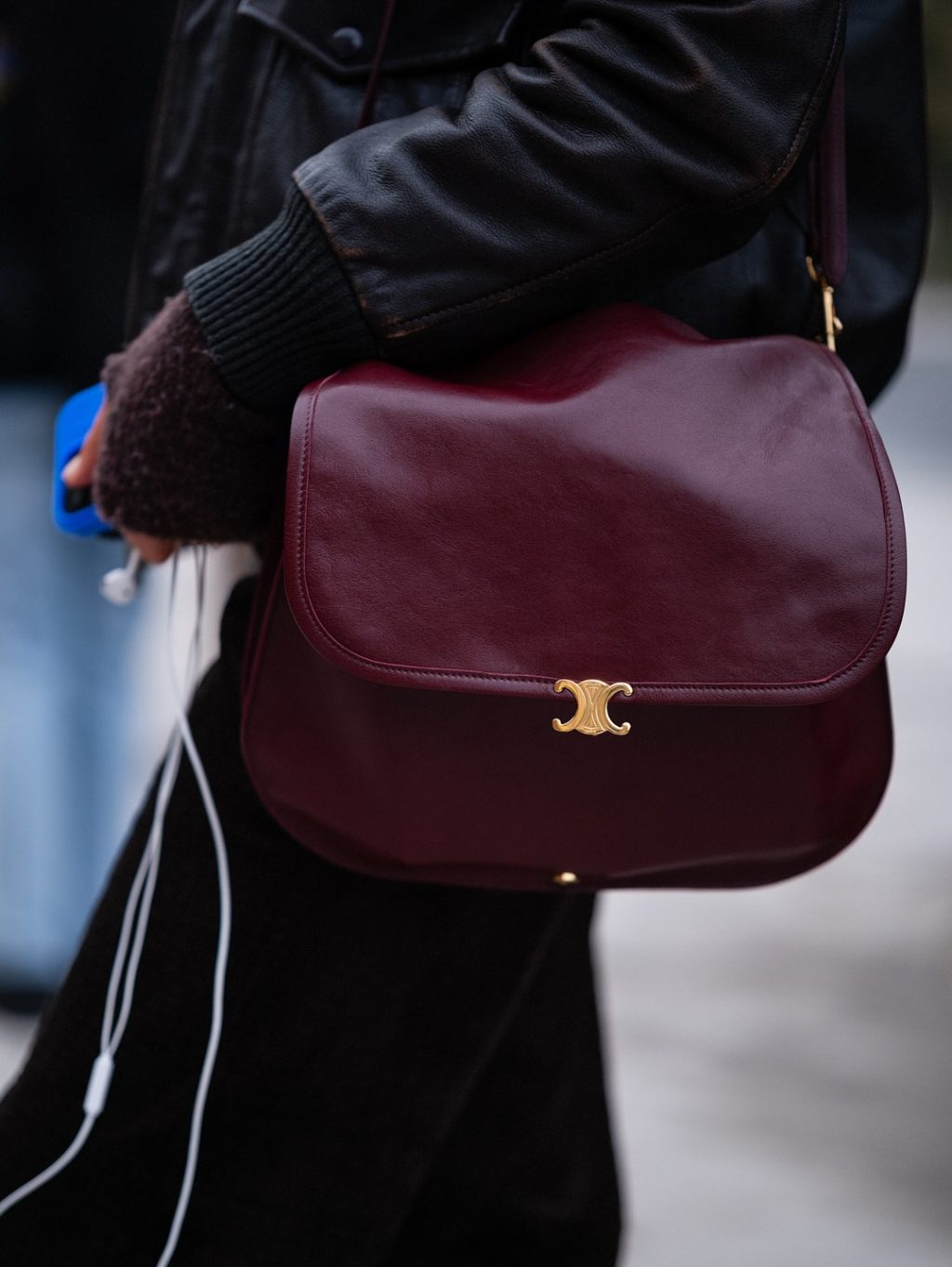
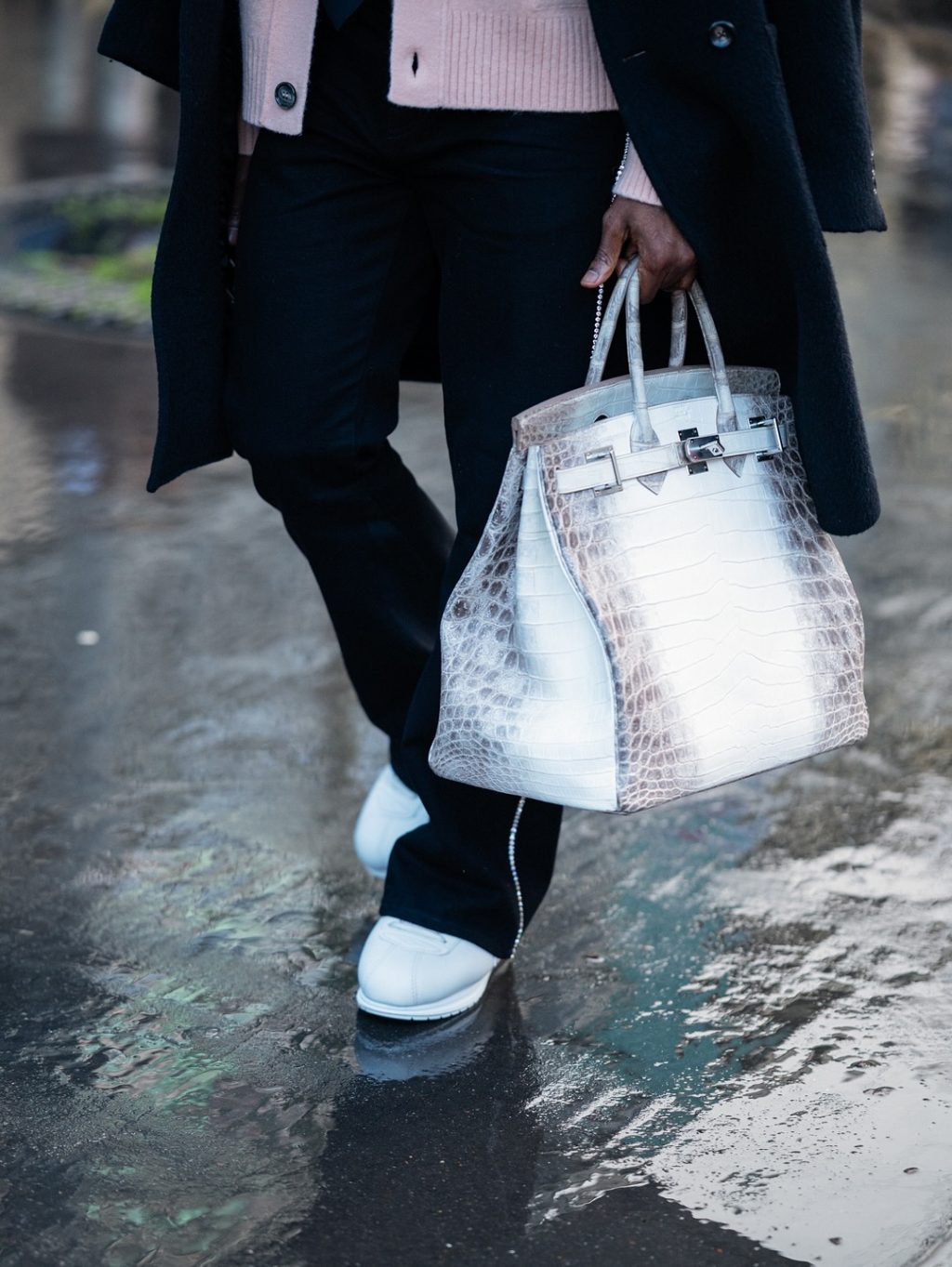
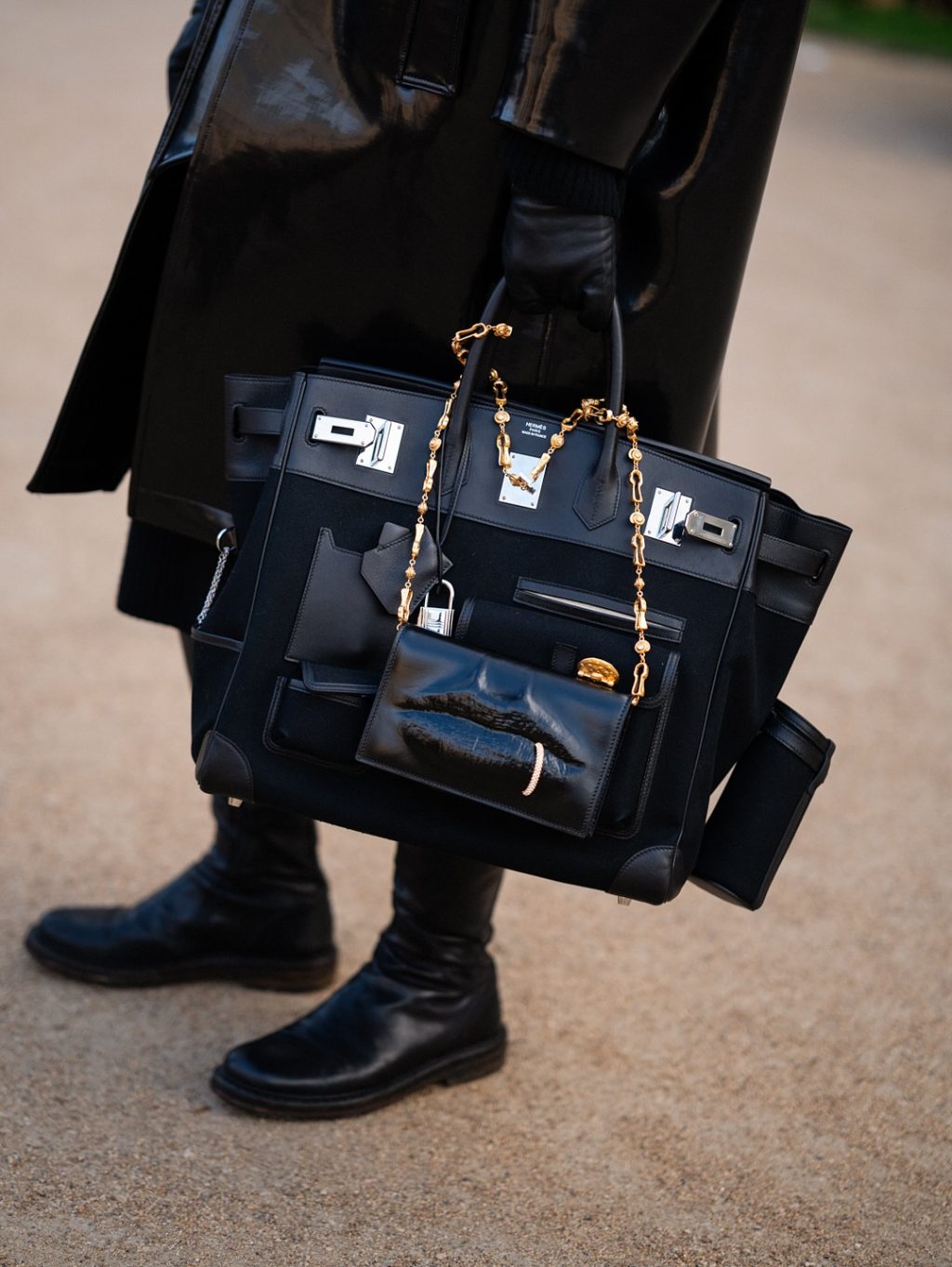
There’s a reason certain bags keep resurfacing in Paris street style: they photograph like icons because they already are icons. 2026 leaned hard into the “archival revival”—heritage silhouettes worn with the confidence of people who aren’t trying to convince you. They’re simply wearing what works.
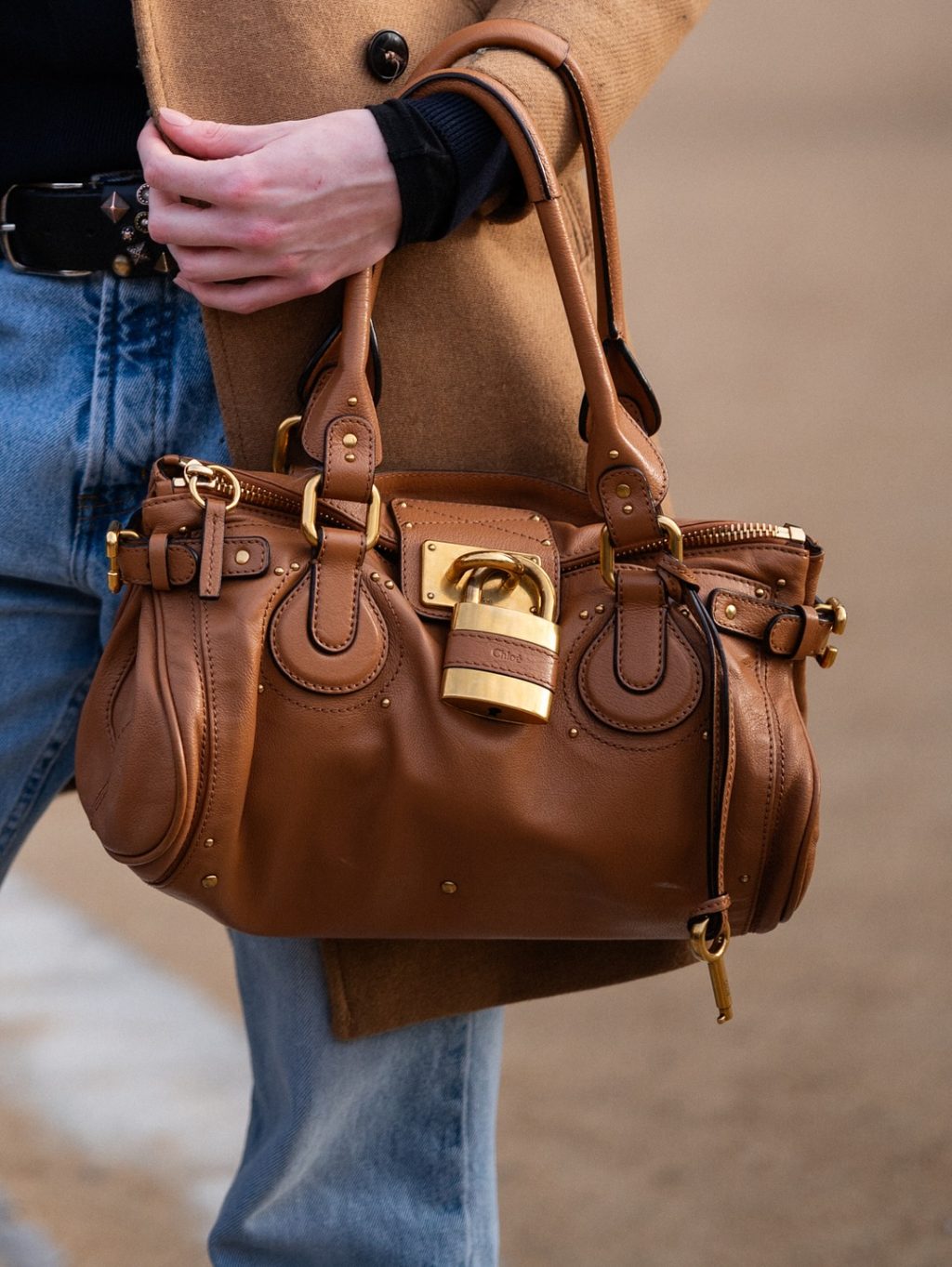
That revival energy is visible in the broader fashion conversation too: 2026 is openly being framed as a year when vintage and once-buzzy “It” bags deserve a comeback moment. And on the runway-trend side, the industry is actively spotlighting the return of recognizable, status-coded shapes—from early-aughts favorites to “lady bag” structure—rather than only pushing novelty.
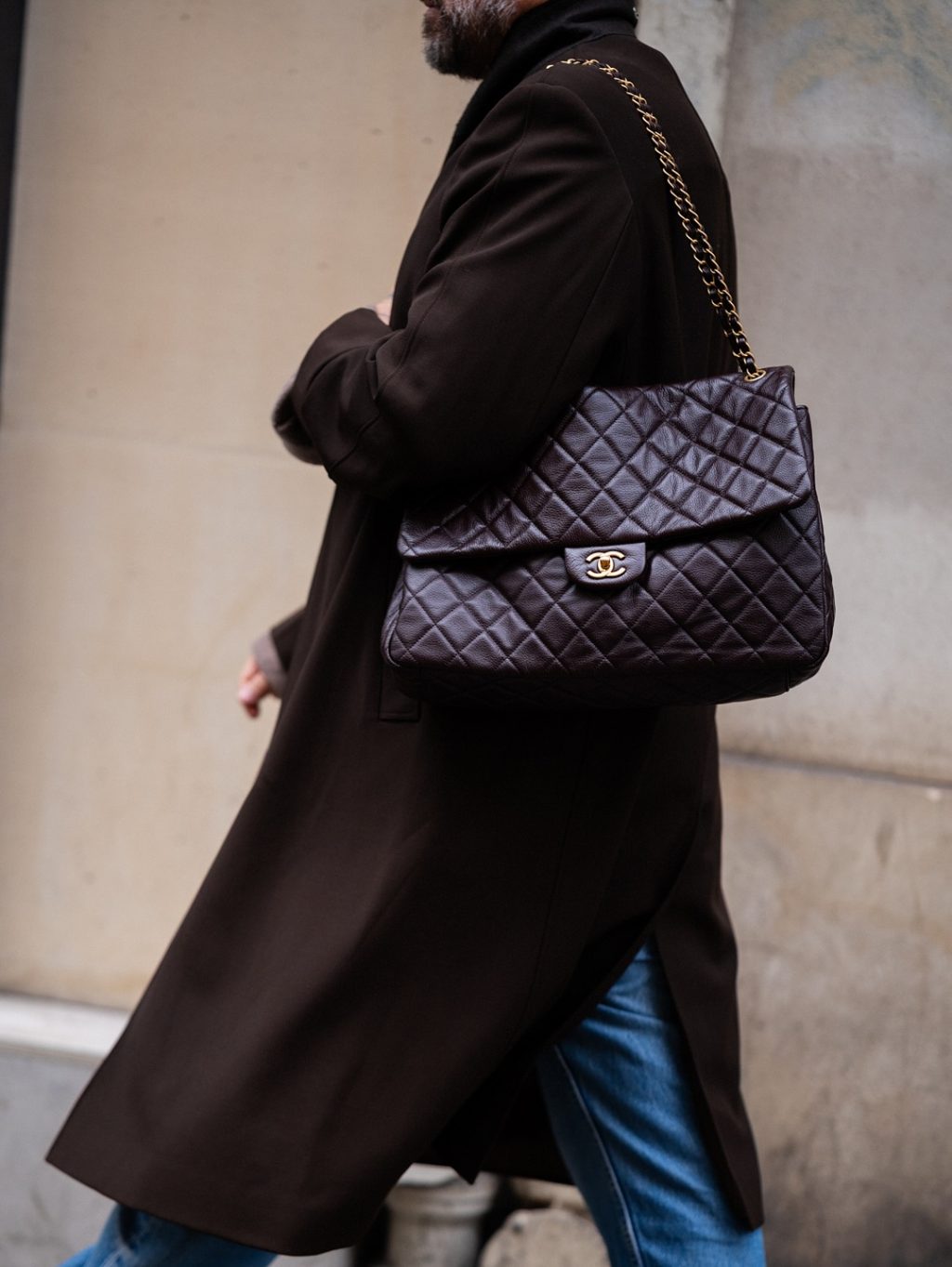
On the streets, that translated into:
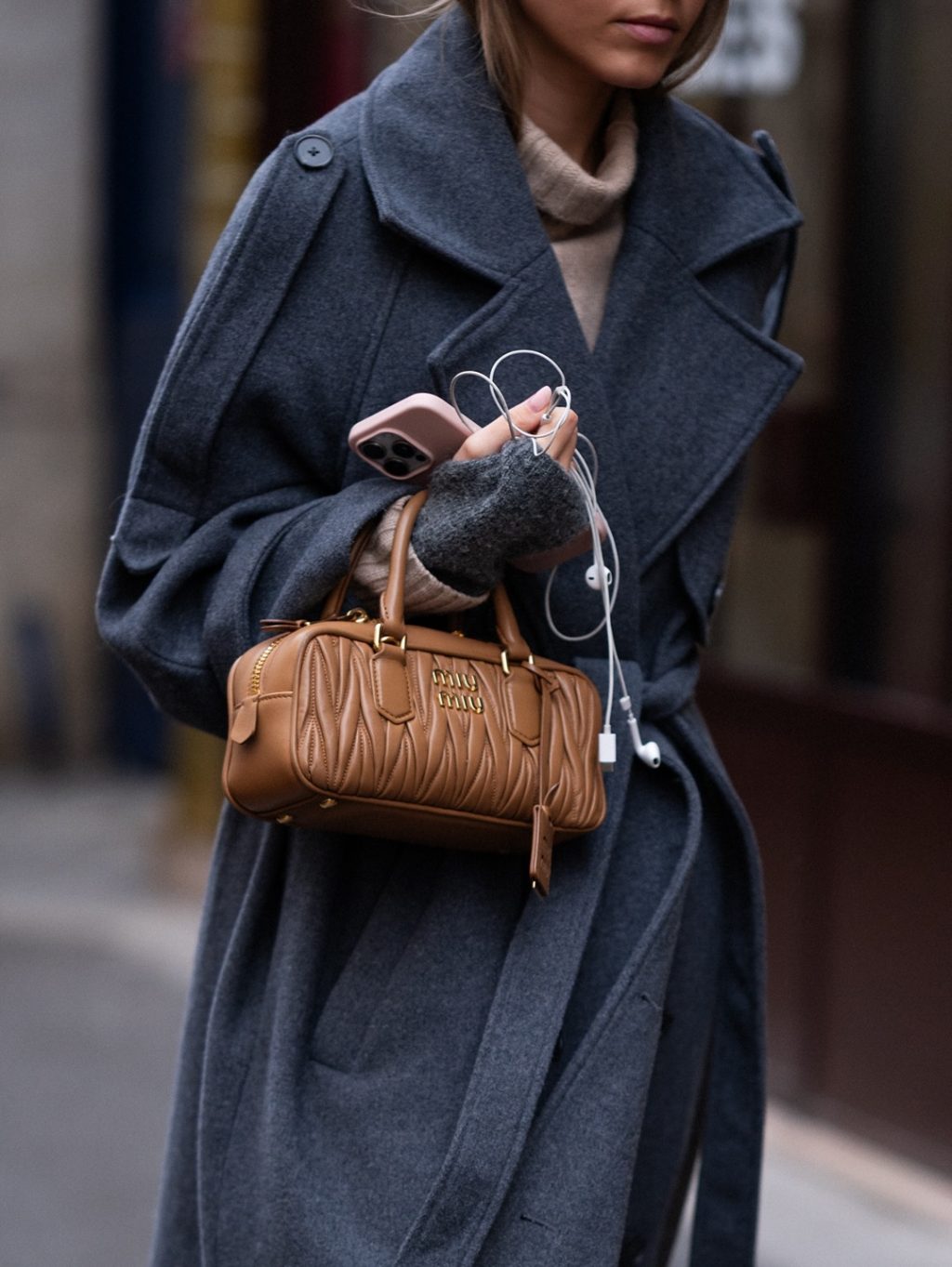
- quilted flap bags worn almost like punctuation marks on long coats,
- structured top-handles carried low, with minimal styling fuss,
- and familiar house signatures (monograms, hardware, frames) reintroduced as stability inside otherwise experimental looks.
Paris isn’t done with classics—it’s done with apologizing for them.
4. Texture as a statement: fringe, crochet, and surface drama
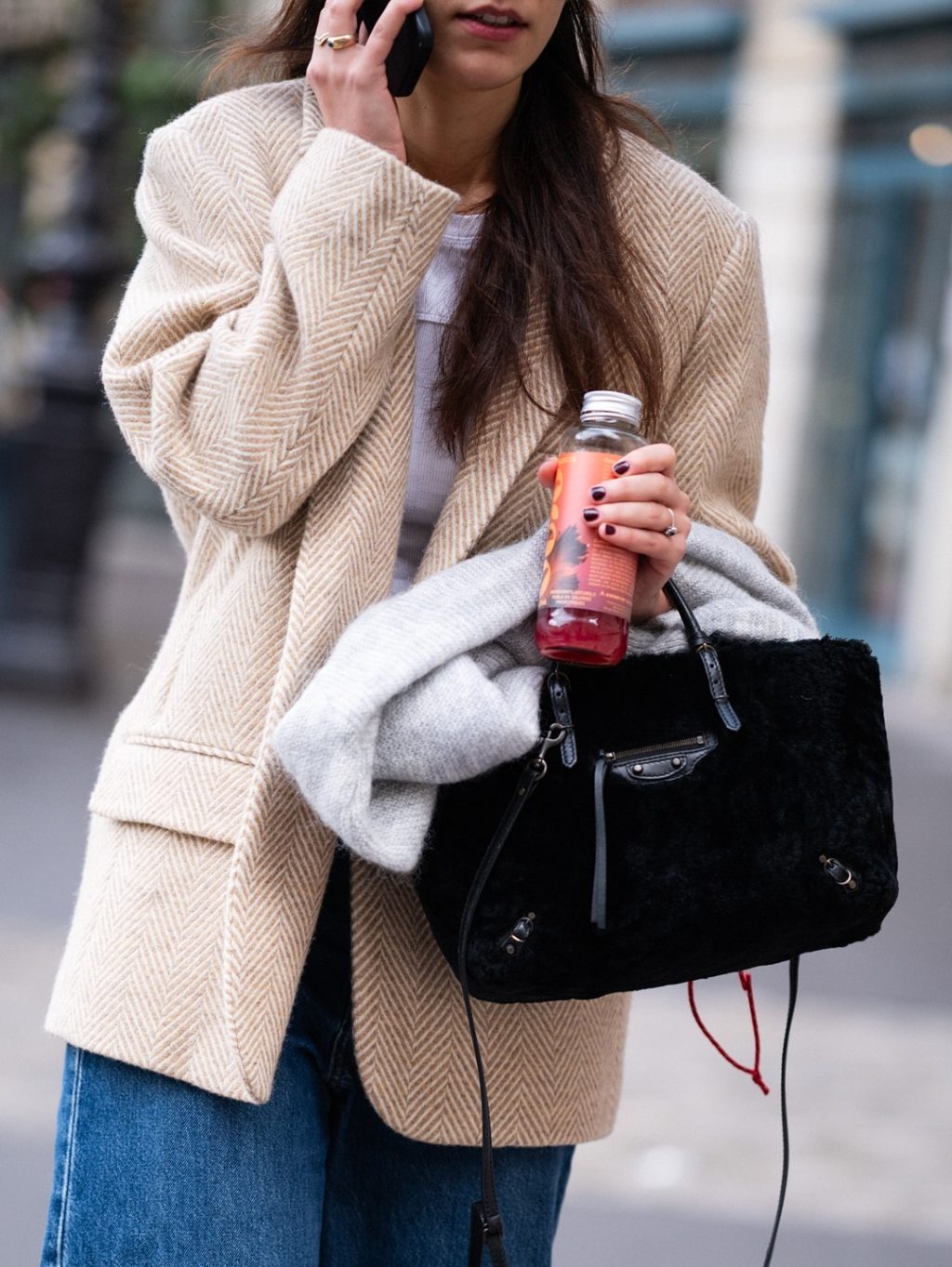
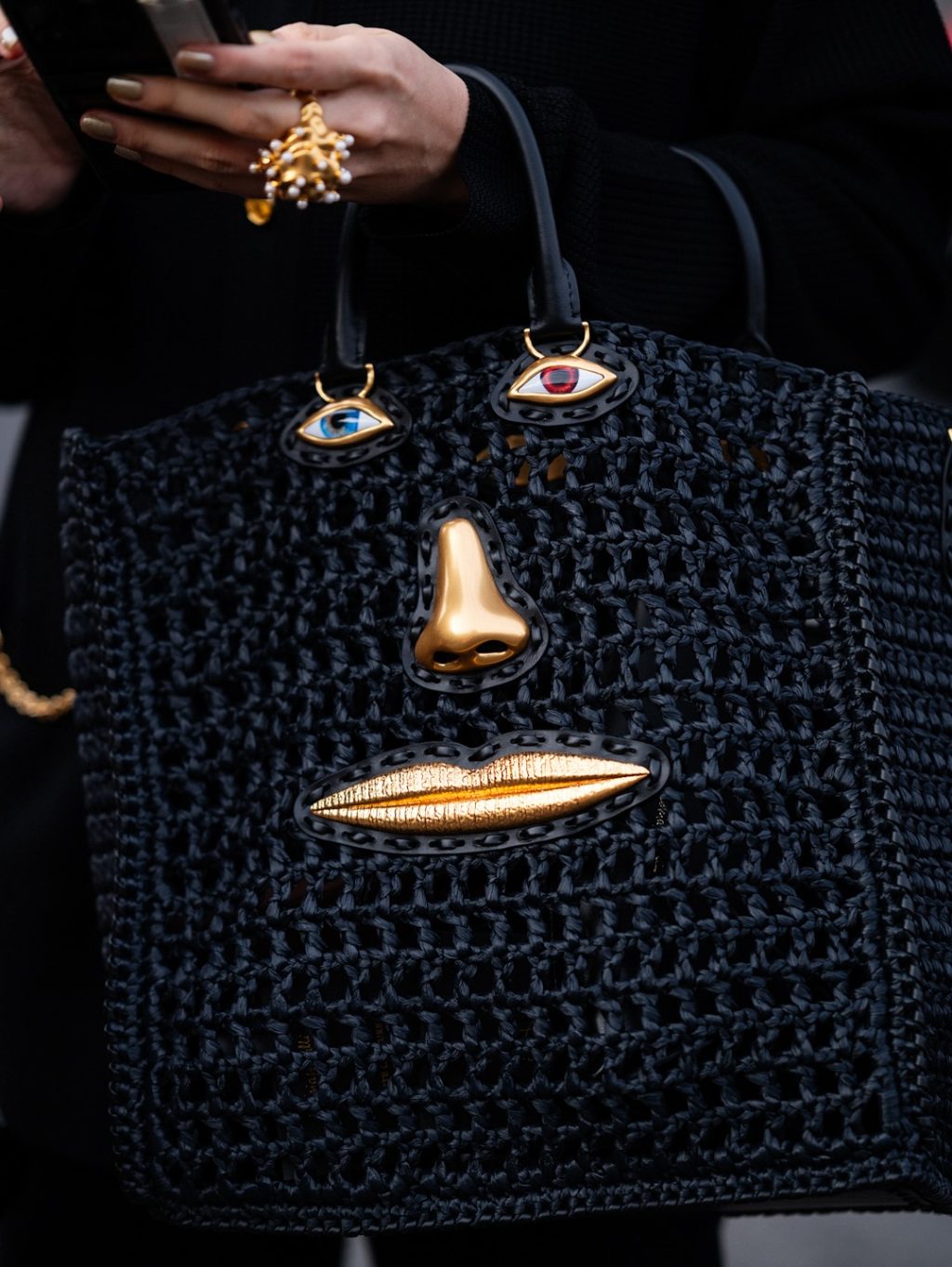
If color is the first thing you notice in a photo, texture is what makes you zoom in. 2026 street style was rich in tactile surfaces—bags that look like they’d feel good in your hands, not only good in your feed.
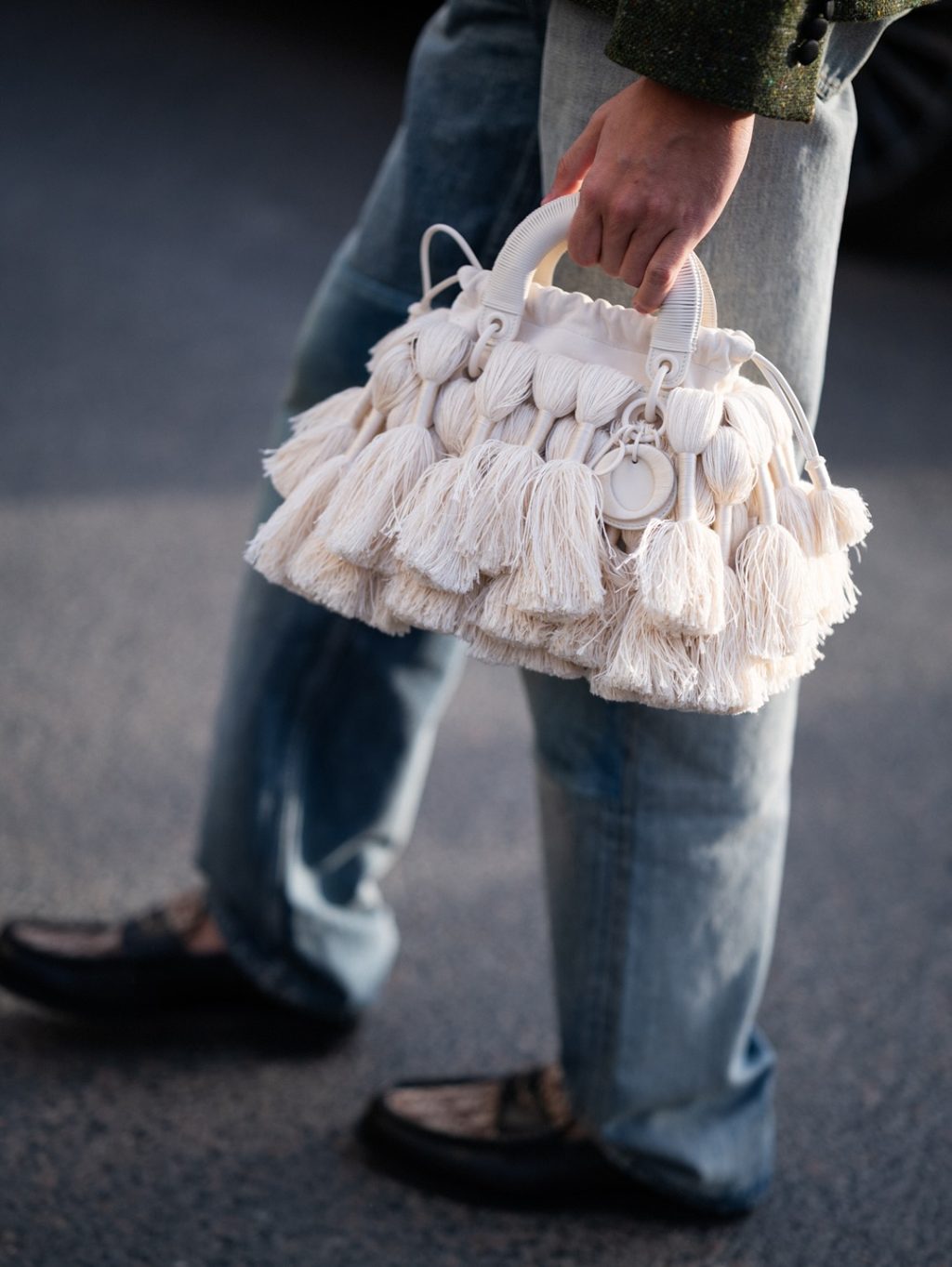
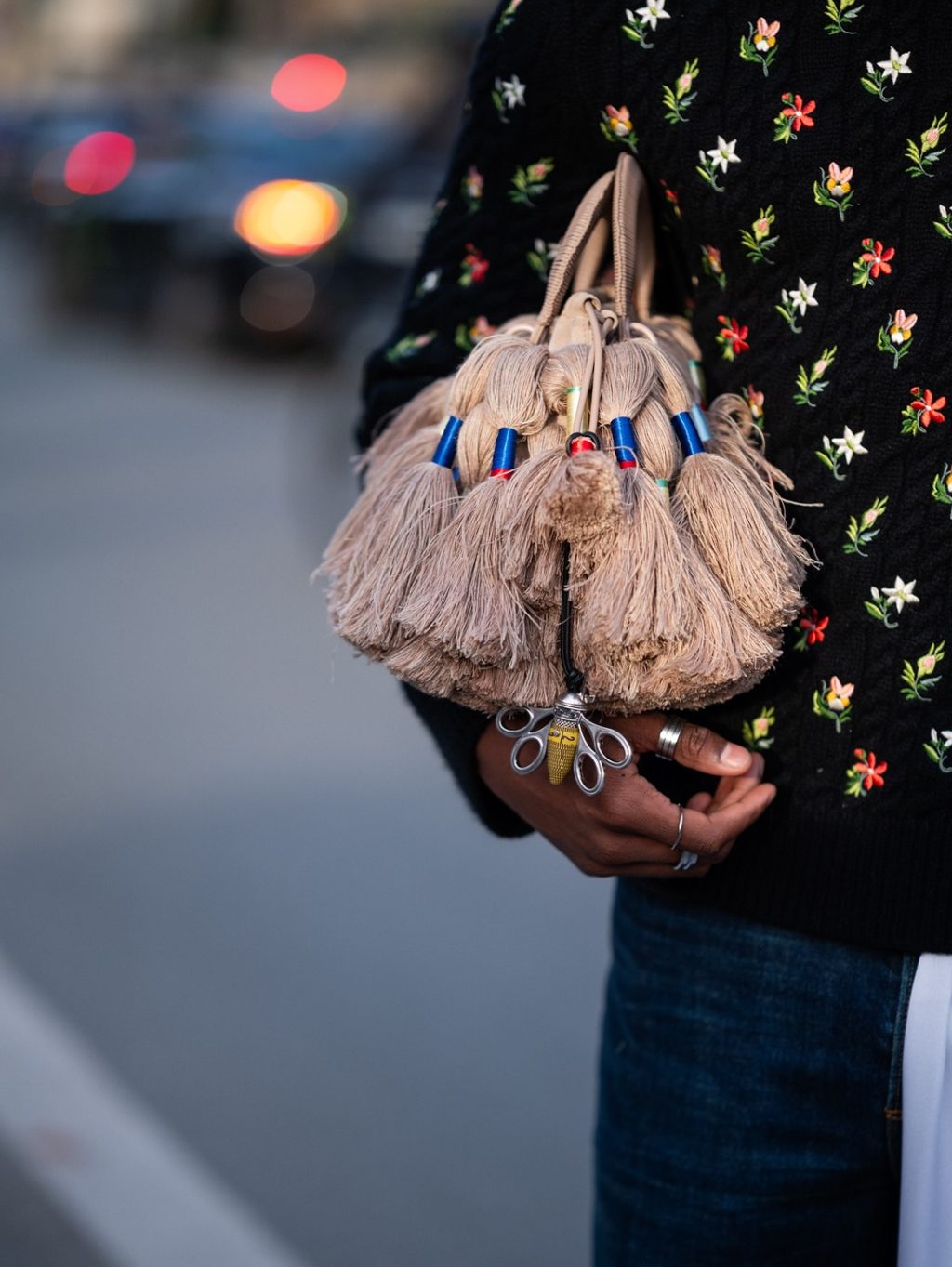
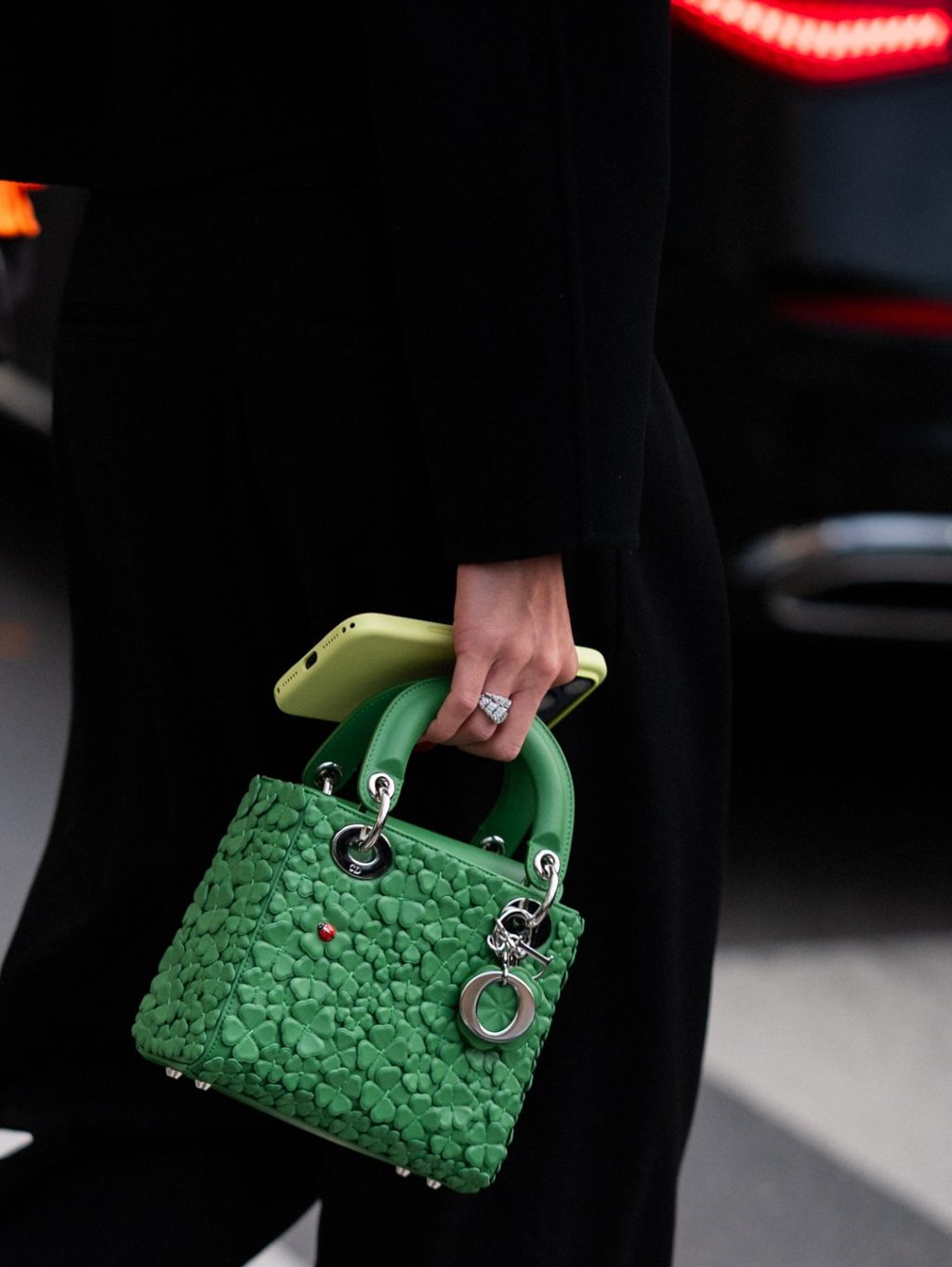
Fringe-heavy pieces moved like garments. One of the best examples was the Lady Dior with ponytail fringes, a bag that turns every step into movement and makes texture feel like the main character.
Crochet and woven textures added a handcrafted softness against winter tailoring. Heavy embellishment (beading, sequins, appliqué) turned handbags into small couture objects—proof that “craft” is still one of the strongest luxury signals, especially when the weather is grey and the outfits are dark.
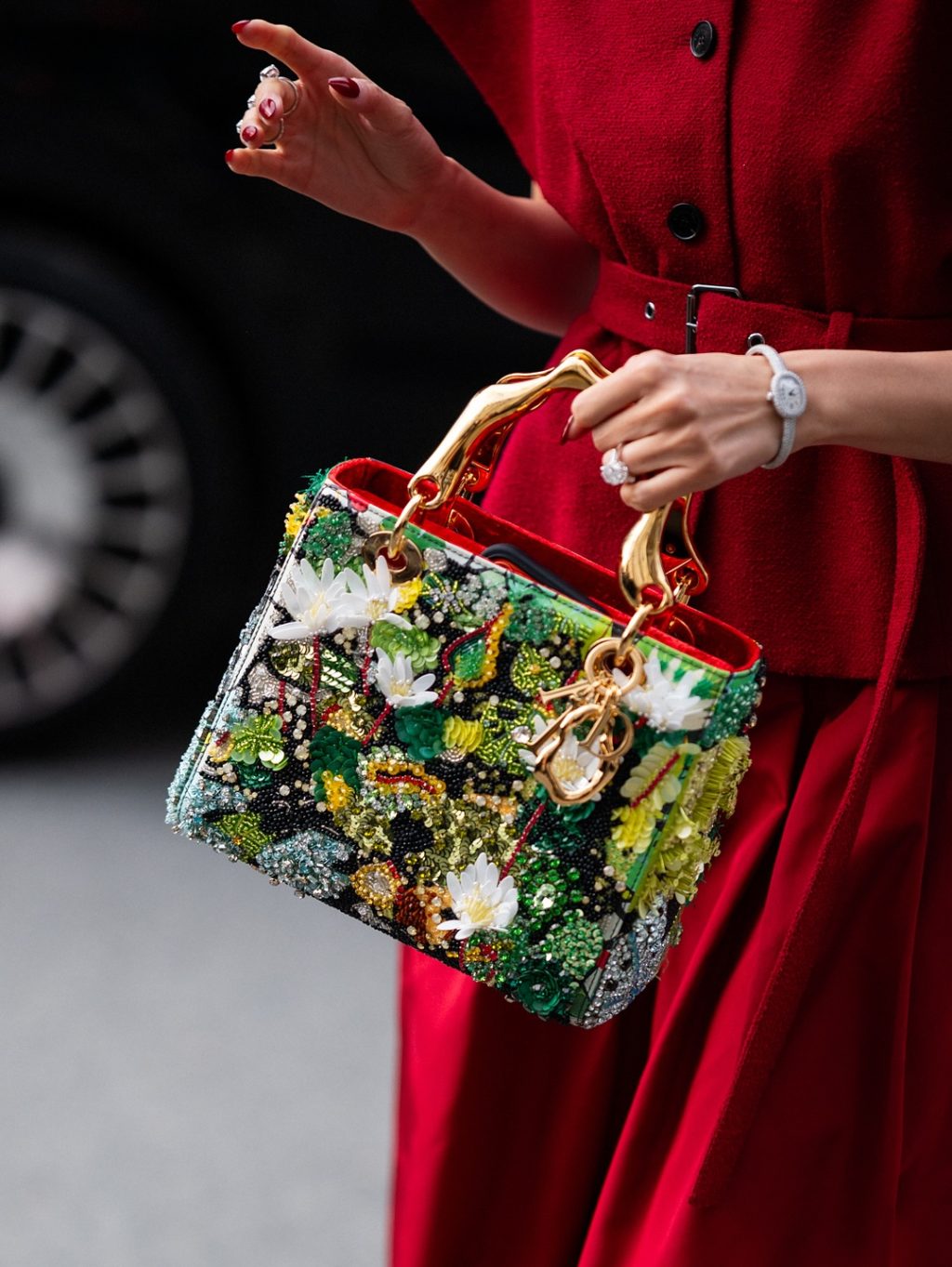
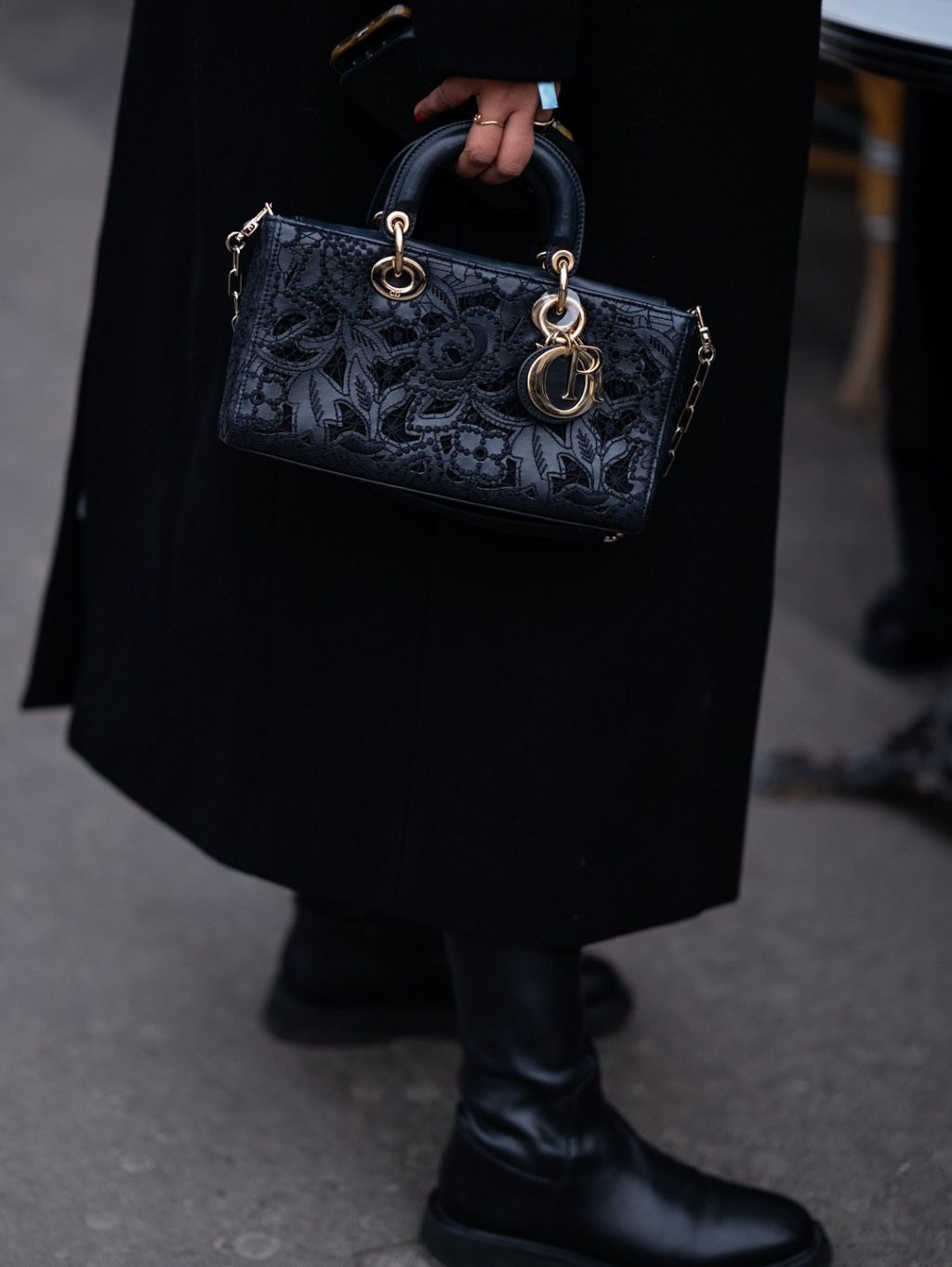
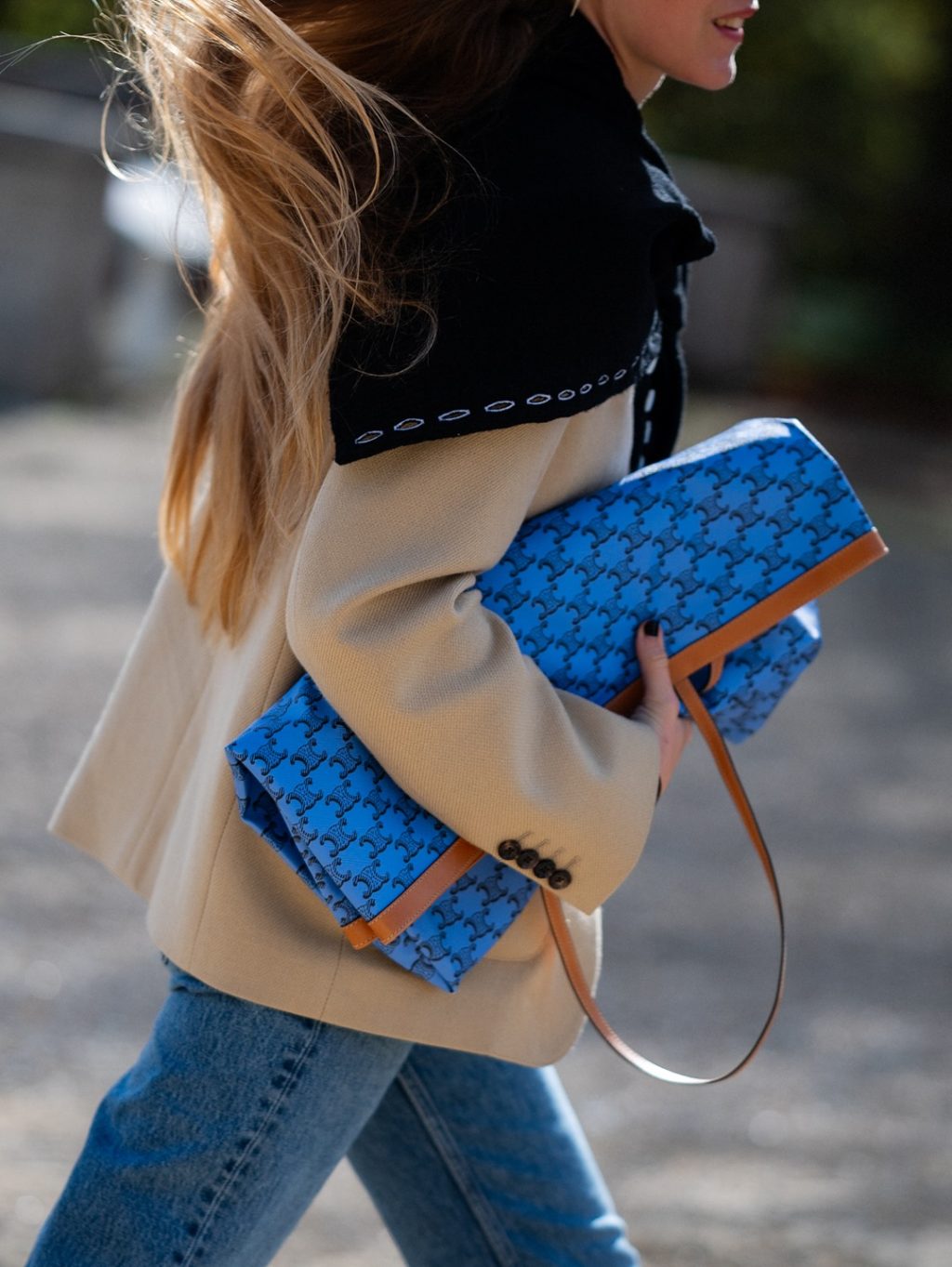
This is where Paris street style is at its best: it makes ornament feel modern by placing it against something utilitarian—denim, a plain coat, an oversize scarf, a blunt shoe.
5. The 2026 color story
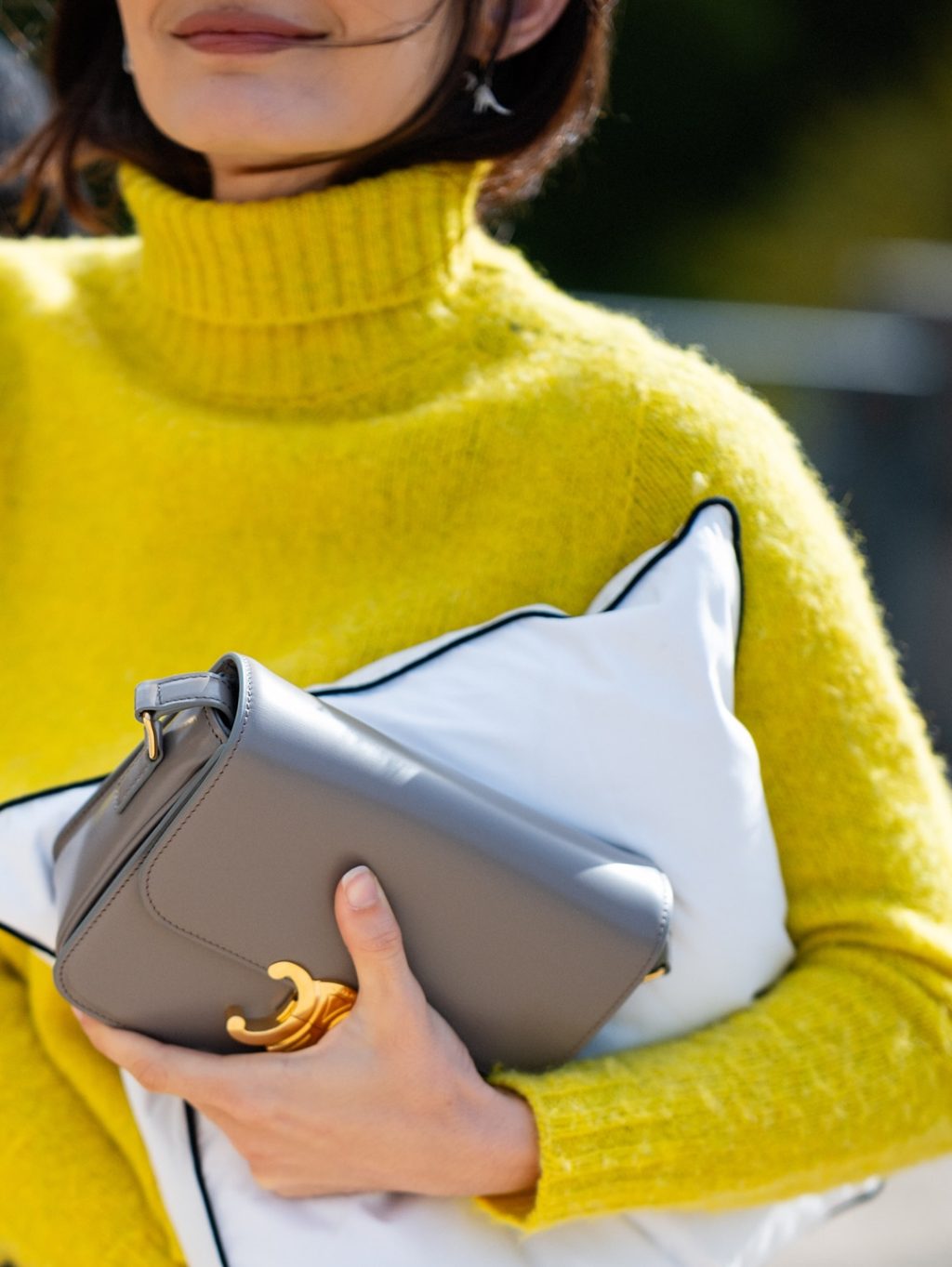
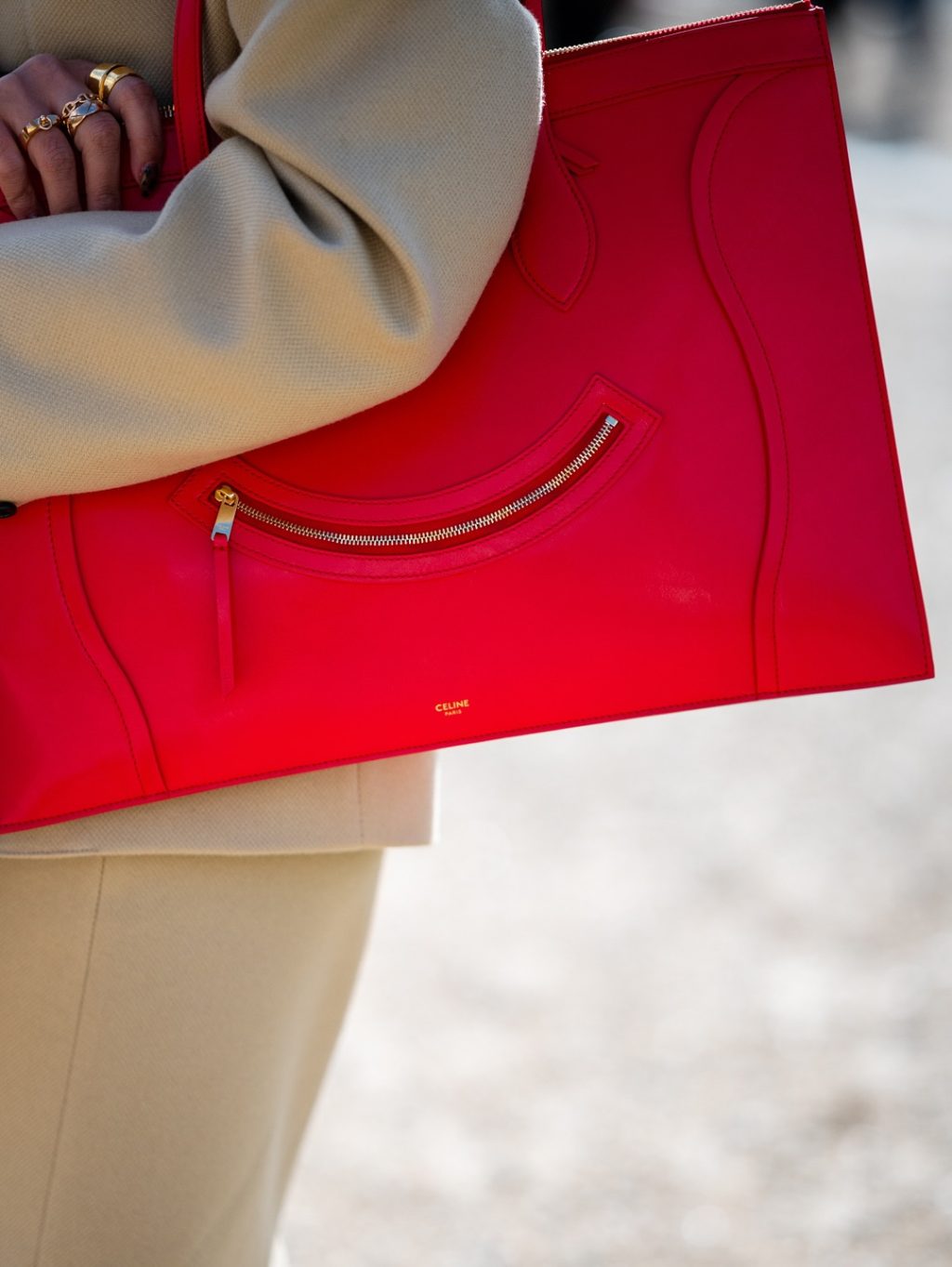
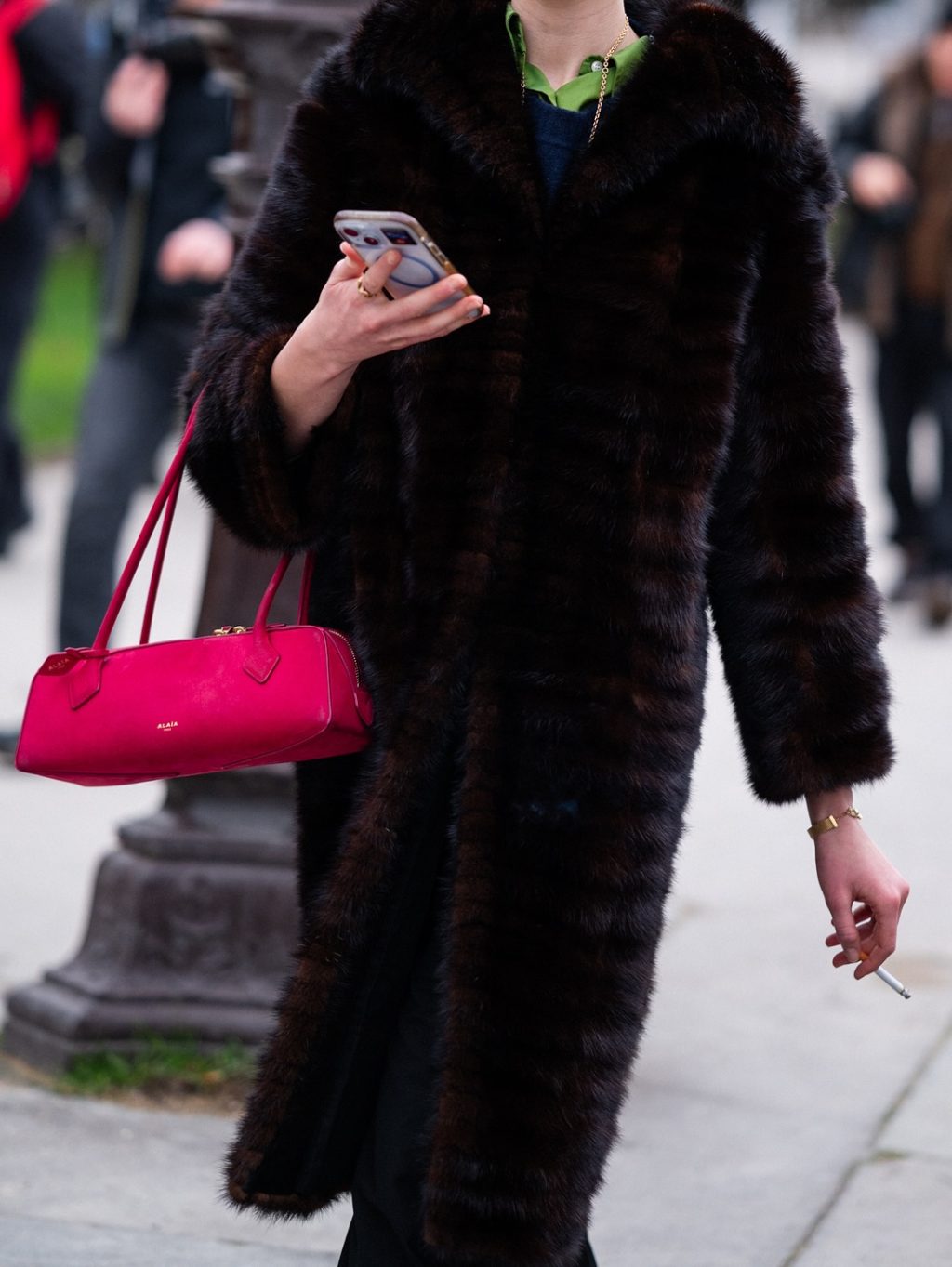
Street style is always partly about climate. In early 2026, you could see how winter dressing shaped the bag palette: deep browns and near-black neutrals formed the base—then high-saturation bags punctured the frame like neon signage.
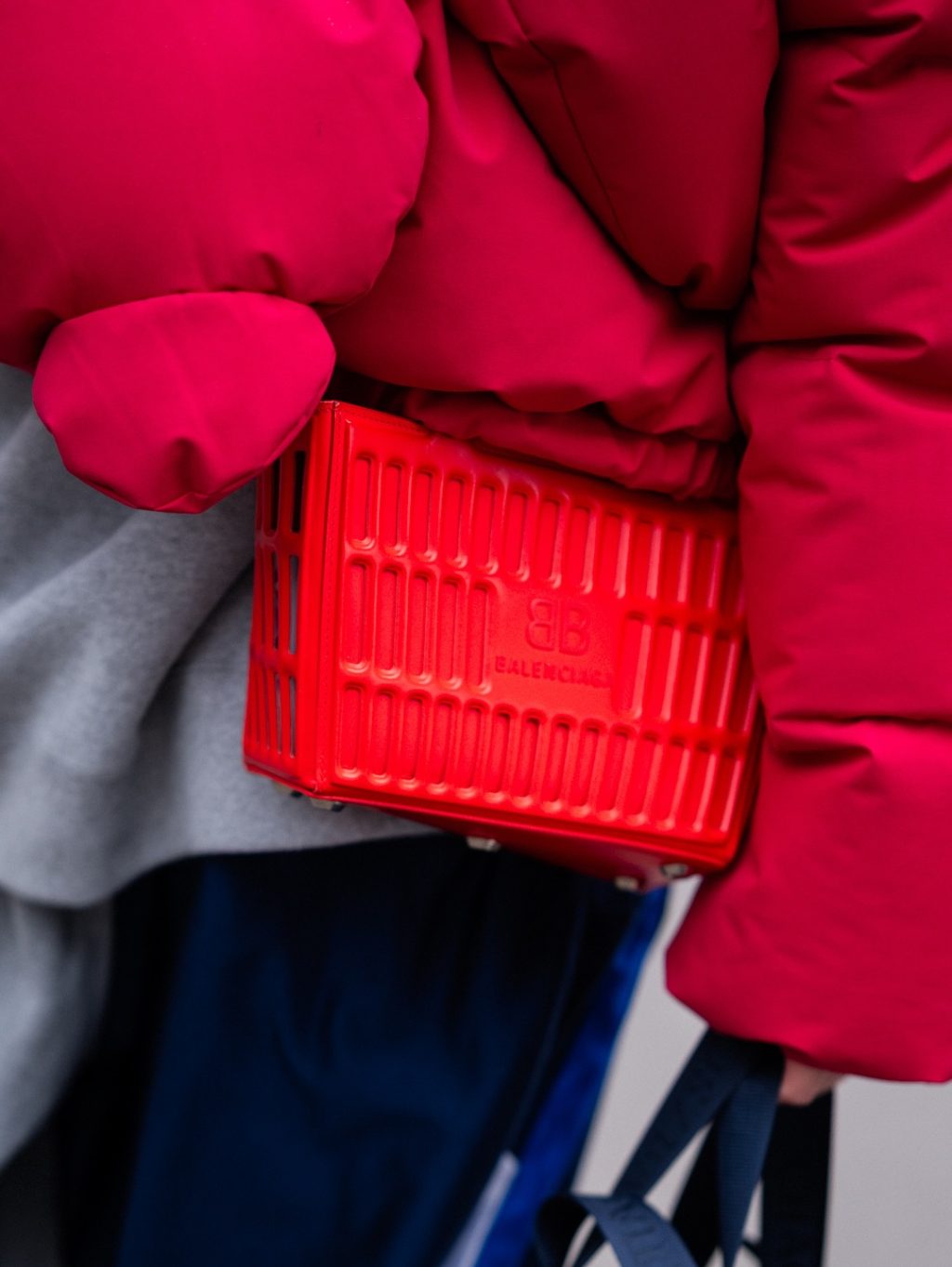
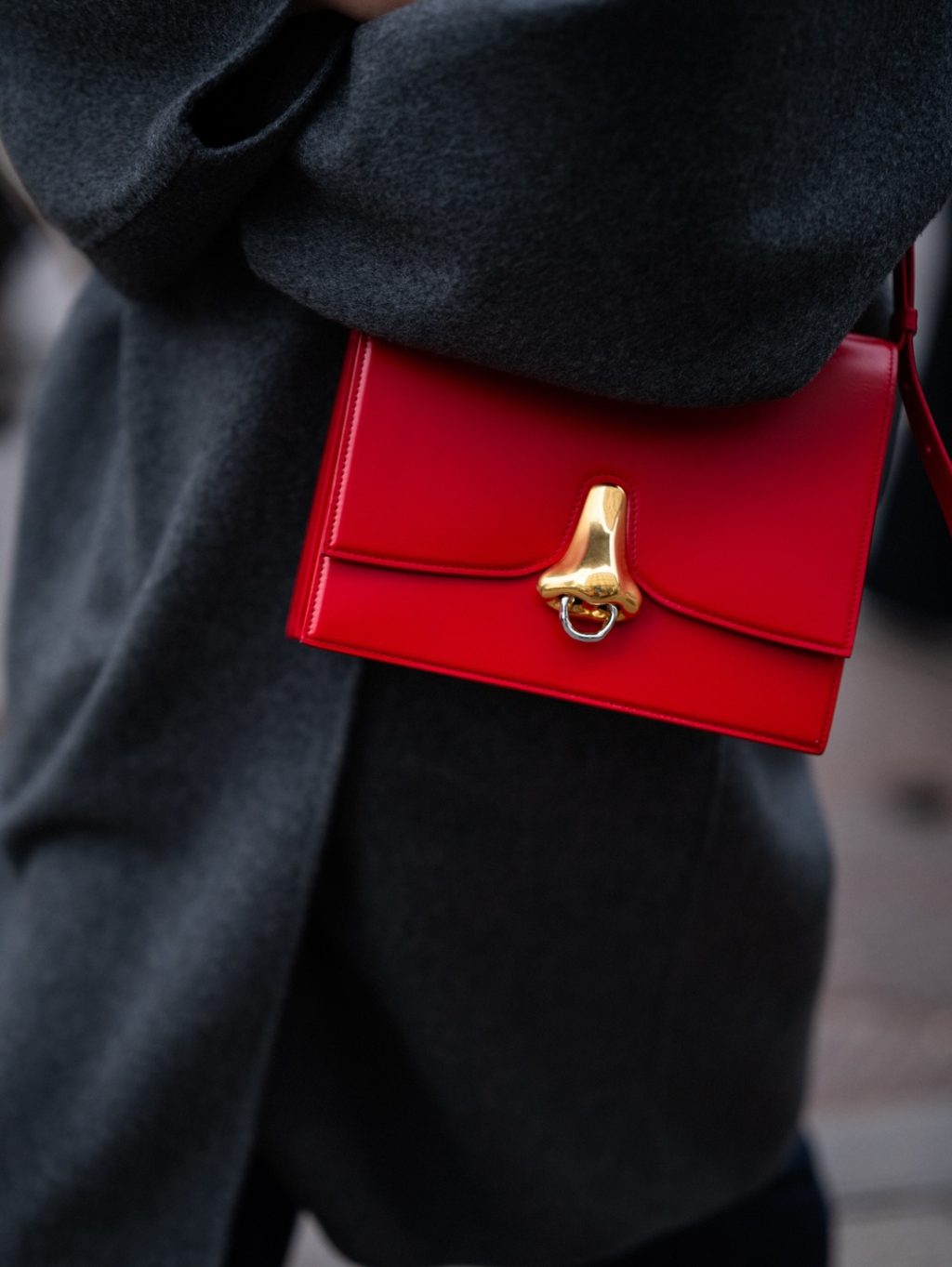
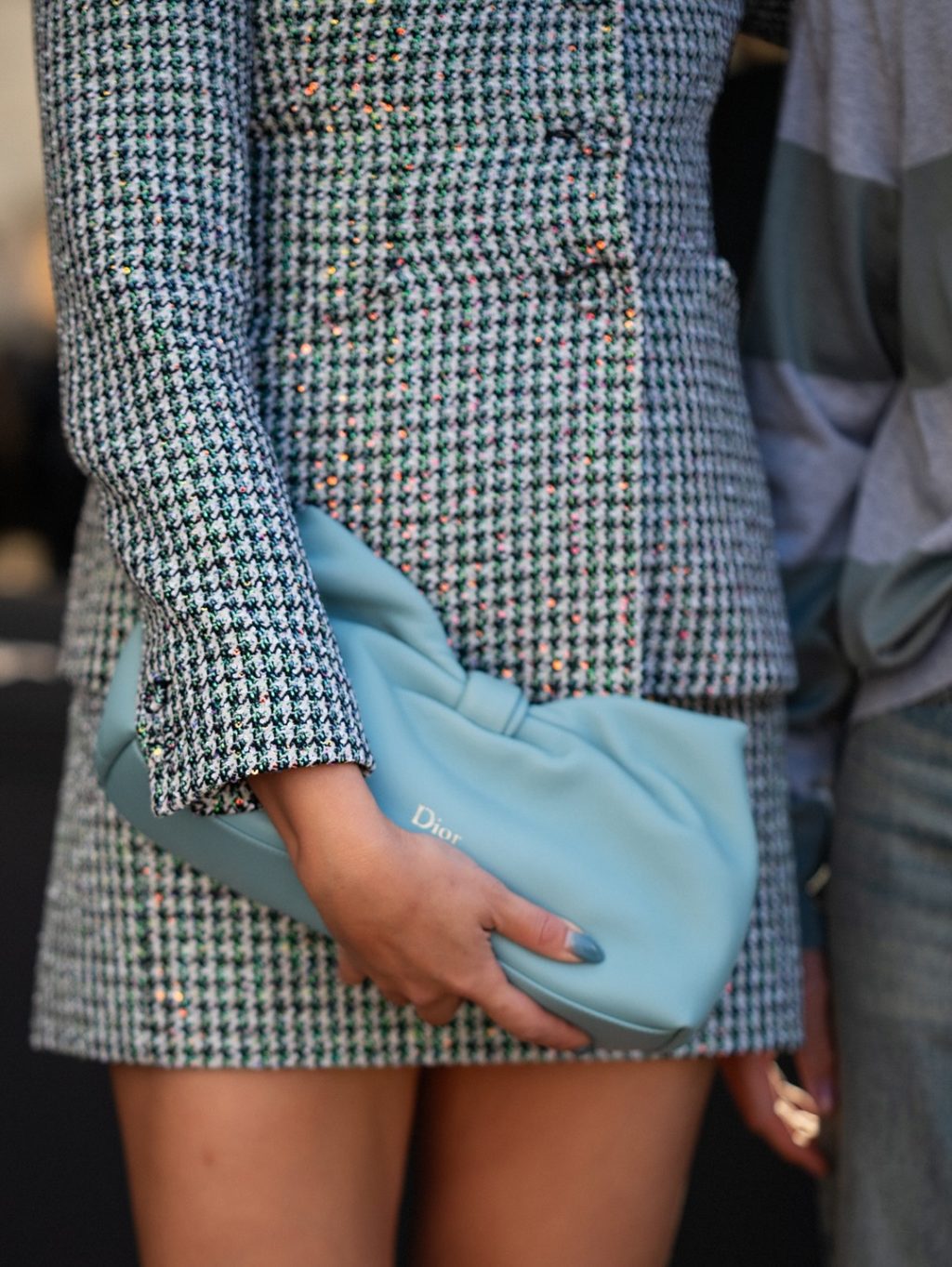
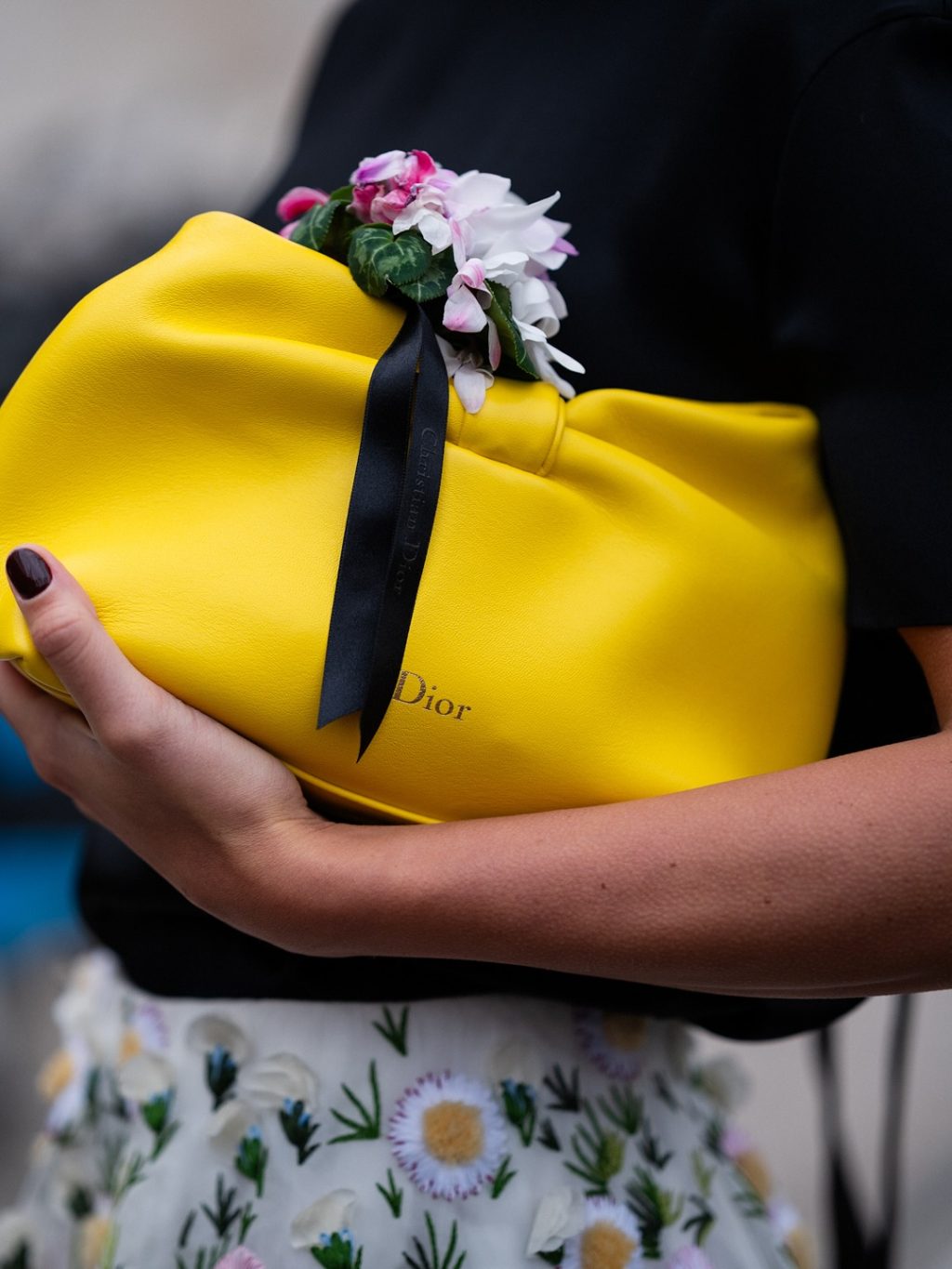
That “hot-chocolate brown” wave has been explicitly called out as a street-style direction for the season, often paired with black accessories for contrast. The Paris twist was to reverse it: keep the outfit deep and warm, then drop in a bag that refuses subtlety—canary yellow, lacquer red, vivid green, powdery blue. The bag becomes the exclamation point.
Color in Paris 2026 isn’t about matching. It’s about interrupting.
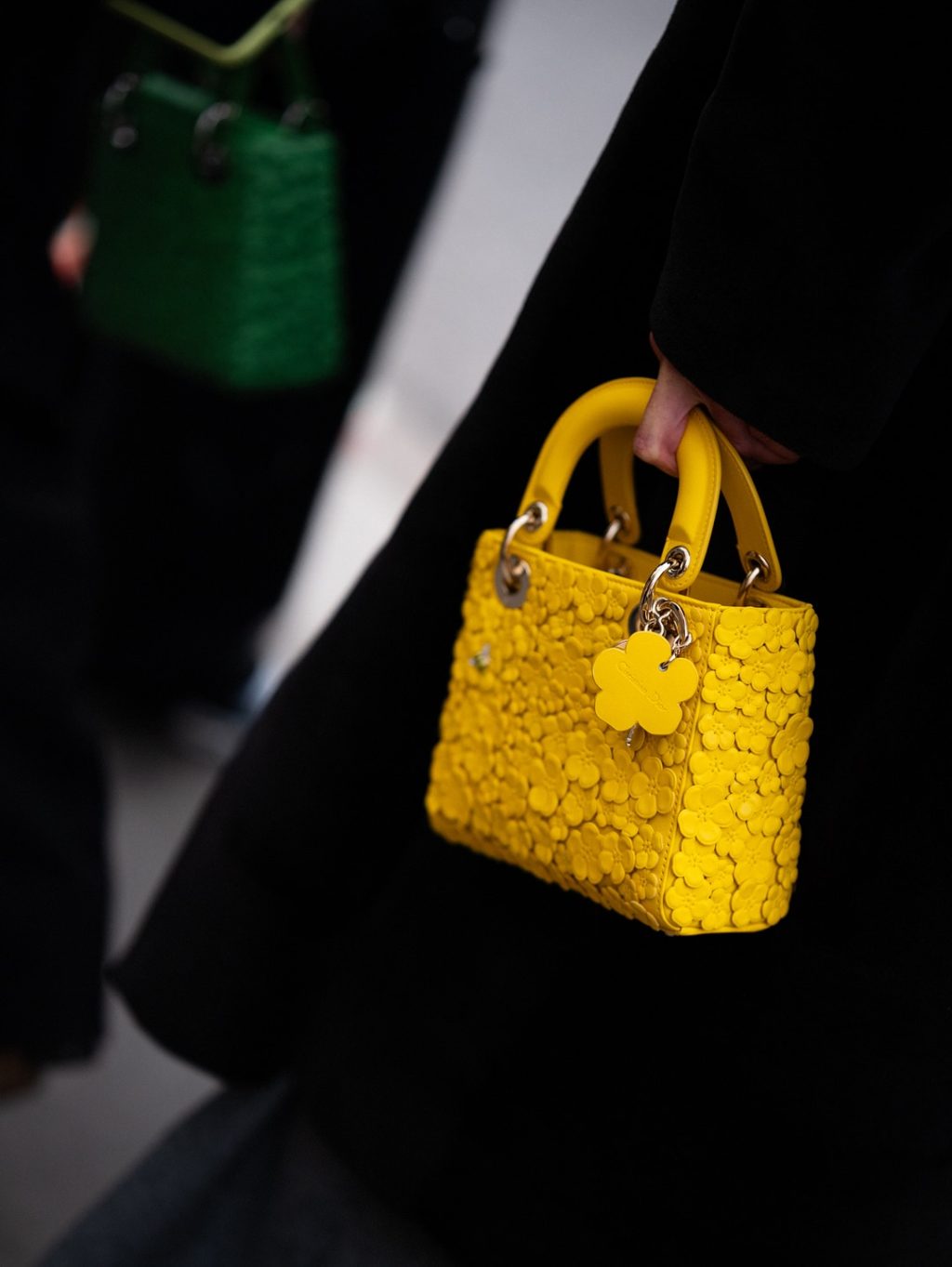
Paris Fashion Week 2026 street style bags delivered a clear message: the “new” isn’t always new—it’s how you carry it. Archival icons returned with sharper styling, textures did the heavy lifting, and color became a statement rather than a detail. If you’re building a wardrobe (or a collection) with longevity, this is the season to watch: invest in silhouettes with history, then wear them with the kind of confidence that makes them feel current again. And if you’re saving this as a reference, consider it your cheat sheet for the bag moves we’ll keep seeing long after the last show call.